
Getting to Colosseum 2026: Best Transportation Options
Reaching the Colosseum begins with getting to Rome, Italy’s capital and transportation hub. Rome’s excellent international connections through two airports, high-speed rail networks, and highway systems provide multiple options for travelers worldwide. Understanding these connections helps you choose the most convenient and cost-effective approach for your 2026 UNESCO World Heritage adventure.
Key Takeaways
- Metro Direct Access: Line B (blue) to Colosseo station – €1.50 single ticket, €7 daily pass for unlimited travel
- Airport Connections: Fiumicino €14 train + €1.50 metro, or €48 fixed-rate taxi to central Rome
- International Access: High-speed trains from major European cities, budget flights from €29, luxury transfers from €85
- Local Navigation: Walking distance from major Rome attractions, well-connected bus network, limited traffic zone considerations
- 2026 Updates: Enhanced accessibility features, digital ticketing integration, improved signage systems
- Booking Strategy: Purchase transport tickets in advance for savings, avoid peak hours for comfort, consider multi-day passes for value
Getting to Rome: International Transportation
Rome serves as Italy’s primary gateway for international visitors, with flight connections to over 200 destinations worldwide and high-speed rail links throughout Europe. The city’s central location within Italy also makes it an excellent base for exploring other UNESCO sites throughout the peninsula.
Flying to Rome
Rome Fiumicino Airport (FCO): Italy’s largest airport, handling most international flights with comprehensive connections to North America, Asia, and European capitals. Located 32 kilometers southwest of the Colosseum with excellent ground transportation links.
Major Airlines and Routes 2026: – Direct flights from New York (8 hours), London (2.5 hours), Paris (2 hours) – Budget carriers like Ryanair and easyJet serve European routes from €29-89 – Premium carriers offer direct long-haul services with competitive pricing – Seasonal route additions during summer months increase availability
Rome Ciampino Airport (CIA): Secondary airport primarily serving European budget airlines and charter flights. Located 15 kilometers southeast of Rome, closer to the city center but with more limited flight options.
Budget Flight Strategy: Book 6-8 weeks in advance for best European fares, consider flexible dates for savings, and monitor budget carrier sales during off-season periods. Tuesday-Thursday departures typically offer lower pricing than weekend travel.
High-Speed Rail Connections
European Rail Network: Rome Termini station connects to major European cities through high-speed services, providing comfortable alternatives to flying with city-center arrivals and no airport security delays.
Key International Routes: – Paris to Rome: 11 hours via Milan (€89-189) – Munich to Rome: 9 hours (€79-159) – Zurich to Rome: 8 hours (€69-139) – Vienna to Rome: 14 hours overnight (€99-229)
Domestic High-Speed Services: – Milan to Rome: 3 hours (€29-89) – Florence to Rome: 1.5 hours (€19-49) – Naples to Rome: 1 hour (€15-35) – Venice to Rome: 4 hours (€39-79)
Rail Pass Considerations: Eurail passes provide value for multi-country travel, while Italian rail passes suit domestic exploration. Book high-speed trains in advance for guaranteed seating and significant savings.
Extended multi-day tours – 5+ days
Featured Rome Multi-Day Tour Packages

11 days
Italian Discovery
- ✓ Comprehensive Rome tour
- ✓ Expert local guides included
- ✓ All accommodation arranged
- ✓ Transportation provided
9 days
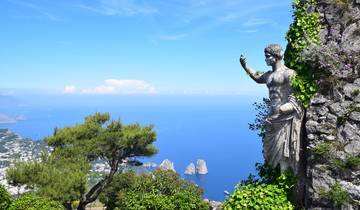
9 Days Rome and Naples: Hadrian's Villa to Capri By Train
- ✓ Comprehensive Rome tour
- ✓ Expert local guides included
- ✓ All accommodation arranged
- ✓ Transportation provided

7 days
Rome to Amalfi Coast: Budget-Friendly Small Group Adventure
- ✓ Comprehensive Rome tour
- ✓ Expert local guides included
- ✓ All accommodation arranged
- ✓ Transportation provided

10 days
Mamma Mia! Best of Italy
- ✓ Comprehensive Rome tour
- ✓ Expert local guides included
- ✓ All accommodation arranged
- ✓ Transportation provided
Multi-day tour packages powered by TourRadar. Prices and availability subject to change.
From Rome Airports to the Colosseum
Fiumicino Airport Transportation
Leonardo Express Train (Recommended): Direct rail service to Roma Termini station running every 15 minutes, 6:23 AM to 11:23 PM. Journey time 32 minutes with no intermediate stops.
Cost and Booking: €14 per person each way, €28 round-trip with small savings. Purchase tickets online, at airport machines, or on-board with small surcharge. Mobile tickets accepted for convenient boarding.
Termini to Colosseum Connection: From Termini, take Metro Line B (blue line) two stops to Colosseo station. Total journey time approximately 50 minutes from airport arrival to Colosseum entrance.
Alternative Train Services: – FL1 Regional train: €8, 48 minutes to Termini with multiple stops – Bus services: €7-12, 45-75 minutes depending on traffic conditions – Private shuttle: €25-35 per person with advance booking
Taxi Service: Fixed rate €48 to central Rome (including Colosseum area) for up to 4 passengers with luggage. Journey time 45-90 minutes depending on traffic. Night surcharge (€6.50) applies 10 PM-6 AM and Sundays.
Private Transfer Services: €85-150 for luxury vehicles with meet-and-greet service, flight monitoring, and professional drivers. Excellent for families with children, heavy luggage, or special occasions.
Ciampino Airport Transportation
Bus + Metro Combination: Terravision or SitBus services (€6-8) to Termini station, then Metro Line B to Colosseo. Total journey time 60-75 minutes with good frequency throughout the day.
Taxi Service: No fixed rate (unlike Fiumicino), expect €30-45 to Colosseum area depending on traffic and time of day. Meter-based pricing with potential for surge charges during peak periods.
Private Transfer: €65-120 for door-to-door service with similar advantages to Fiumicino transfers but shorter journey times due to closer proximity to Rome center.
Rome Public Transportation to the Colosseum
Metro System
Metro Line B (Blue Line) – Direct Access: Colosseo station provides the most convenient access, located directly across from the amphitheater’s main entrance. Clear signage and elevator access available for accessibility needs.
Station Facilities: Tourist information, ticket machines accepting cards and cash, public restrooms, and small shops. Underground passages connect to street level with multiple exits providing optimal positioning for Colosseum entry.
Service Frequency: Trains every 2-7 minutes during peak hours (7-9 AM, 6-8 PM), every 5-12 minutes during standard hours, and every 15-20 minutes late evening and weekends.
Alternative Metro Stops: – Cavour (Line B): 8-minute walk to Colosseum, often less crowded – Manzoni (Line A): 12-minute walk through Parco del Colle Oppio – San Giovanni (Line A): 15-minute walk via Via San Giovanni in Laterano
Bus Network
Direct Bus Lines to Colosseum: – Lines 51, 75, 85, 87, 118: Stop at Piazza del Colosseo – Line 3 Tram: Historic tram line with scenic route through central Rome – Night buses N2, N3: Limited late-night service for evening events
Bus Advantages: Surface-level travel provides sightseeing opportunities, extensive network coverage, and accessibility for mobility-impaired travelers who cannot use metro stairs.
Traffic Considerations: Roman traffic significantly affects bus journey times, particularly during rush hours (8-10 AM, 5-7 PM) and tourist peak periods. Allow extra time during summer months and major events.
Ticket Options and Pricing 2026
Single Journey (BIT): €1.50
Valid for 100 minutes from validation, includes unlimited transfers between metro, bus, and tram systems. Must validate upon first use – failure to validate results in €50+ fines.
Daily Pass (ROMA 24H): €7
Unlimited travel for 24 hours from first validation. Excellent value for visitors planning multiple site visits or arriving/departing via public transport.
3-Day Pass (ROMA 72H): €18
Best value for typical Rome visits, providing unlimited travel for 72 hours. Particularly valuable when combined with airport transfers and multiple daily journeys.
Weekly Pass (CIS): €24
Worthwhile for stays of 5+ days with frequent public transport use. Popular with visitors combining Rome with day trips to nearby attractions.
Tourist Integrated Tickets: Roma Pass includes public transport plus attraction entries. 48-hour pass €38.50, 72-hour pass €52, including Colosseum entry and unlimited transit.
Walking and Cycling Options
Walking from Central Rome
From Pantheon: 20-minute pleasant walk via Via dei Fori Imperiali, passing Imperial Forums with excellent photo opportunities of both ancient ruins and Colosseum approaches.
From Spanish Steps: 25-minute walk through Via del Corso and Forum area, combining shopping districts with historical sites for comprehensive Rome experience.
From Piazza Venezia: 15-minute direct walk via Via dei Fori Imperiali, the most scenic and straightforward pedestrian route with minimal elevation changes.
From Trastevere: 35-minute walk crossing Tiber River via historic bridges, passing through diverse neighborhoods showcasing modern Roman life alongside ancient heritage.
Walking Advantages: Free transportation, flexible timing, photo opportunities, discovery of hidden gems, and authentic neighborhood experiences impossible from vehicle transportation.
Bicycle Access
Bike Sharing Systems: Multiple providers offer app-based rentals throughout Rome, with stations near major attractions including areas around the Colosseum complex.
Rental Shops: Traditional bike rentals €15-25 per day, e-bikes €25-35 per day, with helmets and locks included. Many shops offer multi-day discounts and tourist route suggestions.
Cycling Considerations: Rome’s hilly terrain and aggressive traffic make cycling challenging for inexperienced urban cyclists. Limited dedicated bike lanes require confident road sharing skills.
Guided Bike Tours: €35-55 for 3-4 hour tours including bike rental, helmet, guide services, and often Colosseum exterior visits. Excellent for combining transportation with historical education.
Taxi and Rideshare Services
Official Roman Taxis
Identification: Licensed taxis are white with “TAXI” signs and official city emblems. Always use official taxis to avoid unlicensed operators who overcharge tourists.
Pricing Structure: Meter-based system with initial charge €3 (weekdays 6 AM-10 PM), €4.50 (nights, Sundays, holidays). Additional charges for luggage, airport runs, and extra passengers.
Typical Costs to Colosseum: – From Termini Station: €8-12 – From Vatican: €12-18 – From Trastevere: €10-15 – From Central Hotels: €8-15
Booking Methods: Street hailing, official taxi stands, phone booking (+39 06 3570), or mobile apps like “myTaxi” for advance reservations.
Rideshare Options
Uber Services: Available throughout Rome with standard rates typically comparable to official taxis. Surge pricing during peak demand can increase costs significantly.
Free Now: European rideshare app popular in Rome, often featuring local drivers and competitive pricing. Available in English with international credit card acceptance.
Advantages: Upfront pricing, cashless transactions, GPS tracking, and English-language app interfaces. Particularly valuable for travelers uncomfortable with language barriers.
Driving and Parking
Limited Traffic Zone (ZTL)
Restricted Area: Central Rome operates a Limited Traffic Zone (Zona Traffico Limitato) restricting vehicle access to authorized residents and specific permit holders. Violations result in €80+ fines.
Hotel Permits: Some central hotels provide temporary ZTL permits for guests, though this requires advance arrangement and may incur additional fees.
Alternative Strategy: Park outside ZTL boundaries and use public transport for final approaches to the Colosseum. Saves money and reduces navigation complexity.
Parking Options Near Colosseum
Street Parking: Blue zones require payment €1.20-3 per hour depending on location and time. Limited availability with strict time limits and regular enforcement.
Parking Garages: – Colosseo Parking: €3.50/hour, €35/day – Terminal Gianicolo: €2.50/hour, €25/day – Ludovisi Parking: €3/hour, €30/day
Budget Tip: Park at suburban metro stations (€5-8/day) and use public transport for central access. Significantly cheaper with equal convenience.
Transportation for Special Needs
Accessibility Features
Metro Accessibility: Colosseo station features elevator access, tactile guidance systems, and audio announcements. Platform gaps accommodate wheelchair boarding with assistance available.
Bus Accessibility: Modern bus fleet includes low-floor vehicles with wheelchair ramps and designated seating areas. Not all buses are fully accessible – check real-time information.
Specialized Transport: Accessible taxi services available through advance booking (+39 06 3570) with wheelchair-equipped vehicles and trained drivers.
Support Services: Tourist assistance centers provide mobility equipment loans and transportation coordination for visitors with disabilities.
Family Transportation
Stroller-Friendly Options: Metro elevators accommodate strollers, though crowded conditions during peak hours can be challenging. Buses with low floors provide easier access than older vehicles.
Child Safety: Children under 10 travel free on public transport but must be accompanied by paying adults. Car seats required in taxis for children under appropriate ages.
Family Taxi Services: Larger vehicles available through advance booking for families with multiple children or extensive luggage requirements.
Seasonal Transportation Considerations
Summer Travel (June-August)
Peak Tourist Impact: Public transport becomes crowded with international visitors. Allow extra time and consider off-peak travel hours when possible.
Heat Considerations: Metro stations provide air-conditioned relief, while bus stops lack climate control. Carry water and seek shade during peak heat hours.
Extended Hours: Some public transport extends operating hours during peak tourist season, providing more flexibility for evening site visits.
Winter Adaptations (December-February)
Weather Impacts: Occasional rain can affect bus schedules and walking conditions. Metro provides weather-protected transportation option.
Reduced Frequency: Some bus lines operate reduced schedules during winter months. Check current timetables and allow extra time for connections.
Comfort Advantages: Less crowded public transport and shorter lines at ticket machines. Easier navigation and more comfortable experiences overall.
Cost-Saving Transportation Strategies
Multi-Day Passes
Break-Even Analysis: Daily passes (€7) become cost-effective with 5+ single journeys. Three-day passes (€18) require 12+ journeys for value.
Tourist Pass Integration: Roma Pass combines transport with attraction entries, potentially providing better overall value than separate purchases.
Group Savings: Families and groups benefit from pass purchases rather than individual tickets, particularly for airport transfers and daily exploration.
Off-Peak Timing
Avoid Rush Hours: Travel before 7 AM or after 9 AM for morning visits, before 5 PM or after 8 PM for evening returns. Less crowded and more comfortable experiences.
Weekend Patterns: Saturday mornings and Sunday afternoons see increased local Roman travel. Adjust timing for tourist-focused schedules when possible.
Walking Integration
Strategic Walking: Walk to nearby attractions and use public transport for longer distances. Rome’s compact historic center rewards pedestrian exploration.
Health Benefits: Walking provides exercise, cultural immersion, and photo opportunities while reducing transportation costs and environmental impact.
FAQ Section
What’s the fastest way to get from Fiumicino Airport to the Colosseum?
Leonardo Express train to Termini (32 minutes, €14) plus Metro Line B to Colosseo (5 minutes, €1.50). Total journey approximately 50 minutes for €15.50. Faster than taxis during peak traffic hours.
Is it better to take metro or bus to the Colosseum?
Metro Line B provides fastest, most reliable access with Colosseo station directly across from the entrance. Buses offer surface-level sightseeing but can be delayed by traffic, especially during peak hours.
How much should I budget for transportation in Rome?
€7/day for unlimited public transport with daily passes, €15.50 for airport transfers, €8-15 for occasional taxis. Three-day visitors typically spend €25-35 total on local transportation.
Can I walk to the Colosseum from major Rome attractions?
Yes – 15 minutes from Piazza Venezia, 20 minutes from Pantheon, 25 minutes from Spanish Steps. Walking provides excellent sightseeing and photo opportunities while saving money.
Are taxis expensive in Rome?
Moderate pricing with €3-4.50 initial charge plus meter rates. Airport transfers have fixed €48 rate. Short city center trips typically €8-15. Official white taxis only – avoid unlicensed operators.
What transportation works best for families with children?
Metro provides stroller accessibility and weather protection. Daily passes offer value for multiple journeys. Taxis accommodate car seats with advance notice. Avoid peak hours when possible for comfort.
Is driving to the Colosseum recommended?
Not recommended due to Limited Traffic Zone restrictions, expensive parking (€25-35/day), and traffic congestion. Public transport or taxis provide better convenience and value for tourists.
How early should I leave for morning Colosseum visits?
Allow 45-60 minutes from central Rome hotels using public transport, including time for ticket validation, potential delays, and walking to entrance. Metro runs from 5:30 AM for early morning tours.
What’s the best way to get around Rome without speaking Italian?
Metro system uses international symbols and English announcements. Rideshare apps provide English interfaces. Tourist information centers offer multilingual assistance. Most transport workers understand basic English.
Are there transportation discounts for students or seniors?
EU citizens over 65 receive reduced fares with proper documentation. Student discounts vary by provider. Roma Pass often provides better value than age-specific discounts for tourist itineraries.