
Getting to Cairo 2026: Complete Transportation Guide
Key Takeaways
- Cairo International Airport (CAI) serves as Africa’s second-busiest hub with direct connections from 100+ international destinations, offering multiple daily flights from major European, Middle Eastern, and Asian cities
- Airport transfers to central Cairo cost €8-15 via Uber/Careem ride-sharing, €15-25 for official airport taxis, or €0.50 via Airport Express Bus Line 111 connecting to downtown in 45-60 minutes
- Cairo Metro system provides the most efficient intra-city transportation with three lines covering major tourist zones at €0.15-0.20 per ride, operating 5:30 AM-midnight with air-conditioned trains every 5-10 minutes
- Ride-sharing services Uber and Careem dominate Cairo ground transportation offering reliable, transparent pricing with downtown-to-Giza Pyramids trips costing €5-8 and eliminating language barriers through app-based booking
- Regional connectivity to Luxor, Aswan, and Alexandria operates via domestic flights €60-120 round-trip, overnight trains €25-60 depending on class, and modern air-conditioned buses €10-20 for intercity routes
- Navigation apps Google Maps and Uber function reliably in Cairo with accurate metro routing, real-time traffic updates, and precise ride-sharing pickup locations eliminating traditional navigation challenges
Understanding Cairo’s Transportation Infrastructure in 2026
Cairo operates as North Africa’s largest metropolitan area with 20+ million residents requiring sophisticated transportation networks spanning international aviation, regional rail connections, urban metro systems, and extensive ground transportation options. The city’s infrastructure combines modern elements like the three-line metro system and ubiquitous ride-sharing services with traditional transportation modes including taxis, microbuses, and river ferries along the Nile.
International visitors arrive overwhelmingly through Cairo International Airport (CAI), Africa’s second-busiest aviation hub handling 25+ million annual passengers. The airport’s geographic position 20km northeast of central Cairo creates a 30-60 minute transfer window depending on traffic and chosen transportation method. Understanding optimal airport access strategies and ground transportation options fundamentally shapes first and last impressions of Cairo experiences.
Intra-city movement centers on the Cairo Metro as the backbone system connecting major tourist zones including Tahrir Square (Egyptian Museum), Coptic Cairo, Islamic Cairo, and downtown commercial districts. Three operational lines intersect at strategic transfer stations, with Line 1 (Helwan-New El Marg) serving the longest route, Line 2 (Shubra El-Kheima-Giza) connecting west bank areas, and Line 3 (Attaba-Cairo Airport) providing direct airport access from select stations.
Surface transportation relies heavily on ride-sharing services Uber and Careem, which transformed Cairo mobility by providing transparent pricing, reliable availability, and eliminating language barrier complications inherent in traditional taxi negotiations. These app-based services operate throughout greater Cairo with consistent service quality and safety standards familiar to international travelers. Traditional taxis persist but face declining relevance as ride-sharing dominates the convenience and reliability categories.
Regional transportation connects Cairo with Egypt’s premier destinations through multiple modes. Domestic flights link Cairo with Luxor (1 hour), Aswan (1.5 hours), Hurghada (1 hour), and Sharm el-Sheikh (1 hour) for travelers prioritizing speed over cost. Overnight sleeper trains operate Cairo-Luxor-Aswan routes offering comfortable berths and dining services. Modern air-conditioned buses serve Alexandria (3 hours), coastal Red Sea resorts, and Sinai destinations with frequent departures and competitive pricing.
People Also Ask About Getting to Cairo in 2026
How do I get from Cairo Airport to downtown in 2026?
Cairo Airport to downtown transportation offers several options balancing cost, convenience, and travel time. Uber and Careem ride-sharing provide the optimal convenience-value combination with rides to central Cairo costing €8-15 depending on destination and traffic conditions. The 30-45 minute journey delivers door-to-door service with air-conditioned comfort, eliminating language barriers through app-based booking and payment. Drivers meet passengers at designated pickup zones outside arrival terminals, with the apps providing precise navigation to hotel addresses.
Official airport taxis operate from dedicated stands outside arrivals charging fixed rates €15-25 to central Cairo destinations. These white vehicles display “Cairo Airport Taxi” markings and use meters or fixed-fare cards eliminating negotiation requirements. Journey times mirror ride-sharing at 30-50 minutes depending on traffic density and specific destination. Airport taxis provide legitimate service but cost 50-100% more than ride-sharing for identical routes.
Airport Express Bus Line 111 represents the budget option connecting terminals to downtown Abdel Moneim Riad Station near Tahrir Square. Buses depart every 20-30 minutes 7 AM-midnight, with the journey requiring 45-75 minutes depending on traffic. Tickets cost just 5 Egyptian pounds (€0.50), making this the most economical airport transfer. However, buses lack dedicated luggage space and involve a final walk or short taxi ride from the bus terminal to most hotels, adding complexity for travelers with multiple bags.
Is the Cairo Metro safe and easy to use for tourists in 2026?
The Cairo Metro operates as one of the safest, most efficient public transportation systems in the Middle East and North Africa, with modern rolling stock, air-conditioned cars, and clear signage including English translations at major tourist stations. Security personnel maintain visible presence throughout the system, with metal detectors at station entrances and surveillance cameras in stations and trains. The dedicated women-only cars (first two cars on each train) provide additional comfort for female travelers, though women can ride any car they choose.
Tourist navigation remains straightforward with Line 2 serving the most visitor-relevant destinations. Sadat Station connects directly to Tahrir Square and the Egyptian Museum, while Giza Station provides access to university areas and westward connections. Line 1’s Mar Girgis Station serves Coptic Cairo’s historic churches and Roman fortress, while Sadat-Nasser station transfers enable access to Islamic Cairo landmarks. Google Maps integrated metro routing displays real-time directions including transfers and walking segments.
Purchasing tickets requires navigating Arabic-focused ticket machines or staffed windows at station entrances. Tickets cost 5-7 Egyptian pounds (€0.15-0.20) per ride regardless of distance, with passengers receiving paper tickets requiring insertion at entry turnstiles and collection at exit gates. Peak hours 7-9 AM and 5-7 PM bring crowded conditions with standing-room-only trains, making off-peak travel 10 AM-4 PM more comfortable for tourist movement with luggage or photography equipment.
Should I use Uber or traditional taxis in Cairo in 2026?
Uber and Careem ride-sharing services provide superior convenience, transparency, and reliability compared to traditional Cairo taxis, making them the default recommendation for international visitors throughout 2026. The app-based platforms eliminate language barrier complications through address entry directly in apps, display upfront pricing before ride confirmation, and track journeys via GPS for safety verification. Payment processes through linked credit cards avoiding currency exchange complications and tipping ambiguities inherent in cash transactions.
Ride-sharing reliability centers on driver ratings and customer feedback systems ensuring service quality consistency. Drivers maintain clean vehicles, follow GPS navigation to exact destinations, and understand that customer reviews directly impact their platform standing. The apps display estimated arrival times 3-8 minutes typically, with precise pickup location pins eliminating the street-corner coordination required for traditional taxi hailing. Vehicle selection options include economy (UberX/Careem Go) for standard sedans or comfort upgrades (Uber Comfort/Careem Plus) for larger vehicles or premium experiences.
Traditional yellow and white Cairo taxis persist as alternatives particularly for travelers comfortable with Arabic language negotiation or seeking the cultural experience of classic taxi interactions. However, these services require fare negotiation before journey commencement, involve potential routing disputes, and demand cash payment typically involving rounding conventions rather than precise change. Meter availability varies, with many taxis claiming non-functional meters requiring preset price agreements. This negotiation complexity combined with occasional tourist-focused overcharging makes traditional taxis significantly less convenient than transparent ride-sharing alternatives.
What’s the best way to get to the Pyramids from Cairo center in 2026?
The Pyramids of Giza located 20km southwest of central Cairo require 30-50 minute journeys depending on departure point and transportation mode. Uber and Careem provide the most convenient pyramid access with rides from downtown Cairo hotels costing €5-8 one-way. Drivers navigate directly to preferred pyramid gates (typically the main Giza Plateau entrance near the Sphinx), eliminating confusion about multiple access points. Return rides book easily from inside the pyramid complex, with drivers meeting passengers at designated pickup areas.
Organized tours bundle transportation with guided services offering pyramid access, Egyptian guide commentary, and multiple stops including Saqqara and Memphis for comprehensive archaeological experiences. Full-day tours cost €50-80 per person including air-conditioned transport, site entries, lunch, and guide services. These packages suit first-time visitors valuing contextual explanation and logistical simplicity over independent exploration flexibility. Private tours with dedicated vehicles and customizable itineraries range €80-150 depending on group size and specific inclusions.
Public transportation pyramid access requires Cairo Metro Line 2 to Giza Station followed by microbus, taxi, or Uber for the final 10km segment. This hybrid approach saves money with metro tickets costing €0.15 plus €3-5 for the final microbus or Uber segment, totaling under €6 one-way. However, the connection complexity, crowded microbuses, and time requirements (75-90 minutes total) make this option practical only for extremely budget-focused travelers comfortable navigating local transportation systems.
Extended multi-day tours – 5+ days
Featured Cairo Multi-Day Tour Packages
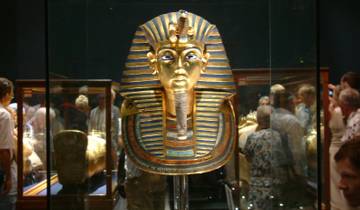
2 days
2 Days Private in Giza and Cairo
- ✓ Comprehensive Cairo tour
- ✓ Expert local guides included
- ✓ All accommodation arranged
- ✓ Transportation provided
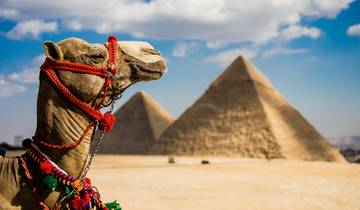
3 days
3 Days of Wonder: Explore Giza, Cairo & Alexandria
- ✓ Comprehensive Cairo tour
- ✓ Expert local guides included
- ✓ All accommodation arranged
- ✓ Transportation provided
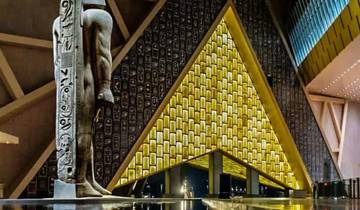
2 days
2 Days Luxury Private Tour to all Pyramids and Old Cairo
- ✓ Comprehensive Cairo tour
- ✓ Expert local guides included
- ✓ All accommodation arranged
- ✓ Transportation provided
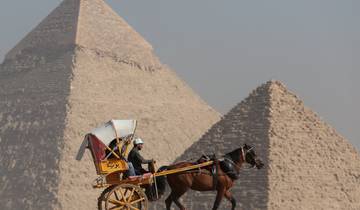
3 days
City of Wonders: 3-Day Private Cairo Tour – Pyramids, Sphinx, Egyptian Museum & Nile Dinner Cruises
- ✓ Comprehensive Cairo tour
- ✓ Expert local guides included
- ✓ All accommodation arranged
- ✓ Transportation provided
Multi-day tour packages powered by TourRadar. Prices and availability subject to change.
Getting to Cairo: International Flight Options for 2026
Major Airlines and Route Networks
Cairo International Airport maintains extensive international connectivity through Egyptian flag carrier EgyptAir plus dozens of European, Middle Eastern, African, and Asian airlines. EgyptAir operates the densest network with multiple daily flights from major European hubs including London Heathrow (6 hours), Paris Charles de Gaulle (4.5 hours), Frankfurt (4 hours), Rome Fiumicino (3.5 hours), and Madrid (5 hours). The carrier’s Star Alliance membership enables connections through partner networks and reciprocal frequent flyer benefits.
European airlines serving Cairo include Lufthansa (Frankfurt and Munich connections), Air France (Paris hub), British Airways (London Heathrow), Turkish Airlines (Istanbul transit), Swiss (Zurich), Austrian (Vienna), and Aegean (Athens). These carriers provide alternative routing options and competitive pricing versus EgyptAir on popular European-Cairo corridors. Flight frequencies range from daily service on major routes to 3-5 weekly departures on secondary connections.
Middle Eastern carriers offer extensive Cairo connectivity through their Gulf hub networks. Emirates routes through Dubai (3.5 hours), Qatar Airways connects via Doha (3 hours), Etihad transits Abu Dhabi (3.5 hours), and Saudi Arabian operates through Jeddah and Riyadh. These Gulf connections enable competitive pricing and routing options for travelers originating in Asia, Australia, or East Africa, often matching or undercutting direct European routings.
African and regional connections include Ethiopian Airlines (Addis Ababa hub), Kenya Airways (Nairobi), South African Airways (Johannesburg), and numerous North African carriers. Royal Jordanian serves Amman-Cairo in 90 minutes, while budget carriers FlyEgypt and Air Cairo provide domestic and regional budget alternatives to major carrier pricing.
Seasonal Flight Pricing and Availability
Cairo flight pricing fluctuates significantly based on seasonal demand patterns, with winter December-February commanding premium fares as European travelers escape cold weather for warm Egyptian sun and comfortable pyramid-touring conditions. Round-trip economy fares from London, Paris, Frankfurt, or Rome range €450-700 during winter peaks when airlines maximize capacity and minimize discount inventory. Business class fares reach €1800-2500 reflecting full-fare business traveler demand.
Summer June-September delivers optimal flight pricing with economy round-trips from European gateways dropping to €250-400 as airlines discount inventory for reduced demand periods. Cairo’s 38-42°C summer heat deters many tourists, creating surplus aviation capacity that benefits budget-conscious travelers willing to manage thermal challenges. Business class summer fares fall to €1200-1800, representing 30-40% discounts versus winter pricing.
Shoulder season March-May and October-November balances reasonable pricing €300-500 economy round-trip with good schedule frequency and moderate demand levels. These periods avoid both winter’s premium pricing and summer’s extreme heat, making them optimal for value-focused travelers seeking comfortable conditions. Booking 10-16 weeks ahead captures early-bird discounting while ensuring preferred flight times and seat selections.
Peak holiday periods command maximum pricing including Christmas-New Year (late December-early January), Easter week (late March-early April 2026), and European school holidays (mid-July through August). Fares during these windows increase 30-50% above baseline winter rates, with availability constraints on popular routes requiring 12-16 weeks advance booking. Budget airlines rarely serve Cairo, limiting the ultra-low-cost options available on European short-haul routes.
Long-Haul Connections and Routing Strategies
North American travelers route to Cairo through European or Middle Eastern hubs, with total journey times 14-18 hours including connections. Popular routings include New York-Frankfurt-Cairo via Lufthansa, New York-Istanbul-Cairo via Turkish Airlines, or New York-Dubai-Cairo via Emirates. East Coast departures offer more direct routing options than West Coast origins, which add 5-6 hours of additional U.S. domestic flight time.
Asian origins connect through Gulf hubs or alternative European routing. Bangkok-Dubai-Cairo via Emirates completes in 10-11 hours total, Singapore-Doha-Cairo through Qatar Airways requires 12-13 hours, and Delhi-Cairo operates as direct 5-hour EgyptAir service. Chinese travelers route through Istanbul, Dubai, or Doha with total times 12-15 hours depending on connection efficiency and origin city.
Australian and New Zealand routings inevitably involve multiple connections through Southeast Asian or Middle Eastern hubs. Sydney-Dubai-Cairo via Emirates totals 20-22 hours, Melbourne-Singapore-Cairo adds similar duration, and Auckland-Bangkok-Dubai-Cairo stretches to 24-26 hours. These extended journeys warrant business class consideration or strategic stopover planning in Dubai, Doha, or Bangkok to break the travel duration into manageable segments.
Cairo International Airport: Essential 2026 Information
Terminal Layout and Navigation
Cairo International Airport operates three passenger terminals handling different traffic categories. Terminal 3 serves as the primary international gateway for Star Alliance carriers including EgyptAir, Lufthansa, Turkish Airlines, and United, featuring modern architecture, extensive shopping, and streamlined immigration facilities. Terminal 2 handles non-Star Alliance international flights including Emirates, Qatar Airways, Air France, and British Airways. Terminal 1 focuses on domestic EgyptAir flights and select regional carriers.
Immigration processing typically requires 30-60 minutes depending on flight arrival clusters and staffing levels. Egyptian visa requirements for most nationalities involve either e-visa purchase before travel ($25 USD) or visa-on-arrival purchase at airport banks ($25 USD cash). E-visa processing proves faster by eliminating airport bank queues, though visa-on-arrival remains straightforward for travelers without advance e-visa arrangements. Immigration booths display English signage, with officers possessing functional English for standard entry questions.
Baggage claim areas feature electronic flight information displays showing carousel assignments, with typical wait times 20-40 minutes from aircraft door opening to first bags appearing. Customs declarations require completion for travelers carrying items exceeding duty-free allowances (200 cigarettes, 1 liter spirits, gifts under €150 value). Most tourists proceed through green “nothing to declare” channels without inspection, though random bag screenings occur occasionally.
Airport Facilities and Services
Terminal 3 offers the most comprehensive passenger amenities including duty-free shopping, currency exchange counters, ATMs dispensing Egyptian pounds, international restaurants, and coffee shops. Prayer rooms accommodate Muslim travelers, while smoking areas provide designated facilities. Free WiFi operates throughout terminals with reasonable speeds for email and browsing, requiring simple registration through captive portal systems.
Currency exchange desks in arrivals halls provide immediate Egyptian pound access, though rates are less favorable than city center exchange offices or ATM withdrawals. ATMs throughout terminals accept international cards (Visa, Mastercard, Maestro) dispensing Egyptian pounds with standard foreign transaction fees. Carrying €50-100 in cash provides backup payment options for immediate needs like SIM cards or refreshments before ATM access.
SIM card vendors operate throughout arrivals areas offering tourist-focused packages with data allowances and Egyptian phone numbers. Vodafone Egypt, Orange Egypt, and Etisalat provide 10-30GB data packages for €10-25 with 15-30 day validity periods. These packages enable Google Maps navigation, Uber booking, WhatsApp communication, and social media throughout Cairo visits without roaming charges.
Transit Connections and Layover Options
Cairo serves as a major Middle Eastern transit hub with EgyptAir’s network facilitating connections between European origins and African destinations. Minimum connection times for international-to-international transfers range 90-150 minutes depending on terminal changes and security screening requirements. Terminal 3 intra-terminal connections complete most efficiently, while Terminal 2-Terminal 3 transfers require shuttle buses adding 20-30 minutes.
Extended layovers 8+ hours enable quick Cairo center visits for pyramid viewing or Egyptian Museum exploration. Visa-on-arrival purchase enables legal entry with return through security for connecting flights. However, the 20km airport-city distance creates 2+ hours round-trip transit time plus security re-screening requirements 2 hours before departure, making 8-hour minimum layovers necessary for meaningful center access. Shorter 3-7 hour layovers restrict passengers to airport-area hotels or terminal facilities.
Ground Transportation from Cairo Airport in 2026
Ride-Sharing Services: Uber and Careem
Uber and Careem represent the optimal airport transfer solution combining convenience, transparent pricing, and door-to-door service. Both platforms operate from designated pickup zones outside arrival terminals marked with clear signage. After baggage claim and customs, travelers book rides through smartphone apps, receiving driver details, vehicle information, and estimated arrival times 3-8 minutes typically. The apps display upfront fares before ride confirmation, eliminating negotiation and price uncertainty.
Downtown Cairo destinations (Tahrir Square area, Garden City, Zamalek) cost €8-12 via Uber or Careem depending on traffic conditions and specific hotel locations. Journey times range 30-50 minutes with 11 PM-6 AM overnight periods completing fastest at 25-35 minutes. Daytime traffic particularly 7-10 AM and 4-7 PM extends journeys toward 50-70 minutes when congestion peaks. Vehicle categories include economy sedans (UberX/Careem Go) for 1-3 passengers with standard luggage, or comfort upgrades (Uber Comfort/Careem Plus) for 4 passengers or larger groups with multiple bags.
Payment processing through linked credit cards eliminates cash handling and tipping complications, with riders typically rounding up 5-10% for exceptional service though not mandatory. Driver ratings and review systems ensure service quality consistency, with passengers rating drivers after completion and drivers rating passengers reciprocally. English-speaking driver availability varies, but app-based address entry eliminates language barrier complications for navigation purposes.
Official Airport Taxis
Official Cairo Airport taxis operate from dedicated stands outside arrivals displaying “Cairo Airport Taxi” markings on white vehicles with standardized livery. These legitimate services charge fixed rates to major destination zones: €15-20 for downtown Cairo, €20-25 for Giza and western areas, €12-18 for Nasr City and eastern districts. Rates display on boards at taxi stands, though negotiation or rate confirmation before entering vehicles remains advisable given occasional driver attempts at tourist-focused pricing.
Airport taxis provide legitimate licensed service with reliable vehicles and professional drivers possessing airport access credentials. However, pricing exceeds Uber/Careem by 50-100% for identical routes without corresponding service improvements. Journey times match ride-sharing at 30-50 minutes depending on destination and traffic. Payment occurs in cash (Egyptian pounds or euros accepted with unfavorable exchange rates), with drivers rarely carrying change for large bills requiring small denomination preparation.
Airport Express Bus Service
Airport Express Bus Line 111 operates as the budget-focused transfer option connecting terminals to downtown Abdel Moneim Riad Station near Tahrir Square and the Egyptian Museum. Buses depart every 20-30 minutes from 7 AM through midnight, with reduced overnight frequency. Tickets cost just 5 Egyptian pounds (approximately €0.50), making this by far the most economical airport transfer despite journey time and convenience tradeoffs.
The route requires 45-75 minutes depending on traffic conditions, making intermediate stops at residential areas before reaching the downtown terminal. Buses feature air conditioning and dedicated seating, though luggage space proves limited with under-bus storage compartments accommodating suitcases. From Abdel Moneim Riad Station, travelers face final connections to hotels via short taxi rides €2-5 or walking 10-20 minutes to nearby accommodations.
This option suits extremely budget-conscious independent travelers carrying minimal luggage and comfortable navigating unfamiliar public transportation systems. However, the complexity of terminal navigation, luggage handling, and final hotel connection makes door-to-door ride-sharing worth the €7-14 premium for most international visitors arriving after long flights.
Private Transfers and Hotel Shuttles
Pre-arranged private transfers eliminate arrival uncertainty by confirming driver details before departure. Hotel concierges arrange airport pickups €20-35 depending on vehicle category and destination, with drivers meeting passengers at arrivals holding name signs. Luxury hotels often include complimentary airport transfers for premium room categories or status members, adding significant value to nightly rates.
Private transfer services operating through booking platforms or local Egyptian companies provide alternatives to hotel arrangements. These pre-paid services charge €25-40 for standard sedan transfers, €45-70 for larger vehicles accommodating 5-7 passengers with luggage. The premium versus ride-sharing reflects guaranteed service, meet-and-greet assistance, and fixed pricing regardless of traffic conditions or surge pricing periods.
Cairo Metro System: Comprehensive 2026 Guide
Metro Network Overview and Tourist-Relevant Lines
The Cairo Metro operates three lines covering 77 stations across 89 kilometers of track, making it Africa’s oldest metro system and the Middle East’s most extensive. Line 1 (red on maps) runs north-south from Helwan to New El-Marg serving 35 stations including major transfer points. Line 2 (yellow) operates east-west connecting Shubra El-Kheima to Giza with 20 stations including critical tourist destinations. Line 3 (green) links Attaba to Cairo Airport and Adly Mansour serving 22 stations with airport connectivity from select downtown locations.
Line 2 provides maximum tourist utility with Sadat Station offering direct Tahrir Square access for the Egyptian Museum, Khan el-Khalili bazaar walking distance, and downtown hotel areas. This station intersects with Line 1 enabling network-wide transfers. Giza Station on Line 2’s western terminus connects to university areas and provides westward access though requiring additional transportation to reach the Pyramids of Giza themselves. Opera Station serves cultural district areas and Zamalek island residential neighborhoods.
Line 1’s Mar Girgis Station delivers optimal access to Coptic Cairo’s historic churches, Coptic Museum, and Roman fortress ruins concentrated in Old Cairo. From Mar Girgis, tourist sites cluster within 5-10 minute walks. The line’s Sadat Station intersection with Line 2 creates efficient routing options for combining Coptic Cairo visits with Islamic Cairo or Egyptian Museum exploration on single days.
Metro Operations and Ticketing
Cairo Metro operates 5:30 AM to midnight daily with trains running every 5-10 minutes during peak hours (7-9 AM, 4-7 PM) and every 10-15 minutes during midday and evening off-peak periods. Modern air-conditioned rolling stock maintains comfortable cabin temperatures even during summer heat, making metro travel pleasant year-round. Stations feature Arabic and English signage at major tourist stops, with some inner-city stations displaying Arabic-only information requiring attention to color-coded line markers and station counts.
Ticket machines at station entrances accept coins and small bills, though many machines display Arabic-only interfaces. Staffed ticket windows provide English-speaking assistance with tickets costing 5 Egyptian pounds (€0.15) for up to 9 stations, 7 pounds (€0.20) for 9-16 stations, and 10 pounds (€0.30) for 16+ stations or complete line traversals. Tickets consist of magnetic-stripe paper requiring insertion at entry turnstiles and retention for exit gate passage and potential inspector checks.
The first two cars on every train operate as women-only sections providing female travelers with dedicated space free from crowding and unwanted attention. Women choose whether to use these cars or ride in mixed sections based on personal preference and comfort levels. Enforcement varies with social pressure generally maintaining section separation during peak hours and more relaxed mixing during off-peak periods when trains run less crowded.
Metro Navigation and Safety
Google Maps integrates complete Cairo Metro routing with real-time directions including line changes, station sequences, and walking segments to final destinations. Entering hotel or attraction addresses displays multi-modal routing options featuring metro as primary option when applicable. The app calculates journey times 25-40 minutes for typical cross-city routes, accounting for walking segments, platform waits, and transfer connections.
Station platform displays show next train arrivals in minutes and seconds, with digital boards indicating final destinations enabling correct direction confirmation. Train exterior signage displays line numbers and terminal station names in Arabic and English. Onboard announcements occur in Arabic only, requiring visual attention to station name signs and passenger flow cues for correct exit identification.
Metro security maintains strong presence with metal detectors at station entrances and uniformed personnel throughout platforms and trains. Violent crime remains extremely rare, though pickpocketing targets crowded peak-hour trains requiring standard urban transit precautions like securing bags and avoiding phone display during crowded conditions. Female travelers report generally positive experiences with respectful behavior from male passengers and effective women-only car implementation during busy periods.
Ride-Sharing and Taxi Services in 2026
Uber and Careem: Dominant Platforms
Uber and Careem function as Cairo’s primary ground transportation for international visitors, offering transparent pricing, reliable availability, and English-language app interfaces eliminating traditional taxi complications. Both platforms operate identical business models with smartphone apps enabling destination entry, upfront fare display, driver tracking, and cashless payment through linked credit cards. Service quality remains consistently high through mutual rating systems encouraging professional behavior from drivers and passengers.
Cairo pricing remains remarkably affordable by international standards with downtown to Giza Pyramids (20km) costing €5-8, Egyptian Museum to Khan el-Khalili (3km) at €2-3, and cross-city movements rarely exceeding €10-12. Peak demand periods including morning and evening rush hours (7-9 AM, 5-7 PM) and Friday early evenings activate surge pricing multipliers 1.5x-2x standard rates, though absolute costs remain reasonable even with premiums applied.
Vehicle categories cater to different group sizes and preferences. Economy options (UberX/Careem Go) deploy standard sedans accommodating 3-4 passengers with typical luggage. Comfort upgrades (Uber Comfort/Careem Plus) provide newer vehicles with higher-rated drivers and more spacious interiors. Larger groups select Uber XL or Careem Van options accommodating up to 6 passengers with expanded luggage capacity. Wait times average 3-8 minutes during normal conditions, extending to 10-15 minutes during peak demand or when requesting pickups from less central locations.
Traditional Taxis: When and How to Use
Cairo’s traditional yellow and white taxis persist throughout the city though facing declining relevance as ride-sharing services dominate the convenience and transparency categories. These vehicles operate through street hailing with passengers flagging down available taxis displaying illuminated roof signs. However, meter functionality proves inconsistent with many drivers claiming non-functional meters requiring fare negotiation before journey commencement.
Negotiation dynamics favor drivers familiar with tourist pricing expectations, often resulting in 50-100% premiums versus actual meter rates or Uber pricing for identical routes. Downtown to Giza should cost €5-7 via metered taxi or negotiation, Egyptian Museum to Khan el-Khalili warrants €2-3, and airport transfers merit €12-18 depending on destination specifics. Successful negotiation requires firm but polite fare agreement before entering vehicles, with immediate exit if drivers demand unreasonable amounts.
Traditional taxis suit travelers seeking cultural immersion through local transportation experiences or those comfortable with Arabic language negotiation. However, the complexity of fare agreement, route verification, and cash payment with change logistics makes traditional taxis impractical for most international visitors compared to ride-sharing’s transparent, reliable, English-language alternative. The handful of euros saved rarely justifies the added stress and uncertainty.
Private Drivers and Day Hire Options
Private driver arrangements provide convenient solutions for extended pyramid-Saqqara-Memphis day trips or multi-site Cairo explorations. Hotel concierges coordinate drivers for €40-70 full days (8-10 hours) including vehicle, driver, and fuel with passengers covering only site entry fees. These arrangements suit groups of 3-4 splitting costs, making per-person expenses competitive with organized tours while maintaining schedule flexibility.
Private drivers navigate directly to lesser-known sites, manage parking logistics, and provide shaded air-conditioned rest between outdoor archaeological explorations. English language ability varies significantly from fluent to minimal, with drivers primarily functioning as transportation rather than guide services. Combining private drivers with separate licensed guides creates optimal touring combining transportation convenience with professional archaeological interpretation.
Regional Transportation from Cairo in 2026
Domestic Flights to Major Egyptian Destinations
Egypt’s domestic aviation network connects Cairo with the nation’s premier tourist destinations through EgyptAir and low-cost carriers Air Cairo and FlyEgypt. Cairo-Luxor operates multiple daily flights completing the 670km journey in 60 minutes versus 10-12 hours overland, making aviation the clear choice for time-conscious travelers. Round-trip fares range €60-120 depending on booking timing and season, with winter commanding premium pricing and summer offering discounted inventory.
Cairo-Aswan flights operate 2-3 times daily covering 880km in 90 minutes compared to 13-hour train alternatives. This 1.5-hour flight enables morning Cairo departures with afternoon Aswan arrival, facilitating seamless transition to Nile cruise embarking or Abu Simbel excursions. Fares mirror Luxor pricing at €70-130 round-trip with advance purchase capturing 20-30% discounts versus last-minute bookings.
Red Sea resort access operates through Hurghada (1 hour, €50-90 round-trip) and Sharm el-Sheikh (1 hour, €60-100 round-trip) serving beach resort extensions after Cairo cultural touring. Sinai destinations including St. Catherine’s Monastery near Mount Sinai connect through Sharm el-Sheikh with ground transportation completing access. Alexandria maintains limited flight service given the 3-hour comfortable train alternative most travelers prefer for this Mediterranean coastal city.
Overnight Sleeper Trains to Upper Egypt
Egyptian National Railways operates overnight sleeper trains connecting Cairo with Luxor and Aswan, providing comfortable berth accommodations and onboard dining services. The Cairo-Luxor route departs Cairo Ramses Station nightly at 8:00 PM, arriving Luxor at 6:00 AM (10 hours), while Cairo-Aswan continues to 1:00 PM arrival (17 hours). Return services depart Luxor and Aswan evenings with morning Cairo arrivals.
First-class sleeper compartments accommodate two passengers in facing berths converting to beds, with private washing facilities, air conditioning, and lockable doors. Tickets cost €60 per person including dinner service and breakfast delivery, representing excellent value for overnight transportation plus accommodation savings. Second-class sleepers offer four-berth compartments at €45 per person with similar meal services but less privacy and space.
The train experience provides authentic Egyptian overnight travel combining transportation efficiency with Nile Valley scenery viewing during early morning arrival approaches. Sleeping car conditions maintain cleanliness standards though showing age compared to European or Asian sleeper services. Booking through Egyptian State Railways website or travel agencies requires 7-14 days advance purchase during winter high season when capacity fills quickly.
Intercity Bus Services
Modern air-conditioned bus services connect Cairo with Alexandria (3 hours, €10-15), Sinai destinations including Dahab and Nuweiba (7-8 hours, €15-20), and Red Sea resorts. Go Bus operates as the premier carrier with comfortable seating, onboard WiFi, and professional service standards approaching Western expectations. Departures from Cairo’s Turgoman Bus Terminal or Almaza Terminal depending on destination serve various routes throughout Egypt.
Cairo-Alexandria buses operate every 30-60 minutes throughout the day on the 220km route via Desert Road or slightly longer Agricultural Road. The comfortable journey rivals train service for convenience while offering marginally lower pricing. Buses feature reserved seating, restrooms, and occasional refreshment service during the 3-hour journey. Alexandria’s Moharam Bek bus terminal connects to city trams and taxis for final destination access.
Sinai and Red Sea routes require longer journeys but provide economical access to beach resorts and diving destinations. Cairo-Dahab (7 hours, €18) and Cairo-Sharm el-Sheikh (6 hours, €15) operate overnight and daytime services with varying comfort levels across carriers. Premium services charge slight premiums for better seating and more reliable schedules, warranting the €3-5 additional cost for enhanced journey experience.
Navigation and Mapping Tools for 2026
Google Maps for Cairo Navigation
Google Maps provides comprehensive Cairo coverage with accurate metro routing, real-time traffic updates, and precise business locations eliminating traditional navigation challenges. The platform’s Egyptian mapping data includes metro station entrances, platform layouts, and transfer connection details. Entering destinations displays multi-modal routing options featuring metro when applicable, with walking segments, estimated journey times, and step-by-step directions.
Real-time traffic integration reflects Cairo’s notorious congestion patterns, dynamically adjusting route suggestions and time estimates based on current conditions. Morning rush hours 7-9 AM and evening peaks 5-7 PM create significant delays on major corridors, with maps often suggesting alternative routes avoiding worst bottlenecks. The ability to preview route options and timing before departing helps optimize daily itineraries around traffic patterns.
Offline map downloads enable continued navigation without mobile data connections, valuable for travelers without local SIM cards or when mobile coverage proves spotty. Downloading greater Cairo region (approximately 300MB) allows full-featured navigation including route planning, turn-by-turn directions, and location marking. However, real-time traffic and transit updates require active data connections for maximum utility.
Uber and Careem for Transportation
Ride-sharing apps function as combined transportation booking and navigation tools, with precise pickup location mapping eliminating the communication challenges inherent in verbal direction giving. The apps display current location, enable destination search through typing or map tapping, and show upfront fares before ride confirmation. Driver tracking during approach provides real-time arrival estimates and eliminates uncertainty about vehicle location or arrival timing.
In-app navigation guides drivers to exact destinations using GPS routing and real-time traffic data, eliminating concerns about driver unfamiliarity with specific hotels or attractions. Passengers follow journey progress through live map tracking, verifying routes and monitoring progress. This transparency provides safety reassurance and enables timely arrival estimates for schedule-dependent plans like pyramid tours or museum timed entries.
Additional Navigation Resources
Cairo Metro app (available for iOS and Android) provides dedicated metro journey planning with fare calculation, route optimization including transfers, and station facility information. The app displays Arabic and English interfaces, calculates optimal routes between stations, and estimates journey times accounting for walking and platform wait periods. However, Google Maps metro integration generally provides equivalent functionality within more familiar interface for international visitors.
Egypt travel apps including EgyptAir for domestic flight management, booking platform apps for hotel reservations, and WhatsApp for communication with local guides and drivers enhance overall navigation and logistics management. Downloading these applications before arrival ensures immediate functionality without searching unfamiliar international app stores or managing download complications during initial Cairo orientation periods.
Money-Saving Transportation Strategies for 2026
Optimizing Airport Transfers
Booking early morning or late evening flights enables off-peak Cairo airport access when traffic dissipates dramatically. The 11 PM-6 AM window completes airport-downtown transfers in 25-35 minutes versus 50-70 minutes during rush hour periods, saving time and potential surge pricing. However, this strategy requires accepting less convenient flight times and potentially higher flight costs if red-eye departures command premiums.
Pre-arranging hotel transfers during booking negotiations sometimes yields complimentary pickup services particularly at mid-range and luxury properties during slower travel periods. Properties eager to secure bookings may include airport transfers as value-adds, saving €15-30 per arrival compared to independent ride-sharing. This perk proves most negotiable when booking multi-night stays or during summer’s slower season.
Maximizing Metro Efficiency
Cairo Metro tickets at €0.15-0.20 per ride provide extraordinary value for movement between major tourist zones. Strategic metro routing between accommodations, Egyptian Museum, Coptic Cairo, and departure points for pyramid-bound transportation saves €5-10 daily versus exclusive ride-sharing use. A five-day Cairo stay utilizing metro for 4-6 daily trips costs just €3-5 total versus €40-60 for equivalent taxi or ride-sharing journeys.
Combining metro backbone movement with strategic ride-sharing for first/last-mile connections or evening returns creates optimal cost-efficiency. Using metro for long-distance segments (downtown to Giza Station) then Uber for final 10km to pyramids balances value and convenience, spending €3 metro plus €4-5 Uber versus €7-9 for direct downtown-pyramid rides. The marginal savings compound across multiple days while maintaining comfortable door-to-door ultimately arrival.
Negotiating Multi-Day Private Driver Rates
Private drivers negotiating multi-day commitments offer 20-30% discounts compared to daily rates. Agreeing to 3-5 day exclusive use at €200-280 total creates €40-60 per day costs versus €50-70 single-day rates, generating €30-90 total savings for groups splitting expenses. Multi-day arrangements also build rapport enabling better service, flexible timing, and driver familiarity with passenger preferences.
Combining private driver days with independent metro-based days optimizes flexibility and cost. Using private transport for complex multi-site days (Giza-Saqqara-Memphis or Islamic Cairo mosque tours) while handling simple downtown-museum-bazaar days via metro and walking balances guided convenience with independent exploration and cost management.
Accessibility and Special Needs Transportation
Wheelchair and Mobility Considerations
Cairo’s transportation infrastructure presents challenges for wheelchair users and mobility-limited travelers. Metro stations rarely feature elevator access, relying on stairs for platform access with few exceptions at newest Line 3 stations. This limitation effectively excludes metro use for wheelchair users despite modern trains and spacious stations. Surface navigation involves uneven sidewalks, limited curb cuts, and crowded pedestrian areas complicating independent wheelchair movement.
Ride-sharing services provide the most accessible transportation option, with Uber and Careem enabling vehicle requests through apps without requiring advance specialized vehicle arrangements. However, drivers typically deploy standard sedans without ramps or accessibility features, requiring travelers to transfer from wheelchairs to vehicle seats. Larger vehicle options (Uber XL) provide more spacious interiors accommodating folding wheelchair storage.
Private driver arrangements offering accessible van rentals serve travelers requiring wheelchair-accessible vehicles. Hotels with concierge services coordinate these arrangements at premium costs €80-120 daily versus standard transport. Major sites including Egyptian Museum and Giza Pyramids offer wheelchair access to primary areas, though rough terrain around pyramid bases limits full complex exploration for mobility-restricted visitors.
Family Travel with Young Children
Families traveling with young children find ride-sharing services most practical for Cairo transportation, eliminating public transit complexity while providing door-to-door convenience. Uber and Careem vehicles rarely include child safety seats, requiring families to bring portable travel seats or accept lap-holding for young children during rides. Egyptian traffic safety standards differ from Western norms, with seat belt usage inconsistent and child seat requirements unenforced.
Metro travel with strollers proves challenging during peak hours when crowded trains make navigation difficult. Off-peak periods 10 AM-4 PM enable more comfortable metro use with strollers, though station stairs require carrying strollers and children simultaneously on platforms lacking elevators. Wide metro corridors and spacious trains accommodate stroller parking during less crowded periods.
Frequently Asked Questions
Do I need an Egyptian visa before arriving at Cairo Airport?
Most nationalities purchase Egyptian visas either through advance e-visa applications online ($25 USD) or visa-on-arrival at Cairo Airport banks ($25 USD cash). E-visa processing proves faster by eliminating airport bank queues, completing immigration 15-25 minutes versus 30-45 minutes with visa-on-arrival purchase. Both options provide equivalent 30-day single-entry tourist visas. Some nationalities enjoy visa-free access or alternative arrangements requiring individual research through Egyptian embassy resources or official government websites.
Is Cairo Metro safe for solo female travelers?
Cairo Metro maintains strong safety record with security personnel throughout stations and trains plus metal detectors at entrances. Female travelers benefit from dedicated women-only cars (first two cars on each train) providing comfortable space free from crowding and unwanted attention. Women choose whether to use these sections or ride mixed cars based on personal preference. Most female visitors report positive metro experiences with respectful passenger behavior and effective security presence, making it a reliable option for independent movement between tourist zones.
Should I buy local SIM card immediately upon arrival?
Purchasing Egyptian SIM cards immediately after customs in airport arrivals halls provides instant Google Maps access, Uber booking capability, and WhatsApp communication throughout Cairo visits. Tourist packages offering 10-30GB data with 15-30 day validity cost €10-25 from Vodafone Egypt, Orange Egypt, or Etisalat vendors. This connectivity enables navigation, ride-sharing, and communication eliminating expensive international roaming charges and offline navigation limitations. Passport presentation during purchase satisfies registration requirements.
How much should I budget for daily transportation in Cairo?
Transportation budgets vary dramatically based on travel style. Metro-focused independent travelers spend €2-4 daily using public transit for major movements with occasional short taxi segments. Moderate ride-sharing users budget €10-15 daily for 3-5 Uber/Careem trips covering typical tourist routing between hotels, museums, and attractions. Intensive private driver users allocating €50-70 daily gain maximum convenience and flexibility for full-day guided touring including distant sites like Saqqara and Memphis.
Can I use credit cards for Cairo transportation?
Ride-sharing services Uber and Careem accept international credit cards through app integration, enabling cashless payment for all ground transportation booked through these platforms. Traditional taxis require cash payment in Egyptian pounds, as do metro tickets and bus fares. This reality makes ride-sharing particularly convenient for minimizing cash handling requirements. Pre-arranging private drivers sometimes enables credit card settlement through hotel concierges or booking agencies, though direct driver payment typically requires cash.
How early should I leave for Cairo Airport before international flights?
International flight departures from Cairo require 3-hour advance arrival accounting for 30-60 minute variable transit time, check-in procedures, security screening, and immigration exit processing. Morning rush hour (6-9 AM) departures warrant 3.5-4 hour buffers given traffic congestion potential. Evening departures (5-9 PM) similarly face rush hour traffic requiring extended transit time allowances. Red-eye flights departing 11 PM-2 AM benefit from light traffic enabling comfortable 2.5-3 hour advance departures.
Is Uber cheaper than taxis in Cairo?
Uber and Careem consistently provide better value than traditional Cairo taxis through transparent upfront pricing, efficient GPS routing, and elimination of tourist-focused pricing inflation common with conventional taxis. Downtown to Giza pyramids costs €5-8 via Uber versus €8-12 negotiating with traditional taxis. Egyptian Museum to Khan el-Khalili runs €2-3 via ride-sharing versus €4-6 taxi negotiation. The transparency and reliability benefits alone justify ride-sharing preference even when costs approach parity.
Can I take the metro directly to the Pyramids of Giza?
Cairo Metro Line 2 terminates at Giza Station located approximately 10km from the Pyramids of Giza, requiring additional transportation for final access. From Giza Station, travelers take microbus (€1), taxi (€3-5), or Uber (€3-5) completing the journey. This hybrid approach totaling €1.50-5.50 saves money versus direct downtown-pyramid rides at €7-9 but adds complexity and time (75-90 minutes total versus 40-50 minutes direct). Most visitors find the modest savings insufficient motivation for navigating multi-modal connections.
Do Cairo taxis use meters or require negotiation?
Cairo taxis theoretically use meters displaying fares based on distance and time, but meter functionality proves highly inconsistent with many drivers claiming non-functional meters. This reality necessitates fare negotiation before journey commencement, creating potential for inflated tourist pricing and disagreements over appropriate amounts. The negotiation complexity and uncertainty makes ride-sharing services Uber and Careem significantly more convenient with their transparent upfront pricing, GPS routing verification, and cashless payment eliminating traditional taxi complications.
What transportation connects Cairo with Alexandria?
Cairo-Alexandria (220km) connects via comfortable air-conditioned trains departing Cairo Ramses Station hourly throughout the day, completing the journey in 2.5-3 hours with tickets costing €8-12 depending on class. Modern Go Bus intercity coaches operate every 30-60 minutes from Turgoman Terminal completing the route in 3 hours for €10-15. Both options provide comfortable, reliable service with trains offering slightly better speed and comfort while buses provide more frequent departures. Limited domestic flights operate this route but prove unnecessary given excellent ground transportation alternatives.