Getting to Bari 2026: Complete Transportation Guide
Key Takeaways
- Bari Karol Wojtyła Airport connects directly to 80+ European destinations with budget carriers offering €50-150 round-trip flights
- Airport-city transfers cost €1 by public bus (50 minutes), €5.30 by train (17 minutes), or €20-25 by taxi (20 minutes)
- High-speed trains from Rome reach Bari in 4 hours, Milan in 7.5 hours, with regional connections throughout Puglia
- Public transport day passes at €2.50 provide unlimited city travel across 33 bus routes covering all neighborhoods
- Walking remains fastest option within Bari’s compact 2-kilometer historic center with major attractions minutes apart
- Regional trains connect UNESCO sites Alberobello (€4.80, 90 minutes) and coastal towns Polignano a Mare (€2.80, 30 minutes) economically
Introduction: Navigating Bari Transportation in 2026
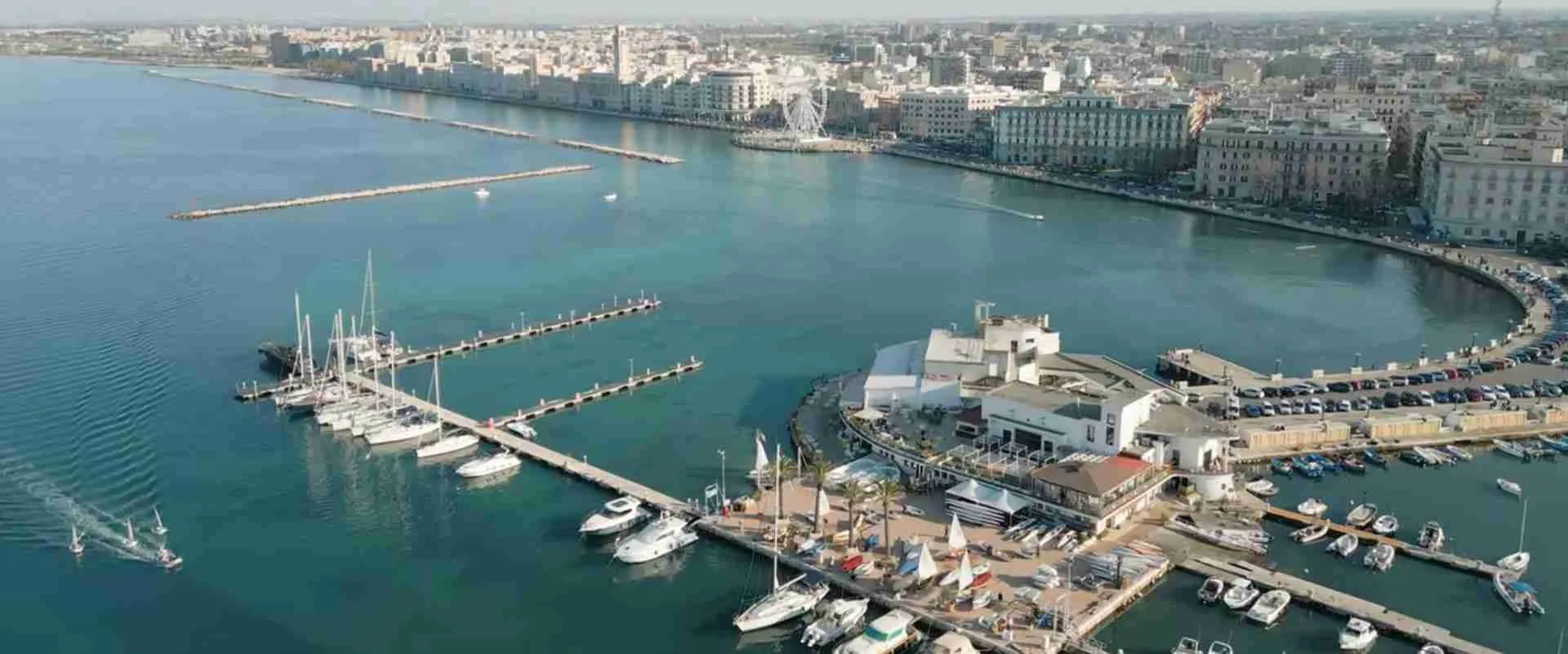
Bari’s strategic Adriatic coastal position makes it Puglia’s primary transportation hub, offering comprehensive flight, train, bus, and ferry connections throughout Italy and Mediterranean Europe. As Southern Italy’s second-most important economic center after Naples, the city maintains modern infrastructure supporting both business travelers and tourists exploring the region’s UNESCO World Heritage sites, baroque cities, and coastal towns.
Understanding Bari’s transportation options transforms travel logistics from potentially confusing to straightforward and economical. The compact city center measuring just 2 kilometers across enables extensive free walking exploration, while efficient public buses provide €2.50 daily unlimited access to beaches, residential neighborhoods, and peripheral attractions. Airport connections via train, bus, or taxi accommodate all budget levels and time constraints, with the €5.30 train delivering optimal speed-to-value balance for most travelers.
Regional connectivity positions Bari as ideal base for Puglia exploration without constant accommodation changes. Trains reach Alberobello’s trulli houses, Matera’s sassi caves, Lecce’s baroque architecture, and Polignano a Mare’s cliff-side charm for €3-15 per journey. This comprehensive 2026 transportation guide covers arrival options, city navigation, regional day trips, and strategic booking advice ensuring efficient, affordable movement throughout your Puglia adventure.
People Also Ask About Bari Transportation 2026
How do I get from Bari airport to city center in 2026?
Three primary options connect Bari Karol Wojtyła Airport to city center in 2026, each balancing cost versus convenience differently. The Ferrovie Nord Barese train offers fastest service at 17 minutes for €5.30, departing twice hourly from 5 AM to 11:35 PM directly to Bari Centrale station. This service provides optimal speed-to-value ratio with luggage space and onward regional train connections. AMTAB bus number 16 delivers budget alternative at €1 contactless or €1.50 cash for 50-minute journey with multiple stops to Piazza Aldo Moro near Bari Centrale, operating hourly 5 AM to 10 PM. Taxis charge €20-25 for 20-25 minute rides accommodating 3-4 passengers with luggage, available 24/7 from stands outside arrivals. Private transfers pre-booked through hotels cost €35-50 but include meet-and-greet service and flight monitoring for delayed arrivals.
Is Bari easy to get around without a car in 2026?
Bari proves exceptionally easy to navigate without a car in 2026, with the compact historic center entirely walkable and comprehensive public transport covering the entire metropolitan area. The distance from Bari Centrale station to Bari Vecchia measures just 1.5 kilometers (20-minute walk), all major attractions cluster within 2-kilometer radius, and the flat waterfront promenade enables effortless strolling. The AMTAB bus network operates 33 routes with €2.50 day passes providing unlimited travel to beaches, parks, and residential areas. Regional trains connect UNESCO sites and coastal towns without car rental needs – Alberobello costs €4.80, Polignano a Mare €2.80, and Monopoli €3.20 for comfortable 30-90 minute journeys. Taxis and rideshares provide backup for late-night travel or heavy shopping. Car ownership becomes unnecessary burden in Bari given parking costs (€12-25 daily), ZTL restricted zones, and narrow historic streets unsuitable for driving.
What is the cheapest way to travel to Bari in 2026?
Budget airlines flying into Bari Karol Wojtyła Airport provide cheapest European access with Ryanair, Wizz Air, and easyJet offering €25-75 one-way fares from major cities. Flights from London, Paris, Berlin, Warsaw, and Barcelona range €50-150 round-trip when booked 2-3 months ahead, versus €200-400 for legacy carriers. Within Italy, regional trains offer most economical overland travel – Rome to Bari costs €25-45 for 4-hour Intercity trains versus €55-85 high-speed options. FlixBus and other coach operators charge €15-35 for overnight Rome-Bari service though journey times extend 7-9 hours. Booking tickets 6-12 weeks ahead secures lowest fares across all transport modes, with Tuesday-Wednesday flights typically €20-40 cheaper than weekend departures. Combining budget flights with €5.30 airport train transfer and €2.50 daily public transport passes minimizes total transportation investment while maintaining comfort and efficiency.
How long does it take to get to Bari from Rome in 2026?
Rome to Bari travel times in 2026 vary significantly by transport mode. Intercity trains complete the journey in 4 hours for €25-45, departing Roma Termini 8-12 times daily with comfortable seating, WiFi, and onboard refreshments. High-speed Frecciarossa trains reduce time to 3.5-4 hours for €55-85 with premium amenities and guaranteed seating. Driving via A14 autostrada covers 450 kilometers in 4.5-5 hours plus stops, costing €30-40 in tolls and €60-80 in fuel, making it economical only for groups of 3-4 splitting costs. FlixBus overnight coaches take 7-9 hours for €15-35, departing late evening and arriving early morning – suitable for budget travelers willing to sacrifice comfort for savings. Flights from Rome Fiumicino to Bari operate limited schedules with 1-hour flight time but airport transfers and security add 3+ hours total journey time, rarely competitive with direct trains for this route.
Extended multi-day tours – 5+ days
Featured Bari Multi-Day Tour Packages

3 days
Bari 3-Day Discovery Tour
- ✓ Comprehensive Bari experience
- ✓ Expert local guides included
- ✓ All accommodation included
- ✓ Transportation provided
5 days
Bari 5-Day Highlights Experience
- ✓ Comprehensive Bari experience
- ✓ Expert local guides included
- ✓ All accommodation included
- ✓ Transportation provided

7 days
Bari 7-Day Cultural Journey
- ✓ Comprehensive Bari experience
- ✓ Expert local guides included
- ✓ All accommodation included
- ✓ Transportation provided

10 days
Bari 10-Day Complete Adventure
- ✓ Comprehensive Bari experience
- ✓ Expert local guides included
- ✓ All accommodation included
- ✓ Transportation provided
Multi-day tour packages powered by TourRadar. Prices and availability subject to change.
Flying to Bari in 2026
Bari Karol Wojtyła Airport Overview for 2026
Bari Karol Wojtyła Airport (BRI) serves as Puglia’s primary aviation gateway, handling 6+ million passengers annually with connections throughout Europe and limited intercontinental service. Located 9 kilometers northwest of city center, the single-terminal facility delivers efficient passenger processing, modern amenities, and straightforward navigation suitable for first-time visitors.
The terminal features clear multilingual signage in Italian, English, and major European languages with logical flow from arrivals to baggage claim to ground transportation. Facilities include ATMs providing euro cash at competitive rates, currency exchange bureaus (less favorable rates than ATMs), car rental desks from major international and local companies, tourist information counters with Puglia regional maps and advice, shops selling local products and travel essentials, cafés and restaurants ranging from quick panini to sit-down meals, and free WiFi throughout the terminal.
Security processing moves efficiently outside peak morning departure hours, with recommended 2-hour advance arrival for European flights and 2.5-3 hours for any intercontinental connections. The airport operates 24 hours with reduced overnight service levels – arrivals after midnight find limited ground transport options with taxis remaining available but train and bus service suspended until early morning.
Recent 2025 upgrades introduced the Entry-Exit System (EES) for non-EU passengers crossing Schengen borders, requiring biometric data collection on arrival. EU citizens, including Italians and other member state nationals, bypass these controls entirely. The system adds 3-5 minutes processing time for affected passengers during initial implementation phases.
Budget Airlines Serving Bari 2026
Ryanair dominates Bari’s budget airline market with 40+ routes across Europe including London Stansted, Manchester, Brussels Charleroi, Paris Beauvais, Berlin Brandenburg, Barcelona El Prat, Madrid Barajas, Vienna, Prague, Warsaw, Bucharest, and Athens. Base fares start €15-35 one-way when booked well ahead, though baggage fees (€12-25 carry-on, €25-40 checked), seat selection (€6-20), and priority boarding (€6-12) increase total costs. Strategic packing in personal item dimensions (40x20x25cm) avoids all extra fees for minimalist travelers.
Wizz Air operates extensive Eastern European network from Bari including Budapest, Krakow, Warsaw, Bucharest, Sofia, and Tirana with similar ultra-low-cost model. Fares range €20-45 base with comparable add-on fee structures. Wizz Flex (€18-25) provides flexible rebooking options worth considering for uncertain travel dates.
easyJet connects Bari to London Gatwick, Milan Malpensa, Paris Charles de Gaulle, Geneva, and Amsterdam with slightly higher base fares (€35-65) but more generous baggage allowances and assigned seating included. The carrier maintains better on-time performance and customer service ratings than ultra-budget competitors, justifying modest premium for some travelers.
Booking strategies for budget carriers include purchasing tickets 8-12 weeks ahead for summer travel and 4-6 weeks for off-season trips, flying Tuesday-Wednesday for €20-40 savings versus Friday-Sunday, choosing early morning or late evening departures for lowest demand pricing, and monitoring flash sales and promotional periods for €9-25 special fares to select destinations.
Full-Service Airlines to Bari 2026
Alitalia (now ITA Airways) maintains Rome Fiumicino hub connections to Bari with 4-6 daily flights completing the journey in 1 hour. Economy fares range €80-150 round-trip depending on booking timing and season, including 23kg checked bag, seat selection, onboard refreshments, and frequent flyer mile accrual. Business class adds €100-180 with lounge access, priority boarding, and upgraded catering – excessive premium for the short domestic flight.
Lufthansa Group carriers (Lufthansa, Swiss, Austrian) connect Bari through Munich, Frankfurt, Zurich, and Vienna hubs with convenient same-day connections from North America, Asia, and beyond. Economy transatlantic tickets including Bari connection range €600-1,200 depending on origin and season, with business class €2,500-4,500. The reliable connections and baggage through-checking justify premium versus separate budget flight bookings requiring overnight stops and luggage re-checks.
British Airways operates London Gatwick-Bari service with full-service amenities at €120-220 round-trip, positioned between budget carriers (€80-140) and luxury options (€250+). The carrier provides optimal balance for UK travelers valuing reliability, schedule flexibility, and included services without ultra-budget restrictions.
Air France-KLM partnership offers Paris CDG and Amsterdam Schiphol connections serving long-haul passengers from Americas, Africa, and Asia. European positioning flights enable same-day arrivals in Bari from morning transatlantic arrivals, though tight 75-90 minute connections risk missing Bari flights during delays. Booking through single ticket ensures rebooking protections versus separate ticket financial exposure.
International Flight Routes for 2026
Direct international flights serve 80+ European destinations in 2026 with seasonal variations affecting frequency and availability. Year-round routes include London (Gatwick, Stansted), Paris (Beauvais, CDG), Brussels (Charleroi), Munich, Frankfurt, Zurich, Vienna, Barcelona, Madrid, Amsterdam, and Warsaw with daily or multiple daily frequencies supporting business and leisure travel.
Summer seasonal routes (May-October) expand to Copenhagen, Stockholm, Helsinki, Edinburgh, Manchester, Dublin, Prague, Budapest, Krakow, Athens, Bucharest, Sofia, Tirana, and Tel Aviv responding to beach vacation and cultural tourism demand. These routes operate 2-4 weekly with advanced booking essential during July-August peak periods.
Intercontinental service remains limited with no direct long-haul routes in 2026. Passengers from North America, Asia, and beyond connect through Rome, Milan, Munich, Frankfurt, Paris, Amsterdam, or London hubs with same-day connections feasible on morning transatlantic arrivals. Total journey times from New York range 11-14 hours including connections, Los Angeles 16-19 hours, and Asian origins 14-18 hours depending on routing and layover durations.
Alternative international access uses Rome Fiumicino or Milan Malpensa major hubs with subsequent domestic flights or trains to Bari. This approach provides broader flight options, competitive pricing, and better schedule flexibility, though adds 3-5 hours total journey time versus hypothetical direct service. Budget travelers sometimes fly to Rome or Milan on cheap long-haul fares then continue via €25-45 regional trains rather than €80-150 connecting flights.
Train Travel to Bari 2026
High-Speed Rail Connections for 2026
Frecciarossa high-speed trains connect Bari to Italy’s primary cities via the Adriatic corridor with maximum speeds reaching 300 km/h on upgraded track sections. Rome to Bari service operates 6-8 daily departures completing the journey in 3.5-4 hours for €55-85 in Standard class, €80-120 in Premium class with wider seats and complimentary refreshments, and €120-180 in Business class with lounge access and flexible tickets.
Milan to Bari high-speed service covers 900 kilometers in 7.5-8 hours with one or two connections, totaling €75-140 depending on advance booking and class selection. Direct overnight Intercity trains offer sleeper alternatives at €60-120 including couchette accommodation, arriving fresh without hotel costs though sacrificing daytime sightseeing in transit.
Bologna to Bari takes 5.5-6 hours for €50-85 with some direct services and others requiring one connection. Florence connections extend journey times to 6-7 hours total via Rome or Bologna hubs. These longer routes become practical only when regional sightseeing en route or overnight travel preferences suit itineraries better than faster but more expensive flights.
Booking high-speed tickets 2-3 months ahead secures Economy promotional fares at 40-50% below last-minute pricing. Trenitalia’s website and app provide English interface with seat selection, mobile tickets, and real-time delay notifications. Super Economy fares offer maximum savings but prohibit changes or refunds – suitable only for confirmed travel dates. Flexible Base fares cost €10-20 more but permit free modifications until departure.
Regional Train Networks Around Bari 2026
Trenitalia operates comprehensive regional network connecting Bari to all major Puglian destinations with comfortable trains, reliable schedules, and affordable fares. Lecce service runs hourly covering 150 kilometers in 1.5-2 hours for €8-12, showcasing Salento peninsula’s baroque architecture and beach towns. Brindisi connections operate 20+ daily trains completing 110 kilometers in 1-1.5 hours for €6-10, useful for ferry connections to Greece or Albania.
Foggia routes north serve 140 kilometers in 1-1.5 hours for €7-11 with connections to Gargano peninsula beach resorts requiring bus transfers from Foggia station. Taranto service southwest covers 90 kilometers in 1-1.5 hours for €5-8, accessing ancient Greek colony ruins and seafood restaurants. These regional routes use modern rolling stock with air conditioning, bike storage, and WiFi on newer trains.
Ferrovie del Sud Est (FSE) operates narrow-gauge network reaching towns Trenitalia doesn’t serve including Alberobello, Martina Franca, and Locorotondo through the scenic Itria Valley. Alberobello journeys take 1.5 hours for €4.80 from Bari with departures every 1-2 hours, providing economical UNESCO trulli house access. Trains feature vintage charm with slower speeds compensated by valley vineyard and olive grove views.
Ferrovie Appulo Lucane connects Bari to Basilicata region including Matera UNESCO sassi cave dwellings via Altamura transfer. Total journey requires 2-2.5 hours for €8-12 depending on connection timing, offering budget alternative to €90-120 guided day tour packages. Schedules coordinate poorly requiring careful planning, though savings justify slight inconvenience for independent travelers.
International Train Options for 2026
No direct international trains serve Bari in 2026, requiring connections through Rome, Milan, or other Italian hubs. EuroCity and Intercity services connect Rome with European destinations including Munich, Vienna, Paris, and Zurich, enabling Bari passengers to continue via Rome hub with 2-4 hour layovers between trains.
Popular international routes from Bari include overnight trains to Vienna (via Venice connection) totaling 18-20 hours with couchette accommodation at €90-160, Munich via Milan connection requiring 12-14 hours for €80-140, and Paris via multiple connections extending 15-18 hours for €120-220. These marathon rail journeys appeal primarily to rail enthusiasts or travelers with unlimited time budgets, as flights complete identical routes in 2-3 hours for comparable or lower costs.
Interrail and Eurail passes cover Trenitalia regional trains without supplements but require seat reservations on high-speed Frecciarossa trains at €10-13 per journey. Pass economics favor travelers visiting 4+ Italian cities over 7-14 days rather than Bari-focused trips. Individual point-to-point tickets typically cost less for travelers making 1-3 train journeys during Puglia visits.
Sleeper train renaissance in 2025-2026 brings renewed overnight services across Europe, though Bari connections remain limited. The ÖBB Nightjet network expansion might add Bari service by late 2026 or 2027, enabling comfortable overnight travel from Central European cities with private cabins, dining cars, and morning arrivals maximizing destination time.
Bus and Coach Services to Bari 2026
FlixBus and Long-Distance Coaches 2026
FlixBus dominates Italy’s intercity coach market with extensive Bari connections from Rome, Milan, Naples, Florence, Bologna, and 50+ other cities. Rome-Bari overnight service departs 10-11 PM arriving 6-7 AM for €15-35 depending on booking timing and demand, enabling hotel-cost savings through overnight travel though comfort proves limited in standard seating.
Milan-Bari coaches operate 12-14 hour journeys for €25-50 with intermediate stops in Bologna, Rimini, Pescara, and other Adriatic coast cities. Day service enables sightseeing en route though extends total travel time significantly versus 7.5-hour trains. WiFi, power outlets, air conditioning, and onboard toilets provide basic amenities, though legroom limitations and road construction delays frustrate some passengers on these marathon journeys.
Naples-Bari service covers 260 kilometers in 3.5-4.5 hours for €12-25, offering economical alternative to €15-30 regional trains with similar journey times. Florence and Bologna routes take 7-9 hours for €20-40, competitive with train pricing but requiring strong tolerance for lengthy coach travel.
Booking FlixBus tickets through their app or website 4-8 weeks ahead secures lowest promotional fares at €9-20 for popular routes, versus €25-50 last-minute pricing. Flexible tickets (€3-5 extra) permit rebooking up to 15 minutes before departure, valuable insurance for uncertain schedules. Luggage allowance includes one checked bag and one carry-on without additional fees, advantageous versus budget airline restrictions.
Pugliairbus Regional Services 2026
Pugliairbus operates dedicated airport shuttle network connecting Bari Karol Wojtyła Airport to regional destinations beyond local public transport reach. Matera service runs 4-6 daily departures covering 65 kilometers in 1.5 hours for €8-12, providing convenient UNESCO sassi access without train transfers through Altamura. Buses coordinate with major flight arrivals and departures, simplifying logistics for passengers flying into Bari and heading directly to Matera.
Taranto connections operate 3-4 daily for €10-15 covering 90 kilometers in 2 hours with stops at coastal towns including Castellaneta Marina. Brindisi airport service links Puglia’s two primary airports with 6-8 daily buses completing 110 kilometers in 2 hours for €12-18, supporting passengers whose inbound and outbound flights use different facilities.
Foggia and Rodi Garganico coastal routes serve Gargano peninsula beach resorts and Tremiti Islands ferry connections with 2-3 daily summer departures. Fares range €15-25 for these longer 2.5-3.5 hour journeys serving destinations with limited or absent train service.
Tickets purchase online through Pugliairbus website or at airport ticket counters with cash and card acceptance. Advance booking recommended during July-August peak season when services sell out, though shoulder season travelers often purchase tickets upon arrival without capacity concerns. The buses feature air conditioning, luggage storage, and basic comfort suitable for regional distances.
Urban Bus Network in Bari 2026
AMTAB operates Bari’s comprehensive urban bus network with 33 routes covering historic center, residential neighborhoods, university district, coastal areas, and peripheral zones. Service runs 5:30 AM to midnight daily with reduced frequencies evenings and Sundays, and limited night bus service on key routes during weekend nights.
Route 16 provides crucial airport connection departing hourly for 50-minute journey through residential areas to Piazza Aldo Moro near Bari Centrale, costing €1 contactless payment or €1.50 cash. Route 20 serves waterfront and beach areas including Pane e Pomodoro Beach, route 12 connects station to university campus, and routes 1-3 serve Bari Vecchia and Murat shopping district.
Single tickets cost €1 with contactless payment or €1.50 cash, valid 75 minutes from validation for unlimited transfers within time window. Day passes at €2.50 provide unlimited 24-hour travel from first validation, becoming economical with three or more journeys. Weekly passes cost €12 suitable for extended stays, though most tourists find day passes more practical given Bari’s walkable center.
Tickets purchase from tabacchi shops, newsstands, AMTAB offices, or directly on buses with contactless payment or exact cash change. Validators located near bus doors require tapping tickets at journey start, with inspectors conducting random fare checks and issuing €50+ fines for unticketed passengers. Route maps and timetables available on AMTAB website in Italian and English with Google Maps providing real-time bus tracking and route planning in multiple languages.
Ferry Connections to Bari 2026
International Ferry Routes for 2026
Bari serves as Italy’s primary Adriatic ferry port with regular service to Albania, Greece, Croatia, and Montenegro. These overnight ferries depart late evening (8-11 PM) arriving early morning (6-9 AM), enabling hotel-cost savings while crossing the sea. Cabin accommodations range from €50-80 for basic shared berths to €120-200 for private cabins with bathrooms, while deck passage costs €30-50 providing seat access without sleeping facilities.
Durazzo (Durrës), Albania connects daily year-round with 8-9 hour overnight crossings on Adria Ferries, European Ferries, and Grandi Navi Veloci. Adult fares range €50-90 depending on season and cabin class, with vehicle transport adding €80-150 for cars. The route serves Albanian tourism and diaspora populations traveling between Italy and Albania for work, family, or leisure.
Greece service operates to Corfu, Igoumenitsa, and Patras with frequencies increasing April-October for summer tourism. Patras crossings take 14-16 hours overnight for €70-140 per person depending on accommodation class, providing budget alternative to flights while enabling vehicle transport for extended Greek road trips. Superfast Ferries and Minoan Lines operate modern ships with restaurants, bars, shops, and entertainment.
Croatia connections serve Dubrovnik with seasonal summer service (June-September) completing the journey in 8-10 hours for €60-120. The picturesque Dalmatian coast crossing enables vehicle touring from Puglia through Croatia, Slovenia, and beyond. Bar, Montenegro service operates year-round connecting to Balkan road networks with 9-hour overnight crossings at €55-100.
Ferry Booking Strategies for 2026
Booking ferry tickets 6-12 weeks ahead for summer travel secures cabin availability and best promotional rates, with last-minute bookings risking deck passage-only options during peak August departures. Winter off-season permits flexible booking 1-2 weeks ahead with better availability and lower demand. Online booking through Direct Ferries, ferry company websites, or aggregator platforms provides price comparisons and English-language interfaces.
Vehicle reservations require accurate dimensions and license plate information with additional fees based on vehicle length – motorcycles cost €40-80, standard cars €80-150, campervans €120-200, and large vehicles priced individually. Travelers without vehicles benefit from passenger-only fares saving these supplements.
Cabin upgrades from deck passage prove worthwhile on overnight crossings providing privacy, sleeping facilities, and bathrooms versus attempting overnight in public lounges. Two passengers sharing cabin costs just €25-40 more per person than deck tickets while delivering vastly superior comfort and rest. Solo travelers sometimes share cabins with same-gender strangers at reduced rates versus full private cabin pricing.
Ferry terminals locate 3 kilometers south of Bari Centrale requiring taxi (€12-18) or bus connections. Arriving 2 hours before departure ensures smooth check-in, vehicle boarding, and cabin allocation. Late arrivals risk missing departures with tickets forfeited, though some operators allow rebooking for €30-50 change fees depending on fare class purchased.
Airport Transfer Options 2026
Train Service to Airport for 2026
Ferrovie Nord Barese operates dedicated rail link between Bari Karol Wojtyła Airport and Bari Centrale station with trains departing twice hourly from 5:00 AM to 11:35 PM. The 17-minute journey costs €5.30 per person, providing fastest economical option for solo travelers and couples. Trains accommodate standard luggage without size restrictions or additional fees, with overhead racks and floor space suitable for rolling bags and backpacks.
The airport station locates directly beneath the terminal accessible via clearly-marked pedestrian tunnel from baggage claim, requiring just 3-5 minute walk. Platform 1 serves Bari-direction trains, platform 2 handles opposite direction to Barletta and coastal towns. Digital displays show next departure times in Italian and English with announcements repeating in multiple languages.
Bari Centrale arrival provides immediate access to regional trains (Trenitalia, FSE, FAL networks) from adjacent platforms, enabling seamless connections to Puglia destinations without exiting the station. The main ticket hall features tourist information, cafés, ATMs, and luggage storage (€6-8 per bag daily). Walking distance to Bari Vecchia measures 1.5 kilometers (20 minutes) or connecting buses depart from plaza outside.
Return journeys to airport follow identical routing with trains departing Bari Centrale twice hourly 5:30 AM to midnight. Arriving at airport 90-120 minutes before European flights provides comfortable margin for check-in, security, and gate access. Tickets purchase from automated machines at Bari Centrale or airport station accepting cash and cards, or through Ferrovie Nord Barese mobile app with English interface.
Bus Transfer Services for 2026
AMTAB bus route 16 provides most economical airport transfer at €1 contactless payment or €1.50 cash, operating hourly departures 5:00 AM to 10:00 PM with reduced late evening frequency. The 50-minute journey makes 12-15 stops through residential areas before reaching Piazza Aldo Moro adjacent to Bari Centrale station. Buses accommodate luggage in designated areas near rear doors, though space fills quickly during peak periods with standing passengers.
The service suits budget travelers without time constraints willing to accept longer journey duration for €4.30 savings versus train. Early morning or late evening arrivals find bus service more available than the limited overnight train schedule, though reduced frequency extends potential wait times to 60+ minutes between departures.
Tempesta shuttle bus operates airport-specific service departing every 30 minutes during peak hours with direct routing to Bari Centrale completing journey in 25-30 minutes for €4.15. The dedicated airport shuttle provides middle-ground option between AMTAB budget service and premium taxi costs, with guaranteed luggage space, air conditioning, and professional drivers familiar with flight schedules.
Bus stops locate directly outside terminal arrivals with clear signage indicating AMTAB public buses versus Tempesta shuttle stops. Tickets for AMTAB purchase from drivers with cash or contactless payment, while Tempesta accepts direct driver payment with cards and cash. Neither service requires advance booking, though Tempesta occasionally fills capacity during peak afternoon flight arrivals requiring wait for next departure.
Taxi and Private Transfer Options 2026
Official taxis wait at designated ranks immediately outside terminal arrivals operating 24/7 with metered fares starting at €7.50 base charge plus €1.70 per kilometer. Airport to Bari Centrale costs €20-25 depending on traffic and exact hotel location, completing journey in 20-25 minutes under normal conditions. Taxis accommodate 3-4 passengers with standard luggage without additional charges, making them economical for groups splitting costs.
Legitimate taxis display white or yellow paint with “TAXI” roof signs and identification numbers on doors. Drivers must use meters starting when passengers enter, with receipts available on request showing final charge breakdown. Evening and Sunday surcharges add €2-3 to base rates, while airport pick-up fees remain prohibited ensuring consistent pricing regardless of arrival time.
Pre-booked private transfers through hotels, tour operators, or specialized companies cost €35-50 but include several advantages over taxi ranks: meet-and-greet service with name signs in arrivals hall, flight monitoring adjusting pickup times for delays, English-speaking drivers providing destination information, guaranteed vehicle availability during peak periods, and fixed pricing eliminating meter concerns. Groups of 5-8 passengers benefit from private minivan service at €50-70 total providing per-person economy over multiple taxis.
Rideshare services (Uber, Bolt) operate sporadically in Bari with unpredictable availability and pricing comparable to licensed taxis. The services work better within city center than airport runs, where taxi ranks ensure guaranteed availability. App-based booking proves convenient though doesn’t guarantee pickup during high-demand periods, potentially leaving travelers stranded if drivers cancel requests.
Getting Around Bari City 2026
Walking as Primary Transportation 2026
Walking serves as most efficient and enjoyable transportation within Bari’s compact historic center, with major attractions clustering within 2-kilometer radius of Piazza del Ferrarese. The distance from Bari Centrale station to Castello Normanno-Svevo measures just 1.8 kilometers (25-minute walk) through Murat shopping district, Basilica di San Nicola to waterfront spans 400 meters (5 minutes), and comprehensive Bari Vecchia exploration requires 2-3 hours at leisurely pace.
The flat topography eliminates elevation challenges present in hillside Italian cities like Siena or Perugia, with gentle gradients toward waterfront the only noticeable slopes. Wide sidewalks along Corso Vittorio Emanuele II and Via Sparano accommodate pedestrian traffic comfortably, though narrow Bari Vecchia alleyways require single-file walking and attention to balcony drainage occasionally dripping above.
Well-marked pedestrian crossings at major intersections ensure safe street crossing, though Italian drivers maintain aggressive approach to right-of-way requiring defensive crossing strategies. ZTL (limited traffic zones) restrict vehicle access to historic center protecting pedestrian spaces from excessive traffic, particularly during evening passeggiata hours when entire neighborhoods become de facto pedestrian zones.
Comfortable walking shoes prove essential given uneven cobblestone surfaces in Bari Vecchia, marble paving in Murat district, and extended distances walked during full-day exploration. Summer heat requires sun protection, water bottles, and strategic midday breaks in shaded piazzas or air-conditioned museums during 2-4 PM peak temperatures. Evening walks offer pleasant alternatives with cooler temperatures and vibrant street life.
Public Transport Navigation Tips 2026
AMTAB buses display route numbers prominently on front and side panels with destination names in Italian. Google Maps provides most reliable English-language navigation showing nearest bus stops, route options, real-time departure predictions, and walking directions to/from stops. The app eliminates Italian language barriers and complex paper timetable interpretation for international visitors.
Bus stops feature route maps, timetables, and next-departure digital displays (on major stops) though many peripheral stops offer minimal information requiring smartphone app reliance. Boarding occurs through front doors with ticket validation at machines near entrance, while exit uses central or rear doors. Drivers announce major stops in Italian with some routes featuring automated announcements in English during tourist seasons.
Night bus service operates limited routes during weekend evenings connecting nightlife areas to residential neighborhoods and hotels. Routes N1, N2, and N3 run midnight to 4 AM Friday-Saturday with reduced frequencies requiring 30-60 minute wait between buses. Taxis provide more reliable late-night transport despite higher costs, particularly for hotel destinations away from night bus routes.
Bus etiquette includes validating tickets immediately upon boarding, giving priority seats to elderly and pregnant passengers, allowing exit passengers off before boarding, and keeping aisles clear during crowded periods. Standing passengers hold overhead rails or vertical poles maintaining balance during acceleration and braking. Bicycle transport on buses operates on permitted routes with dedicated storage areas first-come-first-served during off-peak hours.
Bicycle and Scooter Rentals for 2026
Bicycle rental shops near Bari Centrale and waterfront areas charge €10-18 daily or €3-5 hourly for standard city bikes with baskets, locks, and basic accessories. The flat waterfront promenade provides ideal cycling terrain extending several kilometers north and south of city center with dedicated bike paths separated from vehicle traffic. Bari Vecchia’s narrow pedestrian streets prohibit cycling requiring walk-beside approach through historic quarter.
Electric scooter shares (e-scooters) operate through apps like Lime, Bird, and local providers with €1 unlock fees plus €0.25-0.35 per minute usage charges. A 30-minute ride costs €8.50-11.50, totaling €17-23 for hour-long explorations. The scooters suit short point-to-point trips rather than all-day touring given high per-minute costs versus fixed bicycle rental rates.
E-scooter operating zones restrict usage to permitted areas marked in apps, with penalties for parking outside designated zones. Speed limits of 20-25 km/h govern e-scooter use with automatic reduction to 10 km/h in pedestrian areas. Helmets aren’t mandatory under Italian law though recommended for safety, available for purchase at sporting goods stores if desired.
Bicycle infrastructure remains developing in Bari compared to cycling-focused Northern European cities, with painted bike lanes appearing on major roads but not comprehensive network coverage. Defensive riding proves necessary sharing roads with cars, buses, and aggressive scooter traffic. Bike theft concerns require using substantial locks and avoiding overnight parking in isolated areas, with rental shops providing quality locks typically included in rental rates.
Regional Day Trip Transportation 2026
UNESCO Site Access: Alberobello and Matera 2026
Alberobello’s iconic trulli houses reach economically via FSE regional trains departing Bari Centrale hourly covering 55 kilometers in 1.5 hours for €4.80. The scenic journey traverses Itria Valley vineyards and olive groves with views of traditional masseria farmhouses and stone walls. Alberobello station locates 1.5 kilometers from trulli district requiring 20-minute walk or local taxi (€8-12) into town center.
Guided day tours to Alberobello cost €45-75 per person including round-trip transportation, guided walking tour, and sometimes lunch or wine tasting. The professional narration, guaranteed return timing, and no-navigation-stress appeal to visitors prioritizing convenience over budget savings. Group tours typically spend 2-3 hours in Alberobello allowing comprehensive trulli exploration and souvenir shopping.
Matera’s UNESCO sassi cave dwellings access via FAL regional trains requiring connection in Altamura, totaling 2-2.5 hours journey time for €8-12. The somewhat complex routing with 20-40 minute Altamura station waits suits adventurous independent travelers comfortable with Italian train systems. Alternatively, Pugliairbus operates direct airport-Matera service (€8-12, 1.5 hours) useful for arrivals/departures but not daily touring from Bari hotels.
Combination Alberobello-Matera guided tours cost €90-135 for full-day experiences visiting both UNESCO sites with transportation, professional guides, and usually lunch included. The 10-12 hour excursions provide efficient dual-site access impossible via public transport day trips, justifying premium pricing for time-constrained visitors wanting comprehensive UNESCO coverage.
Coastal Towns: Polignano a Mare and Monopoli 2026
Polignano a Mare reaches effortlessly via Trenitalia regional trains departing Bari Centrale every 30-60 minutes, covering 35 kilometers in 30-40 minutes for €2.80-4.50 depending on train class. The clifftop town station locates just 800 meters from historic center enabling easy walking access to dramatic cliff edges, historic churches, and famous restaurants. Return trains operate until late evening supporting dinner reservations and sunset viewing before Bari return.
Monopoli’s historic port town serves via the same rail line extending 15 minutes beyond Polignano, totaling 40-50 minutes from Bari for €3.20-5. The walled old town, fishing harbor, and cove beaches cluster within walking distance of the station. Combined Polignano-Monopoli day trips prove practical via train, spending morning at one destination and afternoon at the other before evening Bari return.
Guided coastal tours visiting multiple towns cost €35-65 for half-day trips or €70-120 for full-day experiences including Polignano a Mare, Monopoli, and sometimes Conversano or Ostuni. The tours provide destination context, photograph opportunities from ideal viewpoints, and restaurant recommendations based on guide expertise. Private car tours cost €150-250 for groups of 4-6, offering flexibility and customized timing versus fixed group schedules.
Beach-focused coastal trips benefit from car rentals enabling access to numerous coves and beaches between towns without public transport constraints. Daily rental rates (€25-40 for economy cars) split among 3-4 passengers become economical versus multiple taxi transfers, though parking challenges in historic centers and summer traffic congestion offset convenience advantages.
Valle d’Itria and Baroque Towns 2026
Ostuni’s “White City” reaches via Trenitalia regional trains covering 90 kilometers in 1-1.5 hours for €7-12 with 8-12 daily departures. The baroque hilltop town’s whitewashed buildings create distinctive skyline visible approaching on train. Station location 3 kilometers below historic center requires local bus (€1.50) or taxi (€10-15) completing the climb up the hill, with some visitors enjoying the 30-40 minute uphill walk for exercise and views.
Lecce’s baroque masterpieces access hourly via Trenitalia covering 150 kilometers in 1.5-2 hours for €8-12. The extensive historic center rewards full-day visits with multiple churches, Roman amphitheater, museums, and vibrant dining scene. Early morning departures enable complete Lecce immersion with late evening returns to Bari.
Locorotondo and Martina Franca reach via FSE trains, sometimes requiring connections and careful schedule coordination. The charming hill towns reward independent travel effort with authentic atmospheres less touristy than Alberobello despite comparable architectural appeal. Guided tours simplifying Valle d’Itria access cost €55-95 visiting 2-3 towns including Locorotondo, Cisternino, and Ostuni with lunch at traditional masseria farmhouses.
Castellana Caves require bus connections from Bari or regional trains to Castellana Grotte station followed by local bus or taxi to cave entrance. The spectacular underground formations justify logistics, though many visitors combine with nearby Alberobello in guided day tour format (€70-110) eliminating independent navigation challenges.
Car Rental Considerations 2026
When Car Rental Makes Sense for 2026
Car rental becomes economical and practical for specific Puglia touring patterns despite Bari’s excellent public transport. Travelers visiting 5+ destinations over 5-7 days benefit from rental flexibility, particularly reaching small villages, coastal coves, and rural masseria accommodations absent from public transport networks. Daily rates (€25-40 economy, €40-60 mid-size, €70-120 SUV/premium) split among 3-4 passengers deliver better economics than multiple guided tours at €45-135 per person.
Families with children find car travel more comfortable than managing luggage and energetic kids through multiple train connections and station platforms. Car seats for children require advance reservation (€5-8 daily) though provide essential safety versus attempting public transport with young travelers. Grocery shopping, beach gear transport, and spontaneous itinerary changes become easier with trunk space versus backpack limitations.
Photography enthusiasts benefit from stopping at sunrise/sunset locations inaccessible via scheduled public transport, with flexibility to wait for optimal light conditions versus rigid train timetables. Food and wine tourism involving multiple wineries, olive oil mills, or cheese producers becomes practical with designated drivers rotating responsibilities. Rural accommodation in countryside masserie, trulli, or agriturismos often requires cars accessing properties several kilometers from towns.
However, urban Bari exploration doesn’t benefit from cars given ZTL restricted zones, narrow Bari Vecchia streets prohibiting vehicles, expensive parking (€1.50-2.50 hourly, €12-25 daily garages), and walkable distances between attractions. Optimal strategy rents cars only for countryside touring days, using public transport or walking for Bari city time, avoiding paying parking fees for unused vehicles during urban exploration.
Car Rental Logistics and Costs 2026
Major international companies (Hertz, Avis, Europcar, Budget) and Italian providers (Maggiore, Sicily by Car) operate desks at Bari Karol Wojtyła Airport and Bari Centrale station. Airport rental provides immediate mobility upon arrival, while city center pickup eliminates airport fees (€15-30 typically) though requires public transport from airport first. Comparing prices across providers and aggregator sites (Rentalcars.com, Auto Europe) reveals €5-15 daily variations for identical vehicle classes.
Insurance options create pricing complexity with basic liability included but Collision Damage Waiver (CDW) and Theft Protection adding €15-25 daily. Credit cards sometimes provide rental car insurance coverage as cardholder benefit, eliminating expensive rental company CDW charges – verify coverage before departure and bring documentation showing proof of coverage. Deductibles on basic insurance reach €800-1,500, making optional zero-deductible Super CDW (€8-15 extra daily) worthwhile for peace of mind.
Fuel costs €1.70-2 per liter in 2026 Puglia, with typical economy car consuming 5-6 liters per 100 kilometers. A 500-kilometer week of touring requires €50-70 fuel plus €175-280 rental fees and €100-175 insurance, totaling €325-525 weekly versus €150-250 for equivalent guided tours but providing vastly more flexibility. Automatic transmissions cost €10-20 extra daily versus standard manual, with availability limited requiring advance booking.
International Driving Permits (IDP) required for non-EU drivers, obtained through automobile associations in home countries for €15-25. Italian police rarely check IDPs but rental companies may refuse vehicles without them, risking trip disruption. Minimum driver age typically 21-25 depending on company with under-25 surcharges adding €15-25 daily. Additional driver fees cost €5-10 daily enabling shared driving duties on longer trips.
Driving Considerations and Restrictions 2026
ZTL (Zona Traffico Limitato) restricted zones prohibit unauthorized vehicles in historic centers throughout Puglia with automatic camera enforcement issuing €70-150 fines arriving weeks or months later. Bari’s ZTL covers Bari Vecchia and parts of Murat district, operating 24/7 in some areas and restricted evening hours in others. Hotel ZTL permits require 24-48 hour advance notification with vehicle license plate registration – never enter ZTL zones without confirmed authorization.
Parking challenges in historic centers necessitate using paid parking garages (€12-25 daily) or peripheral lots with walking access. Blue-line street parking requires prepaid tickets from tabacchi shops or parking meters at €1.50-2.50 hourly with strict time enforcement. White-line parking remains free but rarely available near attractions. Yellow lines prohibit parking entirely with towing risks. Coastal towns experience severe summer parking shortages requiring early morning arrival for beach access.
Autostrada tolls accumulate quickly on long-distance drives with Rome-Bari costing €30-40 and Milan-Bari reaching €60-80. Tolls pay at exits using cash, cards, or prepaid Telepass devices (€3-5 daily rental addition providing dedicated fast lanes). Provincial roads offer toll-free alternatives with scenic routing but longer journey times and variable road conditions.
Italian driving styles emphasize assertiveness over strict rule following, with aggressive lane changes, close following distances, and creative parking common. Speed cameras (autovelox) proliferate on autostrade and provincial roads with fines starting €140 for minor violations. Roundabout protocols give priority to vehicles already circulating, opposite to some countries. Headlight use required outside urban areas even during daytime, with fines for non-compliance.
Transportation Money-Saving Strategies 2026
Advance Booking Benefits for 2026
Booking transportation 8-12 weeks ahead for summer travel secures promotional fares across all modes – flights save €30-80 versus last-minute pricing, trains offer 40-50% discounts on Economy promotional fares, and ferries reduce rates €20-40 per person with early bird specials. January-March booking period captures lowest summer prices before demand-driven increases April-June.
Flight price alerts through Google Flights, Skyscanner, or Hopper notify when fares drop below target prices, enabling strategic purchases during flash sales or promotional periods. Setting multiple alerts for flexible dates reveals €50-150 savings adjusting travel days by 2-3 days to capture lowest fares. Tuesday-Wednesday flights consistently cost €20-40 less than Friday-Sunday departures.
Train ticket strategies include booking individual segments versus full-journey tickets when promotional fares exist on partial routes, mixing high-speed and regional services optimizing speed versus cost, and choosing Economy promotional fares for confirmed schedules versus flexible Base fares for uncertain plans. Trenitalia periodically offers 2-for-1 promotions or 50% off sales during low-demand periods.
Transportation Pass Optimization 2026
Multi-day public transport passes in Bari prove economical for active sightseeing schedules. Three €2.50 day passes (€7.50) cost less than seven individual €1 tickets (€7) when making multiple daily journeys, while weekly €12 passes benefit visitors making 5+ journeys over extended stays. Calculate expected bus usage before purchasing passes versus pay-per-ride flexibility.
Regional train passes don’t exist for Puglia specifically, though national Interrail/Eurail passes cover Trenitalia regional trains without supplements. Pass economics favor travelers making 5+ regional train journeys over 7-14 days versus 1-3 day trips where point-to-point tickets cost less. Passes require high-speed train reservations at €10-13 each, eroding apparent savings versus advance purchase promotional fares.
Ferry multi-trip tickets sometimes offer 10-15% discounts for return journeys booked together versus separate one-way fares. Passengers making multiple crossings (e.g., Bari-Albania-Bari plus Bari-Greece-Bari) should inquire about multi-journey pricing at time of booking. However, single crossings receive no discount benefits, making one-way tickets optimal for most tourists.
Free and Low-Cost Transportation Alternatives 2026
Walking eliminates transportation costs entirely within Bari’s compact center while providing spontaneous exploration impossible from buses or taxis. The distance from northernmost to southernmost major attractions spans just 3.5 kilometers, entirely walkable in 45-50 minutes at relaxed pace with frequent stops. Strategic accommodation location in Murat or near Bari Centrale enables walking access to both historic Bari Vecchia and modern waterfront areas.
Ride-sharing with other travelers through hostel notice boards, hotel concierges, or online forums (Reddit r/travel, TripAdvisor forums) splits taxi costs 3-4 ways reducing per-person expenses. Airport transfers, day trip taxis, and Matera visits become economical at €5-10 per person versus €20-40 solo. Verify travel schedules align before committing to shared rides.
Free walking tours of Bari operate tip-based model with guides working for gratuities rather than fixed fees. These 2-3 hour tours provide transportation via legs and feet while delivering cultural context and historic information. €10-15 tips per person prove customary while maintaining significantly lower costs than €25-35 fixed-price tours.
Bicycle borrowing from hotels, B&Bs, or friends of friends eliminates rental costs though reduces insurance protections and mechanical support versus commercial rentals. Some accommodations provide complimentary bicycles as guest amenities – inquire when booking if cycling interests align with travel plans. Waterfront cycling proves especially pleasant during sunrise and sunset hours avoiding midday heat.
Essential Planning Information 2026
Best Booking Timing for 2026 Transportation
Summer season (June-August) requires earliest booking across all transport modes with 10-14 weeks advance for flights, 8-12 weeks for trains and ferries, and 6-10 weeks for buses maximizing availability and pricing. Peak August ferragosto holiday week (August 10-20) sells out completely by early June for popular routes, necessitating booking immediately upon schedule release in February-March.
Shoulder seasons (April-May, September-October) allow more flexibility with 6-10 weeks for flights, 4-8 weeks for trains, and 4-6 weeks for ferries and buses securing good selection without emergency premium pricing. Some spontaneous deals appear 2-4 weeks ahead when operators discount unsold inventory, though reliability requires earlier booking avoiding risk.
Low season (November-March) permits flexible booking timelines with 4-8 weeks for flights, 2-6 weeks for trains, and 2-4 weeks for buses and ferries maintaining excellent availability. Last-minute deals sometimes emerge 1-2 weeks ahead as companies fill capacity, though winter travelers rarely face sold-out situations making spontaneous purchases practical.
Regional trains and local buses rarely sell out enabling same-day ticket purchases at stations or on buses without advance booking requirements. However, promotional fares on main-line trains require advance purchase losing access to cheapest pricing when buying at last minute. Balance flexibility needs against optimal pricing by booking core long-distance segments ahead while leaving regional exploration purchases for travel days.
Mobile Apps and Digital Tools 2026
Google Maps provides comprehensive navigation covering walking directions, public bus routes with real-time tracking, train schedules, and driving instructions with traffic updates. The offline map function enables downloads of Puglia region for reference without mobile data consumption – essential when roaming charges apply or connectivity proves unreliable in rural areas.
Trenitalia app handles train ticket purchases, mobile boarding passes, real-time delay notifications, and platform assignments for Italian rail network. The English-language interface, seat selection capabilities, and digital tickets eliminate paper waste and station ticket office queues. AppStore and Google Play provide free downloads with account creation required for purchases.
Transit app or Moovit provide public transport alternatives to Google Maps with specialized bus tracking, route optimization, and service disruption alerts. These dedicated apps sometimes show additional detail versus Google Maps general navigation, though require data connectivity unlike Google Maps offline mode.
Parking apps (EasyPark, MyCicero) enable digital payment for blue-line street parking without searching for meters or tabacchi shops selling prepaid tickets. The apps add 10-15% service fees but deliver convenience and extension capabilities when original time expires, preventing parking fines from returning to expired meters.
FAQ Section
Is it easy to get around Bari without speaking Italian in 2026?
Bari proves manageable for English-only speakers with strategic tool usage and basic phrase preparation. Major tourist areas, hotels, and attractions employ English-speaking staff, while restaurants in Bari Vecchia and waterfront areas maintain English menus. Transportation presents challenges with bus drivers rarely speaking English and station announcements primarily in Italian, though Google Maps navigation eliminates language barriers for route planning and real-time tracking. Train stations feature multilingual digital displays showing platforms and delays in English, German, and French beyond Italian. Learning basic phrases (greetings, numbers, “ticket please,” “where is”) combined with translation apps (Google Translate with camera feature translating signs) enables successful independent navigation. Tourist information offices at airport and Bari Centrale provide English assistance for complex transportation questions.
Should I rent a car for visiting Bari in 2026?
Car rental proves unnecessary for Bari city exploration given walkable historic center, comprehensive public transport, and parking challenges in ZTL restricted zones. The optimal strategy uses public transport (€2.50 daily bus passes) and walking within Bari, renting cars only for countryside touring days visiting multiple small towns, rural masserie, or coastal coves absent from bus/train routes. Travelers staying in Bari base for entire trip access major destinations (Alberobello, Matera, Polignano a Mare, Lecce, Ostuni) via economical regional trains (€3-12 per journey) without car expenses (€25-40 daily rental, €10-25 parking, €1.70-2 per liter fuel). Families with young children or groups of 4+ benefit most from car flexibility and cost-sharing, while solo travelers and couples find public transport superior value and convenience.
How reliable are trains and buses in Bari 2026?
Trenitalia regional trains maintain good reliability with 85-90% on-time performance, though delays of 5-15 minutes occur occasionally due to track maintenance or connection coordination. High-speed Frecciarossa trains achieve 92-95% punctuality with compensation policies refunding 25% for 30-59 minute delays and 50% for 60+ minute delays. AMTAB city buses experience variable punctuality with summer traffic and driver shortages causing 10-20 minute delays during peak periods, though Google Maps real-time tracking mitigates uncertainty showing actual arrival predictions. FSE and FAL regional networks face more significant reliability challenges with older equipment and single-track sections causing occasional 15-30 minute delays – build buffer time into connections when using these systems. Overall transportation reliability proves sufficient for tourism without major disruption concerns, though tight connections merit 30-60 minute buffers preventing missed onward travel.
What is the most scenic way to reach Bari in 2026?
The Adriatic coast train route from Ancona or Pescara to Bari delivers spectacular seaside scenery with tracks running directly along beaches, cliff edges, and fishing villages for extended sections. The 4-5 hour journey showcases turquoise waters, medieval hilltop towns, and traditional trabocchi fishing platforms while costing €15-35 depending on train class. Ferry crossings from Greece or Albania provide dramatic early morning arrivals into Bari harbor with city skyline and Castello Normanno-Svevo views approaching the port, creating memorable introduction to Puglia. Driving the coastal SS16 highway enables spontaneous stops at scenic viewpoints, beaches, and towns though requires navigating Italian traffic and parking challenges. For arrival specifically, the Ferrovie Nord Barese airport train passes through Puglian countryside with olive groves, stone walls, and traditional masseria farmhouses visible from train windows during the 17-minute journey.
Can I visit nearby cities from Bari as day trips in 2026?
Bari serves as excellent base for Puglia day trip exploration with frequent, affordable train connections enabling returns before late evening. Polignano a Mare (30-40 minutes, €2.80-4.50), Monopoli (40-50 minutes, €3.20-5), and Ostuni (1-1.5 hours, €7-12) provide easy independent visits via Trenitalia regional trains with last returns around 9-10 PM. Alberobello UNESCO trulli houses reach in 1.5 hours via FSE trains (€4.80) with returns until evening. Lecce baroque masterpieces merit full-day visits reachable hourly (1.5-2 hours, €8-12) with extensive return schedule options. Matera requires more complex routing through Altamura (2-2.5 hours total, €8-12) though rewards effort with stunning sassi cave dwellings. Guided day tours (€45-135) simplify logistics for visitors preferring no-navigation stress, while independent travelers save €30-100 using public transport.
What transportation passes should I buy for Bari 2026?
AMTAB €2.50 daily bus passes deliver best value for active sightseeing days making 3+ journeys within city limits, enabling unlimited travel to beaches, museums, residential neighborhoods, and shopping districts. Purchase these day-by-day based on actual itinerary rather than advance buying, as many days focus on walkable Bari Vecchia and waterfront requiring zero bus travel. Weekly €12 passes benefit visitors staying 5+ days making regular bus trips though most tourists find sequential day passes more economical matching actual usage. Regional train passes don’t exist for Puglia specifically – buy individual point-to-point tickets as needed since day trip frequency varies greatly between travelers. Budget €20-40 weekly for public transport using strategic day pass purchases on active touring days and free walking on concentrated historic center exploration days.
Is Bari airport well-connected to other Italian cities in 2026?
Bari Karol Wojtyła Airport maintains excellent European connections with 80+ direct routes but limited domestic Italian service. Direct flights to Rome operate 4-6 daily (1 hour) for €80-150 round-trip via ITA Airways, while Milan, Turin, and Venice connections exist but run less frequently (2-4 weekly) with comparable pricing. Train travel proves more practical and economical for domestic Italian connections – Rome via Intercity/Frecciarossa costs €25-85 in 3.5-4 hours, Milan reaches in 7.5 hours for €75-140, and Florence connects in 6-7 hours for €50-100. International passengers typically connect through Rome, Milan, Munich, Frankfurt, Paris, or Amsterdam hubs for worldwide access rather than relying on Bari’s limited intercontinental service. The airport’s strength lies in European leisure destinations supporting Puglia tourism rather than domestic or long-haul business routes.
How do I get from Bari to Alberobello cheaply in 2026?
FSE regional trains provide cheapest Alberobello access at €4.80 per journey departing Bari Centrale hourly with 1.5-hour scenic routing through Itria Valley vineyards and olive groves. Trains accommodate luggage without fees and operate comfortable modern rolling stock with air conditioning. Purchase tickets from FSE ticket office at Bari Centrale or automated machines accepting cash and cards – online booking available through FSE website though adds minimal convenience given walk-up availability. Return trains run until evening enabling full-day Alberobello exploration with lunch at local restaurants and complete trulli district wandering. Total daily cost of €9.60 round-trip transportation plus €15-25 lunch and €5-10 incidentals reaches €30-45 versus €45-75 guided tour packages. The independent approach suits travelers comfortable navigating train systems and exploring without professional guides.
What’s the best way to get from Bari to Matera in 2026?
Three distinct options connect Bari to Matera UNESCO sassi cave dwellings balancing cost versus convenience. FAL regional trains cost €8-12 total requiring connection in Altamura with 2-2.5 hours total journey time – most economical for budget travelers willing to navigate two-train routing with potential 20-40 minute Altamura station waits. Pugliairbus direct shuttle service charges €8-12 for 1.5-hour comfortable journey coordinating with flight schedules – practical when arriving/departing Bari airport same-day as Matera visit. Guided day tours cost €90-135 including round-trip transportation, professional guide, and often lunch – optimal for visitors prioritizing no-stress navigation and cultural context over budget savings. Most travelers find the train option rewarding despite complexity, as Matera’s dramatic sassi landscapes justify minor routing inconvenience while maintaining maximum budget efficiency.
Are taxis expensive in Bari 2026?
Bari taxis charge regulated metered rates providing predictable though not bargain pricing. Airport to city center costs €20-25 (20-25 minutes), Bari Centrale to Bari Vecchia runs €8-12 (10 minutes), waterfront to castle reaches €6-10 (5-8 minutes), and cross-city journeys total €15-20 depending on distance and traffic. Rates start at €7.50 base charge plus €1.70 per kilometer with small evening/Sunday surcharges adding €2-3. Groups of 3-4 splitting costs find taxis economical at €5-8 per person for cross-city rides versus €1-2.50 per person on buses with longer journey times and walking requirements to/from stops. Solo travelers benefit more from €2.50 daily bus passes covering unlimited journeys. Late-night transport lacks bus alternatives making taxis necessary despite premium costs – budget €12-20 for nightclub or restaurant returns to hotels outside walking distance.