Getting to Bangkok 2026: Complete Transportation Guide
Key Takeaways
- Suvarnabhumi Airport connects to downtown Bangkok via Airport Rail Link (45 baht, 30 minutes), metered taxis (250-400 baht including tolls), or limousine services (900-1,200 baht)
- BTS Skytrain and MRT Metro form Bangkok’s efficient elevated and underground network covering 150+ stations across the city with rides costing 16-59 baht depending on distance
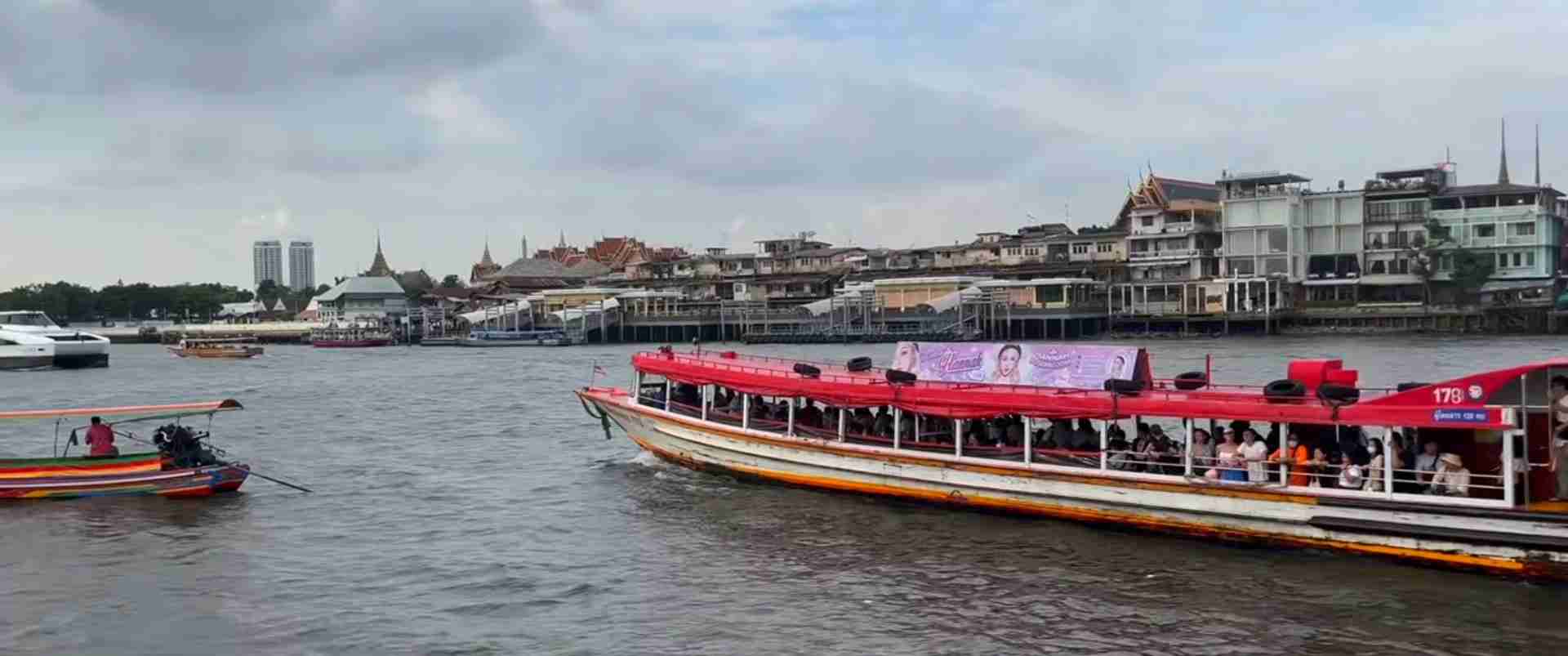
- Chao Phraya Express Boats provide scenic river transportation for 15-32 baht per trip, connecting major temples and tourist areas along the river
- Grab app offers transparent pricing for private cars (80-200 baht for short trips) and is safer than negotiating with street taxis
- Purchase Rabbit Card for BTS (200 baht deposit + credit) and MRT stored-value cards to avoid queuing for single-journey tickets during peak hours
- Download ViaBus app for real-time bus tracking and route planning across Bangkok’s extensive 113-route public bus network
Introduction to Bangkok Transportation in 2026
Bangkok’s transportation network in 2026 combines modern rapid transit systems with traditional river boats and innovative ride-hailing services, creating one of Southeast Asia’s most comprehensive urban mobility ecosystems. The city’s 15 million daily commuters and millions of annual tourists navigate through elevated Skytrains, underground metros, express boats, air-conditioned buses, and countless taxis that weave through streets ranging from modern expressways to narrow historic lanes.
Understanding Bangkok’s transportation requires grasping both its modern efficiency and organized chaos. The BTS Skytrain and MRT Metro deliver punctual, air-conditioned comfort above and below the city’s traffic congestion, while the Chao Phraya River serves as a natural highway connecting temples, markets, and neighborhoods. Traditional tuk-tuks coexist with app-based ride services, creating transportation options for every budget and preference.
For visitors in 2026, Bangkok’s transportation presents minimal language barriers thanks to bilingual signage throughout public transit systems, widespread English among Grab drivers, and transportation apps with English interfaces. The city’s compact tourist core between Rattanakosin Island and Sukhumvit Road sits within easy reach of multiple transit lines, making independent exploration straightforward even for first-time visitors. Strategic transportation planning transforms Bangkok from an overwhelming megacity into an accessible destination where ancient temples, modern shopping districts, and vibrant neighborhoods connect through efficient public transit networks.
People Also Ask About Bangkok Transportation 2026
How much does transportation cost in Bangkok in 2026?
Bangkok transportation costs remain exceptionally affordable in 2026. BTS Skytrain rides range 16-59 baht depending on distance traveled, while MRT Metro charges similar fares. Airport Rail Link from Suvarnabhumi costs 45 baht to downtown stations. Chao Phraya Express Boats charge 15-32 baht per trip depending on route and boat type. Metered taxis start at 35 baht with subsequent charges of 6.5 baht per kilometer. Check official transit websites for current fares as pricing may vary.
A typical tourist day using mixed transportation costs 150-300 baht including BTS trips (50-100 baht), river boat rides (30-60 baht), one taxi journey (80-150 baht), and occasional tuk-tuk experiences (100-150 baht). Budget travelers using exclusively public transit spend 80-120 baht daily, while those preferring private cars via Grab spend 400-800 baht depending on distance and traffic conditions. Multi-day transit passes offer savings for intensive users, with 1-Day BTS passes at 140 baht and 3-Day passes at 310 baht providing unlimited rides.
Is Bangkok public transportation safe and reliable in 2026?
Bangkok’s modern public transportation ranks among Asia’s safest and most reliable systems. BTS and MRT operate with 99%+ on-time performance, running every 3-7 minutes during peak hours and every 5-10 minutes during off-peak times. Both systems feature comprehensive CCTV coverage, security personnel at major stations, and emergency communication systems. The elevated BTS and underground MRT eliminate traffic unpredictability, making journey times accurate within 2-3 minutes for most trips.
Personal safety on Bangkok public transit matches international standards with minimal theft or harassment incidents. Women travel safely alone on trains and boats throughout the day and evening. Pickpocketing occurs rarely compared to European metro systems, though standard precautions apply during rush hours when crowded trains provide opportunities for opportunistic theft. Express boats maintain good safety records despite open-sided designs, with life jackets available and experienced captains navigating river traffic. Grab rides provide driver identification, GPS tracking, and rating systems that enhance safety compared to random street taxis.
What’s the best way to get from Bangkok airport to the city in 2026?
The Airport Rail Link provides the fastest and most economical route from Suvarnabhumi Airport to central Bangkok in 2026. The express service reaches Makkasan Station in 15 minutes and Phaya Thai Station in 18 minutes for 45 baht, with trains departing every 15-20 minutes from 6:00 AM to midnight. At Phaya Thai, direct transfers connect to BTS Sukhumvit Line, while Makkasan offers underground passages to MRT Phetchaburi Station, providing seamless connections throughout Bangkok’s transit network.
Metered taxis from Suvarnabhumi offer door-to-door convenience for 250-400 baht including 50-baht airport surcharge and expressway tolls, with journey times varying 30-70 minutes depending on traffic and destination. Use only official taxi stands on Level 1, avoid drivers soliciting inside terminals, and ensure the meter activates at 35-baht starting fare. Grab services cost 350-550 baht to central Bangkok areas, eliminating negotiation concerns and providing transparent pricing. Airport limousine services charge 900-1,200 baht for premium vehicles with English-speaking drivers and guaranteed fixed rates regardless of traffic.
Do I need to buy transportation cards for Bangkok in 2026?
Transportation cards significantly improve convenience for visitors spending more than two days in Bangkok. The Rabbit Card for BTS Skytrain costs 200 baht (100 baht refundable deposit, 100 baht initial credit) and eliminates queuing at ticket machines during rush hours. The card works across all BTS lines, provides small discounts on fares, and remains valid for five years. Top-up machines accept cash and credit cards at every BTS station, with minimum top-ups of 100 baht.
MRT Metro uses a separate stored-value card system with similar 180-baht purchase price (30 baht non-refundable card fee, 150 baht initial credit). However, for short visits of 1-3 days with limited MRT usage, single-journey tokens purchased at stations suffice. Chao Phraya Express Boats require cash payment on board or single-journey tickets at piers, with no card system available. The upcoming integration of BTS and MRT payment systems faces delays beyond 2026, requiring visitors to maintain separate cards for each system. Budget-conscious travelers making 5+ BTS trips daily benefit from 1-Day unlimited passes at 140 baht or 3-Day passes at 310 baht.
Extended multi-day tours – 5+ days
Featured Bangkok Multi-Day Tour Packages

4 days
4 Day Bangkok City Break including Amphawa Floating Market & Erawan National Park
- ✓ Comprehensive Bangkok tour
- ✓ Expert local guides included
- ✓ All accommodation arranged
- ✓ Transportation provided
1 days
Small Group: Damnoen Floating market & Train market
- ✓ Comprehensive Bangkok tour
- ✓ Expert local guides included
- ✓ All accommodation arranged
- ✓ Transportation provided

3 days
Central Thailand Highlights in a Loop 3 Days, Private Tour
- ✓ Comprehensive Bangkok tour
- ✓ Expert local guides included
- ✓ All accommodation arranged
- ✓ Transportation provided
4 days
Bangkok Basics, City Break, Small Group Tour
- ✓ Comprehensive Bangkok tour
- ✓ Expert local guides included
- ✓ All accommodation arranged
- ✓ Transportation provided
Multi-day tour packages powered by TourRadar. Prices and availability subject to change.
Understanding Bangkok’s Transportation Network in 2026
Bangkok’s transportation ecosystem in 2026 operates through five primary systems that serve distinct geographic areas and purposes. The BTS Skytrain dominates the elevated rail network with Sukhumvit and Silom lines forming an inverted L-shape covering shopping districts, business areas, and tourist zones from Mo Chit in the north to Samrong in the east and Bang Wa in the west. The underground MRT Metro crosses the city with Blue and Purple lines connecting residential neighborhoods, Chinatown, and cultural districts that lack BTS coverage.
The Chao Phraya River functions as Bangkok’s historical transportation corridor, with Express Boats serving 34 piers between Nonthaburi in the north and Sathorn in the south. The orange-flag tourist boats stop at major attractions including the Grand Palace, Wat Arun, and Asiatique, while local boats with no flag or yellow flags provide faster service for commuters. Connecting to the river network, thousands of canal boats navigate smaller waterways through residential areas, though most serve local commuters rather than tourists.
Bangkok’s road-based transportation includes 113 bus routes serving areas beyond rail networks, though air-conditioned buses with English announcements focus on routes connecting tourist areas and major transit hubs. Metered taxis numbering over 80,000 vehicles provide affordable door-to-door service, complemented by motorcycle taxis for short distances and tuk-tuks for tourist experiences. Grab ride-hailing service dominates private car transportation, offering English-language booking, transparent pricing, and driver accountability that street taxis cannot match. Understanding which system serves your destination determines both journey time and cost, with combinations of systems often providing the most efficient routes across Bangkok’s sprawling geography.
Airport Transportation Options 2026
Suvarnabhumi Airport Connections 2026
Suvarnabhumi Airport serves as Bangkok’s primary international gateway, located 25 kilometers east of downtown with multiple transportation options reaching the city center. The Airport Rail Link operates from 6:00 AM to midnight with trains departing every 15-20 minutes, providing the fastest congestion-free route to central Bangkok. The express service stops only at Makkasan and Phaya Thai stations, completing the journey in 15-18 minutes for 45 baht. The local service stops at all eight stations including Lat Krabang and Hua Mak for 15-45 baht depending on distance, reaching Phaya Thai in 30 minutes.
At Phaya Thai terminus, escalators lead directly to BTS Phaya Thai Station on the Sukhumvit Line, connecting to Siam, Asok, Nana, and other central areas within 10-20 minutes. Makkasan Station connects via underground passage to MRT Phetchaburi Station, providing access to Sukhumvit, Silom, and Chinatown areas. This rail-to-rail transfer eliminates surface traffic concerns, making total journey times from airport to most central hotels 45-65 minutes including transfers.
Metered taxis from Suvarnabhumi provide door-to-door convenience with official taxi stands on Level 1 of the passenger terminal. The system issues numbered tickets showing your taxi’s license plate, departure time, and drop-off counter. Fares range 250-400 baht to central Bangkok areas including the 50-baht airport surcharge, expressway tolls (typically 75 baht), and metered fare. Journey times vary 30-70 minutes depending on destination and traffic, with morning rush hours (7:00-9:30 AM) and evening peaks (5:00-8:00 PM) potentially doubling travel times.
Grab services operate from designated pickup areas on Level 2, with app-based booking providing fare estimates before confirming rides. Costs range 350-550 baht to central areas, slightly higher than metered taxis but offering transparent pricing and eliminating negotiation. Private limousine services available at airport counters charge 900-1,200 baht for sedan services and 1,400-1,800 baht for luxury SUVs, with English-speaking drivers holding name boards at arrivals and providing fixed rates regardless of traffic or route.
Don Mueang Airport Connections 2026
Don Mueang Airport serves domestic flights and budget international carriers, located 21 kilometers north of downtown Bangkok. Free shuttle buses connect terminals every 15 minutes from 5:00 AM to midnight, with the airport train station reachable via 10-minute shuttle ride. Trains on the Northern Line operate every 15-30 minutes from 4:00 AM to 11:00 PM, reaching Phahon Yothin MRT station in 15 minutes for 25 baht, Bang Sue Grand Station in 20 minutes for 30 baht, and Krung Thep Aphiwat Central Terminal in 25 minutes for 35 baht.
At Phahon Yothin, transfers to MRT Blue Line extension connect to Chatuchak Weekend Market, Sukhumvit areas, and Chinatown. Bang Sue Grand Station serves as Bangkok’s primary intercity train hub with connections to northern and northeastern Thailand. The A1 and A2 airport buses provide direct service to BTS Mo Chit and Victory Monument for 30 baht, operating every 20 minutes from 7:00 AM to 11:00 PM with air-conditioned comfort and luggage racks.
Metered taxis from Don Mueang cost 200-350 baht to central Bangkok including the 50-baht airport surcharge and expressway tolls. Journey times average 35-60 minutes depending on destination and traffic patterns. Grab services charge 280-480 baht to downtown areas with pickup zones clearly marked on arrival levels. The combination of train and MRT provides the most reliable timing for travelers with connecting flights or scheduled meetings, while taxis offer convenience for groups or travelers with excessive luggage.
BTS Skytrain System Guide 2026
BTS Routes and Coverage 2026
The BTS Skytrain operates two main lines covering Bangkok’s commercial and tourist districts. The Sukhumvit Line runs 47 stations from Mo Chit in the north through Siam Central, along Sukhumvit Road to Bearing in the southeast, and extending to Samrong and Kheha in Samut Prakan province. The Silom Line branches from Siam Station running 28 stations south through Silom financial district to Bang Wa in the west. The two lines intersect at Siam Station, Bangkok’s busiest transit hub connecting to Siam Paragon, MBK Center, and Siam Center shopping complexes.
Key tourist stations on the Sukhumvit Line include Phaya Thai (Airport Rail Link connection), Ratchathewi (Pratunam Market area), Chit Lom (Central World shopping), Nana (Sukhumvit Soi 3-7 hotels), Asok (Terminal 21 mall, MRT interchange), Phrom Phong (EmQuartier, Emporium shopping), and Thong Lo (nightlife and restaurants). The Silom Line serves National Stadium (Jim Thompson House), Sala Daeng (Patpong Night Market, MRT interchange), Chong Nonsi (Sathorn Road hotels), and Saphan Taksin (Chao Phraya River boat connection).
Trains operate from 6:00 AM to midnight with 3-7 minute intervals during peak hours (7:00-9:00 AM, 5:00-8:00 PM) and 5-10 minute intervals during off-peak times. Each train consists of 3-4 cars with designated women-only cars during rush hours at the front of each train. Digital displays in English and Thai announce upcoming stations, while recorded announcements provide station names, transfer information, and safety reminders. Platform screen doors prevent accidents and maintain air conditioning efficiency, opening only when trains arrive.
BTS Fares and Payment Options 2026
BTS Skytrain fares range 16-59 baht depending on distance traveled, calculated by zones crossing. Journeys within the same zone cost 16 baht, while maximum-distance trips across all zones reach 59 baht. Single-journey tickets purchased from vending machines accept coins and banknotes up to 100 baht, with change provided. Touch screens display route maps with fare information, allowing passengers to select destinations before payment. The ticket itself is a plastic token dropped into turnstiles at the start of the journey and collected by machines at exit gates.
The Rabbit Card provides the most convenient payment method for regular users. Purchase cards at any BTS station counter for 200 baht (100 baht refundable deposit, 100 baht initial credit). The cards work by tapping on entry and exit turnstiles, automatically deducting appropriate fares. Top-up machines located near ticket counters and on station platforms accept cash in increments of 100, 300, 500, or 1,000 baht. Credit card top-ups require 100-baht minimum and accept Visa, Mastercard, and JCB.
Multi-day passes offer value for tourists making 5+ BTS trips daily. The 1-Day pass costs 140 baht providing unlimited rides from first tap until midnight of the same day. The 3-Day pass at 310 baht offers unlimited travel across three consecutive days, while the 7-Day pass at 560 baht serves week-long visitors. Passes activate upon first use and provide access through designated turnstiles marked with pass symbols. The break-even point for 1-Day passes occurs at approximately 8-9 trips, making them valuable for intensive sightseeing days covering multiple BTS destinations.
BTS Transfer Strategies 2026
Efficient BTS travel requires understanding transfer opportunities at key interchange stations. Siam Station connects Sukhumvit and Silom lines through climate-controlled walkways lined with shops and restaurants. Follow illuminated signs showing line colors and destination stations. The transfer requires 3-5 minutes of walking through the interchange, with escalators connecting different platform levels. During rush hours, crowds moving between lines create congestion, making transfers 5-8 minutes.
Asok Station provides seamless connection to MRT Sukhumvit Station through underground passages. Exit BTS turnstiles on the Sukhumvit Line and follow signs for “MRT Interchange” leading to escalators descending to the underground metro. The connection requires 5-7 minutes including walking and escalator time. At Sala Daeng Station on the Silom Line, underground passages connect to MRT Silom Station serving the Blue Line. The transfer distance is shorter at 3-5 minutes, making Sala Daeng an efficient interchange for travelers moving between Silom Road and Sukhumvit areas.
Saphan Taksin Station on the Silom Line provides the crucial connection to Chao Phraya Express Boats. Exit the station and descend to Sathorn Pier via covered walkways with escalators. The connection takes 2-3 minutes and delivers passengers to the central pier serving both northbound boats to the Grand Palace and southbound boats to Asiatique. This transfer enables efficient combinations of elevated rail and river transport for reaching destinations along the Chao Phraya River without surface traffic delays.
MRT Metro System Guide 2026
MRT Routes and Network 2026
Bangkok’s MRT Metro operates underground and elevated lines connecting areas beyond BTS coverage. The Blue Line forms a horseshoe through downtown Bangkok, running from Bang Sue to Lak Song with 38 stations including key interchanges at Sukhumvit (connecting to BTS Asok), Silom (connecting to BTS Sala Daeng), and Sam Yan (near Chulalongkorn University). The line serves Chinatown at Wat Mangkon Station, Hua Lamphong Railway Station, and cultural sites in the Rattanakosin area at Sanam Chai Station.
The Purple Line operates as an elevated system from Tao Poon to Khlong Bang Phai in northern Bangkok, primarily serving residential areas and connecting to the Blue Line at Tao Poon Station. The Yellow Line recently opened connecting Lat Phrao to Samrong, providing additional east-west connectivity in northern Bangkok suburbs. The Pink Line operates from Khae Rai to Min Buri in eastern Bangkok, serving government offices and residential developments.
MRT trains run from 6:00 AM to midnight with 4-8 minute intervals during peak hours and 5-10 minute intervals during off-peak times. The air-conditioned trains consist of 3-4 cars with digital displays showing upcoming stations in English and Thai. Platform screen doors maintain temperature control and safety, opening only when trains arrive. Each car features priority seating for elderly passengers, pregnant women, and disabled riders, marked with blue seat covers and symbolic signage.
MRT Fares and Payment 2026
MRT Metro fares range 17-47 baht depending on distance traveled, with similar zone-based pricing to BTS. Single-journey tokens purchased from vending machines work by inserting the token at entry turnstiles and dropping it into collection slots at exit gates. The vending machines accept coins and banknotes up to 100 baht, displaying route maps showing fare information for all stations. Touch screens allow destination selection with fares displayed before payment.
MRT stored-value cards cost 180 baht (30 baht non-refundable card fee, 150 baht initial credit) and work across all MRT lines. Tap cards on entry and exit card readers, with fares automatically deducted. Top-up machines at stations accept minimum 50-baht reloads up to 1,000 baht. The cards remain valid indefinitely with credit stored on the chip. Unlike BTS Rabbit Cards, MRT cards do not work across systems, requiring separate cards for BTS and MRT travel.
Multi-day MRT passes provide unlimited rides for intensive users. The 1-Day pass costs 120 baht, while 3-Day passes cost 280 baht and 30-Day passes cost 1,400 baht. Passes activate upon first use and provide access through designated turnstiles at all MRT stations. Combined BTS-MRT day passes do not exist in 2026 despite long-promised integration, requiring separate passes for each system.
Key MRT Stations for Tourists 2026
Sanam Chai Station serves as the primary MRT access point for Rattanakosin Island and the Grand Palace. Exit the station and walk 5 minutes to the Grand Palace main entrance or 3 minutes to Wat Pho. The station features artistic design elements celebrating Thai culture with murals depicting historical scenes. Hua Lamphong Station connects to Bangkok’s historic railway terminal serving southern Thailand destinations, with the station itself representing significant architectural heritage from the early 20th century.
Wat Mangkon Station provides access to Chinatown’s markets, temples, and street food scene. Exit to Charoen Krung Road and explore Yaowarat Road’s gold shops, seafood restaurants, and traditional medicine stores. The station sits 200 meters from Wat Mangkon Kamalawat, Chinatown’s most significant temple. Sukhumvit Station offers the crucial interchange with BTS Asok Station, positioned at the intersection of Sukhumvit and Asok roads near Terminal 21 shopping complex and numerous hotels. The underground passages connecting MRT to BTS feature shops, restaurants, and mobile phone services.
Samyan Station serves Chulalongkorn University area with access to Samyan Mitrtown shopping complex, Jim Thompson House, and the MRT Blue Line extension to cultural sites. Lumpini Station provides access to Lumpini Park, Bangkok’s central green space spanning 58 hectares, with early morning tai chi sessions and evening jogging paths attracting locals and tourists. The station connects to Wireless Road with embassy district and luxury hotels.
Chao Phraya Express Boat Service 2026
River Boat Routes and Schedules 2026
Chao Phraya Express Boats operate on the river serving 34 piers between Nonthaburi in the north and Sathorn in the south. The orange-flag tourist boats provide hop-on-hop-off service stopping at major attractions, operating from 9:00 AM to 6:00 PM with boats every 20-30 minutes. Key tourist piers include N8 Thewes (near Khao San Road), N9 Phra Athit (walking distance to Grand Palace), N10 Wang Lang (opposite Wat Arun), N13 Phra Chan (Grand Palace), Maharaj Pier (near Wat Pho), and Sathorn Pier (connecting to BTS Saphan Taksin).
Local express boats with no flag provide the fastest service for commuters, skipping tourist piers and operating from 6:00 AM to 8:00 PM with 5-15 minute intervals during peak hours. These boats serve residents traveling to work and school, creating crowded conditions during morning and evening rush hours. Yellow-flag boats offer intermediate service stopping at approximately half the piers, operating from 6:00 AM to 8:00 PM serving both tourists and commuters. Green-flag boats provide special express service during morning and evening peaks with limited stops at major piers.
Tourist boats cost 50 baht for unlimited daily hop-on-hop-off access, purchased at any pier from ticket booths or on-board staff wearing orange vests. Local boats charge 10-32 baht depending on distance, with fares collected on-board by staff navigating through passengers with shoulder bags containing coins. Exact change helps speed payment, though staff provides change from 100-baht notes. Canal boats connecting to smaller waterways operate separate services with 10-20 baht flat fares, departing from specific piers including Phanfa Leelard Pier near Democracy Monument and The Mall Bangkapi in eastern Bangkok.
Strategic Boat Routes for Sightseeing 2026
The most efficient river sightseeing route begins at Sathorn Pier connected to BTS Saphan Taksin Station. Board northbound orange-flag boats heading toward Nonthaburi and disembark at N8 Thewes Pier for Wat Indharawihan and easy access to Khao San Road area. Continue north to N13 Phra Chan Pier for Grand Palace and Temple of the Emerald Buddha, or disembark at Maharaj Pier for Wat Pho and proximity to Grand Palace side entrances. Cross the river using the 5-baht cross-river ferries to reach Wat Arun from Maharaj or Phra Chan piers.
The reverse southbound journey from temple areas to Sathorn provides different perspective on riverside architecture including the historic Oriental Bangkok hotel, River City Shopping Complex antiques center, and Asiatique night market complex. Evening boat rides between 5:00-6:30 PM capture golden hour lighting on temple spires and modern skyscrapers. The full journey from Sathorn to Phra Athit takes 35-45 minutes with intermediate stops, while express service without stops completes the route in 20-25 minutes.
Combined BTS and boat routes optimize transportation efficiency. Travel BTS Silom Line to Saphan Taksin, take boats to Maharaj Pier for Grand Palace and Wat Pho, cross river to Wat Arun, return via boat to Sathorn Pier, and complete the loop via BTS back to hotel areas. This combination eliminates surface traffic congestion while providing air-conditioned comfort between river segments. The total cost for this routing including BTS trips and boat fares amounts to 110-140 baht depending on BTS distances traveled.
River Safety and Practical Tips 2026
Chao Phraya Express Boats operate with open sides allowing river breezes and easy boarding but requiring attention to safety. Boats arrive at piers with staff throwing ropes to pier handlers, creating brief docking periods of 15-30 seconds. Board quickly when the boat ties up and staff opens chain barriers. Pregnant women, elderly passengers, and families with small children should wait for less crowded boats or request staff assistance. Life jackets hang on racks inside boats, though their use is uncommon except during monsoon season rough water.
Protect belongings from river spray particularly during monsoon season June-October when boats travel through choppy water. Waterproof bags safeguard electronics and important documents. The covered seating areas in boat centers provide protection from sun and spray while allowing river views. During hot season March-May, riverside seats catch cooling breezes despite sun exposure. Evening trips after 5:00 PM offer comfortable temperatures and dramatic lighting on temples and buildings.
Peak hour river traffic from 7:00-9:00 AM and 5:00-7:00 PM creates crowded conditions on local boats as commuters pack vessels. Tourist orange-flag boats maintain more comfortable capacity limits during these hours. Weekend river travel provides more spacious conditions, though popular tourist piers experience crowds Saturday-Sunday from 10:00 AM-4:00 PM. Early morning trips before 9:00 AM and late afternoon trips after 4:00 PM offer the best combination of comfortable crowding and good lighting for photographs.
Road-Based Transportation Options 2026
Metered Taxis and Best Practices 2026
Bangkok’s 80,000+ metered taxis provide affordable door-to-door transportation across the city. Official taxis display “TAXI-METER” signs on roofs and use calibrated meters starting at 35 baht with subsequent charges of 6.5 baht per kilometer for the first 10 kilometers, 7 baht per kilometer from 10-20 kilometers, 8 baht per kilometer from 20-40 kilometers, and 9 baht per kilometer beyond 40 kilometers. Traffic congestion charges accrue at 2 baht per minute when vehicles move slower than 6 kilometers per hour, significantly increasing fares during rush hours.
Always insist on meter activation before the taxi departs. If a driver refuses to use the meter or quotes a flat rate, exit immediately and hail another taxi. Abundant taxis make finding willing metered drivers straightforward, particularly outside tourist areas. Have destination addresses written in Thai or display hotel cards showing Thai script. While many drivers speak basic English, destination names in Thai script eliminate confusion and ensure accuracy. Navigate using Google Maps to monitor routes and prevent unnecessary detours that inflate fares.
Typical taxi fares range 80-150 baht for trips within central Bangkok covering 5-8 kilometers, 150-250 baht for longer trips of 10-15 kilometers across the city, and 250-400 baht for journeys exceeding 20 kilometers such as airport routes. Traffic conditions dramatically affect costs, with the same 10-kilometer trip costing 180 baht during peak congestion versus 120 baht during free-flowing conditions. Expressway tolls ranging 25-75 baht add to fares when drivers use elevated highways to bypass surface congestion, with passengers responsible for toll payments presented via collection baskets extended to back-seat passengers.
Grab Ride-Hailing Service 2026
Grab dominates Bangkok’s ride-hailing market providing transparent pricing, driver accountability, and English-language interfaces. Download the Grab app and register with mobile number, email, and payment method. The app accepts credit cards, debit cards, and cash payments, with card payments eliminating language barriers regarding payment amounts. Enter destinations via address search, dropped map pins, or saved locations, with the app calculating fares before confirming bookings.
Grab service categories include GrabCar for standard sedans (base fare 35 baht plus per-kilometer charges), GrabCar Plus for larger vehicles accommodating 4-6 passengers, and GrabCar Premium for luxury sedans. Typical fares for GrabCar range 80-200 baht for trips under 8 kilometers within central Bangkok, 200-400 baht for longer trips of 10-20 kilometers, and 400-700 baht for trips exceeding 20 kilometers or involving expressway travel. Surge pricing during peak demand times increases fares by 1.2x-2.0x multipliers, clearly displayed before booking confirmation.
GrabBike provides motorcycle taxi service through the app, offering fast navigation through traffic congestion for solo travelers without luggage. Fares start at 25 baht with typical trips costing 40-80 baht for distances under 5 kilometers. Drivers provide helmets and navigate through traffic gaps unreachable by cars. GrabBike proves particularly useful for short trips during rush hours when cars face gridlock. Safety concerns require assessing comfort levels with Bangkok traffic patterns and motorcycle travel before booking.
Public Buses and Route Planning 2026
Bangkok’s 113 bus routes cover areas beyond BTS and MRT networks, serving residential neighborhoods, markets, and secondary tourist sites. Air-conditioned buses with numbers below 200 charge flat fares of 14-24 baht depending on distance, while non-air-conditioned buses charge 8-12 baht. Exact change simplifies payment when conductors circulate collecting fares and issuing tickets. Route information exists in Thai and English on BMTA website and ViaBus app providing real-time bus locations and route planning.
Key tourist routes include Bus 15 (express air-conditioned) connecting Sukhumvit, Silom, and Sathorn areas; Bus 1 (air-conditioned) from Siam to Chinatown and Wat Pho area; Bus 47 (regular) from Victory Monument through Democracy Monument to Grand Palace; and Bus 79 (air-conditioned) from Sukhumvit to Chinatown and Memorial Bridge. These routes operate from 5:00 AM to 11:00 PM with 10-20 minute intervals during peak hours and 20-40 minute intervals during off-peak times.
Bus challenges include crowding during rush hours, limited English announcements on older buses, and unpredictable journey times due to traffic congestion. The same route taking 30 minutes during off-peak hours extends to 75-90 minutes during morning and evening peaks. Night buses designated with “N” prefixes operate midnight to 5:00 AM on major routes, charging 10-15 baht for non-air-conditioned service. While buses offer the most economical transportation, their complexity and unpredictability make them secondary choices for time-conscious tourists compared to rail and boat options.
Tuk-Tuks and Motorcycle Taxis 2026
Tuk-tuks represent Bangkok’s iconic three-wheeled motorized vehicles providing tourist-oriented transportation with negotiated pricing. Most tuk-tuk drivers near major tourist sites quote inflated prices of 200-400 baht for short journeys that cost 60-100 baht by metered taxi. Successful negotiation requires confident bargaining and walking away from excessive quotes. Reasonable tuk-tuk fares range 100-150 baht for trips under 3 kilometers, 150-250 baht for longer trips of 5-8 kilometers, with premium charges for evening rides through illuminated city areas.
Tuk-tuk experiences provide value as cultural activities rather than efficient transportation. The open-sided vehicles offer unobstructed photography opportunities, immersive street-level experiences, and memorable tourist moments. Negotiate fares before boarding, clarify destinations precisely, and establish that quoted prices represent final costs including all stops. Beware of unsolicited tuk-tuk offers near tourist sites suggesting detours to gem shops or suit tailors, as these represent commission-based scams rather than legitimate sightseeing suggestions.
Motorcycle taxis serve local commuters traveling short distances through congested areas. Orange-vested drivers congregate at designated stands on major streets and intersections. Fares range 20-60 baht for trips under 2 kilometers, negotiated before departure. Drivers provide helmets meeting minimal safety standards, though helmet quality varies significantly. Motorcycle taxis prove useful for quick trips to nearby BTS or MRT stations during rush hours when walking through crowds becomes impractical. The service requires comfort with Bangkok’s chaotic traffic patterns and acceptance of higher risk compared to enclosed vehicle transportation.
Transportation Apps and Technology 2026
Essential Transportation Apps 2026
Google Maps provides comprehensive Bangkok navigation including real-time public transit directions combining BTS, MRT, and boat routes. The app calculates journey times, displays walking distances between transit connections, and offers alternative routes comparing time and cost. Enable location services for current position and destination entry via address search or map pin drops. Download offline Bangkok maps before travel for navigation without mobile data consumption. The app updates with current traffic conditions affecting road routes, though public transit timing remains separate from road congestion.
ViaBus app offers real-time bus tracking showing vehicle locations and estimated arrival times at stops. The English-language interface displays routes, fares, and service hours for all BMTA buses. Search by bus number or destination to identify appropriate routes. The app helps determine whether buses approach stops, reducing waiting time uncertainty. Download the app before travel and explore route options connecting hotels to destinations beyond rail coverage. While the interface sometimes lags actual bus positions by 2-3 minutes, the app significantly improves bus travel reliability compared to schedule-only information.
Grab app dominates ride-hailing with comprehensive service including GrabCar, GrabBike, and GrabFood delivery. Register with mobile number and payment method before first use. The app saves frequent destinations and provides fare estimates before booking confirmation. Rating systems allow feedback on driver behavior and vehicle condition. In-app navigation shows driver location approaching pickup points, with average waiting times of 3-8 minutes in central Bangkok areas. The app’s English interface and transparent pricing eliminate negotiation stress making it the preferred private car option for tourists.
Digital Payment Integration 2026
Bangkok’s transportation network increasingly accepts digital payments though cash remains essential for many services. BTS and MRT accept credit cards at vending machines for single-journey tickets and card top-ups with 100-baht minimums. Rabbit Cards and MRT stored-value cards function as digital wallets after cash or credit card top-ups at stations. The cards work contactless requiring only taps on turnstile readers without removing cards from wallets or bags.
Grab app integrates credit card, debit card, and mobile wallet payments including PromptPay, TrueMoney Wallet, and international cards. Link payment methods during initial registration or in the app’s payment settings section. Card payments eliminate cash transactions and provide transaction records for expense tracking. River boats and most buses require cash payment, making carrying small bills essential. ATMs throughout Bangkok dispense 100-baht and 500-baht notes, with 7-Eleven stores and banks readily providing change for larger bills.
Mobile wallet adoption among tuk-tuks and motorcycle taxis remains limited in 2026, with cash payment standard. Always carry 500-1,000 baht in small bills for services requiring cash. The combination of stored-value transit cards, Grab app with linked credit card, and reasonable cash reserves provides comprehensive payment coverage across Bangkok’s entire transportation network. Consider notifying credit card issuers of Bangkok travel plans to prevent fraud alerts blocking card transactions at critical moments.
Transportation Strategies by Area 2026
Navigating Sukhumvit Area 2026
Sukhumvit Road extends 25+ kilometers from central Bangkok through Asok, Nana, and Thong Lo into suburban Bearing and Samrong. The BTS Sukhumvit Line provides primary transportation along this corridor with 12 stations covering central Sukhumvit from Nana to Ekkamai. Within Sukhumvit area, BTS provides fastest transportation between sois avoiding surface traffic congestion. From Nana BTS to Phrom Phong BTS takes 8 minutes covering 3 kilometers that require 20-40 minutes by taxi during peak hours.
Motorcycle taxis serve short trips between BTS stations and hotels on interior sois, charging 20-40 baht for journeys under 1 kilometer. Orange-vested drivers congregate at soi entrances near BTS stations. Walking distances from BTS stations to most hotels range 300-800 meters, manageable during morning and evening comfortable temperatures but challenging during midday heat. Use BTS between Sukhumvit locations during all hours, reserving taxis for trips requiring luggage transport or destinations beyond walking distance from stations.
For trips from Sukhumvit to Silom business district, take BTS to Siam Station and transfer to Silom Line, reaching Sala Daeng in 20 minutes total. To reach Chinatown from Sukhumvit, take BTS to Asok, transfer to MRT Sukhumvit Station, and ride MRT Blue Line to Wat Mangkon, completing the journey in 30-35 minutes. River access from Sukhumvit requires BTS to Saphan Taksin Station, providing Sathorn Pier access for boats to Grand Palace and temple areas.
Getting Around Rattanakosin Island 2026
Rattanakosin Island encompasses the Grand Palace, Wat Pho, National Museum, and historic core without direct BTS or MRT connections. MRT Sanam Chai Station provides closest rail access with 5-10 minute walks to major sites. Chao Phraya Express Boats serve multiple piers including N13 Phra Chan (Grand Palace), Maharaj Pier (Wat Pho), and N9 Phra Athit (walking distance to Khao San Road), making river transport the most efficient approach from hotel areas with BTS access.
Walking routes within Rattanakosin cover short distances between sites. Grand Palace to Wat Pho requires 5 minutes walking, Wat Pho to Tha Tien Pier for Wat Arun ferry takes 3 minutes, and National Museum to Grand Palace spans 10 minutes. The compact geography makes walking the preferred method for moving between sites once reaching the area via boat or MRT. However, midday heat March-May makes walk timing critical, with morning visits before 11:00 AM or late afternoon after 3:00 PM providing comfortable temperatures.
Taxis and tuk-tuks congregate near major sites offering rides to next destinations, though traffic congestion around Rattanakosin during peak tourist hours 10:00 AM-3:00 PM makes these options slower than boats returning to Sathorn Pier and resuming BTS connections. For trips from Rattanakosin to Sukhumvit hotels, take boats to Sathorn Pier, climb to BTS Saphan Taksin, and ride Silom Line to Siam for Sukhumvit Line connections, completing journeys in 40-50 minutes versus 45-90 minutes by taxi depending on traffic.
Chinatown Transportation 2026
Chinatown centers on Yaowarat Road and Charoen Krung Road with limited direct BTS access. MRT Wat Mangkon Station provides the primary rapid transit connection, positioned on Charoen Krung Road within 5 minutes walking of Yaowarat Road’s gold shops and street food scene. From Sukhumvit hotels, take BTS to Asok, transfer to MRT Sukhumvit Station, and ride Blue Line to Wat Mangkon, completing trips in 30-35 minutes for 40-55 baht depending on exact origins.
River access to Chinatown uses Rachawongse Pier on the Chao Phraya, located on Ratchawong Road near Yaowarat intersection. Orange-flag tourist boats stop at this pier between 9:00 AM-6:00 PM, with local express boats serving the pier throughout the day. The combination of river boat from Sathorn Pier to Rachawongse Pier followed by 5-minute walk to Yaowarat provides scenic alternative to underground MRT routes. Total journey time from Sathorn Pier to Yaowarat heart takes 25-30 minutes.
Walking within Chinatown works well for exploring markets, temples, and restaurants along interconnected streets and alleys. The area’s density places most attractions within 10-minute walks of MRT Wat Mangkon Station or Rachawongse Pier. Evening Chinatown exploration peaks between 6:00 PM-10:00 PM when street food stalls line Yaowarat Road and crowds fill restaurants. Return trips via MRT prove more reliable than taxis fighting through evening street food traffic congestion. The MRT Blue Line operates until midnight, providing comfortable air-conditioned return transportation after late Chinatown dinners.
Money-Saving Transportation Strategies 2026
Budget Optimization Techniques 2026
Transportation represents 8-12% of typical Bangkok trip budgets, creating opportunities for significant savings through strategic choices. Commit to public transit as primary transportation reducing daily transport costs from 400-800 baht using taxis to 100-200 baht using combinations of BTS, MRT, and boats. Purchase stored-value cards on arrival avoiding single-journey ticket queues while gaining small per-trip discounts. A tourist making 6-8 transit trips daily saves 30-50 baht daily through card usage versus single tickets.
Multi-day BTS passes provide value only for intensive users making 9+ trips daily. Most tourists average 4-6 BTS trips daily making stored-value cards more economical than unlimited passes. Calculate your planned daily BTS usage before purchasing passes. A typical tourist day visiting Grand Palace (boat access), shopping at Central World (BTS Chit Lom), and dining at Thong Lo (BTS Thong Lo) requires 4 BTS trips costing 64-80 baht versus 140 baht for unlimited pass, making per-trip payment cheaper.
Combine walking with strategic transit use during comfortable temperature periods. Morning hours before 10:00 AM and evening hours after 5:00 PM provide pleasant walking conditions for distances under 1.5 kilometers. Walking from BTS Nana to Terminal 21 mall (1.2 kilometers) saves 16 baht compared to riding one station to BTS Asok, accumulating savings across multiple daily walks. Download offline maps for confident navigation without mobile data charges, allowing spontaneous walking when distances appear manageable.
Free and Low-Cost Alternatives 2026
Several Bangkok transportation options cost nothing or minimal amounts. Walk across the Chao Phraya River using Saphan Phut (Memorial Bridge), Saphan Phra Phuttha Yodfa Rd (Phra Pinklao Bridge), and Saphan Rama VIII (Rama VIII Bridge), saving 5-baht ferry fares while enjoying river views and bridge architecture. These bridges feature pedestrian walkways separate from vehicle traffic, requiring 10-15 minutes to cross at relaxed pace.
Cross-river ferries connecting Chao Phraya banks charge only 5 baht per crossing, operating every 5-10 minutes from 6:00 AM to 10:00 PM at dozens of locations. These ferries provide the cheapest access to Wat Arun from Maharaj Pier or Phra Chan Pier, significantly cheaper than private longtail boat tours costing 200-400 baht per person. The public ferries accommodate motorcycles and pedestrians, creating authentic local transportation experiences.
Free shuttle services operate between connected properties including hotels near Siam offering shuttles to BTS stations, shopping malls providing shuttle buses to nearby MRT stations, and attraction complexes running internal transport. Asiatique night market operates free shuttle boats from Sathorn Pier every 20 minutes from 4:00 PM to 11:00 PM, eliminating 30-50 baht taxi costs from BTS Saphan Taksin. Ask hotel concierges about property shuttle services and nearby complexes with free transportation to public transit connections.
Transportation Safety and Scam Prevention 2026
Common Transportation Scams 2026
Bangkok transportation scams target tourists through several predictable patterns. Tuk-tuk drivers near major tourist sites offer incredibly cheap rides (20-40 baht) while suggesting detours to gem shops, tailor shops, or “special exhibitions” claiming today’s closures of intended destinations. These drivers receive commissions from shops for delivering tourists, with the cheap rides designed to offset time spent at commission-generating stops. Decline all ride offers including shop visits or alternative destinations, and negotiate direct point-to-point transportation only.
Unmetered taxis and taxi drivers refusing meters typically target arrivals at train stations, bus terminals, and tourist sites. Quoted flat rates of 300-500 baht for trips normally costing 80-150 baht by metered taxi represent the most common overcharging method. Walk away from any taxi refusing meter activation and find another vehicle within 1-2 minutes. At airports, use only official taxi stands on designated levels, avoiding drivers soliciting inside terminals or in arrival areas.
Grand Palace area commonly features well-dressed individuals claiming the palace closes for ceremonies, royal events, or cleaning, then offering tuk-tuk tours to “open” alternatives nearby. The Grand Palace maintains consistent opening hours 8:30 AM-3:30 PM daily except rare official closures announced weeks in advance. Verify closure claims by walking to palace gates rather than trusting solicitors. Similar scams operate near other tourist sites using closure claims to divert travelers to commission-generating shops.
Safe Transportation Practices 2026
Maintain awareness of belongings on public transit during crowded rush hour periods. Wear backpacks on front during crowded BTS and MRT trains, keeping zippers within sight. Place phones and wallets in front pockets or bags held in front of body. Pickpocketing remains relatively rare on Bangkok transit compared to European cities, though crowds provide opportunities for opportunistic theft. Groups working together sometimes create distractions while accomplices access bags or pockets.
Use Grab instead of street taxis during late night hours after midnight when fewer vehicles operate and meter refusals increase. Grab provides driver identification, GPS tracking, and trip records creating accountability absent in random street taxis. Share trip details with hotel front desk or travel companions when using late-night transportation. Avoid accepting rides from unlicensed private cars at entertainment districts, airports, or train stations regardless of convenience claims.
Photography considerations include keeping cameras secured when shooting from boats or tuk-tuks. The open-sided vehicles and boats create opportunities for grab-and-run theft when expensive cameras hang unsecured from necks or sit on laps. Use wrist straps for cameras and keep equipment inside bags when not actively photographing. River spray and sudden boat movements can cause electronics to fall into water, making secure storage essential between photography sessions.
Sample 2026 Transportation Itineraries
Efficient One-Day Transit Route 2026
This sample itinerary demonstrates efficient transportation combining BTS, MRT, and river boats for comprehensive Bangkok sightseeing. Begin at Sukhumvit hotels, take BTS to Saphan Taksin Station (16-32 baht, 15-25 minutes depending on origin station). Descend to Sathorn Pier and board northbound orange-flag boat (50 baht unlimited day pass). Ride to Maharaj Pier (25 minutes) for Grand Palace and Wat Pho morning visits before midday heat.
After temple visits, take 5-baht cross-river ferry to Wat Arun (15 minutes including crossing). Return to Maharaj Pier via cross-river ferry and board southbound orange-flag boat to Sathorn Pier (20 minutes). Ascend to BTS Saphan Taksin and ride Silom Line to Siam Station (8 minutes, 16 baht). Transfer to Sukhumvit Line and ride to Asok Station (5 minutes, included in distance-based fare). Transfer to MRT Sukhumvit Station for Blue Line to Wat Mangkon Station in Chinatown (15 minutes, 21 baht).
Explore Chinatown temples and street food for late afternoon. Evening departure from Wat Mangkon via MRT Blue Line to Sukhumvit Station (15 minutes, 21 baht), transfer to BTS for return to hotels (8-18 minutes, 16-32 baht depending on destination). Total transportation costs: 139-162 baht covering comprehensive sightseeing across Bangkok’s major areas. Journey time including transfers: 2.5-3 hours total transit time spread across full day between destinations.
Budget Three-Day Transportation Plan 2026
Day 1 focuses on Rattanakosin area temples and river access. Purchase Rabbit Card at BTS station (200 baht with 100 baht credit). Travel BTS to Saphan Taksin (16-32 baht), take orange-flag boat day pass (50 baht) to Maharaj Pier. Visit Grand Palace, Wat Pho, cross-river ferry to Wat Arun (5 baht), return ferry (5 baht). Evening boat to Sathorn Pier, BTS back to hotel (16-32 baht). Day 1 total: 292-324 baht including card purchase.
Day 2 covers shopping and modern Bangkok. Purchase MRT stored-value card (180 baht with 150 baht credit). BTS to Siam (16-32 baht) for Central World, Siam Paragon shopping. Walk to MBK Center. BTS to Asok (16 baht) for Terminal 21 mall. MRT from Sukhumvit to Chatuchak Park for weekend market (21 baht) or Lumpini for park visit on weekdays. Return via MRT to Sukhumvit (21 baht) and BTS to hotel (16-32 baht). Day 2 total: 270-302 baht including card purchase.
Day 3 explores Chinatown and alternative areas. MRT to Wat Mangkon (21-35 baht) for morning market and temple exploration. Walk to Rachawongse Pier, boat to Sathorn Pier (15-50 baht depending on boat type). BTS to Thong Lo (24-42 baht) for afternoon cafes and evening dining. BTS return to hotel (16-32 baht). Day 3 total: 76-159 baht. Three-day transportation total: 638-785 baht covering comprehensive Bangkok exploration using optimal public transit combinations with stored-value cards for convenience.
Planning Your 2026 Bangkok Transportation
Pre-Arrival Transportation Preparation 2026
Download essential transportation apps before departure including Google Maps (offline Bangkok maps), Grab (ride-hailing), and ViaBus (bus tracking). Register Grab account with mobile number and payment method to avoid airport arrival registration. Screenshot BTS and MRT route maps saving to phone photos for offline reference during underground travel when mobile signals weaken. Research hotel addresses in Thai script, saving screenshots or printing copies for taxi communication.
Determine optimal arrival transportation method based on flight arrival time and hotel location. Flights arriving 6:00 AM-midnight benefit from Airport Rail Link speed and economy (45 baht, 30 minutes to Phaya Thai). Late night arrivals after midnight or early morning arrivals before 6:00 AM require taxis or prearranged transfers, as Airport Rail Link does not operate these hours. Calculate budget including 200 baht for Rabbit Card purchase, 180 baht for MRT card if planning multiple metro trips, and 500-1,000 baht in small bills for services requiring cash.
Notify credit card issuers of Bangkok travel dates preventing fraud alerts from blocking Grab payments or BTS card top-ups at critical moments. Configure phone for international roaming or research Bangkok SIM card options at airport for reliable mobile data supporting transportation apps. Suvarnabhumi Airport offers multiple telecom provider counters selling tourist SIM cards with 7-30 day unlimited data plans for 299-799 baht, eliminating reliance on WiFi for navigation and booking throughout visits.
Arrival Day Transportation Strategy 2026
After immigration and baggage claim at Suvarnabhumi, follow signs to Airport Rail Link on basement level for fastest city access. Purchase tickets at vending machines using coins or small bills. The 45-baht fare to Phaya Thai includes train access, no additional surcharges apply. Store luggage in designated racks at car ends or in overhead spaces. The 30-minute journey provides air-conditioned comfort after long flights, arriving at Phaya Thai with direct BTS connection eliminating surface travel.
Alternative taxi service from Level 1 requires obtaining numbered ticket from taxi service counter, proceeding to designated lane matching ticket number, and confirming meter activation before departing. Communicate hotel name and address, showing Thai script if available. Expressway usage speeds trips during non-peak hours, with tolls of 25-75 baht collected via basket extended to back seat. Total journey costs 250-400 baht with 30-70 minute duration depending on traffic and destination, delivering door-to-door service valuable for jet-lagged arrivals or travelers with excessive luggage.
Purchase Rabbit Card at Phaya Thai BTS station immediately after arriving via Airport Rail Link or purchase at any BTS station during initial transit journeys. The 200-baht investment (100 baht deposit, 100 baht credit) eliminates queuing for single-journey tokens throughout visits. Add sufficient credit based on planned daily trips, with 300-500 baht top-up serving typical 3-5 day visits making 4-6 BTS trips daily. Familiarize with BTS route map at station, identifying hotel’s nearest station and planning initial journey using color-coded lines and clear station names in English and Thai.
Frequently Asked Questions About Bangkok Transportation 2026
Does Bangkok have Uber or similar ride services?
Grab provides comprehensive ride-hailing service throughout Bangkok after Uber exited the Southeast Asian market. Download the Grab app for GrabCar (private cars), GrabBike (motorcycle taxis), and other services. The app operates in English, accepts international credit cards, and provides transparent pricing before confirming bookings. Grab drivers generally outnumber traditional taxis in central Bangkok areas.
Can I use the same card for both BTS and MRT?
No, BTS Rabbit Card and MRT stored-value cards operate on separate systems in 2026 despite long-promised integration. Purchase separate cards for each system if planning extensive use of both networks. BTS cards cost 200 baht (100 baht refundable deposit, 100 baht credit), while MRT cards cost 180 baht (30 baht non-refundable fee, 150 baht credit). For occasional MRT users, single-journey tokens purchased at vending machines suffice.
Is it safe to cross streets in Bangkok?
Bangkok traffic requires careful attention when crossing streets. Use pedestrian bridges and underground passages at major intersections rather than attempting surface crossings. Where bridges don’t exist, cross at designated crosswalks during traffic light pedestrian phases, though vehicles turning right on red remain legal requiring continued vigilance. Never assume vehicles will stop for pedestrians even at marked crosswalks. Walk confidently and steadily rather than hesitating mid-crossing.
Do Bangkok taxis accept credit cards?
Most traditional metered taxis in Bangkok accept only cash payment. Some airport taxis and hotel-affiliated services accept cards, though this remains uncommon. Grab rides through the app accept credit card payment, eliminating cash transactions and providing digital receipts. Carry sufficient small bills (20-baht, 50-baht, 100-baht notes) for taxi fares, as drivers often claim inability to change 500-baht or 1,000-baht notes.
What’s the difference between BTS and MRT?
BTS Skytrain operates elevated railways above street level, primarily serving commercial, shopping, and tourist areas along Sukhumvit and Silom corridors. MRT Metro runs underground and some elevated sections, connecting residential areas, Chinatown, and sites beyond BTS coverage. Both systems operate similar hours (6:00 AM-midnight), charge comparable fares (16-59 baht), and maintain high reliability with air-conditioned comfort. They use separate payment systems requiring different stored-value cards.
Are boats a tourist trap or practical transportation?
Chao Phraya Express Boats serve as genuine public transportation used by thousands of daily commuters, not tourist-only services. Orange-flag tourist boats charge 50 baht for day passes stopping at major attractions, while local boats with no flag or yellow flags serve residents traveling to work and markets for 10-32 baht. The river provides fast, scenic transportation avoiding traffic congestion, making boats practical for reaching Rattanakosin temples from BTS-connected areas. Combined boat-BTS routes offer the most efficient transportation to Grand Palace and riverside sites.
Should I tip taxi drivers and ride services?
Tipping taxi drivers is not expected or required in Bangkok. Round up fares to the nearest 10-baht or 20-baht amount as convenience rather than obligation (fare of 87 baht rounded to 90-100 baht). Grab drivers do not expect tips, with app-based payments considered complete transactions. Helpful drivers assisting with luggage or providing excellent service appreciate 20-40 baht tips, though this remains discretionary rather than customary practice.
How early should I leave for the airport?
Allow 2-3 hours from central Bangkok hotels to Suvarnabhumi Airport for departing international flights, accounting for potential traffic congestion, check-in, security, and immigration processing. Airport Rail Link provides the most reliable timing at 30 minutes from Phaya Thai plus 20-30 minutes for BTS connections from hotels and walking through the airport. Taxis require 45-90 minutes depending on traffic, with morning rush hours (7:00-9:00 AM) and afternoon peaks (4:00-7:00 PM) requiring longer buffers. Don Mueang Airport requires similar timing, with additional consideration for distance from central Bangkok.
Can I store luggage at train stations?
BTS and MRT stations do not offer luggage storage facilities. Suvarnabhumi and Don Mueang airports provide left luggage services for 100-150 baht per bag per day. Some hotels store luggage for departing guests after checkout, allowing sightseeing before evening flights. Private luggage storage services operate near major BTS stations including Asok and Siam, charging 50-100 baht per bag per day. Large luggage on BTS and MRT during peak hours creates inconvenience for other passengers and requires attention to designated luggage spaces on trains.
What transportation works best for late night travel?
BTS and MRT operate until midnight, providing safe air-conditioned transportation for evening entertainment and dining. After midnight, Grab services offer the safest private transportation with driver identification, GPS tracking, and rating systems. Metered taxis remain abundant after midnight, though meter refusals increase during late hours at entertainment districts. Night buses with “N” designation operate midnight to 5:00 AM on major routes for 10-15 baht, though irregular schedules and limited English announcements make them challenging for tourists. Pre-book airport transfers for very early morning departures before 6:00 AM when Airport Rail Link does not operate.