
Getting Around Tenerife 2027: Airports, Ferries & Island Transport
Tenerife stretches 83 kilometers from its volcanic core to the southern shore, packs two international airports at opposite ends of the island, and connects to six neighboring Canary Islands by high-speed ferry, all while maintaining one of the most extensive public bus networks in any Spanish region. Whether you are landing at Tenerife South Airport for a beach holiday, taking the tram into the UNESCO World Heritage historic center of La Laguna, or catching a morning ferry to La Gomera, this guide covers every transport option available in 2027, with verified fares, route numbers, and booking strategies.
Key Takeaways
- Tenerife has two airports roughly 65 km apart: Tenerife South (TFS / Reina Sofía) serves the main tourist resorts in the south; Tenerife North (TFN / Los Rodeos) serves Santa Cruz, La Laguna, and Puerto de la Cruz.
- The TITSA bus network covers the entire island with over 100 routes; the rechargeable Ten+ card gives a significant discount over cash fares and works on both buses and the tram.
- A Ten+ day pass costs €10 and a week pass costs €50, offering unlimited travel on all TITSA buses and the Tenerife Tram — the most cost-effective option for active sightseers.
- Fred. Olsen Express and Naviera Armas operate high-speed ferries from Los Cristianos (south) to La Gomera in 50 minutes, La Palma in around 2 hours 30 minutes, and El Hierro — with up to nine daily crossings on the La Gomera route.
- Tenerife has no Uber or mainstream ride-hailing service; taxis are metered, regulated by the Cabildo de Tenerife, and among the more expensive in Spain by per-kilometer rate.
- Car rental prices start from approximately €20–30 per day for an economy model booked well in advance — the most flexible option for exploring Teide National Park, the Masca gorge, and the western coast independently.
People Also Ask About Getting Around Tenerife 2027
Which airport should I fly into for Tenerife in 2027?
The airport choice depends almost entirely on where you plan to stay. Tenerife South Airport (TFS / Reina Sofía) is the island’s busiest terminal and serves the main tourist belt — Playa de las Américas, Los Cristianos, and Costa Adeje — all within 17–18 km and a €25 taxi ride or a €3–4 bus journey away. Tenerife North Airport (TFN / Los Rodeos), located near Santa Cruz and La Laguna, is better for visitors staying in Puerto de la Cruz or the capital; it receives fewer international charter flights but handles the majority of inter-island services from the other Canary Islands. Crucially, the two airports sit roughly 65 km apart and a taxi between them costs approximately €75–98, so choosing the right one at booking significantly reduces both cost and transfer time. Most package holidays from the UK and northern Europe land at TFS; independent travelers flying via Madrid or the Canary Island hub of Las Palmas often transit through TFN.
How do I get around Tenerife without a car in 2027?
The TITSA bus network makes it entirely practical to tour Tenerife without renting a car, particularly for visitors staying in the south or north resort strips. Route 343 is the island’s defining cross-island bus, linking Puerto de la Cruz in the north with Los Cristianos in the south via both airports, taking approximately two hours and thirty minutes end-to-end. The Tenerife Tram (Tranvía) handles the metropolitan corridor between Santa Cruz and La Laguna every five to ten minutes. Ferries from Los Cristianos handle all inter-island connections. The combination of a €50 week pass and a bus map from the TITSA website is enough to reach every major tourist destination on the island, with the exception of some high-altitude trails around Teide where services are more limited. Google Maps covers TITSA routes accurately for real-time planning.
How much do ferry tickets from Tenerife to La Gomera cost in 2027?
Standard foot-passenger fares for non-Canary Islands residents on the Los Cristianos–La Gomera crossing start from approximately €40–43 one way, depending on the operator, season, and how far in advance you book; prices fluctuate with demand and are typically lower for midweek, off-peak sailings. Canary Islands residents qualify for heavily subsidized fares starting from around €11. The crossing takes 50 minutes on both Fred. Olsen Express and Naviera Armas fast ferries. Up to nine daily crossings operate across both operators throughout the year, with the first departure around 08:45 and the last around 22:00. Vehicle transportation is available on both companies; check the operators’ own websites — fredolsen.es and navieraarmas.com — for current schedules and rates, as prices update seasonally and advance booking is recommended in summer.
Is it worth renting a car in Tenerife in 2027?
Car rental offers genuine value for visitors who want to explore beyond the main tourist corridors — specifically Teide National Park, the Masca Valley, the Teno Rural Park in the northwest, and the quieter villages of the Anaga Mountains in the northeast. TITSA buses serve these areas, but services can be infrequent and some scenic viewpoints require a car or organized tour. Economy rental cars start from approximately €20–30 per day booked well in advance through comparison platforms, though local Canarian operators often undercut the international chains. Hidden costs — excess insurance, full-to-full fuel policies, and parking in resort areas — can add meaningfully to the daily rate. For visitors spending their entire holiday in one resort or commuting only between a handful of coastal towns, the bus network and taxis are usually cheaper and simpler. For road-trippers and hikers, a rental car for two or three targeted days makes good sense even within an otherwise car-free trip.
Extended multi-day tours – 5+ days
Featured Tenerife Multi-Day Tour Packages
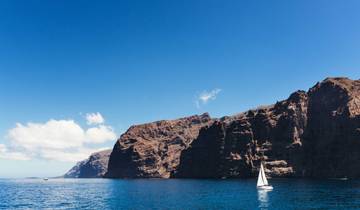
7 days
Sailing the Canary Islands
- ✓ Comprehensive Tenerife tour
- ✓ Expert local guides included
- ✓ All accommodation arranged
- ✓ Transportation provided
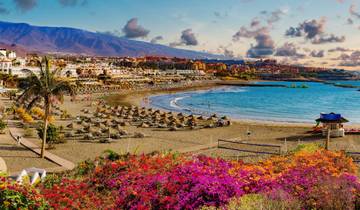
7 days
Hike The Canary Islands
- ✓ Comprehensive Tenerife tour
- ✓ Expert local guides included
- ✓ All accommodation arranged
- ✓ Transportation provided

6 days
Tasting the South of Tenerife
- ✓ Booking needs min. 2 travelers
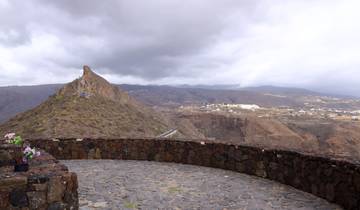
7 days
Tenerife Firsthand – 7 Days Among Volcanoes, Ocean and Adventure
- ✓ Booking needs min. 2 travelers
Multi-day tour packages powered by TourRadar. Prices and availability subject to change.
Tenerife’s Two Airports in 2027: TFN and TFS
Understanding the geographic split between Tenerife’s airports is the single most important transport decision a visitor makes before arriving. Unlike most islands with a single hub, Tenerife operates two fully separate international terminals on opposite coasts, created in part because its dramatic volcanic topography — dominated by the 3,718-meter Mount Teide at the center — makes it impractical to route surface traffic freely between north and south without significant time investment.
Tenerife South Airport (TFS / Reina Sofía)
Tenerife South Airport, officially Aeropuerto de Tenerife Sur Reina Sofía (IATA code TFS), lies in the municipality of Granadilla de Abona in the southeast of the island, approximately 60 km south of Santa Cruz and about 17–19 km east of the main southern resort strip. It is by far the busier of the two terminals for international leisure travel: low-cost carriers including Ryanair, easyJet, Jet2, Vueling, and Wizz Air operate routes from dozens of European cities, making TFS the point of entry for the majority of British, Irish, German, and Scandinavian tourists. The terminal building is a single sprawling unit with standard facilities including arrivals and departures halls, ground-floor car rental desks for the major international and local operators, a baggage reclaim zone where the Ten+ card kiosk (operated by Lycramobile) is located just beyond passport control, and ground-level taxi and bus access outside the arrivals exit. The resorts closest to TFS — Playa de las Américas, Costa Adeje, and Los Cristianos — are genuinely close: the taxi ride to Playa de las Américas runs roughly 20 minutes under normal traffic conditions. Reaching Santa Cruz in the north by taxi from TFS costs significantly more and takes around 45–60 minutes on the TF-1 motorway.
Tenerife North Airport (TFN / Los Rodeos)
Tenerife North Airport, officially Aeropuerto de Tenerife Norte Los Rodeos (IATA code TFN), sits at an altitude of 632 meters in the municipality of La Laguna, roughly 10 km west of Santa Cruz and 8 km south of Puerto de la Cruz as the crow flies. Its high-altitude position on the volcanic plateau means it is prone to cloud and fog, which historically — most famously in the 1977 runway collision — has caused operational disruptions; flights to and from TFN are somewhat more likely to face weather delays than TFS. The airport serves as the hub for inter-island Canary Islands connections, with Binter Canarias and CanaryFly operating prop-turbine services to Gran Canaria, Fuerteventura, Lanzarote, La Palma, El Hierro, and La Gomera. It also handles routes from mainland Spain, principally Madrid and Barcelona. International charter traffic is far smaller here than at TFS, so it is rarely the port of entry for package-holiday arrivals. The journey from TFN into central Santa Cruz takes roughly 15–20 minutes by taxi or TITSA bus Route 20.
Which Airport Serves Which Part of the Island in 2027
The practical heuristic is straightforward: if your hotel, apartment, or resort is in the south — Costa Adeje, Playa de las Américas, Los Cristianos, Los Abrigos, Golf del Sur, El Médano, or along the TF-1 coastal motorway corridor — TFS is almost always the better choice. If you are staying in Puerto de la Cruz, Icod de los Vinos, Los Silos, Garachico, or the capital Santa Cruz de Tenerife, TFN cuts transfer time and cost substantially. For those based in the geographic center — near Teide National Park or in the Orotava Valley — either airport serves reasonably, though the roads winding up from the north are often slower than the TF-1 from the south.
Key Distances and Transfer Times from Each Airport in 2027
From TFS: Costa Adeje is approximately 18 km (16–20 minutes by taxi); Playa de las Américas is 18 km (about 16 minutes); Los Cristianos is 17.5 km (around 16 minutes); Santa Cruz de Tenerife is around 60 km north (45–60 minutes by car on the TF-1). From TFN: Santa Cruz is approximately 10 km (15–20 minutes by taxi); La Laguna city center is 5 km (10–15 minutes); Puerto de la Cruz is roughly 25 km along the TF-5 motorway (30–35 minutes by car); Playa de las Américas is approximately 80 km south (70–90 minutes, passing through Santa Cruz).
Getting from Tenerife’s Airports to Your Resort in 2027
Both TFS and TFN offer the same basic range of transport options: TITSA bus services, metered taxis, pre-booked private transfers, and car rental desks on-site. The right choice depends on your destination, group size, time of arrival, and luggage. Here is what each option offers in practice.
Airport Bus Routes in 2027
From Tenerife South Airport (TFS), the most useful bus routes for tourists are Line 111 and Line 343. Line 111 runs from TFS northward through Costa Adeje, Playa de las Américas, and Los Cristianos before continuing up to Santa Cruz via the TF-1 — a long but direct connection with a single ticket. Line 343 is the island’s flagship cross-island route, departing TFS and heading south into Los Cristianos, then continuing north all the way to Puerto de la Cruz via TFN; it covers practically the entire island’s tourist corridor. Line 40 is a shorter, high-frequency service between TFS, Playa de las Américas, Costa Adeje, and Los Cristianos, running every 30–40 minutes from around 06:55 to 22:10, and is the standard shuttle for arrivals heading to the southern resorts. Line 711 runs from TFS northward to Santa Cruz via the TF-1 express motorway.
From Tenerife North Airport (TFN), Line 20 connects the airport with Santa Cruz city center throughout the day. Route 343 also stops at TFN on its cross-island run. From TFN, Puerto de la Cruz is reachable via local buses connecting through La Orotava or Santa Cruz interchange. Fares on airport bus routes vary by distance: the short hop from TFS to Costa Adeje on Line 40 costs approximately €3–4 by card; the long TFS-to-Santa Cruz journey can reach €6–9. Single tickets purchased with a bank card from the driver carry a slight premium over the Ten+ card rate. Always verify current fares on the TITSA website (titsa.com) before travel, as prices are subject to annual review.
Taxi from Tenerife’s Airports in 2027
Metered taxis wait at designated ranks outside the arrivals halls of both airports 24 hours a day. All Tenerife taxis add a fixed airport supplement of approximately €1.70 for any journey beginning at either airport. From TFS, the most common tourist journeys and their approximate metered costs are: Costa Adeje — around €25; Playa de las Américas — around €22–28; Los Cristianos — around €20–25; Santa Cruz de Tenerife — approximately €65–75 (a long cross-island journey). From TFN: Santa Cruz city center — approximately €12–18; La Laguna — approximately €8–12; Puerto de la Cruz — approximately €25–35; Playa de las Américas (cross-island) — approximately €75–98, making the cross-island taxi from TFN to the south an expensive option that bus or car rental significantly undercuts. These are estimates based on regulated metered fares; always check that the taximeter is running and set to the correct tariff (Tariff 1 for daytime journeys Monday to Saturday; Tariff 2 for nights and Sundays) before departure.
Pre-Booked Airport Transfers in 2027
Several companies offer fixed-price private airport transfers that bypass the metered taxi uncertainty, including Welcome Pickups, Tenerife Transfers, and various hotel-affiliated shuttle services. Fixed-rate transfers are particularly useful for late-night arrivals, families with young children, or groups with significant luggage, as the price is confirmed before travel and the driver meets passengers inside the arrivals hall by name. Prices for pre-booked transfers are generally comparable to metered taxis for short resort transfers, but become more cost-effective per person for groups of three or more on longer cross-island runs. Shared minibus shuttles from the airports to major resort areas are also bookable through platforms such as Get Your Guide and Viator; these cost significantly less per person than a private taxi but involve waiting for other passengers and multi-stop delivery.
Car Rental from the Airport in 2027
Both TFS and TFN host car rental desks for major international operators including Hertz, Avis, Europcar, Budget, and Sixt, alongside Canarian specialists such as Record Go, Goldcar, and Orlando Rent a Car. Picking up a car at the airport is the most convenient start to a self-drive itinerary. Economy models start from approximately €20–30 per day when booked two to four weeks in advance through comparison platforms such as DiscoverCars, Kayak, or Skyscanner’s car hire tool (check current rates as prices vary substantially by season and provider). Peak summer arrivals in July and August can see economy cars at €40–60 per day or more. The TFN is generally considered slightly cheaper for car rental pick-up than TFS due to lower demand pressure, though both airports have multiple competing operators. Always read insurance terms before confirming: excess fees, fuel policies, and scratch/damage waiver costs can substantially increase the headline daily rate.
TITSA Bus Network: Getting Around Tenerife by Bus in 2027
Transportes Interurbanos de Tenerife S.A. — universally known as TITSA — operates one of the most comprehensive island bus networks in Europe, covering every municipality on Tenerife with over 100 numbered routes. Locally, buses are called guaguas (pronounced wah-wahs), a Canarian word with indigenous roots used across the archipelago in preference to the Spanish autobús. TITSA’s fleet is modern, air-conditioned, wheelchair accessible on the principal routes, and generally punctual on the main corridors — though some rural services can run infrequently. For tourists staying in the resort towns, the network is more than capable of handling all common excursions and airport runs.
How the TITSA Network is Organized
TITSA routes are numbered with three-digit codes. Broadly, routes in the 100s cover intercity and cross-island corridors; 300s link the resort towns with natural park and rural destinations; 400s and 700s include express and high-speed intercity services. The island’s main bus interchanges — called intercambiadores in Spanish — are the central nodes of the network. The principal interchanges are: the Santa Cruz de Tenerife central interchange (Intercambiador de Santa Cruz), which is the island’s busiest and connects to virtually all TITSA routes as well as the Tenerife Tram; the La Laguna interchange, located near the UNESCO World Heritage old city; the Costa Adeje station (Estación Costa Adeje), the main hub for the southern resort towns; and the Puerto de la Cruz bus station (Estación de Guaguas de Puerto de la Cruz) in the north. All of these interchanges have Ten+ card top-up machines and timetable information boards.
Key Tourist Bus Routes in 2027
The following routes are the most practically useful for visitors. Route 102 runs between Puerto de la Cruz and Santa Cruz via the TF-5 northern motorway, covering most of the north coast tourist corridor — this is the express northern link, operating frequently throughout the day. Route 110 runs from Santa Cruz south to Costa Adeje along the TF-1 motorway, with stops at Las Galletas and other coastal towns. Route 111 is the variant that detours via Tenerife South Airport before continuing to Costa Adeje and the south resorts — the direct airport-to-resort bus from TFS. Route 343 is arguably the most important tourist bus on the island: it runs the entire north-south corridor from Puerto de la Cruz in the north, through TFN, Santa Cruz, TFS, and all the way down to Los Cristianos in the south. The end-to-end journey takes around 2 hours 30 minutes, and the route also serves as the direct airport bus between TFN and TFS. Route 40 provides a short frequent shuttle between TFS and the Playa de las Américas/Costa Adeje/Los Cristianos triangle. Route 342 runs from Costa Adeje up to the Teide National Park visitor center and the Cañadas caldera — the bus connection to the volcano. Route 348 makes the same national park run from Puerto de la Cruz. Route 473 links Los Cristianos with Los Gigantes along the south and west coasts. Route 325 connects Puerto de la Cruz with Los Gigantes via the northwestern TF-82 mountain road — one of the island’s most scenic bus rides. Route 108 runs from Santa Cruz eastward along the northern coast through Tacoronte, La Orotava, Icod de los Vinos, and on toward Buenavista del Norte.
The Ten+ Card — Essential Tool for Bus Travel in 2027
The Ten+ card (also called the Tenmas card) is the integrated travel card for TITSA buses and the Tenerife Tram, and the single most important piece of kit for any visitor planning to use public transport. The card itself costs €2 and is available from bus stations and tram interchanges, vending machines at tram stops, and — crucially for arrivals at TFS — the Lycramobile shop inside the terminal just beyond baggage reclaim. Cards cannot be purchased from bus drivers. Once you have the card, load credit onto it in amounts from €5 to €100 through machines at bus and tram stations, online at tenmas.es, or through the companion ten+ Móvil app. Using a loaded Ten+ card delivers a discount of approximately 20–30% off single cash fares, with the saving increasing on longer intercity journeys. More than one passenger can use the same card: simply tell the driver before boarding and present the card the corresponding number of times. On exit, tap the card again at the reader by the rear door; the distance-based fare is deducted automatically from the balance. The card balance is valid for five years from the date it was last topped up.
Day and Week Bus Passes in 2027
For visitors planning multiple bus journeys each day, the fixed-period passes offer excellent value. A one-day unlimited travel pass costs €10 and a seven-day unlimited travel pass costs €50 (check titsa.com for current rates, as TITSA reviews fares periodically). Both passes are loaded onto a Ten+ card or activated through the ten+ Móvil app. The day pass gives unlimited travel across all TITSA bus routes and the Tenerife Tram for the calendar day; the week pass does the same for seven consecutive days. Whether the week pass makes financial sense depends on how heavily you use buses: it pays off against card fares from roughly eight or more medium-length bus journeys per week. For a visitor making one or two day trips from their resort, buying rides as needed on a topped-up Ten+ card is usually cheaper. For anyone planning to commute between resorts daily, use buses for every meal, and make two or three park and nature excursions, the week pass is very good value.
Cash vs Card vs App: Paying for TITSA Buses in 2027
Single tickets are available from the driver, payable by cash or by contactless bank card. Cash payments are accepted but drivers may decline large denomination notes (above €10 is often refused, particularly early in the morning or late at night), so small coins and bills are advisable. Contactless bank card payment at the driver is also available, making cash less essential than on many European bus systems. The Ten+ card offers the best per-journey rates of any payment method. The ten+ Móvil app (downloadable from the Google Play or Apple App Store by searching “ten+ Móvil”) functions as a digital version of the Ten+ card using a QR code scanned at the reader when boarding. For visitors who prefer not to carry a physical card, the app works identically and can be topped up by digital wallet without needing a kiosk.
Practical Tips for Riding TITSA Buses in 2027
Always check whether your bus runs sin paradas (non-stop / express) as the front display will indicate this alongside the destination name; express services skip intermediate stops entirely and leave passengers stranded at an earlier point if they board expecting a halfway stop. TITSA buses display their route number prominently on the front, rear, and side panels; the destination name is also shown on the front electronic display. Stops are not always announced audibly inside the bus, though most modern vehicles show the next stop on an internal screen near the front. Press the red button on the interior panel to request your stop in advance. At major bus stations and popular tourist stops, buses can fill to capacity during peak hours — particularly on Route 343 in summer. Board at the route’s starting terminal when possible and arrive 10–15 minutes early if using a popular tourist route. Full TITSA timetables and route maps are available on the TITSA website (titsa.com), through the TITSA app, or from any Tourist Information Office on the island, which typically provides a printed map and timetable booklet on request.
Tenerife Tram in 2027: Connecting Santa Cruz and La Laguna
The Tenerife Tram (Tranvía de Tenerife), operated by Metropolitano de Tenerife S.A. (MTSA), is the only rail-based transit system in the Canary Islands, running through the densely populated metropolitan corridor between the island’s capital and its historic northern neighbor. For visitors staying in or visiting Santa Cruz, the tram is the fastest and most convenient way to reach the UNESCO World Heritage historic center of San Cristóbal de La Laguna — and it is fully integrated with the TITSA network, using the same Ten+ card and app.
Tram Lines and Route in 2027
Line 1 is the main tourist line, running 12.5 km between the Intercambiador hub in Santa Cruz (the western terminus, connecting to all TITSA intercity routes) and the Trinidad terminal in La Laguna, passing 21 stops along the way. The full end-to-end journey takes approximately 40 minutes. Line 2 is a shorter branch between La Cuesta and Tíncer, serving the most densely populated residential suburbs of the two cities and intersecting with Line 1 at Hospital Universitario and El Cardonal stops. Line 2 is primarily a commuter service and is less relevant to tourists. Line 1 frequency is excellent: during weekday peak hours (07:00–15:00) trams run every five minutes; off-peak, the frequency drops to every 8–10 minutes. At weekends and public holidays, the tram runs 24 hours; on weekdays the service runs from 06:00 to midnight. This 24-hour weekend service is rare among Spanish tram systems and makes the tram genuinely useful for late-night returns from Santa Cruz’s nightlife and restaurants.
Tram Tickets and Integration with TITSA in 2027
The tram is fully integrated into the Ten+ card system, and its fares are structured identically to TITSA bus fares. A single tram journey costs €1.35 purchased as a paper ticket at tram stop machines; €1.05 using a loaded Ten+ card (the standard wallet / transit pass version); and €0.85 using the ten+ Móvil app. A day pass loaded onto the Ten+ card or app also covers the tram without restriction, making it free to hop on and off during a day pass period. The same ticket machines at tram stops that sell tram tickets also sell Ten+ cards and allow top-ups. Tap the card at the validator on the platform before boarding (trams have platform-level boarding and validators at each stop). Unlike buses, you do not tap out on exit — validation is on entry only.
The Tram, La Laguna, and the UNESCO World Heritage City
San Cristóbal de La Laguna, inscribed on the UNESCO World Heritage List in 1999, preserves an exceptionally complete example of the non-fortified Spanish colonial town that became the model for many Latin American urban layouts. The historic center features a checkerboard grid of 15th and 16th century streets, convents, churches, and colonial merchant houses within a relatively compact area easily explored on foot. The tram’s Trinidad terminus deposits passengers directly at the edge of the historic center, making this the most enjoyable and logical way to arrive: park or arrive by bus at the Santa Cruz Intercambiador, take the tram 40 minutes to the Trinidad stop, and walk straight into a UNESCO city without any car parking headaches. The journey on Line 1 also passes through the modern neighborhoods of both cities, offering an authentic glimpse of daily Canarian urban life far from the resort atmosphere of the south coast.
Island-Hopping Ferries from Tenerife in 2027
Tenerife’s position at the center of the western Canary Islands makes it a natural hub for inter-island ferry travel. All passenger and vehicle ferries for the western islands depart from the port of Los Cristianos (Puerto de Los Cristianos) in the south, which is separate from the commercial Santa Cruz port. The Santa Cruz port handles cargo traffic, some Naviera Armas services to mainland Spain, and occasional cruise ship calls, but for most tourists the operative departure point is Los Cristianos.
Ferry Operators Serving Tenerife in 2027
Three operators serve routes from Los Cristianos: Fred. Olsen Express, Naviera Armas, and Baleária. Fred. Olsen Express, founded as Ferry Gomera S.A. in 1974 and now operating six large high-speed catamarans (all beginning with the letter B by company tradition), is the dominant operator on the La Gomera crossing and serves La Palma and El Hierro. Naviera Armas, a long-established Canarian shipping group, operates competing routes to La Gomera, La Palma, El Hierro, and Gran Canaria, typically offering conventional fast ferries with car-deck capacity. Baleária, a Spanish operator based in Valencia, has expanded its Canary Islands presence and now also competes on the Los Cristianos–La Gomera route. All three accept vehicles as well as foot passengers. Comparing prices and times across the three through booking aggregators such as Ferryhopper or DirectFerries is advisable, particularly in summer when all routes see heavier demand.
Los Cristianos to La Gomera Ferry in 2027
The La Gomera crossing is by far the most popular inter-island ferry from Tenerife — La Gomera is the nearest neighboring island, just 28 km from the port of Los Cristianos, and the journey takes 50 minutes at speed. Up to nine daily crossings operate across both Fred. Olsen and Naviera Armas (and Baleária on selected sailings), with the first departures around 08:45 and the last sailing around 22:00. This frequency makes La Gomera an entirely viable day trip from Tenerife’s south coast: an early morning ferry gives a full seven to eight hours on the island to explore the colonial capital of San Sebastián de La Gomera, hike into the Garajonay National Park (another UNESCO World Heritage site), and return on an evening service. Standard foot-passenger fares for non-Canary Islands residents start from approximately €40–43 one way (check fredolsen.es and navieraarmas.com for current pricing, as season and advance booking significantly affect cost). Same-day return fares offer a modest saving. Canary Islands residents qualify for a heavily subsidized rate from around €11 each way, which applies only with valid residency documentation.
Ferries to La Palma and El Hierro in 2027
La Palma, the most northerly of the western Canary Islands, lies roughly 90 km from Los Cristianos; the fast ferry crossing with Fred. Olsen Express takes approximately 2 hours 30 minutes. Up to four daily crossings are available throughout the year, departing from Los Cristianos to the port of Santa Cruz de la Palma on La Palma’s east coast. Passenger fares for non-residents start from approximately €32–53 one way, depending on season and booking window. El Hierro, the smallest and most remote of the western islands, is served by up to three daily Fred. Olsen departures from Los Cristianos; crossing time is longer — typically 3 hours or more. El Hierro is a UNESCO Biosphere Reserve and represents one of the most unspoiled corners of the Canary Islands, with very limited tourist infrastructure, which makes it rewarding for independent travelers but less suitable as a quick day trip from Tenerife. Always verify schedules and book in advance for El Hierro sailings, particularly outside peak season when services can be reduced.
Connecting to Gran Canaria and Mainland Spain
Tenerife also has ferry connections to Gran Canaria and mainland Spain, though these depart from Santa Cruz rather than Los Cristianos. Naviera Armas and Baleária operate overnight and daytime ferry services from Santa Cruz port to Las Palmas de Gran Canaria (approximately 5–6 hours) and to the mainland ports of Cádiz and Huelva (around 40 hours for the crossing to Spain). These inter-island and mainland crossings are more commonly used by residents for vehicle transport and long-distance travel than by short-stay tourists. Binter Canarias and CanaryFly also serve the Gran Canaria route by air from TFN in around 40 minutes if speed is the priority.
Taking Your Car on the Ferry in 2027
All three principal ferry operators from Los Cristianos — Fred. Olsen, Naviera Armas, and Baleária — carry vehicles on the La Gomera crossing and on routes to La Palma and El Hierro. Taking a rental car onto the ferry requires explicit permission from your rental company; most major operators and Canarian specialists permit this on presentation of a letter of authorization, but always confirm before booking and be aware that rental agreements often contain restrictions on inter-island vehicle transport. Vehicle fares are substantially higher than foot-passenger fares and vary considerably by vehicle size; booking well in advance is strongly recommended for peak summer and holiday periods, when car-deck spaces sell out earlier than passenger berths. Bicycles and motorcycles are also accepted on most services; check individual operator policies on the booking platform.
Getting Around Tenerife by Taxi in 2027
Licensed taxis are available throughout Tenerife 24 hours a day, identifiable by the white body with a green stripe and the illuminated “TAXI” sign on the roof. All fares are metered and regulated by the Cabildo de Tenerife; the tariff is set by the island government and updated periodically. Tenerife ranks among the more expensive taxi markets in Spain by per-kilometer rate — a January 2026 national study by consumer group FACUA-Consumidores en Acción found Santa Cruz de Tenerife’s per-kilometer daytime rate among the highest of 57 Spanish cities surveyed — so understanding the tariff structure is important for budgeting transfers.
How Tenerife Taxi Fares Work in 2027
Two tariffs apply. Tariff 1 covers daytime journeys Monday to Saturday, 06:00 to 22:00: a base flag-down fare of approximately €2.85–3.15, with per-kilometer rates running higher than many European taxi markets. Tariff 2 applies to nighttime journeys (22:00 to 06:00) and all-day Sundays: a higher base fare of approximately €3.42 and a proportionally higher per-kilometer charge. Additional supplements apply in some circumstances: a fixed airport supplement of approximately €1.70 for any journey originating at TFS or TFN; a waiting-time charge of around €18–22 per hour depending on tariff; and possible supplements for excess luggage or for calling a taxi by phone dispatch rather than hailing or queuing at a rank. Always ensure the taximeter is running and displaying the correct tariff before the journey begins. Drivers are legally required to show the official tariff card inside the vehicle on request. Tipping is not obligatory; rounding up to the nearest euro is common and appreciated for good service.
Key Taxi Journey Costs in Tenerife in 2027
The following approximate fares reflect metered journey costs under typical conditions based on verified sources; all are estimates and real fares may vary depending on time of day, traffic, and exact destination address:
- TFS to Costa Adeje or Playa de las Américas: approximately €22–28
- TFS to Los Cristianos: approximately €20–25
- TFS to Santa Cruz de Tenerife (cross-island): approximately €65–75
- TFN to Santa Cruz city center: approximately €12–18
- TFN to La Laguna: approximately €8–12
- TFN to Puerto de la Cruz: approximately €25–35
- TFN to Playa de las Américas (cross-island): approximately €75–98
- Santa Cruz to Puerto de la Cruz (north coast): approximately €30–40
- Costa Adeje to Los Gigantes: approximately €35–50
These illustrate the most important planning point: taking a taxi between the two airport zones — north to south or vice versa — is costly by any measure, typically €75–98 or more. Anyone who lands at the wrong airport should seriously consider the cross-island bus Route 343 (approximately €9 by card, journey around 80–90 minutes) rather than a taxi for the airport-to-airport or airport-to-wrong-resort run.
Uber and Ride-Hailing in Tenerife in 2027
Uber does not operate in Tenerife, and no comparable app-based ride-hailing platform had established a significant presence on the island as of mid-2026; Tenerife’s taxi market is regulated and protected in a way that has consistently limited the entry of app-based disruptors. Pre-booked private transfer companies accessible via apps and websites — such as Welcome Pickups, Tenerife Transfers, and Official Taxi Tenerife (officialtaxitenerife.com) — effectively fill the advance-booking niche with fixed prices confirmed before travel. These services work well for airport pickups and resort-to-resort transfers where price certainty matters more than spontaneous hailing. Radio taxi companies in the major towns also accept phone bookings, though English-language operators are less universal than app-based alternatives.
How to Avoid Taxi Overcharging in 2027
Consumer complaints about overcharging by taxis in Tenerife — specifically drivers applying Tariff 2 (night rate) during daytime hours — are not uncommon in visitor forums. The safest practice is to check the tariff display on the meter at the start of the journey: “T1” indicates the daytime rate, “T2” the night/Sunday rate. If the driver activates T2 during a daytime weekday journey, you are entitled to challenge this. Always ensure the meter is running from the start; a driver who delays starting the meter until after several minutes of travel is attempting to pocket the difference. For fixed route transfers from the airports, the official taxi association website (officialtaxitenerife.com) publishes indicative price ranges that can be used as a cross-check at the rank.
Renting a Car in Tenerife 2027: The Freedom Option
For many visitors, particularly those planning to explore the natural landscapes beyond the coastal resorts, renting a car unlocks the full range of Tenerife’s terrain: the TF-24 road winding through pine forest to Teide’s crater, the switchback descent into the Masca ravine, the agricultural terraces of the Orotava Valley, and the remote black-sand beaches of the northeast Anaga Peninsula. The island’s road network is well-maintained, signage is consistent with continental European standards, and traffic drives on the right throughout Spain — so UK and Irish drivers will need to adjust, though most find the transition straightforward within the first few minutes. There is no toll road charging on Tenerife’s major routes.
Car Rental Prices in Tenerife 2027
Economy models (typically a Fiat Panda, Renault Clio, or equivalent compact) start from approximately €20–30 per day when booked three to four weeks in advance through price comparison platforms such as Kayak, DiscoverCars, or EconomyBookings (check current prices as rates fluctuate substantially by season, demand, and provider). Mid-range compact or standard vehicles (a Volkswagen Golf or Seat León class) typically run €30–45 per day in shoulder season. Peak summer (July–August) and Christmas/New Year periods see prices rise sharply across all categories — economy cars can hit €40–60+ per day during August bank holiday weeks, and availability tightens quickly. Local Canarian operators including Record Go, Goldcar, and Orlando Rent a Car often offer lower headline prices than the international chains; booking through a comparison platform returns results from both. The most popular pick-up points are both airports, Puerto de la Cruz, and central locations in Playa de las Américas, giving flexibility in drop-off and return.
Best Car Rental Companies in Tenerife 2027
Record Go, headquartered in the Canary Islands, consistently ranks among the most competitively priced operators on Tenerife with well-maintained fleets at both airports; early booking is advised as they are popular. Goldcar (now owned by Europcar Group) offers low base rates but is noted for aggressive upselling of excess insurance products at the counter, so read terms carefully. Cicar (Canary Island Car), a local group operating across the Canaries, has a strong reputation for honest pricing and good customer service. Hertz, Avis, and Europcar carry the international brand reliability and straightforward excess policies but typically come at a slight premium over local operators. Budget and Thrifty, both part of the same parent group, occupy the mid-price range and offer reliable vehicles without the aggressive counter tactics associated with some low-cost specialists.
Driving in Tenerife in 2027 — Roads and Rules
The TF-1 autopista (motorway) runs along the east coast from Santa Cruz south to Las Chafiras and connects the capital with the southern resorts efficiently; the TF-5 runs from Santa Cruz northwest to Puerto de la Cruz along the north coast. Both are dual-carriageway standard, well-signed, and free of tolls. Mountain roads — including the TF-21 up to Teide, the TF-82 through the Teno massif, and the narrow lanes of the Anaga Rural Park — are winding two-lane roads that demand careful driving and reduced speeds. Some specific scenic roads in Tenerife are known for tight bends where two vehicles barely pass: the road into Masca village is a particular example where tour coaches occasionally block the route briefly. Speed limits are: 120 km/h on motorways, 90 km/h on undivided roads, 50 km/h in urban areas unless otherwise signed. Spanish traffic law requires a valid driving license, vehicle documentation, two warning triangles, and a reflective vest for each occupant in the car — the vest must be worn before exiting on a motorway hard shoulder. Drink-driving limits are lower than the UK: 0.5 g/l blood alcohol (0.25 g/l for drivers in their first two years or professional drivers).
Parking in Tenerife’s Resorts in 2027
Parking in the southern resorts — particularly in Playa de las Américas and Costa Adeje town center — can be limited and competitive during peak times. Blue-zone on-street parking (marked with blue lines) is charged by meter and typically costs €0.70–1.20 per hour in resort centers; most machines accept coins or contactless payment. Many hotels offer private parking for guests, either included in the room rate or at a daily supplement of €8–15. Large shopping centers including Siam Mall and El Mirador in Costa Adeje provide free parking that is often used by visitors spending time in the surrounding area. In Santa Cruz and La Laguna, underground public car parks below the main plazas offer reliable paid parking at reasonable daily rates. Parking is largely unrestricted and free in the northern mountain villages and rural areas.
Hidden Costs of Car Rental in Tenerife 2027
The gap between the advertised daily rate and the total amount paid can be significant if excess insurance, fuel policy, and additional driver fees are not accounted for at booking. The most common additional costs are: excess/damage waiver insurance, which can range from €8–20 per day at the counter if not purchased in advance through a third-party provider such as iCarhireInsurance; full-to-full fuel policy (you receive the car full and must return it full — the alternative prepaid tank scheme usually favors the rental company); young driver surcharges for drivers under 25 (typically €5–10 per day); and second driver fees (typically €5–8 per day, though some operators include one additional driver free). The headline low price on comparison platforms often excludes all of these. Reading the full rental conditions, particularly the insurance terms, before completing the booking prevents unpleasant surprises at the airport counter.
Cross-Island Travel: Getting Between North and South Tenerife in 2027
The spine of Tenerife runs northeast to southwest with Teide’s massif at the center, meaning any journey between the island’s northern and southern coasts requires either crossing the mountain interior or skirting around it via the east coast. Most north–south traffic uses the TF-1 motorway corridor along the eastern seaboard, which links Santa Cruz in the capital zone with the southern resorts in around 45–55 minutes by car under normal conditions.
The TF-1 and TF-5 Motorway Corridors
The TF-1 autopista is Tenerife’s primary arterial road, running from Santa Cruz southward along the eastern coast through Candelaria and Güímar before curving west past the two airports and into the resort municipalities of Adeje and Arona. It is a dual-carriageway autopista (motorway-standard) throughout, well-maintained, and the logical route for any private vehicle making the north–south run. The TF-5 motorway connects Santa Cruz with Puerto de la Cruz along the northwest coast, providing a fast dual-carriageway link between the capital and the north’s main tourist town; this road is considerably shorter (around 35 km) than the island-wide route and is the backbone of the north coast’s transport. The TF-1 and TF-5 together form an H-shaped network with Santa Cruz at the junction, and most surface transport on the island is organized around these two motorway axes.
Bus Route 343 — Cross-Island by Public Transport in 2027
Route 343 is TITSA’s most important tourist service, providing a direct public transport link between Puerto de la Cruz in the north and Los Cristianos in the south, stopping at all the major transport nodes along the way: Puerto de la Cruz station, La Orotava, Santa Cruz Intercambiador, TFN airport, TFS airport, Playa de las Américas, and Los Cristianos. The complete end-to-end journey takes approximately 2 hours 30 minutes and costs around €13.55 by card from Puerto de la Cruz to TFS — the longest available bus fare on TITSA’s network (verify at titsa.com for current rates). This route operates multiple times daily, making it practical for visitors to hop between resorts at different ends of the island without a car. It is also the cheapest way to transfer between the two airports: a card fare of approximately €9 for the TFN-to-TFS or TFS-to-TFN run, compared to a €75–98 taxi fare.
Accessing Teide National Park by Public Transport in 2027
Mount Teide and the surrounding Cañadas caldera — Spain’s most visited national park — can be reached by public bus from both the north and south coasts, though services are less frequent than the intercity routes and timed to allow a reasonable amount of park time before the return journey. Route 342 operates from Costa Adeje and Los Cristianos northward up the TF-21 mountain road to the El Portillo visitor center at the caldera rim and on to the Parador (the mountain hotel inside the park boundary), running a small number of departures per day. Route 348 covers the same national park zone from Puerto de la Cruz on the northern side. Both services are seasonal and subject to change; verify current timetables on the TITSA website well before planning a park visit. The cable car (Teleférico del Teide) that ascends from the caldera floor to just below the summit at 3,555 meters requires a separate reservation and is not included in any bus pass. Day tours from the resorts to Teide, operated by numerous licensed excursion companies, are an alternative for those who want a structured visit with guide commentary and guaranteed timing.
Getting to the Western Coast and Masca in 2027
The western coast of Tenerife — Los Gigantes, Alcalá, Playa San Juan, Playa de la Arena, and the village of Masca at the top of the Teno massif — is reachable by bus from both north and south but with considerably lower frequency than the east coast motorway corridor. Route 473 links Los Cristianos with Los Gigantes along the south and southwest TF-47; Route 477 connects Costa Adeje directly with Los Gigantes. Route 325 covers the spectacular northern approach from Puerto de la Cruz through Santiago del Teide to Los Gigantes, traversing some of the island’s most dramatic mountain terrain. Masca village itself is on a narrow mountain road that most bus services cannot serve; visitors without a car typically hire a taxi from Santiago del Teide or join an organized excursion. A popular approach is to hike down the Masca gorge (a full-day hike requiring a pre-booked return ferry from the bay at the bottom back to Los Gigantes port, then bus home) — a logistics-intensive but memorable itinerary that TITSA can support at the beginning and end.
Transport Tips for Different Traveler Profiles in 2027
The right transport strategy in Tenerife varies considerably depending on traveling style, base location, and planned activities. The following profiles cover the most common visitor types and their optimal approaches for 2027.
Budget Travelers
The cheapest transport strategy for visitors staying in the southern resorts is a Ten+ card topped up with €20–30 for a week, using buses for all intercity excursions (Route 343 for cross-island day trips, Route 342 for Teide, Route 473 for Los Gigantes). A weekly bus pass at €50 makes sense if you plan more than two intercity bus excursions per day. Avoid taxis for airport transfers — the Route 40 or 111 bus from TFS to the resort hotels costs under €4 compared to a €25 taxi. Ferry day trips to La Gomera add approximately €80–90 for the return ticket and are the most significant single transport expense for budget visitors.
Families with Young Children
Families benefit from a car for the same flexibility reason that any group with young children values — the ability to stop at will, carry a buggy, and travel on their own schedule without depending on timetables. Car rental with a child seat (booked in advance; confirm availability with the operator) is the most practical option for families with toddlers or infants. The Tenerife Tram is pushchair-accessible and a good option for a half-day trip to La Laguna. TITSA buses on the main routes also have wheelchair-accessible bays that accept pushchairs. Children under 10 who are residents of the Canary Islands travel free on the Tenerife Tram; tourist children pay standard fares but the Ten+ card rate is still low.
Hikers and Nature Seekers
The key transport challenge for hikers is reaching trailheads, which are often at the end of narrow mountain roads with limited services. A rental car gives the most access. For those relying on buses, the TITSA website’s route search function is the starting point for planning — many trailheads in the Anaga Rural Park in the northeast are served by local routes from Santa Cruz with infrequent service. The Teno Rural Park in the northwest has bus access from Route 325 via Santiago del Teide for Los Gigantes starting points. Teide National Park trailheads are served by Routes 342 and 348 on a limited daily schedule. Pack food, water, and rain layers regardless of transport method, as weather changes rapidly above 2,000 meters and many mountain cafés in remote areas keep unpredictable hours.
Cruise Day-Trippers
Cruise ships dock at Santa Cruz port, from which the city center is a short walk and the Tenerife Tram stop is a 10–15 minute walk to the Intercambiador. From Santa Cruz, the tram delivers passengers to La Laguna in 40 minutes; buses from the Intercambiador reach Puerto de la Cruz in around 45 minutes (Route 102) or head south to the resort towns in 50–60 minutes (Route 110/711). Organized ship excursions cover Teide, the south resorts, and whale-watching trips from Los Cristianos, all of which are more time-efficient than managing buses independently within a tight tender window. For independent cruise passengers, the tram plus the Santa Cruz waterfront (the coastal promenade, García Sanabria Park, and the Mercado de Nuestra Señora de África market) is the most rewarding car-free half-day itinerary.
Frequently Asked Questions: Getting Around Tenerife 2027
What is the cheapest way to get from Tenerife South Airport to Playa de las Américas in 2027?
TITSA bus Route 40 is the cheapest option, running a high-frequency service between TFS and the Playa de las Américas–Costa Adeje–Los Cristianos triangle approximately every 30–40 minutes. The fare by Ten+ card is approximately €3–4 for the short journey (verify at titsa.com); a cash single ticket is slightly more. The Ten+ card is available from the Lycramobile shop inside TFS arrivals, so you can pick one up on your way out of the terminal. If you arrive late at night when buses are reduced, a licensed metered taxi from the TFS rank costs approximately €22–28 to most Playa de las Américas hotels.
Can I use my contactless bank card to pay on TITSA buses in 2027?
Yes — contactless bank card payment is accepted from the driver on TITSA buses, making it possible to travel without cash or a Ten+ card for occasional single journeys. However, contactless bank card fares are charged at the standard single cash rate, which is higher per journey than using a Ten+ card. If you plan to take more than two or three bus journeys during your stay, the €2 Ten+ card cost is recovered very quickly through the card’s discounted fare structure. The contactless option is most useful for a single one-off bus journey where buying a Ten+ card would not repay itself.
Is there a direct bus between Tenerife North Airport and Tenerife South Airport in 2027?
Yes — TITSA Route 343 runs the full cross-island corridor from Puerto de la Cruz in the north through TFN airport, Santa Cruz, TFS airport, and down to Los Cristianos in the south. This makes it the direct airport-to-airport bus, covering the approximately 65 km between the two terminals for a card fare of around €9 (check current fares at titsa.com). The journey takes roughly 80–90 minutes between the two airports. This bus is dramatically cheaper than the equivalent taxi journey (€75–98) and makes it practical to land at one airport and depart from the other without paying cross-island transfer costs.
How do I buy a Ten+ bus card at Tenerife South Airport in 2027?
The Ten+ card (also known as the Tenmas card) can be bought from the Lycramobile shop located just beyond the baggage reclaim area in the TFS arrivals hall — you pass through it naturally on the way to the exit. The card itself costs €2, to which you add a minimum top-up of €5, giving you €5 of travel credit on a €7 total outlay. Alternatively, the card is sold at bus and tram stations throughout the island, at Ten+ vending machines at tram stops, and at authorized retailers. The ten+ Móvil app (search for it on the Google Play or Apple App Store) is the digital alternative that requires no physical card purchase and can be topped up online.
Do ferries to La Gomera run every day of the year in 2027?
Yes — the Los Cristianos to San Sebastián de La Gomera crossing operates all year round with Fred. Olsen Express and Naviera Armas. The number of daily crossings varies by operator and season: up to nine sailings daily in peak periods across both operators combined, with a minimum of six on quieter days. The first departure from Los Cristianos is typically around 08:45 and the last around 22:00. In practice, the route has never been suspended on normal operational grounds; however, rough sea conditions in winter can occasionally cause short-notice cancellations or delays, particularly for the smaller high-speed vessels. Always book return tickets in advance for summer and during Canary Islands public holidays (February carnival period is particularly busy).
Is Uber available in Tenerife in 2027?
No — Uber has not operated in Tenerife, and no mainstream ride-hailing app platform with app-based dynamic pricing was operational on the island as of mid-2026. Spain’s VTC (private hire vehicle) regulatory framework has historically created barriers for app-based operators in many regional markets, and Tenerife’s taxi market remains meter-based and regulated. Pre-booked private transfers with fixed prices — available through companies such as Welcome Pickups and Official Taxi Tenerife — serve the advance-booking need. Licensed metered taxis at airport ranks and major hotels provide the walk-up taxi service. Check whether any new platform has entered the Tenerife market closer to your travel date, as the regulatory situation across Spain evolves.
Can I drive a rental car onto the ferry to La Gomera in 2027?
Vehicle transportation is available on ferries from Los Cristianos to La Gomera with Fred. Olsen Express, Naviera Armas, and Baleária; you do not need to be a foot passenger. Taking a rental car onto the ferry requires advance permission from your rental company — most major operators and local Canarian specialists will provide a written authorization letter, but this must be confirmed explicitly before booking the ferry, as some rental agreements restrict inter-island vehicle transport or charge a supplement for the authorization. Vehicle ferry fares are substantially higher than foot-passenger tickets and vary by vehicle size; book the vehicle crossing well in advance through the operator’s website, particularly in peak summer when car-deck capacity fills significantly earlier than passenger berth availability.
What is the best way to get to Teide National Park from the south coast in 2027?
From the south coast (Playa de las Américas, Costa Adeje, Los Cristianos), TITSA Route 342 provides the direct public bus connection up to the El Portillo visitor center and the Parador at the caldera rim, operating a limited number of departures per day on a seasonal schedule (check the current timetable at titsa.com before planning, as timings vary by season). A rental car gives full flexibility: the TF-21 mountain road is well-maintained and the drive from Costa Adeje to the Teide cable car base takes approximately 50–60 minutes. Licensed day-tour coaches from the south coast resorts are the third option — typically covering pickup from major hotels, time at the Teide cable car, and return, for a fixed per-person price including all logistics. The cable car (Teleférico del Teide) requires a separate reservation booked in advance through the Teide National Park website, regardless of how you arrive.
How often does the Tenerife Tram run in 2027?
The Tenerife Tram runs on Line 1 (Santa Cruz–La Laguna) with excellent frequency throughout the day and uniquely offers 24-hour service on weekends and public holidays. On weekdays, the service runs from 06:00 to midnight; during the peak morning hours (07:00–15:00) trams run every five minutes on Line 1, while off-peak the frequency drops to every 8–10 minutes. The 24-hour weekend service is one of the tram’s most practical features for visitors using Santa Cruz for evening meals or concerts in La Laguna. Line 2 (La Cuesta–Tíncer) runs at slightly lower frequency and is primarily a commuter-focused service. Full timetables are published on the Metrotenerife website (metrotenerife.com).
What ID and documentation do I need to rent a car in Tenerife in 2027?
A full valid driving license from your country of residence is required to rent a car in Tenerife. UK licenses are accepted without an International Driving Permit for stays of up to 90 days under current arrangements; EU licenses are accepted without restriction. Most rental companies in Tenerife require a minimum age of 21 (some set 23 or 25 for specific vehicle categories), and drivers in their first year of holding a license may face additional restrictions. A credit card in the renter’s name is required by virtually all operators for the security deposit hold (debit cards are accepted only by a minority of operators and often incur a larger deposit). The deposit amount varies by operator and insurance package, typically €200–600 held as an authorized transaction that is released on return. Bring your passport or national identity card in addition to your license, as most operators require a photographic ID document separate from the driving license at the counter.