George Town UNESCO Travel Guide 2026: Heritage & Street Art Walking Tour
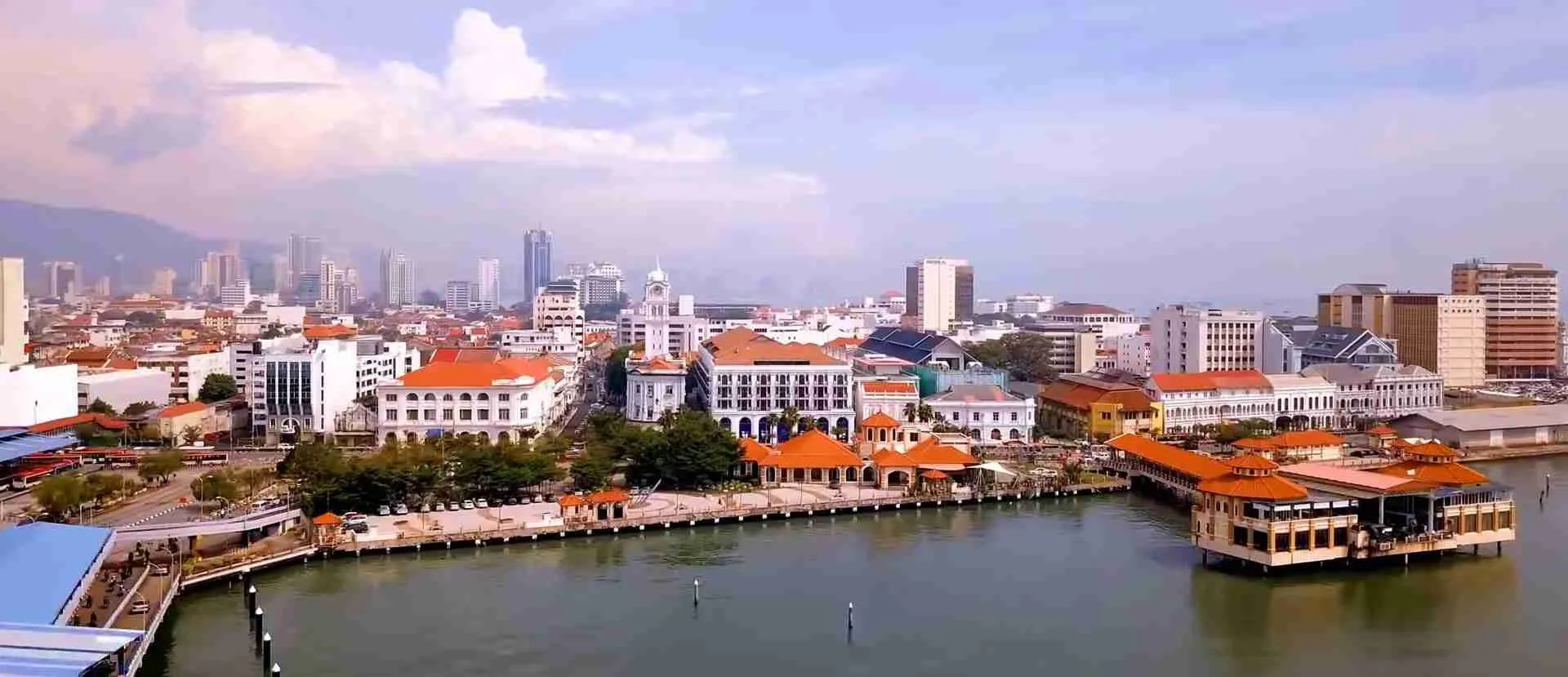
George Town, Penang’s capital designated UNESCO World Heritage Site in 2008, combines 260 hectares of preserved colonial architecture with Lithuanian artist Ernest Zacharevic’s interactive street murals creating Malaysia’s premier outdoor gallery. The 109.38-hectare core zone contains 5,013 heritage buildings including Anglo-Indian bungalows, Chinese clan houses, mosques, temples, and churches representing centuries of East-West cultural exchange, accessible through self-guided or organized walking tours spanning 3-6 kilometers through interconnected heritage zones in 2026.
Key Takeaways: George Town Heritage & Street Art 2026
- UNESCO designation specifics: George Town’s 260-hectare World Heritage Site (109.38ha core zone, 150.04ha buffer zone) jointly inscribed with Melaka in 2008 contains 5,013 heritage buildings without parallel in East and Southeast Asia for multicultural townscape preservation
- Street art accessibility: Ernest Zacharevic’s iconic murals (Kids on Bicycle, Boy on Motorbike) cluster Armenian Street-Lebuh Ah Quee corridor free to view 24/7; complete circuit covers 20+ major pieces walkable 2-3 hours allowing photography waits at popular locations
- Walking tour economics: Self-guided routes cost RM0 using free maps versus organized tours RM80-200 ($20-50) per person for 3-5 hour guided experiences; free GuruWalk tours operate tip-based RM20-50 ($5-12) expected contributions
- Accommodation value proposition: George Town heritage hotels RM35-120 ($9-30) budget-mid range, RM150-350 ($38-88) boutique properties, RM450-800+ ($113-200+) luxury like Blue Mansion reflecting exceptional quality-to-price ratios versus Western equivalents
- Optimal timing considerations: Early morning 7-9 AM or late afternoon 4-6 PM provide best street art photography lighting and reduced crowds; midday 11 AM-3 PM heat (30-33°C) challenges extensive walking though indoor heritage sites offer air-conditioned alternatives
- Heritage zone navigation: Six distinct zones (Government, Commerce, Leisure, Mosaic, Recreation, Enterprise) connect via continuous walking network; complete heritage trail spans 6km covering major landmarks Fort Cornwallis to Blue Mansion in 4-5 hours excluding site visits
People Also Ask About George Town UNESCO Heritage 2026
What makes George Town a UNESCO World Heritage Site in 2026?
George Town earned UNESCO World Heritage designation July 7, 2008 through joint inscription with Melaka as “Historic Cities of the Straits of Malacca” based on Outstanding Universal Value demonstrating exceptional multicultural trading port heritage in 2026. The designation recognizes George Town’s “unique architectural and cultural townscape without parallel anywhere in East and Southeast Asia” featuring remarkable preservation of diverse religious buildings, ethnic quarters, shophouse architecture, and living heritage originating from trade routes connecting Great Britain, Europe, Middle East, Indian subcontinent, Malay Archipelago, and China. The 260-hectare protected area contains 5,013 heritage buildings including 109.38-hectare core zone surrounded by 150.04-hectare buffer zone largely bounded by Transfer Road west and Prangin Road south. Specific Outstanding Universal Value criteria: demonstrating exceptional range of shophouses and townhouses showing development from Dutch and Portuguese periods through British colonial era; reflecting mixture of influences creating unique architecture, culture and townscape; and maintaining tangible/intangible multicultural heritage expressed through religious buildings diversity, ethnic quarters, multiple languages, worship festivals, traditional dances, costumes, art, music, and daily life practices. George Town World Heritage Incorporated (GTWHI), established 2010 by Penang State Government, manages site conservation while 3,642 officially identified heritage buildings within UNESCO-demarcated zone undergo active preservation efforts supported by RM4.3 million federal funding (2026 allocation) for restoration projects including Queen Victoria Memorial Clock Tower and Town Hall upgrades.
Where can I find Ernest Zacharevic street art in George Town 2026?
Ernest Zacharevic’s street art murals concentrate within George Town’s heritage core zone with highest density along Armenian Street (Lebuh Armenian), Lebuh Ah Quee, and Lebuh Muntri corridor in 2026. Most famous locations: Kids on Bicycle at 49 Lebuh Armenian corner of Armenian Street Heritage Hotel (George Town’s most photographed mural featuring two children on real bicycle mounted wall); Boy on Motorbike at Lebuh Ah Quee near intersection with Lebuh Muntri (interactive installation using actual motorcycle left by tourist); Little Boy and Pet Dinosaur immediately left of Boy on Motorbike same wall (partially faded but recently touched up with dinosaur outline repainted); Boy on Chair at Lebuh Cannon near Lebuh Aceh Mosque (child reaching upward on yellow chair); Brother and Sister on Swing at Gat Lebuh Chulia off Love Lane (actual swing beside painted figures by local artist Louis Gan); Awaiting Trishaw Pedaler on Penang Street (Jalan Penang) near trishaw driver congregation area. Additional Zacharevic works: Girl climbing window shutters on Armenian Street building; Kids and Cat artwork locations varying preservation states. Lithuanian artist originally commissioned 2012 for George Town Festival “Mirrors George Town” project creating six initial murals; returned multiple times including 2024 restoration visit renovating degraded pieces. Murals feature Zacharevic’s signature style combining painted elements with three-dimensional objects (bicycles, chairs, swings) allowing visitor interaction and photography participation. Other international artists contributing George Town street art: Julia Volchkova (Russia) painted Indian Boatman and Indonesian Boy murals 2014; Martin Ron (Argentina) collaborated with Zacharevic on Girl on Turtle; Alex Face (Thailand) created rabbit character series 2025. Complete street art circuit covering 20+ major murals spans 2-3 hours walking allowing photography queue time at popular pieces weekends.
How much do George Town heritage walking tours cost in 2026?
George Town heritage walking tour costs range free self-guided routes to RM200 ($50) per person organized private experiences in 2026. Free options: Self-guided walks using downloadable maps from George Town World Heritage Incorporated or hotel reception desks covering 6km heritage trail Fort Cornwallis to Blue Mansion marking major landmarks, street art locations, and heritage zones at zero cost beyond personal time investment. GuruWalk free walking tours operate tip-based model with experienced guides leading 2-3 hour heritage-focused circuits departing daily 10 AM and 2 PM from Penang Town Hall or Fort Cornwallis; while technically free, expected tips RM20-50 ($5-12) per person compensate guides (some tour leaders announce expected tip amounts at tour start contrary to traditional free walking tour protocols). Organized budget tours: Group heritage walking tours RM80-120 ($20-30) per person for 3-4 hour experiences through platforms like Klook, GetYourGuide, Viator covering major temples, mosques, churches, street art, and clan houses with English-speaking guides; prices typically include bottled water, some snack tastings at hawker centers, and small-group sizes 8-15 participants. Mid-range specialized tours: RM120-180 ($30-45) per person for themed experiences like “Heritage & Street Food Walking Tour” combining architecture sightseeing with Penang cuisine tastings at 5-7 locations, or “Religious Diversity Tours” focusing on Street of Harmony visiting Hindu temple, mosque, church, and Buddhist temple with cultural context explanations. Premium private tours: RM200-400 ($50-100) per person for customized private heritage walks with professional guides offering flexible itineraries, extended site visits, insider access arrangements (some clan houses, private museums), and personalized pacing accommodating photography interests or mobility limitations. Full-day comprehensive tours (5-6 hours) RM150-250 per person including Khoo Kongsi clan house entry RM10, Pinang Peranakan Mansion RM25, Fort Cornwallis RM20, and Blue Mansion guided tour RM25 when combined packages. Tour value assessment: Self-guided saves maximum money but lacks historical context and storytelling; free GuruWalk provides excellent heritage education though lacks practical travel tips focus; organized tours justify cost through local expertise, time efficiency, and access to sites requiring tickets.
What’s the best walking route to see George Town street art in 2026?
Optimal George Town street art walking route begins Armenian Street covering core Ernest Zacharevic concentration then expands concentric circles capturing additional artists’ works in 2-3 hour circuit in 2026. Recommended route: Start Lebuh Armenian corner near Armenian Street Heritage Hotel photographing Kids on Bicycle (George Town’s most iconic mural, arrive early 7-9 AM avoiding weekend crowds); walk 50 meters northwest same street viewing additional Zacharevic window-climbing girl mural; turn right onto Lebuh Muntri walking 100 meters to Lebuh Ah Quee intersection; turn left Lebuh Ah Quee finding Boy on Motorbike immediately visible (actual motorcycle installation, prepare queue waits Saturday-Sunday); photograph Little Boy and Pet Dinosaur same wall left side Boy on Motorbike; continue Lebuh Ah Quee to Lebuh Cannon intersection turning right; locate Boy on Chair mural near Lebuh Aceh Mosque (distinctive yellow shirt glows evening hours mosque lighting); return Lebuh Ah Quee walking toward Love Lane; detour Love Lane to Gat Lebuh Chulia finding Brother and Sister on Swing Louis Gan artwork (functional swing enables participation photos); walk Lebuh Chulia toward Penang Street (Jalan Penang) viewing Awaiting Trishaw Pedaler near actual trishaw driver stands; optional extensions: Chew Jetty waterfront 15-minute walk viewing Folklore by the Sea mural depicting jetty community life; Little India area Lebuh Pasar viewing Julia Volchkova’s Indian Boatman large-scale work; Umbrella Alley (Lebuh Muntri section) photographing colorful umbrella installation and supporting murals. Total circuit distance: 2.5-3km walking time 1.5-2 hours photography-focused pace, 2.5-3 hours allowing popular mural queue waits and exploration diversions. Best timing: Early morning 7-9 AM provides soft natural light, minimal crowds, and cooler 26-28°C temperatures; late afternoon 4-6 PM offers golden hour photography opportunities and reduced midday heat; avoid 11 AM-2 PM peak sun harsh lighting and 30-33°C temperatures challenging extensive walking. Download street art map applications or request printed maps hotels/tourist information centers marking 30+ mural locations including degraded/disappeared pieces historical reference.
Extended multi-day tours – 5+ days
Featured Western Malaysia Multi-Day Tour Packages
9 days
City to Serenity: 9-Day Malaysian Discovery
- ✓ Comprehensive Western Malaysia tour
- ✓ Expert local guides included
- ✓ All accommodation arranged
- ✓ Transportation provided

5 days
5 Day Kuala Lumpur City Explorer
- ✓ Comprehensive Western Malaysia tour
- ✓ Expert local guides included
- ✓ All accommodation arranged
- ✓ Transportation provided
7 days
Ronda Ronda: Singapore to Penang
- ✓ Comprehensive Western Malaysia tour
- ✓ Expert local guides included
- ✓ All accommodation arranged
- ✓ Transportation provided
10 days
Malaysia Highlights
- ✓ Comprehensive Western Malaysia tour
- ✓ Expert local guides included
- ✓ All accommodation arranged
- ✓ Transportation provided
Multi-day tour packages powered by TourRadar. Prices and availability subject to change.
Understanding George Town’s UNESCO World Heritage Designation 2026
George Town’s inscription as UNESCO World Heritage Site July 7, 2008 alongside Melaka recognized both cities’ Outstanding Universal Value as “remarkable examples of historic colonial towns on the Straits of Malacca demonstrating succession of historical and cultural influences arising from former function as trading ports linking East and West” in 2026. The designation acknowledges George Town and Melaka as “most complete surviving historic city centres on the Straits of Malacca with multi-cultural living heritage originating from trade routes from Great Britain and Europe through Middle East, Indian subcontinent and Malay Archipelago to China.”
George Town’s specific UNESCO protection covers 260 hectares demarcated into 109.38-hectare core zone containing primary heritage assets surrounded by 150.04-hectare buffer zone providing additional protection from inappropriate development. The core zone boundaries run approximately Transfer Road western edge, Prangin Road southern boundary, enclosing historic settlement area where Captain Francis Light established British presence 1786. Within protected boundaries, Penang Island City Council officially identified 3,642 heritage buildings representing diverse architectural periods: Portuguese-influenced structures from early Melaka connections, Dutch-period building styles, British colonial administrative and commercial complexes, Chinese shophouse variations showing development stages, Indian merchant buildings, Anglo-Indian bungalows, and religious architecture spanning multiple faiths.
Outstanding Universal Value recognition stems from George Town’s exceptional multicultural tangible and intangible heritage expressed through “great variety of religious buildings of different faiths, ethnic quarters, many languages, worship and religious festivals, dances, costumes, art and music, food, and daily life.” The city demonstrates “exceptional range of shophouses and townhouses” showing “many different types and stages of development of building type, some originating in Dutch or Portuguese periods” creating architecture, culture and townscape without parallel East and South Asia. This living heritage continues functioning aspects whereby 5,013 buildings within heritage zone remain occupied residences, active places of worship, operating businesses maintaining cultural continuity beyond mere architectural preservation.
George Town World Heritage Incorporated (GTWHI) established 2010 by Penang State Government serves as primary management body mobilizing local stakeholders, particularly communities, spearheading efforts safeguarding Outstanding Universal Value. GTWHI coordinates with PLANMalaysia@Pulau Pinang and Penang Island City Council implementing George Town Special Area Plan (SAP) serving as official Conservation Management Plan providing reference for building owners, residents, and public regarding heritage building care and management. February 2026, federal government allocated RM4.3 million funding 10 physical conservation projects including RM500,000 Queen Victoria Memorial Clock Tower restoration and Town Hall wooden door/window upgrades, channeled through Tourism, Arts and Culture Ministry and National Heritage Department demonstrating ongoing preservation commitment.
George Town’s Six Heritage Zones Explained 2026
George Town World Heritage Site divides into six distinct character zones reflecting different historical functions, architectural styles, and cultural atmospheres accessible through interconnected walking routes in 2026.
Government Zone: Colonial Administrative Heart 2026
The Government Zone clusters around Esplanade waterfront area where Francis Light first landed 1786 establishing British presence. Key landmarks: Fort Cornwallis, George Town’s oldest structure built British East India Company late 18th century featuring preserved ramparts, cannons, and chapel ruins (entry RM20 adult, RM10 child, open 9 AM-7 PM daily); Queen Victoria Memorial Clock Tower, 60-foot Moorish-style tower built 1897 commemorating Queen’s Diamond Jubilee standing busy intersection Lebuh Pantai-Lebuh Light serving popular meeting point and photo landmark; Penang Town Hall and City Hall, impressive Edwardian-style buildings with distinctive white facades, colonnades, and grand columns representing British civic architecture (exterior viewing only, no public interior access); Logan Memorial commemorating James Richardson Logan, prominent 19th-century lawyer and writer influential Penang’s legal and literary development. This zone emphasizes British colonial grandeur through monumental architecture and open ceremonial spaces like the Padang (parade ground) used modern-day cultural celebrations and George Town Festival events. Esplanade waterfront promenade offers sea views, morning jogging paths, and evening gathering spaces with food vendors operating 6 PM-11 PM serving local snacks.
Commerce Zone: Trading Port Legacy 2026
Beach Street (Lebuh Pantai) and surrounding blocks form Commerce Zone where 19th-20th century trading houses, banks, and commercial establishments concentrated. Heritage financial institutions HSBC and Standard Chartered Bank continue operating original grand colonial buildings showcasing wealth generated Straits trading era. Logan Heritage Building and Whiteaways Arcade represent period architecture when George Town functioned major regional commercial hub. This zone features impressive facades, ornate detailing, and scale expressing economic prosperity colonial trading port period. Modern usage maintains commercial character with law offices, corporate headquarters, and professional services occupying heritage shophouses and buildings. Architecture exhibits European commercial styles adapted tropical climate through covered five-foot ways (covered walkways fronting shophouses), high ceilings promoting air circulation, and large windows maximizing natural light while shutters control harsh sun.
Leisure Zone: Colonial Recreation & Prestige 2026
Away from commercial hustle, Leisure Zone showcases colonial elite residential and recreational architecture without dense shophouse chaos. Eastern & Oriental Hotel, established 1885 as “Premier Hotel East of Suez,” represents Victorian-era luxury hospitality with preserved colonial grandeur, sea-facing suites, and legendary afternoon tea service (hotel guests and restaurant patrons only for interior access). Penang State Museum occupies former Penang Free School building exhibiting state history, early photographs, cultural artifacts, and colonial-era collections (entry RM1 adult, open 9 AM-5 PM Saturday-Thursday, closed Friday and public holidays). Cheong Fatt Tze Mansion (The Blue Mansion), indigo-painted 19th-century Chinese merchant mansion showcasing Hakka-Teochew architecture blending Eastern design principles and Western engineering, operates both boutique hotel and museum offering 45-minute guided tours RM25 departing 11 AM, 2 PM, 3:30 PM daily explaining feng shui, architecture, and owner’s remarkable life as “Rockefeller of East” (advance booking recommended weekends and holidays). This zone’s wider streets, larger properties, and architectural refinement contrast crowded merchant quarters reflecting colonial social stratification and wealth display.
Mosaic Zone: Cultural Diversity Epicenter 2026
George Town’s multicultural character concentrates Mosaic Zone featuring “Street of Harmony” where Hindu temple, Chinese temple, mosque, and church stand same street segment demonstrating religious tolerance and cultural coexistence. Kapitan Keling Mosque, built early 19th century by Indian Muslim traders, features distinctive Moorish domes and arched colonnade (free entry non-Muslims outside prayer times, modest dress required covering shoulders and knees, headscarves provided women at entrance). Sri Mahamariamman Temple, George Town’s oldest Hindu temple established 1833, displays ornate Dravidian architecture with colorful gopuram (tower) and deity sculptures (free entry, donations appreciated, remove shoes before entering). Goddess of Mercy Temple (Kuan Yin Teng), major Chinese Buddhist temple dating 1728, attracts devotees burning incense and making offerings amid elaborate carved decorations and hanging lanterns (free entry, respectful behavior expected, photography permitted courtyard areas only). St. George’s Anglican Church, consecrated 1818 as Southeast Asia’s oldest purpose-built Anglican church, features neoclassical design with prominent white facade and memorial plaques honoring colonial officials (open Sunday services and weekday visits, free entry). Little India along Lebuh Pasar and Lebuh King presents concentration of Indian businesses, sari shops, jewelry stores, and restaurants serving authentic North and South Indian cuisine creating sensory-rich environment aromatic spices, vibrant colors, and Bollywood music.
Recreation Zone: Community Spaces & Modern Heritage 2026
Recreation Zone edges heritage core where historic development transitions modern city functions while maintaining heritage character. Khoo Kongsi, one of George Town’s most magnificent Chinese clan houses, features elaborate carvings, gold-leaf decorations, intricate ceramic work, and ornamental roofing showcasing 19th-century Chinese artisan craftsmanship (entry RM10 adult, RM5 child, open 9 AM-5 PM daily, photography allowed exterior and main hall). Yap Kongsi, another clan temple, offers more intimate scale showcasing similar architectural traditions (free entry, donations appreciated). Clan Jetties, particularly Chew Jetty most visited, preserve traditional Chinese water village community built on stilts extending into sea where descendants of original settlers maintain homes, temples, and way of life (free jetty access, some families sell snacks and souvenirs, respectful photography with permission, avoid disturbing residents’ privacy). This zone demonstrates how heritage extends beyond monumental architecture encompassing living communities and traditional practices.
Enterprise Zone: Shophouse Architecture & Contemporary Use 2026
Enterprise Zone showcases George Town’s signature shophouse architecture where historic commercial-residential hybrid buildings now house modern businesses, cafes, boutique hotels, and retail shops. This zone contains highest concentration of continuously operating traditional trades: joss stick makers, herbalists, goldsmith shops, printing workshops, and provision stores maintaining century-old business practices. Shophouse architecture variations span Portuguese-influenced early styles through late colonial Art Deco featuring characteristic five-foot ways, decorative facades, interior courtyards, and mixed-use ground floor shops with upper floor residences. Contemporary adaptive reuse transformed many shophouses into heritage hotels (RM80-200 nightly), specialty coffee shops, art galleries, and boutiques while preserving architectural elements through GTWHI conservation guidelines. Areas like Muntri Street and Chulia Street demonstrate successful heritage building conversion maintaining streetscape character while accommodating modern tourism economy. Night markets and hawker centers operate this zone with New Lane Hawker Street and Chulia Street Market offering George Town’s famous street food evening hours attracting both residents and visitors.
Ernest Zacharevic & George Town Street Art Movement 2026
George Town’s transformation into Southeast Asia’s street art capital began 2008 post-UNESCO designation when Penang State Government commissioned steel-rod sculptures celebrating new heritage status, followed by 2012 breakthrough when Lithuanian artist Ernest Zacharevic created interactive murals for George Town Festival revolutionizing city’s visual identity in 2026.
Ernest Zacharevic: The Artist Behind Icons 2026
Ernest Zacharevic, Lithuanian-born multidisciplinary artist born 1986, gained worldwide recognition 2012 after creating six street art murals for George Town Festival, with BBC labeling him “Malaysia’s answer to Banksy.” Zacharevic initially visited George Town as backpacker, surprised and relieved finding he could paint murals without official interference unlike many cities’ strict vandalism enforcement. His spontaneous street work impressed festival organizers leading to formal commission “Mirrors George Town” project depicting everyday Malaysian life scenes using local residents as models. Zacharevic’s signature style combines oil painting, stencil, spray paint with installation elements and sculpture creating “constructive art” where physical objects (bicycles, motorcycles, chairs, swings) integrate painted figures allowing viewer interaction. Two most popular works—Kids on Bicycle and Boy on Motorbike—evolved into cultural landmarks complete with plaques and frequent visitor queues for participation photographs. The artist returned George Town multiple occasions including 2013, 2018, and most recently 2024 restoration visit maintaining and renovating pieces damaged by time, weather, climate exposure, and tourist interaction, bringing faded murals back to life through repainting and touch-ups. Beyond George Town, Zacharevic created street art in Singapore (including famous “Style Wars” dueling children), Johor Bahru (controversial Lego mural commenting on city violence), Christmas Island (Forklift Boy installation), and curated “Splash and Burn” public art project Medan, Indonesia raising orangutan conservation awareness.
Major Ernest Zacharevic Murals Locations 2026
Kids on Bicycle (Little Children on a Bicycle), located 49 Lebuh Armenian corner Armenian Street Heritage Hotel, depicts two children riding real bicycle mounted wall capturing childhood joy and carefree spirit. Originally painted 2012, repainted 2025 maintaining vibrant colors and sharp details, this mural ranks George Town’s most photographed and recognized street art frequently used tourism promotional materials representing Penang Island. Expect weekend queues 10-20 people waiting turns posing with bicycle, arrive early morning 7-8 AM or late afternoon 5-6 PM minimizing waits. The bicycle originally belonged to tourist and remains functioning prop visitors can actually touch and pose sitting (gently to avoid damage preservation).
Boy on Motorbike, situated Lebuh Ah Quee near Lebuh Muntri intersection, effortlessly blends realism with storytelling featuring young boy riding actual motorcycle that tourist abandoned after riding Vietnam to Penang. Zacharevic repurposed the left motorbike for this piece combining painted child figure with three-dimensional vehicle creating George Town’s first “constructive art” project. Located relatively quiet street doubling parking area, mural accessibility good though street activity (parked cars, passing motorbikes) occasionally obscures photography angles. Interactive installation invites sitting on motorcycle for participation photos maintaining original authentic tourism atmosphere where visitor becomes art.
Boy on Chair, positioned Lebuh Cannon near Lebuh Aceh Mosque, captures young boy standing wooden chair reaching upward toward unseen object expressing childhood curiosity and aspiration. The distinctive yellow t-shirt seems to glow evening hours when nearby mosque lighting provides backlight creating ethereal effect. Actual chair accompanies mural allowing visitors pose pretending to lift boy or hand him objects. The rustic heritage wall backdrop adds nostalgic feel complementing reaching gesture’s universal human spirit determination theme. This mural shows excellent preservation 2026 with minimal fading maintaining original colors and detail clarity.
Little Boy and Pet Dinosaur, located immediately left Boy on Motorbike same Lebuh Ah Quee wall, originally suffered significant deterioration with dinosaur outline disappearing leaving only boy visible. Recent 2024 touch-up reinvigorated piece with dinosaur outline standing out dark black paint from broken wall creating added texture dimension. The crumbling damaged wall proves that best canvases aren’t always flawless contributing something extra to composition. Despite partial damage, boy’s joyful expression and dynamic pose attempting control unusual pet maintain mural’s whimsical appeal.
Brother and Sister on Swing, created by local deaf-mute self-taught artist Louis Gan, located Gat Lebuh Chulia off Love Lane, portrays joyful children sharing actual swing beside painted figures. The interactive swing invites visitors become artwork participants making delightful photo opportunity demonstrating how local artists contributed George Town street art scene beyond international commissions. Commissioned by building owner depicting owner’s children, the mural showcases local talent and personal storytelling adding George Town’s street art narrative diversity. The quaint alley location blends seamlessly UNESCO World Heritage Site historic surroundings.
Awaiting Trishaw Pedaler, situated Penang Street near actual trishaw driver congregation area, pays tribute to George Town’s iconic trishaw transportation tradition. While time hasn’t been kind with noticeable fading and deterioration visible 2026, the mural remains significant cultural marker above corner where many trishaw drivers congregate offering rides tourists. Fittingly positioned above “Trishaw Corner,” the artwork maintains connection between heritage transportation mode and contemporary street art appreciation.
Additional Street Art Contributors & Locations 2026
Julia Volchkova, Russian artist from Siberia, created striking large-scale works George Town 2014 including Indian Boatman depicting expressive boatman figure remarkable facial detail and perspective creating feeling viewers could step into boat embarking Indian adventure. Painted as first street art foray, Indonesian Boy mural demonstrates Volchkova’s talent capturing human expressions and cultural character. Both works created without payment beyond love of creating art and opportunity showcasing work to wide audiences, now ranking among George Town’s most visited and appreciated murals near Little India area Lebuh Pasar.
Louis Gan, local Penang deaf-mute artist, contributed multiple works including Brother and Sister on Swing and artwork along printing warehouse Step by Step Lane. His participation demonstrates George Town street art movement’s inclusivity supporting local talent alongside international artists, providing platform for Malaysian artists to showcase skills to global tourism audience.
Alex Face, Thai street artist, visited Malaysia 2025 bicycle trip painting four murals around George Town including cute bunny character peeking from sliding doors on Lorong Lumut and additional works near Nagore Square. The whimsical rabbit figure represents Alex Face’s signature character appearing his street art worldwide.
Martin Ron, Argentine artist, collaborated with Zacharevic on Girl on Turtle whimsical piece and painted separate large-scale mural Butterworth across ferry. International collaboration demonstrates George Town’s position attracting global street art community creating works enhancing UNESCO heritage landscape.
101 Lost Kittens initiative, collaborative project led Thailand artist Natthapon Muangkliang with Malaysian artists Louise Low and Tang Yeok Khang, created dozen street artworks across George Town UNESCO site raising awareness rehoming stray animals. While most famous piece “The Real Bruce Lee Would Never Do This” suffered damage no longer visible, remaining works including cat compositions promote animal welfare through artistic expression. The project demonstrates how George Town street art extends beyond aesthetics into social messaging and community engagement.
Heritage Walking Tour Routes & Itineraries 2026
George Town’s compact 2.6 square kilometer UNESCO core zone enables comprehensive heritage exploration through self-guided or organized walking tours ranging 3-8 hours depending on pace, site visit durations, and photography time allocations in 2026.
Essential Heritage Walking Route (6km, 4-5 Hours) 2026
This complete circuit covers major UNESCO landmarks connecting all six heritage zones starting Penang Town Hall ending Blue Mansion. Route: Begin Penang Town Hall (Lebuh Light) admiring Edwardian architecture and nearby City Hall, walk to Esplanade with Padang on right and war memorial ahead; turn right along waterfront promenade passing naval base with Fort Cornwallis walls right side; explore Fort Cornwallis interior (allow 30-45 minutes, RM20 entry) viewing ramparts, Seri Rambai cannon, chapel ruins, and historical exhibits; continue to Queen Victoria Memorial Clock Tower photographing 60-foot Moorish tower built 1897; walk Lebuh Pantai (Beach Street) viewing colonial commercial buildings including HSBC and Standard Chartered Bank historic headquarters; turn onto Lebuh Bishop observing religious diversity as pass St. George’s Anglican Church, Goddess of Mercy Temple, Kapitan Keling Mosque, and Sri Mahamariamman Temple along “Street of Harmony”; explore temples and mosque allowing 15-20 minutes each site (remove shoes temples, modest dress mosque); walk Lebuh Chulia toward Lebuh Armenian entering George Town’s street art epicenter; photograph Kids on Bicycle at 49 Lebuh Armenian allowing queue wait time weekend visits; explore Armenian Street area visiting Armenian Park and small galleries; turn onto Lebuh Ah Quee viewing Boy on Motorbike and Little Boy with Pet Dinosaur murals; detour Lebuh Cannon finding Boy on Chair near mosque; walk toward Lebuh Acheh visiting Khoo Kongsi clan house (RM10 entry, allow 30-45 minutes elaborate carvings and architecture); continue waterfront direction visiting Chew Jetty (free access, 20-30 minutes exploring stilted village); return through Little India area Lebuh Pasar experiencing sensory richness and Indian Boatman mural; walk Lebuh Muntri viewing heritage shophouses and additional street art; conclude Leith Street at Blue Mansion for optional guided tour RM25 (book advance, tours 11 AM, 2 PM, 3:30 PM). Complete route 6 kilometers walking time 2-3 hours pure walking, 4-5 hours including major site visits without extended museum time, 6-7 hours comprehensive experience allowing photography, food stops, and leisurely pace.
Street Art Focus Route (3km, 2-3 Hours) 2026
Concentrated circuit targeting 15-20 major murals clustering Armenian Street-Ah Quee Street corridor optimizing photography time minimizing walking distance between pieces. Route: Start Lebuh Armenian photographing Kids on Bicycle, explore Armenian Street corridor finding window-climbing girl mural and smaller works; turn Lebuh Muntri viewing heritage buildings and Umbrella Alley installation; reach Lebuh Ah Quee intersection finding Boy on Motorbike and Little Boy with Pet Dinosaur same wall; walk Lebuh Ah Quee to Lebuh Cannon turning right for Boy on Chair mural near mosque; detour Love Lane to Gat Lebuh Chulia finding Brother and Sister on Swing; continue Lebuh Chulia toward Penang Street viewing Awaiting Trishaw Pedaler; extend waterfront 15-minute walk photographing Folklore by the Sea at Chew Jetty; optional Little India extension viewing Indian Boatman large-scale work. This route maximizes street art concentration minimizing heritage site detours perfect photography enthusiasts or time-limited visitors prioritizing murals over architectural landmarks. Early morning 7-9 AM departure provides best light and minimal crowds at popular pieces; late afternoon 4-6 PM offers golden hour photography and cooler temperatures.
Religious Diversity Route (2.5km, 2-3 Hours) 2026
Thematic walk focusing George Town’s multicultural religious heritage visiting active places of worship representing Buddhism, Hinduism, Islam, Christianity, and Chinese folk religion within compact area. Route: Begin Goddess of Mercy Temple (Kuan Yin Teng) Lebuh Pitt observing Buddhist devotees making offerings; walk to adjacent Sri Mahamariamman Hindu temple experiencing Dravidian architecture and deity worship; continue Lebuh Chulia to Kapitan Keling Mosque admiring Moorish design and learning Islamic architectural elements (enter outside prayer times, dress modestly); proceed St. George’s Anglican Church viewing oldest purpose-built Anglican church Southeast Asia and memorial plaques; optional extensions include Khoo Kongsi Taoist clan temple, Acheen Street Mosque, or Wat Chayamangkalaram Thai Buddhist temple (2km distance requiring taxi/Grab). This route demonstrates George Town’s exceptional religious tolerance where multiple faiths coexist harmoniously same neighborhoods, churches stand near mosques, temples adjacent each other without conflict. Respectful behavior essential: remove shoes entering temples, cover shoulders and knees at mosque, speak quietly prayer areas, ask permission before photographing devotees, leave donations boxes when appropriate.
Clan Jetty & Waterfront Route (4km, 2.5-3 Hours) 2026
Coastal circuit exploring George Town’s unique water villages and waterfront heritage connecting Weld Quay clan jetties with colonial seaside landmarks. Route: Begin Weld Quay area visiting Chew Jetty, most tourist-accessible clan jetty with wooden houses on stilts, temples, and residents maintaining traditional lifestyle (free access though some families sell refreshments and crafts); explore neighboring jetties including Lim Jetty, Lee Jetty observing different clan community characteristics (respect privacy, avoid intrusive photography); walk waterfront promenade north toward Fort Cornwallis passing fishing boats and ferry terminal; continue Esplanade to Queen Victoria Clock Tower and colonial administrative buildings; optional extensions include ferry ride to Butterworth (RM2 adult, 15 minutes crossing) experiencing commuter transportation and viewing George Town skyline from water; or visit Penang State Museum and Eastern & Oriental Hotel in Leisure Zone. This route provides perspective on George Town’s maritime heritage and Chinese immigrant communities establishing water-based settlements when arriving 19th century, demonstrating how UNESCO site encompasses living heritage beyond monumental architecture.
Organized Heritage & Street Art Tours 2026
Professional guided walking tours provide historical context, local insights, and efficient itinerary planning compensating higher costs through storytelling expertise and time optimization unavailable self-guided exploration in 2026.
Free Walking Tours (GuruWalk) RM20-50 Tips Expected 2026
GuruWalk operates free walking tours departing daily 10 AM and 2 PM from Penang Town Hall or Fort Cornwallis leading 2.5-3 hour heritage-focused circuits covering major colonial buildings, temples, mosques, churches, and cultural landmarks. Experienced local guides provide comprehensive historical narratives explaining Penang’s development from 1786 British settlement through Japanese occupation, post-independence transformation, and UNESCO designation. Tours emphasize multicultural harmony showcasing how Chinese, Indian, Malay, and European communities shaped George Town’s unique character through architecture, religion, cuisine, and daily life practices. While technically free tip-based model, guides explicitly state expected tip amounts RM20-50 ($5-12) per person at tour start contrary to traditional free walking tour protocols where gratuity remains voluntary. Some travelers report first-time encountering upfront tip expectation announcements across dozens free tours worldwide, though guides’ deep knowledge and passion justify compensation. Tours focus heritage and history rather than practical tourist information (restaurant recommendations, shopping, nightlife) serving first-time visitors seeking cultural education over logistics guidance. Maximum group sizes 15-20 participants allow question opportunities and personalized attention. Book advance through GuruWalk platform or arrive 10-15 minutes early meeting points claiming spots first-come-first-served basis.
Heritage & Street Food Walking Tours RM120-180 Per Person 2026
Combined heritage-cuisine experiences lasting 3-4 hours blend architectural sightseeing with Penang’s renowned street food culture visiting 5-7 tasting locations sampling iconic dishes. Typical itinerary: Meet Fort Cornwallis or designated heritage hotel 9 AM or 4 PM; brief Fort Cornwallis and Esplanade historical overview; walk to Penang Road Famous Teochew Chendul tasting signature dessert RM6-8 per bowl; continue Street of Harmony visiting temples and mosque with guide explaining religious practices and architectural symbolism; stop Chowrasta Market browsing bustling stalls and sampling local snacks hawker vendors; walk Little India experiencing aromatic spices and Indian cuisine with roti canai or samosa tastings; explore Armenian Street street art photographing murals while guide shares Ernest Zacharevic backstory and local artists contributions; conclude traditional coffee shop sampling white coffee and kaya toast RM8-12. Tours include all food tastings, bottled water, and English-speaking guide with local expertise. Limited 10-15 participants ensures intimate group dynamics and individual attention. Price RM120-150 ($30-38) per person represents fair value considering 6-8 food stops, guide expertise, and curated experience eliminating independent restaurant research. Book through GetYourGuide, Viator, or local operators like Simply Enak and Penang Food Tours platforms offering various departure times accommodating different schedules.
Private Heritage Walking Tours RM200-400 Per Person 2026
Customized private experiences provide flexible itineraries, personalized pacing, photography time accommodation, and exclusive access arrangements unavailable group tours. Private tours accommodate specific interests: architecture enthusiasts receive detailed building style analysis and conservation techniques discussion; photography focus allows extended time popular murals avoiding crowds through strategic timing; family tours adjust pace young children including interactive elements and shorter walking distances; accessibility-modified routes accommodate mobility limitations with rest stops, sitting areas, and level-path alternatives avoiding steep areas. Typical 4-5 hour private heritage walks cost RM200-300 ($50-75) per person 2-3 participants, RM150-200 per person groups 4-6 sharing vehicle transfers and guide fee across larger party. Premium private experiences RM350-400 include insider access Blue Mansion private areas, Khoo Kongsi special chambers, and colonial building interiors generally closed public through pre-arranged permissions and personal connections. Professional guides often possess advanced degrees in architecture, history, or heritage conservation providing academic depth casual tour guides cannot match. Book private tours through heritage hotels (many offer in-house expert guides), specialized heritage tour companies like Heritage & Culture Penang, or platforms like Viator and GetYourGuide offering private tour options alongside group bookings. Advance booking 1-2 weeks recommended securing preferred guides and arranging special access permissions where applicable.
Specialized Thematic Tours RM100-180 Per Person 2026
Focused tours targeting specific heritage aspects serve niche interests beyond general overview walks. Photography walking tours (3-4 hours, RM120-150) concentrate best street art locations, colonial architecture photo opportunities, and golden hour timing with professional photographer guides providing composition tips, lighting advice, and camera settings guidance maximizing image quality. Religious diversity tours (3 hours, RM100-130) visit 6-8 places worship explaining Buddhism, Hinduism, Islam, Christianity, Taoism theological concepts, architectural symbolism, and ritual practices through expert cultural guides. Artisan and traditional trade tours (3-4 hours, RM130-180) visit operating workshops including joss stick makers, goldsmiths, traditional printers, herbalists, and craftspeople demonstrating century-old techniques with opportunities purchase authentic local products directly artisans. Clan house and Peranakan culture tours (3 hours, RM150-180 including Khoo Kongsi and Pinang Peranakan Mansion entries) explore Chinese immigrant heritage through elaborate clan temples and Straits Chinese Baba-Nyonya cultural fusion examining furniture, textiles, jewelry, and architecture unique Peranakan identity. Night tours (2.5 hours, 7-9:30 PM, RM80-120) showcase illuminated heritage buildings, bustling night markets, evening street food scene, and different neighborhood character after dark when colonial structures light up and local nightlife activates.
Practical Heritage & Street Art Exploration 2026
Successful George Town heritage exploration requires attention to tropical climate conditions, photography etiquette, cultural sensitivities, and logistical planning optimizing limited vacation time in 2026.
Optimal Timing & Climate Considerations 2026
George Town’s equatorial climate maintains 26-33°C temperatures year-round with high humidity 70-90% and afternoon rain showers common especially October-February Northeast Monsoon season. Best daily timing: Early morning 7-9 AM provides coolest temperatures 26-28°C, soft natural lighting perfect photography, fewer crowds at popular street art murals, and shophouse five-foot way shade protecting from sun exposure. Mid-morning to early afternoon 9 AM-2 PM temperatures climb 30-33°C with harsh overhead sunlight creating difficult photography conditions and physical discomfort during extensive walking—schedule this period for indoor heritage sites (museums, clan houses, Blue Mansion tour, air-conditioned cafes). Late afternoon 4-6 PM offers golden hour photography opportunities, cooling temperatures 28-30°C, and renewed walking comfort as heat reduces. Evening 6-10 PM illuminated heritage buildings create night photography opportunities while street food markets and hawker centers reach peak activity showcasing George Town’s culinary heritage. Seasonal patterns: December-February receives highest rainfall with afternoon showers 3-5 PM common requiring umbrella or rain jacket; March-May transitional period slightly drier; June-September Southwest Monsoon brings occasional rain though generally drier than Northeast Monsoon; October-November sees monsoon transition with variable weather. Despite rain risks, George Town’s covered five-foot ways enable continued walking during showers as pedestrians shelter under continuous shophouse arcades spanning entire street blocks. Pack: Lightweight breathable clothing, comfortable walking shoes with grip (heritage sidewalks sometimes uneven), wide-brim hat and sunglasses, sunscreen SPF30+, refillable water bottle (hydration critical humid conditions), small backpack carrying layers and personal items.
Street Art Photography Etiquette & Tips 2026
Popular murals attract photography queues requiring patience and courtesy ensuring all visitors enjoy opportunities without conflict. Queue etiquette: Join line end waiting turn rather than pushing forward; limit photography time 2-3 minutes allowing others opportunities especially weekend peak periods; assist others taking photos when possible creating goodwill; avoid monopolizing murals extended sessions blocking other visitors. Photography tips: Arrive popular pieces (Kids on Bicycle, Boy on Motorbike) early morning 7-8 AM or late evening after 6 PM minimizing queue waits; shoot landscape orientation capturing surrounding heritage context beyond just mural; use mural interactive elements (bicycle, swing, chair) creatively rather than standard poses; respect private property boundaries—some murals on occupied building walls requiring discretion avoiding intrusive behavior; watch for street traffic (motorcycles, cars) when photographing roadside murals like Boy on Motorbike maintaining safety awareness. Technical considerations: Bright tropical sunlight creates harsh shadows midday—shoot morning/evening for softer light; many murals partially faded requiring color enhancement post-processing; wide-angle lens (24-35mm) captures full murals including three-dimensional elements in single frame; tripod/selfie stick useful participation photos if traveling solo though potentially inconvenient crowded locations. Respect degraded murals: Some pieces significantly faded or damaged—photograph sensitively rather than complaining about poor conditions as natural deterioration inevitable outdoor art exposed elements decade+ existence. Download George Town street art map applications (OnPenang, Visit Penang) or request printed maps hotels marking 30+ mural locations including those disappeared or severely degraded providing historical reference.
Heritage Site Visiting Protocols 2026
Religious sites and clan houses require respectful behavior honoring active worship and cultural traditions beyond tourist attractions. Temple and mosque etiquette: Remove shoes before entering prayer halls leaving outside or designated racks; dress modestly covering shoulders and knees (long pants/skirts, non-revealing tops); women may need headscarves mosques (usually provided entrance if lacking personal scarves); speak quietly avoiding loud conversations disturbing devotees and ceremonies; photography permitted most temples and mosques though avoid photographing people praying without explicit permission; flash photography often prohibited interior spaces; leave donations suggested amounts (RM5-10) when appropriate supporting temple maintenance. Clan house visits: Khoo Kongsi and other clan temples function simultaneously tourist attractions and active family association halls—respect private areas marked off-limits visitors; handle artifacts and decorative elements carefully avoiding touching delicate carvings and gold-leaf decorations; follow guide instructions regarding photography restrictions certain sacred spaces. Church protocols: Cover shoulders and knees; remove hats men; silence mobile phones; sit or stand quietly if service in progress; photography usually allowed though confirm with staff or posted signs; Sunday morning visits may restrict touring during worship services. Fort Cornwallis and colonial buildings: Follow marked paths avoiding restricted areas; don’t climb on ramparts or cannons despite lacking physical barriers; respect “Do Not Touch” signs protecting historical artifacts from handling damage; purchase photography permits where required (usually minimal RM5-10 fee). Blue Mansion tours: Book advance as tours limited capacity maintaining boutique hotel guest privacy; follow guide closely as self-guided exploration not permitted protecting hotel operations; photography allowed designated areas only; 45-minute tours move relatively quickly limiting lingering individual rooms.
Accommodation in George Town Heritage Zone 2026
Staying within UNESCO World Heritage core zone maximizes walking access to attractions while supporting heritage building adaptive reuse through tourism revenue. Budget heritage hotels RM35-80 ($9-20) per night offer basic clean rooms converted shophouses and colonial buildings with minimal amenities, shared bathrooms some properties, breakfast sometimes included, and fan-only rooms (no air-conditioning) lowest price points. Examples: Rare Heritage Hotel RM50-70 recently renovated 2023 retaining heritage character, Armenian Street Heritage Hotel RM60-80 quiet neighborhood 100 meters from Armenian Street action, Queen’s Hostel RM35-50 near Goddess of Mercy Temple. Mid-range heritage boutique hotels RM120-250 ($30-63) provide air-conditioned rooms, private bathrooms, WiFi, breakfast included, and restored heritage buildings with original architectural details preserved. Examples: Hotel Penaga RM150-200 beautifully restored heritage mansion, Clove Hall RM120-180 1920s heritage house, Muntri Mews RM160-220 converted shophouses modern amenities historical character. Upper mid-range RM250-450 ($63-113) delivers premium heritage experience with upscale finishes, rooftop pools, restaurants, and exceptional service. Examples: The Edison George Town RM280-380 boutique property near waterfront, Armenian Suite RM300-420 spacious accommodations near Khoo Kongsi. Luxury heritage hotels RM450-800+ ($113-200+) represent pinnacle heritage hospitality with museum-quality restorations, personalized service, fine dining, and exclusive heritage building access. Cheong Fatt Tze Mansion (The Blue Mansion) RM450-800 offers unparalleled heritage immersion sleeping UNESCO-listed 19th-century Chinese mansion with included guided tours explaining architecture and history unavailable day visitors. Eastern & Oriental Hotel RM600-1,200+ delivers colonial grandeur 1885 heritage hotel sea-facing suites and legendary afternoon tea service. Location considerations: Armenian Street-Lebuh Ah Quee corridor puts you street art epicenter though potentially noisy weekends; Lebuh Chulia area offers budget options and backpacker atmosphere; Lebuh Light near Town Hall provides upscale heritage hotels quieter surroundings; Love Lane concentrates budget hostels and cafes popular younger travelers. Book advance 1-2 weeks securing preferred properties especially weekends, Malaysian holidays, and December-January peak season. Heritage hotels often sell out quickly due limited room inventory small buildings.
George Town Street Food & Hawker Culture 2026
George Town’s UNESCO designation encompasses intangible cultural heritage including renowned street food traditions representing Penang’s claim as “Food Capital of Malaysia” with hawker specialties accessible throughout heritage zones in 2026.
Essential Hawker Dishes & Locations 2026
Char koay teow, Penang’s signature flat rice noodle dish fried with prawns, cockles, Chinese sausage, eggs, and bean sprouts in dark soy sauce, costs RM7-12 hawker centers with famous vendors: Siam Road Char Koay Teow operating afternoon-evening hours; Sister Char Koay Teow New Lane; Aun Kheng Lim Char Koay Teow Lebuh Keng Kwee. Assam laksa, spicy-sour fish-based noodle soup with tamarind, lemongrass, mint, and pineapple representing Penang’s Nyonya cuisine heritage, RM6-9 per bowl available: Air Itam Market laksa stalls near Kek Lok Si Temple; Penang Road Famous Laksa; Joo Hooi Cafe Lebuh Penang. Nasi kandar, Indian Muslim rice dish with various curries, fried chicken, fish, vegetables creating mix-and-match meal RM10-20 depending selections: Nasi Kandar Line Clear legendary 24-hour operation Lebuh Penang; Hameediyah Restaurant oldest nasi kandar shop 1907 establishment Lebuh Campbell. Penang chendul (cendol), shaved ice dessert with coconut milk, palm sugar, red beans, and green jelly noodles RM5-8: Penang Road Famous Teochew Chendul corner Lebuh Keng Kwee international recognition; Ais Kacang Medan Burmah hawker area. Hokkien mee (prawn noodle soup) rich shrimp-pork bone broth with yellow noodles, rice vermicelli, prawns, pork, kangkung (water spinach) RM7-10: Kim Lian Kee Hokkien Mee Kimberley Street; Hokkien Mee Lebuh Keng Kwee. Apom manis, small crispy pancakes topped coconut cream and sugar traditional Malay snack RM0.50-1 per piece: Pulau Tikus morning market; various heritage area street vendors afternoon-evening.
Heritage Hawker Centers & Food Courts 2026
New Lane Hawker Street (Lorong Baru), operating 5 PM-midnight daily, concentrates 30+ stalls narrow lane offering char koay teow, satay, BBQ chicken wings, dim sum, and desserts creating atmospheric evening dining heritage setting RM15-30 typical meal multiple dishes sharing. Kimberley Street Food Night Market operates 5 PM-midnight featuring duck koay chap (duck braised duck soup flat noodles), Hokkien mee, popiah (fresh spring rolls), and rojak (fruit-vegetable salad spicy peanut sauce) with tables set up street center creating communal dining environment RM12-25 dinner. Red Garden Food Paradise & Night Market, touristy but convenient location Lebuh Leith, operates 5 PM-1 AM with 20+ stalls, cultural performances nightly, and sheltered seating accommodating 200+ diners simultaneously RM15-35 meals including drinks. Chowrasta Market (also spelled Chowrastha), operating morning hours 7 AM-1 PM, serves breakfast favorites including dim sum, curry mee, koay teow th’ng (flat noodle soup), and fresh tropical fruits RM8-18 breakfast portions. Gurney Drive Hawker Centre, located 3km north George Town heritage core requiring bus #101 or Grab RM8-12, operates 6 PM-midnight seafood stalls and classic Penang hawker fare with seaside location and breeze RM20-40 meals. Cecil Street Market (Pulau Tikus Market) morning operation 6 AM-1 PM serves local breakfast crowd with curry mee, char koay kak (fried radish cake), and economy rice RM6-15 breakfast.
Heritage Kopitiam (Traditional Coffee Shops) 2026
Traditional kopitiams occupy heritage shophouses serving breakfast and lunch with multiple hawker stalls operating within single shop premises creating one-stop dining. Toh Soon Cafe Lebuh Campbell, operating since 1930s, serves famous charcoal-grilled bread with homemade kaya (coconut egg jam) and butter alongside traditional white coffee RM6-10 breakfast set. Yut Sun Cafe Lebuh Chulia features art deco tile flooring, marble-top tables, and classic kopitiam atmosphere with various stall vendors offering dim sum, noodles, and local breakfast RM8-15. Kedai Kopi Hock Seng Hin nearby Lebuh Chulia serves koay chiap (flat rice noodle rolls) and traditional coffee in preserved heritage setting. Café operating hours typically 7 AM-3 PM closing afternoon as hawker culture focuses breakfast-lunch rather than dinner service. Ordering protocol: Secure table first placing tissue packet/personal item claiming spot, order food from different stall vendors paying individual operators, order drinks from kopitiam drink stall paying centrally, collect food orders when ready from respective stalls. Cultural note: Self-service expected—no waiter service traditional hawker settings, clear own tables depositing used dishes wash-up stations, tip not customary hawker food though appreciated friendly service.
Frequently Asked Questions: George Town Heritage & Street Art 2026
How many days should I spend exploring George Town UNESCO heritage in 2026?
Minimum 2-3 days allows adequate George Town heritage exploration without rushed schedules in 2026. Day 1 focuses essential heritage trail covering Fort Cornwallis, colonial administrative buildings, Street of Harmony temples/mosques, and major street art concentration Armenian Street-Lebuh Ah Quee corridor completing 6km walking route 4-5 hours excluding extended site visits. Day 2 targets deeper dives: Khoo Kongsi clan house interior tour RM10 (45 minutes), Pinang Peranakan Mansion museum RM25 (1-1.5 hours), Blue Mansion guided tour RM25 (45 minutes), and Chew Jetty exploration (30 minutes) filling full-day itinerary with admission-required attractions and water village cultural immersion. Day 3 explores secondary interests: Penang Hill funicular railway day trip RM30 round-trip (4-5 hours total), Kek Lok Si Temple visit (2-3 hours), remaining street art murals not captured Day 1, heritage café coffee culture sampling, and Little India immersive exploration. Extended 4-5 day stays enable leisurely pace incorporating: organized walking tours providing historical context unavailable self-guided exploration; dedicated food-focused day hopping between famous hawker centers sampling comprehensive Penang cuisine spectrum; day trip to Batu Ferringhi beach area 11km north (45 minutes bus #101); Penang National Park hiking or Tropical Spice Garden visit; shopping handicrafts and souvenirs; multiple Blue Mansion tour times capturing different lighting and photography angles. Weekend visitors or time-limited travelers can accomplish highlights 24-36 hours though sacrificing depth and relaxation: arrive afternoon Day 1 covering street art corridor and evening hawker dinner, full Day 2 heritage trail morning, museum visits afternoon, colonial architecture photography golden hour, depart morning Day 3. George Town’s walkable compact layout enables efficient coverage short timeframes though rush diminishes appreciation for UNESCO site’s layered cultural richness and living heritage atmosphere best experienced unhurried exploration allowing spontaneous discoveries, café breaks, and local interactions beyond checklist landmark visiting.
Can I see George Town street art and heritage in one day in 2026?
Yes, though compressed one-day itinerary sacrifices depth for breadth covering highlights without museum interiors or extended site visits in 2026. Recommended schedule: Start 7:30 AM hotel departure reaching Fort Cornwallis 8 AM exploring exterior ramparts and photographing Queen Victoria Clock Tower during soft morning light (45 minutes, skip interior RM20 admission saving time); walk to Penang Town Hall and City Hall exterior photography and Esplanade promenade (15 minutes); proceed Street of Harmony visiting Kapitan Keling Mosque exterior, Sri Mahamariamman Hindu Temple quick peek, Goddess of Mercy Temple courtyard (45 minutes combined, exterior views only avoiding 15-20 minute interior visits each temple); walk Lebuh Armenian photographing Kids on Bicycle 9:30 AM before crowds build (allow 15-minute queue weekend visits); capture additional Armenian Street murals and street atmosphere (30 minutes); turn Lebuh Ah Quee photographing Boy on Motorbike and Little Boy with Pet Dinosaur (20 minutes); continue Lebuh Cannon finding Boy on Chair (10 minutes); detour Love Lane photographing Brother and Sister on Swing (10 minutes); break 11 AM-noon traditional kopitiam breakfast Toh Soon Cafe charcoal-grilled bread with kaya and white coffee RM8-12 experiencing heritage café culture; afternoon 12:30 PM walk Lebuh Acheh area viewing Khoo Kongsi exterior elaborate architecture (skip RM10 interior tour saving 45 minutes though missing ornate carvings and gold-leaf decorations); continue waterfront direction reaching Chew Jetty 1:30 PM quick walk through stilted village (20 minutes without extended exploration or purchasing souvenirs); return through Little India Lebuh Pasar viewing shops and Indian Boatman mural (30 minutes); late afternoon 3-4 PM either Blue Mansion exterior photography skipping RM25 guided tour, or substitute Pinang Peranakan Mansion RM25 self-guided visit (45 minutes) viewing Straits Chinese heritage if prioritizing museums over additional street art; evening 5-6 PM New Lane Hawker Street or Kimberley Street dinner sampling char koay teow, satay, and chendul RM20-30 experiencing Penang street food culture; optional evening 7-8 PM illuminated heritage buildings night photography and final street art pieces missed daytime rush. This packed schedule covers major landmarks, essential street art, UNESCO heritage zones, and food culture though eliminates: interior heritage building tours losing architectural detail understanding, extended museum visits missing cultural artifacts and historical exhibitions, leisurely neighborhood wandering discovering hidden gems unmarked guidebooks, café breaks and rest periods challenging physical endurance tropical heat, organized tour historical narratives providing context beyond visual appreciation, shopping local crafts and souvenirs, meaningful interactions with residents and artisans maintaining traditional trades. One-day visits suit transit passengers, cruise excursions, or extremely time-constrained travelers accepting superficial overview versus immersive cultural experience UNESCO heritage sites warrant. Travelers with flexibility should allocate 2-3 days minimum allowing proper appreciation George Town’s layered heritage, living cultural practices, and atmospheric neighborhoods extending beyond photo opportunities Instagram documentation.
Is George Town street art free to see and photograph in 2026?
Yes, all George Town street art murals free to view and photograph 24/7 with no admission fees, access restrictions, or photography permits required in 2026. Ernest Zacharevic’s iconic works (Kids on Bicycle, Boy on Motorbike, Boy on Chair) and other artists’ contributions painted public building walls accessible from streets and alleyways within UNESCO World Heritage core zone maintaining open access anyone walking heritage areas. No tickets, reservations, or paid entry required—simply walk up murals and photograph freely during any hour though daylight provides best visibility and safety comfort. Some murals located private property walls though painted street-facing sides allowing public viewing and photography without trespassing private spaces or buildings. Interactive elements (bicycle, swing, chair) available public use enabling participation photos becoming artwork part, though respect needed avoiding damage preserving installations for future visitors—sit gently bicycle, use swing carefully, handle chair appropriately preventing breakage degrading murals further. Free access extends steel-rod sculpture series “Marking George Town” positioned various heritage zone locations depicting cultural stories and historical scenes through cartoon-style metal artworks created local artists—while many visitors prefer painted murals over sculptures, both components contribute George Town’s outdoor gallery status. The only street art-related costs: organized street art walking tours RM80-180 providing context about artists, creation stories, and cultural significance beyond independent viewing; purchasing street art maps from shops RM5-10 though free digital versions downloadable tourist information websites and hotel concierge; and potential food/beverage purchases if taking breaks nearby cafés during mural hunting expeditions. Photography etiquette maintains free access sustainability: queue patiently at popular pieces allowing all visitors opportunities; limit photography time 2-3 minutes busy locations letting others proceed; avoid monopolizing murals extended sessions; respect surrounding residents whose buildings host artwork—some murals on occupied homes requiring discretion avoiding intrusive behavior or disturbing residents; watch for street traffic when photographing roadside pieces like Boy on Motorbike maintaining safety awareness. George Town’s free street art access represents unusual generosity compared many global street art destinations charging admission or restricting photography—appreciate this accessibility through respectful behavior, environmental care (don’t litter mural areas), and supporting local businesses (eat hawker food, stay heritage hotels, purchase authentic crafts) ensuring tourism benefits the community hosting and maintaining these cultural assets.
Are George Town heritage sites wheelchair accessible in 2026?
George Town wheelchair accessibility varies significantly across heritage sites with modern attractions offering better facilities than historic buildings with inherent architectural barriers in 2026. Fort Cornwallis provides generally level pathways ramparts though uneven historical stonework and grass areas challenge wheelchairs, no elevator access raised rampart sections, limited accessible restrooms (one facility near entrance), and partial accessibility only covering approximately 60% fort interior. Esplanade and waterfront promenade offer smooth paved surfaces, level walking paths, and excellent wheelchair access for sea views and colonial building exterior photography. Temples and mosques present mixed accessibility: most feature ground-level main halls accessible via short ramps though traditional raised thresholds require assistance navigating, shoe removal protocols complicate wheelchairs (visitors may remain shoes on if mobility equipment prevents removal explaining situation staff), interior spaces sometimes cramped limiting wheelchair maneuverability, and accessible restrooms rare traditional religious buildings. Khoo Kongsi and clan houses feature multiple levels, steep stairs accessing upper galleries and elaborate chambers, no elevator installations preserving historical integrity, and limited ground-floor access only showing partial architecture and decorations—wheelchair users view main courtyard and ground hall areas missing upper-level chambers with finest carvings and gold-leaf work. Blue Mansion (Cheong Fatt Tze Mansion) presents significant barriers: guided tours require climbing stairs accessing different building levels, no wheelchair-accessible routes upper floors where finest rooms located, narrow doorways and traditional raised thresholds throughout, and courtyard ground floor only accessible wheelchair users missing majority tour content. Pinang Peranakan Mansion similarly features multiple levels without elevator access limiting wheelchair visitors to ground floor exhibitions missing upstairs bedroom, kitchen, and ceremonial chamber displays. Street art murals generally wheelchair accessible as painted building exteriors along public walkways, though some located narrow alleyways with uneven cobblestones or broken pavement challenging wheelchair navigation, and participation elements (climbing on bicycle, using swing) physically inaccessible individuals requiring assistance. Modern museums and facilities (Penang State Museum) offer elevators, accessible restrooms, and ramp access though older heritage buildings lack such accommodations. Sidewalk conditions throughout George Town vary dramatically: main thoroughfares feature relatively smooth pavements though frequent broken sections, sudden level changes, drainage grates, and parked motorcycles blocking paths, while secondary streets and alleyways present rough surfaces, stairs, and narrow passages impassable wheelchairs. Recommended accessible itinerary: focus Esplanade promenade and waterfront areas, temple ground floor courtyard visits, street art murals on main street locations, modern hawker centers with level access (avoid multi-story or elevated venues), and organized tours with accessible vehicle transport between sites minimizing difficult pavement navigation. Advance arrangements with accessible tour operators provide vehicle transport, assistance navigating difficult areas, and route planning avoiding inaccessible sites focusing wheelchair-friendly attractions. Mobility-impaired visitors should set realistic expectations accepting partial access many heritage buildings and some premier attractions like Blue Mansion upper floors and Khoo Kongsi elaborate chambers remaining inaccessible due architectural preservation requirements preventing modern accessibility modifications. Traveling companions provide essential assistance navigating uneven surfaces, temple thresholds, and crowded areas wheelchairs struggle independently.
What should I wear visiting George Town heritage sites in 2026?
Appropriate George Town heritage site attire balances tropical heat comfort with cultural respect for religious sites and conservative sensibilities in 2026. General walking exploration: Lightweight breathable fabrics (cotton, linen, moisture-wicking materials) managing 28-33°C temperatures and 70-90% humidity preventing excessive sweating and discomfort; loose-fitting clothes allowing air circulation and movement flexibility during extended walking; comfortable closed-toe walking shoes with grip (sneakers, walking sandals with back straps) handling uneven heritage sidewalks, temple thresholds, and potential wet surfaces afternoon rain; wide-brim hat and sunglasses protecting from intense tropical sun especially midday hours; light jacket or shawl useful air-conditioned museums, restaurants, and protecting from sudden rain. Religious site requirements: Shoulders and knees covered entering temples, mosques, and some churches—long pants or skirts (below knee length minimum), t-shirts or tops covering shoulders (no tank tops, spaghetti straps, or revealing necklines); women visiting mosques may need headscarves though most provide loan scarves entrance if lacking personal coverings; shoes removed before entering prayer halls—wear slip-on footwear (sandals, slip-on sneakers) facilitating easy removal rather than elaborate lacing systems, and bring socks or foot covers if uncomfortable barefoot (though not required); avoid shorts, miniskirts, crop tops, low-cut tops, and transparent fabrics at religious sites showing disrespect local cultural norms. Mosque-specific: Women should cover hair with scarf/hijab, wear long sleeves, and ankle-length skirts/pants; men should wear long pants and shirts with sleeves (short sleeves acceptable though long sleeves preferred conservative mosques); provided robes available entrance if clothing doesn’t meet standards though bringing appropriate attire avoids borrowing logistics. Temple protocols: While less strict than mosques, modest dress appreciated—avoid beachwear, athletic wear, and overly revealing clothing; bright colors and patterns acceptable unlike some Buddhist countries requiring subdued tones; remove hats and sunglasses entering prayer halls showing respect. Practical considerations: Multiple clothing layers enable adaptation—start morning light jacket protecting air-conditioned hotels and early coolness, remove midday heat, replace late afternoon if indoor dining or shopping; dark colors hide sweat stains though absorb more heat than lighter shades; quick-dry fabrics beneficial if caught afternoon rain or excessive perspiration; bring small backpack or day pack carrying removed layers, water bottle, and personal items rather than hand-carrying items all day. What NOT to wear: Flip-flops or completely open sandals (uncomfortable extended walking and unsafe uneven surfaces); tight restrictive clothing impeding movement and increasing heat discomfort; expensive jewelry or designer items (unnecessary security risk and inappropriate showing wealth disparity tourist-resident contexts); camouflage patterns (illegal Malaysia associated with military/insurgency); beachwear, athletic gear, or revealing club-style clothing (inappropriate cultural context and disrespectful religious sites). Photography-focused visitors: Neutral colors (blacks, grays, beiges) don’t distract from street art murals background when posing participation photos; avoid busy patterns competing visual interest artwork; consider outfit coordination if planning Instagram-worthy content though prioritize comfort appropriateness over aesthetic. Heritage café and hawker dining: Casual attire perfectly acceptable—no dress codes traditional kopitiam or hawker centers where locals eat daily; however, upscale restaurants luxury hotels (Eastern & Oriental Hotel afternoon tea, Blue Mansion dining) may request smart casual minimum avoiding shorts, sandals, and sleeveless tops though rarely enforce strict dress codes tropical climate context. Common sense prevails: when uncertain whether attire appropriate specific venue or religious site, err conservatism covering more skin rather than less, observing what locals wear as guidance, asking hotel staff venue dress expectations advance, and bringing cover-up shawl or cardigan enabling quick modesty adjustments needed.
Can I visit George Town heritage sites during Ramadan in 2026?
Yes, George Town’s multicultural UNESCO heritage sites remain fully accessible during Ramadan with mosques welcoming respectful non-Muslim visitors outside prayer times throughout Islamic holy month in 2026. Ramadan 2026 dates: March 1-29 (dates vary 1-2 days depending moon sighting) when Malaysian Muslims observe dawn-to-sunset fasting, increased prayer attendance, and evening iftār (fast-breaking) celebrations. Heritage site operations continue normally: Fort Cornwallis, colonial buildings, Chinese temples, Hindu temples, Christian churches, clan houses, and Peranakan museums maintain standard operating hours unaffected by Ramadan; Blue Mansion tours, street art viewing, and general heritage walking proceed as usual; accommodation, non-Muslim restaurants, and tourist services operate normally serving visitors throughout daylight hours. Mosque visiting guidelines during Ramadan: Major mosques like Kapitan Keling Mosque remain open non-Muslims outside five daily prayer times though extended Ramadan worship sessions (tarawih evening prayers after sunset) may restrict access certain periods—visit mid-morning 10 AM-noon or mid-afternoon 2-4 PM avoiding prayer congregation times; maintain quiet respectful behavior as mosques experience higher attendance during holy month; dress extra modestly (long sleeves, ankle-length clothing, headscarves women) showing heightened respect religious significance period; avoid eating, drinking, or smoking within mosque vicinity as Muslims fasting; if invited observe iftār (fast-breaking) at mosque or Muslim household, accept graciously as tremendous honor sharing sacred moment. Food and dining considerations: Muslims abstain eating/drinking sunrise to sunset meaning reduced daytime hawker activity at Muslim-operated stalls—many close or operate limited hours during fasting; however, Chinese and Indian non-Muslim hawker stalls, kopitiams, and restaurants operate normally serving food throughout day; evening after Maghrib prayer (sunset approximately 7:15-7:30 PM), Ramadan bazaars explode activity with special food stalls selling traditional break-fast dishes, creating vibrant cultural experience worth attending; popular Ramadan bazaars Georgetown include Esplanade (near Fort Cornwallis), Jalan Kuala Kangsar, and Bayan Baru operating 4 PM-8 PM daily featuring traditional kuih (cakes), nasi kerabu, ayam percik, and special Ramadan beverages RM5-15 per item. Cultural sensitivity expectations: While Malaysia tolerates public eating by non-Muslims during Ramadan, exercise discretion avoiding ostentatious food consumption directly facing Muslims or in predominantly Muslim areas out of respect fasting individuals—eat restaurants or seated cafe rather than walking streets food in hand; stay hydrated carrying water bottle drinking discreetly rather than publicly; dress modestly throughout heritage areas as general population heightens religious observance. Tourist advantages: Ramadan George Town offers unique cultural insights witnessing Islamic practices within multicultural context—observe preparation rituals, experience special prayers’ atmosphere, taste traditional break-fast foods, and understand religious diversity harmony when Muslim, Chinese Buddhist, Hindu, and Christian communities coexist. Heritage George Town actually showcases Malaysia’s multicultural success: while mosques increase religious activity Ramadan, adjacent temples and churches maintain normal practices, street food continues (albeit shifted evening hours), and heritage sites stay accessible demonstrating how different communities respect each other’s sacred periods without disrupting shared spaces. Potential minor inconveniences: Some Muslim-owned heritage shops may reduce operating hours or close entirely during fasting hours (approximately 7 AM-7 PM) though non-Muslim businesses compensate; traffic increases evening hours as families travel mosques and bazaars; popular restaurants experience crowding 7-8 PM when Muslims break fast; and hotel breakfast buffets serving Muslim guests may seem quieter than usual as some guests skip or minimize morning meals. Overall, Ramadan enhances rather than impedes George Town heritage tourism providing authentic cultural experience and festive evening atmosphere through bazaars and iftār gatherings while maintaining access all major UNESCO attractions.
How do I get to George Town from Penang International Airport in 2026?
Penang International Airport (PEN), located 18km south of George Town heritage core, connects via taxi, Grab rideshare, airport shuttle, and public bus requiring 30-60 minutes depending on transport mode and traffic conditions in 2026. Taxi: Airport taxi counters operate arrivals hall issuing prepaid vouchers RM45 fixed rate George Town destination eliminating price negotiation and meter anxiety; present voucher designated taxi queue outside arrivals; journey 30-40 minutes normal traffic, 45-60 minutes peak hours 7-9 AM and 5-7 PM reaching heritage zone hotels; taxis accommodate up to 4 passengers with reasonable luggage making per-person cost RM11.25 when splitting group. Grab rideshare: Download Grab app (Southeast Asia’s Uber equivalent) advance enabling airport pickup; exit arrivals hall following “e-Hailing/Grab Pickup” signs designated waiting area separate from taxi queue; fare RM35-50 depending traffic surge pricing, vehicle type (GrabCar standard vs GrabCar 6-seater), and exact destination within George Town; journey time identical taxi though potentially cheaper and avoiding airport taxi coupon purchase; ensure mobile data or airport WiFi connectivity requesting ride and driver communication. Airport shuttle: Hotel-operated shuttles serve major properties though typically require advance booking through hotel confirmation emails or websites; cost varies RM30-60 per person depending hotel grade and shuttle exclusivity (shared vs private); schedules align major flight arrivals though less flexible than taxi/Grab. Public bus: Budget option Rapid Penang bus #401E departs airport hourly 6 AM-11 PM reaching Weld Quay terminal George Town in approximately 60-75 minutes (longer than taxi due multiple stops and route) costing RM2.70 adult exact change required (notes not accepted, change not given) making advance coin/small note preparation essential; from Weld Quay terminal, walk 10-15 minutes most heritage zone accommodations or take secondary bus/Grab RM5-8 reaching specific hotel; bus suitable extreme budget travelers with minimal luggage and time flexibility though challenging large suitcases, families young children, or first-time visitors unfamiliar area navigating Weld Quay terminal onward connections. Return journey George Town to airport: Book taxi through hotel concierge RM45-50 providing convenient hotel pickup; request Grab through app RM35-45 (book 10-15 minutes advance ensuring driver availability); take bus #401 from Weld Quay (RM2.70, allow 90 minutes journey accounting waits and stops safer margin catching flights); schedule airport transport 2 hours before international flight departures, 1.5 hours domestic flights accounting traffic variables and check-in processing. Which option suits: Taxi or Grab best choice most visitors balancing cost-convenience-reliability especially first arrivals unfamiliar area, evening flights when buses less frequent, or groups 2-4 sharing per-person cost becomes minimal; public bus only recommended experienced budget travelers with time flexibility, minimal luggage, and comfort navigating unfamiliar bus systems accepting 60-75 minute journeys versus 30-40 minute taxis; airport shuttles work when hotel includes service or operates scheduled transfers aligning flight times though lacks taxi/Grab flexibility. Pro tips: Penang airport relatively small and easy navigate—immigration, baggage claim, and exits straightforward unlike major hubs; exchange small currency amount RM20-50 airport (though rates slightly worse than George Town money changers) ensuring exact bus fare or small Grab tips; purchase local SIM card airport (Digi, Celcom, Maxis booths arrivals hall RM30-50 tourist packages including data) enabling Grab usage and navigation apps throughout George Town stay; verify hotel exact address advance as many heritage properties located narrow lanes requiring specific GPS coordinates or landmark descriptions helping drivers find entrance. Alternative arrivals: Some visitors reach Penang via ferry from Butterworth (mainland Malaysia) after arriving KL-Butterworth train; ferry operates 5:30 AM-1 AM every 10-15 minutes RM1.20 adults reaching Weld Quay terminal 15 minutes crossing depositing passengers central heritage area walking distance many hotels; or long-distance buses from Kuala Lumpur, Thailand, Singapore arrive Sungai Nibong bus terminal requiring Grab RM15-25 or Rapid Penang bus #401 reaching heritage zone.
What’s the best way to explore George Town: self-guided or organized tour in 2026?
Choice between self-guided and organized George Town heritage exploration depends on travel style, budget priorities, historical knowledge interest, available time, and comfort navigating unfamiliar environments in 2026. Self-guided advantages: Zero tour costs beyond personal time enabling extensive budget savings; complete schedule flexibility walking at own pace, lingering favorite spots, skipping uninteresting areas without group constraints; spontaneous discoveries wandering unplanned alleyways finding hidden murals, local businesses, and authentic neighborhood character unmarked official routes; photography freedom spending extended time perfect shots without rushing group schedule; food exploration flexibility stopping any hawker stall appearing appealing rather than tour operator’s prearranged partner restaurants; ability repeat favorite areas multiple times across stay deepening understanding versus single-pass superficial overview; independence suiting solo travelers or couples preferring intimate exploration over group dynamics. Self-guided challenges: Lack historical context beyond basic plaque information missing fascinating backstories, cultural significance, and architectural evolution understanding guides provide; navigation inefficiency wandering seeking landmarks versus efficient route planning guides optimize; missed hidden gems located unmarked locations guidebook maps omit; language barriers interacting temple caretakers, artisans, shopkeepers when seeking deeper insights; safety concerns navigating unfamiliar areas though George Town generally safe well-touristed; time investment researching planning routes, identifying must-see sites, coordinating opening hours reducing vacation relaxation. Organized tour advantages: Expert guides provide rich historical narratives, cultural context, architectural appreciation, and local stories transforming building viewing into meaningful heritage understanding; efficient routing maximizes limited time covering more ground better sequences avoiding backtracking; insider access certain venues through guide relationships and pre-arranged permissions (some clan house chambers, workshop demonstrations); social interaction meeting fellow travelers sharing interests; practical logistics handled avoiding getting lost, missing opening hours, or selecting poor-quality hawker stalls; structured experience reducing decision fatigue and planning stress; orientation benefit for first-timers providing city layout understanding enabling confident independent exploration subsequent days. Organized tour challenges: Higher costs RM80-200+ per person versus RM0 self-guided; rigid schedules limiting flexibility individual interests and photography time; group pace accommodates slowest members potentially frustrating energetic walkers; restricted spontaneity unable detour appealing discoveries outside planned route; social obligation interacting group even if preferring solitary contemplation; commercial elements guides promoting partner shops, restaurants earning commission visitor purchases; potential quality variation depending guide knowledge, enthusiasm, group size affecting experience value. Recommended hybrid approach: Day 1 organized tour (RM100-150) providing orientation, historical foundation, and expert narrative establishing context understanding; Days 2-3 self-guided revisiting favorite areas from tour with new appreciation, exploring secondary neighborhoods tour omitted, lingering photography opportunities tour rushed through, and discovering personal hidden gems wandering freely; optional Day 3-4 specialized tour (street art focus, food tour, or Peranakan culture) deepening specific interest areas. This combination maximizes both approaches’ strengths: organized tours provide education and efficiency while self-guided enables personalized depth and discovery. Budget travelers: Commit fully self-guided supplemented by free GuruWalk tours (RM20-50 tips) providing historical knowledge without major expenses, download free maps and apps (Google Maps, OnPenang street art map), read guidebooks or blogs advance building knowledge base, and ask hotel staff or friendly locals questions navigating uncertainties. Time-limited visitors: Prioritize organized tours maximizing efficiency cramming comprehensive overview limited hours accepting higher costs time-value tradeoff. History enthusiasts and architecture buffs: Organized heritage tours essential as guide expertise transforms building viewing into meaningful appreciation versus superficial photo collecting. Social travelers: Group tours provide companionship and shared experiences enhancing enjoyment versus solitary exploration. Photography enthusiasts: Self-guided absolutely essential controlling timing, lighting, composition without group schedule constraints. Families with children: Mixed approach with structured tour morning providing education keeping kids engaged, self-guided afternoon allowing breaks, snack stops, spontaneous ice cream indulgences impossible group schedules. First-time Asia visitors: Organized tours reduce cultural shock and navigation anxiety providing safe structured introduction before venturing independent exploration. Return visitors: Self-guided prioritizing areas missed previous visit, deepening knowledge specific interests, and enjoying George Town’s atmospheric neighborhoods at leisure pace impossible first-visit checklist mentality.
Are there any George Town heritage sites that require advance booking in 2026?
While most George Town UNESCO heritage sites welcome walk-in visitors without reservations, several popular attractions benefit from or require advance booking ensuring access and optimal experience in 2026. Blue Mansion (Cheong Fatt Tze Mansion) guided tours strongly recommended advance booking especially weekends, Malaysian holidays, and peak tourist season December-February; tours depart 11 AM, 2 PM, 3:30 PM daily limited capacity maintaining boutique hotel guest privacy; book directly mansion website, through GetYourGuide/Klook platforms, or hotel concierge 2-7 days advance during peak periods; walk-up spaces sometimes available though risk tour selling out particularly 11 AM Saturday-Sunday departures; cost RM25 adult, RM12 child, 45-minute tour explaining architecture, feng shui principles, and owner Cheong Fatt Tze’s remarkable merchant empire story; staying mansion as hotel guest (RM450-800 nightly) includes complimentary tour and extended property access beyond regular visitor restrictions. Pinang Peranakan Mansion operates walk-in admissions though special guided tours (English, Mandarin) departing 11 AM and 3 PM Monday-Friday benefit from advance arrangement through mansion phone booking ensuring guide availability; standard self-guided entry RM25 adult, RM12 child with audio guide available RM10 providing cultural context exhibits without advanced reservation; occasional private events close mansion public access making advance confirmation prudent planning specific visit dates. Khoo Kongsi clan house generally walk-in friendly though large tour groups (20+ participants) should notify management advance particularly weekend visits when wedding ceremonies or family events potentially restrict public access certain areas; entry RM10 adult with operating hours 9 AM-5 PM allowing flexibility though calling ahead verifying no special closures prevents disappointment long journeys reaching site. Organized heritage walking tours require 1-7 days advance booking depending tour popularity and group size limitations; popular operators like Viator, GetYourGuide, and local heritage tour companies impose 8-15 participant maximums selling out peak periods; free GuruWalk tours technically walk-up joining though limited spots (15-20 people) mean arriving 15-20 minutes early meeting point securing space first-come basis; private heritage tours need 3-7 days advance booking arranging guide schedules, special access permissions, and customized routing. Temple and mosque visits rarely require reservations though verifying special event schedules prevents encountering unexpected closures: major religious festivals (Chinese New Year, Deepavali, Ramadan) increase temple/mosque activity potentially limiting tourist access certain hours or requiring heightened sensitivity intrusive visitation; calling temples or checking websites advance confirming normal operations eliminates uncertainty though most maintain regular tourist access except during specific ceremonies. Fort Cornwallis operates straightforward walk-in admissions RM20 adult with extended hours 9 AM-7 PM daily making advance planning unnecessary; however, guided fort tours (when offered) require booking through Penang State Tourism office or specific tour operators. Street art viewing requires zero advance booking as murals accessible 24/7 from public streets and alleyways; however, organized street art walking tours through platforms like Klook need 1-3 days booking especially weekend departures when tours fill capacity. Heritage hotels, particularly boutique properties with limited rooms (10-20 rooms typical), benefit from 1-2 weeks advance booking especially peak season December-January, long weekends, and Malaysian school holidays; budget hotels and hostels maintain better walk-in availability though preferred properties and room types sell out popular travel periods; luxury heritage hotels like Blue Mansion and Eastern & Oriental require 2-4 weeks advance booking securing specific room categories. Restaurant reservations generally unnecessary George Town’s casual hawker-focused dining culture though upscale establishments (Blue Mansion fine dining, Eastern & Oriental afternoon tea, celebrity chef restaurants) appreciate advance bookings especially weekend dinner services and special occasions. General guidance: Book 3-7 days advance for organized tours ensuring preferred dates and avoiding sold-out disappointment; reserve 1-2 weeks ahead heritage boutique hotels guaranteeing accommodation specific properties; secure 2-5 days prior Blue Mansion tour tickets and private heritage tour guides; verify special event schedules temples/mosques though typically walk-in access maintained; remain flexible allowing spontaneous walk-up heritage site visits as majority UNESCO attractions accommodate immediate entry without pre-booking stress. Advanced planning rewards popular limited-capacity experiences while preserving spontaneity majority George Town heritage exploration operates walk-in accessibility without advanced reservation requirements.