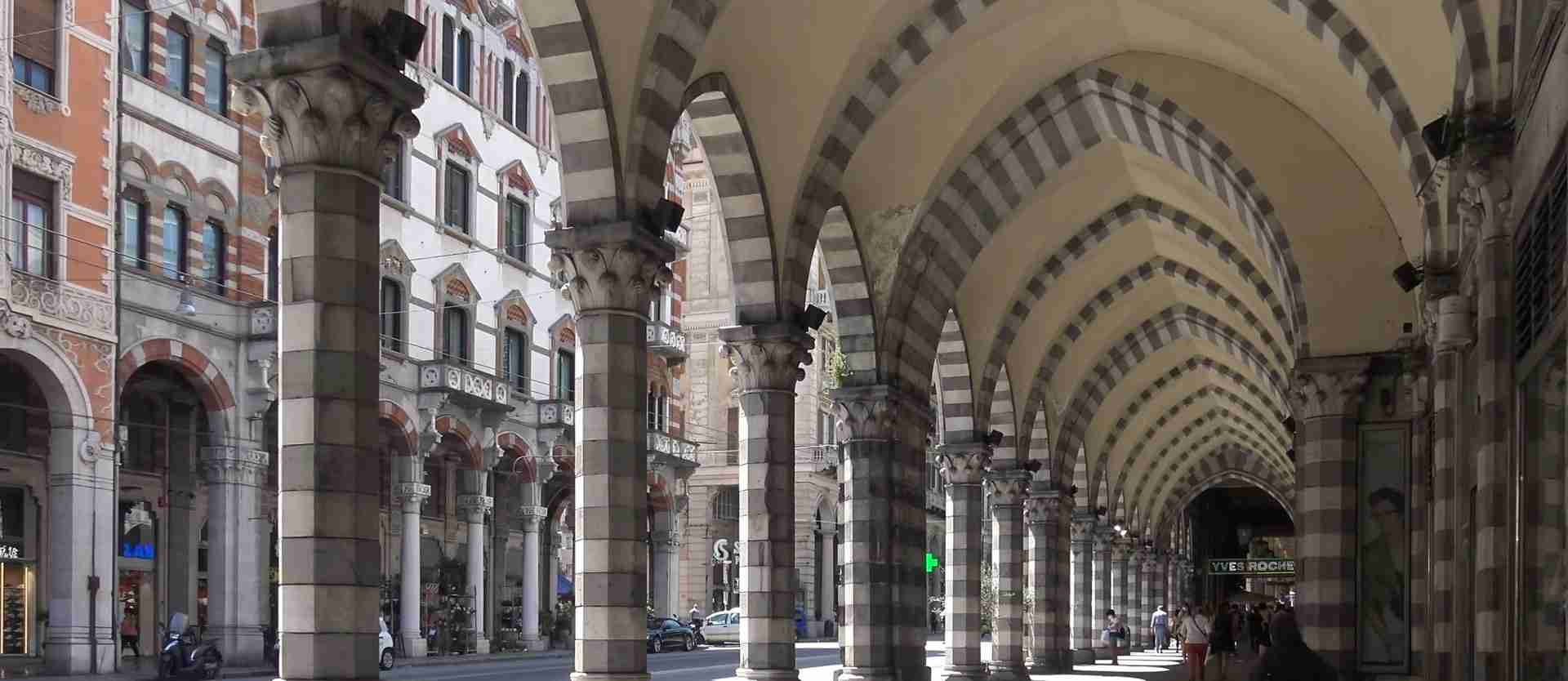
Genoa Travel Guide 2026: UNESCO Historic Port City
Genoa combines Renaissance palace grandeur with Mediterranean maritime heritage, offering travelers in 2026 Italy’s largest aquarium, a UNESCO World Heritage palace system, and authentic Ligurian culture beyond typical tourist circuits. This guide provides verified practical information for navigating Genoa’s vertical topography, understanding its unique palace hospitality heritage, and maximizing coastal exploration from Italy’s historically powerful port republic.
Key Takeaways
- Genoa’s UNESCO World Heritage Site encompasses 42 Renaissance and Baroque palaces along the Strade Nuove (Via Garibaldi, Via Balbi, Via Cairoli), inscribed in 2006 for their innovative urban planning and Rolli hospitality system
- Aquarium of Genoa admission costs €27-32 for adults and €20-22 for children ages 4-12 in 2026, with combo tickets offering 15-20% savings when paired with other Porto Antico attractions
- Public transportation operates on a unified €1.50-1.80 ticket valid 100 minutes across metro, buses, funiculars, and public elevators, with 24-hour passes costing €4.50 for unlimited travel
- Rolli Days (twice yearly in May and September) provide free access to normally closed private palaces, representing optimal timing for UNESCO heritage exploration in 2026
- The city’s vertical geography requires strategic use of funiculars, public elevators, and walking routes connecting sea-level attractions with hillside viewpoints offering panoramic Mediterranean perspectives
- Pesto alla Genovese originates in Genoa’s historic Pra district, with traditional preparation involving marble mortars, Ligurian basil, pine nuts, Parmigiano-Reggiano, and local olive oil creating protected designation status
People Also Ask About Genoa Travel 2026
How many UNESCO sites does Genoa have in 2026?
Genoa has one UNESCO World Heritage Site inscribed in 2006: “Genoa: Le Strade Nuove and the system of the Palazzi dei Rolli.” This designation encompasses 42 Renaissance and Baroque palaces (selected from over 100 originally listed) along three main streets—Via Garibaldi (formerly Strada Nuova), Via Balbi, and Via Cairoli. The UNESCO recognition acknowledges both the innovative late 16th-century urban planning that created these “New Streets” and the unique Rolli system, whereby the Republic of Genoa established official lists of patrician palaces designated to host distinguished state visitors. This represented Europe’s first example of parceled urban development within a unitary public framework associated with systematic public lodging in private residences. The 42 palaces demonstrate extraordinary architectural variety adapting Renaissance and Baroque styles to Genoa’s steep topography, featuring characteristic sequences of atrium-courtyard-staircase-garden elements and richly decorated interiors reflecting the Republic’s peak financial and maritime power during the 16th-17th centuries.
Is the Genoa Aquarium worth visiting in 2026?
The Genoa Aquarium justifies its €27-32 admission cost in 2026 as Italy’s largest aquarium and Europe’s most biodiverse marine facility, housing over 12,000 specimens from 400+ species across 70 exhibition tanks totaling 6 million liters. The aquarium’s 3,000+ square meter facility within Porto Antico showcases Mediterranean ecosystems alongside tropical coral reefs, Arctic environments with penguins, Caribbean habitats, and dedicated sections for sharks, dolphins, seals, and jellyfish. Interactive exhibits explain marine conservation, while the design by architect Renzo Piano integrates the structure into restored harbor warehouses creating atmospheric maritime context. Visitor experience quality depends significantly on timing—weekday mornings (September-November or March-May) offer manageable crowds and lower prices, while summer weekends see overwhelming visitor density diminishing enjoyment. Families with children particularly value the aquarium’s educational programming and diverse exhibits maintaining engagement across age ranges. Budget-conscious travelers should compare the €27-32 standalone ticket against combo packages pairing the aquarium with Biosphere (€3-5 additional), Galata Maritime Museum (€8-10 additional), or full Porto Antico passes potentially saving 15-20% versus individual admission purchases.
What is the best way to get around Genoa in 2026?
Genoa’s optimal transportation strategy in 2026 combines walking the historic center’s caruggi (narrow medieval alleyways) with strategic AMT public transport use for vertical climbs and distant attractions. The unified public transport system (metro, 140+ bus lines, funiculars, public elevators) operates on single €1.50-1.80 tickets valid 100 minutes, with 24-hour Genovapass (€4.50) or group passes for four people (€9-9.50) providing unlimited access. The metro’s single line connects Principe and Brignole train stations with Porto Antico (San Giorgio stop) and the UNESCO palace district (De Ferrari stop), running 6:30 AM-11:00 PM with 5-7 minute frequencies. Two funiculars—Sant’Anna and Zecca-Righi—ascend from city center to panoramic viewpoints in 10-15 minutes using standard tickets, while ten public elevators navigate steep hillsides connecting different elevation zones. Walking proves essential for experiencing Via Garibaldi’s palaces, Porto Antico waterfront, and medieval quarter atmospheres inaccessible by vehicle. Taxis cost €10-20 for cross-city journeys but prove unnecessary for most tourist itineraries given comprehensive public transport coverage. Volabus airport shuttle (€6-10) connects Cristoforo Colombo Airport with Brignole and Principe stations in 30-40 minutes, though the new Airlink train service launching 2026 offers alternative rail-plus-shuttle combinations.
When are Genoa’s Rolli Days in 2026?
Genoa’s Rolli Days occur twice annually in 2026, typically scheduled for one weekend in May and another in September, though specific 2026 dates require verification closer to events as the Municipality of Genoa announces schedules approximately 6-8 weeks in advance. These special weekends provide free admission to normally closed Palazzi dei Rolli, expanding public access beyond the handful of palaces functioning year-round as museums or institutional buildings. During Rolli Days, 30-50 palaces open their courtyards, staircases, gardens, and occasionally interior salons, with volunteer guides providing historical context in Italian and often English. Events attract substantial crowds—early morning arrivals (9:00-10:00 AM) prove essential for avoiding afternoon queues at popular palaces like Palazzo Tobia Pallavicino or Palazzo Bianco. The 2016 tenth-anniversary celebration established a precedent for occasional three-weekend commemorations, though standard bi-annual scheduling remains typical. Beyond palace access, Rolli Days feature guided walking tours, temporary exhibitions, musical performances in palace courtyards, and special evening openings creating atmospheric candlelit experiences. Advance booking proves unnecessary as admission remains free and first-come basis, though some palaces implement timed entry managing visitor flow. Travelers planning 2026 Genoa visits around Rolli Days should monitor the official website (rolliestradenuove.it) beginning March for May dates and July for September scheduling.
Extended multi-day tours – 5+ days
Featured Genoa Multi-Day Tour Packages
7 days
Walks & Food of the Italian Riviera
- ✓ Comprehensive Genoa tour
- ✓ Expert local guides included
- ✓ All accommodation arranged
- ✓ Transportation provided
7 days
Discover Italy end Milan
- ✓ Comprehensive Genoa tour
- ✓ Expert local guides included
- ✓ All accommodation arranged
- ✓ Transportation provided
7 days
7 Days Italian Riviera and Piedmont Tour – from Milan
- ✓ Comprehensive Genoa tour
- ✓ Expert local guides included
- ✓ All accommodation arranged
- ✓ Transportation provided
7 days
Magic of Milan, Genoa and Turin
- ✓ Comprehensive Genoa tour
- ✓ Expert local guides included
- ✓ All accommodation arranged
- ✓ Transportation provided
Multi-day tour packages powered by TourRadar. Prices and availability subject to change.
Introduction: Genoa’s Renaissance Power and Maritime Legacy
Genoa’s contemporary identity reflects layers of history spanning from medieval maritime republic through Renaissance financial dominance to modern industrial port city, creating travel experiences combining UNESCO palace grandeur, working harbor authenticity, and Mediterranean coastal culture. The city’s historic importance peaked during the 16th-17th centuries—termed the “Century of the Genoese”—when the Republic’s banking networks financed Spanish kingdoms, merchant fleets dominated Mediterranean trade routes, and aristocratic families commissioned the palatial architecture now protected as World Heritage. This historical zenith produced the urban innovations and architectural achievements attracting cultural travelers to Genoa in 2026.
Unlike Florence’s concentrated Renaissance core or Venice’s island compactness, Genoa sprawls vertically across coastal mountains plunging directly into the Ligurian Sea. This distinctive topography shaped both historical development and modern visitor logistics. Renaissance urban planners carved the Strade Nuove into steep hillsides, creating Italy’s first examples of unified aristocratic districts with regulated architecture and street widths. The resulting palace landscape features dramatic spatial sequences: monumental atrium entrances, interior courtyards, theatrical staircases ascending multiple floors, and rooftop gardens offering sea views—architectural solutions responding to limited horizontal space and extreme elevation changes.
The medieval quarter—Europe’s largest historic center comprising over 1,300 buildings within 113 hectares—presents labyrinthine caruggi (alleyways) barely 2-3 meters wide, originally designed for defensive purposes and now containing artisan workshops, traditional focaccerias, and neighborhood trattorias. This authentic urban fabric contrasts sharply with the Renaissance formality of Via Garibaldi’s palace facades, while the Porto Antico (Old Port) combines both medieval harbor structures and 1990s redevelopment by Genoa native Renzo Piano, creating contemporary cultural facilities within historical maritime infrastructure.
Genoa’s tourism profile differs markedly from mainstream Italian destinations in 2026. The city receives approximately 1.2 million annual visitors compared to Florence’s 10+ million, creating advantages for travelers seeking authentic urban experiences without overwhelming crowds. This lower tourism pressure means preserved local culture: neighborhood bakeries selling fresh focaccia col formaggio, elderly residents conversing in Genovese dialect, and fish markets operating as functional commerce rather than tourist spectacles. However, fewer visitors also correlate with less English-language infrastructure and reduced international cuisine options compared to Rome or Venice.
Strategic planning enables comprehensive Genoa exploration in 2-3 days during 2026. A concentrated itinerary pairs UNESCO palace district visits (Via Garibaldi museums, Palazzo Reale, Palazzo Spinola) with Porto Antico attractions (Aquarium, Galata Maritime Museum, Biosphere), medieval quarter wandering, and culinary experiences sampling pesto, focaccia, and Ligurian seafood specialties. Extended stays incorporate day trips to Cinque Terre (90 minutes by train), Portofino and Santa Margherita Ligure (35-60 minutes), or inland valleys preserving rural Ligurian traditions.
The city’s accommodation landscape ranges from converted palazzo suites maintaining Renaissance architectural elements (€120-250 nightly) to modern harbor hotels with marina views (€80-150) and budget hostels in renovated medieval buildings (€25-45 dormitory, €60-90 private rooms). Location proves critical: staying within or adjacent to the UNESCO district (near Via Garibaldi, Piazza de Ferrari) optimizes access to both palace museums and Porto Antico attractions, while hillside accommodations near funicular stations trade central proximity for panoramic sea perspectives and quieter atmospheres.
Genoa’s climate favors spring (April-June) and fall (September-November) visits in 2026, with mild temperatures (15-24°C), manageable rainfall, and optimal conditions for walking steep caruggi and exploring open-air Porto Antico. Summer (July-August) brings heat (25-32°C), though sea breezes moderate coastal temperatures, alongside Italian domestic tourism creating accommodation demand and higher prices. Winter (December-March) sees frequent rain, shorter daylight hours limiting exploration time, and occasional cold winds, though museum visits and covered Galleria Mazzini shopping remain viable activities.
This guide provides practical 2026 information across all aspects of Genoa travel, from navigating the vertical cityscape via funiculars and elevators to understanding Rolli palace visiting protocols, from aquarium ticket strategies to authentic Ligurian dining beyond tourist-focused establishments. Strategic approaches to timing, transportation, and attraction selection maximize experiences while managing budgets and avoiding common pitfalls diminishing visitor satisfaction in this complex, rewarding Italian city.
Understanding Genoa’s UNESCO World Heritage Palaces 2026
Genoa’s UNESCO World Heritage designation represents a specific urban and architectural phenomenon: the late Renaissance creation of systematically planned aristocratic streets combined with an innovative state hospitality system utilizing private residences for official diplomatic lodging. This unique historical development produced the 42 palaces recognized since 2006, requiring understanding of both their architectural significance and the social systems they embodied for full appreciation during 2026 visits.
The Strade Nuove emerged from 1550s-1570s urban expansion when Genoa’s Republic reached peak financial power through banking operations financing Spanish crowns and merchant networks dominating Mediterranean commerce. Traditional medieval quarter density limited prestigious construction opportunities, prompting the Senate to authorize new streets carved into hillsides north of the port. Via Garibaldi (1558-1583, originally Strada Nuova) represented the primary development, with Via Balbi (1602-1620) and Via Cairoli (1778-1786, originally Strada Nuovissima) following similar planning principles: unified street widths (7-8 meters), building plot standardization, and architectural regulation creating visual continuity despite individual palazzo design variations.
The Rolli system institutionalized in 1576 Senate decree established five official lists (rolli) categorizing palaces by grandeur and capacity, with specific lists designated for hosting different diplomatic ranks. When ambassadors, papal legates, princes, or other state visitors arrived, officials randomly selected appropriate palaces from relevant lists, with chosen families obligated to provide lodging reflecting the Republic’s dignity. This system distributed hospitality costs across aristocracy while demonstrating collective wealth more impressively than any single state palace could achieve. Over 100 palaces eventually appeared on Rolli lists, though only 42 meeting UNESCO preservation and authenticity standards gained World Heritage inclusion.
Architectural characteristics unify Rolli palaces despite individual variations in 2026. The typical spatial sequence begins with monumental entrance atria—often two stories high with vaulted or frescoed ceilings—leading to interior courtyards featuring elaborate staircases. These stairs represent palazzo showpieces: dual-ramp imperial staircases, spiral geometries, theatrical perspectives emphasized through architectural trompe-l’oeil decoration, and dramatic lighting through courtyard openings. Upper floors contain piano nobile (principal floor) state rooms with elaborate stuccowork, frescoed ceilings by leading Genoese artists (Luca Cambiaso, Giovanni Battista Castello, Bernardo Strozzi), and decorative schemes incorporating family heraldry and classical mythological themes.
Building on steep terrain necessitated innovative architectural solutions distinguishing Genoese palaces from Florentine or Roman contemporaries. Many palaces feature multi-level construction: street-level entrances accessing piano nobile via ascending staircases, while rear facades built into hillsides reveal additional stories invisible from front perspectives. Rooftop gardens and terraces compensated for limited horizontal land, creating suspended green spaces with Mediterranean plantings and sea views extending to Corsica on clear days. This vertical adaptation produced the characteristic atrium-courtyard-staircase-garden sequence UNESCO recognizes as internationally significant architectural innovation.
Via Garibaldi concentrates the most accessible palaces in 2026. Palazzo Rosso (Rosso Tursi civic museums) houses Genoese Baroque painting collections including works by Van Dyck, Veronese, and Dürer, within elaborately frescoed salons maintaining original 17th-century decorative schemes. Palazzo Bianco displays Renaissance and Baroque art within architectural settings featuring painted wooden ceilings and period furniture. Palazzo Tursi, Genoa’s city hall, allows partial public access to ceremonial halls and the Golden Gallery—a spectacular frescoed corridor epitomizing aristocratic display. These three palaces function as Musei di Strada Nuova with unified €9 admission (€7 reduced) covering all locations.
Palazzo Spinola di Pellicceria, located off Via Garibaldi in Piazza Pellicceria, operates as a National Gallery maintaining intact noble residence atmospheres across four floors. Original furnishings, ceramics, and artwork preserved in situ demonstrate aristocratic domestic life more completely than decontextualized museum displays. Highlights include Antonello da Messina’s “Ecce Homo,” Joos van Cleve portraits, and elaborately decorated private chapels. Admission costs €6 (€2 reduced) with optional €2 audioguide providing room-by-room historical context.
Palazzo Reale (Royal Palace) on Via Balbi represents Baroque elaboration of Renaissance Rolli concepts. Originally the Balbi family residence, the palace became Savoy royal residence during 1824-1946 Kingdom of Sardinia and Italian Kingdom periods, with subsequent decorative campaigns adding Neoclassical and 19th-century furnishings to original Baroque elements. The palace showcases royal apartments, throne room, Hall of Mirrors, extensive painting galleries, and terraced gardens overlooking the port. Admission costs €8 (€2 reduced) with English-language audioguides available.
Beyond museum palaces, numerous Rolli buildings function as banks, offices, private residences, or institutional headquarters, with exteriors visible from streets but interiors generally inaccessible except during Rolli Days. Notable exterally viewable examples include Palazzo Tobia Pallavicino (extraordinary frescoed facade by Giovanni Battista Castello), Palazzo Doria Tursi (now municipal offices), and Palazzo dell’Università (University of Genoa rectorate) featuring monumental courtyards occasionally open for exhibitions.
Palazzo Ducale, while not technically a Rolli palace (serving as Republic government seat rather than private residence), anchors the UNESCO district as Genoa’s largest historical building. The complex hosts rotating contemporary art exhibitions, photography shows, and cultural events within restored Renaissance and Baroque halls. Exhibition admission varies (€10-15 typically) with free access to courtyards and ground-floor spaces. The building’s sheer scale—connecting Piazza Matteotti and Piazza de Ferrari through internal passages—impresses independently of specific exhibitions.
Rolli Days events in May and September 2026 provide exceptional access to normally closed palaces, though specific dates require monitoring the official UNESCO site (rolliestradenuove.it) as Municipality announcements occur 6-8 weeks advance. During these weekends, 30-50 palaces open free, including private residences, bank headquarters, and partially accessible institutional buildings. Volunteer guides (often architecture students) stationed at entrances explain palace histories and architectural features, with printed information sheets available in English. Popular palaces develop queues by late morning; arriving when doors open (typically 10:00 AM) ensures entry without extended waits.
Photography permissions vary by palace in 2026. Civic museums (Strada Nuova, Palazzo Spinola, Palazzo Reale) permit non-flash photography for personal use, while prohibiting tripods and commercial photography without advance authorization. Private palaces during Rolli Days generally allow photography in courtyards and staircases but may restrict interior room photography. Respectful visitor behavior proves essential during Rolli Days when accessing inhabited private residences; quiet voices, no touching furnishings or architectural elements, and following guide directions maintain community support for continued public access.
Aquarium of Genoa and Porto Antico Attractions 2026
The Aquarium of Genoa represents Italy’s premier marine facility and one of Europe’s largest aquariums by biodiversity, making it Genoa’s highest-visitation single attraction with approximately 1.2 million annual visitors. The facility’s location within Porto Antico places it amid the redeveloped harbor district also containing complementary maritime museums, restaurants, and waterfront promenades, creating a concentrated attraction zone manageable within single-day itineraries during 2026 visits.
Aquarium admission pricing in 2026 operates on dynamic models varying by season, day of week, and advance booking timing. Standard adult tickets range €27-32 with online advance purchase typically €2-3 less than same-day box office rates. Children ages 4-12 pay €20-22, while ages 0-3 enter free. Students, seniors over 65, and disabled visitors qualify for reduced rates (€23-25) with valid documentation. The aquarium implements timed entry slots managing visitor flow, with mornings (9:00-11:00 AM) and late afternoons (4:00-6:00 PM) experiencing lighter crowds than midday peaks, particularly weekdays versus weekends.
Combination tickets in 2026 pair the aquarium with other Porto Antico facilities generating savings versus individual admissions. Aquarium + Biosphere combo costs approximately €32-36 adult (versus €27-32 + €5 separate totaling €32-37), Aquarium + Galata Maritime Museum runs €38-42 (versus €27-32 + €12-15 separate), and comprehensive Acquario Village passes covering Aquarium, Biosphere, Bigo panoramic elevator, and La Città dei Bambini children’s museum cost €42-48 representing 15-20% savings for families visiting multiple attractions. The Genoa Museum Card (€13 for 24 hours, €20 for 48 hours) includes aquarium admission plus 22 city museums and unlimited public transport, delivering substantial value for intensive cultural itineraries.
The aquarium’s exhibition route spans 2.5-3 hours for thorough visits, though families with young children often extend stays to 4+ hours utilizing interactive exhibits and resting areas. The facility divides into thematic zones replicating different marine ecosystems: Mediterranean Sea sections featuring native Ligurian species; tropical coral reefs showcasing Caribbean and Indo-Pacific biodiversity; polar regions displaying penguins and Arctic seals; deep ocean environments with bioluminescent organisms; and specialized tanks for sharks, rays, jellyfish, and dolphins.
Highlights include the large pelagic tank containing sharks, tuna, and rays in 1.2 million liter volume; the dolphin pool with viewing from multiple levels and underwater perspectives; the jellyfish gallery featuring ethereal medusae backlit for dramatic effect; and the seal pavilion with outdoor viewing areas. Educational exhibits explain marine conservation, Mediterranean ecosystem threats from pollution and overfishing, and aquarium breeding programs for endangered species. Touch pools allow supervised interaction with rays and small sharks, particularly popular with children.
Strategic visiting timing in 2026 significantly affects experience quality. Weekday mornings September-November and March-May offer optimal combinations of manageable crowds, moderate weather for exploring outdoor Porto Antico areas, and standard (lower) pricing. Summer weekends (June-August Saturdays/Sundays) bring overwhelming visitor density diminishing enjoyment—families with restless children, school groups, and limited tank viewing space create stressful rather than relaxing atmospheres. Winter weekdays provide smallest crowds but limited natural lighting in outdoor harbor areas and potential rain disrupting Porto Antico walking.
The aquarium prohibits outside food and beverage but operates Tender Café on an outdoor terrace serving light meals, snacks, and refreshments at moderate prices (€8-15 for panini and salads, €3-5 for beverages). Alternatively, numerous Porto Antico restaurants within 5-minute walks offer more substantial dining options following aquarium visits, ranging from tourist-oriented establishments along the waterfront promenade to more authentic options in adjacent medieval quarter streets.
Beyond the aquarium, Porto Antico’s redeveloped harbor features complementary attractions worth 2026 consideration. The Biosphere—a transparent glass sphere designed by Renzo Piano—houses a miniature tropical rainforest with 150+ plant species, butterflies, and small birds within climate-controlled environment. This €5 attraction requires 20-30 minutes and provides atmospheric contrast to aquarium’s marine focus. The structure’s architectural interest (appearing to float on harbor waters) appeals to design enthusiasts beyond botanical tourists.
Galata Museo del Mare constitutes the Mediterranean’s largest maritime museum, occupying a restored 17th-century galley arsenal across five floors. Exhibitions trace Genoa’s naval history from medieval galleys through steamship era, featuring full-scale ship reconstructions, navigation instrument collections, emigration history documentation (millions of Italians departed from Genoa for Americas 1880s-1920s), and the Nazario Sauro submarine moored outside available for interior tours. Museum admission costs €12-15 adult, €7-10 reduced, with combined aquarium tickets offering savings. The museum requires 2-3 hours for comprehensive visits, appealing particularly to maritime history enthusiasts and families with older children interested in ship technology.
Il Bigo—a panoramic elevator designed by Renzo Piano—ascends 40 meters above Porto Antico providing 360-degree Genoa views encompassing harbor, medieval quarter, Renaissance palace district, and surrounding mountains. The 5-minute rotation costs €5 (€4 reduced), proving worthwhile for photography and urban orientation despite brief duration. Operating hours vary seasonally (typically 10:00 AM-sunset) with weather-dependent closures during high winds.
La Città dei Bambini e dei Ragazzi occupies Porto Antico spaces below the aquarium, functioning as an interactive children’s museum focused on sensory experiences and scientific principles explained through hands-on exhibits. Designed for ages 2-12, the facility features water play areas, construction zones, optical illusion demonstrations, and role-play environments. Admission costs €7-8 with family packages available. Parents report 1.5-2 hour average visits, with younger children (3-7) showing greatest engagement while older children sometimes find exhibits simplistic.
The Galeone Neptune—a full-scale 17th-century galleon replica built for Roman Polanski’s 1986 film “Pirates”—moored permanently in Porto Antico occasionally opens for exterior deck viewing (€3-4) though interior access remains restricted. The photogenic vessel provides atmospheric maritime backdrop for waterfront dining and promenading beyond specific touring interest.
Porto Antico’s commercial development includes numerous restaurants, gelaterias, and cafés along the waterfront promenade, generally catering to tourist traffic with corresponding pricing (€15-25 pasta dishes, €20-35 seafood mains) and variable quality. More authentic and economical dining exists 5-10 minutes walk into the medieval quarter along Via di Sottoripa or Via San Lorenzo, where local trattorias serve Ligurian specialties at €10-18 for primi and €15-25 for secondi.
Navigating Genoa’s Vertical City: Transportation Guide 2026
Genoa’s extreme topography—coastal mountains rising directly from the Mediterranean with elevation changes exceeding 300 meters within the historic core—necessitates transportation strategies combining walking for atmospheric caruggi exploration with tactical public transport use for vertical movement and distant attraction access. Understanding AMT’s integrated multi-modal system proves essential for efficient 2026 navigation without excessive physical strain or taxi expenses.
The unified AMT ticket system in 2026 covers metro, buses, funiculars, rack railway, and public elevators with single fares valid 100 minutes costing €1.50-1.80 depending on purchase location. Tickets purchased at automated machines, tobacco shops (tabacchi), and newsstands cost €1.50, while onboard bus purchases increase to €2.50-3.00. The 100-minute validity allows route combinations and transfers, though each direction counts separately—a round-trip requires two tickets or a day pass. Validation occurs via stamping machines on buses and at metro station turnstiles; failure to validate risks €50+ fines during random inspections.
Day passes provide unlimited travel value for visitors making 3+ journeys in 2026. The Genovapass 24-hour ticket costs €4.50 individual or €9.00-9.50 for group passes valid for up to four people traveling together, including coverage on Trenitalia regional trains within city limits (Nervi to Voltri coastal segment, Acquasanta to Pontedecimo inland sections). Multi-day options include 48-hour passes though these prove economical only for extremely intensive public transport users given the €1.50 single ticket affordability.
The Genoa Metro consists of a single 7.1-kilometer line with 8 stations connecting the northwest Brin terminus through central stations (Principe, San Giorgio, De Ferrari) to the Brignole southeastern terminus. Trains operate 6:30 AM-11:00 PM daily with 5-minute intervals during peak hours (7:00-9:00 AM, 5:00-7:00 PM weekdays) extending to 7-10 minute off-peak frequencies. All stations except elevated Brin feature underground platforms reached via escalators and elevators, with digital displays indicating next train arrival times.
Key metro stations for tourists in 2026 include San Giorgio (Porto Antico, Aquarium of Genoa, Galata Museum), De Ferrari (Palazzo Ducale, opera house, shopping district Via XX Settembre), Principe (main train station, Via Balbi palaces, University), and Brignole (secondary train station, connection point for Cinque Terre trains). The De Ferrari station’s exits lead directly to Piazza De Ferrari’s monumental fountain and surrounding palaces, providing immediate immersion in Genoa’s architectural grandeur.
Bus network comprehensiveness enables reaching virtually any city neighborhood via AMT’s 140+ routes, though visitors typically require only select lines connecting major attractions or hillside viewpoints. Useful routes include Line 20 (Stazione Brignole to Boccadasse fishing village), Line 36 (De Ferrari to Piazza Manin for Genoa-Casella railway), and Line 35 (Principe to Nervi coastal promenade). Digital displays at major stops show real-time arrival predictions, while the official AMT Genova smartphone app provides route planning and mobile ticketing options in English.
Funiculars represent Genoa’s distinctive vertical transportation signature in 2026. The Zecca-Righi funicular ascends from Largo Zecca (near Piazza Portello) 300 vertical meters to Righi neighborhood in 10 minutes, providing spectacular panoramic city and harbor views. The Sant’Anna funicular climbs from Piazza del Portello to Corso Magenta. Both funiculars operate on standard AMT tickets without surcharges, running approximately 6:30 AM-midnight with 15-20 minute intervals. The Righi funicular particularly rewards visitors with photography opportunities, garden restaurants, and starting points for hillside walking trails offering continued panoramic perspectives.
Public elevators (ascensori) supplement funiculars navigating Genoa’s vertical cityscape. Ten elevator installations throughout the historic center connect different elevation zones: Montegalletto elevator links Via Garibaldi to Castelletto belvedere viewpoint (extraordinary 180-degree harbor panorama), Spianata Castelletto elevator provides alternative Castelletto access from Piazza Portello, and various smaller elevators serve residential neighborhoods. All operate on standard AMT tickets as integral public transport components rather than tourist attractions, though their engineering interest and viewpoint access deliver tourism value.
The historic Genoa-Casella railway—a narrow-gauge line inaugurated 1929—provides scenic 25-kilometer journeys from Piazza Manin through Ligurian valleys to Casella village in approximately 60 minutes. While primarily serving commuters, the route offers tourists atmospheric mountain perspectives, historic villages, and hiking trail access. Fares cost €5-6 each way with trains operating 6-8 daily, requiring separate tickets beyond standard AMT coverage. This attraction suits railway enthusiasts and visitors seeking Ligurian countryside experiences beyond coastal tourism.
Taxis operate on meters with €6-8 minimum fares and €1.20-1.50 per kilometer rates. Airport connections cost €25-35 to city center, while cross-city trips rarely exceed €15-20. Taxis prove unnecessary for most tourism given comprehensive public transport, though they offer convenience for late-night returns, heavy luggage transport, or mobility-limited travelers. Official taxi ranks exist at train stations, major piazzas, and the cruise terminal, while telephone/app booking adds €2-3 surcharges.
Walking remains essential for experiencing Genoa’s caruggi authenticity and accessing UNESCO palaces, as many medieval quarter streets prohibit vehicles. Comfortable footwear with good traction proves necessary given frequent stairs, cobblestone surfaces, and steep gradients. The city’s vertical nature means seemingly short 500-meter distances often involve 50-meter elevation changes via staircases—factor extra time and energy compared to flat-city walking. Navigation apps (Google Maps, Moovit) generally provide accurate walking routes, though occasional quirks in routing through narrow caruggi warrant attention to context and asking locals when confused.
The Volabus airport shuttle connects Cristoforo Colombo Airport with Brignole and Principe train stations in 30-40 minutes, costing €6-10 with tickets functioning as 24-hour public transport passes. The service operates every 30 minutes 5:00 AM-midnight, with reduced overnight frequencies. Alternative Airlink service combines regional trains from airport station with shuttle buses, though this option involves more connections and proves less convenient for most visitors. By late 2026, new airport rail infrastructure may modify access patterns—monitor current information when planning arrival logistics.
Medieval Quarter and Caruggi Exploration 2026
Genoa’s medieval quarter constitutes Europe’s largest historical urban core, spanning 113 hectares with over 1,300 buildings preserving structures and street patterns dating from 11th-16th centuries. This labyrinthine district reveals authentic Genoese life beyond tourist circuits, requiring exploratory mindsets accepting occasional disorientation as inherent to experiencing the caruggi’s atmospheric complexity during 2026 visits.
The term caruggi (singular: carugio) derives from Ligurian dialect denoting extremely narrow streets and alleyways, typically 2-4 meters wide with buildings rising 5-7 stories creating canyon-like corridors where sunlight penetrates only at midday. These proportions resulted from defensive medieval planning—narrow passages impeded invading forces while maximizing building density on limited coastal land. Contemporary experience finds these spaces alternately claustrophobic and atmospheric, with washing lines strung between buildings, neighborhood residents conversing from balconies, and artisan workshops occupying ground-floor spaces.
Via di Sottoripa represents the caruggi district’s commercial spine, running parallel to the waterfront between Palazzo San Giorgio and Via Cairoli. This porticoed medieval street contains fresh produce markets, fishmongers, cheese vendors, and street food stalls selling farinata (chickpea flatbread) and focaccia. The arcades protect market activities from weather while creating shadowy atmospheric spaces contrasting sharply with nearby Porto Antico’s contemporary redevelopment. Morning visits (8:00-10:00 AM) capture authentic neighborhood shopping before tourist influx, with vendors arranging displays and elderly residents conducting daily marketing.
Via di San Lorenzo leads from the cathedral toward Porta Soprana, featuring artisan goldsmiths and jewelry shops reflecting Genoa’s historic trade connections. The street’s medieval paving, irregular building alignments, and occasional glimpses of interior courtyards through open doorways exemplify caruggi architectural characteristics. Side alleys branch unpredictably, rewarding exploratory wandering with discoveries of neighborhood churches, small piazzas with outdoor café tables, and workshops maintaining traditional crafts.
Piazza delle Erbe and adjacent Piazza Soziglia form the caruggi’s social heart in 2026, with café tables occupying irregular medieval squares surrounded by 5-7 story buildings featuring characteristic Genoese painted facades (trompe-l’oeil architectural detailing in faded ochres, pinks, and grays). These piazzas attract mixed crowds—local students, elderly neighborhood residents, office workers on lunch breaks, and tourists discovering atmospheric resting spots. Evening aperitivo culture (6:00-8:00 PM) transforms these spaces into vibrant social scenes with affordable drink prices (€5-7 spritz with complimentary snacks) and people-watching opportunities.
The Cathedral of San Lorenzo (Cattedrale di San Lorenzo) anchors the caruggi’s eastern edge with its distinctive black-and-white striped marble facade characteristic of Ligurian Romanesque-Gothic architecture. The cathedral’s treasury museum contains the Sacro Catino (green glass bowl medieval legend claimed was the Holy Grail) and elaborate processional crosses demonstrating Genoese goldsmith mastery. Cathedral admission remains free, though treasury access costs €6-7. The building’s interior features Gothic vaulting, Renaissance chapels, and a partially-preserved medieval fresco cycle worth 30-minute visits for architecture enthusiasts.
Porta Soprana—a twin-towered medieval gate from 1155—survives as Genoa’s primary defensive structure remnant, with 30-meter towers flanking the original city entrance. The gate area includes the Chiostro di Sant’Andrea cloister and archaeological remains of medieval walls. Adjacent stands the “Casa di Colombo” (Columbus House)—a 18th-century reconstruction of Christopher Columbus’ purported childhood home. While historians debate the building’s authenticity, the small museum (€5-6 admission) displays Columbus voyage documentation and period naval artifacts appealing to maritime history enthusiasts.
Church of Gesù e dei Santi Ambrogio e Andrea represents Genoa’s most significant Baroque religious architecture, featuring elaborate frescoed dome by Giovanni Battista Carlone and altarpiece paintings by Rubens and Guido Reni. Free admission enables appreciation of Counter-Reformation architectural propaganda and Genoese patronage supporting leading European artists. The church’s Via Balbi location facilitates combination with Palazzo Reale visits within UNESCO palace district itineraries.
Santa Maria di Castello complex occupies a hilltop site where Roman-era temples preceded medieval construction. The church preserves Romanesque elements, Gothic additions, and Renaissance decorative campaigns creating architectural palimpsest. The adjacent Dominican convent features 15th-century cloister frescoes and maintains contemplative atmospheres contrasting with caruggi bustle. The site requires uphill walking from central locations but rewards with architectural interest, religious art, and elevated perspectives across the medieval quarter.
Navigating the caruggi in 2026 requires accepting occasional disorientation as atmospheric rather than problematic. The quarter’s organic medieval growth pattern defies grid logic, with curved streets, dead-end alleys, and unexpected building passages creating navigational challenges. Smartphone mapping apps provide general orientation but often struggle with precise caruggi routing given narrow passages and tall buildings impeding GPS accuracy. Effective strategies include identifying major anchors (San Lorenzo cathedral, Palazzo Ducale, Via Garibaldi) and learning general directional relationships rather than attempting precise route following.
Safety considerations in the caruggi warrant attention without excessive concern in 2026. The district’s population density and continuous human activity create natural safety through presence—criminal opportunities diminish where residents observe from windows and shopkeepers monitor street activity. However, certain areas near the port exhibit prostitution and drug activity, particularly side streets off Via di Pré west of Principe station. Tourists should exercise standard urban caution: avoid displaying expensive cameras conspicuously, secure valuables in front pockets or internal bags, and maintain awareness of surroundings especially after dark. Solo female travelers report generally positive experiences while observing basic urban safety practices.
Evening exploration transforms caruggi atmospheres in 2026, with illuminated churches, restaurant activity, and local social life replacing daytime commercial bustle. Via di Campo—immortalized by Genoese singer-songwriter Fabrizio De André—attracts music enthusiasts seeking atmospheric streets referenced in lyrics celebrating port life’s grittier aspects. Numerous small bars and osterie (wine taverns) offer authentic experiences, though tourist-area establishments inevitably charge premiums versus neighborhood spots frequented primarily by locals.
Ligurian Cuisine and Authentic Dining Experiences 2026
Genoa’s culinary identity centers on Ligurian regional cuisine emphasizing fresh herbs, quality olive oil, seafood, and vegetable-based preparations reflecting Mediterranean diet principles and historical trade connections bringing exotic ingredients to this maritime republic. Understanding authentic preparation methods and identifying quality establishments enables gastronomic experiences transcending tourist-focused dining during 2026 visits.
Pesto alla Genovese—arguably Liguria’s most internationally recognized culinary contribution—originated in Genoa’s Pra district with specific preparation protocols granted Protected Designation of Origin (PDO) status protecting traditional methods. Authentic pesto requires Genoese basil (smaller leaves, more intense perfume than common varieties), Ligurian extra-virgin olive oil, pine nuts from Mediterranean stone pines, aged Parmigiano-Reggiano and Pecorino cheeses, garlic, and coarse salt, combined via marble mortar and wooden pestle rather than food processors. This manual preparation prevents heat generation and excessive basil oxidation, preserving the sauce’s bright green color and delicate herbal aromatics. Restaurants preparing pesto “al mortaio” (in the mortar) signal traditional methods warranting premium pricing (€15-20 for pasta course versus €10-12 industrial preparation).
Trofie al pesto represents the classic presentation: hand-rolled short twisted pasta combined with pesto, boiled potatoes, and green beans reflecting historical Ligurian countryside economy where substantial additions extended expensive basil sauce. Alternative presentations include lasagne al pesto, trenette al pesto (similar to linguine), and occasionally seafood additions modernizing tradition. Evaluating pesto quality focuses on vibrant green color (brown tones indicate oxidation from prolonged storage or mechanical processing), creamy but distinct texture (not watery or separated), and balanced herbal flavor without overwhelming garlic or excessive salt.
Focaccia di Recco col formaggio achieves IGP (Protected Geographical Indication) status protecting this specific preparation from Recco, a town 25 kilometers from Genoa. The dish features ultra-thin dough sheets enclosing molten Crescenza cheese (soft, tangy cow’s milk cheese), baked in wood ovens until crispy and bubbling. Authentic preparation requires skilled dough stretching achieving near-translucency, precise cheese distribution, and proper oven temperature creating crispy texture without burning. In Genoa, specialized focaccerie serve this delicacy by weight (typically €14-18 per kilogram, with 250-300 gram portions sufficient for one person as main course). Ideally consumed immediately while cheese remains molten—quality establishments prepare individual portions to order rather than reheating pre-made focaccia.
Focaccia Genovese—distinct from the cheese-filled Recco variety—features thick, olive oil-enriched bread dough topped with coarse salt and sometimes rosemary, olives, or onions. Morning bakeries sell fresh focaccia by weight (€8-12 per kilogram) with typical servings of 150-200 grams consumed as breakfast or mid-morning snacks. Quality indicators include irregular surface dimpling (indicating proper fermentation and olive oil distribution), light golden-brown color, soft interior crumb, and olive oil sheen without excessive greasiness.
Farinata—chickpea flour flatbread baked in copper pans within wood ovens—represents ancient Ligurian street food dating to Roman periods. The batter (chickpea flour, water, olive oil, salt) achieves thin consistency, poured onto olive oil-coated pans and baked at high temperatures creating crispy edges with creamy interiors. Traditional vendors serve farinata by the slice (€3-5 per portion) from large round pans, with optimal consumption warm from the oven. Regional variations include fagottino (farinata folded around soft cheese or vegetables) and panissa (similar preparation fried into squares). Via di Sottoripa and Via di Pré host traditional farinata vendors operating afternoon-evening hours.
Acciughe ripiene (stuffed anchovies) showcase Ligurian seafood preparation: fresh anchovies butterflied, filled with herb-parmesan mixture, closed, and baked with olive oil and white wine. The dish demonstrates traditional preservation and enhancement of abundant local fish through simple quality ingredients. Restaurants serving anchovies as antipasto course charge €8-12 for portion of 4-6 pieces, with quality dependent on anchovy freshness and stuffing herb balance (marjoram, parsley, garlic without overwhelming fish flavor).
Cima alla Genovese represents elaborate preparation: veal breast stuffed with mixture of organ meats, eggs, cheese, vegetables, and pine nuts, sewn closed, and poached in broth for several hours. The dish requires substantial preparation time, with restaurants typically offering it only by advance order. When available, cima appears as cold sliced antipasto (€10-14 per portion) demonstrating traditional Genoese resourcefulness transforming simple ingredients into refined presentations through skilled technique.
Pandolce Genovese—traditional Christmas sweet bread—contains candied fruits, raisins, pine nuts, and fennel seeds within enriched yeast dough, representing Genoa’s historic spice trade connections. While seasonally associated with Christmas, quality bakeries produce pandolce year-round. The bread exists in two forms: alta (tall, soft texture) and bassa (flat, denser consistency), with bassa being older tradition. Bakery prices range €18-28 per kilogram with typical purchases of 300-500 gram portions for sampling.
Local wines reflect Ligurian terraced viticulture producing limited quantities commanding premium prices. Cinque Terre DOC white wines (blend of Bosco, Albarola, Vermentino grapes) offer crisp minerality complementing seafood, while Pigato and Vermentino varietals from western Liguria provide fuller-bodied alternatives. Rossese di Dolceacqua represents the region’s primary red wine, though local production volumes mean broader Italian wine lists dominate most restaurants. Wine-by-glass pours cost €5-8 for local selections versus €3-5 for broader Italian options.
Identifying authentic dining establishments in 2026 requires recognizing quality indicators beyond tourist-area positioning. Positive signs include menus written in Italian only or with minimal English (signaling local rather than tourist focus), seasonal ingredient rotation indicating daily market sourcing, regional wine lists emphasizing Ligurian producers, and modest interior design suggesting budget allocation to food quality over décor. Conversely, warning signs include multilingual menus with photographs (tourist-focus), year-round availability of all dishes (suggesting frozen or pre-prepared components), and aggressive street-side table solicitation.
Price expectations for authentic Ligurian dining in 2026 range from budget street food (€3-8 per item farinata, focaccia, fried seafood) through moderate trattorias (€10-15 primi, €15-22 secondi, €25-35 total with wine and cover charge) to upscale restaurants (€18-28 primi, €25-40 secondi, €60-90 total per person with wine). Tourist-area establishments charge 30-50% premiums over neighborhood equivalents serving identical food quality—walking 5-10 minutes from main attractions substantially improves value.
Recommended authentic dining areas in 2026 include the caruggi streets south of Via San Lorenzo (Via di Sottoripa, Vico del Fico, Piazza delle Erbe surroundings), the residential Castelletto neighborhood near funicular stations, the eastern district around Boccadasse, and specific streets in Porto Antico away from waterfront promenades (Via di Pré, Via del Campo, cross streets off Via Gramsci). Reservations prove unnecessary at casual trattorias, while upscale establishments require 1-2 days advance booking during peak seasons.
Day Trips and Regional Connections 2026
Genoa’s coastal position and rail connections facilitate day excursions exploring diverse Ligurian landscapes from Cinque Terre’s vertical vineyard villages to Portofino’s yacht-filled harbor, inland medieval towns, and coastal sanctuaries combining transportation accessibility with distinctive regional character complementing Genoa’s urban offerings during extended 2026 stays.
Cinque Terre represents the most popular Genoa-based day trip, with five fishing villages—Monterosso al Mare, Vernazza, Corniglia, Manarola, and Riomaggiore—clinging to cliffs above the Mediterranean and connected by coastal hiking trails. Regional trains depart Genoa Brignole station every 30-60 minutes requiring 60-90 minutes reaching Riomaggiore (southern entry) or Monterosso (northern entry), costing €5-8 each way. The Cinque Terre Card (€18.20 day pass) includes unlimited train travel between villages, hiking trail access, and shuttle bus connections, representing essential purchase for multi-village itineraries. Optimal day trip strategies visit 2-3 villages combining train connections with partial hiking: the Vernazza-Monterosso coastal trail (2 hours, moderate difficulty) offers spectacular Mediterranean perspectives without the Via dell’Amore’s excessive crowding and occasional closures.
Portofino and Santa Margherita Ligure provide contrasting coastal experiences 35-45 minutes from Genoa via regional trains to Santa Margherita Ligure station (€3-5), followed by bus connections to Portofino (€3, 20 minutes) or harbor ferry services (€8-12, 15 minutes). Portofino’s yacht-filled harbor, luxury boutiques, and waterfront restaurants cater to international wealth creating atmospheric but expensive experiences—coffee costs €5-8, harbor-view lunches €40-80 per person. Santa Margherita offers authentic Ligurian town character with accessible beaches, moderate restaurant pricing, and Art Nouveau architecture warranting multi-hour exploration. Combined day trips pair Santa Margherita morning exploration with afternoon Portofino visits, returning via scenic coastal ferry routes when weather permits.
Camogli—a photogenic fishing village 30 minutes from Genoa via regional train—preserves traditional Ligurian character without Portofino’s excessive tourism commercialization. The town features colorful multi-story fishermen’s houses painted in characteristic yellows, pinks, and oranges, small pebble beach, and waterfront trattorias serving excellent seafood at moderate prices (€15-25 pasta courses, €25-40 grilled fish). The Basilica di Santa Maria Assunta contains maritime ex-voto offerings demonstrating historical fishing community devotion. From Camogli, ferry services (April-October) connect to San Fruttuoso abbey—a 10th-century monastery accessible only by sea or hiking trails, featuring dramatic coastal setting, underwater bronze Christ statue, and limited dining facilities warranting packed lunches.
Nervi—Genoa’s eastern coastal suburb accessible via metro Line or frequent buses (€1.50 standard ticket)—offers 2-kilometer clifftop promenade (Passeggiata Anita Garibaldi), municipal parks with subtropical vegetation, and three modest art museums housed in historic villas. The promenade provides accessible coastal walking without hiking trail exertion, while the Art Nouveau architecture and Belle Époque resort character create refined atmospheres. Half-day visits combine morning promenade walking with lunch at waterfront restaurants (€12-18 pasta, €18-28 seafood), museum visits (€5-8 combined ticket for three galleries), and afternoon beach time on small pebble coves.
Pegli—Genoa’s western suburb—features Villa Durazzo-Pallavicini, a 19th-century botanical garden with romantic landscape design, artificial grottos, and exotic plant collections covering 11 hectares. The gardens represent Northern Italy’s finest example of romantic landscape architecture, rivaling better-known Tuscan villa gardens through theatrical spatial sequences and Mediterranean plantings. Admission costs €6-8 (€4-5 reduced) with 2-3 hours recommended for comprehensive exploration. Metro or bus connections from central Genoa require 30-40 minutes (€1.50 standard ticket), making this viable afternoon excursion complementing morning city activities.
Savona—Liguria’s second-largest city 50 kilometers west—provides day trip variety beyond coastal villages through medieval fortifications, Renaissance palaces, and industrial port character. Trains depart Genoa Principe every 20-40 minutes requiring 40-60 minutes (€3-5 regional, €8-12 faster intercity services). Highlights include Priamar Fortress (free admission to ramparts and courtyards), baroque cathedral with elaborate marble interiors, and ceramic museum displaying regional maiolica production. The city serves primarily as transportation hub for western Ligurian destinations rather than tourist destination per se, though maritime history enthusiasts appreciate authentic port atmospheres contrasting with sanitized tourist towns.
Campo Ligure—an inland valley town 45 minutes from Genoa via regional train (€3-4)—specializes in filigree metalwork, with museum and active workshops demonstrating traditional goldsmith techniques. The town’s medieval center features stone-paved streets, defensive tower, and modest lake offering swimming in summer months. This excursion appeals primarily to craft enthusiasts and visitors seeking mountain valley landscapes contrasting with coastal Genoa-Cinque Terre focus.
The Genoa-Casella historic railway provides scenic 25-kilometer narrow-gauge journeys through Ligurian interior valleys reaching Casella village in 60 minutes from Piazza Manin station. Trains operate 6-8 daily with €5-6 each-way fares. Casella offers limited dining (2-3 modest restaurants) and hiking trail access into surrounding mountains, attracting railway enthusiasts and hikers rather than general tourists. The journey itself provides primary interest—1920s rolling stock, dramatic mountain scenery, and authentic rural atmosphere.
Planning day trip logistics in 2026 requires understanding Italian regional train dynamics. Tickets purchased from automated machines or tobacco shops cost standard fares (€3-8 for most regional destinations), while purchasing aboard trains without prior tickets incurs substantial surcharges (€50+). Regional trains require no reservations or assigned seating; passengers board and select available seats. Frequent Genoa-Cinque Terre services mean missed connections cause minimal delays, though returning final trains typically depart 8:00-10:00 PM warranting schedule verification before outbound departure.
Practical Planning and Money-Saving Strategies 2026
Strategic approaches to accommodation selection, attraction ticketing, dining choices, and timing significantly affect both budgets and experience quality during 2026 Genoa visits, with informed decisions potentially saving 30-40% versus uninformed default choices while simultaneously improving overall satisfaction through crowd avoidance and authentic experience access.
Accommodation pricing in 2026 varies substantially by location, season, and facility type. Budget options include hostel dormitories (€25-45 per bed in 4-8 person rooms) concentrated near Principe station and the medieval quarter, with private hostel rooms (€60-90 double) offering economic alternatives to hotels. Mid-range hotels within or near the UNESCO district cost €80-150 nightly for standard doubles, while renovated palazzo suites maintaining architectural elements command €120-250. Porto Antico harbor hotels charge premiums (€100-180 mid-range, €180-300 upscale) for marina views and proximity to aquarium/museums. Booking timing affects prices significantly—reservations 2-3 months advance during shoulder seasons (April-May, September-October) secure 20-30% savings versus last-minute summer weekend bookings.
The Genoa Museum Card delivers exceptional value for intensive cultural visitors in 2026. The 24-hour card (€13) or 48-hour version (€20) includes admission to 22 museums (Palazzo Rosso, Palazzo Bianco, Palazzo Tursi, Palazzo Spinola, Palazzo Reale, Galata Maritime Museum, Aquarium of Genoa, numerous specialized collections) plus unlimited AMT public transport. Visitors planning aquarium visits (€27-32 alone) plus 2-3 palace museums (€6-9 each) easily recoup card costs while gaining transport convenience. The card availability at tourist information offices, participating museums, and some hotels warrants early purchase maximizing usage windows.
Restaurant cost management strategies in 2026 emphasize lunch over dinner for substantial savings without quality sacrifice. Many trattorias offer lunchtime “menu turistico” or “menu del giorno” featuring primo, secondo, and side dish for €12-18 versus €25-35 ordering equivalently à la carte at dinner. Alternatively, composing meals from street food—farinata slices (€3-5), focaccia (€3-6), fried seafood cones (€5-8)—provides authentic flavor experiences at €10-15 total versus €30-50 sit-down restaurant meals. Supermarket delis sell prepared Ligurian specialties (pesto, stuffed vegetables, focaccia) at €5-12 per portion for picnic assemblage in parks or harborfront areas.
Rolli Days timing in May and September 2026 provides free palace access normally requiring €6-9 individual admissions or Museum Card purchases. Visitors organizing 3-4 day Genoa visits around Rolli Days weekends maximize cultural experiences while minimizing costs, though increased crowds at popular palaces require patience and early arrivals. The events simultaneously showcase Genoese civic pride and community engagement, with volunteer guides and festival atmospheres enriching experiences beyond mere architectural access.
Free or low-cost activities supplement paid attractions in 2026. Wandering the caruggi and viewing palace exteriors along Via Garibaldi costs nothing while delivering atmospheric medieval and Renaissance encounters. Church visits—San Lorenzo cathedral, Santa Maria di Castello, Chiesa del Gesù—require no admission for appreciating architecture and artwork. Castelletto belvedere provides extraordinary panoramic views accessed via Montegalletto public elevator (€1.50 standard AMT ticket) or 15-minute uphill walks from Via Garibaldi. The Galata submarine moored outside the maritime museum allows exterior viewing without museum admission, while Porto Antico waterfront promenading offers people-watching and maritime atmosphere sans fees.
Shopping opportunities in 2026 range from luxury Via Roma boutiques through mid-range Galleria Mazzini covered arcade to artisan workshops in caruggi alleyways. Genoese specialties include filigree jewelry (Campo Ligure and local workshops), maritime antiques and prints (shops near Porto Antico), locally-produced pesto (supermarkets and specialty food shops at €3-8 per jar), and candied fruit confections. The Mercato Orientale (covered food market off Via XX Settembre) sells regional products including local olive oils, aged cheeses, cured meats, and seasonal produce at wholesale-adjacent prices enabling picnic provisioning or culinary souvenir purchases.
Seasonal timing considerations balance weather, crowds, and pricing across 2026. April-May and September-October deliver optimal conditions—mild temperatures (15-24°C), moderate crowds, standard (lower) attraction pricing, and frequent cultural events including Rolli Days. Summer (June-August) brings heat, Italian domestic tourism creating accommodation scarcity and premium pricing, and aquarium/museum overcrowding diminishing experiences despite extended daylight and guaranteed sunshine. Winter (December-March) offers lowest prices and minimal crowds but confronts frequent rain, limited ferry services to coastal destinations, and shorter daylight restricting exploration time.
Safety considerations require standard urban awareness without excessive concern in 2026. Pickpocketing risks concentrate in crowded areas (aquarium queues, metro trains during rush hours, Rolli Days palace lines) warranting secured valuables and awareness. The medieval quarter’s certain streets near Principe station exhibit prostitution and drug activity—avoid isolated areas after dark while main through-routes remain safe via continuous activity and population density. Solo travelers report generally positive experiences exercising normal urban caution. Emergency services respond to 112 calls (unified European emergency number) with English-language capability, while pharmacies (farmacie) display green cross signs and provide over-counter medications for minor ailments.
Frequently Asked Questions About Genoa Travel 2026
How many days do you need in Genoa in 2026?
Genoa warrants 2-3 full days for comprehensive city exploration in 2026, with flexible extension to 4-5 days incorporating day trips to Cinque Terre, Portofino, or regional destinations. A concentrated 2-day itinerary pairs Day 1 focus on UNESCO palace museums (Via Garibaldi’s Musei di Strada Nuova, Palazzo Reale, Palazzo Spinola) with medieval quarter caruggi wandering and San Lorenzo cathedral, while Day 2 concentrates on Porto Antico (Aquarium of Genoa, Galata Maritime Museum, waterfront promenading) plus funicular rides to Castelletto panoramic viewpoint. Three days enable more relaxed pacing, additional attractions (Nervi coastal promenade, Pegli botanical gardens, Christopher Columbus house), and expanded dining experiences beyond rushed tourist-focused establishments. Extended 4-5 day visits accommodate Cinque Terre day excursions (full day), Portofino-Santa Margherita coastal trips (half to full day), or inland explorations while maintaining comfortable urban exploration rhythms without exhausting packed schedules. Solo travelers or those prioritizing authentic neighborhood immersion often find 3-4 days optimal, allowing spontaneous discoveries, repeat visits to favored locations, and deeper engagement with Ligurian culinary culture through multiple restaurant experiences and cooking class participation.
Is Genoa a walkable city in 2026?
Genoa exhibits mixed walkability in 2026 requiring nuanced understanding of its extreme vertical topography and district-specific characteristics. The UNESCO palace district along Via Garibaldi and medieval quarter caruggi offer exceptional pedestrian experiences, with most major attractions (Palazzo Ducale, San Lorenzo cathedral, Palazzo Spinola, numerous churches and piazzas) accessible via pleasant 10-20 minute walks on historic streets closed to vehicles. However, Genoa’s mountainous terrain means seemingly short 500-meter distances often involve 50-80 meter elevation changes via staircases or steep gradients, fundamentally altering walking effort compared to flat cities. The city’s public transport system specifically developed to manage vertical movement—funiculars ascending 300+ meters, public elevators connecting elevation zones, and buses serving hillside neighborhoods—proves essential complementing walking rather than replacing it. Travelers with good fitness and proper footwear (comfortable shoes with ankle support and traction for cobblestones and stairs) manage comprehensive exploration predominantly on foot, strategically deploying funiculars or elevators for specific climbs to Castelletto viewpoint or Righi panoramic areas. Conversely, mobility-limited visitors, those uncomfortable with stairs, or travelers prioritizing energy conservation should plan intensive public transport use via metro, buses, and elevators accessing major attractions without excessive physical exertion. The medieval quarter’s narrow caruggi mandate walking as vehicles cannot access these pedestrian-only alleyways, making some degree of ambulatory capability essential for experiencing Genoa’s most atmospheric districts regardless of overall mobility limitations.
What is Genoa best known for in 2026?
Genoa’s contemporary reputation in 2026 centers on five primary identities: its UNESCO World Heritage Palazzi dei Rolli and Renaissance urban planning innovation; its status as Christopher Columbus’ birthplace and major maritime republic rivaling Venice during medieval-Renaissance periods; the Aquarium of Genoa as Italy’s largest marine facility and Europe’s most biodiverse aquarium; its role as pesto alla Genovese’s birthplace with Protected Designation status; and the extensive medieval quarter representing Europe’s largest historical urban core preserving authentic character beyond tourist sanitization. Historically, Genoa’s power derived from banking networks financing European monarchies and merchant fleets dominating Mediterranean commerce during the 16th-17th centuries—the “Century of the Genoese”—producing immense wealth funding palatial architecture now protected as World Heritage. The city’s maritime traditions extend from medieval Crusade transport contracts through Renaissance exploration (Columbus, though debated) to contemporary container port operations maintaining Mediterranean shipping importance. Among Italian destinations, Genoa occupies secondary tourism positioning behind Venice, Florence, Rome, Milan regarding international visitor numbers, yet precisely this lower profile preserves authentic Ligurian culture, reasonable prices, and manageable crowds appealing to travelers seeking substance over superficial tourist experiences. The city combines working-class port authenticity with aristocratic palace grandeur, creating complex identity resisting simple categorization while rewarding visitors willing to engage Genoa’s layered realities rather than seeking picture-postcard Italy fantasies.
How much does it cost to visit the Aquarium of Genoa in 2026?
Aquarium of Genoa admission in 2026 costs €27-32 for standard adult tickets, with pricing varying based on seasonal demand (higher summer/holiday rates), purchase timing (online advance booking typically €2-3 less than same-day box office), and day of week (weekend premiums versus weekday rates). Children ages 4-12 pay reduced admission of €20-22, while children 0-3 enter free. Students, seniors over 65, disabled visitors, and Italian residents sometimes qualify for additional reductions (€23-25) with appropriate documentation. Beyond standalone aquarium tickets, combination passes generate savings for visitors planning multiple Porto Antico attractions: Aquarium + Biosphere combo costs approximately €32-36 (versus €32-37 separate purchases), Aquarium + Galata Maritime Museum runs €38-42 (versus €39-47 separate), and comprehensive Acquario Village passes covering Aquarium, Biosphere, Bigo panoramic elevator, and La Città dei Bambini children’s museum cost €42-48 representing 15-20% savings. The Genoa Museum Card (€13 for 24 hours, €20 for 48 hours) includes aquarium admission plus 22 city museums and unlimited public transport, delivering exceptional value for intensive cultural itineraries visiting palace museums and multiple attractions within compressed timeframes. Strategic booking approaches include purchasing online 1-2 weeks advance securing lower rates and guaranteed entry times (particularly crucial summer weekends when same-day tickets may sell out), selecting weekday morning slots (9:00-11:00 AM) experiencing lighter crowds versus midday peaks, and avoiding July-August weekend visits when visitor density diminishes experience quality despite having paid premium seasonal pricing. Current 2026 rates warrant verification via official Acquario di Genova website (acquariodigenova.it) as dynamic pricing models adjust based on real-time demand patterns.
What is the Rolli system in Genoa?
The Rolli system represents the Renaissance Republic of Genoa’s innovative approach to state hospitality, whereby official lists (rolli) of aristocratic palaces designated specific residences for hosting distinguished visitors during diplomatic missions, creating Europe’s first documented example of systematic public lodging within private homes. Instituted via 1576 Senate decree, the system categorized over 100 palaces into five hierarchical lists based on architectural grandeur, capacity, and location, with List 1 reserving the most magnificent palaces for highest-ranking visitors (cardinals, viceroys, princes) while subsequent lists accommodated lesser dignitaries according to diplomatic protocol. When state visitors arrived, officials randomly selected appropriate palaces from relevant lists via lottery, with chosen families obligated to provide lodging, meals, and entertainment at private expense for the Republic’s honor. This system distributed substantial hospitality costs across aristocracy while collectively demonstrating Genoa’s wealth more impressively than any single state palace could achieve, simultaneously relieving public coffers from hospitality expenses while maintaining rigorous diplomatic standards. The Rolli lists included detailed palace descriptions—room counts, courtyard dimensions, garden features, proximity to port—enabling appropriate matching of residences to visitor status and entourage size. Palazzo owners competed for list inclusion through architectural commissions from leading Renaissance architects and artists, driving the extraordinary building boom creating Via Garibaldi and Via Balbi’s concentrated palace districts between 1558-1640. The system functioned actively until the Republic’s 1797 fall to Napoleonic forces, with over 400 recorded state lodgings occurring during two centuries of operation. Contemporary recognition came via 2006 UNESCO World Heritage designation acknowledging the system’s uniqueness and the architectural excellence it stimulated. Modern Genoa celebrates this heritage through bi-annual Rolli Days opening normally closed palaces, while maintaining several as museums (Palazzo Rosso, Palazzo Bianco, Palazzo Reale) enabling year-round public appreciation of the aristocratic splendor that once impressed Renaissance Europe’s diplomatic elite.
Can you swim in Genoa in 2026?
Genoa offers limited swimming opportunities within city limits in 2026, with beach quality and water conditions substantially inferior to nearby coastal destinations like Camogli, Portofino, or Cinque Terre warranting strategic decisions about allocating beach time to urban versus day-trip locations. The primary Genoa swimming areas include Boccadasse—a picturesque former fishing village now eastern Genoa suburb featuring small pebble beach and rocky swimming areas with reasonable water quality during summer months (June-September) though crowding on weekends diminishes space and atmosphere. Nervi’s coastline provides additional swimming access via small pebble coves along the 2-kilometer clifftop promenade (Passeggiata Anita Garibaldi), offering somewhat better water quality than central city areas and free beach access though limited sand and predominantly rocky entries. Corso Italia represents Genoa’s main beach development—a 2.5-kilometer waterfront promenade with narrow pebble-sand beaches and stabilimenti (beach clubs) charging €8-15 daily for sun lounger and umbrella access, though water quality receives mixed reviews and urban beach atmospheres lack the charm of traditional Ligurian coastal towns. The Ligurian Sea achieves comfortable swimming temperatures (22-26°C) during June-September, with July-August peak warmth but maximum crowding and occasional jellyfish appearances. Water quality monitoring occurs regularly with blue flag designations awarded to specific sections meeting European standards, though Genoa’s active commercial port and urban runoff create concerns versus cleaner waters at smaller coastal villages. Serious beach and swimming enthusiasts should prioritize day trips to Camogli (30 minutes by train, excellent water quality, characteristic Ligurian atmosphere), San Fruttuoso (accessible by ferry or hiking, pristine cove with underwater Christ statue), or Cinque Terre villages (60-90 minutes by train, dramatic rocky swimming spots in crystalline Mediterranean waters). Urban Genoa swimming suits convenience for hotel-based relaxation days or families with young children unable to manage day-trip logistics, but delivers compromised experiences versus optimal Ligurian coastal alternatives accessible within short travel times.
Is Genoa expensive to visit in 2026?
Genoa represents moderately priced Italian destination in 2026, positioning between budget southern cities (Naples, Palermo) and premium tourist centers (Venice, Florence, Milan) with strategic visitor choices significantly affecting actual expenditure levels. Budget travelers managing €50-70 daily navigate Genoa comfortably through hostel dormitories (€25-45 per bed), street food and supermarket provisions (€10-20 daily for focaccia, farinata, groceries), free activities (caruggi wandering, church visits, Castelletto viewpoint via public elevator), and selective paid attractions using the Genoa Museum Card (€13-20 providing aquarium plus museum access). Mid-range budgets of €100-150 daily encompass moderate hotels (€80-120 double room, €40-60 per person), authentic trattoria meals (€25-40 per person including wine), comprehensive public transport via day passes (€4.50), aquarium and museum admissions (€27-32 aquarium, €6-9 palace museums), and occasional taxis for convenience. Upscale visitors spending €200-300+ daily access renovated palazzo hotels (€150-250+ nightly), fine dining showcasing Ligurian specialties (€60-100 per person with wine pairings), private guides for palazzo tours and culinary experiences (€150-300 half-day), and premium combo tickets maximizing attraction access without queuing. Compared to Venice where mid-range hotels cost €150-250 and tourist-area meals reach €40-80 per person, Genoa delivers 30-40% savings on equivalent quality accommodations and dining. The city’s lower tourism pressure means negotiable hotel rates during off-peak periods, authentic neighborhood restaurants avoiding tourist pricing premiums, and free/low-cost activities (Rolli Days palace access, public transport panoramic rides, medieval quarter exploration) providing substance without constant expenditure. Major expenses include the aquarium (€27-32, though combo tickets and Museum Card reduce per-person costs), palace museums (€6-9 each, or €13-20 Museum Card for comprehensive access), and dining (€10-18 primi, €15-25 secondi at moderate establishments versus €3-8 street food portions). Strategic timing around Rolli Days, utilizing Museum Cards for intensive cultural visits, prioritizing lunch over dinner for substantial meals, and mixing paid attractions with free caruggi wandering and viewpoint panoramas enables rich Genoa experiences within reasonable budgets across spending comfort levels.
What food is Genoa famous for in 2026?
Genoa’s culinary fame in 2026 centers on pesto alla Genovese—the city’s most internationally recognized contribution featuring fresh basil, pine nuts, garlic, Parmigiano-Reggiano and Pecorino cheeses, and Ligurian olive oil combined via traditional marble mortar and wooden pestle rather than modern food processors. This preparation method originated in Genoa’s Pra district with specific protocols now protected under PDO (Protected Designation of Origin) status ensuring authentic production standards. Classic presentations include trofie al pesto (hand-rolled twisted pasta with pesto, potatoes, and green beans), trenette al pesto, and lasagne al pesto, with quality establishments preparing sauce “al mortaio” (in the mortar) commanding premium pricing (€15-20 pasta courses) versus industrial preparation. Beyond pesto, Genoa claims focaccia genovese—thick olive oil-enriched flatbread topped with coarse salt and sometimes rosemary or onions, sold by weight (€8-12 per kilogram) at morning bakeries as breakfast or snack staples. Focaccia di Recco col formaggio represents distinct preparation from nearby Recco—ultra-thin dough sheets enclosing molten Crescenza cheese, achieving IGP (Protected Geographical Indication) status and requiring skilled preparation stretching dough near-translucent before wood-oven baking. Additional Genoese specialties include farinata (chickpea flour flatbread baked in copper pans, consumed as street food at €3-5 per slice), cima alla Genovese (veal breast stuffed with organ meats, eggs, cheese, and vegetables, served cold sliced as elaborate antipasto), acciughe ripiene (butterflied anchovies stuffed with herb-parmesan mixture and baked), and pandolce genovese (sweet bread with candied fruits, raisins, and pine nuts reflecting historical spice trade connections). The city’s maritime heritage produces excellent seafood preparations including fritto misto (mixed fried seafood), burrida (fish stew with anchovy-walnut sauce), and stoccafisso accomodato (stockfish with potatoes, pine nuts, and olives). Traditional Ligurian wines—Cinque Terre DOC whites, Pigato, Vermentino, and Rossese di Dolceacqua red—complement regional cuisine though limited production volumes mean broader Italian wine lists dominate most restaurants. Authentic Genoese dining emphasizes simple quality ingredients, careful technique, and historical preparations preserved through family traditions rather than innovative modern interpretations, creating culinary experiences rooted in maritime republic prosperity and Mediterranean agricultural abundance that defined Genoa’s food culture across centuries.
How do I get from Genoa to Cinque Terre in 2026?
Regional trains provide direct connections from Genoa to Cinque Terre in 2026, departing Genoa Brignole or Genoa Principe stations every 30-60 minutes throughout the day with journeys requiring 60-90 minutes reaching different villages depending on route direction. Southbound trains reach Riomaggiore (Cinque Terre’s southern entry) first in approximately 75-90 minutes, while northbound services arrive Monterosso al Mare (northern entry) in 60-75 minutes, with intermediate stops at Manarola, Corniglia, and Vernazza accessible via both directions. Standard regional train tickets cost €5-8 each way purchased from automated machines, tobacco shops, or station ticket offices, with no reservations or seat assignments—passengers board and select available seating. The essential Cinque Terre Card (€18.20 for one day, €33 for two days, €47 for three days) includes unlimited train travel between all five villages plus hiking trail access (Blue Trail coastal path, numbered trails inland), making this virtually mandatory purchase for visitors planning multi-village exploration rather than single destination visits. Trains operate approximately 6:00 AM-11:00 PM with reduced Sunday and holiday frequencies; final return trains to Genoa typically depart Cinque Terre villages between 8:00-10:00 PM warranting schedule verification before outbound travel. Optimal day trip strategies involve early morning departures (7:00-8:00 AM) from Genoa maximizing Cinque Terre daylight hours, arriving at one endpoint (Monterosso or Riomaggiore) then working toward the opposite village via train-hiking combinations completing partial coastal trail sections offering spectacular Mediterranean perspectives without attempting the complete 12-kilometer route in single days. The Vernazza-Monterosso segment (2 hours hiking, moderate difficulty) represents most scenic accessible trail section, while the famous Via dell’Amore between Riomaggiore and Manarola remains subject to occasional closures from landslide damage requiring current status verification. Purchasing Cinque Terre Cards in Genoa proves difficult—these specialized regional tickets typically require purchase at Cinque Terre stations or authorized vendors within the park area, though some Genoa travel agencies may stock them at slight premiums. Alternative summer ferry services operate Genoa-Cinque Terre coastal routes (April-October) requiring 2-3 hours with substantially higher costs (€25-35 each way) but offering dramatic cliff perspectives impossible from trains, appealing primarily to those prioritizing scenic journeys over efficient transportation.
Are Genoa’s palaces open on Sundays in 2026?
Most Genoa palace museums maintain Sunday opening hours in 2026, though specific schedules vary by institution and season warranting verification before planning Sunday cultural itineraries. The Musei di Strada Nuova (Palazzo Rosso, Palazzo Bianco, Palazzo Tursi) operate Tuesday-Sunday 9:00 AM-7:00 PM year-round with Monday closures, making Sundays fully accessible for Via Garibaldi palace exploration. Palazzo Reale opens Tuesday-Sunday 9:00 AM-7:00 PM (last entry 6:15 PM) following similar patterns with Monday closures. Palazzo Spinola di Pellicceria maintains Tuesday-Saturday 10:00 AM-7:00 PM schedules with Sunday-Monday closures, creating the primary Sunday limitation for palace museum enthusiasts. Palazzo Ducale operates daily including Sundays 9:00 AM-9:00 PM when hosting temporary exhibitions, though the building’s function as exhibition venue rather than historic palace museum means variable hours depending on current show programming. During Rolli Days special weekends (typically May and September), virtually all 42 UNESCO palaces open Saturday-Sunday including many normally closed private residences, offices, and institutions, with these specific weekends representing optimal timing for comprehensive palace exploration overriding standard weekly schedules. Many churches containing significant artwork maintain irregular Sunday visiting due to Mass schedules—San Lorenzo cathedral, Chiesa del Gesù, and Santa Maria di Castello typically permit visiting between services but may restrict access during liturgical celebrations (approximately 10:00 AM-12:00 noon peak Sunday Mass times). Several palaces not functioning as museums—those serving as banks, corporate offices, or government buildings—close weekends entirely, remaining accessible only via exterior viewing from Via Garibaldi, Via Balbi, or Via Cairoli public streets where elaborate facades and monumental portals provide architectural appreciation without interior access. Strategic Sunday planning in 2026 should prioritize open palace museums (Strada Nuova complex, Palazzo Reale) during morning hours when crowds remain lighter, reserve afternoons for caruggi wandering and outdoor attractions unaffected by museum schedules (Castelletto viewpoint, Porto Antico waterfront, Nervi promenade), and verify current opening times via official websites or tourist information offices accounting for occasional holiday closures or special exhibition schedule modifications affecting standard patterns.