Geneva Museums & Galleries 2026: Complete Cultural Guide
Geneva’s museum landscape offers unparalleled access to world-class collections spanning horological masterpieces, contemporary art, humanitarian history, and global ethnography. With over 36 institutions holding permanent collections—many offering free admission to permanent exhibitions—plus the Geneva City Pass and Swiss Museum Pass providing exceptional value, Switzerland’s international capital delivers cultural experiences that rival Europe’s major metropolitan centers at a fraction of the cost.
Key Takeaways: Geneva Museums 2026
- Free Museum Access: Geneva’s city-owned museums (MAH, MEG, Maison Tavel) offer free admission to permanent collections year-round. First Sunday of each month brings free entry to additional institutions including select exhibitions at MAMCO and other participating venues.
- Geneva City Pass Value 2026: The 24-hour pass (CHF 32/$35), 48-hour pass (CHF 45/$50), or 72-hour pass (CHF 55/$60) provides free or discounted access to 60 activities including MAMCO admission (normally CHF 15/$16), Red Cross Museum (normally CHF 15/$16), lake cruises, and optional unlimited public transport in Zone 10.
- Swiss Museum Pass Discount: Through December 31, 2026, the annual Swiss Museum Pass receives a CHF 30 discount celebrating its 30th anniversary, reducing the adult pass from CHF 147 to CHF 117 ($130). This single pass grants unlimited access to over 500 museums across Switzerland including all major Geneva institutions except MAMCO during its renovation closure.
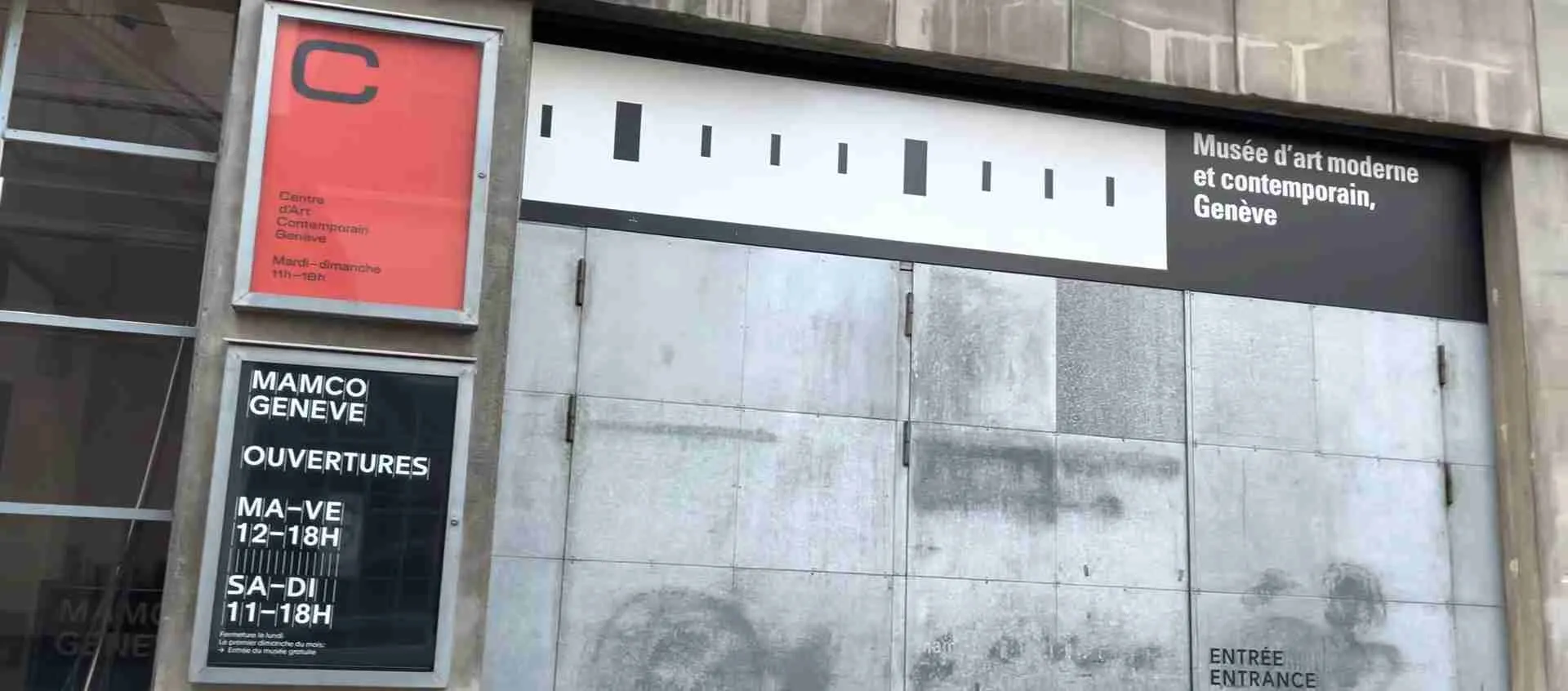
- MAMCO Renovation Closure: The Museum of Modern and Contemporary Art remains closed for complete building renovation from 2025 through 2028. During this period, MAMCO produces off-site exhibitions at partner locations throughout Geneva and temporary venues—check their website for current programming and locations.
- Patek Philippe Museum Booking 2026: Online advance reservations are recommended for the Patek Philippe Museum (CHF 10/$11 adults), especially during peak tourist seasons May through September and during the Watches & Wonders event in mid-April when the museum extends hours and offers free evening admission from 18:00 onward.
- Strategic Museum Timing: Most Geneva museums close Mondays. Plan cultural days Tuesday through Sunday, with Thursdays offering extended hours at the Red Cross Museum (until 20:00) and Wednesdays at MAH (until 21:00). First Sunday free-entry opportunities make early-month weekends ideal for budget-conscious visitors exploring paid-admission institutions.
People Also Ask About Geneva Museums 2026
Are Geneva museums free in 2026?
Geneva’s major city-owned museums including the Musée d’Art et d’Histoire (MAH), Musée d’Ethnographie de Genève (MEG), and Maison Tavel offer free admission to permanent collections throughout 2026. First Sunday of each month extends free entry to additional museums including participating institutions that normally charge admission. The Patek Philippe Museum charges CHF 10 ($11) for adults year-round, while the International Red Cross and Red Crescent Museum costs CHF 15 ($16) for combined permanent and temporary exhibition access. MAMCO remains closed for renovation through 2028 but produces free and ticketed off-site exhibitions—check their website for current programming. The Geneva City Pass (24/48/72-hour options starting at CHF 32/$35) provides free admission to most paid museums plus 60 total activities, while the annual Swiss Museum Pass (CHF 117/$130 with 2026 anniversary discount) covers 500+ institutions across Switzerland.
How much does the Geneva City Pass cost in 2026?
The Geneva City Pass in 2026 costs CHF 32 ($35) for 24 hours, CHF 45 ($50) for 48 hours, or CHF 55 ($60) for 72 hours. Adding unlimited public transport (Zone 10 buses, trams, trains, and boat-buses) increases prices to approximately CHF 40 ($45) for 24 hours, CHF 52 ($57) for 48 hours, and CHF 63 ($70) for 72 hours. The pass activates upon first use and provides free entry to MAMCO off-site exhibitions (when operating), the Red Cross Museum, lake cruises, and discounted access to 60 total activities. For museum-focused visitors planning three or more paid-admission attractions plus public transport, the 48-hour or 72-hour pass with transport typically saves CHF 40-80 ($45-90) compared to individual ticket purchases. Purchase online in advance through the official Geneva Tourism website or collect physical passes at Geneva Tourism centers, the airport, or participating hotels.
What are the best museums in Geneva for first-time visitors in 2026?
First-time visitors to Geneva in 2026 should prioritize the Patek Philippe Museum for its world-class horological collection spanning five centuries (CHF 10/$11, Tues-Sat), the International Red Cross and Red Crescent Museum for profound humanitarian history (CHF 15/$16, Tues-Sun with Thursday late hours until 20:00), and the Musée d’Art et d’Histoire for comprehensive fine arts and archaeology (free permanent collection, Tues-Sun). The Musée d’Ethnographie de Genève (MEG) showcases exceptional global cultural artifacts in its award-winning pagoda-style building (free permanent exhibitions, Tues-Sun 11:00-18:00). For contemporary art, monitor MAMCO’s off-site exhibition locations since the main building remains closed for renovation through 2028—their temporary installations often appear at unconventional venues throughout the Plainpalais district and international quarter. A strategic three-day itinerary covers these core institutions plus specialized venues like the Ariana Museum (ceramics), Rath Museum (rotating fine arts), and Maison Tavel (Geneva urban history) while taking advantage of first-Sunday free admission and Thursday evening extended hours.
When do Geneva museums close in 2026?
Most Geneva museums close on Mondays throughout 2026—this includes MAH, MEG, MAMCO off-site locations, and the Rath Museum. The Patek Philippe Museum closes Sundays and Mondays, operating Tuesday through Friday 14:00-18:00 and Saturdays 10:00-18:00. The International Red Cross and Red Crescent Museum closes only Mondays, maintaining Tuesday through Sunday hours from 10:00-17:00 year-round with Thursday late nights until 20:00 (café open until 21:00). Additional closure dates in 2026 include December 24, 25, 31, and January 1 for most institutions. During the Watches & Wonders event (typically mid-April), the Patek Philippe Museum extends hours until 20:00 (21:00 on Thursdays) and offers free evening admission from 18:00. Plan museum visits Tuesday through Sunday, with Wednesdays offering extended MAH hours until 21:00 and Thursdays providing late Red Cross Museum access—strategic scheduling around weekly closure patterns and monthly first-Sunday free admission maximizes cultural opportunities while minimizing admission costs.
Extended multi-day tours – 5+ days
Featured Geneva Multi-Day Tour Packages
6 days
Switzerland in a Nutshell Small Group Tour 2026
- ✓ Comprehensive Geneva tour
- ✓ Expert local guides included
- ✓ All accommodation arranged
- ✓ Transportation provided

5 days
5-Days in Genava : Scenic Switzerland Wonders of Annecy & Zermatt
- ✓ Comprehensive Geneva tour
- ✓ Expert local guides included
- ✓ All accommodation arranged
- ✓ Transportation provided
6 days
Barcelona to Zurich (11 destinations)
- ✓ Comprehensive Geneva tour
- ✓ Expert local guides included
- ✓ All accommodation arranged
- ✓ Transportation provided

6 days
Switzerland in a Nutshell Small Group Tour 2027
- ✓ Comprehensive Geneva tour
- ✓ Expert local guides included
- ✓ All accommodation arranged
- ✓ Transportation provided
Multi-day tour packages powered by TourRadar. Prices and availability subject to change.
Introduction: Geneva’s Exceptional Museum Landscape in 2026
Geneva’s position as headquarters for international humanitarian organizations, birthplace of Swiss watchmaking, and crossroads of European culture creates a museum ecosystem unmatched in cities of similar size. This concentration of 36 museums with permanent collections—augmented by approximately 50 commercial galleries—transforms the compact urban core into one of Europe’s densest cultural districts per square kilometer. The 2026 landscape reflects both continuity and significant change: traditional powerhouses like the Musée d’Art et d’Histoire maintain their encyclopedic scope while MAMCO’s temporary closure for renovation through 2028 shifts contemporary art experiences to innovative off-site locations throughout the city.
The financial accessibility distinguishing Geneva’s cultural offering stems from a public policy commitment dating to the early 20th century. Major city-owned institutions charge no admission to permanent collections, making foundational encounters with fine arts, archaeology, ethnography, and urban history available without financial barrier. This policy extends beyond token gestures—the Musée d’Art et d’Histoire houses over 650,000 objects spanning 15,000 years of human creativity, the MEG maintains Switzerland’s second-largest ethnographic collection with nearly 100,000 artifacts from five continents, and both institutions welcome visitors without charge to their permanent galleries. First Sunday monthly free admission extends this accessibility to normally ticketed venues, creating predictable opportunities for budget-conscious cultural exploration.
The 2026 museum pass landscape offers exceptional value propositions. The Geneva City Pass provides immediate returns for concentrated visits—a 48-hour pass at CHF 45 ($50) covers MAMCO off-site exhibitions (CHF 15/$16), Red Cross Museum admission (CHF 15/$16), multiple lake cruises (CHF 19/$21 each), and guided walking tours (CHF 25/$28), delivering break-even value with just three paid activities while including 57 additional discounted opportunities. For extended Switzerland itineraries, the annual Swiss Museum Pass receives a CHF 30 anniversary discount through December 31, 2026, reducing the adult pass to CHF 117 ($130) for unlimited year-round access to 500+ museums nationwide. This single investment eliminates individual ticket calculations across Basel’s Kunstmuseum, Zurich’s Kunsthaus, Bern’s Zentrum Paul Klee, and dozens of smaller regional institutions alongside complete Geneva coverage.
Specialized museums anchor Geneva’s cultural identity. The Patek Philippe Museum transforms horological history into accessible narrative, presenting five centuries of watchmaking evolution through 2,500 timepieces, automata, and enamel portraits without requiring technical expertise to appreciate the artistry and engineering precision. The International Red Cross and Red Crescent Museum confronts visitors with humanitarian action’s moral complexities through immersive installations addressing human dignity, family reunification, and natural disaster response—the profound emotional impact and intellectual challenge distinguish it from conventional history museums. The MEG’s 2017 European Museum of the Year Award recognized its innovative approach to ethnography, particularly the permanent “Dialogue” exhibition examining colonial collection practices, repatriation ethics, and ongoing relationships with source communities—raising contemporary questions about museum legitimacy and cultural ownership that resonate far beyond anthropological circles.
Contemporary art experiences shift during MAMCO’s 2025-2028 closure. The institution maintains active programming through partnerships with existing venues and temporary installations in unconventional spaces—former industrial buildings in Plainpalais, international district facilities, even outdoor urban interventions. This distributed model echoes MAMCO’s founding principle of constant reinvention, with exhibition spaces traditionally reconfigured three times annually. The off-site period enables architectural experimentation impossible in the permanent building: installations in spaces never designed for art, collaborations with partner institutions lacking contemporary art departments, and public realm interventions reaching audiences who never enter traditional museums. Monitor MAMCO’s website and social media for current exhibition locations—programming continues despite building closure, maintaining Geneva’s contemporary art presence through alternative formats.
Strategic planning optimizes museum experiences. Monday closures eliminate one-seventh of potential visiting days, making arrival on Tuesday through Sunday essential for cultural itineraries. Thursday extended hours at the Red Cross Museum (until 20:00) and Wednesday late openings at MAH (until 21:00) provide flexibility for arrival-day or departure-day cultural visits when daylight hours serve walking tours and outdoor attractions. First Sunday monthly free admission creates predictable budget opportunities—visiting Geneva September 7, October 5, or November 2, 2026 grants free access to institutions normally charging admission while maintaining free entry to permanently complimentary venues like MAH and MEG. The Patek Philippe Museum’s online reservation system prevents queue frustration during peak periods, particularly mid-April during Watches & Wonders when watch enthusiasts worldwide converge on Geneva.
Thematic specialization enables focused exploration. Watchmaking devotees allocate substantial time to the Patek Philippe Museum’s four floors, supplementing with the smaller watchmaking section within MAH and commercial watchmaker boutique museums along Rue du Rhône. Humanitarian and international organization history centers on the Red Cross Museum with extensions to nearby Palais des Nations tours and the UN Library. Fine arts concentration spans MAH’s impressive European painting collection, Rath Museum’s rotating exhibitions, and the scattered MAMCO off-site contemporary installations. Ethnography enthusiasts spend extended periods in MEG’s permanent “Archives of Human Diversity” exhibition, a carefully curated presentation of 1,000+ objects representing 100+ civilizations across several centuries.
Geneva’s compact urban geography concentrates museums within walkable distances. The Plainpalais cultural district clusters the Patek Philippe Museum, MEG, and historic MAMCO building (currently closed) within 500 meters, creating a neighborhood exploration combining three major institutions, numerous independent galleries, vintage shops, and the distinctive Plaine de Plainpalais open space. The MAH anchors the Vieille Ville (Old Town) cultural zone with satellite venues Maison Tavel and Rath Museum within 10 minutes’ walk, enabling integrated historical neighborhood discovery. The Red Cross Museum occupies international Geneva near the Palais des Nations, combining institutional visits with diplomatic quarter architecture and Jardin Botanique exploration. Public transport frequency makes cross-city museum connections efficient—trams 12, 17, and 18 link Plainpalais to Cornavin station in 8 minutes, while buses 5, 8, and 20 serve the international district from central stops.
Seasonal considerations influence planning. Summer months (June through August) bring peak tourist volumes to headline attractions, making online reservations essential for timed-entry venues and creating mid-day crowding at free-admission institutions—early morning arrivals (10:00-11:00 opening times) or late afternoon visits (after 16:00) provide more contemplative experiences. Spring shoulder season (April-May) coincides with Watches & Wonders, transforming the Patek Philippe Museum into extended-hours programming with evening free admission but also increasing watchmaking venue crowding citywide. Winter months (November-February) offer quietest conditions with shortest queue times, though some temporary exhibitions close for installation changes during January slow periods. First Sunday free admission generates predictable monthly spikes regardless of season—arriving at opening time on first Sundays secures optimal viewing conditions before mid-day crowds peak.
This guide provides comprehensive planning information for Geneva’s museum landscape in 2026, addressing admission prices, opening hours, must-see collections, pass value calculations, strategic itinerary planning, and practical logistics. Whether concentrating on a single museum for deep engagement or surveying multiple institutions for breadth, Geneva’s cultural offerings deliver world-class experiences accessible through deliberate planning and strategic resource allocation.
Understanding Geneva Museum Admission Prices and Passes in 2026
Geneva’s tiered admission structure rewards planning while maintaining accessibility. City-owned institutions including the Musée d’Art et d’Histoire (MAH), Musée d’Ethnographie de Genève (MEG), and Maison Tavel charge no admission to permanent collections—this policy eliminates cost barriers to foundational cultural experiences while generating voluntary donations averaging CHF 5-10 ($6-11) per visitor from those choosing to contribute. Specialized private or foundation-operated museums charge modest admission typically ranging CHF 8-15 ($9-17) for adults, positioning below major European museum standards (Louvre €22, Uffizi €25, Prado €15) while maintaining exceptional collection quality. The Patek Philippe Museum (CHF 10/$11) and International Red Cross and Red Crescent Museum (CHF 15/$16) represent standard pricing, with MAMCO’s pre-closure rate of CHF 15 ($16) continuing at off-site exhibition locations when admission fees apply.
The Geneva City Pass delivers immediate value for concentrated visits. The 24-hour pass at CHF 32 ($35) provides free MAMCO off-site exhibition access (CHF 15/$16 value) and Red Cross Museum admission (CHF 15/$16), achieving cost recovery with just two museum visits while including 58 additional free or discounted activities—lake cruises (normally CHF 19/$21), pedal boats (CHF 14/$15), guided walking tours (CHF 25/$28), and various other attractions. Upgrading to the 48-hour pass (CHF 45/$50) or 72-hour pass (CHF 55/$60) spreads costs across multiple days, reducing daily cultural access expense while maintaining unlimited activity usage within the validity period. The optional public transport add-on (approximately CHF 8/$9 additional per 24 hours) eliminates individual ticket purchases for buses, trams, suburban trains, and boat-buses across Zone 10, delivering convenience and modest savings for visitors making 4+ daily transit journeys.
Swiss Museum Pass economics favor extended Switzerland itineraries. The annual adult pass receives a CHF 30 anniversary discount through December 31, 2026, reducing the price from CHF 147 to CHF 117 ($130)—this single investment covers unlimited access to 500+ museums across Switzerland including virtually all Geneva institutions (MAH, MEG, Patek Philippe, Red Cross, Ariana, Natural History, plus dozens of smaller venues). The family pass at CHF 240 ($265, two adults plus children under 16) functions as two individual adult passes, enabling parents to visit different museums simultaneously while children under 16 accompany either parent without separate passes. Break-even calculations vary by itinerary: a 7-day Switzerland trip visiting museums in Geneva, Lausanne, Bern, Zurich, and Lucerne typically encounters CHF 80-120 ($90-135) in individual admission costs, making the pass worthwhile for museum-focused travelers planning 8+ institutional visits or extended stays enabling repeated return visits to favorite venues.
First Sunday monthly free admission creates budget opportunities without pass purchases. Participating museums waive admission fees on the first Sunday of each month, extending complimentary access to venues normally charging entry while maintaining year-round free admission at permanently complimentary institutions. This policy particularly benefits single-day Geneva visits aligned with monthly first Sundays—arriving Saturday overnight and departing Monday afternoon enables first-Sunday cultural concentration supplemented by free-admission institutions on flanking days. Museums opening first Sundays include most major paid-admission venues, though confirming specific participation via institutional websites prevents disappointment from excluded exhibitions or special programming carrying separate fees.
Reduced admission rates target specific demographics. Students aged 18-25 with valid identification receive discounted entry at most institutions—Patek Philippe Museum charges CHF 7 ($8) versus CHF 10 ($11) standard rate, while other venues typically discount 30-50% from adult prices. Seniors (AVS/AI cardholders in Swiss system, typically 64+ for women and 65+ for men) receive similar reductions. Groups of 10+ people access discounted per-person rates at select museums—Patek Philippe drops to CHF 5 ($6) per person for groups, making organized tours economically attractive. Children and young people under 18 enter free at virtually all Geneva museums regardless of adult accompaniment, enabling multi-generational family visits without cumulative child admission costs that burden museum trips in many international destinations.
Combination tickets bundle related experiences. The Geneva City Pass exemplifies comprehensive bundling, but institution-specific packages also exist—some museums offer combined permanent and temporary exhibition tickets at modest premiums over permanent-only access, while regional passes like the Lake Region Museums Pass (CHF 15/$17) cover 8 museums and châteaux in Geneva’s lakeside corridor including Nyon, Coppet, and Prangins. These specialized passes suit travelers exploring specific thematic or geographic zones rather than comprehensive citywide coverage, delivering focused value without requiring annual Swiss Museum Pass commitment or broad Geneva City Pass scope.
Online advance purchase provides convenience but limited financial savings. Most museums offering online ticketing charge identical prices whether purchased in advance or at venue admission desks, making advance purchase primarily a queue-avoidance and reservation-securing strategy rather than discount opportunity. The Patek Philippe Museum particularly benefits from advance online reservations during peak seasons (May-September) and special events (Watches & Wonders in mid-April), as walk-up availability becomes limited during high-demand periods. Other museums rarely reach capacity requiring advance reservations, though online purchase eliminates uncertainty during first visits when ticketing procedure location and payment methods might be unclear.
Payment methods accommodate international visitors. Museums accept major credit cards (Visa, Mastercard, American Express) for admission tickets, though small cash reserves covering CHF 20-30 ($22-33) enable café purchases, museum shop transactions, and donation box contributions at institutions preferring cash for voluntary contributions. Swiss Francs represent primary pricing currency, with museums displaying CHF rates on admission signage and payment terminals. Exchange rates fluctuate, making USD conversions approximate—verify current exchange rates when budgeting, though CHF strength against USD has remained relatively stable within CHF 0.88-0.92 per USD throughout 2024-2025.
Special event admission varies from standard pricing. The Patek Philippe Museum’s Watches & Wonders extended hours (mid-April) provide free evening admission from 18:00 onward, creating complimentary access opportunities during this marquee horological event. Temporary exhibitions at MAH and Rath Museum sometimes carry separate admission fees distinct from permanent collection free entry—exhibition-specific pricing appears on museum websites and admission signage, typically ranging CHF 5-12 ($6-13) for major rotating shows. MAMCO off-site exhibitions during the 2025-2028 renovation period may adopt varied pricing structures depending on partnership venue arrangements and installation scope—some installations remain free, others charge CHF 8-15 ($9-17) comparable to pre-renovation standard admission.
Geneva Museum Pass Value Analysis: City Pass vs Swiss Museum Pass in 2026
Strategic pass selection depends on itinerary scope, stay duration, and cultural priorities. The Geneva City Pass optimizes concentrated single-city visits focusing on activities beyond pure museum admission, while the Swiss Museum Pass serves extended Switzerland itineraries with multi-city museum concentration and potential return visits to favorite institutions. Understanding pass structure, included benefits, and break-even calculations enables informed purchasing decisions aligning financial investment with actual usage patterns.
Geneva City Pass economics favor short concentrated stays. The 48-hour pass at CHF 45 ($50) includes MAMCO off-site exhibitions (CHF 15/$16 value), Red Cross Museum (CHF 15/$16), Geneva Tour lake cruise (CHF 19/$21), old town guided walking tour (CHF 25/$28), and 56 additional free or discounted activities. Achieving break-even requires only three activities from the free category—museum admission, cruise, walking tour—creating CHF 59 ($65) in individual purchase value from a CHF 45 pass, saving CHF 14 ($15) before considering remaining discounted activities, pedal boat rentals, Mont Salève cable car discounts, or additional guided tours. The 72-hour pass (CHF 55/$60) extends this value across three full days, reducing effective daily cost while accommodating slower-paced exploration and repeat visits to included activities like multiple lake cruises or different guided tour themes.
Public transport inclusion calculations depend on mobility patterns. Adding unlimited Zone 10 public transport to the Geneva City Pass costs approximately CHF 8 ($9) per 24-hour period—standard single-ride TPG tickets cost CHF 3 ($3), making the transport add-on worthwhile for travelers making 3+ journeys daily. Typical museum itineraries involve 4-6 public transport segments: accommodation to first museum, museum to museum transfers, museum to restaurant, restaurant to evening activity, return trips. The cumulative 4-6 rides (CHF 12-18/$13-20 in individual tickets) justify transport inclusion, though travelers staying in Vieille Ville within walking distance of MAH, Rath, and Maison Tavel while limiting visits to these central institutions may skip transport add-ons and rely on foot mobility.
Swiss Museum Pass economics reward multi-city Switzerland itineraries. The CHF 117 ($130) adult pass with 2026 anniversary discount covers unlimited visits to 500+ museums across Switzerland for one full year from purchase date. A typical week-long Switzerland cultural tour encounters substantial admission costs: Geneva museums (Patek Philippe CHF 10, Red Cross CHF 15, hypothetical paid exhibitions CHF 10-20), Lausanne Olympic Museum (CHF 20/$22), Bern Zentrum Paul Klee (CHF 24/$27), Basel Kunstmuseum (CHF 20/$22), Zurich Kunsthaus (CHF 23/$26), Lucerne Transport Museum (CHF 32/$35 without pass, CHF 16 with 50% discount). This selective seven-museum itinerary totals CHF 154-184 ($170-205) in individual admissions, exceeding annual pass cost while representing only a fraction of available institutions—the pass pays for itself within one intensive week while remaining valid for 51 additional weeks enabling return visits on subsequent Switzerland trips.
Family pass economics favor multi-child households. The Swiss Museum Pass family option (CHF 240/$265) functions as two adult passes plus unlimited children under 16, making break-even immediate for couples with children planning museum-intensive itineraries. Geneva’s free admission for under-18s at most institutions reduces the family pass advantage for Geneva-only stays, but Switzerland-wide travel encounters numerous museums charging child admission ages 6-16—the Transport Museum in Lucerne (CHF 16/$18 per child), Olympic Museum in Lausanne (CHF 15/$17 per child), and many smaller regional institutions. A family of four (two adults, two school-age children) visiting 8-10 Swiss museums encounters CHF 180-280 ($200-310) in individual admission costs, making the CHF 240 family pass both economical and administratively simpler than tracking individual child tickets across multiple venues and cities.
Annual pass return visits create extended value. Unlike time-limited city passes, the Swiss Museum Pass remains valid 365 days from first use, enabling multiple Switzerland trips within a calendar year or extended stays with repeated museum visits. Travelers maintaining Swiss second homes, conducting extended business travel, or making frequent Switzerland tourism visits leverage unlimited access throughout the validity period. Even single-trip users benefit from return visit flexibility—spending two hours at MAH then returning the following day to explore different galleries costs nothing additional with an annual pass but requires separate admission considerations with single-visit tickets. This return-visit freedom encourages deeper institutional engagement rather than exhaustive single-visit attempts covering entire museums superficially.
Excluded institutions and limitations require awareness. MAMCO, during its renovation period, maintains independent programming potentially outside standard pass coverage depending on off-site venue partnerships—verify specific MAMCO exhibition admission policies when planning visits. The Patek Philippe Museum participates in the Swiss Museum Pass (free admission) but not the Geneva City Pass (no discount). Some temporary exhibitions at participating museums charge supplemental fees beyond pass inclusion, though permanent collection access remains covered. The Geneva City Pass excludes some premium activities like certain guided tours, special exhibitions, or seasonal attractions—the “60 activities” include both fully free and discounted options, requiring individual activity verification to distinguish 100% coverage from percentage discounts.
Purchasing timing and activation affect value extraction. Geneva City Pass activates upon first use at any included activity, making purchase immediately before first museum visit or cruise optimal—purchasing evening before intended use wastes validity hours overnight when museums close. The Swiss Museum Pass activates on first museum admission, similarly making purchase-day-of-use preferable to advance purchasing unless acquiring the pass itself requires substantial effort. Online advance purchase provides convenience and queue avoidance but offers no financial discounts, making at-arrival purchasing through Geneva Tourism offices or Swiss train stations equally economical while preserving flexibility for itinerary changes affecting pass need.
Pass combination strategies occasionally emerge. Visitors planning extended Switzerland touring (justifying Swiss Museum Pass purchase) who also concentrate several intensive Geneva days might theoretically benefit from both passes, though practical overlap remains minimal—the Swiss Museum Pass covers Geneva’s major paid-admission museums (Patek Philippe, Red Cross) already, leaving Geneva City Pass value derived primarily from non-museum activities (cruises, tours, pedal boats). More strategic combination involves Geneva City Pass for activity-intensive short stays plus individual museum purchases at free-admission institutions (MAH, MEG) requiring no pass for access.
Major Geneva Museums 2026: Collection Highlights and Visiting Information
Musée d’Art et d’Histoire (MAH): Switzerland’s Encyclopedic Art Museum
Geneva’s largest museum anchors Swiss cultural heritage with 650,000+ objects spanning 15,000 years from prehistoric archaeology through 20th-century fine arts. Opened in 1910 within architect Marc Camoletti’s purpose-built Beaux-Arts structure, the MAH consolidates previously dispersed public collections into comprehensive galleries examining human creativity across civilizations and epochs. The institution’s encyclopedic scope rivals European capitals—Ancient Egyptian sarcophagi, Greek pottery, Roman sculpture, Medieval illuminated manuscripts, Renaissance painting, applied arts, and Impressionist canvases occupy dedicated wings organized by discipline and chronology. Admission to permanent collections costs nothing, maintaining cultural access independent of financial capacity while positioning Geneva as one of Europe’s most accessible major museum cities.
The Fine Arts collection constitutes the museum’s crown jewel. Swiss and Genevan painters dominate representation—Ferdinand Hodler’s monumental symbolist works occupy prominent galleries, Jean-Étienne Liotard’s pastel portraits demonstrate 18th-century Geneva’s artistic sophistication, and Alexandre Calame’s Alpine landscapes establish Swiss Romantic painting traditions. International masterworks supplement local focus: Konrad Witz’s miraculous draught of fishes altarpiece (1444) counts among Northern Renaissance treasures, while later galleries present works by Rembrandt, Canaletto, Modigliani, Renoir, and Vallotton. The Impressionist and Post-Impressionist holdings, though modest compared to Paris or New York institutions, include significant Van Gogh and Cézanne canvases providing regional context for revolutionary 19th-century movements. Contemporary acquisitions extend chronology into the 20th century without attempting comprehensive modernist coverage—MAH acknowledges this limitation while maintaining strength in historical periods preceding avant-garde experimentation.
Archaeology galleries transport visitors through Mediterranean antiquity. The Egyptian collection presents mummies, funerary objects, hieroglyphic inscriptions, and daily-life artifacts illuminating Pharaonic civilization across dynastic periods. Greek pottery spanning Geometric, Archaic, Classical, and Hellenistic eras demonstrates ceramic evolution and decorative technique progression, while Roman sculpture, mosaics, and architectural fragments reconstruct imperial Geneva (Genava) as a provincial Roman settlement. Regional archaeology focuses on prehistoric habitation around Lake Geneva—Bronze Age pile dwellings, Iron Age tools, and Celtic artifacts establish continuous regional occupation preceding documented history. These archaeological displays provide essential context for understanding Geneva’s 2,000-year urban continuity and the cultural foundations underlying modern Swiss identity.
Applied arts galleries showcase decorative excellence. Furniture collections trace European style evolution from Gothic chests through Baroque commodes to Art Nouveau innovations, illustrating shifting aesthetic preferences and technical mastery. Arms and armor occupy dedicated galleries—medieval swords, Renaissance plate armor, ornate ceremonial weapons, and early firearms demonstrate both martial function and decorative artistry. Musical instrument collections present keyboard instruments, strings, and wind instruments from multiple centuries, some in playable condition for special concerts. Geneva’s watchmaking heritage receives focused attention through historical timepiece displays, though the Patek Philippe Museum maintains superior horological depth—MAH’s watch section provides cultural context supplementing specialist institution detail.
Temporary exhibitions rotate several times annually, bringing fresh perspectives to permanent collection themes or introducing entirely new subjects. Recent exhibitions examined topics from medieval manuscript illumination to contemporary photography, leveraging the museum’s interdisciplinary strength and extensive reserve collections rarely displayed in permanent galleries. Temporary exhibition pricing varies—some shows carry CHF 5-12 ($6-13) admission fees distinct from permanent collection free entry, while others integrate into general admission. Current and upcoming exhibition information appears on the MAH website (mah.ville-ge.ch), enabling advance planning around specific interests and avoiding disappointment from missed limited-run displays.
Visitor logistics favor flexible scheduling. MAH opens Tuesday through Sunday 10:00-18:00, with Wednesday extended hours until 21:00 enabling post-dinner cultural visits during summer months when daylight extends museum touring into evening hours. Monday closures align with standard European museum practices, making Tuesday arrivals ideal for Geneva stays beginning early in the week. The museum’s central Vieille Ville location positions it within 5-10 minutes’ walk from Rath Museum and Maison Tavel, enabling integrated historical neighborhood tours combining multiple institutions with Old Town architectural exploration, cathedral visits, and lakefront promenades. Ground-floor facilities include a café, museum shop, and cloakroom with mandatory backpack storage—large bags require checking, making small crossbody bags or minimal-carry approaches preferable for unencumbered gallery movement.
Audio guides and guided tours enhance engagement. Self-guided audio tours (multiple languages including English, French, German, Italian) cost CHF 5 ($6) providing curated pathways through permanent collections with artwork explanations, historical context, and curator insights. Guided tours (various themes, check schedule) run regularly on weekends and occasionally weekdays, requiring separate booking and sometimes carrying additional fees. The museum’s architectural scale demands selective focus rather than exhaustive coverage—comprehensive viewing requires 4-6 hours minimum, making strategic concentration on specific departments (Fine Arts, Archaeology, Applied Arts) preferable to rushed superficial sprints attempting entire collections in single visits. Return visits enabled by free admission encourage deeper engagement across multiple days rather than single marathon sessions producing aesthetic exhaustion.
Patek Philippe Museum: Five Centuries of Horological Mastery
The Patek Philippe Museum stands as Geneva’s specialized horological treasure, presenting five centuries of watchmaking evolution through 2,500 timepieces, automata, enamel portraits, and precision instruments spanning from early 16th-century portable watches to contemporary haute horlogerie complications. Opened in 2001 within a restored Art Deco building in the Plainpalais district, this private museum founded by Philippe Stern (honorary president of Patek Philippe SA) serves dual missions: preserving global watchmaking heritage beyond a single manufacturer’s products while showcasing the Patek Philippe manufacture’s exceptional contributions to the art and science of precision timekeeping. Admission costs CHF 10 ($11) for adults—check official website for current rates as pricing may vary—positioning this world-class collection as one of Europe’s most accessible specialized museums given the rarity and value of displayed timepieces.
The Antique Collection occupies the second floor, presenting historic timepieces predating Patek Philippe’s 1839 founding. Early portable watches attributed to 16th-century pioneers like Peter Henlein demonstrate the revolutionary miniaturization enabling timekeeping to escape tower clocks and become personal accessories. Elaborately enameled pocket watches from Geneva, Paris, London, and other European horological centers illustrate the convergence of technical precision and decorative arts—guilloche backgrounds, miniature portrait enamels, gem-set cases, and complicated mechanical functions transformed utilitarian timekeeping into wearable sculpture. Musical automata incorporating mechanical singing birds, animated scenes, and carillon chimes showcase the convergence of clockwork mechanisms with entertainment and artistry. Technical masterpieces include Abraham-Louis Breguet’s innovations (perpetual calendars, minute repeaters, the Breguet Sympathique clock-watch system), establishing foundations for modern complications still produced by contemporary manufactures.
The Patek Philippe Collection dominates the first floor, chronicling the manufacture’s production from 1839 inception through present day. Over 143 display cabinets present pocket watches and wristwatches demonstrating Patek Philippe’s technical leadership and design evolution—early keyless winding mechanisms, split-seconds chronographs, perpetual calendars accounting for leap years through 2100, minute repeaters chiming hours/quarters/minutes, celestial charts tracking star positions, and the 1933 Henry Graves Supercomplication (the most complicated mechanical watch ever created until 1989, containing 24 complications). Wristwatch development traces the 20th-century transformation from pocket watches to wrist-worn timepieces, showing Patek Philippe’s leadership in both ladies’ decorative watches and men’s complicated mechanisms. The collection emphasizes technical innovation over commercial volume—ultra-thin movements, perpetual calendar mechanisms, split-seconds chronographs, and grand complications represent technical achievements prioritized above mass production.
The Restoration Workshop on the ground floor reveals horological craftsmanship through active watchmaker demonstrations. Antique workbenches, precision tools, and historical documents illustrate traditional watchmaking techniques predating industrial automation, while contemporary restorers occasionally work on timepiece conservation projects visible through workshop windows. This living demonstration connects museum displays with ongoing artisanal practice, emphasizing horology as a continuing craft tradition rather than solely historical artifact preservation. The workshop presentation makes abstract mechanical concepts tangible by showing skilled hands manipulating microscopic components, adjusting hairspring tension, and assembling movement plates requiring tolerances measured in hundredths of millimeters.
The Library and Archive (third floor) houses over 8,000 horological books, technical manuals, auction catalogs, and historical documents, though public access remains limited to researchers by appointment. Portrait miniatures and decorative snuffboxes occupy adjacent galleries, demonstrating 18th and 19th-century decorative arts closely connected to watchmaking through shared enameling techniques, guilloché craftsmanship, and miniature painting requiring the same precision demanded by watch decoration. These auxiliary collections contextualize watchmaking within broader luxury arts traditions where technical excellence and aesthetic refinement converged in portable objects of beauty and utility.
Audio guides (included in CHF 10 admission) provide multilingual commentary on collection highlights, mechanical principle explanations, and historical context. The audio tour follows a suggested route through all four floors, though visitors can navigate freely, making the guide particularly valuable for horology novices requiring technical concept clarification—escapements, balance wheels, tourbillons, and complications become comprehensible through clear explanations supplementing visual observation. Museum labels present specifications and historical information in French and English, making language accessibility straightforward for international visitors even without audio guide usage.
Visitor logistics require advance planning during peak periods. Online reservations are strongly recommended, especially May through September and during Watches & Wonders (typically mid-April) when watch enthusiasts worldwide visit Geneva. The museum opens Tuesday through Friday 14:00-18:00 and Saturday 10:00-18:00, closing Sundays and Mondays year-round—this limited schedule reflects the institution’s specialized focus and private foundation operation rather than public museum continuous access standards. The Watches & Wonders period brings extended hours (until 20:00, with Thursday remaining open until 21:00) and free evening admission from 18:00 onward, creating exceptional access opportunities during Geneva’s premier horological event. Visit duration varies by interest depth—casual visitors complete the circuit in 75-90 minutes, while horology enthusiasts easily spend 3-4 hours examining individual timepieces, reading detailed labels, and replaying audio guide segments explaining complex mechanisms.
The museum’s Plainpalais location positions it within 5 minutes’ walk from MEG and the historic MAMCO building (currently closed for renovation), creating a concentrated cultural district combining watchmaking, ethnography, and contemporary art within a compact neighborhood. Tram lines 12, 17, and 18 serve the Plainpalais stop, connecting to Cornavin station and city center in 6-8 minutes. Street-level signage from Boulevard des Philosophes guides visitors to the entrance on Rue des Vieux-Grenadiers—the building’s understated exterior belies the exceptional collections within, making first-time visitors sometimes uncertain they’ve reached the correct address until entering reception.
International Red Cross and Red Crescent Museum: Humanitarian Action’s Moral Complexities
The International Red Cross and Red Crescent Museum confronts visitors with humanitarian action’s profound challenges through immersive, emotionally resonant exhibitions examining three core themes: defending human dignity, reconstructing family links, and reducing natural risks. Located in Geneva’s international district adjacent to International Committee of the Red Cross (ICRC) headquarters and near the Palais des Nations, this museum opened in 1988 and underwent complete reinstallation in 2013, emerging with the permanent exhibition “The Humanitarian Adventure” designed by three architects (each handling one thematic space) to create distinct experiential environments rather than conventional chronological displays. Admission costs CHF 15 ($16) for combined permanent and temporary exhibition access—check official website for current rates as pricing may vary—positioning this profound institution among Geneva’s moderately priced cultural experiences while delivering impact exceeding far more expensive international museums.
The Defending Human Dignity space, designed by Brazilian architect Gringo Cardia, confronts visitors with humanitarian law’s development and violations. The 1864 First Geneva Convention establishing battlefield medical neutrality anchors historical narrative, with subsequent conventions extending protections to prisoners of war, civilians, and non-combatants. Original documents including the First Geneva Convention treaty signed by twelve nations demonstrate international humanitarian law’s Swiss origins—Henry Dunant’s 1862 witness to Solferino battlefield casualties inspired the Red Cross movement and Geneva Conventions framework still governing armed conflict behavior. Contemporary installations address ongoing violations—torture, civilian targeting, refugee crises—through survivor testimonies, documentary evidence, and artistic interpretations creating visceral emotional engagement beyond abstract legal principle discussion. The First Nobel Peace Prize medal (1901) awarded to Henry Dunant and Frédéric Passy occupies a central vitrine, connecting humanitarian action’s origins to ongoing recognition of peace-building efforts.
The Reconstructing Family Links exhibition, designed by Swiss architect Diébédo Francis Kéré, presents the Red Cross family reunion service through powerful visual impact. Seven million index cards from World War I—each recording a prisoner, missing person, or civilian separated by conflict—fill an enormous installation demonstrating the magnitude of family separation during 20th-century wars. Interactive terminals enable searching this historical database, connecting individual stories to the overwhelming statistical scale. Contemporary family reunion work continues through current conflicts: photographs of reunited families, testimonies of decades-long separations, and explanations of DNA matching, satellite phone services, and message relay systems demonstrate the Red Cross’s ongoing intermediary role connecting people across war zones, natural disasters, and refugee migrations. The emotional resonance of this gallery derives from individual human stories at comprehensible scale rather than abstract humanitarian statistics numbing through magnitude.
The Reducing Natural Risks section, designed by Japanese architect Shigeru Ban, addresses disaster preparedness, response, and climate change challenges. Interactive displays demonstrate early warning systems, emergency response protocols, and community resilience building in disaster-prone regions worldwide. Climate change’s increasing humanitarian impact receives focused attention—rising sea levels threatening island nations, intensifying storms, prolonged droughts triggering food insecurity, and climate-driven migration creating humanitarian crises distinct from armed conflict but equally demanding international response. Educational installations explain Red Cross disaster response logistics: pre-positioned emergency supplies, volunteer networks, coordination with local authorities, and transition from emergency relief to long-term reconstruction. The gallery emphasizes prevention alongside response, showcasing community education programs teaching earthquake-resistant construction, flood evacuation planning, and disaster supply preparation empowering communities to reduce vulnerability rather than solely depending on external aid.
Temporary exhibitions rotate several times annually, addressing contemporary humanitarian issues through artistic installations, photographic essays, and interactive multimedia. Recent temporary exhibitions examined topics from migration and refugee experiences to humanitarian worker testimonies, conflict archaeology, and the ethics of humanitarian intervention. These rotating displays respond to current events and ongoing debates within humanitarian action communities, making return visits worthwhile for encountering fresh perspectives on evolving challenges. Temporary exhibition quality varies but consistently maintains high production values and intellectual rigor characteristic of the permanent collection’s thoughtful curation.
Educational programs, workshops, and guided tours extend engagement beyond self-guided visits. Audio guides (CHF 2/$2, multiple languages) provide additional context and explanation for permanent exhibition elements, though many installations remain powerfully communicative through visual and spatial impact without extensive narration. Guided tours (various schedules, check website) led by museum educators enable deeper exploration of humanitarian law complexities, Red Cross operational challenges, and contemporary ethical debates about intervention, neutrality, and effectiveness. The museum’s café (open Tuesday-Sunday, Thursdays until 21:00) provides contemplative space for processing the emotionally demanding content—the exhibitions confront rather than comfort, making quiet reflection time valuable for integrating difficult material.
Visitor logistics enable flexible scheduling. The museum opens Tuesday through Sunday 10:00-17:00 year-round, with Thursday extended hours until 20:00 (café until 21:00) providing evening cultural access for arrival-day or work-schedule-constrained visitors. Monday closures align with standard museum practices but require awareness when planning weekly itineraries. Visit duration typically ranges 1.5-3 hours depending on engagement depth—the permanent exhibition’s three sections can be completed in 75-90 minutes, while temporary exhibitions, audio guide listening, and contemplative processing extend stays to 2.5-3 hours. The museum’s international district location positions it 15-20 minutes’ walk from Cornavin station, or buses 8, 20, and F serve the Appia stop adjacent to museum grounds. The parkland setting adjacent to the Palais des Nations creates a peaceful approach through the Jardin de l’Ariana, making the walk from public transport stops pleasant rather than purely functional.
Emotional preparation serves visitors encountering difficult content. Unlike celebratory art museums or specialized technical collections, the Red Cross Museum confronts human suffering, moral failure, and ongoing crises without sanitizing or distancing. Visitor testimonies frequently describe profound emotional impact—some find the experience overwhelming, others transformative, many both simultaneously. This intensity makes the museum unsuitable for rushed visits squeezed between lighthearted tourist activities—allocating adequate time for processing, accepting emotional responses as valid reactions to legitimate content, and perhaps planning quieter subsequent activities (lakefront walks, café time) enables integration rather than compartmentalization of challenging humanitarian realities.
Musée d’Ethnographie de Genève (MEG): Global Cultural Heritage and Ethical Collections
The Musée d’Ethnographie de Genève (MEG) presents one of Switzerland’s two largest ethnographic collections—nearly 100,000 objects from five continents—within a distinctive pagoda-style building opened in October 2014 after four years of construction replacing inadequate previous facilities. This institution’s 2017 European Museum of the Year Award recognized innovative approaches to ethnography, particularly permanent exhibitions addressing colonial collection practices, repatriation ethics, and ongoing dialogue with source communities about cultural heritage ownership and display legitimacy. Admission to permanent exhibitions costs nothing, aligning with Geneva’s city museum accessibility policy while maintaining world-class curatorial standards and exceptional architectural presentation. Temporary exhibitions sometimes charge CHF 8-12 ($9-13) for adults (free under 18), creating modest revenue supporting special programming without compromising permanent collection access.
The permanent “Dialogue” exhibition confronts ethnographic collection ethics directly rather than presenting objects as neutral cultural specimens. This groundbreaking installation examines specific objects with complex histories—stolen items, human remains, sacred objects prohibited from traditional display contexts, colonial plunder—presenting both the artifacts themselves and extensive documentation of ongoing discussions with source communities about appropriate handling, display, repatriation, and cultural protocol respect. Interactive terminals provide detailed case studies: a Maori tattooed preserved head (mokomokai) removed from New Zealand during colonial periods now subject to repatriation negotiations, Native American sacred objects whose traditional protocols prohibit public viewing yet occupy museum collections, African royal regalia seized during colonial conquest. This transparent acknowledgment of ethnography’s problematic colonial foundations distinguishes MEG from institutions maintaining the fiction of neutral cultural preservation divorced from power dynamics, theft, and cultural disruption.
The “Encounters” permanent exhibition complements “Dialogue” by presenting individual testimonies about personal connections to MEG collection objects. Video portraits feature people discussing specific items’ significance to their cultural identity, family history, or professional practice—musicians explaining traditional instruments, craftspeople examining historical tools, religious practitioners discussing sacred objects. These human voices transform abstract ethnographic specimens into culturally embedded objects carrying meaning, memory, and ongoing relevance to living communities rather than representing extinct or static cultures frozen in historical moments. The exhibition design foregrounds contemporary relationships to heritage, emphasizing cultural continuity and evolution rather than ethnography’s traditional focus on documenting supposedly disappearing traditional practices.
The “Archives of Human Diversity” showcase presents 1,000+ remarkable objects representing 100+ civilizations across several centuries. Unlike traditional ethnographic museums organizing collections geographically (Africa gallery, Asia gallery, Oceania gallery), this installation groups objects thematically and aesthetically, creating unexpected juxtapositions revealing cross-cultural parallels in religious practice, artistic expression, technological innovation, and social organization. A Japanese Noh theater mask shares gallery space with African ceremonial masks and Venetian Carnival masks, highlighting universal human impulses toward ritual transformation and theatrical performance across radically different cultural contexts. Musical instruments from five continents demonstrate divergent solutions to similar acoustic challenges—creating melody, rhythm, and harmonic complexity. The deliberate disruption of geographic organization challenges visitor assumptions about cultural boundaries and isolated development, revealing global human creativity’s interconnected threads despite geographic separation.
Temporary exhibitions rotate several times annually, addressing contemporary issues through ethnographic, artistic, and multimedia installations. Recent temporary exhibitions explored topics from climate change impacts on traditional societies to contemporary indigenous art movements, digital culture’s global spread, and migration’s cultural dimensions. These rotating displays leverage MEG’s extensive reserve collections rarely seen in permanent exhibitions—the 100,000-object collection enables almost infinite curatorial variations, with temporary shows often bringing out specialized holdings relating to specific themes, regions, or contemporary questions. Temporary exhibition quality maintains high standards characteristic of the institution’s European Museum of the Year Award recognition, making even single-theme temporary shows worthwhile visits independent of permanent collection touring.
The Marie Madeleine Lancoux Library occupies the building’s upper floor, housing 45,000+ books, audiovisual documents, and research materials dedicated to global cultures and ethnographic study. While primarily serving researchers, students, and scholars, the library includes public spaces for casual visitors exploring ethnographic subjects beyond exhibition presentations. A small listening room enables music sampling from diverse global traditions—field recordings, traditional performances, contemporary fusion—connecting ethnomusicology’s academic study to accessible audio experiences. The library’s architectural integration within the museum building rather than separate research facility placement emphasizes MEG’s dual identity as both public cultural institution and scholarly research center.
The Café du MEG occupies the ground floor with terrace seating overlooking the building’s courtyard gardens. Mediterranean menu offerings with seasonal ingredients provide lunch, tea, aperitifs, and Sunday brunch in a relaxed environment encouraging extended museum stays rather than rushed visits followed by immediate departures. The café operates Tuesday-Sunday (closed Mondays aligning with museum closure), with hours extending beyond exhibition closing times enabling pre-visit coffee or post-museum meals within the building. Reservations are recommended for weekend brunches and popular lunch periods, though walk-in seating usually remains available weekday afternoons and early dinner hours.
Visitor logistics enable flexible cultural exploration. MEG opens Tuesday through Sunday 11:00-18:00, with ticket office operating from 10:00-17:45—the later opening hour (11:00 versus MAH’s 10:00) creates schedule flexibility for travelers prioritizing morning hotel departures or breakfast leisure before cultural activities. Monday closures align with MAH and other city museums, making Tuesday-Sunday Geneva stays ideal for comprehensive cultural coverage without encountering institutional closures. The Plainpalais location positions MEG within 400 meters of the Patek Philippe Museum and 600 meters from the historic MAMCO building (currently closed), creating a concentrated cultural district walkable in 5-10 minutes between institutions. Tram lines 12, 17, and 18 serve Plainpalais stop, while buses 2 and 19 stop directly at the Musée d’Ethnographie terminus.
Visit duration varies dramatically by engagement depth. Casual visitors complete the permanent exhibitions in 60-90 minutes, while anthropology enthusiasts, researchers, or those deeply engaging with “Dialogue” ethical questions easily spend 2.5-3.5 hours exploring permanent collections, temporary exhibitions, and library resources. The museum’s architecture rewards slow contemplation—high ceilings, natural light, comfortable seating areas, and the café’s integration encourage extended stays rather than rushed gallery sprints. Return visits enabled by free permanent exhibition admission facilitate serial engagement across multiple days rather than single exhaustive sessions.
MAMCO and Contemporary Art in Geneva 2026
The Museum of Modern and Contemporary Art (MAMCO) occupies unique status in Geneva’s cultural landscape as Switzerland’s largest contemporary art museum while simultaneously undergoing complete building renovation from 2025 through 2028, closing its historic Plainpalais industrial building and dispersing programming across temporary off-site locations throughout the city. This closure represents both disruption and opportunity—traditional visitors lose access to MAMCO’s permanent collection and distinctive constantly-reconfiguring exhibition spaces, while the institution experiments with distributed programming, unconventional venues, and partnerships impossible within its conventional building. Understanding MAMCO’s evolution, off-site programming structure, and Geneva’s broader contemporary art ecosystem enables continued cultural engagement despite the temporary architectural absence.
MAMCO’s 1994 founding established Switzerland’s first major contemporary art museum in a repurposed industrial building adjacent to the Centre d’Art Contemporain (CAC). The museum’s signature approach involved continuous reinvention—exhibition spaces reconfigured three times annually, permanent collection displays intermixed with temporary loans, artist-designed installations occupying architectural elements (the iconic orange-padded railings, entrance hall countdown timer, locker room soundscapes). This refusal of static presentation distinguished MAMCO from conventional museums maintaining unchanged permanent displays, instead treating the building itself as perpetually evolving installation responding to contemporary art’s experimental nature. The 4,000-work collection (one-third owned, two-thirds long-term loans) emphasized Swiss and international artists working from 1960s onward—Minimal Art, Conceptual Art, Arte Povera, contemporary photography, installation art, and video—creating depth in movements frequently marginalized by institutions prioritizing traditional painting and sculpture.
The 2025-2028 renovation closure brings the building to current energy standards, installs proper climate control systems protecting artworks from temperature and humidity fluctuations, and restructures circulation areas improving visitor flow and accessibility. These long-deferred infrastructure improvements address decades of deferred maintenance in the industrial building never originally designed for museum functions—inadequate HVAC systems, limited humidity control, accessibility barriers, and energy inefficiency. The renovation investment positions MAMCO for another quarter-century of operation while modernizing visitor amenities and environmental controls matching international museum standards.
Off-site programming during the closure maintains MAMCO’s active cultural presence through distributed exhibitions, partnerships with existing institutions, and temporary installations in unconventional spaces. Recent off-site projects occupied warehouse spaces, diplomatic quarter buildings, outdoor urban interventions, and collaborative presentations at partner museums lacking contemporary art departments. This distributed model echoes MAMCO’s founding concept of flexible, evolving presentation rather than fixed institutional location—contemporary art occurs wherever curatorial vision and artist collaboration create meaningful engagement, not solely within dedicated museum architecture. The off-site period enables experimentation with site-specific installations, community partnerships, and temporary occupancy of spaces unavailable for permanent museum use.
Current off-site exhibition locations, schedules, and admission policies require website verification (mamco.ch) as programming changes throughout the renovation period. Some installations maintain free admission continuing MAMCO’s commitment to cultural accessibility, while others charge CHF 8-15 ($9-17) comparable to pre-renovation standard rates depending on venue partnership arrangements and installation scope. The Geneva City Pass includes MAMCO off-site exhibitions when admission fees apply, maintaining the pass’s contemporary art access value despite building closure. Swiss Museum Pass coverage varies by specific exhibition and venue—verify individual show policies rather than assuming automatic inclusion.
Geneva’s broader contemporary art ecosystem extends beyond MAMCO’s temporary absence. Commercial galleries cluster in the Plainpalais district, Eaux-Vives neighborhood, and Old Town, presenting rotating exhibitions of established and emerging artists with gallery hours typically Wednesday-Saturday afternoons (14:00-18:00). The Centre d’Art Contemporain (CAC), housed in the same industrial complex as MAMCO’s closed building, continues regular programming featuring young and emerging artists in experimental installations and performances. The Geneva Biennale (held on even-numbered years, next edition 2026) transforms the city into a temporary contemporary art venue with installations across public spaces, historic buildings, and unconventional locations—the 2026 edition’s specific dates and theme appear on Geneva Tourism and Biennale websites as planning progresses.
Planning contemporary art experiences in 2026 Geneva requires proactive research given MAMCO’s distributed programming. Start by checking MAMCO’s website for current off-site exhibitions, locations, and admission policies—programming announcements typically appear 2-3 months before exhibition openings, making advance planning feasible but requiring flexibility for exhibitions announced during travel windows. Survey commercial gallery listings (available through Geneva Tourism and Gallery Weekend Geneva networks) identifying exhibitions matching personal interests in specific media, movements, or artists. Consider timing visits around Geneva Biennale 2026 (exact dates TBD) for concentrated contemporary art access exceeding normal year-round offerings. The temporary MAMCO absence creates opportunities for deeper engagement with permanent contemporary holdings at MAH (20th-century paintings and sculpture), specialized photography at smaller institutions, and the vibrant commercial gallery scene often overshadowed by MAMCO’s dominant presence.
Post-renovation reopening (projected late 2028 or early 2029) will restore MAMCO’s permanent exhibition spaces with improved environmental controls, accessibility, and visitor amenities while maintaining the institution’s signature approach of constant reconfiguration and permanent/temporary collection integration. The renovation investment positions Geneva’s contemporary art flagship for continued leadership in Swiss and international contemporary art presentation, though the exact post-renovation programming model may evolve from pre-closure approaches—stay informed through institutional communications as reopening approaches.
Specialized Museums and Galleries in Geneva 2026
Watchmaking and Decorative Arts Museums
Geneva’s watchmaking heritage extends beyond the Patek Philippe Museum to several specialized institutions examining horology from complementary perspectives. The Ariana Museum (Musée Ariana), located near the Palais des Nations, focuses exclusively on ceramics and glass spanning seven centuries of European and Asian production. While not technically a watch museum, the Ariana’s connection to Geneva’s decorative arts tradition and its free admission to permanent collections make it worthwhile for visitors interested in applied arts intersecting with watchmaking’s emphasis on technical precision and aesthetic refinement. The collection presents Meissen porcelain, Sèvres manufactory pieces, Japanese ceramics, Art Nouveau glass, and contemporary ceramic sculpture demonstrating the continuous evolution of fire-based decorative arts from functional pottery to artistic expression. Opening hours run Tuesday-Sunday 10:00-18:00 (closed Mondays), with the museum’s parkland setting providing peaceful grounds for post-visit strolls toward the Red Cross Museum 10 minutes’ walk distant.
The Museum of the Reformation (Musée International de la Réforme), though primarily addressing religious history, intersects with Geneva’s decorative arts and printing traditions. Located in the Maison Mallet (Old Town), the museum examines Protestant Reformation origins, development, and global spread through historical documents, rare books, and decorative objects. While admission charges apply (CHF 13/$14 adults), the specialized focus appeals to visitors interested in Geneva’s role as Protestant Rome and John Calvin’s theological headquarters. The connection to watchmaking remains indirect—Reformed theology’s emphasis on precision, discipline, and craftsmanship influenced Geneva’s cultural values supporting meticulous watchmaking development—making the museum more valuable for religious history and cultural context than direct horological education.
Science and Natural History Museums
The Muséum d’Histoire Naturelle (Natural History Museum) presents comprehensive natural science collections ranging from paleontology and mineralogy through zoology and biodiversity. Located in the Malagnou district, this museum offers free permanent collection admission while maintaining exceptional display quality and educational programming. Dinosaur skeletons, mineral specimens including Alpine crystals and global gemstones, taxidermy animals in habitat dioramas, and temporary exhibitions addressing contemporary environmental issues create family-friendly cultural experiences complementing fine arts and history museums. Opening hours run Tuesday-Sunday 10:00-17:00 (closed Mondays), with the museum’s compact size enabling 60-90 minute visits suitable for mid-day cultural interludes or family afternoon activities. Tram line 15 serves the museum directly, while buses 1, 5, and 25 stop within 5 minutes’ walk.
The History of Science Museum (Musée d’Histoire des Sciences) occupies the 1820s Villa Bartholoni in the Parc de la Perle du Lac along Geneva’s lakefront. This specialized institution examines scientific instrument development from Renaissance astronomy through 19th-century physics, including early telescopes, astrolabes, sundials, microscopes, and precision measurement devices. The museum’s focus on instrument craftsmanship parallels watchmaking’s technical precision, making it particularly interesting for visitors appreciating mechanical ingenuity and measurement accuracy. Free admission and lakefront location enable flexible visiting combined with park walks, botanical garden exploration, or waterfront promenades. Opening hours run Wednesday-Monday 10:00-17:00 (closed Tuesdays, unique among Geneva museums), with the non-standard closure day requiring schedule awareness.
Literary and Cultural History Museums
The Maison Tavel stands as Geneva’s oldest private residence (constructed 1303-1334, rebuilt after 1334 fire), now serving as a museum of urban Geneva history. Permanent free admission enables exploration of daily life evolution from Medieval through 19th century, with reconstructed room interiors, period furniture, domestic implements, and a remarkable scale model of pre-1850 Geneva showing the city’s fortification walls before demolition. The building itself constitutes the primary attraction—Medieval architecture, basement Medieval graffiti, attic zinc model of fortified Geneva. Located in the Old Town near Saint-Pierre Cathedral, Maison Tavel integrates naturally into historical neighborhood walking tours combining multiple sites within compact pedestrian zones. Opening hours run Tuesday-Sunday 10:00-17:00 (closed Mondays), with visit duration typically 30-45 minutes making it suitable for brief cultural stops rather than extended deep-dive engagements.
The Bodmer Foundation (Fondation Martin Bodmer) in Cologny (Geneva suburb) houses an exceptional collection of rare books, manuscripts, and historical documents spanning global literary traditions. Though located outside central Geneva requiring bus connections or car transport, the collection’s significance merits inclusion for bibliophiles and literary history enthusiasts. Holdings include papyrus fragments, illuminated Medieval manuscripts, Shakespeare First Folios, original musical scores, and significant literary first editions. Admission charges apply (CHF 15/$16 adults), with opening hours running Tuesday-Sunday 14:00-18:00 (closed Mondays). The suburban location makes Bodmer most suitable for dedicated literary pilgrimage rather than casual cultural browsing.
Strategic Museum Itineraries for Geneva 2026
Three-Day Comprehensive Cultural Itinerary
Day 1 begins with the Musée d’Art et d’Histoire opening at 10:00, allowing 2.5-3 hours for selective permanent collection exploration focusing on Fine Arts (Hodler, Liotard, Impressionists) and Archaeology galleries. Exit by 13:00 for lunch in the Old Town, then proceed to Maison Tavel (5 minutes’ walk) for 45-60 minutes exploring Geneva’s urban history and the pre-1850 city model. By 15:00, walk to the Rath Museum (8 minutes) for current temporary exhibition viewing (60-75 minutes depending on exhibition scope). Exit by 16:30, walking to the lakefront for early evening promenade and dinner in Eaux-Vives or returning to accommodations. Total museums: 3 institutions, all free permanent admission, covering fine arts, archaeology, urban history, and rotating exhibitions within compact Old Town walking distances.
Day 2 concentrates on specialized museums requiring focused attention. Begin at the Patek Philippe Museum 14:00 opening (advance online reservation recommended), allocating 2-2.5 hours for comprehensive four-floor coverage including audio guide listening and workshop observation. Exit by 16:30, walking 5 minutes to MEG for the final 90 minutes before 18:00 closing—focus on “Dialogue” and “Encounters” permanent exhibitions, saving “Archives of Human Diversity” for potential return visit. Consider MEG café for post-museum aperitifs and light dinner (café remains open after museum closure), or proceed to nearby Plainpalais restaurants and cafés. Total museums: 2 institutions (Patek Philippe CHF 10, MEG free), covering horological mastery and global ethnography within the Plainpalais cultural district. If visiting the first Sunday of the month, some museums may offer free admission, though Patek Philippe maintains standard pricing year-round.
Day 3 addresses humanitarian history and contemporary art. Morning departure at 9:30 via bus 8 or 20 to the Appia stop, arriving at the Red Cross Museum for 10:00 opening. Allocate 2-2.5 hours for permanent exhibition’s three themed spaces plus current temporary exhibition—the emotionally demanding content benefits from morning mental freshness and adequate processing time. Exit by 12:30, taking the museum café for lunch or walking to nearby Palais des Nations area restaurants. Afternoon exploration depends on MAMCO off-site exhibition availability—check programming in advance and allocate 60-90 minutes for current installations, or substitute with commercial gallery browsing in Plainpalais, CAC visit, or return to MAH for galleries skipped Day 1. Total museums: 2-3 institutions (Red Cross CHF 15, MAMCO off-site CHF 0-15 depending on programming), covering humanitarian action and contemporary art.
This three-day itinerary provides comprehensive cultural coverage across Geneva’s museum strengths—fine arts, specialized collections, ethnography, contemporary art, humanitarian history—while maintaining sustainable pacing (2-3 museums daily) and geographic clustering minimizing transport time. Total admission costs CHF 25-40 ($28-45) depending on MAMCO off-site pricing and first-Sunday timing, positioning substantially below the Geneva City Pass 72-hour cost (CHF 55/$60) unless incorporating pass-included activities beyond pure museum admission. Modify based on personal interests—contemporary art enthusiasts add more gallery time, watch collectors allocate extended Patek Philippe hours, humanitarians deepen Red Cross engagement.
Single-Day Museum Intensive Itinerary
Begin at MAH 10:00 opening for 90-minute selective tour focusing on either Fine Arts OR Archaeology (not both—comprehensive coverage impossible in single-day multi-museum marathons). Exit by 11:30, walking 5 minutes to Maison Tavel for 30-minute compressed visit hitting the highlights (Medieval architecture, scale model). Depart by 12:15 for lunch in Old Town, finishing by 13:30. Take tram 12/17/18 from Molard to Plainpalais (8 minutes), arriving at Patek Philippe Museum for 14:00 opening—allocate 90 minutes for accelerated but meaningful coverage. Exit by 15:30, walking 5 minutes to MEG for final 2 hours before 18:00 closing. Total museums: 4 institutions in 8 hours (MAH free, Tavel free, Patek CHF 10, MEG free), covering remarkable breadth while acknowledging superficial engagement limitations inherent in compressed itineraries.
This intensive approach suits travelers with limited Geneva time maximizing cultural exposure, though it sacrifices depth for breadth and produces aesthetic exhaustion by late afternoon. The itinerary remains feasible but demanding—comfortable walking shoes, minimal museum shop browsing, and realistic acceptance of selective gallery coverage rather than comprehensive viewing enable completion without excessive rushing. First Sunday scheduling provides identical free admission (Patek Philippe maintains CHF 10 regardless of date), though weekend crowds increase marginally over weekday visits.
First Sunday Free Admission Strategy
Coordinate Geneva visits with monthly first Sundays (June 1, July 6, August 3, September 7, October 5, November 2, December 7, 2026) to leverage free admission opportunities. Begin early at institutions offering free first-Sunday access beyond their normal free permanent exhibitions—verify specific museum participation via websites as policies occasionally change. Prioritize venues normally charging admission (MAMCO off-site exhibitions if fees apply, special MAH temporary exhibitions, potential Rath exhibitions, Reformation Museum). Morning arrivals (10:00-11:00) secure optimal viewing conditions before mid-day crowds peak. The Patek Philippe Museum maintains standard CHF 10 admission regardless of first-Sunday timing (the Swiss Museum Pass covers it, but first-Sunday policies do not), making it strategically better visited on non-first Sundays when other museums require paid admission—concentrate first Sundays on normally ticketed venues gaining temporary free access.
Practical Museum Visiting Information for Geneva 2026
Opening Hours and Weekly Closure Patterns
Most Geneva museums close Mondays, creating a weekly rhythm favoring Tuesday through Sunday cultural scheduling. The Musée d’Art et d’Histoire, MEG, MAMCO off-site locations, Rath Museum, Maison Tavel, Natural History Museum, and Ariana Museum all maintain Monday closures. The Patek Philippe Museum closes Sundays AND Mondays, operating Tuesday-Friday 14:00-18:00 and Saturdays 10:00-18:00—this unique schedule requires awareness when planning weekend itineraries expecting Saturday-Sunday museum access. The History of Science Museum inverts the pattern, closing Tuesdays while opening Mondays, creating rare Monday cultural option albeit at a smaller specialized institution. The Red Cross Museum closes only Mondays, providing Tuesday-Sunday access.
Extended evening hours provide flexibility for arrival-day or departure-day cultural visits. The Musée d’Art et d’Histoire extends Wednesday hours until 21:00, enabling post-dinner museum visits during summer months when daylight extends into evening hours. The Red Cross Museum maintains Thursday late hours until 20:00 (café until 21:00), accommodating work schedules or Thursday arrival travelers seeking same-day cultural engagement. The Patek Philippe Museum’s standard 14:00 opening on weekdays creates morning gaps better filled with walking tours, shopping, or lakefront exploration before afternoon museum concentration.
Accessibility and Visitor Facilities
Major Geneva museums maintain wheelchair accessibility though historical building limitations create occasional challenges. The Musée d’Art et d’Histoire’s early-20th-century construction predates modern accessibility standards, requiring elevators for multi-level gallery access—the building includes elevators serving all floors, though some gallery transitions involve steps necessitating alternate routes explained by staff. MEG’s 2014 construction incorporates contemporary accessibility standards with level ground-floor entry, elevator access to all exhibition floors, and accessible restrooms. The Patek Philippe Museum’s retrofitted Art Deco building maintains elevator access though some narrow hallways and crowded galleries present navigation challenges. The Red Cross Museum provides comprehensive accessibility including level entry from parking areas, elevators serving all floors, and accessible café facilities. Visitors requiring accessibility accommodations should verify specific museum capabilities via phone or email before visits, as historical architecture occasionally constrains universal access despite good-faith institutional efforts.
Cloakrooms and bag storage appear at major institutions. MAH requires large bag checking—backpacks, rolling luggage, and oversized handbags must be stored in ground-floor cloakrooms while small crossbody bags or purses accompany visitors into galleries. This mandatory storage policy protects artworks from accidental contact and creates more comfortable gallery movement for all visitors. MEG and the Patek Philippe Museum maintain similar policies with free cloakroom services. The Red Cross Museum permits small bags into exhibitions while providing optional storage for larger items. Photography policies vary—MAH generally permits non-flash photography in permanent collections (verify temporary exhibition policies at entry), while the Patek Philippe Museum restricts photography in certain galleries protecting proprietary timepiece details. When uncertain, ask admission desk staff about photography permissions rather than assuming blanket permissions or prohibitions.
Museum Cafés and Dining Options
Several major museums integrate quality café or restaurant facilities extending visit duration beyond pure gallery time. The MEG’s Café du MEG serves Mediterranean-influenced menus with seasonal ingredients, operating Tuesday-Sunday with terrace seating overlooking courtyard gardens. Reservations are recommended for weekend brunches and popular lunch periods (12:30-13:30), though walk-in seating usually remains available during off-peak times. The Red Cross Museum café provides light meals, beverages, and quiet contemplation space particularly valuable after engaging with emotionally demanding exhibition content—Thursday late hours extend café service until 21:00, enabling aperitif service alongside museum visits. The MAH’s ground-floor café offers basic refreshments, sandwiches, and pastries suitable for brief energy restoration between gallery sections.
Museums lacking internal dining benefit from surrounding neighborhood restaurants. The Patek Philippe Museum and MEG share the Plainpalais district’s abundant café culture—numerous cafés, bistros, and international restaurants within 5 minutes’ walk provide lunch options at CHF 15-25 ($17-28) for main courses. The Old Town surroundings of MAH, Rath, and Maison Tavel overflow with dining options ranging from budget crêperies to fine-dining establishments, creating easy pre-museum lunches or post-visit dinners without requiring transport to distant neighborhoods. The Red Cross Museum’s international district location offers fewer immediate dining options though the 15-minute walk to Cornavin station passes multiple restaurants and cafés suitable for quick lunches.
Language and Interpretation Resources
Geneva museums accommodate multilingual visitors through labels, audio guides, and guided tours. French serves as primary label language at city-owned institutions (MAH, MEG, Maison Tavel), with English translations accompanying most permanent collection displays and major temporary exhibitions. The Patek Philippe Museum presents labels in French and English throughout, while the Red Cross Museum emphasizes multilingual accessibility with French, English, and often German labels plus additional language audio guides. Audio guides (typically CHF 2-5/$2-6) provide extended commentary in multiple languages—English, French, German, Italian, and sometimes Spanish—enabling deeper engagement beyond label reading. Guided tours (various languages, schedules, and fees) require advance booking for specific language preferences, though French and English tours appear most frequently on regular schedules.
Family Visits and Children’s Programming
Geneva museums welcome families with children through free admission (children under 18 enter free at virtually all institutions), family programming, and child-friendly exhibition design. The Natural History Museum particularly suits family visits with dinosaur displays, animal dioramas, and interactive elements engaging younger visitors ages 5-12. MEG’s family programs include weekend workshops, treasure hunts, and child-focused guided tours connecting global cultural heritage to accessible concepts and hands-on activities. The MAH maintains family guides and occasional weekend family programs though permanent collection galleries lean toward older children and teenagers capable of sustained attention and art-historical interest. The Patek Philippe Museum’s technical focus appeals primarily to older children (ages 10+) with existing interest in mechanical devices, watches, or engineering—younger children often find the static display cases and minimal interactivity less engaging than natural history or science museums.
Seasonal Considerations for Geneva Museum Visits in 2026
Peak Summer Season (June-August)
Summer months bring maximum tourist volumes to Geneva museums, particularly headline attractions like the Patek Philippe Museum and Red Cross Museum. Weekend visits encounter substantially larger crowds than weekdays, making Tuesday-Thursday scheduling optimal for contemplative viewing and minimal queuing. The Patek Philippe Museum’s online reservation system becomes essential during June-August—walk-up availability decreases substantially, particularly Saturday mornings popular with weekend tourists and watch enthusiasts combining Geneva visits with Swiss Alps touring. MAH and MEG maintain free admission minimizing queuing (no ticket purchases required) though gallery crowding increases during mid-day peaks (11:00-15:00). Early arrivals (10:00-11:00 opening times) or late afternoon visits (after 16:00) provide more spacious experiences.
Summer weather encourages museum-outdoor activity balancing. Geneva’s long summer daylight (sunset after 21:00 in June) enables museum visits during heat peaks (13:00-16:00) with morning and evening hours reserved for lakefront activities, boat cruises, park exploration, and outdoor dining. This temporal rhythm—morning walking tours or outdoor exploration, mid-day museum refuge from heat and sun, late afternoon/evening lakefront return—optimizes summer conditions while avoiding museum marathon exhaustion. The MAH’s Wednesday extended hours (until 21:00) particularly suit summer scheduling, enabling post-dinner cultural visits when outdoor temperatures moderate and tourist crowds disperse.
Shoulder Seasons (April-May, September-October)
Spring and autumn shoulder seasons deliver optimal museum conditions combining moderate temperatures, reduced crowds, and special events. April brings the Watches & Wonders event (typically mid-month), transforming the Patek Philippe Museum into extended-hours programming with evening free admission from 18:00 onward and daily hours extending to 20:00 (21:00 Thursdays). This marquee horological event attracts global watch industry professionals, collectors, and enthusiasts, creating exceptional programming but also substantially increased crowding at watch-related museums and commercial boutiques throughout Geneva. Visitors prioritizing watchmaking should embrace Watches & Wonders timing for unique access, while those seeking quieter contemplative experiences should avoid mid-April.
September-October provides ideal conditions—summer heat moderates, tourist volumes decrease as school terms resume across Europe, temporary exhibitions launch autumn programming following summer installation breaks. The Geneva Biennale (even-numbered years including 2026, exact dates TBD) transforms the city into a temporary contemporary art venue with installations across public spaces, historic buildings, and unconventional locations supplementing permanent museum offerings. First-Sunday free admission opportunities in September (September 7), October (October 5), and November (November 2) create predictable budget opportunities as high-season pricing pressures abate.
Winter Season (November-February)
Winter months deliver quietest museum conditions with minimal crowding, shortest queue times, and intimate viewing opportunities. The Patek Philippe Museum rarely requires advance reservations December-February (excluding holiday closures), enabling spontaneous visits impossible during summer peaks. MAH, MEG, and other free-admission institutions maintain uncrowded galleries encouraging extended contemplative engagement with specific artworks or exhibitions. Geneva’s relatively mild winters (temperatures typically 0-8°C/32-46°F) make museum walks comfortable with proper layering though occasional snow and ice require appropriate footwear.
Holiday closures concentrate around Christmas and New Year. Most museums close December 24-26 and December 31-January 1, creating a four-to-six day cultural blackout during the year-end holiday period. The Red Cross Museum closes only December 24, 25, and 31, January 1, providing slightly more access during holiday weeks. Museum planning around December holidays requires awareness of extended closures limiting cultural options during this period—travelers visiting Geneva for New Year celebrations should concentrate museum visits December 27-30 or January 2-6 when institutions resume normal operations. January often brings temporary exhibition installation periods when galleries close for new show preparation, making early-January visits potentially encounter “between exhibitions” periods at rotating display venues like Rath Museum or MAMCO off-site spaces.
Museum Passes Deep Dive: Geneva City Pass Analysis 2026
The Geneva City Pass deserves detailed examination given its comprehensive activity coverage extending beyond pure museum admission. The pass exists in three durations—24 hours (CHF 32/$35), 48 hours (CHF 45/$50), and 72 hours (CHF 55/$60)—with optional public transport addition (approximately CHF 8/$9 per 24-hour period). Each pass provides free or discounted access to 60 activities, though the specific split between fully free versus discounted requires individual activity verification. Museums included in free admission category: MAMCO off-site exhibitions (when admission charged, normally CHF 15/$16), Red Cross Museum (CHF 15/$16). Museums with discounts but not fully free: varies by institution and exhibition—verify current listings.
Beyond museums, the pass includes lake activities creating substantial value. The Geneva Tour cruise (CHF 19/$21 individual purchase) provides 1-hour narrated lake circumnavigation with multilingual commentary, operating multiple daily departures April-October. Pedal boats (CHF 14/$15 per 30 minutes individual rental) become free for unlimited usage, enabling lakefront leisure without per-use fees. The Mont Salève cable car receives CHF 10 ($11) discount on return tickets (normally CHF 31/$34), making the summit viewpoint accessible at reduced cost. Guided walking tours (various themes: Old Town history, Reformation sites, architectural heritage) typically costing CHF 25 ($28) individually become free pass inclusions, providing expert-led cultural orientation valuable during initial Geneva exposure.
Break-even calculation demonstrates pass value for activity-intensive itineraries. The 48-hour pass (CHF 45/$50) covers: Red Cross Museum admission (CHF 15), Geneva Tour cruise (CHF 19), Old Town guided tour (CHF 25), pedal boat rental (CHF 14), totaling CHF 73 ($80) in individual purchase value—a CHF 28 ($31) savings before considering 56 additional included/discounted activities. Adding public transport (CHF 16/$17 for 48 hours) remains economical for travelers making 6+ rides (CHF 18/$20 individual tickets), though those staying in Vieille Ville and concentrating on walking-distance museums may skip transport add-ons. The 72-hour pass (CHF 55/$60) extends these economics across three days, particularly valuable for travelers combining multiple lake activities, return cruise rides, extended pedal boat usage, and several guided tours across their stay.
Purchase and activation logistics affect value extraction. The pass activates upon first use at any included activity, making purchase immediately before intended first museum visit or cruise optimal—purchasing the evening before intended use wastes overnight validity hours when museums close and cruises don’t operate. Purchase options include online advance booking through official Geneva Tourism website (email delivery of digital pass), pick-up at Geneva Tourism offices (Rue du Mont-Blanc 18, Cornavin train station information desk), Geneva Airport information desk, or select participating hotels. Online purchase provides convenience though requires email access and smartphone display capabilities or printing facilities—travelers without consistent device access benefit from physical pass collection at tourism offices.
Strategic pass usage maximizes value. Begin validity period with highest-value activities (Red Cross Museum, cruise, guided tour) ensuring expensive components receive full benefit even if remaining activities fall short of plans. Schedule activity-intensive days during pass validity while allocating free-museum days (MAH, MEG, Tavel permanent collections) outside pass periods—no value derives from visiting free museums during paid-pass validity when that time could cover paid-admission institutions or activities. First-Sunday free admission complicates pass economics: if Geneva visit aligns with first Sunday, concentrate free-admission opportunities that day while purchasing 24-hour or 48-hour passes for subsequent non-first-Sunday days when normal admission fees apply.
Combining Museums with Other Geneva Cultural Experiences 2026
Museums represent one component of comprehensive Geneva cultural immersion. Combining museum visits with historic architecture tours, lakefront recreation, international organization headquarters, and cultural festivals creates holistic experiences exceeding isolated institutional visits. The Old Town (Vieille Ville) surrounding MAH, Rath Museum, and Maison Tavel constitutes Geneva’s medieval core with St. Pierre Cathedral, Reformation monuments, historic squares, and preserved buildings creating architectural museum without walls. Walking tours led by local guides (included in Geneva City Pass or bookable independently CHF 25/$28) contextualize museum collections within the urban landscape producing exhibited artworks and artifacts—understanding Geneva’s Protestant Reformation history enriches the Reformation Museum, recognizing watchmaking district locations adds depth to Patek Philippe collections, knowing Red Cross founding circumstances makes the humanitarian museum more resonant.
Lakefront activities complement museum intensity through physical movement and outdoor engagement. Lake Geneva cruises operated by CGN (Compagnie Générale de Navigation) range from 1-hour Geneva harbor tours to full-day excursions reaching Lausanne, Montreux, and French lakeside towns. The shorter Belle Époque paddle steamer cruises (seasonal, typically May-September) provide nostalgic transport aboard historic vessels while longer modern ship routes enable museum visits in Lausanne (Olympic Museum, Fondation de l’Hermitage) or Montreux (Château de Chillon) combined with scenic lake transit. The Jet d’Eau fountain’s 140-meter water column visible from lakefront museums creates the iconic Geneva visual reference point organizing mental maps of the city’s compact geography.
International organization headquarters extend humanitarian themes introduced by the Red Cross Museum. Palais des Nations tours (advance booking required, passport mandatory) visit UN European headquarters examining multilateral diplomacy, peacekeeping operations, and international cooperation within the assembly halls and council chambers hosting critical global negotiations. The International Labour Organization, World Health Organization, World Trade Organization, and dozens of NGOs maintain Geneva headquarters, creating concentrated international diplomatic quarter unmatched globally outside New York. While these organizations rarely offer public tours, their architectural presence in the international district contextualizes Geneva’s role as humanitarian and diplomatic capital motivating institutions like the Red Cross Museum.
Cultural festivals punctuate Geneva’s annual calendar. The Fêtes de Genève (early August, 10 days) brings concerts, fireworks, carnival rides, and street performances transforming waterfront into massive outdoor festival. The Geneva Biennale (even-numbered years including 2026, dates TBD) presents contemporary art installations across public spaces, historic buildings, and unconventional venues supplementing museum offerings with temporary outdoor and site-specific works. Salon du Livre (late April/early May) focuses literary culture with author readings, publisher exhibitions, and book signings at Palexpo. L’Escalade (December 12, 2026) celebrates Geneva’s 1602 victory over Savoyard invasion through historic reenactments, costume parades, and chocolate cauldron traditions—combining December museum visits with this distinctive local festival creates cultural immersion beyond year-round tourist experiences.
Frequently Asked Questions About Geneva Museums 2026
Is the Swiss Museum Pass worth it for Geneva-only visits in 2026?
The annual Swiss Museum Pass (CHF 117/$130 with 2026 anniversary discount) generally does not optimize value for visitors limiting travel to Geneva exclusively unless planning extremely museum-intensive multi-day stays with numerous return visits to favorite institutions. Geneva’s major city-owned museums (MAH, MEG, Maison Tavel) charge no admission to permanent collections regardless of pass ownership, eliminating the primary value proposition for single-city concentration. The pass covers Patek Philippe Museum (CHF 10), Red Cross Museum (CHF 15), Ariana Museum (free regardless), Natural History Museum (free regardless), and several smaller institutions—totaling approximately CHF 35-50 ($38-55) in potential admission savings across comprehensive Geneva museum coverage. Break-even requires visiting these paid-admission institutions 3-4 times each or extending Switzerland travel to additional cities (Lausanne, Bern, Zurich, Basel, Lucerne) where the pass covers substantially more paid-admission museums justifying the CHF 117 investment. Geneva-only visitors gain better value from the Geneva City Pass (CHF 32-55 for 24-72 hours) covering museums plus cruises, tours, and activities beyond pure institutional admission, or simply purchasing individual tickets at the limited paid-admission venues while enjoying free access to MAH, MEG, and other complimentary institutions.
Can I visit Geneva museums with young children in 2026?
Geneva museums welcome families with children through universal under-18 free admission, family programming, and varying levels of child-friendly exhibition design. The Natural History Museum provides the most naturally engaging content for younger children (ages 4-10) with dinosaur skeletons, animal dioramas, and mineral specimens capturing attention without requiring sustained reading or abstract concept comprehension. MEG offers weekend family workshops, treasure hunts, and interactive elements making ethnographic collections accessible to school-age children (6-12) while permanent exhibitions addressing colonial ethics and repatriation debates resonate more with teenagers capable of engaging complex moral questions. The Patek Philippe Museum’s technical focus and static display cases appeal primarily to older children (ages 10+) already interested in mechanical devices—younger children often find the museum less engaging than hands-on science centers or natural history institutions. MAH’s vast permanent collection includes some child-friendly elements (Egyptian mummies, suits of armor, archaeological artifacts) though the scale and art-historical emphasis suit families with older children and teenagers. The Red Cross Museum’s humanitarian themes and emotional intensity make it more appropriate for mature teenagers capable of processing difficult content rather than younger children needing lighter cultural introductions. Family museum visits succeed through realistic expectations—plan 60-90 minute visits rather than 3-4 hour marathons, incorporate outdoor breaks between institutions, select museums matching children’s developmental stages and interests rather than forcing adult-oriented fine arts concentration, and leverage free admission enabling departure without financial loss when children’s attention spans exhaust.
What museums should I prioritize for a first-time 24-hour Geneva visit in 2026?
A compressed 24-hour Geneva visit demands ruthless prioritization selecting 2-3 museums maximum while accepting incomplete cultural coverage. First-time visitors should prioritize institutions showcasing Geneva’s distinctive cultural strengths rather than attempting encyclopedic breadth impossible within severe time constraints. The recommended core pair combines the Patek Philippe Museum (2 hours, afternoon visit aligning with 14:00 weekday opening) for its world-class horological mastery unique to Geneva’s watchmaking heritage, plus either the Musée d’Art et d’Histoire (2 hours selective tour, morning visit from 10:00 opening) for comprehensive fine arts and archaeology OR the International Red Cross and Red Crescent Museum (2 hours, morning visit from 10:00) for profound humanitarian narrative distinctive to Geneva’s international humanitarian headquarters role. This combination delivers 4 hours actual museum time (plus transport, lunch, entry/exit logistics) within a realistic single-day cultural framework while preserving time for lakefront walks, Old Town exploration, and departure logistics. Visitors arriving early morning can execute: MAH 10:00-12:00 (selective Fine Arts or Archaeology focus), lunch in Old Town, Patek Philippe 14:00-16:00, lakefront walk/dinner, evening departure. Alternatively: Red Cross Museum 10:00-12:30 (comprehensive three-gallery tour plus temporary exhibition), lunch near international district, Patek Philippe 14:00-16:00, Old Town evening stroll before departure. Both itineraries deliver world-class museum experiences showcasing Geneva’s cultural distinctiveness (watchmaking precision, humanitarian heritage, fine arts excellence) within 24-hour reality without producing aesthetic exhaustion from over-ambitious cramming. First-Sunday alignment enables free temporary exhibition access at MAH or other institutions though Patek Philippe maintains standard CHF 10 admission regardless—the CHF 10-15 total admission cost remains minimal enough that first-Sunday scheduling should prioritize overall itinerary flow rather than forcing calendar alignment for modest savings.
Are Geneva museums wheelchair accessible in 2026?
Major Geneva museums maintain varying levels of wheelchair accessibility reflecting construction periods and architectural constraints. Recently constructed or comprehensively renovated institutions provide excellent accessibility—MEG’s 2014 building incorporates ground-level entrance, elevators serving all exhibition floors, accessible restrooms, and wide gallery spacing enabling comfortable wheelchair navigation throughout permanent and temporary exhibition spaces. The Red Cross Museum similarly provides level parking-area entry, elevator access to all floors, and barrier-free movement through permanent exhibition’s three themed spaces. The Natural History Museum’s relatively modern construction (1960s-1970s) includes elevators and accessible routes though some gallery transitions involve modest slopes. Historical buildings present greater challenges despite institutional good-faith accessibility efforts. The Musée d’Art et d’Histoire’s 1910 Beaux-Arts structure predates modern accessibility standards, requiring elevators for multi-level gallery access—elevators exist connecting all floors though some individual gallery rooms involve steps necessitating alternate routing explained by admission desk staff or security personnel. The building’s extensive collection enables meaningful engagement even with some galleries inaccessible, though comprehensive coverage encounters architectural limitations. Maison Tavel’s Medieval origins (14th century) create substantial accessibility barriers—narrow staircases, uneven floors, absence of elevator to upper stories—making this historic house museum among Geneva’s least wheelchair-accessible major institutions despite its cultural significance. The Patek Philippe Museum’s retrofitted Art Deco building maintains elevator connecting floors though some galleries feature narrow passages and closely spaced display cases potentially constraining wheelchair maneuverability. Visitors requiring wheelchair accessibility should contact specific museums via phone (+41 22 XXX XXXX numbers appear on institutional websites) or email before visits, explaining accessibility needs and requesting routing guidance—staff can describe specific limitations, suggest accessible alternative galleries showcasing similar content, and occasionally arrange special access routes not available to general visitors. Geneva’s commitment to cultural accessibility continues improving though historical architecture preservation sometimes conflicts with universal access goals, making advance communication essential for planning realistic visits matching individual mobility requirements.
How do I spend a rainy day at Geneva museums in 2026?
Geneva’s frequent rainy weather (approximately 120 precipitation days annually, mostly light drizzle rather than heavy downpours) makes museums ideal refuge from inclement conditions. Rainy day museum strategy emphasizes institutions with substantial indoor content enabling 2-4 hour concentrated visits minimizing outdoor exposure between locations. The Musée d’Art et d’Histoire provides Geneva’s largest single museum with 650,000+ objects spread across extensive galleries—arriving at 10:00 opening and remaining until 17:00 (or 21:00 Wednesdays) enables comprehensive coverage of Fine Arts, Archaeology, and Applied Arts wings with lunch at ground-floor café eliminating outdoor exposure entirely. The Red Cross Museum’s emotional depth and comprehensive permanent exhibition (three themed spaces) plus temporary galleries plus café facility similarly supports extended 2.5-3.5 hour single-location stays avoiding weather. The combination of MAH (extensive scale, ground-floor café) and nearby Maison Tavel (5-minute covered walk) plus Rath Museum (8-minute walk, mostly covered arcades) creates Old Town cultural cluster manageable with umbrella and rain jacket while maintaining primarily indoor time allocation. The Patek Philippe Museum and MEG share Plainpalais district proximity (5-minute walk) enabling rainy-day pairing with minimal outdoor exposure and both institutions’ cafés providing lunch/refreshment options. Rainy weather actually improves museum experiences by keeping tourist crowds slightly reduced—fair-weather visitors prioritize outdoor activities and lakefront recreation, creating marginally quieter museum conditions during precipitation. Geneva’s comprehensive public transport network (buses, trams) mostly provides covered stops and frequent service minimizing wait exposure—transport between distant museums (Old Town to Plainpalais, Plainpalais to international district) via tram involves brief platform time rather than extended outdoor walking. Pack compact umbrellas, waterproof jacket layers, and weather-appropriate footwear enabling outdoor connections between museums without discomfort, while planning rainy-day itineraries around museums with substantial indoor scope (MAH, Red Cross, Natural History) rather than smaller institutions requiring frequent location changes exposing visitors to accumulated weather exposure.
Can I photograph artworks in Geneva museums in 2026?
Photography policies vary by institution and specific exhibition, requiring awareness of individual museum regulations rather than assuming universal permission or prohibition. The Musée d’Art et d’Histoire generally permits non-flash photography throughout permanent collection galleries (Fine Arts, Archaeology, Applied Arts) for personal non-commercial usage—flash photography damages light-sensitive artworks and disturbs other visitors, making the flash prohibition universal across virtually all museums regardless of broader photography permissions. Temporary exhibitions at MAH sometimes carry photography restrictions when borrowed artworks from other institutions or private collections include lending agreements prohibiting photographic reproduction—check exhibition entrance signage or ask gallery attendants about specific temporary show policies before photographing. MEG maintains similar permanent collection photography permissions with flash prohibition, though certain objects with cultural sensitivity or sacred status may display photography prohibition symbols requesting visitor respect—ethnographic collections include items from living communities maintaining traditional protocols about image reproduction, making blanket photography permissions occasionally inappropriate despite museum’s general permissive approach. The Patek Philippe Museum restricts photography in galleries displaying proprietary movement designs, complications, and technical innovations representing Patek Philippe’s intellectual property—the museum permits photography of certain historical pieces in the Antique Collection while prohibiting detailed mechanism photography protecting trade secrets. The Red Cross Museum generally permits photography for personal documentation though some visitor testimonies and interactive installations request photography abstention respecting individuals’ privacy and dignity. The Natural History Museum welcomes photography as educational tool enabling children to document learning and families to capture memories. When uncertain about photography permissions, ask admission desk staff before entering galleries—staff provide clear guidance about institution-wide policies and temporary exhibition exceptions. Never photograph despite prohibitions assuming rules don’t apply—museum security monitors gallery behavior, and photography violations result in confiscation requests, potential device inspection, and occasionally ejection from premises. Selfie sticks universally prohibited across Geneva museums as they obstruct other visitors, risk artwork contact, and create safety hazards in crowded galleries—handheld smartphone photography remains the standard permitted approach where photography allowance exists.
What’s the best way to learn about current temporary exhibitions at Geneva museums in 2026?
Tracking current and upcoming temporary exhibitions requires active information gathering as programming changes throughout the year with exhibitions typically running 8-16 weeks before rotation. Individual museum websites (mah.ville-ge.ch, meg.ch, patek.com/en/museum, redcrossmuseum.ch, mamco.ch) maintain current exhibition listings with dates, themes, and featured artists or subjects—checking these sites 2-4 weeks before Geneva visits enables itinerary adjustment around particularly interesting temporary shows or avoiding exhibitions mismatched to personal interests. The unified Geneva museums portal (ville-geneve.ch/themes/culture/musees) aggregates current exhibitions across city-owned institutions (MAH, MEG, Maison Tavel, Rath, Natural History, Ariana) enabling single-source checking rather than navigating multiple institutional websites. Geneva Tourism’s cultural calendar (geneve.com) includes major museum temporary exhibitions alongside broader cultural events (concerts, festivals, theater) providing comprehensive cultural programming overview. Social media platforms (Instagram, Facebook) maintained by individual museums announce exhibition openings, special events, and extended hours—following museums on preferred social channels provides ongoing updates without requiring active website checking. Museum email newsletters (subscribe via institutional websites) deliver monthly programming announcements directly to inboxes including temporary exhibition schedules, upcoming events, and occasionally subscriber-exclusive previews. For travelers without advance planning capacity, the Geneva Tourism office (Rue du Mont-Blanc 18, open daily) maintains current museum exhibition information with printed brochures, staff recommendations, and occasionally discount vouchers for temporary shows. The monthly “Rive Gauche” and “L’Illustré” local publications (available at newsstands, hotels) include cultural listings covering current museum exhibitions, though language barriers exist for non-French readers. MAMCO’s distributed off-site programming during 2025-2028 renovation requires particularly active tracking as temporary exhibition locations, dates, and admission policies vary by specific installation—monitoring MAMCO’s website and social media becomes essential for contemporary art enthusiasts seeking current programming despite building closure. Planning museum visits around compelling temporary exhibitions adds dimension beyond permanent collection touring, though Geneva’s exceptional permanent holdings at MAH, MEG, Patek Philippe, and Red Cross Museums justify visits regardless of temporary programming schedules.
Are there combination tickets for multiple Geneva museums in 2026?
Geneva lacks a unified multi-museum combination ticket distinct from the comprehensive Geneva City Pass or annual Swiss Museum Pass—individual museums maintain independent ticketing without formal institutional partnerships bundling admission. The Geneva City Pass (CHF 32-55 for 24-72 hours) functions as the primary multi-museum access tool covering Red Cross Museum, MAMCO off-site exhibitions when admission charged, and discounts at various other institutions alongside non-museum activities (cruises, tours). The annual Swiss Museum Pass (CHF 117/$130 with 2026 discount) covers 500+ museums across Switzerland including Geneva’s paid-admission institutions (Patek Philippe, Red Cross, Reformation Museum, others) while excluding city-owned free-admission museums already accessible without any pass (MAH, MEG, Maison Tavel, Natural History, Ariana). The Lake Region Museums Pass (CHF 15/$17) bundles 8 museums and châteaux in Geneva’s lakeside corridor including Nyon, Coppet, Prangins, and other suburban communities—this specialized pass suits travelers exploring regional destinations beyond central Geneva while maintaining thematic focus on Lake Geneva cultural institutions. No specific “Geneva Museums 3-Day Pass” or similar product exists bundling only museum admission without the Geneva City Pass’s broader activity coverage or Swiss Museum Pass’s nationwide scope. The abundance of free-admission major museums (MAH, MEG, Tavel) reduces combination ticket demand—visitors accessing these complimentary institutions while purchasing individual tickets at limited paid-admission venues (Patek Philippe CHF 10, Red Cross CHF 15) encounter total costs of CHF 25-35 ($28-39) for comprehensive Geneva museum coverage, making dedicated multi-museum pass development economically marginal given modest potential savings. First-Sunday free admission provides monthly combination ticket equivalent granting temporary free access to normally paid institutions without requiring pass purchase, creating predictable budget opportunities through calendar alignment rather than ticketing bundling. Museum visitors seeking combination ticket convenience gravitate toward the comprehensive Geneva City Pass balancing museum access with broader activity inclusion, while those focusing exclusively on museums either leverage free-admission institutions or accept individual ticket purchases at the limited paid-admission venues requiring modest cumulative expenditure.
How has MAMCO’s renovation closure affected Geneva’s contemporary art scene in 2026?
MAMCO’s 2025-2028 renovation closure removes Switzerland’s largest contemporary art museum from conventional access while simultaneously dispersing contemporary art throughout Geneva via off-site programming, partnership exhibitions, and temporary installations in unconventional spaces. The closure’s impact combines loss and opportunity—traditional MAMCO visitors lose access to the permanent collection’s 4,000 works and the building’s signature constantly-reconfiguring exhibition model, while Geneva’s contemporary art ecosystem expands through collaborations impossible within permanent museum constraints. Off-site programming occupies industrial buildings, international organization facilities, outdoor public spaces, and partner institutions lacking contemporary art departments, creating distributed contemporary art presence across neighborhoods previously dominated by historical or decorative arts institutions. This geographic dispersion makes contemporary art less concentrated in the Plainpalais district MAMCO traditionally anchored, instead creating city-wide discovery requiring active tracking of current exhibition locations via MAMCO’s website and social media. The Centre d’Art Contemporain (CAC), housed in the same Plainpalais industrial complex as MAMCO’s closed building, maintains independent programming featuring emerging artists and experimental installations—CAC’s continued operation provides some Plainpalais contemporary art continuity despite MAMCO’s absence. Commercial galleries throughout Geneva’s Eaux-Vives, Plainpalais, and Old Town districts continue regular programming presenting established and emerging Swiss and international artists—the commercial gallery scene maintains year-round contemporary art access independent of institutional closures, though gallery hours (typically Wednesday-Saturday 14:00-18:00) and exhibition focus (sales-oriented rather than purely curatorial) differ from public museum models. The Geneva Biennale 2026 (exact dates TBD) will deliver concentrated contemporary art across public spaces, historic buildings, and temporary venues compensating for MAMCO’s renovation absence through large-scale temporary installations, site-specific works, and international artist participation. Long-term, the renovation positions MAMCO for enhanced presentation quality upon 2028-2029 reopening with improved climate control protecting artworks, modernized visitor facilities, and restructured circulation improving accessibility—the current closure represents deferred maintenance investment enabling another quarter-century of premier contemporary art presentation. Contemporary art enthusiasts visiting Geneva during the renovation period should: actively monitor MAMCO off-site programming for current exhibitions and locations, explore commercial gallery offerings through Geneva gallery guides and weekend gallery walks, time visits around Geneva Biennale 2026 for concentrated contemporary art access, engage MAH’s 20th-century modern art holdings and Rath Museum temporary exhibitions occasionally featuring contemporary subjects, and potentially expand Switzerland itineraries to contemporary art institutions in Basel (Kunstmuseum, Fondation Beyeler), Zurich (Kunsthaus), or Bern maintaining full operations during Geneva’s renovation interregnum.
What’s included in the CHF 30 Swiss Museum Pass anniversary discount in 2026?
The Swiss Museum Pass 30th anniversary celebration provides a CHF 30 discount on all new annual pass purchases through December 31, 2026, reducing the standard adult pass from CHF 147 to CHF 117 ($130) for 365 days of unlimited access to 500+ museums across Switzerland. This promotional discount applies to individual adult passes, family passes (reduced from CHF 270 to CHF 240/$265), and all new purchases regardless of buyer nationality or residency—Swiss residents and international visitors receive identical discount treatment without geographic restrictions. The discount functions as direct price reduction rather than rebate or coupon code, making purchase transactions straightforward through the Swiss Museum Pass website (museumspass.ch), Swiss railway station ticket counters (SBB/CFF/FFS), participating museums, or tourist information offices. The anniversary discount does NOT apply to pass renewals—existing passholders renewing expired passes pay standard non-discounted rates, limiting the promotion to new customer acquisition rather than rewarding existing repeat customers. The CHF 30 reduction creates break-even threshold lowering from approximately 10-12 museum visits to 8-9 visits across Switzerland, making the pass economically attractive for moderately intensive cultural touring rather than exclusively marathon museum enthusiasts. December 31, 2026 represents the hard promotional deadline—passes purchased January 1, 2027 onward return to standard CHF 147 adult pricing, making late-2026 purchases strategic for travelers planning early-2027 Switzerland returns within the 365-day validity window. The anniversary discount combines with the pass’s standard benefits including 500+ museum access, free admission versus individual ticket purchases, family pass options covering two adults plus unlimited children under 16, and occasionally 10% rail fare discounts to select museum cities. This promotional pricing makes 2026 the most economically favorable year for Swiss Museum Pass purchase within the institution’s three-decade history, particularly benefiting multi-city Switzerland cultural tourists planning comprehensive museum coverage across Geneva, Lausanne, Bern, Basel, Zurich, Lucerne, and smaller regional destinations throughout the confederation’s remarkable museum density.