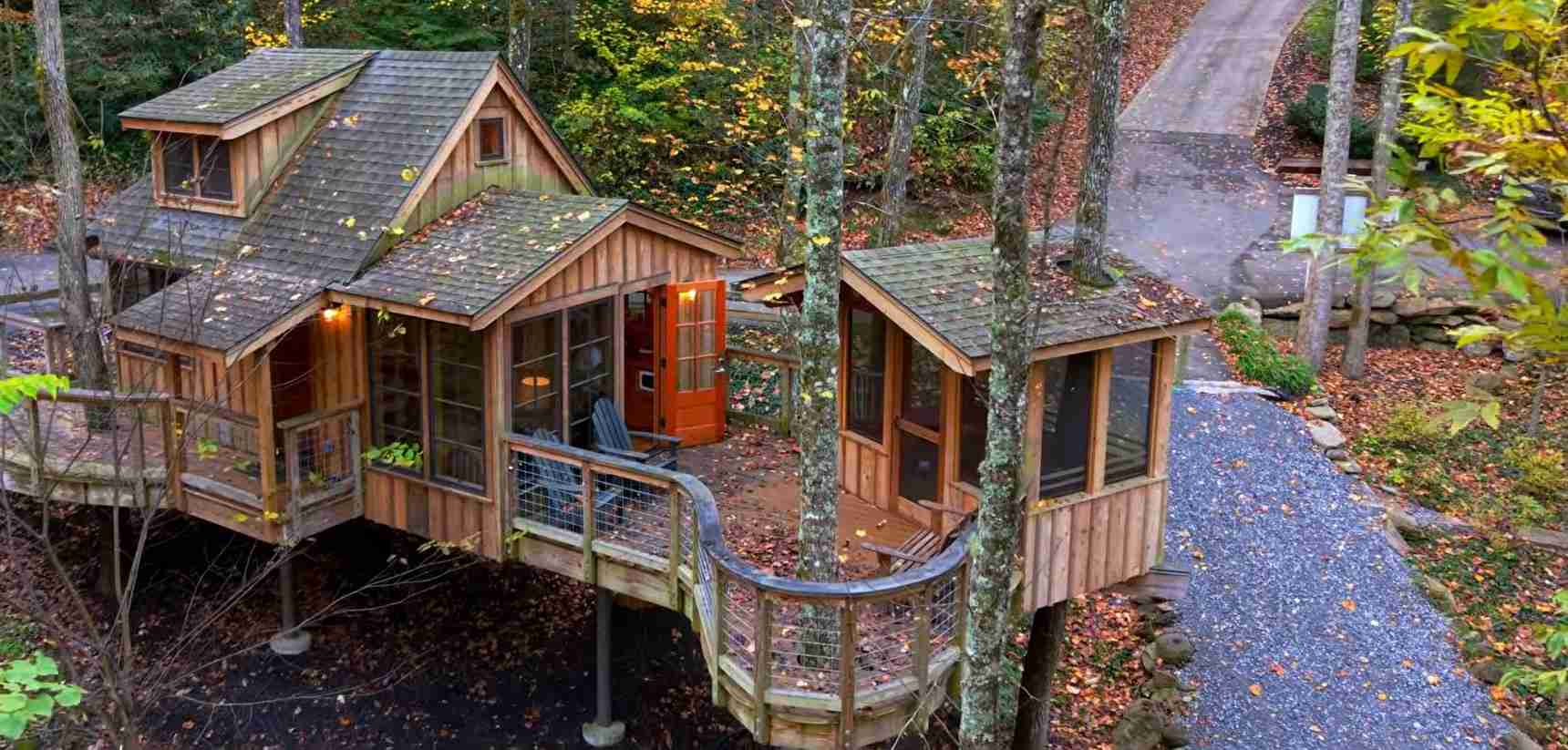
Gatlinburg 3-Day Itinerary 2026: The Perfect Smoky Mountain Getaway
Gatlinburg offers an ideal three-day escape where mountain wilderness meets downtown entertainment, combining free access to Great Smoky Mountains National Park with walkable attractions, diverse dining, and comfortable accommodation options suited to every budget. This perfectly-sized itinerary balances scenic hiking, family attractions, mountain coasters, and local culture without feeling rushed, giving you time to experience both the natural beauty and the unique character of Tennessee’s gateway to the Smokies.
Key Takeaways for Your Gatlinburg 3-Day Trip 2026
- Budget-Friendly Mountain Escape 2026: Budget travelers spend $140-205 per person daily (two sharing budget hotel), totaling $420-615 for three days including accommodation, meals, transport, and attractions with strategic use of free Great Smoky Mountains National Park access.
- Mid-Range Comfort Experience 2026: Mid-range visitors invest $225-335 per person daily (two sharing mid-range hotel), reaching $675-1,005 for three days with quality lodging, varied dining from pancake houses to BBQ, paid attractions including Ripley’s Aquarium and SkyBridge, and convenient trolley transport.
- Free National Park Access Anchors the Trip: Great Smoky Mountains National Park requires no entrance fee, offering unlimited hiking, wildlife viewing, waterfalls, and scenic drives throughout your stay, making Gatlinburg exceptional value compared to destinations charging $30-35 park admission daily.
- Walkable Downtown Plus Free Trolley 2026: Gatlinburg’s compact downtown Parkway spans less than two miles with most hotels, restaurants, and attractions within walking distance, supplemented by the free city trolley system connecting downtown to park entrances and nearby Pigeon Forge.
- Year-Round Destination with Seasonal Pricing: Summer and fall peak season (June-October) sees hotel rates $300-450 per night while winter and spring (January-May) drops to $180-280 per night, with major attractions like Anakeesta closed January-February 2026 for expansion work creating some trade-offs for budget-conscious winter visitors.
- Strategic Timing Maximizes Value 2026: March-May and November offer the sweet spot with moderate weather, lower accommodation rates 30-40% below peak, reduced crowds, and full attraction access, while avoiding summer heat, October leaf-peeper traffic, and winter attraction closures.
People Also Ask About Gatlinburg 3-Day Itinerary 2026
How much does a 3-day trip to Gatlinburg cost in 2026?
A three-day Gatlinburg trip costs $420-615 per person for budget travelers (two sharing budget hotel), $675-1,005 for mid-range comfort (two sharing mid-range hotel), and $1,155-1,920 for luxury experiences (two sharing luxury hotel). Budget travelers stay in $160-220 per night hotels, eat at casual restaurants spending $30-45 daily, use free Great Smoky Mountains National Park extensively, and limit paid attractions to one or two must-sees like Ripley’s Aquarium at $25. Mid-range visitors enjoy $250-360 per night hotels, dine at popular local spots spending $50-75 daily, visit multiple paid attractions including SkyBridge at $41 and Anakeesta when open, and use the free trolley system. Luxury travelers book $450-750 per night hotels or upscale cabins, indulge in fine dining at establishments like The Peddler Steakhouse spending $80-125 daily, purchase premium attraction experiences and guided tours, and utilize private transportation. All budgets benefit from Great Smoky Mountains National Park’s free admission, eliminating the $30-35 daily park fees common at many mountain destinations and creating exceptional value for nature-focused travelers willing to balance free hiking with selective paid attractions.
What are the must-see attractions in Gatlinburg for a 3-day visit in 2026?
Great Smoky Mountains National Park dominates any Gatlinburg must-see list with free access to Laurel Falls, Cataract Falls, Clingmans Dome, Cades Cove loop road, and Roaring Fork Motor Nature Trail offering world-class hiking and wildlife viewing without admission fees. Downtown Gatlinburg attractions worth the investment include Ripley’s Aquarium of the Smokies at $25 featuring 340-foot underwater shark tunnel and interactive touch tanks, Gatlinburg SkyBridge at $41+ accessing North America’s longest pedestrian suspension bridge with glass floor panels 500 feet above town, and Anakeesta at $40-50 (reopening spring 2026 after winter expansion) providing treetop skywalks and mountain coasters with panoramic Smoky Mountain views. Ober Gatlinburg offers year-round activities from $30-450 depending on chosen experiences including aerial tram rides, ice skating, and seasonal snow sports. The Great Smoky Arts and Crafts Community, an eight-mile loop featuring 100+ local artisans, provides free browsing and authentic Appalachian crafts shopping. Space Needle observation tower, various distillery tastings at Sugarlands and Ole Smoky, and numerous mountain coasters round out the attraction landscape. Strategic visitors dedicate one full day to free national park exploration, one day to paid downtown attractions, and one flexible day mixing both based on weather and personal interests.
Is 3 days enough time to see Gatlinburg in 2026?
Three days provides sufficient time to experience Gatlinburg’s highlights without feeling rushed, allowing one day for Great Smoky Mountains National Park hiking and scenic drives, one day for downtown attractions like Ripley’s Aquarium and SkyBridge, and one flexible day for activities based on weather, interests, and energy levels. This timeframe works particularly well for first-time visitors seeking a balanced introduction to both the natural wilderness and the town’s entertainment offerings. Travelers primarily interested in extensive backcountry hiking might wish for an additional day or two to explore trails like Alum Cave, Rainbow Falls, and Grotto Falls at a leisurely pace, while those focused mainly on downtown attractions and dining could comfortably cover everything in two full days. The three-day duration also accommodates realistic travel patterns, with most visitors arriving afternoon of day one and departing afternoon of day three, yielding approximately two full days plus two half days of actual activity time. Families with young children find three days ideal, preventing fatigue while sampling diverse activities from aquarium visits to easy nature walks. Extended stays of four to five days allow deeper exploration including day trips to Cades Cove for wildlife photography, visits to nearby Pigeon Forge attractions like Dollywood, or additional hiking in different park sections, but the three-day framework captures the essential Gatlinburg experience for most travelers making their inaugural Smoky Mountains visit.
What’s the best month to visit Gatlinburg in 2026?
March through May and November represent the optimal months for Gatlinburg visits in 2026, offering moderate weather with daytime temperatures 55-75°F, hotel rates 30-40% below summer and October peaks, reduced crowds at major attractions, and full operational schedules at most venues following winter closures. Spring (March-May) brings wildflower blooms throughout Great Smoky Mountains National Park, comfortable hiking temperatures, and increasing daylight hours, though Anakeesta remains closed for expansion through early spring with reopening expected by late April or May. November delivers crisp fall weather ideal for hiking, remnant autumn colors in lower elevations, significantly lower accommodation rates compared to October’s peak leaf-peeping season, and pre-Thanksgiving availability before holiday crowds arrive. Summer months (June-August) guarantee warm weather and all attractions operating but bring higher humidity, afternoon thunderstorms, peak hotel rates, and maximum crowd levels particularly at popular trails and downtown venues. October offers spectacular fall foliage and pleasant temperatures but commands premium pricing with weekend hotel rates reaching $400-600 per night and major attractions experiencing long wait times. Winter (January-February) provides the lowest accommodation rates and smallest crowds but confronts visitors with attraction closures including Anakeesta’s 2026 expansion shutdown, limited distillery and restaurant hours, and unpredictable weather including occasional road closures in higher park elevations. April and May emerge as the sweet spot for value-conscious travelers prioritizing lower costs and fewer crowds while accepting slightly cooler weather, while September and November suit those seeking warm conditions with moderate pricing and manageable visitor numbers.
Extended multi-day tours – 5+ days
Featured Southeast Usa Multi-Day Tour Packages

8 days
Short Family Journey in Florida
- ✓ Booking needs min. 2 travelers
9 days
The Ultimate Florida Road Trip
- ✓ Booking needs min. 2 travelers

14 days
Best of the South: Charleston to New Orleans
- ✓ Comprehensive Southeast Usa tour
- ✓ Expert local guides included
- ✓ All accommodation arranged
- ✓ Transportation provided
8 days
Florida Sunshine: From Miami to Key West
- ✓ Comprehensive Southeast Usa tour
- ✓ Expert local guides included
- ✓ All accommodation arranged
- ✓ Transportation provided
Multi-day tour packages powered by TourRadar. Prices and availability subject to change.
Introduction: Planning Your Perfect Gatlinburg 3-Day Mountain Escape 2026
Gatlinburg occupies a unique position among American mountain destinations, combining unrestricted access to the nation’s most-visited national park with a concentrated downtown entertainment district spanning just 1.8 miles along a single main thoroughfare. This geography creates an exceptionally efficient three-day itinerary where visitors alternate between wilderness solitude and urban convenience without lengthy drives or complex logistics. Unlike sprawling resort towns requiring rental cars and extensive navigation, Gatlinburg delivers both pristine mountain trails and family attractions within walking distance or via free trolley service, making it particularly accessible for travelers without vehicles or those preferring to minimize driving during vacation.
The destination appeals to remarkably diverse traveler profiles. Serious hikers access 150 trails totaling 850 miles within Great Smoky Mountains National Park including challenging climbs to 6,643-foot Clingmans Dome and waterfall hikes ranging from easy half-mile strolls to strenuous all-day adventures. Families with young children find age-appropriate attractions concentrated along the Parkway including Ripley’s Aquarium’s interactive exhibits, mountain coaster rides, mini golf courses, and arcade facilities. Couples seeking romantic getaways discover riverside dining, luxury cabin rentals with private hot tubs, and scenic chairlift rides at sunset. Food enthusiasts explore Appalachian culinary traditions through multiple distillery tours, traditional Southern restaurants serving country ham and biscuits, and upscale establishments elevating regional ingredients.
The 2026 visitor landscape presents both opportunities and considerations. Anakeesta, one of Gatlinburg’s flagship mountaintop attractions, closes January through early spring for a major expansion including new gondola systems and enhanced experiences, potentially affecting itinerary planning for late winter and early spring travelers. Hotel inventory remains robust with options spanning $160-220 budget properties through $450-750 luxury resorts and private cabin rentals. The free trolley system continues operating year-round with routes connecting downtown accommodations to park entrances, though service frequency varies by season. Great Smoky Mountains National Park maintains its no-entrance-fee policy, representing extraordinary value considering comparable western parks charge $30-35 daily admission.
The three-day timeframe strikes an ideal balance between comprehensive coverage and practical vacation planning. Day one typically encompasses arrival, hotel check-in, and initial downtown exploration including dinner at one of Gatlinburg’s 170+ restaurants. Day two focuses on Great Smoky Mountains National Park with hiking, waterfall visits, scenic drives, and wildlife viewing. Day three combines remaining priority attractions such as aquarium visits or SkyBridge walks with shopping, additional dining, and departure preparations. This structure allows flexibility to shift activities based on weather forecasts, personal energy levels, and discovered interests while ensuring sufficient time to experience both the natural and developed aspects that define Gatlinburg’s appeal.
Seasonal timing profoundly impacts both costs and experiences. Summer visitors (June-August) encounter peak hotel rates, maximum attraction crowds, and full operational schedules across all venues. Fall travelers (September-October) witness spectacular foliage displays but face premium accommodation pricing particularly during October weekends when regional leaf-peepers flood the area. Winter guests (January-March) enjoy lowest rates and smallest crowds but contend with attraction closures and unpredictable mountain weather. Spring visitors (April-May) benefit from moderate temperatures, wildflower blooms, lower pricing, and reduced crowds making this season particularly attractive for budget-conscious travelers and those seeking more intimate park experiences.
This itinerary provides day-by-day structure while maintaining flexibility for personal preferences. Each daily plan includes primary activities, meal suggestions across budget ranges, transportation guidance, and timing recommendations. Alternative options accommodate weather disruptions, physical limitations, or specific interests. Budget breakdowns distinguish between essential expenses and optional upgrades, allowing travelers to customize spending based on financial parameters. Practical details cover parking strategies, trolley routes, restaurant reservations, attraction wait times, and money-saving tactics developed through extensive local knowledge and recent visitor feedback.
Understanding Gatlinburg Geography and Layout 2026
Gatlinburg’s linear geography simplifies navigation dramatically compared to sprawling resort destinations. The entire downtown district follows the Parkway (US Route 441) through a narrow valley flanked by steep mountain slopes, with virtually all major hotels, restaurants, and attractions located directly on this main road or within one block of it. This compressed layout means visitors staying anywhere along the Parkway corridor can walk to most downtown attractions within 10-20 minutes, eliminating constant driving and parking hassles common in larger tourist towns.
The town divides into several distinct zones along the Parkway. The northern section near the Great Smoky Mountains National Park entrance features the Gatlinburg Welcome Center, park visitor facilities, and several mid-range hotels capitalizing on proximity to hiking trailheads. Downtown proper extends approximately 1.5 miles southward, encompassing the highest concentration of attractions, restaurants, and shops. Traffic Light 3 area marks the central hub where Ripley’s Aquarium, Space Needle, and numerous restaurants cluster. Traffic Light 5 and beyond transition toward the southern periphery where the town thins into scattered hotels and cabin rental offices before reaching Pigeon Forge seven miles south.
The free Gatlinburg Trolley system operates multiple color-coded routes connecting key areas. The Blue Route runs the length of the Parkway from Pigeon Forge through downtown to the national park entrance with stops every two blocks, operating approximately every 20 minutes during peak hours and every 30-40 minutes in off-season. The Red Route circles through surrounding residential areas and hotel clusters slightly removed from the Parkway. The Aqua Route provides service to the Arts and Crafts Community eight-mile loop. The Purple Route connects to Ober Gatlinburg ski area. Trolley service typically runs from early morning through late evening with extended hours during summer peak season, though exact schedules vary by route and season requiring verification upon arrival.
Parking presents both challenges and solutions. Downtown public parking garages charge $5-10 daily, with the large garage behind Ripley’s Aquarium serving as the primary option for visitors driving into town. Street parking exists but fills quickly during peak hours and seasons. Many hotels offer free parking for guests, with some properties located slightly elevated above the Parkway accessible via steep driveways. Visitors planning to use the free trolley system can park at their hotel once upon arrival and rely entirely on trolley service plus walking to reach downtown attractions, avoiding repeated parking fees and navigation headaches. The Great Smoky Mountains National Park maintains several parking areas at trailheads and overlooks, though popular spots like Laurel Falls fill by mid-morning during peak season requiring early arrival or alternative trail selection.
The Great Smoky Mountains National Park itself extends from Gatlinburg’s northern edge across 522,427 acres of protected wilderness. Multiple access points serve different park areas. Newfound Gap Road (US 441) provides the primary route climbing from 1,400-foot elevation in Gatlinburg to 5,048-foot Newfound Gap before descending into North Carolina, with numerous pullouts, trails, and overlooks along the 33-mile route to Cherokee. Cades Cove Loop Road, accessed via Little River Road west of town, offers an 11-mile one-way scenic drive through historic valley settlements with abundant wildlife viewing. Roaring Fork Motor Nature Trail, reached from downtown Gatlinburg, winds six miles through old-growth forest past historic buildings and waterfall access points. Each park section requires 30-60 minutes driving time from downtown Gatlinburg accommodations plus additional time for hiking and exploration.
Elevation changes dramatically impact weather and hiking conditions. Downtown Gatlinburg sits at approximately 1,400 feet elevation with temperatures typically 5-10 degrees warmer than higher park elevations. Clingmans Dome at 6,643 feet experiences temperatures 15-20 degrees cooler than downtown, with snow possible even when valley areas remain clear during shoulder seasons. Visitors should pack layered clothing for park exploration and verify road conditions before attempting drives to higher elevations particularly during winter and early spring when ice and snow can close sections of Newfound Gap Road.
Neighboring communities influence itinerary planning. Pigeon Forge, seven miles south, offers additional attractions including Dollywood theme park, dinner theaters, and outlet shopping, accessible via trolley or short drive. Sevierville, the county seat 15 miles southeast, provides major grocery stores and big-box retailers useful for cabin renters needing provisions. Cherokee, North Carolina, lies one hour east via Newfound Gap Road through the national park, serving as an alternative base with casino gaming and Cherokee cultural attractions. Most three-day Gatlinburg itineraries focus exclusively on Gatlinburg and the national park without excursions to neighboring towns, though visitors with rental vehicles and extra time can incorporate Pigeon Forge or Cherokee as optional additions.
Pre-Trip Planning Essentials for Gatlinburg 2026
Advanced planning maximizes value and ensures availability for high-demand elements of your Gatlinburg trip. Accommodation books earliest and tightest, particularly during peak October foliage season when desirable properties sell out three to six months ahead for weekend stays. Summer weekends (June-August) also fill quickly requiring reservations two to three months in advance. Spring and winter travel allows more flexibility with one to two months advance booking generally sufficient except around major holiday weekends. Budget travelers benefit from early booking securing better rates, while last-minute travelers during off-peak periods sometimes find deals as hotels discount unsold inventory.
Attraction tickets purchased online often include discounts compared to gate prices. Ripley’s Aquarium offers combo packages bundling aquarium admission with other Ripley’s attractions for approximately 35% savings versus individual tickets. Gatlinburg SkyBridge annual passes provide unlimited access for local return visitors. Anakeesta, when operational after spring 2026 reopening, typically offers online booking with timed entry windows reducing wait times during busy periods. Most attractions allow same-day online purchase, though buying several days ahead guarantees access during sold-out peak periods and locks in current pricing before potential increases.
Weather preparation requires attention to both valley and mountain conditions. Gatlinburg’s elevation range from 1,400 feet downtown to over 6,000 feet at higher park locations creates significant temperature variations. Summer brings afternoon thunderstorms requiring rain gear and waterproof hiking boots. Spring and fall feature unpredictable weather with warm afternoons and cold mornings necessitating layered clothing. Winter conditions vary dramatically with downtown remaining snow-free most years while higher elevations receive substantial accumulation closing roads and trails. Checking National Weather Service forecasts for both Gatlinburg and Clingmans Dome elevation reveals the full picture before departure, allowing appropriate packing for planned activities.
Transportation decisions shape the entire trip structure. Visitors flying into Knoxville McGhee Tyson Airport (27 miles from Gatlinburg) can rent vehicles or arrange shuttle services, with rental cars costing $40-70 daily plus fuel. The free trolley system reduces reliance on personal vehicles for downtown activities, though having a car provides maximum flexibility for Great Smoky Mountains National Park exploration where trolley service doesn’t extend to most trailheads. Uber and Lyft operate in Gatlinburg with typical downtown rides costing $8-15, though availability can be limited during early mornings and late evenings compared to major cities. Visitors staying at downtown Parkway hotels and planning to focus on walkable attractions plus one or two park visits via tour or trolley can potentially skip rental car expenses entirely, while those prioritizing extensive park hiking or visits to multiple park areas benefit significantly from vehicle access.
Dining reservations apply primarily to upscale restaurants during peak seasons. The Peddler Steakhouse, The Park Grill, and Howard’s Steakhouse accept reservations and often require them for weekend dinners during summer and fall. Most casual and mid-range restaurants including pancake houses, BBQ joints, and pizza places operate on first-come basis with waits ranging from 15-45 minutes during busy periods. Arriving before peak meal times (before 11:30 AM for lunch, before 6 PM for dinner) typically avoids longest waits. Weekday dining encounters substantially lighter crowds than weekend meals particularly during peak season.
Money-saving strategies begin before arrival. Booking midweek stays (Sunday-Thursday) reduces hotel rates 20-40% compared to weekend nights. Choosing shoulder season travel (March-May, November) cuts accommodation costs nearly in half versus peak summer and October periods. Purchasing multi-attraction combo passes saves significantly for families planning to visit multiple paid venues. Packing snacks and breakfast items for in-room consumption eliminates one daily restaurant meal lowering food costs by $15-25 per person daily. Focusing one full day on free Great Smoky Mountains National Park activities maximizes value for budget-conscious travelers while providing some of the trip’s most memorable experiences.
Physical preparation enhances enjoyment particularly for visitors planning significant hiking. Great Smoky Mountains National Park trails range from flat half-mile nature walks to strenuous 10-mile climbs gaining 2,500+ vertical feet. Breaking in hiking boots before the trip prevents blisters. Building basic cardiovascular fitness through walking or stair climbing prepares bodies for elevation gains. Travelers with mobility limitations can still enjoy the national park via scenic drives, short accessible trails like Laurel Falls lower section, and drive-to overlooks at Newfound Gap and Clingmans Dome parking area.
Packing essentials include comfortable walking shoes for downtown exploration, hiking boots for park trails, rain jacket or poncho, daypack for carrying water and snacks on hikes, refillable water bottles, sunscreen, insect repellent during warmer months, basic first aid supplies, phone charging cables, and camera equipment. Seasonal additions include winter hats and gloves for cold weather visits, swim suits for hotel pools, and extra layers for unpredictable spring and fall conditions. Most items forgotten at home can be purchased in Gatlinburg at higher tourist-area prices, though specialty hiking gear requires driving to Sevierville’s major retailers.
Accommodation Options and Neighborhoods 2026
Gatlinburg accommodation divides into three primary categories: traditional hotels and motels along the Parkway, private cabin rentals in surrounding mountains, and condo-style resort properties. Each serves different needs and budgets with distinct advantages and trade-offs. Understanding location zones and property types allows informed selection matching individual priorities for convenience, privacy, amenities, and value.
Budget Hotels and Motels in Gatlinburg 2026
Budget properties charging $160-220 per night during peak season and $100-140 during off-season cluster along the Parkway within walking distance of downtown attractions. These include national chains like Econo Lodge, Quality Inn, Days Inn, and Baymont, plus independent properties such as Gatlinburg Inn and Carr’s Northside Hotel. Rooms typically feature two queen or one king bed, basic furnishings, small bathrooms, mini-fridge, microwave, and cable TV. Most offer complimentary continental breakfast (coffee, juice, pastries, cereal, waffles) reducing daily food costs by $15-25 per person. On-site amenities generally include outdoor pool (seasonal), limited parking, and free WiFi, though fitness centers and business facilities appear less consistently than at mid-range properties.
Location matters significantly within the budget category. Properties near Traffic Lights 3-5 in central downtown provide easiest walking access to Ripley’s Aquarium, restaurants, and shops, commanding slight premiums over properties at the northern or southern edges of town. Northern properties near the park entrance offer proximity to hiking trailheads but require longer walks or trolley rides to reach downtown dining and attractions. Southern properties toward Pigeon Forge boundary provide quieter settings with lower rates but remove guests from the walkable downtown core. Budget travelers prioritizing convenience over absolute lowest rates target central Parkway locations saving time and trolley dependence, while those willing to walk 15-20 minutes or use trolley service capture better value at periphery properties.
Room quality varies considerably within the budget tier. Recently renovated properties deliver clean modern rooms with updated bathrooms and comfortable beds comparable to mid-range hotels at lower prices, while aging properties with deferred maintenance present stained carpets, worn furniture, and inconsistent climate control. Reading recent reviews on booking platforms identifies which budget properties maintain higher standards versus those offering rock-bottom rates with corresponding quality compromises. Properties scoring above 8.0 on booking sites generally exceed minimum quality thresholds justifying their rates, while those below 7.5 often disappoint despite lower prices.
Mid-Range Hotels and Lodges 2026
Mid-range properties charging $250-360 per night peak season and $180-250 off-season include Glenstone Lodge, Brookside Resort, Margaritaville Resort Gatlinburg, Hotel Indigo, and Park Vista DoubleTree. These properties elevate amenities with full hot breakfast buffets, indoor and outdoor pools, fitness centers, on-site restaurants, larger rooms averaging 350-450 square feet, updated décor, better mattresses, premium toiletries, and enhanced customer service. Many feature balconies overlooking Little Pigeon River or mountain views adding ambiance worth the premium for travelers prioritizing comfort and atmosphere.
Resort-style mid-range properties such as Margaritaville and Park Vista include additional recreational amenities like lazy rivers, fire pits, live music venues, spa services, and activity programs justifying higher price points within the category. These suit families seeking on-site entertainment options and travelers willing to spend more time at the hotel versus purely using it for sleeping. Traditional lodge-style mid-range properties like Glenstone and Brookside emphasize location, comfort, and breakfast quality over extensive recreational facilities, appealing to guests planning to spend most waking hours exploring Gatlinburg and the national park.
Downtown mid-range properties command premiums for walkable access to attractions, while those located slightly removed from Parkway center offer better value with free parking and quieter settings requiring five to ten minute walks or brief trolley rides to reach restaurant and entertainment clusters. The Holiday Inn Club Vacations Smoky Mountain Resort northwest of downtown provides substantial rooms and resort amenities at mid-range pricing but requires driving or lengthy trolley rides to access downtown, making it better suited for families with vehicles planning primarily park-focused trips.
Luxury Hotels and Private Cabins 2026
Luxury accommodation in Gatlinburg takes two distinct forms: upscale downtown hotels and private mountain cabin rentals, each delivering premium experiences through different approaches. Downtown luxury hotels like Historic Rocky Waters Inn (adults-only boutique property), Embassy Suites Gatlinburg Resort, and Margaritaville Resort Gatlinburg’s premium tower rooms charge $450-750 per night with concierge services, upscale on-site dining, premium linens and toiletries, spacious bathrooms with soaking tubs, and superior locations. Historic Rocky Waters Inn assigns personal innkeepers to each guest providing local expertise and customized service rarely found in larger properties.
Private cabin rentals scattered throughout surrounding mountains offer one to eight bedrooms with full kitchens, multiple bathrooms, large living areas, hot tubs, game rooms, mountain views, and complete privacy. Prices range from $450 for basic two-bedroom cabins to $1,500+ nightly for luxury five to eight bedroom estates featuring theater rooms, indoor pools, and dramatic architectural design. Cabins suit extended families and groups splitting costs across multiple couples, with per-person pricing often competitive with mid-range hotels when occupancy reaches six to ten people. Management companies like Hearthside Cabin Rentals and Cabins USA handle bookings and provide concierge services plus guest benefit programs including attraction discounts.
Cabin location creates significant experience differences. Properties within five to ten minutes drive of downtown combine convenience with mountain seclusion, while those 15-25 minutes into surrounding hills offer greater privacy and dramatic views but require more driving. Secluded cabins appeal to travelers prioritizing relaxation and privacy willing to sacrifice walkability, while downtown-proximate cabins suit those wanting both mountain ambiance and easy restaurant access. All cabins require vehicles for practical access to town and park, unlike downtown hotels where trolley service and walking provide viable transportation options.
Seasonal Rate Variations and Booking Strategy 2026
Gatlinburg hotel rates fluctuate dramatically by season and day of week. October weekends during peak fall foliage command the highest rates with budget properties reaching $220-280, mid-range $400-550, and luxury $600-900 per night. Summer weekends (June-August) run slightly below October with budget $180-220, mid-range $320-400, and luxury $500-700 nightly. Spring weekends (March-May) and November weekends drop to budget $140-180, mid-range $220-280, and luxury $350-500 per night. Winter weekdays (January-February) offer lowest rates with budget $100-130, mid-range $150-200, and luxury $250-350 nightly.
Midweek stays cost 20-40% less than weekends regardless of season. A Thursday night during summer might cost $220 while Saturday night the same week reaches $320 at identical mid-range property. Budget-conscious travelers strategically plan Tuesday-Thursday arrival and departure dates maximizing midweek rate advantages. Extended stays of four to five nights allow booking partial weekend exposure while benefiting from several midweek nights bringing average nightly rate down substantially.
Booking timing affects rates less dramatically than seasonal and day-of-week patterns, though some advantages exist for early reservers. Properties offering non-refundable advance purchase rates discount 10-15% versus flexible cancellation bookings, beneficial for travelers with firm plans. Last-minute deals occasionally appear during off-peak periods when hotels discount unsold inventory, though October and summer weekends rarely see such opportunities. Joining hotel loyalty programs provides free membership benefits including rate guarantees and occasional promotional discounts worth investigating before booking.
Daily Budget Breakdown by Travel Style 2026
Understanding realistic daily costs across budget tiers enables accurate trip planning and prevents financial surprises. These breakdowns reflect actual 2026 spending patterns for couples sharing accommodation with itemized expenses for lodging, meals, transportation, and attractions. Single travelers pay full hotel rates rather than half, while families adjust food costs upward based on number of children.
Budget Traveler Daily Costs 2026
Budget travelers spend $140-205 per person daily (two sharing budget hotel) prioritizing free Great Smoky Mountains National Park activities, selecting affordable dining options, and limiting paid attractions to one or two highlights over three days. Accommodation in $160-220 per night budget hotels costs $80-110 per person (two sharing), with properties like Quality Inn, Days Inn, and Econo Lodge providing clean basic rooms and complimentary continental breakfast included. Meals total $30-45 daily with breakfast free at hotel (saving $8-12), lunch $10-15 at casual spots like Little House of Pancakes or Tennessee Jed’s, and dinner $12-18 at budget-friendly restaurants including Loco Burro, No Way Jose’s, or pizza places.
Transportation costs remain minimal at $5-10 daily using free Gatlinburg trolley system for downtown movement and parking once at hotel, with occasional Uber rides for convenience or late-evening return from dinner. Attractions average $25-40 daily emphasizing free park hiking with selective paid admission to one major attraction like Ripley’s Aquarium at $25 or Gatlinburg SkyBridge at $41 over the three-day trip. Budget travelers spend one full day hiking free Great Smoky Mountains National Park trails, one day visiting a single paid attraction plus free browsing along Parkway shops and distillery tastings, and one flexible day mixing free scenic drives with light shopping and dining.
Money-saving strategies for budget tier include packing snacks and drinks from grocery stores reducing impulse snack purchases averaging $15-20 daily, eating largest meal at lunch when prices run 20-30% below dinner menus at same restaurants, choosing weekday travel for 20-40% lower hotel rates, visiting during shoulder seasons (March-May, November) for reduced accommodation costs, and purchasing Ripley’s combo passes if visiting multiple Ripley’s attractions for 35% savings versus individual tickets. Total three-day budget trip costs $420-615 per person including all accommodation, meals, local transportation, and attractions representing excellent value for a mountain destination vacation.
Mid-Range Traveler Daily Costs 2026
Mid-range visitors invest $225-335 per person daily (two sharing mid-range hotel) balancing comfort with value through quality lodging, diverse dining experiences, multiple paid attractions, and convenient transportation. Accommodation in $250-360 per night mid-range hotels costs $125-180 per person (two sharing), with properties like Glenstone Lodge, Brookside Resort, and Hotel Indigo providing full hot breakfast buffets, indoor/outdoor pools, balconies, and updated rooms. Meals total $50-75 daily including complimentary hotel breakfast ($12-18 value), lunch $18-28 at local favorites like Bennett’s BBQ or The Park Grill, and dinner $20-30 at popular restaurants like Bubba Gump or Mexican cantinas with drinks.
Transportation averages $10-20 daily mixing free trolley service with occasional Uber rides ($8-12 per trip) for convenience or weather avoidance, plus one-time parking fees when driving to trailheads. Attractions run $40-60 daily with admission to multiple paid venues including Ripley’s Aquarium $25, SkyBridge $41, or mountain coasters $25-35, spread across three days with strategic mix of free park time. Mid-range travelers dedicate one day to national park exploration with moderate hiking and scenic drives, one day to multiple downtown paid attractions and shopping, and one day combining remaining priority activities with leisurely dining and potential spa or entertainment experiences.
Enhanced experiences for mid-range travelers include upgrading to hotel rooms with river views or balconies, dining at higher-quality restaurants for at least one dinner, purchasing behind-the-scenes attraction add-ons like penguin encounters at aquarium for $40, and potentially booking a guided tour for specialized experiences. The incremental spending delivers substantially elevated comfort, dining quality, and attraction access compared to budget tier while maintaining reasonable overall costs. Total three-day mid-range trip reaches $675-1,005 per person offering strong value for travelers prioritizing comfort without extreme luxury spending.
Luxury Traveler Daily Costs 2026
Luxury travelers invest $385-640 per person daily (two sharing luxury hotel or premium cabin) emphasizing premium accommodations, upscale dining, comprehensive attraction access, and exclusive experiences. Accommodation in $450-750 per night luxury hotels or premium cabins costs $225-375 per person (two sharing), with properties like Historic Rocky Waters Inn, Embassy Suites Gatlinburg Resort, or private luxury cabins featuring personal concierge service, upscale amenities, exceptional locations, and superior room quality. Meals total $80-125 daily including gourmet hotel breakfast or upscale breakfast restaurant $18-28, lunch $25-35 at quality establishments, and fine dining dinner $37-62 at The Peddler Steakhouse, Howard’s Steakhouse, or other premium venues with wine and cocktails.
Transportation costs $20-40 daily primarily through Uber and Lyft for convenience ($10-15 per ride), private parking at premium lots, and potentially private tour transportation for specialized experiences. Attractions and experiences average $60-100 daily including premium passes for all major attractions, behind-the-scenes tours, guided hiking experiences, helicopter tours, or spa treatments beyond standard admission costs.
Luxury enhancements include booking the adults-only Historic Rocky Waters Inn with assigned personal innkeepers, reserving cabins with theater rooms and private hot tubs, arranging private guided hiking tours in the national park, purchasing premium wine pairings at upscale dinners, booking spa services at resort properties, and allocating time for exclusive experiences like glass-bottom boat rides at aquarium or VIP access programs where available. Total three-day luxury trip ranges $1,155-1,920 per person delivering exceptional comfort, exclusive access, and memorable premium experiences throughout the Smoky Mountain getaway.
Day 1: Arrival and Downtown Gatlinburg Exploration 2026
The first day balances travel logistics with initial Gatlinburg exploration, allowing afternoon arrival, hotel check-in, orientation to downtown layout, and sampling local dining. This pacing prevents exhaustion while building anticipation for more intensive activities on subsequent days. Travelers driving from regional cities typically arrive mid-afternoon, while those flying into Knoxville and renting cars reach Gatlinburg by early afternoon following 40-minute drives from the airport.
Morning and Early Afternoon: Travel and Arrival
Visitors flying into Knoxville McGhee Tyson Airport collect rental vehicles and drive 27 miles east via US Highway 441/Chapman Highway, reaching Gatlinburg in approximately 40 minutes absent traffic. The route passes through Sevierville offering final opportunities to stop at major grocery stores if provisioning cabin rentals, though Gatlinburg’s Food City provides adequate options for last-minute needs. Those driving from regional cities adjust departure timing to arrive Gatlinburg between 2-4 PM allowing hotel check-in while preserving several hours of afternoon exploration.
Check-in at downtown Parkway hotels typically begins at 3-4 PM though some properties accommodate earlier arrivals when rooms are ready. After checking in and settling luggage, spend 30 minutes familiarizing yourself with hotel amenities, parking arrangements, trolley stop locations, and basic orientation. Review the provided Gatlinburg map identifying your hotel’s position relative to major attractions, restaurants, and trolley routes. This initial orientation prevents confusion later when navigating downtown for the first time.
Late Afternoon: Initial Downtown Walking Tour
Beginning around 3:30-4:00 PM, walk south along the Parkway from your hotel toward the central downtown area (Traffic Lights 3-5). This initial reconnaissance walk accomplishes multiple goals: building mental map of downtown layout, identifying restaurants for dinner consideration, locating attraction ticket booths for next-day planning, and acclimating to elevation and Smoky Mountain atmosphere. The walk covers approximately one mile requiring 20-30 minutes at leisurely pace with frequent stops to browse shop windows and read restaurant menus.
Key landmarks to locate include Ripley’s Aquarium of the Smokies at Traffic Light 5 (visit scheduled for Day 2 or 3), Space Needle observation tower at Traffic Light 4, numerous distillery tasting rooms including Sugarlands and Ole Smoky (free samples available for adults), and the Village Shops complex offering mountain crafts and souvenirs. Stop at the Gatlinburg Visitor Center if questions arise about attraction schedules, trolley routes, or weather forecasts for upcoming days. The center provides free maps, discount attraction coupons, and knowledgeable staff assistance.
Browse the Great Smoky Arts and Crafts Community map if planning to visit this eight-mile artisan loop during your stay, though the actual visit fits better on Day 3 when flexible scheduling allows. Window shop without purchasing commitments, reserving serious shopping for Day 3 after experiencing Gatlinburg and determining which items truly appeal versus tourist impulse buys.
Evening: Dinner and Parkway Stroll
Dinner timing around 6-7 PM allows exploring restaurant options observed during afternoon walk. Budget diners head to Little House of Pancakes for hearty breakfast-for-dinner fare at $10-15 per person, Loco Burro for Mexican favorites and margaritas at $12-18 per person, or Parton’s Deli for sandwiches and sides at $8-12 per person. Mid-range diners choose Bennett’s BBQ for pulled pork and ribs with salad bar at $18-25 per person, Bubba Gump Shrimp Company for seafood in themed atmosphere at $20-28 per person, or local favorites like The Park Grill for diverse American menu at $22-30 per person including drinks. Luxury diners reserve tables at The Peddler Steakhouse for riverside fine dining with quality beef at $40-55 per person, Howard’s Steakhouse for upscale cuts with mountain views at $42-58 per person, or The Baht Restaurant for elevated cuisine at $38-50 per person with cocktails.
Arriving before 6:30 PM typically avoids longest waits at popular restaurants, though peak summer and fall weekends can require 30-45 minute waits even at early hours. Use this time productively by browsing nearby shops or walking the Parkway observing evening activities as the town transitions from day tourism to evening entertainment mode.
After dinner around 7:30-8:00 PM, continue walking the Parkway experiencing the town’s evening ambiance. Downtown Gatlinburg takes on different character after dark with neon signs illuminating the street, families streaming between arcades and attractions, and live music emerging from various venues. Stop for dessert at Kilwin’s for handmade ice cream and fudge ($6-10 per person), browse moonshine tasting rooms if alcohol sampling appeals (free samples, purchase optional), or simply walk and observe the mountain town evening scene.
Return to your hotel between 8:30-9:30 PM allowing time to organize gear for next day’s Great Smoky Mountains National Park hiking adventure. Review weather forecast for Day 2, pack daypack with water bottles, snacks, rain gear, sunscreen, and camera, and charge electronic devices. Set alarms for early start tomorrow, as popular park trailheads fill by mid-morning during peak season requiring early departures to secure parking.
Day 1 Cost Summary by Budget Tier
Budget travelers spend approximately $115-165 on Day 1: hotel $80-110 per person (two sharing), lunch during travel $10-15, dinner $12-18, snacks and dessert $8-12, minimal transportation $5-10. Mid-range travelers invest $185-265: hotel $125-180 per person (two sharing), lunch during travel $15-20, dinner $22-30, drinks and dessert $10-15, transportation $10-20. Luxury travelers spend $320-490: hotel $225-375 per person (two sharing), lunch during travel $18-25, upscale dinner $40-55, premium drinks and dessert $15-20, transportation $20-40. Day 1 represents lighter spending than subsequent days due to partial-day activity schedule and minimal attraction expenses.
Day 2: Great Smoky Mountains National Park Full Day 2026
Day 2 focuses entirely on Great Smoky Mountains National Park, the crown jewel of your Gatlinburg visit offering world-class hiking, waterfall viewing, wildlife encounters, and scenic drives without entrance fees. This full-day park immersion captures the natural beauty and wilderness experience that draws millions of visitors annually to the nation’s most-visited national park. Early start maximizes daylight hours and secures parking at popular trailheads before crowds arrive.
Morning: Laurel Falls Hike and Elkmont Exploration
Depart hotel by 7:00-7:30 AM to reach Laurel Falls trailhead parking area before it fills, typically by 9:00 AM during peak season. The 2.6-mile roundtrip paved trail gains 400 feet elevation over 1.3 miles to reach the 80-foot waterfall, making it the park’s most accessible major waterfall suitable for all fitness levels. The paved surface accommodates strollers and wheelchairs for the first mile though the final section climbs more steeply. Allow 1.5-2 hours for the hike including time at the falls for photos and rest.
The trail passes through mixed hardwood forest with spring wildflowers (April-May), summer shade, and spectacular fall colors (October). The waterfall itself drops in two cascading tiers, with viewing platform providing safe photography access. Avoid climbing on wet rocks near the falls, a common source of injuries. Return to parking lot between 9:00-10:00 AM.
Drive five miles to historic Elkmont area, a former logging community turned park land featuring preserved cabins and multiple trail access points. The Elkmont Nature Trail offers easy 0.8-mile loop through diverse forest ecosystems with interpretive signs explaining mountain ecology. More adventurous hikers tackle the Little River Trail extending several miles along the river with swimming holes, though the initial one-mile out-and-back provides satisfying experience without major time commitment. Elkmont also serves as staging area for synchronous firefly viewing during two weeks in late May/early June, though advance lottery reservations are required for this special event.
Late Morning: Cades Cove Loop Road
Return toward Gatlinburg but turn onto Little River Road (before reaching town) following signs to Cades Cove approximately 20 miles from Elkmont. This routing adds 40 minutes driving time but positions you for the park’s premier wildlife viewing and historic site experience. The 11-mile one-way Cades Cove Loop Road winds through a broad valley ringed by mountains, showcasing preserved 19th-century homesteads, churches, and barns while offering exceptional opportunities to observe white-tailed deer, wild turkeys, black bears, and occasionally coyotes.
The loop operates one-way traffic with numerous pullouts for vehicle stops. Allow minimum two hours to complete the circuit though three to four hours proves more realistic for photography, building exploration, and wildlife observation. During peak summer and fall weekends, traffic congestion can extend loop time to four or even five hours, making weekday visits or very early morning arrivals (before 8 AM) advisable for visitors seeking efficient touring.
Notable stops include the Methodist Church dating to 1902, Cable Mill historic grist mill with working water-powered mechanisms, and multiple preserved log cabins and barns illustrating pioneer mountain life. Short hiking trails branch from the loop including Abrams Falls (five miles roundtrip to 20-foot waterfall) for energetic hikers or brief walks to cemeteries and overlooks for those preferring less strenuous exploration. Pack lunch to eat at designated picnic areas within the cove, or plan to drive back toward Gatlinburg for lunch depending on timing and energy levels.
Afternoon: Roaring Fork Motor Nature Trail
Return toward Gatlinburg by mid-afternoon (2:00-3:00 PM) and access Roaring Fork Motor Nature Trail via Cherokee Orchard Road just outside downtown. This six-mile one-way paved route climbs through old-growth forest past historic buildings and provides access to several short hiking trails. The route operates seasonally, typically closing November through March for winter weather, requiring verification before planning this segment.
Stops along Roaring Fork include the Alfred Reagan Place historic homestead, Rainbow Falls trailhead (2.7 miles one-way to 80-foot waterfall, strenuous with 1,500-foot elevation gain), Grotto Falls trail (1.3 miles one-way to waterfall you can walk behind, moderate difficulty), and multiple pullouts for stream viewing and photography. The drive itself qualifies as the attraction with narrow road winding beneath massive hemlock and poplar trees creating dramatic forest atmosphere. Budget 1-1.5 hours for the drive with brief stops, or 3-4 hours if adding Rainbow Falls or Grotto Falls hike.
Late Afternoon: Sugarlands Visitor Center and Return to Gatlinburg
Stop at Sugarlands Visitor Center (near park headquarters just outside Gatlinburg) around 4:00-5:00 PM to view exhibits on park natural and cultural history, purchase books or maps if desired, and ask rangers questions about trail conditions or wildlife sightings. The center includes bookstore, restrooms, and informative displays worth 20-30 minutes exploration. Rangers provide current information on trail closures, bear activity areas, and road conditions useful for planning potential additional park visits.
Return to Gatlinburg hotel by 5:00-6:00 PM allowing time to shower, rest, and prepare for dinner. The full day of driving, hiking, and outdoor activity typically generates healthy fatigue making early dinner and relaxed evening appropriate.
Evening: Casual Dinner and Light Entertainment
After a physically active park day, opt for casual dining requiring minimal walking from hotel. Budget travelers choose nearby pizza joints like Luigi’s Pizzeria for $10-15 per person, sandwich shops for quick meals, or return to budget favorites discovered on Day 1. Mid-range diners select BBQ restaurants like Delauder’s BBQ for hearty pulled pork platters at $18-24 per person, Mexican cantinas for fajitas and margaritas, or comfort food restaurants serving Southern specialties. Luxury travelers enjoy upscale casual options like fine steakhouses if energy permits, or order room service from hotel restaurants for convenience after long park day.
Post-dinner activities remain light given accumulated fatigue from day-long park exploration. Evening options include browsing shops missed on Day 1, sampling moonshine flights at distillery tasting rooms, walking to nearby ice cream shop for dessert, or simply returning to hotel for pool time, hot tub relaxation, and early bedtime in preparation for Day 3 activities.
Day 2 Cost Summary by Budget Tier
Budget travelers spend approximately $135-200 on Day 2: hotel $80-110 per person (two sharing), packed lunch from grocery store or sandwich shop $8-12, snacks and drinks $8-12, dinner $12-18, dessert $5-8, fuel for park driving $8-12, minimal additional costs. Mid-range travelers invest $230-310: hotel $125-180 per person (two sharing), lunch at picnic area with deli provisions or restaurant $15-22, drinks and snacks $10-15, dinner $22-30, dessert and drinks $10-15, fuel and parking $10-15. Luxury travelers spend $380-600: hotel $225-375 per person (two sharing), upscale picnic lunch or restaurant $20-30, premium snacks and beverages $12-18, fine dining dinner $40-55, dessert and drinks $15-25, fuel and transportation $15-25. Day 2 costs remain moderate due to free park admission, though meal quality and convenience level create spending differentiation between tiers.
Day 3: Downtown Attractions, Shopping, and Flexible Activities 2026
The final full day combines remaining high-priority attractions with shopping, flexible activities based on weather and energy levels, and preparation for departure. This structure allows completing must-see attractions while maintaining relaxed pacing appropriate for vacation’s final day. Late checkout or extended hotel stays create option to shower and refresh after morning activities before departure.
Morning: Ripley’s Aquarium of the Smokies
Begin Day 3 with visit to Ripley’s Aquarium of the Smokies, Gatlinburg’s flagship family attraction housing over 10,000 sea creatures in immersive exhibits. Arriving at opening (typically 9:00 AM, varying seasonally) avoids longest crowds and provides optimal viewing of animal feeding times and dive shows. Purchase tickets online in advance for $25 per adult (check official website for current rates as pricing may vary) to skip ticket counter lines. The aquarium accepts walk-up purchases but online booking ensures availability and often includes promotional discounts.
The 340-foot underwater tunnel through Shark Lagoon ranks as the facility’s centerpiece, surrounding visitors with sharks, sawfish, giant stingrays, and sea turtles swimming overhead via moving walkway. Additional exhibits include Penguin Playhouse with interactive viewing tunnels, Touch-a-Ray Bay allowing hands-on stingray contact, Gallery of the Seas featuring giant Pacific octopus, Coral Reef showcasing tropical fish, and Discovery Center with jellyfish and seahorses. Interactive dive shows and feeding demonstrations occur throughout the day on published schedules worth consulting upon entry to time exhibit progression for optimal show viewing.
Behind-the-scenes experiences add depth for motivated visitors. The Penguin Encounter ($40 per person) provides personal interaction with African penguins including feeding and photos. Splash with the Stingrays ($30 per person) offers guided stingray touch experience with education about ray biology. Glass Bottom Boat Adventure ($15 per person) navigates across Shark Lagoon viewing animals from unique perspective. These upgrades suit wildlife enthusiasts and families seeking special memories beyond standard admission.
Allow 2-3 hours for thorough aquarium exploration including all exhibits, shows, and interactive elements. The facility includes gift shop and snack bar for impulse purchases, though bringing water bottles and snacks provides budget-conscious option. Exit around 11:00 AM-12:00 PM leaving afternoon open for additional activities.
Late Morning to Early Afternoon: Gatlinburg SkyBridge and SkyLift Park
Walk or take brief trolley ride to Gatlinburg SkyLift Park for SkyBridge experience, North America’s longest pedestrian suspension bridge stretching 680 feet across valley gap 500 feet above ground. The iconic yellow SkyLift chairlift transports visitors from base station at 765 Parkway up Crockett Mountain to the bridge and SkyDeck overlook. Admission costs $41 per person for adults in 2026, including chairlift rides and bridge access (check official website for current rates).
The 10-15 minute chairlift ascent provides relaxing views of downtown Gatlinburg and surrounding mountains while gaining elevation to the SkyBridge platform. At the summit, walk across the suspension bridge at your own pace, pausing at the center where 30 feet of glass floor panels reveal dramatic valley drop below for adventurous photographers and thrill-seekers. The SkyDeck area includes seating, firepits, and SkyTrail boardwalk paths leading to additional viewpoints. The entire experience requires 1.5-2 hours including chairlift rides, bridge crossing, and SkyDeck exploration.
SkyLift Park operates year-round with varying hours by season, typically opening 9:00 AM and closing between 9:00 PM and 11:00 PM depending on month. Lines form during peak midday hours in summer and fall, making morning visits (9:00-11:00 AM) or late afternoon/evening slots (after 4:00 PM) preferable for shorter waits. The facility offers AnaVista Tower observation deck and SkyTrail mountain paths for extended exploration beyond basic bridge access.
Afternoon: Flexible Activities Based on Interests
Post-SkyBridge hours (1:00-4:00 PM) accommodate flexible activities matching personal interests, weather conditions, and remaining energy levels. Options include:
Great Smoky Arts and Crafts Community for visitors interested in authentic Appalachian crafts. This eight-mile loop accessible via trolley or vehicle features 100+ artist studios and galleries selling pottery, woodwork, quilts, paintings, jewelry, and traditional mountain crafts. Allow 2-3 hours to drive or ride the loop with stops at multiple studios. Artists often demonstrate techniques providing educational component beyond pure shopping. Purchase quality souvenirs directly from makers supporting local artisans.
Additional hiking in Great Smoky Mountains National Park suits energetic visitors who enjoyed Day 2 park exploration and desire more trail time. Cataract Falls offers easy 0.8-mile roundtrip walk to small waterfall near Sugarlands Visitor Center. Alum Cave Trail provides moderate to strenuous 4.4-mile roundtrip hike gaining 1,200 feet to historic cave bluff with spectacular mountain views, requiring 3-4 hours. Rainbow Falls trail (accessed from Roaring Fork if not completed Day 2) delivers 2.7 miles one-way to impressive 80-foot waterfall with 1,500-foot elevation gain qualifying as strenuous but rewarding for fit hikers.
Mountain coaster rides appeal to thrill-seekers and families with children. Multiple properties offer alpine-style coasters including Gatlinburg Mountain Coaster near downtown and others scattered along Parkway. Rides cost $25-35 per person for single rides or $20-25 per person for multi-ride passes. The gravity-fed tracked sleds allow riders to control descent speed via hand brakes, creating exciting yet safe experience suitable for ages 3+ with adult accompaniment.
Ober Gatlinburg via aerial tramway provides year-round mountain activities including ice skating ($15 admission plus $5 skate rental), alpine slide ($12 per ride), scenic chairlift ($15 round trip), and wildlife encounter ($5 admission). Winter adds skiing and snow tubing requiring additional fees. The tram itself qualifies as attraction with 2.1-mile scenic ride gaining 1,400 feet elevation to Ober facility, though total costs can exceed $50 per person when combining multiple activities.
Relaxation and shopping suits travelers prioritizing rest over additional active pursuits. Browse Village Shops, Mountain Mall, or downtown boutiques for souvenirs. Schedule spa services at hotel or local facilities for massage and relaxation. Return to hotel pool for afternoon swimming. Read books on hotel balcony enjoying mountain views. Pack belongings in preparation for next-day departure.
Evening: Farewell Dinner and Final Parkway Walk
Conclude your Gatlinburg visit with memorable farewell dinner around 6:00-7:00 PM celebrating three days of mountain experiences. Budget diners return to favorite affordable spots discovered earlier or try remaining options from restaurant list. Mid-range diners select higher-quality establishment not yet visited, perhaps upgrading from previous meals to mark final evening. Luxury travelers reserve tables at premier restaurants like The Peddler Steakhouse for riverside fine dining, Howard’s Steakhouse for upscale cuts, or The Alamo Steakhouse for quality beef in historic setting.
After dinner, take final evening stroll along the Parkway around 8:00-9:00 PM absorbing the town’s atmosphere one last time. Stop for ice cream or fudge as final treat. Browse any shops with extended hours. Take photos of lit-up downtown and mountain backdrop. Return to hotel between 9:00-10:00 PM for final packing, organizing purchases, and preparing for departure morning.
Day 3 Cost Summary by Budget Tier
Budget travelers spend approximately $150-215 on Day 3: hotel $80-110 per person (two sharing), aquarium admission $25, lunch $10-15, snacks $5-10, one additional attraction or shopping $15-25, dinner $15-20, minimal transportation $5-10. Mid-range travelers invest $250-345: hotel $125-180 per person (two sharing), aquarium $25, SkyBridge $41, lunch $18-25, snacks and drinks $10-15, shopping or additional activities $15-25, dinner $25-32, transportation $10-15. Luxury travelers spend $425-665: hotel $225-375 per person (two sharing), aquarium with upgrades $40-55, SkyBridge $41, premium lunch $22-30, snacks and drinks $12-18, additional premium activities or shopping $30-60, fine dining dinner $45-62, transportation and parking $20-35. Day 3 carries highest costs due to multiple paid attractions combined with shopping expenditures.
Three-Day Trip Total Cost Summary 2026
Combining all three days reveals comprehensive trip costs across budget tiers. Budget travelers invest approximately $140-205 per person daily for total three-day costs of $420-615 per person (two sharing budget accommodation). Mid-range travelers spend approximately $225-335 per person daily reaching $675-1,005 total for three days (two sharing mid-range accommodation). Luxury travelers invest approximately $385-640 per person daily totaling $1,155-1,920 for three days (two sharing luxury accommodation or premium cabin).
These totals include all accommodation, meals, local transportation, major attractions, and incidental expenses but exclude airfare and rental vehicle costs for travelers flying into region. Gasoline for rental vehicles adds approximately $40-60 total for three days of local driving. Souvenirs, special activity upgrades, spa services, and shopping represent discretionary additions beyond core travel costs. Solo travelers pay full hotel room rates rather than splitting costs, effectively doubling accommodation portion and raising solo daily costs to approximately $220-315 budget, $375-515 mid-range, and $610-1,015 luxury per person.
Budget-conscious strategies successfully reduce costs including: traveling during shoulder seasons (March-May, November) for 30-40% lower hotel rates, booking midweek stays avoiding weekend premiums, packing breakfast items and snacks reducing restaurant meals from three to two daily, dedicating maximum time to free Great Smoky Mountains National Park activities, selecting one or two must-see paid attractions rather than attempting comprehensive attraction coverage, and utilizing free trolley system versus Uber rides. These tactics allow budget travelers to enjoy comprehensive Gatlinburg experience for under $500 per person total.
Transportation and Getting Around Gatlinburg 2026
Gatlinburg’s compact geography and free trolley system create multiple viable transportation approaches ranging from complete reliance on trolley and walking to full rental vehicle usage. Understanding each option’s advantages and limitations allows informed decisions matching individual circumstances, priorities, and planned activities.
Gatlinburg Trolley System
The free Gatlinburg Trolley operates year-round with color-coded routes connecting hotels, restaurants, attractions, and Great Smoky Mountains National Park entrances. The Blue Route runs the Parkway length from Pigeon Forge through downtown Gatlinburg to park welcome center with stops approximately every two blocks, operating every 15-20 minutes during peak season and 30-40 minutes during off-peak periods. The Red Route circles through surrounding residential areas and hotel properties slightly removed from Parkway. The Aqua Route serves Great Smoky Arts and Crafts Community eight-mile loop. The Purple Route connects downtown to Ober Gatlinburg ski area via aerial tramway base station.
Service hours typically run 8:00 AM to midnight during summer peak season with reduced hours during winter months, exact schedules varying by route and season requiring verification upon arrival. Trolleys accommodate wheelchairs and mobility devices, though crowding during peak hours can limit available space. Riders simply board at designated stops marked with trolley signs along the Parkway and other route locations.
The trolley system works exceptionally well for accessing downtown restaurants, shops, and attractions from any Parkway hotel location. Limitations become apparent when attempting to reach Great Smoky Mountains National Park trailheads beyond welcome center, as most popular hiking areas require personal vehicle access. Trolley service to park welcome center allows accessing nearby Sugarlands trails but doesn’t extend to Laurel Falls, Cades Cove, Roaring Fork, or other major park destinations necessitating vehicle transport for comprehensive park exploration.
Rental Vehicles
Renting vehicles at Knoxville Airport provides maximum flexibility for Great Smoky Mountains National Park exploration and eliminates dependence on trolley schedules or Uber availability. Compact and mid-size sedans rent for approximately $40-70 daily plus fuel, with total three-day rental costs around $150-250 including taxes and fees. All major national park roads handle standard vehicles without requiring SUVs or four-wheel drive except during winter snow conditions.
Vehicle advantages include unrestricted access to all park trailheads and scenic drives, ability to transport coolers and hiking gear, flexibility to adjust plans spontaneously, and convenience for grocery shopping or excursions beyond Gatlinburg. Disadvantages encompass rental costs, fuel expenses ($40-60 for typical three-day usage), parking fees at downtown garages ($5-10 daily), and need to navigate mountain roads and parking lots during peak crowding.
Visitors prioritizing extensive park hiking benefit substantially from vehicle access, while those focusing primarily on downtown attractions and willing to limit park visits to trolley-accessible areas or guided tours can skip rental car expenses. The decision often hinges on total group size and trip budget, as families of four splitting $200 rental costs pay just $50 per person while solo travelers absorb full $200 expense making trolley reliance more financially attractive.
Ride-Sharing Services
Uber and Lyft operate in Gatlinburg with availability concentrated during daytime and evening hours. Typical downtown rides cost $8-15 between hotels and restaurants or attractions, with longer trips to park entrances or surrounding areas reaching $15-25. Ride-sharing provides convenient option for occasional trips when trolley timing doesn’t align or weather makes walking undesirable, though relying exclusively on these services for all transportation quickly exceeds rental car costs.
Availability can be limited during early morning hours (before 7:00 AM) and late evening (after 10:00 PM) compared to major metropolitan areas, requiring flexibility and backup plans for off-hour transportation needs. Service also experiences reduced reliability during severe weather when driver availability drops. Budget travelers use ride-sharing sparingly for specific convenience situations rather than primary transportation, while mid-range and luxury travelers incorporate more frequent rides without cost concern.
Walking
Downtown Gatlinburg’s 1.8-mile Parkway core enables walking between most hotels, restaurants, and attractions within 10-25 minutes depending on location. Sidewalks line both sides of the Parkway with traffic signals and crosswalks at major intersections. The compact walkable layout represents a significant advantage over sprawling resort towns requiring constant vehicular transport.
Walking works excellently for accessing downtown restaurants, shops, distilleries, and central attractions like Ripley’s Aquarium and Space Needle. Limitations arise when weather turns rainy or very cold, when carrying shopping purchases becomes cumbersome, or when fatigue from daytime activities makes return walks unappealing. Elevation changes remain modest along the Parkway corridor itself, though some hotels sit elevated above the main road requiring steep driveway navigation.
Successful walking strategies include staying at centrally-located Parkway hotels minimizing average walking distances, bringing comfortable walking shoes suitable for extended pavement pounding, and combining walking with trolley use during weather extremes or when transporting packages back to hotel after shopping.
Dining Guide: Where to Eat in Gatlinburg 2026
Gatlinburg’s 170+ restaurants span from budget pancake houses through upscale steakhouses, representing diverse cuisines including Southern comfort food, BBQ, Mexican, Italian, seafood, and contemporary American. Understanding restaurant categories, pricing tiers, and strategic dining timing maximizes satisfaction while controlling food costs across your three-day visit.
Breakfast Options
Breakfast establishes daily foundation and varies dramatically by accommodation choice. Budget and mid-range hotels typically include complimentary continental breakfast (coffee, juice, pastries, cereal, waffles, fruit) eliminating need for restaurant breakfast and saving $10-18 per person daily. Luxury properties offer enhanced breakfast buffets or à la carte dining included or available at premium.
Independent breakfast restaurants excel when hotel breakfast proves inadequate or when experiencing local specialties appeals. Little House of Pancakes serves oversized portions of pancakes, waffles, eggs, and bacon for $10-15 per person with speedy service and kid-friendly atmosphere. Crockett’s Breakfast Camp delivers traditional mountain comfort food including country ham, biscuits with gravy, and massive pancake stacks for $12-18 per person in rustic lodge setting. Log Cabin Pancake House provides classic diner breakfast fare with efficient service for $10-16 per person, earning local following for consistent quality. The Pancake Pantry, while often crowded with tourists, justifies waits with creative pancake varieties and complete breakfast plates under $15 per person.
Strategic breakfast timing avoids peak crowds. Arriving before 8:00 AM typically ensures immediate seating at most restaurants, while 9:00-11:00 AM window sees longest waits particularly on weekends during peak season. Weekday breakfast crowds run lighter than weekend mornings across all seasons.
Lunch Restaurants
Lunch provides opportunity to sample local specialties while controlling costs, as many restaurants offer lunch portions and pricing 20-30% below dinner menus. BBQ joints serve pulled pork sandwiches, ribs, and traditional sides for $12-18 per person at lunch compared to $18-28 for dinner platters. Mexican cantinas offer lunch specials with enchiladas, tacos, and burritos for $10-15 per person versus $15-22 dinner entrées.
Bennett’s BBQ ranks among local favorites for authentic Tennessee BBQ with salad bar, tender meats, and classic sides like mac and cheese and coleslaw at $14-20 lunch pricing. Delauder’s BBQ, located slightly outside downtown, delivers family-run dive atmosphere with award-winning sauces and generous portions for $12-18 per person. Tennessee Jed’s in Baskins Square offers creative sandwiches including Cubanos, Reubens, and specialty hot dogs for $9-14 per person in casual counter-service format.
Pizza provides quick casual option for lunch or dinner. Luigi’s Pizzeria allows customizable pies with fresh ingredients for $12-16 per person including personal pizzas or shared larger pies. Split Rail Eats specializes in “tater bowls” – tater tots or french fries covered with cheeseburger ingredients, buffalo chicken, tacos, or Greek toppings – for $10-14 per person in unique fast-casual concept.
Dinner Restaurants by Category
Dinner encompasses widest variety from budget-friendly casual through upscale fine dining. Mexican restaurants anchor the budget-friendly dinner category with Loco Burro Fresh Mexican Cantina delivering generous portions of fajitas, enchiladas, and combination plates for $15-22 per person including margaritas. No Way Jose’s Cantina provides similar Mexican fare with comparable pricing and lively atmosphere popular with families. Both restaurants serve large portions often allowing leftovers for next-day lunches.
BBQ restaurants transition from lunch venues to dinner destinations with expanded platters and family-style meals. Bennett’s BBQ dinner service includes full rack ribs, multi-meat samplers, and family meals serving four for $70-90 total. The restaurants maintain salad bars and traditional Southern sides like sweet potato casserole and collard greens justifying slightly higher dinner pricing.
Seafood options include Bubba Gump Shrimp Company providing casual themed atmosphere with shrimp preparations, fish, and seafood combos for $20-30 per person. The restaurant caters to families and groups with extensive menu accommodating diverse preferences from landlubber burgers to authentic Gulf seafood.
Steakhouses represent top tier for special occasion dining. The Peddler Steakhouse, perched riverside south of downtown, features open charcoal grill, quality aged beef, salad bar, and romantic atmosphere with dinner entrées $35-55 per person plus drinks and sides. Howard’s Steakhouse delivers similar upscale experience with ribeyes, filets, and seafood additions in mountain-view setting for $38-58 per person. The Alamo Steakhouse combines Mexican influences with quality steaks in hacienda-style building for $32-48 per person.
The Park Grill occupies middle ground between casual and fine dining with diverse American menu including steaks, ribs, trout, chicken, and pasta for $22-35 per person in rustic-elegant setting. The restaurant’s broad menu and central location make it popular for mixed groups with varying preferences.
Dessert and Treats
Gatlinburg excels at indulgent treats and desserts. Kilwin’s handcrafts ice cream, fudge, caramel apples, and chocolates with locations along the Parkway, pricing $6-12 per person for generous portions. The Ole Smoky Candy Kitchen produces old-fashioned candies, taffy, and fudge visible through windows for $5-10 per person. Donut Friar serves fresh made-to-order donuts including apple fritter and cinnamon sugar varieties for $4-8 per person making excellent breakfast alternatives or afternoon snacks.
Money-Saving Dining Strategies
Controlling food costs without sacrificing quality involves strategic meal timing and selection. Eating largest meal at lunch captures restaurant-quality food at 20-30% discount versus dinner pricing at same establishments. Sharing entrées works at many restaurants serving oversized portions, with $18 entrée split between two people plus shared appetizer totaling $25-28 versus $36-44 for two individual meals. Packing breakfast items like granola bars, fruit, and bottled drinks eliminates one restaurant meal daily saving $10-15 per person. Choosing restaurants slightly removed from prime Parkway locations often delivers comparable quality at 15-25% lower prices, with locals frequenting these establishments over tourist-focused venues.
Seasonal Considerations and Best Time to Visit Gatlinburg 2026
Gatlinburg experiences four distinct seasons, each creating different experiences, costs, and crowd levels. Understanding seasonal patterns enables strategic trip timing matching personal priorities for weather, activities, pricing, and atmosphere.
Spring Season: March, April, May
Spring delivers moderate temperatures ranging 55-75°F with increasing warmth through the season. March brings unpredictable weather mixing warm sunny days with occasional cold snaps and rain. April stabilizes with consistent mild temperatures ideal for hiking and outdoor activities. May warms further with occasional summer-like heat previewing upcoming season.
Wildflowers bloom throughout Great Smoky Mountains National Park during April and May, creating spectacular displays of trillium, lady slippers, violets, and dozens of other species carpeting forest floors and hillsides. The park’s reputation as wildflower capital of North America justifies spring visits for botanical enthusiasts and photographers. Waterfalls flow strongest during spring fed by winter snowmelt and spring rains, though trails can be muddy requiring appropriate footwear.
Spring crowds remain moderate compared to summer and fall peaks, with weekdays particularly quiet and weekends bringing manageable visitor numbers. Hotel rates run 30-40% below peak season with budget properties $120-160, mid-range $180-250, and luxury $300-450 per night. Anakeesta closes for expansion during early spring 2026 with reopening expected by late April or May, affecting attraction options for March and early April visitors.
Spring represents optimal season for budget-conscious travelers prioritizing lower costs, wildflower viewing, comfortable hiking temperatures, and reduced crowds while accepting occasional rain and cooler mornings requiring layered clothing.
Summer Season: June, July, August
Summer brings warmest weather with temperatures 75-88°F, high humidity, and frequent afternoon thunderstorms. The season guarantees all attractions operating on extended hours with full programming and staffing. Great Smoky Mountains National Park trails experience peak usage requiring early morning starts to secure parking at popular trailheads like Laurel Falls and Alum Cave.
Families dominate summer visitor demographics with school vacation driving increased children presence at attractions, restaurants, and hotels. The season’s guaranteed warm weather eliminates concerns about cold or snow affecting plans, though heat and humidity can slow hiking paces and increase water consumption. Late afternoon thunderstorms arrive predictably providing natural break periods for indoor activities or hotel pool time.
Summer hotel rates reach annual highs with budget properties $180-220, mid-range $300-400, and luxury $500-700 per night during peak July and August periods. Weekday rates run 15-25% below weekend pricing even during summer, with Sunday-Thursday stays capturing moderate savings. Restaurant waits extend longest during summer dinner hours, with 30-45 minute waits common at popular establishments between 6:00-8:00 PM.
Summer suits travelers prioritizing guaranteed warm weather, families with school-age children restricted to summer vacation timing, and visitors willing to accept higher costs and larger crowds in exchange for full operational schedules and extended daylight hours for activities.
Fall Season: September, October, November
Fall divides into two distinct periods with different characteristics and pricing. September and early October deliver pleasant 65-78°F temperatures with lower humidity than summer, comfortable hiking conditions, and increasing fall color as month progresses. Mid-October through early November provides peak fall foliage as hardwood forests transition to brilliant reds, oranges, and yellows creating the region’s most spectacular visual displays.
October leaf-peeping season commands premium pricing with weekend hotel rates reaching $350-600 mid-range and $600-900 luxury per night, occasionally exceeding even summer rates due to intense demand from regional visitors driving 2-6 hours specifically for foliage viewing. Great Smoky Mountains National Park experiences heaviest visitation with traffic congestion on Newfound Gap Road and parking lot capacity exceeded at major trailheads by 9:00 AM. Cades Cove Loop Road can require four to five hours to complete during October weekends versus typical two hours during off-peak periods.
November provides fall foliage afterglow with lower elevation colors persisting into first two weeks before leaves drop, temperatures cooling to 50-65°F, dramatically reduced crowds after October peak, and hotel rates falling 40-50% below October weekend levels. November represents exceptional value for travelers seeking pleasant weather, lower costs, and minimal crowds while accepting reduced leaf coverage compared to mid-October peak.
Fall attracts photographers, couples seeking romantic getaways, and leaf-peepers willing to pay premium pricing for nature’s most spectacular seasonal display. Budget-conscious travelers target September or November avoiding October peak while still enjoying pleasant fall weather.
Winter Season: December, January, February
Winter delivers coldest weather with temperatures 35-52°F in valley elevations, occasional snow in town, and frequent snow at higher park elevations. Great Smoky Mountains National Park roads sometimes close temporarily due to ice and snow particularly Newfound Gap Road above 3,000 feet elevation and Clingmans Dome Road (closed entirely December-March). Lower elevation trails remain accessible year-round, though icy conditions require traction devices and caution.
December brings holiday decorations, Winterfest light displays, and festive atmosphere through Christmas and New Year’s before quieting substantially in January and February. Anakeesta closes January and February 2026 for major expansion work, removing one flagship attraction from winter itineraries. Some restaurants and smaller attractions reduce hours or close entirely during slow January-February period requiring verification before planning visits.
Winter hotel rates drop to annual lows with budget properties $100-140, mid-range $150-220, and luxury $250-400 per night during January-February. December maintains slightly higher rates around holidays but still runs 30-40% below summer levels. The dramatic cost savings attract budget-focused travelers willing to accept colder weather, reduced attraction hours, and potential weather disruptions affecting mountain road access.
Winter suits visitors prioritizing lowest possible costs, those comfortable with cold weather hiking, and travelers seeking intimate uncrowded experiences in exchange for accepting limited attraction options and unpredictable mountain weather requiring flexible planning.
Money-Saving Strategies for Gatlinburg 2026
Strategic planning and informed decision-making substantially reduce Gatlinburg trip costs without sacrificing experience quality. These proven tactics allow budget-conscious travelers to enjoy comprehensive mountain getaways while maintaining spending discipline.
Accommodation Savings
Book midweek stays (Sunday-Thursday arrivals and departures) capturing 20-40% lower rates versus weekend nights throughout the year. A Wednesday night mid-range hotel costing $200 might reach $320 for identical Saturday night. Plan four-night trips spanning Tuesday-Friday checkout maximizing midweek pricing advantage. Choose shoulder season travel (March-May, November) for 30-50% savings versus peak summer and October periods with budget hotels dropping from $200 peak to $120-140 shoulder season rates.
Select hotels slightly removed from central Parkway (0.3-0.5 miles) capturing 15-25% cost reductions versus premium central locations while maintaining reasonable walking distance or brief trolley rides to downtown. Northern properties near park entrance or southern properties toward Pigeon Forge boundary offer better value than Traffic Light 3-5 properties commanding location premiums. Join hotel loyalty programs capturing free membership benefits including occasional promotional discounts and rate guarantees without fees.
Dining Savings
Utilize complimentary hotel breakfast eliminating $10-18 per person daily restaurant expense, saving $30-54 per person over three days. Pack snacks, granola bars, and bottled drinks reducing impulse convenience store purchases averaging $15-20 daily. Eat largest meal at lunch when restaurants discount pricing 20-30% versus identical dinner menu items, with $18 lunch entrée climbing to $25 for dinner at same establishment.
Share oversized restaurant portions between two people adding shared appetizer creating satisfying meal for $25-30 versus $36-44 for two separate entrées. Many Gatlinburg restaurants serve portions exceeding reasonable consumption, making sharing natural rather than stingy. Choose restaurants frequented by locals rather than tourist-focused Parkway establishments, often delivering comparable quality at 15-20% lower prices. Ask hotel staff for local dining recommendations identifying these value spots.
Attraction Savings
Dedicate maximum time to free Great Smoky Mountains National Park activities including hiking, waterfall viewing, scenic drives, and wildlife observation eliminating entrance fees charged at most national parks. One full day of park exploration costs zero versus $30-35 daily admission common elsewhere. Select one or two must-see paid attractions (Ripley’s Aquarium, SkyBridge) rather than attempting comprehensive attraction coverage, with strategic selection providing satisfying experience without exhaustive spending.
Purchase online combo packages bundling multiple Ripley’s attractions saving approximately 35% versus individual gate admission. The Aquarium + 2 attractions package costs roughly $30 more than aquarium alone while including $50+ value of additional venues. Verify attraction necessity before purchasing tickets, as some travelers discover free park time provides sufficient satisfaction without paid entertainment supplementation.
Transportation Savings
Utilize free Gatlinburg trolley system eliminating rental car costs when trip focuses on downtown attractions with limited park exploration. Skip rental car saving $150-250 total three-day expense plus $40-60 fuel costs. Families of four splitting rental costs reduce per-person impact, but solo travelers and couples benefit substantially from trolley reliance. Walk whenever practical between downtown hotels and restaurants, with most Parkway destinations reachable within 10-20 minutes on foot.
Book rental vehicles using discount codes from AAA, AARP, Costco, or credit card programs reducing daily rates $5-15. Compare airport versus downtown rental locations, as airport pickup sometimes includes additional fees offset by convenience. Return rental vehicles with full fuel tanks avoiding inflated gas station charges at rental return lots.
Shopping and Souvenir Savings
Browse Great Smoky Arts and Crafts Community for authentic locally-made items rather than imported tourist trinkets at downtown shops, supporting regional artisans while purchasing higher-quality goods at comparable or lower prices. Delay souvenir purchases until final day after fully experiencing Gatlinburg, preventing impulse buys of items losing appeal after broader exposure to available offerings. Set souvenir budgets before shopping expeditions maintaining spending discipline against constant retail temptations along the Parkway.
Practical Tips and Essential Information 2026
Successful Gatlinburg trips depend on understanding practical realities beyond basic itinerary planning. These operational details prevent common frustrations and optimize daily experiences throughout your mountain getaway.
Weather Preparedness
Pack layered clothing accommodating 15-20°F temperature variations between downtown valley elevation and higher park locations. Morning temperatures frequently run 10-15 degrees cooler than afternoon peaks requiring jacket or fleece even during summer. Rain gear proves essential year-round as afternoon thunderstorms materialize quickly particularly during summer months. Waterproof hiking boots outperform trail runners during spring when trails remain muddy from snowmelt and rain.
Check both valley and mountain forecasts before daily activities, as National Weather Service provides separate forecasts for Gatlinburg (1,400 feet) and Clingmans Dome (6,600 feet) revealing full weather picture. Conditions at higher elevations can be dramatically different from valley forecasts with snow possible at summits even when downtown remains clear during shoulder seasons. Verify Great Smoky Mountains National Park road conditions via official website or visitor center before attempting drives to higher elevations during winter and early spring when ice closures occur.
Wildlife Safety
Black bears inhabit Great Smoky Mountains National Park and occasionally wander into Gatlinburg proper. Maintain minimum 150 feet distance from bears, never approach for photographs, and make noise while hiking to avoid surprise encounters. Store all food in vehicles or bear-proof containers at trailheads and campsites. Report aggressive bear behavior to park rangers immediately. Most bear encounters involve animals foraging peacefully at distance requiring only observation and photography from safe separation.
White-tailed deer frequent Cades Cove and lower elevation areas, posing minimal danger though bucks during fall rutting season deserve respect and distance. Wild turkeys, elk reintroduced to Cataloochee Valley area, and smaller wildlife present no threats beyond typical caution around wild animals. Never feed any wildlife as this habituates animals to human presence creating dangerous situations for future visitors and animals.
Cell Service and Connectivity
Cell service operates reliably throughout downtown Gatlinburg across major carriers. Great Smoky Mountains National Park service becomes spotty at higher elevations with dead zones common along Newfound Gap Road, Clingmans Dome area, and backcountry trails. Download offline maps and trail information before entering park areas to maintain navigation capability without connectivity. Inform friends or family of hiking plans including expected return times when venturing into areas with limited service.
Most hotels provide free WiFi though connection quality varies by property age and infrastructure investment. Bandwidth can be limited during peak occupancy periods affecting streaming and large downloads. Coffee shops and restaurants along Parkway offer public WiFi as alternative for travelers requiring reliable connectivity for work or communication.
Parking Strategies
Park once at downtown hotel and use trolley system or walking to reach most Parkway attractions, avoiding repeated parking fees and traffic navigation. Great Smoky Mountains National Park trailheads fill early during peak season with popular spots like Laurel Falls and Alum Cave full by 9:00 AM requiring 7:00-8:00 AM arrivals or alternative trail selection. Cades Cove Loop Road parking fills similarly early during summer and October weekends. Less popular trails maintain parking availability throughout the day providing excellent alternatives when premier spots overflow.
Downtown public parking garage behind Ripley’s Aquarium charges $5-10 daily serving as primary option for visitors driving into town without hotel parking. Street parking exists but fills quickly and often includes time restrictions requiring vigilant monitoring. Most hotels offer free parking though some properties on steep hillsides feature challenging driveways requiring careful navigation with larger vehicles.
Altitude Considerations
Gatlinburg sits at modest 1,400 feet elevation causing minimal acclimatization issues for healthy visitors. Clingmans Dome at 6,643 feet represents highest park point where some visitors experience mild shortness of breath during exertion though serious altitude effects remain rare at these elevations. Hikers ascending from valley to ridge tops gain 2,000-3,000 feet elevation over several miles causing fatigue from climbing rather than altitude itself. Stay hydrated and pace hiking effort according to fitness level rather than attempting pace matching more experienced hikers.
Tipping Customs
Restaurant servers expect 15-20% gratuity on pre-tax bills with 18-20% standard for good service. Some restaurants automatically add 18-20% gratuity for parties of six or more, indicated on menu or check requiring verification before adding additional tip. Hotel housekeeping appreciates $3-5 daily left on pillow or desk. Valet parking services expect $2-5 per vehicle retrieval. Uber and Lyft drivers receive tips through apps with 15-20% standard. Tour guides and special activity instructors typically receive $5-10 per person tips for quality service.
Photography Tips
Early morning and late afternoon light creates best photography conditions with softer illumination and reduced harsh shadows. Waterfall photography benefits from overcast conditions or shaded light preventing blown highlights in flowing water. Polarizing filters reduce glare and enhance color saturation particularly useful for sky and foliage photography. Tripods help with waterfall long exposures creating silky water effects, though some popular trails prohibit tripods during peak traffic hours to reduce congestion.
Wildlife photography requires telephoto lenses for safe distance shots maintaining recommended separations from bears and elk. Great Smoky Mountains National Park allows photography for personal use without permits, though commercial photography requires special authorization. Cades Cove provides premier wildlife photography opportunities during early morning and late evening when deer and occasionally bears feed in open meadows.
Family Travel Considerations for Gatlinburg 2026
Families with children find Gatlinburg exceptionally well-suited for multi-generational mountain vacations combining outdoor activities, educational attractions, and entertainment options appropriate for ages 3-15. Understanding family-specific logistics and age-appropriate activity selection ensures successful trips satisfying both children and adults.
Age-Appropriate Attractions
Ripley’s Aquarium of the Smokies ranks as premier family attraction with interactive touch tanks, penguin tunnels kids can crawl through, glass-bottom boats, and feeding demonstrations maintaining interest across age ranges. The facility handles strollers and provides changing tables in restrooms. Allow 2-3 hours for thorough exploration including multiple exhibit passes keeping younger children engaged. Children under 2 receive free admission, ages 3-5 cost $6, ages 6-11 pay $14, and adults $25 (check official website for current rates).
Gatlinburg SkyBridge fascinates children ages 5+ with dramatic suspension bridge experience and glass floor sections providing safe thrills. The chairlift ride appeals to all ages though very young children require lap sitting with adults. Ober Gatlinburg ski area offers year-round activities including ice skating, alpine slide, and wildlife encounters suitable for elementary-age children and up. Mountain coaster rides accommodate children ages 3+ with adult accompaniment, delivering exciting yet controlled experiences.
Great Smoky Mountains National Park provides diverse family hiking options. Laurel Falls paved 2.6-mile trail accommodates strollers for first mile with gradual grades suitable for children ages 4+. Cataract Falls offers easy 0.8-mile roundtrip perfect for toddlers and preschoolers building hiking confidence. Cades Cove Loop Road allows wildlife viewing from vehicle safety appealing to all ages with frequent stops for bathroom breaks and stretching. The loop includes picnic areas and open fields where children can run while adults rest.
Dining with Children
Pancake houses and breakfast restaurants welcome families with children’s menus, high chairs, and tolerance for typical child behavior. Little House of Pancakes, Crockett’s, and Log Cabin Pancake House serve kid-friendly portions of pancakes, eggs, and bacon for $6-9 per child. Pizza restaurants and Mexican cantinas provide familiar foods appealing to pickier eaters while maintaining reasonable prices. Most Gatlinburg restaurants offer children’s menus with burgers, chicken tenders, mac and cheese, and pasta for $7-12 including drinks.
Dining earlier (5:30-6:00 PM) versus peak hours reduces wait times important when traveling with tired or hungry children. Many families split into lunch and dinner restaurants with one substantial meal at restaurant and lighter meal with sandwiches or snacks at hotel to control costs and minimize restaurant time. Hotel pools and game rooms provide evening entertainment allowing parents to order pizza delivery rather than dragging exhausted children to restaurants after full activity days.
Accommodation for Families
Families benefit from booking two-room suites or connecting rooms providing children separate sleeping space while maintaining adult bedroom privacy. Mid-range hotels like Holiday Inn Club Vacations and Embassy Suites offer suite layouts with kitchenettes allowing breakfast and snack preparation reducing restaurant expenses. Private cabins provide maximum space and flexibility with full kitchens, multiple bedrooms, and outdoor hot tubs, though locations removed from downtown require vehicle transportation.
Hotel pools rank high on children’s priority lists making pool quality important selection criterion. Properties with indoor pools enable swimming regardless of weather, while outdoor pools limit usage to warmer months. Lazy rivers and water features at resort properties provide enhanced aquatic entertainment justifying slight premium pricing for families prioritizing these amenities.
Itinerary Pacing for Families
Build rest periods into daily schedules preventing child exhaustion and behavioral issues from overscheduling. Plan one major activity per day (aquarium, major hike, mountain coaster park) with lighter activities or pool time filling remaining hours. Avoid attempting comprehensive attraction coverage trying to “do everything,” as this approach overwhelms children and creates stressful vacation memories. Accept that children may not complete full adult hiking distances, with 2-3 miles representing reasonable maximum for elementary-age children and 1-2 miles appropriate for preschoolers.
Schedule rest periods mid-afternoon particularly for families with young children, returning to hotel for naps, swimming, or quiet time before dinner activities. This break prevents late-afternoon meltdowns and recharges energy for evening restaurant visits or light downtown walking. Pack snacks and drinks for all outings, as hungry children create difficulties in any setting. Goldfish crackers, granola bars, and juice boxes prevent snack-shop spending while maintaining child satisfaction during activities.
Solo Traveler and Couples Considerations 2026
Solo travelers and couples seeking romantic getaways find Gatlinburg equally appealing through different activity selection and accommodation choices emphasizing adult experiences, natural beauty, and flexible pacing without family logistics constraints.
Solo Travel in Gatlinburg
Solo travelers navigate Gatlinburg easily with walkable downtown, safe environment, and activities accommodating individual exploration. The primary cost challenge involves hotel room rates structured for double occupancy, requiring solo travelers to pay full $160-750 nightly rate versus couples splitting costs. Hostels remain scarce in Gatlinburg limiting budget accommodation options for solo travelers to budget motels where single occupancy still commands near-double-occupancy pricing.
Great Smoky Mountains National Park provides excellent solo hiking with well-marked trails, regular hiker traffic on popular routes providing social contact and safety through numbers, and spectacular scenery rewarding individual exploration. Solo hikers should inform hotel staff of hiking plans and expected return times, carry charged cell phones (acknowledging limited service in backcountry), and choose popular trails over remote routes for enhanced safety. Joining group tours or ranger-led programs creates social interaction opportunities for travelers seeking occasional companionship.
Downtown restaurants and attractions welcome solo visitors without awkwardness common in some destinations. Counter-service restaurants and casual establishments feel particularly natural for solo dining, while upscale restaurants accommodate solo diners at bar seating where interaction with bartenders and fellow patrons often emerges naturally. The Great Smoky Arts and Crafts Community provides fulfilling solo activity allowing hours of browsing artist studios at individual pace.
Romantic Couples Getaways
Couples prioritizing romance select private cabin rentals over hotels, with secluded two-bedroom cabins featuring hot tubs, mountain views, and gas fireplaces creating intimate atmosphere for $450-750 nightly. Properties located 15-20 minutes from downtown balance seclusion with reasonable access to restaurants and activities. Morning coffee on private deck overlooking mountains, afternoon hot tub sessions, and evening fireplace time create romantic moments impossible in traditional hotel settings.
Dining choices lean toward upscale establishments with The Peddler Steakhouse ranking as premier romantic venue with riverside setting, candlelit tables, and quality cuisine. Howard’s Steakhouse and The Alamo provide similar upscale romantic atmospheres. Making reservations ensures preferred seating particularly for window tables with views. Later dinner times (7:30-8:30 PM) create more intimate atmosphere than earlier family-dining hours.
Activities emphasize scenic beauty and shared experiences. Gatlinburg SkyBridge at sunset provides romantic setting with spectacular views and dramatic lighting. Sunset chairlift rides at Ober Gatlinburg create memorable shared moments ascending mountain with fading daylight. Easy to moderate hiking trails like Laurel Falls allow couples to experience park beauty without strenuous exertion preventing conversation and connection. Picnicking at scenic overlooks with wine and cheese elevates standard lunch into romantic interlude.
Adults-only accommodation including Historic Rocky Waters Inn eliminates family noise and children presence, creating exclusively adult atmosphere attractive to couples seeking quiet romantic setting. The boutique property’s personal innkeeper service and riverside location elevate romance factor beyond standard hotel experiences. Room upgrades featuring soaking tubs and in-room fireplaces justify premium pricing for couples prioritizing intimate luxury.
Accessibility and Special Needs Considerations 2026
Gatlinburg accommodates visitors with mobility limitations, though Great Smoky Mountains National Park’s mountainous terrain creates inherent challenges. Understanding accessible options and realistic limitations allows travelers with special needs to enjoy modified but satisfying Gatlinburg experiences.
Accessible Attractions and Activities
Ripley’s Aquarium of the Smokies provides excellent accessibility with elevators connecting both floors, wheelchair-accessible pathways throughout exhibits, and moving walkway through underwater tunnel accommodating wheelchairs and mobility devices. The facility offers wheelchair rentals and accessible restrooms. Touch tanks feature lowered sections enabling wheelchair users to participate in interactive experiences.
Great Smoky Mountains National Park includes several accessible opportunities despite mountainous terrain. Sugarlands Visitor Center features fully accessible exhibits, theater, and facilities. Laurel Falls trail offers paved surface for first mile though significant grade prevents some wheelchair users from reaching waterfall without assistance. Clingmans Dome parking area provides accessible parking though the half-mile paved trail to observation tower climbs steeply (12% grade) challenging manual wheelchair users. Cades Cove Loop Road allows wildlife viewing and historic site access from vehicle without hiking requirements.
Gatlinburg SkyLift requires ability to transfer from wheelchair to chairlift seat with assistance from staff, limiting access for some mobility-impaired visitors. The SkyBridge itself provides wheelchair access once reaching summit via chairlift. Ober Gatlinburg aerial tramway accommodates wheelchairs directly without transfers, providing accessible mountain access. Downtown Parkway features sidewalks with curb cuts though some older establishments lack accessible entrances or restrooms.
Accessible Accommodation
Modern hotel chains including Holiday Inn, Marriott, and Hilton properties maintain accessible rooms with roll-in showers, grab bars, lowered fixtures, and adequate maneuvering space. Request accessible rooms specifically when booking as inventory remains limited. Private cabin rentals rarely meet ADA accessibility standards with stairs, steep driveways, and narrow doorways presenting significant barriers. Travelers requiring accessible accommodation should limit searches to established hotel properties rather than private cabins.
Transportation Accessibility
Gatlinburg trolley system accommodates wheelchairs and mobility devices with wheelchair lifts on most vehicles, though crowding during peak hours can limit available space. Some trolley stops lack paved access requiring street boarding. Rental vehicles with hand controls require advance reservation through major rental companies, with availability limited in smaller Knoxville market compared to major metropolitan areas. Some hotels offer shuttle services with wheelchair-accessible vans for airport transfers.
Frequently Asked Questions About Gatlinburg 3-Day Trip 2026
Do I need a rental car for a Gatlinburg trip in 2026?
Rental cars prove beneficial but not mandatory depending on planned activities and priorities. Visitors focusing primarily on downtown Gatlinburg attractions including Ripley’s Aquarium, SkyBridge, restaurants, and shops can rely entirely on walking plus free trolley service, eliminating $150-250 rental vehicle costs. The trolley connects downtown hotels to park welcome center, Pigeon Forge, and Arts and Crafts Community covering basic transportation needs without vehicle expense. However, comprehensive Great Smoky Mountains National Park exploration including Laurel Falls, Cades Cove Loop Road, Roaring Fork Motor Nature Trail, and Newfound Gap Road requires vehicle access as trolley service doesn’t extend to most trailheads and scenic drives. Families of four splitting rental costs pay just $38-63 per person total while solo travelers absorb full expense making trolley reliance more attractive for budget-conscious individual travelers. Visitors planning one full park day with remainder focused on downtown activities can compromise by booking guided park tour eliminating vehicle need while still experiencing park highlights.
What attractions are must-see versus optional in Gatlinburg 2026?
Great Smoky Mountains National Park stands as absolutely essential with its free admission, world-class hiking, waterfall trails, wildlife viewing, and scenic drives providing the core Gatlinburg experience that distinguishes this destination from generic tourist towns. Dedicate minimum one full day to park exploration including at least one waterfall hike and scenic drive. Ripley’s Aquarium of the Smokies ranks as top paid downtown attraction worth the $25 admission for its 340-foot underwater tunnel, interactive exhibits, and quality marine displays. Gatlinburg SkyBridge at $41 delivers memorable experience walking North America’s longest pedestrian suspension bridge with dramatic mountain views. Beyond these essentials, additional attractions become optional based on budget, interests, and time. Anakeesta (when reopening spring 2026 after expansion) provides mountaintop experiences for $40-50 appealing to families and outdoor enthusiasts. Mountain coasters, Ober Gatlinburg activities, and multiple Ripley’s attractions beyond the aquarium deliver entertainment value but remain non-essential for satisfying three-day visit. Budget travelers focusing heavily on free park time plus one paid attraction (aquarium or SkyBridge) enjoy excellent Gatlinburg experience, while higher-budget visitors adding multiple paid venues gain variety without fundamentally changing trip quality.
How much should I budget for food per day in Gatlinburg 2026?
Daily food costs vary dramatically by dining choices and budget consciousness, ranging from $30-45 per person for budget travelers through $80-125 for luxury diners. Budget travelers utilizing complimentary hotel breakfast ($12-18 value), eating lunch at casual spots like Mexican cantinas or sandwich shops for $10-15, and choosing affordable dinner restaurants like pizza places or budget BBQ for $12-18 total $30-45 daily food spending including occasional snacks and dessert. Mid-range diners enjoying hotel breakfast buffets, lunching at popular local restaurants like Bennett’s BBQ for $18-25, and selecting quality dinner establishments serving regional specialties for $22-30 spend $50-75 daily with drinks and dessert. Luxury travelers indulging in upscale breakfast restaurants for $18-28, quality lunch venues for $25-35, and fine dining steakhouse dinners at The Peddler or Howard’s for $40-55 invest $80-125 daily including cocktails, wine, and premium desserts. These ranges assume reasonable portions and moderate alcohol consumption, with heavy drinking or excessive appetizer ordering pushing costs higher across all categories. Sharing oversized restaurant portions between two people, eating largest meal at lunch when prices run 20-30% below dinner menus, and packing snacks for daytime activities reduces food spending $15-25 daily without sacrificing satisfaction.
Is Gatlinburg crowded during shoulder seasons in 2026?
Shoulder seasons (March-May, November) deliver substantially lighter crowds compared to peak summer and October periods while maintaining pleasant weather and full attraction operations with few exceptions. March brings modest visitor numbers concentrated on weekends, with weekdays particularly quiet. April and May see gradually increasing crowds as spring break travelers arrive and weather warms, though overall numbers remain 40-60% below summer peaks with minimal wait times at restaurants and attractions. November offers exceptional value with post-October foliage crowds departing dramatically while lower elevation fall colors persist through first two weeks, temperatures remain comfortable in 50-65°F range, and accommodation rates drop 40-50% below October weekend levels. The shoulder season sweet spot allows booking popular restaurants without advance reservations, securing parking at major park trailheads arriving by 9:00 AM versus 7:00 AM requirement during peak season, and walking downtown without constant shoulder-to-shoulder pedestrian traffic. Anakeesta’s January-February 2026 closure for expansion affects early spring visitors planning March-April trips, though the attraction expects reopening by late April or May restoring full operational status. Travelers prioritizing lower costs, reduced crowds, and comfortable weather while accepting occasional cooler days find shoulder seasons ideal for Gatlinburg visits.
Can I visit Great Smoky Mountains National Park in winter 2026?
Great Smoky Mountains National Park remains open year-round with winter access to many areas, though higher elevation roads and facilities close seasonally and unpredictable weather creates occasional access disruptions. Lower elevation trails including Laurel Falls lower section, Sugarlands area paths, and Cataract Falls remain accessible throughout winter with proper preparation for ice and potentially muddy conditions. Newfound Gap Road (US 441) stays open most winter days for vehicle travel between Gatlinburg and Cherokee allowing scenic drives and access to mid-elevation overlooks, though temporary closures occur during ice storms and heavy snow requiring real-time road condition verification before attempting drives. Clingmans Dome Road closes entirely December through March eliminating access to park’s highest point during winter months. Cades Cove Loop Road remains open year-round weather permitting, offering excellent winter wildlife viewing as animals become more visible against bare forest landscapes. Winter hiking requires preparation including layered clothing for 15-20°F temperature differences between valley and higher elevations, waterproof boots for wet and potentially icy trail conditions, traction devices like microspikes for icy sections, and flexibility to adjust plans based on weather forecasts and road closures. January and February bring lowest hotel rates ($100-140 budget, $150-220 mid-range) and smallest crowds making winter attractive for budget-conscious visitors comfortable with cold weather and reduced attraction options, though Anakeesta’s January-February 2026 closure removes one major downtown venue from winter itineraries.
What should I pack for a Gatlinburg trip in 2026?
Packing essentials vary by season but universally include comfortable walking shoes for downtown exploration, hiking boots or trail shoes with ankle support for park hiking, daypack for carrying water and snacks during outdoor activities, refillable water bottles reducing costly bottled water purchases, rain jacket or poncho for afternoon thunderstorms year-round, sunscreen and sunglasses, basic first aid kit with bandages and pain relievers, phone charging cables and portable battery pack, camera equipment, and any prescription medications. Seasonal additions include insect repellent during May-September when mosquitoes and ticks emerge, swimsuit for hotel pools year-round, winter hat and gloves for December-March visits, and extra clothing layers for unpredictable spring and fall weather. Clothing should emphasize layers accommodating 15-20°F temperature variations between downtown valley and higher park elevations, with lightweight fleece or jacket appropriate for cool mornings even during summer. Quick-dry fabrics outperform cotton for hiking as they manage moisture better and dry faster after rain or perspiration. Most forgotten items can be purchased in Gatlinburg at convenience stores and retailers though at inflated tourist-area pricing, making comprehensive packing list worthwhile to avoid unnecessary expenses. Download offline maps and trail information before entering Great Smoky Mountains National Park areas with limited cell service, ensuring navigation capability without connectivity. Breaking in new hiking boots before the trip prevents blisters and discomfort during extended trail walks.
Are there free activities in Gatlinburg besides the national park in 2026?
Beyond Great Smoky Mountains National Park’s extensive free hiking and scenic drives, Gatlinburg offers multiple no-cost activities reducing overall trip expenses while providing quality experiences. The Great Smoky Arts and Crafts Community eight-mile loop allows browsing 100+ artist studios, galleries, and shops without purchase obligations, observing craftspeople demonstrating traditional techniques including pottery, woodworking, and weaving while potentially discovering unique souvenirs at fair prices. Multiple distillery tasting rooms including Ole Smoky, Sugarlands, and Tennessee Shine Company provide free moonshine and whiskey samples for adults 21+ without purchase requirements, though tasting rooms obviously encourage bottle sales. Downtown Parkway walking and people-watching costs nothing while providing entertainment observing diverse visitors and mountain town atmosphere. Free trolley system enables exploring different Gatlinburg neighborhoods and riding to park entrances without vehicle expenses. Hotel pools and hot tubs offer swimming and relaxation included in accommodation costs. Roaring Fork Motor Nature Trail (when open seasonally) provides free scenic drive through old-growth forest past historic buildings, though vehicle access required. Several overlooks along Little River Road and Newfound Gap Road offer free spectacular views accessible by pullout parking. These free activities combined with one full day of park exploration create satisfying budget-conscious itineraries spending under $500 per person for three-day trips when paired with budget accommodation and affordable dining choices.
What’s the best way to see wildlife in Great Smoky Mountains National Park 2026?
Cades Cove Loop Road delivers the park’s premier wildlife viewing opportunities with white-tailed deer, wild turkeys, and occasionally black bears visible in open valley meadows particularly during early morning (before 8:00 AM) and late evening hours when animals feed most actively. Drive the 11-mile one-way loop slowly with binoculars and camera ready, pulling into designated turnouts when animals appear allowing safe observation without traffic obstruction. Spring and fall provide enhanced wildlife activity as animals feed aggressively preparing for birthing season or winter, while summer heat drives animals to shade making sightings more challenging during midday hours. Cataloochee Valley area (accessed via separate entrance requiring longer drive) offers elk viewing opportunities as reintroduced herds graze in dawn and dusk hours. Black bears appear throughout the park with Cades Cove, Roaring Fork Motor Nature Trail, and Little River Road areas providing frequent sighting opportunities especially during berry seasons (late summer and fall) when bears forage heavily. Maintaining minimum 150 feet distance from bears proves essential for safety, using telephoto camera lenses rather than approaching for closer shots. Never feed wildlife or leave food accessible as this habituates animals to humans creating dangerous situations. Synchronous fireflies create spectacular natural light displays during two weeks in late May/early June primarily in Elkmont area, though advance lottery reservations prove necessary due to overwhelming demand for this limited special event viewing.
Should I book hotels in advance for Gatlinburg 2026?
Advance booking proves essential during peak October foliage season when desirable properties sell out three to six months ahead for weekend stays, with travelers booking October 2026 accommodations as early as April 2026 to secure preferred locations and reasonable rates. Summer weekends (June-August) also fill quickly requiring two to three months advance reservation for mid-range and upscale properties, though budget motels maintain better availability closer to arrival dates. Spring and winter travel allows more flexibility with one to two months advance booking generally securing good options except around major holiday weekends including Memorial Day, Labor Day, Thanksgiving, Christmas, and New Year’s. Budget-conscious travelers benefit from early booking locking in lower rates before properties raise prices as availability decreases, while last-minute travelers during off-peak periods occasionally find deals as hotels discount unsold inventory though this gamble risks limited selection and higher prices if demand exceeds expectations. Booking refundable rates when possible provides cancellation flexibility if plans change, with most hotels allowing free cancellation 24-48 hours before arrival. Joining hotel loyalty programs before booking sometimes unlocks member-only promotional rates and perks worth brief registration process even for one-time visits. Travelers with firm dates and preferred properties should book three to four months ahead for peak season travel and one to two months for shoulder season trips, while those maintaining complete flexibility can wait for potential last-minute deals accepting reduced selection as trade-off.
What are the best restaurants in Gatlinburg for special occasions in 2026?
The Peddler Steakhouse ranks as Gatlinburg’s premier special occasion restaurant with riverside setting south of downtown, open charcoal grill visible from dining room, quality aged beef cuts including ribeye and filet, extensive salad bar, and romantic candlelit atmosphere creating memorable celebration meals. Dinner entrées range $35-55 per person with excellent wine selection and attentive service justifying premium pricing for anniversaries, birthdays, and romantic dinners. Howard’s Steakhouse provides similar upscale experience with mountain views, quality beef preparations, fresh seafood additions, and elegant rustic décor for $38-58 per person including sides. The Alamo Steakhouse combines Mexican influences with premium steaks in distinctive hacienda-style building offering unique atmosphere and quality cuisine for $32-48 per person. Historic Rocky Waters Inn’s Heirloom Room serves upscale American cuisine in intimate boutique hotel setting overlooking river, delivering fine dining experience with locally-sourced ingredients and creative preparations for $38-52 per person. The Park Grill occupies middle ground between casual and fine dining with diverse menu including quality steaks, fresh trout, ribs, and pasta in rustic-elegant setting for $28-42 per person, suitable for celebrations requiring somewhat more relaxed atmosphere than pure steakhouses. Reservations prove essential at all upscale establishments particularly during summer and fall weekends when dining rooms book completely days in advance. Requesting window tables or riverside seating when reserving enhances romantic ambiance and mountain views central to special occasion appeal.