Gateway of India Mumbai: Complete Visitor’s Guide
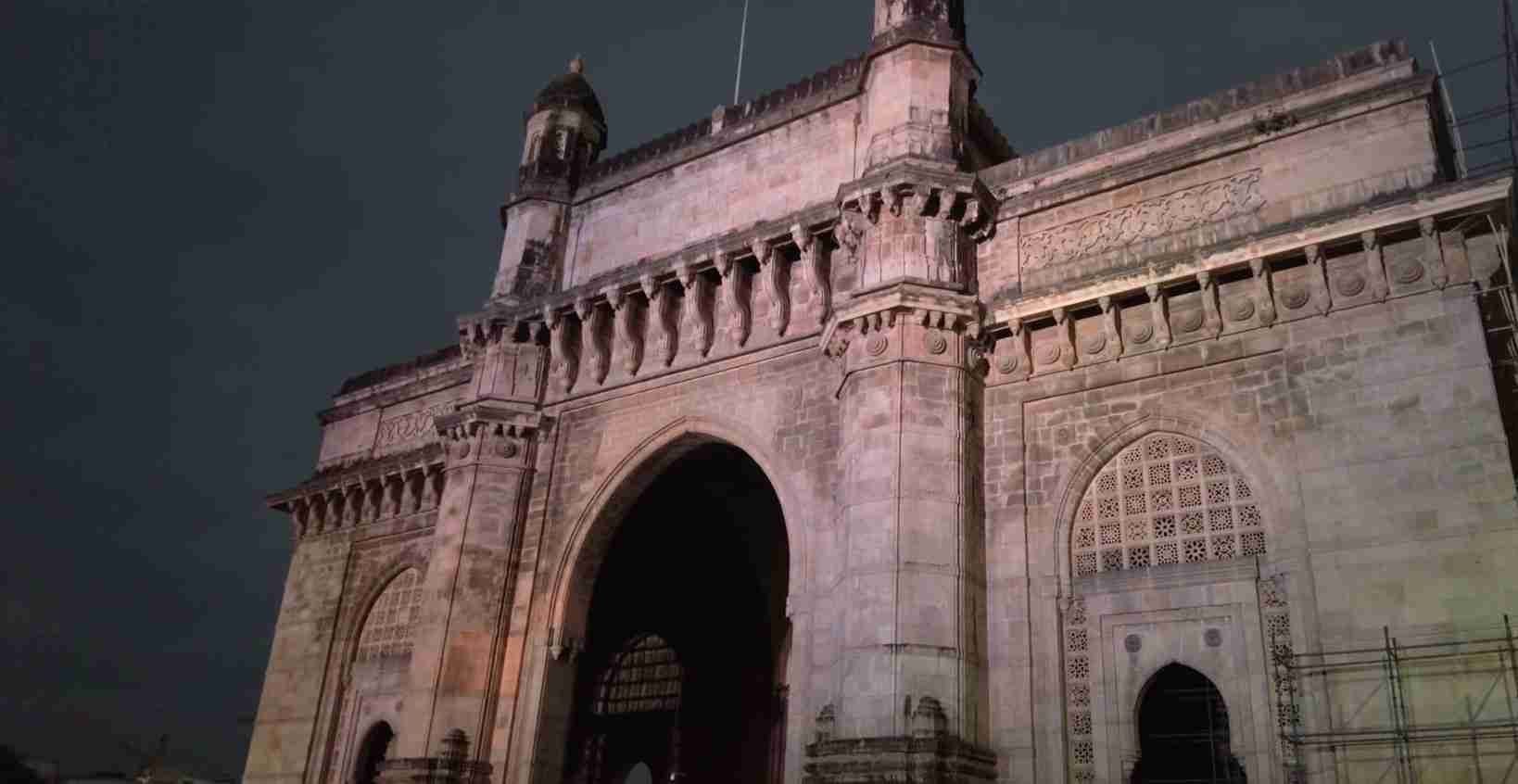
Standing sentinel over Mumbai Harbour, the Gateway of India represents far more than colonial architecture—it embodies India’s journey from empire to independence, serving as witness to both imperial arrivals and the final British departure. This 26-meter basalt arch, completed in 1924, remains Mumbai’s most iconic landmark and the starting point for millions of visitors exploring the city’s rich heritage.
Key Takeaways
- Designed by Scottish architect George Wittet in Indo-Saracenic style, blending Hindu, Muslim, and Gothic architectural elements
- Built to commemorate King George V and Queen Mary’s 1911 visit to India, though construction took 13 years to complete
- Served as symbolic gateway for British dignitaries arriving by sea and witnessed the departure of the last British troops in 1948
- Located at Apollo Bunder in Colaba, directly opposite the historic Taj Mahal Palace Hotel, with views across the Arabian Sea
- Functions as the departure point for ferries to Elephanta Caves UNESCO World Heritage Site and other harbor destinations
- Open to visitors year-round with no entry fee, making it Mumbai’s most accessible historic monument
People Also Ask About Gateway of India Mumbai
Why was the Gateway of India built in Mumbai?
The Gateway of India was built to commemorate the landing of King George V and Queen Mary at Apollo Bunder on December 2, 1911, during their visit to India for the Delhi Durbar. The foundation stone was laid on March 31, 1911, by Sir George Sydenham Clarke, the Governor of Bombay, though the royal couple only saw a cardboard model of the proposed structure during their visit. The monument was conceived as a grand ceremonial entrance to India for British dignitaries and governors arriving by sea, symbolizing the power and majesty of the British Empire. Ironically, the completed Gateway witnessed a reversal of this symbolism when the last British troops departed through it on February 28, 1948, marking the end of colonial rule in India.
Who designed the Gateway of India and what architectural style was used?
Scottish architect George Wittet designed the Gateway of India, with his final plans receiving approval in 1914. Wittet created the monument in the Indo-Saracenic architectural style, a uniquely British colonial approach that blended elements from Hindu, Muslim, and Gothic architecture. The design draws specific inspiration from 16th-century Gujarati architecture, particularly visible in the façade which resembles Gujarati mosque designs like the Jama Mosque in Ahmedabad. The structure combines the basic form of a Roman triumphal arch with intricate Islamic jali lattice screens, cusped arches, and a central dome reminiscent of Mughal architecture. This fusion created a monument that appeared to honor India’s diverse architectural heritage while simultaneously asserting British authority and design sensibility.
What materials were used to construct the Gateway of India?
The Gateway of India was constructed using yellow basalt stone sourced locally from Kharodi quarries, reinforced with concrete at its foundations—a relatively modern engineering technique for the 1920s. The basalt provides the monument’s distinctive honey-colored appearance, particularly striking during golden hour. The perforated jali screens, which feature intricate lattice work typical of Mughal architecture, were brought from Gwalior. The structure stands 26 meters high, with its central dome measuring 48 feet in diameter and rising to 83 feet. The arch’s construction required meticulous stone carving and engineering precision, taking four years of active construction work from 1920 to 1924, following years of planning and site preparation including the reclamation of Apollo Bunder between 1915 and 1919.
What is the historical significance of the Gateway of India?
The Gateway of India holds profound historical significance as both a symbol of colonial power and Indian independence. During British rule, it served as the ceremonial entrance for Viceroys and Governors of Bombay arriving by sea, embodying imperial grandeur and authority. The monument’s most poignant historical moment occurred on February 28, 1948, when the First Battalion of the Somerset Light Infantry passed through the Gateway, marking the departure of the last British troops from India following independence. This reversal of purpose—from imperial entrance to colonial exit—transformed the Gateway into a powerful symbol of India’s transition to sovereignty. Today, the statue of Chhatrapati Shivaji standing opposite the Gateway, installed in 1961 to replace the statue of King George V, reinforces this narrative of Indian triumph over colonial rule.
Extended multi-day tours – 5+ days
Featured Mumbai Multi-Day Tour Packages
3 days
Mumbai 3-Day Discovery Tour
- ✓ Comprehensive Mumbai experience
- ✓ Expert local guides included
- ✓ All accommodation included
- ✓ Transportation provided
5 days
Mumbai 5-Day Highlights Experience
- ✓ Comprehensive Mumbai experience
- ✓ Expert local guides included
- ✓ All accommodation included
- ✓ Transportation provided
7 days
Mumbai 7-Day Cultural Journey
- ✓ Comprehensive Mumbai experience
- ✓ Expert local guides included
- ✓ All accommodation included
- ✓ Transportation provided
10 days
Mumbai 10-Day Complete Adventure
- ✓ Comprehensive Mumbai experience
- ✓ Expert local guides included
- ✓ All accommodation included
- ✓ Transportation provided
Multi-day tour packages powered by TourRadar. Prices and availability subject to change.
Introduction: Mumbai’s Monumental Icon
The Gateway of India stands as Mumbai’s defining landmark, where history, architecture, and daily life converge against the backdrop of the Arabian Sea. Located at the southern tip of Apollo Bunder in the Colaba district, this magnificent arch has welcomed visitors to India’s commercial capital for a century, evolving from a symbol of British imperial power into an emblem of Mumbai’s enduring spirit.
Unlike many colonial monuments relegated to historical curiosity, the Gateway remains vibrantly alive in Mumbai’s daily rhythm. Each day, thousands gather at its base—tourists photographing the honey-colored basalt against blue skies, vendors selling fresh bhel puri and masala corn, street photographers offering instant prints, and locals simply enjoying the sea breeze. The plaza surrounding the Gateway transforms throughout the day: quiet at dawn when joggers claim Marine Drive, bustling by mid-morning as tour groups arrive, and romantic at sunset when couples watch boats glide across the harbor.
The monument’s location opposite the Taj Mahal Palace Hotel creates one of India’s most photographed architectural pairings. While the Taj represents luxury hospitality, the Gateway embodies civic grandeur, and together they frame Mumbai’s colonial heritage. Beyond its aesthetic appeal, the Gateway serves practical purposes as the departure point for ferries to Elephanta Caves, Mandwa, and other harbor destinations, making it not just a monument to visit but a working gateway to Mumbai’s maritime attractions.
Understanding the Gateway of India requires appreciating both its troubled colonial origins and its current role as a democratic public space. The monument that once proclaimed British supremacy now welcomes all without distinction—street vendors and international dignitaries, school children on field trips and couples on first dates, photographers and philosophers. This transformation from exclusive imperial symbol to inclusive public landmark mirrors India’s own journey over the past century.
Historical Background: From Imperial Vision to Independence Symbol
The 1911 Royal Visit and Initial Conception
The Gateway of India’s story begins with the grandest imperial spectacle India had witnessed: the December 1911 visit of King George V and Queen Mary, who came to India for their formal proclamation as Emperor and Empress of India at the Delhi Durbar. When the royal couple landed at Apollo Bunder on December 2, 1911, they stepped onto Indian soil through a temporary cardboard and plaster arch hastily erected for the occasion. This temporary structure, also designed by George Wittet, gave visitors a preview of the permanent monument planned for the site.
Sir George Sydenham Clarke, the Governor of Bombay, laid the foundation stone on March 31, 1911, at what was then a crude jetty used primarily by fishing communities. The choice of location was strategic—Apollo Bunder served as the primary arrival point for British officials and dignitaries traveling to India by sea, and the British administration wanted a monument that would impress visitors with the supposed grandeur and legitimacy of colonial rule from the moment they arrived.
The project represented an ambitious attempt to create an “Indian Arc de Triomphe”—a monument that would rival Europe’s great triumphal arches while incorporating architectural elements that claimed continuity with India’s Mughal and Hindu heritage. This architectural strategy aimed to suggest that British rule was a natural evolution of India’s history rather than foreign occupation, a propaganda message embedded in stone.
Design, Approval, and Construction Challenges
George Wittet, serving as Consulting Architect to the Government of Bombay, spent three years refining his design before receiving final approval in 1914. Wittet had already established his reputation designing other prominent Mumbai buildings including the Prince of Wales Museum (now Chhatrapati Shivaji Maharaj Vastu Sangrahalaya), the King Edward Memorial Hospital, and the Institute of Science. His Indo-Saracenic style—blending Islamic, Hindu, and Gothic elements—had become the preferred architectural language for major British public buildings in India.
The Gateway’s design drew specific inspiration from 16th-century Gujarati architecture, particularly the intricate jali screens and arched openings characteristic of Gujarati mosques and palaces. Wittet studied the Jama Mosque in Ahmedabad and incorporated similar façade treatments, believing this would make the monument feel authentically “Indian” to both British and Indian viewers. The central arch follows the form of a Roman triumphal arch, while the lattice work and four corner turrets reference Mughal architectural traditions.
Construction faced significant delays. The reclamation of Apollo Bunder to create stable foundations took from 1915 to 1919, as engineers worked to extend the land into the harbor and create a solid base for the massive structure. Active construction on the Gateway itself began in 1920 and continued for four years. The work was executed by Gammon India Limited, at that time the only construction company in India holding ISO 9001:1994 certification across all civil engineering disciplines—a testament to the project’s technical complexity.
The builders sourced yellow basalt from local Kharodi quarries, with each stone carefully carved and fitted. The reinforced concrete foundations represented relatively advanced engineering for the period, ensuring the structure could withstand Mumbai’s monsoons and the corrosive effects of sea air. The perforated jali screens, requiring particularly delicate stonework, were brought from craftsmen in Gwalior, famous for their lattice carving skills. The total cost reached approximately 21 lakh rupees, entirely borne by the Indian government—a fact that added insult to injury for Indians forced to fund a monument celebrating colonial rule.
Inauguration and Colonial Function
On December 4, 1924, the Earl of Reading, then Viceroy of India, formally inaugurated the completed Gateway of India in a ceremony befitting British imperial pageantry. The monument stood 26 meters high, with its central dome reaching 48 feet in diameter and 83 feet in height. The inscription carved into the stone reads: “Erected to commemorate the landing in India of their Imperial Majesties King George V and Queen Mary on the Second of December MCMXI.”
For the next two decades, the Gateway served exactly as intended—as a ceremonial entrance for British governors, viceroys, and distinguished visitors arriving by sea at Apollo Bunder. Ships from Britain would dock nearby, and dignitaries would pass through the Gateway to be received by colonial officials, with the monument lending grandeur and legitimacy to their arrival. The structure dominated the waterfront, visible to all ships entering Mumbai Harbour, proclaiming British power over what they called the “jewel in the crown” of their empire.
Yet the Gateway’s original purpose—to serve as the beginning of a grand processional route into the city—was never fully realized. Plans for a ceremonial boulevard leading from the Gateway into central Bombay were abandoned due to lack of funds, leaving the monument somewhat isolated at the water’s edge. This incomplete vision would later contribute to the Gateway’s transformation into a more democratic public space rather than an exclusively imperial ceremonial route.
The Ironic Symbolism of 1948
History delivered its supreme irony on February 28, 1948, when the Gateway of India witnessed an event its builders could never have imagined: the departure of the last British troops from India. The First Battalion of the Somerset Light Infantry marched through the Gateway as they left India for good, symbolically reversing the monument’s original purpose. The structure built as a grand entrance for colonial rulers became the exit through which those rulers departed, transforming the Gateway’s meaning in the collective Indian consciousness.
This symbolic reversal has become central to how Indians understand the monument. Rather than a source of colonial shame, the Gateway came to represent the triumph of independence—the very arch that proclaimed British arrival witnessed their departure. This narrative of reversal and redemption allowed the Gateway to survive the wave of colonial statue removals and renaming that swept India after independence.
In 1961, further reclaiming the Gateway’s symbolism, a statue of Chhatrapati Shivaji was unveiled on the grounds opposite the monument. Shivaji, the 17th-century Maratha warrior who fought against the Mughal Empire to establish Maratha rule, represents indigenous resistance to foreign occupation. The statue replaced one of King George V, completing the Gateway’s transformation from colonial monument to independence symbol. The George V statue was removed and stored, eventually finding its way to a tin shed behind Elphinstone College, where it remains largely forgotten—a fitting metaphor for the eclipse of British imperial pretensions.
Post-Independence Evolution
After independence, the Gateway of India could have become a relic, a reminder of uncomfortable history that Indians might prefer to forget. Instead, it evolved into something more complex and dynamic—a living monument that acknowledges colonial history while celebrating independence, a meeting place for all Indians regardless of background, and Mumbai’s most recognized symbol.
The monument has witnessed significant moments in independent India’s history. It served as a gathering point for protests, celebrations, and public mourning. After the November 2008 Mumbai terror attacks, which targeted the nearby Taj Mahal Palace Hotel among other locations, thousands gathered at the Gateway to light candles, mourn victims, and demonstrate Mumbai’s resilience. The monument became a symbol of the city’s determination to recover and continue, much as it had symbolized India’s determination to move forward after independence.
Today, the Gateway functions less as a monument to any particular historical event and more as a testament to Mumbai’s character—cosmopolitan, resilient, historically layered, and forever looking outward toward the sea and the world beyond. Its continued prominence suggests that monuments, like nations, can transcend their origins and acquire new meanings through use and reinterpretation.
Architectural Analysis: Indo-Saracenic Masterpiece
Design Philosophy and Stylistic Synthesis
The Gateway of India represents the apogee of Indo-Saracenic architecture, a style developed by British architects in India during the late 19th and early 20th centuries. This architectural approach sought to blend elements from Islamic, Hindu, and European Gothic traditions, creating buildings that appeared to synthesize India’s diverse architectural heritage while maintaining British design control and engineering standards. The style aimed to suggest cultural synthesis and imperial legitimacy, implying that British rule represented a natural evolution of India’s architectural traditions.
George Wittet’s design for the Gateway demonstrates masterful understanding of this synthetic style. The monument’s basic form derives from European triumphal arches—structures celebrating military victories in Roman, French, and British traditions. The Gateway follows the octopylon plan, with eight piers supporting the central arch, similar to classical European memorial arches. Yet Wittet overlaid this European structural framework with decorative elements drawn from Islamic and Hindu architecture, creating a monument that reads as distinctly “Indian” despite its European bones.
The façade treatment draws heavily from 16th-century Gujarati architecture, particularly the mosque designs of Ahmedabad and other Gujarat cities. The jali screens—perforated stone lattices that filter light and create intricate shadow patterns—represent a hallmark of Mughal architecture, here adapted to British imperial purposes. The four turrets rising from the corners of the structure reference both Islamic minarets and Hindu temple architecture, while the central dome echoes Mughal tomb and palace designs.
This architectural synthesis was intentional and calculated. By incorporating recognizable Indian architectural elements, Wittet aimed to make the Gateway feel rooted in Indian tradition rather than imposed by foreign power. The British believed this architectural diplomacy would help legitimize their rule, suggesting continuity with previous Muslim and Hindu dynasties rather than radical colonial disruption. Whether this strategy succeeded or merely insulted Indian architectural integrity remains debated among historians and architects.
Structural Elements and Engineering
The Gateway’s structure demonstrates impressive engineering for its era, combining traditional stone carving techniques with modern reinforced concrete technology. The monument stands 26 meters (85 feet) high, built entirely of yellow basalt sourced from Kharodi quarries near Mumbai. The basalt provides exceptional weather resistance, crucial for a structure exposed to monsoon rains and salt-laden sea air. After a century of exposure, the stone shows remarkably little weathering, testament to both material quality and skilled construction.
The central arch, the Gateway’s most prominent feature, spans approximately 15 meters and rises to the full height of the monument. Above this arch sits the central dome, measuring 48 feet in diameter and reaching 83 feet in height. The dome employs reinforced concrete construction hidden beneath basalt cladding, allowing for the span and height that pure stone construction would have made difficult or impossible. This combination of traditional exterior materials with modern structural techniques characterized much British construction in India during this period.
Four turrets rise from the corners of the structure, each capped with small domes and incorporating jali screens in their walls. These turrets serve both decorative and structural purposes, helping distribute the monument’s weight and providing visual balance. The turrets create the Gateway’s distinctive silhouette, immediately recognizable in Mumbai’s skyline even when viewed from considerable distance across the harbor.
The foundation required extensive engineering to create stable support in reclaimed harbor land. Workers drove piles deep into the seabed and created a massive concrete base before beginning the visible structure. This foundation work, completed between 1915 and 1919, proved essential to the Gateway’s longevity—no significant settling or structural problems have emerged despite a century of weathering, monsoons, and seismic activity.
Decorative Details and Ornamentation
The Gateway’s decorative program demonstrates extraordinary stonework and attention to architectural detail. The jali screens, the monument’s most intricate decorative elements, feature geometric patterns carved from individual stone panels. These perforated screens allow air circulation while creating constantly shifting patterns of light and shadow as the sun moves across the sky. The screens reference Mughal architectural traditions while serving practical purposes in Mumbai’s tropical climate.
The arch itself features multiple decorative bands carved in relief. These bands incorporate floral motifs, geometric patterns, and calligraphic elements drawn from Islamic architectural traditions. The carving quality demonstrates skilled craftsmanship, with each element crisp and clearly defined despite a century of exposure to weather. The stonework includes both Hindu and Islamic decorative vocabularies, though Islamic motifs predominate, reflecting Wittet’s particular interest in Gujarati mosque architecture.
The four faces of the Gateway feature varying levels of ornamentation, with the harbor-facing side receiving the most elaborate treatment. This side, which ships approaching Mumbai would see first, features the densest concentration of jali screens and carved relief work. The land-facing side, though less ornate, incorporates significant decorative elements including the inscription commemorating the 1911 royal visit.
Color plays a subtle but important role in the Gateway’s appearance. The yellow basalt provides a warm, honey-colored base that shifts from golden to amber depending on lighting conditions. During golden hour—the hour before sunset—the basalt glows intensely, creating spectacular photographic opportunities. The stone’s color also creates pleasing contrast with Mumbai’s typically blue skies and the deeper blue of the Arabian Sea visible beyond the monument.
Spatial Design and Urban Context
The Gateway stands at an angle to the road approaching it, a deliberate design choice that creates dynamic viewing perspectives as visitors approach. This angled placement means the monument never appears as a simple flat façade but always presents three-dimensional depth, with different elements visible from different angles. The design encourages movement around the structure, revealing new details and perspectives as viewers change position.
Behind the main arch, steps descend directly to the water’s edge, connecting the monument to the Arabian Sea. These steps serve as both practical access to the waterfront and symbolic connection between monument and maritime arrival. During high tide, waves occasionally lap at the lower steps, emphasizing the Gateway’s intended purpose as a maritime entrance point. The steps remain popular with locals and tourists who gather to watch boats, enjoy sea breezes, and photograph the harbor.
The plaza surrounding the Gateway creates public space for gathering, though this space has evolved considerably since the monument’s construction. Originally conceived as part of a grand ceremonial route, the plaza now functions more informally as market, meeting place, and observation deck. The lack of formal landscaping allows flexible use—vendors set up food stalls, photographers offer portrait services, and visitors sit on the ground enjoying snacks and conversation.
The Gateway’s relationship with the Taj Mahal Palace Hotel opposite creates one of Mumbai’s most iconic architectural pairings. The Taj, completed in 1903, predates the Gateway by two decades and represents a different architectural tradition—lavish hotel design mixing European and Moorish elements. Together, the Gateway and the Taj frame Apollo Bunder, creating a monumental entrance to the Colaba district that proclaims both civic grandeur and commercial luxury. This pairing has become so iconic that visitors often photograph both buildings together, capturing Mumbai’s unique blend of public monument and private enterprise.
Visiting the Gateway of India: Practical Guide
Location and Access
The Gateway of India stands at Apollo Bunder at the southern tip of Colaba, one of Mumbai’s most historic and tourist-friendly neighborhoods. The monument occupies a prominent waterfront position, directly facing the Arabian Sea, with the Taj Mahal Palace Hotel immediately to its right as you face the water. This location at the extreme southern end of Mumbai peninsula makes the Gateway easily accessible while maintaining a sense of separation from the city’s commercial bustle.
Reaching the Gateway requires minimal effort from anywhere in South Mumbai. Churchgate Station, the terminus of Mumbai’s Western Railway suburban line, sits approximately 2 kilometers away—a 25-30 minute walk through the Fort and Colaba neighborhoods, or a 10-minute taxi ride. Chhatrapati Shivaji Terminus (CST), the iconic Victoria Terminus on the Central Railway line, lies about 3 kilometers distant. From CST, BEST buses 111 and 112 depart regularly for Gateway of India, taking approximately 20-30 minutes depending on traffic.
For visitors arriving from other parts of Mumbai, taxis and auto-rickshaws provide convenient direct access. Mumbai’s metro system currently doesn’t extend to Colaba, though future expansions may change this. The nearest metro connectivity currently terminates several kilometers away at Churchgate and CST stations. From Chhatrapati Shivaji International Airport, the journey takes 45-90 minutes depending on traffic, covering approximately 30 kilometers through Mumbai’s dense urban landscape.
Walking from nearby Colaba Causeway, Mumbai’s famous shopping street, takes just 10-15 minutes, making the Gateway an easy addition to a Colaba shopping expedition. The approach walk passes several colonial-era buildings, offering architectural context for the Gateway itself. Directional signs appear regularly, and the Gateway’s prominence means it’s visible from several blocks away, making navigation straightforward.
Viewing and Photography
The Gateway rewards careful observation from multiple perspectives. The monument’s angled placement means different sides reveal different architectural details, encouraging visitors to walk around the structure rather than viewing it from a single vantage point. The harbor-facing side, with its elaborate jali screens and carved ornamentation, offers the most photogenic angles, particularly when blue sky provides backdrop contrast to the yellow basalt.
Photography is unrestricted and free, making the Gateway one of Mumbai’s most photographed landmarks. The best light occurs during golden hour—the hour before sunset when warm light enhances the basalt’s honey color and creates dramatic shadows in the carved details. Early morning light also works well, particularly for east-facing views that capture the monument against the rising sun. Midday sun can be harsh, flattening details and creating strong shadows that complicate photography, though this lighting can work for high-contrast black and white images.
For wide-angle shots capturing both the Gateway and the Taj Mahal Palace Hotel, position yourself in the plaza between the two buildings, approximately 50-100 meters from the Gateway. This distance allows both structures to fit in frame while maintaining sufficient detail. For detail photography of the jali screens and carved ornamentation, move close to the monument and use telephoto focal lengths to isolate specific architectural elements.
Crowds present the biggest photography challenge. The Gateway attracts constant visitor traffic, particularly on weekends and holidays when Mumbai residents join international tourists. For photographs without crowds, arrive at dawn—6:00-7:00 AM—when only morning joggers and a few vendors populate the plaza. This timing also provides soft light and relative quiet, allowing contemplation of the monument’s architecture without distraction. Alternatively, visit during late afternoon on weekdays when tourist traffic lightens somewhat before the evening rush.
Professional photographers offer portrait services at the Gateway, typically charging ₹50-100 for instant prints using Polaroid-style cameras. While these services cater mainly to domestic tourists, they provide a quick souvenir option and insight into how Indians experience the monument. The photographers know the best angles and lighting, making them worth consulting even if you’re not using their services.
Ferry Services to Elephanta Caves
The Gateway serves as the primary departure point for ferries to Elephanta Caves, a UNESCO World Heritage Site located on Elephanta Island approximately 10 kilometers from Mumbai. The ferry jetty sits immediately adjacent to the Gateway on the Apollo Bunder waterfront, making it impossible to miss if you’re visiting the monument.
Ferries operate daily except Mondays, when Elephanta Caves close for maintenance. The first ferry departs at 9:00 AM, with subsequent departures every 30 minutes until the last boat leaves at 2:00 PM. Return ferries from Elephanta Island run from noon until 5:30 PM, again at 30-minute intervals. The journey takes approximately one hour each way, making Elephanta Caves a viable half-day trip from the Gateway.
Two ferry classes serve the route: economy and luxury. Economy ferries charge ₹200 for round-trip tickets and feature basic bench seating. Luxury ferries cost ₹260 for round trips and offer plastic chair seating with slightly better comfort. Both classes access upper deck seating for an additional ₹10 charge, which proves worthwhile—upper decks provide better views of Mumbai Harbour, escape some of the lower deck’s noise and crowding, and catch more breeze during the crossing.
Purchase ferry tickets from the Maharashtra Tourism Development Corporation (MTDC) counter near the jetty. Expect queues, particularly on weekends and holidays when domestic tourism peaks. Arrive at least 30-45 minutes before your intended departure to allow time for ticket purchase and boarding. If planning to catch the first ferry at 9:00 AM, arriving by 8:15 AM ensures you’ll secure tickets and good seats without rushing.
Nearby Attractions and Activities
The Gateway’s Colaba location places visitors within walking distance of numerous Mumbai attractions. The Taj Mahal Palace Hotel, directly opposite the Gateway, merits a visit even if you’re not staying there. The hotel’s grand lobby and Sea Lounge offer glimpses of colonial-era luxury, and afternoon tea at the Sea Lounge provides classic Mumbai elegance with views across the harbor to the Gateway. The hotel’s heritage wing, dating to 1903, represents one of India’s finest examples of hotel architecture.
Colaba Causeway, Mumbai’s famous shopping street, runs parallel to the waterfront about 500 meters from the Gateway. This bustling street market offers clothing, jewelry, handicrafts, antiques, and street food. Bargaining is expected and part of the experience—vendors typically start prices 2-3 times higher than they’ll ultimately accept. The street also features numerous restaurants, cafes, and bars catering to the tourist traffic that Colaba attracts.
The National Gallery of Modern Art, housed in a heritage building about 1 kilometer from the Gateway, displays contemporary and modern Indian art in a beautiful colonial mansion. Entry costs ₹20 for Indian citizens and ₹500 for foreign tourists. The gallery’s collection spans Indian modernist movements and provides excellent context for understanding 20th-century Indian culture.
Kala Ghoda, Mumbai’s arts district, begins approximately 1 kilometer north of the Gateway. This neighborhood contains several important museums including the Chhatrapati Shivaji Maharaj Vastu Sangrahalaya (formerly Prince of Wales Museum), also designed by George Wittet. The museum’s collection covers Indian art, archaeology, and natural history, displayed in a magnificent Indo-Saracenic building completed in 1922. The Kala Ghoda neighborhood also hosts galleries, boutiques, and cafes, with a major arts festival held each February.
For those interested in colonial architecture, a walking tour starting from the Gateway can encompass the Fort district’s major buildings including the High Court, Bombay University, and numerous Victorian Gothic structures. These walks typically cover 3-5 kilometers and take 2-3 hours, providing comprehensive introduction to Mumbai’s architectural heritage.
Food and Refreshments
The Gateway plaza hosts numerous food vendors selling Mumbai street food specialties. Bhel puri—puffed rice mixed with vegetables, chutneys, and spices—represents the quintessential Mumbai snack, available from multiple vendors for ₹30-50 per serving. Masala corn, fresh corn on the cob roasted and seasoned with lime juice, chili powder, and salt, costs ₹30-40 and makes an excellent light snack while watching the harbor.
Vada pav, Mumbai’s signature fast food—a spiced potato fritter in bread with chutneys—appears at stalls around the Gateway for ₹15-30. This filling snack provides quick energy for visitors planning to explore the area on foot. Pani puri, crispy shells filled with spiced water and tamarind, offers adventurous eating for those willing to trust street food hygiene—vendors charge ₹20-40 for a serving of 6-8 puris.
For more substantial meals, the Taj Mahal Palace Hotel offers multiple dining options ranging from expensive fine dining to more moderate café service. The Sea Lounge serves afternoon tea and snacks with spectacular Gateway views, though prices reflect five-star hotel positioning. Leopold Café, located on Colaba Causeway about 500 meters from the Gateway, offers Western and Indian food in a historic setting—the café famously appears in the novel “Shantaram” and survived the 2008 Mumbai terrorist attacks, reopening defiantly days later.
Olympia Coffee House, also on Colaba Causeway, serves Irani café fare including chai, bun maska (bread with butter), and various Indian snacks. This historic café maintains traditional décor and reasonable prices, providing authentic Mumbai café culture. For South Indian food, Madras Café near Colaba Causeway offers excellent dosas, idlis, and filter coffee at moderate prices.
Bring bottled water if visiting during hot months—Mumbai’s heat and humidity can quickly dehydrate visitors. Vendors around the Gateway sell cold drinks and water bottles, though prices run higher than elsewhere in the city. Legitimate vendors charge ₹20-30 for bottled water, compared to ₹10-15 at regular shops. Check bottle seals carefully to ensure you’re getting factory-sealed water rather than refilled bottles.
Safety and Practical Considerations
The Gateway area is generally safe for tourists day and night, with heavy security presence and constant crowds providing natural deterrence to most crime. Mumbai Police maintain visible presence around the monument, particularly after the 2008 terrorist attacks heightened security awareness. Security personnel check bags at entry points to the Gateway plaza, a standard precaution that causes brief delays but enhances safety.
Pickpocketing and bag snatching represent the primary crime concerns in crowded tourist areas. Keep valuables secure and maintain awareness of your belongings, particularly in dense crowds. Use money belts or concealed pockets for passports, large amounts of cash, and credit cards. Carry only what you need for the day, leaving unnecessary valuables in hotel safes.
Touts and unauthorized guides congregate around the Gateway, offering various services from sightseeing tours to ferry ticket assistance. Most of these individuals run legitimate if informal businesses, but their prices typically exceed official rates significantly. For ferry tickets, purchase directly from the MTDC counter rather than through intermediaries. For tours, book through your hotel or established tour companies rather than street touts.
Photography touts operate around the Gateway, sometimes aggressively offering to take photos or suggesting “best” photo spots. While mostly harmless, these individuals often expect payment for services and can become pushy. Politely decline unwanted assistance and maintain control of your camera and phone. If you do accept photography services, agree on price beforehand to avoid disputes.
Begging occurs around the Gateway, particularly from children and mothers with infants. This presents ethical dilemmas for visitors—giving money may encourage exploitation of children by organized begging operations, while refusing can feel heartless. Consider donating to established charities addressing poverty rather than giving to street beggars. If you do give, small amounts (₹5-10) avoid creating expectations while acknowledging individuals’ situations.
Traffic around the Gateway can be chaotic, with cars, taxis, auto-rickshaws, and pedestrians competing for space on roads never designed for current traffic volumes. Cross streets carefully, watching for vehicles that may not stop for pedestrians despite crosswalks. Use pedestrian signals where available and follow local pedestrians when crossing busy streets—they know traffic patterns and safe crossing points.
Best Times to Visit
Seasonal Considerations
Mumbai’s tropical climate creates distinct seasonal patterns affecting Gateway of India visits. The post-monsoon months from November through February provide the most comfortable visiting conditions, with daytime temperatures ranging from 25-30°C, low humidity, and minimal rainfall. Clear skies during these months enhance photography and make extended outdoor time enjoyable. These months also see peak tourist traffic, with larger crowds particularly on weekends and holidays.
The hot season from March through May brings temperatures rising to 33-38°C with increasing humidity as monsoon approaches. Visiting during these months requires sun protection, frequent hydration, and tolerance for heat. The Gateway’s exposed waterfront location offers little shade, making midday visits uncomfortable. Early morning (6:00-9:00 AM) or late afternoon (5:00-7:00 PM) visits work better during hot months, allowing you to enjoy the monument while avoiding peak heat.
Monsoon season runs from June through September, bringing heavy rains that can disrupt travel plans. While the Gateway itself remains accessible during monsoons, ferry services to Elephanta Caves often cancel during rough seas, limiting some activities. Rain also complicates photography and makes outdoor exploration less pleasant. However, monsoon visits offer their own appeal—dramatic clouds, rain-washed air, powerful waves crashing against the waterfront, and far fewer tourists creating opportunities for contemplative visits.
The immediate pre-monsoon weeks in May can be particularly challenging, with high temperatures, extreme humidity, and oppressive conditions. Avoid visiting Mumbai during these weeks unless heat tolerance is exceptional or indoor air-conditioned attractions dominate your itinerary. The Gateway, being an outdoor monument, offers no escape from these conditions.
Daily Timing and Crowds
The Gateway itself is accessible 24 hours daily with no entry restrictions or fees, though security checks may occur at any time. Different times of day create distinct atmospheres and experiences. Dawn (6:00-7:30 AM) brings relative quiet with only morning joggers, vendors setting up stalls, and a few early-rising tourists. Soft morning light enhances photography, and cool temperatures make walking comfortable. This timing works exceptionally well for photographers seeking crowd-free images or contemplative visitors wanting to appreciate the monument’s architecture without distraction.
Mid-morning (9:00 AM-12:00 PM) sees increasing activity as tour groups arrive and ferry services to Elephanta Caves begin. Crowds build steadily, particularly on weekends when domestic tourists join international visitors. Photography becomes more challenging as people fill the plaza, though the activity itself can be photographed as part of Mumbai’s vibrant public life. This timing works well for those planning Elephanta Caves trips, allowing ticket purchase and boarding of early ferries.
Midday (12:00 PM-3:00 PM) brings peak heat and crowds during hot months, making this the least comfortable time to visit. During cooler months (November-February), midday visits work fine, though weekend crowds remain substantial. Vendors and photographers operate at full capacity, creating bustling commercial activity that some visitors enjoy while others find overwhelming.
Late afternoon (4:00-6:00 PM) provides excellent conditions, particularly during winter months. The heat moderates, light improves for photography as golden hour approaches, and school children and workers add to the crowd diversity. This timing captures Mumbai’s late-day energy as locals reclaim public spaces after work and school. Street food vendors do brisk business as people stop for snacks before heading home.
Sunset (6:00-7:30 PM) transforms the Gateway into a romantic destination as couples claim vantage points to watch the sun set over the Arabian Sea. The monument itself doesn’t directly face the setting sun, but the warm light creates beautiful conditions for photography and contemplation. After sunset, the Gateway is illuminated, creating different photographic opportunities against the darkening sky.
Evening (7:30 PM-10:00 PM) brings a different character as the monument lights up and night photography becomes possible. Fewer tourists remain, though local residents and couples continue to populate the area. Security presence increases after dark, and while the area remains generally safe, standard nighttime urban precautions apply. Some visitors prefer the Gateway’s lit appearance at night, finding the monument more dramatic than during daylight hours.
Special Events and Festivals
The Gateway hosts or anchors several annual events that transform the monument from static landmark into active cultural venue. Understanding these events allows visitors to either seek them out or avoid the associated crowds depending on preferences.
The Elephanta Festival of Music and Dance, held each February, now takes place in front of the Gateway rather than at Elephanta Caves themselves. This two-day cultural festival features classical Indian music and dance performances against the backdrop of the illuminated monument, creating spectacular evening events. The festival attracts large crowds of both tourists and Mumbai residents, making nearby accommodations difficult to book and creating significant congestion around the Gateway area.
Hanukkah celebrations have been held at the Gateway since 2003, when Rabbi Gavriel Noach Holtzberg of the Chabad Lubavitch Mumbai began the tradition. After Rabbi Holtzberg’s death in the 2008 terrorist attacks, the annual menorah lighting ceremony gained additional poignancy, serving as both religious observance and memorial. The ceremony typically occurs in December and draws Mumbai’s small but historically significant Jewish community along with other residents showing interfaith solidarity.
Independence Day (August 15) and Republic Day (January 26) see the Gateway decorated with Indian flags and hosting patriotic events. These national holidays attract large crowds of Indians celebrating their nation’s sovereignty, transforming the monument that once symbolized British rule into a stage for independence celebrations. The historical irony of celebrating independence at a colonial monument is not lost on participants, many of whom explicitly acknowledge this reversal of symbolism.
New Year’s Eve brings huge crowds to the Gateway area, with the waterfront becoming a major celebration venue. Hotels, restaurants, and bars in the area host parties, and the plaza fills with revelers counting down to midnight. This proves a poor time to appreciate the monument’s architecture but an excellent opportunity to experience Mumbai’s public celebration culture. Security presence increases significantly, and access to the immediate area around the Gateway may be restricted.
Cultural Significance and Contemporary Relevance
Symbol of Mumbai Identity
The Gateway of India has transcended its colonial origins to become the defining symbol of Mumbai itself. When people think of Mumbai, they envision the Gateway—its honey-colored arch framing views of the Arabian Sea, pigeons wheeling overhead, vendors selling bhel puri to tourists and locals alike. This transformation from imperial monument to civic icon represents a remarkable act of cultural appropriation, with Mumbaikars claiming and reimagining a structure built to celebrate their subjugation.
This reimagining works because the Gateway’s current function bears little resemblance to its intended purpose. Rather than serving as exclusive ceremonial entrance for British officials, it operates as democratic public space where anyone can gather regardless of class, religion, caste, or origin. Street vendors, corporate executives, foreign backpackers, school groups, elderly retirees, and young couples share the plaza, creating the kind of diverse mixing that characterizes Mumbai at its best.
The monument appears on everything from travel brochures to corporate logos, instantly signaling “Mumbai” to domestic and international audiences. This ubiquity has made the Gateway perhaps India’s most recognizable monument after the Taj Mahal, though their symbolic meanings differ dramatically—the Taj represents eternal love and Mughal artistic achievement, while the Gateway evokes commerce, cosmopolitanism, and urban energy.
Mumbai’s film industry, Bollywood, frequently uses the Gateway as establishing shot and narrative location. Countless films have featured scenes filmed at or near the monument, reinforcing its association with Mumbai in the national imagination. Songs celebrating Mumbai invariably reference the Gateway, cementing its status as the city’s iconic landmark regardless of the complicated colonial history embedded in its stones.
Meeting Point and Social Space
Beyond symbolic significance, the Gateway functions as practical meeting point for Mumbai residents and visitors. The monument’s fame and central location make it an obvious rendezvous spot—telling someone to meet you at the Gateway requires no further explanation or directions. On any given day, hundreds of meetings occur at the Gateway, from business lunches to romantic dates to family reunions.
This role as meeting place has made the Gateway witness to countless personal histories—first dates that led to marriages, family reunions after years of separation, friends reconnecting after time apart. These individual stories layer upon the monument’s official history, creating parallel narratives of personal rather than political significance. For many Mumbai residents, the Gateway’s importance lies not in what it commemorates but in the memories they’ve created there.
The plaza around the Gateway also serves as informal performance space. Musicians, acrobats, and street performers regularly entertain crowds, adding layers of activity and sound to the monument’s presence. These performances range from classical Indian music to contemporary pop, from traditional dance to modern street performance. While some performers work for tips, others perform simply for love of art and audience, contributing to the Gateway’s atmosphere of spontaneous cultural production.
Vendors create additional activity and commerce. Beyond food vendors, sellers offer toys, balloons, flowers, and souvenirs. Photographers pitch portrait services. Fortune tellers and palm readers set up shop. This commercial activity, while sometimes overwhelming for visitors seeking quiet contemplation, represents authentic Mumbai street culture. The vendors aren’t concessions to tourism but expressions of Mumbai’s informal economy adapting to the foot traffic that major monuments attract.
Photography and Popular Culture
The Gateway has become one of the world’s most photographed monuments, appearing in millions of tourist photos, professional photography, and social media posts. This constant documentation has created a vast archive of images showing how the monument appears under different conditions—dawn and dusk, clear skies and monsoons, festivals and ordinary days. Taken together, these images constitute a visual history of both the monument and the city it represents.
Professional photographers have elevated Gateway photography to art form. Iconic images show the monument silhouetted against dramatic skies, reflected in rain puddles, framing ships entering Mumbai Harbour, or dwarfed by modern high-rises in the background. These images appear in galleries, coffee table books, and commercial applications, contributing to the Gateway’s visual iconography.
Instagram and other social media platforms have democratized Gateway photography while creating new visual clichés. Certain angles and compositions appear repeatedly—selfies with the arch, forced perspective shots pretending to hold the monument, symmetrical compositions centered on the arch. While photography purists may dismiss these repetitive images, they represent millions of individual experiences of the monument, each meaningful to the person creating them regardless of artistic originality.
The Gateway also appears in political and social commentary, often photographed during protests or public demonstrations that use the monument as backdrop. These images leverage the Gateway’s symbolic power to add weight to political messages, suggesting connections between colonial history, contemporary politics, and Indian identity. The monument’s ability to absorb and reflect these varied meanings demonstrates its continued cultural vitality.
Contested Memory and Decolonization Debates
Despite its current popularity, the Gateway remains a colonial monument celebrating British imperial power. This creates ongoing debates about how Indians should relate to structures built to commemorate their subjugation. Some argue that colonial monuments should be removed or relegated to museums, while others contend that the Gateway’s transformation from imperial symbol to democratic space represents a more powerful decolonization than simple removal would achieve.
The fact that the Gateway witnessed the departure of the last British troops gives it particular resonance in these debates. Unlike statues of colonial officials that simply celebrate conquest, the Gateway has become associated with independence through the historical accident of the 1948 British departure. This association allows Indians to claim the monument as symbol of colonial defeat rather than colonial victory, though this interpretation requires accepting and highlighting the monument’s ironic reversal of meaning.
The replacement of King George V’s statue with Chhatrapati Shivaji’s statue represents explicit symbolic reclamation. Shivaji, who fought against the Mughal Empire to establish Maratha rule, embodies indigenous resistance to foreign domination. Placing his statue at the Gateway creates dialogue between colonial architecture and anti-colonial heroism, suggesting that Indians have claimed the space while acknowledging its problematic origins.
Contemporary decolonization movements have largely left the Gateway untouched, though occasional proposals surface to rename or reconceptualize it. The monument’s integration into Mumbai’s identity, its practical functions (ferry departure point, meeting place), and its association with the 1948 British departure have protected it from more radical decolonization efforts. Whether this represents pragmatic accommodation or insufficient reckoning with colonial history remains contested.
The Gateway in Context: Comparing India’s Iconic Arches
Gateway of India vs. India Gate
Foreign visitors frequently confuse Mumbai’s Gateway of India with Delhi’s India Gate, though the monuments serve different purposes and carry different meanings. Understanding these distinctions clarifies each monument’s significance and helps visitors appreciate their unique characteristics.
India Gate in Delhi, designed by Edwin Lutyens and completed in 1931, commemorates the 82,000 soldiers of the undivided Indian Army who died during World War I and the Third Anglo-Afghan War. The monument functions as war memorial rather than gateway, though its arch form creates superficial similarity to Mumbai’s Gateway. India Gate stands 42 meters tall—significantly higher than the Gateway of India’s 26 meters—and employs a more austere architectural style drawing from classical European war memorials rather than Indo-Saracenic synthesis.
While both monuments represent British imperial architecture, they serve different commemorative purposes. The Gateway of India celebrates royal visit and imperial authority, while India Gate memorializes Indian soldiers who died fighting for the British Empire. This creates different emotional resonances—the Gateway’s colonial triumphalism versus India Gate’s more complex mixture of sacrifice, service, and posthumous questioning of whether that service deserved the Indian blood it cost.
Both monuments have been successfully appropriated into post-independence Indian nationalism, though through different mechanisms. The Gateway’s association with the 1948 British departure gives it explicit independence symbolism, while India Gate’s transformation occurred more gradually as Indians reinterpreted the memorial to honor Indian military service generally rather than specifically British imperial wars. The Amar Jawan Jyoti (eternal flame) added beneath India Gate in 1971 completed this transformation, making the memorial celebrate Indian military valor regardless of which flag those soldiers fought under.
Architecturally, the monuments represent different approaches to British imperial building in India. The Gateway embraces Indo-Saracenic fusion, incorporating Indian architectural elements to suggest cultural synthesis and imperial legitimacy. India Gate employs European classicism more purely, asserting British architectural authority with minimal concession to Indian traditions. This difference reflects the monuments’ different purposes—welcoming visitors requires more cultural accommodation than memorializing military dead.
Other Indian Gateways and Arches
India contains numerous other gateway monuments, both pre-colonial and colonial, providing context for understanding the Gateway of India’s place in Indian architectural history. The Buland Darwaza at Fatehpur Sikri, built by Mughal Emperor Akbar in 1602, stands 54 meters high, making it significantly taller than the Gateway of India. This victory arch celebrates Akbar’s conquest of Gujarat through monumental scale and intricate decoration that influenced later Indo-Saracenic architecture including the Gateway.
The Rumi Darwaza in Lucknow, completed in 1784, represents Awadhi architecture at its height. This ornate gateway employed Persian and Turkish architectural elements, creating a model of Indo-Islamic synthesis that British architects like Wittet studied when developing Indo-Saracenic styles. Comparing the Rumi Darwaza’s authentic evolution of Indo-Islamic traditions with the Gateway of India’s British-imposed synthesis reveals how colonial architecture appropriated and repackaged Indian architectural heritage.
Numerous smaller gateways dot Indian cities, from the Delhi Gate in Delhi’s old city to various darwazas in Jaipur, Hyderabad, and other historically significant cities. These pre-colonial gateways served practical defensive purposes while embodying symbolic authority, functioning as controlled entry points to walled cities. The Gateway of India, in contrast, served purely symbolic purposes with no defensive function, representing a different conception of what gateways mean in the age of European colonialism.
Conservation and Preservation
Structural Condition and Challenges
After a century of exposure to Mumbai’s challenging climate, the Gateway of India remains in remarkably good structural condition, testament to quality construction and periodic maintenance. The yellow basalt has weathered well, showing minimal erosion despite constant exposure to salt-laden sea air, monsoon rains, and tropical sun. The reinforced concrete foundations have performed admirably, with no significant settling or structural movement despite being built on reclaimed harbor land.
However, maintaining this condition requires ongoing vigilance and intervention. Salt from sea spray accelerates corrosion of any exposed metal elements, requiring regular inspection and protective treatment. The jali screens, with their delicate lattice work, prove particularly vulnerable to damage from weathering and human contact. Some screens have developed cracks or lost small pieces of stone, requiring careful restoration using matching basalt and traditional carving techniques.
Pollution poses increasing threats to the monument. Mumbai’s air quality has deteriorated significantly since the Gateway’s construction, with vehicle emissions, industrial pollution, and general urban particulates depositing on the monument’s surfaces. This pollution creates dark staining, accelerates stone weathering, and can react chemically with the basalt to cause long-term damage. Regular cleaning helps control these effects, though aggressive cleaning risks damaging the stone’s surface.
Climate change creates new preservation challenges. Rising sea levels threaten to increase the frequency of high tide flooding that reaches the monument’s base, potentially compromising foundations. More intense monsoons may accelerate erosion and water damage. Temperature fluctuations cause expansion and contraction of materials that can gradually weaken structural joints and create cracks in stone elements.
Maintenance and Restoration Efforts
The Archaeological Survey of India, in collaboration with Mumbai authorities, oversees Gateway preservation. Regular maintenance includes cleaning, minor repairs, and monitoring of structural condition. Major restoration campaigns occur periodically when accumulated damage exceeds what routine maintenance can address. These restorations have generally followed conservation principles prioritizing minimal intervention and reversibility, avoiding changes that would alter the monument’s historical character.
Recent restoration work has focused on cleaning pollution-darkened surfaces and repairing damaged jali screens. Conservators use gentle chemical and mechanical cleaning methods that remove deposits without damaging the underlying stone. Where screens have lost pieces, new elements are carved from matching basalt using traditional techniques, though new work is subtly marked to distinguish restoration from original fabric—an important conservation principle maintaining historical authenticity.
Lighting systems have been upgraded several times, most recently with LED systems that reduce energy consumption while improving illumination quality. These systems allow varied lighting schemes for different occasions while minimizing heat output that could damage stone surfaces. The current lighting emphasizes the monument’s architectural details while creating dramatic nighttime presence visible across the harbor.
Security infrastructure installed after the 2008 Mumbai terrorist attacks required sensitive integration to avoid compromising the monument’s appearance. Security cameras, barriers, and screening facilities were designed to be as unobtrusive as possible while providing necessary protection. This balance between security needs and heritage preservation represents ongoing challenge for monuments in public spaces potentially vulnerable to attack.
Future Preservation Priorities
Looking forward, preservation efforts must address several emerging challenges. Climate adaptation strategies need development to protect the monument from rising seas and intensifying weather events. This may include improving drainage systems, applying protective treatments to vulnerable stone elements, and creating emergency response plans for extreme weather.
Visitor management requires attention as increasing tourism creates physical stress on the monument. While the Gateway welcomes visitors freely, extremely high traffic concentrates wear on popular areas, particularly the steps leading down to the water. Subtle traffic management—using barriers to distribute wear more evenly, creating designated viewing points that protect vulnerable areas, and educating visitors about preservation—can help control this damage without restricting access.
Documentation represents crucial preservation tool. Creating detailed 3D scans and photographic records ensures that if damage occurs, conservators can accurately restore affected elements. These records also enable virtual experiences that might reduce pressure on the physical monument. Several institutions have begun creating high-resolution 3D models of the Gateway that could support both conservation work and digital heritage applications.
Community engagement strengthens preservation by creating constituencies who value the monument and support its maintenance. Educational programs explaining the Gateway’s history, architecture, and preservation needs help Mumbai residents and visitors understand what’s at stake in maintaining this heritage. When people understand and care about a monument, they’re more likely to support funding preservation and respect the structure itself.
Frequently Asked Questions
Is there an entry fee to visit the Gateway of India?
No, the Gateway of India has no entry fee and remains accessible to all visitors at all times. The monument operates as public space rather than ticketed attraction, reflecting its evolution from exclusive colonial symbol to democratic gathering place. Security screening may occur, particularly after increased vigilance following the 2008 terrorist attacks, but this involves brief bag checks rather than ticket purchase. Ferry services to Elephanta Caves departing from adjacent jetties do charge fees, but accessing the Gateway monument itself costs nothing. This free access makes the Gateway one of Mumbai’s most democratic attractions, welcoming everyone regardless of economic status.
What are the Gateway of India opening hours?
The Gateway of India is accessible 24 hours daily with no closing times or restricted hours. As an outdoor monument in public space, it can be visited at any time day or night. However, different times offer different experiences—early morning (6:00-8:00 AM) provides quiet contemplation with minimal crowds, midday brings bustling activity and maximum tourist traffic, sunset (6:00-7:30 PM) offers romantic atmosphere and golden-hour photography, and night provides illuminated views of the monument. Ferry services to Elephanta Caves operate only during daylight hours (9:00 AM-2:00 PM departures, returning until 5:30 PM) and close Mondays, but the Gateway itself remains accessible regardless of ferry schedules.
How long does it take to visit the Gateway of India?
Most visitors spend 30-60 minutes at the Gateway of India itself, sufficient time to photograph the monument from multiple angles, walk around its perimeter, enjoy views across the harbor, and perhaps purchase street food from nearby vendors. Brief visits (15-20 minutes) work for those simply wanting photographs before continuing to other attractions. Extended visits (1-2 hours) suit travelers who enjoy watching the harbor activity, observing Mumbai street life, or waiting for optimal photography light. Visitors combining Gateway viewing with Elephanta Caves ferry trips should plan 5-6 hours total, including ferry travel time and cave exploration. The Gateway’s proximity to Colaba Causeway, the Taj Mahal Palace Hotel, and other attractions makes it easy to integrate into longer South Mumbai touring days.
Can you go inside the Gateway of India?
The Gateway of India is an arch monument rather than building with interior spaces, so there is no “inside” to enter in the traditional sense. Visitors can walk through the arch’s three passages and climb the steps behind the monument that descend to the water’s edge, but no interior rooms or chambers exist to explore. The monument’s architecture is designed to be viewed and photographed from outside, with its beauty residing in the carved stone facades, jali screens, and overall architectural composition. The most rewarding approach involves walking around the entire monument to view it from different angles, moving close to appreciate decorative details, then stepping back to capture its full height and proportions against the sky and sea.
What is the best time of day to photograph the Gateway of India?
Golden hour—the hour before sunset—provides optimal photography light, when warm low-angle sun enhances the yellow basalt’s honey color and creates dimensional shadows in the carved details. Morning golden hour (30-60 minutes after sunrise) also works well, particularly for the monument’s east-facing elements, though this timing requires very early arrival (6:00-7:00 AM). Overcast days create soft even lighting that works well for architectural detail photography, avoiding the harsh shadows that bright midday sun creates. For dramatic nighttime photography, the monument’s illumination becomes active after sunset, creating opportunities for long-exposure photography capturing both the lit monument and surrounding city lights. Avoid midday sun (11:00 AM-2:00 PM) during clear weather, when harsh overhead light flattens details and creates unflattering shadows.
How do I get from the Gateway of India to Elephanta Caves?
Ferries to Elephanta Caves depart from jetties immediately adjacent to the Gateway of India, making the connection straightforward. Purchase tickets from the Maharashtra Tourism Development Corporation (MTDC) counter near the jetty—economy class costs ₹200 round-trip, luxury class ₹260 round-trip. Ferries depart every 30 minutes starting at 9:00 AM, with the last boat to the island leaving at 2:00 PM. The journey takes approximately one hour each way. Return ferries operate from noon to 5:30 PM, also at 30-minute intervals. The entire day trip typically requires 5-6 hours including ferry travel and cave exploration. Ferries and Elephanta Caves close Mondays for maintenance. Upper deck seating costs an additional ₹10 but provides better views and breeze during the crossing.
Is the Gateway of India wheelchair accessible?
The Gateway of India plaza is generally accessible for wheelchair users, with relatively flat paved surfaces around the monument allowing close approach for viewing and photography. However, the steps behind the Gateway descending to the water’s edge are not wheelchair accessible. Ferry services to Elephanta Caves present accessibility challenges—boarding requires navigating steps and narrow passages, and Elephanta Island itself involves a steep climb of 120 steps to reach the caves. Wheelchair users can visit and photograph the Gateway monument itself without significant difficulty, but exploring all elements of the site and accessing ferry services may prove challenging. The surrounding Colaba area features uneven sidewalks and heavy pedestrian traffic that can complicate wheelchair navigation, though main roads remain passable with assistance.
What should I wear when visiting the Gateway of India?
The Gateway of India imposes no dress code, operating as secular public monument rather than religious site. Casual comfortable clothing works perfectly well, though consider weather conditions and cultural context. During hot months (March-May), lightweight breathable fabrics, sun hats, and sunscreen protect against Mumbai’s intense sun and humidity. Comfortable walking shoes suit exploration of the surrounding Colaba area, though the Gateway plaza itself requires minimal walking. During monsoon (June-September), bring rain protection and quick-drying clothing. Modest dress shows cultural sensitivity—avoid extremely revealing clothing like very short shorts or bare midriffs, though standard Western casual wear causes no issues. If planning to visit religious sites after the Gateway, carry a scarf or shawl that can cover shoulders and head as required by temples and mosques.
Are there guided tours of the Gateway of India?
While the Gateway itself doesn’t require guided tours—it’s a single monument easily appreciated independently—numerous Mumbai walking tours include the Gateway as starting or ending point. These tours provide historical context and architectural explanation that enhance appreciation, connecting the Gateway to broader narratives of Mumbai’s colonial history, independence movement, and contemporary culture. Tours typically last 2-3 hours and cover multiple Colaba and Fort area monuments including the Gateway. Costs range from ₹500-2000 depending on group size and tour quality. Book through hotels or established tour companies rather than street touts who congregate around the monument. Audio guides available through smartphone apps offer self-guided alternatives providing historical information without human guides. The Gateway’s relatively simple architectural program and prominent position make it accessible to independent visitors, though those interested in deeper historical and architectural understanding benefit from expert guidance.
What hotels are near the Gateway of India?
The Taj Mahal Palace, directly opposite the Gateway, represents Mumbai’s most prestigious hotel, offering luxury accommodation with spectacular monument views from many rooms. Rates reflect five-star positioning, typically starting around ₹15,000-25,000 per night. The hotel’s heritage wing dates to 1903 and provides historic charm alongside modern amenities. Numerous budget and mid-range options exist within walking distance in the Colaba area, including Hotel Godwin (mid-range), Sea Shore Hotel (budget), and Residency Hotel (mid-range). These alternatives offer proximity to the Gateway at more accessible prices (₹2,000-8,000 per night depending on season and room type). The nearby Strand Hotel and Gordon House Hotel provide boutique options balancing character and reasonable rates. Colaba’s density of accommodations makes finding hotels near the Gateway straightforward across all budget ranges.