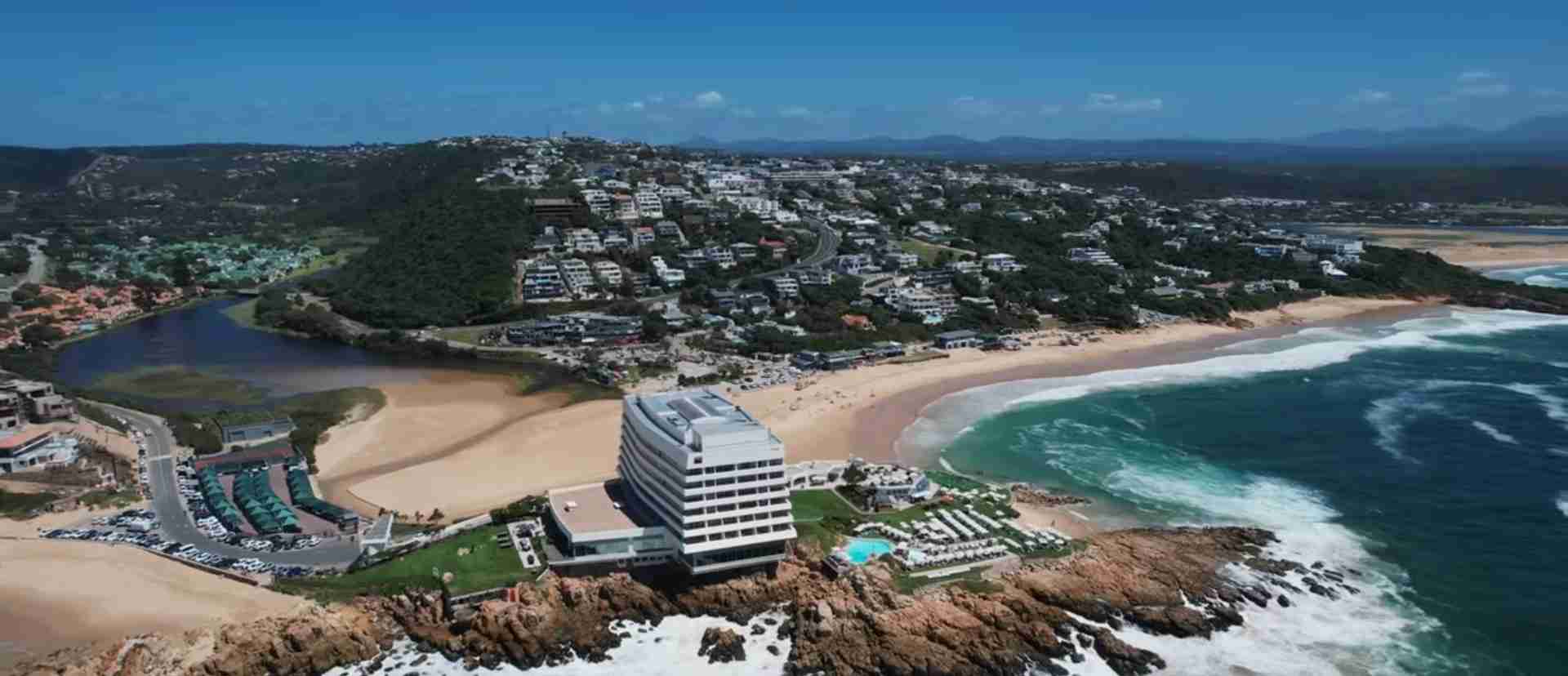
Garden Route South Africa: 7-Day Itinerary & Complete Driving Guide 2026
Key Takeaways:
- Garden Route road trip costs R4,500-6,800 per person for 7 days excluding accommodation, with car rental R500-800 daily for economy vehicles
- Best driving route covers 750 kilometers from Cape Town to Port Elizabeth with optimal stops in Hermanus, Knysna, Plettenberg Bay, and Tsitsikamma
- No 4×4 required – standard sedans handle N2 highway conditions perfectly, with scenic Route 62 accessible to all vehicle types
- October-November and March-April offer optimal weather conditions with fewer crowds and competitive pricing for 2026 travel
- Advance bookings essential for Knysna and Plettenberg Bay accommodations during December-January peak season, book 4-6 months ahead
- Daily budgets range R650-950 per person excluding accommodation, with significant savings through self-catering and early activity bookings
Introduction: Planning Your Garden Route Adventure 2026
South Africa’s Garden Route stretches 300 kilometers along the southeastern coast between Mossel Bay and Storms River, creating one of the world’s most spectacular coastal drives. This comprehensive guide provides complete planning information for your 2026 Garden Route road trip, combining detailed itineraries with practical driving advice and accurate budget planning.
The Garden Route encompasses diverse landscapes from coastal cliffs and pristine beaches to indigenous forests and mountain passes. Major destinations include Hermanus for whale watching, Knysna with its famous lagoon and Heads, Plettenberg Bay’s golden beaches, and Tsitsikamma National Park’s ancient forests. The extended 7-day itinerary begins in Cape Town and concludes in Port Elizabeth, covering approximately 750 kilometers of coastal magnificence.
This 2026 planning guide addresses practical considerations including current vehicle rental costs, accommodation strategies, activity pricing, and road conditions. The itinerary balances scenic driving with destination exploration, wildlife encounters with cultural experiences, and adventure activities with relaxation opportunities. Whether traveling as couples, families, or solo adventurers, this guide provides the planning framework for an exceptional Garden Route experience.
The guide follows confident, accurate planning principles with specific 2026 pricing information, verified cost calculations, and practical booking strategies. All accommodation recommendations span budget to luxury categories, activity costs reflect current South African tourism pricing, and driving distances account for scenic stops and route variations. The goal is comprehensive, actionable planning information that transforms Garden Route dreams into realized adventures.
People Also Ask About Garden Route 2026
How much does a Garden Route road trip cost in 2026?
A 7-day Garden Route road trip costs R4,500-6,800 per person excluding accommodation in 2026 (check current rates as pricing may vary). This includes vehicle rental R3,500-5,600 total (R500-800 daily), fuel R1,800-2,400 for 750 kilometers, activities R2,000-3,500, and meals R2,500-4,200. Budget travelers spending R650-850 daily focus on self-catering, free beaches, and economical guesthouses R800-1,200 per night. Mid-range travelers allocating R1,200-1,800 daily enjoy restaurant meals, guided activities, and comfortable hotels R1,800-3,000 per night.
Vehicle rental represents the largest fixed cost, with economy cars R500-650 daily, SUVs R800-1,200 daily, and luxury vehicles R1,500-2,500 daily from major providers including Avis, Hertz, and Europcar. Comprehensive insurance adds R150-250 daily but eliminates excess liability concerns. Fuel costs R20-25 per liter with total consumption 60-75 liters for the complete route, equivalent R1,200-1,875 depending on vehicle efficiency.
Activity pricing varies significantly by category. Wildlife experiences including whale watching R900-1,200, penguin viewing R180-250, and game drives R450-850 per person. Adventure activities feature Bloukrans Bridge bungee R1,750-2,100, Storms River canopy tours R850-1,050, and Robberg Peninsula hikes R80-120 entrance fees. Cultural attractions including Cango Caves R280-380, ostrich farms R220-320, and local markets R150-300 for crafts and tastings.
Accommodation costs fluctuate dramatically by season and category. Budget options including backpacker hostels R350-550 per person, guesthouses R800-1,200 per room, and self-catering apartments R1,200-1,800 per unit provide economical foundations. Mid-range hotels and boutique lodges R1,800-3,000 per room offer enhanced comfort and locations. Luxury resorts and private villas R4,500-8,000+ per night deliver premium experiences with ocean views and exclusive amenities. December-January peak season pricing increases 40-60% above shoulder season rates.
What is the best time to drive the Garden Route in 2026?
October-November and March-April provide optimal Garden Route driving conditions in 2026, combining pleasant weather, moderate crowds, and competitive pricing. October-November spring season offers temperatures 18-24°C, blooming fynbos vegetation, and southern right whale presence in Hermanus through early November. Accommodation availability remains good with mid-season pricing, and popular activities require 2-3 weeks advance booking rather than the 2-3 months needed for peak season.
March-April autumn delivers similar temperature ranges 17-23°C with stunning coastal light for photography, calmer ocean conditions for water activities, and harvest season at wine estates along Route 62. Crowds diminish significantly after February school holidays, creating relaxed exploration opportunities. Activity operators offer autumn specials typically 15-25% below summer rates, and accommodation pricing drops 20-35% from December-January peaks.
December-January summer represents peak season with maximum tourist activity, full accommodation bookings, and premium pricing across all services. Temperatures reach 25-32°C with occasional hot spells, perfect for beach activities but requiring advance planning. Book accommodations 4-6 months ahead for popular destinations including Knysna, Plettenberg Bay, and Wilderness. Activity reservations become essential 6-8 weeks in advance for whale watching, adventure sports, and guided nature experiences.
June-August winter brings cooler temperatures 12-18°C, occasional rain particularly in Knysna and Tsitsikamma, and the lowest accommodation rates of the year. Winter suits travelers seeking solitude, dramatic coastal scenery, and budget-conscious exploration. Popular restaurants and attractions maintain regular schedules, though some outdoor adventure activities operate on reduced timetables. Vehicle rental rates drop 25-40% below summer pricing, and negotiation opportunities increase significantly.
Weather patterns show coastal areas experience Mediterranean climate with mild, wet winters and warm, dry summers. Knysna and Plettenberg Bay receive higher rainfall than Mossel Bay and Hermanus, averaging 120-180mm monthly during winter versus 40-70mm summer. Wind conditions vary by location, with Cape Town experiencing strong southeasters during summer requiring flexible driving plans. Tsitsikamma and Storms River receive consistent rainfall year-round, supporting the lush indigenous forests but requiring rain gear regardless of season.
Do you need a 4×4 for the Garden Route in 2026?
No, standard sedan vehicles handle Garden Route driving perfectly in 2026. The primary N2 highway maintains excellent asphalt conditions throughout the route, with regular maintenance ensuring smooth driving surfaces. Scenic detours including Route 62, Seven Passes Road, and coastal viewpoints remain accessible to all vehicle types with normal ground clearance. The only exceptions requiring 4×4 vehicles include specific off-road game reserves and unmarked mountain passes not part of standard itineraries.
Economy sedans priced R500-650 daily provide sufficient performance for highway driving, city exploration, and standard scenic routes. These vehicles achieve optimal fuel efficiency 6-8 liters per 100 kilometers, reducing total fuel costs significantly. Trunk space accommodates 2-3 large suitcases plus day bags, adequate for couples or small families on 7-day trips. Manual transmissions cost R50-100 less daily than automatics, though automatic transmission adds convenience for unfamiliar left-side driving.
SUVs and crossovers costing R800-1,200 daily offer enhanced comfort for longer drives, better visibility from elevated seating positions, and increased luggage capacity for families or groups. These vehicles provide psychological confidence on mountain passes including Outeniqua Pass and Bloukrans River gorge, though mechanical requirements remain minimal. All-wheel-drive features add minimal practical benefit on paved roads but increase rental costs R150-250 daily.
Luxury sedans and performance vehicles R1,500-2,500 daily deliver superior comfort, advanced safety features, and enhanced driving dynamics for enthusiasts prioritizing the journey as much as destinations. Premium brands including BMW, Mercedes-Benz, and Audi offer refined road trip experiences with superior noise insulation and audio systems. These rentals suit couples or small groups seeking elevated travel comfort and willing to allocate higher budgets to transportation components.
Vehicle selection considerations extend beyond capability to insurance coverage, fuel efficiency, and luggage requirements. Comprehensive insurance costing R150-250 daily eliminates excess liability ranging R15,000-35,000 for damage claims, providing peace of mind on unfamiliar roads. Fuel efficiency becomes significant over 750 kilometers, with economy cars consuming 45-60 liters total versus SUVs requiring 60-75 liters. Luggage space matters for self-catering travelers purchasing groceries and wine, or families with children requiring strollers and beach equipment.
How many days do you need for the Garden Route in 2026?
Seven days provides ideal duration for comprehensive Garden Route exploration in 2026, balancing scenic driving with destination immersion and activity participation. This timeframe allows 4-5 hours daily driving at relaxed pace with frequent scenic stops, 2-3 activities daily without rushed scheduling, and 1-2 nights in primary destinations including Hermanus, Knysna, Plettenberg Bay, and Tsitsikamma. The 7-day itinerary accommodates diverse interests from whale watching and hiking to wine tasting and cultural experiences.
Five-day condensed itineraries work for travelers with limited vacation time or combining Garden Route with other South African destinations. This compressed schedule requires longer daily drives 5-6 hours, selective activity participation focusing on priority experiences, and single-night stays in most destinations. Five days covers essential highlights including Hermanus whale watching, Knysna lagoon exploration, Plettenberg Bay beaches, and Tsitsikamma forest hikes, though eliminating Route 62 detours and extended wildlife experiences.
Ten-day extended itineraries suit travelers seeking depth over breadth, allowing 2-3 nights in favorite destinations, comprehensive activity participation including multi-day hiking trails, and exploratory detours to Oudtshoorn, Route 62 wine estates, and inland game reserves. Extended duration accommodates slower travel pace, spontaneous discoveries, and weather flexibility without compressed scheduling pressure. Families with children, photography enthusiasts, and nature lovers particularly benefit from additional time allowing unrushed exploration.
Three-day express trips from Cape Town or Port Elizabeth cover basic highlights but sacrifice immersive experiences for quick sampling. These brief itineraries suit business travelers adding personal days, cruise passengers on shore excursions, or explorers conducting reconnaissance for future extended visits. Express trips focus on 1-2 primary destinations with drive-through experiences at others, eliminating most hiking, wine tasting, and cultural immersion opportunities.
Duration decisions balance vacation length with travel style, budget considerations, and destination priorities. Longer stays allow better value from accommodation bookings, deeper local connections, and reduced daily driving stress. Shorter trips concentrate on iconic highlights but require efficient planning and acceptance of missed experiences. The 7-day recommended itinerary represents optimal balance delivering comprehensive Garden Route experience without overwhelming schedule pressure or excessive transportation costs.
Extended multi-day tours – 5+ days
Featured Garden Route Multi-Day Tour Packages
5 days
5 Day Garden Route Adventure Including Addo
- ✓ Comprehensive Garden Route tour
- ✓ Expert local guides included
- ✓ All accommodation arranged
- ✓ Transportation provided
11 days
South Africa: Cape Town & The Garden Route
- ✓ Comprehensive Garden Route tour
- ✓ Expert local guides included
- ✓ All accommodation arranged
- ✓ Transportation provided
5 days
5-Day Group Garden Route & Addo Adventure Tour (one-way)
- ✓ Comprehensive Garden Route tour
- ✓ Expert local guides included
- ✓ All accommodation arranged
- ✓ Transportation provided
10 days
South Africa : Wildlife, Garden Route & Mother City Cape Town
- ✓ Comprehensive Garden Route tour
- ✓ Expert local guides included
- ✓ All accommodation arranged
- ✓ Transportation provided
Multi-day tour packages powered by TourRadar. Prices and availability subject to change.
Essential Planning Information 2026
Garden Route Overview and Geography
The Garden Route officially extends 300 kilometers between Mossel Bay and Storms River along South Africa’s southeastern coast in Western and Eastern Cape provinces. The extended tourist route incorporates Cape Town as western anchor and Port Elizabeth as eastern terminus, creating 750-kilometer journey. The N2 national highway forms the primary corridor, with scenic alternatives including coastal R102 and inland Route 62 providing variation and discovery opportunities.
Geographic diversity defines the region’s appeal, combining rugged coastline, indigenous forests, tranquil lagoons, and mountain ranges. The Outeniqua and Tsitsikamma mountains create dramatic backdrops rising 1,500-1,700 meters inland from the coast. Seven major rivers including Gouritz, Wilderness, Knysna, and Storms River carved spectacular gorges flowing from mountains to ocean. Ancient indigenous forests cover approximately 60,000 hectares, supporting yellowwood trees reaching 40 meters height and 800 years age.
Climate patterns show year-round moderate temperatures and consistent rainfall supporting the lush vegetation that inspired the “Garden Route” name. Coastal areas experience Mediterranean influence with warmer, drier summers and cooler, wetter winters. Inland mountain regions receive higher precipitation exceeding 1,000mm annually, creating the moisture conditions sustaining indigenous forests. Ocean temperatures range 14-20°C, comfortable for summer swimming but requiring wetsuits for extended water activities.
Major destination towns punctuate the route at regular intervals, each offering distinct character and attractions. Hermanus 120 kilometers east of Cape Town specializes in land-based whale watching June-November. Mossel Bay marks the Garden Route’s official western boundary with historical significance and water sports. Knysna centers on the famous lagoon and Heads, serving as the route’s commercial hub. Plettenberg Bay delivers golden beaches and upmarket atmosphere. Tsitsikamma National Park protects ancient forests and dramatic coastline including Storms River mouth.
Supporting infrastructure includes excellent road conditions throughout the N2 corridor, comprehensive cellular coverage in populated areas, and regular fuel stations every 40-60 kilometers. Automated teller machines (ATMs) operate in all major towns accepting international cards. Tourist information offices provide free maps, activity booking assistance, and accommodation recommendations. Medical facilities including private hospitals operate in Knysna, Mossel Bay, and Plettenberg Bay, with 24-hour emergency services available throughout the route.
Current Costs and Pricing 2026
Vehicle rental represents the largest single expense for Garden Route road trips, with economy cars costing R500-650 per day, mid-size sedans R650-800 per day, and SUVs R800-1,200 per day in 2026 (check rental company websites for current official rates as pricing may vary). Seven-day rentals from major providers including Avis, Hertz, Europcar, and Tempest provide better daily rates than shorter periods, typically 15-20% below single-day pricing. Comprehensive insurance adds R150-250 daily but eliminates excess liability concerns ranging R15,000-35,000 for damage claims.
Fuel costs R20-25 per liter with total consumption 60-75 liters for the complete 750-kilometer route, equivalent to R1,200-1,875 depending on vehicle efficiency and driving style. Economy cars achieving 6-7 liters per 100 kilometers minimize fuel expenses, while larger SUVs consuming 9-10 liters per 100 kilometers increase costs proportionally. Additional fuel expenses arise from side trips, town exploration, and detours to scenic viewpoints, adding 10-20% to basic consumption estimates.
Accommodation pricing varies dramatically by category, location, and season. Budget options including backpacker hostels R350-550 per person in shared dorms, basic guesthouses R800-1,200 per double room, and self-catering apartments R1,200-1,800 per unit provide economical foundations. Mid-range hotels and boutique lodges R1,800-3,000 per room deliver comfortable amenities, convenient locations, and included breakfasts. Luxury resorts, private villas, and exclusive lodges R4,500-8,000+ per night offer premium experiences with ocean views, fine dining, and spa services.
Activity costs span wide range depending on experience type and operator quality. Wildlife experiences including Hermanus whale watching boat tours R900-1,200 per person, Plettenberg Bay dolphin cruises R850-1,050, and private game drives R450-850 depending on reserve exclusivity. Adventure activities feature Bloukrans Bridge bungee jumping R1,750-2,100, Tsitsikamma canopy tours R850-1,050, and Robberg Peninsula guided hikes R450-650 including transport.
Cultural and educational experiences offer diverse pricing structures. Cango Caves standard tours R280-380 per person, adventure tours R400-520, ostrich farm visits R220-320 including interaction opportunities, and wine tastings along Route 62 R100-250 per person at quality estates. Most experiences accept credit card payments, though small operators and markets prefer cash transactions.
Restaurant meals range significantly by establishment type and location. Casual cafes and local eateries serve breakfast R80-150 per person, lunch R120-220, and dinner R180-350 without alcohol. Mid-range restaurants charge R150-250 for substantial meals, R180-320 for dinner with wine. Fine dining establishments command R450-750 per person for multi-course meals with wine pairings. Self-catering significantly reduces food costs, with supermarket groceries R150-250 daily per person for quality ingredients.
Road Conditions and Requirements
The N2 highway maintains excellent asphalt conditions throughout the Garden Route, with regular maintenance ensuring smooth driving surfaces. The road features two lanes in each direction between major towns, reducing to single lanes in mountainous sections. Traffic flow remains moderate except during December-January peak season when volumes increase significantly particularly on Friday afternoons and Sunday evenings.
Driving occurs on the left side of the road following British convention, requiring adjustment for visitors from right-side driving countries. Speed limits range 60 km/h in towns, 80-100 km/h on secondary roads, and 120 km/h on national highways. Speed enforcement operates through fixed cameras and mobile units, with fines ranging R500-1,500 for infractions. Most rental vehicles include GPS navigation systems, though cellular data provides Google Maps access as reliable alternative.
License requirements specify international visitors need either an International Driving Permit accompanying home country licenses, or home licenses containing English translation and photograph. Drivers must be minimum 18 years age for basic vehicles, 21-23 years for larger vehicles and automatics depending on rental company policies. Additional drivers add R50-100 daily to rental costs, with both drivers requiring documentation verification.
Safety considerations include wildlife hazards particularly in Tsitsikamma National Park areas where baboons, monkeys, and occasionally larger animals approach roads. Driving occurs primarily during daylight hours, as poorly lit rural roads and potential hazards make night driving inadvisable. Fuel stations operate regularly every 40-60 kilometers along the N2, though filling up before entering national parks or remote areas provides security.
Parking availability varies by destination. Major towns including Knysna, Plettenberg Bay, and Wilderness offer street parking, paid municipal lots, and mall parking facilities. National parks charge vehicle entrance fees R80-120 plus per-person conservation fees R40-80. Many accommodations provide free on-site parking, essential given vehicle security concerns in urban areas. Beach access points typically include free parking, though popular locations fill quickly during summer weekends.
Garden Route 7-Day Itinerary 2026
Day 1: Cape Town to Hermanus (2026)
Depart Cape Town morning, allowing 2-3 hours for the 120-kilometer drive to Hermanus via coastal R44 route passing through Gordon’s Bay and Betty’s Bay. This scenic alternative to the N2 highway adds 30 minutes to driving time but delivers spectacular coastal views, boulder beach colonies, and mountain passes. Stop at Stony Point Nature Reserve in Betty’s Bay for African penguin viewing, entrance R80 per person, allowing 45 minutes for boardwalk exploration and photographs.
Arrive Hermanus by early afternoon, checking into accommodation and enjoying lunch at harbor-front restaurants. Hermanus serves as world capital for land-based whale watching, with southern right whales visiting June-November for breeding and calving. The Cliff Path stretches 12 kilometers along the coastline, providing elevated viewing positions and interpretation signage. Walk sections of the path during afternoon, particularly between New Harbour and Grotto Beach, where whales approach within 50-100 meters of shore.
Evening options include sunset viewing from Rotary Way viewpoint, dinner at Bientang’s Cave restaurant built into cliff face, or exploring Old Harbour Museum R30 entrance fee documenting whaling history and marine ecology. For 2026 visitors arriving during whale season (June-November), consider booking morning whale watching boat tours for following day, costing R900-1,200 per person for 2-hour experiences with guaranteed sightings or free return trips.
Accommodation recommendations span budget Hermanus Backpackers R350-450 per person in shared dorms, mid-range Harbour House Hotel R2,200-3,400 per room with ocean views, and luxury Birkenhead House R12,000-18,000 per night for all-inclusive luxury villa experience. Book accommodations 2-3 months ahead for whale season visits, or 3-4 weeks for summer periods.
Day 1 Cost Summary: Penguin viewing R80, lunch R150-220, dinner R200-300, Cliff Path free, museum R30, parking R40-60. Total day cost: R500-710 per person (excluding accommodation R800-3,400 depending on category).
Day 2: Hermanus to Mossel Bay (2026)
Optional early morning whale watching boat tour departing 8:00-8:30 AM if booked previous evening, returning approximately 10:30 AM. The 2-hour cruises approach southern right whales during breeding season, with experienced guides providing marine biology education. Tours operate June-November only, with best viewing August-October. Cost R900-1,200 per person includes safety equipment and light refreshments.
Depart Hermanus by late morning for the 230-kilometer drive to Mossel Bay, allowing 3-4 hours including stops. The route follows N2 highway through Swellendam, South Africa’s third-oldest town featuring Cape Dutch architecture and Drostdy Museum. Stop for lunch in Swellendam at Koornlands Restaurant R150-250 per person, exploring the historic church square and craft shops. Continue to Mossel Bay arriving mid-afternoon.
Mossel Bay marks the Garden Route’s official starting point, known for historical significance as Bartolomeu Dias landing site in 1488 and contemporary appeal for water sports. Check into accommodation and visit the Bartolomeu Dias Museum Complex R80 per person, featuring full-size replica of Dias’ caravel, maritime museum, and shell museum. The Post Office Tree, a 500-year-old milkwood, served as mail collection point for passing sailors from 1500s.
Afternoon activities include swimming at Santos Beach, the town’s main beach with Blue Flag status, lifeguards December-April, and calm waters suitable for families. Adventurous travelers can cage dive with great white sharks costing R1,800-2,400 per person for 2-3 hour experiences, though bookings require 4-6 weeks advance notice during peak season. Evening options include harbor-front dining at Café Gannet or The Blue Shed, both offering seafood specialties and ocean views.
Accommodation options include budget Santos Express Train Lodge R450-650 per person in converted train cars on beach, mid-range Eight Bells Mountain Inn R1,400-2,200 per room with mountain views, and luxury The Point Hotel R4,500-7,200 per room overlooking the bay. Self-catering apartments R1,200-1,800 per unit suit families or longer stays.
Day 2 Cost Summary: Optional whale tour R900-1,200, lunch R150-250, museum R80, Santos Beach free, dinner R220-350, parking R40. Total day cost: R490-920 per person without whale tour, R1,390-2,120 with tour (excluding accommodation R450-2,200 depending on category).
Day 3: Mossel Bay to Knysna (2026)
Depart Mossel Bay morning for the 100-kilometer drive to Knysna, allowing 1.5-2 hours direct or 3-4 hours with recommended stops. First stop at Wilderness National Park entrance R80 per person conservation fee, exploring boardwalks through coastal forest and bird hides overlooking the estuary. The park supports 250 bird species including Knysna lourie, fish eagle, and various kingfisher species. Allow 1.5-2 hours for nature walks and wildlife viewing.
Continue to Sedgefield for lunch at Pili Pili restaurant R120-200 per person, then drive the scenic lakeside route passing seven interconnected lakes forming the Wilderness Lakes system. Stop at Map of Africa viewpoint overlooking the Wilderness lagoon’s distinctive continental shape, requiring short 10-minute walk from parking area. Photography enthusiasts should arrive during golden hour for optimal lighting conditions.
Arrive Knysna early afternoon, checking into accommodation before exploring the famous Knysna Heads. These dramatic sandstone cliffs flank the lagoon entrance, with viewpoints accessible from both Eastern Head and Western Head. Eastern Head requires 4×4 vehicle for final access road or 30-minute uphill walk from Featherbed ferry drop-off point. Western Head provides easier access via paved road to viewpoint and restaurant, no entrance fee required.
Late afternoon explore Knysna Waterfront, the town’s commercial and entertainment district featuring restaurants, craft markets, and charter boat operators. The waterfront comes alive during evening with live music at selected venues, fresh oyster bars including 34° South, and sunset views across the lagoon. Book Featherbed Nature Reserve tour for following day, costing R850-1,050 per person including ferry transfers, 4×4 vehicle transport, guided walks, and lunch buffet.
Accommodation recommendations include budget Knysna Backpackers R350-500 per person in shared spaces, mid-range Protea Hotel Knysna Quays R1,800-2,800 per room at waterfront location, and luxury Pezula Resort Hotel R6,500-9,800 per room on private estate with championship golf course. Self-catering options along lagoon R1,500-2,400 per unit provide excellent value for small groups.
Day 3 Cost Summary: Wilderness park R80, lunch R120-200, Map viewpoint free, Knysna Waterfront free, oysters R150-250, dinner R250-380. Total day cost: R600-910 per person (excluding accommodation R350-2,800 depending on category).
Day 4: Knysna and Featherbed Nature Reserve (2026)
Full day exploring Knysna without long-distance driving, beginning with morning Featherbed Nature Reserve tour departing 10:00 AM from Knysna Waterfront. The 4-hour experience includes ferry crossing to Western Head, 4×4 vehicle ascent to viewpoints, guided coastal forest walk highlighting indigenous vegetation and bird species, and lunch buffet featuring local specialties. Cost R850-1,050 per person covers all elements, with morning tours providing better photographic lighting and wildlife activity than afternoon alternatives.
The reserve protects 180 hectares of coastal forest and fynbos vegetation on the western Knysna Head, accessible only by boat followed by specialized vehicle transport. Guided walks reveal yellowwood trees, candlewood, stinkwood, and Cape beech in pristine indigenous forest. Bird species include Knysna lourie, olive woodpecker, paradise flycatcher, and various sunbird species. The viewpoint overlooks the lagoon entrance, Knysna town, and Eastern Head, creating spectacular photographic opportunities.
Return to Knysna waterfront approximately 2:00 PM with afternoon free for independent exploration. Options include visiting Mitchell’s Brewery for craft beer tasting R100-180 per flight, exploring Thesen Islands upmarket residential development with galleries and cafes, or renting kayaks R150-250 per hour for lagoon paddling from various waterfront operators. Swimming occurs at Buffalo Bay beach 20 kilometers west or Brenton-on-Sea 15 kilometers west, both offering calmer conditions than open ocean beaches.
Late afternoon consider driving the Seven Passes Road, a 75-kilometer scenic route following original ox-wagon path through indigenous forest, fynbos, and mountain passes. The route passes through Rheenendal, Phantom Pass, and Homtini Pass before rejoining N2 near Wilderness. Allow 2-3 hours for complete circuit with stops at viewpoints and short walks. Standard vehicles handle conditions adequately despite some gravel sections.
Evening options include fine dining at Île de Pain for French-influenced cuisine R450-750 per person, casual seafood at The Drydock Food Co. R250-400, or self-catering with ingredients from Knysna Farmers Market (Saturdays) or Pick n Pay supermarket. Waterfront entertainment includes live music venues and outdoor bars creating vibrant atmosphere during peak season.
Day 4 Cost Summary: Featherbed tour R850-1,050, brewery tasting R100-180, kayak rental R150-250, Seven Passes fuel R80-120, dinner R250-450. Total day cost: R1,430-2,050 per person (excluding accommodation).
Day 5: Knysna to Plettenberg Bay (2026)
Depart Knysna morning for the short 32-kilometer drive to Plettenberg Bay, allowing 30-45 minutes direct travel. En route stop at Noetzie Beach access, requiring 2-kilometer unsealed road to parking area then 10-minute walk down to beach featuring distinctive castle-like houses built into cliff face. The beach offers swimming, rock pool exploration, and dramatic photographic subjects, though waves can be powerful requiring caution.
Continue to Plettenberg Bay, known locally as “Plett,” arriving late morning to explore the town’s golden beaches. Central Beach and Lookout Beach both offer excellent swimming conditions, lifeguard services December-April, and beach amenities including showers and changing facilities. Parking costs R20-40 for full-day access. The Robberg Peninsula Nature Reserve entrance lies 8 kilometers south of town center, offering three hiking trail options from 2-hour loop to 4-hour complete circuit.
Check into accommodation and enjoy lunch at one of Plett’s beachfront restaurants including The Table or Blue Dolphin, both offering R150-280 lunch menus. Afternoon options include visiting Monkeyland and Birds of Eden sanctuaries, located 16 kilometers east on N2 highway. Combined entry costs R420-520 per person for both facilities, allowing 3-4 hours for complete tours including guided walk through free-flight bird sanctuary featuring 280 species and world’s largest free-flight aviary.
Alternatively, book dolphin and whale watching cruise departing afternoon from Plettenberg Bay harbor, costing R850-1,050 per person for 2-hour experience. Summer months (November-April) feature common dolphins, bottlenose dolphins, and occasional Bryde’s whales, while winter (June-October) brings southern right whale sightings. Ocean Safari and Enrico’s offer reputable services with experienced marine guides and guaranteed sighting policies.
Evening activities center on Plett’s restaurant scene, known for seafood and international cuisine. Burnt Kayak delivers contemporary dishes R350-550 per person, The Fat Fish serves casual fare R250-400, and The Lookout Deck provides sunset views with tapas R200-350. Central Beach area features evening markets during December-January offering crafts, street food, and live entertainment.
Accommodation ranges from budget Albergo Backpackers R380-520 per person, mid-range Bayview Hotel R2,200-3,600 per room with ocean views, and luxury Plettenberg Hotel R7,500-12,000 per room featuring spa, fine dining, and private beach access. Self-catering apartments near Central Beach R1,800-2,800 per unit suit families wanting beach proximity and flexible meal scheduling.
Day 5 Cost Summary: Noetzie parking R40, beach parking R20-40, lunch R150-280, Monkeyland/Birds R420-520, dinner R250-400. Total day cost: R880-1,280 per person (excluding accommodation R380-3,600 depending on category).
Day 6: Plettenberg Bay to Tsitsikamma (2026)
Morning dedicated to Robberg Peninsula Nature Reserve, departing accommodation by 8:00 AM to reach trailhead by 8:30 AM. Entrance fee R80 per person provides access to three trail options: the 2-kilometer Gap route (1 hour), 5.5-kilometer Witsand route (2 hours), or 9-kilometer full circuit (3.5-4 hours). The full circuit is recommended for fit hikers, providing dramatic coastal views, secluded beaches, rock formations, and potential seal colony viewing at the peninsula’s tip.
The trail combines well-maintained boardwalk sections with natural rock paths and beach walking, requiring proper footwear and sun protection. Wildlife includes Cape fur seals numbering 5,000-8,000 individuals on the peninsula’s outer islands, various seabird species, and occasional dolphins visible from cliff viewpoints. Bring water and snacks as no facilities exist beyond the entrance area. Photography opportunities abound with turquoise waters, dramatic cliffs, and ancient rock formations creating spectacular compositions.
Return to vehicle by early afternoon, driving 70 kilometers east on N2 to Tsitsikamma National Park. Stop en route at Bloukrans Bridge for optional bungee jumping from the world’s highest commercial bridge jump at 216 meters. Cost R1,750-2,100 per person includes safety briefing, equipment, multiple camera angles of the jump, and certificate. Viewing area with restaurant allows non-jumpers to observe while enjoying refreshments R80-150 for meals.
Arrive Tsitsikamma National Park at Storms River mouth entrance by mid-afternoon. Park entry costs R120 per person including vehicle access, providing access to suspension bridges, boardwalks, and hiking trails through indigenous coastal forest. The Mouth Trail leads 1 kilometer to suspension bridge spanning Storms River gorge, creating iconic photographic subject with rocky cliffs and crashing waves. Allow 1-2 hours for this easy walk with multiple viewpoints and interpretation signage.
Check into accommodation within Tsitsikamma National Park at Storms River Rest Camp offering oceanettes (budget cabins) R850-1,200 per unit, forest huts R1,200-1,800, or camping R250-350 per site. Alternative accommodation exists in Storms River village 5 kilometers from park entrance, including Tsitsikamma Village Inn R1,400-2,200 per room and various backpacker options R350-500 per person.
Evening options include sunset viewing from suspension bridge area (park open until 6:00 PM), dinner at Marilyn’s 60’s Diner in Storms River village for classic American fare R180-300 per person, or self-catering in rest camp facilities. The rest camp restaurant operates December-March serving R200-350 dinner menus emphasizing local ingredients and seafood.
Day 6 Cost Summary: Robberg R80, lunch R120-200, Bloukrans viewing free (jumping R1,750-2,100 optional), Tsitsikamma entry R120, dinner R180-300. Total day cost: R500-800 per person without bungee, R2,250-2,900 with bungee (excluding accommodation R250-1,800 depending on category).
Day 7: Tsitsikamma to Port Elizabeth (2026)
Final day begins with optional Otter Trail morning walk, following first section of South Africa’s most famous multi-day hiking trail. The 5-kilometer out-and-back route from Storms River Rest Camp follows rocky coastline through indigenous forest, requiring 2-3 hours including photo stops and wildlife observation. Alternatively, book morning canopy tour through Tsitsikamma forest, costing R850-1,050 per person for 2.5-hour zipline experience through yellowwood and stinkwood trees. Both options require advance booking and weather-appropriate gear.
Depart Tsitsikamma National Park by late morning for the 190-kilometer drive to Port Elizabeth, allowing 2.5-3 hours driving time. The route continues east on N2 highway through Humansdorp, passing pine plantations and agricultural lands with decreasing forest cover. Consider lunch stop in Jeffreys Bay, South Africa’s surf capital located 75 kilometers west of Port Elizabeth. The town features excellent beach breaks, surf shops, and casual restaurants serving R150-250 meals.
Jeffreys Bay offers optional activities including surf lessons R450-650 per person for 2-hour group sessions, beach time at Main Beach with lifeguard services, or browsing surf industry factory shops including Billabong and Quiksilver outlets offering 20-40% discounts on international retail prices. Allow 1.5-2 hours for town exploration before continuing final leg to Port Elizabeth.
Arrive Port Elizabeth mid-afternoon, South Africa’s fifth-largest city and primary gateway for returning rental vehicles. Drop-off locations operate at Port Elizabeth Airport and central business district, with after-hours returns available through key drop boxes. Allow 30-45 minutes for vehicle inspection and paperwork completion. Standard fuel policy requires returning vehicle with same fuel level as pickup, necessitating final fill-up at stations near airport or rental office.
Remaining afternoon options in Port Elizabeth include visiting Donkin Reserve for city views and historical lighthouse, exploring the Boardwalk Casino and Entertainment Complex featuring restaurants and shopping, or relaxing at Hobie Beach. Evening flights to Johannesburg or Cape Town depart regularly, with domestic terminals requiring arrival 60-90 minutes before departure. International connections to destinations worldwide operate through Johannesburg or Cape Town hubs.
For travelers extending South African adventures, Port Elizabeth serves as gateway to Addo Elephant National Park (70 kilometers north), Eastern Cape game reserves, or the Wild Coast region. Overnight accommodation in Port Elizabeth ranges from airport hotels R1,200-2,200 per room to beachfront properties R1,800-3,400, depending on onward travel timing.
Day 7 Cost Summary: Optional canopy tour R850-1,050, lunch R150-250, Jeffreys Bay parking R40, fuel fill-up R180-250, dinner R200-320. Total day cost: R570-1,070 per person without canopy tour, R1,420-2,120 with tour (excluding accommodation if staying overnight in Port Elizabeth R1,200-3,400).
Complete Driving Guide 2026
Vehicle Options and Rental Costs 2026
Economy vehicles including VW Polo, Toyota Corolla Quest, and similar models cost R500-650 per day in 2026, representing optimal value for budget-conscious travelers. These cars achieve 6-7 liters per 100 kilometers fuel consumption, seat 4-5 passengers comfortably for short distances, and provide adequate trunk space for 2-3 large suitcases. Manual transmission reduces daily rates R50-100 compared to automatic versions, though automatic provides easier operation for drivers unfamiliar with left-side driving.
Mid-size sedans and compact SUVs including Toyota Corolla Cross, VW T-Cross, and Nissan Qashqai range R650-900 per day, delivering enhanced comfort for extended driving sessions. These vehicles offer improved ride quality on imperfect road surfaces, better visibility from elevated seating positions, and increased luggage capacity essential for families or groups with outdoor equipment. Fuel consumption increases marginally to 7-9 liters per 100 kilometers, affecting total trip costs by R200-400 over seven days.
Full-size SUVs including Toyota Fortuner, Ford Everest, and similar vehicles cost R1,000-1,400 per day, providing maximum passenger and luggage space with enhanced confidence on diverse road conditions. These vehicles accommodate 5-7 passengers depending on configuration, with substantial rear storage capacity even with all seats occupied. Fuel consumption reaches 9-11 liters per 100 kilometers, adding R400-600 to total fuel costs compared to economy vehicles. The additional capability proves unnecessary for standard Garden Route itineraries but appeals to families requiring space or travelers planning extensive exploration including gravel roads.
Luxury vehicles including BMW 3-Series, Mercedes-Benz C-Class, and Audi A4 command R1,500-2,500 per day, delivering refined driving experiences with premium sound systems, superior climate control, and advanced safety features. These rentals suit couples or small groups prioritizing comfort and driving dynamics over basic transportation needs. Insurance costs typically include comprehensive coverage without additional fees, with excess liability R10,000-20,000 versus R25,000-35,000 for budget vehicles.
All rental categories require comprehensive insurance strongly recommended for international visitors unfamiliar with South African road conditions. Basic insurance included in daily rates typically maintains R25,000-35,000 excess liability, meaning renters pay this amount for any damage before insurance coverage activates. Comprehensive/super cover reducing excess to R0-5,000 costs additional R150-250 per day but eliminates financial risk from accidents, theft, or vandalism. Consider this protection essential given potential damage from wildlife, potholes, or parking incidents in unfamiliar environments.
Road Safety and Driving Tips
Left-side driving requires adjustment for visitors from right-side countries, with several days needed for complete comfort. Key adjustments include staying left after intersections, using correct lanes for passing (right lane overtakes left lane), and proper roundabout navigation (enter left, circulate clockwise, exit left). Windshield wipers and turn signals appear on opposite stalks from right-side vehicles, requiring conscious thought during first days of driving. Most rental vehicles include GPS navigation or smartphone mounts for Google Maps, providing turn-by-turn directions and reducing navigation errors.
Speed limits vary by road type and area, with enforcement through fixed speed cameras and mobile units. Urban areas maintain 60 km/h limits strictly enforced in school zones and residential neighborhoods. Rural secondary roads allow 80-100 km/h depending on conditions and signage. National highways including N2 permit 120 km/h maximum, though mountain passes and forest sections reduce this to 80-100 km/h. Fines for speeding violations range R500-1,500 depending on excess speed, with payment required within 30 days to avoid additional penalties. Rental companies pass fine notifications to customers with administration fees R150-300 added.
Wildlife hazards concentrate in national park areas and forested sections, particularly Tsitsikamma, Wilderness, and Knysna regions. Baboons frequently cross roads seeking food, requiring reduced speeds and careful observation. Tortoises cross roads regularly during summer months, easily missed at highway speeds. Larger wildlife including bushbuck and duiker occasionally emerge from forest areas during dawn and dusk periods. Never feed wildlife as this creates dangerous habitation and violates national park regulations with fines R1,000-5,000.
Pedestrian and cyclist presence increases significantly in towns and near beaches, requiring heightened awareness. Many areas lack sidewalks forcing pedestrians onto road shoulders, particularly in townships and informal settlements near major destinations. Cyclists share roads throughout the region, with groups often encountered on weekend mornings. South African law requires 1-meter minimum clearance when passing cyclists, with most Garden Route roads providing adequate width for safe passing.
Night driving creates elevated risks from poor road lighting, increased wildlife activity, and potential security concerns in urban areas. Schedule driving for daylight hours when possible, planning arrival at accommodations before dark. If night driving becomes necessary, reduce speeds significantly in rural areas without street lighting, use high beams when safe, and maintain heightened alertness. Avoid stopping on rural roads after dark except at well-lit service stations or 24-hour restaurants in populated areas.
Fuel Costs and Stations
Fuel costs R20-25 per liter for standard unleaded petrol (95 octane) in 2026, with prices fluctuating based on international crude oil prices and rand exchange rates. Service stations display prices prominently, with most stations within R0.50 per liter regardless of brand or location. Diesel costs approximately R1-2 less per liter than petrol, though most rental vehicles operate on petrol unless specifically requesting diesel vehicles. Premium petrol (98 octane) costs R2-3 more per liter, unnecessary for most vehicles unless specifically required.
Service stations operate regularly every 40-60 kilometers along N2 highway, with major brands including Shell, Engen, BP, Caltex, and Sasol maintaining consistent presence. Most stations include convenience stores, clean restrooms, and food outlets ranging from quick-service chains to coffee shops. Payment by credit card is accepted universally, though some stations charge R2-5 processing fees. Fuel attendants fill vehicles at all stations except rare self-service locations, with tipping R10-20 appreciated for service including windshield washing.
Strategic fueling points exist at major towns including George, Knysna, Plettenberg Bay, and Humansdorp, where competition creates marginally lower prices and better facilities. Fill up before entering national parks or remote areas like Tsitsikamma where stations are sparse. Night-time fueling is safe at well-lit stations in populated areas, though daytime fueling remains preferable. Many 24-hour stations operate in larger towns, providing overnight travelers with access when needed.
Fuel consumption calculations for trip planning show economy sedans consuming 45-55 liters for the complete 750-kilometer route, costing R900-1,375 total. Mid-size vehicles and compact SUVs use 52-65 liters, equivalent to R1,040-1,625. Full-size SUVs require 67-82 liters, totaling R1,340-2,050 for complete journey. These estimates include town driving, side trips, and detours to attractions, representing realistic total consumption rather than theoretical highway-only figures.
Cash versus card payment shows most South African fuel stations accept international credit and debit cards without issues. Visa and Mastercard work universally, with American Express and Diners Club accepted at major brand stations. Contactless payment systems including tap-to-pay operate at modern stations in larger towns. Carry R500-1,000 cash as backup for small purchases or stations with card system failures, though this scenario occurs rarely with modern infrastructure.
Budget Planning for 2026 Garden Route
Daily Cost Breakdown 2026
Transportation costs form the largest budget component, with vehicle rental R500-800 per day depending on vehicle class and insurance selection. Economy cars at R500-650 daily provide adequate performance for standard itineraries, while mid-size vehicles R650-800 daily deliver enhanced comfort justifying marginal cost increases for multi-day trips. Fuel consumption adds R180-250 daily for typical 100-120 kilometer driving days including side trips and town exploration. Comprehensive insurance at R150-250 daily eliminates excess liability concerns, recommended for international visitors despite increasing total transportation costs.
Accommodation represents variable expense spanning enormous range. Budget travelers utilizing backpacker hostels R350-500 per person in shared rooms or basic guesthouses R800-1,200 per double room minimize lodging costs. Mid-range hotels and boutique lodges R1,800-3,000 per room deliver comfortable amenities, convenient locations, and typically included breakfasts reducing meal expenses. Luxury resorts R4,500-8,000+ per night provide premium experiences but dramatically increase total trip costs. Self-catering apartments R1,200-2,400 per unit suit small groups sharing costs and preparing own meals.
Food costs vary dramatically based on dining choices. Budget approach emphasizing self-catering with supermarket groceries costs R150-250 per person daily, including breakfast supplies, picnic lunches, and dinner ingredients. Mix of casual cafes for breakfast/lunch with restaurant dinners ranges R350-550 per person daily. Full restaurant dining for all meals with mid-range establishments reaches R550-750 daily per person. Fine dining experiences add R450-750 per meal beyond standard budgets, appropriate for special occasions rather than daily practice.
Activity and entrance costs depend on interests and priorities. Essential national park fees including Wilderness R80, Robberg R80, and Tsitsikamma R120 per person total R280, representing excellent value for natural experiences. Signature experiences including Featherbed tour R850-1,050, whale watching R900-1,200, and adventure activities like bungee R1,750-2,100 or canopy tours R850-1,050 add significant costs but create memorable highlights. Budget travelers selecting free beaches, hiking trails, and town exploration minimize activity expenses to R50-150 daily for parking and occasional entrance fees.
Daily budget models for different traveler types show budget-conscious explorers spending R650-900 per person daily including R130-180 share of car rental, R30-40 fuel, R350-500 accommodation in hostel dorms or shared guesthouses, R150-250 groceries and casual meals, and R50-150 for basic activities. Mid-range comfort travelers allocate R1,200-1,800 daily with R180-250 vehicle costs, R300-400 per person accommodation share, R350-550 restaurant meals, and R200-400 activities. Luxury travelers exceed R3,000 daily per person with premium accommodation R2,000-4,000 per night share, fine dining R550-850, and exclusive experiences R450-1,000.
Money-Saving Strategies 2026
Advance planning delivers substantial savings across all budget categories, with early accommodation bookings capturing 20-35% discounts compared to last-minute rates. Book Knysna and Plettenberg Bay lodging 3-4 months ahead for summer visits, securing better rates and preferred locations before inventory diminishes. Shoulder season travel (March-April, October-November) provides 25-40% accommodation savings versus peak December-January periods, with better weather conditions than winter months.
Self-catering reduces food costs 50-70% compared to full restaurant dining, with supermarkets including Pick n Pay, Woolworths, and Spar operating in all major towns. Prepare breakfast and pack picnic lunches, reserving restaurant experiences for special dinners rather than all meals. Local markets in Knysna (Saturdays), Wilderness, and Sedgefield offer fresh produce, artisan breads, and local specialties at competitive prices. Braai (barbecue) equipment available at most accommodations enables South African outdoor cooking traditions at minimal cost.
Activity selection prioritizing free and low-cost experiences maintains travel quality while controlling budgets. Beaches throughout the route require no entrance fees, offering swimming, walking, and photography opportunities. Cliff Path in Hermanus, town exploration in Knysna, coastal viewpoints, and forest drives provide memorable experiences without costs. Combine one signature paid activity daily (Featherbed, whale watching, Robberg) with free exploration activities, creating balanced experiences without constant expense pressure.
Group travel dynamics enable significant per-person savings through cost sharing. Four adults sharing mid-size vehicle pay R163-200 daily each versus R500-800 for solo travelers. Accommodation sharing reduces costs dramatically, with four-person apartment or house rental R300-600 per person versus R800-1,200 for individual rooms. Grocery costs and gas money divide among participants, often reducing total per-person expenses 40-60% compared to solo travel while maintaining similar comfort levels.
Fuel economy optimization includes maintaining steady highway speeds 100-110 km/h rather than maximum 120 km/h, reducing consumption 10-15%. Minimize air conditioning use when ambient temperatures permit, consolidate town driving errands, and avoid excessive idling. These practices save R150-300 over complete trip without sacrificing travel quality or flexibility. Select economy vehicles achieving 6-7 liters per 100 kilometers rather than larger SUVs at 9-11 liters, saving R400-600 on total fuel costs.
Accommodation Strategies 2026
Budget Accommodation Options
Backpacker hostels operate throughout the Garden Route, providing social atmosphere and economical lodging R350-550 per person in shared dormitories. Hermanus Backpackers, Knysna Backpackers, and Albergo Backpackers in Plettenberg Bay offer clean facilities, communal kitchens, organized activities, and tour booking assistance. Private rooms at backpacker establishments cost R600-900 per room, suitable for couples seeking budget pricing with enhanced privacy. Most hostels include free WiFi, shared braai facilities, and common areas promoting traveler interaction.
Guest houses and B&Bs provide mid-budget option R800-1,500 per double room including breakfast, combining private accommodation with personalized service. These establishments typically feature 4-8 rooms in residential settings, with hosts offering local knowledge and dining recommendations. Breakfast ranges from continental to full cooked meals, eliminating morning meal costs. Garden Route guest houses concentrate in residential areas of Knysna, Wilderness, Plettenberg Bay, and Storms River village, requiring short drives to main attractions but offering quieter environments.
Self-catering apartments and cottages R1,200-2,400 per unit suit families and small groups, providing full kitchen facilities, laundry access, and flexible meal scheduling. These properties typically accommodate 4-6 people, dramatically reducing per-person costs compared to hotel rooms. Cook some meals using local ingredients from supermarkets and markets, preparing substantial lunches for day trips and enjoying relaxed dinners without restaurant reservations. Many self-catering properties offer multiple bedrooms and bathrooms, essential for families with children or groups of friends.
National park accommodation including Wilderness, Knysna, and Tsitsikamma rest camps provides excellent value R250-350 per campsite or R850-1,500 per cabin. These facilities place travelers within nature reserves, eliminating daily entrance fees and providing dawn/dusk wildlife viewing opportunities. Rest camp restaurants operate seasonally, though facilities typically include communal kitchens, braai areas, and basic provisions shops. Book national park accommodation 3-6 months advance through SANParks website, as availability diminishes quickly especially for school holidays and long weekends.
Booking strategies for budget accommodation emphasize advance planning during peak season balanced with last-minute deals during shoulder periods. December-January requires 3-4 months advance booking for any category, while March-April and October-November often yield same-week bookings. Use booking platforms including Booking.com, Airbnb, and local sites like LekkeSlaap for comparison shopping. Contact properties directly for stays exceeding three nights, requesting discounts not visible on booking platforms. Many establishments offer 7-night weekly rates 15-25% below cumulative nightly pricing.
Mid-Range and Luxury Options
Mid-range hotels and lodges R1,800-3,600 per room deliver reliable comfort, professional service, and strategic locations near attractions. Chains including Protea Hotels, City Lodge, and Premier Hotels maintain consistent standards with en-suite bathrooms, air conditioning, satellite television, and WiFi. Breakfasts typically included provide substantial meals eliminating morning dining costs. Properties concentrate near town centers and beach areas in Knysna, Plettenberg Bay, and George, offering walking access to restaurants and activities.
Boutique hotels and luxury lodges R3,500-7,500 per room provide enhanced experiences through distinctive design, personalized service, and premium locations. Establishments including Pezula Resort Hotel in Knysna, The Plettenberg Hotel, and Kurland Hotel near Plettenberg Bay deliver sophisticated accommodation with fine dining, spa facilities, and concierge services. These properties suit special occasions, honeymoons, or travelers prioritizing accommodation quality as destination component rather than merely overnight lodging.
Private villas and luxury self-catering R5,000-15,000+ per property accommodate larger groups or families seeking exclusive space with premium amenities. These rentals feature multiple bedrooms, private pools, full kitchens with premium appliances, and often include housekeeping and chef services. Hillside locations above Knysna lagoon, beachfront positions in Plettenberg Bay, and forest settings near Tsitsikamma provide exceptional settings. Cost per person decreases dramatically with full occupancy, making luxury villas viable for groups of 6-8 people compared to multiple hotel rooms.
Spa and wellness resorts R4,000-9,000 per room combine accommodation with comprehensive wellness facilities including spas, yoga programs, healthy dining, and fitness centers. Conrad Pezula, Fancourt Hotel, and selected Tsitsikamma properties focus on wellness experiences, attracting guests seeking relaxation and rejuvenation within natural settings. Spa treatments R850-1,500 per session, yoga classes R250-450, and wellness programs enhance accommodation experiences for health-focused travelers.
Booking strategies for mid-range and luxury properties balance advance planning with flexibility. Book signature properties in prime locations 3-6 months ahead for peak season, as inventory sells early. Shoulder season often provides excellent value, with luxury properties discounting rates 25-40% to maintain occupancy. Join hotel loyalty programs for major chains, earning points and accessing member-exclusive rates. Consider packages bundling accommodation with activities, spa treatments, or dining credits, often delivering 15-25% savings versus booking components separately.
Best Time to Visit Garden Route 2026
Seasonal Analysis for 2026
Summer season (December-February) brings warmest temperatures 22-30°C, maximum beach appeal, and peak tourist activity. Schools close mid-December through mid-January, creating family travel surge with fully booked accommodations and crowded attractions. Beaches including Plettenberg Bay, Wilderness, and Victoria Bay fill with swimmers, surfers, and sunbathers enjoying calm ocean conditions. Book accommodation 4-6 months advance for December-January, reserving activities 6-8 weeks ahead for guaranteed availability.
Advantages of summer travel include reliable weather patterns with minimal rain (40-70mm monthly), warm ocean temperatures 18-20°C suitable for extended swimming, and full operational schedules for all attractions and restaurants. Evening light extends until 8:00 PM enabling longer activity days and spectacular sunset photography. Disadvantages encompass premium pricing with accommodation costs 40-60% above shoulder season rates, crowded popular destinations requiring patience and early arrival for parking, and advance booking requirements eliminating spontaneous planning flexibility.
Autumn shoulder season (March-April) delivers excellent value with pleasant weather 18-24°C, diminishing crowds after school holidays, and competitive pricing. Ocean temperatures maintain summer warmth through March before cooling gradually during April. Accommodation availability improves dramatically with booking windows contracting to 2-3 weeks for most properties. Activity operators reduce rates 15-25% below summer peaks, creating excellent value for identical experiences.
March-April advantages include beautiful autumn light for photography with lower sun angles and golden tones, harvest activities at Route 62 wine estates, and relaxed atmosphere throughout destinations. Restaurants and attractions maintain full operations without summer chaos. Disadvantages involve slightly increased rainfall potential (70-100mm monthly) requiring weather flexibility, cooler ocean temperatures discouraging extensive swimming, and reduced wildlife activity compared to summer months.
Winter season (June-August) attracts dedicated whale watchers, budget travelers seeking lowest prices, and visitors prioritizing solitude over beach activities. Temperatures cool to 12-18°C with increased rainfall particularly in eastern Garden Route sections receiving 80-120mm monthly. Southern right whales arrive Hermanus waters June-November with peak viewing August-October, creating specific draw for wildlife enthusiasts. Accommodation rates drop 40-60% below summer pricing with last-minute bookings often available.
Winter advantages feature exceptional whale watching from land and boats, dramatic coastal scenery with powerful ocean swells, cozy accommodation atmosphere with fireplaces and hearty meals, and minimal crowds creating peaceful exploration. Disadvantages include limited swimming opportunities due to cold ocean temperatures 14-16°C, reduced hours for some attractions, higher rainfall requiring flexible planning, and earlier darkness reducing activity timeframes.
Spring shoulder season (September-November) mirrors autumn advantages with warming temperatures 16-23°C, wildflower blooming particularly spectacular in September-October, and excellent value pricing before summer surge. Southern right whales remain visible through November creating exceptional wildlife opportunities. Ocean temperatures warm gradually from 16°C to 18°C enabling swimming by late October. Accommodation books 2-4 weeks advance for most properties, maintaining spontaneity impossible during summer.
Spring advantages include magnificent wildflower displays, active wildlife breeding seasons creating photography opportunities, pleasant weather combining winter’s dramatic skies with summer’s warmth, and good value pricing 20-35% below summer rates. Disadvantages involve variable weather with occasional cold fronts bringing rain and wind, gradual tourism increase during November approaching summer levels, and some attractions maintaining reduced winter schedules through September.
Weather Patterns and Wildlife Viewing
Rainfall distribution shows coastal areas receiving 800-1,000mm annually with peaks during autumn and winter. Hermanus and Mossel Bay experience Mediterranean patterns with winter rainfall and dry summers. Knysna, Plettenberg Bay, and Tsitsikamma receive year-round precipitation with winter peaks, supporting lush vegetation but requiring rain gear regardless of season. Brief afternoon thunderstorms occur during summer months lasting 30-60 minutes before clearing, rarely disrupting full-day activities.
Temperature ranges prove moderate throughout the year with ocean influence preventing extreme variations. Coastal towns experience summer maximums 25-30°C, winter minimums 10-15°C, creating comfortable conditions year-round. Inland areas including Route 62 and Oudtshoorn show greater variation with summer temperatures reaching 32-38°C and winter mornings dropping to 2-8°C. Mountain passes experience coolest conditions with Outeniqua Pass sometimes receiving light snow during winter cold fronts.
Wind patterns affect outdoor activities particularly along exposed coastal sections. Summer southeaster winds blow strongest December-March with afternoons experiencing 20-40 km/h gusts, occasionally reaching 50-70 km/h during severe weather. These winds create challenging conditions for beach activities, photography, and hiking exposed coastal trails. Winter northwest winds generally prove gentler though occasional cold fronts bring strong winds with rain. Knysna lagoon and sheltered bays provide wind protection when coastal areas become uncomfortable.
Wildlife viewing opportunities vary dramatically by season and species. Southern right whales visit Hermanus June-November for breeding and calving, with peak viewing August-October when 50-80 whales occupy Walker Bay simultaneously. Land-based viewing from Cliff Path provides world-class opportunities without boat costs. Dolphins including common and bottlenose species remain present year-round with summer concentration points near Plettenberg Bay creating reliable viewing opportunities.
Birdlife activity peaks during summer breeding season November-February when migrants arrive and endemic species display breeding plumage. Knysna Lagoon supports 250+ species including kingfishers, fish eagles, and the rare Knysna lourie. Tsitsikamma forests host specialized forest species including olive woodpecker, terrestrial brownbul, and paradise flycatcher. Winter months feature reduced bird activity though resident species remain visible for patient observers with binoculars.
Marine life beyond whales and dolphins includes Cape fur seals present year-round at Robberg Peninsula and other rocky points, numbering 5,000-8,000 individuals in local colonies. Great white sharks patrol offshore waters creating cage diving opportunities from Mossel Bay throughout year. African penguins remain at Stony Point colony near Betty’s Bay year-round, best viewed during morning feeding times. Sea turtles occasionally visit summer months though sightings remain rare and unpredictable.
Booking and Reservations 2026
Advance Planning Requirements
Accommodation bookings demand longest lead times, particularly for peak summer season December-January. Book Knysna and Plettenberg Bay properties 4-6 months advance for Christmas holidays and New Year period, as inventory sells completely by October. Mid-range and budget properties fill earlier than luxury establishments, with backpacker hostels sometimes fully booked 6 months ahead. Shoulder season (March-April, October-November) requires 2-4 weeks advance booking for preferred properties, with last-minute availability often possible during truly low season June-August.
Vehicle rental reservations ensure preferred vehicle class and reduce costs through early-booking discounts typically 10-20% below last-minute rates. Book 3-4 months ahead for December-January travel when demand peaks and compact/economy vehicles sell out first. Major rental companies including Avis, Hertz, Europcar, and local operators like Tempest provide online booking with instant confirmation. Verify insurance options, additional driver costs, and cross-border restrictions if planning Lesotho or Swaziland extensions.
Activity bookings vary by experience type with signature adventures requiring longest lead times. Featherbed Nature Reserve tours book 4-6 weeks ahead during summer, 1-2 weeks during shoulder season. Whale watching cruises require 2-3 weeks advance reservation for peak August-October season. Bloukrans bungee jumping accepts same-day bookings except during December-January when 1-2 weeks advance recommended. Tsitsikamma canopy tours typically accommodate 1-week advance bookings throughout year. Book popular experiences immediately after confirming accommodation to guarantee preferred dates and times.
Restaurant reservations become necessary only for fine dining establishments during peak season, particularly in Knysna and Plettenberg Bay. Book signature restaurants including Île de Pain, The Plettenberg Hotel restaurants, and waterfront establishments 3-7 days ahead for December-January dinners. Casual and mid-range restaurants generally accommodate walk-in diners except during peak weekends. Shoulder season eliminates most reservation requirements with same-day bookings sufficient for nearly all establishments.
Strategic booking sequence begins with accommodation as foundation, followed by vehicle rental ensuring transportation, then major activities creating itinerary framework. Leave flexibility for weather-dependent activities and spontaneous discoveries. Many accommodations offer activity booking assistance with local operators, sometimes securing preferential rates not available to individual travelers. Maintain booking confirmations digitally on smartphones accessible offline, as cellular coverage gaps exist in remote areas including parts of Tsitsikamma.
Essential Bookings for 2026
Accommodation represents non-negotiable advance booking for quality assurance and cost control, particularly in popular destinations Knysna, Plettenberg Bay, and Wilderness. Select properties meeting budget, location, and amenity requirements, reading recent reviews on TripAdvisor and Google for authentic traveler perspectives. Verify cancellation policies before booking, as flexible cancellation becomes valuable given unpredictable travel circumstances. Many properties offer 48-72 hour free cancellation providing planning security without commitment penalties.
Vehicle rental confirmation guarantees transportation foundation enabling complete itinerary execution. Compare major brands and local operators for pricing and insurance options, with major international companies providing standardized vehicles and reliable service. Verify collision damage waiver (CDW) and theft protection inclusion, as South African rental market sometimes unbundles these components. Additional driver authorization costs R50-100 daily but enables driving responsibility sharing on long distances.
Featherbed Nature Reserve tour deserves priority booking as cornerstone Knysna experience combining unique access, comprehensive guiding, and included lunch. The tour operates morning and afternoon departures with morning timing providing better photographic light and wildlife activity. Book 4-6 weeks ahead for summer travel, 2-3 weeks during shoulder season. Alternative Knysna activities include kayaking, boat cruises, and hiking trails, all bookable with shorter notice or even same-day during most periods.
Whale watching cruises from Hermanus or Plettenberg Bay require 2-4 weeks advance booking for guaranteed spaces during peak viewing season August-November. Multiple operators including Ocean Safari, Enrico’s, and various Hermanus companies offer similar 2-hour experiences with professional guides. Seasickness medication recommended for susceptible travelers given open ocean swells. Alternative land-based whale watching from Hermanus Cliff Path requires no reservations and often provides superior viewing compared to boat excursions.
Specialty experiences including bungee jumping, skydiving, and cage diving with great white sharks generally accommodate bookings 1-2 weeks advance except peak December-January when 3-4 weeks recommended. These operators maintain strict safety protocols requiring signed waivers, physical fitness declarations, and sometimes medical certificates. Age and weight restrictions apply with minimums 14-18 years depending on activity and maximums 110-150 kilograms for bungee and zipline experiences.
Planning Your 2026 Garden Route Adventure
The Garden Route delivers South Africa’s most accessible and diverse road trip experience, combining coastal magnificence with indigenous forests, wildlife encounters with outdoor adventures, and cultural exploration with relaxation opportunities. The recommended 7-day itinerary balances driving with destination immersion, popular highlights with lesser-known discoveries, and structured activities with spontaneous exploration freedom.
Budget planning encompasses significant range from economical R650-900 per person daily to mid-range R1,200-1,800 or luxury R3,000+ depending on accommodation choices, dining preferences, and activity selections. The route suits budget backpackers, mid-range comfort seekers, and luxury travelers equally well through accommodation diversity and activity options spanning free beaches to exclusive experiences. Groups sharing vehicle and accommodation costs achieve substantial per-person savings while maintaining comfort levels.
Optimal timing balances personal preferences with practical considerations. Summer delivers guaranteed beach weather and maximum activity availability at premium costs and peak crowds. Shoulder seasons March-April and October-November provide exceptional value with pleasant conditions and moderate tourist volumes. Winter suits whale watching enthusiasts and budget travelers accepting cooler temperatures and occasional rain for dramatic coastal scenery and minimal crowds.
Vehicle selection between economy sedans, mid-size vehicles, or luxury options depends on budget allocation, group size, and comfort priorities. Standard sedans handle all primary routes perfectly, with the N2 highway maintaining excellent conditions throughout the Garden Route. Four-wheel-drive vehicles prove unnecessary unless venturing to specific off-road destinations beyond standard itineraries. Comprehensive insurance eliminates financial anxiety from unfamiliar driving conditions.
The complete experience rewards both careful planning and spontaneous flexibility. Book accommodations and signature activities advance while leaving daily schedules open for weather adaptation and unexpected discoveries. The Garden Route’s compact geography enables itinerary modifications without losing entire days to revised transportation plans. Accept that seven days provide thorough but not exhaustive coverage, creating justification for return visits exploring deeper into specific destinations or extending to adjacent regions including Route 62, Addo Elephant Park, or Wild Coast.
South African tourism infrastructure supports international visitors with English language prevalence, reliable cellular coverage in populated areas, modern payment systems accepting international cards, and helpful locals accustomed to assisting travelers. Safety consciousness appropriate to developing countries—securing valuables, avoiding isolated areas after dark, and maintaining situational awareness—ensures trouble-free experiences. The Garden Route ranks among Africa’s safest tourism destinations with infrastructure and services rivaling developed world standards.
Cultural sensitivity toward South Africa’s complex history and diverse population enriches travel experiences. Engage respectfully with communities, support local businesses and craftspeople, and approach wildlife and nature with conservation consciousness. The Garden Route’s tourism industry provides significant regional employment, with visitor spending directly supporting conservation efforts, community development, and cultural preservation. Responsible, engaged travel maximizes positive impact while minimizing negative environmental and social effects.
2026 Updates & Current Information
Garden Route tourism infrastructure continues developing with new accommodations, improved attractions, and enhanced facilities throughout 2026. Knysna waterfront expansion adds restaurants and retail spaces, Plettenberg Bay beachfront development creates pedestrian-friendly zones, and Tsitsikamma National Park upgrades include improved boardwalks and viewing platforms. Regular infrastructure maintenance ensures continued road quality, cellular coverage expansion, and modern amenities throughout the route.
Pricing trends show moderate increases 5-8% annually for accommodations and activities, with exchange rate fluctuations significantly affecting international visitors. The South African rand strength or weakness against major currencies creates dramatic value variations for travelers from Europe, USA, and Asia. Monitor exchange rates when planning budgets, as favorable rates can reduce total costs 20-40% compared to periods of rand strength.
Conservation initiatives expand throughout the Garden Route with marine protected areas, forest restoration projects, and wildlife rehabilitation facilities. Visitor education programs emphasize responsible tourism including wildlife viewing distance guidelines, plastic reduction, and supporting local communities. Many tour operators adopt sustainable practices including carbon offset programs, local employment commitments, and conservation fund contributions.
Transportation developments include improved public transport options, though personal vehicle rental remains optimal Garden Route exploration method. Limited bus services connect major towns but restrict spontaneous exploration and require fixed schedules. Ride-sharing services operate in larger towns including George, Knysna, and Plettenberg Bay but prove unreliable for point-to-point travel between destinations.
Safety conditions remain stable with Garden Route ranking among South Africa’s safest tourism regions. Standard urban precautions apply in town centers including securing valuables, avoiding displaying expensive equipment, and maintaining awareness. Rural areas and national parks present minimal security concerns, with wildlife precautions proving more relevant than crime prevention. Emergency services operate efficiently with ambulance, police, and medical facilities responding quickly to incidents.
Environmental factors including climate change effects show gradual warming trends and rainfall pattern variations, though dramatic changes remain minimal. Whale populations maintain healthy numbers with consistent breeding success supporting continued tourism. Ocean health concerns including pollution and overfishing receive attention from conservation organizations, with marine protected areas expanding to preserve biodiversity and fishing stocks.
Booking platforms expand with local South African sites complementing international systems. LekkeSlaap specializes in local accommodations, SafariNow focuses on safari and nature lodges, and Nightsbridge represents numerous properties. International platforms including Booking.com, Airbnb, and Expedia maintain strong Garden Route presence with competitive rates and user-friendly interfaces. Compare multiple platforms for best pricing and availability.
Cultural calendar highlights throughout 2026 include Knysna Oyster Festival (July), Plett Rage youth festival (December), and various markets, concerts, and community events throughout the year. Check destination tourism websites for current event calendars, as participation in local festivals enhances cultural understanding and creates memorable experiences beyond standard tourist activities.
Frequently Asked Questions
Is the Garden Route safe for tourists in 2026?
Yes, the Garden Route ranks among South Africa’s safest tourism regions with excellent infrastructure, regular police presence, and tourism-oriented communities. Apply standard urban precautions including securing valuables in vehicles, avoiding isolated areas after dark, and maintaining situational awareness. Popular destinations including Hermanus, Knysna, Plettenberg Bay, and Wilderness experience minimal crime affecting tourists. National parks and rural areas present negligible security concerns, with wildlife awareness more relevant than crime prevention. Emergency services including ambulance, police, and medical facilities operate efficiently throughout the route. Solo travelers, couples, and families safely explore the Garden Route using common-sense precautions appropriate for any international destination.
Can I do the Garden Route without a car in 2026?
Technically possible but highly impractical without personal vehicle, as public transport connections prove sparse and restrictive. Limited bus services including Intercape and Greyhound connect major towns along N2 highway but require fixed schedules eliminating flexibility for spontaneous exploration. Baz Bus backpacker-oriented service operates hop-on-hop-off routes but costs approach rental vehicle rates without providing comparable freedom. Organized tours ranging 3-7 days provide alternative for non-drivers but follow predetermined itineraries and group schedules. Ride-sharing services operate minimally outside major towns, with taxis expensive for point-to-point travel. Vehicle rental remains strongly recommended for optimal Garden Route experience, enabling scenic detours, activity participation, and accommodation flexibility impossible with public transport dependence.
What should I pack for a Garden Route trip in 2026?
Essential packing includes layered clothing for variable temperatures, with lightweight shirts, long pants, fleece jacket, and rain jacket covering most conditions. Summer visitors need swimwear, sun protection including hat and SPF 50+ sunscreen, and light evening layers for cooler nights. Winter travelers require warmer layers including sweater or fleece, waterproof rain jacket, and long pants for hiking. Comfortable walking shoes or hiking boots prove essential for trails, with sandals suitable for beach and casual town exploration. Photography equipment including cameras, lenses, and extra batteries capture scenic landscapes and wildlife. Binoculars enhance wildlife viewing particularly for whale watching and bird identification. Reusable water bottle, day pack for hiking, and basic first aid kit including any personal medications complete practical requirements. South African electrical outlets use three-prong plugs different from most international standards, requiring universal adapters available at airports and electronics stores.
How much should I budget per day for the Garden Route in 2026?
Daily budgets vary dramatically by travel style ranging R650-900 per person for budget backpackers to R3,000+ for luxury travelers. Budget approach includes R130-180 share of economy vehicle rental, R30-40 fuel costs, R350-500 hostel accommodation or shared guesthouse, R150-250 self-catered meals, and R50-150 basic activities focusing on free beaches and hiking. Mid-range comfortable travel costs R1,200-1,800 daily with R180-250 vehicle expenses, R300-400 per person accommodation share in mid-range hotels, R350-550 restaurant meals, and R200-400 activities including paid attractions and occasional guided experiences. Luxury travelers exceed R3,000 daily per person with R2,000-4,000 premium accommodation share, R550-850 fine dining, R450-1,000 exclusive activities, and R300-400 enhanced vehicle rental. These estimates exclude international flights and pre-trip expenses but include all in-country costs for 7-day Garden Route road trip.
What is the best route direction: Cape Town to Port Elizabeth or reverse in 2026?
Cape Town to Port Elizabeth direction proves marginally preferable for several logistical and experiential reasons. This routing positions Hermanus whale watching near trip beginning during June-November season, follows natural progression from urban Cape Town to increasingly natural environments, and aligns with prevailing traffic patterns. Vehicle rental availability and pricing typically favor Cape Town pickup given larger market and international airport connections. One-way rentals Cape Town to Port Elizabeth incur R800-1,500 drop-off fees but enable logical travel progression. Reverse direction Port Elizabeth to Cape Town works equally well for travelers arriving via Johannesburg or experiencing Eastern Cape game reserves before Garden Route. Wind conditions along coastal sections prove similar regardless of direction. The route delivers exceptional experiences both directions, with specific choice depending on flight logistics, extended itinerary considerations, and personal preference rather than substantial qualitative differences.
Are credit cards widely accepted along the Garden Route in 2026?
Yes, credit cards function universally along the Garden Route with Visa and Mastercard accepted at hotels, restaurants, fuel stations, supermarkets, and most activity operators. Contactless payment systems including tap-to-pay operate at modern establishments throughout major towns. American Express and Diners Club acceptance proves less consistent, particularly at small operators and independent restaurants. Carry R1,000-2,000 cash as backup for small purchases, tips, parking fees, and occasional establishment with card system failures, though these situations occur rarely. ATMs operate throughout the route in all major towns accepting international cards with Cirrus, Maestro, Plus, and other international networks. Notify banks of South African travel before departure to prevent fraud blocks on international transactions. Transaction fees vary by issuing bank, with R40-80 typical ATM withdrawal fees plus international transaction fees 1-3% of withdrawal amount. Withdrawing larger amounts R2,000-5,000 per transaction minimizes cumulative fees versus multiple small withdrawals.
Can I see the Big Five wildlife on the Garden Route in 2026?
No, the Garden Route lacks Africa’s Big Five game animals (lion, leopard, elephant, rhino, buffalo) as the region supports different ecosystems unsuitable for these species. The area excels in marine wildlife including southern right whales, dolphins, Cape fur seals, and great white sharks rather than land-based megafauna. Birdlife proves exceptional with 250+ species throughout the route. Small game including bushbuck, duiker, vervet monkeys, and baboons appear regularly in forested areas. Travelers seeking Big Five wildlife combine Garden Route with Addo Elephant National Park 70 kilometers north of Port Elizabeth, offering elephant, rhino, buffalo, and occasional lion sightings. Alternatively, private Eastern Cape game reserves including Shamwari and Amakhala located 40-90 minutes from Port Elizabeth provide comprehensive Big Five viewing in malaria-free environment. Many travelers structure itineraries combining Garden Route coastal beauty with safari experiences before or after the road trip.
How far in advance should I book accommodations for summer 2026?
Book Knysna and Plettenberg Bay accommodations 4-6 months in advance for December-January peak season, as inventory sells completely by October for preferred properties. Christmas week (December 20-27) and New Year period (December 28-January 3) require earliest booking with some travelers reserving 8-12 months ahead for favorite establishments. Budget and mid-range properties fill faster than luxury accommodations, with backpacker hostels sometimes fully booked 6 months in advance. Early booking provides property choice, better rates, and preferred room types rather than accepting remaining availability. Shoulder season March-April and October-November requires 2-4 weeks advance booking for quality properties, with last-minute availability often possible. Winter June-August offers greatest flexibility with same-week bookings frequently available even for popular destinations. Flexible cancellation policies prove valuable when booking far in advance, as circumstances change requiring itinerary modifications.
What vaccinations do I need for the Garden Route in 2026?
The Garden Route requires no mandatory vaccinations for international visitors, as the region remains malaria-free with minimal tropical disease risk. Standard travel immunizations including Hepatitis A and Typhoid prove advisable for travelers from developed countries, though actual disease risk remains low given modern food safety standards and sanitation infrastructure. Confirm routine vaccinations including tetanus, MMR (measles-mumps-rubella), and COVID-19 remain current according to home country recommendations. Travelers extending to Kruger National Park or other northern South African regions should consider malaria prophylaxis and yellow fever vaccination depending on previous travel history. Consult travel medicine specialist or GP 6-8 weeks before departure for personalized recommendations based on medical history, planned activities, and extended itinerary. Travel health insurance covering medical evacuation and hospitalization proves essential, as South African healthcare requires upfront payment or insurance guarantee before treatment.
Can I drink tap water along the Garden Route in 2026?
Yes, tap water throughout the Garden Route meets international drinking standards and proves safe for consumption without additional treatment. Municipal water supplies in Hermanus, Mossel Bay, George, Knysna, Plettenberg Bay, and other towns receive regular testing and chlorination ensuring safety. Restaurants, accommodations, and public facilities provide tap water without concerns. Occasional taste variations result from chlorination levels or mineral content but indicate no safety issues. Visitors with sensitive stomachs may prefer bottled water during initial adjustment days, though actual health risks remain negligible. National park facilities including Wilderness and Tsitsikamma provide potable water at rest camps and visitor centers. Refillable water bottles prove environmentally preferable to purchasing disposable bottles, with tap water quality supporting this sustainable practice. Drought conditions occasionally prompt water conservation measures including shorter showers and minimized lawn watering, but drinking water availability continues unaffected.