
Galway Museums & Galleries 2026: Ultimate Cultural Guide
Galway’s cultural landscape offers extraordinary museum and gallery experiences ranging from Ireland’s premier free city museum to intimate artist-run spaces, all showcasing the City of Tribes’ remarkable heritage alongside cutting-edge contemporary art. This guide provides complete planning information for 2026 including verified hours, admission costs, exhibition highlights, and strategic touring advice for maximizing your cultural exploration of this UNESCO City of Film.
Key Takeaways for Galway Museums & Galleries 2026
- Most Major Attractions Are Free in 2026: Galway City Museum, Galway Arts Centre, 126 Artist-Run Gallery, University of Galway museums, and both Claddagh Ring museums offer free admission, making cultural exploration exceptionally affordable.
- Tuesday-Saturday Standard Hours Predominate: Most institutions operate Tuesday through Saturday with Sunday hours April through September, closed Mondays year-round, requiring careful weekday planning for comprehensive visits.
- Small-Scale Intimacy Defines the Experience: Galway’s museums favor depth over scale, with Nora Barnacle House claiming title as Ireland’s smallest museum and most galleries offering personal, uncrowded encounters with collections.
- Contemporary Art Thrives Alongside History: The city balances medieval heritage displays with vibrant contemporary programming through 126 Gallery, Galway Arts Centre, and University of Galway exhibitions featuring emerging Irish and international artists.
- Summer Season Maximizes Access 2026: June through September brings extended Sunday hours, Galway International Arts Festival programming July 13-26, seasonal museum openings, and optimal weather for combining cultural visits with outdoor exploration.
- Literary Heritage Remains Central: Nora Barnacle House Museum preserves James Joyce connections while Galway City Museum’s exhibitions on Pádraic Ó Conaire and local literary history reinforce the city’s designation as UNESCO City of Film and Literature.
People Also Ask About Galway Museums & Galleries 2026
What Are the Best Free Museums in Galway 2026?
Galway City Museum at Spanish Arch offers the most comprehensive free cultural experience in 2026, with three floors of exhibitions covering prehistoric artifacts, medieval Galway history, the Claddagh fishing village heritage, and contemporary sea science displays. The museum operates Tuesday through Saturday 10am to 5pm with Sunday hours 12pm to 5pm from April through September, providing spectacular views of Galway Bay from upper galleries alongside significant collections including the Galway Civic Sword dating to King James I’s 1610 charter and the Great Mace crafted in Dublin in 1710.
Galway Arts Centre provides free access to 3,000 square feet of contemporary art exhibitions across three gallery spaces Monday through Thursday 10am to 5:30pm, Friday 10am to 5pm, and Saturday 12pm to 5pm, featuring both Irish and international artists with rotating exhibitions every six to eight weeks. 126 Artist-Run Gallery on Flood Street operates as Western Ireland’s first artist-led exhibition space since 2005, offering free admission to challenging contemporary art exhibitions that support emerging practitioners through a democratic membership structure funded by the Arts Council of Ireland and Galway City Council.
How Much Does a Cultural Day Cost in Galway 2026?
A full cultural day exploring Galway’s museums and galleries costs €5-10 per person in 2026 when strategically planned around free admission institutions. The only paid admission among major cultural attractions is Nora Barnacle House Museum at €5 (check official website for current rates), while Galway City Museum, Galway Arts Centre, 126 Gallery, both Claddagh Ring museums, and University of Galway cultural spaces all offer free entry. Combining morning visits to three free museums, lunch at nearby cafes €12-18, afternoon gallery exploration, and coffee breaks €4-6 totals approximately €25-35 per person for a comprehensive cultural day including meals and refreshments but excluding any special exhibition fees or guided tour bookings.
Visitors adding Galway International Arts Festival programming during July 13-26 face mixed costs with many street events and gallery exhibitions remaining free while ticketed performances range €20-75 ($22-83). A festival day combining free street spectacle, one gallery exhibition, and one Big Top concert averages €35-90 ($39-99) per person depending on show selection, demonstrating how Galway’s cultural pricing remains accessible even during peak programming periods compared to major European arts destinations.
What Museums Should First-Time Visitors Prioritize in Galway 2026?
First-time visitors should begin at Galway City Museum for comprehensive historical context, allocating 90 minutes to two hours for thorough exploration of its three-floor permanent collection and temporary exhibitions. The ground floor prehistoric and medieval galleries establish foundational understanding of Galway’s development as a Norman walled town and trading port, while upper floors detail the Claddagh fishing village’s unique culture and 20th century urban evolution through photographs, artifacts, and interactive displays including the restored Galway hooker boat Máirtín Oliver.
After the City Museum, walk two minutes to Thomas Dillon’s Claddagh Gold Museum on Quay Street for intimate exploration of Ireland’s most iconic ring design, then continue to Galway Arts Centre five minutes away in the West End for contemporary art context showing how Galway’s creative community interprets traditional themes through modern media. This three-institution circuit requires four to five hours including walking time and provides balanced exposure to archaeological heritage, craft tradition, and contemporary artistic production while remaining entirely free and clustered within 10 minutes’ walking radius of Spanish Arch.
When Do Galway Museums Offer Extended Hours in 2026?
Galway museums extend Sunday access from April through September 2026, with Galway City Museum opening Sundays 12pm to 5pm commencing Easter Sunday April 5. This summer schedule provides seven-day weekly access to the city’s flagship cultural institution during peak tourism season, though Monday closures persist year-round across all major museums requiring Tuesday through Sunday visit planning for comprehensive cultural itineraries.
Galway Arts Centre maintains consistent Tuesday through Saturday hours throughout 2026 without seasonal Sunday expansion, while 126 Artist-Run Gallery hours vary by exhibition with current programming information posted at 126gallery.com. Nora Barnacle House Museum operates seasonally June through September only, opening Wednesday through Friday 10am to 4pm with appointment-based access during off-season months, making summer visits essential for guaranteed admission to this literary landmark.
Extended multi-day tours – 5+ days
Featured Galway Multi-Day Tour Packages
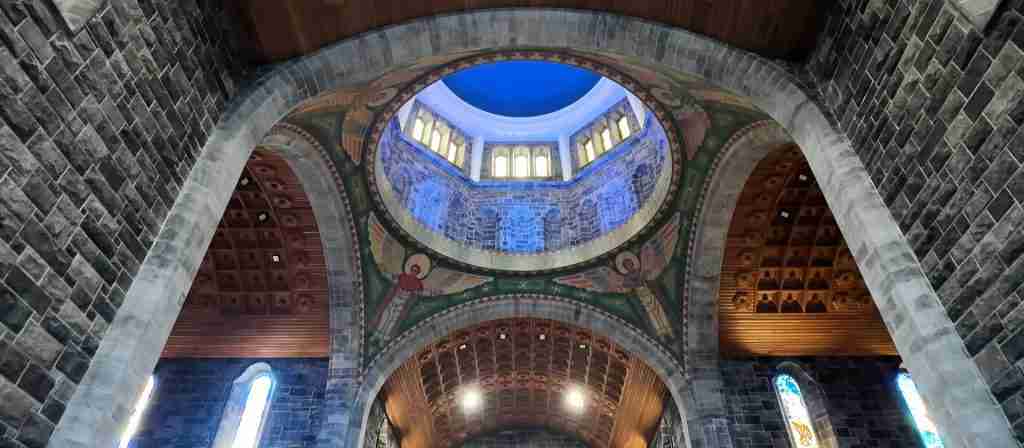
3 days
Galway 3-Day Discovery Tour
- ✓ Comprehensive Galway experience
- ✓ Expert local guides included
- ✓ All accommodation included
- ✓ Transportation provided
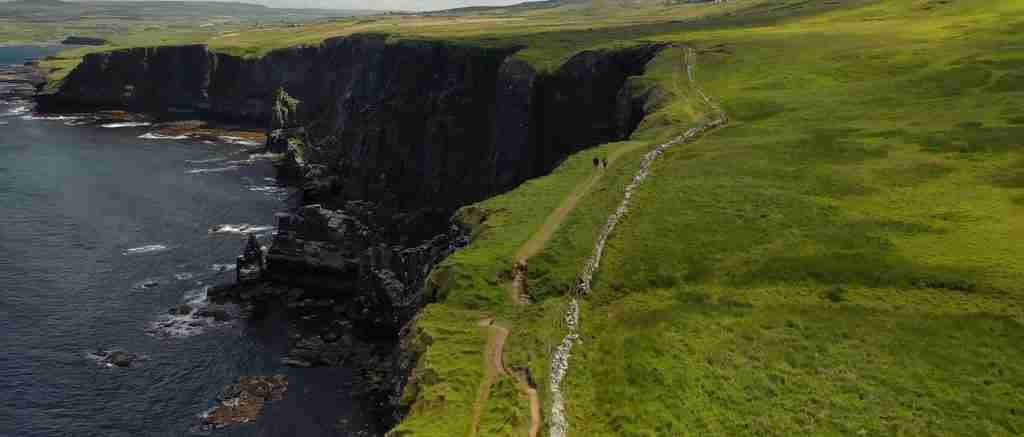
5 days
Galway 5-Day Highlights Experience
- ✓ Comprehensive Galway experience
- ✓ Expert local guides included
- ✓ All accommodation included
- ✓ Transportation provided

7 days
Galway 7-Day Cultural Journey
- ✓ Comprehensive Galway experience
- ✓ Expert local guides included
- ✓ All accommodation included
- ✓ Transportation provided
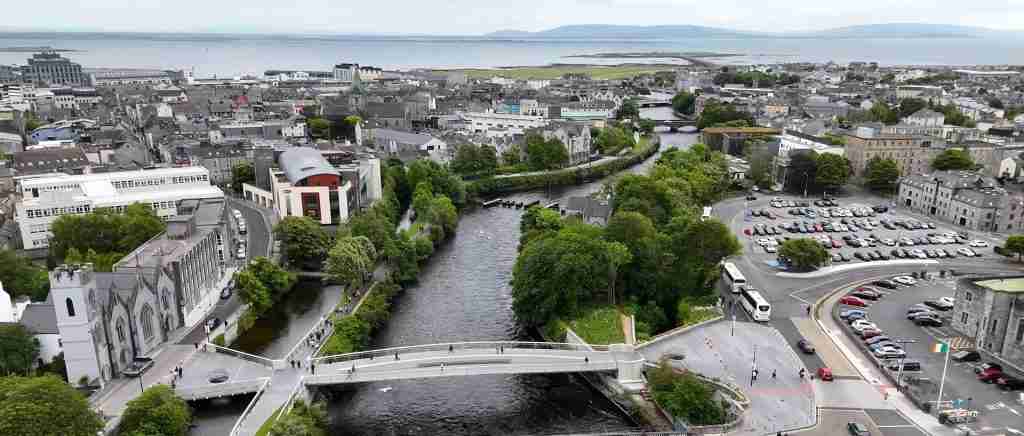
10 days
Galway 10-Day Complete Adventure
- ✓ Comprehensive Galway experience
- ✓ Expert local guides included
- ✓ All accommodation included
- ✓ Transportation provided
Multi-day tour packages powered by TourRadar. Prices and availability subject to change.
Introduction: Galway’s Cultural Landscape 2026
Galway approaches cultural preservation and contemporary artistic production with distinctly democratic philosophy, prioritizing free public access over admission revenue and intimate scale over institutional grandeur. This coastal city of 85,000 residents supports an extraordinary density of cultural spaces considering its modest population, with the 2007-opened Galway City Museum serving as architectural and programmatic flagship complemented by artist-run galleries, university collections, and specialized heritage museums clustered within compact medieval quarter walkable in 15 minutes end to end.
The city’s UNESCO City of Film designation recognizes deep literary and creative traditions extending from medieval trade manuscripts through 20th century literary giants including James Joyce’s wife and muse Nora Barnacle, born and raised in Galway’s Bowling Green neighborhood. Contemporary manifestation of these traditions appears through Galway International Arts Festival each July, transforming streets and venues into Europe’s premier multidisciplinary arts celebration with over 500 artists and performers attracting hundreds of thousands of visitors for two weeks of theater, music, visual arts, and street spectacle.
Understanding Galway’s cultural offerings requires recognizing how geography shapes experience. The compact Latin Quarter concentration places major museums within five minutes’ walk of each other, enabling efficient multi-institution days without transport concerns while University of Galway campus museums require 20-minute walks or brief bus journeys from city center. River Corrib bisects the cultural landscape with most attractions concentrated on east bank between Spanish Arch waterfront and Eyre Square commercial district, creating natural touring circuits that combine museums with cafe breaks, riverside walks, and medieval architecture exploration.
Galway’s museum model emphasizes community engagement over tourist spectacle, with volunteer-run institutions like 126 Gallery and Nora Barnacle House Museum maintaining authentic connections to local artistic and literary communities rather than pursuing mass visitation metrics. This approach produces genuine encounters with curators, artists, and heritage enthusiasts willing to share expertise and stories in unhurried conversations rare at larger European cultural institutions, though requiring acceptance of limited hours, modest facilities, and appointment-based access at smallest venues.
Galway City Museum 2026: The Premier Free Cultural Institution
Galway City Museum anchors the city’s cultural offerings from its purpose-built modern facility behind the 16th century Spanish Arch, providing comprehensive archaeological, historical, and cultural exhibitions across three floors overlooking the River Corrib and Galway Bay. The museum opened April 16, 2007 after Galway City Council’s multi-million euro investment replaced cramped Comerford House facilities, creating 4,000 square meters of exhibition space with accessible design, climate control for sensitive collections, and architectural features maximizing natural light and waterfront views through floor-to-ceiling windows on upper gallery levels.
Admission remains free for all visitors in 2026 as founding principle supporting the museum’s mission as community resource and tourism asset. Operating hours run Tuesday through Saturday 10am to 5pm year-round with Sunday service 12pm to 5pm from Easter Sunday April 5 through September, closed Mondays throughout the year. The museum provides wheelchair accessibility with step-free entrance, automated access doors, and elevator service to all gallery levels, plus manual wheelchairs available free by advance booking via [email protected] or calling +353 91 532460.
Ground floor galleries house Routes to the Past exhibitions covering prehistoric Galway from Stone Age settlements through Bronze and Iron Age developments, displaying carbon-dated artifacts including 3500 BC stone ax heads, medieval pottery fragments, and Norman conquest period materials. The Galway Within the Walls permanent exhibition details medieval town development under Anglo-Norman control from 1232 through Tudor period, featuring the fourteen merchant tribe families who dominated commerce and governance for four centuries with particular focus on Lynch family prominence and the legendary hanging of his own son by Mayor James Lynch FitzStephen in 1493.
Highlight artifacts include the Galway Civic Sword dating to King James I’s 1610 charter establishing Galway’s corporate status, measuring nearly one meter in length with ornate ceremonial detailing used in mayoral processions through 20th century. The Great Mace represents exceptional 18th century silverwork, crafted in Dublin 1710 and presented to Galway Corporation by Mayor Edward Eyre in 1712, weighing several kilograms as massive ornamental symbol of civic authority. First floor exhibitions explore Claddagh fishing village heritage through The Claddagh: A Triumph of Unconscious Beauty permanent display, examining this distinct community that maintained unique governance, marriage customs, and fishing rights until mid-20th century dissolution.
The Galway hooker boat Máirtín Oliver occupies prominent ground floor position as traditional sailing vessel type used for fishing and cargo transport across Galway Bay and Aran Islands routes from 18th through mid-20th centuries. This restored example demonstrates distinctive design features including broad beam for stability in Atlantic swells, shallow draft for beach launching, and turf-brown sails characteristic of working boats versus white canvas reserved for racing craft. The Pádraic Ó Conaire statue relocated from Eyre Square provides context for this Irish language writer and nationalist figure, with exhibitions exploring both historical figure and controversial public art debates surrounding the sculpture’s various relocations since 1935 installation.
Second floor galleries host temporary exhibitions rotating every three to six months, recent programming including Revolution in Galway 1913-1923 documenting Easter Rising through Civil War period local involvement, War of Friends examining Pádraic Ó Máille and Liam Mellows’ Civil War tragedy, and contemporary photography exhibitions. The Wild Atlantic Sea Science exhibition provides interactive marine biology and oceanography displays particularly engaging for family visitors, featuring touch tanks, video presentations of Galway Bay ecosystem, and climate change impact documentation on coastal communities.
Third floor viewing platform offers spectacular panoramic vistas across Claddagh neighborhood, Spanish Arch medieval remains, River Corrib estuary, and Galway Bay extending to Aran Islands on clear days. This space functions as informal gallery with rotating exhibitions and comfortable seating for contemplation, providing unique perspectives on urban geography while contextualizing museum collections within contemporary cityscape. Museum shop on ground floor sells books, reproductions, local crafts, and educational materials with proceeds supporting collections acquisition and programming development.
Visitors should allocate minimum 90 minutes for comprehensive museum exploration, with two to three hours recommended for thorough engagement with all permanent galleries, current temporary exhibitions, and viewing platform time. Tuesday through Thursday mornings 10am to 12pm typically offer quietest viewing conditions before coach tour arrivals and school group visits, while Friday afternoons and Saturday mornings balance manageable crowds with full access to all facilities and staff assistance for questions.
Galway Arts Centre 2026: Contemporary Art Hub
Galway Arts Centre operates as the city’s premier contemporary art venue from historic 1840s Persse family residence in the West End, formerly home to Lady Augusta Gregory who co-founded Dublin’s Abbey Theatre and championed Irish literary renaissance alongside W.B. Yeats and J.M. Synge. The center has occupied this location since 1988, developing 3,000 square feet of exhibition space across three galleries alongside theater, workshop rooms, and administrative offices supporting year-round programming of visual arts, performance, literature, and educational initiatives.
Gallery admission remains free in 2026 with operating hours Monday through Thursday 10am to 5:30pm, Friday 10am to 5pm, and Saturday 12pm to 5pm, closed Sundays and bank holidays year-round. Nun’s Island Theatre operates separately with ticketed performances purchased via website or box office, hosting Cúirt International Festival of Literature annually and Galway Youth Theatre productions alongside visiting companies and experimental performance works. Wheelchair access provides ground floor gallery entry via ramp with manual door to reception area, though first floor gallery lacks elevator access limiting accessibility for mobility-impaired visitors.
Exhibition programming rotates every six to eight weeks featuring solo and group shows by Irish and international contemporary artists working across painting, photography, sculpture, installation, video, and new media forms. The center emphasizes emerging and mid-career practitioners alongside established names, with curatorial direction favoring conceptually rigorous work addressing social, political, and environmental themes through innovative formal approaches. Recent exhibitions have included HipHop photographer Brian Cross’s B+ The West Is Awake documenting cultural connections between Ireland’s west coast and California communities, Irish language theater collaborations incorporating live painting and projection, and participatory projects gathering community stories and memories.
Gallery Lates programming every Thursday evening provides free events including artist talks, curator discussions, performance interventions, and social gatherings creating informal access points for contemporary art engagement beyond traditional viewing hours. These events typically run 6pm to 8pm with casual atmosphere encouraging questions, conversation, and community building around artistic practice, particularly valuable for visitors interested in meeting local creative practitioners and understanding Galway’s contemporary art ecology beyond tourist-oriented cultural offerings.
Classes, workshops, and residency programs operate throughout the year covering art practice, writing, photography, drama, music, and voice instruction typically running eight to ten week terms with fees varying by program length and materials. These educational initiatives serve local participants primarily but visitors spending extended periods in Galway can inquire about drop-in workshops or short-term participation options, with Artist Resources section of website providing information on studio spaces, equipment access, and professional development opportunities for practicing artists.
Visitors should allocate 45 minutes to 90 minutes for gallery exploration depending on current exhibitions and whether attending artist talks or Gallery Lates events. Tuesday and Wednesday mornings provide quiet viewing conditions ideal for contemplative engagement with challenging contemporary work, while Thursday evenings offer social atmosphere with artist presence and curatorial insights enriching understanding of exhibitions. The West End location places the center within five minutes’ walk of Spanish Arch museums, Latin Quarter shopping streets, and riverside cafes, enabling easy integration into comprehensive cultural touring days.
126 Artist-Run Gallery 2026: Emerging Contemporary Art
126 Artist-Run Gallery operates as Western Ireland’s first and only fully democratic artist-led exhibition space, established 2005 by artists Austin Ivers and Ben Geoghegan seeking increased exhibition opportunities for Galway-connected practitioners. The gallery has evolved from living room origins through various relocations into current Flood Street premises near Druid Theatre and Spanish Arch, maintaining voluntary board structure with two-year term limits, non-commercial orientation, and prohibition on board members exhibiting own work ensuring focus remains on supporting emerging artists rather than self-promotion.
Free admission provides access to cutting-edge contemporary art exhibitions rotating monthly, with 12-month annual programming calendar presenting solo shows, group exhibitions, thematic series, and collaborative projects featuring recent graduates, early career artists, and experimental practitioners whose work may be too challenging or unconventional for commercial gallery representation. The space operates as not-for-profit organization supported by Arts Council of Ireland, Galway City Council, and Creative Ireland funding alongside approximately 200 member artists contributing dues and volunteering governance, exhibition installation, and programming development labor.
Gallery hours vary by exhibition with current information posted at 126gallery.com and social media channels, typically operating Thursday through Saturday afternoons during active exhibitions with appointment access available for researchers, curators, and serious collectors. This flexible schedule reflects volunteer operation realities and small-scale intimate environment where extended conversations with board members, exhibiting artists, and fellow visitors characterize the experience over institutionalized viewing protocols of larger museums.
Exhibition quality maintains high standards despite grassroots structure, with 126 earning reputation for ambitious programming that introduces international contemporary art discourse to Galway audiences while providing platform for Irish artists’ experimental work. The gallery serves as venue for Galway International Arts Festival and TULCA Festival of Visual Arts programming each year, partnering with institutions including Royal Hibernian Academy, Catalyst Arts Belfast, and international artist-run spaces for exchange exhibitions and collaborative research projects exploring artist-led organization models.
Notable past exhibitors include Aideen Barry, Vivienne Dick, Hank Willis Thomas, Rainer Ganahl, Jim Ricks, Kelly Richardson, Diana Copperwhite, and institutional presentations from Transmission Gallery Glasgow and Ormston House Limerick, demonstrating the gallery’s capacity to attract significant contemporary practitioners despite modest facilities and volunteer staffing. This track record positions 126 as essential stop for contemporary art enthusiasts seeking exposure to challenging work and direct engagement with artistic community rather than passive museum consumption.
Barton Studios satellite space on Saint Francis Street provides affordable secure studio workspace for Galway artists, addressing critical shortage of city center creative production facilities while creating network of practicing artists feeding exhibition programming and volunteer governance. Residency program brings national and international artists to Galway for focused production periods with public presentations, workshops, and community engagement components enriching local artistic discourse beyond exhibition offerings.
Visitors should allocate 30 to 60 minutes for gallery exploration, with timing dependent on current exhibition complexity and whether artists or board members are present for conversation. Opening receptions typically held Friday evenings 6pm to 8pm provide optimal opportunities for meeting artists, curators, and Galway’s contemporary art community in social atmosphere with wine and informal dialogue. The Flood Street location enables easy combination with Spanish Arch museums, Galway Arts Centre, and Latin Quarter exploration in comprehensive cultural touring days.
University of Galway Cultural Spaces 2026
University of Galway campus 20 minutes’ walk west of city center provides free access to three distinct cultural spaces within historic Quadrangle building and Martin Ryan Institute, offering specialized collections complementing downtown museum programming. The 1840s-built Quadrangle houses An Dánlann University Art Gallery on ground floor and Geology Museum on upper level, while Martin Ryan Building constructed early 1990s contains Zoology Museum showcasing natural history specimens in Victorian display tradition.
An Dánlann University Art Gallery presents rotating exhibitions throughout academic year across painting, photography, sculpture, installation, and film media, hosting shows during Galway International Arts Festival and TULCA visual arts festival alongside solo exhibitions, group shows, and thematic surveys. The space operates primarily during university term with reduced programming over summer months, checking Arts and Theatre Office website, Facebook, or Twitter for current exhibition information and opening hours which vary by show. Gallery access flows through Quadrangle’s iconic neo-Gothic entrance under clock tower archway, with ground floor location providing barrier-free wheelchair accessibility.
Geology Museum occupies upper Quadrangle level with Victorian-era collection of rock specimens, mineral samples, and fossil displays arranged in traditional cabinet style without extensive interpretive text, appealing primarily to geology enthusiasts and visitors interested in 19th century scientific museum presentation methods. The space evokes period atmosphere of “Deep Time” discovery and evolutionary theory development, with specimens labeled but minimal contextual explanation requiring visitor knowledge or curiosity-driven exploration. Admission remains free with self-guided viewing taking 30 to 60 minutes depending on geological interest level.
Zoology Museum within Martin Ryan Building presents natural history specimens including taxidermied animals, skeletal displays, and preserved biological samples in cases maintaining Victorian museum aesthetic despite late 20th century building construction. The collection emphasizes Irish fauna with comparative international examples, serving educational function for biology students while offering general public access during building hours. Quiet contemplative atmosphere typically ensures solitary viewing experiences rare at downtown tourist-oriented museums, though facilities lack modern interpretive technology or interactive elements found in contemporary natural history institutions.
Campus visit planning requires acknowledging 20-minute walk from city center or brief bus journey via routes serving University Road stops, with campus maps available at main entrance gate guiding visitors to specific buildings. University dining facilities in ground floor library provide reasonably-priced lunch options for budget travelers, while campus grounds offer pleasant green spaces for picnicking weather permitting. Combining university museums with downtown institutions creates full cultural day requiring five to six hours total including transport and meal breaks.
Claddagh Ring Museums 2026: Heritage and Commerce
Two small free museums dedicated to Galway’s iconic Claddagh ring design operate in city center, each combining heritage interpretation with commercial jewelry sales in different proportions. Thomas Dillon’s Claddagh Gold Museum on Quay Street occupies medieval building housing Ireland’s oldest jewelry business established 1750, maintaining single-room museum space at shop rear displaying antique rings dating to 1700 alongside photographs, letters, and artifacts documenting Claddagh fishing village heritage and ring symbolism evolution. Legend of the Claddagh Ring visitor center on Market Street near Shop Street intersection provides larger dedicated museum space with video presentation, interactive displays, thatched cottage workshop demonstration, and genealogy resources exploring family coat of arms and Galway tribal history.
Thomas Dillon’s Claddagh Gold Museum opens daily 10am to 5pm with Sunday hours 12pm to 5pm, free admission allowing visitors to browse historical collection before or after shopping for contemporary Claddagh rings, all stamped “T.D. Original” guaranteeing authentic production at site of oldest continuous Claddagh ring manufacture. The museum showcases eight antique Claddagh rings owned by founder Thomas Dillon acquired during early 20th century emigration period when departing families traded jewelry for passage money, including examples by original goldsmiths Nicholas Burge, Richard Joyce, and George Robinson working 1700-1800 establishing the design’s enduring two-hands-clasping-crowned-heart symbolism.
Museum highlights include correspondence relating to commissions for Princess Grace of Monaco’s bejeweled casket containing family tree vellum manuscript, and miniature Galway Mace copy presented to President Kennedy during 1963 Ireland visit now housed at JFK Library. Current proprietor Jonathan Margetts maintains his grandfather’s “magpie” collecting tradition, assembling historical photographs of Old Galway, stone age ax heads, penal era artifacts, and famine period memorabilia creating eclectic heritage collection beyond core Claddagh ring focus. Staff provide enthusiastic informal commentary on exhibits and can explain ring wearing traditions, symbolism variations, and manufacturing techniques visible through workshop window where craftsmen work on contemporary pieces.
Legend of the Claddagh Ring visitor center operates Monday through Saturday 9am to 6pm and Sunday 11am to 6pm with free admission, presenting more theatrical visitor experience beginning with 20-minute film Legend of the Claddagh Ring starring Pádraic Breathnach recounting Richard Joyce’s legendary capture by Algerian pirates, goldsmith apprenticeship during slavery, and ring creation upon release symbolizing love for departed sweetheart. The swashbuckling narrative appeals to children and adults seeking entertainment alongside cultural education, with screenings running continuously every 20 minutes during operating hours.
Interactive elements include coat of arms family history search stations, Galway tribes explanatory panels, Irish diaspora immigration displays, and proper Claddagh ring wearing instruction covering courtship signals and marriage traditions. The in-house thatched cottage workshop demonstrates authentic ring crafting techniques with goldsmiths working on-site, though commercial sales orientation remains evident throughout with gift shop occupying substantial space and staff actively promoting jewelry purchases. The location at Shop Street, Market Street, and Mainguard Street intersection places the center at Galway’s most prominent commercial crossroads ensuring high visibility and tourist traffic.
Visitors choosing between institutions should consider Thomas Dillon’s for authentic historical depth and intimate scale versus Legend of the Claddagh Ring for family-friendly presentation and entertainment value, though both remain free enabling sampling of each during comprehensive cultural touring. Combined visit time for both museums totals 60 to 90 minutes including film screening, workshop observation, and historical collection browsing, with commercial pressure to purchase present but not overwhelming at either location.
Nora Barnacle House Museum 2026: Literary Heritage
Nora Barnacle House Museum at 8 Bowling Green preserves the childhood home of James Joyce’s wife, muse, and lifelong partner from 1894 through 1940 Barnacle family residence period, operating as Ireland’s smallest museum in faithfully restored 19th century terraced house two minutes’ walk from St. Nicholas’ Collegiate Church and Shop Street pedestrian thoroughfare. The intimate single-room exhibition space presents photographs, correspondence, personal effects, and period furniture evoking turn-of-century Galway working-class domestic life while documenting Nora’s profound influence on Joyce’s literary output from Dubliners through Ulysses and Finnegans Wake.
Admission costs €5 in 2026 (check official website for current rates) with seasonal opening June through September, Wednesday through Friday 10am to 4pm, and appointment-based access during off-season months or for special literary events including Bloomsday June 16 celebrations. The house operates as private museum run by volunteer enthusiasts rather than institutional management, creating personal informal atmosphere where knowledgeable guides provide detailed commentary, answer questions extensively, and share scholarly insights unavailable through standard museum text panels.
Exhibition highlights include original letters exchanged between Nora and James revealing their unconventional relationship, first edition Joyce works with inscriptions, photographs documenting Nora’s Galway upbringing and later European exile period, and period furnishings recreating early 1900s household appearance Joyce would have encountered during 1909 kitchen table meeting with Nora’s mother. The famous blue half-door entrance epitomizes Irish vernacular architecture while establishing atmospheric threshold between contemporary Galway and preserved historical interior frozen at moment of greatest literary significance.
Guided talks lasting 45 to 60 minutes provide optimal museum experience, with volunteer guides offering choice between self-tour or comprehensive narration detailing Nora’s working-class Bowling Green childhood, fateful June 16, 1904 Dublin encounter with Joyce, their immediate mutual devotion leading to continental elopement, decades of unmarried partnership supporting Joyce’s literary ambitions through poverty and exile, eventual 1931 marriage, and Nora’s 1951 death in Zurich following Joyce’s 1941 passing. The presentation emphasizes Nora’s multilingual abilities, strong personality, and essential role as Joyce’s inspiration beyond common mischaracterization as simple Galway country girl.
Small courtyard garden behind house provides additional atmospheric space typically shown during tours, with period plantings and urban archaeology revealing layers of Bowling Green neighborhood development. Photography permitted throughout museum though fragile original letters and photographs require curator approval before photographing to prevent preservation damage, with most visitors finding brief visit sufficient for absorbing intimate space’s concentrated historical resonance.
Literary enthusiasts, Joyce scholars, and Irish cultural history students constitute primary audience though general visitors interested in turn-of-century Irish social history and working-class domestic life find value in preserved interior regardless of Joyce connection depth. The museum supplements larger institutional Joyce collections at Dublin’s James Joyce Centre and Tower Museum with Galway-specific context and Nora-centered narrative often marginalized in Joyce scholarship focused on his literary genius over partnership dynamics.
Visit duration typically spans 30 to 60 minutes including guided talk, independent browsing, and courtyard viewing, with timing dependent on individual interest level and guide availability for extended discussion. Wednesday mornings provide quietest access with highest likelihood of lengthy personal interaction with volunteers, while Friday afternoons may see increased visitor numbers but maintain intimate scale preventing overcrowding. The Bowling Green location enables easy combination with nearby St. Nicholas’ Collegiate Church visit, Latin Quarter shopping, and waterfront walks creating comprehensive half-day cultural itinerary.
Planning Your Galway Museum & Gallery Visit 2026
Strategic visit planning maximizes Galway’s concentrated cultural offerings while accommodating institutional operating hours, seasonal variations, and geographical clustering. Tuesday through Saturday visiting enables access to all major institutions, while Monday closures across museums and galleries require alternative activity planning or accepting limited options at university campus spaces and commercial Claddagh Ring museums. Sunday access April through September opens Galway City Museum and some galleries, though winter Sundays offer minimal cultural programming requiring weekday focus for comprehensive touring.
Geographic concentration within Latin Quarter and Spanish Arch waterfront area enables efficient walking circuits combining multiple institutions in single touring day. Ideal three-institution morning route begins Galway City Museum 10am opening for 90-minute exploration before 11:30am crossing to Thomas Dillon’s Claddagh Gold Museum for 30-minute visit, finishing noon at Galway Arts Centre or 126 Gallery for contemporary art viewing before 1pm lunch break at nearby riverside cafes. Afternoon continuation could add Nora Barnacle House Museum 2pm, University of Galway museums 3pm, or return to City Museum’s upper galleries and viewing platform for different lighting and crowd conditions.
Weather-dependent planning acknowledges Galway’s frequent rainfall requiring indoor cultural options as backup for outdoor-focused days. Museum touring provides ideal rainy day activities, with free admission minimizing financial commitment to abandoned plans if weather improves mid-day. Summer visitors benefit from extended daylight enabling museum mornings, outdoor afternoon activities along Salthill Promenade or Connemara day trips, and evening return to city for Gallery Lates programming or informal gallery browsing during extended opening hours.
Galway International Arts Festival July 13-26, 2026 transforms standard museum visiting patterns with expanded programming, special exhibitions, street installations, and performance interventions throughout city center. Festival Gallery in Spanish Arch area presents large-scale contemporary art installations, while participating institutions including Galway Arts Centre and 126 Gallery host festival-specific shows requiring advance program research via giaf.ie for comprehensive planning. Mixed admission structure combines free street events and gallery access with ticketed performances €20-75 ($22-83), enabling budget-flexible participation from entirely free festival sampling to comprehensive ticket packages for serious arts enthusiasts.
Hidden Gems and Specialized Collections 2026
Beyond major institutions, Galway supports specialized museums addressing niche heritage and cultural topics. Hall of the Red Earl archaeological site beneath Druid Lane Seans Bar preserves 13th century Anglo-Norman hall foundations discovered during 1997 construction excavations, with interpretive panels explaining medieval Galway’s political and commercial structures though irregular opening hours require appointment booking via Galway City Council. St. Nicholas’ Collegiate Church maintains small heritage display covering church’s 700-year history including Christopher Columbus legendary worship attendance before 1492 voyage, though religious service schedule limits tourism access requiring timing coordination.
Lackagh Museum and Heritage Centre 15 kilometers northeast of Galway City explores rural west Ireland agricultural heritage, thatching traditions, and folk life through restored period buildings, antique farm equipment displays, and seasonal demonstrations particularly engaging for visitors from urban backgrounds seeking authentic countryside cultural context. The Michael Smyth Forge and Claregalway Museum at Baile Chláir preserves traditional blacksmith workshop with open furnace, leather bellows, anvil, and period tools demonstrating 19th century metalworking techniques, though both rural institutions operate limited hours requiring advance contact before journey.
Fisheries Watchtower Museum at Salmon Weir Bridge provides compact historical display covering River Corrib salmon fishing industry regulation and Galway’s economic dependence on this resource through centuries, with tower’s picturesque riverside location offering excellent photography opportunities complementing brief museum visit. The small scale and specialized focus limit appeal to general audiences but provide valuable depth for visitors pursuing comprehensive understanding of Galway’s maritime and riverine economic foundations.
Cultural Festivals and Special Events 2026
Galway International Arts Festival July 13-26, 2026 represents Ireland’s leading multidisciplinary arts celebration, transforming city into creative hub with over 500 artists and performers presenting theater, music, visual arts, circus, dance, and intellectual discourse across venues and outdoor spaces. The Heineken Big Top at Fisheries Field hosts international music headliners and theatrical productions in massive tented venue accommodating thousands, while Festival Garden in Eyre Square provides social gathering space with food vendors, live DJs, and casual festival atmosphere between programmed events.
Visual arts programming spreads throughout participating galleries including dedicated Festival Gallery space, Galway Arts Centre, 126 Gallery, and site-specific installations in unexpected locations from historic docks to medieval streets. Large-scale outdoor sculptures, surreal interventions, and free street performances create accessible entry points for festival sampling without ticket commitment, though flagship theater productions and Big Top concerts require advance booking via festival website with prices €20-75 ($22-83) depending on event scale and artist prominence.
TULCA Festival of Visual Arts presents contemporary art across Galway venues each November, partnering with galleries, alternative spaces, and public locations for thematic exhibitions, performances, and installations addressing pressing cultural questions through innovative artistic responses. The festival emphasizes emerging Irish and international practitioners working at intersection of visual art, performance, and social engagement, with programming more experimental and conceptually challenging than summer Arts Festival’s broader appeal approach.
Cúirt International Festival of Literature held annually at Galway Arts Centre brings writers, poets, and literary figures from Ireland and internationally for readings, talks, workshops, and celebrations of written word across all genres from poetry through fiction to creative nonfiction and translation. The festival attracts serious literary audiences seeking engagement with contemporary writing practice and historical literary tradition, with most events ticketed at accessible prices supporting participating writers and covering venue costs.
Bloomsday June 16 celebrations honor James Joyce’s Ulysses through readings, performances, costume recreations, and cultural events citywide with particular focus at Nora Barnacle House Museum where special programming commemorates Joyce and Nora’s first date anniversary. Literary enthusiasts gather for dramatic readings, period dress contests, and thematic discussions exploring Joyce’s Irish literary significance and continuing relevance to contemporary culture.
Accessibility and Visitor Services 2026
Galway City Museum provides comprehensive accessibility with step-free entrance, automated access doors, and elevator service to all gallery levels, plus manual wheelchairs available free by advance booking via [email protected] or +353 91 532460. Accessible toilets, seating throughout galleries, and ground floor cafe facilities ensure comfortable extended visits for mobility-impaired visitors, with staff trained in accessibility assistance and welcoming attitude toward visitors with varying needs.
Galway Arts Centre offers ground floor gallery wheelchair access via ramp entrance though first floor gallery lacks elevator creating accessibility limitation for complete exhibition viewing. Gender-neutral accessible toilets, folding chairs available on request, and staff assistance for navigation questions support visitors with mobility considerations, though building’s historic status prevents structural modifications enabling full barrier-free access across all gallery spaces.
126 Artist-Run Gallery provides step-free entrance with large tarmacked area for vehicle parking including disabled parking accommodation, though wheelchair accessible toilet lacks proper disabled support bars and grab rail installation pending as facility improvement. The single-level gallery space enables full exhibition viewing for wheelchair users, with seating provided on request and informal atmosphere encouraging visitors to request any accommodations needed for comfortable viewing.
Nora Barnacle House Museum’s historic terraced house structure includes steps at entrance and narrow interior spaces challenging for wheelchair users, with museum management typically accommodating access requests through alternative arrangements when contacted in advance though architectural constraints prevent full barrier-free experience. The intimate scale and personal guide presence enable flexible approaches to accessibility beyond standard institutional protocols.
University of Galway museums benefit from modern campus accessibility standards for Martin Ryan Building Zoology Museum and level ground floor access for Quadrangle Art Gallery, though Geology Museum’s upper Quadrangle location requires stair navigation without elevator option. Campus generally provides accessible paths, toilets, and facilities supporting visitors with mobility, vision, or hearing impairments across public spaces.
Photography and Documentation Policies 2026
Galway City Museum permits photography throughout permanent collection galleries without flash, encouraging visitors to document and share experiences via social media while respecting other visitors’ viewing experience through non-disruptive photography practices. Temporary exhibitions may include artist-imposed photography restrictions communicated through signage, with staff available to clarify specific exhibition policies. The museum actively encourages social media sharing with dedicated hashtags and exhibition promotions benefiting from visitor-generated content and word-of-mouth marketing.
Galway Arts Centre and 126 Gallery policies vary by exhibition based on artist preferences, with general permission for non-flash photography unless otherwise posted though commercial photography and video recording require advance permission from exhibiting artists and gallery management. Contemporary artists increasingly embrace documentation and social sharing as exhibition promotion tools, though some retain copyright protection concerns requiring respect for posted restrictions.
Nora Barnacle House Museum generally permits photography throughout interior spaces though fragile original letters and photographs require curator approval before photographing to prevent preservation damage from repeated flash exposure and handling during positioning for optimal shots. Visitors should request permission before photographing specific artifacts with museum guides providing direction on acceptable documentation practices balancing visitor interests with collection conservation requirements.
Thomas Dillon’s Claddagh Gold Museum and Legend of the Claddagh Ring welcome photography as heritage documentation and social media promotion, actively encouraging visitors to share experiences while respecting commercial jewelry display areas where photography may create security or competitive concerns. The museums’ dual heritage-and-retail nature means photography serves both cultural documentation and business marketing purposes with management generally supportive of visitor photography practices.
Combining Museums with Other Galway Experiences 2026
Museum touring integrates seamlessly with Galway’s compact walkable geography, enabling cultural mornings combined with afternoon coastal exploration at Salthill Promenade two kilometers west via waterfront walking path. The 30-minute stroll passes Claddagh neighborhood, traditional fishing village sites, and Galway Bay views connecting museum-learned heritage context with contemporary landscape observation. Salthill offers swimming, coastal walks, amusement arcades, and seafood dining creating balanced cultural-and-outdoor day structure.
Latin Quarter shopping streets surrounding Galway Arts Centre and Spanish Arch museums provide breaks for browsing independent boutiques, craft galleries, and food shops between cultural institutions. Shop Street’s pedestrianized commercial corridor, Quay Street’s restaurant concentration, and Kirwan’s Lane’s medieval atmosphere create engaging urban environment where museum visits punctuate rather than dominate touring days. Charlie Byrne’s Bookshop on Middle Street offers treasure-hunting among new and used books with particular Irish literature and history strength supporting literary museum visits.
Riverside walking paths along River Corrib connect University of Galway campus with city center museums via scenic 20-minute routes past salmon weir, historic bridges, and waterside parks enabling pleasant non-vehicular museum-to-museum transport. The path network continues to Galway Cathedral on west bank and extends south toward Claddagh creating extended walking circuits combining cultural sites with urban nature experience and architectural observation.
Aran Islands day trips from Galway provide complementary heritage experience exploring preserved Irish language culture, prehistoric stone forts, and traditional island life connecting thematically with City Museum’s Claddagh fishing village exhibitions and maritime history focus. Ferry services from Galway Docks adjacent to Spanish Arch museums enable same-day return trips with advance booking, creating comprehensive coastal heritage day combining mainland museums with island archaeology and culture.
Connemara National Park and western Galway countryside day trips balance urban museum concentration with landscape immersion, mountain hiking, and coastal scenery exploration addressing visitor desires for varied Irish experience beyond single-city cultural focus. Bus tours departing Galway city center provide accessible day trip options for non-drivers, with evening return enabling museum mornings before countryside afternoons creating satisfying activity diversity.
Budget Planning for Museum & Gallery Touring 2026
Galway’s predominantly free museum admission creates exceptionally affordable cultural touring, with only Nora Barnacle House Museum charging €5 entry among major institutions. A comprehensive three-day cultural focus visiting all significant museums and galleries totals €5-10 per person in admission fees depending on Nora Barnacle House visit inclusion and any special exhibition charges, demonstrating extraordinary value compared to European cultural destinations where museum admission costs €15-25 per institution.
Daily cultural touring costs including admission, meals, and refreshments average €25-40 per person when combining free museums with cafe lunches €12-18, morning coffee €3-5, and afternoon breaks €4-6 at Latin Quarter establishments. Budget-conscious visitors packing lunches reduce daily costs to €10-15 per person covering only Nora Barnacle admission and occasional refreshments, while mid-range comfort seeking cafe meals and multiple coffee breaks approaches €35-45 daily per person for full cultural days.
Galway International Arts Festival July 13-26 increases cultural costs for visitors pursuing ticketed programming, with mixed admission structure enabling free street event and gallery participation or comprehensive ticket packages €100-300 ($110-330) for multiple Big Top concerts, theatrical productions, and special events. Budget festival participation focusing on free programming combined with one or two ticketed shows averages €40-80 ($44-88) per day including admission, meals, and refreshments, while intensive festival immersion with daily ticketed events reaches €120-200 ($132-220) daily per person.
Accommodation costs dominate Galway cultural trip budgets with summer season hotel rates €100-180 per room nightly for mid-range properties, hostels €25-45 per dormitory bed, and Airbnb apartments €80-150 nightly. A three-day cultural-focused Galway visit totals €240-450 per person including accommodation €150-270 (two sharing mid-range hotel), meals €60-120, museum admission €5-10, and transport €25-50 for budget to mid-range travelers, demonstrating reasonable costs for comprehensive Irish cultural city break.
Weather Considerations and Seasonal Timing 2026
Galway’s Atlantic coastal location produces frequent rainfall and variable weather requiring indoor cultural options as primary activities rather than weather-contingent backup plans. Museums and galleries provide ideal all-weather touring regardless of precipitation, wind, or temperature variations, with comprehensive indoor programming ensuring satisfying cultural days during typical Irish weather patterns of intermittent rain, cloudy skies, and occasional bright intervals.
Summer season June through September offers warmest temperatures 15-20°C (59-68°F), longest daylight hours enabling extended touring days, and highest likelihood of dry weather windows for combining museum visits with outdoor activities along Salthill Promenade or Connemara countryside. Summer also brings peak tourism crowds, advanced booking requirements for popular accommodation, and elevated prices across hotels and restaurants, though free museum admission prevents cultural cost inflation during high season.
April through May and September through October shoulder seasons provide mild weather 10-15°C (50-59°F), reduced crowds at museums enabling leisurely viewing, and moderate accommodation prices while maintaining full museum operating hours including Sunday openings April through September. These periods suit visitors prioritizing authentic local atmosphere over guaranteed sunshine, with cultural focus insulating experience from weather variability affecting outdoor-dependent itineraries.
Winter months November through March bring shortest daylight hours limiting extended touring days, coldest temperatures 5-10°C (41-50°F), and highest rainfall probability though dramatic Atlantic storm watching and cozy museum afternoons followed by traditional pub evenings appeal to visitors seeking authentic Irish winter experience. Reduced Sunday museum access during winter requires weekday visit planning, while Christmas and New Year closures limit late December visiting though January through March provides quietest museum conditions and lowest accommodation rates for budget-focused cultural travelers.
Beyond Galway City: Regional Cultural Connections 2026
Connemara Heritage and History Centre at Clifden 70 kilometers west explores regional heritage through agricultural history, famine impact, traditional crafts, and landscape relationships creating thematic extensions of Galway City Museum’s urban-focused collections. The center operates seasonally with exhibits on Connemara pony breeding, turf cutting traditions, and cottage industry development complementing city museum programming with rural counterpart perspective.
Aughnanure Castle near Oughterard provides medieval tower house experience 25 kilometers from Galway, offering guided tours through restored 16th century O’Flaherty clan stronghold with period furnishings, defensive features, and riverside setting demonstrating lifestyle of Connacht Irish nobility contemporary with Galway’s Anglo-Norman merchant tribes. The Heritage Ireland site operates April through October with small admission fee complementing City Museum’s Galway Within the Walls medieval exhibitions through contrasting Gaelic Irish architectural and cultural expression.
Kylemore Abbey and Victorian Walled Garden 70 kilometers west presents 19th century Benedictine monastery in dramatic mountain lakeside setting, combining neo-Gothic architecture tours with restored six-acre walled garden showcasing Victorian horticultural achievement. The abbey’s museum exhibitions cover founding Mitchell Henry family history, Benedictine nun community establishment, and estate management creating cultural complement to Galway’s urban-focused museums through landed estate and religious community perspectives.
Thoor Ballylee tower house three kilometers from Gort served as W.B. Yeats summer residence 1921-1929, operating as museum dedicated to the poet’s life, work, and renovation of medieval tower as creative retreat. Seasonal opening provides literary pilgrimage destination complementing Galway’s Nora Barnacle House Museum through parallel but contrasting examination of literary figure domestic spaces and creative inspiration sources in west Ireland landscape.
Dunguaire Castle near Kinvara hosts medieval banquets with entertainment recreating 16th century feast atmosphere, though tourist-oriented programming lacks museum depth while providing immersive historical experience alternative to traditional museum visiting. The dramatically positioned tower house on Galway Bay provides photography opportunities and architectural example of tower house type proliferating throughout medieval Connacht under both Gaelic and Anglo-Norman lordships.
Frequently Asked Questions About Galway Museums & Galleries 2026
Are Galway Museums Open on Sundays in 2026?
Galway City Museum opens Sundays 12pm to 5pm from Easter Sunday April 5 through September 2026, providing seven-day weekly access during peak tourism season though remaining closed Sundays October through March. Thomas Dillon’s Claddagh Gold Museum maintains year-round Sunday hours 12pm to 5pm, while Legend of the Claddagh Ring operates Sundays 11am to 6pm throughout 2026. Galway Arts Centre, 126 Gallery, and University of Galway museums close Sundays year-round, requiring weekday visits for comprehensive cultural touring including contemporary art spaces.
Nora Barnacle House Museum operates seasonally June through September only, closed Sundays even during summer months with Wednesday through Friday 10am to 4pm access requiring midweek visit planning. The concentration of Sunday closures across major galleries means weekend visitors focusing Saturday museum touring or accepting limited Sunday options predominantly featuring historical rather than contemporary art programming.
Can I Visit All Major Galway Museums in One Day in 2026?
Visiting all major Galway museums in single day remains theoretically possible though rushed, requiring early 10am start at Galway City Museum for abbreviated 60-minute exploration, 11am Thomas Dillon’s Claddagh Gold Museum visit for 20 minutes, 11:30am Galway Arts Centre for 30 minutes, noon Nora Barnacle House Museum (seasonal access only) for 30 minutes, 1pm lunch break, 2pm 126 Gallery for 30 minutes, and 3pm departure to University of Galway for final hour exploring three campus museums before 5pm closures. This compressed schedule sacrifices depth for breadth, limiting engagement with exhibitions to superficial browsing rather than meaningful contemplation and preventing extended conversations with curators or guides.
More satisfying approach spreads museum touring across two to three days, allocating full mornings and afternoons to three or four institutions enabling thorough exploration, guide interactions, and integration of cafe breaks, riverside walks, and Latin Quarter shopping between cultural sites. Two-day cultural focus visiting Galway City Museum and Galway Arts Centre day one, then 126 Gallery, Nora Barnacle House Museum, and University of Galway museums day two creates comprehensive coverage without exhaustion while maintaining quality engagement with collections and exhibitions.
What Museums Near Galway Suit Families with Children in 2026?
Galway City Museum provides most family-friendly experience with Wild Atlantic Sea Science exhibition featuring interactive marine biology displays, touch tanks, and video presentations particularly engaging for children ages 5-12, while ground floor medieval archaeology includes 3D maps and submarine area captivating young visitors. The museum’s free admission, accessible facilities including lifts and accessible toilets, and sensory room for children with special needs demonstrate family-focused programming alongside adult-oriented historical exhibitions.
Legend of the Claddagh Ring visitor center appeals to families through swashbuckling 20-minute film presentation, interactive coat of arms search stations, and live workshop demonstrations showing ring crafting techniques children find fascinating. The storytelling emphasis and theatrical presentation style engage younger audiences more effectively than traditional museum text panels, though commercial sales environment requires parental management of purchase requests.
Thomas Dillon’s Claddagh Gold Museum and Nora Barnacle House Museum suit older children and teenagers interested in heritage and literary history but lack interactive elements or programming specifically designed for young visitors. University of Galway museums’ Victorian display aesthetics and minimal interpretation create challenges for family visiting unless children possess specific natural history or geology interests supporting independent exploration motivation.
Which Galway Gallery Shows the Most Challenging Contemporary Art in 2026?
126 Artist-Run Gallery presents most challenging contemporary art programming through democratic artist-led governance model prioritizing emerging practitioners’ experimental work over commercial viability or mass audience appeal. The gallery’s non-commercial orientation, Arts Council funding independence from ticket sales pressure, and voluntary board structure enable risk-taking exhibition selections addressing difficult political, social, and aesthetic questions through unconventional media and conceptual approaches rarely accommodated in institutional or commercial gallery contexts.
Galway Arts Centre balances challenging contemporary programming with broader accessibility goals, presenting mixture of experimental work by emerging artists alongside established practitioners’ more immediately legible exhibitions. The center’s educational mission and public funding requirements produce curatorial direction favoring conceptual rigor with sufficient interpretive support enabling non-specialist audiences to engage meaningfully, whereas 126 Gallery assumes visitor willingness to confront challenging work without extensive mediation.
University of Galway An Dánlann gallery programming varies by exhibition with academic year shows sometimes featuring experimental student work or faculty research-oriented projects though summer programming and festival collaborations trend toward broader appeal. The gallery’s educational context within university arts office creates different curatorial priorities than artist-run 126 Gallery’s peer-to-peer presentation model or Arts Centre’s community engagement emphasis.
How Much Time Should I Allocate for Galway City Museum in 2026?
Comprehensive Galway City Museum exploration requires two to three hours covering all three floors of permanent exhibitions, current temporary shows, and third floor viewing platform with waterfront vistas. Ground floor prehistoric and medieval galleries warrant 45-60 minutes for thorough artifact examination and interpretive text reading, while first floor Claddagh heritage and 20th century Galway exhibitions require similar duration for photograph collections, video presentations, and social history displays.
Second floor temporary exhibitions demand 30-45 minutes depending on current show complexity and visitor interest level, with recent programming including multi-room installations requiring extended viewing and contemplation. Third floor viewing platform and rotating exhibition space adds 15-30 minutes for panoramic photography, rest breaks, and casual exhibition browsing, with comfortable seating encouraging extended stays during pleasant weather when waterfront views reach maximum visual appeal.
Abbreviated museum visits focusing exclusively on highlight artifacts and primary permanent collection galleries compress experience into 60-90 minutes, suitable for visitors with limited time or competing itinerary demands though sacrificing depth for coverage. Tuesday through Thursday mornings provide optimal conditions for leisurely comprehensive visiting without time pressure, while weekend crowds may slow circulation through galleries encouraging briefer focused visits targeting specific exhibition interests.
Are There Any Museums Open Monday in Galway 2026?
No major Galway museums operate Monday hours in 2026, with universal Monday closures across Galway City Museum, Galway Arts Centre, 126 Gallery, Nora Barnacle House Museum, and University of Galway cultural spaces requiring Tuesday through Sunday visit planning. This consistent closure pattern reflects Irish museum sector standard practice of providing staff weekends when institutions open Saturdays while maintaining cost-effective operating schedules limiting seven-day staffing requirements.
Thomas Dillon’s Claddagh Gold Museum and Legend of the Claddagh Ring visitor center maintain Monday hours as commercial jewelry retailers with museum components, operating Monday through Saturday 10am to 5pm and 9am to 6pm respectively though cultural content remains secondary to retail sales functions. These commercial-heritage hybrid spaces provide limited Monday museum options for visitors requiring cultural programming on first weekday though lacking depth of institutional museum collections and programming.
Monday museum closures encourage alternative Galway activities including coastal walks along Salthill Promenade, Connemara countryside day trips, Aran Islands ferry excursions, Latin Quarter shopping, food market exploration, or traditional music pub sessions where Galway’s cultural life extends beyond institutional museum programming into everyday street activity and social practices.
What’s the Best Time to Visit Galway Museums in 2026 to Avoid Crowds?
Tuesday through Thursday mornings 10am to noon provide quietest museum conditions across all Galway institutions before coach tour arrivals, school group visits, and afternoon tourist traffic peaks. Galway City Museum experiences lowest visitor density during this window enabling leisurely gallery exploration, unobstructed artifact viewing, and extended contemplation without circulation pressure from crowded spaces. Galway Arts Centre and 126 Gallery similarly benefit from midweek morning quiet though smaller spaces prevent severe overcrowding even during busy periods.
September through November and March through May shoulder seasons offer reduced tourist numbers compared to summer peak while maintaining full museum operating hours including April through September Sunday openings. These periods suit visitors prioritizing authentic local atmosphere and comfortable viewing conditions over guaranteed weather, with free museum admission eliminating financial penalty for flexible scheduling around crowd patterns.
Winter months November through March bring minimal tourist traffic creating nearly private museum experiences though reduced daylight hours, Sunday closures, and coldest wettest weather present offsetting disadvantages. January and February represent absolute quietest months with occasional afternoon visits finding entire galleries empty enabling conversation with staff, photography without visitor interference, and contemplative engagement impossible during summer crowding.
Can I Buy Galway Museum Combination Tickets in 2026?
No combination ticket options exist for Galway museums in 2026 because free admission predominates across major institutions eliminating ticketing infrastructure and combination pricing rationale. Galway City Museum, Galway Arts Centre, 126 Gallery, University of Galway museums, and both Claddagh Ring museums operate without admission charges, while only Nora Barnacle House Museum’s €5 entry fee represents paid access among significant cultural attractions creating no basis for multi-institution combination pricing.
This free admission model reflects Irish public museum philosophy prioritizing access over revenue generation, with institutional funding through city council allocations, Arts Council grants, and Heritage Ireland budgets rather than visitor fees. The approach produces exceptional value for cultural tourists while eliminating cost barriers for local residents, though creating financial vulnerability to government funding variations and limited earned revenue opportunities for programming expansion.
Galway International Arts Festival operates separate ticketing with individual show purchases or festival pass options covering multiple events, though no integration exists with year-round museum admission because festival programming represents discrete limited-duration events rather than permanent institutional collections. Festival visitors can access free museum programming alongside ticketed festival shows without combined pricing or bundled access packages.
Which Galway Museum Has the Best Gift Shop in 2026?
Galway City Museum gift shop offers most comprehensive selection covering books, reproductions, local crafts, and educational materials across Irish history, archaeology, maritime heritage, and Galway-specific topics. The shop operates during museum hours with proceeds supporting collections acquisition and programming development, featuring quality publications including scholarly catalogs, popular histories, and children’s books alongside jewelry reproducing historical designs, postcards, and locally-made textiles and crafts.
Thomas Dillon’s Claddagh Gold Museum integrates gift shop into commercial jewelry business where historic Claddagh ring manufacture continues, offering authentic “T.D. Original” stamped rings in silver, gold, and various gemstone settings ranging €50-500+ ($55-550+) for collectors and gift purchasers seeking investment-quality pieces with documented heritage provenance. The shop combines jewelry sales with historical photographs, books on Claddagh heritage, and reproductions creating comprehensive though commercially-oriented shopping experience.
Galway Arts Centre and 126 Gallery maintain limited retail offerings focused on exhibition catalogs, artist publications, and occasional prints or multiples by exhibiting artists, serving specialist collectors and serious contemporary art enthusiasts rather than general gift shop browsing audiences. These artistic sales support exhibiting practitioners directly while documenting exhibition programming for archival purposes, though lacking accessible price points and broad appeal of museum gift shop merchandise.
Are Photography Tours or Museum Workshops Available in Galway 2026?
Galway Arts Centre offers regular workshops and classes in art practice, writing, photography, drama, music, and voice instruction throughout 2026, typically running eight to ten week terms with fees varying by program length and materials requirements. These educational initiatives serve primarily local participants but visitors spending extended Galway periods can inquire about drop-in workshops, short-term participation options, or intensive weekend programs aligning with travel schedules, with current offerings posted on galwayartscentre.ie events calendar and registration portal.
126 Artist-Run Gallery hosts artist talks, curator discussions, and occasional workshops tied to specific exhibitions, with Gallery Lates Thursday evening programming including hands-on creative activities, demonstration sessions, and skill-sharing events open to public participation. These informal educational opportunities enable visitors to engage with artistic practice beyond passive viewing, learning techniques, concepts, and approaches directly from practicing artists and curators in welcoming non-institutional atmosphere.
Galway City Museum provides guided tours by advance booking for groups, schools, and specialist interests, though individual visitor tours occur sporadically rather than scheduled regular programming. The museum’s interpretive text panels, video presentations, and self-guided exhibition design minimize guided tour necessity for independent visitors, though staff availability for questions and informal discussion creates opportunities for deeper engagement during quiet periods when docent conversations naturally develop.