
Galway Day Trips 2026: Cliffs of Moher, Connemara & Aran Islands
Galway serves as Ireland’s premier gateway to the Wild Atlantic Way, positioning visitors within striking distance of dramatic coastal cliffs, pristine island cultures, and untamed mountain wilderness. These world-class destinations transform into accessible day trips through a combination of independent transport options and curated guided tours, each offering distinct experiences along the country’s most scenic coastline.
Key Takeaways About Galway Day Trips 2026
- Three Signature Destinations: The Cliffs of Moher tower 214 meters above the Atlantic with admission at €10 per adult for peak hours, while the Aran Islands preserve centuries-old Gaelic culture with ferry costs ranging €17-34 return from Rossaveel, and Connemara’s mountains and fjords anchor full-day tours priced €40-70 per person including Kylemore Abbey access.
- Independent vs Guided Economics 2026: Independent travelers to the Cliffs of Moher invest €27-37 total (€10 admission plus €17-27 bus transport), while guided tours average €35-72 and include expert narration, curated stops at The Burren and Dunguaire Castle, and door-to-door convenience eliminating navigation challenges.
- Aran Islands Access Routes: Year-round ferries depart Rossaveel with 40-minute crossings and €7 parking, seasonal direct sailings from Galway City reduce land travel but extend sea time to 1 hour 40 minutes, and flights from Connemara Airport complete the 10-minute journey for time-constrained visitors seeking aerial perspectives.
- Combined Expedition Value 2026: Multi-destination tours connecting Aran Islands with Cliffs of Moher cruise experiences cost €93-100 per person and deliver 10.5-hour itineraries, representing 25-35% savings versus booking components separately while maximizing coastal coverage in single-day timeframes.
- Connemara Tour Components: Full-day Connemara excursions allocate 2 hours at Kylemore Abbey with separate €14 admission, traverse Killary Fjord viewpoints and Joyce Country valleys, and include stops in traditional Irish-speaking villages, with most operators departing 10:00 AM and returning approximately 6:00 PM to Galway.
- Seasonal Operating Patterns: Direct Galway-to-Aran ferries operate March through September exclusively, Cliffs of Moher tours run year-round with extended hours during summer months, and Connemara experiences peak demand June-August when gardens bloom and weather conditions optimize mountain visibility across the Twelve Bens range.
People Also Ask About Galway Day Trips 2026
Which day trip from Galway offers the best value in 2026?
The Cliffs of Moher guided day tour delivers exceptional value at €35-45 per person, combining Ireland’s most visited natural attraction with curated stops throughout The Burren UNESCO Global Geopark, Poulnabrone Dolmen megalithic tomb, and coastal villages like Doolin. This 8-hour experience includes admission to the Cliffs of Moher Visitor Experience (€10 value), professional driver-guide narration covering geological formation and cultural history, and round-trip coach transport from central Galway. Independent travelers spend €27-37 on transport and admission alone but sacrifice the historical context, additional Burren stops, and stress-free navigation that guided tours provide. The Burren component particularly enhances value, as this limestone karst landscape hosts 75% of Ireland’s native flora species and ancient monuments predating Egyptian pyramids, transformations that unfold through expert interpretation unavailable to self-guided visitors navigating without geological or archaeological background.
Can you visit both the Aran Islands and Cliffs of Moher in one day from Galway in 2026?
Combined Aran Islands and Cliffs of Moher tours operate as single-day expeditions departing Galway at 9:00 AM and returning approximately 7:00 PM, priced €93-100 per person in 2026. These 10.5-hour itineraries ferry passengers from Doolin to Inisheer (the smallest Aran Island) for 2 hours of island exploration, followed by a dramatic boat cruise beneath the Cliffs of Moher viewing the 214-meter precipices from sea level, then conclude with 1 hour atop the cliffs at the visitor center. The Doolin ferry crossing takes just 15-25 minutes to Inisheer compared to 40 minutes from Rossaveel to Inishmore, enabling the compressed timeline. Tours include all ferry transfers, Cliffs admission, and coastal drives through The Burren with photo stops at Dunguaire Castle and Black Head Lighthouse. This combination saves €20-35 versus booking Aran Islands ferry (€23-35) and separate Cliffs tour (€66-72) independently, while the cruise perspective beneath the cliffs delivers viewpoints inaccessible to standard cliff-top visits.
How much does a Connemara day tour from Galway cost in 2026?
Connemara full-day tours from Galway range €40-70 per person in 2026, with most operators charging €40-58 for standard group tours and premium small-group experiences reaching €70 per person. The base tour fare covers round-trip coach transport, professional driver-guide narration, and stops at Killary Fjord, Leenane Village, Connemara National Park, and the coastal village of An Spiddal. Kylemore Abbey admission requires separate payment at €14 per person (discounted from the €16 gate rate), collected in cash by tour drivers. Budget-conscious travelers selecting tours without Kylemore Abbey stops reduce costs to €40 per person while still experiencing Connemara’s mountain and fjord landscapes. Private tours for groups of 4-8 people average €400-600 total, translating to €50-150 per person depending on group size and representing worthwhile investment for customized itineraries, flexible timing, and personalized attention at archaeological sites like Aughnanure Castle and traditional sheepdog demonstrations unavailable on standard group routes.
What’s the cheapest way to reach the Cliffs of Moher from Galway in 2026?
Independent travelers using public bus transport minimize costs at €17 each way on Bus Éireann’s Route 350 from Galway to the Cliffs of Moher, combined with €10 Cliffs admission (€7 when booked online), totaling €37-41 per person round-trip. This option requires navigating bus schedules with limited daily departures, typically 2-3 buses each direction, necessitating careful timing to maximize cliff visit duration. Budget tour operators offer guided alternatives at €35-40 per person that include transport, admission, and additional stops throughout The Burren, representing just €3-5 premium over independent travel while eliminating schedule constraints and adding geological interpretation. The absolute cheapest option involves driving personal or rental vehicles to Guerin’s Path alternative parking area charging €5 per car (not per person), then walking along the cliff edge to reach viewpoints without paying visitor center admission, though this bypasses the educational exhibits, restroom facilities, and paved accessibility paths that the €10 official admission provides.
Extended multi-day tours – 5+ days
Featured Galway Multi-Day Tour Packages
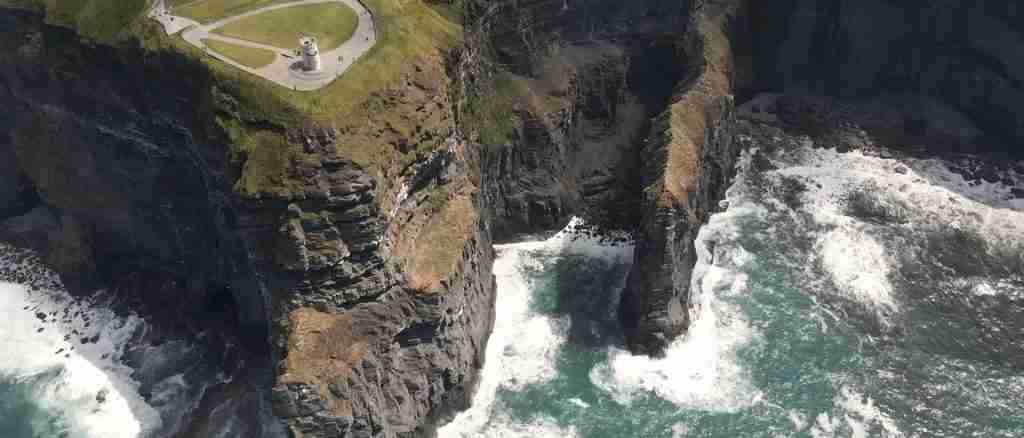
3 days
Galway 3-Day Discovery Tour
- ✓ Comprehensive Galway experience
- ✓ Expert local guides included
- ✓ All accommodation included
- ✓ Transportation provided
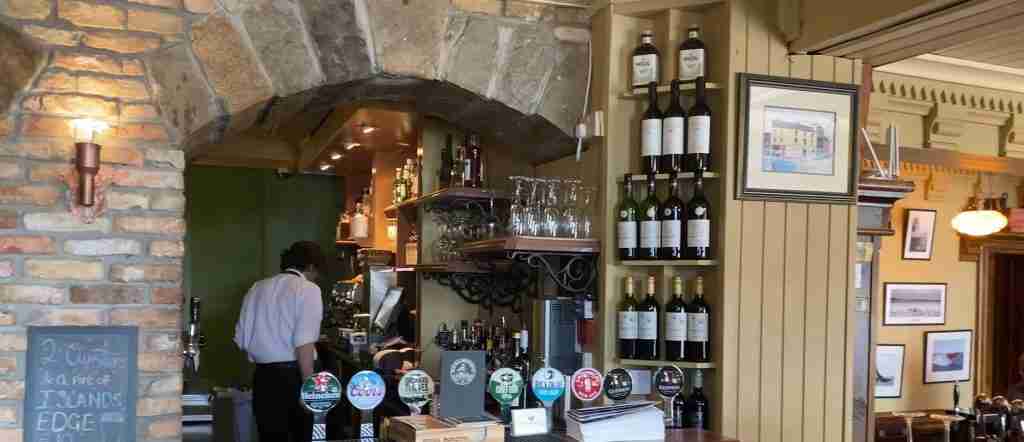
5 days
Galway 5-Day Highlights Experience
- ✓ Comprehensive Galway experience
- ✓ Expert local guides included
- ✓ All accommodation included
- ✓ Transportation provided
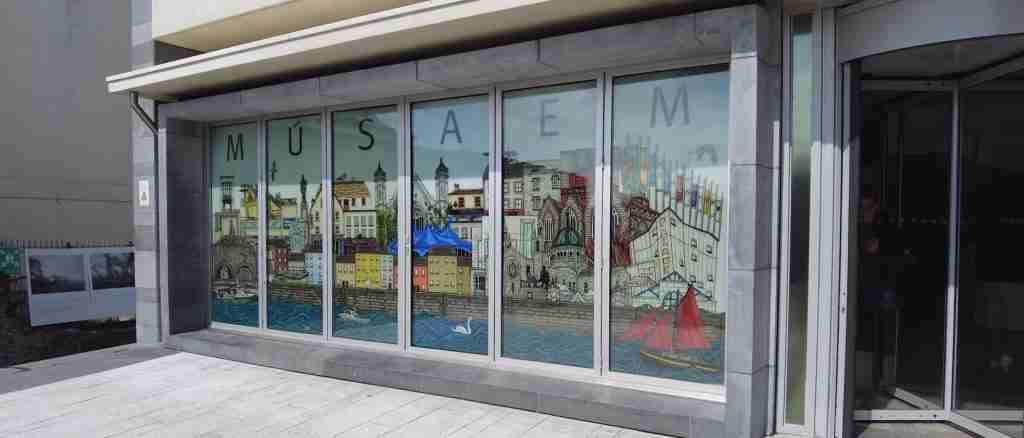
7 days
Galway 7-Day Cultural Journey
- ✓ Comprehensive Galway experience
- ✓ Expert local guides included
- ✓ All accommodation included
- ✓ Transportation provided
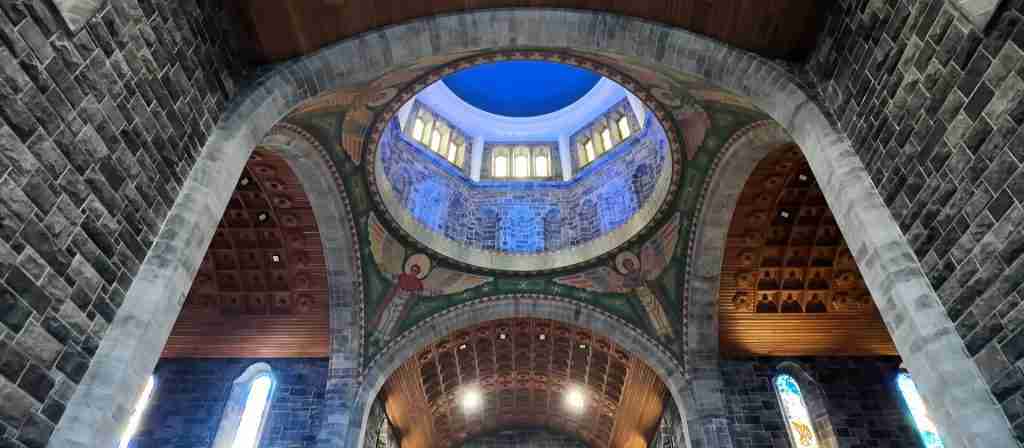
10 days
Galway 10-Day Complete Adventure
- ✓ Comprehensive Galway experience
- ✓ Expert local guides included
- ✓ All accommodation included
- ✓ Transportation provided
Multi-day tour packages powered by TourRadar. Prices and availability subject to change.
Introduction to Galway’s Day Trip Landscape 2026
Ireland’s west coast concentrates an extraordinary density of natural and cultural landmarks within 90-minute reach of Galway City, transforming the bohemian university town into the strategic basecamp for exploring the Wild Atlantic Way’s most celebrated destinations. Three signature excursions anchor the day trip portfolio: the Cliffs of Moher’s 214-meter ocean precipices attracting one million annual visitors, the Aran Islands’ time-capsule Gaelic communities preserving medieval lifestyles across three limestone outcrops in Galway Bay, and Connemara’s wilderness terrain of quartzite mountains, glacial lakes, and Ireland’s only fjord stretching across the region directly north of the city. These destinations operate independently yet complement each other, representing distinct facets of Ireland’s geographic and cultural heritage that collectively justify multi-day Galway residency.
The day trip infrastructure supporting these excursions evolved substantially through the 2020s, with guided tour operators now outnumbering independent transport options by margins exceeding five-to-one for major destinations. Tour companies proliferated to address visitor demand for stress-free navigation, cultural interpretation, and multi-stop itineraries compressing maximum experiences into single-day timeframes. Current offerings span budget-conscious group coaches accommodating 40-50 passengers at €35-45 per person, mid-tier tours limiting groups to 16-24 participants with more personalized attention at €58-72, and luxury private charters for 4-8 people delivering customized routes at €400-800 total. Independent travelers retain viable alternatives through public buses serving the Cliffs of Moher, year-round ferries connecting to all three Aran Islands, and rental car flexibility for Connemara exploration, though these options sacrifice the contextual narration and curated stop selection that transforms scenic drives into cultural education.
Seasonal patterns profoundly influence day trip logistics and pricing structures. Summer months from June through August concentrate 60% of annual visitation, driving tour operators to implement dynamic pricing that elevates costs 15-25% above shoulder season rates while also expanding departure frequency to accommodate demand. The Aran Islands ferry schedule exemplifies this seasonality: direct sailings from Galway City Docks operate exclusively March through September with 1 hour 40 minute crossings, while year-round service from Rossaveel maintains daily departures but requires 45-minute bus transfers from Galway plus shorter 40-minute ferry crossings. Weather unpredictability remains the persistent challenge across all destinations, with Atlantic weather systems generating rapid transitions between brilliant sunshine and horizontal rain within hours, making waterproof layers and flexible expectations essential equipment regardless of forecast promises.
The Wild Atlantic Way touring route designation reshaped how visitors conceptualize these day trips, positioning individual destinations as interconnected segments of Ireland’s 2,500-kilometer coastal driving route rather than isolated attractions. This framework encouraged multi-destination itineraries and combination tours, leading to the proliferation of Aran Islands-Cliffs of Moher packages (€93-100), Connemara-Cong village combinations (€40-58), and extended Burren-Cliffs-Aillwee Cave circuits (€66-72). Tour operators now market experiences rather than destinations, emphasizing narrative arcs like “Viking Heritage and Limestone Landscapes” or “Monastic Ireland Along the Atlantic Edge” that thread cultural themes through multiple stops. This evolution benefits time-constrained visitors seeking comprehensive regional exposure while potentially overwhelming those preferring deep immersion in single locations.
Advance booking requirements vary dramatically by season and destination. Summer Saturday departures to the Cliffs of Moher frequently sell out 48-72 hours ahead, particularly for popular mid-morning time slots enabling afternoon flexibility, while weekday winter departures accommodate walk-up bookings until departure time. Aran Islands ferries enforce stricter advance purchase for vehicle reservations and passenger manifests, recommending 24-hour minimum booking windows during peak months when weather-related cancellations cascade into concentrated rebooking on subsequent days. Connemara tours typically maintain availability due to the proliferation of operators running parallel itineraries, though small-group premium tours with participant caps at 16 require earlier booking. The advent of instant-confirmation online booking through platforms like Viator and GetYourGuide eliminated the previous requirement to contact operators directly, though booking through official company websites sometimes yields €3-5 discounts compared to third-party aggregator markups.
Transport logistics from Galway to day trip destinations operate through three primary models: tour company pickups at designated Galway hotels and guesthouses, central meeting points outside prominent hostels or hotels in Galway’s city center, and self-drive parking at ferry terminals or attraction car parks. Hotel pickup services typically add 15-30 minutes to itineraries while providing door-to-door convenience that eliminates morning navigation stress, though some operators restrict this option to accommodations within 2 kilometers of Eyre Square. Central meeting points concentrate at the Kinlay Hostel on Merchants Road, the Skeffington Arms Hotel, and Victoria Place near Eyre Square, with operators requiring arrival 15 minutes before scheduled departures to complete check-in and boarding. Self-drive options prove particularly viable for Aran Islands ferry terminals where Rossaveel pier parking costs €7 per 24 hours and eliminates bus transfer requirements, and for Cliffs of Moher where official parking combines with admission at €10 per person or alternative parking at Guerin’s Path charges €5 per vehicle.
The Cliffs of Moher Day Trip 2026: Planning and Pricing
The Cliffs of Moher command their position as Ireland’s most visited natural attraction through the dramatic collision of 300-million-year-old sandstone, siltstone, and shale formations with the relentless Atlantic Ocean, creating 214-meter precipices that stretch 14 kilometers along County Clare’s coastline. These geological monuments rise in stratified layers revealing Carboniferous Period sedimentation patterns, with the highest point near O’Brien’s Tower offering panoramic views encompassing the Aran Islands 48 kilometers northwest, the Twelve Bens of Connemara to the north, and the Dingle Peninsula mountains 113 kilometers southwest on exceptionally clear days. The cliff faces support Ireland’s largest mainland seabird colony, with over 20,000 breeding pairs including puffins, razorbills, guillemots, and kittiwakes nesting in the vertical rock during March-August breeding season, transforming the precipices into raucous avian cities visible and audible from observation platforms.
Admission pricing for the Cliffs of Moher Visitor Experience operates on a time-based dynamic structure in 2026. Peak hours from 11:00 AM to 4:00 PM charge €10 per adult (check the official Cliffs of Moher website for current rates), €9 for students and seniors over 65, and €20 for family tickets covering two adults and up to four children under 12. Children under 12 accompanied by parents enter free. Off-peak admission before 11:00 AM and after 4:00 PM reduces to undisclosed lower rates encouraging early-morning and evening visits when crowds thin and lighting conditions often prove superior for photography. Online advance booking through the official website discounts adult admission to €7, representing 30% savings and guaranteeing entry during sold-out summer weekends when walk-up visitors face turned-away disappointment. The admission fee combines parking access with all visitor center facilities including the award-winning Atlantic Edge exhibition, O’Brien’s Tower, 800 meters of paved cliff-edge pathways, restrooms, information points, and free downloadable audio guides providing geological and cultural narration at 15 designated cliff-edge stops.
Independent transport options to the Cliffs of Moher from Galway center on Bus Éireann’s Route 350 public service and private shuttle operators. Route 350 departs Galway’s Ceannt Station approximately 3 times daily with journey times near 2 hours, requiring connections through Ennis for some departures and costing approximately €17 each way per adult. This option demands careful schedule coordination, as limited daily frequencies can restrict cliff visit duration to narrow windows between inbound and outbound buses. The service stops directly at the Cliffs of Moher Visitor Centre, eliminating the final transfer complications that plague some Irish rural bus routes. Private shuttle operators including those affiliated with accommodation providers charge €25-35 round-trip and offer more flexible timing, though these services typically require advance booking and minimum passenger counts.
Guided tour options from Galway proliferate across the budget-to-luxury spectrum, with pricing directly correlating to group size, itinerary comprehensiveness, and service quality. Standard full-day tours averaging €35-45 per person operate large coaches with 40-50 passengers, departing Galway approximately 9:00-10:00 AM and returning 5:00-6:00 PM after 8-hour itineraries. These tours allocate 1.5-2 hours at the Cliffs of Moher, including admission in the package price, while incorporating 30-45 minute stops at signature Burren locations like Poulnabrone Dolmen, the lunar limestone pavements near Carron, and coastal villages such as Kinvara with its photogenic Dunguaire Castle and traditional Galway Hooker sailing boats. Premium small-group tours limiting participants to 16-24 people charge €58-72 per person and deliver more personalized attention, additional photo stops at locations inaccessible to full-size coaches, and opportunities for passenger questions and interaction with guides who typically possess advanced qualifications in Irish history, archaeology, or geology.
The Burren component integrated into most Cliffs of Moher tours transforms simple cliff visits into comprehensive geological and archaeological education spanning 350 million years of earth history and 6,000 years of human occupation. This UNESCO Global Geopark encompasses 530 square kilometers of limestone karst landscape formed when tropical seas covered Ireland during the Carboniferous Period, later exposed through glaciation and weathered into the current moonscape of exposed gray pavement, disappearing streams, and underground cave systems. The limestone’s chemical composition and fissured structure create unique microclimates supporting Arctic, Alpine, and Mediterranean plant species growing within meters of each other—botanical diversity unparalleled anywhere in Ireland or Britain. Tour guides contextualize this ecology while navigating to Poulnabrone Dolmen, a 5,800-year-old portal tomb constructed from massive limestone slabs in the Neolithic period, and discussing the Burren’s role in Irish mythology, particularly the ancient kingdom of Corcomroe whose ruined 12th-century Cistercian abbey still stands in the region’s northeastern corner.
Coastal route variations influence tour experiences substantially, particularly the decision whether to travel via the coastal R477 Wild Atlantic Way road or the inland N67 through Kinvara. The coastal route extends journey time by 20-30 minutes but delivers continuous ocean views, passes Black Head Lighthouse clinging to its cliff-edge perch, and stops at roadside pull-offs where the Burren limestone meets the Atlantic in dramatic formations. The inland route proves faster and more reliable in winter when coastal roads occasionally close during Atlantic storms, while still incorporating Kinvara’s harbor and Dunguaire Castle, whose 16th-century tower house provides quintessential Irish castle photography opportunities. Many tour operators combine both routes, traveling outbound along the coast for maximum scenic impact and returning inland for efficiency, a routing that also exposes passengers to The Burren’s interior valleys where traditional farms maintain stone-walled fields and thatched cottages increasingly rare elsewhere in modern Ireland.
Afternoon-departure half-day tours emerged in recent years as alternatives for travelers with morning commitments or those combining multiple half-day experiences. These condensed 5-hour itineraries depart Galway approximately 2:00 PM, reach the Cliffs of Moher by 4:00 PM for 75-90 minute visits, and return to Galway around 7:00 PM. Pricing averages €40-53 per person including Cliffs admission, though these abbreviated tours sacrifice Burren stops to maintain cliff visit duration within the compressed timeline. The late-afternoon timing offers advantages including softer lighting for photography, reduced crowds as day visitors depart, and potential sunset views during summer months when daylight extends until 9:30-10:00 PM. Tour operators bundle these half-day Cliffs experiences with morning Aran Islands trips or Connemara tours, enabling motivated travelers to experience two major destinations in single days, though the resulting 12-14 hour combined itineraries demand substantial stamina.
Private Cliffs of Moher day tours deliver ultimate flexibility and personalization for groups of 4-8 people, with total costs ranging €400-800 depending on vehicle type, itinerary customization, and additional stops requested. These exclusive experiences allow departure time selection, extended cliff visit duration unbound by group schedules, and integration of personal interests like photography workshops at optimal lighting times, traditional Irish music pub stops in Doolin village, or detours to Lahinch for coastal walks along the famous surfing beach. The per-person economics become attractive for groups of 6-8, where €400 total divides to €50-67 per person while delivering the premium experience. Private tour guides typically possess deeper expertise than group tour drivers, offering specialized knowledge in areas like seabird identification, local folklore, or detailed archaeological analysis of Burren monuments based on guide backgrounds and interests aligned with passenger requests.
Alternative cliff access routes provide budget-conscious and independent-minded visitors with creative Cliffs of Moher experiences outside the official visitor center framework. The Doolin Cliff Walk extends approximately 8 kilometers along the clifftop from Doolin village to the visitor center, requiring 3-4 hours one-way for moderately fit walkers and offering continuous ocean views without admission fees. This route starts at sea level in Doolin and ascends progressively to the cliff heights, passing close to cliff edges without safety barriers and demanding caution during windy conditions when gusts can destabilize footing. The Liscannor approach from the southern end provides another pedestrian option with similar distance and conditions. Guerin’s Path, signposted along the coast road, offers vehicle parking at €5 per car with short walks to cliff viewpoints, representing significant savings for groups where the €5 total beats multiple €10-per-person visitor center admissions, though the approach lacks the interpretive center, facilities, and constructed viewing platforms available through official admission.
Weather contingency planning proves essential for Cliffs of Moher visits, where Atlantic weather systems generate rapid changes and where the experience quality varies dramatically between clear visibility and fog-shrouded conditions. Summer months from May through September provide the highest probability of favorable weather, though even midsummer visits face 30-40% chances of rain or mist at some point during the day. Layered waterproof clothing becomes mandatory equipment rather than optional precaution, as cliff-edge positions expose visitors to wind-driven rain arriving horizontally rather than vertically. The visitor center provides comprehensive weather shelter with floor-to-ceiling windows overlooking the cliffs when exterior conditions prove too harsh for extended outdoor time, though the indoor viewing obviously compromises the visceral experience of standing at the precipice with ocean wind and seabird calls surrounding observers. Sunrise and sunset visits during summer months offer magical lighting rarely experienced by day visitors, requiring either personal vehicle transport or specialized photography-focused tours departing at unconventional hours.
Aran Islands Day Trips 2026: Three Islands, Multiple Routes
The Aran Islands comprise three limestone outcrops in Galway Bay—Inishmore (Inis Mór), Inishmaan (Inis Meáin), and Inisheer (Inis Oírr)—extending the Burren’s distinctive karst geology across 48 kilometers of Atlantic waters. These islands preserve Ireland’s most concentrated Gaelic cultural heritage, where Irish remains the dominant daily language, traditional thatched cottages and dry-stone walls define the landscape, and pre-Christian archaeological sites including the spectacular cliff-edge fort of Dún Aonghasa attract researchers and tourists in equal measure. The islands’ geographic isolation sustained medieval and early modern lifestyles into the 20th century, creating the cultural time capsule that Robert Flaherty documented in his 1934 film “Man of Aran” and that continues attracting visitors seeking authentic Irish rural experiences increasingly rare on the mainland.
Ferry transport to the Aran Islands operates through three primary routes, each offering distinct advantages and pricing structures for 2026. The year-round Rossaveel service departs from the purpose-built ferry terminal 37 kilometers west of Galway City, with round-trip adult fares ranging €17-34 depending on destination island, advance booking discounts, and seasonal demand fluctuations. Ferries to Inishmore, the largest and most-visited island, cost approximately €25-30 return, while Inishmaan and Inisheer service averages €23-28 return. The Rossaveel crossing takes just 40 minutes to Inishmore, 1 hour 10 minutes to the more distant smaller islands, with multiple daily departures providing schedule flexibility. Parking at Rossaveel ferry terminal costs €7 per 24 hours, and shuttle buses connect Galway City’s Victoria Place to the terminal for passengers without vehicles, included in ferry ticket prices when booked as combined packages.
Seasonal direct ferries from Galway City Docks operate March through September exclusively, eliminating the Rossaveel bus transfer but extending sea crossing duration to 1 hour 40 minutes. These direct sailings charge premium fares averaging €45-60 return per adult but deliver the convenience of walking from Galway accommodations to the departure pier. The longer crossing time includes a dramatic coastal route passing beneath the Cliffs of Moher on return journeys, transforming transport into sightseeing and providing unique sea-level perspectives of the 214-meter precipices. These direct ferries typically operate 2-3 departures daily during peak summer months, reducing to single daily sailings during shoulder seasons, with weather-dependent cancellations more frequent than the sheltered Rossaveel route. Advance booking becomes essential during July-August when limited vessel capacity sells out 48-72 hours ahead for weekend departures.
The Doolin ferry route from County Clare offers the shortest crossing time at just 15-25 minutes to Inisheer, the closest island to the mainland. This option particularly suits travelers already visiting the Cliffs of Moher or staying in Doolin village, with return fares averaging €18-35 per adult to Inisheer and €23-45 to Inishmore or Inishmaan. The Doolin ferries operate March through November, weather permitting, with 4-6 daily departures during summer and reduced frequency during shoulder months. This route’s brevity enables quick island escapes for travelers on tight schedules, though Inisheer, while charming with its compact size, shipwreck remnants, and O’Brien’s Castle ruins, offers less infrastructure and fewer formal attractions than Inishmore’s extensive archaeological sites and developed tourism facilities.
Aer Arann Islands operates inter-island flights and connections from Connemara Regional Airport, located 30 minutes west of Galway City. These 8-10 passenger aircraft complete the crossing in 10 minutes, providing aerial perspectives of the islands’ patchwork stone-walled fields and coastal formations. Round-trip fares average €45-55 per person with advance booking, comparable to direct ferry costs but delivering time savings and unique sightseeing value. The flights operate year-round with reduced weather vulnerability compared to sea crossings, continuing operations during moderate wind conditions that ground ferries. Flight schedules coordinate with shuttle bus service from Galway City, bundled into ticket prices, creating door-to-door journey times under 1 hour compared to 2+ hours via Rossaveel ferry including bus transfers. The aircraft weight restrictions limit luggage to carry-on sizes, and flights accommodate maximum 8-9 passengers, requiring advance booking particularly during summer when small capacity sells out quickly.
Inishmore dominates Aran Islands tourism, attracting approximately 75% of total island visitation through its combination of dramatic archaeology, developed visitor infrastructure, and manageable 10-kilometer length suitable for day-trip exploration. Dún Aonghasa, the island’s premier attraction, comprises a prehistoric semi-circular stone fort perched on 100-meter cliffs, constructed in stages between 1100 BC and 700 AD. The fort’s three concentric defensive walls and chevaux-de-frise (defensive stone spikes) protect the landward approach, while the ocean side relies on sheer cliff drops for security. Accessing the fort requires 20-30 minute uphill walks from the island’s main road, with the final approach crossing exposed limestone pavement. Other Inishmore archaeological sites include the Seven Churches medieval monastic complex, the Black Fort (Dún Dúchathair), and numerous beehive stone huts (clochans) scattered across the landscape, creating sufficient attractions to fill 5-6 hours of exploration before return ferry departures.
Island transport options significantly influence day trip logistics and costs. Bicycle rentals dominate as the preferred exploration method, with shops near the Kilronan pier charging €10-15 per day for standard bikes. The island’s relatively flat terrain and 10-kilometer length make cycling feasible for moderately fit visitors, though the limestone surface’s irregularities and frequent stone walls create navigation challenges for inexperienced cyclists. Pony-and-trap tours represent the traditional island transport, with driver-guides providing 2-3 hour circuits covering major sites and narrating island history, ecology, and folklore. These tours cost €80-120 per trap accommodating 4 passengers, translating to €20-30 per person for groups, and deliver authentic Irish rural atmosphere alongside practical transport. Minibus tours offer modern alternatives at €10-15 per person for 2-hour circuits, sacrificing romantic charm for efficiency and weather protection. Walking remains viable for fit visitors with limited time pressures, though the distances between scattered sites mean selective prioritization rather than comprehensive coverage.
Inishmaan, the middle island, attracts visitors seeking quieter experiences and connections to Irish literary heritage, particularly the island’s association with J.M. Synge, whose time on Inishmaan inspired his plays “Riders to the Sea” and “The Playboy of the Western World.” The island’s compact 9 square kilometers contain Dún Chonchúir prehistoric fort, numerous early Christian churches, and traditional thatched cottages maintained as cultural heritage demonstrations. Inishmaan receives the fewest visitors among the three islands, creating opportunities for solitary cliff walks and authentic interactions with Irish-speaking residents. The limited infrastructure means fewer formal tours and rental options, making Inishmaan best suited for independent travelers comfortable with self-guided exploration and willing to navigate with minimal signage or tourist facilities.
Inisheer combines small size with concentrated attractions, making it accessible for short visits from the Doolin ferry route. The island’s 3 square kilometers contain the photogenic Plassey shipwreck gradually consumed by Atlantic storms since grounding in 1960, O’Brien’s Castle 10th-century ruins offering panoramic bay views, and St. Caomhán’s Church, a 12th-century structure that local residents excavate annually from sand dunes that perpetually bury the building. Inisheer’s intimate scale enables complete walking tours within 2-3 hours, perfect for half-day visits combined with Cliffs of Moher tours. The island maintains traditional pub culture with multiple establishments offering Irish music sessions most evenings during summer months, creating opportunities for cultural immersion extending beyond daylight sightseeing hours, though overnight accommodation capacity remains limited with booking essential during peak season.
Combined island-and-cliffs tours consolidate Aran Islands visits with Cliffs of Moher experiences into single-day packages, operating predominantly during April through October when weather reliability improves. These 10.5-hour expeditions typically depart Galway at 9:00 AM, ferry passengers to Inisheer from Doolin (15-minute crossing), allow 2 hours island exploration, then boat beneath the Cliffs of Moher for sea-level perspectives before 1-hour visits atop the cliffs at the visitor center. Total costs average €93-100 per person including all ferry transfers, Cliffs admission, and coach transport, representing €20-35 savings versus booking components separately while maximizing coastal exposure. The compressed timeline sacrifices depth for breadth, providing tastes of both destinations rather than immersive experiences, making these combination packages optimal for first-time visitors building geographic awareness or travelers with limited Galway residency unable to dedicate separate days to each destination.
Weather vulnerability affects Aran Islands day trips more severely than mainland excursions, as Atlantic storm systems can cancel ferry sailings with minimal advance notice, disrupting carefully planned itineraries. Summer months from May through September provide the most reliable crossing conditions, though even midsummer experiences 15-20% cancellation rates during particularly unsettled weather patterns. Ferry operators maintain flexible rebooking policies allowing free transfers to alternate dates when weather forces cancellations, but these accommodations prove inadequate for travelers with fixed Galway departure schedules. Travel insurance covering weather-related disruptions becomes advisable for visitors with tight itineraries, as multi-day delays during prolonged storm sequences can occur 2-3 times annually even during summer season. The morning ferry departure schedule requires early-morning weather assessments, with operators typically confirming or canceling sailings 1-2 hours before scheduled departure times, creating morning uncertainty that complicates breakfast planning and alternative activity arrangements when cancellations occur.
Cultural preparation enhances Aran Islands experiences substantially, particularly understanding the islands’ role preserving Irish language and traditional lifestyles. Irish (Gaeilge) functions as the primary daily language across all three islands, with English widely spoken for tourism interactions but Irish dominating resident conversations, shop transactions, and community gatherings. The islands maintain traditional wool craftsmanship, particularly the famous Aran sweaters whose distinctive cable-knit patterns historically identified individual families and provided waterproofing through lanolin-rich unwashed wool. Authentic Aran sweaters crafted by island knitters cost €150-300 in island shops, representing significant investments compared to mass-produced imitations sold elsewhere, but delivering genuine cultural artifacts and supporting local economies. The islands’ agricultural landscapes demonstrate centuries of human effort transforming bare limestone into arable land through seaweed fertilization and imported soil, creating the thin earth layer supporting the patchwork stone-walled fields that define island aesthetics from aerial and ground perspectives alike.
Connemara Day Tours 2026: Mountains, Fjords, and Abbey Grandeur
Connemara occupies approximately 2,000 square kilometers of northwest County Galway, characterized by quartzite mountain ranges, glacial lakes, blanket bog, and indented coastline forming Ireland’s scenic apotheosis. The Twelve Bens (Na Beanna Beola) mountain range rises to 730 meters at Benbaun peak, creating a dramatic quartzite ridge visible from Galway City 60 kilometers southeast, while the Maamturk Mountains form a parallel range to the east, bracketing glacial valleys and the extensive Roundstone Bog between the ranges. This wilderness terrain remains remarkably undeveloped despite proximity to Galway, preserving traditional Irish-speaking communities, thatched cottage architecture, and agricultural practices increasingly rare elsewhere in modernized Ireland.
Full-day Connemara tours from Galway operate 8-9 hour itineraries departing approximately 10:00 AM and returning 6:00-7:00 PM, with standard group tours priced €40-58 per person and small-group premium options reaching €58-70. The base tour fare covers round-trip coach transport, professional driver-guide narration throughout the journey, and curated photo stops at key viewpoints, though Kylemore Abbey admission requires separate payment. Most operators offer discounted Kylemore entry at €14 per person (reduced from the €16 gate rate), collected in cash by drivers, with the €14 providing access to the Neo-Gothic castle, Victorian walled gardens, shuttle bus to the gardens, and the Gothic church on the estate grounds. Budget-focused tours eliminating the Kylemore stop reduce costs to €40 per person while maintaining comprehensive Connemara exposure through Killary Fjord, Connemara National Park, and traditional village visits.
Kylemore Abbey anchors most Connemara itineraries as the region’s premier constructed attraction and photographic icon. Mitchell Henry built this elaborate 19th-century castle as a romantic gift for his wife Margaret in the 1860s, spending a fortune equivalent to €30 million in current values to create a 70-room mansion in the Gothic Revival style. The estate encompasses 1,000 acres including a 6-acre Victorian walled garden reconstructed to its original 1890s glory, featuring exotic plants thriving in the sheltered microclimate and original glass houses providing protected growing spaces. The Benedictine nuns who purchased the estate in 1920 established an abbey and girls’ school, with the religious community maintaining residence and spiritual practices to the present day. Tours typically allocate 1.5-2 hours at Kylemore, enabling castle interior exploration, garden shuttle bus excursions, church visits, and lunch breaks at the on-site café serving traditional Irish dishes and homemade baked goods.
Killary Fjord represents Ireland’s only true fjord, though geologists debate whether the 16-kilometer inlet extending between County Galway and County Mayo qualifies technically as a fjord or simply a deeply indented harbor. Regardless of technical classification, Killary delivers spectacular scenery where steep-sided mountains plunge into deep waters supporting mussel farm operations visible as buoy-marked lines across the surface. The fjord reaches depths exceeding 40 meters and maintains steep gradients that prevented the sediment accumulation typical of Irish estuaries, creating the clear waters and dramatic relief that characterize Norwegian and Scottish fjords. Tour stops at Leenane village at the fjord’s head provide photo opportunities across the water toward the mountains, with the dramatic backdrop explaining why the location attracted film crews for productions including “The Field” (1990) and several episodes of television series. Sheep farms clinging to the fjord’s slopes demonstrate the marginal agricultural conditions forcing Connemara residents to extract livings from challenging terrain through determination and traditional knowledge passed across generations.
Connemara National Park protects 2,957 hectares of mountains, bogs, heaths, and grasslands in the Twelve Bens range, with visitor facilities concentrated at Letterfrack village providing interpretive exhibits, walking trail access, and ranger-guided activities during summer months. The park’s establishment in 1980 aimed to preserve the distinctive Connemara landscape including blanket bog ecosystems increasingly threatened by peat extraction and development elsewhere in Ireland. The Diamond Hill walking circuit, a 7-kilometer loop requiring 2-3 hours, ascends 442 meters through bog, heath, and exposed quartzite slopes to a summit viewpoint encompassing the Twelve Bens, Killary Fjord, and the Atlantic coastline. Most day tours stop at the visitor center for 30-45 minutes enabling short walks on the lower bog boardwalks and exhibits rather than the full Diamond Hill circuit, though some premium small-group tours incorporate 1-2 hour guided walks for participants comfortable with moderate hill walking.
The Sky Road loop near Clifden provides one of Ireland’s most scenic coastal drives, where a narrow road hugs clifftops 100 meters above the Atlantic before returning inland through stone-walled pastures. This 15-kilometer circuit takes 20-30 minutes driving at the cautious speeds demanded by the narrow single-track sections with occasional passing places. The route’s elevation provides panoramic views across Clifden Bay toward Inishturk and Inishbofin islands, with the dramatic collision of green pastures, blue ocean, and rocky shoreline creating quintessential Irish coastal scenery. The road’s surface and width limit access to standard tour coaches, meaning only minibus tours and private vehicles navigate the complete circuit, though large coach tours stop at lower Sky Road viewpoints providing abbreviated versions of the scenic exposure.
Traditional Irish culture preservation remains most visible in Connemara’s Gaeltacht (Irish-speaking) villages including An Spidéal (Spiddal), Carna, and Roundstone. An Spidéal, just 19 kilometers west of Galway City, functions as the easternmost Connemara settlement and a common tour stop for craft shopping and beach walks. The village maintains Irish language schools attracting summer students from across Ireland seeking immersion environments, while local shops sell traditional Connemara marble jewelry and Aran knitwear. Roundstone, positioned on the southern Connemara coast, preserves traditional bodhran (Irish drum) making at Malachy Kearns Music Shop, where craftsmen construct these goatskin drums using techniques unchanged over centuries. Tour stops in these villages typically allocate 20-30 minutes for shopping, photography, and cultural observation rather than deep ethnographic engagement, though the brief exposures still demonstrate the living Irish language community that distinguishes Connemara from more anglicized Irish regions.
Combination tours linking Connemara with Cong village add literary and cinematic dimensions to mountain and coastal landscapes. Cong straddles the County Galway-County Mayo border at the isthmus between Lough Corrib and Lough Mask, achieving fame as the filming location for John Ford’s 1952 film “The Quiet Man” starring John Wayne and Maureen O’Hara. The village preserves several film locations including the bridge where Wayne’s character courts O’Hara, the cottage exterior used for O’Hara’s home (recreated as a museum), and the village streets retaining 1950s rural Irish character. Cong also contains Augustinian Abbey ruins founded in the 12th century, with remaining Gothic arches and cloisters demonstrating medieval monastic architecture. These Connemara-Cong combination tours typically sacrifice deep Connemara penetration for the Cong addition, focusing on accessible Connemara highlights near the eastern boundary (Lough Corrib, Oughterard, Maam Cross) rather than the western mountains and coast. Total tour costs remain €40-58 per person with 8-hour itineraries, making them attractive alternatives for visitors interested in film history or medieval archaeology alongside natural landscapes.
Private Connemara day tours deliver customization enabling geology-focused itineraries, photography-optimized timing, traditional music pub stops, sheepdog demonstration visits at working farms, and flexible pacing accommodating varied fitness levels and interests. These exclusive experiences cost €400-800 total for groups of 4-8 people depending on vehicle type (luxury sedan, minivan, or small coach) and itinerary complexity. The per-person economics favor larger groups where €600 total divides to €75-100 per person, delivering premium experiences at competitive rates compared to small-group tours charging €58-70 for fixed itineraries. Private tour advantages include departure time flexibility enabling morning light for mountain photography or afternoon timing avoiding midday crowds at Kylemore Abbey, extended stops at locations matching passenger interests, and guide expertise tailored to group backgrounds whether geological, historical, botanical, or cultural.
Weather planning proves essential for Connemara day trips where mountain weather patterns generate rapid changes and where rain, fog, and wind can obscure the landscape views that justify the excursion. Summer months from May through September provide optimal visibility probability, though even midsummer experiences 40-50% rain likelihood at some point during 8-hour itineraries. The Atlantic weather systems approaching from the west strike Connemara’s mountains first, often clearing before reaching Galway City 50 kilometers east, meaning Galway morning sunshine guarantees nothing about Connemara conditions. Layered waterproof clothing and sturdy footwear prove mandatory regardless of Galway departure weather, as the temperature differential between coastal lowlands and 700-meter mountain passes reaches 8-10°C even during summer. Tour operators proceed with itineraries except during extreme conditions, as Connemara’s multiple enclosed attractions (Kylemore Abbey, visitor centers, churches, pubs) provide weather shelter when outdoor conditions prove too harsh for extended landscape viewing.
Seasonal variations significantly affect Connemara touring experiences, with summer’s blooming heather and rhododendrons transforming mountain slopes into purple carpets during July-August, while winter’s snow-capped peaks and dramatic storm light create moody atmospheric conditions appealing to photographers. Kylemore Abbey’s Victorian walled gardens reach peak display during May-September when exotic plants and carefully maintained beds demonstrate the horticultural ambitions of the original 1890s design, though the winter dormancy reduces garden appeal substantially. Autumn colors during September-October transform Connemara’s woodlands and bogs into bronze and amber landscapes, while spring wildflowers including bluebells and primroses brighten March-April despite the season’s higher rainfall averages. Many tour operators reduce departure frequency during November-February low season when demand drops, though year-round service continues for the smaller visitor numbers willing to brave winter conditions for solitude and dramatic weather-driven landscape moods.
Multi-Day Trip Combinations and Logistics 2026
Ambitious travelers with 3-4 days in Galway can experience all three signature day trips—Cliffs of Moher, Aran Islands, and Connemara—creating comprehensive west Ireland exposure spanning coastal, island, and mountain environments. The optimal sequencing starts with the weather-dependent Aran Islands ferry trip, followed by the Cliffs of Moher tour, concluding with Connemara, though this ordering requires monitoring forecasts and maintaining booking flexibility. Total costs for this triple experience average €168-204 per person using standard group tours (€93-100 Aran-Cliffs combination, €35-45 standalone Cliffs tour if not combined, €40-58 Connemara tour), representing significant value for the geographic and cultural breadth delivered across three full days. Premium small-group versions elevate costs to €240-290 per person but deliver enhanced experiences through reduced group sizes, additional stops, and superior guide expertise.
Half-day tour combinations enable highly motivated travelers to experience two destinations in single days, though the resulting 12-14 hour itineraries demand substantial stamina and tolerance for bus time. The most common pairing combines morning Connemara tours (departing 10:00 AM, returning 2:00 PM) with afternoon Cliffs of Moher half-day trips (departing 2:00 PM, returning 7:00 PM), though this rushed schedule eliminates lunch breaks and provides minimal buffer time between tours. Some operators specifically design these combination packages with synchronized timing and central transfer points, charging combined rates €75-90 per person compared to €80-100 for separately booked half-day tours. The compressed itineraries sacrifice the leisurely pacing that enables photo stops, village exploration, and cultural absorption, making them suboptimal for travelers seeking deep engagement versus those prioritizing checklist-style destination coverage.
Overnight island stays transform hurried day trips into immersive cultural experiences, particularly on Inishmore and Inisheer where guesthouses and small hotels accommodate visitors seeking evening traditional music sessions, sunrise coastal walks, and unhurried archaeological site exploration. Overnight options require booking return ferry tickets for different days, with most operators allowing open returns or specific date rebooking for modest fees. Accommodation costs on Inishmore average €70-120 per person per night for guesthouses and small hotels, with advance booking essential during July-August peak season when the limited capacity (approximately 300 tourist beds across the island) sells out weeks ahead. Overnight stays enable participation in evening pub culture when traditional Irish music sessions attract both residents and tourists, creating authentic social environments rarely experienced during daylight-only visits. The overnight logistics require packing essentials in day bags, as full luggage transport complicates ferry boarding and island bicycle rental, though guesthouses accommodate luggage storage for guests exploring light during the day.
Self-drive alternatives to guided tours provide maximum flexibility for experienced drivers comfortable with Ireland’s narrow roads, left-side driving, and occasionally challenging navigation. Rental cars from Galway City cost €40-70 per day depending on vehicle size and season, with manual transmissions standard and automatic options commanding €15-25 daily premiums. The Cliffs of Moher lie 80 kilometers south via N67 and R477, requiring 90-120 minutes driving time each direction plus cliff visit duration, with fuel costs adding €15-20 for the round trip. Rossaveel ferry terminal sits 37 kilometers west on R336, a 45-minute drive through Connemara’s eastern margins, while Connemara touring requires full-day commitments covering 150-250 kilometers depending on selected routes and stops. Self-drive economics favor groups of 3-4 people where daily rental and fuel costs divide to €15-25 per person, competitive with budget tour pricing while delivering complete itinerary control and timing flexibility. The trade-offs involve navigation stress, driving fatigue eliminating scenic enjoyment for the driver, and foregone educational narration that tour guides provide.
Public transport combinations using Bus Éireann services connect Galway to multiple day trip destinations, though limited frequencies and required transfers create logistical challenges that guided tours eliminate. Route 350 serves the Cliffs of Moher 2-3 times daily as detailed earlier, while Route 419 connects Galway to Clifden in Connemara twice daily with 2-hour journey times. The Rossaveel ferry shuttle buses function essentially as Route 424, coordinating with ferry schedules year-round. Using public transport requires careful schedule coordination, as missed connections can strand travelers at remote stops with multi-hour waits for subsequent buses. The economic advantages prove minimal versus budget tours, as return bus fares (€17-25) plus attraction admissions (€10-14) total €27-39 per person, just €8-12 below standard tour pricing while sacrificing the guided narration, additional stops, and schedule reliability that tours provide.
Photography-focused touring requires specific timing and location selections that standard tours rarely accommodate. Sunrise and sunset light transforms the Cliffs of Moher, Connemara mountains, and Aran Islands stone walls into dramatically different landscapes compared to midday visits, but these optimal photography windows fall outside typical tour schedules. Self-drive or private tour options become essential for photographers seeking golden hour light, with sunrise visits to Dún Aonghasa on Inishmore or sunset sessions at the Cliffs of Moher delivering the dramatic illumination that separates professional-quality images from tourist snapshots. Weather monitoring and flexible scheduling prove crucial, as cloud conditions determine whether sunrise/sunset delivers spectacular color or disappointing gray uniformity. Photography-specific tours occasionally appear during summer months, marketed through workshops led by professional photographers, charging premium rates €150-250 per person but delivering expert guidance on composition, settings, and location timing that amateur photographers struggle to achieve independently.
Accessibility considerations affect day trip options significantly, as the rugged terrain characterizing all three major destinations creates challenges for visitors with mobility limitations. The Cliffs of Moher Visitor Experience provides exemplary accessibility with 800 meters of paved, fully accessible pathways, seated viewing areas, and “Lifts of Moher” electric mobility vehicles driven by experienced guides to ensure less mobile visitors reach prime viewpoints. Kylemore Abbey offers wheelchair-accessible grounds and castle ground floor, though the Victorian walled gardens require shuttle bus transport and contain some unpaved paths. The Aran Islands present the greatest accessibility challenges, as the bicycle-based transport systems and uneven limestone terrain create barriers for wheelchair users and visitors with limited mobility, though pony-and-trap tours and minibus options provide seated alternatives to cycling. Advance communication with tour operators enables arrangements for accessible options, though some destinations simply cannot accommodate all mobility levels due to terrain constraints like Dún Aonghasa’s clifftop location requiring uphill walks.
Seasonal Planning and Weather Considerations 2026
Ireland’s maritime climate generates weather unpredictability across all seasons, though distinct patterns emerge enabling strategic trip timing for optimal conditions. Summer months from June through August provide the highest probability of dry weather and the longest daylight hours extending until 10:00-10:30 PM, creating maximum flexibility for outdoor activities and photography. Summer also concentrates 60% of annual tourism, driving crowds at major attractions and elevating tour prices 15-25% above shoulder season rates while reducing availability for last-minute bookings. The temperature advantages prove modest, with summer daytime highs averaging just 17-20°C and requiring layered clothing rather than shorts and t-shirts that Mediterranean summer visitors expect.
Spring months from March through May deliver increasingly reliable weather as the season progresses, with March experiencing frequent Atlantic storms while May approaches summer-like stability. Spring wildflowers transform landscapes during April-May, particularly on the Aran Islands where the thin soil supports diverse botanical communities blooming in succession. Birdlife activity peaks during spring migration and breeding seasons, making April-June optimal for seabird observation at the Cliffs of Moher when puffin colonies reach maximum population and activity levels. Tour operators increase departure frequencies during spring as demand rises, though availability typically exceeds summer constraints until late May. Pricing remains at shoulder season levels (10-15% below peak summer rates) through April, jumping to summer pricing by June when school holidays commence across European source markets.
Autumn from September through November maintains moderate weather during September-early October before deteriorating into winter storm patterns by November. September particularly delivers excellent value with summer-like weather but post-peak pricing returning to shoulder season levels and reduced crowds creating more intimate experiences at major attractions. Autumn colors peak during late September-October when heathers bloom purple across Connemara mountains and deciduous woodlands turn bronze and amber. Daylight contraction becomes noticeable during autumn, with sunset moving from 9:00 PM in early September to 5:30 PM by November, restricting afternoon touring possibilities and eliminating sunset photography opportunities without extending itineraries into evening hours. Ferry services reduce frequencies during autumn, with direct Galway-to-Aran sailings ending in late September and Doolin routes concluding by early November, leaving only Rossaveel year-round service operating through winter.
Winter from December through February presents the most challenging touring conditions, with Atlantic storm sequences delivering persistent rain, strong winds, and occasional snow at mountain elevations. Daylight restrictions prove severe, with December sunset at 4:30 PM limiting touring windows and creating scheduling challenges for 8-hour itineraries. Tour operators reduce winter frequencies significantly, with many Connemara tours operating just 2-3 days weekly compared to daily summer departures, while maintaining more frequent Cliffs of Moher service due to that destination’s year-round appeal. Winter advantages include dramatic storm light for photography, complete tourist absence creating solitary experiences at major sites, and lowest pricing of the year with some operators discounting 20-30% below summer rates. Kylemore Abbey’s gardens enter dormancy during winter, reducing that attraction’s appeal, though the castle interior and Gothic church maintain interest regardless of season.
Weather monitoring and contingency planning prove essential across all seasons given Ireland’s rapid weather changes. Met Éireann (Ireland’s meteorological service) provides detailed coastal and mountain forecasts updated every 6 hours, accessible through their website and mobile app. Ferry operators monitor weather continuously and make sailing decisions 1-2 hours before scheduled departures, communicating cancellations through email, text message, and phone calls to booked passengers. Tour operators proceed with land-based itineraries except during severe weather warnings (issued 2-5 times annually), as coach travel proves feasible during moderate rain and wind that would cancel ferry sailings. The psychological preparation for Irish weather proves as important as physical preparation, as visitors expecting Mediterranean conditions experience disappointment when Atlantic reality delivers horizontal rain and 15°C temperatures during summer months.
Clothing and equipment requirements remain consistent across seasons, centered on waterproof layering and sturdy footwear. Waterproof jackets with hoods prove mandatory rather than optional, as Ireland’s rain arrives horizontally during windy conditions, rendering umbrellas ineffective and soaking inadequately protected visitors within minutes. Mid-layer fleece or wool provides warmth without bulk, essential for the temperature fluctuations between coastal winds and sheltered inland valleys. Walking shoes or hiking boots with ankle support and waterproof membranes prove necessary for Aran Islands exploration, cliff-edge walking, and Connemara trails, as the limestone terrain and bog paths quickly saturate even supposedly waterproof footwear lacking proper sealed construction. Summer visitors consistently underestimate clothing requirements, arriving with inadequate layers and discovering Irish summer temperatures average 17-20°C rather than the 25-30°C many European source markets experience, creating brisk conditions particularly during morning departures and evening returns.
Booking Strategies and Logistics 2026
Advance booking windows vary dramatically by season and destination, with summer weekends requiring 48-72 hour minimums for popular Cliffs of Moher and Aran Islands tours while winter weekdays accommodate walk-up bookings until departure time. The proliferation of online booking platforms including Viator, GetYourGuide, and TripAdvisor Experiences transformed the previous requirement for phone or email contact with individual operators, enabling instant confirmation and comparison shopping across multiple providers. Direct booking through operator websites sometimes yields €3-5 discounts compared to third-party platform markups, though platforms provide consolidated reviews and unified cancellation policies that streamline decision-making and risk management.
Cancellation policies have standardized around 24-hour full-refund windows across most operators, providing flexibility for travelers monitoring weather forecasts or managing schedule changes. Weather-related cancellations initiated by operators trigger automatic full refunds or free rebooking to alternate dates, protecting travelers from financial losses during the ferry cancellations and severe weather events that affect 5-10% of sailings even during summer months. Some budget operators implement stricter 48-72 hour cancellation windows or assess 10-15% cancellation fees, making policy review essential before booking. The third-party platforms generally impose their own cancellation terms that may differ from operator direct-booking policies, creating situations where platform bookings face stricter cancellation deadlines than direct reservations with the same operator.
Price comparison across operators reveals modest variations, with Cliffs of Moher full-day tours ranging €35-72 depending on group size, included attractions, and service quality rather than fundamental route differences. The budget €35-45 tours operate large 40-50 passenger coaches with basic narration and abbreviated Burren stops, while premium €58-72 options limit groups to 16-24 passengers with enhanced storytelling, additional photo stops, and superior comfort through smaller vehicles accessing locations impossible for full-size coaches. Aran Islands ferry pricing remains remarkably consistent across operators at €25-34 return from Rossaveel, with the primary differentiation involving shuttle bus inclusions, online booking discounts, and family rate availability. Connemara tour pricing clusters tightly at €40-58 for standard full-day options, with the variations reflecting Kylemore Abbey inclusion, departure point convenience, and guide expertise rather than dramatic service quality differences.
Combination package booking through single operators delivers coordination advantages eliminating the scheduling conflicts that arise when stitching together multiple independent bookings. Operators offering Aran Islands-Cliffs combinations guarantee synchronization between ferry timing and cliff visit slots, while also assuming responsibility for weather-related disruptions affecting any package component. The €15-25 discounts typically offered on combination packages compared to separate component bookings represent real savings, though these deals sometimes restrict flexibility by locking travelers into specific dates and departure times that individual bookings would allow adjusting independently. The proliferation of combination options includes Cliffs-Burren-Aillwee Cave packages (€66-72), Connemara-Cong iterations (€40-58), and various permutations mixing elements according to operator specializations and marketing strategies.
Hotel pickup services add convenience but impose constraints, as operators must coordinate routes visiting multiple properties across Galway’s accommodation zones. This coordination typically adds 15-30 minutes to total itinerary duration while requiring precise communication of property addresses and contact details during booking. Some operators restrict pickups to hotels within 2 kilometers of Eyre Square or to properties on established routes, excluding bed-and-breakfasts in residential neighborhoods or rural guesthouses outside coordination zones. Central meeting points eliminate pickup logistics while concentrating assembly at easily found landmarks like Kinlay Hostel on Merchants Road or the Skeffington Arms Hotel, though this requires travelers to navigate from accommodations to meeting points, potentially challenging for visitors unfamiliar with Galway’s medieval street layout.
Travel insurance considerations become relevant when booking multiple day trip components totaling €300-500 per person, as weather disruptions can cascade across itineraries when ferry cancellations force rebooking into time slots conflicting with other pre-booked tours. Standard travel insurance policies cover weather-related disruptions only when they prevent travel entirely, not when they merely inconvenience or require itinerary adjustments, making specialized adventure travel insurance advisable for visitors building complex multi-day touring programs around weather-vulnerable ferry connections. The modest premiums (typically 5-7% of insured amounts) provide peace of mind for travelers who would suffer significant financial losses if Atlantic storms force multiple day trip cancellations during short Galway visits.
Practical Tips and Insider Knowledge 2026
Packing strategies for Galway day trips center on waterproof protection and layering flexibility, as the maritime climate generates rapid temperature and precipitation changes within hours. A daypack carrying waterproof jacket, mid-layer fleece, and compact umbrella proves essential even when departing under clear skies, as afternoon weather frequently differs dramatically from morning conditions. Camera equipment requires waterproof housing or protective bags, as the combination of ocean spray at cliff edges and potential rain showers threatens electronics. Binoculars enhance seabird observation at the Cliffs of Moher and seal-spotting along Connemara’s coast, while basic first-aid supplies address the minor scrapes and blisters that accompany full-day walking on uneven terrain.
Meal planning requires attention, as many tours provide minimal lunch breaks at locations with limited dining options or premium pricing reflecting captive tourist markets. Kylemore Abbey’s café serves quality Irish dishes at €12-18 per main course, competitive with Galway restaurant pricing and justified by the sourcing of local ingredients and historical setting. Cliff of Moher visitor center restaurants charge similarly, while Aran Islands options range from basic pub fare at €10-15 to upscale seafood at €20-30 per entrée. Budget-conscious travelers pack sandwiches and snacks purchased from Galway supermarkets at 40-60% savings compared to tour stop restaurants, though this strategy eliminates supporting local island and village economies that depend substantially on tourist spending.
Photography considerations extend beyond equipment to timing and positioning strategies that standard tours rarely accommodate. The Cliffs of Moher face west-southwest, creating optimal lighting during late afternoon and sunset when the sun illuminates the cliff faces rather than backlighting them into silhouette. Aran Islands stone walls and thatched cottages photograph best during morning or evening golden hours when angled light emphasizes texture, while midday overhead sun flattens the three-dimensional relief into documentary images lacking dramatic impact. Connemara mountains require clear weather for impact, as fog and rain obscure the landscape views that justify the excursion, making weather monitoring and flexible scheduling essential for photographers prioritizing image quality over rigid itineraries.
Cultural sensitivity on the Aran Islands involves respecting the living Gaelic community beyond viewing residents as folklore exhibits. The islands’ population of approximately 1,200 permanent residents faces daily challenges balancing tourism income against cultural preservation, language maintenance, and infrastructure limitations. Visitors photographing residents should request permission rather than treating islanders as scenic elements, while respecting private property boundaries and stone-wall gaps that define field ownership despite lacking gates or “no trespassing” signs obvious to outsiders. Supporting island businesses through accommodation bookings, restaurant meals, and craft purchases directly sustains the economy enabling continued island residence rather than the depopulation plaguing many Irish islands.
Safety considerations address the real hazards present at clifftop locations where strong winds and unprotected edges create fall risks. The Cliffs of Moher maintain safety barriers along designated pathways, but cliff walks outside the visitor center area traverse unprotected edges where gusts can destabilize footing and where loose limestone fragments crumble underfoot. Similar hazards exist at Dún Aonghasa on Inishmore where the clifftop fort overlooks 100-meter drops with no barriers, and at numerous Connemara coastal viewpoints where unmarked precipices lurk behind scenic foregrounds. The annual statistics recording 2-4 serious injuries or fatalities at major cliff locations underscore these risks, making cautious positioning and wind awareness essential rather than paranoid.
Toilet facilities vary widely, from modern visitor centers with ample capacity to remote locations with minimal or absent facilities requiring advance planning. The Cliffs of Moher and Kylemore Abbey provide extensive restroom facilities appropriate to major attractions, while Aran Islands public facilities concentrate at ferry piers with limited availability elsewhere across the islands. Tour coaches typically lack onboard toilets, making strategic use of facilities during stops essential for the 2-3 hour driving segments between Galway and destinations. The rural Irish tradition of pub hospitality generally provides restroom access to visitors even without purchasing drinks, though courteous travelers typically order beverages as implicit payment for facility use.
Mobile phone coverage proves reliable along major routes and at primary destinations, though Connemara’s mountain valleys and offshore islands experience signal gaps. The major Irish networks (Vodafone, Three, Eir) provide consistent coverage at the Cliffs of Moher, throughout Aran Islands villages, and along main Connemara roads, while remote valleys and offshore crossings lose signal entirely. Wi-Fi availability at cafés and visitor centers enables connectivity recovery, though travelers requiring continuous access should acquire Irish SIM cards or activate international roaming before departing Galway rather than assuming coverage persists throughout rural regions.
Hidden Gems and Alternative Destinations 2026
Beyond the three signature day trips, lesser-known destinations provide alternatives for visitors seeking crowd avoidance or specialized interests. The Burren Perfumery in Carron village demonstrates traditional perfume making using wild Burren botanicals, with free factory tours explaining distillation processes and gardens showcasing the rare flora supporting the product line. Admission-free and positioned on Cliffs of Moher tour routes, the perfumery offers fragrance experiences unavailable at mass-market attractions. Aillwee Cave, 3 kilometers from Ballyvaughan, provides underground access to the Burren’s extensive cave systems, with 30-minute guided tours traversing 300 meters through caverns formed over millions of years of limestone dissolution. Combined tickets including the cave and Birds of Prey Centre cost €18 per adult, with demonstrations featuring falcons, hawks, and eagles trained for traditional Irish hunting methods.
Killary Harbour boat cruises provide alternative perspectives on Connemara’s landscapes, with 90-minute sailings departing Nancy’s Point multiple times daily April-October. These €25-30 per adult cruises traverse the full 16-kilometer fjord length while narrating the mussel farming operations, maritime history, and mountain geology visible from water level. The boat perspective reveals glacial valley formation details invisible from roadside viewpoints, while the sheltered conditions within the fjord create calm water unusual along Ireland’s exposed Atlantic coast. Some operators coordinate cruise timing with tour bus schedules, enabling integrated land-and-water Connemara experiences, though most cruises require independent vehicles to reach the remote Nancy’s Point departure location.
Inishbofin Island, positioned 11 kilometers off the Connemara coast, preserves even more remote island culture than the Aran Islands while receiving a fraction of the tourism. The 180 permanent residents maintain traditional lifestyles, Cromwellian fort ruins dominate the harbor entrance, and pristine beaches rival any in Ireland. Ferry service from Cleggan operates year-round with 30-minute crossings costing €20-25 return per adult, though limited overnight accommodation (approximately 50 tourist beds across 4-5 guesthouses) requires advance booking during summer months. Day trips prove viable for independent travelers with vehicles reaching Cleggan, though the journey from Galway (90 minutes driving plus 30-minute ferry) challenges time-constrained visitors compared to the more accessible Aran Islands.
Thoor Ballylee, W.B. Yeats’s restored tower home 40 kilometers northeast of Galway, provides literary heritage alternatives to natural landscape touring. The Norman tower house served as Yeats’s summer residence during 1921-1929, inspiring poems including “The Tower” and “Coole Park and Ballylee.” The restored structure contains period furnishings, first editions, and interpretive materials explaining Yeats’s connection to the location and his role in the Irish Literary Revival. Admission costs €7 per adult with 45-minute to 1-hour visit durations, making it suitable for morning or afternoon half-day excursions combined with nearby Coole Park where Lady Gregory’s estate hosted the literary figures shaping modern Irish culture.
Portumna Castle and Forest Park on Lough Derg’s northern shore represents the eastern alternative to western coastal destinations, positioning 80 kilometers from Galway via N6 motorway. The semi-fortified castle displays early 17th-century architecture blending defensive requirements with Renaissance comfort aspirations, while the surrounding forest park provides walking trails through ancient oak and beech woodland. Admission to the castle costs €5 per adult (free November-March), while the forest park remains open year-round without charge. The destination suits travelers seeking quieter experiences than major west coast attractions deliver, though the location’s distance from Galway and limited integration with other destinations creates standalone visit logistics rather than efficient multi-stop itineraries.
Budget Planning and Cost Management 2026
Total day trip costs vary substantially based on tour selection, meal strategies, and activity choices, with budget-conscious travelers minimizing expenses at €120-160 for three major day trips while mid-range comfort seekers invest €240-320 for enhanced experiences. The budget scenario combines Aran Islands-Cliffs combination tours (€93-100), independent Connemara touring via rental car split among 4 passengers (€15-20 per person), packed lunches (€5-8 daily), and strategic use of free attractions like coastal walks and village exploration. Mid-range travelers selecting standard group tours for all three destinations (€35-45 Cliffs, €25-34 Aran ferry plus €10-15 island transport, €40-58 Connemara), restaurant meals at tour stops (€12-18 per meal), and admission to optional attractions (€14 Kylemore Abbey, €7 online Cliffs booking) reach the €240-320 range while experiencing comprehensive west Ireland coverage through established tour frameworks.
Luxury experiences commanding €400-600+ emphasize small-group tours (€58-72 per destination), private guides for customization (€400-800 total for 2-person private tours), premium island accommodation (€120-180 per night for Aran Islands guesthouses), and specialized activities like photography workshops (€150-250) or traditional music sessions with authentic musicians (€40-60). These elevated investments deliver personalized attention, flexible timing, expert interpretation, and access to experiences unavailable through mass-market channels, justifying the premium for visitors prioritizing quality over economy. The luxury tier particularly benefits photography enthusiasts requiring sunrise/sunset timing, cultural immersion seekers wanting deep engagement beyond surface-level tourism, and travelers with mobility limitations needing adapted transport and pacing.
Money-saving strategies include online advance booking for 10-30% admission discounts, off-season travel during April-May or September-October when tour prices drop 15-25% below summer peaks, and strategic use of combination packages delivering €15-25 savings versus separate component bookings. Group travel economics favor splitting rental cars among 3-4 people, reducing per-person transport costs to €15-25 daily compared to €35-75 for individual tour participation. Packed lunches from Galway supermarkets (€5-8 versus €12-18 restaurant meals) compound savings across multi-day touring programs, though this frugality eliminates supporting local island and village economies sustained substantially through tourist meal purchases.
Hidden costs requiring budget accommodation include Kylemore Abbey admission (€14) separate from Connemara tour base fares, island bicycle rentals (€10-15) or minibus tours (€10-15) essential for Aran Islands exploration beyond ferry port areas, and potential weather-related rebooking fees when ferry cancellations force itinerary adjustments. Travel insurance premiums (5-7% of insured amounts) prove advisable for visitors building complex touring programs vulnerable to weather disruptions, while camera equipment protection through waterproof housing or protective bags (€20-50) prevents expensive electronics damage from ocean spray and rain exposure common at cliff-edge locations and ferry decks.
Transportation and Getting Around 2026
Galway’s compact medieval core positions most accommodations within 1-2 kilometers of tour departure points, making walking the primary intra-city transport mode. Eyre Square functions as the central orientation point, with tour company offices, hostel meeting points, and bus station all concentrated within 500 meters. Taxis from outer accommodation areas to city center meeting points cost €8-15 depending on distance, with apps like FreeNow (formerly MyTaxi) facilitating bookings and eliminating cash-payment requirements. Local buses operate limited routes primarily serving residential areas rather than tourist corridors, making them impractical for most visitors relying on walking for intra-city movement.
Rental car availability in Galway spans international chains (Enterprise, Hertz, Avis) and local operators (Europcar Ireland, Irish Car Rentals), with rates varying seasonally from €40-70 per day for compact manual transmission vehicles. Automatic transmission premiums add €15-25 daily, while comprehensive insurance coverage (recommended given Ireland’s narrow roads and stone wall hazards) contributes another €15-25 daily beyond basic liability requirements. The rental economics favor groups of 3-4 people and itineraries incorporating multiple self-drive destinations, as the per-person daily cost (€10-23 when split four ways) undercuts individual tour participation while delivering scheduling flexibility and access to locations unreachable via public transport.
Parking strategies at day trip destinations vary by location, with Rossaveel ferry terminal offering €7 per 24-hour parking directly adjacent to the departure pier, the Cliffs of Moher visitor center combining parking with admission at €10 per person, and Connemara’s scattered attractions providing free roadside parking at most locations except Kylemore Abbey where €5-7 parking supplements the €14-16 admission. Alternative Cliffs parking at Guerin’s Path charges €5 per vehicle (not per person) and positions visitors for cliff-edge walks reaching official visitor areas without admission payment, though the approach sacrifices facilities, exhibits, and constructed viewing platforms that admission provides.
Ferry logistics require attention to boarding procedures, baggage limitations, and timing precision that land-based touring avoids. Aran Islands ferries recommend arrival 30 minutes before scheduled departures for check-in and boarding, with ticket collection from company offices when booked through third-party platforms rather than direct company websites. Bicycle transport on ferries requires advance booking due to limited deck space, though most passengers rent bicycles on islands rather than transporting personal bikes. The enclosed cabin spaces and open decks provide viewing options during crossings, with cabin areas delivering weather protection and warmth during rough passages while decks enable photography and wildlife observation when conditions permit. Seasickness susceptibility varies individually, with choppy conditions during Atlantic swells affecting 10-20% of passengers sufficiently to cause discomfort, making anti-nausea medication advisable for vulnerable travelers facing 40-90 minute crossings.
Special Interest Day Trips 2026
Archaeology and ancient history enthusiasts find concentrated evidence across all three major destinations, from the Cliffs of Moher’s Poulnabrone Dolmen and ring forts to the Aran Islands’ spectacular prehistoric forts and early Christian monasteries. Specialized archaeology tours led by qualified guides with academic backgrounds charge premium rates €150-200 per person but deliver expert interpretation of Neolithic tombs, Bronze Age field systems, Iron Age fortifications, and early medieval monastic complexes spanning 6,000 years of human occupation. These tours typically limit groups to 8-12 participants enabling detailed discussion and questions impossible in 40-person coach tours, while accessing sites like the Burren’s lesser-known portal tombs and Connemara’s megalithic monuments requiring local knowledge to locate.
Geology-focused touring emphasizes the Burren’s limestone karst formation, Connemara’s quartzite mountains, and the Cliffs of Moher’s Carboniferous sedimentation patterns visible in the stratified cliff faces. The Burren College of Art in Ballyvaughan occasionally offers single-day geology workshops coinciding with academic terms, while private geology guides available through tour operators provide specialized expertise explaining glaciation effects, underground cave formation, and the botanical microclimates resulting from the region’s unique geology. These specialized tours prove particularly valuable for amateur geologists and earth science students seeking field experiences complementing academic study, though casual tourists typically find standard tour geological content sufficient without requiring advanced technical interpretation.
Birding and wildlife observation peaks during spring and early summer when seabird colonies reach maximum populations and activity levels. The Cliffs of Moher host over 20,000 breeding seabird pairs including puffins (March-August), razorbills, guillemots, kittiwakes, and fulmars, with the northern cliff sections near Hag’s Head providing the most concentrated colonies. Dedicated birding tours allocate extended cliff time during early morning hours when bird activity peaks and crowds remain absent, using spotting scopes for close observation of nesting behaviors and chick rearing. Peregrine falcons hunt along the cliffs, while choughs (red-billed crows) and ravens inhabit the grasslands above the precipices. The Aran Islands’ coastal locations attract migrant species during spring and autumn passages, with birdwatching on Inisheer particularly productive during migration seasons when rare vagrants occasionally appear.
Photography workshops capitalize on the region’s dramatic landscapes through specialized tours optimized for lighting, composition, and technical instruction. These €150-300 per person experiences typically operate small groups of 6-8 participants led by professional photographers, departing at dawn for sunrise sessions at the Cliffs of Moher or Connemara mountains, then continuing through golden hour timing at afternoon and sunset. Instruction covers technical camera settings for challenging conditions including ocean spray protection, long-exposure techniques for water movement effects, and composition strategies emphasizing foreground interest and leading lines. The workshop format provides individual attention impossible in standard tours while positioning participants at locations and times delivering dramatic light unavailable during typical mid-day tour schedules.
Traditional music and cultural immersion experiences connect visitors to Ireland’s living artistic heritage through specialized itineraries incorporating instrument makers, traditional music sessions, and Irish language interactions. Connemara tours visiting bodhran makers in Roundstone demonstrate centuries-old drum construction techniques, while evening extensions into Doolin’s renowned music pubs provide authentic session experiences with professional and amateur musicians gathering spontaneously. Some operators combine day touring with evening cultural experiences, returning to Galway by 6:00 PM for dinner then departing again for 8:00 PM music sessions in Doolin, creating 14-hour itineraries for visitors prioritizing comprehensive cultural exposure over comfort and early bedtimes.
Family Travel Considerations 2026
Family-friendly day trip options require evaluating child-appropriate activities, safety considerations, and stamina demands across destinations. The Cliffs of Moher provide spectacular scenery and educational opportunities for children ages 8+ who can appreciate the scale and handle the walking distances (800 meters paved pathways), though younger children often find the clifftop experience overwhelming or boring after 30-45 minutes. The visitor center’s interactive Atlantic Edge exhibition engages children through touchscreen displays, video presentations, and bird observation windows when outdoor cliff time loses appeal. Family tickets (€20 covering two adults and up to four children under 12) deliver 50% savings compared to individual adult admissions, while online booking reduces costs further to €14 for families booking 24+ hours ahead.
Aran Islands adventures suit families with children comfortable cycling moderate distances on irregular surfaces, as the bicycle-based island exploration requires 10+ kilometer round-trip rides between ferry piers and major sites like Dún Aonghasa. Pony-and-trap alternatives provide family-friendly transport accommodating young children unable to cycle the distances, though the €80-120 per trap costs burden family budgets more heavily than €10-15 bicycle rentals. The islands’ beaches, particularly at Kilmurvey near Dún Aonghasa, provide breaks from cultural touring where children can play in sand and shallow waters during warm weather, though Atlantic water temperatures rarely exceed 15-16°C even during summer, limiting actual swimming to the hardiest young visitors.
Connemara’s Kylemore Abbey and Victorian gardens appeal broadly across age ranges, with the castle architecture fascinating children through its fairy-tale appearance while gardens provide running space and discovery opportunities. The sheep farms and Connemara ponies encountered along tour routes create authentic farm-animal interactions often more engaging for young children than archaeological sites or geological formations. Some tour operators offer dedicated family-friendly itineraries incorporating sheepdog demonstrations and farm visits alongside standard Connemara highlights, creating activity diversity preventing the boredom arising when children endure adult-oriented cultural interpretation for 8-hour durations.
Tour company policies regarding children vary, with most accepting all ages but recommending minimum ages of 5-8 for full-day tours due to duration and limited entertainment appropriate for toddlers and preschoolers. Half-day tours prove more manageable for families with young children, as the 5-hour duration with bathroom breaks and photo stops creates more achievable timeframes than 8-10 hour full-day itineraries. Some budget operators prohibit children under age 3 entirely, citing safety concerns and disruption potential on full coaches, while premium small-group operators often welcome all ages when families book private sections or entire tours accommodating younger children’s needs without impacting other passengers.
Child pricing structures typically offer 50-100% discounts depending on age tiers, with children under 5 traveling free on most tours, ages 5-12 receiving 50% reductions, and teenagers 13-17 sometimes qualifying for student discounts. Ferry companies apply similar age-based pricing with free travel for under-5s and discounted fares through age 12. The cumulative savings for family groups become substantial, with a family of four (two adults, two children ages 6 and 9) investing €120-160 for Aran Islands-Cliffs combination tours compared to €186-200 for four adults, the €60-80 difference covering island bicycle rentals or restaurant meals for the entire family.
Accommodation and Extended Stay Options
Galway City accommodation positioning proves crucial for convenient day trip access, with properties within 1 kilometer of Eyre Square providing walking access to tour departure points and eliminating morning taxi expenses. The city’s medieval core contains limited parking, making central hotels charging €15-25 daily parking premiums less attractive for self-drive visitors than suburban properties offering free parking 2-3 kilometers from center. Budget travelers utilizing Kinlay Hostel on Merchants Road (the primary tour meeting point) eliminate morning navigation entirely by staying at the departure location, with dormitory beds costing €25-35 per night and private rooms €70-90 nightly during summer season.
Alternative base locations in Connemara or near the Cliffs of Moher enable reverse day trips into Galway while positioning closer to major natural attractions. Clifden, Connemara’s principal town, offers 15-20 hotels and guesthouses with rates averaging €80-140 per room nightly, creating bases for exploring Connemara’s western regions while accepting 75-minute drives for Galway City visits. Doolin village provides similar reversed positioning for Cliffs of Moher access, with accommodation rates comparable to Clifden and immediate proximity to cliff walks and ferry departures for Aran Islands. These alternative bases suit travelers prioritizing nature immersion over urban convenience, though the strategies require rental cars for shopping, dining variety, and practical necessities unavailable in villages of 200-800 residents.
Multi-day itinerary construction benefits from strategic Galway positioning, with 3-4 night stays enabling comprehensive day trip coverage without accommodation changes. The standard pattern allocates Day 1 for Galway city exploration and recovery from arrival travel, Day 2-4 for the three major day trips in weather-dependent sequence, and departure morning for final city shopping or coastal walks. This framework requires flexibility holding specific day trip dates loosely, as weather may force swapping Aran Islands and Connemara when forecasts indicate ferry-canceling conditions. Travelers with fixed schedules unable to absorb weather-related changes should book refundable accommodations and accept the possibility of missed destinations during particularly unsettled Atlantic weather patterns.
Health and Safety Considerations
Medical facilities in Galway include University Hospital Galway with full emergency services, numerous pharmacies throughout the city center, and general practitioners accepting walk-in appointments for minor ailments. The European Health Insurance Card (EHIC) provides EU residents with access to Irish public healthcare at reduced or no cost, while non-EU visitors require travel insurance covering medical expenses that can reach substantial sums for emergency treatment or hospitalization. Pharmacies stock comprehensive over-the-counter medications for common travel ailments including motion sickness remedies essential for ferry crossings, pain relievers for walking-induced muscle soreness, and blister treatments for foot problems arising from full-day touring in new footwear.
Travel insurance covering trip cancellation, medical emergencies, and weather disruptions proves advisable for visitors investing €500+ in day trip bookings and Galway accommodation. Standard policies cost 5-7% of insured trip values and protect against the financial losses occurring when Atlantic storms force ferry cancellations or when illness/injury prevents tour participation. The policies typically cover weather-related disruptions only when they completely prevent travel, not mere schedule inconveniences, making careful policy selection essential for coverage matching individual risk tolerance and trip investment levels.
Emergency contact numbers in Ireland follow European standards with 112 and 999 both accessing emergency services. The Mountain Rescue teams operating in Connemara respond to hiking accidents and lost walkers, while Coast Guard stations monitor marine emergencies around the Aran Islands and along the Clare coastline. Mobile phone coverage proves reliable at major destinations and along primary routes, enabling emergency contact from most locations, though Connemara’s mountain valleys and offshore ferry routes experience signal gaps requiring awareness that help summoning may face delays in remote areas.
Environmental and Sustainability Considerations
Leave-no-trace principles apply universally across all day trip destinations, with particular importance at the Cliffs of Moher and Aran Islands where visitor concentrations create environmental pressures on fragile ecosystems. The limestone pavement throughout the Burren and Aran Islands supports rare botanical communities that foot traffic damages when visitors stray from designated paths, making adherence to marked routes essential for conservation. The Cliffs of Moher’s 800 meters of paved pathways concentrate visitors on durable surfaces while protecting the cliff-edge grasslands supporting seabird colonies and rare plant species, though photographers still venture off-path seeking dramatic angles that erode slopes and disturb nesting birds during breeding season.
Sustainable tourism practices include supporting local businesses over international chains, choosing tour operators with environmental certifications or demonstrated conservation commitments, and minimizing single-use plastics through reusable water bottles and packed lunches in reusable containers. The Aran Islands’ fragile infrastructure faces particular pressure from day-trip tourism concentrating hundreds of visitors through limited facilities within narrow time windows, making overnight stays dispersing visitor impacts across extended periods more sustainable than day-trip patterns that spike demand then vanish, leaving minimal economic benefit relative to infrastructure stress created.
Carbon footprint considerations favor group tour participation over individual vehicle use, as a 40-passenger coach generates lower per-person emissions than 10-15 rental cars making identical journeys. Ferry transport to Aran Islands produces unavoidable emissions, though the crossings prove more carbon-efficient than air travel alternatives when measured per passenger-kilometer. Travelers prioritizing sustainability might offset unavoidable emissions through certified carbon offset programs, select tour operators demonstrating environmental commitments through eco-certifications, and extend stays reducing the trip-frequency impacts that occur when visitors compress experiences into minimal timeframes requiring intensive transport use.
Frequently Asked Questions About Galway Day Trips 2026
Do I need to book day trips from Galway in advance for 2026?
Summer weekends and peak season departures from June through August require 48-72 hour advance booking for popular tours to the Cliffs of Moher and Aran Islands, while shoulder season weekdays often accommodate walk-up bookings until departure time. Online booking platforms like Viator and GetYourGuide provide instant confirmation and allow last-minute reservations when availability permits. Ferry services to the Aran Islands demand stricter advance purchase, particularly for the direct Galway City sailings operating March-September with limited vessel capacity. Connemara tours typically maintain better availability due to the proliferation of operators running parallel itineraries, though small-group premium tours with 16-person caps require earlier booking. Weather-dependent activities including ferry crossings benefit from flexible booking maintained through operators’ 24-hour cancellation policies allowing free changes when forecasts deteriorate.
Can I visit the Cliffs of Moher independently without a tour in 2026?
Independent visitors reach the Cliffs of Moher via Bus Éireann Route 350 departing Galway’s Ceannt Station approximately 3 times daily with 2-hour journey times and €17 each way fares, or through rental cars covering the 80-kilometer distance in 90-120 minutes plus parking at €10 per person combined with admission. Self-drive visitors can reduce parking costs to €5 per vehicle by using Guerin’s Path alternative parking and walking along cliff edges to reach viewpoints without visitor center admission, though this approach sacrifices facilities, exhibits, and constructed observation platforms. The primary advantage of independent travel involves flexible timing enabling sunrise or sunset visits when lighting conditions optimize photography and crowds thin dramatically compared to midday tour schedules. The trade-offs include navigating bus timetables with limited daily frequencies that restrict cliff visit duration, driving fatigue for vehicle operators who cannot enjoy scenery while concentrating on Ireland’s narrow roads, and foregone expert interpretation that tour guides provide regarding geology, ecology, and cultural history.
Which Aran Island should I visit if I only have time for one in 2026?
Inishmore, the largest of the three Aran Islands, delivers the most comprehensive single-island experience through its combination of dramatic prehistoric archaeology, developed visitor infrastructure, and manageable 10-kilometer length suitable for day-trip exploration. Dún Aonghasa prehistoric fort perched on 100-meter cliffs represents Ireland’s most spectacular archaeological site, while additional attractions including the Seven Churches monastic complex and numerous stone forts fill 5-6 hours between morning ferry arrivals and afternoon departures. Inishmore offers the best bicycle rental options (€10-15 per day), pony-and-trap tours for non-cyclists (€20-30 per person), and restaurant choices exceeding the limited options on smaller islands. Inisheer suits travelers with shorter time availability arriving from the Doolin ferry route (15-minute crossing versus 40 minutes to Inishmore), offering concentrated attractions within easily walkable 3 square kilometers including the Plassey shipwreck and O’Brien’s Castle ruins. Inishmaan appeals to visitors seeking quiet literary heritage connections and authentic experiences without developed tourism infrastructure, though the minimal facilities challenge those expecting guided interpretation and abundant amenities.
What should I pack for a day trip from Galway in 2026?
Essential packing centers on waterproof protection and layering flexibility addressing Ireland’s rapid weather changes. A waterproof jacket with hood proves mandatory rather than optional, as Atlantic rain arrives horizontally during windy conditions, rendering umbrellas ineffective. Mid-layer fleece or wool provides warmth without bulk for the temperature fluctuations between coastal winds and sheltered inland valleys, while walking shoes or hiking boots with waterproof membranes prove necessary for Aran Islands limestone terrain and bog paths that saturate inadequate footwear within hours. A daypack carrying camera equipment in waterproof housing, binoculars for seabird observation, sunscreen and sunglasses for rare sunny intervals, basic first-aid supplies for scrapes and blisters, and packed snacks reducing reliance on premium-priced tour stop restaurants completes the preparation. Summer visitors consistently underestimate clothing requirements, arriving with inadequate layers for Irish summer temperatures averaging just 17-20°C rather than the 25-30°C many European source markets experience.
Are the Cliffs of Moher and Connemara accessible for visitors with mobility limitations in 2026?
The Cliffs of Moher Visitor Experience provides exemplary accessibility with 800 meters of paved, fully accessible pathways, seated viewing areas, wheelchair-accessible visitor center including elevators and adapted restrooms, and “Lifts of Moher” electric mobility vehicles driven by experienced guides ensuring less mobile visitors reach prime viewpoints without walking challenges. Advance booking for the mobility vehicles through the Cliffs of Moher website guarantees availability during summer peak periods when demand occasionally exceeds capacity. Kylemore Abbey offers wheelchair-accessible castle ground floor and paved pathways through portions of the estate, though the Victorian walled gardens require shuttle bus transport with steps at garden entrances creating barriers for some visitors. The Aran Islands present the greatest accessibility challenges, as bicycle-based transport and uneven limestone terrain create barriers for wheelchair users, though pony-and-trap tours and minibus options provide seated alternatives requiring assistance for boarding. Tour operators accommodate accessibility needs when notified during booking, arranging appropriate vehicles and modified itineraries, though some destinations like Dún Aonghasa’s clifftop location simply cannot accommodate all mobility levels due to terrain requiring uphill walks and uneven surfaces.
How much should I budget per person for a week of day trips from Galway in 2026?
A comprehensive week incorporating the three signature day trips plus Galway city activities totals €240-380 per person for mid-range comfort, assuming standard group tours to Cliffs of Moher (€35-45), Aran Islands ferry and transport (€50-65 total), and Connemara tour (€40-58), plus restaurant meals at tour stops (€12-18 per meal × 3 days = €35-55), Kylemore Abbey admission (€14), and miscellaneous costs for snacks, beverages, and optional attractions. Budget-conscious travelers reduce costs to €170-240 through online booking discounts (saving 10-20% on admissions), packed lunches from Galway supermarkets (€5-8 versus €12-18 restaurant meals), combination tour packages delivering €15-25 savings versus separate bookings, and strategic use of free attractions including coastal walks and village exploration. Luxury experiences emphasizing small-group tours (€58-72 per destination), private guides (€50-100 per person for 2-person private tours), overnight Aran Islands stays (€120-180 per night), and specialized activities like photography workshops (€150-250) reach €450-700 per person for the week while delivering personalized attention and premium access to locations and timing unavailable through mass-market channels.
Can I do a day trip from Galway to Dublin or other cities in 2026?
Dublin lies 210 kilometers east of Galway with 2.5-3 hour driving times via M6 motorway, making single-day round trips technically feasible but exhausting with minimal time for Dublin exploration after the 5-6 hours consumed by round-trip driving. Bus Éireann and private coach operators run frequent Galway-Dublin services (€15-25 each way, 2.5-3.5 hours), while Irish Rail trains connect the cities in 2.5 hours at €25-45 per person depending on booking advance and travel class. The logistics favor Dublin-based travelers day-tripping to Galway rather than the reverse, as most Galway attractions lie outside the city in directions opposite to Dublin. Cork positions 210 kilometers south requiring similar travel time commitments, while Limerick’s 90-kilometer distance creates more viable 1.5-hour day trip possibilities though the city’s limited major attractions compared to Dublin or Galway raise questions whether the journey justifies the time investment. Travelers seeking multi-city Irish experiences should establish separate bases in each city for 2-3 nights rather than attempting exhausting same-day round trips that consume holiday time in transit rather than exploration.
What time of year has the best weather for Galway day trips in 2026?
May through September provides the highest probability of favorable weather combining relatively dry conditions with extended daylight hours, though even midsummer maintains just 50-60% dry day probability given Ireland’s maritime climate generating frequent Atlantic weather systems. May particularly delivers excellent value with near-summer weather, wildflower blooms across the Burren and Aran Islands, and spring seabird activity at the Cliffs of Moher, while avoiding July-August’s peak crowds and premium pricing. September extends summer-like conditions into early autumn with the added advantage of reduced tourism after school holidays end across European source markets, though daylight contraction becomes noticeable with sunset moving from 9:00 PM to 7:30 PM during the month. Winter from November through February presents the most challenging conditions with persistent rain, strong winds, limited daylight restricting touring windows, and frequent ferry cancellations disrupting Aran Islands access, though dramatic storm light and complete crowd absence create unique atmospheric conditions appealing to photographers and solitude seekers willing to accept weather unpredictability.
Are credit cards widely accepted on Galway day trips in 2026?
Credit and debit cards achieve near-universal acceptance at major attractions including the Cliffs of Moher visitor center, ferry terminals, and Kylemore Abbey, while most tour operators process online bookings through credit cards and increasingly accept contactless payments onboard coaches. The traditional exceptions requiring cash include Kylemore Abbey admission payments collected by Connemara tour drivers (€14 per person), some pony-and-trap operators on the Aran Islands preferring cash settlements, and small village shops and cafés on islands and in remote Connemara communities lacking card processing infrastructure. The proliferation of contactless payment terminals and mobile card readers reduced cash requirements substantially compared to previous decades, though prudent travelers carry €50-100 cash reserves for contingencies including Kylemore admission, island transport, and purchases at locations where card failures or connectivity issues occasionally prevent electronic payments. ATMs in Galway City provide cash access with standard international network fees, while island and remote village ATM availability proves limited or absent, making pre-trip cash acquisition advisable before departing urban areas.
How physically demanding are day trips from Galway in 2026?
Physical demands vary dramatically by destination and activity choices, ranging from minimal exertion for bus-based Cliffs of Moher tours allocating most time seated during transport to moderate fitness requirements for Aran Islands bicycle touring covering 10+ kilometers on uneven surfaces. The Cliffs of Moher’s 800 meters of paved pathways accommodate most fitness levels including wheelchair users and elderly visitors, though extending walks beyond the designated paths into rougher terrain requires moderate fitness and sure footing on limestone surfaces. Connemara tours prove least physically demanding with extended coach time and brief walking segments at photo stops, suitable for all fitness levels and ages. The primary challenge involves the extended sitting during 8-hour tour itineraries rather than strenuous activity, as consecutive hours in coach seats create discomfort for passengers with back problems or restlessness requiring regular movement. Visitors with fitness limitations should prioritize half-day tours reducing duration to 5 hours, select Cliffs of Moher and Connemara over Aran Islands bicycle touring, and communicate limitations to tour operators when booking to ensure appropriate vehicle access and pacing accommodations.