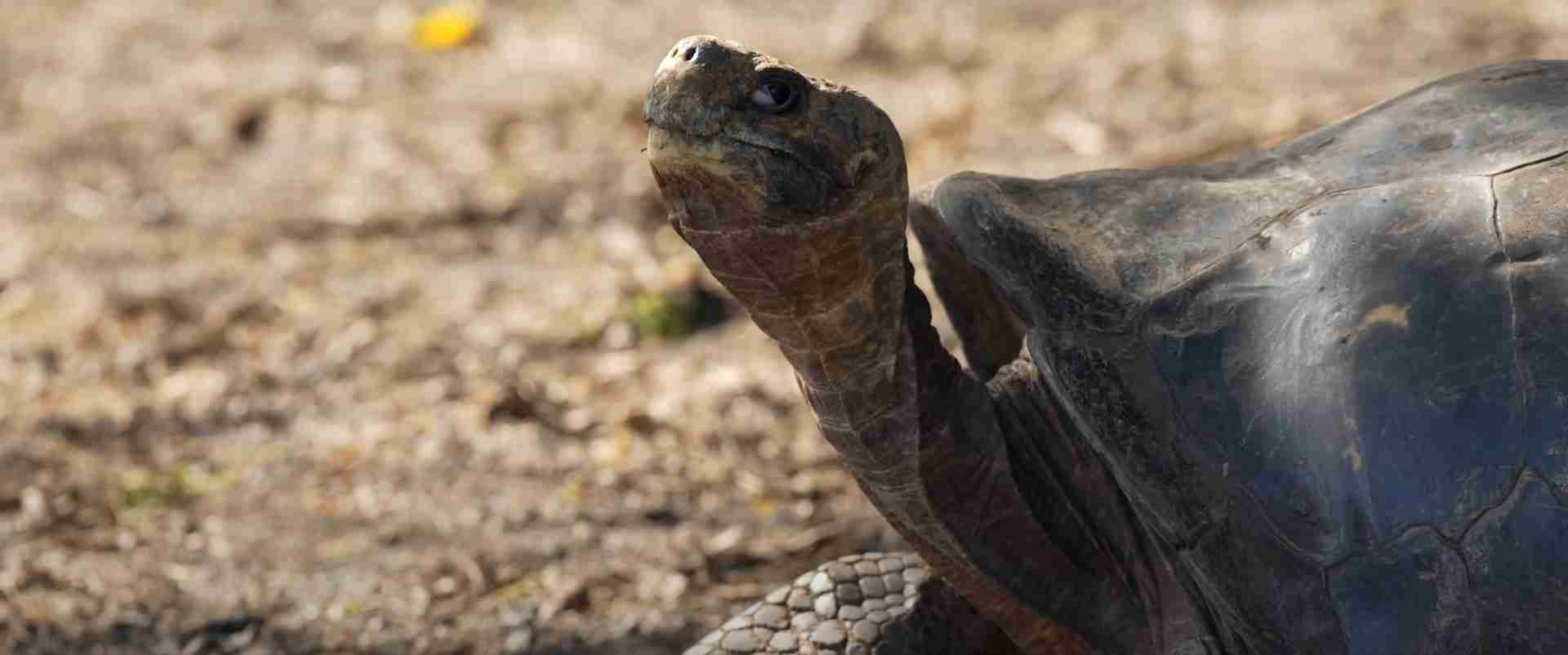
Galápagos Islands Art & Collections Guide
The Galápagos Islands’ “collections” differ fundamentally from traditional art museums displaying human creativity. Here, collections serve scientific research, conservation education, and public engagement with extraordinary natural heritage. The living ecosystems function as the ultimate collection, with interpretation centers, research facilities, and museums creating curated presentations that help visitors understand and appreciate what makes these islands irreplaceable. From preserved specimens documenting evolution to contemporary photography celebrating endemic species, Galápagos collections combine scientific rigor with aesthetic presentation.
Key Takeaways
- The Charles Darwin Research Station houses the most significant scientific collection documenting giant tortoise subspecies, finch evolution specimens, and conservation program materials
- Interpretation centers across the archipelago feature exhibit collections explaining evolution, geology, marine biology, and human history through interactive displays and educational installations
- Nature photography collections showcase endemic species through artistic presentations that combine scientific documentation with aesthetic appeal inspiring conservation awareness
- Historic collections include Darwin-era specimens held in international museums, providing tangible connections to evolutionary theory development and 19th-century scientific exploration
- Contemporary art inspired by Galápagos wildlife and landscapes creates cultural expressions celebrating natural heritage while raising environmental consciousness through creative media
- Digital collections and virtual exhibits extend access to Galápagos natural history globally through online platforms, educational resources, and remote research capabilities
Introduction: Natural History as Living Art
Understanding Galápagos art and collections requires recognizing how nature itself provides the masterpieces, with human curatorial efforts focused on interpretation, preservation, and presentation. Scientific collections document biodiversity and support research. Educational exhibits translate complex biology into accessible narratives. Photography and contemporary art inspire emotional connections to wildlife. Historic materials preserve evidence of scientific revolution. Together, these collections tell the Galápagos story through multiple media, each approach contributing unique perspectives on the archipelago’s significance.
People Also Ask About Galápagos Islands Art & Collections
What museums and exhibitions exist in the Galápagos?
The primary institutions include the Charles Darwin Research Station’s Van Straelen Exhibition Hall in Puerto Ayora featuring tortoise breeding displays and natural history exhibits, the San Cristóbal Interpretation Center with comprehensive natural and human history presentations, the Isabela breeding center exhibitions, and smaller interpretation facilities on Floreana and Santa Cruz. These centers combine permanent exhibits on evolution, geology, and conservation with rotating displays on current research and environmental challenges. The National Park Service operates visitor centers at major sites explaining specific ecological features and management approaches. No traditional art museums exist, as collections focus on natural history, scientific research, and conservation education.
Where are Darwin’s original Galápagos specimens?
Darwin’s original Galápagos specimens reside primarily in the Natural History Museum in London, the British Museum, and the Cambridge University Museum of Zoology, where John Gould analyzed the finch specimens revealing they represented distinct species rather than varieties as Darwin initially assumed. Some specimens also exist in collections at Oxford University and the Smithsonian Institution from specimen exchanges between institutions. These historic collections provide tangible connections to evolutionary theory development, with Darwin’s handwritten labels and notes documenting his observations. Modern molecular analysis of preserved specimens continues revealing insights into evolutionary processes Darwin observed.
What photography collections showcase Galápagos wildlife?
World-class nature photography from the Galápagos appears in interpretation centers, research station exhibits, and temporary exhibitions worldwide. Notable photographers including Tui De Roy (who grew up in the Galápagos), Frans Lanting, and numerous contributors to publications like National Geographic have created iconic images recognized globally. The Charles Darwin Foundation maintains extensive photo archives documenting species, conservation work, and ecological changes. Many photographers donate images to educational use, making high-quality wildlife photography accessible through interpretation centers, websites, and educational materials. These collections serve both artistic appreciation and conservation advocacy by creating emotional connections between viewers and endemic species.
Are there art galleries or cultural collections in the Galápagos?
Traditional art galleries remain limited, with a few small galleries in Puerto Ayora and San Cristóbal featuring local and visiting artists inspired by Galápagos subjects. The cultural emphasis prioritizes natural heritage over human artistic production, though contemporary artists create paintings, sculptures, and crafts celebrating endemic species and landscapes. Some hotels and restaurants display local artwork for sale. Cultural collections focus on historical materials including photographs from early 20th-century expeditions, artifacts from settlement periods, and documents relating to conservation history. The Charles Darwin Foundation library maintains archives of scientific publications, field journals, and research reports forming intellectual collections documenting decades of Galápagos studies.
Extended multi-day tours – 5+ days
Featured Galapagos Islands Multi-Day Tour Packages

10 days
10 Days Galapagos Island Hopping | Daily Small-Group Tours
- ✓ Comprehensive Galapagos Islands tour
- ✓ Expert local guides included
- ✓ All accommodation arranged
- ✓ Transportation provided
6 days
6 Day Galapagos Island Hopping Tour (Santa Cruz & Isabela)
- ✓ Comprehensive Galapagos Islands tour
- ✓ Expert local guides included
- ✓ All accommodation arranged
- ✓ Transportation provided
9 days
Galapagos Outdoors: 3 Unforgettable Islands in 9 Days
- ✓ Comprehensive Galapagos Islands tour
- ✓ Expert local guides included
- ✓ All accommodation arranged
- ✓ Transportation provided
4 days
4-Day Galapagos Island Hopping
- ✓ Booking needs min. 2 travelers
Multi-day tour packages powered by TourRadar. Prices and availability subject to change.
Charles Darwin Research Station Collections
Van Straelen Exhibition Hall
The Van Straelen Exhibition Hall, named after Belgian conservationist Victor Van Straelen who helped establish the Charles Darwin Foundation, serves as the primary public-facing collection space at the Research Station. The exhibition hall features permanent displays explaining evolutionary processes through Galápagos examples, particularly Darwin’s finches and giant tortoises. Interactive exhibits demonstrate adaptive radiation, natural selection, and speciation through visual presentations combining scientific accuracy with accessible explanations.
The hall displays preserved specimens, photographic documentation, and interpretive graphics explaining how isolation and environmental pressures drove species diversification. Scale models show island geology and ecosystem distributions. Digital displays present video footage of wildlife behaviors and conservation activities. The exhibition design emphasizes hands-on learning with touchscreen information stations, physical models of finch beaks demonstrating adaptation, and replica tortoise shells showing subspecies variations. Educational programming includes guided tours and school group activities using exhibition materials to teach evolutionary concepts.
Scientific Specimen Collections
The Research Station maintains scientific collections supporting ongoing research including preserved animals, plant specimens, genetic material banks, and ecological monitoring data. The collections include reference specimens of all known Galápagos species with documented provenance enabling taxonomic studies and genetic analysis. These research collections remain largely inaccessible to public viewing, as they serve scientific rather than interpretive purposes, but they represent crucial resources for understanding biodiversity and evolution.
The genetic materials collection includes tissue samples, blood samples, and DNA extracts preserved in specialized freezers maintaining long-term viability for future research. This collection enables studies impossible when specimens were originally collected, as molecular techniques continue advancing. Historical specimens collected decades ago now yield genetic information revealing population structure, species relationships, and evolutionary history. The collection’s scientific value increases over time as new analysis methods develop.
Photography and Documentation Archives
The Research Station maintains extensive photographic archives documenting species, ecosystems, conservation work, and landscape changes over decades. These collections serve scientific purposes by providing baseline documentation for monitoring changes, but also support public education and outreach through images illustrating conservation successes and ongoing challenges. The archives include historical photographs from early 20th-century expeditions, scientific documentation from research projects, and contemporary images from monitoring programs.
Digital archiving efforts organized collections for improved accessibility, with databases linking images to species identifications, location information, and dates. Researchers access archives when preparing publications or analyzing ecosystem changes. The Station makes selected images available for educational use by schools, interpretation centers, and conservation organizations, extending the collection’s educational impact beyond physical facilities.
Interpretation Center Exhibits
San Cristóbal Interpretation Center
The San Cristóbal Interpretation Center features the most comprehensive exhibition program in the archipelago, covering natural history, human history, and conservation challenges through permanent and rotating displays. The natural history section explains island formation through volcanic activity, using visual displays and models showing the geological hotspot process. Exhibits demonstrate how species colonized the islands through ocean rafting, wind dispersal, and flight, with interactive displays explaining dispersal mechanisms and evolutionary adaptations.
The human history section documents indigenous visits, European discovery, pirate era, whaling period, and early settlement attempts through historical photographs, artifacts, and narrative panels. Materials include tools from early settlement, whaling equipment, and photographs from 19th-century expeditions. The conservation section addresses current challenges including invasive species, climate change, overfishing, and tourism impacts, using data visualizations and case studies showing management approaches and conservation successes.
The interpretation center rotates temporary exhibitions highlighting current research projects, specific conservation programs, or thematic presentations. Past exhibitions covered topics including marine ecosystem research, climate change impacts on seabirds, and tortoise restoration programs. These rotating displays keep content fresh for local residents and repeat visitors while showcasing ongoing scientific work and conservation achievements.
Isabela Breeding Center Exhibitions
The Centro de Crianza Arnaldo Tupiza on Isabela combines functioning breeding operations with public interpretation. Exhibits explain tortoise biology, subspecies differences, breeding techniques, and reintroduction programs using displays visible from visitor pathways. Information panels describe the critical role of captive breeding in preventing extinctions, with statistics showing population recovery from near-extinction to sustainable wild populations.
The exhibition approach integrates living animals as primary displays, with visitor pathways designed for viewing tortoises at different life stages from hatchlings to breeding adults. This live collection demonstrates conservation in action, allowing visitors to observe breeding programs they fund through park entrance fees. Information panels at each enclosure explain which subspecies inhabit the area, their home island characteristics, and population status. The integration of living exhibits with interpretive materials creates powerful educational experiences showing concrete conservation results.
Floreana Cultural Heritage Displays
Floreana’s interpretation focuses on human history given its role as the first permanent settlement. Displays near the settlement area feature historical photographs, settlement artifacts, and narrative panels explaining colonization attempts, penal colony period, and famous residents including the baroness whose mysterious 1934 disappearance remains unsolved. Post Office Bay features interpretive materials explaining the barrel mail system’s history and encouraging visitors to participate in the ongoing tradition.
These cultural history displays provide context for understanding how human presence evolved from exploitation to conservation, showing how early settlers struggled with water scarcity and isolation while inadvertently introducing invasive species that decimated native ecosystems. The exhibits demonstrate that current conservation success required learning from historical mistakes, making human history integral to understanding modern management approaches.
Historic Collections and Darwin Heritage
Darwin’s Specimens in World Museums
Charles Darwin’s original Galápagos specimens remain dispersed among British institutions, creating international collections documenting the empirical foundation of evolutionary theory. The Natural History Museum in London holds the most significant collection including 31 bird specimens, mockingbirds that first alerted Darwin to island-specific species, and various reptiles and plants. John Gould’s analysis of finch specimens, revealing 13 distinct species, provided crucial evidence for natural selection.
These historic specimens continue generating scientific insights through modern analysis techniques unavailable to Darwin. DNA extraction from preserved specimens reveals evolutionary relationships and population genetics. Morphological measurements document evolutionary changes by comparing historical specimens with contemporary populations. The collections serve ongoing research while functioning as historical artifacts connecting present understanding to revolutionary 19th-century discoveries.
Some specimens exhibit Darwin’s handwritten labels noting collection locations and observations, providing tangible links to his thought processes during the voyage. Museum curators preserve these materials as scientific resources and historical treasures, with specialized conservation techniques protecting fragile specimens for future generations. Digital imaging projects create high-resolution records accessible to researchers worldwide without handling delicate original materials.
Historic Expedition Collections
Collections from major scientific expeditions including the 1905-06 California Academy expedition, the 1923 Beebe expedition, and numerous 20th-century research projects reside in natural history museums worldwide. The California Academy collected 78,000 specimens including 86 giant tortoises, devastating populations while documenting biodiversity. These collections, though ethically problematic by modern standards, provide invaluable baseline data for understanding species distributions and population changes.
Research institutions including the American Museum of Natural History, the Smithsonian Institution, and European museums maintain Galápagos collections from historical expeditions. These materials support ongoing research through specimen loans to scientists, comparative studies across time periods, and molecular analysis revealing evolutionary patterns. The collections demonstrate how scientific collecting evolved from extractive mass collecting to carefully regulated minimal collecting serving specific research questions.
Contemporary Natural History Collections
Photography as Conservation Tool
Contemporary nature photography from the Galápagos serves dual purposes: artistic expression celebrating wildlife beauty and conservation advocacy creating emotional connections inspiring protection. Photographers working in the islands produce images ranging from scientifically accurate species documentation to artistic compositions emphasizing form, color, and behavior. These images appear in interpretation centers, conservation publications, social media, and exhibitions worldwide, making Galápagos wildlife accessible to global audiences.
Notable photographers including Tui De Roy, who grew up in the Galápagos and documented wildlife over decades, created definitive photographic records of endemic species and ecosystems. Her work combines intimate knowledge of animal behaviors with artistic vision, producing images that educate while inspiring. Frans Lanting’s Galápagos photography emphasizes conservation messages through powerful compositions highlighting species vulnerability and beauty. National Geographic photographers regularly feature the islands, creating images recognized globally as icons of evolution and conservation.
The Charles Darwin Foundation utilizes photography extensively in conservation campaigns, educational materials, and fundraising efforts. Images showing tortoise hatchlings released from breeding programs or habitats restored through invasive species removal demonstrate conservation successes, building support for continued investment. Photography collections serve as advocacy tools translating scientific data into emotional narratives accessible to non-scientific audiences.
Video Documentation and Film Collections
Video collections document Galápagos wildlife behaviors, ecosystem processes, and conservation activities through footage serving research, education, and public engagement. Long-term monitoring programs create video records of animal behaviors, nesting activities, and population changes. These collections support behavioral studies, demonstrate conservation program effectiveness, and provide educational materials for interpretation centers and online platforms.
Major nature documentary productions including BBC’s nature programs, National Geographic specials, and independent filmmakers created extensive Galápagos video collections. These productions reach millions of viewers worldwide, making the islands culturally significant through visual storytelling. Production archives maintained by filming teams and the Charles Darwin Foundation preserve raw footage potentially valuable for future research or educational programs.
Educational Collections and Resources
Teaching Collections and Replicas
Educational institutions in the Galápagos and worldwide maintain teaching collections including species replicas, skeletal materials, and preserved specimens used for education rather than research. These collections allow hands-on learning without damaging valuable research specimens or disturbing living populations. Replica tortoise shells demonstrate subspecies variations, finch beak models show adaptive differences, and skeletal materials illustrate anatomical features and evolutionary relationships.
The Charles Darwin Foundation produces educational materials including posters, activity books, and digital resources using collection images and information. These materials reach schools throughout the Galápagos and Ecuador, extending conservation education beyond visitors to permanent residents. International educational organizations license collection materials for teaching about evolution, ecology, and conservation, making Galápagos examples accessible in classrooms worldwide.
Digital Collections and Virtual Access
Digital initiatives expand collection access through online databases, virtual exhibits, and educational platforms. The Charles Darwin Foundation website features species information, conservation updates, and educational resources using digital collections of photographs, data visualizations, and interactive content. Virtual tours allow global audiences to experience interpretation centers and visitor sites remotely, extending educational reach beyond physical visitation.
Scientific databases including the Galápagos Species Database compile information on all documented species with photographs, distribution maps, and ecological information. These digital collections support research, education, and conservation planning while making biodiversity information publicly accessible. Ongoing digitization efforts convert historical documents, field journals, and photographs into accessible formats preserving materials and enabling remote research.
Art Inspired by Galápagos
Contemporary Art and Wildlife Themes
Contemporary artists find inspiration in Galápagos wildlife and landscapes, creating paintings, sculptures, and mixed-media works celebrating natural heritage. Local artists in Puerto Ayora and San Cristóbal produce pieces for residents and tourists, with themes ranging from realistic wildlife portraits to abstract interpretations of evolutionary themes. Some artists donate portions of sales to conservation organizations, linking artistic expression with environmental support.
International artists visit the islands on residency programs or personal trips, producing works exhibited in galleries worldwide. These artistic interpretations present Galápagos subjects to audiences who may never visit, extending cultural impact and conservation awareness. Art shows featuring Galápagos-inspired work raise funds for conservation while celebrating the islands’ aesthetic and symbolic significance. The intersection of art and conservation demonstrates how creative expression can advance environmental goals.
Children’s Art and Environmental Education
School programs in the Galápagos emphasize art as environmental education tool, with students creating drawings, paintings, and crafts based on local wildlife and ecosystems. These educational art projects build connections to natural heritage while developing artistic skills. Schools display student artwork celebrating endemic species and conservation themes, reinforcing environmental values and pride in local heritage.
Art competitions and exhibitions showcase student work, with themes addressing conservation challenges, species appreciation, and sustainable living. The Charles Darwin Foundation and National Park Service sponsor programs integrating art with science education, recognizing that creative expression enhances learning and creates lasting connections to conservation messages. Children’s art collections document how young residents perceive and value their unique environment.
Museum Archives and Historical Documents
Charles Darwin Foundation Library
The Charles Darwin Foundation maintains a specialized library and archive containing scientific publications, research reports, field journals, correspondence, and historical documents relating to Galápagos research and conservation. This collection serves researchers, historians, and conservation professionals accessing decades of accumulated knowledge. Holdings include rare books, scientific journals from the earliest Galápagos studies, unpublished research reports, and correspondence between scientists collaborating on projects.
The archive preserves institutional memory of conservation programs, policy development, and management decisions, providing crucial historical context for understanding current approaches. Documents record debates over fishing regulations, tourism management, invasive species control, and other contentious issues, showing how positions evolved and compromises emerged. This historical documentation proves invaluable when addressing contemporary challenges with precedents and institutional knowledge.
National Park Service Archives
The Galápagos National Park Service maintains archives documenting park establishment, management decisions, visitor statistics, species monitoring data, and enforcement activities since 1959. These collections provide historical baselines for assessing conservation effectiveness and ecosystem changes. Ranger reports, visitor logs, and management plans document daily operations and long-term planning processes.
Historical photographs in Park Service archives show visitor sites, infrastructure development, and landscape changes over decades. Comparing historical and contemporary images reveals ecosystem recovery following invasive species removal, habitat restoration success, and impacts of tourism development. The archives support adaptive management by providing data showing what worked, what failed, and how circumstances changed over time.
Future Collection Development
Digital Preservation and Access
Future collection efforts emphasize digital preservation ensuring long-term accessibility while protecting physical materials from handling damage. Digitization projects create high-resolution images of specimens, documents, and photographs, with digital archives accessible to researchers worldwide. Virtual reality and augmented reality technologies may enable immersive experiences where users virtually explore collections and ecosystems from anywhere.
Community Collections and Oral Histories
Growing recognition of local knowledge values community collections including oral histories from long-term residents, fishing knowledge from artisanal fishermen, and settlement stories from pioneering families. These collections preserve cultural heritage complementing scientific documentation, recognizing that conservation success depends on community engagement and respect for local knowledge. Recording and archiving these materials ensures future generations access diverse perspectives on Galápagos history and conservation.
Collections as Conservation Tools
Galápagos art and collections serve conservation by documenting biodiversity, educating visitors and residents, inspiring emotional connections to wildlife, providing research resources, and preserving historical context for understanding management approaches. From Darwin’s original specimens to contemporary photography to living exhibits at breeding centers, collections take diverse forms united by purpose: helping people understand and protect irreplaceable natural heritage.
The continued development of collections—through ongoing research, educational programming, artistic creation, and digital access—extends the Galápagos’s influence globally while supporting local conservation efforts. Collections transform abstract concepts like evolution and biodiversity into tangible, accessible presentations that inspire action. In this sense, Galápagos collections represent active conservation tools rather than passive archives, demonstrating how curated presentations of natural and cultural heritage can advance environmental protection.
FAQ: Galápagos Islands Art & Collections
Can visitors see Darwin’s original specimens in the Galápagos?
Darwin’s original specimens remain in British museums including the Natural History Museum in London, not in the Galápagos. However, interpretation centers feature information about Darwin’s collecting, replica specimens demonstrating his scientific approach, and photographs of original specimens. The Research Station displays contemporary examples of species Darwin studied, showing evolutionary changes and conservation status. While original specimens stay in specialized museum collections for preservation and research, Galápagos exhibits effectively communicate Darwin’s work and its ongoing significance through interpretive materials and living examples.
What are the best places to see Galápagos collections?
The Van Straelen Exhibition Hall at the Charles Darwin Research Station in Puerto Ayora offers the most comprehensive collection of natural history exhibits, tortoise breeding displays, and evolutionary demonstrations. The San Cristóbal Interpretation Center provides extensive coverage of natural and human history through professional exhibits. Isabela’s breeding center combines living exhibits with interpretive displays. Santa Cruz’s highlands feature the interpretation center at the tortoise reserve. Each facility offers unique perspectives, making visits to multiple locations valuable for comprehensive understanding of Galápagos heritage.
Are there photography exhibitions in the Galápagos?
Permanent photography displays appear in interpretation centers showcasing wildlife and conservation work. Temporary exhibitions rotate through cultural centers and galleries in Puerto Ayora and San Cristóbal, sometimes featuring work by renowned nature photographers or local artists. Hotels, restaurants, and tour operator offices display photography for aesthetic and promotional purposes. The Research Station occasionally hosts exhibitions highlighting specific conservation programs or research projects using photographic documentation. While dedicated photography galleries remain limited, high-quality wildlife photography appears throughout public spaces and interpretation facilities.
What artifacts from early settlement are preserved?
Historical artifacts include tools, equipment, photographs, and structural remains from settlement periods preserved at interpretation centers and historic sites. Floreana displays materials from first settlement including household items and agricultural tools. The Wall of Tears on Isabela serves as monumental artifact from the penal colony era. Post Office Bay preserves the barrel mail system tradition. Various locations show foundation remains, stone walls, and agricultural terraces from abandoned settlements. These physical artifacts connect visitors to human history preceding conservation era, demonstrating evolution from exploitation to protection.
How extensive are the scientific specimen collections?
The Research Station maintains comprehensive reference collections including preserved specimens of all documented species, genetic material banks with thousands of samples, ecological monitoring data spanning decades, and photographic archives with hundreds of thousands of images. These research collections exceed public exhibition materials in scope and scientific value, serving as crucial resources for taxonomic studies, genetic analysis, and long-term monitoring. While most research specimens remain inaccessible to public viewing, their existence supports ongoing scientific work advancing conservation and understanding of evolutionary processes.
Can visitors purchase art or photography from the Galápagos?
Small galleries and shops in Puerto Ayora and San Cristóbal sell artwork and photography by local artists and visiting creators. Prices vary from affordable prints and crafts to investment-quality original paintings and limited-edition photographs. Hotels and restaurants sometimes display work for sale. Some artists donate percentages to conservation organizations, linking purchases with environmental support. Quality varies considerably, from tourist souvenirs to professional fine art. Visitors should purchase only from legitimate galleries and artists respecting copyright and conservation guidelines, avoiding any products made from protected species materials.
What digital collections exist for remote access?
The Charles Darwin Foundation website provides digital collections including the Galápagos Species Database with photographs and information on documented species, educational resources for teachers and students, virtual tours of interpretation centers, and conservation program updates with photographic documentation. Scientific publications archives provide access to decades of research reports. Social media accounts share contemporary photography and video. Google Earth features Galápagos imagery allowing virtual exploration of islands and visitor sites. These digital resources enable global audiences to access collection materials and learn about the archipelago without physical visits.
Are there collections documenting climate change impacts?
Long-term monitoring programs create photographic and data collections documenting ecosystem changes potentially related to climate shifts. Time-series photographs show coral bleaching events, vegetation changes, and shoreline modifications. Scientific data collections track sea temperature trends, precipitation patterns, and species population fluctuations. These materials support climate research while providing visual documentation of environmental changes. The Research Station emphasizes climate monitoring as a priority, with ongoing collection development focusing on documenting and understanding climate impacts on species and ecosystems throughout the archipelago.
What role do collections play in conservation education?
Collections serve as primary educational tools by providing tangible examples of evolutionary processes, demonstrating conservation successes through documented population recoveries, illustrating ecosystem complexity through biodiversity displays, and connecting visitors emotionally to wildlife through powerful photography and live exhibits. Educational programs use collection materials for teaching evolution, ecology, and conservation to students and visitors. Digital collections extend reach to schools worldwide, making Galápagos examples accessible for teaching biological concepts. Collections transform abstract scientific information into accessible presentations that inspire conservation awareness and action.
Will new interpretation centers and collections develop?
Future collection development will emphasize digital technologies including virtual reality experiences, expanded online databases, and improved remote access to research collections. Physical facilities may expand on islands currently lacking comprehensive interpretation centers. Temporary exhibitions will increasingly address contemporary challenges including climate change and sustainable development. Community collections documenting local knowledge and cultural heritage will receive greater attention. Interactive technologies will enhance visitor engagement with collection materials. While budget constraints limit major new construction, ongoing collection development will improve existing facilities and expand digital access ensuring broader audiences benefit from Galápagos collections.