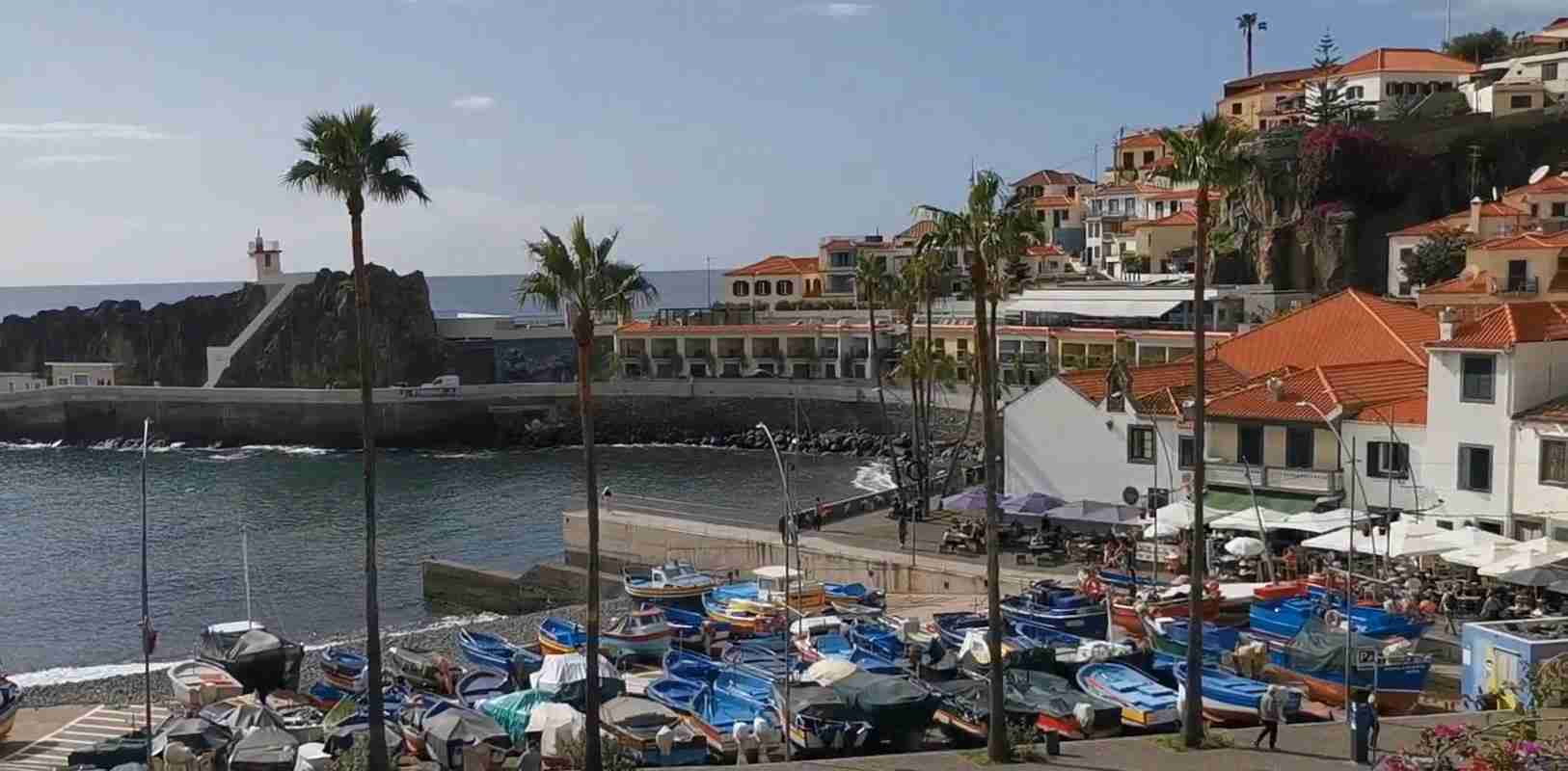
Funchal Travel Guide 2026: Gateway to Madeira Island
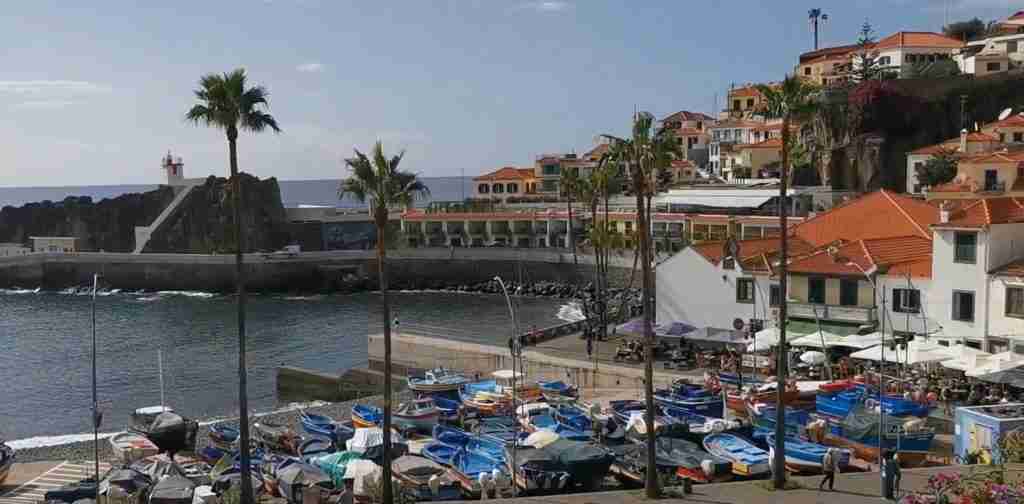
Funchal, the vibrant capital of Portugal’s Madeira archipelago, rises dramatically from the Atlantic coast with colorful gardens cascading down mountainsides, historic quintas tucked into terraced hillsides, and levada walks threading through laurel forests. As Madeira’s economic and cultural heart, this city of 110,000 combines Portuguese colonial heritage with subtropical botanical abundance, offering travelers cable car journeys to cloud-forest gardens, fortified wine cellars aging Madeira since the 1700s, and a microclimate that keeps temperatures mild year-round while mainland Europe shivers through winter.
Key Takeaways About Visiting Funchal in 2026
- Budget Planning 2026: Expect €67-93 per person daily for budget comfort, €131-197 for mid-range experiences, or €280-455 for luxury travel, assuming two sharing hotel accommodation.
- Year-Round Destination: Funchal’s subtropical microclimate maintains 16-24°C temperatures throughout 2026, with the driest months from May through September and the lushest gardens from February through May when flowers peak.
- Transportation Strategy 2026: The city’s €21 seven-day Giro bus pass provides unlimited urban transport, while the €11 Funchal cable car and €9 Botanical Garden cable car deliver the most scenic access to Monte and hillside attractions.
- Essential Experiences: Prioritize the Mercado dos Lavradores for Madeiran produce and flowers, the Funchal-to-Monte cable car for panoramic bay views, the Botanical Garden for 2,500 plant species, and a levada walk through laurisilva UNESCO forest.
- Accommodation Zones 2026: Old Town offers atmospheric character and walkability with hotels from €70-180 nightly, the Hotel Zone provides modern resort amenities and ocean access from €120-400, while hillside quintas deliver garden tranquility from €90-250.
- Culinary Scene: Traditional Madeiran restaurants serve espetada skewers and black scabbardfish with banana for €16-19 per main course, while Michelin-starred dining reaches €105-160 per person, and daily lunch specials cost just €10-12.
People Also Ask About Visiting Funchal in 2026
How much does a trip to Funchal cost per day in 2026?
Daily costs in Funchal range from €67-93 per person for budget travelers to €280-455 for luxury visitors, with mid-range comfort requiring €131-197 per person daily. Budget travelers share hostel beds or budget hotels at €35-48 per person nightly, eat at local tascas for €27-35 daily, use the bus Giro card for €2-4 transport, and focus on free beaches and markets with occasional paid attractions. Mid-range visitors enjoy comfortable hotels at €60-90 per person when sharing, dine at varied restaurants for €48-67 daily, mix buses and taxis for €8-15 transport, and experience cable cars, gardens, and museums costing €15-25 daily. Luxury travelers stay in five-star properties or historic quintas at €125-200 per person nightly, savor Michelin-starred and upscale dining for €105-165 daily, use private taxis and tours for €20-40, and access premium experiences for €30-50 daily.
What is the best time to visit Funchal in 2026?
April through June 2026 offers the ideal Funchal visit, combining warm 18-22°C temperatures, minimal rainfall, peak garden blooms, and moderate tourist crowds before July’s peak season. Spring visitors witness the Madeira Flower Festival in late April showcasing elaborate floral carpets and parades, experience gardens at maximum bloom with jacarandas and bougainvillea covering hillsides, and enjoy pleasant hiking conditions on levada trails before summer heat. September through early November provides excellent shoulder-season conditions with lingering warmth from summer, fewer crowds than spring and summer, stable weather for outdoor activities, and lower accommodation rates. Winter months December through February remain mild at 16-19°C when mainland Europe freezes, though increased rainfall affects mountain hiking and some outdoor activities close for maintenance.
Is Funchal walkable or do I need transportation in 2026?
Funchal’s Old Town, marina, and central attractions form a walkable core within 2 kilometers, but the city’s dramatic hillside topography and sprawling Hotel Zone 3 kilometers west require public transport or taxis for efficient exploration in 2026. The flat historic center around Avenida Arriaga, Praça do Município, and the seafront promenade suits walking, while steep cobbled streets climbing to residential neighborhoods challenge mobility-limited visitors. The comprehensive Horários do Funchal bus network operates yellow urban buses connecting all major zones for €2 per ride or €21 for unlimited seven-day access via Giro card. Taxis charge metered rates starting around €4 with typical cross-city journeys costing €8-15, while the scenic Funchal cable car provides the most comfortable ascent to Monte for €11 one-way. Most visitors combine walking the flat historic core with buses or cable cars for hillside attractions, renting cars only for exploring the island beyond Funchal.
What should I not miss in Funchal in 2026?
The Funchal cable car journey to Monte stands as Funchal’s signature experience, climbing 560 meters over 15-20 minutes while panoramic views unfold across the terraced city, yacht-filled harbor, and Atlantic horizon for €11 one-way or €15 return in 2026. At the summit, the Monte Palace Tropical Garden showcases 100,000 square meters of Oriental-themed gardens with koi ponds, azulejo tile collections, and endemic Madeiran flora for €12.50 entrance. Descending, the traditional wicker toboggan ride slides 2 kilometers downhill on wooden runners steered by carreiros in traditional white uniforms for €30 per sled carrying two passengers. Back in the city center, the Mercado dos Lavradores bursts with tropical produce, Madeiran flowers, and fresh espada fish on weekdays, while the surrounding Old Town preserves 15th-century streets, painted doors, and family-run restaurants unchanged for generations. The Madeira Botanical Garden accessible via second cable car displays 2,500 plant species across themed zones with sweeping bay views for €6 entrance, representing one of Europe’s finest subtropical collections.
Extended multi-day tours – 5+ days
Featured Madeira Multi-Day Tour Packages
3 days
Madeira 3-Day Discovery Tour
- ✓ Comprehensive Madeira experience
- ✓ Expert local guides included
- ✓ All accommodation included
- ✓ Transportation provided
5 days
Madeira 5-Day Highlights Experience
- ✓ Comprehensive Madeira experience
- ✓ Expert local guides included
- ✓ All accommodation included
- ✓ Transportation provided
7 days
Madeira 7-Day Cultural Journey
- ✓ Comprehensive Madeira experience
- ✓ Expert local guides included
- ✓ All accommodation included
- ✓ Transportation provided
10 days
Madeira 10-Day Complete Adventure
- ✓ Comprehensive Madeira experience
- ✓ Expert local guides included
- ✓ All accommodation included
- ✓ Transportation provided
Multi-day tour packages powered by TourRadar. Prices and availability subject to change.
Introduction to Funchal: Madeira’s Atlantic Capital in 2026
Funchal emerged from a sheltered bay where Portuguese explorers landed in 1419, naming the settlement for the wild fennel covering the coastal slopes. Over six centuries, this natural harbor evolved into the Atlantic’s most significant island capital, serving as provisioning port for ships crossing to the Americas, winter retreat for European aristocracy fleeing northern cold, and botanical laboratory where plants from five continents found hospitable microclimate. Today’s city of 110,000 residents spreads 5 kilometers along the coast and climbs 500 vertical meters up mountainsides, its amphitheater geography creating distinct zones from the historic waterfront through residential terraces to cloud-forest preserves above.
The dramatic topography that attracted João Gonçalves Zarco’s original settlers continues shaping modern Funchal’s character. Levada irrigation channels built over five centuries crisscross the mountainsides, their walking paths now serving hikers threading through laurel forests and banana plantations. Cable cars installed in recent decades provide mechanized ascent where 19th-century visitors rode hammock-litters carried by Madeiran bearers. The subtropical latitude 33°N combines with Atlantic Gulf Stream currents to maintain spring-like conditions year-round, allowing African flame trees, South American passion fruits, and Asian camellias to flourish alongside European grapevines.
Funchal functions as Madeira’s sole significant urban center, concentrating the archipelago’s 260,000 residents’ commercial, governmental, and cultural activities. The city serves as gateway for the 1.4 million annual visitors arriving via Cristiano Ronaldo International Airport 16 kilometers east or cruise ships docking at the expanded marina. Beyond tourism, Funchal sustains traditions including Madeira wine production in centuries-old lodges, wicker furniture crafting, and embroidery workshops maintaining Portuguese needlework techniques. The university, hospitals, and administrative offices make Funchal the undisputed capital, while smaller coastal villages retain traditional fishing and agricultural character.
For 2026 visitors, Funchal presents a manageable destination combining urban amenities with natural beauty, Portuguese culture with subtropical exoticism, and historic preservation with modern infrastructure. The compact Old Town preserves narrow cobbled lanes, 16th-century churches, and traditional markets, while the western Hotel Zone offers resort properties with pools and spa facilities. Mountain gardens accessible by cable car provide cool retreat from coastal warmth, and levada walks deliver wilderness access within 30 minutes of city center hotels. Unlike larger European capitals requiring days to navigate, Funchal rewards short visits while offering depth for extended stays exploring Madeira’s mountain interior, northern coast villages, and eastern peninsulas.
Understanding Funchal’s Geography and Neighborhoods in 2026
Funchal’s amphitheater topography creates five distinct zones each offering different accommodation character, price points, and access to attractions. The Old Town forms the historic heart spreading east from the cathedral through narrow cobbled streets to Fortaleza de São Tiago, preserving 16th-century character with painted doors, family tascas, and the morning Mercado dos Lavradores. This walkable neighborhood places visitors within steps of restaurants, museums, and authentic Madeiran life, with budget to mid-range hotels occupying renovated townhouses from €70-180 nightly. The steep streets climbing inland from the Old Town require fitness but reward with quieter atmosphere and local character away from tourist concentration.
The modern city center west of the Old Town encompasses the marina, Avenida Arriaga commercial district, and government buildings, offering business hotels, shopping centers, and the cruise terminal where visiting ships dock. This flat, walkable zone provides convenient access to the Funchal cable car lower station, seafront promenade restaurants, and public gardens. Accommodation here tends toward functional business-oriented properties rather than characterful historic buildings, with prices reflecting central location at €90-200 for mid-range comfort. The area serves visitors prioritizing convenience and modern amenities over historic atmosphere.
The Hotel Zone stretches 3 kilometers west along Estrada Monumental from the city center to Praia Formosa beach, concentrating purpose-built resort properties with pools, spa facilities, and ocean-view rooms. Major international chains and Portuguese hotel groups operate properties here ranging from €120 mid-range comfort to €400+ luxury five-stars with clifftop locations, multiple restaurants, and extensive grounds. While lacking Old Town’s historic character, the Hotel Zone offers easier beach access, modern facilities, and package-tour convenience, though its distance from historic attractions requires bus or taxi transport adding €4-8 daily.
Monte village perched 560 meters above sea level provides cool mountain retreat accessible via 15-minute cable car ride, combining the Monte Palace Tropical Garden, Nossa Senhora do Monte church pilgrimage site, and traditional toboggan rides with hillside quintas offering garden accommodation. Several historic properties operate as boutique hotels charging €150-300 nightly for rooms in converted estates surrounded by botanical gardens. Monte’s elevation creates noticeably cooler temperatures than coastal Funchal, with morning fog common even when the city below enjoys sunshine, making it better suited for day visits than overnight stays unless seeking mountain tranquility.
The residential neighborhoods climbing the mountainsides between the Old Town and Monte house Funchal’s working population in terraced apartment blocks connected by steep streets and staircases. Several family-run guesthouses and Airbnb properties operate here offering budget accommodation from €50-90 nightly with local character and bay views, though the steep terrain requires fitness and distances from attractions exceed comfortable walking. These areas provide authentic insight into daily Madeiran life away from tourist zones but suit travelers comfortable navigating Portuguese neighborhoods and using public buses.
Getting to Funchal in 2026: Airport and Cruise Connections
Cristiano Ronaldo Madeira International Airport serves as the primary gateway, receiving direct flights from Lisbon, Porto, London, Frankfurt, Paris, and seasonal connections from across Europe throughout 2026. The airport occupies a dramatic coastal location 16 kilometers east of Funchal in Santa Cruz municipality, its extended runway stretching into the Atlantic on pillars following the challenging engineering feat that replaced the original short mountain-hemmed strip. TAP Air Portugal maintains the most frequent service with multiple daily Lisbon flights connecting to intercontinental routes, while budget carriers including Ryanair, easyJet, Wizz Air, and Transavia operate seasonal summer schedules from European cities. Typical flight times from Lisbon run 90 minutes, from London 3.5 hours, making Funchal accessible for long weekend breaks.
The Aerobus operates dedicated airport shuttle service departing every hour from 7:30 AM through 11 PM, stopping at major Funchal hotels along a 45-minute route for €5 one-way or €8 return valid for one year. This economical service suits travelers with standard luggage heading to Hotel Zone or central properties, though the multiple stops extend journey time compared to private transfers. Regular SAM public buses serve the airport on routes connecting Santa Cruz and eastern municipalities, charging standard €2 fares but requiring changes and offering limited luggage space unsuitable for visitors with large bags. These local buses suit budget travelers staying in eastern Funchal neighborhoods willing to navigate connections.
Pre-booked private transfers provide door-to-door service from €25-40 depending on vehicle size and destination zone, with numerous companies including Madeira Airport Transfers and Welcome Pick-ups offering advance reservation through their websites. Standard sedans accommodate up to three passengers with luggage, while larger groups benefit from minivan options charging €45-60. The fixed pricing provides certainty compared to metered taxis, and drivers monitor flight arrivals ensuring someone waits even for delays. Rideshare services including Bolt operate in Madeira but charge similar rates to pre-booked transfers for airport journeys, offering no significant savings while lacking advance reservation security.
Traditional metered taxis queue at the airport charging approximately €30-35 for typical journeys to central Funchal or Hotel Zone, with exact fares depending on traffic, luggage quantity, and destination neighborhood. The 20-25 minute journey follows the coastal VR1 expressway offering ocean views before entering Funchal’s urban zone. Taxi availability remains excellent throughout the day but can thin late evening, making pre-booking advisable for overnight arrivals. All legitimate taxis display meters and official licensing, though confirming the meter activation before departing prevents occasional overcharging attempts targeting arriving tourists.
Funchal’s expanded cruise terminal welcomes ships from October through April when cruise lines redeploy vessels from summer Mediterranean routes to Atlantic islands. The terminal occupies the marina’s eastern edge within 500 meters of the Old Town, allowing cruise passengers to walk directly into historic neighborhoods unlike most ports requiring shuttle transport. Major lines including MSC, Costa, TUI, and Royal Caribbean include Funchal on Atlantic island itineraries combining Madeira with the Canaries and Azores. The typical 8 AM-6 PM port call provides sufficient time for cable car journeys to Monte, Botanical Garden visits, Old Town exploration, and market browsing, though island-wide tours require pre-booking shore excursions or private guides.
Accommodation Options and Pricing in Funchal 2026
Budget accommodations in Funchal range from €35-48 per person nightly when sharing rooms, with hostel dormitories, guesthouses, and simple hotels concentrated in the Old Town and residential neighborhoods above the city center. Hostel Santa Maria Funchal operates the city’s most popular backpacker accommodation in a renovated townhouse 2 minutes from the Madeira Story Centre, offering dormitory beds from €20-28 and private rooms from €70-90 including breakfast buffet, rooftop terrace, and communal kitchen. Residencial Monaco provides basic but clean budget hotel rooms from €67-89 including breakfast, located near the municipal garden within easy walking distance of attractions. These properties deliver functional accommodation prioritizing location and value over amenities, typically offering small rooms, shared bathrooms for dormitories, and minimal facilities beyond breakfast.
Mid-range hotels charging €120-180 per room nightly combine central locations with comfortable modern facilities including private bathrooms, air conditioning, pools, and breakfast service. Hotel Madeira occupies a central Old Town location with rooftop pool and bar offering sunset views across the city for €89-158 depending on season and room type, praised by guests for friendly staff and walkable access to restaurants and attractions. Castanheiro Boutique Hotel provides stylish four-star comfort in a restored building with rooftop pool, contemporary design, and ground-floor restaurant serving Madeiran specialties from €115-195 nightly. Three House Hotel delivers boutique character in a converted townhouse with original tile work, intimate atmosphere, and personalized service from €105-170 per room.
The Hotel Zone concentrates modern resort properties offering pools, spa facilities, ocean views, and multiple restaurants from €120-300 for mid-range to upscale comfort. Pestana Carlton Madeira Ocean Resort Hotel sprawls across clifftop grounds with direct beach access, multiple pools, kids’ clubs, and rooms from €145-280 depending on view and season. The Vine Hotel provides contemporary design-focused accommodation in the city center with rooftop pool, spa, and Michelin-starred restaurant from €198-350 nightly. These larger properties suit travelers seeking resort amenities, organized activities, and all-inclusive convenience over intimate historic character.
Luxury accommodation in Funchal reaches €250-400 per room for five-star properties and historic quintas offering butler service, Michelin dining, extensive spa facilities, and manicured gardens. Reid’s Palace, A Belmond Hotel occupies 4 hectares of subtropical gardens on a promontory west of the city center, the legendary property where Winston Churchill painted and where afternoon tea maintains century-old tradition in formal gardens overlooking the Atlantic, charging €320-650 for classic rooms and €800+ for suites. The Cliff Bay provides five-star clifftop luxury with direct ocean access, multiple pools, Michelin-starred Il Gallo d’Oro restaurant, and rooms from €280-550. Quinta da Casa Branca converts an 18th-century estate into boutique accommodation surrounded by botanical gardens 10 minutes from the city center, offering 49 rooms and suites from €245-480 in former manor house and modern wing.
Hillside quintas and converted estates provide alternative luxury emphasizing gardens, tranquility, and historic character over resort facilities. Quinta Jardins do Lago occupies an 18th-century manor surrounded by 20,000 square meters of botanical gardens, offering 40 rooms from €185-350 with antique furnishings, original tile work, and complimentary shuttle to city center. These properties suit travelers valuing authentic Madeiran heritage and peaceful garden settings over modern resort conveniences, though their hillside locations require transport for restaurant and attraction access.
Apartment and villa rentals through Airbnb and Booking.com provide self-catering options from €60-200 nightly depending on size and location, particularly valuable for families or extended stays. Modern studios in the Hotel Zone offer sea-view balconies and kitchenettes from €80-130, while Old Town apartments preserve historic character with exposed stone and traditional tile from €90-160. These options reduce dining costs through self-catering capability while providing more space than equivalent-priced hotel rooms, though lacking daily housekeeping and breakfast service.
Food and Dining Costs in Funchal 2026
Traditional Madeiran restaurants serving local specialties charge €16-19 for main courses including espetada beef skewers grilled over bay laurel wood, espada com banana pairing black scabbardfish with fried banana, and polvo a la lagareiro featuring octopus with crushed potatoes and olive oil. Taberna do Ruel occupies a cobbled Old Town alley near the cathedral, serving authentic Madeiran plates in rustic surroundings for €10-25 per main course plus €5-6 starters and desserts. Armazém do Sal converts 16th-century salt warehouses into atmospheric dining serving fresh seafood and traditional recipes from €18-30 per main in stone-walled rooms. These establishments provide genuine Madeiran cuisine without tourist-trap pricing, though booking ahead ensures tables during peak dinner service from 7:30-9:30 PM.
Budget dining options include prato do dia lunch specials offering three courses with drink for €10-12 at local cafes and tascas throughout the Old Town and residential neighborhoods. These daily menus rotate traditional Portuguese dishes including grilled fish, carne vinho alho pork marinated in wine and garlic, and vegetable-heavy caldeirada stews, providing substantial meals at worker-friendly prices. Pingo Doce and Continente supermarkets operate cafe buffets charging €6-8 for hot meals sold by weight, while bakeries sell fresh bolo do caco garlic bread for €2-3 and pastel de nata custard tarts for €1-1.50. Budget travelers eating breakfast at accommodations, picnic lunches from supermarkets, and dinner at prato do dia restaurants spend €27-35 daily for three meals.
Mid-range restaurants serving Portuguese, Mediterranean, and international cuisine charge €25-40 per person for three-course dinners with wine. Il Basilico Funchal provides Italian dining with fresh pasta and wood-fired pizza from €12-22, located in the Hotel Zone with ocean-view terrace. Villa Toscana Pizzeria serves Neapolitan-style pizza and Italian classics from €10-20 in casual Old Town setting. Japanese options including Konsai Sushi and Shima Bloom offer sushi and sashimi from €15-30 per person, while Indian restaurants Buddha Tandoori and Yarsagumba Funchal provide curry meals from €10-18. Mid-range diners enjoying varied restaurant meals with appetizers and drinks spend €48-67 daily.
Fine dining establishments including Michelin-starred options charge €50-160 per person for tasting menus showcasing modern Portuguese and international cuisine. Il Gallo d’Oro at The Cliff Bay holds two Michelin stars, serving chef Benoît Sinthon’s Mediterranean-influenced tasting menus from €245-295 per person with wine pairings available from €90-120 additional. William Restaurant at Belmond Reid’s Palace offers one Michelin star and ocean-view terrace dining with tasting menus from €105-160 per person. Desarma occupies the 11th floor of The Views Baia Hotel, providing contemporary Madeiran cuisine with panoramic city views from €80-130 per person. These establishments require advance reservations and formal dress codes, representing splurge dining rather than everyday meals.
Funchal’s cafe culture centers around traditional poncha bars serving the Madeiran cocktail mixing aguardente sugar cane spirit with lemon juice and honey for €2-4 per glass. Taberna da Poncha specializes in numerous poncha variations including passion fruit, tangerine, and tamarillo versions, while Bar Numero 2 provides neighborhood atmosphere and strong pours. Coffee culture follows Portuguese traditions with bica espresso costing €0.70-1 at neighborhood cafes and €1.50-2 at tourist-zone establishments. A mid-morning coffee and pastel de nata typically costs €2.50-3.50, providing economical refreshment between sightseeing.
Mercado dos Lavradores offers the freshest tropical fruits, Madeiran vegetables, and local produce at significantly lower prices than tourist restaurants. Exotic fruits including passion fruit, custard apples, tamarillos, and pitayas cost €2-4 per kilogram, while seasonal mangoes reach €3-5 per kilogram. The market’s fish hall sells fresh tuna, espada black scabbardfish, and lapas limpets at wholesale prices, though most travelers lack cooking facilities to prepare purchases. Supermarkets including Pingo Doce and Continente charge mainland Portuguese prices for packaged goods, with a week’s groceries costing €40-60 for basic provisions suitable for apartment stays with kitchens.
Transportation Within Funchal 2026: Buses, Taxis, and Cable Cars
Horários do Funchal operates the primary urban bus network with yellow buses serving routes throughout the city and surrounding municipalities from early morning through late evening. Single tickets purchased from drivers cost €2 per ride regardless of distance, while the rechargeable Giro card reduces fares to €1.30 per journey when topped up at kiosks or designated shops. Multi-day passes provide unlimited travel on urban routes for €12.50 for 24 hours, €15.90 for 5 days, or €21.40 for 7 days, delivering significant savings for visitors using buses daily. The bus network connects the Old Town, city center, Hotel Zone, airport, and outlying neighborhoods including Monte, Botanical Garden access, and residential areas, though hillside routes involve steep winding roads unsuitable for motion-sensitive passengers.
Key tourist routes include bus 20 connecting the Hotel Zone to city center and Old Town, bus 29 serving the Botanical Garden lower entrance, and bus 31 reaching Monte village for visitors avoiding cable car costs. Buses arrive every 15-30 minutes on main routes during daytime but thin to hourly service evenings and Sundays. The Horários do Funchal website and mobile app provide route maps, schedules, and real-time arrival information in English, Portuguese, and German. Bus stops display route numbers and major destinations, though announcements occur only in Portuguese requiring attention to surroundings when approaching your stop.
Taxis operate throughout Funchal with metered fares starting around €4 base charge plus €0.80-1 per kilometer depending on time and day. Typical journeys from the Old Town to Hotel Zone cost €8-12, while trips to hillside neighborhoods add €3-5 depending on elevation gain. Taxis queue at designated ranks including the marina, Avenida Arriaga, and major hotels, or can be hailed from streets when the green roof light illuminates. Rideshare service Bolt operates in Funchal offering similar pricing to traditional taxis but with upfront fare estimates and cashless payment through the smartphone app, providing convenience for travelers comfortable with app-based services.
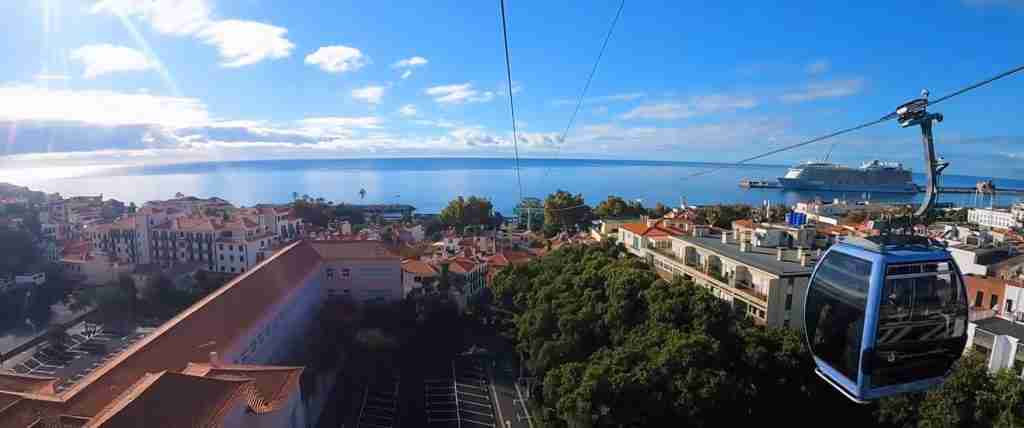
The Funchal cable car provides the scenic ascent from the Old Town near the marina to Monte village 560 meters above, operating daily from 9 AM to 5:45 PM with last boarding at 5 PM. One-way tickets cost €11 while return fares reach €15, with the 15-20 minute journey offering panoramic views across the terraced city, yacht-filled harbor, and Atlantic horizon. The modern gondolas accommodate six passengers with large windows and smooth operation, suitable for mobility-limited visitors unable to walk steep Monte streets. Combined tickets bundle cable car access with attraction entries including €21 for return ride plus Monte Palace Garden entry, providing savings over separate purchases.
The Botanical Garden cable car connects Monte to the Madeira Botanical Garden in a 9-minute journey over the João Gomes valley, operating from 9:30 AM to 4:50 PM with last boarding. One-way fares cost €9.25 while return tickets reach €14, with combined packages including garden entry at €15.50 one-way or €18.90 return delivering better value. Visitors can create circular routes taking the Funchal cable car to Monte, walking to the Botanical Garden cable car station, descending to the garden, then returning to the city center via bus number 29 from the garden’s lower entrance, experiencing multiple transport modes while accessing key attractions.
The traditional Monte toboggan ride offers unique descent from Monte to Livramento neighborhood 2 kilometers downhill via wicker basket sled steered by two carreiros in white uniforms and straw hats. These 10-minute rides slide on wooden runners along paved streets, controlled by the carreiros’ boot-sole braking and rope steering, providing thrilling experience rooted in 19th-century Madeiran tradition when toboggans served as practical transport. Rides cost €30 per sled carrying up to two passengers, operating from 9 AM to 6 PM Monday through Saturday with Sundays and holidays closed. The descent ends at Livramento where taxis wait charging €8-10 return to city center, or visitors walk 20 minutes downhill to reconnect with the urban bus network.
Rental cars provide freedom for exploring Madeira beyond Funchal but add unnecessary expense and parking hassles for visitors staying within the city where public transport suffices. Daily rates start around €25-40 for compact vehicles from companies including Funchal’s airport and city center locations, with automatic transmission adding €10-15 daily premium. Funchal’s steep narrow streets, limited parking in the Old Town, and hotel parking fees from €8-15 daily make cars impractical for urban sightseeing, though valuable for independent exploration of northern villages, mountain viewpoints, and eastern peninsulas unreachable by practical public transport schedules.
Essential Attractions and Experiences in Funchal 2026
The Mercado dos Lavradores operates Funchal’s traditional market in a 1940 Art Deco building where farmers display tropical fruits, flower vendors arrange stunning bouquets, and fishmongers sell fresh espada and tuna on weekday mornings from 7 AM through 2 PM. The ground floor fruit section overflows with passion fruits, custard apples, tamarillos, and local bananas alongside mainland Portuguese produce, while the first floor flower market showcases the exotic blooms including bird of paradise, proteas, and anthuriums that earned Madeira its “floating garden” nickname. The fish hall in the basement reveals the day’s catch including the intimidating black scabbardfish caught from deep Atlantic waters, arranged on ice alongside tuna steaks and octopus. Free entry allows browsing without purchase obligation, though the colorful displays and energetic vendor banter provide authentic Madeiran atmosphere worth experiencing early morning when activity peaks.
The Funchal cable car ascent to Monte village delivers Funchal’s signature experience, climbing 560 vertical meters over 3.7 kilometers during a 15-20 minute journey offering constantly changing panoramas. Departing from the lower station near the Old Town marina, the modern gondolas rise above terraced vineyards and banana plantations before reaching residential neighborhoods clinging to mountainsides, with views extending across the amphitheater city to the yacht-filled harbor and Atlantic horizon. The upper station deposits passengers in Monte village center within 2 minutes walk of the Monte Palace Tropical Garden entrance and Nossa Senhora do Monte church housing Madeira’s patron saint shrine. €11 one-way tickets suffice for visitors planning toboggan descent or bus return, while €15 return fares suit those making a round-trip journey.
Monte Palace Tropical Garden transforms 100,000 square meters of hillside into Oriental-themed paradise featuring koi-filled ponds, Japanese pagodas, extensive azulejo tile collections, and botanical specimens from five continents. The garden divides into distinct zones including the Oriental Garden with bamboo groves and Asian architecture, the Laurissilva section recreating Madeira’s endemic cloud forest, and formal European garden areas with sculptural elements and manicured lawns. Museum buildings house the owner’s art collection including African stone carvings, Portuguese tile panels from 15th-19th centuries, and contemporary Zimbabwean sculpture. The €12.50 entrance fee provides access to all garden areas and museums, with typical visits lasting 90 minutes to 2 hours depending on interest in botanical detail and museum collections. The hilltop location ensures cooler temperatures than coastal Funchal and frequent morning mist even when the city enjoys sunshine.
The Madeira Botanical Garden occupies a converted quinta 3 kilometers from the city center, displaying 2,500 plant species across 35,000 square meters of themed gardens with spectacular bay views. Established in 1960, the garden showcases Madeira’s role as botanical crossroads with endemic laurel forest species, South American succulents, African proteas, Asian camellias, and Australian tree ferns thriving in the subtropical microclimate. Themed sections include the Succulent Garden with dramatic agaves and aloes, the Medicinal Plants area demonstrating traditional herbal medicine, and the Aromatic Garden releasing intense fragrances. A small natural history museum and bird park occupy buildings near the entrance, while the upper terrace provides the garden’s most photographed viewpoint overlooking Funchal bay with exotic plants framing the Atlantic panorama. €6 entrance fees combined with €9.25 cable car access from Monte make this Funchal’s most affordable major attraction, with peak bloom occurring February through May when flowers carpet the hillsides.
The Old Town preserves Funchal’s historic core east of the cathedral through narrow cobbled streets lined with painted doors, restored townhouses, and family-run restaurants unchanged for generations. Rua de Santa Maria forms the main artery decorated with open doorways commissioned as public art project, each entrance transformed into vibrant displays by local and international artists. The neighborhood rewards aimless wandering discovering hidden squares, neighborhood churches, and cafe terraces, though several specific sites merit attention including the Museum of Contemporary Art in Fortaleza de São Tiago, the 16th-century fortress converted into gallery space displaying Portuguese modern art. The Universo de Memórias João Carlos Abreu occupies a restored mansion showcasing the private collection of this Madeiran photographer and collector, revealing island life through decades of accumulated objects and images. Free admission to streets and squares makes the Old Town Funchal’s most economical attraction, with paid museums charging €2-5 entrance.
The Cathedral Sé dominates Funchal’s central Praça do Município as Madeira’s oldest building, constructed from 1493 through 1514 in late Gothic style with Manueline decorative elements including twisted columns and maritime motifs. The relatively simple exterior belies the ornate interior featuring a rare wooden ceiling inlaid with ivory geometric patterns brought from Portuguese trading posts, gilded altars, carved choir stalls, and azulejo tile panels. The treasury museum displays ecclesiastical silver, vestments, and illuminated manuscripts accumulated over five centuries. €5 entrance provides access to the nave, side chapels, and treasury, with typical visits lasting 30-45 minutes. The cathedral location on the main square places it within easy walking distance of hotels, restaurants, and other historic attractions, making it convenient to include during Old Town exploration.
The CR7 Museum celebrates Funchal’s most famous native son Cristiano Ronaldo through a purpose-built gallery displaying his trophy collection, career memorabilia, and interactive exhibits. The Ballon d’Or awards, European Championship medals, and Champions League trophies fill display cases alongside jerseys from his club career at Sporting Lisbon, Manchester United, Real Madrid, and Juventus. Video screens show career highlights while wax figures in various poses recreate iconic moments. €8 entrance appeals primarily to football enthusiasts and families with children, with typical visits lasting 45-60 minutes. The museum occupies ground floor space in the modern Pestana CR7 Funchal hotel on Avenida Sá Carneiro, combining with a Ronaldo-themed cafe and merchandise shop.
Levada walks provide accessible wilderness hiking within 30 minutes of central Funchal, following the narrow irrigation channels built over five centuries to transport mountain water to agricultural terraces and settlements. Levada dos Tornos forms a gentle 11-kilometer circular walk departing from Monte, threading through chestnut forests and agricultural terraces with minimal elevation change suitable for inexperienced hikers. Levada do Bom Sucesso offers easier access from the Botanical Garden area, following the channel 5 kilometers through residential areas and banana plantations before reaching rural countryside. These maintained paths require only basic hiking shoes and casual clothing, providing taste of Madeira’s walking culture without committing to full-day mountain expeditions. Free access makes levadas Funchal’s most economical outdoor activity, though hiring local guides through tour companies costs €25-35 per person for organized groups with transportation and commentary.
Sample 3-Day Funchal Itinerary 2026
Day 1: Old Town Immersion and Monte Cable Car Experience
Begin at 8 AM with breakfast at your accommodation before walking to Mercado dos Lavradores arriving by 9 AM when vendors arrange fresh catches and produce displays. Spend 45 minutes browsing the fruit section photographing exotic tropical varieties, ascending to the flower market for stunning bird of paradise and protea bouquets, then descending to the fish hall witnessing espada and tuna preparations. Exit the market into the Old Town exploring Rua de Santa Maria’s painted doors, wandering through cobbled side streets, and discovering neighborhood cafes for mid-morning bica espresso and pastel de nata costing €2.50.
Walk to the Cathedral Sé by 11 AM for €5 entrance exploring the ivory-inlaid ceiling, gilded altars, and treasury museum before continuing to the marina waterfront for the Funchal cable car lower station. Purchase €11 one-way tickets ascending to Monte village with panoramic views unfolding during the 15-minute journey. At Monte, walk 5 minutes to Monte Palace Tropical Garden entering with €12.50 tickets around 12:30 PM. Explore the Oriental gardens with koi ponds, European formal sections, and museum collections through 2 PM before locating the toboggan station for the traditional €30 wicker sled descent to Livramento neighborhood. From Livramento, taxi €8 to a traditional restaurant in the Old Town.
Lunch at 3 PM at Taberna do Ruel or similar traditional tasca ordering espetada beef skewers for €18 or espada com banana for €16 with poncha cocktail €3. After lunch, explore the western Old Town including Fortaleza de São Tiago museum €2.50 entrance or simply wander the atmospheric streets before returning to your accommodation by 5 PM. Evening at 7:30 PM features dinner at a neighborhood restaurant budget €20-25 per person including wine, followed by poncha bar sampling at Taberna da Poncha for €2-4 per drink.
Day 1 costs: Cable car €11, Monte Palace €12.50, toboggan €30 for two split €15 per person, cathedral €5, museum €2.50, taxi €8 split €4 per person, lunch €21, dinner €23, coffee and pastry €2.50, poncha €6. Total approximately €102 per person excluding accommodation and breakfast.
Day 2: Botanical Gardens and Western Funchal Beaches
Start 9 AM taking bus number 31 from the city center to Monte village for €2 with Giro card, walking to the Botanical Garden cable car station for €9.25 one-way descent to the Madeira Botanical Garden arriving 10 AM. Enter the garden with €6 ticket exploring the themed plant collections, endemic laurel forest recreations, and succulent displays through noon when the terraced viewpoint offers optimal photography light. The garden cafe provides light lunch options including sandwiches €5-7 and coffee €1.50 if hunger strikes early, though most visitors continue sightseeing.
Exit the Botanical Garden’s lower entrance around 12:30 PM catching bus number 29 for €2 descent to the Hotel Zone, arriving at Lido area by 1 PM. Lunch at Lido Grill or waterfront cafe ordering fresh grilled fish €16-20 with local wine €12-15 bottle. After lunch, walk to Praia Formosa Funchal’s largest public beach 15 minutes west, where black volcanic pebbles rather than sand create dramatic shoreline against clear Atlantic waters. The beach promenade offers changing facilities, showers, and beach clubs renting loungers €5-8 daily for visitors wanting structured sunbathing rather than towel-on-pebbles approach.
Spend 2-3 hours at the beach swimming, sunbathing, or walking the coastal promenade before catching bus number 20 at 5 PM returning to the Old Town for €2. Evening explores the Restaurant Zone around Avenida Arriaga with dinner at 7:30 PM at Il Basilico for pizza and pasta €12-20 per person or contemporary Portuguese restaurant charging €25-35 per person. Post-dinner gelato at one of several Italian ice cream shops costs €3-5 before walking the illuminated marina and seafront promenade.
Day 2 costs: Bus tickets €8 using Giro card, cable car €9.25, botanical garden €6, lunch €23, beach facilities €6, dinner €28, dessert €4. Total approximately €84 per person excluding accommodation and breakfast.
Day 3: Cultural Museums and Levada Walk Introduction
Begin at 9 AM walking or taking bus to the CR7 Museum opening at 10 AM, spending 45-60 minutes with Cristiano Ronaldo’s trophy collection and career memorabilia for €8 entrance. From the museum, walk along the seafront to the Madeira Story Centre on Rua Dom Carlos I, an interactive museum presenting Madeira’s history from volcanic origins through Portuguese settlement to modern tourism in engaging multimedia displays. €7 entrance provides access to all floors covering topics from laurel forests and endemic species to sugar cultivation, wine trade, and emigration patterns, with typical visits lasting 90 minutes.
Lunch at 1 PM at nearby restaurant offering prato do dia lunch special for €10-12 including soup, main course, dessert, and drink. After lunch, taxi €12 to the Botanical Garden area accessing Levada do Bom Sucesso for introductory levada walking. This maintained path follows the irrigation channel 5 kilometers through residential areas, banana plantations, and eucalyptus groves with minimal elevation change suitable for casual hikers. The walk takes 2-2.5 hours returning to the same starting point where taxis wait or bus number 29 provides €2 transport back to central Funchal.
Return to accommodation by 5 PM for rest before final evening dinner at 7:30 PM experiencing Madeiran fine dining at a special occasion restaurant. Options include mid-range excellence at Armazém do Sal charging €35-45 per person for seafood and traditional specialties, or splurge dining at William Restaurant Belmond Reid’s Palace for €105-130 tasting menus with ocean-view terrace. Post-dinner drinks at a rooftop bar enjoying city lights and Atlantic views before packing for departure.
Day 3 costs: CR7 Museum €8, Story Centre €7, lunch €11, taxi €12 split €6 per person, levada walk free, bus €2, dinner €42 mid-range or €118 fine dining. Total approximately €76 mid-range or €152 fine dining per person excluding accommodation and breakfast.
Three-day total excluding accommodation: €262-354 per person depending on dining choices, demonstrating mid-range travel costs when combining paid attractions with free activities and varied restaurant price points.
Budget Planning for Funchal 2026: Complete Cost Breakdown
Budget travelers in Funchal maintain daily costs of €67-93 per person by sharing hostel dormitories or budget hotel rooms, eating primarily at local tascas and supermarkets, using buses exclusively, and balancing paid attractions with free beaches and levada walks. Accommodation forms the largest expense at €35-48 per person nightly when sharing budget hotels from €70-95 per room or occupying hostel dormitory beds from €20-28. These properties concentrate in the Old Town and residential neighborhoods, providing basic rooms with private bathrooms in budget hotels or shared facilities in hostels, typically including breakfast buffets that reduce morning meal costs.
Budget dining combines self-catered breakfasts from supermarket provisions when accommodation lacks breakfast service, prato do dia lunch specials at worker-oriented cafes for €10-12, light snacks from bakeries mid-afternoon costing €3-5, and dinner at traditional tascas ordering single main courses for €12-16 plus draft beer €2-3. This approach delivers three satisfying meals totaling €27-35 daily while experiencing authentic Madeiran cuisine rather than tourist-oriented restaurants. Supermarket shopping for picnic ingredients, bottled water, and snacks adds €10-15 weekly, reducing daily averages when staying several days.
Transportation using the €21 seven-day Giro bus pass provides unlimited urban travel averaging €3 daily for week-long visits, with occasional taxis for late-night returns or heavy luggage adding €8-12 infrequently. Budget travelers skip expensive cable cars walking steep streets when weather permits, or allocate budget for selective cable car use choosing either Funchal-Monte €11 or Botanical Garden €9 based on priorities rather than purchasing multiple rides. The weekly Giro pass eliminates per-ride decisions allowing spontaneous bus use without mental arithmetic calculating fares.
Attraction costs consume €3-6 daily when prioritizing free activities including beach days at Praia Formosa, Old Town wandering, Mercado dos Lavradores browsing, levada walking, and seafront promenade strolls, while strategically purchasing budget-friendly paid entries like Botanical Garden €6, Cathedral treasury €5, and Story Centre €7 spread across multiple days rather than concentrated in single expensive days. Budget travelers skip expensive cable car-garden combinations choosing buses for transport and paying only garden entrance rather than bundled tickets saving €10-15 daily.
Weekly budget travel costs reach approximately €469-651 per person excluding flights, calculated as €67-93 daily multiplied by seven days. A 10-day budget Funchal visit totals €670-930 per person for accommodation, meals, transport, and basic attractions, demonstrating affordability for extended stays when avoiding luxury expenses and expensive tour packages.
Mid-range travelers spending €131-197 per person daily enjoy comfortable hotel rooms with pools and breakfast, varied restaurant dining including seafood specialties and international options, mixed bus-taxi transport, and comprehensive attraction access including cable cars, gardens, and museums without budget restrictions. Accommodation consumes €60-90 per person nightly in mid-range hotels from €120-180 per room, with properties offering private bathrooms, air conditioning, pools, and central locations in the Old Town or Hotel Zone. Breakfast buffets included at most mid-range hotels eliminate morning meal costs, while hotel pools provide free relaxation between sightseeing.
Mid-range dining budgets €48-67 daily for hotel breakfast, cafe lunch costing €15-20, afternoon coffee and pastry €3-5, and restaurant dinner ordering appetizers, mains, desserts, and wine totaling €25-35 per person. This budget allows experiencing traditional Madeiran restaurants, fresh seafood establishments, international cuisine options, and occasional upscale dining without financial stress. Mid-range travelers eat varied meals at different restaurants exploring Funchal’s culinary diversity rather than repeating the same economical spots.
Transportation mixing buses, taxis, and cable cars costs €8-15 daily, with the €21 weekly Giro bus pass providing base coverage supplemented by €8-12 taxi rides for convenience, early mornings, or late evenings. Cable car experiences including the €11 Funchal-Monte ride and €9 Botanical Garden cable car enhance sightseeing without breaking daily budgets, while occasional taxis eliminate walking steep hills with shopping bags or in hot afternoon sun. This flexibility balances economy with comfort, using buses for routine transport while splurging on taxis when beneficial.
Attractions and activities consume €15-25 daily purchasing all desired paid entries including Botanical Garden €6, Monte Palace Garden €12.50, Cathedral €5, museums €2-7, plus occasional organized tours or experiences. Mid-range travelers access Funchal’s highlights without budget anxiety, purchasing cable car-garden combinations when convenient rather than calculating cheapest alternatives, and booking guided levada walks or boat tours when desired rather than only self-guided activities.
Weekly mid-range costs total €917-1,379 per person calculated as €131-197 daily multiplied by seven days. A 10-day mid-range Funchal visit reaches €1,310-1,970 per person for comfortable accommodation, varied dining, complete attraction access, and flexible transport, representing excellent value for European city destination with year-round pleasant weather and diverse activities.
Luxury travelers investing €280-455 per person daily stay in five-star hotels or historic quintas with butler service and Michelin dining, eat at upscale restaurants and fine dining establishments, use private taxis and tours exclusively, and access premium experiences without cost consideration. Accommodation commands €125-200 per person nightly in properties from €250-400 per room including Reid’s Palace, The Cliff Bay, and Quinta da Casa Branca, offering extensive spa facilities, multiple restaurants, manicured gardens, and impeccable service. Room rates include elaborate breakfast buffets, afternoon tea service, pool and beach amenities, and complimentary shuttles.
Luxury dining budgets €105-165 daily for hotel breakfast included in room rates, upscale lunch at contemporary restaurants costing €30-45 per person, and Michelin-starred or hotel fine dining for dinner reaching €60-100 per person before wine. Tasting menus at Il Gallo d’Oro €245 or William Restaurant €105-160 represent special occasion splurges even for luxury travelers, with most dinners falling in the €50-80 range at upscale establishments serving fresh seafood, creative Portuguese cuisine, or international options in refined settings.
Transportation exclusively using private taxis and pre-booked transfers costs €20-40 daily eliminating public bus use, with hotel concierges arranging drivers for sightseeing, restaurant transfers, and attraction access. Luxury travelers often book guided private tours bundling transport, entry fees, and expert commentary in packages costing €80-150 per person for half-day experiences or €200-300 for full-day island excursions with gourmet lunch included. This eliminates navigation stress and maximizes limited vacation time.
Attractions and premium experiences consume €30-50 daily for private guided tours, spa treatments at luxury hotels costing €80-150 per session, sailing excursions to observe dolphins and whales €60-90 per person, and helicopter flights over Madeira’s dramatic landscapes from €150 per person for 30-minute tours. Luxury travelers access exclusive experiences unavailable to budget visitors, including private quinta visits, wine cellar tours with rare vintage tastings, and customized levada walks with expert botanical guides.
Weekly luxury costs total €1,960-3,185 per person calculated as €280-455 daily multiplied by seven days. A 10-day luxury Funchal experience reaches €2,800-4,550 per person for five-star accommodation, fine dining, private transport, and premium activities, positioning Funchal as relatively affordable luxury destination compared to mainland European cities where similar experiences cost considerably more.
Best Time to Visit Funchal in 2026: Monthly Breakdown
Spring months from March through May 2026 deliver Funchal’s optimal visiting conditions combining warm 18-22°C temperatures, minimal rainfall averaging 40-50mm monthly, peak garden blooms, and moderate tourist crowds before summer’s rush. April stands out as the single best month when the Madeira Flower Festival transforms the city with elaborate floral carpets, parade floats covered in thousands of blooms, and competitions showcasing intricate arrangements. Gardens reach maximum color as jacarandas bloom purple across hillsides, bougainvillea cascades from walls in magenta explosions, and exotic flowering trees imported from five continents display coordinated blooms. Hotel rates remain moderate at €90-180 for mid-range properties, restaurants operate without summer rush crowding, and levada trails offer comfortable hiking before June heat arrives.
Summer June through August brings peak season to Funchal with 24-26°C temperatures, minimal 10-15mm monthly rainfall, extended daylight until 9 PM, and maximum tourist crowds. European summer holidays fill hotels driving rates to €140-250 for mid-range properties and €350-500 for luxury, while restaurants require advance reservations and popular attractions experience queuing. The warm stable weather suits beach days, swimming, and outdoor activities, though midday heat can make walking steep streets uncomfortable. August particularly crowded when Portuguese mainlanders vacation in Madeira escaping Lisbon and Porto’s summer heat, driving accommodation prices to yearly peaks and filling restaurants with Portuguese families.
Autumn September through November provides excellent shoulder season conditions with September particularly attractive maintaining summer warmth at 22-24°C while crowds thin dramatically after Portuguese schools restart. Hotel rates drop 20-30% from summer peaks returning to €100-160 mid-range, restaurants welcome walk-in diners without reservations, and attractions operate normally without queues. October increases rainfall to 80-100mm monthly though showers typically arrive as brief afternoon downpours rather than all-day rain, clearing by evening. November marks the start of cruise season when ships redeploy from Mediterranean summer routes to Atlantic islands, bringing day-tripper crowds to the Old Town and marina area though hotel occupancy remains moderate since cruise passengers sleep aboard ship.
Winter December through February maintains remarkably mild 16-19°C temperatures when mainland Europe freezes, making Funchal popular winter sun destination for northern Europeans and British retirees. December rainfall averages 100-120mm monthly with increased cloud cover reducing sunshine hours, though temperatures rarely drop below 14°C even overnight. The Christmas and New Year period features spectacular fireworks displays earning Funchal a Guinness World Record, with December 31st celebrations drawing 200,000 spectators to the harbor for synchronized pyrotechnics launched from ships and shore installations. Winter hotel rates reach seasonal lows at €80-140 mid-range except Christmas week when demand spikes, while restaurants offer quieter atmosphere than summer rush. Some outdoor activities close for annual maintenance including cable cars typically shut 2-3 weeks in January, and mountain hiking faces increased rain making some levada trails slippery or closed.
Day Trips from Funchal 2026: Exploring Madeira Island
The eastern peninsula drive to Ponta de São Lourenço provides dramatic volcanic landscapes contrasting sharply with Funchal’s lush gardens, following coastal roads 30 kilometers to Madeira’s easternmost point. The route passes through Caniço resort town, Santa Cruz municipality housing the airport, and Machico where Portuguese explorers first landed in 1419, before reaching Caniçal former whaling village now hosting a whale museum. The peninsula’s final 8 kilometers enters protected landscape where red volcanic rock, minimal vegetation, and wind-sculpted formations create Mars-like scenery unusual for green Madeira. The PR8 Vereda da Ponta de São Lourenço hiking trail follows the peninsula ridge 8 kilometers return offering Atlantic views, seabird nesting sites, and endemic plant species flowering in spring. This moderate trail requires 3-4 hours with sturdy shoes and sun protection, rewarding hikers with Madeira’s most photogenic coastal scenery accessible as half-day excursion.
Organized tours departing Funchal include round-trip transport, guided commentary, and typically combine Ponta de São Lourenço with Santana’s traditional thatched-roof houses in full-day packages costing €45-60 per person. Independent travelers using rental cars spend €25-35 daily for compact vehicles, though navigating mountain roads requires confidence with hairpin turns and narrow passages. Public buses serve eastern destinations but infrequent schedules limit flexibility, with SAM bus 113 reaching Caniçal in 90 minutes for €3 one-way before requiring 40-minute walk to trailhead.
The northwestern coast to Porto Moniz natural swimming pools follows Madeira’s most spectacular road hugging sheer cliffs 80 kilometers from Funchal through dramatic scenery. The route ascends into the central mountain range crossing the Paul da Serra plateau at 1,400 meters elevation where moorland vegetation replaces coastal forests, before descending the northern slopes through Ribeira Brava and São Vicente valleys. Porto Moniz occupies the northwestern corner where volcanic lava formations created natural pools filled by Atlantic waves, offering protected swimming in dramatic coastal setting. The town maintains resort facilities including changing rooms, restaurants, and bars supporting day-trippers, though the 2.5-hour drive each direction makes this full-day commitment best suited for rental car travelers or organized tour participants.
Tour operators offer Porto Moniz excursions for €40-55 per person including stops at Cabo Girão sea cliff viewpoint 580 meters high, traditional villages, and swimming time at the pools. Some itineraries combine Porto Moniz with levada walking or Fanal forest visits creating 8-10 hour days. Independent drivers should budget €30-40 for fuel, €15 per person for lunch in Porto Moniz restaurants, and potential €2 natural pool entrance fee when lifeguards operate during summer season. The challenging road requires confident driving navigating tight tunnels, steep grades, and edge-of-cliff passages without guardrails in places, making organized tours attractive option for nervous drivers.
Curral das Freiras valley accessible 20 kilometers north of Funchal presents Madeira’s most isolated settlement surrounded by mountain peaks reaching 1,800 meters. The village name translates as “Nuns’ Refuge” commemorating 16th-century nuns who fled pirate raids seeking sanctuary in this hidden valley accessible only by mountain paths until 1959 when the first road reached the village. Modern visitors descend through tunnels and switchbacks to the valley floor where 2,000 residents maintain chestnut cultivation, liqueur production, and tourism services including restaurants serving traditional chestnut soup and chestnut cake. The Eira do Serrado viewpoint 4 kilometers before the valley offers dramatic vista across the amphitheater of peaks, with terraced agricultural plots clinging to impossible slopes demonstrating Madeiran farmers’ tenacity.
Rodoeste buses serve Curral das Freiras from Funchal on route 81 departing hourly for €3 one-way, making this feasible public transport day trip requiring 45 minutes each direction. The village rewards 2-3 hours exploring the valley floor, walking to viewpoints, sampling chestnut products, and lunching at traditional restaurants charging €12-18 for main courses. Rental car drivers can create circular routes combining Curral das Freiras with Pico dos Barcelos Funchal viewpoint and Eira do Serrado, spending half-day on the excursion before returning for afternoon Funchal activities. Organized tours less common for Curral das Freiras than coastal destinations since public buses provide easy access, though some combine it with western drives creating full-day packages.
Practical Information for Funchal Visitors 2026
Portugal’s membership in the European Union’s Schengen Area allows EU and EFTA nationals visa-free entry for unlimited stays, while citizens of the United States, Canada, United Kingdom, Australia, New Zealand, and numerous other countries enter visa-free for tourism stays up to 90 days within any 180-day period. Visitors from countries requiring Schengen visas must obtain approval before arrival, with applications submitted at Portuguese consulates in home countries. Immigration formalities at Funchal Airport involve minimal processing for Schengen-exempt nationalities, typically requiring only passport presentation and occasional questions about accommodation and return travel plans. Brexit ended freedom of movement for UK citizens who now face the same 90-day limit as Americans and Canadians, requiring careful counting for extended European trips.
Portugal uses the euro currency with prices in Funchal generally lower than northern European destinations but higher than eastern European alternatives. ATMs provide the most favorable exchange rates dispensing euros using debit cards from international banks, typically charging €2-5 fixed fees per withdrawal plus 1-3% foreign transaction fees depending on home bank policies. Exchanging cash at airport or hotel kiosks delivers poor rates with 8-12% margins benefiting operators rather than travelers. Major credit cards function widely in restaurants, hotels, and larger shops, though many small cafes, markets, and tascas operate cash-only requiring adequate euro supply. Tipping practices follow Portuguese norms expecting modest 5-10% in restaurants where service warranted appreciation, rounding taxi fares to nearest euro, and no tipping in cafes for counter service.
Portuguese serves as official language with Funchal residents typically speaking limited English concentrated in tourism sectors including hotel staff, restaurant servers, and tour operators. Older residents and those working outside tourism often speak minimal English, making basic Portuguese phrases helpful for market shopping, bus travel, and neighborhood restaurant dining. Spanish speakers find Portuguese somewhat comprehensible though pronunciation differs significantly, while French speakers recognize vocabulary roots from shared Latin origins. English-language menus appear at tourist-oriented restaurants with prices sometimes elevated 10-20% over Portuguese-only establishments frequented by locals. Learning simple greetings, numbers, and food terms enhances experiences and demonstrates cultural respect appreciated by Madeirans.
Safety in Funchal ranks excellent with violent crime extremely rare and petty theft limited to occasional pickpocketing in crowded tourist areas including Mercado dos Lavradores, cruise ship days at the marina, and cable car queues. Standard precautions including securing valuables in hotel safes, maintaining awareness in crowds, and avoiding isolated areas after dark prove sufficient for most visitors. Scams targeting tourists remain minimal compared to mainland European cities, with occasional taxi drivers attempting inflated fares from airport or cruise terminal preventable by confirming meter operation before departing. The Atlantic Ocean presents the primary safety hazard with powerful currents, cold water temperatures, and rocky coastlines making swimming dangerous except designated beach areas with lifeguards operating summers.
Healthcare facilities in Funchal include modern hospitals, numerous pharmacies dispensing prescription and over-counter medications, and private clinics serving international visitors. EU citizens carrying European Health Insurance Cards receive treatment in public facilities at local rates, while others should arrange travel insurance covering medical evacuation to home countries if serious illness or injury occurs. Pharmacies identified by green crosses operate extended hours in central neighborhoods, with staff often speaking English and providing consultation for minor ailments. Tap water meets European safety standards and tastes acceptable, though many visitors purchase bottled water from supermarkets costing €0.30-0.60 per 1.5 liters due to mineral content affecting taste.
Mobile phone coverage blankets Funchal and coastal areas with 4G and 5G service from Portuguese carriers MEO, NOS, and Vodafone, while mountain interior experiences reduced signals on levada trails and remote villages. EU visitors enjoy “roam like at home” regulations using domestic data allowances without additional charges, while other nationalities should purchase local SIM cards at the airport or phone shops for €10-20 providing 5-10GB data valid 30 days. WiFi availability extends throughout accommodation, restaurants, and cafes in tourist areas, with hotels universally offering free internet access in rooms and public spaces. Data-intensive travelers should download offline maps, translation apps, and entertainment before departing accommodations rather than relying on mountain connections.
Electrical outlets follow European standard Type C and F configurations providing 230V power, requiring adapter plugs for devices from United States, United Kingdom, and other regions using different standards. Most modern electronics including phone chargers and laptop power supplies accept 110-240V input requiring only plug adapters rather than voltage converters, though checking device specifications prevents equipment damage. Accommodation typically provides limited outlets particularly in older buildings, making power strips or multi-plug adapters useful for travelers carrying multiple devices. USB charging ports appear increasingly common in newer hotels and airport facilities.
Cultural norms in Madeira reflect Portuguese traditions with emphasis on family, respect for elders, and moderate conservative values particularly outside tourist zones. Appropriate dress in religious sites including the Cathedral requires covered shoulders and knees, with shorts and tank tops considered disrespectful. Mealtimes follow Portuguese patterns with lunch from 12:30-2:30 PM and dinner service starting 7:30-8 PM rather than early northern European hours, though tourist restaurants accommodate varied schedules. Greeting shop owners and restaurant staff demonstrates courtesy appreciated by Madeirans, while loud behavior in residential neighborhoods particularly late evening draws disapproval. Sunday morning mass brings families to churches with many businesses closed or operating reduced hours, though tourist-oriented establishments maintain full schedules.
Funchal with Kids and Families in 2026
Funchal provides family-friendly destination combining educational attractions, outdoor activities, and accommodation options suitable for children from toddlers through teenagers. The Madeira Botanical Garden delivers easiest family outing with 2,500 plant species presented across accessible paths, a small natural history museum featuring taxidermied Madeiran wildlife, and bird park housing colorful parrots, peacocks, and exotic species children enjoy observing. The garden’s terraced layout includes flat sections suitable for strollers though some areas require stairs, with shaded areas providing relief from midday sun. €6 adult entrance includes children under 6 free, while ages 6-14 pay reduced €3 rates, making family visits economical compared to amusement parks. The garden cafe serves ice cream, drinks, and light meals in pleasant surroundings when energy levels flag.
The Funchal cable car excites children with ascending gondola ride offering bird’s-eye city views, though families should note the 15-20 minute duration may test patience of restless young children. The Monte toboggan descent provides highlight experience for school-age children and teenagers who relish the controlled speed sliding downhill streets, though children under 6 must ride with adults in the two-person basket sleds. €30 toboggan cost for the sled carrying two makes this expensive family activity when multiple children each want separate rides, potentially costing €60-90 for family of four if parents and children pair separately. The thrilling nature justifies expense for many families creating memorable vacation highlight.
Praia Formosa beach offers Funchal’s best family swimming with designated lifeguard-protected zones during summer season, though the volcanic pebble composition requires water shoes for comfortable walking and makes castle-building impossible unlike sandy beaches. The beach promenade provides changing facilities, showers, and several beach clubs renting loungers and umbrellas for €15-25 for family setup. Calm summer conditions suit swimming though spring and fall Atlantic swells create stronger currents less suitable for young children. The seafront promenade extends several kilometers offering flat cycling paths popular with local families on weekends, with bike rentals available from €8-12 per bicycle or €25-35 for family groups.
The CR7 Museum celebrating Cristiano Ronaldo attracts football-obsessed children and teenagers eager to view trophies, jerseys, and interactive displays showcasing Portugal’s most famous athlete. €8 adult and €4 child entrance makes this moderately expensive family activity, though typical 45-60 minute visits provide good value for football fans. The museum shop sells Ronaldo merchandise including jerseys, balls, and souvenirs at prices comparable to sports stores, though import duties may be avoided purchasing in Funchal versus home countries for non-EU residents. Parents disinterested in football should set expectations appropriately as the museum focuses exclusively on Ronaldo without broader sports context.
Madeira Story Centre presents island history through multimedia exhibits, interactive displays, and reconstructed environments engaging children while educating about Portuguese exploration, volcanic origins, and cultural traditions. €7 adult and €3.50 child entrance provides 90-120 minutes of exploration across multiple floors covering topics from endemic species through sugar cultivation to modern tourism. The interactive nature keeps attention better than traditional museums relying solely on text panels and artifacts. Air conditioning provides relief from outdoor heat, making this rainy day alternative when weather prevents beach or garden visits.
Levada walks suit older children and teenagers capable of sustained hiking, with shorter accessible routes including Levada dos Tornos and Levada do Bom Sucesso providing 2-3 hour excursions through forests and agricultural areas. Families should assess children’s fitness honestly as levada paths sometimes include narrow sections with drop-offs protected only by handrails or not at all, creating hazards for impulsive young children. Organized family-friendly levada tours through local operators include experienced guides who know child-appropriate routes and provide commentary engaging younger participants for €25-35 per person. These supervised experiences reduce parent stress compared to independent hiking while teaching about Madeira’s natural environment and irrigation history.
Family accommodation in Funchal includes apartment rentals offering multiple bedrooms, living spaces, and kitchens reducing dining costs through self-catering breakfast and occasional meals. Two-bedroom apartments in the Hotel Zone or Old Town rent from €120-200 nightly sleeping four to five family members, providing better value than booking multiple hotel rooms. Many mid-range hotels offer family rooms with sofa beds or connecting rooms at reduced rates compared to separate standard rooms, with chains including Pestana properties providing established family facilities including kids’ clubs, children’s pools, and entertainment programs during summer season. Budget family travelers can book hostel private family rooms from €90-140 nightly, though shared bathroom facilities and minimal space suit only adventurous families comfortable with basic conditions.
Dining with children benefits from Portuguese restaurants’ family-friendly nature welcoming young diners without raised eyebrows or children menus limits common in fine dining establishments elsewhere. Traditional tascas serve simple grilled fish, chicken, and pasta dishes appealing to picky eaters for €8-12, while pizza and burger restaurants provide fallback options when children reject Portuguese specialties. Supermarket meals allow controlling costs and accommodating specific dietary needs, with apartment rentals enabling proper meal preparation rather than relying exclusively on restaurants for every meal. Mid-morning and afternoon snacks from bakeries offering fresh bread, pastries, and empanadas cost €1-3 keeping children energized between formal meals.
Solo Travel in Funchal 2026: Safety and Social Opportunities
Funchal presents exceptionally safe solo travel destination with violent crime virtually nonexistent and solo travelers — both men and women — navigating the city confidently day and night without harassment or significant safety concerns. The compact walkable Old Town, well-lit streets, and tourist police presence create secure environment where solo dinner, evening strolls, and late cable car returns occur routinely without incident. Standard urban precautions including awareness of surroundings, securing valuables, and avoiding excessive alcohol consumption prove sufficient, with solo female travelers reporting minimal catcalling or unwanted attention compared to other Mediterranean destinations. The Portuguese cultural conservatism actually benefits solo travelers as locals respect personal boundaries and unwanted advances remain rare.
Solo accommodation costs challenge budget-conscious travelers as most hotel pricing assumes double occupancy, effectively doubling per-night expenses compared to couples sharing rooms. Hostel dormitories provide most economical solo option from €20-28 nightly, offering social atmosphere where solo travelers naturally encounter others exploring Madeira and potential companions for shared day trips or evening meals. Hostels including Santa Maria Funchal organize group activities, pub crawls, and levada walk groups facilitating connections between guests. Solo travelers willing to pay hotel rates should seek properties offering genuine single rooms rather than double rooms at “single occupancy” rates charging minimal discount, with some boutique hotels and guesthouses providing compact singles from €65-90 versus €120-180 doubles.
Solo dining in Funchal presents no social difficulty as Portuguese restaurants routinely accommodate single diners without relegating them to poor tables or making them feel unwelcome. Traditional tascas welcome solo guests who sit at small tables reading, working on devices, or simply observing surroundings while enjoying authentic Madeiran meals. The counter culture at poncha bars creates natural social environment where solo travelers strike conversations with locals and other visitors over shared drinks and casual atmosphere. Hotel restaurant breakfast buffets and Old Town cafes provide opportunities for solo travelers to eat comfortably without self-consciousness, with staff treating singles with same attention as couples or groups.
Organized tours and activities facilitate solo traveler connections while providing structured sightseeing eliminating navigation stress. Island-wide tours departing Funchal pair solo travelers with others in minibus groups of 8-16 participants, creating natural conversation opportunities during travel time and shared experiences viewing attractions. Levada walking tours particularly suit solo travelers as groups hike together along narrow paths encouraging interaction, with guides providing botanical and historical commentary eliminating need for solo travelers to research independently. Boat tours observing dolphins and whales similarly create communal experience where solo participation feels natural rather than isolating.
Solo travelers maximize Funchal experiences by embracing flexible schedules allowing spontaneous decisions without coordinating with travel companions. Extended morning at Botanical Garden when flowers particularly captivate, impulsive cable car ride when weather clears, or extra poncha at engaging bar occur naturally for solo travelers unrestricted by others’ preferences or energy levels. The ability to eat when hungry, return to accommodation when tired, and skip attractions that don’t appeal provides freedom offsetting the financial inefficiency of solo hotel rates and lack of cost-sharing for taxis or rental cars. Solo travelers interested in deeper exploration can extend stays compared to those coordinating group schedules, taking advantage of weekly accommodation rates and thoroughly experiencing Funchal rather than rushing between destinations.
Language barriers present minimal challenges for English-speaking solo travelers as tourist sectors operate with functional English and translation apps bridge gaps when encountering Portuguese-only speakers. Solo travelers actually benefit from increased local interaction as sitting alone at cafes or markets attracts curious Madeirans willing to practice English or share recommendations, creating authentic cultural exchanges less likely when traveling in self-contained groups. The solo traveler’s openness to conversation and visible interest in local culture often receives warm reception from residents proud of their island and eager to ensure visitors appreciate Madeira’s beauty beyond standard tourist attractions.
Funchal Weather and What to Pack for 2026
Funchal’s subtropical microclimate maintains remarkably stable temperatures year-round ranging from 16°C winter lows to 26°C summer peaks, eliminating extreme heat or cold experienced in continental climates. The Atlantic Gulf Stream moderates temperature swings creating spring-like conditions even during European winter, while coastal breezes prevent oppressive humidity during summer months. This consistency simplifies packing as heavy winter coats, snow boots, or extreme heat attire remain unnecessary, with layerable year-round clothing serving most conditions visitors encounter.
Rainfall patterns divide the year into distinct wet and dry seasons with November through February receiving 80-120mm monthly precipitation, while June through August experience minimal 10-20mm. Rain typically arrives as brief afternoon showers or overnight drizzle rather than all-day downpours, with mornings often clearing after overnight rain enabling outdoor activities. The mountainous topography creates microclimates where coastal Funchal enjoys sunshine while Monte village 560 meters higher experiences fog or drizzle, requiring adaptability when planning mountain excursions. Visitors should pack compact rain jacket or umbrella regardless of season, as sudden showers occur even during summer dry season when mountain clouds drift coastward.
Essential packing for Funchal year-round visits includes comfortable walking shoes with good traction for cobbled Old Town streets and steep hillside neighborhoods, lightweight layers allowing temperature adjustment as elevation and microclimate vary, sun protection including hat and SPF 30+ sunscreen combating strong Atlantic sun at 33°N latitude, and swimwear for hotel pools and beach days possible in all seasons. Modest clothing covering shoulders and knees enables entry to churches and religious sites, while smart casual attire suffices for upscale restaurant dining without requiring formal wear. Levada walking requires sturdy closed-toe shoes rather than sandals, long pants protecting against brambles and insects, and compact flashlight for tunnel sections on some routes.
Winter visitors December through February should pack warmer layers including sweater or light jacket for cooler 16-18°C evenings and early mornings, though heavy winter coats remain unnecessary even in coldest months. Spring and fall shoulder seasons March-May and September-November require similar versatile layering allowing adaptation to variable conditions, with occasional warm days reaching 24°C alternating with cooler periods requiring light jacket. Summer June through August demands minimal clothing with shorts, t-shirts, and sundresses appropriate for 24-26°C temperatures, though air-conditioned museums, restaurants, and evening coastal breezes make light long-sleeve layer valuable.
Specific items enhancing Funchal visits include compact binoculars for dolphin watching boat tours and distant ocean scanning from coastal viewpoints, Portuguese phrasebook or translation app facilitating market shopping and local restaurant ordering, reusable water bottle reducing plastic waste and costs while staying hydrated during walking tours, and electrical adapter converting home plugs to European Type C/F configuration. Camera equipment benefits from lens cloth managing occasional sea spray and moisture, while waterproof phone cases protect electronics during boat trips or rainy explorations. Day pack or small backpack holds layers, water, snacks, and purchases during full-day sightseeing more comfortably than shoulder bags.
Sustainable and Responsible Travel in Funchal 2026
Madeira’s fragile island ecosystem faces pressures from tourism development, agricultural intensification, and climate change threatening endemic species found nowhere else on Earth. Funchal visitors can minimize environmental impact while supporting conservation through mindful choices respecting local communities and natural resources. The laurisilva cloud forest covering mountain slopes represents 20% of Madeira’s total area and UNESCO World Heritage designation recognizes its global significance as Europe’s largest surviving laurel forest containing endemic species evolved over millions of years. Levada walks accessing this habitat should remain on designated paths preventing erosion and vegetation damage, with all litter carried out and wildlife observed from distance without feeding or disturbing birds, lizards, and invertebrates.
Water scarcity affects Madeira despite apparent abundance as the island’s volcanic rock drains rainfall rapidly into the ocean, requiring the centuries-old levada system capturing mountain springs and fog drip for agricultural and municipal supply. Travelers can conserve water by taking shorter showers, reusing hotel towels rather than requesting daily laundering, and reporting leaks or wasteful fixtures to accommodation staff. The island imports most consumer goods from mainland Portugal or Europe creating significant carbon footprint from shipping, making purchases of local products including Madeira wine, wickerwork, and embroidery more sustainable than imported souvenirs shipped across oceans then purchased in Funchal shops.
Sustainable dining choices emphasize local Madeiran ingredients including espada black scabbardfish caught sustainably from local waters, lapas limpets harvested from rocks, and seasonal vegetables grown on terraced plots rather than imported produce flying thousands of kilometers. Restaurants displaying “Madeira” regional certification labels commit to using island-sourced ingredients and traditional preparation methods supporting local farmers and fishermen rather than industrial food systems. The Mercado dos Lavradores farmers market connects visitors directly with producers selling fruits, vegetables, and flowers grown on family plots, ensuring money supports small-scale agriculture maintaining terraced landscapes rather than extractive corporate operations.
Transportation choices significantly impact carbon footprint with public buses emitting substantially less per passenger than private taxis or rental cars driving the same routes. The €21 weekly Giro pass not only saves money but reduces environmental impact by encouraging bus use over taxis for routine transport. Walking and levada hiking create zero emissions while providing intimate landscape engagement impossible from vehicles rushing past viewpoints. Visitors planning island-wide exploration should consider joining small group tours maximizing vehicle occupancy rather than each couple renting separate cars, with 8-12 passenger minibuses transporting groups more efficiently than multiple rental sedans.
Accommodation choices affect local communities with small family-run guesthouses and quintas circulating tourism revenue within Madeiran families rather than extracting profits to international hotel corporation headquarters. Properties displaying environmental certifications including Green Key or European Ecolabel demonstrate commitment to sustainable operations including renewable energy, waste reduction, and responsible purchasing. Travelers should inquire about properties’ sustainability practices including renewable energy use, waste recycling programs, and local employment policies, with genuine environmentally conscious operations eager to share their initiatives while greenwashing properties deflect specific questions.
Cultural respect includes learning basic Portuguese phrases demonstrating effort to engage local language, researching Madeiran history and traditions before arrival showing genuine interest beyond superficial tourism, and supporting cultural institutions including museums, traditional restaurants, and artisan workshops preserving heritage skills. Photography of individuals requires permission with respectful approach particularly in working environments like the fish market or agricultural terraces, avoiding voyeuristic documentation treating locals as exotic subjects. Sunday morning mass remains important weekly tradition for many Madeirans requiring quiet respect when passing churches during services, while modest dress in religious sites demonstrates cultural awareness beyond tourist entitlement.
Responsible wildlife encounters avoid businesses advertising feeding dolphins, touching marine life, or collecting shells and sea life from coastal zones, as these practices stress animals and degrade ecosystems. Legitimate dolphin and whale watching tours maintain legal distances from animals and limit observation time preventing exhaustion or disruption to feeding and breeding behaviors, with reputable operators providing educational commentary rather than simply chasing cetaceans for photo opportunities. The endemic Madeiran wall lizard frequently observed on levada walls and coastal rocks should be photographed from distance without handling or feeding, as human interaction stresses reptiles and disrupts natural behaviors.
Frequently Asked Questions About Visiting Funchal 2026
Do I need to rent a car in Funchal?
Renting a car for Funchal city exploration wastes money and creates parking frustration as the comprehensive bus network, walkable Old Town, and cable car access to hillside attractions provide efficient transport without vehicle ownership hassles. Cars become valuable for independent island exploration beyond Funchal visiting northern coast villages, Porto Moniz pools, or eastern peninsula viewpoints unreachable by practical public transport schedules. Visitors spending entire stays in Funchal exploring the city, Monte, Botanical Garden, and nearby levada walks find public buses and occasional taxis completely adequate for €21-30 weekly versus €175-280 car rental plus €50-70 fuel and €8-15 daily parking. Those planning multiple full-day island drives benefit from rental cars providing flexibility, though organized tours offer comparable island coverage without driving stress on challenging mountain roads.
Is Funchal expensive compared to other European destinations?
Funchal costs moderately compared to other European capitals, offering better value than northern European cities like London, Amsterdam, or Scandinavia but higher prices than eastern European or Balkan destinations. Daily mid-range budgets of €131-197 per person including comfortable accommodation, varied dining, comprehensive transport, and attraction access compare favorably to €180-250 daily budgets required in Rome, Paris, or Barcelona for equivalent experiences. Budget travelers spending €67-93 daily find Funchal very manageable matching costs in Porto, Lisbon, or Athens, while luxury travelers investing €280-455 daily experience five-star accommodation and Michelin dining at rates 30-40% below equivalent London or Zurich properties. The year-round mild climate and subtropical setting justify slightly elevated prices compared to mainland Portuguese cities, with visitors paying premium for unique Atlantic island experience unavailable elsewhere in Europe.
What is Funchal’s signature dish I must try?
Espada com banana pairing grilled black scabbardfish with fried banana represents Funchal’s most distinctive dish combining the fearsome deep-water fish caught exclusively around Madeira with sweet contrast of caramelized banana. The espada lives 800-1,600 meters deep requiring specialized night fishing with long lines, its grotesque appearance featuring large teeth and serpentine body transforming into delicate white flesh when grilled. The banana accompaniment utilizes Madeira’s abundant subtropical banana cultivation adding sweet counterpoint to the mild fish, creating flavor combination found nowhere else. Restaurants throughout Funchal serve this signature dish for €16-19 as main course, with quality varying based on fish freshness and preparation skill, making advance inquiry about daily catch advisable. Espetada regional beef skewers grilled on bay laurel wood sticks represent the alternative signature dish, with large meat cubes seasoned with garlic and sea salt then flame-cooked producing smoky char and tender interior, traditionally served hanging from metal stands allowing juices to drip onto bread below.
Can I visit Funchal for just a weekend?
A long weekend Friday through Sunday provides sufficient time experiencing Funchal’s essential highlights including Old Town exploration, Mercado dos Lavradores visit, cable car journey to Monte, Monte Palace Garden, one levada walk, and Botanical Garden, though rushed pacing prevents relaxed enjoyment and eliminates island-wide excursions. Friday arrival allows afternoon and evening Old Town wandering with dinner at traditional restaurant, Saturday dedicates full day to cable car, Monte attractions, toboggan ride, and Botanical Garden via second cable car, while Sunday morning visits the market before afternoon departure. This concentrated itinerary samples Funchal without exhausting possibilities, leaving island interior, northern coast, and eastern peninsula for future visits. Weekend travelers should book accommodation centrally in the Old Town eliminating transport time and select €100-160 mid-range hotels providing breakfast and pools for downtime without additional costs.
What Portuguese phrases should I learn for Funchal?
Learning basic greetings “Bom dia” (good morning), “Boa tarde” (good afternoon), and “Obrigado/Obrigada” (thank you, masculine/feminine) demonstrates cultural respect appreciated by Madeirans, while “Por favor” (please), “Desculpe” (excuse me), and “Fala inglês?” (do you speak English?) facilitate polite interactions when English fails. Restaurant essentials include “A conta, por favor” (the bill, please), “Água” (water), and numbers for indicating quantities when ordering. Market shopping benefits from “Quanto custa?” (how much?) and basic food vocabulary including “peixe” (fish), “fruta” (fruit), and “pão” (bread). Most tourism sector workers speak functional English making extended Portuguese unnecessary for basic transactions, though attempting phrases earns smiles and sometimes better service from locals delighted by foreign effort engaging their language.
Are Funchal’s beaches good for swimming?
Funchal lacks natural sandy beaches with the coast characterized by rocky volcanic cliffs and pebble shores, though Praia Formosa 3 kilometers west provides the city’s largest public beach with volcanic pebble composition requiring water shoes for comfort. The beach maintains lifeguard service during summer season with designated swimming zones, changing facilities, and beach clubs renting loungers, though the pebbles prevent castle-building and comfortable towel-laying that sandy beaches enable. Several hotels in the Hotel Zone provide direct ocean access via engineered swimming platforms and steps into Atlantic waters, while some properties maintain artificial sand beaches imported from Morocco creating more traditional beach experience. Natural swimming pools at Porto Moniz 80 kilometers northwest provide the island’s best ocean swimming in protected volcanic formations, though the 2.5-hour drive makes this full-day excursion rather than casual beach afternoon.
How much time should I spend in Funchal versus exploring Madeira?
First-time visitors should allocate 3-4 days to Funchal experiencing the city’s essential attractions before dedicating 2-3 days to island-wide exploration visiting northern villages, Porto Moniz pools, eastern peninsula, or mountain interior. This 5-7 day total provides comprehensive Madeira introduction without requiring rushed pacing, with Funchal serving as accommodation base for daily drives or organized tours then returning evenings to city dining and hotels. Travelers interested primarily in hiking and nature can reduce Funchal time to 2 days covering cable cars, gardens, and Old Town before focusing on levada trails and mountain landscapes requiring 4-5 additional days. Beach-focused visitors find Madeira disappointing as limited sandy beaches and cool Atlantic temperatures suit swimming but lack Caribbean-style lounging, with Funchal’s appeal centering on gardens, culture, and moderate climate rather than beach resort atmosphere.
What makes Funchal different from other Atlantic islands like the Canaries or Azores?
Funchal distinguishes itself through Portuguese colonial heritage visible in 16th-century architecture and azulejo tile decoration, centuries-old Madeira wine tradition creating unique fortified wines aged in lodges throughout the city, and subtropical botanical abundance combining African, Asian, and South American species with endemic laurel forests in remarkably compact geography. The Canary Islands offer Spanish culture, better beaches, and drier desert landscapes with volcanic drama but less botanical diversity, while the Azores provide more dramatic volcanic scenery, true wilderness, and isolation but cooler temperatures, fewer cultural attractions, and less developed tourism infrastructure. Funchal occupies middle ground offering established tourism amenities including quality hotels and restaurants alongside authentic Portuguese culture, accessible nature experiences via levada walks and cable cars, and year-round mild climate warmer than Azores but less extreme than Canaries.
Is Funchal suitable for elderly or mobility-impaired travelers?
Funchal’s steep hillside topography challenges mobility-impaired visitors as cobbled Old Town streets climb sharp grades, historic buildings lack elevators, and levada trails involve uneven surfaces, though careful planning enables elderly and wheelchair users experiencing major attractions. The cable cars provide accessible ascent to Monte and Botanical Garden eliminating stair climbing, with modern gondolas accommodating wheelchairs and mobility devices in designated cabins. The flat seafront promenade, marina area, and modern city center allow wheelchair navigation, while many mid-range and luxury hotels provide accessible rooms, elevators, and ground-floor facilities. Organized tours using modern coaches with hydraulic lifts enable island sightseeing for those unable to hike, while taxis provide door-to-door transport avoiding bus boarding challenges. Elderly visitors with good mobility but limited stamina find Funchal very manageable combining walking with frequent rest stops at cafes, strategic taxi use for steep climbs, and selecting accommodations in flat zones rather than hillside neighborhoods requiring constant stair navigation.
What should I buy as souvenirs from Funchal?
Madeira wine represents the island’s signature souvenir with centuries-old production creating unique fortified wines ranging from dry Sercial suitable for aperitifs to sweet Malmsey dessert wines, available from traditional wine lodges offering tastings and direct sales. Blandy’s Wine Lodge occupies historic premises downtown providing tours explaining the solera aging system and wine styles for €8-15 including tastings, with bottles ranging €10-15 for basic three-year wines to €100+ for vintage releases. Embroidered linens showcase traditional Madeiran needlework skills with table cloths, napkins, and decorative pieces hand-stitched by artisans preserving techniques unchanged for generations, costing €20-200 depending on size and intricacy at specialized shops guaranteeing authenticity. Wicker furniture and baskets crafted in Camacha village 10 kilometers from Funchal demonstrate traditional weaving using willow branches, though larger furniture pieces create shipping challenges making smaller baskets and trivets more practical purchases. Bolo de mel honey cake dense with molasses, spices, and nuts keeps for months making packable edible souvenir costing €8-15 per cake, while local poncha aguardente spirit bottles at €12-20 transport the island’s signature cocktail home.