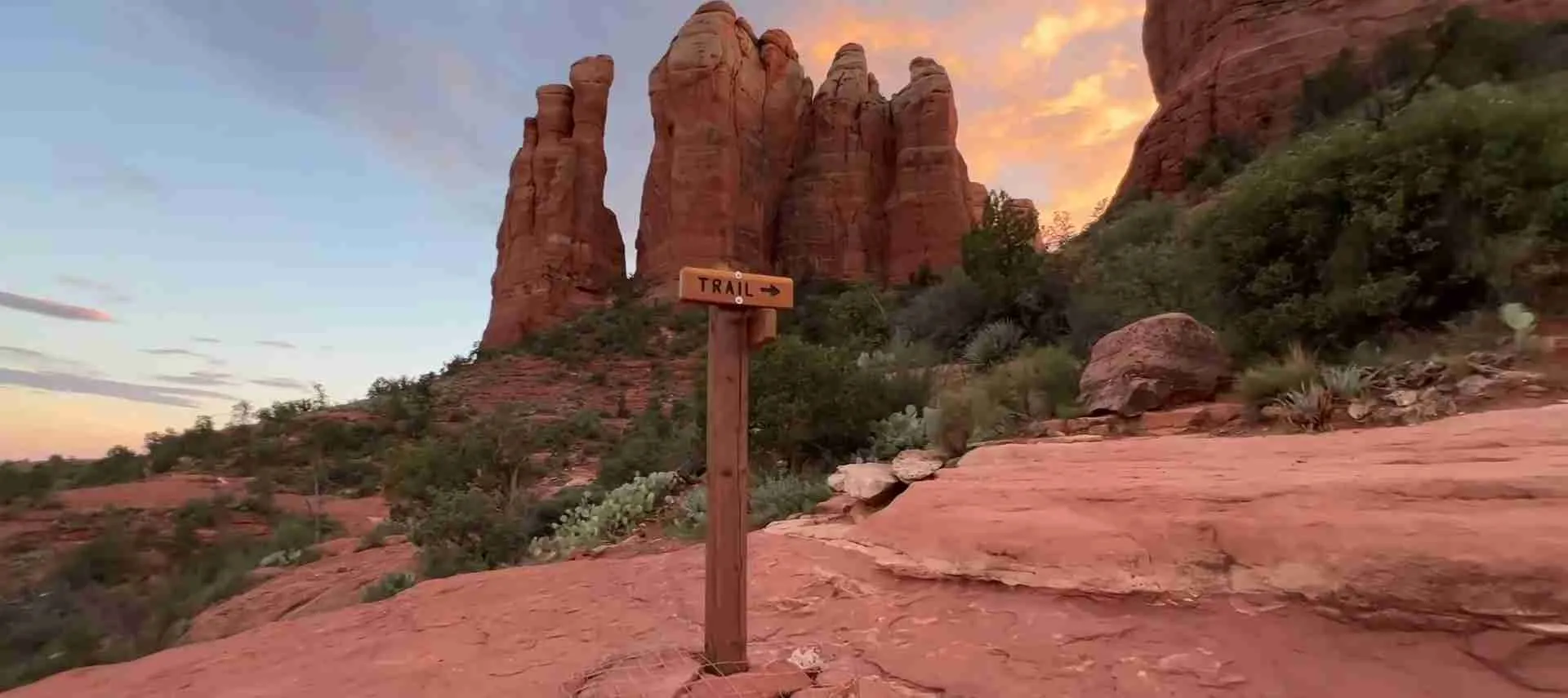
From Sedona Red Rock Vortexes to Machu Picchu Mountain Sanctuary: The Energy of Ancient Places
Two of Earth’s most powerful sacred sites—Sedona’s swirling vortex landscape in Arizona’s red rock country and Machu Picchu’s celestial Incan citadel perched high in the Peruvian Andes—share an extraordinary quality that transcends ordinary geological formations. Both locations have drawn spiritual seekers, indigenous peoples, and modern travelers for centuries, each reporting profound experiences of heightened energy, spiritual awakening, and deep connection to forces beyond the visible world. This exploration reveals the striking parallels between these ancient power centers and the timeless wisdom they continue to offer humanity.
Key Takeaways About Sacred Energy Sites
- Electromagnetic Phenomena: Both Sedona and Machu Picchu demonstrate measurable electromagnetic characteristics, with Sedona’s vortex sites featuring concentrated energy fields and Machu Picchu positioned at the convergence of Andean ceques (sacred energy lines) that ancient civilizations recognized as pathways for cosmic forces.
- Indigenous Sacred Recognition: The Yavapai-Apache peoples revered Sedona’s canyons and red rocks as spiritually powerful locations for ceremonies and purification rituals, while the Inca civilization strategically positioned Machu Picchu at a site of exceptional astronomical and spiritual significance, creating temples aligned precisely with solstice and equinox events.
- Physical Manifestations of Energy: Sedona’s juniper trees exhibit distinctive spiral growth patterns near vortex centers, twisting in apparent response to electromagnetic forces, while Machu Picchu’s Intihuatana stone demonstrates the Inca understanding of capturing solar energy through precise astronomical alignment, casting no shadow during equinoxes.
- Altitude and Consciousness: Machu Picchu’s elevation of 2,430 meters creates reduced oxygen conditions that naturally facilitate altered states of consciousness, enhancing meditation and spiritual experiences, while Sedona’s high-desert plateau environment at approximately 1,350 meters provides similarly conducive atmospheric conditions for heightened awareness.
- Geological Energy Foundations: Sedona’s red rocks contain iron oxide and crystalline quartz deposits believed to amplify electromagnetic energy, creating measurable vortex phenomena, while Machu Picchu’s granite construction and strategic mountain positioning create what many describe as palpable energy fields connecting earth and sky.
- Transformative Visitor Experiences: Travelers to both sites consistently report similar sensations including warmth, tingling, emotional release, clarity of purpose, and profound peace, with many describing these locations as places where the veil between physical and spiritual realms grows remarkably thin.
People Also Ask About Sacred Energy Sites
What Makes Sedona and Machu Picchu Sacred Energy Sites?
Sedona qualifies as a sacred energy site through the convergence of electromagnetic vortex phenomena, geological formations containing iron oxide and quartz crystals, and centuries of indigenous recognition by the Yavapai-Apache peoples who conducted purification rituals and ceremonies throughout the region. The four primary vortex locations—Cathedral Rock, Bell Rock, Airport Mesa, and Boynton Canyon—emit distinct energy signatures characterized as masculine (electric upflow), feminine (magnetic inflow), or balanced (electromagnetic combination). Physical evidence includes juniper trees exhibiting spiral growth patterns near vortex centers, suggesting measurable forces affecting organic material. Machu Picchu achieves sacred status through its position at the intersection of Andean ceques (invisible energy pathways), its 2,430-meter elevation creating natural altered-consciousness conditions, and its precise astronomical alignments embodied in structures like the Intihuatana stone and Temple of the Sun. The Inca civilization deliberately chose this location for its spiritual potency, constructing approximately 200 ceremonial and astronomical buildings that continue to radiate what visitors describe as powerful sacred energy.
Can You Feel the Energy at Vortex Sites and What Does It Feel Like?
Sensitivity to energy at vortex sites varies considerably among individuals, with approximately 60 to 70 percent of visitors reporting tangible sensations according to spiritual guides familiar with both locations. Common physical sensations include warmth or heat in the hands and body, tingling or vibrating sensations particularly in the palms and fingertips, heightened emotional responses ranging from joy to tears, and feelings of being lighter or more energized. At Sedona’s masculine vortex sites like Bell Rock and Airport Mesa, visitors frequently experience uplifting, empowering energy that enhances confidence and motivation, while feminine sites like Cathedral Rock produce more introspective, calming, emotionally cleansing sensations. Machu Picchu visitors describe similar phenomena including profound peace, spiritual awakening, deep cosmic connection, and what many characterize as energy flowing from Pachamama (Mother Earth) through the sacred Apus (mountain spirits) that encircle the citadel. The Intihuatana stone specifically generates reports of enlightenment and enhanced spiritual connection when touched or approached. Scientists attribute some sensations to measurable electromagnetic fields, reduced oxygen at altitude, psychological expectations, and environmental factors, while spiritual practitioners interpret these experiences as genuine energetic phenomena.
How Did Ancient Peoples Identify These Sacred Locations?
Indigenous cultures developed sophisticated methods for identifying sacred sites that modern civilization has largely forgotten, relying on direct sensory perception, observation of natural phenomena, astronomical knowledge, and spiritual practices. The Yavapai-Apache peoples recognized Sedona’s energy through generations of lived experience, noting that certain locations—particularly Boynton Canyon (known as Che Ah Chi) and Cathedral Rock—produced distinct spiritual sensations, facilitated powerful ceremonies, and served as effective sites for vision quests and purification rituals. They observed twisted tree growth patterns, unusual animal behavior, and experienced direct energetic sensations that marked these places as worthy of reverence. The Inca civilization employed advanced astronomical knowledge to identify Machu Picchu’s exceptional qualities, recognizing that the site’s position allowed perfect alignment with solstice and equinox solar events, positioned the citadel at the convergence of multiple ceques (sacred energy lines), and provided views of sacred Apus (mountain deities) in every direction. Inca priests and spiritual leaders likely practiced extended meditation and fasting at potential sites, allowing heightened sensitivity to reveal energetic qualities invisible to ordinary perception. Both cultures understood that sacred geography follows patterns—proximity to water sources, dramatic geological formations, mountain peaks, and celestial alignments all indicated spiritual potency worth honoring through architecture and ceremony.
Are Sedona Vortexes and Machu Picchu Energy Centers Scientifically Proven?
Scientific validation of energy phenomena at these sites presents a complex picture combining measurable physical characteristics with subjective experiences that resist conventional quantification. At Sedona, electromagnetic field measurements reveal anomalies at vortex sites, with higher readings of electromagnetic activity documented at locations like Bell Rock and Cathedral Rock compared to surrounding areas. Geologists confirm that Sedona’s red rocks contain substantial iron oxide and crystalline quartz deposits, materials known to influence electromagnetic fields and potentially create measurable energy effects. The twisted growth patterns of juniper trees near vortex centers represent observable physical phenomena, though scientists debate whether electromagnetic forces, wind patterns, or soil conditions cause the distinctive spiraling. Machu Picchu’s astronomical alignments are precisely documented and scientifically verified—the Intihuatana stone demonstrably marks solstice and equinox positions with remarkable accuracy, the Temple of the Sun aligns perfectly with June solstice sunrise, and various structures correspond to celestial events in ways that demonstrate sophisticated astronomical knowledge. Altitude effects at 2,430 meters producing altered consciousness through reduced oxygen are well-established medical facts. However, the existence of ceques (energy lines), Pachamama energy, and spiritual vortex forces remains outside conventional scientific frameworks, with researchers acknowledging that current instrumentation may lack sophistication to measure subtle energy fields that ancient peoples apparently perceived directly. Many scientists adopt an open-minded position acknowledging measurable physical anomalies while remaining agnostic about metaphysical interpretations.
Extended multi-day tours – 5+ days
Featured Sedona Multi-Day Tour Packages
3 days
Sedona 3-Day Discovery Tour
- ✓ Comprehensive Sedona experience
- ✓ Expert local guides included
- ✓ All accommodation included
- ✓ Transportation provided

5 days
Sedona 5-Day Highlights Experience
- ✓ Comprehensive Sedona experience
- ✓ Expert local guides included
- ✓ All accommodation included
- ✓ Transportation provided

7 days
Sedona 7-Day Cultural Journey
- ✓ Comprehensive Sedona experience
- ✓ Expert local guides included
- ✓ All accommodation included
- ✓ Transportation provided

10 days
Sedona 10-Day Complete Adventure
- ✓ Comprehensive Sedona experience
- ✓ Expert local guides included
- ✓ All accommodation included
- ✓ Transportation provided
Multi-day tour packages powered by TourRadar. Prices and availability subject to change.
Introduction: Understanding the Convergence of Energy, Geology, and Spirit
Scattered across our planet exist locations that seem to pulse with an energy beyond ordinary geography—places where the boundary separating the mundane from the sacred grows remarkably permeable. Among Earth’s most compelling examples stand two sites separated by thousands of miles yet united by profound spiritual resonance: Sedona’s red rock vortex landscape in Arizona’s high desert and Machu Picchu’s cloud-wrapped Incan sanctuary in Peru’s Andes Mountains. These ancient power centers attract millions of visitors annually, with many reporting transformative experiences that defy conventional explanation.
The phenomenon of sacred sites possessing tangible energy represents humanity’s oldest spiritual tradition. Long before organized religion codified spiritual practice, indigenous peoples worldwide recognized that certain locations facilitated extraordinary states of consciousness, healing, and connection to forces greater than individual existence. The Yavapai-Apache peoples understood Sedona’s canyons as places requiring purification before entry, conducting ceremonies at specific rock formations where the Great Mother’s creative force flowed most powerfully. Similarly, the Inca civilization identified the mountain ridge where Machu Picchu now stands as a location of exceptional astronomical and spiritual significance, investing enormous resources to construct a sacred city aligned precisely with celestial events and positioned at the convergence of invisible energy pathways they called ceques.
Modern visitors to these sites often arrive as skeptics, yet many depart fundamentally changed. At Sedona’s vortex locations, people report sensations ranging from subtle warmth and tingling to profound emotional releases and spiritual awakenings. The experience transcends religious or cultural boundaries—Buddhist monks, Catholic pilgrims, secular scientists, and New Age practitioners describe remarkably similar phenomena when sitting in meditation at Cathedral Rock or climbing the electromagnetic fields surrounding Bell Rock. Machu Picchu produces equally powerful responses, with travelers speaking of overwhelming peace, visions, clarity about life direction, and a palpable sense of ancient wisdom still vibrating through the precisely fitted granite stones.
The scientific community approaches these phenomena with cautious curiosity. Measurable electromagnetic anomalies exist at Sedona’s vortex sites. Machu Picchu’s astronomical alignments demonstrate mathematical precision that modern engineers struggle to replicate. The twisted juniper trees spiraling near Sedona’s energy centers represent observable physical effects requiring explanation. Altitude-induced altered consciousness at Machu Picchu’s 2,430-meter elevation follows established medical principles. Yet the deeper questions persist: Do these locations genuinely emit energy that sensitive individuals perceive? Have humans lost abilities that indigenous cultures maintained—the capacity to sense electromagnetic fields, ley lines, and spiritual forces our ancestors navigated as naturally as we follow GPS signals?
This exploration examines both sites through multiple lenses—geological composition, indigenous spiritual traditions, modern scientific investigation, and direct visitor experiences. Whether one interprets vortex phenomena as electromagnetic reality or psychological projection, astronomical alignments as spiritual design or practical timekeeping, the undeniable truth remains: Sedona and Machu Picchu possess qualities that consistently produce profound effects on human consciousness. Understanding what these ancient power centers teach us about Earth’s hidden dimensions may prove essential for reconnecting with aspects of reality our technological civilization has forgotten.
Sedona Vortex Landscape: Red Rock Energy Centers and Electromagnetic Phenomena
Sedona’s high-desert landscape of towering crimson spires and sculptured canyons would qualify as extraordinarily beautiful even without metaphysical associations, yet the region’s reputation as America’s foremost energy vortex center attracts as many spiritual seekers as scenic photographers. The term “vortex” entered Sedona vocabulary in 1980 when psychic Page Bryant received what she described as channeled information identifying specific locations where Earth’s energy swirls and concentrates with particular intensity. Seven years later, 10,000 people gathered in Sedona for a spiritual convergence noted on the Mayan calendar, cementing the town’s identity as a New Age capital and vortex pilgrimage destination.
The four primary Sedona vortex sites each radiate distinct energetic qualities according to both indigenous tradition and modern spiritual interpretation. Cathedral Rock, rising approximately 300 feet above Oak Creek, represents the strongest magnetic or feminine vortex in the region, producing introspective, emotionally cleansing experiences that open visitors to intuition and nurturing aspects of consciousness. The Yavapai-Apache peoples consider Cathedral Rock the birthplace of humankind, conducting ceremonies at this location for countless generations. Meditation at Cathedral Rock connects practitioners to earth energy and facilitates communication with inner wisdom, creating experiences of profound grounding and spiritual clarity.
Bell Rock, named for its distinctive bell-shaped profile visible from Highway 179, functions as a masculine or electric vortex radiating upward-flowing energy that enhances confidence, mental clarity, and problem-solving abilities. The formation contains substantial quartz crystal deposits beneath its surface, creating measurable electromagnetic effects that some researchers suggest amplify the vortex phenomenon. Visitors hiking Bell Rock’s lower slopes report feeling energized, motivated, and ready to address challenges with renewed determination. The masculine energy strengthens self-regard and personal empowerment, balancing the more receptive qualities of feminine vortex sites.
Airport Mesa offers the most accessible vortex experience, located just over a mile outside Sedona with parking halfway up the formation providing relatively easy access to stunning 360-degree views encompassing Bell Rock, Cathedral Rock, and Thunder Mountain. Airport Mesa radiates masculine upflow energy characterized as powerful, demanding, and penetrating—ideal for breakthrough insights and decisive life changes. The elevated vantage point creates what visitors describe as an almost overwhelming sense of expansiveness, with the high-vibrational energy breaking through emotional barriers and providing clarity about previously confusing situations.
Boynton Canyon, known to the Yavapai-Apache as Che Ah Chi and revered as their spiritual birthplace, represents Sedona’s most sacred balanced or electromagnetic vortex. This 2.5-mile-long box canyon combines masculine and feminine energies in what practitioners describe as a perfect yin-yang harmony, strengthening all three aspects of spiritual being simultaneously. The towering Kachina Woman pillar guards the canyon entrance, a natural formation the indigenous peoples considered so spiritually potent that ritual purification through fasting and meditation was required before entry. The balanced energy at Boynton Canyon particularly benefits relationships, building intimacy, openness, and honest communication between partners.
Beyond the four major sites, Sedona features additional vortex locations including the Chapel of the Holy Cross, built directly into red rock formations and described by many visitors as the strongest energy point in the entire region despite not appearing on early vortex maps. Courthouse Butte radiates powerful upward-flowing energy conducive to personal and spiritual growth. Schnebly Hill offers remote, quiet vortex energy ideal for self-cleansing and spirit purification. The proliferation of vortex locations throughout Sedona suggests the entire region functions as a vast energy field with particular concentration points rather than isolated phenomena.
The geological foundation of Sedona’s vortex phenomena centers on iron oxide and quartz crystal deposits within the distinctive red sandstone formations. Iron oxide creates the spectacular crimson coloring while potentially influencing electromagnetic fields, and quartz crystals possess piezoelectric properties that generate electrical charge under pressure. The sandstone itself represents millions of years of sedimentary deposits laid down when the region alternated between ancient seabed and dry land, creating layers that some geologists suggest could affect electromagnetic patterns through varying mineral compositions.
Physical manifestations of vortex energy appear most dramatically in Sedona’s juniper trees, which exhibit unusual spiral growth patterns near energy centers. At locations like Bell Rock and Airport Mesa, junipers grow with trunks and branches twisted in distinctive spiraling shapes that appear to follow energy flow directions. Skeptical scientists attribute twisted growth to wind patterns, soil conditions, or genetic variations, yet the concentration of spiraled trees specifically near documented vortex centers suggests causation beyond random environmental factors. Many vortex guides point to these gnarled, twisting junipers as visible evidence of invisible forces affecting organic growth.
Electromagnetic field measurements at vortex sites reveal anomalies compared to surrounding areas, with higher EMF readings documented at Cathedral Rock, Bell Rock, and other primary locations. Independent researchers using magnetometers and electromagnetic sensors have recorded fluctuating fields that vary throughout the day, possibly correlating with solar activity and Earth’s natural magnetic variations. These measurable differences provide scientific support for claims that Sedona possesses unusual energetic properties, though consensus about specific mechanisms remains elusive.
The Yavapai-Apache cultural relationship with Sedona predates vortex terminology by countless generations, representing indigenous recognition of sacred geography that modern spiritual seekers have only recently rediscovered. For the Yavapai people, the entire Sedona landscape pulsed with the creative energy of their Great Mother, with specific canyons, peaks, and rock formations holding particular spiritual significance. Petroglyphs and cliff dwellings throughout the region demonstrate sustained indigenous presence and the importance of these lands for ceremony, vision quests, and connection to spiritual forces.
Modern vortex experiences vary widely based on individual sensitivity, spiritual preparation, and specific location characteristics. First-time visitors often report surprise at tangible sensations they did not expect or necessarily believe possible. Common experiences include warmth spreading through the body particularly in hands and heart center, tingling or vibrating sensations concentrated in palms and fingertips, emotional responses ranging from tears to laughter emerging without apparent cause, heightened awareness of natural beauty and connection to surroundings, and mental clarity cutting through confusion about life decisions or relationships.
Practitioners recommend specific approaches for maximizing vortex experiences. Arriving early morning or late afternoon avoids crowds and provides quieter conditions conducive to meditation. Beginning each vortex visit with several minutes of deep breathing and intention-setting helps quiet mental chatter and open awareness to subtle sensations. Many visitors find enhanced experiences when sitting directly on rocks rather than trails, removing barriers between their bodies and the formation’s energy. Removing electronic devices, jewelry, and metal objects may reduce electromagnetic interference with personal sensitivity.
The distinction between upflow (masculine/electric) and inflow (feminine/magnetic) vortex types influences how visitors should approach different sites. Upflow vortexes located at spires, mountains, and elevated vistas like Bell Rock and Airport Mesa deliver positive energy that uplifts and energizes, creating feelings of joy, confidence, and rejuvenation. These locations work well for morning visits, goal-setting, and situations requiring decisive action or breakthrough insights. Inflow vortexes positioned in valleys and canyons like the Cathedral Rock area deliver more introspective energy connecting visitors to deeper memories, past experiences, and emotional healing. These sites suit afternoon or evening visits, relationship work, and processing emotions or trauma.
Sedona’s infrastructure supporting vortex tourism includes numerous tour companies offering guided experiences with knowledgeable practitioners explaining energy patterns, indigenous history, and meditation techniques. Four-wheel-drive Jeep tours provide access to remote vortex locations beyond easy hiking range, while specialized spiritual tours incorporate sound healing, energy work, and shamanic practices alongside vortex visits. The town features dozens of crystal shops, metaphysical bookstores, and healing centers where visitors can deepen their understanding of energy work and purchase crystals charged with vortex energy.
Scientific skepticism about vortex phenomena remains substantial, with mainstream geologists and physicists generally attributing reported experiences to psychological expectations, natural beauty producing emotional responses, and the power of belief creating subjective sensations. The lack of consistent, measurable energy signatures that replicate reliably across multiple studies limits scientific validation. However, the dismissal of all vortex experiences as mere placebo effect fails to explain why indigenous peoples identified these same locations as sacred centuries before modern New Age terminology existed, why electromagnetic anomalies appear at specific sites, and why the twisted tree growth patterns concentrate near documented vortex centers.
The debate between scientific materialism and spiritual interpretation ultimately matters less than the documented effects Sedona produces on visitor well-being. Whether vortex energy represents genuine electromagnetic phenomena, undiscovered geophysical forces, psychological responses to natural beauty, or combinations of multiple factors, thousands of people consistently report feeling better after visiting these sites. The experiences include reduced stress, greater mental clarity, emotional healing, renewed life purpose, and enhanced spiritual connection—outcomes valuable regardless of their ultimate causation. Sedona’s vortexes function successfully as natural therapy, spiritual catalyst, and gateway to expanded consciousness whether interpreted through indigenous wisdom, New Age spirituality, or pragmatic psychology.
Machu Picchu Sacred Sanctuary: Incan Cosmology and Celestial Alignment
High in Peru’s Andes Mountains, Machu Picchu emerges from morning mist like a vision from mythology—a lost city of precisely fitted granite stones terraced across an impossibly steep mountain ridge at 2,430 meters above sea level. Designated a UNESCO World Heritage Site in 1983 and selected as one of the New Seven Wonders of the World, this 15th-century Incan citadel represents far more than architectural achievement. The site embodies a sophisticated spiritual cosmology where physical construction served to channel and amplify cosmic forces, creating a sacred center where Earth and sky, human and divine, physical and metaphysical realms converged.
The Inca civilization chose Machu Picchu’s location through criteria extending beyond defensive or agricultural advantages to encompass profound spiritual dimensions. The site sits at the intersection of multiple ceques—invisible energy lines the Inca believed channeled cosmic forces through the Andean landscape, connecting sacred mountains (Apus), water sources, astronomical observation points, and ceremonial centers in a vast web of spiritual geography spanning the empire. Archaeological and ethnographic research suggests the Inca mapped perhaps 400 ceques radiating from Cusco, the imperial capital, with Machu Picchu positioned at a critical convergence point where these pathways intensified energy flow.
The approximately 200 structures comprising Machu Picchu include multiple temples, observatories, residential areas, and agricultural terraces, each oriented according to astronomical and spiritual principles. The Intihuatana stone stands as perhaps the most spiritually significant element—a precisely carved granite altar whose name translates as “hitching post of the sun.” During winter and summer solstices, the Intihuatana casts no shadow at noon, demonstrating the Inca’s sophisticated astronomical knowledge and their belief that this stone captured and focused solar energy. Visitors touching the Intihuatana report sensations of enlightenment, heightened spiritual connection, and energy flowing from the stone into their bodies.
The Temple of the Sun exemplifies Machu Picchu’s astronomical precision through its perfect alignment with June solstice sunrise. On this day, sunlight enters through the temple’s window and illuminates a ceremonial stone in precise fashion, marking the critical solar event that governed the Incan agricultural calendar and religious celebrations honoring Inti, the sun deity central to Incan spirituality. The temple’s curved wall represents exceptional stonework even by Machu Picchu’s remarkable standards, with individual blocks fitted so precisely that mortar proved unnecessary and knife blades cannot penetrate the joints between stones.
The Room of the Three Windows represents Incan cosmological understanding of reality divided into three worlds: Hanan Pacha (upper world of celestial deities), Kay Pacha (middle world of present human existence), and Ukhu Pacha (lower world of the dead and unborn). The three precisely positioned windows in this ceremonial structure symbolized these realms and facilitated communication between them during rituals. The stonework demonstrates how Incan architects created buildings serving both practical and spiritual functions, with each architectural element carrying symbolic meaning while maintaining structural integrity.
The Sacred Plaza functions as Machu Picchu’s ceremonial heart, encompassing the Temple of the Three Windows, the Principal Temple, and other ritual spaces where the Inca conducted offerings to Pachamama (Mother Earth), performed astronomical observations, and gathered for significant religious celebrations. The plaza’s elevation and orientation provide unobstructed views of the surrounding Apus—the sacred mountain spirits the Inca believed protected and guided their civilization. Visitors to the Sacred Plaza consistently describe overwhelming sensations of peace, spiritual presence, and connection to forces beyond ordinary perception.
The Sacred Rock, a massive natural stone formation modified by Incan stonemasons, likely served multiple functions including ceremonial worship, astronomical alignment, and symbolic representation of the relationship between physical and divine realms. Its prominent position and careful shaping suggest spiritual significance beyond mere geology, possibly functioning as a focal point for rituals honoring the mountain deities or marking celestial events. Many modern visitors report the Sacred Rock radiating palpable energy, particularly during sunrise and sunset when solar angles transform the formation’s appearance.
Andean cosmology, which informed every aspect of Machu Picchu’s design and function, viewed the natural world as alive with spiritual presence. The Inca worshipped Inti (sun god), Mama Quilla (moon goddess), rivers as sacred arteries of Pachamama, and Apus as conscious mountain spirits worthy of reverence and offerings. This worldview emphasized ayni—sacred reciprocal exchange between humans, nature, and spiritual realms—requiring constant ritual attention to maintain balance and harmony. Every stone placed at Machu Picchu embodied this philosophy, with construction itself functioning as spiritual practice honoring the forces the Inca believed animated existence.
The site’s dramatic natural setting amplifies its spiritual impact through what researchers call environmental therapy. Positioned at the meeting point between Peruvian Andes and Amazon Basin, Machu Picchu occupies a biodiversity hotspot containing over 2,350 plant species and 423 bird species within the 32,592-hectare protected sanctuary. The surrounding Sacred Valley’s glacier-fed rivers, year-round spring temperatures, and spectacular mountain vistas create living mandala of natural beauty that supports contemplative practice and facilitates altered states of consciousness even without deliberate spiritual effort.
Altitude effects at 2,430 meters significantly influence visitor experiences through reduced oxygen levels that naturally trigger altered consciousness states. This physiological reality, recognized by high-altitude cultures worldwide, allows practitioners to access deeper meditative states more readily than at sea level. The Inca understood this principle, deliberately constructing major ceremonial centers at elevations that enhanced spiritual perception. Modern neuroscience confirms that oxygen reduction affects brain chemistry, potentially explaining some visionary experiences and spiritual breakthroughs reported at Machu Picchu.
The site’s energy vortex characteristics parallel Sedona’s phenomena through different geological and cultural contexts. Many visitors describe Machu Picchu as radiating palpable energy drawn from Pachamama, solar radiation, wind patterns, and the sacred Apus encircling the citadel. This positive energy manifests as warmth, tingling, emotional releases, visions, clarity about life direction, and profound peace. The energy feels particularly intense at specific locations including the Intihuatana, Temple of the Sun, Sacred Rock, and various meditation spots overlooking the Urubamba River valley 400 meters below.
Indigenous Andean traditions maintain living connections to Machu Picchu’s spiritual dimensions through practices that survived Spanish colonization and remain vital in surrounding communities. Local curanderos (healers) conduct traditional ceremonies incorporating offerings to Pachamama, use of sacred plants including coca leaves, and invocations to the Apus. These rituals follow patterns established before Incan times, representing pre-Columbian spiritual technology that modern seekers increasingly recognize as sophisticated methods for accessing altered consciousness and healing.
The UNESCO World Heritage designation recognizes Machu Picchu’s dual significance as both cultural and natural treasure, acknowledging that separating the site’s physical architecture from its spiritual and ecological context diminishes understanding of why the Inca invested such enormous resources in this remote mountain location. The inscription text emphasizes outstanding artistic, architectural, and land-use achievements while noting the property’s importance for biodiversity conservation and connection between human civilization and natural environment.
Visitor experiences at Machu Picchu frequently include transformative moments that participants struggle to articulate through ordinary language. Common reports describe overwhelming emotional responses upon first sight of the citadel, tears flowing without sadness or apparent cause, sensations of coming home to a place never before visited, visions or memories of past lives as Incan inhabitants, profound connection to ancestors and indigenous wisdom, clarity about life purpose emerging suddenly and completely, and lasting personality changes toward greater mindfulness and environmental consciousness.
Spiritual retreats and tours at Machu Picchu have evolved to support seekers desiring deeper engagement beyond typical tourist experiences. Multi-day programs incorporate Vinyasa yoga at sunrise overlooking the ruins, Yin yoga for releasing emotional tension while absorbing the site’s peaceful energy, Kundalini practice combining breath work and mantra to awaken spiritual energy amplified by the powerful natural environment, and guided meditation at key energy points including the Intihuatana and Temple of the Sun. These structured experiences help visitors move beyond photography and sightseeing toward genuine spiritual encounter.
The question of whether Machu Picchu’s energy represents measurable physical phenomena or subjective spiritual interpretation admits no simple answer. The astronomical alignments are mathematically verifiable facts demonstrating sophisticated knowledge that modern engineers respect. Altitude effects on consciousness follow established medical principles. The Incan ceque system, while invisible to conventional instruments, may represent recognition of geomagnetic anomalies or other subtle forces current science lacks tools to measure. Indigenous peoples consistently identified sacred sites based on direct perception of qualities Western civilization dismissed as superstition, yet mounting evidence suggests these traditional assessments often correlate with measurable geological and electromagnetic characteristics.
The preservation challenges facing Machu Picchu include managing tourist impact while maintaining accessibility, protecting structures from climate change and seismic activity, and balancing scientific research with respect for indigenous spiritual traditions that view the site as living sacred space rather than archaeological artifact. Daily visitor limits, timed-entry systems, and restricted access to certain areas attempt to mitigate damage while allowing continued pilgrimage to this essential human heritage site.
The Peruvian government and international organizations invest substantial resources in conservation, recognizing that Machu Picchu represents irreplaceable cultural heritage whose loss would diminish humanity’s understanding of civilization’s spiritual dimensions. Beyond tourism revenue and national pride, the site functions as a bridge connecting modern consciousness to indigenous wisdom about Earth’s sacred geography and the possibility of human harmony with natural forces.
Geological Foundations: Rock, Mineral, and Electromagnetic Reality
Understanding the energy phenomena at Sedona and Machu Picchu requires examining the geological foundations underlying both sites, revealing how rock composition, mineral content, elevation, and geographic position create measurable physical conditions that may explain or contribute to reported spiritual experiences. While skeptics dismiss all metaphysical claims and believers attribute everything to spiritual forces, the most accurate understanding likely combines scientific geology with openness to phenomena not yet fully explained by current instruments and theories.
Sedona’s distinctive red rocks formed through millions of years of sedimentary deposition when the region alternated between ancient seabed and dry land. The Schnebly Hill Formation, Hermit Shale, Coconino Sandstone, and Kaibab Limestone layers visible in cross-section represent different geological epochs, each with distinct mineral compositions affecting electromagnetic properties. The spectacular crimson color derives from iron oxide coating sandstone grains, creating concentrations of ferrous material that some researchers suggest could influence local magnetic fields and potentially affect human bioelectrical systems.
Quartz crystals embedded throughout Sedona’s sandstone formations possess piezoelectric properties—the ability to generate electrical charge when subjected to mechanical stress from tectonic pressure or human touch. Laboratory studies demonstrate that quartz crystals emit measurable electromagnetic radiation when compressed, suggesting that formations containing substantial quartz deposits could create detectable energy fields. The concentration of quartz at sites like Bell Rock may contribute to the electromagnetic vortex characteristics documented by researchers using magnetometers and EMF detectors.
Sedona’s position on the Colorado Plateau places the region in a geologically active zone where ongoing uplift creates mechanical stress on rock formations that could trigger piezoelectric effects in quartz-bearing sandstone. The area experiences minor seismic activity and sits along geological fault lines that may produce electromagnetic anomalies detectable by sensitive individuals even when instruments require precise calibration to measure the effects. This combination of iron oxide concentration, quartz deposits, and tectonic stress creates plausible physical mechanisms for measurable energy fields independent of spiritual interpretation.
The elevation of Sedona at approximately 1,350 meters produces atmospheric conditions conducive to heightened awareness through increased ultraviolet radiation exposure, lower barometric pressure affecting blood oxygen levels, and greater solar radiation intensity compared to sea level locations. These factors create mild physiological stress that some researchers suggest enhances perceptual sensitivity and could contribute to the vortex experiences visitors report. The high-desert environment also features exceptional air clarity, spectacular natural beauty, and relative isolation from electromagnetic pollution of urban areas, creating ideal conditions for meditation and spiritual practice.
Machu Picchu’s geological foundation consists primarily of granite batholith formations—igneous rock created from magma cooling deep underground then uplifted through tectonic forces to create the current Andean mountain ranges. Granite contains quartz, feldspar, and mica minerals that together create rock with exceptional structural integrity and piezoelectric properties similar to Sedona’s quartz-bearing sandstone. The Inca chose granite specifically for its durability and possibly for energy characteristics they perceived but could not articulate in modern scientific language.
The precision of Incan stonework at Machu Picchu suggests understanding of granite’s properties beyond mere structural engineering. Individual stones weighing multiple tons fit together so exactly that mortar proved unnecessary and joints remain tight centuries later despite earthquakes, rain, and freeze-thaw cycles that destroyed Spanish colonial buildings. Some researchers propose the Inca developed techniques for softening stone through plant extracts or sound frequencies, though mainstream archaeology dismisses these theories as pseudoscience. The undeniable reality remains that Incan stone-fitting achieved results that modern engineers struggle to replicate using power tools and computer modeling.
Machu Picchu’s position at 2,430 meters creates significant altitude effects on human physiology and consciousness through reduced oxygen availability. At this elevation, atmospheric pressure drops to approximately 75 percent of sea-level values, reducing oxygen partial pressure and forcing respiratory and cardiovascular systems to work harder delivering oxygen to tissues. The brain, consuming roughly 20 percent of the body’s oxygen despite representing only 2 percent of body weight, proves particularly sensitive to altitude effects. Reduced cerebral oxygenation can trigger altered consciousness states, enhanced dream activity, emotional sensitivity, and perceptual changes that spiritual practitioners interpret as heightened awareness while medical professionals recognize as mild hypoxia.
The geographic position of Machu Picchu at the transition zone between high Andes mountains and upper Amazon basin creates unique environmental conditions combining mountain clarity with tropical biodiversity. The site receives substantial rainfall feeding lush vegetation while enjoying relatively moderate temperatures due to elevation and equatorial latitude. This combination produces atmospheric ionization from waterfalls and vegetation that some researchers suggest contributes to feelings of well-being and energy reported by visitors. Negative ions generated by moving water and plant transpiration have documented effects on human mood and alertness, potentially explaining some subjective spiritual experiences through purely physical mechanisms.
The ceque system described in Incan cosmology may represent indigenous recognition of geomagnetic anomalies, underground water flows, or other geophysical features Western science has only recently begun mapping. Modern satellite imagery and ground-penetrating radar reveal subsurface geological patterns invisible to surface observation, including fault lines, mineral deposits, and aquifer systems that could create measurable energy variations. Indigenous peoples worldwide demonstrated sophisticated understanding of landscape features that conventional exploration required technological instruments to detect, suggesting their identification of sacred sites may have incorporated direct sensory perception of qualities science cannot yet fully explain.
The question of whether geology creates spirituality or spiritual forces manifest through geology represents a false dichotomy. Both sites demonstrate measurable physical characteristics—electromagnetic anomalies, unusual mineral compositions, distinctive elevations, and geographic positions—that plausibly contribute to reported experiences. Simultaneously, the consistent identification of these specific locations as sacred across multiple cultures and time periods suggests qualities transcending random geological variation. The most productive approach integrates rigorous scientific investigation of measurable phenomena with humility about the limitations of current instruments and theories, remaining open to possibilities that indigenous wisdom preserved knowledge about Earth’s subtle energies that technological civilization has forgotten or dismissed.
Comparative Energy Characteristics: Masculine, Feminine, and Balanced Forces
The classification of vortex sites and sacred energy centers according to masculine (electric), feminine (magnetic), and balanced (electromagnetic) qualities represents a sophisticated understanding of energy dynamics shared across indigenous traditions worldwide. This categorization, while employing gendered language that some find limiting, describes genuine experiential differences that visitors consistently report when comparing various locations within both Sedona and Machu Picchu. Understanding these energy classifications helps seekers choose appropriate sites for specific intentions and recognize patterns connecting sacred geography across cultures.
Masculine or electric vortex energy manifests through upward-flowing forces that energize, empower, and activate consciousness toward external engagement. At Sedona’s Bell Rock and Airport Mesa, this energy produces sensations of uplift, confidence, motivation, and mental clarity oriented toward problem-solving and decisive action. Visitors describe feeling lighter, more powerful, and ready to address challenges with renewed determination. The masculine energy strengthens self-regard, personal boundaries, and capacity for leadership while potentially amplifying existing emotional states whether positive or negative. Indigenous traditions associate masculine energy with solar forces, daylight awareness, the active principle of existence, and connection to sky realms and celestial powers.
Physical characteristics of masculine vortex sites typically include elevated positions like mountain peaks, spires, and mesas where energy appears to radiate upward from Earth toward sky. The vertical orientation creates what practitioners describe as a launching or projecting quality that propels consciousness outward and upward. Bell Rock’s distinctive shape—narrowing toward the peak—physically embodies this upward-channeling geometry, focusing energy toward the summit where climbers report the most intense sensations. Airport Mesa’s elevated plateau position similarly creates conditions for outward-radiating energy that expands awareness across the 360-degree vista of Sedona’s landscape.
Feminine or magnetic vortex energy operates through inward-flowing forces that calm, introspect, and connect consciousness to emotional depths, intuitive knowing, and receptive awareness. At Sedona’s Cathedral Rock, this energy produces experiences of emotional release, introspection, enhanced meditation, and connection to nurturing aspects of existence. Visitors report tears flowing without sadness, deep peace settling over agitated minds, and access to insights about relationships and emotional patterns previously hidden from awareness. The feminine energy opens intuition, facilitates healing of emotional wounds, and strengthens capacity for empathy and connection to others. Indigenous traditions link feminine energy to lunar forces, nighttime consciousness, the receptive principle, and connection to earth depths and underworld realms.
Physical characteristics of feminine vortex sites typically include valley positions, canyons, caves, and locations near water where energy appears to flow inward and downward into Earth’s depths. The horizontal and downward orientation creates what practitioners describe as a drawing-in or magnetizing quality that pulls consciousness toward interior awareness. Cathedral Rock’s position adjacent to Oak Creek and partially within a canyon embodies this inward-channeling geometry, with the formation’s distinctive spires creating a natural sanctuary for introspective practice. The presence of flowing water at feminine sites amplifies the magnetic quality through sound, negative ion generation, and symbolic association of water with emotional realms and subconscious depths.
Balanced or electromagnetic vortex sites combine masculine and feminine energies in harmonious integration, creating conditions ideal for wholeness, relationship healing, and spiritual development that honors both active and receptive principles. At Sedona’s Boynton Canyon, this balanced energy produces experiences of completeness, integration of personality aspects previously in conflict, and enhanced capacity for authentic relationship with others. Visitors describe feeling simultaneously energized and peaceful, outwardly confident yet inwardly reflective, maintaining equilibrium between self-assertion and compassion. The balanced energy particularly benefits couples and partnerships by modeling healthy integration of masculine and feminine principles regardless of participants’ genders.
Physical characteristics of balanced vortex sites often include intermediate elevations between peaks and valleys, locations where different geological formations meet, or areas exhibiting natural symmetry suggesting equilibrium between opposing forces. Boynton Canyon embodies this balance through its box canyon configuration—enclosed yet open, elevated yet grounded, with the Kachina Woman pillar standing as a prominent vertical element within the horizontal canyon space. The balance manifests in the experience of feeling simultaneously held by the canyon walls and able to soar upward toward the sky, creating integration of earth and heaven, matter and spirit, human and divine.
Machu Picchu demonstrates all three energy qualities distributed across its various structures and sectors, suggesting the Inca understood these principles and deliberately created architecture channeling specific energy types for different purposes. The Intihuatana stone functions as a masculine energy point, focusing solar forces at their most intense during solstices when the sun stands directly overhead, creating conditions for active spiritual empowerment and connection to Inti’s celestial power. The name “hitching post of the sun” itself describes masculine, solar, upward-oriented energy captured and channeled through precise stone carving.
The Temple of the Moon, located in a cave on the northern side of Huayna Picchu mountain, represents feminine energy through its subterranean position, association with lunar forces, and inward-focused ceremonial space. The cave’s enclosed darkness creates womb-like conditions conducive to introspective practice, emotional healing, and connection to Mama Quilla’s nocturnal consciousness. Ceremonies conducted in this temple would have accessed feminine, magnetic, earth-oriented energies balancing the masculine solar focus of the Intihuatana and Temple of the Sun.
The Sacred Plaza at Machu Picchu’s heart embodies balanced energy through its central position, intermediate elevation between the site’s highest and lowest points, and function as gathering space integrating the citadel’s various ceremonial and residential sectors. The plaza’s openness allows 360-degree connection to surrounding Apus while its defined boundaries create containment and focus. This combination of expansion and structure, receptivity and definition, mirrors the balance between masculine and feminine principles that healthy spiritual development requires.
The practical application of understanding these energy distinctions involves matching site visits to personal intentions and current life circumstances. Individuals seeking confidence, clarity about goals, or motivation for new projects benefit from masculine vortex experiences at Bell Rock, Airport Mesa, or the Intihuatana stone. Those processing grief, healing emotional trauma, or developing intuitive capacities find more support at feminine vortex sites like Cathedral Rock or the Temple of the Moon. People working on relationships, integrating personality aspects, or seeking overall balance gravitate toward electromagnetic sites like Boynton Canyon or Machu Picchu’s Sacred Plaza.
Time of day affects energy quality, with masculine sites generally stronger during morning and midday hours when solar influence peaks, while feminine sites intensify during late afternoon, evening, and nighttime when lunar and earth energies dominate. Balanced sites maintain relatively consistent energy throughout the day, though many practitioners report the transitions between day and night—dawn and dusk—as particularly powerful moments at balanced locations where the masculine-feminine shift becomes palpable.
Seasonal variations also influence energy characteristics, with summer emphasizing masculine solar forces and winter strengthening feminine earth connections at both Sedona and Machu Picchu. Equinoxes, representing perfect balance between day and night, amplify balanced vortex sites and create temporary equilibrium at normally masculine or feminine locations. Solstices, marking solar extremes, intensify masculine energy at sites aligned with celestial events while deepening feminine introspection at earth-oriented locations.
The gendered language describing these energy patterns sometimes creates misunderstanding, particularly when practitioners confuse biological gender with universal energetic principles. Masculine and feminine in this context refer to fundamental polarities existing throughout nature—expansion/contraction, light/dark, active/receptive, heaven/earth—rather than limiting qualities to particular genders. Every human regardless of biological sex or gender identity contains both masculine and feminine energies requiring integration and balance. Sites classified as masculine or feminine offer opportunities to develop those specific energetic capacities, not to reinforce gender stereotypes or limit access based on identity.
Indigenous Wisdom and Sacred Geography Traditions
The spiritual recognition of Sedona and Machu Picchu as sacred power centers predates modern New Age terminology by centuries or millennia, representing indigenous wisdom about Earth’s subtle geography that technological civilization has largely forgotten. Understanding how the Yavapai-Apache peoples and Inca civilization identified, honored, and utilized these sacred sites provides essential context for contemporary spiritual experiences and raises profound questions about knowledge systems Western culture has dismissed as primitive yet which may encode sophisticated understanding of energetic realities science cannot yet measure.
The Yavapai-Apache cultural relationship with Sedona extends through countless generations, during which these peoples developed intimate knowledge of the region’s spiritual topography through direct lived experience. The name Che Ah Chi for Boynton Canyon and the designation of Cathedral Rock as humanity’s birthplace reflect deep reverence for specific locations whose spiritual potency the Yavapai recognized long before psychics channeled vortex maps or New Age practitioners arrived seeking transformation. Their approach to sacred sites emphasized preparation through fasting, meditation, and ceremonial purification before entering especially powerful locations, acknowledging that accessing spiritual energies required respectful protocols and personal readiness.
Yavapai-Apache ceremonies conducted at Sedona’s sacred sites included vision quests where individuals sought spiritual guidance through extended fasting and isolation in powerful locations, purification rituals employing smoke from sacred plants to cleanse participants before significant ceremonies, healing practices calling upon the Great Mother’s creative force flowing through particular rock formations, and seasonal celebrations marking solstices, equinoxes, and agricultural cycles in alignment with celestial movements. These practices demonstrate sophisticated understanding of how specific locations amplified spiritual practice and facilitated connection to forces beyond ordinary perception.
The Yavapai ability to identify sacred sites without technological instruments relied on perceptual capacities developed through cultural training and individual sensitivity. Elders taught younger generations to notice how they felt in different locations, recognizing that sacred places produced distinctive sensations ranging from subtle warmth to profound emotional shifts. They observed animal behavior, noting where eagles gathered, where deer birthed young, and where predators avoided territory despite abundant prey. They watched plant growth patterns, identifying locations where trees twisted in unusual spirals or certain medicinal plants thrived with exceptional potency. These natural signs pointed toward energetic qualities invisible to casual observation but unmistakable to trained awareness.
The displacement of Yavapai-Apache peoples from their traditional Sedona territories during the 19th century severed direct cultural transmission yet failed to eliminate the spiritual knowledge these sites encode. Today, Yavapai descendants maintain connections to their ancestral lands despite not residing in immediate proximity, conducting ceremonies when permitted and sharing oral traditions about Sedona’s sacred significance with scholars and sincere seekers. Their perspective offers essential corrective to New Age appropriation that sometimes ignores or misrepresents indigenous roots while commercializing spiritual practices divorced from cultural context.
The Inca civilization’s relationship with Machu Picchu and the broader Sacred Valley demonstrates even more elaborate sacred geography systems through the ceque network radiating from Cusco throughout Tawantinsuyu (the Four Quarters of the Inca Empire). Spanish chroniclers documented approximately 400 ceques—sight lines connecting sacred huacas (powerful places) in complex patterns that served simultaneously as astronomical sight lines, irrigation planning guides, social organization frameworks, and spiritual energy pathways. This integration of practical and spiritual dimensions characterizes indigenous worldviews that refuse separation between material and sacred realms.
The selection of Machu Picchu’s specific location employed Incan sacred geography principles including proximity to sacred Apus whose peaks surrounded the site in every direction, position at the meeting point between upper Amazon basin and high Andes representing convergence of different ecological and spiritual zones, astronomical alignments allowing precise observation of solstices, equinoxes, and key star patterns, and presence of powerful natural features including the Urubamba River 400 meters below forming a protective sacred boundary. These criteria demonstrate that spiritual factors influenced site selection as heavily as defensive or agricultural considerations.
Incan cosmology divided reality into three interconnected worlds—Hanan Pacha (upper celestial realm of gods and cosmic forces), Kay Pacha (middle earthly realm of present human existence), and Ukhu Pacha (lower interior realm of the dead, unborn, and transformative powers). Machu Picchu’s architecture embodied these three worlds through structures aligned vertically from the terraces representing Ukhu Pacha’s connection to earth depths, through the residential and agricultural sectors of Kay Pacha’s daily life, to the temples and ceremonial platforms of Hanan Pacha reaching toward celestial powers. This vertical integration created what the Inca understood as an axis mundi—a world center where communication between realms became possible.
The Incan principle of ayni—sacred reciprocity—governed all interactions with sacred sites, requiring that humans give back to the forces they received from. Ceremonies at Machu Picchu included offerings of coca leaves, chicha (maize beer), and precious objects to Pachamama, Inti, and the Apus, maintaining balance between taking and giving that ensured continued benevolence from spiritual powers. This reciprocal relationship contrasts sharply with modern tourist approaches that extract spiritual experiences while giving little back to the land, indigenous communities, or forces accessed.
Incan priests and spiritual specialists called amautas possessed specialized knowledge about sacred geography, astronomical cycles, ceremonial protocols, and methods for accessing altered consciousness states conducive to spiritual perception. Their training included extensive memorization of oral traditions, observation of celestial patterns, practice of fasting and plant medicines, and apprenticeship with experienced practitioners. The amautas identified new sacred sites through direct spiritual experience, often involving vision quests, dreams, and meditative practices that revealed locations where the veil between worlds grew particularly thin.
The survival of indigenous spiritual traditions despite Spanish colonial suppression demonstrates remarkable cultural resilience and suggests the enduring validity of knowledge systems that recognized sacred geography’s reality. Modern Quechua and Aymara peoples maintain ceremonies honoring Pachamama and the Apus, use traditional plant medicines including ayahuasca and San Pedro cactus to access visionary states, and preserve oral traditions about sacred sites’ spiritual properties across generations. Their continued practices validate that Machu Picchu and similar locations possess qualities that modern spiritual seekers rediscover but did not invent.
The relationship between indigenous sacred geography knowledge and modern scientific investigation remains complex and often contentious. Western researchers have documented correlations between indigenous sacred sites and measurable geophysical anomalies including electromagnetic variations, gravitational anomalies, underground water flows, and mineral deposits. These findings suggest indigenous peoples developed reliable methods for identifying locations with unusual physical characteristics even without technological instruments. However, the reduction of sacred sites to purely physical phenomena ignores the spiritual dimensions that indigenous traditions insist represent ultimate reality more fundamental than material measurements.
The question of how to honor indigenous wisdom while allowing broader access to sacred sites challenges both spiritual practitioners and site managers. Some indigenous leaders argue that sacred knowledge should remain protected within cultural boundaries, that non-indigenous seekers lack preparation for safely accessing powerful energies, and that commercialized vortex tourism represents disrespectful appropriation. Others advocate sharing spiritual practices as gifts to humanity facing ecological and social crises, believing that reconnecting people to sacred earth may prove essential for planetary healing. This tension between protection and sharing characterizes all interactions between indigenous traditions and modern spiritual seekers.
Respectful engagement with indigenous sacred sites requires acknowledging the cultural roots of spiritual knowledge, supporting indigenous communities economically and politically, following protocols about appropriate behavior in sacred spaces, and remaining humble about the limitations of weekend vortex visits compared to lifelong cultural immersion. Visitors should recognize that spending a few hours at Bell Rock or Machu Picchu provides only the briefest introduction to spiritual dimensions that indigenous peoples cultivated through generations of devoted practice. The experiences remain valuable but must not create delusions about having mastered traditions that require years of apprenticeship to genuinely understand.
Visitor Experiences and Transformational Encounters
The testimony of thousands of visitors describing profound experiences at Sedona and Machu Picchu creates compelling evidence that these locations facilitate genuine transformational encounters transcending ordinary tourism. While skeptics attribute all such reports to psychological suggestion, natural beauty, or wishful thinking, the consistency of experiences across diverse populations—including materialist skeptics arriving with no spiritual expectations—suggests these sites possess qualities that reliably affect human consciousness in measurable ways. Understanding the range of typical experiences helps newcomers recognize and integrate their own encounters while avoiding misinterpretation of normal vortex phenomena.
First-time visitors to Sedona vortex sites often report surprise that they feel anything at all, particularly those arriving as skeptics accompanying spiritually-inclined partners or friends. The sensations typically begin subtly with warmth spreading through hands and body, tingling or vibrating particularly concentrated in palms and fingertips, slight dizziness or disorientation suggesting shift in consciousness, enhanced color perception making the red rocks appear more vivid than photographs suggest, and emotional responses emerging without apparent external trigger. These initial sensations may intensify with extended time at the site or deepen into more profound experiences during meditation or intentional spiritual practice.
Physical sensations at vortex sites vary by location type, with masculine sites like Bell Rock producing energizing effects including increased heart rate, heightened alertness, feeling of buoyancy or levitation, warmth in solar plexus and heart center, and sense of power or capability beyond normal capacity. Feminine sites like Cathedral Rock generate calming effects including decreased heart rate, deep relaxation, cool sensation particularly in hands, emotional release through tears or laughter, and sense of being held or supported by nurturing presence. Balanced sites like Boynton Canyon create simultaneous experience of both patterns or oscillation between energized and peaceful states.
Emotional responses at vortex sites frequently catch visitors unprepared through intensity and unexpected nature. People report tears flowing without sadness or apparent cause, laughter bubbling up from deep joy, anger or frustration toward life situations surfacing clearly, grief about past losses emerging for healing, and gratitude for existence overwhelming normal reserved response. These emotional releases often feel cathartic and healing, clearing accumulated tension and allowing greater emotional authenticity. Practitioners interpret such responses as evidence that vortex energy facilitates processing and releasing of stuck emotional patterns that ordinarily remain hidden from conscious awareness.
Cognitive shifts during vortex experiences include sudden clarity about life decisions previously confusing, insights about relationship patterns requiring attention, creative ideas and solutions to problems emerging fully formed, memories of forgotten experiences returning to consciousness, and sense of knowing truths that resist verbal articulation. These mental breakthroughs often carry conviction that distinguishes them from ordinary thoughts, arriving with complete certainty and frequently proving accurate when applied to practical life situations. The clarity may persist for hours or days after leaving the vortex site, allowing time to act on insights received.
Spiritual experiences at Sedona vortexes range from subtle to overwhelming, including sense of connection to something greater than individual existence, perception of presences or guides offering wisdom or comfort, visions with eyes closed during meditation, feeling of expansion beyond normal body boundaries, and moments of unity consciousness where separation between self and environment dissolves. These experiences parallel mystical states described across religious traditions, suggesting vortex sites facilitate access to universal human spiritual capacities rather than creating novel phenomena unique to New Age belief systems.
Machu Picchu visitors describe similar transformation patterns often amplified by the site’s dramatic setting, cultural significance, and elevation effects on consciousness. The first sight of the citadel emerging from morning mist consistently produces powerful emotional responses, with many visitors reporting tears, awe, and sense of homecoming to a place never before visited. This initial impact sometimes overshadows subsequent experiences, yet extended time at the site reveals layers of depth that brief viewing cannot access.
Meditation at Machu Picchu’s key energy points—particularly the Intihuatana stone, Temple of the Sun, and Sacred Plaza—facilitates experiences including visions of past lives as Incan inhabitants, communication with indigenous ancestors or spiritual guides, downloads of information about personal life purpose, energy flowing from the stone through the body, and profound peace transcending ordinary meditative states. These encounters feel more intense than meditation in ordinary settings, suggesting the site amplifies or catalyzes spiritual experiences through mechanisms that remain incompletely understood.
The altitude at 2,430 meters contributes to Machu Picchu experiences through physiological effects on brain chemistry and oxygen levels. Visitors commonly report enhanced dream activity during nights spent near the site, with vivid dreams carrying symbolic messages about personal growth. The reduced oxygen creates mild euphoria, increased emotional sensitivity, and lowered resistance to spiritual experiences, potentially explaining why even skeptical visitors report profound encounters. However, altitude alone cannot account for the specific content of visions and insights that frequently prove accurate and transformative when applied to life circumstances.
The Inca Trail approach to Machu Picchu intensifies experiences through four days of hiking that serves as moving meditation and physical ordeal preparing consciousness for spiritual encounter. Pilgrims completing the full trail describe the journey itself as transformative, with each day bringing new insights and the final sunrise arrival at the Sun Gate creating overwhelming emotional and spiritual impact. The combination of physical challenge, natural beauty, altitude, and spiritual anticipation creates optimal conditions for breakthrough experiences that sedentary tourism rarely facilitates.
Sunrise and sunset at both Sedona and Machu Picchu create particularly powerful energetic windows when many visitors report peak experiences. The solar transitions amplify whatever energy characteristics a site possesses, with dawn bringing fresh, uplifting qualities ideal for new beginnings and goal-setting, while dusk facilitates introspection, completion, and release of what no longer serves. Practitioners recommend timing vortex visits to coincide with solar transitions when possible, arriving early enough to settle into meditation before the peak moment.
Group experiences at sacred sites can enhance or interfere with individual encounters depending on group dynamics and intention. Guided tours with knowledgeable practitioners who create sacred space through ceremony and clear intention often facilitate deeper experiences than solo visits, particularly for newcomers uncertain how to engage vortex energy. However, large tourist groups focused on photography and checking boxes on bucket lists create energetic static that makes subtle perceptions difficult. The ideal often involves combination approaches—group ceremony for opening and framework, followed by solitary meditation for personal encounter.
Negative or challenging experiences occasionally occur at powerful sacred sites, particularly when visitors arrive unprepared, emotionally unstable, or under influence of substances. The energy amplification that enhances positive states can intensify fear, anxiety, or emotional distress, creating overwhelming experiences that require skilled support to navigate safely. Some practitioners describe vortex sites as spiritual amplifiers that magnify whatever visitors bring—joy becomes ecstasy, but fear can escalate toward panic. This reality argues for approaching powerful sites with respect, clear intention, and ideally some preparation through meditation or energy work.
Integration of vortex experiences into daily life represents the crucial phase determining whether transformative encounters produce lasting change or fade into pleasant memories. Practices supporting integration include journaling immediately after vortex visits to capture insights before they fade, identifying concrete action steps based on clarity received and committing to implementation timelines, continuing meditation or spiritual practices that worked at the vortex site, connecting with communities supporting spiritual development, and returning periodically to the sacred site for renewal and deepening. Without integration work, even profound spiritual breakthroughs can dissipate within weeks leaving minimal lasting impact.
Skeptical visitors who experience unexpected phenomena at vortex sites face particular integration challenges as their worldviews must expand to accommodate experiences their materialist frameworks cannot explain. Many initially dismiss what they felt as coincidence, natural beauty, or psychological suggestion, but persistent return of visions or insights in practical life eventually requires acknowledging that something genuine occurred. This process of reluctant recognition often proves more valuable than automatic belief, creating experientially-grounded spirituality resistant to dogmatism.
The question of whether vortex experiences represent objective encounters with external energy or subjective psychological states stimulated by expectation, natural beauty, and cultural suggestion remains unresolved. The most productive approach recognizes both dimensions as valid and interrelated—external conditions at sacred sites interact with internal consciousness to produce experiences that transcend simple causation. Whether energy flows from rocks into bodies or awareness projects meaning onto neutral geology matters less than the documented reality that these sites reliably facilitate transformation, healing, and spiritual awakening for sincere seekers regardless of belief systems.
Scientific Perspectives and Measurable Phenomena
The relationship between spiritual experiences at sacred sites and scientific investigation represents one of contemporary culture’s most productive tensions, forcing both skeptical materialists and credulous believers toward more nuanced positions that acknowledge complexity resistant to simple explanations. While mainstream science generally dismisses vortex phenomena as placebo effects and geological accidents, mounting research documents measurable anomalies at locations traditionally recognized as sacred, suggesting indigenous peoples may have developed reliable methods for identifying sites with unusual physical characteristics that current instruments can detect but not yet fully explain.
Electromagnetic field measurements at Sedona vortex sites reveal anomalies compared to surrounding baseline readings, with higher EMF values documented at Cathedral Rock, Bell Rock, Airport Mesa, and Boynton Canyon during multiple independent studies. Researchers using magnetometers and EMF detectors record fluctuating fields that vary throughout the day, possibly correlating with solar activity, Earth’s natural magnetic variations, and tectonic stress on quartz-bearing formations. These measurements provide objective validation that vortex sites possess unusual energetic properties distinguishable from ordinary landscape.
The mechanisms creating electromagnetic anomalies at Sedona likely involve combinations of geological factors including quartz crystal piezoelectric effects under tectonic pressure, iron oxide concentrations affecting local magnetic fields, underground water flows generating electrical currents through mineral-bearing rock, and fault line positions creating stress patterns that trigger electromagnetic emissions. Each factor alone might produce subtle effects, but their convergence at specific locations creates measurable signatures that sensitive individuals apparently perceive directly as vortex energy.
Geomagnetic surveys of Earth’s magnetic field reveal global patterns of variation including areas where the field strengthens or weakens relative to expected values based on planetary models. Some sacred sites worldwide including Sedona and Machu Picchu correlate with documented geomagnetic anomalies, suggesting ancient peoples identified locations where Earth’s magnetic field behaves unusually. Current research explores whether these anomalies affect human biology through mechanisms including disruption of circadian rhythms, stimulation of pineal gland activity, and influence on bioelectrical processes in nervous systems.
The Schumann resonances—electromagnetic waves naturally occurring in Earth’s atmosphere between the surface and ionosphere—create baseline frequencies around 7.83 Hz that some researchers propose influence human brainwave patterns and consciousness states. Certain locations may experience variations in local Schumann resonance intensity or frequency, potentially explaining why specific sites facilitate meditation, altered consciousness, and spiritual experiences more readily than ordinary environments. Scientific validation of this mechanism remains incomplete, but preliminary studies suggest promising research directions.
Gravitational anomalies measured through precise gravimetric surveys reveal variations in Earth’s gravitational field corresponding to underground geological structures including dense rock formations, cavities, and mineral deposits. Some sacred sites worldwide show unusual gravitational readings that ancient peoples might have perceived through direct sensory input—humans possess vestibular systems sensitive to gravitational variations that conscious awareness normally filters out. Sacred site identification may have involved developing enhanced sensitivity to subtle gravitational cues indicating underground features.
Infrared and thermal imaging of sacred sites occasionally reveals temperature variations suggesting underground water flows, concentrated solar energy absorption by particular rock compositions, or other thermal characteristics creating measurable differences from surrounding terrain. Sedona’s red rocks absorb and radiate solar heat differently than lighter-colored formations, potentially creating subtle thermal gradients that affect local atmospheric conditions and visitor experiences. Machu Picchu’s granite structures similarly interact with solar radiation in ways that create distinct microclimates around ceremonial spaces.
The astronomical alignments at Machu Picchu represent precisely verifiable scientific phenomena that demonstrate Incan understanding of celestial mechanics. The Intihuatana stone’s solstice alignment, Temple of the Sun’s June solstice sunrise positioning, and various structures corresponding to stellar patterns prove that sacred architecture embodied sophisticated astronomical knowledge applicable to agricultural planning, ceremonial timing, and spiritual cosmology. Modern archaeoastronomers using computer modeling and field measurements validate alignments that would require generations of careful observation to establish.
Light spectroscopy and radiation measurements at sacred sites sometimes reveal unusual characteristics including enhanced ultraviolet radiation due to elevation and atmospheric clarity, distinctive reflected light spectra from mineral compositions in rock formations, and natural radioactivity from granite or other geological sources. These measurable differences create objective physical conditions distinguishing sacred sites from ordinary environments, potentially affecting visitor physiology and psychology through mechanisms ranging from vitamin D production to subtle hormonal shifts.
Altitude physiology research thoroughly documents effects of reduced oxygen on human consciousness, including enhanced dream activity, emotional sensitivity, lowered inhibitions, and susceptibility to altered states. Machu Picchu’s 2,430-meter elevation creates mild hypoxia that neuroscientists recognize affects brain chemistry, potentially explaining some visionary experiences and spiritual breakthroughs as altitude-induced neurological phenomena. However, altitude alone cannot account for the specific content of visions, accuracy of insights, or lasting transformational effects that distinguish sacred site experiences from mere oxygen deprivation.
Placebo effect research demonstrates that expectations powerfully influence subjective experiences, suggesting that visitors arriving at vortex sites with strong beliefs about energy phenomena may create their own experiences through psychological mechanisms. This explanation accounts for why believers consistently report sensations while skeptics often feel nothing, and why different cultural groups describe vortex energy using their own spiritual frameworks. However, placebo mechanisms fail to explain cases where uninformed visitors report distinctive sensations without knowing they entered vortex territory, or when measurable physiological changes occur during vortex experiences.
The biophysical effects of electromagnetic fields on human biology represent active research areas with implications for understanding vortex phenomena. Studies document that EMF exposure affects melatonin production, circadian rhythms, cellular electrical potentials, and possibly consciousness states through mechanisms that remain incompletely understood. If vortex sites generate unusual electromagnetic signatures, they could plausibly affect visitor physiology through biologically-mediated pathways rather than purely psychological suggestion. This would explain why some individuals prove more sensitive than others—biological variability creates different EMF response patterns.
The question of whether science will eventually explain all vortex phenomena through material mechanisms or whether some aspects transcend current scientific paradigms remains open. Reductionist approaches that dismiss spiritual experiences as “nothing but” brain chemistry, geological accidents, or psychological delusion fail to address why these particular locations consistently produce transformative effects across diverse populations. Conversely, rejection of scientific investigation in favor of pure spiritual belief forfeits opportunities to understand mechanisms that could enhance sacred site experiences and perhaps identify additional power centers.
The most productive relationship between science and spirituality regarding sacred sites involves mutual respect and collaboration where empirical research investigates measurable phenomena while acknowledging limitations of current instruments and theories, spiritual practitioners share experiential knowledge while remaining open to scientific insights, and both perspectives recognize truth may exist in dimensions that neither approach alone can fully encompass. This integration honors both objective investigation and subjective experience as valid sources of knowledge about reality’s complex nature.
Practical Guidance for Sacred Site Visitation
Approaching sacred energy sites with appropriate preparation, respectful intention, and practical knowledge significantly enhances the quality and depth of experiences while avoiding common pitfalls that create disappointing visits or even negative encounters. The following guidance distills wisdom from indigenous traditions, experienced practitioners, and thousands of visitor reports into actionable recommendations applicable to both Sedona and Machu Picchu, helping newcomers navigate these powerful locations with maximum benefit and minimum difficulty.
Physical preparation for sacred site visits begins weeks before departure through practices that enhance sensitivity and spiritual readiness. Establishing or deepening daily meditation practice creates familiarity with inner awareness that facilitates recognizing subtle vortex sensations. Beginning breath work exercises develops the capacity for quick state-shifting useful during sacred site encounters. Reducing substance use including alcohol, recreational drugs, and excessive caffeine clears the system for more refined perception. Improving physical fitness through hiking or yoga builds stamina for accessing remote locations and creates embodied awareness supporting spiritual practice.
Mental and emotional preparation involves clarifying intentions for the sacred site visit through journaling, contemplation, or discussion with trusted advisors. Specific questions posed to the site’s wisdom or vortex energy often receive clearer answers than vague hopes for transformation. Identifying personal challenges requiring insight or healing focuses attention productively rather than approaching sites as spiritual tourists collecting experiences. Reading about the locations’ indigenous history and spiritual significance builds respect and understanding that deepens encounters beyond superficial vortex chasing.
Timing considerations affect the quality of sacred site experiences through factors including seasonal variations, daily solar cycles, and lunar phases. Sedona’s spring and fall seasons provide ideal weather avoiding summer’s intense heat and winter’s occasional snow while reducing tourist crowds compared to peak visitation. Early morning visits to vortex sites before crowds arrive create quieter conditions conducive to meditation, while late afternoon light enhances the red rocks’ spectacular coloring. Full moon periods amplify feminine and receptive energies, while new moons support introspective work and shadow integration.
Machu Picchu timing involves more complex planning due to elevation, weather patterns, and visitor management systems. The dry season from May through September provides clearest skies and optimal conditions for astronomical observations and photography, though this period attracts maximum tourism. The wet season from November through March brings fewer visitors and lush vegetation but challenges hikers with muddy trails and potential for the site being shrouded in fog. The site closes annually for one month, typically February, for essential maintenance and conservation work.
Dawn arrival at Machu Picchu requires advance planning through the limited-availability first entry time slot, but rewards visitors with the magical experience of watching sunrise illuminate the citadel while fog dissipates from the valleys below. The early hours provide relative solitude at key sacred sites including the Intihuatana and Temple of the Sun before tour groups arrive. Late afternoon entries offer similar advantages with sunset creating golden light on the granite structures and the opportunity to observe how the Inca designed buildings to capture fading daylight.
What to bring for sacred site visits balances practical necessities with spiritual tools and respect for locations’ sacred character. Essential practical items include water in reusable bottles, sun protection including hat and high-SPF sunscreen, layered clothing for varying temperatures and weather, comfortable hiking footwear with good traction, small backpack for carrying supplies, and first aid supplies including any personal medications. Spiritual tools might include journal and pen for recording insights, camera for capturing meaningful images respectfully, crystals or sacred objects for ceremonial work if aligned with practice, offerings appropriate to indigenous traditions such as tobacco or cornmeal, and any texts or prayers supporting personal spiritual framework.
Appropriate behavior at sacred sites reflects respect for indigenous peoples who originally identified these locations, other visitors seeking spiritual experiences, and the sites themselves as living sacred spaces. This includes speaking quietly and minimizing disruptive noise, staying on designated trails to protect fragile environments and prevent erosion, removing all trash and leaving no trace of visitation, asking permission before photographing other people or ceremonies, avoiding public displays of New Age practices that appropriate indigenous traditions without understanding, and honoring closure areas or ceremonial spaces marked for restricted access.
Photography at sacred sites requires balancing documentation desires with present-moment awareness and respect for spiritual dimensions. Taking a few meaningful photos early in the visit then putting cameras away allows fuller engagement with the experience without the distancing effect of viewing everything through lenses. Never photographing ceremonies without explicit permission from participants honors the sacred character of ritual work. Avoiding selfie-stick crowds at iconic viewpoints in favor of quieter locations often produces more authentic images and experiences. Remembering that the best experiences may prove unphotographable encourages presence over documentation.
Meditation practices at vortex sites can follow personal traditions or incorporate specific techniques reported as effective by experienced practitioners. Grounding meditation sitting directly on rock with spine straight and hands on stone establishes physical connection facilitating energy transmission. Breath awareness counting inhales and exhales quiets mental chatter allowing subtle sensations to emerge. Body scanning systematically observing sensations from feet to head identifies where vortex energy concentrates. Open awareness releasing all technique and simply being present allows spontaneous experiences to unfold without forcing particular outcomes.
Working with different vortex types requires adjusting approaches to match energy characteristics. At masculine sites like Bell Rock or the Intihuatana, standing meditation with arms raised receiving upflow energy aligns with the vertical orientation, followed by movement or active practice channeling the empowering forces into purposeful action. At feminine sites like Cathedral Rock or Temple of the Moon, sitting or reclining meditation with receptive awareness allows the magnetic drawing-in to facilitate introspection and emotional release. At balanced sites like Boynton Canyon or Sacred Plaza, alternating between active and receptive practices honors both energetic qualities.
Duration of vortex visits varies based on personal sensitivity, site accessibility, and overall schedule constraints. Minimum effective visits typically require at least 30 to 45 minutes at a specific vortex location allowing time to arrive, settle consciousness, meditate or practice spiritual work, and integrate experiences before departing. Extended visits of two to three hours permit deeper states and stronger connections, while full-day immersions at single sites facilitate breakthrough experiences often impossible during brief encounters. Multiple visits to the same location over days or weeks reveal layers of depth that single experiences cannot access.
Navigating crowds at popular sacred sites challenges practitioners seeking solitude for spiritual work. Strategies include visiting during off-peak hours, choosing less-famous sites with equivalent energy characteristics, creating internal sacred space through meditation even amid external distraction, joining guided spiritual tours that create ceremonial containers amid tourist activity, and accepting that perfect conditions rarely exist while working skillfully with whatever circumstances arise. The ability to access spiritual states despite imperfect external conditions represents advanced practice valuable for integrating sacred site insights into ordinary life.
Safety considerations at remote or high-altitude sacred sites include recognizing altitude sickness symptoms at Machu Picchu through headache, nausea, dizziness, and shortness of breath requiring descent if severe, staying adequately hydrated especially in Sedona’s dry climate and at high elevation, informing others of hiking plans when visiting remote vortex locations, carrying charged phone for emergency contact despite limited reception, being aware of weather conditions and potential for rapid changes, and respecting physical limitations rather than forcing experiences through excessive exertion.
Integration practices after sacred site visits determine whether transformative experiences produce lasting change or fade into pleasant memories. Immediately journaling upon returning from vortex sites captures insights, sensations, and visions before they evaporate. Identifying three concrete action steps based on clarity received and scheduling their implementation within specific timeframes prevents spiritual bypassing where insights remain abstract rather than manifesting in changed behavior. Continuing meditation or spiritual practices that worked at sacred sites maintains connection to the energies encountered. Connecting with communities supporting spiritual development provides social reinforcement and accountability for integration work.
Return visits to sacred sites often produce deepening experiences as practitioners develop relationships with particular locations. First visits typically provide overwhelming sensory input and general impressions, while subsequent encounters reveal subtler dimensions and more specific guidance. Some practitioners adopt particular vortex sites as spiritual homes, visiting regularly for decades and developing intimate knowledge of how the energy shifts with seasons, times of day, and personal life circumstances. This long-term relationship approach honors indigenous traditions that understood sacred sites as relationships requiring sustained attention rather than one-time transactions.
Preservation, Ethics, and Sustainable Sacred Tourism
The increasing popularity of Sedona and Machu Picchu as spiritual tourism destinations creates profound challenges balancing accessibility for seekers with preservation of natural environments, protection of indigenous cultural heritage, and maintenance of the sacred character that attracts visitors. Understanding these tensions and practicing responsible sacred tourism helps ensure these irreplaceable locations remain available for future generations while respecting the indigenous peoples whose ancestors originally identified and honored these power centers.
Environmental degradation at sacred sites results from multiple factors including trail erosion from excessive foot traffic concentrating on popular routes, vegetation damage when visitors step off designated paths seeking solitude or unique photo angles, litter accumulation despite education efforts about leave-no-trace principles, water pollution from human waste at remote locations lacking facilities, and air quality impacts from vehicle emissions in confined valleys. Sedona’s red rock formations prove particularly vulnerable to erosion, with soft sandstone wearing away under constant trampling that creates expanding bare patches and deepening ruts requiring expensive restoration.
Machu Picchu faces even more severe preservation challenges given its status as irreplaceable UNESCO World Heritage Site and the structural vulnerability of 500-year-old stonework to vibrations, moisture, and physical contact. The Peruvian government implemented daily visitor limits, timed-entry systems dividing arrivals into morning and afternoon sessions, required guided tours for most areas, and restricted access to particularly fragile structures including climbing Huayna Picchu or Machu Picchu mountains. These measures attempt to balance tourism revenue supporting Peru’s economy with conservation imperatives protecting the site for future generations.
Indigenous cultural appropriation represents a serious ethical issue as New Age practitioners sometimes commercialize spiritual practices disconnected from cultural roots while failing to credit or support the native peoples whose ancestors developed these traditions. Sedona’s vortex tourism industry occasionally presents indigenous ceremonies, symbols, and spiritual concepts in simplified or distorted forms that profit non-native businesses while Yavapai-Apache communities struggle economically. Similar dynamics affect Machu Picchu where tour operators may present Incan spirituality through Western New Age filters rather than facilitating genuine understanding of Andean cosmology.
Respectful engagement with indigenous heritage requires recognizing that spiritual knowledge about sacred sites originates from specific cultural contexts that deserve acknowledgment, credit, and support. Visitors should seek out indigenous-owned tour companies and cultural centers, purchase authentic crafts directly from native artisans rather than mass-produced imitations, learn accurate indigenous history rather than romanticized or simplified versions, and support indigenous land rights and cultural preservation efforts through donations and advocacy. These actions begin addressing historical injustices while ensuring indigenous voices guide sacred site narratives.
The commodification of spirituality at vortex sites creates markets for products and services ranging from legitimate spiritual guidance to exploitative schemes. Authentic spiritual teachers and experienced guides provide valuable services helping visitors navigate powerful energies safely and effectively, sharing indigenous wisdom respectfully, and facilitating genuine transformation rather than superficial experiences. However, the industry also attracts opportunists offering expensive services with minimal actual spiritual content, using sacred site associations for marketing while lacking authentic knowledge or ethical standards.
Distinguishing authentic spiritual guides from commercialized pretenders requires research and discernment. Legitimate practitioners typically demonstrate humility rather than grandiose claims about their abilities, offer reasonable fees reflecting time and expertise without exploiting vulnerability, acknowledge indigenous roots of their practices and maintain respectful relationships with native communities, possess verifiable training or lineage in spiritual traditions they teach, and prioritize client well-being over financial gain. Red flags include demands for large upfront payments, promises of guaranteed outcomes, discouragement of questions or critical thinking, isolation from family and community, and pressure to purchase additional services or products.
Sustainable sacred tourism principles balance individual spiritual seeking with collective responsibility for preservation and justice. This includes traveling during off-peak seasons and times reducing overcrowding, supporting local and indigenous businesses rather than international chains, minimizing environmental impact through careful behavior and conscious consumption, contributing financially to conservation efforts and indigenous communities, educating oneself about authentic cultural history and contemporary indigenous issues, and recognizing privilege inherent in spiritual tourism while many indigenous peoples cannot access ancestral sacred sites.
The carbon footprint of spiritual tourism creates paradoxes as seekers travel thousands of miles generating substantial greenhouse gas emissions to visit sacred sites honoring Earth and nature. This tension requires honest acknowledgment and mitigation efforts including carbon offset purchases supporting reforestation and renewable energy, minimizing overall travel frequency while maximizing depth when visits occur, choosing direct flights over multiple connections when possible, extending visits to reduce per-day emissions, and balancing spiritual tourism with local nature connection recognizing that sacred sites exist everywhere rather than only at famous destinations.
Virtual and remote connection to sacred sites represents emerging possibilities as technology enables experiences impossible through physical visitation. High-quality videos and virtual reality tours provide access for people unable to travel due to financial constraints, physical disabilities, or environmental concerns. Guided remote meditations conducted by practitioners at sacred sites leverage quantum nonlocality and morphic resonance principles suggesting consciousness can connect across distance. These approaches democratize access while reducing physical impact, though they cannot fully replace direct embodied encounters with sacred energy.
Leave-no-trace principles adapted for sacred sites include the standard wilderness ethics of packing out all trash, staying on designated trails, minimizing campfire impacts, respecting wildlife, and being considerate of other visitors, plus additional considerations specific to spiritual contexts. These include removing ceremonial remnants and offerings after use rather than littering sacred sites with candles, ribbons, or rocks arranged in patterns, avoiding damage to trees through tying prayer flags or carving names and symbols, refraining from collecting rocks, plants, or other natural materials as souvenirs, and leaving sacred structures and artifacts undisturbed rather than climbing, touching, or rearranging elements.
The question of whether sacred sites should remain freely accessible or require restrictions to prevent degradation admits no simple answer balancing competing values. Unrestricted access honors spiritual democracy and indigenous traditions of nature belonging to all beings, yet permits damage from irresponsible visitors and overwhelming numbers. Restricted access through permits, fees, and limited entries protects fragile environments and sacred character, yet creates economic barriers excluding lower-income seekers and risks privatizing what should remain commons. Most preservation strategies attempt middle paths combining some access limitations with robust education about responsible behavior.
Education efforts at sacred sites aim to transform tourists into pilgrims through information about indigenous history, spiritual significance, environmental fragility, and appropriate protocols. Visitor centers, interpretive signage, required orientations before entry, and guided tours all contribute to cultivating respect and understanding. However, education proves most effective when visitors arrive already committed to learning and behaving responsibly rather than treating sacred sites as entertainment or photo opportunities. The spiritual preparation work recommended earlier includes developing this attitude of reverence and humility.
The role of sacred sites in planetary healing and consciousness evolution represents the highest aspiration for spiritual tourism—that encounters with powerful Earth energies will catalyze transformation rippling outward to address ecological crisis, social injustice, and spiritual alienation plaguing contemporary civilization. This vision recognizes vortex sites as planetary acupuncture points where focused intention amplifies into broader effects, suggests personal transformation at sacred sites contributes to collective awakening, and proposes that reconnecting humans to Earth’s sacred geography may prove essential for species survival and evolution beyond materialist paradigms destroying the biosphere.
Frequently Asked Questions
How Long Should You Spend at a Vortex Site to Feel the Energy?
Minimum effective vortex visits typically require 30 to 45 minutes at a specific location, allowing time to arrive, quiet the mind through breathing and meditation, open awareness to subtle sensations, and integrate initial experiences before departing. Some sensitive individuals report feeling distinctive energy within minutes of entering vortex territory, experiencing warmth, tingling, or emotional shifts almost immediately upon contact with the formation. However, deeper states and transformative insights generally emerge during extended periods of 60 to 90 minutes or longer when consciousness settles beyond surface perceptions into receptive awareness. Full-day immersions at single vortex sites facilitate breakthrough experiences often impossible during brief encounters, as the extended exposure allows energy to penetrate beyond superficial chakra activation into cellular and karmic levels requiring sustained contact. Multiple visits to the same location over days or weeks reveal layers of complexity that single experiences cannot access, with each return offering new dimensions as relationship with the site deepens. Individual sensitivity varies tremendously—some practitioners report profound experiences during 15-minute visits while others require hours of meditation to perceive subtle effects. The quality of presence matters more than duration, with 20 minutes of focused awareness often surpassing hours of distracted wandering.
Can You Visit Sacred Sites During Your Menstrual Period?
Traditional indigenous perspectives on menstruation and sacred site access vary across cultures, with some traditions viewing menstrual periods as times of enhanced spiritual power when women should engage ceremonial work, while others consider menstruation as requiring seclusion from certain sacred activities and spaces. The Yavapai-Apache and Incan traditions lack clear documented prohibitions against menstruating women accessing sacred sites, though specific ceremonial contexts might have included such protocols. Modern spiritual practitioners generally recognize menstruation as a natural process that heightens rather than diminishes spiritual sensitivity, with the monthly cycle creating enhanced intuitive awareness and energetic receptivity particularly valuable for vortex work. Some women report more intense vortex experiences during menstruation, feeling energy flows more distinctly and accessing deeper emotional and intuitive states than during other cycle phases. The practical considerations involve personal comfort regarding hygiene management during outdoor hiking and meditation rather than spiritual prohibitions. Women should follow their own intuition and bodily wisdom about whether vortex visits during menstruation feel appropriate, honoring both traditional teachings from their ancestral or adopted spiritual lineages and personal discernment about what serves their highest good. The most important principle remains approaching sacred sites with respect, clear intention, and awareness of one’s current energetic state regardless of menstrual cycle phase.
Do Children and Animals Experience Vortex Energy?
Children and animals often demonstrate enhanced sensitivity to vortex energy compared to adults, perceiving subtle environmental changes that rational minds filter out or dismiss. Young children frequently report seeing colors, lights, or presences at sacred sites that adults cannot perceive, describing energy as visible rather than merely felt. Their lack of skeptical filters and maintaining closer connection to intuitive awareness allows direct perception of phenomena that adult consciousness dismisses as impossible or imaginary. Parents visiting Sedona vortex sites with young children often observe behavioral changes including unusual calmness or excited energy, spontaneous spinning or dancing movements responding to energy currents, drawing pictures of spirals or energy patterns after visits, and asking surprisingly sophisticated questions about spiritual topics. These responses suggest children genuinely perceive vortex phenomena rather than merely absorbing parental expectations. Animals demonstrate even more dramatic sensitivity through behavioral patterns at sacred sites including dogs becoming unusually calm or excited depending on energy type, horses refusing to enter certain areas or gravitating toward specific spots, birds gathering in unusual concentrations near vortex centers, and wildlife showing reduced fear of human presence at particularly powerful locations. The twisted juniper trees near Sedona vortexes represent botanical response to energy fields, with the spiral growth patterns emerging over decades of exposure demonstrating that vortex forces affect living organisms through mechanisms transcending psychological suggestion. Parents should trust children’s reports of vortex experiences rather than dismissing them as imagination, while also teaching appropriate behavior at sacred sites including quiet respect and environmental care. The ability to perceive subtle energies represents natural human capacity that cultural conditioning often suppresses, making childhood vortex experiences valuable for maintaining intuitive faculties into adulthood.
What Time of Day Provides the Strongest Vortex Energy?
Vortex energy intensity varies throughout the day following patterns related to solar cycles, with different times offering distinct qualities rather than simply stronger or weaker effects. Sunrise at sacred sites creates particularly powerful conditions as the sun’s first rays activate masculine upflow energy at locations like Bell Rock and the Intihuatana stone, catalyzing new beginnings, clarity of purpose, and energetic renewal. The dawn transition from darkness to light represents potent symbolic and energetic shift that amplifies transformation work and goal-setting. Morning hours from sunrise through late morning maintain strong masculine solar influence ideal for active spiritual practices including movement meditation, intentional manifestation work, and receiving clarity about decisions. Midday energy peaks during summer solstices at astronomically-aligned sites when the sun reaches its highest point, creating conditions the Inca specifically designed the Intihuatana to capture. Late afternoon energy begins shifting from masculine toward feminine qualities as sunlight softens and shadows lengthen, creating balanced windows particularly powerful at electromagnetic vortex sites. Sunset mirrors sunrise’s transitional power, facilitating completion, release, and introspective practices as consciousness follows solar energy downward. Evening and nighttime hours emphasize feminine magnetic energy ideal for emotional work, dreamwork preparation, and connection to lunar and stellar influences. Full moon nights amplify feminine receptive qualities at all vortex types, while new moon darkness supports deep introspection and shadow integration. Many practitioners report midnight at sacred sites creates profound stillness and access to otherworldly dimensions not available during daylight hours. The most powerful times often prove the least visited—pre-dawn darkness and post-sunset nights—when tourists have departed and the land returns to natural rhythms. Individual sensitivity also varies by time, with morning people often experiencing stronger connections during dawn hours while evening people resonate more deeply with sunset and nighttime energies. Testing different times through multiple visits reveals personal optimal windows for vortex work.
Can Vortex Energy Be Harmful or Overwhelming?
Powerful vortex energy can indeed prove overwhelming or create challenging experiences for unprepared visitors, particularly those dealing with emotional instability, unprocessed trauma, or extreme mental states. Sacred sites function as amplifiers magnifying whatever consciousness visitors bring—while joy intensifies toward ecstasy and clarity sharpens toward breakthrough insight, fear can escalate toward panic and confusion can deepen toward complete disorientation. Several categories of visitors face higher risks for difficult experiences including people experiencing active mental health crises or severe psychiatric conditions, individuals under influence of psychoactive substances including recreational drugs or certain medications, those with unprocessed trauma that vortex energy might trigger unexpectedly, and visitors arriving with unrealistic expectations or treating powerful sites casually. Reported negative experiences include panic attacks triggered by energy intensity exceeding personal capacity, emotional overwhelm from buried grief or trauma surfacing rapidly, physical symptoms including severe headaches, nausea, or heart palpitations, spiritual emergency states requiring professional support to navigate, and relationship conflicts erupting as vortex energy exposes underlying tensions. The amplification effect explains why some spiritual teachers recommend beginners start with gentler sites before attempting particularly powerful vortexes, allowing gradual acclimation to intense energy fields. Precautions for safe vortex work include approaching sacred sites with clear intention and respectful attitude, beginning visits with grounding meditation and protection practices, having support systems available including spiritual teachers or mental health professionals, being willing to leave if energy feels overwhelming rather than forcing experiences, and avoiding vortex visits during times of extreme stress or instability. The vast majority of visitors experience entirely positive or neutral effects, with overwhelm occurring primarily among those ignoring warning signs or pushing beyond personal capacity. If difficult experiences arise, practices for managing them include immediate grounding through physical contact with earth, deep breathing to regulate nervous system, leaving the vortex area and returning to ordinary environments, calling upon spiritual guides or protection, and seeking professional support if symptoms persist beyond the visit. Sacred site energy amplifies but does not create problems—underlying issues that surface during vortex experiences were already present requiring attention.
How Do Sedona Vortexes Compare to Other Sacred Sites Worldwide?
Sedona ranks among Earth’s most powerful and accessible sacred energy sites, yet represents only one expression of vortex phenomena that occur globally in diverse geological and cultural contexts. Sites sharing similar characteristics include Stonehenge in England featuring ancient megalithic structures positioned at geomagnetic anomalies, Mount Shasta in California radiating powerful energy attributed to underground crystal deposits and mystical legends, Glastonbury Tor in England rising as a distinctive hill with Celtic sacred associations and reported ley line convergence, Mount Kailash in Tibet considered sacred by four religions and forbidden to climbing, Uluru in Australia representing Aboriginal sacred geography and dramatic red rock formation like Sedona, and Mount Fuji in Japan embodying sacred peak with spiritual significance spanning centuries. These sites share common features including distinctive geological formations creating visual landmarks, documented geomagnetic or electromagnetic anomalies, indigenous recognition as spiritually powerful predating modern New Age discovery, reported visitor experiences of heightened awareness and transformation, and astronomical alignments or celestial associations. However, each sacred site possesses unique qualities shaped by specific geological composition, cultural context, and energetic signature that practitioners describe as distinct personalities. Sedona’s accessibility compared to remote Himalayan peaks or protected Australian sacred sites makes it exceptionally available for spiritual seekers worldwide, with developed infrastructure supporting vortex tourism through guides, accommodations, and educational resources. The concentration of multiple primary vortexes within a small geographic area creates unusual opportunities for experiencing masculine, feminine, and balanced energies during single visits. Machu Picchu represents sacred site expression through architectural alignment and ceremonial design rather than purely natural geological phenomena, though the underlying mountain positioning creates foundational energy that Incan construction channeled and amplified. Comparison between sites proves less valuable than recognizing each location offers unique wisdom and energetic qualities serving different aspects of spiritual development. Serious practitioners often develop relationships with multiple sacred sites worldwide, recognizing that global vortex network functions as planetary energy grid requiring attention and activation at diverse points rather than exclusive focus on single locations.
What Scientific Instruments Can Measure Vortex Energy?
Current scientific instruments capable of detecting anomalies at vortex sites include electromagnetic field meters (EMF detectors and magnetometers) measuring variations in magnetic and electromagnetic fields with sensitivity to fluctuations of one-tenth microtesla or less, gravimeters detecting variations in gravitational field strength indicating underground geological structures or density variations, infrared thermometers and thermal imaging cameras revealing temperature differences suggesting energy concentrations or underground water flows, radiation detectors measuring naturally occurring radioactivity from granite or other mineral sources, ionization meters detecting atmospheric ion concentrations particularly negative ions from moving water, GPS and accelerometer systems sensitive enough to register subtle gravitational variations affecting satellite signals, and Schumann resonance monitors tracking electromagnetic waves in Earth-ionosphere cavity. Research applications of these instruments at Sedona and other sacred sites reveal measurable anomalies including EMF readings 10 to 30 percent higher at primary vortex locations compared to baseline surrounding areas, magnetic field variations correlating with quartz crystal deposits and iron oxide concentrations, thermal signatures distinguishing red rock formations from other geological types, and gravitational anomalies suggesting subsurface features including possible cavities or dense mineral deposits. However, significant limitations affect scientific vortex investigation including inconsistent results across different measurement times and conditions, lack of standardized protocols for sacred site study, difficulty isolating vortex effects from normal geological variation, and absence of instruments capable of measuring subtle energies that practitioners claim constitute vortex phenomena. The most sophisticated spiritual energy remains undetectable by current technology, suggesting either that vortex experiences represent purely psychological phenomena or that science lacks adequate tools for measuring subtle forces that ancient peoples perceived directly. Biofeedback instruments measuring human physiological responses offer indirect vortex energy assessment through heart rate variability showing distinctive patterns during meditation at sacred sites, galvanic skin response detecting electromagnetic sensitivity and emotional states, EEG monitoring brainwave patterns that shift toward increased alpha and theta during vortex experiences, and blood oxygen and heart rate changes correlating with reported energy sensations. These measurements document that human bodies respond measurably to vortex environments even when the energy source itself remains elusive to direct instrumental detection. Future technological developments may reveal electromagnetic or quantum field phenomena currently invisible to conventional instruments, validating indigenous knowledge about Earth energies that Western science has dismissed as superstition. Until such breakthroughs occur, the most reliable vortex measurement instruments remain sensitive human nervous systems trained through meditation and spiritual practice to perceive subtle environmental qualities.
How Can You Tell If You’re Sensitive to Vortex Energy?
Individual sensitivity to vortex energy varies tremendously based on factors including natural intuitive capacity, spiritual practice experience, electromagnetic sensitivity, meditation skills, and current emotional and mental state. Signs suggesting natural vortex sensitivity include frequent experiences of knowing information without logical explanation, strong emotional or physical responses when entering certain buildings or natural locations, accurate intuitions about people or situations that later prove correct, vivid dreams with symbolic or prophetic content, and ability to sense others’ emotions or energy without verbal communication. People demonstrating these characteristics often report more dramatic vortex experiences than those relying primarily on rational consciousness and filtering subtle perceptions. Developing vortex sensitivity proves possible regardless of natural baseline through regular meditation practice quieting mental chatter and enhancing awareness of subtle sensations, spending time in nature without electronic devices allowing nervous system to recalibrate, reducing substance use that dulls perceptual sensitivity, working with skilled teachers who can help identify and interpret subtle experiences, and making multiple visits to vortex sites building familiarity with how energy manifests personally. First-time vortex visitors should expect subtle rather than overwhelming sensations, with experiences ranging from slight warmth or tingling to emotional shifts or mental clarity rather than dramatic visions or physical phenomena. The absence of strong sensations during initial visits does not indicate insensitivity or vortex absence, but rather reflects that perception skills require development through practice. Keeping detailed journals documenting sensations, emotions, and insights during and after vortex visits helps identify patterns that might go unnoticed without systematic attention. Comparing experiences across different vortex types—masculine, feminine, and balanced—reveals which energies resonate most strongly with individual constitution. Some people prove particularly sensitive to electric upflow vortexes while barely perceiving magnetic inflow sites, or vice versa, reflecting personal energy patterns rather than varying vortex strength. Testing sensitivity also involves visiting locations not identified as vortexes and noting whether sensations differ from known power centers, helping distinguish genuine energy perception from psychological expectation or natural beauty responses. Working with a qualified energy healer or spiritual teacher provides external feedback about energetic sensitivities that personal awareness might miss. Ultimately, sensitivity matters less than receptivity—even individuals with modest natural perception can achieve profound spiritual experiences through humble openness and sincere intention, while highly sensitive people might miss transformation through skepticism or resistant attitudes.
What Offerings Are Appropriate at Sacred Sites?
Traditional offerings at indigenous sacred sites follow cultural protocols that modern visitors should respect and understand before leaving materials at locations like Sedona or Machu Picchu. The Yavapai-Apache traditions include offerings of tobacco, cornmeal, sage, sweetgrass, and prayer ties created from natural cloth containing herbs and prayers, given with sincere gratitude and specific intentions rather than casual gestures. Andean traditions emphasize offerings to Pachamama including coca leaves held sacred throughout Andean cultures, chicha (corn beer) poured onto earth, and kintu bundles of three perfect coca leaves representing spiritual principles. Important principles governing appropriate offerings include using only natural biodegradable materials that will decompose without environmental harm, offering with sincere spiritual intention rather than performing empty ritual gestures, understanding cultural significance of materials and protocols from indigenous sources, removing offerings after ceremony rather than leaving permanent litter at sacred sites, and recognizing that some offerings work better as mental or energetic rather than physical deposits. Problematic offerings commonly left at vortex sites include non-biodegradable items like plastic, glass, or metal objects, candles that melt onto rocks creating permanent wax residue, ribbons tied to trees damaging bark and creating visual pollution, rock stacks and cairns that disrupt natural landscape, coins that introduce metal contamination and create expectations of material deposits, and crystals that represent removing minerals from other locations to deposit at vortexes. The trend of leaving physical objects at sacred sites has created serious environmental and aesthetic problems requiring cleanup efforts that disturb the very sanctity such offerings intend to honor. Superior alternatives include invisible offerings of gratitude, prayer, and reverent attention given mentally without physical trace, biodegradable flower petals or herbs offered during ceremony then fully removed before departing, songs, chants, or prayers spoken aloud then carried away by wind, energy work and blessing directed toward the land and all beings, and donations to indigenous-led conservation efforts protecting sacred sites. The most powerful offerings involve changing personal behavior to honor principles the sacred site embodies—leaving Sedona with renewed commitment to environmental protection offers more value than any physical object left behind, while departing Machu Picchu with deeper respect for indigenous wisdom honors the site more than coca leaves scattered by tourists who don’t understand their significance. If uncertainty exists about appropriate offerings, the safest approach involves bringing only reverence, gratitude, and attention, then removing all physical traces of visitation while carrying spiritual insights back into daily life where they can manifest as changed behavior benefiting the world.
Can You Take Rocks or Crystals From Vortex Sites?
Removing rocks, crystals, or other natural materials from sacred sites violates ethical guidelines, legal regulations, and spiritual principles that recognize these locations as protected commons requiring preservation for future generations. The practical problems created by allowing unlimited collection include erosion and landscape degradation as visitors remove materials anchoring soil and preventing washout, depletion of mineral and crystal formations that required millennia to form, destruction of aesthetic beauty as distinctive features disappear, and precedent establishing that sacred sites exist for personal exploitation rather than collective reverence. Legal frameworks protecting both Sedona and Machu Picchu explicitly prohibit removing any natural materials from designated protected areas, with violations potentially resulting in substantial fines and legal consequences. Sedona’s red rocks exist within Coconino National Forest lands subject to federal regulations against removing geological materials without permits, while Machu Picchu’s status as UNESCO World Heritage Site includes even stricter protections against artifact removal. The spiritual dimensions of removing materials from sacred sites deserve consideration beyond legal compliance, with indigenous traditions teaching that rocks and crystals possess consciousness and belong to the locations where they manifest, that removing sacred site materials for personal use represents theft from the land and all beings who depend on intact ecosystems, that attempts to extract vortex energy through physical objects often backfire as the materials carry curses or misfortune when removed disrespectfully, and that genuine spiritual power comes from inner transformation rather than external talismans. Practitioners report that rocks removed from sacred sites against ethical guidelines create energetic disturbances requiring purification or return to restore harmony. The desire to take home physical reminders of transformative vortex experiences reflects understandable human impulse but should be redirected toward ethical alternatives including photographing distinctive formations to maintain visual connection, journaling extensively about experiences to preserve memory and insight, purchasing ethically-sourced crystals from local shops that support indigenous communities, and returning periodically to renew direct contact with sacred energy. Some legitimate spiritual uses involve temporarily bringing personal crystals or sacred objects to vortex sites for charging or blessing, then returning home with the same objects now containing amplified energy from exposure to sacred geography. This practice honors both personal spiritual needs and preservation ethics by adding energy to existing objects rather than depleting sacred sites. The principle extends beyond rocks to all natural materials including plants, soil, water, and artifacts—leave everything exactly as found, taking only photographs, memories, and spiritual insights while leaving only respectful gratitude and minimal footprint. Any visitor tempted to remove materials should remember that the vortex energy they seek exists not in physical rocks but in the living relationship between land, consciousness, and spirit—a relationship that travels home through transformed awareness rather than smuggled stones.