Free Things to Do Near Vatican 2026: Complete Budget Guide
Vatican City’s spiritual and artistic treasures in 2026 extend far beyond ticketed museums, with St. Peter’s Basilica offering free admission to Renaissance masterpieces, St. Peter’s Square hosting weekly papal audiences at zero cost, and surrounding Roman neighborhoods delivering centuries of architecture, fountains, and viewpoints without requiring a single euro. Strategic timing and insider knowledge transform Vatican area exploration from expensive tourist checklist into authentic cultural immersion where Michelangelo, Bernini, and 2,000 years of Catholic history become accessible regardless of budget.
Key Takeaways for Free Vatican Experiences 2026
- St. Peter’s Basilica Zero Cost: Entry to the world’s largest church remains completely free in 2026, providing access to Michelangelo’s Pietà, Bernini’s Baldacchino, and papal tombs — hours run 7 AM-6 PM daily (extended to 7 PM April-September)
- Papal Audience Free Tickets: Wednesday general audiences with Pope Leo XIV require advance reservation but cost nothing, with seating for 10,000-50,000 visitors depending on season and venue (St. Peter’s Square or Paul VI Audience Hall)
- Strategic Timing Eliminates Queues: Arriving at St. Peter’s Basilica at 7 AM opening reduces security wait from 60-90 minutes (midday peak) to 10-20 minutes, maximizing free attraction time while avoiding Jubilee 2025-2026 crowds
- Vatican Museums Free Last Sunday: Monthly complimentary entry operates 9 AM-12:30 PM (last entry 10:30 AM) on final Sunday of each month, though crowds triple normal capacity and advance online booking still recommended
- Architectural Walking Routes: Ponte Sant’Angelo, Via della Conciliazione, and Borgo Pio neighborhood offer Renaissance fountains, Bernini statues, and medieval lanes at zero cost — 90-minute circuits cover core Vatican surroundings
- Viewpoint Access Without Fees: Castel Sant’Angelo’s exterior terraces, Janiculum Hill’s panoramic overlooks (15-minute walk from Vatican), and Pincian Hill vantage points deliver Rome skyline views featuring St. Peter’s dome without admission charges
People Also Ask About Free Vatican Activities 2026
Is St. Peter’s Basilica really free to enter in 2026?
St. Peter’s Basilica maintains completely free admission for all visitors in 2026, continuing its centuries-old tradition of open access to Christianity’s most significant church. The basilica’s interior — containing Michelangelo’s Pietà, Bernini’s 29-meter bronze Baldacchino, Renaissance and Baroque masterworks, and the tombs of popes and saints — requires zero payment to experience. However, three aspects of St. Peter’s do carry costs: climbing the cupola/dome (€10 stairs-only, €12 with partial elevator), accessing the Vatican Necropolis beneath the basilica (€13 advance reservation required), and optional digital audio guides (€6-8). The basilica itself charges nothing, though all visitors pass through mandatory airport-style security screening that creates queues averaging 60-90 minutes during peak periods (9 AM-2 PM). Early morning arrival (7 AM opening) or late afternoon (4-5 PM) reduces wait times to 15-30 minutes without purchasing skip-the-line services.
How do I get free tickets for papal audiences in 2026?
Papal audience tickets for Wednesday general audiences with Pope Leo XIV remain free in 2026 but require advance reservation through three primary channels. US visitors request tickets via the Pontifical North American College Visitors Office (email [email protected] minimum 2 weeks before desired date), other nationalities submit requests through the Prefecture of the Papal Household website (launched January 2025) or via email/fax to [email protected], and last-minute attendees sometimes obtain walk-up tickets from Swiss Guards at the Bronze Doors in St. Peter’s Basilica colonnade (subject to availability, collect day before 3-7 PM or audience morning 7-8:30 AM). Tickets guarantee access to designated seating sections but do not assign specific seats — arrival by 7:30 AM when security gates open ensures optimal positioning in the first-come-first-served system. Audiences typically run 9 AM-noon Wednesdays except July (papal vacation) and major solemnities. No papal audience tickets exist during these periods, so always verify the papal calendar before traveling.
What free things can I do near the Vatican besides the basilica in 2026?
Vatican surroundings in 2026 deliver extensive zero-cost experiences beyond St. Peter’s Basilica itself. St. Peter’s Square allows free exploration of Bernini’s elliptical colonnade, Egyptian obelisk centerpiece (1st century AD), and dual fountain compositions — visitors walk freely through the piazza during non-event hours photographing architecture and observing pilgrims. Ponte Sant’Angelo, the pedestrian bridge crossing the Tiber toward Vatican, displays ten Bernini angel statues commissioned in 1669 at no charge while delivering views toward Castel Sant’Angelo and St. Peter’s dome. The Borgo Pio neighborhood’s medieval lanes, artisan shops, and traditional trattorias enable free wandering through authentic Roman residential zones where locals outnumber tourists. Passetto di Borgo, the elevated medieval passage connecting Vatican to Castel Sant’Angelo (used by popes escaping danger), remains visible from street level though interior access requires Castel Sant’Angelo admission. Janiculum Hill, a 15-minute uphill walk from Vatican via Via Garibaldi, offers panoramic Rome views featuring St. Peter’s dome prominence without entrance fees. These experiences collectively deliver 3-4 hours of quality Vatican-area exploration at zero cost when combined strategically.
Is the Vatican Museums free on Sundays in 2026?
Vatican Museums offer free admission exclusively on the last Sunday of each month in 2026, continuing their long-standing tradition of monthly complimentary access. Free Sunday hours operate 9 AM-12:30 PM with last entry at 10:30 AM — significantly compressed compared to regular 9 AM-6 PM schedules (last entry 4 PM). The free Sunday policy applies to all standard museum collections including the Sistine Chapel, Raphael Rooms, Gallery of Maps, and Pinacoteca, but excludes special exhibitions requiring separate tickets. Major operational differences define free Sundays: crowds triple normal capacity creating shoulder-to-shoulder conditions in popular galleries, advance online reservation strongly recommended despite zero ticket cost (prevents denial at capacity limits), guided tours become logistically difficult amid density, and photography challenges increase substantially. Strategic approach for free Sundays involves arriving 8:30 AM before gates open, prioritizing Sistine Chapel immediately upon entry (reverse of typical routing), accepting abbreviated time in each gallery due to crowding, and treating it as preview visit rather than comprehensive experience. Regular-price weekdays (€20-25 depending on season and advance booking) deliver vastly superior viewing quality for serious Vatican Museums engagement.
Extended multi-day tours – 5+ days
Featured Vatican City Multi-Day Tour Packages
3 days
Vatican City 3-Day Discovery Tour
- ✓ Comprehensive Vatican City experience
- ✓ Expert local guides included
- ✓ All accommodation included
- ✓ Transportation provided
5 days
Vatican City 5-Day Highlights Experience
- ✓ Comprehensive Vatican City experience
- ✓ Expert local guides included
- ✓ All accommodation included
- ✓ Transportation provided
7 days
Vatican City 7-Day Cultural Journey
- ✓ Comprehensive Vatican City experience
- ✓ Expert local guides included
- ✓ All accommodation included
- ✓ Transportation provided
10 days
Vatican City 10-Day Complete Adventure
- ✓ Comprehensive Vatican City experience
- ✓ Expert local guides included
- ✓ All accommodation included
- ✓ Transportation provided
Multi-day tour packages powered by TourRadar. Prices and availability subject to change.
Introduction: Vatican’s Free Cultural Wealth in 2026
Vatican City operates as sovereign microstate and global Catholic headquarters simultaneously, creating a unique zone where spiritual significance, artistic heritage, and political independence converge within 44 hectares (109 acres) surrounded by Rome. This dual identity produces an accessibility paradox in 2026: the Vatican Museums and Sistine Chapel command €20-25 admission fees and generate multi-hour queues, yet St. Peter’s Basilica — arguably containing equal or greater artistic treasures — maintains completely free entry for all visitors. The same contradiction extends across Vatican surroundings, where world-class Renaissance architecture, Baroque fountains, and historic monuments populate public spaces at zero cost while positioned adjacent to ticketed attractions. Understanding this free-versus-paid landscape enables budget travelers and cultural enthusiasts to experience Vatican grandeur comprehensively without depleting Rome vacation funds on admission charges.
The 2026 Vatican experience unfolds against Jubilee Year backdrop (December 24, 2024 through January 6, 2026), when Catholic tradition designates a Holy Year of pilgrimage and special indulgences. This extraordinary period brings both opportunity and challenge for Vatican free activities. The opening of Holy Doors at St. Peter’s Basilica and three other major Roman basilicas creates additional free spiritual experiences — pilgrims walk through the specially unsealed doorways to symbolize passage into new faith life, a ceremony occurring only during Jubilee years (typically every 25 years). However, Jubilee also generates unprecedented crowd density as millions of additional pilgrims converge on Rome specifically for Holy Year observances. Successful free Vatican exploration in 2026 demands strategic timing around papal events, early morning arrival patterns, and realistic expectations for queue lengths that may double standard peak season levels at no-cost attractions.
Budget travelers often assume limited Vatican access without museum ticket purchases, yet the reverse proves true with proper planning. St. Peter’s Basilica alone justifies full-day Rome allocation given its scale (15,160 square meters making it the world’s largest church), artistic density (Michelangelo’s Pietà, Bernini’s Baldacchino and Cathedra Petri, countless papal tombs and Renaissance altarpieces), and architectural significance as Christendom’s most important building. Add papal audience attendance (free with advance ticket reservation), comprehensive St. Peter’s Square exploration, Ponte Sant’Angelo’s Bernini angels, Borgo neighborhood wandering, and viewpoint access from Janiculum Hill, and a compelling 2-3 day Vatican-focused itinerary emerges without single admission charge. The challenge lies not in finding free activities but rather prioritizing among abundant options and navigating crowds that concentrate at zero-cost highlights precisely because they’re accessible to all visitors regardless of budget.
St. Peter’s Basilica Free Entry 2026
St. Peter’s Basilica operates under entirely free admission policy in 2026, maintaining centuries-old tradition of open access to the tomb of St. Peter and Catholicism’s most significant sacred space. Entry requires no ticket purchase, advance reservation, or fee payment — visitors simply join the security queue at St. Peter’s Square’s right colonnade, pass through airport-style metal detectors and bag screening, and walk directly into the basilica. This zero-cost model applies universally to tourists, pilgrims, worshippers, and all other visitor categories without exception. The basilica’s interior space, containing art treasures that would command €30-50 individual museum admissions elsewhere, remains accessible from opening through closing without payment barriers. Daily operating hours run 7 AM-6 PM October 26-March 28 (winter schedule) and 7 AM-7 PM March 29-October 25 (summer schedule), providing 11-12 hours of free access opportunity each day.
Security screening represents the primary time investment for free St. Peter’s entry in 2026. All visitors pass through mandatory metal detector gates, bag X-ray machines, and random additional inspection identical to airport checkpoints. Queue lengths fluctuate dramatically by time and season: peak periods (9 AM-2 PM, especially 10 AM-noon) generate 60-120 minute waits in summer months and during Jubilee year surges, while early morning (7-8 AM), late afternoon (4-6 PM), and winter weekdays (November-February excluding Christmas) reduce waits to 15-30 minutes. Wednesday mornings see additional crowds from papal audience attendees, and major Catholic feast days (Easter, Christmas, Assumption August 15) create exceptional density. The security bottleneck occurs even with free admission because Vatican limits simultaneous interior capacity for safety and preservation — once interior reaches threshold, guards slow entrance rate regardless of exterior queue length.
St. Peter’s dress code enforcement matches other major European churches: shoulders and knees must remain covered for both men and women, with sleeveless shirts, shorts, miniskirts, and low-cut tops prohibited. Enforcement occurs at security checkpoint — improperly dressed visitors face denial despite hours-long waits. Summer heat tempts casual beach attire, but guards turn away hundreds daily for code violations. Strategic approach: wear lightweight long pants or below-knee skirts/dresses, bring light cardigan or shawl for shoulder coverage that can be removed once outside, and choose breathable fabrics for comfort in Rome’s 30-35°C summer temperatures. Dress code applies equally to free basilica entry and ticketed dome climb, so compliance enables accessing both without wardrobe changes. Religious services in progress may limit certain basilica areas temporarily — visitors can still enter and explore accessible zones, just maintaining respectful silence and avoiding flash photography during Mass or other ceremonies.
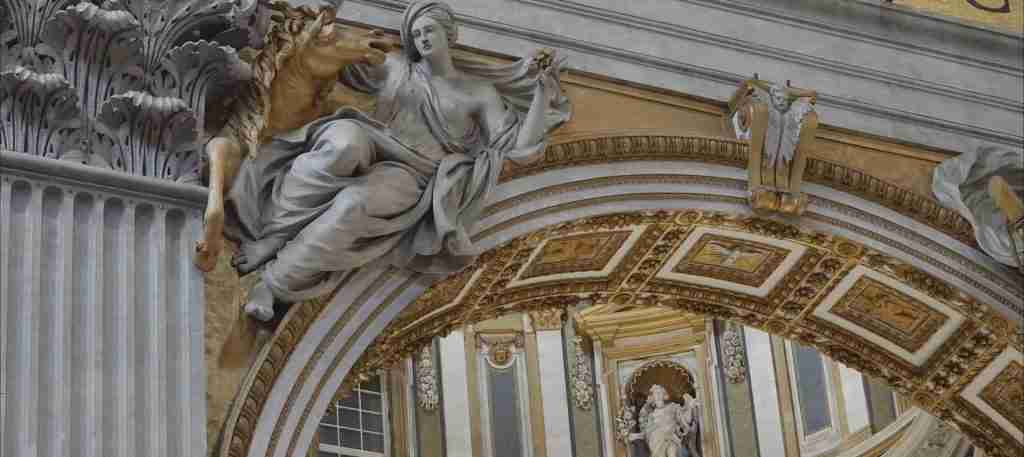
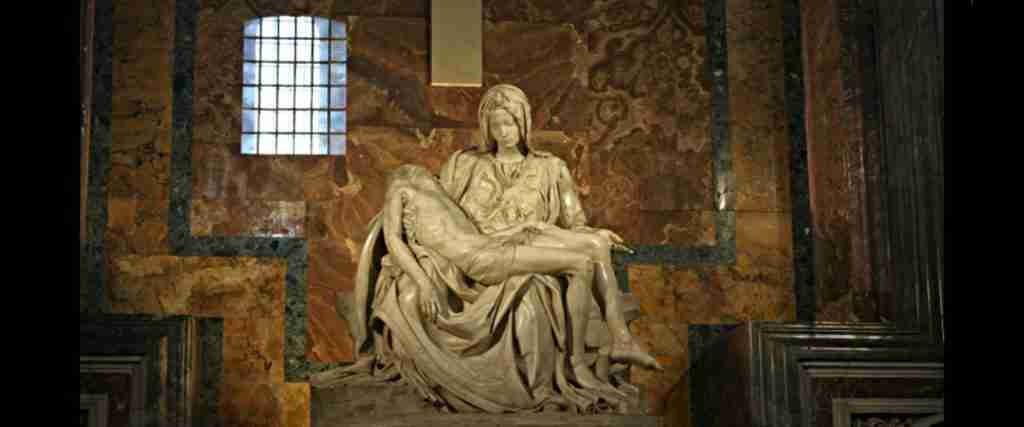
Interior highlights accessible through free admission include Michelangelo’s Pietà (1499, positioned right of entrance behind protective glass following 1972 vandalism attack), Bernini’s monumental bronze Baldacchino canopy above the papal altar (completed 1634, standing 29 meters tall and using bronze stripped from Pantheon’s ancient portico), Cathedra Petri throne sculpture encasing St. Peter’s wooden chair, papal tombs throughout the basilica and Vatican Grottoes beneath the main floor, and countless Renaissance-Baroque altarpieces, sculptures, and mosaics decorating chapels along the perimeter. The central nave, transepts, and apse all flow freely without cordoned sections or admission zones — visitors move throughout the 15,160-square-meter interior at will, limited only by Mass service barriers and preservation restrictions on touching artworks. Free access does not extend to the cupola/dome (€10-12 climb fee), Treasury Museum (€7), or Vatican Necropolis archaeological excavations beneath (€13 advance booking), but the main basilica interior containing the most significant artistic and spiritual elements costs nothing.
Papal Audience Free Experience 2026
Wednesday general audiences with Pope Leo XIV in 2026 maintain completely free admission through advance ticket reservation system, providing zero-cost opportunity to see and hear the Holy Father address gathered pilgrims. Audiences typically begin 9 AM and run approximately 90 minutes, held either in St. Peter’s Square (capacity 10,000-50,000 depending on cordoned sections activated) or Paul VI Audience Hall (capacity 6,300) based on weather and expected attendance. Summer heat (June-August) and winter cold (December-February) shift audiences indoors to climate-controlled hall, while spring-fall mild weather enables outdoor St. Peter’s Square setting with superior views and atmosphere. The audience format follows consistent pattern: multilingual scripture readings, papal catechesis and homily (typically translated into 6-8 languages with segments delivered by cardinals and prelates), special group recognitions, baby blessings as pope circulates in popemobile, and closing apostolic blessing extending to attendees and their devotional objects.
Papal audience ticket acquisition operates through three official channels in 2026. United States visitors request tickets via Pontifical North American College Visitors Office by emailing [email protected] minimum 2 weeks before desired Wednesday date — this American-specific service provides English-language assistance and efficient ticket collection at Via dell’Umiltà 30 office (3-5 PM Tuesday before audience). All other nationalities submit requests through Prefecture of the Papal Household website (https://www.vatican.va/various/prefettura/en/biglietti_en.html, launched January 2025 ending previous fax-only system) or email [email protected] with full names, desired date, number of tickets, and language preference. Last-minute ticket option: Swiss Guards stationed at Bronze Doors in St. Peter’s Basilica colonnade sometimes have remaining tickets available for walk-up collection (Tuesday 3-7 PM or Wednesday morning 7-8:30 AM), though availability uncertain especially peak season. All tickets remain completely free — any website or service charging fees is unauthorized reseller operating outside Vatican approval.
Ticket possession guarantees admission but does not assign specific seats within designated sections. Seating operates entirely first-come-first-served, creating strong incentive for early arrival. Security gates open 7:30 AM for 9 AM audience start, and serious positioning (front rows, center sections with optimal sightlines) requires queuing by 7 AM or earlier during Jubilee year peak density. Moderate positioning (seated in reasonable proximity to papal platform) achieves with 7:30-8 AM arrival. Late arrivals (8:30-9 AM) typically find only standing room in rear sections with limited visibility. The papal route through crowd occurs post-homily as Pope Leo circulates in white popemobile — aisle-adjacent seating positions (especially right-side sections facing basilica) maximize wave and potential brief interaction probability. Attendees without tickets can still participate by standing at St. Peter’s Square perimeter beyond ticketed sections, though distance from papal platform and crowd density reduce experience quality substantially.
No papal audiences occur during July (papal vacation to Castel Gandolfo summer residence), major feast days when pope celebrates public Mass instead (Easter, Christmas, Pentecost, Assumption), and weeks when Holy Father travels internationally. The papal calendar at vatican.va provides definitive schedule — always verify audience confirmation before finalizing Wednesday Rome plans. Audience dress code matches St. Peter’s Basilica requirements (covered shoulders and knees), and papal event attendance traditionally suggests Sunday-best attire out of respect though not mandatory. Prohibited items during security screening include large backpacks, tripods, selfie sticks, and sharp objects — travel light with small bag only. Devotional items (rosaries, crucifixes, holy cards, medals) brought to audience receive apostolic blessing during closing benediction without requiring individual presentation — simply having items physically present during blessing suffices for their consecration. Post-audience St. Peter’s Basilica visit flows naturally for combined free Vatican experience, though security re-entry required as audience occurs in square rather than basilica interior.
St. Peter’s Square Exploration 2026
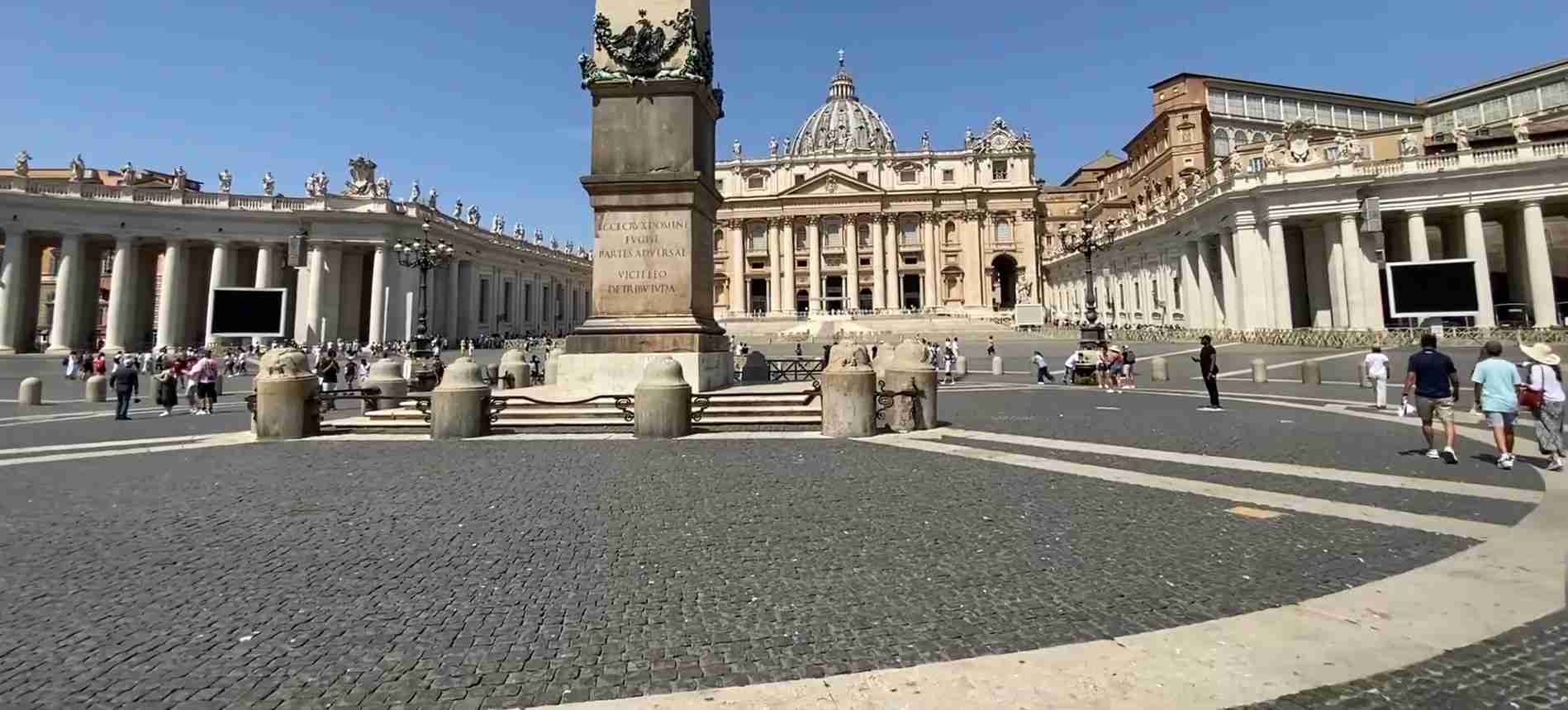
St. Peter’s Square (Piazza San Pietro) provides free access throughout the day to Bernini’s architectural masterwork, with the elliptical colonnade, central Egyptian obelisk, and dual fountains open for walking, photographing, and architectural appreciation at zero cost. Gian Lorenzo Bernini designed the piazza 1656-1667 under Pope Alexander VII, creating the defining Baroque urban space through precise geometric planning: two semicircular colonnades extending from basilica façade form embracing “arms” containing 284 Doric columns arranged in four-deep rows, with 140 statues of saints crowning the roofline. The oval configuration measures 320 meters at maximum width, creating vast gathering space for papal events while maintaining human scale through proportional colonnade design. Visitors walk freely throughout the piazza outside event hours (typically sunrise to sunset when not cordoned for audiences or Masses), exploring the porphyry discs embedded in pavement marking geometric focal points where columns align perfectly when viewed from specific positions.
The central obelisk dominates St. Peter’s Square as the 25.5-meter red granite monument originally erected in Heliopolis, Egypt circa 1800 BC, transported to Rome by Emperor Caligula in 37 AD for circus that previously occupied Vatican site, and moved to current position by Pope Sixtus V in 1586. The obelisk installation represented major Renaissance engineering achievement requiring 900 men, 75 horses, and countless pulleys to relocate the 327-ton monument — urban legend claims Sixtus V ordered silence during the operation under pain of death, but one sailor supposedly shouted to wet the ropes as they strained, saving the project and earning his family exclusive Vatican palm frond supply contract still honored centuries later. Four bronze lions surround the obelisk base, added in 1713, while the bronze cross atop contains alleged fragment of True Cross relic. No admission fee applies for obelisk viewing, photography, or circumnavigation at close range.
Dual fountains anchoring St. Peter’s Square’s longitudinal axis both provide free viewing as architectural and hydraulic achievements. The southern fountain (facing basilica’s right) dates to 1613, designed by Carlo Maderno, while Bernini created the matching northern fountain in 1677 to complete the square’s symmetry during piazza construction. Each fountain features central vertical water jet reaching 15-20 meters height surrounded by two-tier basin system — water cascades from upper bowl to lower pool before recirculating through underground plumbing system functioning continuously since Baroque era. The fountains’ travertine marble and playful water dynamics create popular photographic subject, particularly during golden hour lighting (hour before sunset) when low sun illuminates water droplets and basalt against basilica backdrop. Street artists, religious vendors, and occasional buskers populate the square perimeter during daytime, adding human activity layer to architectural appreciation while never requiring visitor purchases or engagement.
St. Peter’s Square access restrictions apply only during scheduled papal events (Wednesday audiences, Sunday Angelus, special Masses), when security cordons partition the space into ticketed sections and general public viewing areas. Outside event hours, the piazza remains open without gates, checkpoints, or entry procedures — visitors walk directly from Via della Conciliazione or surrounding streets onto the travertine pavement for unrestricted exploration. Photography faces no limitations except during religious services requiring silence and discretion. The square functions as primary Vatican gathering space and Rome’s most significant Baroque plaza simultaneously, delivering exceptional free experience when appreciated for Bernini’s spatial mastery, Baroque urban planning achievement, and continuing role as Catholicism’s ceremonial heart. Combine St. Peter’s Square exploration with basilica entry (also free) for comprehensive Vatican architectural immersion without admission charges.
Vatican Museums Free Last Sunday 2026
Vatican Museums implement free admission policy on the final Sunday of each month in 2026, continuing tradition dating to 2000 when Pope John Paul II established monthly complimentary access. Free Sunday hours operate significantly compressed schedule: 9 AM-12:30 PM museum closure with 10:30 AM final entry cutoff, providing maximum 3.5-hour visit window versus regular 9 AM-6 PM (last entry 4 PM) paid days. The free admission applies to all standard collections including Sistine Chapel, Raphael Rooms, Pinacoteca art gallery, Egyptian and Etruscan museums, Gallery of Maps, Gallery of Tapestries, and Pio Clementino Museum’s classical sculpture halls. Special temporary exhibitions requiring separate tickets beyond base admission typically exclude free Sunday access, so verify specific show policies if targeting particular displays. No advance payment occurs, but online reservation through Vatican Museums official website remains strongly recommended despite zero cost — capacity limits still apply, and turning away visitors at entrance once maximum occupancy reached happens regularly on free Sundays.
Free Sunday attendance reaches 2.5-3 times normal daily visitor count, transforming viewing experience substantially compared to paid weekdays. Crowd density in Sistine Chapel becomes shoulder-to-shoulder with minimal personal space or viewing room for extended ceiling contemplation, Raphael Rooms funnel continuous human flow that prevents stopping for detailed fresco examination, and circulation bottlenecks at Gallery of Maps and other narrow corridor sections create 5-10 minute delays simply traversing between galleries. Photography challenges multiply with crowds filling frame backgrounds and blocking optimal angles. The compressed hours force pace acceleration — comprehensive Vatican Museums exploration typically requires 3-4 hours minimum on normal days, but free Sunday’s 2.5-hour realistic window (accounting for entry/exit time) demands ruthless prioritization. Strategic approach: arrive 8:30 AM before 9 AM opening, proceed directly to Sistine Chapel via shortest routing (bypassing chronological collection sequence), allocate 30-45 minutes for Michelangelo’s ceiling and Last Judgment, then reverse-flow through Raphael Rooms, Gallery of Maps, and other highlights as time permits.
Free Sunday dates in 2026 (always final Sunday monthly): January 26, February 23, March 30, April 27, May 25, June 29, July 27, August 31, September 28, October 26, November 30, December 28. These dates occasionally shift when final Sunday coincides with major Catholic feast days (Easter, Christmas, etc.) — Vatican Museums website publishes definitive calendar so verify before planning around specific Sunday. July typically sees no free Sunday as Vatican Museums close entirely during summer papal vacation period, though 2026 schedule may vary. The same dress code enforced at St. Peter’s Basilica applies to Vatican Museums: covered shoulders and knees mandatory, with guards denying entry for dress code violations regardless of free or paid admission status. Large bags and backpacks prohibited — use cloakroom (complimentary) for storage, though cloakroom queues add 10-15 minutes to entry process on crowded free Sundays.
Alternative free Vatican Museums access occurs through Jubilee 2025-2026 special programs where certain pilgrim groups receive complimentary entry outside normal last-Sunday schedule. These typically require advance registration through official Jubilee channels and target specific demographics (youth groups, Catholic organizations, parish pilgrimages). Individual travelers rarely qualify unless participating in organized group activities. For most visitors, monthly free Sunday represents sole zero-cost Vatican Museums opportunity. The value proposition compares favorably: regular admission €20-25 (online advance purchase) versus zero cost but compressed hours and triple crowds. Budget travelers accepting challenging viewing conditions find free Sunday worthwhile, while those prioritizing quality experience and proper time allocation for art appreciation should invest in paid weekday tickets delivering vastly superior museum engagement. Free Sunday works best as preview visit for first-time Rome travelers planning return trips, or supplement to paid visit where specific galleries missed previously justify brief second exposure despite crowds.
Vatican Neighborhood Walking Routes 2026
Ponte Sant’Angelo pedestrian bridge crossing the Tiber River toward Vatican provides free access to Bernini’s angel statue series while delivering signature Vatican approach views. The bridge spans 135 meters connecting Piazza di Ponte Sant’Angelo on the east bank to Castel Sant’Angelo circular fortress on the west, following ancient Pons Aelius route originally constructed 134 AD by Emperor Hadrian as access path to his mausoleum (now Castel Sant’Angelo). Pope Clement IX commissioned Bernini in 1668 to design ten angel statues bearing Passion instruments (cross, crown of thorns, nails, etc.), executed by Bernini and his studio 1668-1671. The angels line the bridge parapets in Baroque theatrical arrangement — five per side — creating sculptural procession guiding pilgrims toward St. Peter’s. Walking the bridge costs nothing, photography unlimited (though crowded during peak hours), and the view corridor terminating at St. Peter’s dome ranks among Rome’s most photogenic compositions especially during golden hour lighting.
Via della Conciliazione, the broad processional avenue linking Ponte Sant’Angelo to St. Peter’s Square, enables free architectural promenade through Mussolini-era urban planning that dramatically altered Vatican approaches. The 500-meter boulevard opened in 1937-1950 after demolishing medieval Borgo neighborhood to create clear sightline between Tiber and basilica, a controversial Fascist-era modernization that destroyed historic fabric while establishing the monumental approach many visitors now consider quintessentially Roman. The avenue’s width (60 meters) and building height limits allow unobstructed views toward St. Peter’s dome throughout the walk, creating perspective games as the distant basilica gradually dominates the visual frame. Sidewalk cafés, religious goods shops, and hotels line the route, but simply walking the boulevard and photographing St. Peter’s from shifting vantage points requires no purchases. Early morning (7-8 AM) or late evening (after 7 PM) minimize crowds and deliver optimal photography lighting without midday tourist density.
Borgo Pio neighborhood north of Via della Conciliazione preserves medieval Vatican district character that Via della Conciliazione’s creation destroyed elsewhere. This compact warren of narrow cobblestone lanes, ochre-painted buildings, traditional trattorias, artisan workshops, and small piazzas enables free wandering through authentic Roman residential quarter positioned 200 meters from St. Peter’s yet maintaining local rather than tourist-trap atmosphere. Via Borgo Pio serves as the main artery, an essentially pedestrian street lined with family-run restaurants (less expensive than Via della Conciliazione equivalents), wine bars, boutiques selling ceramics and leather goods, and alimentari grocery shops supplying neighborhood residents. Side lanes (Via dei Tre Pupazzi, Via Plauto, Via Rusticucci) branch organically with medieval irregularity, creating opportunity for aimless exploration discovering corner shrines, ancient doorways, and glimpses of everyday Roman life. The neighborhood requires 30-45 minutes for thorough strolling at no cost, and delivers refreshing contrast to Vatican’s monumental scale and tourist crowds.
Passetto di Borgo, the elevated medieval walkway connecting Vatican palaces to Castel Sant’Angelo, remains visible from street level as 800-meter fortified corridor running parallel to Via dei Corridori and Via del Mascherino. Pope Nicholas III commissioned the passage in 1277 to provide secure papal escape route during attacks — popes including Clement VII famously fled through the Passetto during 1527 Sack of Rome when imperial troops invaded the city. The walkway’s exterior walls, crenellated roofline, and small windows create distinctive medieval military architecture visible from ground level and photographable without restriction, though interior access requires Castel Sant’Angelo admission (€15) and operates only during limited special opening periods. Free exterior viewing from streets below allows appreciating the structure’s defensive function and architectural integration with Vatican walls, delivering historical context for Vatican’s fortress-like security even if complete walkthrough remains ticketed experience.
Free Vatican Viewpoints and Panoramas 2026
Janiculum Hill (Gianicolo) positioned southwest of Vatican offers Rome’s premier panoramic viewpoint at zero cost, with the Terrazza del Gianicolo delivering 180-degree skyline sweep prominently featuring St. Peter’s dome 1.2 kilometers distant. The hilltop terrace at Piazzale Garibaldi elevation 88 meters above sea level provides unobstructed views across Tiber River valley to Vatican, Castel Sant’Angelo, and historic Rome center beyond. Reaching Janiculum requires 15-20 minute uphill walk from Vatican via Via Garibaldi climbing from Trastevere neighborhood, or 30-minute walk from St. Peter’s Square looping through Porta San Pancrazio. Bus 115 runs from Trastevere up Gianicolo’s slopes, reducing climb effort for visitors preferring public transport (€1.50 single ride). The viewpoint operates continuously without gates, admission fees, or closing hours — sunrise (6-7 AM summer) and sunset (7-8 PM summer) present optimal photography lighting and reduced tourist density compared to midday crowds.
Pincian Hill (Pincio) terraces northeast of Vatican provide alternative free panorama emphasizing different Rome skyline composition. From Villa Borghese gardens’ southern edge at Piazzale Napoleone I, the Pincio overlook delivers views spanning Piazza del Popolo below to St. Peter’s dome on western horizon approximately 2.8 kilometers away. While farther from Vatican than Janiculum thereby reducing St. Peter’s visual prominence, Pincian vantage captures Vatican within broader Rome context showing historic center’s red-tile roofscape and seven hills topography. Access follows public footpaths through Villa Borghese gardens (free entry, always open) from multiple directions: Spanish Steps’ top via Viale Gabriele d’Annunzio, Flaminio metro station via Villa Borghese main gates, or Piazza del Popolo via monumental stairs. The Pincio’s classical balustrade, umbrella pines framing viewpoints, and 19th-century landscaping create romantic atmosphere elevating simple viewing into aesthetic experience — all without admission charges.
Castel Sant’Angelo’s exterior terraces surrounding the cylindrical fortress allow free circumnavigation and partial views despite interior museum requiring €15 admission. The castle’s riverside position at Ponte Sant’Angelo’s western terminus provides ground-level views toward St. Peter’s dome (800 meters southwest) while the fortress itself creates photographic subject from multiple angles as visitors walk the perimeter public space. The Tiber riverbank promenade (Lungotevere Castello) offers additional free vantage points for fortress-and-dome compositions, particularly effective during blue hour (30-45 minutes after sunset) when fortress illumination activates and St. Peter’s dome lights glow against darkening sky. These exterior viewpoints obviously cannot match the 360-degree Rome panorama from Castel Sant’Angelo’s rooftop terrace (accessible only with €15 museum admission), but strategic positioning at riverside level still delivers signature Vatican-fortress-river compositions at zero cost for photography and architectural appreciation.
Aventine Hill Keyhole (not Vatican-adjacent but Vatican-themed) provides Rome’s quirky free viewpoint where Malta Knights’ priory keyhole at Piazza dei Cavalieri di Malta frames perfectly aligned view to St. Peter’s dome 3 kilometers distant. This requires 25-30 minute walk or bus ride from Vatican (substantial detour from Vatican neighborhood proper), but the zero-cost nature and unique perspective make it popular Vatican-themed experience for those exploring Rome broadly. The keyhole’s garden-framed dome composition occurs through precisely engineered garden path alignment created deliberately by architect Giovanni Battista Piranesi in 1765. Free viewing simply requires walking to the green priory door and peering through the keyhole — no entry to Malta Knights’ property or admission fees involved. Queues form at the keyhole during peak tourism months (April-October midday), but patience yields a memorable free Vatican perspective unlike traditional viewpoints.
Optimal Timing Strategies for Free Vatican Activities 2026
Early morning arrival before 8 AM provides single most effective strategy for maximizing free Vatican experiences while minimizing queue frustration in 2026. St. Peter’s Basilica opens 7 AM, and the security line at 6:45-7:15 AM arrival typically processes within 15-20 minutes versus 60-120 minute waits materializing by 9-10 AM. Entering the basilica 7:20-7:45 AM delivers near-private viewing of Michelangelo’s Pietà, Bernini’s Baldacchino, and papal tombs as only early-rising pilgrims and dedicated tourists populate the massive interior — the same spaces become shoulder-to-shoulder by 10 AM. Morning light streaming through eastern windows creates atmospheric illumination impossible to experience during afternoon hours. Papal audiences require early positioning by 7-7:30 AM for optimal seating despite 9 AM start time. Free Sunday Vatican Museums access benefits from 8:30 AM arrival before 9 AM opening, securing entrance before capacity crowds build. The early schedule demands discipline and jet-lag resistance, but 3-4 hours saved avoiding queues justifies sacrificing one sleep-in morning during Rome visit.
Late afternoon timing (4-6 PM) offers secondary strategy for St. Peter’s Basilica and Vatican surroundings when early morning proves impossible. Security queues diminish substantially after 4 PM as day-trippers depart for dinner and cruise ship passengers return to port, creating 20-30 minute average wait times compared to midday peaks. Basilica remains open until 6 PM (7 PM summer), allowing 2-3 hours exploration even with late arrival. The trade-off: potential fatigue from full day’s prior Rome touring makes afternoon basilica visit less fresh than morning equivalent, and lighting shifts to western exposure potentially affecting photography preferences. However, for visitors prioritizing morning Colosseum/Forum visits or other Rome attractions, Vatican afternoon positioning sequences logically. St. Peter’s Square, Ponte Sant’Angelo, and Borgo Pio neighborhood walking deliver optimal evening experiences 6-8 PM when fading daylight creates golden hour photography opportunities and crowds thin dramatically once basilica closes.
Seasonal timing dramatically impacts free Vatican experience quality in 2026. November-February off-season (excluding Christmas week) reduces St. Peter’s Basilica queues to 30-45 minute average waits even midday, delivers comfortable touring temperatures (12-18°C versus 30-35°C summer heat), and creates generally calmer atmosphere throughout Vatican area. Jubilee Year 2025-2026 mitigates but does not eliminate winter advantages — expect 50-75% normal winter crowd levels rather than truly quiet periods. Spring (March-May) and fall (September-October) shoulder seasons balance good weather with manageable crowds, though Jubilee amplifies traditional shoulder season density to near-summer levels. Summer (June-August) brings maximum crowding, longest queues, uncomfortable heat during outdoor queue standing, but also extended basilica hours (until 7 PM) and highest probability of St. Peter’s Square papal audiences occurring in outdoor setting rather than indoor Paul VI Hall. Strategic visitors targeting absolute minimum crowds might choose January-February 2026 final Jubilee weeks when most pilgrims already completed Holy Year visits.
Weekly patterns show Wednesday as Vatican’s busiest day due to papal audience concentration, creating compounded queues as audience attendees combine with regular St. Peter’s Basilica visitors. Avoid Wednesday mornings entirely unless specifically attending audience — St. Peter’s Basilica Sunday visits also face elevated density from Mass attendees and weekly pilgrim surges. Tuesday, Thursday, and Friday emerge as optimal weekdays for free Vatican activities, offering reasonable crowd levels (Jubilee-adjusted) and full service availability. Saturday occupies middle ground with weekend visitor elevation but not Sunday’s Mass crowds. Monday presents variable conditions — some businesses close (traditional Roman Monday shutdown), but Vatican attractions maintain full operation. For papal audience attendance, obviously Wednesday remains mandatory despite crowds, but position Wednesday afternoon for St. Peter’s Basilica visit after audience concludes and morning tour groups depart for lunch — 2-4 PM Wednesday timing often proves surprisingly moderate despite morning chaos.
Vatican Free Activities Budget Impact 2026
Comprehensive free Vatican engagement in 2026 eliminates €40-60 per person admission costs that ticketed approach requires, creating substantial budget impact for couples and families. Itemized comparison: Vatican Museums €20-25, St. Peter’s dome climb €10-12, and Castel Sant’Angelo €15 total €45-52 per adult in standard paid Vatican itinerary, while free-only approach (St. Peter’s Basilica, papal audience, St. Peter’s Square, walking routes) achieves €0 direct admission charges. For family of four, this represents €180-208 savings redirected toward meals, accommodations, or other Rome attractions. The free approach does not eliminate all costs — transport to Vatican area, potential audio guide rentals (€6-8 if desired for basilica context), refreshments during queue waits, and meals in Vatican neighborhood still impact budget. However, core cultural experiences (Renaissance and Baroque masterpieces, papal audience, architectural landmarks) become accessible regardless of financial constraints when free options strategically prioritized.
Hidden costs in free Vatican approach center on time investment and comfort sacrifices rather than admission charges. Queue standing 60-90 minutes for St. Peter’s Basilica security (unless employing early arrival strategy) costs nothing monetarily but significant vacation time that paid skip-the-line services (€25-35) eliminate by purchasing priority entrance. Papal audience advance planning requires time for ticket requests, collection appointment travel, and early arrival positioning — paid tour companies (€35-60) handle logistics and provide reserved seating sections. Free Vatican Museums last Sunday delivers admission savings but compressed hours and extreme crowds substantially diminish experience quality versus €20-25 paid weekday visit. The calculation involves personal preference weighing budget priority against convenience and experience optimization. Budget travelers and patient visitors gain enormous value from free approach, while time-constrained travelers or comfort-seekers may find selective paid upgrade purchases (skip-the-line basilica, paid weekday museums, dome climb) worthwhile despite free alternatives existing.
Incidental free Vatican costs include: transport to Vatican area (€1.50 metro/bus single ride, €7 daily pass, or €0 if walking from central Rome accommodations 20-30 minutes away), water bottles (€1-2 from neighborhood shops versus €3-4 near basilica entrance), sunscreen and hat for queue sun exposure (pre-purchased before Rome arrival), light jacket or cardigan for dress code compliance (already owned, zero incremental cost), and phone/camera battery capacity for photography (portable charger €10-20 one-time purchase). Total incidental costs rarely exceed €5-10 per person for comprehensive free Vatican day, concentrated in basic hydration and transport. Vatican area meals span wide price range: budget pizza slice €4-6, casual trattoria lunch €12-18, mid-range restaurant dinner €25-40, tourist-trap Via della Conciliazione pricing €30-60 per person — dining choices far outweigh admission savings in budget impact. Strategic meal planning (breakfast at hotel, supermarket-purchased snacks, lunch in Borgo Pio’s less expensive trattorias, dinner outside immediate Vatican zone) controls food costs while enabling full free attraction access.
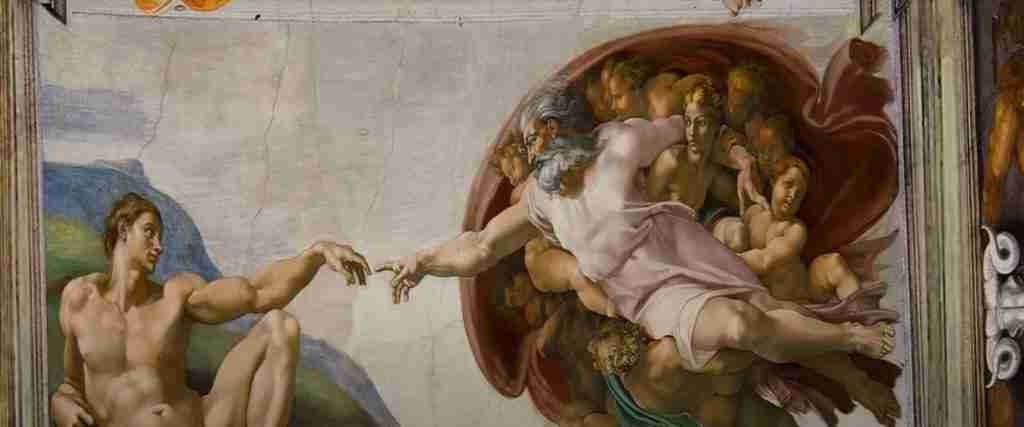
The opportunity cost of free-only Vatican approach involves missing world-class Sistine Chapel ceiling, Raphael Rooms, and Vatican Museums Pinacoteca masterpieces accessible only through paid admission (except monthly free Sunday with challenging viewing conditions). This trade-off warrants serious consideration — the Sistine Chapel ranks among humanity’s greatest artistic achievements, and experiencing Michelangelo’s Creation of Adam and Last Judgment in person justifies €20-25 investment for most culturally-engaged travelers even on tight budgets. The ideal balanced approach: allocate €20-25 for single Vatican Museums paid visit (preferably weekday morning for quality experience), then supplement with all available free experiences (St. Peter’s Basilica, papal audience, walking routes, viewpoints) to achieve comprehensive Vatican engagement combining both paid highlights and zero-cost treasures. This hybrid strategy maximizes cultural depth while respecting budget realities through selective rather than blanket paid-admission purchases.
Combining Free Vatican Activities into Full-Day Itinerary 2026
Optimal free Vatican full-day sequence begins 6:45 AM arrival St. Peter’s Square for 7 AM basilica opening, processes through security 7-7:20 AM, explores basilica interior 7:20-9:30 AM (2+ hours adequate for comprehensive viewing including Pietà, Baldacchino, papal tombs, all major chapels, and architectural appreciation), exits to St. Peter’s Square for Bernini colonnade and fountains exploration 9:30-10:15 AM, walks to Ponte Sant’Angelo viewing Bernini angels 10:15-10:45 AM, continues to Castel Sant’Angelo exterior circumnavigation 10:45-11:15 AM, then explores Borgo Pio neighborhood 11:15 AM-12:30 PM including budget lunch. Afternoon continues Janiculum Hill walk and panoramic viewpoint 1:30-2:30 PM (allowing lunch digestion before uphill climb), returns to Vatican area for Via della Conciliazione golden hour photography 5:30-6:30 PM, and concludes with St. Peter’s Square sunset viewing 6:30-7:15 PM. Total itinerary: approximately 12 hours comprehensive free Vatican experience, walkable entirely on foot (7-8 kilometers total) or combining walking with selective bus use.
Wednesday papal audience variant restructures timeline around 9 AM audience start: arrive St. Peter’s Square 7 AM when security opens for optimal seating, attend papal audience 9-10:30 AM, explore St. Peter’s Basilica 11 AM-1 PM (busier than early morning isolated visit but manageable), lunch in Borgo Pio 1-2 PM, afternoon Ponte Sant’Angelo and walking routes 2-4 PM, Janiculum panorama 4:30-5:30 PM, golden hour return 5:30-7 PM. This Wednesday schedule concentrates all major free Vatican highlights into single day combining the unique papal audience experience with architectural and artistic exploration, though basilica visit quality decreases somewhat from midday crowds versus dawn entry alternative. The papal audience ticket acquisition requirement and advance planning (minimum 1-2 weeks before desired Wednesday) necessitates Rome itinerary structure around Wednesday Vatican day when pursuing this option.
Half-day free Vatican focus suits travelers with limited Rome time or those visiting Vatican across multiple days. Morning half-day (6:45 AM-12:30 PM): St. Peter’s Basilica 7-10 AM, St. Peter’s Square 10-11 AM, Ponte Sant’Angelo 11-11:30 AM, Borgo Pio brief exploration 11:30 AM-12:30 PM including coffee break. Afternoon half-day (2-7 PM): St. Peter’s Basilica 2-4:30 PM, St. Peter’s Square 4:30-5:15 PM, Via della Conciliazione stroll 5:15-6 PM, Janiculum Hill sunset viewpoint 6-7 PM. Either half-day captures core free Vatican experience within 5-6 hour window, enabling combination with Colosseum morning or Trastevere evening on same Rome day. The half-day approach sacrifices comprehensive coverage and leisurely pacing but provides efficient free Vatican highlights sampling for visitors prioritizing breadth over depth across Rome’s attractions.
Multi-day Vatican distribution spreads free activities across 2-3 Rome days, reducing per-day intensity while enabling optimal timing for each element. Day 1: Early morning St. Peter’s Basilica (7-10 AM) plus papal tombs/grottoes, St. Peter’s Square, Ponte Sant’Angelo. Day 2: Wednesday papal audience (7 AM-noon) plus Borgo Pio lunch exploration. Day 3: Janiculum Hill morning panorama, Pincian Hill afternoon viewpoint, Vatican neighborhood golden hour photography. This dispersed schedule eliminates fatigue from 12-hour Vatican day, allows sunrise/sunset/golden hour optimization for different locations, and integrates Vatican free activities naturally with other Rome daily itineraries (Colosseum, Trastevere, historic center). The multi-day Vatican approach suits week-long Rome visits where 2-3 Vatican-focused days fit comfortably within broader exploration, though brief 3-4 day Rome trips typically concentrate Vatican into single full day by necessity.
Frequently Asked Questions About Free Vatican Activities 2026
Do I need to book anything in advance for free Vatican activities in 2026?
Most free Vatican activities require zero advance booking — St. Peter’s Basilica, St. Peter’s Square, Ponte Sant’Angelo, Borgo Pio neighborhood, Janiculum Hill viewpoint, and Via della Conciliazione all operate on walk-up access without reservations or ticket purchases. Two significant exceptions: papal audience tickets demand advance request (minimum 2 weeks recommended, though same-week sometimes possible) through Prefecture of the Papal Household or Pontifical North American College, and Vatican Museums free last Sunday benefits from online reservation despite zero cost to guarantee entrance before capacity limits trigger turnaway. The papal audience booking becomes mandatory for Wednesday visit planning while free Sunday museum reservation simply improves reliability — showing without reservation still possible but risks denial if occupancy maxes. Optional advance arrangements include audio guide app downloads for self-guided St. Peter’s Basilica tours (free apps exist, paid official Vatican version €6-8), researching papal calendar to confirm Wednesday audience and Mass schedules (avoiding wasted Vatican visits on no-audience weeks), and mapping optimal walking routes pre-arrival for efficient neighborhood navigation. Basic rule: arrive without advance planning for spontaneous free Vatican day, but invest 30-60 minutes research plus ticket request for optimal experience maximizing papal audience access and free Sunday museum opportunity.
Can I visit St. Peter’s Basilica during Mass services in 2026?
Mass services occur throughout each day in St. Peter’s Basilica chapels and at the main altar without restricting general visitor access to most basilica areas. Regular daily Masses follow schedule posted at basilica entrance and online (typically 7 AM, 8:30 AM, 10 AM, 11 AM, 12 PM, and 5 PM on weekdays, with adjusted Sunday times), celebrated in side chapels rather than main nave when standard parish Masses versus papal events. Visitors continue walking through the basilica, viewing artworks, and photographing during Mass with single requirement: maintain respectful silence and avoid flash photography in Mass-active chapel zones. The main altar area may be cordoned during particular services, temporarily restricting close access to Bernini’s Baldacchino and papal altar, but peripheral circulation remains possible. Papal Masses at main altar (Christmas, Easter, major feast days) create different situation — security cordons partition basilica into ticketed attendee sections and limited general visitor areas, potentially reducing free visitor access substantially during these specific high-profile Masses. Strategy: check Mass schedule if touring mid-morning or midday, embrace opportunity to witness Catholic liturgy in Christianity’s central church as enhancement rather than obstacle to visit, and simply navigate around cordoned areas to continue viewing accessible zones. Sunday morning visits (9 AM-noon) see highest Mass frequency and largest congregations, so weekday touring provides more circulation freedom if Mass avoidance preferred.
Is it worth getting up early for St. Peter’s Basilica opening in 2026?
Early arrival at 7 AM St. Peter’s Basilica opening delivers transformative experience quality compared to midday visits, justifying early wake-up sacrifice especially during Jubilee 2025-2026 elevated crowd periods. Arriving 6:45-7 AM positions visitors at security queue front, achieving 15-20 minute entry processing versus 60-120 minute waits materializing by 9-10 AM as tour groups, cruise passengers, and general tourism flood Vatican area. Interior atmosphere 7-9 AM provides near-private viewing impossible later — Michelangelo’s Pietà observed from mere meters away without surrounding crowds, Bernini’s Baldacchino photographed from optimal angles without frame-filling tourists, papal tombs contemplated in meditative silence rather than shuffling masses. Natural morning light through eastern windows creates dramatic illumination particularly effective for dome interior, Cathedra Petri throne, and nave perspectives. The psychological difference between experiencing Renaissance/Baroque masterpieces in contemplative space versus tourist-packed chaos fundamentally alters visit quality and memory formation. Practical benefits compound aesthetic ones: completing St. Peter’s Basilica by 9-9:30 AM frees remainder of day for Vatican Museums, Colosseum, or other Rome attractions without Vatican dominating entire schedule. Counter-consideration: jet lag and vacation rest needs may outweigh queue reduction, particularly for travelers on relaxed schedules willing to tolerate longer waits for later start. However, for quality-focused visitors and those with limited Rome days, the 7 AM basilica arrival represents single highest-impact Vatican strategy for free experience optimization.
What should I bring for a full day of free Vatican activities in 2026?
Essential items for free Vatican day include: comfortable broken-in walking shoes with arch support for 7-8 kilometers total walking on cobblestones and marble floors, dress-code-compliant clothing with covered shoulders and knees (lightweight long pants or below-knee skirt, cardigan or shawl for shoulders), 1-liter refillable water bottle for hydration during queues and walking (public fountains provide free refills), sunscreen SPF 30+ and wide-brimmed hat for summer sun exposure during outdoor queue standing, phone/camera with fully charged battery plus portable charger for day-long photography, small crossbody bag or backpack (minimize size as large bags face additional security scrutiny), cash in small bills for incidentals (water, snacks, church offering boxes), prescription medications and any personal comfort items, and optional but recommended: light rain jacket or umbrella (Rome weather can shift), tissues or hand sanitizer, local guidebook or downloaded maps for orientation. Prohibited items creating security delays or denial: weapons of any kind, large backpacks or suitcases, tripods or selfie sticks at most locations, sharp objects, spray cans, and immodest clothing failing dress code. Pack light philosophy applies — every kilogram carried compounds fatigue across 8-12 hour Vatican day, and basilica/museum cloakroom queues waste valuable time checking unnecessary items. The ideal Vatican daypack weighs under 3 kilograms and contains only true essentials plus one comfort item (book for queue reading, snack, extra camera battery). Maximize hands-free mobility for photography and architectural appreciation while minimizing physical burden during extended walking and standing periods.
Can I attend papal audience and visit St. Peter’s Basilica on the same day in 2026?
Papal audience Wednesday scheduling combines efficiently with St. Peter’s Basilica visit on same day through two viable sequencing options. Option 1 (audience priority): Arrive St. Peter’s Square 7-7:30 AM when security opens, attend papal audience 9 AM-10:30 AM (typical duration), queue re-entry through basilica security 10:45-11:30 AM (post-audience crowd surge creates 30-45 minute wait), explore basilica interior 11:30 AM-1:30 PM. This sequence maximizes audience seating quality through early positioning but accepts busier basilica conditions versus isolated early morning visit. Option 2 (basilica priority): Visit St. Peter’s Basilica 7-9 AM for optimal empty conditions, exit before audience begins, attend audience from standing positions at St. Peter’s Square perimeter without ticket (acceptable sight lines despite lack of reserved seating), explore Vatican neighborhood afternoon after crowds disperse. This approach prioritizes premium basilica experience but sacrifices optimal audience positioning. Both options achieve combined free papal audience and basilica access within single Wednesday, though neither matches the ideal independent timing (dawn basilica on Tuesday, Wednesday audience with optimal seating). Transport, meals, and other Rome activities fit afternoon/evening hours after completing morning Vatican concentration. For visitors with only Wednesday Rome availability or those maximizing limited vacation days, the combined same-day approach delivers comprehensive free Vatican experience despite slight compromise on either element’s optimal timing. Budget 8-10 hours total for combined activity plus queues and transitions.
Are there any free guided tours of St. Peter’s Basilica in 2026?
No official free guided tours of St. Peter’s Basilica exist in 2026 — the Fabric of St. Peter organization providing basilica tours charges fees (€10-25 depending on tour depth and duration), and third-party guide companies similarly operate paid services. However, several workarounds deliver guided-tour benefits at zero cost: free audio guide apps (Rome Audio Guide, Rick Steves Audio Europe, GPSmyCity) provide self-paced basilica tours via smartphone with artwork explanations and historical context at no charge beyond app download, YouTube videos and podcasts about St. Peter’s Basilica watched pre-visit build knowledge enabling informed self-guided exploration, printed guidebook pages photocopied from library books or downloaded from free online resources furnish walking routes and highlight descriptions, and volunteer guides occasionally give impromptu informal tours for tips (quality varies, no guarantee of availability, €5-10 suggested donation expected). University student groups and religious pilgrimage organizations sometimes conduct group tours where individual travelers occasionally join peripherally, though this remains opportunistic rather than reliable. The paid official tour investment (€10-25) provides professional Vatican-certified guides, priority basilica access avoiding general security queue (on some tour types), and comprehensive coverage impossible to achieve through free resources — budget travelers weighing knowledge-depth priority against pure cost-savings may find selective paid tour purchase worthwhile despite free entry to basilica itself. Optimal free approach: dedicate 60-90 minutes pre-visit research using free online resources and guidebooks, download free audio app, then execute self-guided basilica tour with informed context approaching paid guide equivalency.
What happens if I arrive at St. Peter’s Basilica wearing inappropriate clothing in 2026?
Security guards at St. Peter’s Basilica entrance enforce dress code absolutely — shoulders and knees must be covered for all genders, with sleeveless shirts, shorts, miniskirts, and low-cut tops resulting in entry denial regardless of wait time endured or circumstances. No warning occurs during queue — enforcement happens at security checkpoint after potentially hours-long wait, when guards inspect clothing and deny improperly dressed visitors without exception or appeal. Nearby vendors sell cheap scarves and shawls (€5-15) specifically for dress code failures, creating last-minute purchase option, but this requires leaving queue, purchasing coverage, and re-queuing from beginning — minimum 30-60 minute process during busy periods. The dress code applies equally to free general entry, paid dome climbers, and all other visitor categories without special exemptions. Strategic prevention: research dress code before Rome trip, pack lightweight long pants or below-knee skirts/dresses even in summer heat (choose breathable fabrics like linen or light cotton), carry removable cardigan or shawl in daypack for shoulder coverage over sleeveless tops, and accept that Vatican dress standards prioritize religious respect over tourist comfort. Summer heat tempts tank tops and shorts, but 30-35°C temperatures still require coverage compliance — suffer moderate discomfort during entry then remove outer layers if desired once inside basilica’s stone-cooled interior. Children face same dress requirements as adults, so plan family wardrobes accordingly. The denial experience wastes vacation hours and creates frustration avoidable through simple advance clothing preparation. Take dress code seriously as absolute requirement rather than flexible guideline.
Can I visit the Vatican for free during Jubilee Year 2025-2026?
Jubilee Year 2025-2026 (December 24, 2024 through January 6, 2026) maintains all standard free Vatican access — St. Peter’s Basilica entry, papal audiences, St. Peter’s Square, walking routes, and monthly free Sunday Vatican Museums continue operating at zero cost throughout the Holy Year period. Special Jubilee additions enhance free Vatican experience: the Holy Door at St. Peter’s Basilica opens exclusively during Jubilee years for pilgrims to walk through symbolizing spiritual passage and new life (completely free, no ticket required, simply join queue at Holy Door rather than normal entrance), Jubilee-specific papal Masses and ceremonies occur throughout the year with free attendance for ticketed sections (request tickets through standard papal audience channels), and special pilgrimage routes (Via Francigena, Seven Churches of Rome circuit) gain prominence with associated maps and religious resources available at no cost. Jubilee also creates challenges for free access: crowds reach 2-3 times normal levels as millions of additional pilgrims visit Rome specifically for Holy Year observances, security queues extend substantially (90-180 minutes for St. Peter’s Basilica during peak Jubilee Masses versus 60-90 minutes normal peak), and accommodation costs throughout Rome inflate 30-50% affecting overall trip budget even when Vatican admission remains free. The Jubilee experience delivers unique once-every-25-years spiritual atmosphere and special ceremonies accessible at no charge, but demands patience for elevated crowding and longer waits at all free attractions. Pilgrims registered through official Jubilee channels may receive priority access lanes and reserved sections at certain events — registration occurs through Jubilee 2025 website at iubilaeum2025.va at zero cost, potentially improving free access logistics during Holy Year density.
Is there a best month to visit Vatican for free in 2026?
January and February 2026 represent optimal months for free Vatican visits balancing crowd minimization, weather tolerability, and full operational status. These final Jubilee Year months see pilgrim surge tapering as most Holy Year visitors already completed their Rome trips during 2025 calendar year, creating more manageable density compared to spring-summer-fall peaks. January-February temperatures (8-15°C daily highs) require jacket but remain comfortable for outdoor queue standing and walking tours without summer’s oppressive 30-35°C heat that drains energy during extended St. Peter’s Basilica line waits. All free attractions operate full schedules including St. Peter’s Basilica daily hours, weekly papal audiences (verify specific dates as occasional international travel interrupts Wednesday schedule), and monthly free Sunday Vatican Museums. The trade-offs: winter 7 AM basilica opening means 6:45 AM arrival occurs in darkness (sunrise 7:15-7:30 AM), occasional cold rain requires waterproof outerwear, and St. Peter’s Square papal audiences shift to indoor Paul VI Audience Hall rather than outdoor setting reducing atmospheric experience. November 2025 and March 2026 provide shoulder-season alternatives with milder 15-20°C temperatures and Jubilee crowds past peak intensity but not fully dissipated. April-October 2026 (post-Jubilee after January 6, 2026) normalizes to standard Vatican tourism patterns — still crowded but lacking Jubilee multiplication factor. For absolute minimum crowds at free Vatican sites, January 7-31, 2026 (immediately post-Jubilee closure) combines Holy Year conclusion with winter off-season, likely generating lowest daily visitor counts across entire year while maintaining full free access availability.
Can I bring food into St. Peter’s Basilica during free visit in 2026?
Food and beverages face prohibition inside St. Peter’s Basilica beyond small water bottles for medical necessity — eating, drinking (except discreet water sips), and picnicking violate basilica sacred space policies and result in security escort removal if observed. The restriction applies during free general admission identically to any paid special tours or dome climbs. Security screening theoretically permits food items through metal detectors and bag X-rays, but guards may question or confiscate depending on quantity and type. Small snack items in sealed packages (energy bars, crackers) in daypack generally pass without issue if not consumed inside, while full meals, aromatic food, or open containers face higher denial probability. Strategic approach: eat substantial breakfast before 6:45-7 AM basilica arrival, pack minimal emergency snacks for post-visit refueling (consume outside after exiting), or store meal items in hotel if day-tripping from accommodations rather than carrying through security unnecessarily. St. Peter’s Square allows food consumption in outdoor spaces — picnicking on colonnade steps or piazza pavement technically permitted though discouraged by crowds and lack of suitable surfaces. Numerous cafés, restaurants, and food shops concentrate in surrounding blocks (Via della Conciliazione, Borgo Pio) for pre-visit breakfast or post-visit meals without needing to pack food through entire Vatican experience. Water remains essential given queue exposure and dehydration risk — discreet water bottle in small bag always acceptable and advisable, particularly summer months. Consider Vatican visit primarily cultural-spiritual experience rather than dining occasion, planning meals before/after rather than attempting to integrate eating with basilica exploration.