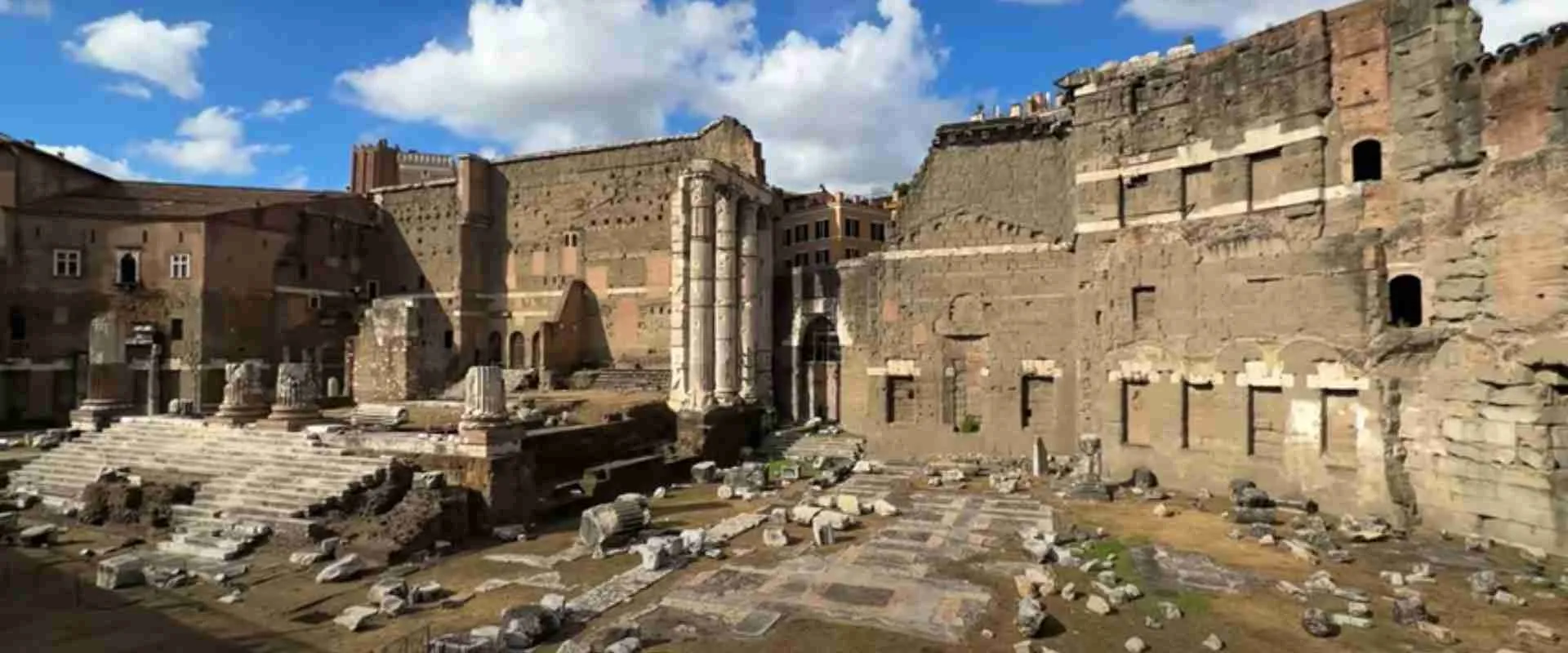
Free Things to Do Near the Colosseum: Budget Rome Itinerary
Visiting the Colosseum area doesn’t have to break your travel budget. While the iconic amphitheater itself requires paid admission, the surrounding neighborhood overflows with fascinating free attractions, stunning viewpoints, and hidden archaeological treasures that most tourists never discover.
Key Takeaways
- Free viewpoints: Multiple spots offer spectacular Colosseum views without paying admission, including Oppian Hill and Via Nicola Salvi
- Ancient churches: San Clemente and Santi Quattro Coronati feature stunning medieval art and underground archaeological layers
- Walking routes: Self-guided paths connect free attractions with insider local knowledge and historical context
- Hidden ruins: Discover lesser-known archaeological sites like Ludus Magnus and Baths of Trajan without crowds
- Perfect timing: Early morning visits (7-9 AM) offer the best lighting and smallest crowds at free attractions
- Budget strategy: Combine free sightseeing with affordable local eateries and public transportation for under €20 per day
This comprehensive guide reveals over 15 completely free activities within walking distance of the Colosseum, from spectacular photography spots to ancient churches filled with medieval masterpieces. You’ll explore 2,000 years of Roman history without spending a euro on entrance fees, discovering the secrets that locals have cherished for generations.
Whether you’re backpacking through Europe on a tight budget, planning a family trip with multiple children, or simply prefer to explore authentic neighborhoods rather than paying for tourist attractions, this carefully crafted itinerary proves that the best experiences in Rome often cost nothing at all.
Best Free Colosseum Viewpoints
The Colosseum’s imposing presence dominates the Roman landscape from multiple vantage points, many offering superior photography opportunities and fewer crowds than the paid entrance areas. These free viewpoints provide different perspectives that showcase the monument’s relationship with the surrounding ancient city.
Via Nicola Salvi – The Elevated Classic
This elevated street directly north of the Colosseum has become Rome’s most popular free photography spot, offering unobstructed views of the amphitheater’s iconic northern facade. The raised position eliminates foreground tourists and provides excellent depth perspective that captures the monument’s massive scale.
Access Via Nicola Salvi by exiting the Colosseo Metro station and turning left. Look for stone steps leading up to the elevated walkway across from the monument. The wall running along this street creates perfect foreground framing for photography, while multiple positions along the walkway offer varying angles and compositions.
Early morning visits (7:00-8:30 AM) provide the best lighting conditions and smallest crowds. The morning sun illuminates the Colosseum’s arches beautifully from this position, creating dramatic shadows that emphasize the structure’s architectural details. This timing also avoids the harsh midday light that can wash out photographic contrast.
Extended multi-day tours – 5+ days
Featured Rome Multi-Day Tour Packages

5 days
The Ultimate Rome Food & Cultural Small-Group Tour Package – 5 Days
- ✓ Comprehensive Rome tour
- ✓ Expert local guides included
- ✓ All accommodation arranged
- ✓ Transportation provided
3 days
3-Day Pompeii, Capri & Sorrento Mini Tour
- ✓ Comprehensive Rome tour
- ✓ Expert local guides included
- ✓ All accommodation arranged
- ✓ Transportation provided
3 days
Advent in Rome: Markets, Churches & Tiramisu
- ✓ Booking needs min. 2 travelers
5 days
Ciao Italia: 5 Days, 2 Cities, Infinite Wonders
- ✓ Comprehensive Rome tour
- ✓ Expert local guides included
- ✓ All accommodation arranged
- ✓ Transportation provided
Multi-day tour packages powered by TourRadar. Prices and availability subject to change.
Oppian Hill Park – Hidden Garden Views
The elevated parkland directly behind the Colosseum offers multiple free viewpoints framed by Mediterranean vegetation and ancient ruins. This location provides unique perspectives that most tourists never discover, combining natural beauty with architectural grandeur in compositions impossible from street level.
Multiple pathways wind through Oppian Hill’s gardens and archaeological remains, each offering different vantage points and photographic opportunities. Near the Oppian Cafe area, you’ll find particularly striking elevated shots that showcase the Colosseum’s relationship to the surrounding Roman landscape.
Spring visits (April-May) reveal spectacular bougainvillea blooms that create natural frames for the ancient architecture. These vibrant pink and purple flowers add color contrast against the neutral tones of the Colosseum’s travertine stones, creating images that feel both timeless and contemporary.
Palatine Hill Overlooks – Contextual Perspectives
While Palatine Hill requires paid admission for full access, several free viewing areas along its perimeter provide elevated perspectives of the Colosseum within its urban context. These viewpoints reveal the amphitheater’s relationship to other ancient monuments and the modern city surrounding them.
The overlook near the intersection of Via di San Gregorio and Via dei Fori Imperiali offers excellent views across the valley to the Colosseum, particularly stunning during golden hour when warm light bathes the ancient stones. This perspective includes foreground elements from the Roman Forum and Palatine archaeological areas.
Sunset timing from these western-facing viewpoints creates dramatic silhouette opportunities as the Colosseum’s massive bulk stands against the colorful evening sky. The contrast between illuminated western facades and shadowed eastern sides adds three-dimensional depth to photographs and emphasizes the monument’s imposing presence.
Ancient Churches and Religious Sites
The Colosseum neighborhood contains several remarkable churches that offer free admission to centuries of art, architecture, and underground archaeological wonders. These religious sites provide cultural depth and historical context while offering respite from the crowds surrounding major tourist attractions.
Basilica of San Clemente – Underground Time Machine
San Clemente presents one of Rome’s most fascinating archaeological experiences, with three distinct historical levels spanning 2,000 years of continuous occupation. While the underground excavations require paid admission, the upper church contains spectacular medieval art accessible completely free.
The 12th-century upper basilica features stunning Cosmati marble work, medieval frescoes, and a remarkable apse mosaic depicting the Triumph of the Cross. The intricate floor patterns and pulpit decorations represent some of Rome’s finest medieval craftsmanship, rivaling paid attractions in artistic significance.
The church’s peaceful atmosphere provides welcome relief from the bustling tourist areas surrounding the Colosseum. Spend time examining the detailed biblical scenes in the frescoes and the symbolic elements in the mosaic work, which tell stories of early Christian Rome through sophisticated artistic techniques.
Santi Quattro Coronati – Fortress Church Complex
This fortified monastery complex combines medieval architecture with early Christian history, creating a unique religious site that feels removed from modern Rome despite its central location. The church and courtyards are free to explore, offering insights into medieval monastic life and defensive architecture.
The church’s austere interior contrasts sharply with the ornate decorations of more famous Roman basilicas, but this simplicity creates its own powerful atmosphere. The wooden ceiling and ancient columns provide examples of medieval construction techniques adapted to Roman architectural traditions.
The monastery’s two courtyards offer peaceful spaces for reflection and photography, surrounded by medieval walls and arches that transport visitors back to Rome’s turbulent medieval period. These courtyards frequently host small art exhibitions and cultural events that add contemporary relevance to the ancient spaces.
Santo Stefano Rotondo – Circular Byzantine Marvel
This unique circular church represents one of Rome’s most distinctive architectural forms, built in the 5th century as an early Christian adaptation of Roman building techniques. The unusual round plan and ancient columns create an atmospheric space unlike any other church in the city.
The church’s interior features a series of disturbing but historically significant frescoes depicting Christian martyrdoms, painted during the Counter-Reformation to inspire religious devotion. While graphic in content, these artworks represent important examples of 16th-century religious art and provide insights into historical Christian experiences.
The peaceful location and unique architecture make Santo Stefano Rotondo an ideal stop for travelers interested in early Christian history and Byzantine architectural influences in Rome. The church’s relative obscurity means you’ll often have the space almost entirely to yourself.
Hidden Archaeological Sites
Beyond the famous monuments, the Colosseum area contains numerous smaller archaeological sites that can be explored for free or viewed from public areas. These hidden ruins provide insights into daily life in ancient Rome while avoiding the crowds and costs associated with major tourist attractions.
Ludus Magnus – Gladiator Training School Ruins
The partially excavated remains of ancient Rome’s largest gladiator training school lie directly across from the Colosseum, visible from street level without any admission fee. This archaeological site provides crucial context for understanding the gladiatorial games and the support infrastructure required for the amphitheater’s entertainments.
The visible ruins include foundation walls, corridor systems, and arena remains where gladiators practiced their deadly skills before performing in the Colosseum. An underground tunnel once connected this training facility directly to the amphitheater, allowing gladiators to reach the arena without exposure to crowds or weather.
Information panels around the site provide historical context and reconstruction drawings that help visitors understand the original scale and function of this important complex. The juxtaposition of these training school ruins with the Colosseum itself creates powerful visual connections between preparation and performance in ancient entertainment.
Baths of Trajan – Imperial Leisure Complex
The extensive ruins of Trajan’s Baths spread across Oppian Hill, offering free exploration of one of ancient Rome’s most sophisticated public facilities. These massive bath complexes demonstrate Roman engineering capabilities and provide insights into daily life for ordinary citizens of the empire.
Visible remains include massive concrete walls, arch foundations, and corridor systems that hint at the original scale of these public facilities. The baths could accommodate thousands of simultaneous users and featured hot, warm, and cold bathing areas along with gymnasiums, libraries, and social spaces.
The elevated location provides excellent views over the Roman Forum and Colosseum while exploring the archaeological remains. This combination of historical exploration and scenic viewpoints makes the Baths of Trajan an ideal stop for budget-conscious travelers seeking both education and photography opportunities.
Domus Aurea Grounds – Nero’s Golden House
While the interior of Nero’s Domus Aurea requires paid admission and advance booking, the extensive grounds and some external structures can be explored for free. These parklands preserve part of the massive estate that once covered much of central Rome and provide context for understanding imperial Roman luxury.
The park areas feature scattered archaeological remains, original Roman walls, and foundations that demonstrate the enormous scale of Nero’s building projects. Walking paths connect different sections of the complex while providing peaceful green space in the heart of ancient Rome.
The contrast between these peaceful gardens and the urban intensity surrounding them helps visitors appreciate the dramatic changes Rome has undergone since ancient times. The grounds also offer alternative perspectives on the Colosseum and surrounding monuments from elevated positions.
Self-Guided Walking Routes
Strategic walking routes connect free attractions efficiently while revealing hidden details and local perspectives that guided tours often miss. These carefully planned paths maximize sightseeing opportunities while minimizing walking distance and providing natural rest stops.
The Ancient Rome Circuit – 3-4 Hours
Begin at the Colosseo Metro station and immediately head to Via Nicola Salvi for elevated Colosseum photography. Spend 30-45 minutes exploring different viewpoints and taking photos before descending to street level for close examination of the amphitheater’s exterior architecture.
Walk around the Colosseum’s perimeter, noting the different construction materials, restoration work, and architectural details visible from the outside. The north and south sides offer particularly interesting perspectives on Roman engineering techniques and the building’s relationship to surrounding structures.
Continue to the Arch of Constantine for free exploration of this well-preserved triumphal monument. The arch’s detailed reliefs and historical inscriptions provide context for understanding imperial Roman propaganda and artistic techniques.
Head up Oppian Hill through the park areas, exploring the Baths of Trajan ruins and enjoying elevated views of the surrounding ancient city. This uphill walk requires moderate effort but rewards visitors with spectacular panoramic perspectives.
Conclude at San Clemente for exploration of the upper church and medieval art before returning to the Metro or continuing to other nearby attractions. This route combines outdoor exploration with indoor cultural experiences while maintaining a logical geographical progression.
The Hidden Churches Route – 2-3 Hours
Start at Santo Stefano Rotondo to experience this unique circular church in peaceful morning conditions. The early timing helps appreciate the distinctive architecture and atmospheric lighting without crowds or tour groups.
Walk to Santi Quattro Coronati through the quiet residential streets that reveal contemporary Roman neighborhood life. This medieval fortress-church complex provides insights into Rome’s turbulent medieval period and monastic traditions.
Continue to San Clemente for exploration of the upper basilica and its remarkable medieval artworks. Allow sufficient time to examine the detailed mosaics, frescoes, and architectural elements that make this one of Rome’s most significant early Christian sites.
End with external exploration of the Lateran Baptistery and San Giovanni in Laterano (the Pope’s cathedral), both offering free admission and representing crucial sites in Christian history. These monuments demonstrate the evolution of Christian architecture from early basilicas to baroque grandeur.
Budget-Friendly Local Eateries
Exploring free attractions works up an appetite, and the Colosseum area offers numerous affordable dining options that locals frequent. These establishments provide authentic Roman cuisine at reasonable prices while avoiding tourist traps that target monument visitors.
Authentic Roman Trattorias
Trattoria Monti, located on Via di San Vito, serves traditional Roman cuisine in a family-run establishment that’s maintained authentic recipes for generations. The lunch menu offers excellent value with pasta dishes around €8-12 and substantial meat courses under €15.
The restaurant’s location slightly off the main tourist routes means lower prices and more authentic atmosphere compared to establishments directly facing the Colosseum. Local office workers and residents fill the dining room, creating genuine Roman neighborhood atmosphere.
Reservations are recommended for dinner, but lunch service often accommodates walk-in customers. The daily specials typically feature seasonal ingredients and traditional preparations that reflect contemporary Roman home cooking rather than tourist-oriented adaptations.
Street Food and Quick Bites
Alimentari and small grocery stores throughout the neighborhood sell sandwich ingredients, local cheeses, and prepared foods that create perfect picnic combinations for eating in nearby parks. This approach provides maximum budget flexibility while supporting local businesses.
Pizza al taglio shops offer excellent value with high-quality pizza sold by weight. Look for establishments with high turnover and fresh toppings that indicate local popularity. A substantial slice typically costs €2-4 and provides satisfying meal substance.
Gelato shops provide affordable dessert options, with authentic Italian gelato available for €2-5 depending on size and number of flavors. Choose shops that display gelato in covered containers rather than open mounds, indicating fresher product and more authentic preparation methods.
Public Transportation and Walking Tips
Efficient movement between free attractions requires understanding Rome’s public transportation options and pedestrian-friendly routes that connect sites while revealing additional points of interest.
Metro and Bus Connections
The Colosseo Metro station (Line B) provides central access to the ancient area and connections throughout Rome. A single ticket (€1.50) allows 100 minutes of travel on metro, buses, and trams, making it possible to reach other free attractions across the city.
Bus routes 51, 75, 81, 85, 87, and 118 serve the Colosseum area with connections to other major sites. The 118 bus specifically connects many archaeological areas and can extend your free sightseeing to include sites like the Baths of Caracalla and EUR district.
Walking remains the most effective way to explore the immediate Colosseum area, as most free attractions lie within a 10-15 minute walk of each other. The pedestrian areas and archaeological parks provide pleasant walking environments separated from heavy traffic.
Navigation and Safety
Download offline maps before exploring to avoid data charges and ensure navigation capability in areas with poor cell coverage. The ancient center’s narrow streets and archaeological sites can challenge GPS accuracy, making printed backup maps valuable.
Early morning exploration (7:00-9:00 AM) offers the best combination of good lighting, minimal crowds, and comfortable temperatures. This timing also allows completion of free outdoor activities before paid attractions open, maximizing daily sightseeing efficiency.
Carry water and sun protection, as much of the free exploration involves outdoor walking with limited shade. The Mediterranean sun can be intense even in winter months, and archaeological sites often lack amenities like water fountains or shade structures.
Photography and Documentation
Documenting your free exploration creates lasting memories while building personal travel archives that capture both famous monuments and hidden discoveries that define authentic Roman experiences.
Equipment and Techniques
Smartphone cameras handle most photography needs for free exploration, offering convenience and discretion while providing sufficient quality for social media sharing and personal documentation. Built-in HDR modes help handle the high contrast between bright limestone and deep shadows.
Early morning and late afternoon provide optimal lighting conditions for architectural photography, with warm tones that complement ancient stone surfaces. Midday photography often produces harsh shadows and blown highlights that diminish image quality.
Composition techniques like including foreground elements, using leading lines, and framing monuments through arches or vegetation create more dynamic images than simple tourist snapshots. These approaches help personal photos stand out from typical social media content.
Respectful Documentation Practices
Photography inside churches requires sensitivity to religious activities and worship services. Many churches prohibit flash photography and request visitors to maintain quiet, respectful behavior even when no services are in progress.
Archaeological sites often have fragile surfaces and restricted areas marked with barriers or signage. Respecting these boundaries protects ancient remains while ensuring continued public access to these irreplaceable historical resources.
Share photography locations responsibly on social media to avoid overcrowding hidden gems that local communities value for their peaceful, uncrowded character. Consider waiting to post location tags until after leaving particularly sensitive or small sites.
Seasonal Considerations and Timing
Different seasons offer varying advantages for free exploration around the Colosseum, with weather, crowds, and daylight hours affecting the optimal timing and selection of activities.
Spring and Summer Advantages
Longer daylight hours during spring and summer (March-September) allow extended exploration time and better lighting for photography. The warm weather makes outdoor activities more comfortable, particularly for walking routes that involve significant time outside.
Spring blooms (April-May) add natural color to archaeological sites and provide spectacular foreground elements for photography. Wisteria, bougainvillea, and other Mediterranean plants create temporary but striking compositions with ancient architecture.
However, summer crowds and heat require strategic timing, with early morning (7:00-9:00 AM) and late afternoon (5:00-7:00 PM) providing the most comfortable conditions. Midday exploration during summer months can be challenging due to intense sun and tourist congestion.
Autumn and Winter Benefits
Cooler temperatures during autumn and winter (October-February) make extended walking more comfortable, while reduced tourist numbers create more peaceful exploration experiences. Shorter daylight hours concentrate activities into morning and early afternoon periods.
Winter lighting often provides dramatic skies and interesting weather conditions that enhance architectural photography. The lower sun angle creates longer shadows and warmer color temperatures even during midday hours.
Occasional rain requires weather protection but can create spectacular atmospheric conditions for photography. Post-storm skies often feature dramatic clouds and improved air quality that enhance visibility for distant views.
Cultural Etiquette and Local Customs
Understanding Roman cultural norms and local expectations enhances your free exploration while demonstrating respect for the communities and traditions that preserve these historical treasures.
Religious Site Protocols
Churches and religious sites expect modest dress regardless of tourist status. Cover shoulders and knees, remove hats, and maintain quiet conversation levels. These requirements apply even to free visits and casual exploration.
Religious services take precedence over tourist visits, and travelers should defer to worshippers’ needs for space and quiet. Many churches welcome respectful observation of services, providing insights into contemporary religious practices in historical settings.
Photography restrictions vary by site and may change during services or special events. When in doubt, ask permission or observe local behavior before taking photos, particularly in active religious spaces.
Archaeological Site Respect
Ancient ruins and archaeological areas require careful behavior to preserve irreplaceable historical resources. Stay on designated paths, avoid touching ancient surfaces, and resist the temptation to remove “souvenirs” like stones or pottery fragments.
These sites represent collective human heritage that belongs to all cultures and future generations. Personal responsibility for preservation ensures continued public access and helps maintain the integrity of archaeological evidence for ongoing research.
Share information about damage or vandalism with site authorities rather than attempting personal intervention. Professional conservators have specific training and resources for addressing threats to archaeological materials.
Frequently Asked Questions
Can you see the Colosseum clearly without paying for tickets?
Yes! Multiple free viewpoints offer excellent Colosseum views, including Via Nicola Salvi (elevated street view), Oppian Hill Park, and areas around the monument’s perimeter. These spots often provide better photography opportunities than inside the paid areas.
How much money do I need for a full day of free activities near the Colosseum?
You can explore all major free attractions for under €10 per person, covering only transportation (€1.50 for metro/bus) and food. Budget €15-20 per day including meals at local trattorias and cafes for a comfortable experience.
Are the free churches near the Colosseum worth visiting?
Absolutely! San Clemente, Santi Quattro Coronati, and Santo Stefano Rotondo contain remarkable medieval art, unique architecture, and historical significance that rival paid attractions. Many visitors find these peaceful sites more memorable than crowded tourist destinations.
What time should I start my free Colosseum area exploration?
Begin around 7:00-8:00 AM for optimal conditions: best lighting for photography, smallest crowds, comfortable temperatures, and peaceful atmosphere. Most free sites are accessible at this early hour, unlike paid attractions with restricted opening times.
Can I picnic in the parks near the Colosseum?
Yes, Oppian Hill Park and other green spaces allow picnicking. Buy supplies from local alimentari (grocery stores) and enjoy meals with ancient Roman views. This approach saves money while providing authentic local experiences away from tourist restaurants.
Is it safe to walk around the Colosseum area early in the morning?
The Colosseum area is generally safe during early morning hours, with good lighting and regular police presence. Use standard urban precautions: stay in well-lit areas, keep valuables secure, and remain aware of your surroundings.
How long do I need to explore all the free attractions?
A thorough exploration requires 4-6 hours, depending on your pace and interest level. You can see highlights in 2-3 hours, but allowing extra time lets you discover hidden details and enjoy peaceful moments away from crowds.
Are there free guided tours or information available?
While most free sites lack formal guided tours, information panels at archaeological sites provide historical context. Some churches have volunteer guides during certain hours. Download Rome tourism apps for additional audio commentary and historical information.
Can I visit these free sites in any weather?
Most outdoor sites are accessible in all weather, though comfort varies with conditions. Churches provide shelter during rain. Winter weather rarely prevents exploration, while summer heat makes early morning timing essential for comfortable outdoor activities.
Are there restrooms and facilities at the free attractions?
Facilities are limited at free sites. Churches sometimes have restrooms, and nearby cafes typically allow customer use. Plan stops at restaurants or paid attractions for reliable restroom access during longer exploration days.