
Free Things to Do in Santorini 2026: Budget Travel Guide
Santorini rewards budget-conscious travelers with spectacular free experiences—the iconic Fira to Oia caldera hike rivals any paid tour, volcanic black-sand beaches welcome visitors without entrance fees, traditional villages reveal authentic Cycladic architecture through wandering exploration, and sunset viewing from Oia Castle or Akrotiri Lighthouse costs nothing beyond public bus transportation at €1.60-€2.50 per journey. This comprehensive guide details every free activity available in 2026, from hidden churches and coastal paths to beach access strategies and money-saving transportation tactics that enable unforgettable Santorini experiences on minimal budgets.
Key Takeaways: Free Santorini Experiences 2026
- The Fira to Oia caldera hike provides Santorini’s best free activity — this 10-10.5 kilometer trail takes 2.5-5 hours connecting four villages (Fira, Firostefani, Imerovigli, Oia) with constant volcanic caldera views, requiring only comfortable shoes and water
- All Santorini beaches remain completely free to access in 2026 — Red Beach, Perissa, Kamari, Perivolos, White Beach, and Vlychada charge no entrance fees, though beach lounger rental (€5-€10) and umbrella hire remain optional
- Public KTEL buses cost €1.60-€2.50 per journey — dramatically cheaper than taxis (€15-€25) or tours (€75+), buses connect all major villages, beaches, and viewpoints from Fira’s central hub, accepting cash only
- Sunset viewing from public locations costs nothing — Oia Castle ruins, Akrotiri Lighthouse, Imerovigli’s Prophet Elias Church, and Fira’s northern caldera edge provide spectacular sunset perspectives without restaurant reservations or tour fees
- Traditional villages and churches welcome free exploration — Pyrgos, Megalochori, Emporio, and dozens of Byzantine churches scattered across the island offer authentic cultural immersion through wandering, photography, and architectural appreciation
- Budget €20-€30 daily for non-accommodation expenses in 2026 — combining free activities with inexpensive bus transport (€3-€8 daily), supermarket meals (€8-€15), and strategic restaurant choices (€10-€20) enables comprehensive Santorini exploration at backpacker budgets
People Also Ask About Free Santorini Activities 2026
Can you visit Santorini on a budget in 2026?
Santorini can absolutely be visited on budget-friendly terms in 2026 by prioritizing free activities, using public transportation, and choosing affordable accommodation outside Oia and Fira. Budget travelers spending €60-€90 daily (€30-€50 accommodation + €20-€30 food/transport + €10 miscellaneous) enjoy comprehensive Santorini experiences including the spectacular Fira to Oia hike, all volcanic beaches, traditional village exploration, sunset viewing from free public locations, and caldera photography from dozens of accessible viewpoints. The key budget strategy involves avoiding paid tours (€30-€153 per activity), using KTEL buses (€1.60-€2.50 per journey) instead of taxis (€15-€25), eating at supermarkets and local bakeries (€3-€8 per meal) rather than tourist restaurants (€15-€30), and staying in Kamari, Perissa, or Perivolos beach areas (€30-€60 per night) where budget accommodation concentration exceeds expensive caldera villages.
What is the best free thing to do in Santorini in 2026?
The Fira to Oia caldera hike represents Santorini’s single best free activity in 2026, delivering 10-10.5 kilometers of spectacular volcanic scenery, traditional Cycladic architecture, caldera viewpoints photographed millions of times annually, and authentic island atmosphere impossible to replicate on paid tours. This 2.5-5 hour walk (depending on pace and photo stops) passes through four distinct villages — Fira (the bustling capital), Firostefani (quieter with blue-domed churches), Imerovigli (highest caldera point at 350 meters elevation), and Oia (famous sunset destination) — while constantly overlooking the 300-meter volcanic cliffs, sunken caldera crater, and distant islands of Nea Kameni, Palea Kameni, and Thirassia. The trail mixes paved pedestrian paths through villages with natural dirt hiking trails along the caldera edge, requires moderate fitness for several steep sections but remains accessible to most travelers, and costs absolutely nothing beyond optional snacks and water purchased along the route.
Are Santorini beaches free in 2026?
Every beach in Santorini remains completely free to access in 2026, with no entrance fees, parking charges (except at some organized beach clubs), or mandatory costs for using the sand and swimming in the Aegean Sea. Perissa, Kamari, Perivolos, Red Beach, White Beach, Vlychada, Monolithos, and all other coastal areas welcome visitors without payment, though organized beach sections offer optional sunbed rental (€5-€10 per lounger) and umbrella hire (€5-€8) that significantly enhance comfort on hot volcanic sand but remain entirely voluntary. Budget beach strategies involve bringing towels from accommodation, arriving early to claim shaded areas near cliffs or rock formations avoiding midday sun intensity, purchasing water and snacks from supermarkets rather than beach bars (saving 50-70% compared to beachfront pricing), and choosing less-developed beaches (Vlychada, Monolithos, Baxedes) where free umbrella/lounger availability sometimes appears when purchasing inexpensive drinks from small beach tavernas.
How much does public transportation cost in Santorini 2026?
Public KTEL buses in Santorini cost €1.60-€2.50 per single journey in 2026 depending on route distance, with short trips (Fira-Airport, Fira-Firostefani) at the €1.60 lower end and longer routes (Fira-Perissa, Fira-Oia, Fira-Akrotiri) reaching €2.20-€2.50. All bus tickets must be purchased onboard in cash (euros only, no credit cards), with conductors collecting fares either during boarding at major stations (Fira, Oia) or after departure when joining at smaller village stops. Active daily exploration visiting 3-4 locations typically costs €5-€10 in bus fares, dramatically cheaper than taxi alternatives (€15-€25 per trip, €100+ daily for multiple destinations) or paid tours (€75-€153 for catamaran cruises, €30-€90 for land excursions). The bus system operates on a hub-and-spoke model with all routes connecting through Fira’s central station, meaning travel between non-Fira locations (example: Kamari to Oia) requires two bus journeys and two separate tickets, while direct Fira connections need only single fares.
Extended multi-day tours – 5+ days
Featured Santorini Multi-Day Tour Packages
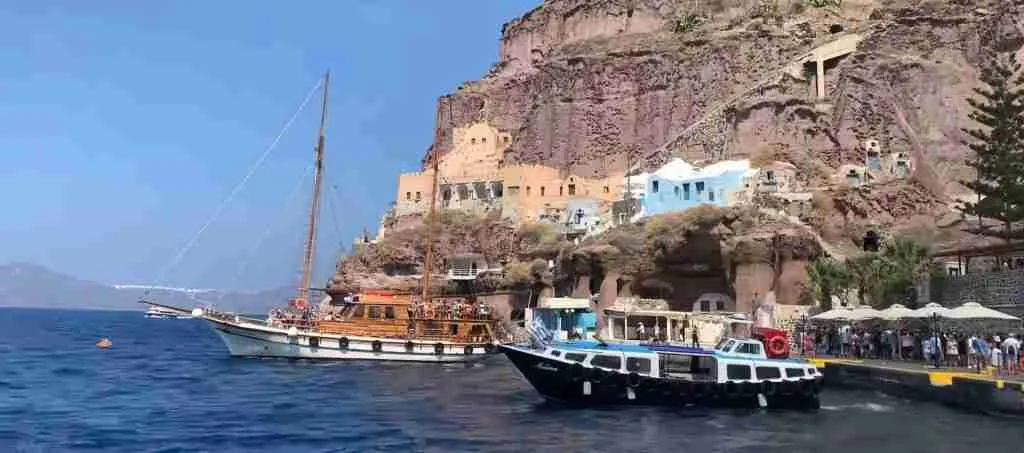
3 days
Santorini 3-Day Discovery Tour
- ✓ Comprehensive Santorini experience
- ✓ Expert local guides included
- ✓ All accommodation included
- ✓ Transportation provided
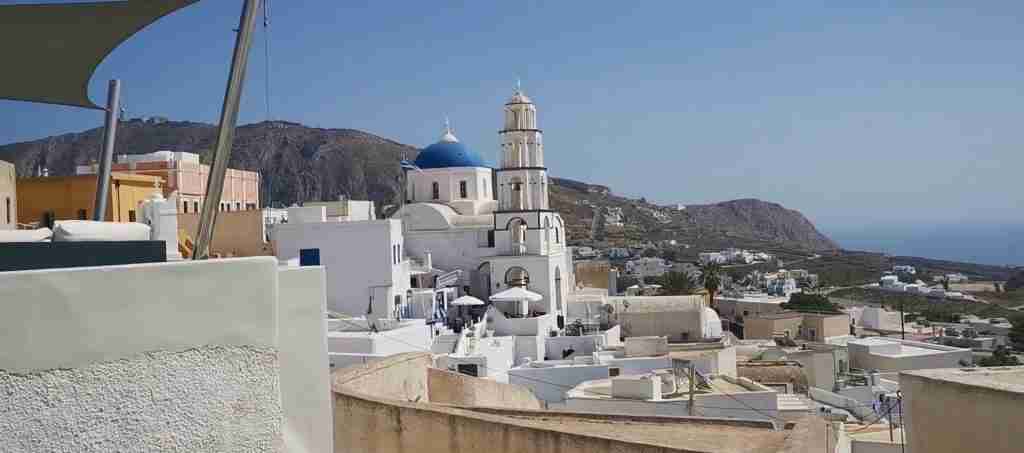
5 days
Santorini 5-Day Highlights Experience
- ✓ Comprehensive Santorini experience
- ✓ Expert local guides included
- ✓ All accommodation included
- ✓ Transportation provided
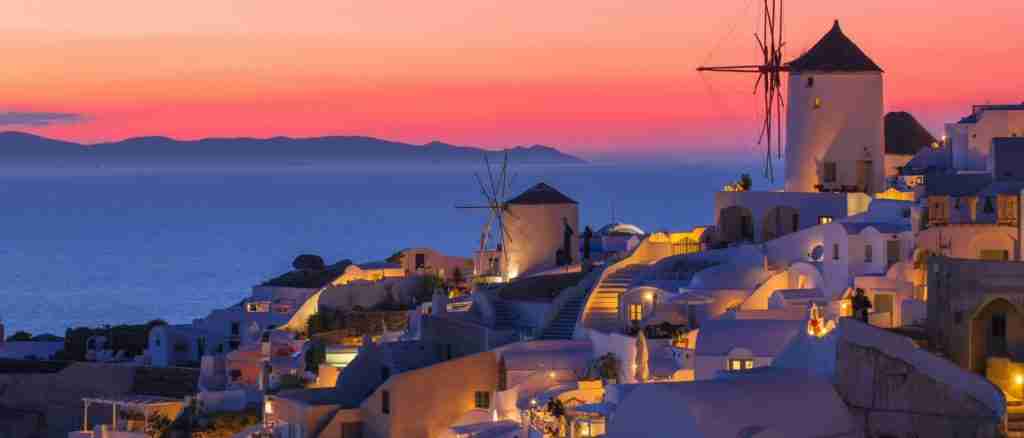
7 days
Santorini 7-Day Cultural Journey
- ✓ Comprehensive Santorini experience
- ✓ Expert local guides included
- ✓ All accommodation included
- ✓ Transportation provided
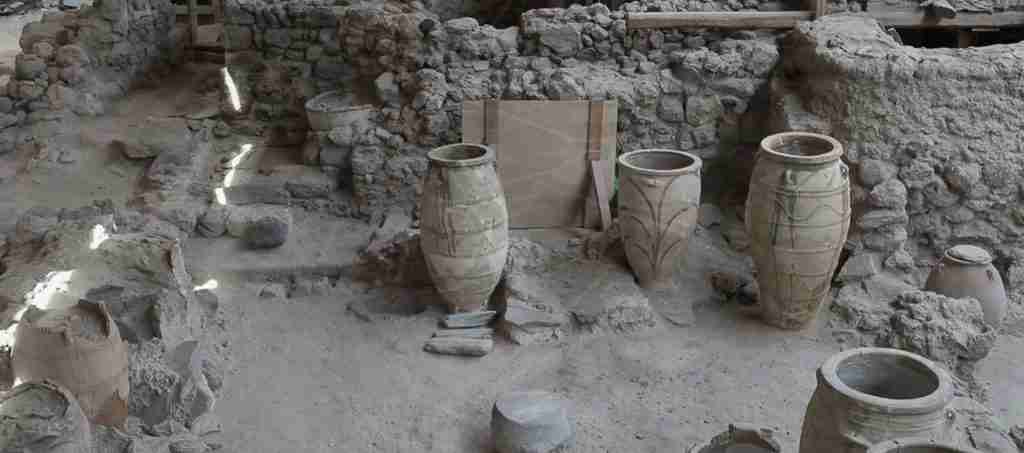
10 days
Santorini 10-Day Complete Adventure
- ✓ Comprehensive Santorini experience
- ✓ Expert local guides included
- ✓ All accommodation included
- ✓ Transportation provided
Multi-day tour packages powered by TourRadar. Prices and availability subject to change.
Introduction: Budget-Friendly Santorini Travel Strategies for 2026
Santorini’s reputation as Greece’s most expensive island contains substantial truth — caldera-view hotels command €300-€1,000+ nightly, Oia restaurants charge €20-€40 per plate, and popular catamaran tours cost €75-€153 per person. However, this premium-priced veneer conceals a parallel budget reality where the island’s most spectacular natural features, cultural treasures, and photogenic locations remain completely free to access. The dramatic volcanic caldera forming Santorini’s signature crescent shape was carved by nature, not developers, and costs nothing to admire from dozens of public viewpoints. The 10-kilometer hiking trail connecting Fira and Oia traverses the same stunning terrain as luxury hotel terraces, delivering identical views to anyone willing to walk. Every volcanic beach — whether famous Red Beach or quieter Vlychada — welcomes swimmers without entrance fees, and traditional inland villages like Pyrgos and Megalochori preserve authentic Cycladic character accessible through simple wandering.
The key distinction between expensive and budget-friendly Santorini experiences involves transportation choices, accommodation location, and prioritization between paid tours versus self-guided exploration. Budget travelers using public buses (€1.60-€2.50 per journey) instead of taxis (€15-€25) or rental ATVs (€25-€40 daily), staying in Kamari or Perissa (€30-€70 nightly) rather than Oia cave hotels (€200-€800+), and hiking the caldera independently instead of booking guided tours (€50-€100) experience virtually identical scenery, swimming, and sunset moments at 10-20% of luxury travel costs. The trade-offs involve less convenience (buses run on fixed schedules requiring planning), more physical exertion (walking replaces taxi comfort), and simpler accommodation (standard hotels instead of infinity pools), but the core Santorini elements — volcanic landscapes, Aegean swimming, caldera sunsets, whitewashed architecture — remain accessible regardless of budget.
This guide focuses exclusively on free or minimal-cost activities enabling comprehensive Santorini exploration on €20-€30 daily budgets beyond accommodation. The 2026 landscape provides excellent opportunities for budget travelers, as shoulder season expansion (April-May, September-October) has driven competitive pricing among hotels and restaurants while maintaining near-peak weather conditions. Public infrastructure improvements including bus frequency increases and better trail signage make independent exploration easier than previous years, while social media has democratized knowledge about hidden viewpoints, free sunset locations, and budget-friendly beach strategies previously known only to locals or expensive tour guides. Understanding which activities genuinely require payment versus those offering equivalent experiences for free transforms Santorini from an aspirational luxury destination into an achievable budget travel target.
The Fira to Oia Caldera Hike: Santorini’s Best Free Activity 2026
The Fira to Oia hiking trail stands as Santorini’s most rewarding free experience, delivering 10-10.5 kilometers of dramatic volcanic caldera views, traditional Cycladic villages, Byzantine churches, and photographic opportunities rivaling any paid tour’s scenery in 2026. This 2.5-5 hour walk (faster for fit hikers maintaining steady pace, longer for leisurely photographers stopping frequently) follows the caldera rim connecting Fira, Firostefani, Imerovigli, and Oia while constantly overlooking the 300-meter cliffs dropping to the sunken volcanic crater, distant islands of Nea Kameni and Palea Kameni, and the deep blue Aegean extending to the horizon. The trail mixes paved pedestrian walkways through villages with natural dirt paths along clifftops, requires moderate fitness for several steep sections and uneven rocky terrain, but remains accessible to travelers of varying ability levels willing to take breaks and adjust pace to personal comfort.
Trail Route and Navigation Fira to Oia 2026
The official hiking route begins at Fira’s Hotel Atlantis (facing the caldera, turn right/north) and concludes at Oia’s main village center near the castle ruins, though hikers can start or finish at any point along the trail depending on accommodation location and preferred distance. Walking from Fira to Oia provides advantages including easier navigation (constant Oia visibility in the distance), better light conditions for photography (morning sun illuminates caldera cliffs facing east), and concluding with Oia sunset viewing, while the reverse Oia to Fira direction offers gentler overall elevation change (long gradual climb versus short steep Fira-Imerovigli ascent) and empties into Fira’s superior dining and nightlife options. The trail itself remains impossible to lose — simply follow the caldera edge northward from Fira or southward from Oia, staying on paths hugging the clifftops rather than inland routes, and following occasional blue-and-white directional signs marking the hiking trail.
The journey breaks naturally into three distinct sections with different character and difficulty levels. Fira to Imerovigli (4 kilometers, 45-75 minutes): This most populated segment passes through continuously developed caldera villages with shops, cafes, hotels, and constant tourist presence. The initial Fira exit requires a short, steep uphill climb gaining 80 meters elevation over 1 kilometer, followed by relatively level walking through Firostefani (famous for blue-domed churches and photography spots) continuing to Imerovigli, the caldera’s highest point at 350 meters elevation. Paved pedestrian paths dominate this section, making navigation straightforward and terrain unchallenging beyond the initial Fira climb. Imerovigli to Oia approach (5 kilometers, 60-90 minutes): After Imerovigli, the trail transforms into more rugged, remote hiking with natural dirt paths, gravel sections, minimal development, and dramatic wide-open caldera views. This segment offers the most spectacular photography with fewer tourists, passing isolated churches, occasional luxury hotels, and stretches feeling remarkably wilderness-like despite proximity to villages. A brief section requires walking along the main paved road before rejoining dedicated hiking trails. Final Oia descent (1.5 kilometers, 30-45 minutes): The approach to Oia involves a final moderate climb to a high point marked by Greek flag and small church, followed by a steep downhill section descending into Oia’s northern edge, eventually merging with the village’s pedestrian pathways leading to the castle and main tourist area.
Optional Skaros Rock Detour from Imerovigli 2026
Skaros Rock, a dramatic volcanic headland jutting into the caldera from Imerovigli, offers an optional 30-60 minute detour adding spectacular viewpoints, historical ruins, and adventure to the standard Fira-Oia route. The detour begins at Imerovigli’s main path near luxury hotels, descending steeply via stone stairs to the rocky peninsula housing ruins of a medieval Venetian castle once serving as Santorini’s administrative center before earthquakes and erosion forced abandonment. The hike out to Skaros Rock’s farthest point (accessible via narrow paths with exposed drops requiring caution) delivers 360-degree caldera panoramas, unique perspectives back toward Imerovigli’s clifftop village, and relative solitude compared to the main trail’s tourist traffic. The return climb to Imerovigli involves the same steep stairs ascended on the way down, demanding energy reserves budget hikers should consider when deciding whether to add this detour or preserve strength for the remaining Imerovigli-Oia distance.
Best Timing and Season for the Caldera Hike 2026
Summer hiking (June-August 2026) requires early morning departure (6:00-7:00 AM start) to avoid extreme heat, as the trail offers virtually no shade and midday temperatures regularly exceed 30-35°C creating genuine health risks from sun exposure and dehydration. Morning starts provide cooler temperatures (22-26°C), softer light for photography, emptier trails before tour groups arrive mid-morning, and finishing in Oia by 10:00 AM-12:00 PM allowing afternoon beach relaxation or return to accommodation before peak heat. Late afternoon departures (4:00-5:00 PM) work for sunset-focused hikers willing to walk during warm but declining temperatures, arriving in Oia around 6:30-8:00 PM for golden hour and sunset viewing, though return transportation becomes challenging as evening buses reduce frequency. Spring (April-May) and fall (September-October) shoulder seasons provide ideal conditions with moderate temperatures (18-26°C), comfortable hiking throughout the day, and spectacular wildflowers (spring) or autumn light (September) enhancing the scenery.
Winter hiking (November-March) remains possible but faces challenges including reduced daylight hours (sunset occurs 5:00-5:30 PM in December), potential rain creating slippery conditions on dirt trail sections, strong winds along exposed caldera edges, and cooler temperatures (12-18°C) requiring light jackets. However, winter also delivers advantages for hardy hikers: completely empty trails, dramatic cloud formations and atmospheric conditions, and authentic village encounters as tourist crowds disappear. The single worst time for the hike involves late morning to mid-afternoon (10:00 AM-3:00 PM) during summer months, when heat becomes oppressive, crowds peak, and harsh overhead sunlight flattens photography lighting.
Essential Supplies and Safety Considerations 2026
Successful free hiking requires minimal but critical supplies and advance planning. Water represents the most important item — carry at least 1-1.5 liters per person in summer (2 liters for slow hikers or hot days), with the last reliable refill opportunities in Imerovigli before the long Oia approach. Some luxury hotels along the route sell water at inflated prices (€3-€5 per bottle), while one small snack shop operates sporadically between Imerovigli and Oia (but cannot be relied upon). Budget-conscious hikers purchase water from Fira supermarkets before starting (€0.50-€1 per liter). Footwear must provide ankle support and grippy soles for rocky, uneven terrain — trail running shoes, hiking boots, or sturdy sneakers work well, while flip-flops, sandals, or dress shoes create injury risks on gravel sections and steep descents. Sun protection including high-SPF sunscreen, wide-brimmed hats, and sunglasses protects against intense Mediterranean sun reflecting off white buildings and light-colored volcanic rock.
Additional useful items include lightweight snacks providing energy (granola bars, fruit, nuts purchased from supermarkets), phones with offline maps downloaded (Maps.me works excellently), and small first-aid supplies (bandages for blisters, basic pain relievers). What not to bring: large backpacks (unnecessary burden), excessive camera equipment (smartphones capture excellent caldera photos), strollers or wheeled luggage (impossible on stairs and narrow paths), and valuables beyond phones and small amounts of cash. Safety considerations involve heat awareness (turning back if feeling dizzy, overheated, or dehydrated), cliff edge caution (admiring views from safe positions rather than Instagram-worthy dangerous perches), and group hiking benefits (pairs or small groups provide mutual assistance if someone struggles).
Return Transportation from Oia to Fira 2026
Completing the Fira-Oia hike necessitates return transportation unless accommodations sit in Oia or hikers plan one-way itineraries. KTEL buses from Oia to Fira run every 30 minutes during summer season (6:50 AM-11:20 PM, final departure around 11:00 PM), cost €2.20-€2.50, take 20-25 minutes, and depart from Oia’s main bus station (10-minute walk downhill from the castle sunset area through tourist crowds). Summer evening buses (7:00-10:00 PM) fill completely after sunset, creating 30-60 minute waits for available space on subsequent departures, so hikers finishing at sunset should expect queues or consider earlier trail starts concluding before sunset rush. Taxis from Oia to Fira cost €25-€35 (depending on negotiation and demand), offer direct hotel drop-off avoiding bus station walks, and work well for groups of 3-4 splitting costs (€6-€9 per person becomes competitive with bus frustrations). However, Oia taxis are notoriously difficult to find, with only 30 taxis serving the entire island creating supply shortages during peak evening hours.
Walking back from Oia to Fira remains theoretically possible (identical 10.5 km distance), appealing to ultra-budget backpackers or fitness enthusiasts, but creates challenges including trail darkness after sunset (paths lack lighting), exhaustion after already completing one direction, and limited motivation to repeat scenery. The practical free solution involves coordinating with accommodation for pickup (some budget hotels and hostels offer complimentary guest pickup from Oia), arranging ride-sharing through hostel networks, or timing hikes to conclude before sunset (3:00-4:00 PM finish) when bus capacity and taxi availability improve substantially.
Free Beach Access and Swimming in Santorini 2026
All Santorini beaches remain completely free to access in 2026, requiring no entrance fees, parking charges (except organized beach clubs), or mandatory costs for enjoying volcanic black sand, red volcanic pebbles, and Aegean swimming. Perissa, Kamari, Perivolos, Red Beach, White Beach, Vlychada, Monolithos, Baxedes, Columbo, and every coastal area welcome visitors without payment, though organized beach sections offer optional sunbed rental (€5-€10 per lounger), umbrella hire (€5-€8), and beach bar services that enhance comfort but remain entirely voluntary. Budget beach strategies maximize free swimming while minimizing costs through smart timing, equipment planning, and beach selection.
Best Free Beach Experiences by Location 2026
Perissa and Perivolos Black Sand Beaches: These connected southeast-coast beaches stretch 7+ kilometers along volcanic black sand, offer completely free access to entire shoreline, provide shallow, safe swimming ideal for families and non-confident swimmers, and feature developed infrastructure (supermarkets, bakeries, budget tavernas within 50-200 meters of beach) supporting self-sufficient beach days. The organized beach sections (comprising 60-70% of total beachfront) rent sunbeds and umbrellas at €5-€10 per day, but substantial free beach areas exist at both ends and in gaps between beach clubs. Budget strategy: Arrive before 10:00 AM to claim limited natural shade under tamarisk trees near the southern Perivolos end, bring beach towels and umbrellas from accommodation, purchase water and snacks from Perissa village supermarkets (€5-€8 for full day’s provisions versus €15-€25 from beach bars), and use free public showers and changing facilities near the main beach access points.
Kamari Black Beach: Kamari’s 5-kilometer black volcanic sand beach mirrors Perissa’s free access model, offers slightly more upscale surroundings with paved beachfront promenade, features calmer water conditions (protected by Santorini’s eastern orientation), and provides easy bus access from Fira (€1.80, every 30 minutes, 20-minute journey). The northern and southern beach extremities remain less organized with more free towel space available, while the central 2-kilometer section concentrates beach clubs and lounger rental. Natural shade appears minimal, making early arrival or umbrella-bringing essential during summer months. Budget advantage: Kamari’s village development places supermarkets, bakeries, and affordable tavernas directly on the beach promenade, eliminating the need to leave the beach for meal provisions.
Red Beach (Kokkini Paralia): Red Beach near Akrotiri village delivers Santorini’s most dramatic beach scenery with rust-colored volcanic cliffs creating an otherworldly landscape, requires no entrance fees despite appearing on countless postcards and tour itineraries, and offers excellent snorkeling along rocky areas where volcanic minerals create interesting underwater formations. Access involves a 5-minute walk from the parking area (free parking) down a moderately steep, rocky path requiring sturdy footwear (flip-flops manage but challenge balance). The beach itself comprises coarse red and black pebbles rather than sand, making beach towels or mats essential for comfortable sitting, with zero shade available anywhere on the compact beach. Small cafes at the parking area sell water, snacks, and basic meals at tourist prices (€3-€8), while the nearest supermarket sits in Akrotiri village 3 kilometers away. Red Beach works best for 1-2 hour visits combining swimming, photography, and snorkeling rather than full-day relaxation, as the lack of amenities and intense sun exposure limit comfort beyond short periods.
White Beach (Aspri Paralia): White Beach lies accessible only by boat from Red Beach (€5 round-trip water taxis departing regularly April-October, 5-minute crossing) or via challenging scrambling over volcanic rocks around the coastline from Red Beach, creating a semi-remote atmosphere despite proximity to Akrotiri. The white volcanic cliffs (actually light gray and cream-colored) create beautiful contrast with the dark Aegean, snorkeling quality surpasses Red Beach with clearer water and interesting rock formations, and tourist density remains lower as boat access filters out casual beachgoers. Budget consideration: The €5 boat fare represents the only cost, as the beach offers no facilities, shade, or commercial operations beyond the simple water taxi service.
Vlychada Beach: Vlychada on Santorini’s southern coast provides the island’s most unique geological beach experience, where wind and sea have carved the volcanic cliffs into surreal formations resembling lunar landscapes or Salvador Dalí paintings. The beach stretches 800 meters along dark volcanic sand and small pebbles, remains almost entirely undeveloped (one small beach club at the far end), offers complete freedom for towel placement anywhere along the shore, and attracts minimal tourists creating peaceful swimming conditions. Access requires bus to Vlychada village (€2.20 from Fira, 3 daily departures) followed by 10-minute walk to the beach, or driving/taxi to the marina and walking 5 minutes. The dramatic cliffs provide natural afternoon shade (after 3:00 PM) along the eastern beach sections, while complete lack of facilities demands bringing all provisions from Fira or Perissa supermarkets. Vlychada particularly suits budget travelers seeking extraordinary scenery, photography opportunities, and solitude over convenience.
Budget Beach Day Strategies for 2026
Maximizing free beach enjoyment while minimizing costs requires strategic planning and modest equipment investment. Timing influences costs substantially — arriving before 10:00 AM secures best free beach spots before crowds, allows morning swimming in calmer water conditions (afternoon Meltemi winds roughen seas), and enables afternoon departure avoiding peak heat. Equipment from accommodation (beach towels, potentially small umbrellas from hostel/hotel common areas, refillable water bottles) eliminates rental costs, while lightweight pop-up beach tents purchased from Fira shops (€15-€25, reusable across multi-day stays) provide sun protection matching umbrella rental benefits at lower total cost for 3+ beach days. Provisions from supermarkets (Lidl in Fira and Perissa, AB Vassilopoulos in Kamari, local mini-markets everywhere) enable all-day beach stays: water (€0.50-€1 per liter), fresh bread and cheese (€3-€5), fruit (€2-€4 per kilogram), snacks (€1-€3), creating €6-€10 per person daily provisions versus €20-€35 spending at beach bars.
Free shower and changing facilities exist at major beaches (Perissa, Kamari, Perivolos) near main access points, providing rinse-off capability without needing accommodation returns between beach and evening activities. Shade strategies for beaches lacking natural tree coverage include positioning near cliffs or rock formations providing mid-to-late afternoon shadows (Vlychada, Red Beach), using lightweight sarongs or large scarves as makeshift shade when attached to beach bags or rocks, or accepting 2-3 hour beach sessions during morning or late afternoon rather than full-day exposure. The critical budget-versus-comfort calculation involves whether €5-€10 daily sunbed rental over a 4-5 day beach-focused vacation (€20-€50 total) justifies enhanced comfort versus free alternatives — many budget travelers compromise by renting sunbeds 1-2 days for maximum comfort experiences while using free beach setups remaining days for variety and savings.
Free Sunset Viewing Locations in Santorini 2026
Santorini’s famous sunsets occur nightly regardless of viewing location, making paid sunset tours and expensive restaurant reservations unnecessary for travelers willing to claim public viewing spots 30-60 minutes before sunset timing. The 2026 sunset schedule runs approximately 5:30 PM in December, 6:30-7:00 PM in March/April, 8:00-8:30 PM in June-July, and 7:00-7:30 PM in September-October, with daily exact times available through weather apps or hotel information. Multiple completely free locations deliver spectacular sunset viewing rivaling paid alternatives.
Oia Castle Ruins Sunset Viewing 2026
Oia Castle (more accurately, the ruins of Agios Nikolaos fortress at Oia’s western edge) represents Santorini’s most famous sunset viewing location, appearing in millions of photographs annually and attracting 200-500+ spectators nightly during summer season. The castle ruins occupy a small rocky outcropping providing 270-degree views toward the sunset, caldera cliffs, and Aegean horizon, accessed via narrow pedestrian paths from Oia’s main tourist area. Completely free entry enables anyone to climb onto the volcanic rocks and ruins, though securing good viewing positions requires arriving 60-90 minutes before sunset during June-August peak season (earlier arrival grants better rock positioning) and 30-45 minutes ahead in shoulder season (April-May, September-October). The sunset viewing experience involves crowds, jostling for photography angles, and carnival-like atmosphere as hundreds simultaneously watch, photograph, and applaud the sun’s descent, but the spectacular caldera backdrop, free access, and authentic Santorini bucket-list moment justify the tourist density.
Budget strategy involves timing arrival for optimal position without excessive waiting (arriving 75 minutes early wastes time better spent exploring Oia or relaxing at accommodation), bringing water and light snacks for the wait, protecting valuable electronics in crowded conditions, and planning post-sunset transportation (buses fill immediately, taxis become impossible to find, walking to accommodation or bus stations through crowds takes 20-30 minutes). Alternative Oia sunset locations providing excellent views with reduced crowds include the eastern caldera edge paths approaching Oia from Imerovigli (50-100 meters before the castle, views nearly identical with 30% of the crowd), northern Oia clifftop paths beyond the castle (10-minute walk from main tourist area, wider rocky areas accommodate 30-50 people versus hundreds at the castle), and various luxury hotel terraces visible from public paths (polite guests occasionally find welcoming staff allowing brief sunset viewing from hotel property, though this cannot be relied upon).
Akrotiri Lighthouse Sunset Location 2026
Akrotiri Lighthouse at Santorini’s southwestern tip delivers spectacular sunset viewing with ocean-horizon perspectives rather than caldera backdrops, attracts 50-80% fewer tourists than Oia Castle, provides wide-open spaces accommodating everyone comfortably without crowding, and offers dramatic lighthouse composition opportunities for photographers. The lighthouse sits at road-end accessible by bus (Fira to Akrotiri €2.20, then 2.5-kilometer walk or occasional taxi), rental vehicle (free parking), or tour/taxi services, with the final approach involving 10-minute walks across rocky coastal terrain. Sunset from Akrotiri emphasizes the sun descending into the open Aegean rather than Santorini’s volcanic cliffs, creating different but equally beautiful aesthetics with golden light reflecting off white lighthouse architecture, waves crashing on volcanic rocks below, and occasional cruise ships silhouetted on the horizon.
The relaxed atmosphere and ample space make Akrotiri Lighthouse ideal for couples seeking romantic sunset moments, families with children needing room to move, photographers wanting unhurried composition time, and budget travelers avoiding Oia’s commercialization. Practical considerations include limited facilities (no restrooms, water, or food beyond what visitors bring), exposure to wind (bring light jackets even in summer), and return transportation logistics (last bus from Akrotiri to Fira departs 7:50 PM during summer, requiring taxi alternatives for post-sunset returns after this time). The lighthouse location works particularly well when combined with Red Beach visits earlier in the day, as both sit in southern Santorini’s Akrotiri area reachable via single bus journey from Fira.
Additional Free Sunset Viewpoints Across Santorini 2026
Fira Northern Caldera Edge: Fira’s caldera-facing pedestrian paths stretching north from the main square toward Firostefani offer excellent sunset viewing without Oia’s crowds, provide convenient location for travelers staying in Fira or Firostefani, feature abundant cafes and restaurants if combining sunset with dinner (though sitting outside with drinks only remains acceptable at most establishments), and deliver classic caldera-sunset compositions with volcano islands visible. The informal atmosphere allows arriving 15-30 minutes before sunset and finding comfortable wall-sitting or standing positions without stress. Imerovigli Prophet Elias Church: This small church at Imerovigli’s highest point (350 meters elevation) sits directly on the caldera edge providing sweeping sunset views, attracts minimal tourists (most visitors concentrate in Oia), offers 360-degree perspectives including sunset direction and opposite eastward views toward Kamari, and combines sunset with potential Skaros Rock detour for adventurous hikers. The church grounds remain accessible to respectful visitors, with low walls and rocky areas providing informal seating. Pyrgos Village Viewpoint: Pyrgos, Santorini’s highest village at 400 meters elevation on the island’s inland mountain, provides sunset views over the entire island rather than caldera-specific perspectives, includes the historic Venetian castle ruins at village summit accessible via narrow pedestrian paths, and attracts almost zero tourists for sunset despite spectacular vantage points surveying Fira, Oia, beaches, and surrounding Cyclades islands. The non-caldera sunset direction means the village itself glows in golden light rather than silhouetting against the sun, creating different photographic opportunities emphasizing traditional architecture.
Traditional Villages and Cultural Exploration 2026
Santorini’s inland and non-caldera villages welcome free exploration through wandering pedestrian lanes, architectural photography, church visits, and authentic cultural immersion away from Oia and Fira’s tourist commercialization. Pyrgos, Megalochori, and Emporio rank as the three most rewarding free village experiences, each preserving traditional Cycladic character while offering distinct atmospheres and photographic opportunities.
Pyrgos Village: Traditional Cycladic Architecture 2026
Pyrgos, located at Santorini’s highest point (400 meters elevation) in the island’s center, served as the capital until 1800 before administrative functions transferred to Fira, leaving a beautifully preserved traditional village radiating from a Venetian castle summit. The village structure follows classic defensive Cycladic patterns with maze-like narrow alleys, whitewashed cube houses, blue-domed churches, and the hilltop kasteli (fortified settlement) providing panoramic island views. Completely free exploration involves parking in the village’s free public lots (if driving) or arriving via bus from Fira (€1.60, 20 minutes, hourly departures), walking uphill through the main village entrance, and following instinct through the labyrinthine paths discovering churches, traditional doorways, flower-draped courtyards, and local workshops producing wine, food, and handicrafts.
The castle ruins at Pyrgos summit (15-20 minute uphill walk from village entrance through increasingly narrow paths) provide 360-degree views surveying the entire island including Fira, Oia, beaches, vineyards, and on clear days the surrounding Cyclades islands. The summit area includes several small churches open for respectful visits, shaded rest areas under trees (rare in Santorini), and optimal sunset viewing locations emphasizing the village itself glowing in golden light. Pyrgos particularly rewards photography enthusiasts through constantly changing perspectives, interesting shadow play in narrow alleys, traditional architectural details (carved doorways, outdoor ovens, distinctive chimneys), and authentic village atmosphere where local residents outnumber tourists even during summer season. Budget travelers find Pyrgos ideal for 2-3 hour morning or late afternoon visits avoiding midday heat, combining village exploration with nearby destinations (Ancient Thera ruins, Kamari beach, wine museum) all accessible within 15-minute drives or short bus journeys.
Megalochori Village: Wine Culture and Cave Houses 2026
Megalochori, situated in southern Santorini’s wine-producing region, epitomizes traditional wine village character with underground canavas (wine cellars carved into volcanic rock), historic mansions with neoclassical architecture, working bell towers, and authentic local life continuing despite tourist interest. The village welcomes free wandering through its main square (featuring large church and shaded seating areas under mulberry trees), residential neighborhoods with beautifully maintained traditional houses, and the industrial archaeological area showcasing old tomato paste factories and wine production facilities. Several underground canavas open for free visits during business hours, allowing glimpses into traditional wine storage methods where constant volcanic rock temperatures (14-16°C year-round) created perfect aging conditions before modern refrigeration.
Megalochori’s compact size (30-45 minutes covers main areas) makes it ideal for late afternoon visits, particularly when combined with nearby Boutari Winery (10-minute walk, paid tastings €12-€18) or the traditional Santo Wines facility visible on the caldera edge 3 kilometers north. The village atmosphere remains genuinely residential with locals going about daily life, creating authentic encounters in bakeries (offering cheap cheese pies and pastries €1.50-€3), small markets, and village cafes where Greek coffee costs €2-€3 versus €5-€8 in Oia. Free church access includes the imposing central Agios Nikolaos church and smaller chapels scattered through residential areas, most remaining unlocked during daylight hours for respectful visits admiring Byzantine iconography and traditional Orthodox architecture.
Emporio Village: Medieval Castle and Photography Haven 2026
Emporio, Santorini’s largest inland village in the island’s southeast, preserves the most intact medieval kasteli (fortified settlement) on the island, featuring labyrinthine covered passages, stone archways, traditional Cycladic houses compressed into defensive formations, and narrow alleys creating endless photography opportunities. The village divides between the historic kasteli center (completely free to wander, though private residences deserve respectful distance) and outer neighborhoods with more modern architecture, churches, and the prominent Profitis Ilias monastery visible on the nearby mountain. Exploration begins at the village’s main parking areas (free parking if driving, or bus from Fira €2.20, 25 minutes, 3-4 daily departures), proceeds into the kasteli’s covered stone passages creating shaded relief from summer heat, and continues discovering hidden corners, unexpected viewpoints, and architectural details showcasing centuries of Cycladic building tradition.
The kasteli’s defensive architecture, developed during pirate-threatened medieval periods, created self-contained communities where families lived in small houses connected by internal passages, shared central courtyards, and limited external openings reducing vulnerability to raids. This unique layout results in atmospheric photography with dramatic light-shadow contrasts, interesting architectural compositions, and authentic historic character. The village’s windmills (several restored examples visible on nearby hills) provide additional free exploration targets requiring 10-15 minute walks from the kasteli center. Emporio works best for 1.5-2 hour visits during morning or late afternoon hours when low-angle sunlight enhances architectural photography and heat remains manageable for walking through exposed areas. Combining Emporio with nearby Perissa Beach (3 kilometers, connected by infrequent bus service or 35-minute walk) creates full free day itineraries alternating cultural exploration with beach relaxation.
Free Church and Religious Architecture Visits 2026
Santorini hosts over 250 churches and chapels scattered across the island, most remaining open for free respectful visits during daylight hours, offering spectacular Byzantine iconography, traditional Orthodox architecture, peaceful contemplative spaces, and photographic opportunities featuring the iconic blue domes appearing in countless Santorini images. The churches range from tiny roadside chapels seating 10-15 people to substantial parish churches accommodating hundreds, with construction dates spanning from medieval periods through modern 20th-century buildings. Virtually all permit free entry to visitors dressed modestly (covering shoulders and knees), behaving respectfully (no flash photography, speaking quietly, avoiding disruption during services), and appreciating the active religious function these buildings serve for local Orthodox communities.
Most Photogenic Churches and Locations 2026
The three blue domes of Firostefani create Santorini’s most photographed church composition, visible from the Fira-Oia hiking trail as it passes through Firostefani village. These churches (the cluster actually includes four churches with three featuring blue domes) sit on the caldera edge providing perfect combinations of white Cycladic architecture, blue domes, caldera backgrounds, and volcano islands visible in the distance. Completely free access allows walking to the church compounds, photographing from multiple angles, and exploring the immediate area for composition variations. The churches remain functioning parishes with regular services (primarily Sunday mornings), so visitor timing should respect religious activities and avoid disrupting worship.
Oia’s blue dome church near Oia Castle represents another iconic composition featuring in Instagram feeds worldwide, accessible via the pedestrian paths approaching the castle from the village center. This smaller chapel sits perched on volcanic rocks directly on the caldera edge, creating dramatic backdrops for sunset photography when golden light illuminates the white walls and blue dome. The immediate area around the church experiences intense tourist traffic making dawn or late afternoon optimal for photography without crowds. Additional photogenic Oia churches include the Panagia Platsani church visible from the main caldera walkway and the distinctive bell tower of Agios Georgios church in the village’s residential sections.
Megalochori’s central Agios Nikolaos church features an impressive bell tower with multiple bells, traditional Cycladic architecture expanded to accommodate the village’s historic wealth, and beautiful interior iconography often accessible during daylight hours. Pyrgos includes numerous small churches throughout the village and kasteli area, with the summit churches providing panoramic locations combining religious architecture with stunning views. Emporio’s kasteli contains several tiny chapels tucked into the medieval passages, offering atmospheric photography opportunities with stone archways, narrow alleys, and traditional architectural details. The Church of Panagia Episkopi near Kamari village represents one of Santorini’s oldest Byzantine churches (11th century), featuring historic masonry, medieval architectural elements, and religious artifacts predating the famous 1650 volcanic eruption.
Church Visiting Etiquette and Best Practices 2026
Respectful church visits in Santorini follow Orthodox Christian traditions and local expectations. Modest dress requires covered shoulders and knees for both men and women, meaning tank tops, shorts, and revealing clothing should be avoided or covered with wraps/scarves. Many churches provide shawls or wraps at entrances for underdressed visitors, though bringing appropriate clothing shows greater respect. Photography permissions vary by church — generally permitted in courtyards and exteriors, sometimes restricted inside sanctuaries, and absolutely prohibited using flash which damages historic icons and frescoes. When uncertain, ask permission or simply enjoy the interior visually without photographing. Behavior expectations include speaking quietly or silently, avoiding eating or drinking inside churches, not touching religious artifacts or icons, and exiting promptly if services begin during visits.
Service timing awareness prevents inadvertent disruption — Orthodox services occur primarily Sunday mornings (typically 8:00-10:00 AM) and major religious feast days throughout the year, when churches become active worship spaces rather than tourist attractions. During services, non-Orthodox visitors should observe from rear pews without participating in communion or other sacraments reserved for Orthodox believers. Many smaller chapels and roadside churches remain permanently unlocked, allowing brief contemplative visits, candle lighting (small donations €0.50-€1 appreciated), and peaceful moments away from tourist areas. These tiny churches, often family-maintained or dedicated to specific saint patronage, provide authentic encounters with local Orthodox traditions and opportunities for reflection amid Santorini’s commercial tourism atmosphere.
Budget Transportation Strategies for Santorini 2026
Transportation choices dramatically impact Santorini budget feasibility, as public KTEL buses (€1.60-€2.50 per journey) cost 90% less than taxis (€15-€35), enable comprehensive island access on €5-€10 daily budgets, and function reliably despite reputation for inconsistent timing. Understanding bus routes, purchasing strategies, and combining walking with strategic bus use maximizes transportation efficiency while minimizing costs.
KTEL Public Bus System Overview 2026
Santorini’s KTEL bus network operates on a hub-and-spoke model with all 23 public buses originating from and returning to Fira’s central bus station, creating a system where virtually all journeys either start or end in Fira. Travel between non-Fira locations (example: Oia to Perissa, Kamari to Akrotiri) requires two separate bus rides connecting through Fira, with two ticket purchases and potential wait times for connections. This structure favors travelers staying in Fira (minimizing connections) or those willing to build route planning around the hub system. Bus tickets cost €1.60 for short routes (Fira-Airport 10 minutes, Fira-Firostefani 5 minutes, Fira-Monolithos 20 minutes), €1.80 for medium distances (Fira-Kamari 20 minutes, Fira-Oia 25 minutes, Fira-Perissa 25 minutes), and €2.20-€2.50 for longer routes (Fira-Akrotiri 25 minutes, Fira-Athinios Port 20 minutes).
Tickets must be purchased onboard in cash (euros only, no credit cards) from conductors who collect fares either during boarding at major stations or after departure at smaller roadside stops. Change for €20 bills usually available, though smaller denominations (€5-€10 bills, coins) facilitate transactions. No daily passes, weekly tickets, or return fare discounts exist — every bus boarding requires a new single-journey ticket purchase. Summer season frequency (May-September) provides departures every 20-30 minutes on popular routes (Fira-Oia, Fira-Kamari, Fira-Perissa, Fira-Perivolos) from 6:30 AM to 11:00 PM, hourly or 2-hourly service to less-trafficked destinations (Akrotiri, Monolithos, Vlychada), and reduced evening schedules after 8:00 PM. Shoulder season (April, October) maintains 70-80% of summer frequency, while winter (November-March) dramatically reduces service with final buses around 7:00-8:00 PM and some routes operating only 2-4 times daily.
Strategic Bus Route Planning for Budget Travelers 2026
Maximizing bus efficiency requires advance route planning acknowledging the Fira hub system and accommodation location. Travelers staying in Fira enjoy direct bus access to all island destinations without connections, making Fira accommodation strategic for bus-dependent visitors despite higher prices than beach areas. Those staying in Perissa, Kamari, or other non-Fira locations must plan two-bus itineraries for most destinations, adding 30-60 minutes transit time and €3-€5 in extra fares compared to Fira-based travel. Example itinerary from Kamari: visiting Oia requires Kamari-Fira bus (€1.80, 20 minutes) + Fira-Oia bus (€2.20, 20 minutes) + return journey (€4 total), consuming 80-100 minutes in bus transit versus 40 minutes from Fira base. The practical solution involves clustering activities by location — full beach days in Kamari without bus use, full cultural days requiring buses to Fira then onward to villages or opposite coast beaches, and strategic accommodation selection in areas matching primary interests (beach lovers in Kamari/Perissa, culture enthusiasts in Fira).
Smart daily bus scheduling acknowledges frequency variations and timing constraints. Morning buses (7:00-9:00 AM) run reliably with minimal crowds, making early starts ideal for reaching destinations before tourist rushes and heat intensity. Midday buses (12:00-2:00 PM) face reduced frequency on some routes as drivers take breaks, potentially creating 45-60 minute gaps requiring schedule awareness. Evening buses (8:00-11:00 PM) operate less frequently with some routes ending earlier, necessitating advance timing knowledge to avoid being stranded in Oia, Akrotiri, or other destinations without return options. The bus station in Fira displays handwritten schedules (often updated weekly), hotel receptions maintain current timetables, and the KTEL Santorini official website (ktel-santorini.gr) publishes schedule information, though travelers report occasional discrepancies between posted and actual departure times requiring 10-15 minute buffer allowances.
Walking as Free Transportation Alternative 2026
Strategic walking eliminates bus costs for shorter distances while providing exercise, scenery appreciation, and authentic local encounters. Several routes work particularly well for budget travelers: Fira to Firostefani (1.5 kilometers, 15-20 minutes, completely flat caldera-edge path), Firostefani to Imerovigli (2 kilometers, 20-25 minutes, gentle uphill), Perissa to Perivolos (2 kilometers, 20 minutes, flat beach promenade), and Kamari to Ancient Thera trailhead (2.5 kilometers, 30 minutes, moderate uphill). These walks save €1.60-€2.20 per journey while offering superior scenery compared to bus interiors.
Longer walks require fitness and heat tolerance but provide serious budget savings: Fira to Oia via caldera trail (10.5 kilometers, 2.5-5 hours) eliminates the €2.20 bus fare while delivering Santorini’s best hiking experience, Kamari to Perissa over the mountain (9 kilometers, 2.5-3.5 hours, steep challenging terrain) saves €3.60 in bus fares (Kamari-Fira-Perissa) while crossing Santorini’s wild interior, and Fira to Akrotiri coastal path (12 kilometers, 3-4 hours) avoids €2.20 bus costs while revealing less-visited southern coastline. These ambitious walks demand early morning starts (7:00-8:00 AM summer, 9:00-10:00 AM shoulder season), substantial water supplies (2+ liters), sun protection, and acceptance of fatigue. The budget-to-effort calculation involves whether saving €2-€4 in bus fares justifies 2-4 hours walking time and physical exertion — backpackers on extended trips often embrace long walks, while shorter-stay travelers prioritize time efficiency over marginal savings.
Money-Saving Food and Practical Tips for 2026
Food costs significantly impact Santorini budgets, as tourist restaurants charge €15-€40 per plate while strategic supermarket shopping, local bakeries, and budget tavernas enable €8-€15 daily food expenses. Combining free activities with intelligent food choices creates sustainable €20-€30 daily budgets (excluding accommodation) allowing extended Santorini stays on backpacker finances.
Supermarket Shopping and Self-Catering Strategies 2026
Santorini’s supermarkets provide budget food solutions dramatically cheaper than restaurants. Lidl in Fira and Perissa offers the island’s lowest prices on staples: fresh bread (€0.80-€1.50), cheese (€3-€6 per package), yogurt (€1-€2), fruits (€2-€4 per kilogram), vegetables (€1.50-€3 per kilogram), water (€0.50-€1 per liter), wine (€3-€8 per bottle), and prepared foods (€2.50-€5). AB Vassilopoulos in Kamari and Fira carries wider selections at 10-20% higher prices than Lidl but maintains reasonable costs. Local mini-markets scattered through villages charge 20-50% premiums over large supermarkets but provide convenience for last-minute needs. Typical daily self-catering costs: breakfast (bread, cheese, fruit, yogurt €3-€5), lunch (picnic supplies creating sandwiches and snacks €4-€6), dinner (simple cooking if accommodation has kitchen, or assembled foods €5-€8), totaling €12-€19 daily versus €40-€80 in restaurants.
Accommodation with cooking facilities (hostels, apartments, some budget hotels) enables substantial savings through breakfast preparation, picnic lunch assembly, and simple dinners avoiding restaurant costs entirely. Even without full kitchens, many budget accommodations provide mini-refrigerators allowing fruit, cheese, bread, and yogurt storage for self-sufficient breakfasts. The practical compromise involves self-catering 2 meals daily (breakfast, lunch) while enjoying one affordable taverna dinner (€10-€20) experiencing Greek cuisine without extreme costs, creating €20-€30 daily food budgets combining economy with culinary enjoyment.
Budget-Friendly Dining Options and Timing 2026
Strategic restaurant selection and timing enables occasional dining-out on tight budgets. Local bakeries throughout Santorini sell cheese pies (tiropita €1.50-€2.50), spinach pies (spanakopita €2-€3), and other pastries providing substantial breakfast or lunch for €3-€5. Souvlaki and gyros shops in Fira, Kamari, and Perissa serve pita wraps with grilled meats, vegetables, and tzatziki for €4-€7, creating filling meals rivaling restaurant main courses at one-third the cost. Traditional tavernas in non-caldera villages (Pyrgos, Megalochori, Emporio, Kamari residential areas) charge 30-50% less than Fira and Oia tourist restaurants while serving authentic Greek cuisine: Greek salad €4-€6, moussaka €8-€10, grilled fish €10-€15, creating two-course dinners with wine for €15-€25 per person.
Lunch specials and early-bird menus at some restaurants offer reduced pricing (12:00-3:00 PM lunch, 5:00-7:00 PM early dinner) providing tourist-area dining at budget-friendly costs. Takeaway options from restaurants allow ordering identical food at 10-20% discounts compared to table service with included ambiance charges. Water strategies avoid expensive bottled water at restaurants (€3-€5) by drinking tap water (safe throughout Greece) or bringing supermarket bottles (€0.50). The affordable dining formula combines bakeries and street food for lunch (€4-€7), self-catered breakfasts (€3-€5), and strategic traditional taverna dinners in non-tourist areas (€10-€20), maintaining €17-€32 daily food budgets while still enjoying Greek culinary culture.
Combining Free Activities into Multi-Day Itineraries 2026
Three-Day Budget Itinerary Santorini 2026
Day 1 — Fira to Oia Hike and Sunset: Begin with early morning (7:00 AM) start hiking from Fira to Oia (free, 3-4 hours), arriving in Oia by 11:00 AM for village exploration, photography, and lunch from supermarket supplies or bakery (€5-€8). Spend afternoon relaxing in accommodation or exploring Oia’s quieter residential areas avoiding midday heat. Return to Oia by 6:30 PM for sunset at castle ruins (free), then bus back to Fira (€2.20). Day cost: €2.20 bus + €8-€12 food = €10-€15 total. Day 2 — Beach Day Perissa: Bus from Fira to Perissa (€2.20, 25 minutes, 8:00 AM departure), full day at black sand beach (free) using towels from accommodation, supermarket provisions (€6-€10), and free beach area avoiding sunbed rental. Optional afternoon walk to Perivolos (2 kilometers) exploring extended beach. Late afternoon bus return to Fira (€2.20). Day cost: €4.40 bus + €8-€12 food = €12-€16 total. Day 3 — Traditional Villages and Red Beach: Bus to Pyrgos (€1.60), explore village and castle (free, 2 hours), continue to Megalochori by bus via Fira connection (€3.20 total), village exploration (free, 1.5 hours), bus to Akrotiri (€2.20), walk to Red Beach (free), swimming and photography (2 hours), return to Fira (€2.20). Day cost: €9.20 bus + €8-€12 food = €17-€21 total. Three-day total: €39-€52 plus accommodation.
Week-Long Budget Itinerary Santorini 2026
Extended stays enable comprehensive free exploration while maintaining budget discipline. Days 1-3 follow the three-day itinerary above, then continue: Day 4 — Kamari Beach and Ancient Thera: Bus to Kamari (€1.80), beach morning (free), afternoon hike to Ancient Thera ruins (free, 45-minute uphill walk, archaeological site €4 entrance or free archaeological site viewing from outside), return to Kamari for beach sunset, bus to Fira (€1.80). Day cost: €3.60 bus + €4 ruins + €8 food = €15.60. Day 5 — Emporio Village and Perivolos Beach: Bus to Emporio (€2.20), kasteli exploration (free, 2 hours), bus to Perissa via Fira (€4.40), walk to Perivolos (free, 20 minutes), afternoon beach relaxation, bus return (€2.20). Day cost: €8.80 bus + €8 food = €16.80.
Day 6 — Imerovigli Skaros Rock and Firostefani: Walk from Fira to Imerovigli (free, 30 minutes), Skaros Rock detour hike (free, 1.5 hours), return to Imerovigli for village exploration, continue walking to Firostefani (free, 20 minutes), blue dome church photography, walk back to Fira (free, 15 minutes). Entirely walking day. Day cost: €8-€10 food only. Day 7 — Vlychada Beach and Akrotiri Lighthouse: Bus to Vlychada (€2.20), unique geological beach exploration (free, 3 hours), picnic lunch, afternoon walk or taxi to Akrotiri Lighthouse (free sunset viewing), return bus to Fira (€2.20). Day cost: €4.40 bus + €8-€10 food = €12.40-€14.40. Seven-day total: €95-€120 plus accommodation. This budget enables comprehensive Santorini experiences touching every major location type (caldera villages, beaches, traditional settlements, hiking, sunset viewing) while maintaining sustainable daily costs under €20 for travelers staying in budget accommodation (€30-€60 nightly, weekly totals €210-€420), creating total week costs of €305-€540 including lodging.
Frequently Asked Questions About Free Santorini Activities 2026
What is the cheapest way to get around Santorini in 2026?
Public KTEL buses represent Santorini’s cheapest transportation at €1.60-€2.50 per journey in 2026, operating from Fira’s central hub to all major villages, beaches, and tourist sites with summer frequency of 20-30 minutes on popular routes and hourly service to less-trafficked destinations. Walking provides completely free transportation for shorter distances including Fira to Firostefani (1.5 kilometers, 15 minutes), Perissa to Perivolos (2 kilometers, 20 minutes), and the famous Fira to Oia caldera trail (10.5 kilometers, 2.5-5 hours) combining exercise with sightseeing. Bus costs remain 85-90% cheaper than taxis (€15-€35 per journey), 60-70% cheaper than rental ATVs or scooters (€25-€40 daily plus fuel), and enable comprehensive island exploration on €5-€10 daily transport budgets when combined with strategic walking. The main bus limitations involve hub-and-spoke routing requiring Fira connections for most journeys, reduced evening and winter schedules, and cash-only payment systems demanding euros in small denominations.
How many days do you need in Santorini on a budget in 2026?
Three full days provide sufficient time for budget travelers to experience Santorini’s essential highlights including the Fira to Oia caldera hike, multiple beach visits (Perissa, Red Beach, Kamari), one traditional village exploration (Pyrgos or Megalochori), and Oia sunset viewing, spending €30-€45 total beyond accommodation costs. Five days enable more relaxed pacing, comprehensive beach coverage, additional village visits (Emporio, inland areas), Skaros Rock detour hiking, and thorough photography opportunities while maintaining €50-€75 total activity/transport budgets. One week (7 days) suits travelers wanting complete island coverage, multiple hiking routes, all major beaches, extensive village exploration, and buffer time for spontaneous discoveries or weather-dependent activity rescheduling, totaling €95-€120 for all non-accommodation expenses. The budget-to-time calculation involves whether marginal additional experiences justify extended accommodation costs (€30-€60 per night) — travelers on tight schedules prioritize 3-4 days maximizing free highlight activities, while those with flexible timing and very cheap accommodation (hostels €20-€35 nightly) benefit from week-long stays spreading accommodation costs across more relaxed daily pacing.
Can you visit Red Beach without a tour in 2026?
Red Beach near Akrotiri village remains completely accessible without tours in 2026, requiring only KTEL bus transport from Fira to Akrotiri (€2.20, 25 minutes, 3-4 daily departures April-October), followed by a 5-minute walk from the parking area down a moderately steep, rocky path to the volcanic red-and-black pebble beach. The access path demands sturdy footwear (flip-flops manage but challenge balance), offers no shade during descent or beach time, and creates slight challenges for travelers with mobility limitations due to uneven volcanic rock terrain. Once at Red Beach, all facilities including swimming, photography of the dramatic rust-colored cliffs, and snorkeling along rocky areas remain completely free, though the beach offers zero shade, amenities consist only of a small parking-area cafe, and comfortable sitting requires beach towels or mats due to coarse pebbles rather than sand. Independent Red Beach visits save €30-€90 compared to paid tours including Red Beach in broader catamaran or island tour itineraries, while providing unlimited time at the beach (tours typically allow 15-30 minutes) and flexibility to visit during optimal morning light conditions when tour groups haven’t yet arrived.
Is the Fira to Oia hike difficult in 2026?
The Fira to Oia hike rates as moderate difficulty in 2026, accessible to most travelers with reasonable fitness but presenting challenges including 10-10.5 kilometer total distance, several steep sections (particularly the initial Fira to Imerovigli climb and final Oia descent), uneven rocky terrain mixing paved paths with natural dirt trails, complete absence of shade creating sun exposure throughout, and 2.5-5 hour duration depending on pace and photo stops. The trail demands proper footwear with ankle support and grip (trail runners, hiking boots, or sturdy sneakers), substantial water supplies (1.5-2 liters per person in summer), sun protection (high-SPF sunscreen, hats, sunglasses), and realistic fitness assessment as the distance and heat combination exhausts unprepared hikers. However, the hike remains non-technical with no scrambling or dangerous exposed sections, follows obvious paths impossible to lose (constant caldera edge guidance), allows rest breaks at multiple villages with cafes and water refills, and can be shortened by starting at Imerovigli (reducing distance to 6 kilometers) or ending at Imerovigli rather than continuing to Oia (4-kilometer option). Summer morning starts (6:00-7:00 AM) before heat intensity, shoulder season timing (April-May, September-October) with moderate temperatures, and realistic 3-4 hour pacing with regular breaks enable successful completion for average-fitness travelers despite moderate difficulty rating.
Where can I see Santorini sunset for free in 2026?
Multiple spectacular sunset viewing locations across Santorini remain completely free in 2026, eliminating the need for expensive restaurant reservations or paid sunset tours. Oia Castle ruins at Oia’s western edge provide the most famous sunset perspective (free access, 200-500 nightly spectators during summer, arrive 60-90 minutes early for good positions), Akrotiri Lighthouse at the island’s southwestern tip offers ocean-horizon sunset views with minimal crowds (free access, 2.5-kilometer walk from Akrotiri bus stop), Fira’s northern caldera edge paths deliver classic caldera-sunset compositions without Oia’s density (free walking access along pedestrian promenade), Imerovigli’s Prophet Elias Church provides highest-elevation sunset viewing (350 meters, sweeping panoramas, almost no tourists), and Pyrgos village summit combines sunset watching with the village itself glowing in golden light (free castle ruins access, 360-degree island views). Additional free sunset spots include the Fira to Oia hiking trail’s numerous clifftop positions (particularly sections between Imerovigli and Oia avoiding villages), Firostefani’s caldera-edge paths featuring blue-domed church foregrounds, and any beach (Kamari, Perissa, Perivolos) offering ocean sunset perspectives different from caldera orientations. The sunset timing varies seasonally from 5:30 PM in winter to 8:30 PM in summer, with optimal arrival 30-60 minutes before sunset providing good positions without excessive waiting.
Are there free parking options in Santorini 2026?
Free parking exists throughout Santorini in 2026, though availability varies dramatically by location and season. All traditional villages (Pyrgos, Megalochori, Emporio) provide free public parking lots near village entrances, beaches including Perissa, Kamari, Perivolos, Monolithos, and Vlychada offer free parking in designated areas (though organized beach clubs sometimes charge €5-€10 for closer premium spots), and Akrotiri Lighthouse, Red Beach, and most archaeological sites maintain free public parking. However, Oia and Fira present parking challenges with extremely limited free street parking (requiring 30-60 minute searches during summer), paid parking lots (€5-€10 for 3-5 hours, €15-€20 full day), and realistic expectations that rental vehicle users staying in these caldera villages will pay parking fees or park in distant free areas requiring 15-20 minute walks to accommodation. The budget strategy involves avoiding rental vehicles entirely (using buses and walking), choosing accommodation in areas with free parking (Kamari, Perissa, traditional villages), or accepting parking costs as unavoidable expenses if driving to Oia or Fira during peak hours. Rental cars and ATVs cost €30-€80 daily in 2026 (depending on vehicle type and season), adding €210-€560 weekly to budgets compared to €30-€60 total weekly bus expenses, making vehicle rental questionable value for budget-conscious travelers unless visiting very remote locations inaccessible by bus or traveling with groups splitting costs.
What free activities work for families with children in 2026?
Family-friendly free Santorini activities in 2026 include accessible beaches with shallow, safe swimming (Perissa, Kamari, Perivolos all feature gradually sloping entries and calm conditions), traditional village exploration providing maze-like alleys exciting for children (Pyrgos kasteli, Emporio’s covered passages), sunset viewing from safe locations with space to move (Akrotiri Lighthouse, Fira caldera paths), and selected hiking segments rather than the full Fira-Oia trail (Fira to Firostefani 1.5 kilometers works for ages 8+, Imerovigli village walks suitable for ages 6+). Red Beach appeals to older children (ages 10+) capable of managing the access path and interested in unique geology, while the full 10-kilometer Fira-Oia hike suits teenagers (ages 14+) with good fitness and interest in photography or nature. Free beach days provide excellent family value through extended sand-and-sea time, picnic lunches from supermarkets, and natural entertainment without costs beyond bus transport (€3-€6 for family round-trips). Practical family beach strategies include choosing Kamari or Perissa with flat promenades suitable for strollers, arriving early for prime free beach spots before crowds, bringing beach toys and snorkeling equipment from home or purchased at Santorini supermarkets (€5-€15 for basic sets), and accepting optional sunbed rental (€15-€30 for family of 4) as reasonable comfort investment during multi-hour beach sessions with young children.
Can you drink Santorini tap water in 2026?
Santorini tap water remains safe to drink in 2026 from a health perspective (meeting European Union water quality standards), though most visitors and many locals prefer bottled water due to the heavy mineral taste and chlorination from desalination processing. The island’s water supply comes primarily from desalination plants converting seawater into potable water, creating higher mineral content and distinctive taste compared to mainland Greece spring water. Budget travelers can safely drink tap water from accommodation sinks and public fountains, saving €3-€8 daily versus purchasing bottled water for all hydration needs, though many find the taste unpleasant enough to justify minimal bottled water expenses (€0.50-€1 per liter from supermarkets). The practical compromise involves using tap water for tooth-brushing, cooking if accommodation has kitchen facilities, and refilling water bottles for hiking/beach days, while purchasing occasional bottled water for more pleasant drinking experiences. Restaurants and cafes serve tap water free upon request (though may offer bottled water at €3-€5 as default), enabling cost-free hydration during meals for assertive budget diners specifying tap water preference. The key distinction involves “safe” versus “pleasant” — tap water won’t cause illness but tastes notably different from spring water familiar to most travelers.
What is the best free beach in Santorini 2026?
Perissa represents Santorini’s best all-around free beach in 2026 for travelers prioritizing convenience, facilities, accessibility, and comfortable swimming conditions. This 3-kilometer black volcanic sand beach offers completely free access along its entire length, features shallow gradual water entry ideal for non-confident swimmers and families with children, provides developed infrastructure including free public showers/changing facilities near main access points, sits directly adjacent to Perissa village with supermarkets, bakeries, and affordable tavernas 50-200 meters from the beach, and connects via excellent bus service from Fira (€2.20, 25 minutes, every 30 minutes summer season). The organized beach sections occupying 60% of shoreline rent sunbeds at €5-€10 daily (optional, not mandatory), while substantial free beach areas exist at the southern end connecting to Perivolos and in gaps between beach clubs, allowing towel users complete flexibility. Perissa particularly suits budget travelers through the combination of free beach access, proximity to budget accommodation (€30-€60 nightly in Perissa village), supermarket shopping enabling picnic provisions (€5-€10 daily beach food/drink), and full-day beach capability with changing facilities allowing multi-hour sessions without needing accommodation returns. Alternative “best” beaches for specific priorities include Vlychada for dramatic geology and solitude, Red Beach for photography and unique scenery, and Kamari for slightly more upscale surroundings with identical free access model to Perissa.
How much money do I need per day in Santorini 2026?
Budget travelers focusing on free activities with minimal paid additions can experience Santorini on €20-€30 daily in 2026 excluding accommodation costs, breaking down as transportation €3-€8 (2-4 bus journeys or walking plus occasional bus use), food €12-€19 (supermarket self-catering for 2 meals, affordable taverna or street food for 1 meal), and miscellaneous €5-€3 (water, snacks, occasional entrance fees to archaeological sites). Adding budget accommodation (€30-€60 nightly in Kamari, Perissa, or simple Fira hotels) creates total daily budgets of €50-€90 enabling comfortable exploration, swimming, hiking, village visits, and sunset viewing without luxury amenities but covering all essential experiences. Mid-range budgets of €40-€60 daily (excluding accommodation) allow mixing free activities with occasional paid tours (one catamaran cruise during a week stay), restaurant meals rather than constant self-catering (€20-€35 dining out daily), and taxi convenience for select journeys, combining with €80-€150 accommodation creating €120-€210 daily totals for comfortable travel. The critical budget insight involves recognizing that Santorini’s most spectacular elements — volcanic caldera views, dramatic hiking, beach swimming, traditional architecture, stunning sunsets — remain accessible at minimal or zero cost, making the island surprisingly budget-friendly for travelers willing to walk, use buses, self-cater meals, and prioritize free experiences over paid tours and luxury dining.