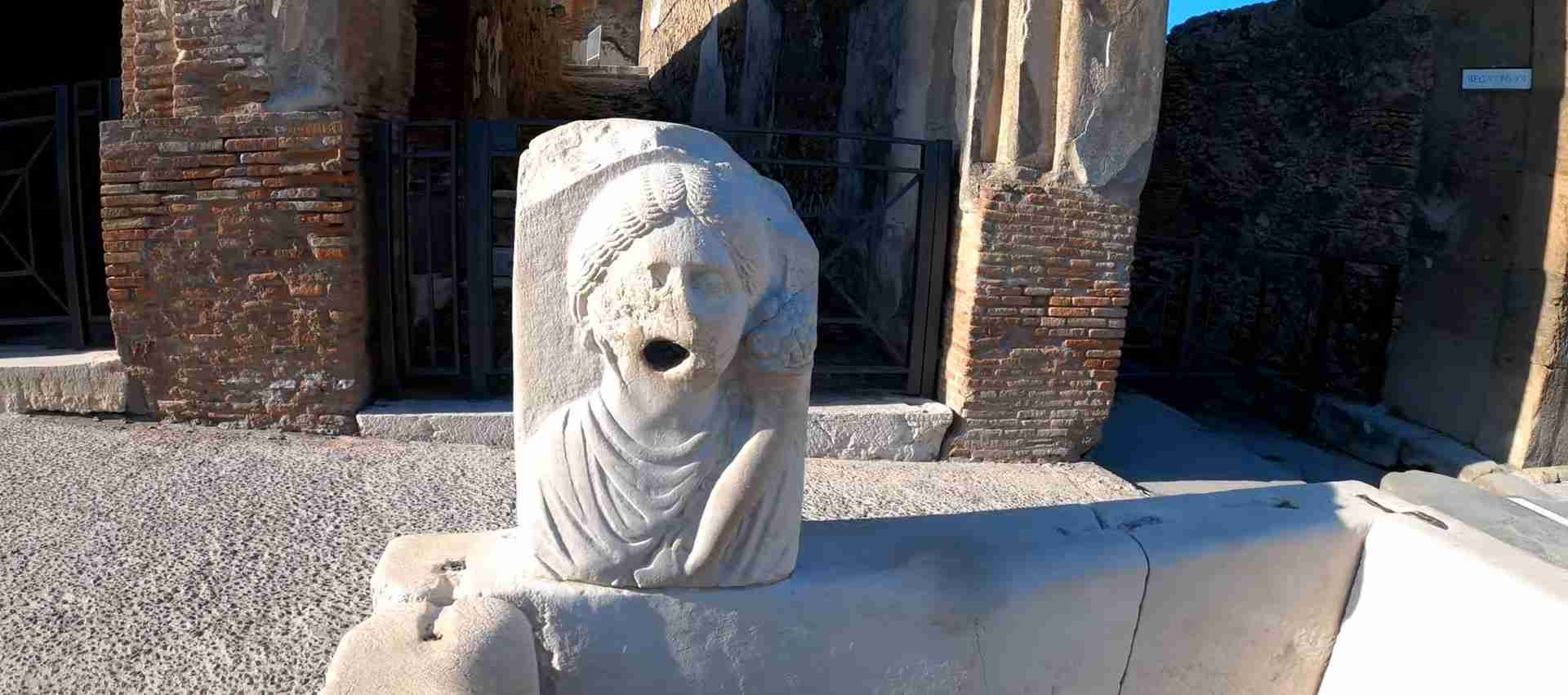
Free Things to Do in Pompeii 2026: Complete Zero-Cost Guide
Pompeii’s UNESCO World Heritage archaeological site offers remarkable zero-cost opportunities in 2026 through Italy’s “Domenica al Museo” program, free entry categories covering millions of visitors, and extensive complimentary experiences in the modern town surrounding the ruins. Budget travelers can access one of the world’s most significant archaeological treasures without spending money through strategic planning and knowledge of free access programs.
Key Takeaways
- Free admission every first Sunday of each month in 2026 through Italy’s “Domenica al Museo” program allows all visitors zero-cost access to Pompeii Archaeological Park
- All visitors under 18 enter free year-round regardless of nationality, while EU citizens ages 18-25 pay reduced €2 admission
- Modern Pompeii offers free walking routes, the Sanctuary of Our Lady of the Rosary with zero admission, contemporary street art trails, and authentic Italian urban experiences
- Free amenities inside the archaeological park include water fountains, designated picnic areas at Porta Nola, restroom facilities, and WiFi zones near main entrances
- Strategic timing on first Sunday mornings (arrive 8:30-9:00 AM) maximizes quality free experience before peak crowds of 15,000+ visitors arrive by midday
- Combining free archaeological access with complimentary modern town exploration creates full-day zero-cost Pompeii experiences worth €20-25 in saved entrance fees
People Also Ask About Free Things in Pompeii 2026
Can you visit Pompeii for free in 2026?
Yes, Pompeii offers free admission every first Sunday of each month in 2026 through Italy’s “Domenica al Museo” initiative promoted by the Ministry of Culture. All visitors enter the Archaeological Park at zero cost on these designated days, with regular operating hours from 9:00 AM to 5:00 PM (November-March) or 9:00 AM to 7:00 PM (April-October). Free entry days attract significant crowds, with visitor management protocols potentially limiting access to 15,000 people by noon during peak periods. Arrive at opening time (9:00 AM) to secure entry and experience optimal viewing conditions before tour groups and afternoon visitors create congestion in the Forum and main streets. Tickets must still be obtained at the entrance even for free admission days, as the site maintains its 20,000 daily visitor capacity limit throughout 2026.
Who gets free entry to Pompeii in 2026?
Multiple categories qualify for free admission to Pompeii year-round in 2026. All visitors under 18 enter free regardless of nationality or country of residence. EU citizens with disabilities plus one accompanying caregiver receive free admission upon presenting appropriate certification. Teachers holding valid professional certificates enter free. Tour guides actively conducting professional tours with valid licenses issued by competent authorities enter free. Specific academic researchers and conservation specialists holding Ministry of Culture-issued identification cards enter free for study and research purposes. These free entry categories must obtain timed entry tickets at physical ticket offices by presenting required documentation, as advance online booking applies only to paid admission categories. Free tickets count toward the daily 20,000 visitor capacity, requiring early arrival during high season (April-October) to secure same-day access.
What are the best free activities in Pompeii 2026 outside the ruins?
Modern Pompeii offers extensive zero-cost experiences surrounding the archaeological site. The Sanctuary of Our Lady of the Rosary, one of the world’s most important Marian shrines attracting 4 million annual pilgrims, provides free admission to its stunning interior featuring ornate architecture, religious art, and the revered Madonna of Pompeii icon. Urban walking routes along Via Roma connect the excavations to the Sanctuary through authentic Italian neighborhoods featuring local shops, trattorias, and residential streets experiencing traditional evening passeggiata strolls. Contemporary street art trails between Via Nolana and Via Lepanto showcase murals depicting Pompeian history, mythological themes, and Bartolo Longo tributes without admission charges. The Tuesday morning market at Piazza Bartolo Longo offers authentic Campanian culture with produce vendors, artisan goods, and local atmosphere requiring zero expenditure to observe and photograph. These combined free experiences create full-day itineraries matching or exceeding the paid archaeological site’s cultural value.
How much money can you save with free Pompeii access in 2026?
Strategic use of free access programs saves €20-25 per person in standard admission fees. The basic Pompeii Express ticket costs €20 in 2026, while the comprehensive Pompeii+ ticket including suburban villas costs €25. Families of four save €80-100 through first Sunday free admission or under-18 free entry policies. EU young adults (18-25) save €18 by paying the reduced €2 rate instead of full admission. Multi-day visitors using the MyPompeii annual pass (€45) break even after three visits, but free first Sunday access eliminates this expense entirely for single-visit travelers. Beyond entrance fees, zero-cost modern town experiences, free water fountains eliminating bottled water purchases (€2-3 saved), and free picnic facilities preventing mandatory restaurant expenses (€15-25 saved per meal) compound total savings to €40-60 per person daily when combining all complimentary opportunities strategically.
Extended multi-day tours – 5+ days
Featured Pompeii Multi-Day Tour Packages
3 days
Discover Sorrento, Amalfi Coast & Pompeii in 3 Days
- ✓ Comprehensive Pompeii tour
- ✓ Expert local guides included
- ✓ All accommodation arranged
- ✓ Transportation provided

6 days
6 Days from Naples: Pompeii, Mount Vesuvius, Amalfi Coast, Sorrento, Positano & Capri Island
- ✓ Comprehensive Pompeii tour
- ✓ Expert local guides included
- ✓ All accommodation arranged
- ✓ Transportation provided
7 days
Sorrento Escape, Private Tour
- ✓ Comprehensive Pompeii tour
- ✓ Expert local guides included
- ✓ All accommodation arranged
- ✓ Transportation provided
4 days
Discovering Amalfi Coast
- ✓ Comprehensive Pompeii tour
- ✓ Expert local guides included
- ✓ All accommodation arranged
- ✓ Transportation provided
Multi-day tour packages powered by TourRadar. Prices and availability subject to change.
Introduction
Pompeii stands as one of the world’s most extraordinary archaeological treasures, where the catastrophic eruption of Mount Vesuvius in 79 AD preserved an entire Roman city in volcanic ash. The 66-hectare UNESCO World Heritage site attracts over 4 million visitors annually, drawn to its remarkably intact streets, villas, temples, theaters, and the haunting plaster casts of eruption victims. While Pompeii’s cultural significance justifies its entrance fees, strategic travelers in 2026 can access this incomparable historical site and its surrounding modern town entirely free through Italy’s national museum programs, age-based admission policies, and the extensive zero-cost experiences modern Pompeii offers beyond the archaeological park boundaries.
The dual nature of Pompeii creates unique opportunities for budget-conscious visitors. The ancient city (spelled “Pompeii” with double “i”) represents the frozen Roman metropolis, while the modern town (spelled “Pompei” with single “i”) functions as a thriving community of hotels, restaurants, churches, and residential neighborhoods built around both the excavations and the Sanctuary of Our Lady of the Rosary. This modern urban fabric provides free cultural experiences, architectural landmarks, urban art installations, and authentic Italian daily life accessible without admission charges, complementing or even replacing paid archaeological site visits for budget travelers willing to explore beyond standard tourist itineraries.
Understanding Pompeii’s free access framework requires knowledge of three distinct opportunity categories. First, Italy’s “Domenica al Museo” program guarantees free admission to all state museums and archaeological sites on the first Sunday of each month, creating twelve annual zero-cost access days at Pompeii throughout 2026. Second, permanent free entry policies exempt specific visitor categories including all minors under 18, EU citizens with disabilities and caregivers, teachers, and professional tour guides from admission fees year-round. Third, the modern town surrounding the archaeological park offers churches, urban walks, contemporary art, markets, and cultural experiences requiring zero expenditure while delivering authentic Campanian heritage immersion. These three frameworks intersect to create comprehensive zero-cost Pompeii experiences matching paid visits’ educational and cultural value when planned strategically.
The financial implications extend beyond simple entrance fee savings. Standard Pompeii admission costs €20-25 per person in 2026 depending on ticket type, representing significant expense for families or multi-day visitors. Free access programs eliminate this primary cost, while complimentary amenities within the archaeological park (water fountains, picnic areas, restroom facilities) and zero-cost modern town experiences prevent secondary expenditures that typically compound total visit costs. A strategic free visit to Pompeii saves €40-60 per person daily when accounting for avoided entrance fees, eliminated food/beverage purchases through self-catering, and replaced paid guided tours with self-directed exploration using free maps and downloadable resources.
This comprehensive guide details every free opportunity Pompeii offers in 2026, from maximizing first Sunday access through optimal timing and entrance strategies, to exploring modern Pompeii’s urban fabric, street art, religious sites, and authentic neighborhoods. Whether visiting as a budget backpacker, family seeking affordable educational travel, or cultural enthusiast prioritizing authentic experiences over commercial tourism, Pompeii’s zero-cost opportunities deliver world-class archaeological and cultural immersion without financial barriers.
Free First Sunday Entry Program 2026
Italy’s “Domenica al Museo” (Sunday at the Museum) initiative grants free admission to all state-owned museums, archaeological sites, and cultural monuments on the first Sunday of each month. Pompeii Archaeological Park participates in this national program throughout 2026, creating twelve guaranteed zero-cost access days: January 5, February 2, March 2, April 6, May 4, June 1, July 6, August 3, September 7, October 5, November 2, and December 7. The Ministry of Culture established this program to democratize heritage access and encourage Italian families to explore national treasures, extending benefits to international visitors without geographic restrictions.
Free first Sunday access operates under identical conditions as paid admission days. The archaeological park maintains regular seasonal hours: 9:00 AM to 5:00 PM (November through March) with last entry at 3:30 PM, or 9:00 AM to 7:00 PM (April through October) with last entry at 5:30 PM. All three main entrances function normally—Porta Marina opposite Pompei Scavi-Villa dei Misteri train station, Piazza Anfiteatro near the modern town center, and Piazza Esedra designated for group tours. Visitors must obtain physical tickets at entrance ticket offices even for free admission, as these tickets track capacity against the park’s 20,000 daily visitor limit and provide accountability for site management. The ticket acquisition process adds 10-20 minutes to entry time on busy first Sundays.
Visitor volume on free first Sundays significantly exceeds typical paid admission days. The archaeological park implements crowd management protocols when attendance approaches capacity thresholds, potentially closing ticket offices temporarily if 15,000 visitors enter by noon. These protocols protect both site preservation and visitor safety, as excessive crowding damages fragile frescoes, mosaic floors, and structural elements while degrading visitor experience quality. Strategic timing becomes critical for successful free Sunday visits: arrive at the 9:00 AM opening time to secure tickets before lines extend, experience the Forum and major villas during the first 90 minutes before tour groups concentrate in central areas, and plan 4-5 hour visits to thoroughly explore the site before afternoon departure waves create exit congestion.
The free first Sunday program delivers exceptional value for budget travelers. A family of four saves €80-100 in entrance fees (four Pompeii Express tickets at €20 each, or four Pompeii+ tickets at €25 each). Solo travelers save €20-25 while accessing identical archaeological content, facilities, and experiences available to paid visitors. The only restriction concerns advance planning: free tickets cannot be reserved online, requiring physical presence at ticket offices on the designated Sunday. This prevents early morning timed entry reservations that paid visitors can secure weeks in advance, making spontaneous first Sunday visits subject to capacity availability rather than guaranteed access. Visitors with inflexible schedules should arrive at opening time to ensure same-day entry.
Weather considerations influence free first Sunday visit quality. January, February, November, and December first Sundays experience cooler temperatures (8-15°C / 46-59°F) reducing heat stress but increasing rain probability. April, May, September, and October offer optimal weather conditions (15-22°C / 59-72°F) with moderate crowds and comfortable exploration conditions. June, July, and August first Sundays bring intense heat (25-35°C / 77-95°F) and peak tourist season crowds, creating challenging conditions despite zero admission cost. Visitors prioritizing comfort over savings should consider paid weekday admission during shoulder seasons (March-May, September-October) rather than free but crowded summer Sundays.
Who Qualifies for Free Entry 2026
All visitors under 18 years old enter Pompeii Archaeological Park free year-round in 2026 regardless of nationality, residency, or citizenship status. This policy extends to non-EU minors, international students, and any individual who has not yet reached their 18th birthday. Parents must still obtain zero-cost tickets for children at physical ticket offices by presenting valid identification (passport, national ID card, or birth certificate) proving age eligibility. Children’s free tickets count toward the daily 20,000 visitor capacity limit and require timed entry slots during high season (March-October) when morning time bands (9:00 AM-1:00 PM) accept maximum 15,000 visitors and afternoon bands (1:00 PM-5:30 PM) accept maximum 5,000 visitors.
EU citizens with disabilities receive free admission when accompanied by one family member or professional caregiver. Eligible visitors must present disability certification issued by competent national authorities conforming to Ministerial Decree 239 of April 20, 2006. Caregivers claiming free companion admission must provide employment documentation from health and social care services demonstrating professional capacity. This policy recognizes accessibility challenges within the archaeological park, where ancient cobblestone streets, uneven surfaces, and limited infrastructure create mobility barriers despite the 3.5-kilometer “Pompeii for All” accessible route designed for wheelchairs and reduced mobility visitors. Free wheelchair rentals at Piazza Esedra and Piazza Anfiteatro entrances require valid ID deposits.
Teachers holding current professional certificates issued by Italian Ministry of Education or recognized international teaching organizations enter free when presenting valid documentation at ticket offices. This category includes primary, secondary, and university educators conducting educational visits, though institutional group discounts typically provide better value when organizing school trips requiring multiple adult supervisors. EU tour guides carrying valid professional licenses issued by regional tourism authorities enter free while actively conducting tours, differentiating working guides from private individuals claiming guide status. Guides must present both valid license documentation and evidence of active tour leadership (client lists, booking confirmations) to qualify for free admission rather than the standard €20 entrance fee.
Academic researchers and conservation specialists qualify for free admission when holding annually-issued identification cards from the Ministry of Cultural Heritage for research and study purposes. The Director General issues these cards to voluntary association operators working under specific agreements with Ministry branch offices, conservation specialists and honorary curators, Carabinieri Command for Protection of Cultural Heritage service members, International Centre for the Study of the Preservation and Restoration of Cultural Property (ICCROM) members, and Italian and foreign researchers specializing in cultural heritage subjects certified by the International Union of Institutes of Archaeology, History and Art History in Rome. These highly specific categories represent professional rather than general public access, requiring advance credential acquisition through formal Ministry processes.
Reduced €2 Admission for EU Young Adults 2026
EU citizens between ages 18 and 25 (not yet turned 25) qualify for reduced €2 admission to Pompeii Archaeological Park throughout 2026. This heavily discounted rate represents 90% savings off the standard €20 Pompeii Express ticket, making Pompeii accessible to European students, young professionals, and budget travelers at minimal cost. The same reduced rate extends to non-EU citizens holding valid Italian residence permits issued for reasons specified on the Ministry of Foreign Affairs website, typically including study visas, work permits, and long-term residency authorizations.
Reduced ticket holders must present valid identification proving both EU citizenship and age eligibility at ticket office windows. Acceptable documentation includes national ID cards showing birthdate, passports, or official student cards displaying citizenship and date of birth. Staff verify eligibility before issuing reduced-rate tickets, and mismatched documentation results in denied entry or requirement to purchase full-price admission. The reduced ticket provides identical site access as the €20 Pompeii Express ticket, covering the main archaeological city but excluding suburban villas (Villa of the Mysteries, Villa of Diomedes, Villa Regina at Boscoreale). Access to these peripheral villas requires either upgrading to the €25 Pompeii+ ticket or purchasing an €8 supplement at the Herculaneum Gate entrance to the suburban villas route.
The €2 reduced admission cannot be reserved online through official ticketing platforms. Young adult EU citizens must purchase reduced tickets at physical ticket offices upon arrival, presenting required documentation to ticket agents. This restriction prevents advance timed entry reservations during high season, when morning time slots (9:00 AM-1:00 PM) frequently sell out weeks ahead for standard tickets. Reduced ticket seekers arriving after 11:00 AM during peak summer months (June-August) risk finding morning slots at capacity, forcing afternoon visits (1:00 PM-5:30 PM) with reduced maximum capacity of 5,000 entries versus morning’s 15,000 entries. Arrive at 8:45-9:00 AM to secure same-day reduced tickets during busy periods.
Free Walking Routes in Modern Pompeii 2026
Modern Pompeii centers around Via Roma, the main pedestrian-friendly street connecting the archaeological park entrances to the Sanctuary of Our Lady of the Rosary. This approximately 1-kilometer route passes through the heart of contemporary Pompeii life, featuring local shops selling ceramics and artisan goods, family-run trattorias serving authentic Campanian cuisine, gelaterias offering traditional Italian ice cream, and residential buildings where Pompeii’s permanent population conducts daily routines separate from tourist activity. The evening passeggiata tradition transforms Via Roma into a social gathering space from 6:00-8:00 PM, when locals stroll the street greeting neighbors, window shopping, and participating in the centuries-old Italian custom of community evening walks requiring zero financial expenditure to observe and join.
The Via Plinio route marks the southern boundary of the ancient archaeological site, running parallel to the excavation perimeter wall. This less touristy avenue offers quieter walking conditions than Via Roma while providing excellent vantage points for photographing Mount Vesuvius rising above Pompeii’s rooflines. Stone pine trees lining sections of Via Plinio create shaded pathways during summer months, while residential side streets branching off the main avenue reveal authentic neighborhood life including local markets, children’s playgrounds, and small piazzas where elderly residents gather on benches. The route extends approximately 1.5 kilometers from Porta Marina entrance to Piazza Anfiteatro entrance, allowing free perimeter walks around the archaeological site experiencing modern Pompeii’s residential character without entering paid excavation areas.
Neighborhood exploration routes through residential zones between the archaeological park and Pompeii Santuario train station reveal non-touristy urban fabric rarely experienced by day-trippers focused solely on ancient ruins. Via Lepanto, Via Nolana, and connecting residential streets feature typical Italian apartment buildings with balconies displaying laundry, potted plants, and decorative ironwork, ground-floor shops selling household goods to local customers rather than tourist souvenirs, and small bars where neighborhood regulars consume morning espresso at standing counters. These authentic zones demonstrate how modern Pompeii functions as a working town rather than archaeological theme park, providing free cultural immersion in contemporary Italian daily life complementing ancient Roman urban planning lessons taught within the paid excavation site.
The area between Piazza Anfiteatro entrance and the modern town center offers a strategic free walking loop combining archaeological perimeter views with local market atmosphere. This approximately 2-kilometer circuit begins at the excavation entrance, follows Via Roma toward the Sanctuary, branches through residential side streets displaying typical southern Italian architecture, and returns via market zones where vendors sell produce, clothing, and household goods to Pompeii residents. The Tuesday morning market at Piazza Bartolo Longo expands this route with temporary stalls creating vibrant marketplace atmosphere from 8:00 AM-1:00 PM, providing free opportunities to observe authentic Campanian commerce, sample atmosphere without purchasing, and photograph colorful displays of regional agricultural products, cheeses, cured meats, and artisan crafts.
Strategic routing connects free modern town walks with free first Sunday archaeological access, creating full-day zero-cost Pompeii experiences. Arrive at Porta Marina entrance at 9:00 AM for free first Sunday admission, spend 4-5 hours exploring the archaeological site, exit through the Forum area around 2:00 PM, walk Via Roma to the Sanctuary (30 minutes including stops), visit the Sanctuary interior (45 minutes), explore residential neighborhoods and street art trails (1-2 hours), and complete the circuit with evening passeggiata observation along Via Roma and Via Plinio (1 hour). This comprehensive itinerary delivers 8-9 hours of cultural experiences without spending money on entrance fees, guided tours, or structured activities, requiring only self-directed curiosity and willingness to explore beyond tourist zones.
Sanctuary of Our Lady of the Rosary: Free Access 2026
The Sanctuary of Our Lady of the Rosary ranks among the world’s most important Marian pilgrimage sites, attracting approximately 4 million visitors annually to honor the Madonna of Pompeii. Founded in 1876 by Blessed Bartolo Longo, the Sanctuary features stunning neo-Renaissance architecture, an ornate interior displaying religious art and marble work, and the revered painting of the Madonna of the Rosary venerated as miraculous by Catholic faithful. Admission remains free year-round, with the Sanctuary operating as an active place of worship rather than museum charging entrance fees. Visitors access the entire interior including the main basilica, side chapels, crypt areas, and religious art displays without payment, though donations support ongoing conservation and religious activities.
The Sanctuary’s architectural grandeur rivals many paid Italian churches and cathedrals. The facade features three bronze doors with elaborate religious scenes, while the bell tower rises 80 meters offering landmark orientation throughout modern Pompeii. Interior highlights include the high altar crafted from precious marbles and semi-precious stones, extensive fresco cycles depicting religious narratives across ceilings and walls, elaborate confessional boxes showcasing woodcarving artistry, and the Chapel of the Blessed Sacrament containing additional devotional art. Natural light filtering through stained glass windows creates atmospheric lighting conditions particularly dramatic during late afternoon hours (4:00-6:00 PM), when golden sunlight illuminates marble surfaces and fresco colors intensify visually.
Religious services occur throughout the day, with multiple daily Masses in Italian attracting both pilgrims and local parishioners. Visitors respectful of active worship participate free in religious ceremonies experiencing authentic Catholic traditions central to southern Italian culture. The famous May 8 and October 7 celebrations honoring the Madonna of Pompeii transform the Sanctuary and surrounding piazza into major pilgrimage events, with thousands of faithful gathering for special liturgies, processions, and communal prayer. These feast days create extraordinary cultural experiences available without admission charges, though crowds significantly exceed typical conditions and require patience navigating dense assemblies of pilgrims.
A small museum located in the Sanctuary’s lower level displays religious artifacts, historical documents related to Bartolo Longo’s foundation of the shrine, liturgical vestments, and votive offerings left by pilgrims over 140+ years. Museum admission typically requires modest fees (€2-3), differentiating it from the free main church access. Budget travelers focused on zero-cost experiences skip the museum while thoroughly exploring the free basilica interior, which contains the primary artistic and architectural elements justifying Sanctuary visits. Photography policies permit non-flash interior photography for personal use, allowing documentation of the free experience without professional filming restrictions that apply in many Italian religious sites.
The Sanctuary’s central location makes it a natural anchor for free walking routes through modern Pompeii. Piazza Bartolo Longo fronting the church functions as the town’s social and commercial center, with cafes, gelaterias, and shops creating active street life particularly during evening hours. The area between the Sanctuary and Pompei Santuario train station (approximately 10-minute walk) features additional religious architecture including smaller churches, convents, and religious statues integrated into urban fabric. Visitors combining free Sanctuary access with modern town walks and either paid or free (first Sunday) archaeological site visits experience Pompeii’s dual identity as ancient Roman city and contemporary pilgrimage destination, understanding how religious devotion and archaeological tourism jointly shape modern Pompeii’s character and economy.
Free Street Art and Cultural Walks 2026
Contemporary urban art installations throughout modern Pompeii create a free outdoor gallery reinterpreting ancient themes through modern artistic techniques. The concentration of murals between Via Nolana and Via Lepanto showcases large-scale works depicting Pompeian deities, mythological narratives, and historical figures connected to the town’s dual ancient and modern identity. These professionally executed street art pieces transform residential building facades into cultural statements, with some murals exceeding 15 meters in height covering entire wall surfaces. The works remain accessible 24 hours daily without admission charges, supervision, or restrictions, allowing self-directed exploration at any time convenient to visitor schedules.
Featured murals include a monumental portrait of Bartolo Longo, the Sanctuary’s founder, rendered in vibrant colors with religious symbolism integrated into the composition. Additional works celebrate Pompeian archaeological themes including victims of the 79 AD eruption depicted with dignity and artistic sensitivity, Roman deities associated with Pompeii’s temples and cults, and Neapolitan female figures representing southern Italian cultural identity. Each mural location appears unmarked on standard tourist maps, requiring exploration and discovery rather than guided tour direction. This treasure hunt quality adds adventure to the free street art trail while encouraging deeper engagement with modern Pompeii’s residential neighborhoods beyond commercial tourist zones.
Photography opportunities throughout the street art trail suit both casual smartphone documentation and serious photography practice. The murals’ scale, color intensity, and integration with urban architecture create compelling visual compositions particularly during early morning hours (7:00-9:00 AM) when soft light avoids harsh midday shadows, and late afternoon (4:00-6:00 PM) when golden hour illumination enhances warm tones. Quiet residential settings allow extended photo sessions without tour group congestion or time pressures, enabling artists and photography enthusiasts to work methodically capturing detail shots, environmental contexts, and experimental angles. The zero-cost access democratizes serious photography practice impossible within the paid archaeological site, where professional equipment restrictions and crowd management limit creative photography freedom.
Walking the complete street art circuit requires approximately 2-3 hours at leisurely pace including photography stops, mural appreciation time, and brief explorations down residential side streets revealing additional smaller works and informal graffiti art. The route lacks official designation or marking, functioning as informal cultural infrastructure rather than managed attraction. Local residents demonstrate pride in their neighborhood art, occasionally engaging curious visitors with informal commentary about specific murals’ origins, artists, or community reception. These spontaneous interactions provide authentic cultural exchange experiences unavailable through commercial guided tours, where scripted narratives and strict timelines prevent organic conversation and relationship building with local people.
Combining the street art trail with other free modern Pompeii experiences creates comprehensive cultural itineraries. A strategic route begins at Pompei Santuario train station, walks residential neighborhoods to locate murals (1.5 hours), continues to the Sanctuary for interior visit (45 minutes), proceeds along Via Roma observing shops and local life (30 minutes), and concludes at the archaeological park perimeter for external views of excavation walls and Mount Vesuvius backdrop (30 minutes). This approximately 3.5-hour circuit requires zero expenditure while delivering contemporary art appreciation, religious architecture, authentic neighborhood immersion, and archaeological context understanding how modern Pompeii developed around and in dialogue with the ancient buried city.
Free External Viewing and Photography 2026
The archaeological park’s perimeter walls create opportunities for free external viewing and photography capturing Pompeii’s landscape context without entering paid excavation areas. The northern perimeter along Via Villa dei Misteri provides elevated vantage points where the excavation’s vast scale becomes apparent, with ruined buildings extending across hectares of visible terrain and Mount Vesuvius dominating the background approximately 9 kilometers distant. These external views contextualize the eruption disaster, demonstrating the volcano’s proximity to Roman Pompeii and explaining why residents failed to evacuate despite geological warning signs preceding the catastrophic eruption.
Porta Marina entrance area offers free photography opportunities even without ticket purchase. The main gate’s architectural features, informational signage explaining Pompeii’s history, and constant stream of visitors creating human interest subjects for photography exist in public spaces outside paid access zones. The Circumvesuviana train station Pompei Scavi-Villa dei Misteri sits directly opposite the entrance, with elevated platform positions providing bird’s-eye perspectives of entrance area activity, surrounding modern development, and distant Vesuvius views. Train station access requires no payment beyond standard rail fares for actual travel, allowing free platform visits during ticket validity periods.
The Piazza Anfiteatro entrance area near modern Pompeii town center provides different external viewing angles emphasizing the excavation site’s integration within contemporary urban fabric. Residential buildings and hotels surround the entrance plaza, creating visual contrasts between ancient ruins and modern construction. The amphitheater’s exterior wall remains partially visible from public streets outside the ticket barrier, allowing photography of this iconic structure’s massive stone construction and architectural preservation condition. Stone pine trees characteristic of Mediterranean landscapes frame views, enhancing compositional opportunities for landscape and architectural photography documenting Pompeii’s setting and conservation context.
Sunset and evening lighting conditions create dramatic free photography opportunities along the archaeological park perimeter. Late afternoon sunlight (one hour before sunset varying seasonally) illuminates Mount Vesuvius with warm golden tones while casting the excavation ruins into partial shadow, creating atmospheric conditions emphasizing the site’s haunting preservation. Evening blue hour (30-45 minutes after sunset) produces deep blue skies contrasting with artificial lighting from modern Pompeii’s streets and the archaeological site’s minimal security lighting. These free twilight photography sessions deliver professional-quality images impossible to capture during paid daytime visits when harsh overhead sunlight creates challenging exposure conditions and crowd presence limits compositional freedom.
Strategic external viewing routes combine multiple free vantage points into comprehensive photographic documentation circuits. Begin at Porta Marina entrance for entrance area and Vesuvius background shots (30 minutes), walk the Via Plinio perimeter for excavation overview perspectives (45 minutes), circle to Piazza Anfiteatro entrance for town integration views (30 minutes), and conclude with elevated positions near the amphitheater exterior wall for architectural detail photography (30 minutes). This 2+ hour exterior circuit captures Pompeii’s landscape setting, volcanic context, modern development patterns, and archaeological preservation scale without entering paid areas, creating valuable visual documentation complementing or substituting for interior excavation photography when budget constraints prevent ticket purchase.
Free Amenities and Services 2026
Pompeii Archaeological Park provides complimentary water fountains throughout the excavation site allowing visitors to refill personal water bottles without purchasing €2-3 bottled water from vendors. Multiple fountain locations along main routes (Via dell’Abbondanza, Forum area, Quadriportico dei Teatri) offer potable drinking water meeting Italian municipal quality standards. Summer temperatures frequently exceed 30°C (86°F) with minimal shade across the site’s exposed cobblestone streets, making hydration critical for visitor safety and comfort. Free water access prevents the €6-9 daily expense typical visitors incur purchasing three bottles during extended 4-5 hour site explorations, delivering significant savings particularly for families or multi-day visitors.
Designated picnic areas at Porta Nola within the archaeological park boundaries permit visitors to consume packed meals without leaving the site or purchasing food from on-site cafeterias. This free facility eliminates the €15-25 per person typical meal expense at restaurants near the excavation entrances or the €8-12 cost for cafeteria service inside the archaeological park. Families bringing prepared lunches from supermarkets or accommodations save €40-80 for four people while maintaining flexibility to eat according to children’s schedules rather than conforming to restaurant service hours. The picnic area includes basic seating and tables, though many visitors spread on stone benches or grass areas when weather permits informal picnicking.
Free restroom facilities operate at all three main entrances (Porta Marina, Piazza Anfiteatro, Piazza Esedra) and at strategic interior locations including the Antiquarium, Quadriportico dei Teatri, and Forum area. While Italian public restroom standards vary significantly from northern European or North American expectations, these facilities function adequately for basic needs without requiring the €0.50-1.00 attendant tips common at high-traffic Italian tourist sites. Visitors prioritizing modern facilities should use entrance-area restrooms upon arrival and before departure, as interior facilities experience heavier use and reduced maintenance frequency during peak visiting hours.
Free WiFi zones operate near main entrances and the Forum area, though signal strength and reliability vary significantly depending on user congestion and technical maintenance status. The service suffices for basic map consultation, messaging, and light web browsing but proves inadequate for streaming video, large file downloads, or video calls. Visitors requiring reliable connectivity should purchase Italian SIM cards or activate international data roaming rather than depending on free park WiFi. The complementary service benefits primarily budget travelers needing occasional navigation assistance or communication without incurring international data charges.
Free luggage storage at Porta Marina and Piazza Anfiteatro entrances accepts bags and backpacks exceeding the 30×30×15 cm maximum permitted inside the excavation site. Storage operates on a deposit basis requiring valid identification documents rather than charging per-item fees. This zero-cost service accommodates travelers visiting Pompeii during Naples-Sorrento or Amalfi Coast transfers, allowing site exploration without returning to hotels or train stations for bag drop-off. The service saves €5-10 per item typical of commercial luggage storage facilities in Italian tourist cities, while enabling spontaneous Pompeii visits during day trip itineraries that would otherwise require logistics planning around baggage accommodation.
Planning Your Free Visit to Pompeii 2026
Strategic timing maximizes free first Sunday access quality and minimizes crowd frustration. The 9:00 AM opening time represents optimal arrival, when ticket office queues remain short (10-15 minute wait) and the archaeological site experiences lowest occupancy. Early arrivers access major highlights (Forum, Villa of the Mysteries, House of the Faun) before 10:30 AM tour group arrivals create congestion in central areas. By 11:00 AM, ticket office queues extend 30-45 minutes and site occupancy approaches midday capacity thresholds potentially triggering temporary ticket sales suspension. Visitors arriving after 11:30 AM on popular first Sundays (April-October) risk finding morning time slots at capacity, forcing afternoon visits with reduced maximum entries and shorter remaining daylight hours for winter months.
Seasonal considerations influence free visit planning decisions. Winter first Sundays (January, February, November, December) offer significantly smaller crowds due to European school schedules and lower tourist season activity, with typical attendance 40-50% below summer peaks. However, winter visits face challenges including shorter operating hours (9:00 AM-5:00 PM versus summer’s 9:00 AM-7:00 PM), increased rain probability requiring weather contingency planning, and cooler temperatures (8-15°C / 46-59°F) demanding warm clothing for extended outdoor exposure. Spring and fall first Sundays (March-May, September-October) provide optimal balance of manageable crowds, comfortable weather, and extended operating hours justifying advance calendar planning around these specific dates.
Transportation to Pompeii influences free access feasibility. The Circumvesuviana commuter train from Naples Piazza Garibaldi station to Pompei Scavi-Villa dei Misteri stop operates every 30 minutes throughout the day, with 35-40 minute journey times and €3.60 one-way fares. Morning trains departing Naples 7:30-8:00 AM arrive Pompeii before 9:00 AM opening, allowing immediate queue positioning for first Sunday tickets. Return trains operate until late evening, providing flexibility for full-day free visits maximizing value extraction from zero-cost access. Visitors staying in Sorrento, Salerno, or Amalfi Coast locations access similar Circumvesuviana service, though journey times increase to 50-70 minutes requiring earlier departures to arrive by opening time.
Essential items for successful free visits include comfortable walking shoes suitable for uneven ancient cobblestones, sun protection (hat, sunscreen, sunglasses) for exposed site conditions, refillable water bottle utilizing free fountains, packed lunch for free picnic area use, smartphone with offline maps or printed site plans compensating for unreliable WiFi, and valid identification documents proving eligibility for free entry categories (passport, ID card, disability certification, teaching credentials). Budget travelers maximizing free experiences should also carry small backpacks for purchased supplies from supermarkets rather than on-site vendors, though bags must meet 30×30×15 cm size restrictions or require free luggage storage deposit.
Realistic time allocation for comprehensive free first Sunday visits should account for 60-90 minute entrance queuing and ticket acquisition, 4-5 hours exploring major archaeological highlights at moderate pace, 45-60 minutes for lunch breaks at free picnic areas, and 30 minutes for exit procedures and gift shop browsing. This full-day commitment (7-8 hours total) represents significant physical exertion across exposed terrain with minimal seating, challenging for young children, elderly visitors, or individuals with limited mobility. Families with children under 10 or visitors with physical limitations should plan 2-3 hour abbreviated visits focusing on Forum area, major street views, and limited villa interiors, exiting before fatigue degrades experience quality.
Combining Free Archaeological Access with Modern Town Exploration 2026
Strategic full-day zero-cost itineraries integrate free first Sunday archaeological access with complimentary modern Pompeii experiences creating comprehensive cultural immersion. The recommended sequence begins with 9:00 AM archaeological park entry maximizing morning’s cooler temperatures and lighter crowds, proceeds through 4-5 hour excavation exploration prioritizing major highlights, transitions to midday exit around 1:00-2:00 PM, incorporates 1-hour modern town walking routes along Via Roma and residential neighborhoods, includes 45-minute Sanctuary visit experiencing religious architecture and interior art, and concludes with 1-2 hour street art trail photography during golden hour lighting (4:00-6:00 PM in summer, earlier in winter).
This comprehensive itinerary delivers value equivalent to €40-60 per person in avoided costs. The €20-25 archaeological entrance fee represents primary savings, while packed lunch consumption at free picnic areas saves €15-20 restaurant meal expense, free water fountain usage prevents €6-9 bottled water purchases, and self-directed modern town exploration replaces €25-35 guided city walking tours offered commercially. The complete package provides 8-9 hours of educational content, cultural experiences, architectural appreciation, and authentic Italian immersion matching or exceeding paid alternatives’ depth and quality when approached with appropriate curiosity and research preparation.
Alternative sequencing accommodates different visitor priorities and energy levels. Culture-focused travelers might reverse the standard route, beginning with morning Sanctuary visit (9:00-10:00 AM) when religious services create authentic worship atmosphere, proceeding to street art trail documentation (10:00-12:00 noon) during optimal lighting conditions, consuming packed lunch in public piazzas or parks (12:00-1:00 PM), and completing the day with free first Sunday archaeological access (1:00-6:00 PM) during afternoon time slots. This alternative sacrifices optimal archaeological site conditions but prioritizes modern cultural elements and accommodates travelers more interested in contemporary Italian culture than ancient Roman history.
Multi-day visitors combining paid and free access should strategically allocate experiences across visits. Purchase standard tickets for comprehensive weekday archaeological exploration when Villa of the Mysteries, suburban villas route, and less-crowded major houses offer optimal viewing conditions without first Sunday capacity pressures. Reserve free first Sunday access for secondary archaeological visits focusing on previously missed areas, or alternatively skip the excavations entirely on free Sundays and dedicate full days to modern Pompeii exploration, Sanctuary engagement, and residential neighborhood immersion impossible to accomplish while managing archaeological site’s physical demands and time requirements.
Budget accommodation selection influences free experience accessibility. Lodging within walking distance of the archaeological park (modern Pompeii town center, areas near Pompei Scavi train station) eliminates transportation costs and allows flexible scheduling accommodating morning archaeological visits without depending on train timetables. Budget hotels, guesthouses, and B&Bs in Pompeii proper cost €40-70 nightly for double rooms, offering better value than Sorrento or Naples accommodations requiring €7-12 roundtrip Circumvesuviana fares plus 70-120 minute total commute times. Strategic accommodation planning compounds free experience value by minimizing ancillary transportation expenses and maximizing available time for zero-cost cultural activities.
Weather Considerations and Seasonal Free Access Planning 2026
Pompeii’s Mediterranean climate creates distinct seasonal conditions affecting free visit quality and strategic planning decisions. Summer months (June-August) bring intense heat with daytime temperatures regularly exceeding 30°C (86°F) and occasional peaks above 35°C (95°F). The archaeological site’s exposed cobblestone streets, minimal tree cover, and reflective stone surfaces intensify heat exposure, creating potentially dangerous conditions for extended walks without proper hydration and sun protection. Free first Sundays during summer experience highest annual attendance as European families utilize vacation periods, compounding heat stress with dense crowds reducing air circulation and personal space in narrow ancient streets.
Spring shoulder season (March-May) offers optimal free visit conditions balancing comfortable temperatures (15-22°C / 59-72°F), manageable precipitation (5-7 rainy days monthly), and moderate tourist volumes before summer peak season. April and May first Sundays particularly benefit from extended daylight hours allowing 7:00 PM summer closing time exploration while avoiding June-August’s extreme heat. Wildflowers blooming throughout the archaeological site during April-May create photographic opportunities unavailable other seasons, while moderate temperatures enable 5-6 hour continuous exploration without heat-related fatigue limiting stamina and enjoyment.
Autumn shoulder season (September-October) provides similar advantages to spring with slightly warmer average temperatures and reduced precipitation probability. September first Sunday coincides with grape harvest season throughout Campania, creating opportunities to combine free Pompeii access with regional wine culture experiences and harvest festival attendance in surrounding towns. October temperatures remain comfortable for extended walking (18-24°C / 64-75°F) while tourist volumes decline significantly after August peak, resulting in first Sunday crowds 30-40% below summer levels and corresponding improvements in site accessibility and queue management.
Winter months (November-February) present trade-offs requiring careful evaluation. Dramatically reduced tourist volumes create the year’s most relaxed free first Sunday conditions, with ticket queues rarely exceeding 15-20 minutes even mid-morning and site occupancy comfortable throughout the day. However, winter challenges include significantly shorter operating hours (9:00 AM-5:00 PM with 3:30 PM last entry versus summer’s 9:00 AM-7:00 PM with 5:30 PM last entry), reducing available exploration time by 2 hours. Increased precipitation probability (8-10 rainy days per month) requires weather contingency planning and waterproof clothing preparation, while cooler temperatures (8-15°C / 46-59°F) demand layered clothing for extended outdoor exposure without indoor warming facilities within the archaeological site.
Real-time weather monitoring during the 48 hours preceding planned free first Sunday visits allows final go/no-go decisions and optimal preparation. Heavy rain forecasts suggest postponing visits to the following month’s first Sunday, as wet cobblestones become dangerously slippery and umbrella use proves impractical in narrow ancient streets with low doorway clearances. Extreme heat warnings during summer indicate early morning arrival (8:45 AM for ticket office opening) to maximize exposure to cooler conditions before midday heat peak, abbreviated 3-4 hour visits reducing heat stress duration, and generous water carrying (2-3 liters per person) utilizing free fountain refills. Strategic seasonal planning and weather adaptation separate successful zero-cost Pompeii experiences from disappointing visits where environmental conditions overwhelm free access benefits.
Photography and Documentation: Maximizing Free Experience Value 2026
Comprehensive photography documentation transforms free Pompeii visits into lasting educational resources and shareable cultural experiences. The archaeological site permits non-commercial photography throughout public areas without restrictions on personal camera equipment, smartphone use, or photographic techniques. Professional filming equipment (tripods exceeding handheld size, lighting rigs, commercial video cameras) requires special authorization and often incurs fees, but standard tourist photography operates unrestricted. This permissive policy allows thorough visual documentation creating personal archives exceeding professional guidebook content when approached systematically.
Strategic photography planning maximizes limited free access time on first Sundays. Priority subjects should include iconic structures providing context for casual viewers (Temple of Apollo, Forum columns, Vesuvius background views), unique frescoes and mosaics distinguishing Pompeii from other Roman sites (House of the Faun’s Alexander Mosaic, Villa of the Mysteries’ Dionysian frescoes), architectural details illustrating Roman construction techniques (roof tile patterns, wall construction methods, plumbing systems), and atmospheric street views capturing ancient urban scale and preservation quality. Methodical documentation of major houses, temples, theaters, and baths creates comprehensive visual records supporting post-visit research, educational presentations, and memory reinforcement.
Optimal lighting conditions for archaeological photography occur during early morning hours (9:00-10:30 AM) when soft directional light illuminates building interiors through doorways and creates dimensional modeling on architectural details. Harsh midday overhead sun (11:30 AM-2:30 PM) produces excessive contrast and unflattering shadows, reducing photograph quality despite being peak visiting hours. Late afternoon sessions (4:00-6:00 PM during summer extended hours) benefit from warm golden light enhancing stone colors and creating dramatic shadow patterns across ruined structures, though access requires paid admission outside free first Sunday scheduling constraints.
Modern Pompeii street art photography operates under different constraints than archaeological site documentation. Contemporary murals exist on private building exteriors in residential neighborhoods, creating questions about property rights and photography ethics. Respectful photography from public sidewalks generally remains acceptable, though extended sessions using professional equipment directly in front of residential windows may disturb occupants and warrant relocating to different vantage points. The informal nature of street art trails means photographers navigate social norms through observation and courtesy rather than following posted rules, requiring cultural sensitivity and willingness to move when requested by residents.
Digital photography workflows maximize free experience documentation value through systematic organization and post-processing enhancement. Chronological folder structures organizing images by visit date, location sequence, and subject category facilitate later reference and sharing. Basic exposure correction, perspective adjustment, and selective sharpening transform raw smartphone images into presentation-quality documentation suitable for educational use, social media sharing, or personal memory books. Cloud backup immediately following visits protects irreplaceable documentation against device loss or failure, ensuring free experience investments remain preserved despite potential technical problems during subsequent travel.
Budget Travel Strategies: Extending Free Pompeii Experiences 2026
Maximizing Pompeii’s free opportunities requires broader budget travel planning extending beyond single-day visits. Multi-day Naples area stays enable combining free first Sunday Pompeii access with other zero-cost Campanian attractions including Naples’ historic center walks (UNESCO World Heritage Site requiring no admission for street exploration), free museum days at Naples Archaeological Museum (first Sunday of month), Herculaneum external viewing and perimeter walks (similar to Pompeii’s free external opportunities), and Vesuvius National Park hiking trails (park entrance free, summit crater access paid separately).
Strategic accommodation selection compounds free experience value. Naples city center hostels and budget hotels (€15-25 dormitory beds, €35-50 private rooms) provide lower nightly costs than Pompeii town proper while offering superior restaurant variety, evening entertainment, and cultural attractions. The €3.60 Circumvesuviana fare from Naples to Pompeii represents minimal additional expense compared to €15-25 premium charged by Pompeii accommodations capitalizing on archaeological site proximity. Multi-night Naples stays allow coordinating free first Sunday Pompeii visits with other budget-friendly Campanian experiences creating week-long cultural immersion at reduced total cost.
Food and beverage self-catering eliminates major expense categories constraining budget travelers. Supermarkets in modern Pompeii (Conad, Lidl, Eurospin) offer sandwich ingredients, fresh produce, bottled water, and snack items at Italian consumer prices significantly below tourist area restaurants and cafeterias. A packed lunch for four people costs €10-15 versus €60-100 restaurant equivalent, while breakfast items from supermarkets (bread, cheese, fruit, coffee) cost €3-5 versus €8-12 hotel breakfast supplements. The free picnic area at Porta Nola within the archaeological site enables consuming prepared meals without exiting and losing remaining exploration time.
Free walking as primary transportation mode within Pompeii eliminates local transit expenses while increasing cultural immersion opportunities. The 1.5-kilometer distance between Porta Marina and Piazza Anfiteatro entrances requires 20-25 minute walks suitable for most visitors, while modern town exploration circuits covering Sanctuary, street art trail, and residential neighborhoods total 3-4 kilometers manageable within 1.5-2 hours at tourist pace. These walking distances replace taxi fares (€8-12 short trips), tourist shuttle services (€5-8 day passes), and motorized tour options (€15-25 per person) with zero-cost exercise providing intimate street-level observation impossible from vehicle windows.
Digital resources and advance research preparation substitute for paid guided tours and commercial guidebooks. Official Pompeii Archaeological Park website provides free downloadable maps, suggested itineraries, and building descriptions accessible via smartphone during visits. Wikipedia articles, YouTube educational channels, and travel blogs offer comprehensive historical context, architectural analysis, and practical visiting advice at zero cost beyond internet access charges. This self-education approach requires greater personal initiative than passive commercial tour participation but delivers equivalent knowledge content while preserving budget resources for other trip components and eliminating guide commentary’s time pressures and group conformity requirements.
Family-Friendly Free Activities and Youth Engagement 2026
Pompeii’s free entry policy for all children under 18 creates exceptional family value, eliminating admission costs that typically comprise major portions of family travel budgets. A family of four (two adults, two children) saves €40-50 through children’s free admission even on standard paid days, while free first Sunday visits eliminate all four members’ entrance fees (€80-100 total savings). These substantial savings justify accommodation upgrades, extended trip durations, or enhanced dining experiences while maintaining overall budget targets, demonstrating how free access policies fundamentally shift family travel economics.
Engaging children in archaeological exploration requires age-appropriate framing and activity pacing. Younger children (ages 4-8) benefit from focused treasure hunt activities identifying specific elements (finding red-painted walls, counting columns, locating animal mosaics) rather than attempting comprehensive site tours beyond their attention spans. The archaeological park’s vast scale creates natural exploration excitement as children navigate ancient streets, though constant supervision proves essential given uneven surfaces, unexpected step-ups, and absence of modern child safety infrastructure throughout the ruins.
Educational preparation before free visits transforms passive sightseeing into active learning experiences. Age-appropriate books explaining Pompeii’s history, Mount Vesuvius eruption science, and Roman daily life provide context helping children appreciate archaeological remains’ significance beyond mere old buildings. Video documentaries showing computer reconstructions of intact Pompeii enable children to visualize how ruined structures functioned as homes, shops, and public buildings during Roman occupation. This advance education investment requires minimal financial cost but dramatically increases free visit value by facilitating comprehension and generating genuine interest replacing forced educational tourism compliance.
Interactive elements within the archaeological site engage tactile and exploratory learning styles particularly effective with children. The wheel ruts worn into cobblestone streets by ancient carts demonstrate continuous use over centuries in ways children can directly observe and physically trace. Stone counters at thermopolia (Roman fast food shops) contain holes once holding large amphorae, allowing children to imagine Romans purchasing meals similar to modern takeout restaurants. Water fountains throughout the site showing ancient plumbing systems demonstrate Roman engineering sophistication while serving modern functional purpose replenishing water bottles. These tangible connections between past and present activate children’s understanding more effectively than abstract historical lectures.
Realistic time expectations prevent family free visit frustration. Children under 10 rarely maintain interest and physical stamina for full 4-5 hour archaeological explorations typical of adult-paced comprehensive visits. Planning 2-3 hour abbreviated itineraries focusing on major highlights (Forum, one well-preserved house with frescoes, amphitheater) allows dignified exits before meltdowns occur, with remaining time allocated to modern town gelato breaks, playground visits, or hotel pool relaxation. The zero-cost nature of free first Sunday access removes financial pressure to maximize time value, paradoxically enabling shorter, more enjoyable family experiences than paid visits where parents feel obligated to extract full ticket value through extended exhausting tours.
Accessibility and Special Needs: Free Accommodations 2026
Pompeii’s free admission policy for EU citizens with disabilities plus one accompanying caregiver removes financial barriers limiting accessible tourism participation. This provision recognizes both the additional costs disability accommodations impose on travelers and the archaeological site’s inherent accessibility challenges within an ancient urban environment designed 2000 years before wheelchair considerations. Free entry extends to family members or professional caregivers accompanying disabled visitors, acknowledging support personnel’s essential role enabling site access for mobility-impaired, visually-impaired, or cognitively-impaired visitors.
The designated “Pompeii for All” accessible route spans 3.5 kilometers through the archaeological site connecting major highlights via ramped pathways, smoother stone surfaces, and strategic routing avoiding steepest gradients and roughest cobblestone sections. This specialized circuit enables wheelchair users, mobility device users, and visitors with reduced physical capacity to experience significant portions of Pompeii including the Forum, several well-preserved houses, the Stabian Baths, and portions of main streets. The route requires approximately 2-3 hours at comfortable accessible pace, with multiple rest points providing seating and shade breaks.
Free wheelchair rentals at Piazza Esedra and Piazza Anfiteatro entrances require valid identification document deposits but impose no rental fees. This zero-cost service accommodates visitors who own wheelchairs but cannot travel with them, individuals experiencing temporary mobility limitations from injuries, and elderly visitors whose stamina benefits from wheeled assistance across the site’s extensive distances. Wheelchair availability varies based on inventory and demand, making early arrival advisable during high-traffic free first Sunday periods when equipment may become fully allocated by mid-morning.
Accessible restroom facilities distributed throughout the archaeological site provide necessary infrastructure for extended visits by mobility-impaired visitors. These adapted facilities feature wider doorways, grab bars, and sufficient interior space for wheelchair maneuvering, though standards vary between older installations at main entrances and newer facilities added during recent accessibility upgrades. Advance research identifying specific accessible restroom locations along planned routes prevents unexpected accessibility barriers during visits when fatigue or physical needs become pressing.
Cognitive and sensory accessibility resources include downloadable simplified guides supporting visitors with intellectual disabilities, Braille panels and tactile 3D models at select structures providing non-visual information access for blind visitors, and Italian Sign Language (LIS) guided tour availability with advance booking. These specialized resources transform the archaeological site from passively accessible (free admission removing financial barriers) to actively inclusive (providing tools enabling full participation regardless of disability type). While some specialized services require advance coordination with park administration, basic accessibility infrastructure operates continuously without additional fees or reservation requirements beyond general free entry qualifications.
Frequently Asked Questions
Can I visit Pompeii Archaeological Park completely free in 2026?
Yes, through multiple pathways. Italy’s “Domenica al Museo” program grants free admission to all visitors on the first Sunday of each month throughout 2026 (January 5, February 2, March 2, April 6, May 4, June 1, July 6, August 3, September 7, October 5, November 2, December 7). All visitors under age 18 enter free year-round regardless of nationality. EU citizens with disabilities plus one accompanying caregiver receive free admission. Teachers with valid professional certificates enter free. These combined policies enable millions of visitors to access Pompeii’s archaeological treasures without entrance fee expenditures, though crowds significantly exceed typical paid admission days requiring strategic early arrival (9:00 AM opening time) to maximize experience quality before capacity constraints potentially limit access.
How much does the reduced €2 ticket for EU young adults save compared to standard admission?
EU citizens aged 18-25 pay €2 versus the standard €20 Pompeii Express ticket or €25 Pompeii+ ticket, representing 90% savings off standard admission. This €18-23 per person savings becomes substantial for multi-day visits or group travel. However, reduced tickets cannot be reserved online and must be purchased at physical ticket offices upon arrival with valid ID documentation proving EU citizenship and age eligibility. During high season (April-October), this restriction prevents advance timed entry reservations, potentially requiring afternoon time slot acceptance if morning slots (9:00 AM-1:00 PM) reach their 15,000 visitor capacity before reduced ticket seekers arrive. The reduced rate includes identical archaeological access as standard tickets but excludes suburban villas without purchasing the €8 supplement.
What free activities exist in modern Pompeii beyond the archaeological site?
The Sanctuary of Our Lady of the Rosary offers free admission to one of Catholicism’s most important pilgrimage sites, featuring stunning neo-Renaissance architecture, elaborate religious art, and the venerated Madonna of Pompeii icon. Contemporary street art trails between Via Nolana and Via Lepanto showcase large-scale murals depicting Pompeian history, mythological themes, and local cultural figures without admission charges. Free walking routes along Via Roma connect the archaeological park to the Sanctuary through authentic Italian neighborhoods, while evening passeggiata traditions (6:00-8:00 PM) create social street life requiring zero expenditure to observe and join. The Tuesday morning market at Piazza Bartolo Longo provides authentic Campanian commerce atmosphere. External archaeological park perimeter walks and photography capture Mount Vesuvius landscapes and excavation scale without entering paid areas. Combined, these free modern town experiences create full-day cultural itineraries matching the paid archaeological site’s value.
Are there free amenities inside Pompeii Archaeological Park?
Yes, multiple zero-cost services enhance visitor comfort and reduce ancillary expenses. Free water fountains throughout the site (Via dell’Abbondanza, Forum area, Quadriportico dei Teatri) offer potable drinking water for refilling personal bottles, saving €6-9 typically spent on three purchased bottles during extended visits. Designated picnic areas at Porta Nola permit packed meal consumption inside the archaeological park, eliminating €15-25 per person restaurant or cafeteria expenses. Free restroom facilities operate at all three entrances (Porta Marina, Piazza Anfiteatro, Piazza Esedra) and strategic interior locations. Free luggage storage at main entrances accepts oversized bags exceeding 30×30×15 cm permitted dimensions, requiring ID deposits but no per-item fees. Free WiFi zones near entrances and Forum area provide basic internet access for navigation and communication. Free wheelchair rentals at Piazza Esedra and Piazza Anfiteatro entrances assist mobility-impaired visitors without rental charges.
What is the best time to arrive for free first Sunday admission?
The 9:00 AM opening time represents optimal arrival for free first Sunday access. Ticket office queues at opening typically require 10-15 minutes versus 30-45 minutes by 11:00 AM. Early entry allows exploration of major highlights (Forum, Villa of the Mysteries, House of the Faun) during the first 90 minutes before 10:30 AM tour group arrivals create central area congestion. Morning temperatures remain cooler during summer months, reducing heat stress during initial exploration hours. The archaeological site implements capacity management when attendance approaches 15,000 visitors, potentially closing ticket offices temporarily if this threshold occurs by midday. Visitors arriving after 11:30 AM risk finding morning time slots at capacity, forcing afternoon visits (1:00 PM-5:30 PM) with reduced maximum entries. Strategic 8:45-9:00 AM arrival ensures ticket acquisition, optimal viewing conditions, and comprehensive site access before crowds and heat degrade experience quality.
Can families with young children handle Pompeii’s free walking distances?
The archaeological site’s scale presents challenges for families with children under 10. Comprehensive visits require 4-5 hours of walking across uneven cobblestone surfaces without modern accessibility infrastructure, exceeding most young children’s attention spans and physical stamina. Successful family free visits require realistic expectations and strategic planning: focus on 2-3 hour abbreviated itineraries covering Forum area, one well-preserved house with colorful frescoes, and amphitheater exterior; incorporate frequent rest breaks at shaded areas and water fountains; frame exploration as treasure hunting adventure identifying specific elements rather than educational forced march; utilize free picnic area for midpoint energy replenishment; and maintain willingness to exit before exhaustion triggers meltdowns. The zero-cost nature of free first Sunday access removes financial pressure to maximize time value, enabling shorter enjoyable experiences. Children under 18 enter free year-round, so families can return multiple times without admission cost concerns, building comprehensive understanding through repeated focused visits rather than single exhausting marathon.
How do weather conditions affect free first Sunday visits?
Mediterranean climate creates seasonal variation significantly impacting free visit quality. Summer first Sundays (June-August) combine intense heat exceeding 30°C (86°F), minimal shade across exposed archaeological streets, and peak annual crowds as European families utilize vacation periods. These challenging conditions require extensive water carrying, generous sun protection, early morning arrival maximizing cooler hours, and abbreviated visit durations preventing heat exhaustion. Spring and autumn first Sundays (March-May, September-October) offer optimal conditions with comfortable temperatures (15-24°C / 59-75°F), manageable precipitation, moderate crowds, and extended daylight hours. Winter first Sundays (November-February) provide dramatically reduced crowds and relaxed capacity management but face shorter operating hours (9:00 AM-5:00 PM versus summer’s 9:00 AM-7:00 PM), increased rain probability (8-10 rainy days monthly), and cooler temperatures requiring layered clothing. Strategic seasonal selection and real-time weather monitoring during the 48 hours preceding visits enable optimal planning and appropriate preparation preventing environmental conditions from overwhelming free access benefits.
What documentation do I need for free or reduced admission in 2026?
Required documentation varies by eligibility category. All visitors under 18 must present valid identification proving age (passport, national ID card, birth certificate) to obtain free tickets at physical ticket offices. EU citizens aged 18-25 claiming reduced €2 admission must present documentation showing both EU citizenship and birthdate (national ID card, passport, official student card). EU citizens with disabilities must present disability certification issued by national competent authorities conforming to Italian regulations, while accompanying caregivers must provide employment documentation from health and social care services. Teachers must present valid professional certificates issued by Ministry of Education or recognized teaching organizations. Tour guides must present valid professional licenses issued by regional tourism authorities plus evidence of active tour leadership. All documentation must be original or certified copies; photographs or photocopies may not be accepted. Free and reduced tickets cannot be reserved online, requiring physical ticket office attendance with documentation for eligibility verification before ticket issuance.
Can I combine free Pompeii access with other zero-cost Campania experiences?
Yes, strategic planning creates multi-day budget itineraries maximizing free regional opportunities. Naples Archaeological Museum offers free first Sunday admission concurrent with Pompeii, enabling combined visits via €3.60 Circumvesuviana train fare. Naples historic center (UNESCO World Heritage Site) provides extensive zero-cost walking routes through Spanish Quarter neighborhoods, Spaccanapoli street axis, and monumental churches including Duomo and Gesù Nuovo requiring no admission for exterior and some interior access. Herculaneum archaeological site offers free first Sunday admission under identical “Domenica al Museo” program, located 17 kilometers from Pompeii via Circumvesuviana train. Vesuvius National Park hiking trails provide free access to volcanic landscapes though summit crater requires separate paid admission. Modern Pompeii’s Sanctuary, street art trails, and neighborhood walks create full-day zero-cost experiences between archaeological visits. Budget accommodation in Naples city center (€15-25 hostel dormitories, €35-50 private rooms) costs less than Pompeii town lodging while offering superior restaurant variety and cultural attractions, with minimal additional transportation expense justifying Naples base for multi-day free Campanian exploration.
Is photography allowed during free Pompeii visits?
Yes, non-commercial personal photography operates unrestricted throughout the archaeological site during both free first Sunday and paid admission visits. Standard tourist cameras, smartphones, and handheld equipment capture images of structures, frescoes, mosaics, and landscapes without limitations or additional fees. Professional filming equipment (tripods exceeding handheld size, lighting rigs, commercial video cameras) requires special authorization and may incur charges, but typical tourist documentation remains freely permitted. This permissive policy enables comprehensive visual archives supporting post-visit education, memory preservation, and sharing with others. Modern Pompeii street art photography from public sidewalks remains generally acceptable though extended professional sessions directly in front of residential windows may disturb occupants and warrant courtesy relocation. The Sanctuary permits non-flash interior photography for personal use, though commercial filming restrictions apply as in most Italian religious sites. Free photography permissions combined with zero admission costs on first Sundays create exceptional documentation opportunities unavailable at many UNESCO sites implementing restrictive photography policies or charging camera fees.