Free Things to Do in Philadelphia 2026: Complete Guide
Philadelphia stands as America’s most historically significant city where experiencing world-class museums, revolutionary landmarks, and cultural treasures costs nothing beyond transportation. From the 2,080-pound Liberty Bell and Independence Hall to 4,500 vibrant murals transforming entire neighborhoods into open-air galleries, Philadelphia delivers extraordinary experiences without admission fees. This guide reveals how to maximize free attractions throughout 2026 while celebrating America’s 250th birthday in the city where independence began.
Key Takeaways: Free Philadelphia Experiences 2026
- Historic Significance Without Cost: Independence National Historical Park offers completely free access to the Liberty Bell Center, Carpenter’s Hall, Franklin Court, and the First Bank of the United States, with timed tickets available at no charge for Independence Hall tours from February through December.
- World-Class Museums for Free: More than 38 museums offer always-free admission including the Science History Institute, Wagner Free Institute of Science, Fireman’s Hall Museum, and numerous National Park Service sites, while premier institutions like the Philadelphia Museum of Art provide pay-what-you-wish access on first Sundays and the Barnes Foundation opens free on first Sundays monthly.
- Mural Capital Distinction: Philadelphia’s designation as “Mural Capital of the World” means 4,500 murals accessible throughout all neighborhoods at any time, with 2026 bringing dozens of new installations celebrating America’s 250th anniversary including tributes to Boyz II Men, Questlove, and LGBTQ+ trailblazers.
- Parks and Outdoor Recreation: Fairmount Park’s 9,200 acres, Wissahickon Valley Park’s extensive trail network, the Schuylkill River Trail spanning 26 miles, and seasonal attractions like Spruce Street Harbor Park and Cira Green provide unlimited free outdoor experiences from dawn to dusk year-round.
- Festival-Rich Summer Schedule: Wawa Welcome America delivers 16 consecutive days of free programming from June 19 through July 4, featuring concerts, fireworks, Free Museum Days at 44 participating institutions, and neighborhood celebrations, while monthly First Friday art gallery openings in Old City and seasonal food festivals require zero admission throughout 2026.
- Semiquincentennial Programming: Philadelphia’s yearlong celebration of America’s 250th birthday brings 52 Weeks of Firsts with free weekly events honoring Philadelphia-related innovations, monthly Saturday Firstivals across neighborhoods, and special exhibitions at museums and historic sites dedicated to revolutionary history and contemporary freedom themes.
People Also Ask About Free Things Philadelphia 2026
What are the best free museums in Philadelphia in 2026?
Philadelphia offers 38 museums with always-free admission in 2026. The Science History Institute provides free access to exhibitions exploring how science shapes daily life through engaging displays on plastics, chemistry, and innovation. The Wagner Free Institute of Science preserves a complete Victorian-era natural history collection in its original 1865 setting with specimens displayed exactly as they appeared 150 years ago. Fireman’s Hall Museum showcases Philadelphia Fire Department history from Benjamin Franklin’s 1736 volunteer company concept through modern equipment, with antique fire engines and hands-on dress-up opportunities for children. Independence National Historical Park encompasses multiple free museums including the Liberty Bell Center, Carpenter’s Hall where the First Continental Congress met, and Franklin Court’s underground museum dedicated to Benjamin Franklin. The Edgar Allan Poe National Historic Site reopens in 2026 after utilities improvements, offering free admission to the home where Poe wrote “The Black Cat” and other works. Additional always-free institutions include the Thaddeus Kosciuszko National Memorial, the Fairmount Water Works Interpretive Center, the African American Museum in Philadelphia on select days, and dozens of National Park Service historic sites throughout Independence National Historical Park.
When can I visit the Philadelphia Museum of Art for free in 2026?
The Philadelphia Museum of Art offers pay-what-you-wish admission every first Sunday of the month throughout 2026, with Family Festivals featuring art-making activities in the Art Kids Studio, performances in the Great Stair Hall, and gallery tours included at no charge. Youth aged 18 and under receive free admission every day the museum is open. The pay-what-you-wish program applies to the entire main building showcasing the museum’s permanent collection including works by Marcel Duchamp, Salvador Dalí, Vincent van Gogh, and extensive Asian, European, and American galleries. The Rodin Museum maintains permanent pay-what-you-wish admission for all visitors throughout the week, with youth under 18 admitted free. During 2026, note that large-scale maintenance projects may affect gallery availability, so checking the museum website before visiting confirms which collections are accessible. The museum also offers free cell phone audio tours providing deeper perspectives on artworks and collections. First Sunday Family Festivals typically run from 10 AM through closing with multiple art-making stations, though specific programming varies monthly.
What free outdoor activities are available in Philadelphia parks in 2026?
Philadelphia’s park system delivers unlimited free outdoor experiences across 10,200 acres of green space in 2026. Fairmount Park provides the largest urban park system in America with hiking trails, picnic areas, athletic fields, historic mansions for exterior viewing, and the Schuylkill River Trail offering 26 miles of paved paths perfect for walking, running, and cycling with stunning city skyline views. Wissahickon Valley Park features 50 miles of trails through wooded gorge terrain including the popular Forbidden Drive gravel path accessible for all fitness levels, mountain biking on rugged single-track trails, and horseback riding along designated routes. The Delaware River Waterfront provides free access to Race Street Pier’s hammocks and green space, Cherry Street Pier’s rotating art installations and weekend programming, Spruce Street Harbor Park’s boardwalk and river views during seasonal operation from May through September, and Penn’s Landing’s event spaces hosting free concerts and cultural festivals. Cira Green operates as a 12-story rooftop park in University City with free admission year-round, expanding programming from April through October with Sunset Social events including outdoor movie nights on a 60-foot screen, live music, gaming sessions, and family activities all provided at no charge beyond optional concessions. Franklin Square offers free access to its grounds and central fountain with ticketed attractions available separately, while Dilworth Park provides free seating, seasonal programming, and the Rothman Orthopaedics Ice Rink operating free during select community skating hours.
Are there free festivals and events in Philadelphia during 2026?
Philadelphia hosts dozens of major free festivals throughout 2026, anchored by Wawa Welcome America from June 19 through July 4 delivering the nation’s largest Independence Day celebration with 16 consecutive days of free concerts, cultural programming, Free Museum Days at 44 institutions, neighborhood block parties, the Red, White, & Blue To-Do parade, and the grand finale July 4th concert and fireworks spectacular on the Benjamin Franklin Parkway. The 52 Weeks of Firsts runs throughout 2026 with free events each week honoring Philadelphia’s revolutionary contributions including Saturday Firstivals in different neighborhoods monthly. The Philadelphia Juneteenth Parade & Festival celebrates freedom annually on June 21 with live music, dance performances, food vendors, and community activities at Malcolm X Park and surrounding areas. First Friday art gallery openings occur monthly in Old City from 5 PM with dozens of galleries providing free admission, artist talks, and refreshments. The Manayunk StrEAT Food Festival on April 19 transforms Main Street into a pedestrian zone with 70 food trucks, though food and beverages are pay-as-you-go while attendance remains free. Flavors on the Avenue in South Philadelphia’s East Passyunk neighborhood on April 26 offers similar free attendance with pay-per-item food from local restaurants. The Southeast Asian Market at FDR Park operates free admission every Saturday and Sunday from 10 AM to 6 PM from April through October showcasing Lao, Khmer, Thai, Vietnamese, and Indonesian cuisine and crafts. The Italian Market Festival, Puerto Rican Day Parade, Mexican Independence Day Festival, and Dine Latino Restaurant Week all provide free cultural celebrations with optional food purchases throughout the year.
Extended multi-day tours – 5+ days
Featured Philadelphia Multi-Day Tour Packages
2 days
Philadelphia, Amish Country and Washington DC – 2 Days
- ✓ Comprehensive Philadelphia tour
- ✓ Expert local guides included
- ✓ All accommodation arranged
- ✓ Transportation provided
2 days
USA – Tour to Philadelphia, Washington DC and Amish Country – 2 days
- ✓ Comprehensive Philadelphia tour
- ✓ Expert local guides included
- ✓ All accommodation arranged
- ✓ Transportation provided
3 days
Special Washington end NY (5 destinations)
- ✓ Comprehensive Philadelphia tour
- ✓ Expert local guides included
- ✓ All accommodation arranged
- ✓ Transportation provided
7 days
America's East Coast Highlights
- ✓ Comprehensive Philadelphia tour
- ✓ Expert local guides included
- ✓ All accommodation arranged
- ✓ Transportation provided
Multi-day tour packages powered by TourRadar. Prices and availability subject to change.
Introduction: Exploring Philadelphia’s Free Attractions in 2026
Philadelphia enters 2026 as America’s most accessible major city for budget-conscious travelers seeking world-class cultural experiences without admission fees. The convergence of the nation’s 250th birthday celebration with Philadelphia’s longstanding commitment to free public access creates unprecedented opportunities to experience revolutionary history, contemporary art, outdoor recreation, and community festivals at zero cost beyond transportation and optional food purchases.
The city’s position as birthplace of American independence translates directly into visitor value through Independence National Historical Park, where the Liberty Bell, Independence Hall, Carpenter’s Hall, Franklin Court, and dozens of additional historic structures welcome millions annually without charging admission. Federal management ensures these sites remain perpetually free, with only Independence Hall tours requiring advance timed tickets distributed at no charge from the Independence Visitor Center or reserved online without fees from February through December.
Philadelphia’s museum landscape extends far beyond the internationally renowned Philadelphia Museum of Art, Barnes Foundation, and other premier institutions offering periodic pay-what-you-wish opportunities. Thirty-eight museums maintain always-free admission policies in 2026, from the Science History Institute’s engaging exhibitions on innovation and discovery to the Wagner Free Institute’s perfectly preserved Victorian natural history collection unchanged since 1865. National Park Service sites throughout the city provide free access to Edgar Allan Poe’s former home, Benjamin Franklin Museum, Thaddeus Kosciuszko National Memorial, and numerous other properties illuminating Philadelphia’s pivotal role in American history.
The designation as “Mural Capital of the World” reflects Philadelphia’s unparalleled commitment to public art accessibility, with Mural Arts Philadelphia managing over 4,500 murals transforming neighborhoods into the world’s largest outdoor art gallery. Unlike traditional museums requiring admission fees and operating hours, Philadelphia’s murals remain viewable 24 hours daily throughout every neighborhood, from Center City skyscrapers to residential blocks in Fishtown, Kensington, West Philadelphia, and South Philadelphia. The organization’s 2026 programming celebrates America’s 250th with dozens of new installations honoring musical icons Boyz II Men and Questlove, LGBTQ+ trailblazers, and community stories told through participatory printmaking projects involving thousands of everyday artists.
Fairmount Park’s 9,200 acres establish Philadelphia as home to one of America’s largest urban park systems, delivering unlimited free recreation from sunrise to sunset year-round. The Schuylkill River Trail provides 26 miles of paved pathways perfect for walking, running, and cycling with dramatic city skyline views, while Wissahickon Valley Park’s 50 miles of trails wind through wooded gorge terrain offering mountain biking, hiking, and horseback riding. The Delaware River Waterfront supplements traditional parks with innovative seasonal installations like Spruce Street Harbor Park’s boardwalk and hammocks, Cherry Street Pier’s art programming, and Cira Green’s rooftop oasis hosting free sunset concerts and outdoor movie nights from April through October.
Festival programming reaches peak intensity during 2026’s Semiquincentennial celebration, with Wawa Welcome America delivering 16 consecutive free days from June 19 through July 4 including concerts on the Benjamin Franklin Parkway, neighborhood block parties, Free Museum Days at 44 participating institutions, and the nation’s largest Independence Day fireworks display. The 52 Weeks of Firsts extends celebration throughout the entire year with weekly free events honoring Philadelphia’s revolutionary contributions from the first hospital and first library to the first computer and first American flag, each week culminating in Saturday Firstivals bringing community celebrations to different neighborhoods.
Practical logistics enhance rather than hinder free exploration in Philadelphia. SEPTA’s extensive public transit network connects all major free attractions via subway, bus, and trolley routes, with day passes available for unlimited travel. The city’s walkability enables visitors to experience multiple attractions within single neighborhoods on foot, particularly in Center City and Old City where Liberty Bell, Independence Hall, Betsy Ross House, Christ Church, Elfreth’s Alley, and Franklin Court cluster within a one-mile radius. The compact 1.5-mile Benjamin Franklin Parkway corridor concentrates the Philadelphia Museum of Art, Rodin Museum, Barnes Foundation, Franklin Institute, and multiple outdoor sculptures and fountains accessible via pleasant pedestrian pathways.
Timing visits strategically maximizes free opportunities, with first Sundays of each month providing pay-what-you-wish access to Philadelphia Museum of Art and Barnes Foundation while second Saturdays from May through October grant free admission to Philadelphia’s Magic Gardens. Wednesday evenings, Thursday afternoons, and Sunday access patterns vary across institutions, making advance research worthwhile for visitors planning museum-intensive itineraries. The Wawa Welcome America Free Museum Days program from June 19 through July 4 represents Philadelphia’s most concentrated period of institutional free access, with different museums participating on different days throughout the two-week celebration.
The Semiquincentennial designation transforms 2026 from typical year to once-in-a-lifetime opportunity for experiencing Philadelphia at peak cultural programming. Temporary exhibitions at the Philadelphia Museum of Art including “A Nation of Artists” and “Rising Up: Rocky and the Making of Monuments,” Eastern State Penitentiary’s “A Time for Liberty” series exploring prison reform, and the Museum of the American Revolution’s programming centered on the Declaration of Independence all respond directly to America’s 250th anniversary with enhanced free programming components. The Ministry of Awe, a new immersive art experience by Mural Arts alum Meg Saligman, and the inaugural citywide ArtPhilly: What Now: 2026 festival demonstrate how Philadelphia leverages major anniversaries to expand rather than restrict public access to cultural experiences.
This guide organizes Philadelphia’s free attractions into actionable categories enabling travelers to build complete itineraries matching personal interests whether prioritizing revolutionary history, contemporary art, outdoor recreation, neighborhood exploration, or festival experiences. Each section provides specific addresses, operating hours when applicable, seasonal considerations, and insider strategies for maximizing experiences while minimizing crowds and maximizing enjoyment throughout 2026’s historic celebration year.
Independence National Historical Park Free Attractions 2026
Independence National Historical Park anchors Philadelphia’s free attraction landscape as the most historically significant square mile in America, preserving and interpreting the locations where American independence was debated, declared, and defended. The National Park Service manages this 55-acre park encompassing multiple city blocks between 2nd and 6th Streets, providing completely free access to outdoor spaces and most buildings while requiring advance timed tickets for Independence Hall tours distributed without charge.
The Liberty Bell Center operates as Philadelphia’s single most visited free attraction, welcoming visitors daily from 9 AM to 5 PM to view the 2,080-pound cracked bell that symbolizes American freedom worldwide. The modern glass pavilion creates dramatic visual connections between the bell and Independence Hall visible through floor-to-ceiling windows, while exhibition galleries surrounding the bell chamber explore the symbol’s evolution from Revolutionary War icon to civil rights emblem. Interactive displays present historical documents, photographs, and multimedia presentations examining both factual history and enduring myths surrounding the bell’s famous crack and revolutionary significance. Lines form during peak summer months and holidays, with shortest waits occurring during weekday mornings September through May and immediately at 9 AM opening throughout the year. Security screening applies to all visitors, prohibiting large bags and requiring metal detector passage comparable to airport procedures.
Independence Hall stands as the UNESCO World Heritage Site where both the Declaration of Independence and United States Constitution were debated and adopted, with free timed-entry tours departing every 15 minutes from 9 AM through 5 PM. From February through December, advance ticket reservations through recreation.gov eliminate wait times and guarantee entry, while walk-up same-day tickets distribute from the Independence Visitor Center beginning at 8:30 AM on first-come, first-served basis with limited quantities available. January offers walk-in access without tickets due to reduced visitation. The 30-minute ranger-guided tours explore the Assembly Room where delegates signed foundational documents, Supreme Court chamber, and committee rooms while sharing stories of Constitutional Convention debates and Revolutionary War decision-making. Photography is permitted inside Independence Hall unlike many historic sites, creating opportunities for memorable documentation without flash restrictions. Tour size limits to 35 visitors ensure adequate viewing opportunities and audible ranger presentations despite the Assembly Room’s modest dimensions.
Carpenter’s Hall maintains free admission Tuesday through Sunday from 10 AM to 4 PM as the meeting location for the First Continental Congress in 1774, where delegates from twelve colonies gathered to coordinate responses to British policies before revolution became inevitable. The Georgian architecture beautifully preserved by the Carpenters’ Company demonstrates 18th-century craftsmanship standards while exhibitions inside explore early American trade guilds and the pivotal decisions made within these walls. The building’s intimate scale enables detailed examination of period furnishings, architectural details, and interpretive displays explaining how colonial tradesmen’s organizations shaped both physical construction and political foundations of the new nation. Located at 320 Chestnut Street, Carpenter’s Hall sits one block from Independence Hall enabling easy combination visits within single walking tours.
Franklin Court at 314-322 Market Street reveals the archaeological site of Benjamin Franklin’s home through innovative architectural solutions, with a steel “ghost house” outline marking the mansion’s footprint above ground while underground museum galleries accessible via entrance at 317 Chestnut Street explore Franklin’s life as inventor, statesman, publisher, and philosopher. The Benjamin Franklin Museum requires $5 admission for adults and $2 for children ages 4-16, but Franklin Court’s outdoor spaces, Franklin’s grave at Christ Church Burial Ground visible through fence railings, printing office reconstruction, and archaeological excavation sites remain completely free to explore. The underground Printing Office and Bindery demonstrate 18th-century book production techniques with ranger-led demonstrations scheduled regularly, while the Post Office operates as a functioning USPS location where visitors can mail letters with special Franklin Court postmark commemorations.
The First Bank of the United States at 120 South 3rd Street showcases America’s first central banking institution designed by Samuel Blodgett Jr. and completed in 1797, representing the nation’s earliest major public building constructed under the Constitution. The classical revival architecture established design precedents for government buildings nationwide, with the imposing Corinthian portico and marble facade demonstrating the young republic’s ambitions for permanence and legitimacy. Exterior viewing provides architectural appreciation year-round, while interior tours operate on limited seasonal schedules announced via the Independence National Historical Park website and ranger programs.
The Second Bank of the United States at 420 Chestnut Street presents the National Portrait Gallery’s collection of paintings depicting Revolutionary War leaders, founding fathers, and early American political figures through works by Charles Willson Peale, Gilbert Stuart, and other period artists. Free admission Wednesday through Sunday from 11 AM to 5 PM enables close examination of 185 portraits including rare depictions of lesser-known founders alongside familiar images of Washington, Jefferson, Franklin, and Hamilton. The Greek Revival building itself represents architectural significance as William Strickland’s 1824 masterwork establishing the temple-form precedent for American government buildings, with the imposing marble facade and soaring interior spaces demonstrating how architectural grandeur reinforced institutional authority in the young republic.
The Graff House reconstruction at 700 Market Street marks the location where Thomas Jefferson drafted the Declaration of Independence during June 1776 while lodging in rooms rented from bricklayer Jacob Graff Jr. The recreated building contains two furnished rooms approximating Jefferson’s living quarters and workspace, with interpretive displays examining the Declaration’s composition process, philosophical influences, and editorial revisions by John Adams, Benjamin Franklin, and Continental Congress. Free ranger-led programs scheduled regularly explore Jefferson’s writing process and the Declaration’s evolution from initial draft through final adopted version with 86 substantive changes from committee review and floor debate.
Congress Hall at 6th and Chestnut Streets served as United States Capitol from 1790 to 1800 while Philadelphia functioned as the nation’s capital, hosting House of Representatives in the first-floor chamber and Senate in the second-floor room during crucial early republic years when the Bill of Rights was ratified, federal judiciary established, and executive departments organized. Free access enables viewing of restored legislative chambers arranged as they appeared when George Washington delivered his Farewell Address and John Adams assumed the presidency, with period furnishings and interpretive materials explaining how the early Congress operated before relocating to Washington D.C.
Old City Hall’s first floor opens free to visitors exploring the Supreme Court chamber used from 1791 to 1800 when Philadelphia served as federal capital, with restored courtroom layout demonstrating how Chief Justice John Jay and his successors heard foundational cases establishing judicial review principles and federal court authority. The building at 5th and Chestnut Streets connects architecturally with Independence Hall and Congress Hall forming the Independence Hall complex, with coordinated visiting enabling comprehensive understanding of how the three branches of government functioned during the nation’s formative decade in Philadelphia.
The President’s House site at 6th and Market Streets commemorates the executive mansion occupied by George Washington and John Adams from 1790 to 1800, with outdoor exhibition panels and archaeological remains visible beneath protective glass examining both presidential history and the enslaved Africans Washington brought from Mount Vernon to serve in the household. The installation addresses historical complexities through thoughtful interpretation of how freedom and slavery coexisted in the nation’s first executive residence, with individual stories of enslaved workers Ona Judge, Austin, Moll, and others presented alongside presidential narratives. Open 24 hours for exterior viewing with embedded lighting enabling nighttime visits, the site provides crucial contextualization often absent from traditional presidential history narratives.
The Tomb of the Unknown Revolutionary War Soldier in Washington Square honors thousands of soldiers and prisoners who died during British occupation of Philadelphia, with eternal flame and monuments creating contemplative space within the peaceful urban park. Free access year-round enables visitors to pay respects while learning about Revolutionary War casualties through interpretive signage explaining burial ground history and commemoration traditions. The square itself provides pleasant green space for rest during walking tours, with mature trees, benches, and pathways offering respite from urban intensity while maintaining historical connection to Revolutionary War sacrifice.
Bishop White House and Todd House at 4th and Walnut Streets offer glimpses into wealthy and middle-class Federal-period domestic life through ranger-led tours exploring furnished historic homes, though tour availability varies seasonally with reservations recommended through the Independence Visitor Center. The adjacent gardens provide free viewing spaces demonstrating 18th-century urban landscape design even when house tours are unavailable.
Christ Church at 20 North American Street charges $5 suggested donation for interior access to the 1695 worship space where George Washington, Benjamin Franklin, Betsy Ross, and other founders attended services, though the churchyard remains free to explore with grave markers and memorial tablets creating peaceful contemplation space in the heart of Old City. Christ Church Burial Ground at 5th and Arch Streets enables viewing of Benjamin Franklin’s grave from the sidewalk through fence railings, with the tradition of tossing pennies on his grave marker continuing as visitor participation ritual visible from public right-of-way without admission fees.
Seasonal programming throughout Independence National Historical Park enhances standard site access with special ranger-led tours, living history demonstrations, and commemorative events scheduled around key historical anniversaries. Independence Day programming on July 4, 2026 expands significantly for the Semiquincentennial with extended hours, special ceremonies, and coordinated activities linking park sites to the broader Wawa Welcome America festival. Constitution Day on September 17 brings additional ranger programs exploring Constitutional Convention history, while Presidents Day weekend in February honors Washington and Adams with focused interpretive activities. Checking the National Park Service website and Independence National Historical Park social media channels before visits reveals current special programming schedules enabling participation in enhanced experiences beyond standard site access.
Always-Free Museums Philadelphia 2026
Philadelphia’s commitment to educational access manifests through 38 museums maintaining permanent free admission policies regardless of day or season, creating opportunities for unlimited repeat visits and deep exploration of specialized collections without financial barriers. These institutions range from intimate historic houses to comprehensive research facilities, collectively covering science, history, art, culture, and community heritage.
The Science History Institute at 315 Chestnut Street opens Tuesday through Saturday from 10 AM to 5 PM providing free admission to engaging exhibitions exploring how science shapes modern life through chemistry, pharmaceuticals, biotechnology, and materials innovation. The museum’s hands-on approach makes complex scientific concepts accessible through interactive displays, historic artifacts, and multimedia presentations examining everything from plastic’s revolutionary impact on consumer goods to pharmaceutical development’s effect on public health. Visitors explore original laboratory equipment used for groundbreaking discoveries, patent models demonstrating invention evolution, and contemporary exhibitions addressing current scientific challenges and ethical considerations. The research library offers free access to extensive manuscript collections, rare books, and archival materials by appointment for researchers investigating science and technology history, while public programs including lectures, film screenings, and workshops expand educational opportunities beyond exhibition galleries. The building itself represents architectural significance as a Victorian-era firehouse adaptively reused with modern additions creating dramatic interior spaces for specimen display and interactive learning.
The Wagner Free Institute of Science at 1700 West Montgomery Avenue preserves a complete Victorian-era natural history museum exactly as it appeared in 1865, with wooden display cases, hand-lettered labels, and 100,000 specimens arranged according to 19th-century classification systems creating time-capsule authenticity unmatched by modernized institutions. Free admission Wednesday through Sunday from 10 AM to 5 PM enables wandering among mineral collections glowing under black lights, mounted birds demonstrating evolutionary adaptation, marine fossils revealing prehistoric biodiversity, and taxidermy specimens showcasing global fauna exactly as Victorian naturalists encountered and cataloged them. The institute functions as both museum and active research center, with scientists continuing to study and add to collections begun in 1855 when Philadelphia industrialist William Wagner established the institution to provide free science education to working-class residents. Educational programming includes family days, evening lectures, and specialized workshops maintaining Wagner’s original mission of democratizing scientific knowledge across socioeconomic boundaries. The North Philadelphia location requires slightly more effort to reach via public transit compared to Center City attractions, but the extraordinary authenticity and peaceful uncrowded atmosphere reward the journey for visitors seeking unique museum experiences beyond typical tourist circuits.
Fireman’s Hall Museum at 147 North 2nd Street operates Tuesday through Saturday from 10 AM to 4 PM showcasing Philadelphia Fire Department history from Benjamin Franklin’s 1736 volunteer company concept through contemporary firefighting equipment and techniques. The museum’s collection includes beautifully restored antique fire engines from hand-pumped wagon era through early motorized vehicles, firefighting tools and protective equipment demonstrating technological evolution, memorial displays honoring fallen firefighters, and interactive exhibits allowing children to dress in firefighting gear for memorable photo opportunities. Located in a decommissioned 1904 firehouse, the building itself illustrates firehouse architecture and urban fire station placement strategies from the early 20th century. Special strengths include Philadelphia-specific fire history documentation, volunteer fire company culture examination, and Benjamin Franklin’s pioneering role in organized fire protection. The free admission policy and hands-on approach make Fireman’s Hall particularly valuable for families with children fascinated by fire trucks and emergency services, while adult visitors appreciate the institutional history and equipment evolution narrative. Old City location at 2nd and Quarry Streets places the museum within easy walking distance of Independence National Historical Park sites, enabling logical combination visits during Old City walking tours.
The Edgar Allan Poe National Historic Site at 532 North 7th Street reopens in 2026 following utilities improvement projects, restoring free access to the house where Poe lived from 1843 to 1844 while writing “The Black Cat,” “The Tell-Tale Heart,” and other masterworks of American Gothic literature. The National Park Service operates the site with ranger-led programs exploring Poe’s Philadelphia years and how the city influenced his darkest creative output, while exhibition galleries in the adjacent visitor center examine Poe’s life, literary techniques, and enduring cultural influence. The house itself contains sparse period furnishings reflecting Poe’s modest circumstances, with room layout and architectural details providing authentic context for his writing process. Outdoor spaces include the Reading Garden featuring raven statue popular for visitor photographs and contemplative benches surrounded by plantings creating peaceful atmosphere despite urban surroundings. Junior Ranger activity booklets engage younger visitors with puzzles and creative challenges earning completion badges, while adults appreciate the rare opportunity to experience a great American writer’s actual living spaces rather than museum reconstructions. Operating hours and seasonal schedules will be announced via the National Park Service website when the site reopens in 2026.
The Thaddeus Kosciuszko National Memorial at 301 Pine Street preserves the boarding house room occupied by Polish military engineer Tadeusz Kościuszko during his 1797-1798 residence in Philadelphia, honoring his service to the Continental Army during the Revolutionary War and his commitment to universal human freedom including abolition of slavery. Free admission enables viewing of the small furnished room with period appropriate furnishings and interpretive materials examining Kościuszko’s contributions to American independence through fortification design at West Point, Saratoga, and other strategic locations. The memorial also addresses Kościuszko’s will directing his American estate toward purchasing freedom for enslaved people and funding their education, demonstrating how some European participants in American independence maintained moral consistency regarding liberty that many American founders failed to achieve. Operating hours vary seasonally with summer typically offering daily access while winter limits to weekend hours, making advance verification via National Park Service channels advisable before visits.
The Fabric Workshop and Museum at 1214 Arch Street maintains free admission Tuesday through Saturday from 12 noon to 6 PM for exhibitions showcasing experimental artwork created through the organization’s unique artist-in-residence program. Since 1977, over 500 artists have collaborated with Fabric Workshop staff to explore textile techniques, screen printing, digital fabrication, and material innovation creating site-specific installations and wearable art. Exhibitions rotate regularly presenting contemporary artists working at the intersection of fine art, craft, and social practice, with gallery spaces designed for immersive experiences rather than traditional museum display. The organization’s emphasis on process over finished products means exhibitions often include documentation of creative development, material experimentation, and collaborative problem-solving alongside completed artworks. Free First Friday openings each month from 5 PM to 8 PM attract crowds for new exhibition debuts and artist talks, while weekday visits offer more contemplative viewing conditions. The Old City location places the museum within walking distance of numerous galleries, restaurants, and other attractions enabling efficient cultural tourism itineraries.
The Philadelphia History Museum at Atwater Kent operates with rotating exhibitions at 15 South 7th Street, though permanent closure or reopening status in 2026 should be verified via official channels as institutional transitions affect accessibility. When operating, the museum provides free Philadelphia-specific historical exhibitions examining the city’s development from William Penn’s colonial plan through contemporary urban challenges. The collection of over 100,000 artifacts documents Philadelphia life across centuries through everyday objects, photographs, maps, and decorative arts illuminating how residents from all socioeconomic backgrounds shaped the city’s character.
The Mummers Museum at 1100 South 2nd Street in South Philadelphia charges minimal admission for interior galleries showcasing costumes and instruments from Philadelphia’s unique New Year’s Day Mummers Parade tradition, but exterior viewing and parade participation remain free year-round. The museum documents how working-class traditions evolved into elaborate sequined costume competitions and string band performances maintaining cultural continuity across generations of Philadelphia families. Visiting during non-peak hours enables detailed examination of intricate feathered and beaded costumes representing thousands of hours of craftsmanship while learning about the parade’s comic, fancy, and string band divisions.
The National Museum of American Jewish History offers free admission on certain holidays and during special community events, though regular admission charges $15 for adults making it generally outside the always-free category. However, the museum’s exterior architecture and lobby spaces provide free viewing opportunities of Moshe Safdie’s spectacular glass facade design, while seasonal free days announced via the museum’s website enable no-cost access to exhibitions exploring American Jewish history from colonial era through contemporary times. Located at 101 South Independence Mall East directly across from Independence Hall, the building’s modern design creates dramatic contrast with surrounding 18th-century structures while the rooftop terrace offers excellent city views when accessible during special events.
The American Philosophical Society Museum at 104 South 5th Street operates free admission typically from April through December Thursday through Sunday from 10 AM to 4 PM, presenting rotating exhibitions drawn from America’s oldest learned society’s extraordinary collection of manuscripts, scientific instruments, and historical artifacts. Founded by Benjamin Franklin in 1743, the society has preserved materials documenting American scientific, cultural, and intellectual development including Thomas Jefferson’s handwritten Declaration of Independence draft, Benjamin Franklin’s lightning rod experiments, Lewis and Clark expedition journals, and Charles Darwin correspondence. Exhibitions change regularly focusing on specific themes, historical periods, or collection strengths, making repeat visits worthwhile for encountering new materials and interpretation. The museum occupies Philosophical Hall, a National Historic Landmark building facing Independence Hall, with neoclassical architecture designed by Samuel Vaughan in 1785-1789 representing late 18th-century institutional design. Winter closures from January through March mean the museum is unavailable during those months, though the society continues research and collection management activities year-round.
Smaller specialized museums including the Shoe Museum in the restored Center City mansion formerly housing Temple University’s podiatric collection, various university galleries maintaining free public access hours, and community cultural centers offering free exhibition spaces supplement Philadelphia’s formal museum landscape with niche collections and neighborhood-specific programming. Checking individual institution websites before visits confirms current operating hours, temporary closure notifications, and special programming schedules maximizing successful experiences at Philadelphia’s perpetually free museums.
Pay-What-You-Wish Museum Opportunities 2026
Philadelphia’s premier art museums balance operational sustainability with access commitment through strategic pay-what-you-wish programs offering free admission on predictable schedules enabling budget-conscious planning while maintaining suggested donation revenue from visitors able to contribute. These programs create opportunities to experience world-class collections without financial barriers on specific days and times announced annually allowing advance itinerary development.
The Philadelphia Museum of Art establishes first Sunday of each month as pay-what-you-wish day from 10 AM through 5 PM, granting access to the entire main building housing one of America’s largest art collections with over 240,000 works spanning 2,000 years. Visitors entering via the iconic Rocky Steps approach massive columned facade before discovering galleries devoted to European paintings including significant Van Gogh, Cézanne, and Renoir works, the Marcel Duchamp collection representing the world’s most comprehensive holdings of the conceptual artist’s revolutionary works, Asian art galleries featuring Japanese tea ceremony rooms and Chinese temple hall reconstructions, American decorative arts showcasing period room installations from colonial through modernist eras, and contemporary galleries presenting cutting-edge acquisitions and temporary exhibitions. Family Festivals coinciding with pay-what-you-wish Sundays enhance standard gallery access with free art-making activities in the Art Kids Studio, performances and demonstrations in the Great Stair Hall, family-oriented gallery tours led by museum educators, and artist activations throughout the building engaging visitors of all ages in creative participation. Youth aged 18 and under receive free admission every day regardless of pay-what-you-wish schedule, making the museum accessible for families with children and teenagers throughout the week. The museum’s size requires strategic planning, with floor plans available at admission desks and via mobile app enabling route optimization focusing on personal interests rather than attempting comprehensive coverage in single visits. Free docent-led tours depart regularly throughout the day providing expert insights into collection highlights and special exhibitions, while audio guides available via personal smartphones offer self-paced deep dives into specific artworks and galleries. Large-scale maintenance projects continuing through 2026 may limit access to certain galleries, with current closure information posted prominently on the museum website and at information desks enabling visitors to adjust expectations and plan around temporary unavailability of specific collections.
The Barnes Foundation offers pay-what-you-wish admission on first Sunday of each month, though advance timed-entry reservations through the museum website are strongly recommended to guarantee access as capacity limits create high demand for free days. The collection houses one of the world’s finest holdings of Impressionist and Post-Impressionist paintings with 181 Renoirs, 69 Cézannes, 59 Matisses, and 46 Picassos displayed in Albert C. Barnes’s idiosyncratic arrangements mixing fine art with metalwork, furniture, and decorative objects in “ensembles” designed to facilitate comparative aesthetic study rather than chronological art history narratives. The Parkway location at 2025 Benjamin Franklin Parkway opened in 2012 with purpose-built galleries recreating Barnes’s original Merion installation room layouts maintaining his specific arrangements and juxtapositions despite the architectural transition. First Sunday programming expands beyond standard gallery access with free family-friendly activities including arts and crafts workshops, musical performances, and interactive programs introducing young visitors to the collection through age-appropriate engagement. Reservations open online several weeks in advance of each first Sunday, with time slots filling quickly for the most popular morning hours while afternoon slots remain available longer. Walk-up access without reservations cannot be guaranteed on pay-what-you-wish days, making advance online booking essential for visitors traveling specifically to experience the collection free. Regular admission pricing approaches $30 for adults making the monthly free opportunity particularly valuable for budget-conscious travelers, though the collection’s magnificence justifies paid admission for visitors unable to coordinate first Sunday schedules with their Philadelphia itineraries.
The Rodin Museum at 2151 Benjamin Franklin Parkway maintains year-round pay-what-you-wish admission for all visitors, with youth under 18 receiving completely free access creating Philadelphia’s most consistently accessible world-class art museum. The collection represents the largest holding of Auguste Rodin’s work outside Paris, with over 140 bronzes, marbles, and plasters including The Thinker, The Gates of Hell, The Burghers of Calais, and The Kiss displayed in intimate galleries and surrounding gardens. The museum’s compact size enables thorough exploration in 60 to 90 minutes, with outdoor sculpture garden providing contemplative spaces for appreciating major works in landscape settings regardless of weather. Paul Philippe Cret’s 1929 Beaux-Arts building creates architectural harmony with the Benjamin Franklin Parkway’s grand civic design while maintaining human scale appropriate for the relatively small collection. Visitor-contributed admission sustains museum operations, with suggested donations of $10 for adults posted prominently though payment remains voluntary enabling visitors to determine appropriate contribution based on individual circumstances. The combination of perpetual pay-what-you-wish policy and modest collection size makes the Rodin Museum ideal for introducing first-time museum visitors to fine art without overwhelming scale or admission cost creating barriers to cultural participation. Garden spaces remain accessible during museum operating hours providing free outdoor sculpture viewing even for visitors declining interior gallery admission, though the sculptures’ artistic and historical significance warrants experiencing both indoor and outdoor components during Philadelphia visits.
The Pennsylvania Academy of the Fine Arts offers pay-what-you-wish admission on Sunday evenings from 11 AM to 5 PM enabling free access to America’s oldest art museum and school founded in 1805. The collection spans American art from colonial portraiture through contemporary installations, with particular strengths in 19th-century academic painting, early 20th-century realism, and works by academy alumni including Thomas Eakins, Mary Cassatt, and Cecilia Beaux. Frank Furness’s 1876 High Victorian Gothic building represents architectural masterpiece status with polychromatic exterior, dramatic central staircase, and naturally lit galleries designed specifically for art display when the building represented cutting-edge museum design. The academy’s dual role as museum and active art school means contemporary student works appear alongside historical collection pieces, creating dynamic exhibitions bridging past and present while demonstrating continuing vitality of academic art training. Special exhibitions rotate regularly featuring both historical retrospectives and contemporary artist surveys, with Sunday pay-what-you-wish admission including temporary exhibition galleries alongside permanent collection spaces. The Broad Street location near City Hall places the academy within walking distance of numerous Center City attractions enabling efficient combination visits during comprehensive Philadelphia cultural itineraries.
Smaller institutions including the Woodmere Art Museum in Chestnut Hill offering free admission on Sundays, the Delaware Art Museum in Wilmington providing free access on Thursday evenings from April through December, and the Brandywine Museum of Art near Chadds Ford presenting free admission on first Sunday of each month from February through November extend pay-what-you-wish opportunities beyond Philadelphia city limits into surrounding suburban areas accessible via regional rail. These institutions focus on regional artists, American illustration traditions, and Brandywine Valley cultural landscapes creating specialized collections complementing rather than duplicating Philadelphia’s major museum holdings.
Planning around pay-what-you-wish schedules requires checking current programming calendars on individual museum websites as policies occasionally change, special exhibitions may require supplemental fees even during pay-what-you-wish periods, and holiday weekends affect standard first Sunday schedules when museums may be closed or operate on modified hours. Arriving early on pay-what-you-wish days, particularly first Sundays at Philadelphia Museum of Art and Barnes Foundation, avoids longest lines and most crowded galleries as attendance builds throughout the day. Weekday pay-what-you-wish opportunities when available at smaller museums provide less crowded alternatives to weekend free days, though fewer institutions offer midweek free access compared to Sunday programs. The combination of always-free museums and strategic pay-what-you-wish scheduling enables visitors to construct entirely free museum itineraries experiencing everything from natural history and science to fine art and cultural heritage without admission costs limiting participation in Philadelphia’s extraordinary cultural offerings.
Philadelphia Murals and Public Art 2026
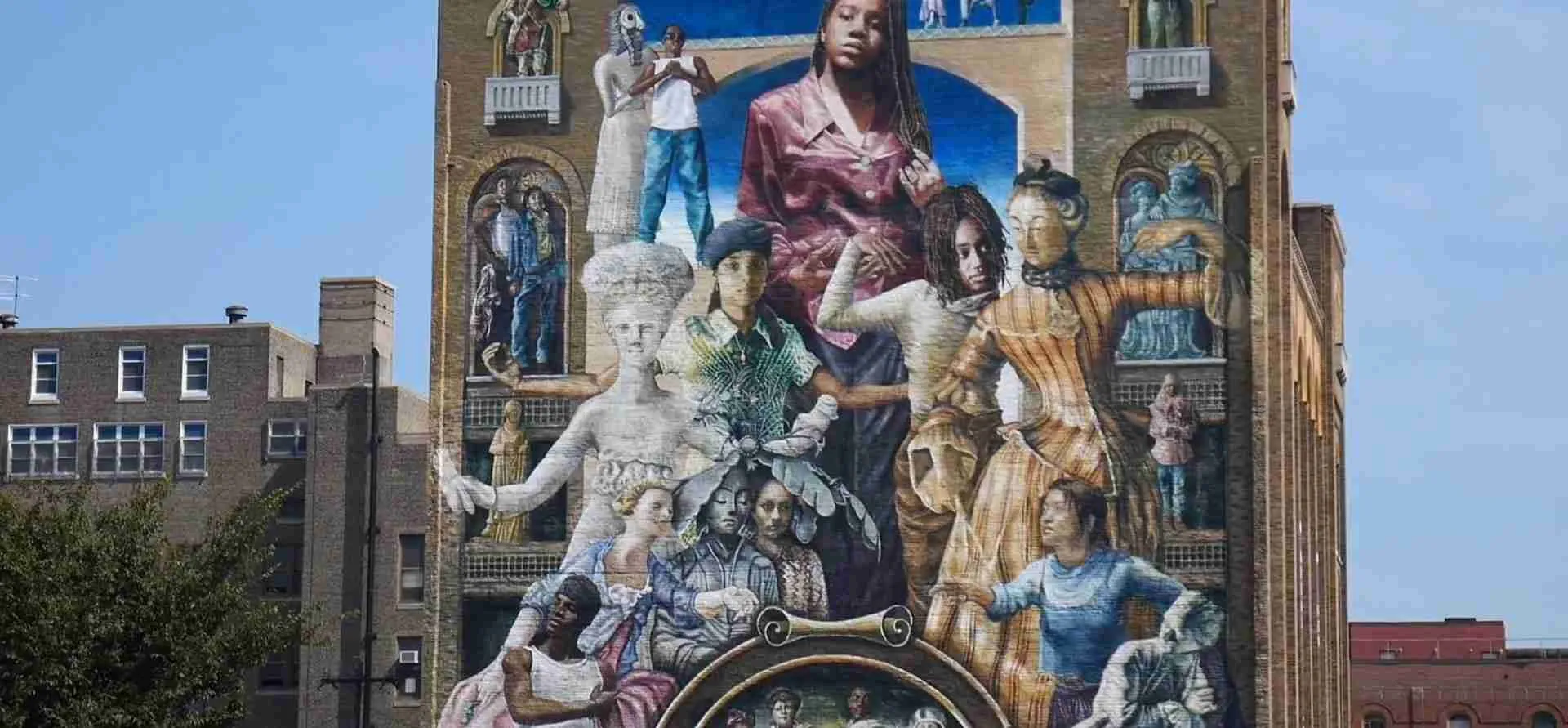
Philadelphia’s designation as “Mural Capital of the World” reflects 4,500 murals transforming the city into the planet’s largest outdoor art gallery accessible 24 hours daily without admission fees or operating hour restrictions. Mural Arts Philadelphia manages the nation’s largest public art program with 40 years of continuous operation creating neighborhood-specific artworks engaging local communities in design processes while beautifying previously neglected urban surfaces. The 2026 Semiquincentennial celebration brings dozens of new murals honoring American freedom themes while existing works remain perpetually accessible throughout every neighborhood from Center City skyscrapers to residential side streets in Kensington, Fishtown, West Philadelphia, and South Philadelphia.
The organization’s 2026 programming lineup includes major installations celebrating musical icons deeply connected to Philadelphia’s cultural identity. The Boyz II Men tribute mural on South Broad Street honors the R&B group’s Philadelphia origins and global success, with installation scheduled for May 2026 creating new visual landmark in South Philadelphia’s commercial corridor. Ahmir “Questlove” Thompson receives recognition via mural at West Philadelphia High School during October 2026, celebrating the Roots drummer’s influence on hip-hop culture and commitment to music education. The Gayborhood gains enhanced presence through new mural honoring LGBTQ+ heroes and leaders including Gloria Casarez, replacing a previous mural removed during development while expanding representation of queer community contributions to Philadelphia’s cultural landscape. These music and culture-focused works join America 250 commemorative murals stretching from the Schuylkill River to the Delaware River creating visual narrative of freedom’s meaning across generations and communities.
The Printmaking by the People project culminates in 2026 after two years of community workshops conducted across all corners of Philadelphia, with everyday artists responding to the question “What does freedom require today?” through printmaking techniques accessible to participants regardless of prior artistic training. Over 50 workshops engaged thousands of residents in creative conversations about contemporary freedom meanings, with resulting prints compiled into public exhibitions transforming participant voices into visual dialogue visible throughout the city. This participatory model exemplifies Mural Arts Philadelphia’s community-centered approach prioritizing local stories and perspectives over imposed artistic visions.
Wanda Raimundi-Ortiz’s “Viaje a la Montaña” public performance scheduled for October 2026 creates living artwork as the interdisciplinary artist leads a parade of community members on four-mile walk from City Hall through Norris Square’s historically Puerto Rican neighborhood. The participatory performance reflects on Puerto Rican heritage while honoring island ecology and celebrating community identity endurance across generations, with stops and gathering points along the route transforming the procession into collective art-making experience. This temporary performative work demonstrates how Mural Arts programming extends beyond permanent painted murals into ephemeral experiences engaging hundreds of participants in collaborative cultural expression.
Major existing murals accessible throughout 2026 include “Philadelphia Muses” by Meg Saligman, a dramatic multi-story work celebrating the city’s creative spirit through larger-than-life female figures representing different artistic disciplines. “Common Threads” by Ann Northrup on South Broad Street presents intricate mosaic depicting diverse community members connected through universal human experiences. “Sanctuary” near 16th and Spring Garden Streets features the Enso circle Zen symbol creating contemplative space addressing mental and emotional health through visual meditation. Steve Powers’ “A Love Letter for You” series comprises 50 murals scattered from 45th Street to 63rd Street along the Market Street corridor in West Philadelphia, with phrases expressing personal and communal affection best experienced from the Market-Frankford elevated train providing mobile viewing platform for the extended installation.
Keith Haring’s “We the Youth” at 22nd and Ellsworth Streets represents the only collaborative public mural by the renowned pop artist remaining intact on its original site, created with Philadelphia and New York high school students plus local artists in 1987 and restored by Mural Arts Philadelphia in 2013 with Keith Haring Foundation support. The bright joyous dancing figures characteristic of Haring’s style create accessible contemporary art visible from public sidewalks in South Philadelphia’s Graduate Hospital neighborhood. The mural’s historical significance as Haring’s sole surviving collaborative outdoor work elevates it beyond typical public art into museum-quality piece accessible without institutional mediation.
The “Tree of Knowledge” by Michael Webb transforms an Old City building facade into elaborate mural depicting books, scrolls, and educational symbols celebrating literacy and learning while the “Spring” component of David Guinn’s Seasons series on Pine Street creates painted tree canopy bridging architectural gap between buildings with digital-pixel color blocks creating contemporary aesthetic. Meg Saligman’s extensive portfolio includes numerous works throughout Philadelphia establishing her as the city’s most prolific and recognizable muralist, with her Ministry of Awe immersive art experience launching in 2026 as permanent installation expanding beyond two-dimensional wall murals into three-dimensional environmental artwork.
Mural Arts Philadelphia offers guided walking and trolley tours throughout the year providing expert interpretation of individual works, artist biographies, community collaboration processes, and technical creation methods, though these tours charge participation fees ranging from $20 to $35 for enhanced educational experience. However, every mural remains completely free for self-guided viewing, with Mural Arts website providing comprehensive searchable map database enabling DIY tour planning via mobile devices during neighborhood exploration. The interactive map allows filtering by neighborhood, theme, artist, and creation date helping visitors identify works matching personal interests or convenient to planned itineraries. Photography of murals is universally permitted and encouraged, with dramatic scale and vivid colors creating exceptional Instagram and social media content documenting Philadelphia visits through locally distinctive imagery unavailable in other American cities.
Streets Dept operates complementary programming promoting Philadelphia’s broader public art ecosystem beyond Mural Arts-managed works, with monthly tours highlighting independent artist projects, wheat-paste installations, and guerrilla art pieces transforming unexpected urban surfaces into canvases. Their programming addresses the full spectrum from officially commissioned murals to spontaneous street art creating comprehensive understanding of how Philadelphia’s visual landscape evolves through both institutional and grassroots creative expression. Tours typically charge modest fees though self-guided exploration following Streets Dept’s online documentation and social media posts enables free discovery of emerging works and artist-led interventions.
Philadelphia’s Magic Gardens at 1020 South Street represents Isaiah Zagar’s life work creating three-dimensional mosaic environment covering indoor galleries and outdoor lots with millions of tiles, mirrors, bicycle wheels, bottles, and found objects assembled into psychedelic folk-art installation. While interior galleries charge $10 admission, the South Street facade visible from public sidewalk showcases Zagar’s distinctive aesthetic freely, with similar mosaic treatments appearing throughout South Philadelphia on residential walls, garden fences, and building surfaces creating neighborhood-wide outdoor gallery of Zagar’s tile work complementing the concentrated Magic Gardens installation.
The Association for Public Art manages Museum Without Walls AUDIO program providing free mobile app, streaming audio, and downloadable content exploring over 75 outdoor sculptures along Benjamin Franklin Parkway, in Fairmount Park, and throughout Center City. The app enables self-guided tours with expert narration explaining individual works, artist intentions, historical context, and relationship to surrounding architecture and landscape. Sculptures range from Frederic Remington’s “Cowboy” and Daniel Chester French’s “General Ulysses S. Grant” to contemporary installations by international artists addressing current social and environmental themes. The audio program transforms casual sculpture viewing into curated educational experience without requiring paid guide services or tour group participation, with content accessible via personal smartphones during flexible self-paced exploration.
Robert Indiana’s LOVE sculpture at 15th Street and John F. Kennedy Boulevard stands as Philadelphia’s most photographed public artwork, with the tilted “O” and stacked letter configuration creating instantly recognizable icon replicated worldwide but originating in Philadelphia’s JFK Plaza. The sculpture remains accessible 24 hours for viewing and photography, with surrounding LOVE Park providing seating areas and lawn spaces for picnics and relaxation in the heart of Center City. The plaza underwent significant 2016-2018 renovation restoring the fountain and improving accessibility while maintaining the sculpture’s prominent placement as visual anchor for the Benjamin Franklin Parkway gateway.
The Rocky Statue at the Philadelphia Museum of Art represents cultural phenomenon merging fictional character with real Philadelphia identity, with Sylvester Stallone’s bronze figure relocated from the top of the museum steps to ground level east of the stairs enabling wheelchair-accessible photography. Visitors queue throughout the day for selfies with the statue before running up the iconic steps Rocky made famous, creating free interactive experience connecting movie mythology with Philadelphia’s actual cultural landscape. The steps themselves function as public art installation through accumulated visitor participation, with the running-up ritual performed by millions since the original 1976 film transformed museum access stairs into participatory performance venue.
Mural viewing strategies vary by neighborhood, with South Philadelphia’s Italian Market area, Northern Liberties’ corridor along 2nd Street, Fishtown and Kensington’s Frankford Avenue, West Philadelphia’s Market Street corridor, and Center City’s Gallery Row concentrated along Arch Street all offering high mural density enabling efficient walking tours discovering multiple works within compact geographic areas. The dispersed nature of Philadelphia’s mural collection means comprehensive viewing requires multiple days and transportation across neighborhoods, but the perpetual free access and 24-hour availability create flexibility for incorporating mural discovery into any Philadelphia itinerary regardless of museums’ operating hours or admission schedules.
Parks, Trails, and Outdoor Spaces 2026
Philadelphia’s park system encompasses over 10,200 acres of green space providing unlimited free outdoor recreation from sunrise to sunset year-round, with Fairmount Park anchoring the nation’s largest urban park system supplemented by specialized waterfront installations, neighborhood playgrounds, and regional attractions accessible via public transit and personal vehicles. The outdoor spaces require zero admission fees while delivering world-class recreational opportunities from hiking and cycling to kayaking and horseback riding throughout 2026.
Fairmount Park spans 9,200 acres along the Schuylkill River and Wissahickon Creek creating the most expansive municipal park in America, with two distinct sections offering different recreational characters and programming. East Fairmount Park between the Philadelphia Museum of Art and the Montgomery County line provides the Schuylkill River Trail’s paved pathway following the riverbank for 8.4 miles from the Art Museum to Manayunk, creating premiere urban cycling and running route with dramatic city skyline views, riverside seating areas, and connections to multiple neighborhoods. The trail maintains completely flat grade suitable for recreational cyclists, inline skaters, and walkers of all fitness levels, with width accommodating bidirectional traffic and separate pedestrian/cyclist zones reducing conflicts. Boathouse Row’s cluster of 15 historic rowing club buildings lit spectacularly at night create postcard-perfect photography opportunities visible from both trail and Kelly Drive roadway paralleling the path. Spring through fall bring intense rowing activity with college crews, high school teams, and club rowers launching shells throughout daylight hours creating athletic spectacle unique to Philadelphia’s Schuylkill waterfront. The trail continues north beyond Manayunk into Valley Forge National Historical Park’s 3,500 acres, with the combined 26-mile Schuylkill River Trail delivering exceptional long-distance cycling opportunities entirely on car-free paved pathway.
West Fairmount Park encompasses the Wissahickon Valley’s 1,800 acres featuring 50 miles of trails winding through wooded gorge terrain offering mountain biking on rugged single-track paths, hiking on forest trails ranging from easy to challenging grades, horseback riding on designated equestrian routes, and stream-side walking on the popular Forbidden Drive gravel path running 5.5 miles from Northwestern Avenue to Wissahickon Avenue. Forbidden Drive maintains vehicle prohibition status allowing pedestrians, joggers, cyclists, and equestrians to share the historic carriage road without automotive intrusion, with the shade-dappled path following Wissahickon Creek through mature forest creating escape from urban intensity despite remaining entirely within city limits. Multiple historic structures including Valley Green Inn, covered bridges, and stone springhouses provide architectural interest along routes, while tributary trails branching from Forbidden Drive enable exploration of steeper terrain and more remote forest sections. Mountain biking culture thrives in the Wissahickon with technical trails testing advanced riders while gentler options accommodate intermediate cyclists seeking natural surface riding close to home. The trail network’s complexity requires maps available via Philadelphia Parks & Recreation website and dedicated Wissahickon Valley Park app providing GPS-enabled navigation preventing disorientation in the extensive interconnected pathway system.
The Delaware River Waterfront delivers completely different outdoor character compared to Fairmount Park’s wooded naturalism, with human-designed installations and programming creating seasonal attractions along the city’s eastern boundary. Race Street Pier at 301 North Columbus Boulevard provides expansive green lawn, hammock grove with 50 hammocks available first-come first-served, river overlooks with Benjamin Franklin Bridge views, and seasonal food vendors creating popular summer hangout from May through September. The pier extends into the Delaware River creating unique perspective on waterfront activity including container ship traffic, pleasure craft, and waterfront development projects visible from the terminus deck. Cherry Street Pier at 121 North Columbus Boulevard operates year-round with rotating art installations, weekend programming, and flexible event space hosting community gatherings, with the repurposed 1960s pier building providing weather-protected indoor space supplementing outdoor deck areas. Free admission enables casual drop-in visits without commitment to structured programming, while scheduled events including craft markets, outdoor movie screenings, and seasonal celebrations attract crowds for enhanced experiences beyond standard pier access.
Spruce Street Harbor Park operates seasonally from late April through September transforming the waterfront between Chestnut and Walnut Streets into festive boardwalk with colorful hammocks, floating gardens, game areas, food vendors, and bar service creating adult-oriented atmosphere compared to family-focused pier programming elsewhere on the waterfront. Boardwalk access, hammock use, lawn seating, and fountain splash areas require zero fees while food and beverage purchases operate on pay-per-item basis enabling budget-conscious visitors to enjoy the environment without spending beyond optional concessions. The Harbor Park’s seasonal operation reflects the Delaware waterfront’s programming model concentrating investment and activity during warmer months when outdoor recreation demand peaks while reducing winter operating costs during months when weather discourages waterfront visits.
Cira Green provides Philadelphia’s only elevated park, occupying the 12th floor of the Cira Centre South office building in University City with rooftop green space offering dramatic city skyline views across the Schuylkill River. Free access year-round from sunrise through general park hours creates destination for contemplative city viewing and casual recreation, while seasonal Sunset Social programming from April through October delivers free outdoor movie screenings on 60-foot screen every Wednesday evening, live music performances on Friday nights, corn hole tournaments, ice cream socials, video gaming sessions, and family programming including kids’ movie matinees and silent discos. The rooftop location creates spectacular sunset viewing opportunities with western sky unobstructed by tall buildings, while nighttime visits enable dramatic city lights photography capturing Philadelphia’s illuminated skyline from unique elevated vantage point. Dogs welcome at all times enhance the park’s appeal for pet owners seeking green space in the dense University City neighborhood, while prohibition on outside food and alcohol reflects the property management’s desire to direct concession sales to on-site vendors while maintaining family-appropriate environment.
Franklin Square at 6th and Race Streets represents one of William Penn’s original five public squares laid out in 1682, with the historic urban park providing central fountain with seasonal water shows every 30 minutes from April through October, Parx Liberty Carousel offering $3 rides inside climate-controlled pavilion, Philly Mini Golf’s 18-hole miniature course ($10 per round) featuring Philadelphia landmarks including Liberty Bell and Independence Hall, and SquareBurger restaurant providing casual dining options. While carousel rides and mini golf charge fees, the fountain area, benches, pathways, and green lawn spaces remain completely free for relaxation, with fountain choreography synchronized to changing music creating family entertainment at no cost throughout warm weather months. The square’s Old City location within Independence National Historical Park places it along natural walking routes between Liberty Bell and other historic sites, creating convenient rest stop during comprehensive heritage tourism itineraries.
Dilworth Park facing City Hall’s western entrance provides premier urban plaza with seasonally changing programming including winter ice skating rink from November through February (admission charged for skating), summer fountain splash area for children, café seating with city views, and free performance and event space hosting everything from farmers markets to political rallies. The plaza’s 2014 creation transformed previously traffic-dominated space into pedestrian-friendly gathering place with exceptional accessibility, sight lines to City Hall’s William Penn statue crowning the building, and flexible programming enabling year-round activation with appropriate seasonal attractions. Free WiFi throughout the plaza, plentiful seating, and restroom facilities in adjacent SEPTA transit station create comfortable extended visits without requiring commercial purchases, though Dilworth Park Café provides premium coffee and light meals for visitors seeking refreshments.
Rittenhouse Square at 18th and Walnut Streets anchors Philadelphia’s most affluent residential neighborhood with elegant urban park providing shade trees, central plaza with fountain, perimeter pathways for walking loops, and people-watching opportunities observing Philadelphia’s fashionable residents and their equally stylish dogs. The square functions as outdoor living room for surrounding high-rise dwellers while welcoming all visitors to enjoy the carefully maintained landscape free of charge throughout the year. Farmers market operates Tuesday and Saturday mornings from May through November with premium local produce, prepared foods, and artisan goods creating community gathering complementing the square’s standard passive recreation role.
Washington Square between 6th and 7th Streets, Walnut and Locust Streets preserves its 18th-century role as burial ground, with the Tomb of the Unknown Revolutionary War Soldier and eternal flame honoring soldiers and prisoners who died during British occupation of Philadelphia from 1777 to 1778. The peaceful square provides contemplative space with mature trees, walking paths, and historic interpretation explaining the site’s significance during the Revolutionary War and subsequent development as formal urban park. The square’s location between Independence National Historical Park and Society Hill’s residential neighborhood creates natural pathway for extended walking tours connecting historic sites with pleasant outdoor respites.
Penn’s Landing stretches along the Delaware River waterfront between Market and Lombard Streets providing festival grounds, amphitheater, sculpture garden, and waterfront promenade hosting numerous free cultural celebrations throughout the year including Mexican Independence Day Festival, Bastille Day celebration, and various ethnic heritage festivals bringing food, music, dance, and crafts representing Philadelphia’s diverse immigrant communities. The Blue Cross RiverRink operates seasonally with ice skating in winter and roller skating in summer charging admission for recreational skating while the waterfront promenade itself remains free for walking, jogging, and river viewing year-round.
Smith Memorial Playground at 3500 Reservoir Drive in East Fairmount Park provides the world’s largest wooden playscape with 6.5 acres designed specifically for children ages 1 to 10, featuring giant slide house with multi-story chute slides, wooden play structures, swings, see-saws, and equipment specifically designed for toddler safety and age-appropriate challenges. Free admission Tuesday through Sunday year-round makes Smith Playground Philadelphia’s premier free family destination, with the historic 1899 play facility continuously updated with modern safety standards while preserving wooden construction aesthetic and challenging play philosophy encouraging physical risk-taking within supervised environment. Indoor mansion space provides climate-controlled play areas for use during extreme weather while maintaining the playground’s year-round operational schedule.
Valley Forge National Historical Park located 18 miles northwest of Center City provides 3,500 acres of Revolutionary War history combined with extensive trail network for hiking, cycling, and exploring the Continental Army’s 1777-1778 winter encampment. Free admission to the park enables touring reconstructed soldier cabins, Washington’s Headquarters, numerous monuments and memorials, and 26 miles of trails connecting historic sites with woodland paths. Trolley tours charge fees for narrated transportation around the park’s widely dispersed attractions, but self-guided exploration via personal vehicle or bicycle enables comprehensive free touring for visitors with transportation access. The park’s regional location requires dedicated planning but rewards history enthusiasts and outdoor recreation seekers with less crowded alternatives to Center City attractions while maintaining complete Revolutionary War thematic connections to Philadelphia’s Independence National Historical Park sites.
Bartram’s Garden at 5400 Lindbergh Boulevard preserves America’s oldest surviving botanic garden established by John Bartram in 1728, with 50 acres of gardens, meadows, river trails, and the historic Bartram family home overlooking the Schuylkill River. Free admission Wednesday through Sunday from 10 AM to 5 PM enables exploring historic plant collections, river overlooks, wetland boardwalks, and agricultural demonstrations while the garden’s Southwest Philadelphia location provides relatively quiet alternative to heavily visited Center City attractions. The Common Ground farming project grows vegetables for local distribution demonstrating urban agriculture potential while Bartram’s historic seed cataloging and plant introduction work established foundation for American botanical science.
Free Festivals and Annual Events 2026
Philadelphia’s festival calendar peaks during 2026’s Semiquincentennial celebration with free events scheduled weekly throughout the year culminating in Wawa Welcome America’s 16-day extravaganza from June 19 through July 4 representing the nation’s largest Independence Day celebration. The festival programming combines historic commemoration with contemporary entertainment creating opportunities for repeated free experiences across multiple days and neighborhoods throughout the year.
Wawa Welcome America operates from June 19 through July 4 delivering consecutive free programming beginning with Juneteenth celebrations and building toward Independence Day climax. The festival encompasses Free Museum Days at 44 participating institutions with different museums offering free admission on different days throughout the two-week period, enabling visitors to experience Barnes Foundation, Franklin Institute, National Constitution Center, Independence Seaport Museum, African American Museum in Philadelphia, and numerous additional premier cultural institutions without admission fees by coordinating visits with published free day schedules. Major outdoor concerts on the Benjamin Franklin Parkway bring national headliner performances free to tens of thousands of attendees, with 2026’s lineup announced closer to festival dates through visitphilly.com and Wawa Welcome America official channels. Neighborhood block parties activate communities across Philadelphia with stages, food vendors, activities, and local performers creating distributed celebration reaching beyond Center City tourist zones into residential areas from South Philadelphia to Northeast Philadelphia neighborhoods.
The Red, White, & Blue To-Do parade on July 3 marches through Old City and Society Hill with floats, marching bands, and community groups before arriving at the Great Plaza at Penn’s Landing for afternoon block party with live entertainment and activities. The grand finale July 4th concert and fireworks on the Benjamin Franklin Parkway attracts over one million spectators, with the Party on the Parkway concert featuring major musical acts performing from stages positioned for optimal viewing from the grassy expanses between Logan Square and the Philadelphia Museum of Art, culminating in massive fireworks display launched from the Art Museum roof creating spectacular pyrotechnic show synchronized to patriotic music and visible throughout Center City and surrounding neighborhoods. The Parkway concert requires arriving several hours early for premium lawn positions near the stage, with less crowded viewing available farther back along the Parkway and from surrounding street locations where fireworks visibility remains excellent despite increased distance from musical performances.
The 52 Weeks of Firsts extends Semiquincentennial celebration throughout 2026 with weekly free events honoring Philadelphia’s revolutionary contributions from the first hospital and first library to the first computer and first American flag, each week featuring storytelling, art installations, community activities, and Saturday Firstivals bringing monthly neighborhood celebrations to different areas across Philadelphia. The weekly schedule published via philadelphia.gov/2026 enables advance planning to attend specific commemorations matching personal interests, with events ranging from intimate gallery talks to large-scale outdoor festivals depending on the particular “first” being celebrated and the neighborhood hosting that week’s Saturday Firstival. Locations rotate systematically across Philadelphia ensuring no neighborhood feels excluded from Semiquincentennial programming while introducing visitors to areas beyond typical tourist circuits, with each Saturday Firstival featuring local food vendors, artists, musicians, and community organizations showcasing neighborhood character through free accessible programming.
The Philadelphia Juneteenth Parade & Festival celebrates freedom annually on June 21 with vibrant procession from Independence Mall through Center City to Malcolm X Park followed by afternoon festival featuring live music across multiple stages, dance performances representing African diaspora traditions, youth activities, local food and craft vendors, and community resource tables connecting attendees with social services and organizations. Free admission and family-friendly programming create accessible celebration of African American freedom and culture, with the parade route enabling curbside viewing throughout Old City while the festival grounds at Malcolm X Park provide concentrated activities in the historic Richard Allen Homes neighborhood. The 2026 edition incorporates Semiquincentennial themes examining freedom’s meaning 250 years after the Declaration of Independence while acknowledging that “all men are created equal” excluded enslaved Africans from its promises at the document’s 1776 drafting.
First Friday Old City art gallery openings occur monthly throughout the year beginning at 5 PM, with dozens of commercial galleries and alternative art spaces opening doors free to the public for new exhibition debuts, artist talks, wine receptions, and street programming creating monthly art crawl through Old City’s concentrated gallery district. The informal evening enables gallery hopping across multiple venues within walking distance, with some galleries providing complimentary refreshments while others maintain more formal exhibition viewing atmospheres. First Friday attracts crowds ranging from serious art collectors to casual culture seekers, with the social energy and gallery density creating vibrant urban scene regardless of participants’ art knowledge or purchase intentions. Chestnut Hill’s Art After 5 program operates similar monthly gallery opening format in the Northwest Philadelphia neighborhood, providing alternative First Friday experience in suburban-character setting with different gallery roster and more intimate scale compared to Old City’s concentrated urban district.
The Manayunk StrEAT Food Festival transforms Main Street Manayunk into pedestrian zone on April 19 with over 70 food trucks and gourmet vendors plus neighborhood restaurants offering outdoor service, creating massive street fair atmosphere with live music on two stages positioned at either end of the eight-block closure from Levering to Green Streets. Free admission enables walking the full festival route sampling different vendors on pay-per-item basis, with craft beer gardens, wine tastings, dessert specialists, and international cuisine representing everything from BBQ to Vietnamese banh mi creating comprehensive culinary experience. Family area on Lock Street provides dedicated kids’ space with activities and entertainment separated from main festival corridor, while multiple ATMs and mobile payment acceptance from most vendors facilitates transactions despite the outdoor casual setting. Crowds peak during midday and early afternoon hours, with morning arrival enabling more comfortable navigation before maximum density occurs around 1 PM to 3 PM.
Flavors on the Avenue in South Philadelphia’s East Passyunk neighborhood on April 26 delivers similar food festival format across five blocks of East Passyunk Avenue from Broad Street to Dickinson Street, with over 100 participating restaurants, local makers, and artisans setting up outdoor stations showcasing the neighborhood’s acclaimed dining scene. Free attendance with pay-as-you-go food and beverage purchases enables sampling multiple establishments in single afternoon, with live music across multiple stages, kids’ activities, sidewalk sales from retail shops, and street vendors creating comprehensive neighborhood celebration beyond pure food focus. The festival highlights East Passyunk Avenue’s transformation from traditional Italian-American commercial corridor to contemporary dining destination while maintaining connections to heritage businesses and cultural traditions through vendor mix and programming elements celebrating neighborhood history alongside contemporary innovation.
The Southeast Asian Market at FDR Park operates every Saturday and Sunday from 10 AM to 6 PM beginning in April and continuing through October, providing free admission to grounds where over 80 vendors offer authentic Lao, Khmer, Thai, Vietnamese, and Indonesian cuisine, culturally specific produce and plants, traditional clothing and jewelry, and services in multiple languages reflecting South Philadelphia’s significant Southeast Asian immigrant communities. The market creates opportunity to experience genuinely authentic street food and regional specialties rarely available in conventional restaurants, with vendors preparing traditional recipes using specialized ingredients sourced through community networks. Cash-only policies at many vendors require ATM access, though the market provides on-site ATM and some vendors accept mobile payment apps. Picnic blanket policy encourages bringing seating for enjoying purchased food in the park setting, while the outdoor location makes weather contingencies important with potential closure during severe rain or extreme heat announced via the market’s social media channels.
The Italian Market Festival on Mother’s Day weekend typically in May transforms South 9th Street into pedestrian zone celebrating the nation’s oldest continuously operating outdoor market with live music across multiple stages, greased pole climbing competitions continuing controversial tradition originating in Italian festa celebrations, restaurant sidewalk service from the corridor’s acclaimed dining establishments, specialty food vendors, and crowds numbering in tens of thousands creating intense but festive atmosphere. Free admission enables wandering the festival route sampling different vendors and entertainment, though the density requires patience and tolerance for close crowds particularly during peak afternoon hours. The market’s regular weekday and Saturday operations continue throughout the year providing opportunities for less crowded exploration of permanent vendors selling produce, meat, fish, cheese, prepared foods, and specialty ingredients in the authentic working market environment separate from the festival’s enhanced special event programming.
The Puerto Rican Day Parade and Festival typically in late September brings massive procession along the Benjamin Franklin Parkway celebrating Puerto Rican heritage and cultural contributions, with elaborate floats, community organizations, politicians, and performers creating vibrant spectacle followed by daylong festival at Penn’s Landing with live music, dance performances, traditional food vendors, and artisan crafts representing Puerto Rican culture. Free attendance at both parade and festival enables comprehensive cultural immersion without admission barriers, while the scale and energy create memorable experience for participants from all backgrounds interested in experiencing Philadelphia’s significant Puerto Rican community’s public celebration.
The Mexican Independence Day Festival at Penn’s Landing typically around September 16 delivers similar format celebrating Mexican culture through music, dance, cuisine, and crafts representing Mexico’s diverse regional traditions. Free afternoon festival includes folkloric dance performances, mariachi music, wrestling exhibitions, children’s activities, and vendor marketplace offering authentic Mexican food, beverages, and handicrafts creating comprehensive cultural celebration accessible to entire community regardless of heritage or familiarity with Mexican traditions.
Subaru Cherry Blossom Festival celebrating Japanese culture typically in April coincides with blooming of cherry trees gifted by Japanese government in 1926 honoring America’s 150th independence anniversary, though the 2027 festival is currently scheduled for April 3-4 rather than 2026 based on current information. When operating, the festival transforms Fairmount Park into Japanese cultural celebration with martial arts demonstrations, tea ceremony presentations, anime and manga exhibits, taiko drumming performances, and cherry blossom viewing along blooming corridors where over 1,000 trees planted through Japan America Society of Greater Philadelphia’s campaign create spectacular pink and white displays during peak bloom typically lasting two weeks in early to mid-April weather depending.
Philadelphia Folk Festival, Philadelphia Fringe Festival, and Philadelphia International Film Festival charge admission for performances and screenings though each incorporates free components including outdoor performances, preview events, and community programming enabling partial participation without ticket purchases. Checking individual festival websites identifies specific free offerings within broader paid programming schedules, with free components providing taste of festival atmospheres and artistic content without financial commitment to full festival passes.
Diwali celebrations, Bastille Day festivities, Irish Week programming, Polish Constitution Day observances, and numerous additional ethnic heritage festivals throughout the year reflect Philadelphia’s extraordinary diversity with free community celebrations introducing broader publics to cultural traditions through food, music, dance, and educational programming. The Office of Immigrant Affairs coordinates many official celebrations while community organizations independently produce additional festivals creating year-round opportunities for cultural exploration beyond dominant American mainstream traditions represented in conventional tourism marketing.
Neighborhood-Specific Free Experiences 2026
Philadelphia’s neighborhood diversity creates distinct free experiences varying dramatically across the city’s residential and commercial districts, with each area offering unique attractions, architectural character, and cultural programming beyond centralized Center City tourist zones. Strategic neighborhood exploration reveals authentic Philadelphia culture inaccessible through conventional Independence Hall and Liberty Bell circuits while maintaining completely free access throughout 2026.
Old City between Front and 6th Streets, Market and Walnut Streets concentrates historic significance with Elfreth’s Alley at 126 Elfreth’s Alley representing America’s oldest continuously inhabited residential street built in 1702, with the narrow cobblestone lane and preserved 18th-century houses creating living history environment accessible for exterior viewing year-round at no charge. Walking the alley’s 100-foot length transports visitors to colonial Philadelphia through architectural authenticity unavailable in reconstructed historic villages, with private residences maintaining period facades while functioning as contemporary homes. The Elfreth’s Alley Museum charges $5 admission for interior house tours, but the street itself and exterior architectural appreciation remain completely free creating essential photo opportunity for heritage tourism documentation. Christ Church at 20 North American Street, Betsy Ross House at 239 Arch Street, and Fireman’s Hall Museum at 147 North 2nd Street cluster within three-block radius enabling efficient walking tour combining religious history, Revolutionary War mythology, and firefighting heritage in compact Old City circuit.
First Friday gallery openings transform Old City monthly into art district with 3rd Street’s Gallery Row, Arch Street’s alternative spaces, and Church Street’s commercial galleries providing concentrated free exhibition access from 5 PM through 8 PM or later. The informal evening encourages gallery hopping across multiple venues, with some providing wine receptions and artist talks while others maintain quieter exhibition viewing atmospheres. Participating galleries vary monthly but typically include 20 to 30 spaces spanning contemporary painting, photography, sculpture, installation art, and experimental media. The social energy and pedestrian activity create vibrant urban scene regardless of art knowledge or collection-building intentions, with Old City’s concentration of restaurants and bars enabling extended evenings combining culture and dining in single neighborhood visit.
South Philadelphia encompasses multiple distinct sub-neighborhoods each offering characteristic free experiences. The Italian Market along 9th Street from Wharton to Fitzwater Streets operates as working outdoor market Wednesday through Sunday year-round with permanent vendors selling fresh produce, meat, fish, cheese, and specialty Italian ingredients from open-air stalls creating authentic market atmosphere unchanged in fundamental character since the early 20th century despite contemporary vendor mix including Mexican, Vietnamese, and other cuisines reflecting neighborhood demographic evolution. Walking the market requires no admission, with vendors encouraging browsing though purchases obviously support the market’s continuation. The permanent vendors’ weekday and Saturday operations provide less crowded alternative to Mother’s Day Festival’s intense special event programming while maintaining genuine market character and merchant-customer interactions characteristic of traditional neighborhood commerce.
East Passyunk Avenue from Broad Street to Dickinson Street represents Philadelphia’s most acclaimed dining corridor outside Center City, with nationally recognized restaurants, bakeries, coffee shops, and specialty food stores creating pedestrian-friendly strip perfect for window-shopping, architectural appreciation, and people-watching at no cost beyond optional purchases. The avenue’s traditional South Philadelphia character manifests through rowhome architecture, neighborhood social dynamics, and remaining heritage businesses operating alongside contemporary establishments, creating authentic Philadelphia neighborhood experience contrasting dramatically with Old City’s tourist-oriented character. The Singing Fountain at East Passyunk Avenue and Tasker Street provides quirky focal point with synchronized water and music performances creating unexpected delight in residential commercial corridor, while the Avenue’s southern portion toward Dickinson Street features increasingly adventurous restaurant concepts as gentrification pressures expand from the Broad Street anchor northward.
Fishtown and Kensington in Northeast Philadelphia deliver post-industrial neighborhood character with Frankford Avenue’s concentration of independent shops, restaurants, breweries, and music venues creating bohemian district atmosphere. Free walking enables architectural appreciation of converted industrial buildings, rowhouse streetscapes, and contemporary murals particularly concentrated along Frankford Avenue and intersecting east-west streets. Johnny Brenda’s, Kung Fu Necktie, and other music venues charge admission for evening performances but the street scene, brewery taprooms’ outdoor seating, and public art remain freely accessible during daytime exploration. The Fillmore Philadelphia concert venue at 29 East Allen Street operates as major music performance space though ticket prices reflect commercial entertainment rather than free community programming, while surrounding neighborhood provides authentic working-class Philadelphia character increasingly rare in gentrifying areas closer to Center City.
Northern Liberties centered on 2nd Street from Girard Avenue to Poplar Street transformed from post-industrial decline to contemporary residential and entertainment district, with Liberty Lands Park at North 2nd and Wildey Streets providing community green space created from former vacant lot into neighborhood gathering place with playground equipment, community garden plots, and open lawn for events and casual recreation. The park hosts free seasonal programming including Easter egg hunts, summer movie nights, and community celebrations activating the space beyond standard passive recreation role. Piazza at Schmidt’s at Hancock Street and Germantown Avenue creates public plaza surrounded by mixed-use development, with the elevated plaza hosting farmers markets, fitness classes, and community events providing free programming in privately owned but publicly accessible space demonstrating contemporary urban development’s public realm obligations.
Manayunk along Main Street in the Roxborough section provides small-town commercial corridor character despite Philadelphia city limits location, with boutique shops, restaurants, and bars creating destination dining and nightlife district. The Manayunk Canal towpath offers 1.5-mile walking and cycling path following the historic canal parallel to Main Street, providing car-free recreation route with restored locks, bridges, and canal infrastructure demonstrating 19th-century transportation engineering. Free access enables walking or cycling the towpath year-round, though the relatively short length limits it to neighborhood-scale recreation rather than extended exercise compared to Schuylkill River Trail’s 26-mile distance. Main Street’s retail concentration creates window-shopping opportunities, though the district’s boutique character means browsing rather than affordable purchasing for most visitors given premium pricing reflecting the area’s affluent residential demographics and destination shopping reputation.
Chestnut Hill in Northwest Philadelphia maintains suburban village character within city limits, with Germantown Avenue’s commercial strip offering upscale boutiques, galleries, restaurants, and specialty shops in pedestrian-friendly historic district. Free access to Woodmere Art Museum on Sundays provides the neighborhood’s most significant cultural attraction beyond commercial browsing, while Pastorius Park and other green spaces enable outdoor recreation complementing the shopping-focused main street experience. The neighborhood’s distance from Center City (accessible via regional rail) and affluent character create different demographic and price environment compared to grittier authentic Philadelphia neighborhoods, though the architectural preservation and walkable scale demonstrate early suburban development patterns predating automobile-dependent sprawl.
University City centered on Penn and Drexel campuses creates young adult-oriented district with accessible cultural programming through university museums and performance venues, many offering community access at reduced or free admission during specific hours. Cira Green and Schuylkill Banks provide outdoor recreation immediately adjacent to university campuses, while the international student population creates diverse restaurant and cafe scene along Baltimore Avenue, Chestnut Street, and Walnut Street reflecting global cuisines from Korean to Ethiopian to Thai representing student body diversity through authentic rather than Americanized preparations. Campus architecture spanning Penn’s Collegiate Gothic to Drexel’s contemporary buildings provides stylistic variety within compact walking district, with College Hall’s Victorian Gothic and the Institute of Contemporary Art’s brutalist forms demonstrating how educational institutions commissioned signature buildings across architectural eras.
Seasonal Free Activities and Programming 2026
Philadelphia’s four distinct seasons create varying free experience opportunities with warm weather months from April through October offering peak outdoor programming while winter months shift emphasis toward indoor cultural attractions and holiday-themed events. Strategic seasonal planning maximizes appropriate experiences throughout the year while acknowledging climate limitations affecting outdoor comfort and programming schedules.
Spring from April through May delivers cherry blossom blooming throughout Fairmount Park and neighborhood streets where Japanese flowering cherry trees planted during historical gifting campaigns create pink and white canopy displays typically peaking in early to mid-April depending on winter temperature patterns and spring warmth arrival. The Morris Arboretum, Bartram’s Garden, and Longwood Gardens supplement urban street tree viewing with cultivated garden displays, though Longwood charges admission while Bartram’s Garden maintains free access. The blooming coincides with migratory bird arrival making Wissahickon Valley Park and John Heinz National Wildlife Refuge at Tinicum productive destinations for birdwatching without equipment requirements beyond binoculars and field guides. Spring also brings seasonal waterfront openings with Spruce Street Harbor Park and Race Street Pier resuming programming as temperatures enable comfortable outdoor recreation, while seasonal markets including the Southeast Asian Market at FDR Park commence weekend operations continuing through October.
Summer from June through August concentrates free festival programming with Wawa Welcome America’s 16-day June 19 through July 4 celebration dominating the seasonal calendar while weekly concerts, neighborhood festivals, and outdoor movies continue throughout July and August. The Dell Music Center in Fairmount Park presents free outdoor concerts on summer evenings with programming ranging from classical music to jazz to soul and R&B, attracting audiences numbering thousands for popular performances under the distinctive shell structure. Bring-your-own-blanket and picnic policies enable economical evenings with food and beverage budgets controlled through personal provisions rather than venue concession requirements. Movies Under the Stars programs operate at multiple locations including Cira Green’s Wednesday screenings on 60-foot screen, Cherry Street Pier’s family movie nights, and neighborhood park screenings announced via Philadelphia Parks & Recreation channels enabling free entertainment across diverse city locations rather than concentrating exclusively in Center City tourist zones.
Outdoor swimming at city pools operates from late June through late August with admission charges of $3 for youth and $5 for adults at most facilities, though some pools offer free community swimming hours announced through individual pool management and neighborhood recreation centers. Spray grounds and fountains throughout neighborhood parks provide free water play for children without pool admission requirements, with Dilworth Park’s fountain plaza and FDR Park’s spray areas particularly popular for cooling during summer heat while maintaining supervised safe environments appropriate for young children.
Fall from September through November brings moderate temperatures ideal for extended walking tours and outdoor festival attendance without summer heat or winter cold extremes affecting comfort. The foliage color change typically peaks in mid to late October throughout Wissahickon Valley Park and Fairmount Park’s wooded sections, creating spectacular autumn displays viewable from Forbidden Drive, Wissahickon Trail network, and scenic overlooks along Lincoln Drive and Wissahickon Avenue. The seasonal transition also concentrates harvest-themed programming including farmers market peak seasons, apple picking at regional orchards accessible via day trip, and Halloween events at Eastern State Penitentiary (admission charged for Terror Behind the Walls haunted house though daytime tours and some special programming maintain standard admission rather than premium Halloween pricing).
Winter from December through March shifts emphasis toward indoor cultural attractions with museums, galleries, and historic sites providing climate-controlled environments during cold weather months. The Rothman Orthopaedics Ice Rink at Dilworth Park operates from November through February with admission charges for skating though the surrounding plaza maintains free access for observing skaters and enjoying the winter atmosphere without participation costs. Blue Cross RiverRink Winterfest at Penn’s Landing offers similar ice skating with admission fees plus holiday-themed installations and winter lodge atmosphere creating festive seasonal destination, though again the waterfront promenade itself remains free for walking and river viewing without skating participation. Christmas Village in Philadelphia at LOVE Park operates annually during November and December with traditional German-style market offering crafts, ornaments, food, and holiday shopping in outdoor market setting requiring no admission for browsing though purchases obviously involve vendor prices for goods and refreshments.
New Year’s Day brings the Philadelphia Mummers Parade on Broad Street from South Philadelphia through Center City, with elaborate sequined costumes, string band performances, and comic division satire creating uniquely Philadelphia tradition unavailable elsewhere in America. Free curbside viewing along the parade route enables experiencing the spectacle without tickets or admission charges, though arrival several hours before the 9 AM start time secures premium viewing positions particularly near City Hall where judges’ stands concentrate performance intensity. The parade typically continues for 6 to 8 hours as all divisions complete the route, with later afternoon hours often experiencing reduced crowd density compared to morning peak as cold weather and lengthy duration thin spectator numbers enabling closer viewing for patient observers willing to endure January cold.
Valentine’s Day programming at LOVE Park and throughout romantic neighborhoods creates couples-focused seasonal programming typically free beyond optional restaurant and retail spending, while St. Patrick’s Day brings parade and festival celebration along the Benjamin Franklin Parkway in mid-March with Irish cultural programming, live music, and community festivities requiring no admission charges. Easter weekend typically features egg hunts at multiple neighborhood parks including Liberty Lands and Smith Playground with free participation for children within designated age ranges, while the South Street Easter Promenade creates quirky adults-focused parade and block party celebrating spring with costumes, music, and street performances in the eclectic South Street corridor known for alternative culture and bohemian character.
Weather contingencies affect outdoor programming throughout the year with severe thunderstorms, extreme heat, or winter snow causing cancellations or modifications announced via event organizers’ websites and social media channels. Indoor backup plans during unpredictable weather periods should include always-free museums, galleries, historic sites with climate control, and shopping districts providing weather protection while maintaining free browsing opportunities. The combination of always-available indoor options with seasonal outdoor programming enables successful Philadelphia visits regardless of weather challenges, though advance research identifying appropriate alternatives prevents disappointment when anticipated outdoor activities become impossible due to climate conditions.
Transportation to Free Attractions 2026
Philadelphia’s compact geography and extensive public transit network enable car-free exploration of virtually all free attractions using SEPTA subway, bus, trolley, and regional rail services supplemented by walkability within concentrated districts where multiple attractions cluster within one-mile radius. Transportation costs represent the primary expense for budget-focused visitors accessing free attractions, with strategic transit pass purchases and walking routes minimizing even these necessary expenditures.
SEPTA operates subway lines connecting major neighborhoods and attraction zones, with the Broad Street Line running north-south from Fern Rock Transportation Center through Center City to Pattison Avenue serving sports stadiums, while the Market-Frankford Line runs east-west from 69th Street Transportation Center through West Philadelphia, Center City, and Old City to Frankford Transportation Center serving University City, City Hall, Independence Mall, and Fishtown neighborhoods. Single rides cost $2.50 when purchased via SEPTA Key card, with day passes available for $8 enabling unlimited rides within 24-hour period making passes economical for visitors planning three or more trips in single day. Weekly passes at $27 provide unlimited access for seven consecutive days, though most tourists complete Philadelphia free attraction visits within two to three days making day passes more cost-effective than weekly commitment.
Bus routes supplement subway lines reaching neighborhoods without rail access, with particularly useful routes including the 21 Chestnut Street bus connecting West Philadelphia through University City and Center City to Delaware waterfront, the 23 Germantown Avenue bus serving Northern Liberties and Fishtown, the 47 bus connecting Center City with West Philadelphia and Fairmount Park, and the 17 bus serving South Philadelphia neighborhoods. Bus fares match subway pricing at $2.50 per ride or unlimited via day and weekly passes, with the combined bus and subway network enabling comprehensive city coverage without automobile expenses. Transit maps available via SEPTA website and mobile app enable route planning identifying appropriate services between specific origins and destinations, while Google Maps transit directions integrate SEPTA schedules providing real-time departure information and multi-leg journey planning combining walking and transit segments.
Trolley routes including Routes 10, 11, 13, 34, and 36 serve West Philadelphia neighborhoods with vintage trolley cars or modern vehicles depending on route, operating on street-level tracks providing scenic transportation character unavailable via subway’s underground tunnels. Trolley fares match standard SEPTA pricing with Key card or pass acceptance, while route maps available via SEPTA enable understanding service areas and transfer points between trolley and subway lines at common stations.
Regional Rail connects Center City with suburban counties and regional attractions including Valley Forge National Historical Park via Norristown Line to King of Prussia Station requiring additional travel to park entrance, Longwood Gardens via Wilmington Line to Wilmington followed by additional transportation, and other attractions outside Philadelphia city limits. Regional Rail fares vary by distance traveled from $4.25 for short trips to $9 for longest Philadelphia County to outer county journeys, with Key card acceptance and day passes unavailable requiring ticket purchase via SEPTA Key app, ticket vending machines, or station agents. Regional Rail operates on commuter schedule with frequent service during weekday rush hours but reduced midday and weekend frequencies requiring schedule consultation before travel to avoid extended waits at stations during off-peak periods.
Walking provides completely free transportation within concentrated districts where attractions cluster in compact geography. Old City’s historic sites from Liberty Bell at 6th and Market to Christ Church at 2nd and Market span less than one mile enabling comprehensive walking tours without transit needs beyond initial arrival from accommodation locations. The Benjamin Franklin Parkway from City Hall to Philadelphia Museum of Art extends 1.5 miles with gradual uphill grade to the Art Museum, creating pleasant pedestrian promenade passing Rodin Museum, Barnes Foundation, Franklin Institute, and multiple outdoor sculptures and fountains accessible entirely on foot. South Street’s shopping and dining corridor from Front Street to Broad Street covers one mile of continuous commercial activity ideal for extended walking exploration, while Manayunk’s Main Street and Chestnut Hill’s Germantown Avenue each provide compact commercial districts fully accessible on foot after transit arrival to neighborhood centers.
Cycling offers free transportation option for visitors bringing personal bicycles or willing to use Philadelphia’s Indego bike share system charging $4 per 30-minute trip or $17 for unlimited day pass with rides under 60 minutes. The Schuylkill River Trail provides car-free cycling route spanning 8.4 miles from Art Museum to Manayunk with connections extending to Valley Forge National Historical Park’s 26-mile total distance, while on-street bike lanes throughout Center City, University City, and select neighborhood corridors enable cycling transportation between attractions though Philadelphia’s aggressive driving culture and incomplete bike network create moderate safety challenges compared to cycling-prioritized cities like Portland or Minneapolis. Bike share stations concentrate in Center City, University City, and expanding into neighborhoods like Fishtown and South Philadelphia, with station locator maps via Indego website and mobile app identifying pickup and return locations near specific destinations.
Personal automobiles create parking cost challenges with Center City garage rates ranging $15 to $35 per day and metered street parking charging $2 to $3 per hour with enforcement until 8 PM weekdays and varying Saturday hours, while many free attractions including Independence National Historical Park sites and Old City museums lack dedicated parking requiring use of commercial facilities nearby. The combination of parking costs, one-way streets, and aggressive traffic patterns makes driving generally inadvisable for Center City free attraction touring, though personal vehicles enable convenient access to regional attractions like Valley Forge National Historical Park, Longwood Gardens, and suburban museums requiring extended transit connections via public transportation. Strategic parking involves identifying neighborhood locations in South Philadelphia, Fishtown, or other residential areas with free street parking then using transit or walking to reach Center City attractions, though residential permit zones and time restrictions require careful sign reading before leaving vehicles unattended.
Ride-sharing services Uber and Lyft operate throughout Philadelphia with pricing varying by demand, time of day, and specific routes, typically ranging $8 to $15 for trips within Center City or between Center City and inner neighborhoods like Fishtown, South Philadelphia, or University City. Ride-sharing becomes economical for groups of three to four splitting costs, particularly during late evening hours when transit frequency decreases and personal safety concerns increase compared to daytime transit usage. The services’ availability enables flexible transportation without advance planning, though surge pricing during peak demand periods including major festival days, severe weather, and Friday/Saturday nights can increase costs substantially above standard rates making transit passes more economical during high-volume tourist periods.
The combination of extensive transit network, concentrated attraction geography, and walkable street patterns enables comprehensive free attraction touring with minimal transportation costs for visitors willing to utilize public transportation and walking rather than driving or ride-sharing for every trip. Day pass purchases covering anticipated high-activity days combined with strategic walking between nearby attractions minimizes transit expenses while maintaining access to Philadelphia’s dispersed free offerings across multiple neighborhoods and districts throughout 2026.
Frequently Asked Questions Free Philadelphia 2026
Do I need to pay anything to see the Liberty Bell in 2026?
No admission fees apply to Liberty Bell Center visits in 2026, with completely free access daily from 9 AM to 5 PM year-round except Thanksgiving and Christmas Day closures. Security screening comparable to airport procedures requires passing through metal detectors and prohibits large bags, but no tickets or reservations are necessary for spontaneous visits. Wait times vary seasonally with peak summer months and federal holidays creating longest queues during midday hours, while early morning 9 AM arrivals and fall through spring visits typically experience minimal waiting. The National Park Service manages Liberty Bell Center as part of Independence National Historical Park’s free public access mission, ensuring the iconic symbol remains viewable without financial barriers for all visitors regardless of economic circumstances. The surrounding Independence Mall outdoor spaces including Independence Hall exterior, Visitor Center, and park grounds similarly maintain free access creating comprehensive no-cost experience for revolutionary history exploration in Philadelphia’s most historically significant square mile.
How do I get free tickets to Independence Hall tours in 2026?
Independence Hall tours require free timed-entry tickets from February through December distributed through two methods enabling both advance planning and same-day flexibility. Online reservations through recreation.gov open several weeks before desired visit dates charging $1 per ticket processing fee while guaranteeing specific tour time entry, with morning time slots typically booking faster than afternoon availability during peak summer months requiring advance planning for preferred schedules. Same-day walk-up tickets distribute from Independence Visitor Center at 599 Market Street beginning at 8:30 AM on first-come, first-served basis without online fees, though quantities are limited to approximately 1,500 tickets per day with distribution often completed by 11 AM during busy periods requiring early arrival for securing afternoon tour times. January offers walk-in access without tickets or reservations due to reduced winter visitation, enabling spontaneous Independence Hall entry during the coldest month. Tours depart every 15 minutes from 9 AM through 5 PM with each tour limited to 35 visitors ensuring adequate viewing opportunities in the relatively small Assembly Room where Declaration of Independence and Constitution were debated and adopted. The 30-minute ranger-guided tours provide essential historical context explaining Constitutional Convention debates and Revolutionary War decision-making while interior photography remains permitted creating souvenir documentation opportunities unavailable at many historic sites restricting camera usage.
Which Philadelphia museums are always free versus pay-what-you-wish in 2026?
Thirty-eight Philadelphia museums maintain permanent always-free admission throughout 2026 regardless of day or time visited, including Science History Institute, Wagner Free Institute of Science, Fireman’s Hall Museum, Edgar Allan Poe National Historic Site after 2026 reopening, American Philosophical Society Museum, Fabric Workshop and Museum, and all Independence National Historical Park facilities including Liberty Bell Center, multiple historic houses, and Franklin Court. These institutions welcome visitors during standard operating hours without tickets, reservations, or admission fees, though some may request voluntary donations to support operations and programming. Pay-what-you-wish museums operate on scheduled free access days rather than permanent free admission, with Philadelphia Museum of Art offering pay-what-you-wish every first Sunday monthly from 10 AM to 5 PM plus free youth admission under 18 daily, Barnes Foundation providing pay-what-you-wish first Sundays with advance reservations recommended, Rodin Museum maintaining year-round pay-what-you-wish admission for all visitors with youth under 18 free, Pennsylvania Academy of Fine Arts granting pay-what-you-wish Sunday evenings 11 AM to 5 PM, and Woodmere Art Museum in Chestnut Hill offering free Sundays. The distinction matters for planning as always-free museums enable spontaneous visits any operating day without coordinating with specific free schedules, while pay-what-you-wish institutions require attending on designated days making advance itinerary coordination essential for budget-focused visitors attempting to maximize free cultural experiences during limited Philadelphia visit periods.
What free outdoor activities are available in Philadelphia during winter 2026?
Winter outdoor activities from December through March continue in Philadelphia’s parks and trails despite cold temperatures, with Wissahickon Valley Park’s 50 miles of trails remaining accessible for hiking and the Schuylkill River Trail’s paved pathways providing winter walking, running, and cycling routes free year-round though snow and ice create occasional hazardous conditions requiring temporary avoidance until maintenance crews clear surfaces. Fairmount Park’s wooded sections enable winter nature observation including bare tree architecture appreciation and potential wildlife spotting as reduced foliage increases visibility into forest interiors, while migratory waterfowl congregate on Schuylkill River creating birdwatching opportunities without summer’s dense vegetation obscuring views. Dilworth Park and Blue Cross RiverRink Winterfest at Penn’s Landing operate ice skating rinks charging admission for skating though surrounding plazas maintain free access for observing skaters and enjoying winter atmosphere with holiday decorations and seasonal vendor presence creating festive environments. Christmas Village at LOVE Park in November and December provides German-style holiday market with free browsing among craft vendors, ornaments, and seasonal goods though purchases obviously involve vendor pricing. New Year’s Day Mummers Parade on January 1 creates Philadelphia’s signature winter event with elaborate costumes, string band performances, and comic division satire viewable free from curbside positions along Broad Street despite January cold requiring appropriate winter clothing for extended outdoor parade watching. The Delaware River Waterfront’s seasonal installations close during winter months with Spruce Street Harbor Park and programmed pier activities resuming in April when temperatures enable comfortable outdoor recreation, while indoor alternatives including always-free museums, galleries, and historic sites provide weather-protected cultural experiences during severe cold spells, winter storms, or days when outdoor comfort becomes impossible despite appropriate clothing. The combination of year-round trail access, winter-specific programming, and indoor backup options enables successful Philadelphia free experiences throughout coldest months though realistic weather expectations and appropriate clothing choices become essential for outdoor comfort and safety during winter visits.
Are Philadelphia’s murals visible and accessible year-round in 2026?
Philadelphia’s 4,500 murals remain visible 24 hours daily throughout 2026 without operating hour restrictions, admission fees, or seasonal closures affecting access to the permanent outdoor artworks painted on building facades, walls, and structures across every neighborhood. Winter weather does not obscure murals though snow accumulation may temporarily cover lower portions of ground-level works while seasonal changes in natural lighting create different viewing conditions with summer’s extended daylight enabling evening mural tours and winter’s early darkness limiting photography to shorter daytime windows. Mural Arts Philadelphia’s guided walking and trolley tours operate on seasonal schedules with more frequent offerings during spring through fall compared to reduced winter programming, though these paid interpretive tours ($20 to $35) provide enhanced educational experience rather than exclusive viewing access as all murals remain freely viewable via self-guided exploration regardless of tour participation. The organization’s website maintains comprehensive searchable database enabling custom tour planning via neighborhood, theme, artist, or creation date filters accessed through mobile devices during real-time exploration. New murals completing installation throughout 2026 including Boyz II Men tribute in May, Questlove recognition in October, and multiple Semiquincentennial commemorative works expand the collection beyond the existing 4,500 pieces, with Mural Arts social media channels announcing new work unveilings enabling interested visitors to experience fresh installations shortly after completion. Photography of all murals is universally permitted and encouraged, with dramatic scale, vivid colors, and neighborhood contexts creating exceptional Instagram and social media content documenting Philadelphia visits through locally distinctive imagery unavailable in cities lacking comparable public art programs. The permanent outdoor accessibility combined with geographic distribution across all neighborhoods from Center City through South Philadelphia, Fishtown, West Philadelphia, and Northwest areas creates flexible viewing opportunities integrated naturally into broader Philadelphia exploration rather than requiring dedicated mural-specific itineraries separate from other free attraction visits.
What are the best free family activities in Philadelphia for kids in 2026?
Smith Memorial Playground at 3500 Reservoir Drive provides Philadelphia’s premiere free family destination with 6.5-acre wooden playscape designed for ages 1 to 10, featuring giant slide house with multi-story chutes, climbing structures, swings, and age-appropriate equipment plus indoor climate-controlled play mansion enabling year-round visits Tuesday through Sunday regardless of weather. Franklin Square at 6th and Race Streets offers free fountain viewing with seasonal water shows every 30 minutes from April through October plus surrounding green space for running, though the Parx Liberty Carousel ($3) and Philly Mini Golf ($10) charge fees for those specific attractions while the square’s outdoor areas remain completely free. Independence National Historical Park’s Junior Ranger programs engage children through activity booklets with puzzles, historic facts, and creative challenges earning completion badges at Liberty Bell Center, Franklin Court, and Edgar Allan Poe National Historic Site, creating interactive learning experiences beyond passive historic site viewing. Fireman’s Hall Museum enables hands-on dress-up in firefighting gear creating memorable photo opportunities for children fascinated by fire trucks while learning Philadelphia Fire Department history through antique equipment displays and interactive exhibits. The Please Touch Museum in Fairmount Park charges regular admission but offers $2 per person access on first Wednesday of each month from 4 PM to 7 PM, making that specific time window Philadelphia’s most affordable children’s museum opportunity during months when families can coordinate with the limited schedule. Cira Green’s free Sunset Social programming from April through October includes kids’ movie matinees, silent discos, and family activities in rooftop park setting with city skyline views creating unique urban environment for children’s outdoor play. The Southeast Asian Market at FDR Park operating Saturdays and Sundays from April through October provides family-friendly cultural experience introducing children to authentic international cuisine and community atmosphere, though supervision remains important given the market’s crowded conditions and vendor proximity to parking areas and roadways. Free festivals throughout the year including Wawa Welcome America’s July programming, neighborhood block parties, and cultural celebrations feature dedicated kids’ zones with activities, performances, and entertainment designed specifically for young audiences, with Dilworth Park, Penn’s Landing, and various neighborhood locations hosting regular family programming announced via Philadelphia Parks & Recreation channels and individual event organizers’ social media platforms.
How can I experience Philadelphia’s food scene for free in 2026?
Philadelphia’s food scene exploration requires purchasing meals and tastings though strategic approaches minimize costs while experiencing authentic local cuisine and culinary culture. Reading Terminal Market at 12th and Arch Streets requires no admission for browsing among over 80 vendors offering Pennsylvania Dutch specialties, Philadelphia breakfast standards, international cuisines, fresh produce, and artisan products creating comprehensive market immersion through sight, smell, and atmosphere even without purchasing items, though sampling and eating obviously involve vendor pricing for actual consumption. The Italian Market along 9th Street provides similar free browsing among outdoor produce stands, specialty food shops, and prepared food vendors creating authentic neighborhood market experience, with some vendors offering small free samples of cheeses, olives, or prepared items to encourage purchases though systematic sample collection without purchases represents exploitation rather than legitimate free experience. First Friday art gallery openings in Old City typically include wine and light refreshments at participating galleries creating modest free food and beverage opportunities for visitors attending multiple gallery exhibitions throughout the evening, though the refreshments serve as hospitality for potential art collectors rather than systematic free feeding making substantial consumption inappropriate. Brewery and distillery tours sometimes include complimentary tastings though most Philadelphia facilities charge tour and tasting fees ranging from $10 to $25 making them generally outside free category despite occasional promotional free tour offers announced via individual producers’ social media and email lists. Neighborhood festivals including Manayunk StrEAT Food Festival, Flavors on the Avenue, and cultural heritage festivals operate on pay-per-item vendor basis where attendance is free but food purchases involve standard festival pricing typically $5 to $15 per dish, enabling selective sampling matching budget constraints while experiencing diverse cuisines and preparations unavailable through conventional restaurant dining. Farmers markets including Rittenhouse Square’s Tuesday and Saturday operations and Clark Park’s Thursday and Sunday markets enable browsing local produce, baked goods, and artisan products though actual purchases obviously involve vendor pricing, with the market atmosphere and community interactions providing free cultural experience beyond pure commercial transactions. The most economical food strategy combines grocery store prepared foods or self-catering from market vendors with selective restaurant meals highlighting dishes or establishments impossible to replicate through home cooking, enabling both budget management and authentic Philadelphia food culture participation without eliminating all dining expenditures from travel budgets.
What Semiquincentennial events in Philadelphia are free throughout 2026?
The 52 Weeks of Firsts operates throughout 2026 with weekly free events honoring Philadelphia’s revolutionary contributions from the first hospital and library to the first computer and American flag, each week featuring storytelling, art installations, community activities, and monthly Saturday Firstivals bringing neighborhood celebrations to different areas across Philadelphia on rotating schedule ensuring citywide participation in Semiquincentennial programming. Wawa Welcome America from June 19 through July 4 delivers 16 consecutive free days including Free Museum Days at 44 institutions on staggered schedule, outdoor concerts on Benjamin Franklin Parkway featuring national headliner performances, neighborhood block parties across Philadelphia, the Red, White, & Blue To-Do parade on July 3, and grand finale July 4th concert and fireworks creating the nation’s largest Independence Day celebration entirely free beyond optional food and merchandise purchases. Eastern State Penitentiary’s “A Time for Liberty” series explores prison reform through weekly resistance stories from March 27 to April 5, Wednesday evening interfaith discussions beginning May 27, and October Saturday Firstival alongside regular daytime tours charging standard admission making only the special Wednesday evening series completely free while other programming involves the prison’s typical entry fees. Independence National Historical Park expands July 4 programming beyond standard operations with extended hours, special ranger-led ceremonies, and coordinated activities linking park sites to broader Wawa Welcome America festival though the standard year-round free access to Liberty Bell Center, Independence Hall tours via free timed tickets, and other park attractions continues without special Semiquincentennial admission requirements. Mural Arts Philadelphia’s 2026 installations including Boyz II Men, Questlove, and LGBTQ+ hero tributes plus gateway artworks and community printmaking project exhibitions add permanent free public art accessible 24 hours daily beyond the temporary programming and events, with unveiling ceremonies for major works announced via organization’s social media enabling attendance at dedication events celebrating new installations. Museum special exhibitions addressing American freedom themes including “A Nation of Artists” at Philadelphia Museum of Art and “Rising Up: Rocky and the Making of Monuments” follow standard museum admission policies with pay-what-you-wish first Sunday access rather than special free Semiquincentennial viewing, though the content specifically responds to America’s 250th anniversary creating thematically relevant experiences during regular free museum days. The Ministry of Awe immersive art experience and inaugural ArtPhilly: What Now: 2026 festival details including admission policies remain under development as of early 2026 with announcements forthcoming via Philadelphia cultural channels, though Mural Arts’ involvement suggests commitment to accessibility potentially including free components within broader programming structures.
Do Philadelphia parks and trails charge admission fees in 2026?
Philadelphia’s municipal park system including Fairmount Park’s 9,200 acres, Wissahickon Valley Park’s wooded gorge terrain, Franklin Square, Rittenhouse Square, Washington Square, and dozens of neighborhood parks maintain completely free admission year-round from sunrise to sunset without tickets, reservations, or entrance fees required for accessing trails, lawns, playgrounds, athletic fields, and natural areas. The Schuylkill River Trail’s 8.4 miles within Philadelphia plus extensions to Valley Forge National Historical Park creating 26-mile combined distance remain perpetually free for walking, running, and cycling without trail fees or parking charges at most access points, though Valley Forge National Historical Park itself requires no admission while some historic structures within the park charge modest fees for interior tours separate from free grounds access. Smith Memorial Playground, Cira Green, Dilworth Park, and other specialty recreational facilities maintain free admission policies though specific attractions within Franklin Square (carousel $3, mini golf $10) and Dilworth Park (ice skating admission charged) involve separate fees for those particular activities while surrounding park spaces remain freely accessible. The Delaware River Waterfront’s seasonal installations including Race Street Pier, Cherry Street Pier, and Spruce Street Harbor Park provide free admission to grounds, boardwalks, and outdoor spaces with optional food and beverage vendors operating on pay-per-item basis creating flexibility for budget management through personal provisions versus commercial concession purchases. Private gardens including Longwood Gardens near Kennett Square charge admission ranging from $25 to $35 depending on season making them outside the free category despite extraordinary horticultural displays, while free alternatives like Bartram’s Garden and Morris Arboretum occasional free days provide no-cost botanical experiences within Philadelphia city limits and immediately adjacent suburbs. Swimming pools operated by Philadelphia Parks & Recreation charge $3 youth and $5 adult admission during summer season while spray grounds and fountains in neighborhood parks provide free water play opportunities, with Dilworth Park’s fountain plaza creating popular free splash area in Center City’s heart during warm weather months. The comprehensive free park access combined with specialized free recreational facilities enables unlimited outdoor experiences throughout 2026 for visitors willing to utilize public parklands rather than paid attractions for nature immersion, physical activity, and green space relaxation during Philadelphia visits.
What should I know about safety when exploring free Philadelphia attractions in 2026?
Philadelphia experiences typical large American city crime patterns with elevated property crime and occasional violent incidents concentrated in specific neighborhoods while tourist-oriented areas around Independence National Historical Park, Benjamin Franklin Parkway museums, Center City commercial districts, and major parks maintain relatively safe environments through police presence, pedestrian activity, and regular surveillance. Standard urban safety practices apply including maintaining awareness of surroundings particularly when using smartphones or cameras making inattention obvious to potential thieves, avoiding displaying expensive jewelry or electronics unnecessarily, keeping minimal cash accessible while securing larger amounts separately, and trusting instincts about uncomfortable situations by removing yourself from environments feeling threatening rather than rationalizing concerns away. Evening exploration remains generally safe in well-lit tourist areas including Old City restaurants and bars, Rittenhouse Square vicinity, Delaware waterfront during seasonal programming, and Benjamin Franklin Parkway corridor, while residential neighborhood exploration after dark requires more caution with some areas experiencing higher crime rates making nighttime visits inadvisable particularly for solo travelers unfamiliar with specific street safety patterns. Public transportation via SEPTA maintains reasonable safety during daytime hours with crowded trains and buses creating natural security through passenger presence, while late evening transit after 10 PM experiences reduced ridership potentially creating isolation and increased vulnerability making ride-sharing services preferable for late returns to accommodations despite higher costs compared to transit fares. Parks including Fairmount Park and Wissahickon Valley Park warrant caution during early morning or evening hours when reduced trail traffic creates isolation enabling criminal activity, with midday visits during peak recreational hours providing natural security through other trail users’ presence while remote trail sections always pose greater risks than heavily trafficked main paths. Homeless populations congregate near Reading Terminal Market, Love Park, and various Center City locations creating uncomfortable encounters for some visitors though direct threats or aggressive behavior remain relatively uncommon with most individuals struggling with mental health and addiction issues seeking assistance rather than confrontation. Protecting belongings in crowds during major festivals and events requires vigilance as pickpockets exploit dense gatherings, with crossbody bags worn in front, zippered closures, and regular belongings checks reducing theft vulnerability during Wawa Welcome America crowds, museum free days, and neighborhood festivals attracting thousands. Emergency services via 911 respond throughout Philadelphia with police presence particularly noticeable around Independence National Historical Park and major tourist attractions, while the Independence Visitor Center at 599 Market Street provides information and assistance during operating hours for visitors experiencing problems or seeking guidance about safe exploration routes through unfamiliar neighborhoods. Overall Philadelphia’s free attractions concentrate in areas receiving substantial visitor traffic and police attention making typical visits safe through standard precautions, though vigilance and awareness remain important for minimizing risks inherent to large urban environments regardless of specific neighborhood or attraction category.