Free Things to Do in New York City 2026: Complete Guide
New York City offers extraordinary cultural experiences, iconic attractions, and world-class entertainment without spending a dollar. From free museum hours at institutions like MoMA and the Whitney to the Staten Island Ferry’s spectacular harbor views, the city provides hundreds of no-cost activities daily across all five boroughs that rival paid attractions in quality and memorability.
Key Takeaways
- Museum Access 2026: More than 30 NYC museums offer free admission hours, with MoMA PS1 now completely free for everyone as of January 2026, the Whitney free Friday evenings and second Sundays, and MoMA free for NY State residents Friday evenings
- Iconic Experiences: The Staten Island Ferry provides free 25-minute rides with Statue of Liberty views 24/7, while the High Line elevated park offers 1.45 miles of gardens and city views daily at no charge
- Year-Round Programming: NYC Parks delivers free concerts, movies, fitness classes, and cultural festivals throughout 2026, from NY Philharmonic performances to SummerStage shows and seasonal events
- Strategic Timing: Plan museum visits for specific free days and hours, arrive early for popular programs, and visit major parks on weekday mornings to avoid crowds while maximizing your free NYC experience
People Also Ask About Free Things NYC 2026
What museums are completely free in New York City 2026?
Several major museums offer free admission every day in 2026. MoMA PS1 in Long Island City became completely free for all visitors starting January 1, 2026. The American Folk Art Museum near Lincoln Center maintains free daily admission. The Bronx Museum of the Arts provides free entry at all times. The National Museum of the American Indian in Lower Manhattan, part of the Smithsonian network, never charges admission. Queens Museum offers free general admission daily. Additional always-free institutions include Snug Harbor Cultural Center & Botanical Garden on Staten Island, the Museum at FIT, and numerous smaller galleries throughout the five boroughs.
Is the Staten Island Ferry really free in 2026?
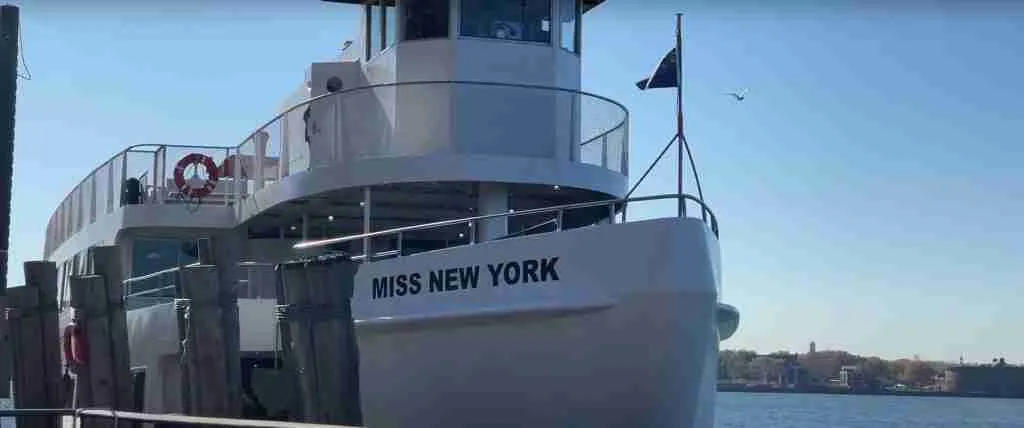
Yes, the Staten Island Ferry operates as a completely free service 24 hours a day, 7 days a week in 2026. The City of New York funds this commuter ferry that carries approximately 22 million passengers annually. The 25-minute journey between Whitehall Terminal in Lower Manhattan and St. George Terminal on Staten Island provides spectacular views of the Statue of Liberty, Ellis Island, and the Manhattan skyline at no cost. Be aware of scammers outside terminals attempting to sell tickets—no ticket is required or available for purchase. Simply enter the terminal, board the ferry, and enjoy the ride. The service runs every 15-20 minutes during weekday rush hours and every 30 minutes during off-peak times and weekends.
What are the best free activities in Central Park 2026?
Central Park offers extensive free activities throughout 2026. Walk the 843-acre landscape exploring Bethesda Terrace, Bow Bridge, and the Ramble’s wooded paths. Visit Belvedere Castle for panoramic park views. Watch street performers and musicians near Bethesda Fountain and at various park locations. Attend free concerts, theater performances, and cultural events through NYC Parks programming. Observe wildlife including birds, turtles, and squirrels throughout the park’s diverse habitats. Join free walking tours led by Urban Park Rangers on select days. Use the park’s 58 miles of pedestrian paths for running, walking, or people-watching. Visit the Conservatory Garden’s formal landscapes at no charge. Participate in free fitness classes including yoga, tai chi, and running clubs organized through NYC Parks programs.
How can I see free concerts in NYC 2026?
NYC provides free concerts daily throughout 2026 across multiple venues and programs. NYC Parks coordinates free outdoor concerts including the NY Philharmonic performances in parks across all five boroughs during summer. SummerStage presents free shows at Central Park and other locations featuring diverse musical genres. Lincoln Center’s outdoor programming includes Midsummer Night Swing dance concerts. Individual neighborhoods host River to River Festival in Lower Manhattan, Celebrate Brooklyn concerts in Prospect Park, and numerous cultural festivals with live music. Classical music venues offer free performances at institutions including Juilliard School, Manhattan School of Music, and various churches throughout the city. Check clubfreetime.com and the NYC Parks events calendar for daily updated free concert listings. Many performances require no advance registration—simply arrive at the venue, though popular shows may benefit from early arrival to secure good viewing positions.
Extended multi-day tours – 5+ days
Featured New York City Multi-Day Tour Packages
3 days
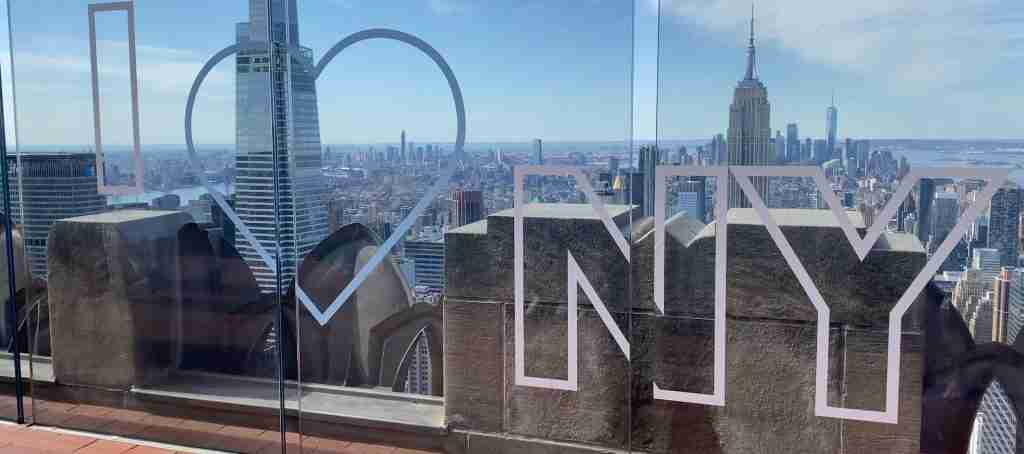
New York City 3-Day Discovery Tour
- ✓ Comprehensive New York City experience
- ✓ Expert local guides included
- ✓ All accommodation included
- ✓ Transportation provided
5 days
New York City 5-Day Highlights Experience
- ✓ Comprehensive New York City experience
- ✓ Expert local guides included
- ✓ All accommodation included
- ✓ Transportation provided
7 days
New York City 7-Day Cultural Journey
- ✓ Comprehensive New York City experience
- ✓ Expert local guides included
- ✓ All accommodation included
- ✓ Transportation provided
10 days
New York City 10-Day Complete Adventure
- ✓ Comprehensive New York City experience
- ✓ Expert local guides included
- ✓ All accommodation included
- ✓ Transportation provided
Multi-day tour packages powered by TourRadar. Prices and availability subject to change.
Introduction to Free New York City Experiences 2026
New York City distinguishes itself from most major tourist destinations through an extraordinary commitment to publicly accessible culture, arts, and recreation available at no cost. Unlike London or Washington DC where national museums receive full government funding for free admission, NYC’s free offerings represent a unique American model combining nonprofit institutions, municipal programs, and community partnerships that democratize access to world-class experiences. In 2026, the city’s free programming has expanded rather than contracted, with MoMA PS1 joining the ranks of permanently free major museums and neighborhood cultural festivals multiplying across all five boroughs. The sheer breadth of no-cost activities—from internationally renowned museums during free hours to elevated parks, harbor ferries, outdoor concerts, and architectural landmarks—allows visitors to experience authentic New York culture without the financial barriers that typically restrict access to major metropolitan attractions.
Understanding how to navigate NYC’s free landscape requires knowledge of timing, location, and advance planning strategies that maximize experience quality while minimizing crowds. Many premier institutions offer free admission during specific windows rather than universal free access, creating opportunities for strategic visitors who plan museum visits around these designated hours. Parks programming operates on seasonal schedules with summer months delivering the highest concentration of free concerts, movies, and festivals. Certain attractions like the Staten Island Ferry and major parks remain freely accessible 24/7, while others require advance ticket reservations even when admission costs nothing. The city’s geographic spread across five boroughs means exceptional free experiences exist far beyond Manhattan’s tourist corridor, rewarding explorers willing to venture into Brooklyn, Queens, the Bronx, and Staten Island for community events and cultural programming that locals consider among the city’s best-kept secrets.
Planning a comprehensive free NYC experience in 2026 combines major marquee attractions with neighborhood discoveries, balancing iconic must-sees against lesser-known gems that provide deeper cultural immersion. A well-constructed free itinerary might include Staten Island Ferry rides for harbor views, High Line walks through elevated gardens, major museum visits during designated free hours, outdoor concerts in city parks, architectural landmark tours, and neighborhood explorations in areas like Chelsea galleries, Lower East Side murals, or DUMBO waterfront spaces. The key to maximizing free NYC experiences lies in advance research identifying which institutions offer free admission when, which parks host programming on specific dates, and which neighborhoods deliver walkable clusters of no-cost attractions. This guide provides that strategic framework, organizing NYC’s free offerings by category with specific timing, location, and access details that transform general awareness into actionable daily plans.
Free Museum Days and Hours NYC 2026
New York City’s museum landscape offers systematic free access through designated days, hours, and permanent no-admission policies that make world-class collections accessible to all visitors regardless of budget. The city’s approach differs fundamentally from European capitals where national museums receive full public funding—NYC’s major institutions rely primarily on private donations, memberships, and paid admissions, making their free programming commitments particularly significant. In 2026, these free opportunities have expanded with policy changes at MoMA PS1 and continued dedication to access programs at dozens of institutions across the five boroughs. Understanding the specific schedules, reservation requirements, and eligibility criteria for each museum’s free admission maximizes opportunities to experience premier collections, special exhibitions, and educational programming at no cost.
Always-Free Major Museums 2026
Several significant NYC museums maintain completely free admission every day throughout 2026, requiring no special timing or reservation strategies. MoMA PS1 in Long Island City transformed its admission policy effective January 1, 2026, eliminating all entrance fees for every visitor regardless of residency. This contemporary art space, housed in a former public school building, features cutting-edge exhibitions, installations, and performance programming alongside its permanent collection. The American Folk Art Museum on West 53rd Street near MoMA provides free daily access to American decorative arts, quilts, and folk traditions. The Bronx Museum of the Arts maintains its longstanding free admission policy, showcasing contemporary artists with emphasis on works reflecting Bronx cultural diversity. The National Museum of the American Indian, operated by the Smithsonian Institution in the Alexander Hamilton U.S. Custom House at Bowling Green, offers free admission to extensive Native American collections, temporary exhibitions, and cultural programs.
Queens Museum in Flushing Meadows Corona Park charges no admission for general gallery access, featuring the famous Panorama of the City of New York alongside contemporary art exhibitions. Snug Harbor Cultural Center & Botanical Garden on Staten Island provides free admission to its grounds and many cultural facilities. Museum at FIT (Fashion Institute of Technology) on West 27th Street delivers free access to fashion exhibitions and design collections. The Hispanic Society Museum & Library maintains free admission to its Spanish art and manuscript collections. These permanently free institutions require no advance planning beyond checking current hours, making them ideal for spontaneous visits or itinerary flexibility when free-hour programs at ticketed museums are fully booked or don’t align with travel schedules.
Weekly Free Museum Hours by Day
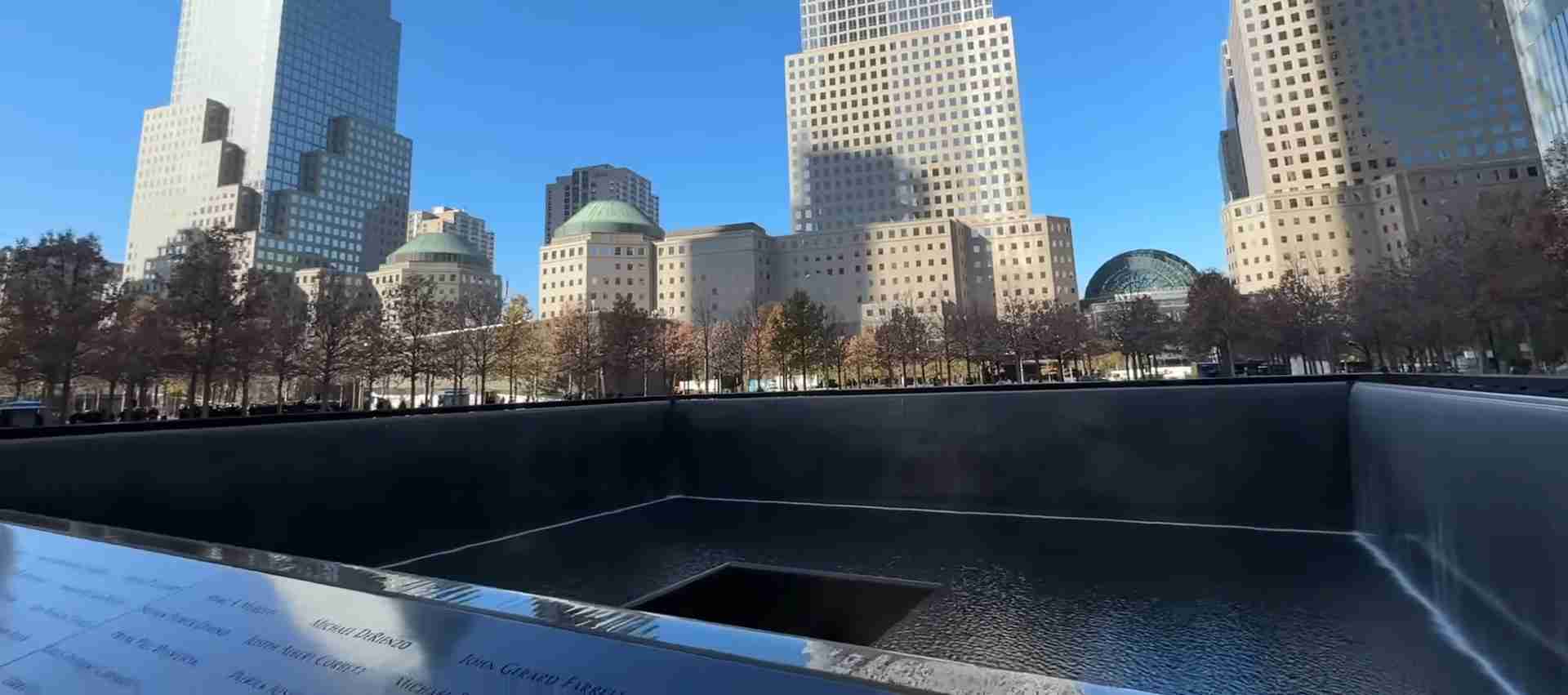
NYC museums systematically distribute free admission across the week, creating daily opportunities for no-cost cultural experiences throughout 2026. Monday brings free evening hours at the Museum at Eldridge Street and the 9/11 Memorial Museum from 5:30-7pm, though the latter requires advance online reservations that open each Monday at 7am EST on a first-come basis and fill quickly. Tuesday through Thursday see no major museum free days, though some institutions maintain pay-what-you-wish policies for specific audiences. Friday emerges as the strongest free museum day in NYC’s cultural calendar, with MoMA offering free admission for all New York State residents from 5:30-8:30pm (advance reservation required, opens five weeks ahead), the Whitney Museum providing free entry for everyone from 5-10pm, and numerous other institutions including the Morgan Library & Museum, China Institute, Cooper Hewitt Smithsonian Design Museum, New-York Historical Society, and Museum at Eldridge Street offering free or pay-what-you-wish hours Friday evenings.
Saturday programming focuses on targeted free access, with the Jewish Museum offering free admission all day and the Guggenheim Museum maintaining pay-what-you-wish admission on select Saturdays. Sunday delivers another major free opportunity with the Whitney Museum’s Second Sunday program providing free all-day admission on the second Sunday of each month, alongside the 9/11 Memorial Museum’s New York First Sundays from 4-7pm. These weekly patterns allow strategic visitors to build multi-museum itineraries around free hours, though advance reservations are increasingly required even for no-cost admission at popular institutions. Whitney Museum Second Sunday reservations open one month in advance, MoMA’s Friday NY State resident tickets release five weeks ahead, and 9/11 Museum Monday evening slots require same-day booking beginning at 7am—all requiring digital literacy and planning discipline that rewards early action with guaranteed access to sold-out time slots.
Seasonal and Monthly Free Programs
Beyond weekly patterns, several museums implement monthly and seasonal free admission programs that create recurring opportunities throughout 2026. First Friday of each month brings free admission to the Japan Society from 5-7pm, Neue Galerie from 5-8pm, and the Noguchi Museum through its pay-what-you-wish program. Brooklyn Museum’s celebrated First Saturdays program returns to full programming in February 2026 after seasonal hiatus, offering free admission from 5-11pm the first Saturday monthly with special performances, DJs, and extended gallery hours creating a distinctive evening cultural experience. These First Saturdays draw large crowds and benefit from early arrival to secure entry before capacity limits apply. Seasonal variations affect several institutions, with New York Botanical Garden offering free Wednesday admission from mid-December through March, and Queens Botanical Garden maintaining free Wednesday afternoon (3-6pm) and Sunday morning (9-11am) hours throughout most of the year with expanded free access during winter months.
Bank of America’s Museums on Us program provides cardholders free admission the first full weekend of each month at participating institutions including the Intrepid Museum, El Museo del Barrio, The Jewish Museum, and others—requiring Bank of America debit or credit card presentation at ticket counters. These corporate partnership programs supplement institution-specific free hours, creating overlapping opportunities where strategic timing combines multiple access pathways. Monthly programming calendars published by individual museums and aggregated by NYC tourism websites identify special free days around holidays, cultural celebrations, and institutional anniversaries that punctuate the regular weekly schedule with bonus access opportunities throughout 2026.
Pay-What-You-Wish vs Free Admission
Understanding the distinction between genuinely free admission and pay-what-you-wish policies prevents confusion when visiting museums during designated access hours. The Metropolitan Museum of Art maintains a pay-what-you-wish policy exclusively for New York State residents and students from New York, New Jersey, and Connecticut who present valid identification at ticket counters—visitors must pay a minimum of one cent but can set their own admission price rather than the standard suggested amount. This policy differs from completely free admission as it requires documented state residency and nominal payment. Similarly, the Guggenheim Museum’s pay-what-you-wish hours on Monday and Saturday evenings suggest $10 admission with a $1 minimum rather than zero-cost entry. Brooklyn Museum implements suggested admission rather than pay-what-you-wish for general visits outside First Saturdays programming.
These distinctions matter for budget planning and expectation management. Genuinely free programs like Whitney Friday Nights or American Folk Art Museum’s daily admission require no payment and generally no identification beyond advance ticket confirmation. Pay-what-you-wish programs provide financial flexibility but maintain nominal payment requirements and often restrict eligibility by residency. Some institutions combine both approaches—MoMA is genuinely free for NY State residents Friday evenings but charges standard admission to out-of-state visitors during the same hours. Reading specific program requirements on official museum websites before visiting prevents misunderstandings about access criteria, payment expectations, and documentation needed to qualify for reduced or eliminated admission fees.
Free Parks and Outdoor Spaces NYC 2026
New York City’s park system represents one of the world’s most extensive urban green networks, encompassing more than 30,000 acres across nearly 2,000 parks that provide free recreation, cultural programming, and natural experiences throughout the five boroughs. These public spaces range from internationally famous landmarks like Central Park and Prospect Park to neighborhood playgrounds, waterfront esplanades, and specialized gardens that collectively form the city’s democratic outdoor infrastructure. In 2026, NYC Parks continues expanding free programming including concerts, movies, fitness classes, nature walks, and cultural festivals that transform green spaces into community gathering points. Understanding which parks offer distinctive features, seasonal programming, and location-specific amenities helps visitors select outdoor destinations matching specific interests while exploring neighborhoods beyond Manhattan’s tourist core.
The High Line: Manhattan’s Elevated Park
The High Line transforms a 1.45-mile abandoned elevated railway into one of NYC’s most innovative public spaces, offering free admission daily with hours varying seasonally: 7am-10pm from April 1 through November 30, and 7am-8pm from December 1 through March 31. This elevated park stretches from Gansevoort Street in the Meatpacking District north to 34th Street near Hudson Yards, creating a unique perspective on Manhattan’s West Side through gardens featuring native grasses, wildflowers, and trees designed for four-season visual interest. The High Line’s careful landscape architecture creates distinct zones including meadow plantings, formal gardens, viewing platforms, and public art installations that change regularly, rewarding repeat visits with evolving exhibitions alongside permanent design features. Fifteen entrance points spaced every few blocks provide elevator access at Gansevoort Street, 14th Street, 16th Street, 23rd Street, and 30th Street, ensuring wheelchair accessibility throughout the park.
The High Line delivers exceptional urban views framing the Hudson River, Chelsea architecture including works by Zaha Hadid and Frank Gehry, and street life visible through viewing windows cut into the walking surface. Free docent-led tours operate Tuesdays, Wednesdays, Thursdays, and Saturdays from May through August, with reduced schedules during fall and winter months—these volunteer-guided walks provide historical context about the railway’s freight history, the community campaign that saved it from demolition, and the design principles underlying its transformation into public space. The park’s linear design encourages walking the full length for maximum experience, taking approximately 45-60 minutes at a leisurely pace with stops for views, seating on built-in benches, and photo opportunities. Food vendors operate seasonally at several locations including a Doughnuttery outpost and Chelsea Market Baskets, though bringing snacks and beverages is permitted and recommended for budget-conscious visitors extending their High Line time beyond quick walks.
Strategic High Line visiting in 2026 considers crowd dynamics that intensify during weekend afternoons and pleasant weather days when foot traffic can make the narrow elevated pathways congested. Weekday mornings, particularly Tuesday through Thursday between 8am-11am, offer the most tranquil experience with fewer visitors and better photography opportunities. Late afternoon through early evening provides beautiful light for photos as sunset approaches, though increased crowds accompany these peak aesthetic hours. Winter visits reveal the park’s structural beauty when dormant grasses create sculptural forms and bare trees expose views otherwise obscured by foliage. The High Line’s free admission, central location, wheelchair accessibility, and distinctive elevated perspective make it essential for any comprehensive NYC visit, though combining it with nearby free attractions like Chelsea galleries, Hudson River Park greenway, and Whitney Museum’s free Friday hours creates efficient West Side cultural itineraries.
Central Park: Free Activities and Programming
Central Park’s 843 acres provide NYC’s most extensive free recreation ground, encompassing landscapes designed by Frederick Law Olmsted and Calvert Vaux that include formal gardens, wooded paths, open meadows, and water features accessible 6am-1am daily throughout 2026. The park delivers free access to architectural landmarks including Bethesda Terrace and Fountain, Bow Bridge, Belvedere Castle, and Conservatory Garden’s formal plantings. Twenty-one playgrounds serve families with young children at no cost. The park’s 58 miles of pedestrian paths support walking, running, and cycling through varied terrain ranging from the Ramble’s naturalistic woodlands to the Mall’s formal tree-lined promenade. Wildlife observation opportunities include birding at the Ramble (particularly productive during spring and fall migration), turtle watching at Turtle Pond, and squirrel observation throughout park grounds.
Free programming administered by Central Park Conservancy and NYC Parks in 2026 includes guided walking tours led by volunteer docents, Urban Park Rangers nature programs, outdoor concerts at Rumsey Playfield and the Great Lawn, Shakespeare in the Park performances at Delacorte Theater during summer months, and fitness classes including yoga, tai chi, and running clubs. These programs operate on seasonal schedules with summer months delivering peak programming density. Shakespeare in the Park tickets are distributed free on performance days through online lottery and in-person distribution at the Delacorte Theater, requiring advance planning and flexibility as this highly popular program attracts intense competition for limited seats. The park’s free programming calendar, published monthly on centralparknyc.org and NYC Parks websites, lists specific dates, times, and registration requirements for ticketed free events versus drop-in programs.
Strategic Central Park exploration in 2026 balances iconic landmarks against lesser-known areas that offer more solitary experiences. The North Woods above 103rd Street provides quiet woodland walking far from the tourist-dense southern park zones. Conservatory Garden at 105th Street and Fifth Avenue offers formal European-style gardens without the crowds surrounding Bethesda Fountain or Bow Bridge. Ramble pathways reward explorers with varied terrain and seasonal birding opportunities. Free restroom facilities are located at multiple park locations including the Loeb Boathouse area, Conservatory Garden, and Great Lawn, though cleanliness and availability can be inconsistent during peak visitor periods. The park’s free official app provides GPS-enabled navigation, self-guided walking tour audio, and programming calendars that supplement physical park maps available at visitor centers. Water fountains distributed throughout the park permit refilling water bottles, reducing beverage costs during extended visits.
Brooklyn Bridge Park and Waterfront Spaces
Brooklyn Bridge Park transforms 85 acres of reclaimed industrial waterfront into a continuous public green space stretching 1.3 miles along Brooklyn’s East River shore from Jay Street south to Atlantic Avenue. This park delivers spectacular Manhattan skyline views, Brooklyn Bridge perspectives, and diverse recreational facilities all freely accessible year-round. Six distinct piers provide varied programming: Pier 1 features open lawns, playground, and Brooklyn Bridge views; Pier 2 offers sports facilities including basketball, handball, and bocce courts; Pier 3 contains greenway paths and viewing areas; Pier 5 provides sports fields and picnic areas; Pier 6 includes playgrounds and sand volleyball courts; and Empire Fulton Ferry section delivers the park’s most photographed Brooklyn Bridge framing. Free programming throughout 2026 includes outdoor movies during summer months, fitness classes, educational nature programs, and seasonal festivals that activate different park zones according to weather and program requirements.
Additional free waterfront spaces across NYC include Hudson River Park’s five-mile Manhattan West Side greenway from Battery Park north to 59th Street, featuring piers transformed into public spaces with recreational facilities, gardens, and programming. East River Esplanade provides continuous walking and cycling paths along Manhattan’s eastern waterfront. Governors Island, accessible via free ferry from Lower Manhattan (running weekends and select weekdays during operating season, May through October), offers 172 acres of parkland, historic military sites, art installations, and harbor views without admission charges, though the ferry requires advance reservation and food/beverage concessions on the island carry normal pricing. These waterfront parks create connected walking and cycling networks allowing multi-mile car-free exploration along NYC shorelines, combining views, recreation, and neighborhood discovery at no cost beyond time invested in walking or cycling distances involved.
Prospect Park and Outer Borough Highlights
Prospect Park anchors Brooklyn’s park system with 526 acres designed by Olmsted and Vaux following their Central Park success, offering landscapes that many landscape architects consider superior to their earlier Manhattan work due to lessons learned and fewer compromise demands from city planners. The park provides free access to Long Meadow’s 90-acre open lawn, the Ravine’s forested pathways, Prospect Lake, and the Nethermead’s meadow landscape. Free activities include walking the 3.35-mile park loop favored by runners and cyclists, exploring the Ravine’s woodland paths, visiting Prospect Park Zoo’s surrounding parkland, and attending summer concerts including the Celebrate Brooklyn festival at the Bandshell. Prospect Park Audubon Center offers free nature programs, educational exhibits, and birding resources, operating as an environmental education facility within park grounds. The park’s free programming mirrors Central Park offerings with seasonal variation: peak summer schedules deliver maximum concert, fitness, and educational programming, while winter programming contracts to core nature walks and community events adapted to cold weather.
Other significant outer borough free parks include Flushing Meadows Corona Park in Queens, home to 1964 World’s Fair remnants, the Unisphere sculpture, and extensive athletic facilities freely accessible alongside nearby Queens Museum and Queens Botanical Garden’s seasonal free hours. The Bronx’s Van Cortlandt Park provides 1,146 acres including the city’s oldest public golf course (fee-based), extensive hiking trails (free), and natural areas supporting diverse wildlife. Pelham Bay Park, also in the Bronx, encompasses 2,772 acres making it NYC’s largest park, featuring Orchard Beach, nature trails, and historic sites. Staten Island’s Freshkills Park, gradually opening in phases as landfill transformation progresses, will eventually provide 2,200 acres of parkland with free recreational programming. These outer borough parks reward visitors willing to venture beyond Manhattan with less crowded green spaces, distinctive landscapes, and programming that reflects neighborhood community character rather than tourist-oriented scheduling.
Staten Island Ferry: Free Harbor Views 2026
The Staten Island Ferry operates as NYC’s most democratic tourist attraction, providing 24-hour year-round service between Whitehall Terminal in Lower Manhattan and St. George Terminal on Staten Island at zero cost to all passengers. This commuter service, funded entirely by New York City and free since 1997, carries approximately 22 million passengers annually including daily commuters and tourists specifically riding for Statue of Liberty views, Manhattan skyline perspectives, and harbor experiences. The 25-minute one-way journey covers 5.2 miles through New York Harbor, passing within approximately 500 yards of the Statue of Liberty and Ellis Island while providing panoramic views of Lower Manhattan’s skyscrapers, Brooklyn Bridge, and Governors Island. Eight ferry boats cycle through the route, with service frequency varying by time: every 15-20 minutes during weekday rush hours from 6am-9:30am and 3:30pm-8pm, every 30 minutes during weekday off-peak hours, and every 30 minutes throughout weekends and holidays.
Maximizing Staten Island Ferry experiences in 2026 requires understanding optimal seating positions, timing strategies, and round-trip logistics that distinguish tourist riders from daily commuters. For best Statue of Liberty views when departing Manhattan, position yourself on the right (starboard) side of the boat facing forward, ideally on upper outdoor decks when weather permits. The statue appears approximately 8-12 minutes into the outbound Manhattan-to-Staten Island journey on the right side. For Manhattan skyline views, the left (port) side provides optimal perspectives during the return Staten Island-to-Manhattan trip. Outdoor upper decks deliver best photography opportunities and unobstructed views, though these areas can be cold, windy, and closed during severe weather when indoor seating becomes mandatory. Indoor seating provides climate-controlled comfort with large windows, though glass can create reflection challenges for photography.
Timing considerations affect both crowd levels and visual experiences. Weekday rush hour trips from approximately 6:30am-9am and 5pm-7pm carry intense commuter traffic making leisurely tourism difficult—boats fill to capacity with standing-room-only conditions and irritated commuters navigating around tourists blocking pathways. Weekend days and weekday mid-morning through mid-afternoon periods offer more relaxed experiences with available seating and space for movement between viewing positions. Night ferry rides provide distinctive perspectives as Manhattan’s illuminated skyline reflects across harbor waters, creating photographic opportunities impossible during daylight. Sunset timing, published in weather resources, identifies ideal evening departure times for golden hour harbor views, though popular sunset cruises can attract increased tourist traffic knowing this strategy. The ferry operates through all weather conditions except extreme circumstances, continuing service during rain, snow, and moderate winds that might ground smaller vessels.
Round-trip ferry logistics require understanding mandatory disembarkation rules and terminal navigation. All passengers must exit the ferry at each terminal regardless of whether they plan to explore Staten Island or immediately return to Manhattan—remaining aboard is prohibited due to Coast Guard regulations. St. George Terminal provides minimal tourist infrastructure beyond the ferry waiting area, though Snug Harbor Cultural Center approximately 2 miles from the terminal (accessible via S40 bus) offers cultural attractions if extended Staten Island exploration appeals. Most tourists simply exit the ferry at St. George, walk through the terminal building, and queue for the return Manhattan-bound ferry, creating total round-trip times of 60-90 minutes including ferry rides and minimal Staten Island terminal time. Free Wi-Fi operates in both terminals and aboard ferries. Bathrooms on ferries function but maintain variable cleanliness; terminal restrooms generally offer better facilities. Be vigilant about scammers outside Whitehall Terminal attempting to sell ferry tickets—the ferry is completely free, requires no ticket, and no legitimate ticket sales exist for this service.
Free Concerts, Shows, and Entertainment 2026
New York City delivers free live entertainment daily throughout 2026, ranging from world-class orchestral performances to neighborhood music series, outdoor movies, street performances, and cultural festivals that collectively make NYC unmatched among global cities for no-cost arts programming. These opportunities span all five boroughs and every musical genre, operating year-round with summer months providing peak programming density when outdoor venues activate and seasonal festivals multiply. Understanding where to find daily free event listings, which programs require advance registration, and how to navigate capacity-limited popular shows transforms general awareness of NYC’s free entertainment into specific evening and weekend plans that fill travel itineraries with professional-quality performances at zero ticket cost.
NYC Parks Free Concert Programs
NYC Parks administers the city’s most extensive free concert network through multiple branded programs operating across the five boroughs throughout 2026. SummerStage presents free concerts at Central Park’s Rumsey Playfield and additional locations in all boroughs from May through October, featuring diverse musical genres from jazz and world music to indie rock, hip-hop, and electronic performances alongside spoken word and dance programs. These events typically begin early evening and attract substantial crowds, benefiting from early arrival to secure good viewing positions near stages. NY Philharmonic Concerts in the Parks delivers free classical music performances across all five boroughs during several days in late June or early July 2026, bringing the orchestra to neighborhood parks including Central Park, Prospect Park, Van Cortlandt Park in the Bronx, Cunningham Park in Queens, and a Staten Island performance at Snug Harbor’s Music Hall, culminating the program with an indoor Staten Island finale.
Celebrate Brooklyn performing arts festival at the Prospect Park Bandshell runs from late May through August with free outdoor concerts, though some special headline performances require tickets at reduced prices while maintaining free standing-room general admission. The series emphasizes diverse musical traditions, experimental contemporary music, and dance performances reflecting Brooklyn’s cultural plurality. River to River Festival activates Lower Manhattan’s waterfront and public spaces May through September with free concerts, dance performances, and cultural events. Lincoln Center’s outdoor programming includes summer concerts and dance performances at Damrosch Park and other plaza spaces. Smaller neighborhood concert series operate at parks throughout the city including Madison Square Park’s Mad. Sq. Music summer series, Marcus Garvey Park summer stage in Harlem, and dozens of community parks hosting local performances that rarely appear on tourist radar but deliver authentic neighborhood cultural experiences.
Accessing free concert information requires checking multiple event aggregation sources. The NYC Parks events calendar at nycgovparks.org/events provides searchable listings filterable by borough, date, and event type, publishing concerts alongside other programming. Individual program websites including SummerStage, Celebrate Brooklyn, and River to River Festival maintain specific performance calendars with artist details typically published 4-8 weeks before performance dates. Third-party aggregators including clubfreetime.com specialize in daily free event listings searchable by date and category, often providing more comprehensive neighborhood concert coverage than official city sources. Most free park concerts require no advance registration—attendees simply arrive at venues before performance start times, though extremely popular headline acts may implement capacity limits requiring early arrival to ensure admission before space fills. Bringing blankets or low-profile folding chairs improves comfort during shows that can last 90 minutes to 2+ hours.
Classical Music and Cultural Institution Concerts
New York’s concentration of music conservatories, cultural institutions, and performing arts venues generates daily free classical music concerts throughout 2026, many operating during academic year schedules from September through May with reduced summer programming. Juilliard School presents free performances by student ensembles and individual musicians at Alice Tully Hall and Paul Recital Hall, with detailed calendars published on juilliard.edu typically showing multiple free events weekly during term time. Manhattan School of Music offers frequent free concerts by student performers and visiting artists at its Morningside Heights campus. The Mannes School at The New School maintains its own concert calendar with numerous free performances. Brooklyn’s Bargemusic presents occasional free concerts aboard its concert barge moored at Brooklyn Bridge Park, though most performances carry ticket prices with select free events requiring advance registration.
Churches throughout Manhattan host free classical music series including frequent lunchtime and evening organ recitals and chamber music performances at venues like Saint Patrick’s Cathedral, Riverside Church, St. Paul’s Chapel, and Trinity Church Wall Street. These concerts often feature professional musicians and provide acoustically exceptional settings, with schedules published on individual church websites typically organized as seasonal series. The Metropolitan Museum of Art’s free Friday and Saturday evening concerts in the Great Hall present chamber music performed by young professional musicians, included with Met admission or free during designated pay-what-you-wish hours for qualifying visitors. The Brooklyn Museum, Museum of the City of New York, and other cultural institutions occasionally incorporate free musical performances into exhibition programming, particularly during First Friday and similar special access events.
Finding daily free classical concert listings requires checking clubfreetime.com’s classical music calendar showing events sorted chronologically, following social media accounts of conservatories and cultural institutions that announce free performances with shorter lead times, and visiting venue websites directly for seasonal calendar publications. Many free concerts require no advance registration, though some popular series implement RSVP systems or first-come-first-served admission that benefits from arriving 15-30 minutes before posted start times. Performance quality at conservatory concerts often matches professional standards as advanced students and recent graduates develop repertoire and performing experience, making these free events legitimate alternatives to ticketed performances at major concert halls.
Summer Movies and Outdoor Screenings
Free outdoor movies activate NYC parks and public spaces throughout summer 2026, typically operating from late May or early June through August across multiple programs and locations. Bryant Park Summer Film Festival presents Monday evening movies on the park’s lawn at 6th Avenue and 42nd Street, screening classic films that attract hundreds of attendees who claim lawn space hours before sunset screenings begin around 8pm or dusk. The lawn opens at 5pm for blanket spreading, with prime central locations filling quickly, creating a competitive picnic atmosphere where groups coordinate early arrival, food, and extended pre-movie socializing. NYC Parks shows free outdoor movies throughout the summer at parks across all five boroughs under its Movies Under the Stars program, with specific dates, locations, and film titles published on the parks events calendar typically 2-4 weeks before screening dates.
The Seaport presents Rooftop Films series at its Uplands location during summer, though this program has implemented reservation systems for some screenings. Hudson River Park shows family-friendly movies at various pier locations throughout the summer. Brooklyn Bridge Park’s Movies with a View series screens films Thursday evenings at the harbor-side lawn in Brooklyn Bridge Park Pier 1, providing Brooklyn Bridge and Manhattan skyline backdrops for outdoor cinema experiences. Socrates Sculpture Park in Long Island City hosts outdoor film screenings as part of its summer programming, combining movies with access to the park’s outdoor sculpture installations. These free movie programs typically screen films that have left first-run theaters but maintain cultural relevance and broad audience appeal, favoring classic films, family-friendly titles, and popular contemporary movies over experimental or art-house cinema.
Strategic outdoor movie attendance requires bringing blankets or low chairs, arriving early for popular screenings at premier locations like Bryant Park where competition for space can be intense, and checking weather forecasts as most programs operate rain-or-shine until severe weather forces cancellation. Some venues provide audio through speakers while others implement silent disco-style individual headphones distributed free at screenings. Food and beverage policies vary by venue—Bryant Park permits outside food and beverages while some locations near concessions prefer attendees purchase from vendors, though enforcement of these preferences varies. Arriving early transforms movie attendance into extended picnic experiences, with many attendees treating films as backdrop for outdoor socializing rather than primary entertainment, particularly at Bryant Park where pre-movie lawn atmosphere rivals the screening itself as attraction.
Street Performers and Public Entertainment
NYC’s street performer culture delivers free entertainment throughout the city with concentrations in tourist-heavy areas including Times Square, Washington Square Park, Union Square, Central Park’s Bethesda Fountain area, Brooklyn Bridge Park, and the High Line. These performers range from professional musicians and dancers to magicians, acrobats, living statues, and variety acts, with quality and styles varying dramatically between individual performers and locations. Times Square pedway zones host costumed characters who pose for photos expecting tips, alongside musicians and variety performers competing for tourist attention in the heavily trafficked area. Washington Square Park’s fountain area maintains a longstanding musician and performer tradition, with weekend afternoons bringing multiple simultaneous acts creating a festival atmosphere. Central Park’s Bethesda Fountain area attracts musicians, dancers, and performance artists throughout warm weather months.
While street performances are free to watch, tipping culture varies by performance type and setting. Most musicians and variety performers place cases or containers for monetary contributions, with amounts ranging from $1 bills to larger sums for particularly impressive acts. Photography with costumed characters typically expects minimum $5-10 tips, though this is negotiable and often creates awkward interactions when tourists photograph characters without understanding the tipping expectation. Some performers present formal shows with defined start times, building audiences before performing and then explicitly requesting contributions. Others perform continuously as background music without direct solicitation. Watching from public areas involves no obligation, though etiquette suggests contributing small amounts when actively photographing performers or stopping to watch complete performances.
The quality range among NYC street performers spans from amateurish buskers to conservatory-trained musicians performing for supplementary income, skilled acrobats presenting circus-quality acts, and professional musicians testing new material. Some subway station performers operate through the MTA’s Music Under New York program requiring auditions, generally indicating professional skill levels, while unrestricted performers vary widely. Strategic engagement involves watching briefly to assess quality before committing time to full performances, moving along from uninteresting acts, and tipping generously for exceptional performances that provide genuine entertainment value. Primary concentrations shift seasonally—summer brings peak performer density to parks and outdoor spaces, while year-round subway musicians maintain consistent presence underground regardless of weather.
Iconic NYC Landmarks and Architectural Experiences 2026
New York City’s architectural landmarks provide free access to spaces and experiences that define the city’s visual identity and cultural heritage. These sites range from historic buildings and transportation terminals to public plazas and observation points that offer exceptional city views without admission charges. Understanding which landmarks permit free interior access versus exterior viewing only, when crowds are manageable, and how to efficiently connect multiple architectural attractions into walking tours maximizes appreciation of NYC’s built environment at zero cost beyond transportation to reach various neighborhoods.
Grand Central Terminal and Historic Transportation Spaces
Grand Central Terminal operates as a functioning transportation hub where visitors can freely explore the Main Concourse’s Beaux-Arts architecture including the iconic astronomical ceiling mural, ornamental details, and monumental scale without purchasing transit tickets. The terminal is open daily with no admission charge, allowing visitors to photograph architectural features, observe commuter traffic patterns, and access lower-level dining concourses and the Whispering Gallery’s acoustic phenomenon near the Oyster Bar entrance where arched ceiling tiles create surprising sound transmission between opposite corners. Free self-guided exploration is enhanced by official Grand Central Partnership walking tour apps providing architectural history and design details, though in-person guided tours carry fees. The terminal’s most photogenic angles include center-floor perspectives capturing the main concourse ceiling, views from balcony level overlooking commuter flows, and exterior perspectives from Park Avenue emphasizing the building’s Beaux-Arts facade.
Additional free historic transportation spaces include the Oculus at World Trade Center, Santiago Calatrava’s striking white rib-vault terminal serving PATH trains, which permits free access for architectural viewing though its primary function remains transit operations. The building’s interior soaring space creates cathedral-like volumes with natural light filtering through the skylight running the structure’s spine, providing photographic opportunities throughout the day as light angles shift. Moynihan Train Hall, the recent Amtrak terminal expansion occupying the historic James A. Farley Post Office building, offers free public access to its dramatic skylit train hall even for non-ticketed visitors, combining Beaux-Arts postal architecture with contemporary design interventions creating vast modern transit spaces. Staten Island Ferry terminals in Manhattan and Staten Island provide free access to Art Deco and contemporary architecture respectively, with the Whitehall Terminal recently renovated to improve passenger flow while maintaining historic elements.
Brooklyn Bridge Walk and Waterfront Views
Walking the Brooklyn Bridge pedestrian and bicycle path delivers one of NYC’s most iconic free experiences, crossing 1.1 miles from Lower Manhattan’s City Hall area to Brooklyn’s DUMBO neighborhood with spectacular views of both skylines, the East River, and the bridge’s Gothic Revival stone towers and cable architecture. The elevated wooden pedestrian walkway, positioned above vehicle traffic lanes, operates 24 hours daily without toll or admission charges. Strategic timing affects crowd density dramatically—weekend afternoons bring overwhelming tourist traffic creating bottlenecks at selfie-taking spots and slow-moving progression across the span. Weekday mornings before 9am and early evenings after 6pm provide more manageable crowd levels for walking and photography. The walk requires approximately 30-40 minutes at tourist pace with photo stops, or 20-25 minutes for efficient crossing focused on reaching the opposite shore.
Optimal photography positions include mid-span locations where cables frame Manhattan and Brooklyn skylines in opposite directions, tower archways framing city views through Gothic stonework, and perspectives from Brooklyn-side approaches showing Manhattan skyline framed by bridge cables. Sunrise and sunset provide golden hour lighting that enhances bridge photography, though morning light favors eastward Brooklyn views while evening light benefits westward Manhattan perspectives. The bridge walk requires no special preparation beyond comfortable walking shoes and weather-appropriate clothing as wind exposure increases on the elevated open-air walkway. Starting from the Manhattan side at City Hall Park provides gradual upward slope requiring less exertion than beginning in Brooklyn and climbing toward mid-span before descending into Manhattan, though both directions deliver identical views and experiences.
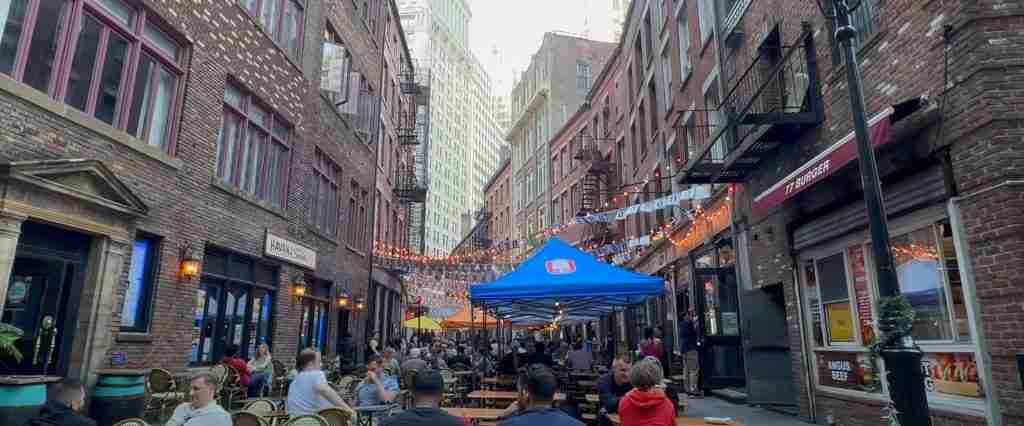
Combining Brooklyn Bridge walking with free neighborhood exploration creates efficient Lower Manhattan to DUMBO itineraries. The Manhattan-side starting point near City Hall provides access to the Woolworth Building’s exterior Gothic architecture, the African Burial Ground National Monument, and Stone Street’s historic streetscape. The Brooklyn DUMBO terminus connects to Brooklyn Bridge Park’s waterfront spaces, Washington Street’s Instagram-famous Manhattan Bridge framing photo location, and Time Out Market food hall if dining budget permits. The bridge itself requires vigilance for cyclists sharing the path—pedestrians should remain in marked walking lanes rather than straying into bicycle zones, and awareness of bicycle bells signals need to move aside for passing riders.
Times Square, Rockefeller Plaza, and Midtown Landmarks
Times Square functions as NYC’s most concentrated free spectacle, delivering sensory overload through towering digital billboards, street performers, and perpetual crowds without admission charges or controlled access. The pedestrian plazas created from former vehicle lanes provide seating and standing areas for observing the district’s advertising-driven visual environment, particularly dramatic after dark when billboard illumination intensifies. The experience itself—watching Times Square rather than entering specific venues—constitutes the free activity, requiring nothing beyond presence in the public space and tolerance for intense stimulation and aggressive costumed character photo solicitation. Strategic Times Square visits occur during shoulder periods avoiding peak tourist crush: early morning before 9am shows the district relatively quiet, late night after 11pm brings different crowd dynamics with nightlife replacing daytime tourism, and weekday mid-afternoons (1-4pm) offer manageable congestion compared to evening density.
Rockefeller Center’s public spaces provide free access to architectural Art Deco details, the seasonal Christmas tree display (late November through early January), and plaza-level observation of the ice skating rink during winter months, though skating itself requires ticket purchases. Channel Gardens’ seasonal plantings and fountain displays change quarterly, providing photographic variety throughout 2026. The plaza surrounding 30 Rockefeller Plaza permits free viewing of Paul Manship’s Prometheus fountain sculpture and exterior architectural appreciation, while Top of the Rock observation deck and interior commercial spaces maintain admission or purchase requirements. Free walking around Rockefeller Center’s complex reveals architectural details, public art including Lee Lawrie’s exterior sculptures, and integration of private commercial development with public plaza spaces that defined mid-century urban planning approaches.
Additional Midtown free landmarks include the New York Public Library’s Stephen A. Schwarzman Building offering free access to ornate reading rooms, exhibition galleries, and Beaux-Arts architecture at 5th Avenue and 42nd Street. Bryant Park behind the library operates as a free public space with seasonal programming including winter holiday market (shopping optional), summer movie nights, and year-round seating areas with free WiFi. The library building interior remains free to enter, with specific exhibition galleries occasionally implementing timed-entry reservations during popular shows though general building access continues without restriction. St. Patrick’s Cathedral provides free entry to its Gothic Revival interior, stained glass windows, and architectural details when religious services are not in session, though donation requests appear throughout the space. These Midtown landmarks cluster within walking distance, creating efficient architectural walking routes connecting multiple free sites in single outings.
Free Walking Tours and Neighborhood Exploration 2026
Exploring NYC neighborhoods on foot requires no expense beyond transportation to reach starting points, with organized free walking tours and self-guided exploration both delivering neighborhood immersion impossible from bus tours or distant observation points. Free walking tour operations have evolved in NYC, with multiple companies offering guide-led neighborhood tours operating on gratuity-based models where tours are marketed as free but guides expect tip compensation at tour conclusion. Understanding how these programs work, which neighborhoods reward walking exploration, and how to efficiently self-guide using maps and apps creates flexible touring options matching different interests, energy levels, and social preferences throughout 2026.
Free Walking Tour Companies and Tipping Etiquette
Several companies operate free walking tours across Manhattan and Brooklyn neighborhoods under tip-based business models. Free Tours by Foot runs multiple daily tours covering Greenwich Village, Brooklyn Bridge and DUMBO, Central Park, Harlem, Lower Manhattan, and specialty themes including food tours and street art walks. Tours typically last 2-3 hours, require advance online reservation, and gather at designated meeting points accessible by subway. Guides work primarily for tips, with recommended amounts ranging $10-20 per person though no mandatory minimums exist, creating awkward dynamics where guides must balance information delivery against gentle tip solicitation at tour conclusions. Tour quality depends heavily on individual guide knowledge and presentation skills, varying significantly between different guides leading nominally identical routes.
Big Apple Greeter offers genuinely free volunteer-led neighborhood tours operating on a different model—volunteers passionate about specific neighborhoods provide 2-4 hour walks without tip expectation, though advance booking (2-3 weeks recommended) is required and availability is limited compared to commercial tip-based operations. This program delivers authentic local perspective without commercial pressure, though scheduling inflexibility and limited guide availability restrict spontaneous tour participation. Urban Park Rangers lead free walking tours and nature programs in parks throughout the five boroughs, focusing on natural history, ecology, and park-specific features rather than neighborhood architecture and cultural history. These ranger programs appear on the NYC Parks events calendar and require no advance registration for most programs beyond arriving at designated meeting points before tour start times.
Tipping etiquette for free walking tours navigates the ambiguity of “free” programs that function as tipped-guide services. Typical gratuities range $10-20 per person for 2-3 hour tours, with adjustments for group size, tour quality, and individual budget constraints. Families might tip $30-40 total rather than $10 per person, while solo travelers often tip toward the higher per-person range. Exceptional guides providing outstanding information and engagement warrant increased tips, while disappointing tours might receive reduced gratuity or none if guide performance was genuinely poor. The system’s weakness involves tourists misunderstanding the tip-based model and providing inadequate or no compensation, creating guide frustration, while guides must avoid excessive tip pressure that ruins the experience they’re delivering. Researching specific companies’ reputations on review platforms before booking helps identify established operations with professional guides rather than newer operations with inconsistent quality.
Self-Guided Neighborhood Walking Routes
Creating effective self-guided walking tours requires identifying neighborhoods with concentrated attractions, obtaining detailed walking maps, and researching specific sites along routes to understand architectural and cultural significance. Greenwich Village rewards self-guided exploration through Washington Square Park’s arch and fountain, surrounding tree-lined streets containing historic townhouses, and cultural landmarks including the Stonewall National Monument, former speakeasies, and literary history sites associated with Beat Generation writers and 1960s counterculture. Walking from Washington Square Park west along Bleecker Street, south to Christopher Street, and through the West Village’s narrow streets creates 1.5-2 hour routes covering diverse architecture, public spaces, and neighborhood character without requiring guide interpretation.
Lower East Side exploration combines street art murals concentrated on streets radiating from the Bowery, historic tenement architecture, Orchard Street’s retail evolution, and contemporary galleries and cafes occupying former industrial spaces. Self-guided routes might begin at the Lower East Side Tenement Museum’s exterior (interior tours require tickets), progress through streets between Houston and Delancey, and extend to the East River waterfront parks for skyline views. SoHo’s cast-iron architecture district provides concentrated 19th-century industrial buildings now housing retail and galleries, creating compact walking areas where architectural appreciation requires no guided explanation. Mapping routes through SoHo’s grid between Houston Street and Canal Street, Broadway and West Broadway, reveals the district’s architectural consistency while allowing gallery browsing when shops welcome visitors without purchase pressure.
DUMBO (Down Under the Manhattan Bridge Overpass) in Brooklyn delivers concentrated walking experiences combining Brooklyn Bridge Park waterfront, historic industrial architecture converted to residential and commercial uses, Washington Street’s famous Manhattan Bridge framing photo location, and views of both Lower Manhattan and Brooklyn Bridge. Walking from the Brooklyn Bridge pedestrian path exit through DUMBO’s streets to Brooklyn Bridge Park piers creates 30-45 minute routes requiring no guide while hitting major photographic highlights. Chelsea’s gallery district between 10th and 11th Avenues, 18th and 28th Streets, contains hundreds of contemporary art galleries with free admission during gallery hours, typically Tuesday through Saturday 10am-6pm, creating self-guided contemporary art tours where visitors enter spaces displaying cutting-edge works without museum admission charges. Gallery hopping requires understanding that entering galleries and viewing exhibitions is welcomed, but aggressive sales approaches are rare and ignoring them when they occur is acceptable.
Historic Districts and Cultural Neighborhoods
Harlem’s cultural and architectural heritage creates walking tours combining religious landmarks, Apollo Theater’s exterior, Strivers’ Row townhouses, and cultural sites associated with the Harlem Renaissance and African American history. Self-guided routes might progress along Malcolm X Boulevard (Lenox Avenue) from 110th Street north to 135th Street, incorporating the Schomburg Center for Research in Black Culture (free admission), Abyssinian Baptist Church’s exterior architecture, and the Studio Museum in Harlem when it reopens in its new facility. Harlem rewards Sunday morning visits when gospel music from neighborhood churches creates soundscapes enhancing walking exploration, though attempting to attend services as tourist observation requires respectful consideration of religious functions rather than entertainment-seeking attitudes.
Chinatown and Little Italy occupy adjacent Lower Manhattan areas with distinct characters, though Little Italy has contracted to primarily Mulberry Street between Broome and Canal while Chinatown has expanded. Walking through Chinatown’s streets reveals markets, dim sum restaurants, Buddhist temples, and layers of Chinese, Vietnamese, Thai, and other Asian immigrant communities’ commercial and cultural presence. Exploring requires tolerance for crowds, congested sidewalks, and sensory intensity from food aromas, market displays, and multilingual environments. The neighborhood functions as working community rather than preserved historic district, creating authentic cultural immersion without artificial tourist-oriented presentation. Little Italy’s concentrated corridor provides photo opportunities among Italian restaurants and cafes, though the neighborhood’s authentic Italian American character has largely given way to tourist-oriented dining and souvenir operations.
Brooklyn Heights and Cobble Hill’s historic townhouse architecture creates elegant walking environments showcasing 19th-century residential design along tree-lined streets. The Brooklyn Heights Promenade provides free elevated pedestrian pathway overlooking Lower Manhattan across the East River, creating public viewing platform without admission charges. Walking through Brooklyn Heights streets between the Promenade and Atlantic Avenue reveals Federal, Greek Revival, and Romanesque Revival townhouses in an affluent residential setting. These neighborhoods lack concentrated commercial attractions but deliver architectural appreciation and residential neighborhood character distinct from Manhattan’s density. Self-guided walks require no interpretive information beyond general architectural style recognition, making them accessible without research or apps beyond basic neighborhood maps showing promenade location and major north-south streets.
Free Cultural Festivals and Seasonal Events 2026
NYC’s cultural festival calendar spans the entire year with concentrated programming from late spring through early fall, celebrating the city’s diversity through neighborhood-based events, borough-wide festivals, and citywide celebrations that occupy parks, streets, and public spaces at no admission cost. These festivals range from single-day neighborhood street fairs to multi-week cultural celebrations, combining music, dance, food vendors, art displays, and community programming that reveals NYC’s immigrant heritage and contemporary cultural plurality. Understanding the festival calendar, which events reward attendance investment, and how to navigate crowd-intensive environments helps visitors select festivals matching specific interests while avoiding generic street fairs that deliver repetitive vendor experiences regardless of nominal cultural theme.
Major Annual Free Festivals
Pride Month in June brings extensive free programming culminating in the NYC Pride March, one of the world’s largest LGBTQ+ celebrations stretching from Midtown Manhattan through Greenwich Village. The march itself is free to watch from sidewalk positions along the route, though prime viewing spots near the Stonewall National Monument in Greenwich Village fill early. Associated programming throughout June includes rallies, performances, and community events largely free to attend beyond specific ticketed nightlife events. The march creates extended celebration atmosphere transforming Greenwich Village and surrounding neighborhoods into festival environments, though crowd densities can reach overwhelming levels requiring patience with congestion and long waits for subway access after the march concludes.
Mermaid Parade in Coney Island, held the Saturday nearest summer solstice in mid-to-late June, presents creative costume spectacle celebrating summer’s arrival with handmade mermaid, sea creature, and nautical-themed costumes paraded along Surf Avenue from West 21st Street to the Coney Island Boardwalk. The parade is free for spectators, with performers and participants creating visually striking procession that feels distinctly Brooklyn in its DIY aesthetic and participatory spirit. Following the parade, Coney Island’s beach, boardwalk, and amusement area remain free to explore, though individual amusements require ticket purchases. West Indian American Day Carnival and Parade on Labor Day Monday brings massive Caribbean cultural celebration to Brooklyn’s Eastern Parkway, featuring elaborate costume displays, steel pan music, calypso, and soca performances, and food vendors serving Caribbean cuisines. This festival attracts over a million participants and spectators, creating one of NYC’s largest annual gatherings and requiring early arrival for optimal viewing positions along the parade route.
Lunar New Year celebrations in Chinatown during January or February (date varies by lunar calendar) include dragon and lion dances, firecrackers, and street festivities marking the Chinese New Year. Multiple weekend celebrations throughout the lunar new year period bring performances and cultural programming to Sara D. Roosevelt Park, Chinatown streets, and Confucius Plaza. NYC Restaurant Week, typically held twice annually in January/February and July/August, is not strictly free but represents reduced-price dining at participating restaurants—mentioned here as the promotional events and tastings that accompany it sometimes provide free samples and culinary demonstrations in public spaces. Numerous smaller cultural festivals occur throughout the year celebrating specific heritages including Fiesta de San Gennaro in Little Italy (September), Greek festivals, Polish festivals, and dozens of neighborhood-specific celebrations that animate streets with music, food, and cultural performances.
Summer Street Fairs and Seasonal Markets
Summer weekends bring proliferation of street fairs throughout Manhattan and Brooklyn, with avenues closed to vehicles and lined with vendor booths selling clothing, accessories, crafts, and food. These fairs follow repetitive formulas with many identical vendors appearing at multiple fairs, creating experiences that vary little between events nominally celebrating different neighborhood characters or cultural themes. The 9th Avenue Food Festival in May, spanning dozens of blocks in Hell’s Kitchen and Chelsea, represents one of the more distinctive fairs focusing heavily on food vendors from neighborhood restaurants alongside craft and merchandise booths. Upper West Side Columbus Avenue Festival, Greenwich Village’s Washington Square Outdoor Art Exhibit, and dozens of other named fairs fill spring and summer calendars, generally operating Saturdays and Sundays from approximately 10am-6pm along designated avenue sections.
While attending street fairs costs nothing, the experience centers on vendor browsing and potential purchasing rather than free entertainment, making them shopping-oriented events for those interested in crafts, clothing, and food samples rather than purely free cultural programming. Live music stages at some fairs provide genuine free entertainment, though band quality varies significantly and noise from crowds often overwhelms musical appreciation. Strategic street fair engagement involves walking through if already in a neighborhood rather than specifically traveling to attend, as most fairs deliver similar experiences once the novelty of outdoor vendor browsing wears off. Food vendors provide opportunities to sample neighborhood cuisines, though prices typically exceed restaurant equivalents reflecting festival markups for convenience and outdoor dining context.
Winter holiday markets transform Union Square, Bryant Park, Columbus Circle, and Grand Central into seasonal vendor concentrations from late November through early January, selling gifts, crafts, food, and beverages in temporary structures creating European-style Christmas market atmosphere. These markets are free to enter and browse, with live performances and holiday displays enhancing the shopping environment. The markets’ primary function as retail operations means extended browsing without purchasing creates somewhat awkward dynamics, particularly as vendors hope browsers convert to buyers and may engage aggressive sales approaches. The Union Square Holiday Market’s craft vendors demonstrate higher quality and more unique offerings than many other seasonal markets, making it worth visiting even for those not intending purchases simply to observe handcrafted goods and holiday decoration creativity. Bryant Park’s Winter Village combines market stalls with free ice skating shows and holiday atmosphere, though the ice rink itself requires skate rental fees.
Summer Movies, Concerts, and Park Programming
Beyond dedicated concert series already detailed, summer park programming includes fitness classes, nature programs, art-making workshops, and family activities all free through NYC Parks’ comprehensive recreational schedule. Shakespeare in the Park at Central Park’s Delacorte Theater represents one of summer’s most sought-after free cultural experiences, presenting two full Shakespeare productions in rotating summer repertory performed by professional actors and directors. Tickets are distributed free through daily online lottery and in-person distribution at the Delacorte Theater beginning at noon on performance days, with both methods requiring advance planning and flexibility as competition for approximately 1,800 nightly seats is intense. The lottery system creates relatively equal access compared to previous procedures requiring multi-hour morning queues, though it means securing tickets requires persistent daily lottery entries or willingness to invest afternoon hours in standby lines that may or may not yield seats.
Governors Island programming from May through October includes art installations, food vendors (purchase required), bicycle rental (fee-based), recreational activities, and seasonal festivals all accessible after reaching the island via ferry. The ferry to Governors Island is free on weekends and select weekdays during the operating season, requiring advance reservation through the official website but charging no fare for the approximately 10-minute journey from Lower Manhattan. The island’s 172 acres provide car-free environment for cycling, walking, and outdoor recreation with spectacular harbor and skyline views, combining free green space access with optional fee-based amenities creating flexible spending levels according to individual budgets. Summer weekend programming brings concerts, performances, and festivals to the island, while the island’s military history and architecture provide free exploration of historic sites and abandoned fortifications.
Additional Free NYC Activities and Hidden Gems 2026
Beyond major museums, parks, and festivals, NYC harbors numerous lesser-known free experiences that reward explorers willing to venture off tourist paths or investigate niche interests. These activities range from specialized museums and galleries to architectural sites, public art, and neighborhood experiences that deliver distinctive NYC character without the crowds overwhelming mainstream attractions. Understanding where these hidden gems exist and how to access them creates opportunities for unique experiences that many visitors and even long-term residents overlook.
Free Smaller Museums and Galleries
The Federal Reserve Bank of New York offers free tours including views of the gold vault storing 7,000 tons of gold bullion, exhibits on currency and banking, and architectural appreciation of the building’s massive limestone fortress design. Tours require advance online reservation typically made 1-2 months ahead as availability is limited, with security screening required for entry. The tour lasts approximately 60 minutes and provides genuinely unique access to functioning financial infrastructure rather than static museum displays. The New York Transit Museum Store in Grand Central Terminal showcases subway and transit history through displays and merchandise sales, with the main Transit Museum in Brooklyn (requires admission) offering more comprehensive transit collections, though Court Street location’s occasional free days supplement the Grand Central free preview.
Chelsea galleries concentrated between 10th and 11th Avenues from 18th to 28th Streets collectively form the world’s largest commercial contemporary art gallery district, with hundreds of spaces showing cutting-edge works freely accessible Tuesday through Saturday during gallery hours. Walking through this district creates self-guided contemporary art tours exceeding many museum collections in scope and current relevance, as galleries showcase emerging and established artists in temporary exhibitions that change every 4-8 weeks. Gallery attendance is free, with sales staff typically allowing visitors to browse without aggressive approaches unless visitors demonstrate serious interest through questions or extended viewing time. The concentration of galleries permits seeing dozens of exhibitions in afternoon gallery walks, creating comprehensive contemporary art immersion impossible in single museum visits.
Numerous university museums and galleries maintain free admission including Columbia University’s Wallach Art Gallery, NYU’s Grey Art Gallery (suggested donation), and specialty collections at various academic institutions. These university spaces often show challenging contemporary work, historical collections related to specific academic programs, or traveling exhibitions that complement rather than compete with major museum programming. Hours typically follow academic calendars with reduced summer access, and locations scattered across campuses require research to identify specific buildings and entry procedures for non-student visitors. The quality and significance of exhibitions at university museums often matches commercial galleries and small museums while maintaining free or suggested-donation access policies that remove financial barriers.
Public Art and Outdoor Installations
The High Line maintains rotating public art installations throughout its elevated parkway, changing annually or seasonally to provide ongoing reasons for repeat visits beyond permanent landscape design. Previous installations have included major commissioned works by contemporary artists creating site-specific pieces responding to the High Line’s unique context. Current exhibition information appears on thehighline.org with installation locations mapped along the park’s length. Governors Island transforms into outdoor art exhibition space during summer months with works sited throughout the island’s historic and landscape spaces, ranging from large-scale sculptures to interactive installations that visitors can enter and photograph freely without the “do not touch” restrictions typical of traditional museum displays.
Brooklyn’s Bushwick neighborhood concentrates street art and murals on dozens of buildings between Flushing and Wilson Avenues, creating open-air gallery where building facades become canvases for internationally recognized street artists and local muralists. The Bushwick Collective specifically curates buildings displaying rotating murals that change seasonally or annually, while surrounding streets contain additional organic street art appearing and evolving constantly. Self-guided walking through Bushwick’s mural district provides photography opportunities and exposure to current street art trends without guided tours or admission fees, though the neighborhood’s industrial character and limited daytime foot traffic requires basic street awareness and typically benefits from daylight visits rather than evening exploration.
Metrotech Center in Downtown Brooklyn displays rotating sculptures in its public plaza spaces, though COVID disruptions have affected exhibition schedules and it’s worth checking current programming before visiting specifically for art. City Hall Park in Lower Manhattan contains historical sculptures and monuments free to view during park hours. Union Square’s park areas showcase rotating public art installations alongside permanent monuments and statuary. The proliferation of outdoor public art throughout NYC creates serendipitous encounters during neighborhood walks rather than requiring dedicated art-seeking visits, though mapping major installations creates focused public art walking tours for those specifically interested in outdoor contemporary work.
Roosevelt Island and Unique Neighborhoods
Roosevelt Island in the East River between Manhattan and Queens is accessible via free subway (F train) or Roosevelt Island Tramway offering spectacular aerial views during the approximately 3-minute cable car journey for the cost of a standard subway fare. The island’s car-light environment, promenade with Manhattan skyline views, historic Smallpox Hospital ruins, Four Freedoms Park memorial to FDR, and quiet residential character create distinctive experiences different from Manhattan’s intensity. The island rewards 2-3 hour exploration combining tramway rides, waterfront walking, Four Freedoms Park visits (free admission), and architectural appreciation of historic and contemporary buildings occupying this narrow island. The tramway itself functions as affordable aerial observation platform delivering views comparable to paid observation decks at fraction of cost.
Flushing Meadows Corona Park in Queens contains the Unisphere sculpture, extensive recreational facilities, and remnants of the 1964 World’s Fair creating free exploration opportunities in NYC’s largest borough beyond the Manhattan-centric tourism circuit. The park’s 897 acres provide space for sports, walking, and observation of the Unisphere’s iconic globe structure without admission charges, though nearby museums including Queens Museum and New York Hall of Science carry admission fees outside designated free hours. The park combines green space, architectural curiosities, and cultural facilities in a distinctly Queens context reflecting the borough’s diversity and post-World’s Fair development patterns that shaped contemporary Flushing and Corona neighborhoods.
City Island in the Bronx creates small-town maritime atmosphere complete with seafood restaurants, marinas, and Victorian houses existing within NYC boundaries but feeling psychologically remote from Manhattan’s urban density. Reaching City Island requires dedication via subway and bus connections making it day-trip territory rather than casual exploration, but the neighborhood’s distinctive character rewards visitors seeking overlooked NYC corners. Walking City Island’s main avenue, viewing boats in harbor areas, and exploring the quiet residential streets costs nothing beyond transit fare and provides perspectives on NYC’s geographic and cultural diversity that tourists focused exclusively on Manhattan attractions never encounter. Similar outer-borough neighborhoods including Astoria’s Greek commercial strips, Jackson Heights’ South Asian communities, and Staten Island’s residential areas each offer distinctive cultural experiences free to explore for those investing time in transit to reach areas tourist infrastructure largely ignores.
Practical Tips for Maximizing Free NYC Experiences 2026
Strategic planning, timing awareness, and resource knowledge transform general awareness of NYC’s free offerings into efficient daily itineraries that maximize experience quality while avoiding common frustrations. Understanding transportation logistics, crowd patterns, advance reservation requirements, and complementary free resources creates framework for successful budget-conscious NYC visits that deliver genuine cultural immersion rather than superficial sampling.
Transportation and Getting Around
NYC subway and bus system provide essential transportation between free attractions, operating 24 hours daily throughout most of the network with standard $3 single-ride fare or reduced rates through multi-ride MetroCards and OMNY contactless payment. Understanding how to efficiently route between free attractions via public transit reduces travel time and permits visiting multiple sites across different boroughs in single days. Google Maps provides reliable NYC transit directions integrating real-time subway and bus schedules, though dedicated MTA apps like MYmta offer official information and service alerts. Walking remains the most flexible option for attractions clustered within neighborhoods—Lower Manhattan sites including Staten Island Ferry, Battery Park, and Financial District landmarks all exist within 15-20 minute walking radius, while Museum Mile along Fifth Avenue permits walking between multiple institutions when planning museum visits around various free hours.
Free transportation options beyond walking include the Staten Island Ferry’s complete no-charge service providing 25-minute harbor crossings, and free ferry to Governors Island during operating season on weekends and select weekdays. Walking across Brooklyn Bridge costs nothing beyond time and energy invested in 1.1-mile crossing. Roosevelt Island Tramway operates on standard subway fare providing aerial Manhattan-Queens transit. Outer borough exploration typically requires investing subway and bus fares, though connecting multiple destinations in single trips via day passes or unlimited MetroCards reduces per-attraction transit costs. NYC’s grid street layout in Manhattan simplifies navigation, while outer borough street patterns require closer map attention to avoid disorientation in less familiar areas.
Advance Planning and Reservation Requirements
Many of NYC’s most desirable free programs implement advance reservations even when admission costs nothing, requiring digital planning that rewards early action with guaranteed access. MoMA’s Friday night NY State resident free hours release tickets five weeks in advance through online reservation system, with popular time slots filling quickly requiring precise 9am ticket release monitoring for competitive dates. Whitney Museum’s Friday free hours and Second Sunday programs recommend advance tickets though walk-up space sometimes remains available depending on crowds. Shakespeare in the Park operates daily lotteries and same-day in-person distribution requiring flexibility and persistence as competition for free tickets is intense throughout the summer season. Federal Reserve Bank tours require 1-2 month advance booking as limited daily tour capacity fills quickly.
Calendar management tools help track when advance reservations open for popular free programs, setting reminders to check ticket availability precisely when reservations release maximizes securing limited spots. Email newsletter subscriptions to museums, parks programs, and event aggregators provide advance notice of upcoming free programming before tickets release publicly, creating small windows where informed subscribers can access reservations before general awareness drives immediate sellouts. Understanding that reservation requirements exist even for free admission prevents disappointment when arriving at venues assuming free entry guarantees access only to discover fully-booked time slots have closed spontaneous attendance. Building backup options into daily plans provides flexibility when primary free activities reach capacity or weather forces program cancellations.
Timing Strategies and Avoiding Crowds
Strategic timing dramatically improves free experience quality across nearly all NYC attractions and programs. Museum free hours often create paradoxical situations where paid admission on non-free days delivers superior experiences due to lower crowds during normal hours versus overwhelming attendance during designated free periods. MoMA’s Friday evening free hours attract substantial crowds that can make gallery viewing difficult during peak summer months, while purchasing admission at other times provides more comfortable viewing conditions that may justify the expense for quality-focused visitors. Museums with always-free admission like American Folk Art Museum or smaller institutions distribute crowds more evenly throughout their operating hours, creating consistently manageable viewing conditions.
Park visitation rewards early morning arrivals before crowds build—Central Park, High Line, and Brooklyn Bridge all provide more serene experiences before 10am on weekdays when tourist traffic remains light and local residents using parks for exercise create different atmospheric character than mid-day tourist intensity. Weekend mornings show increased local family activity compared to weekday patterns but remain less congested than weekend afternoons. Late afternoon and evening park visits avoid mid-day heat during summer while capturing golden hour light for photography, though increasing crowds accompany these desirable timing windows. Seasonal variations affect both weather comfort and crowd levels—fall months from September through November deliver pleasant temperatures with reduced summer tourist peaks, while winter visits to heated indoor museums and cold-weather outdoor attractions like winter holiday markets find smaller crowds tolerating winter conditions.
Cultural festivals and concerts benefit from early arrival for popular events where capacity limits or desirable viewing positions create competition. Bryant Park outdoor movies attract audiences claiming lawn space hours before screenings begin, transforming early arrival into extended picnic experiences. SummerStage concerts and similar park programs fill viewing areas near stages quickly, making arrival 30-60 minutes before performance start times strategic for securing good positions. Staten Island Ferry timing around commuter rush hours affects onboard crowd density and seating availability—weekday mid-morning through mid-afternoon periods and weekend days offer more relaxed travel conditions than packed morning and evening rush hour boats filled with standing-room-only commuters.
Free Resources and Visitor Information
Official tourism resources including NYC.gov and NYCtourism.com provide comprehensive free event calendars, though independent aggregators often deliver more detailed daily listings combining official city programming with independent events. ClubFreeTime.com specializes in free NYC events with daily-updated searchable calendars organized by date and category, often providing more current small-event listings than official municipal sources. NYC Parks events calendar at nycgovparks.org/events offers authoritative parks programming information including concerts, fitness classes, nature programs, and special events across all five boroughs. Individual museum websites maintain most current information about free hours, reservation requirements, and exhibition details that change more frequently than aggregator sites can track.
Official visitor centers operated by NYC Tourism + Conventions provide free maps, neighborhood guides, and staff assistance at several Manhattan locations including Times Square, City Hall, and the South Street Seaport. These centers stock comprehensive printed materials about attractions, current events, and practical visitor information including subway maps and borough guides available at no charge. Public libraries throughout the five boroughs offer free Wi-Fi, restrooms, climate-controlled spaces for breaks between outdoor activities, and research resources including guidebooks and local history collections that supplement online information gathering. Library locations are plentiful enough that finding nearby branches during neighborhood exploration provides convenient free services without requiring purchase at cafes or restaurants simply for restroom access or digital connectivity.
Free smartphone apps enhance NYC navigation and discovery including official MYmta for transit directions, Citymapper for comprehensive multi-modal transportation routing, and museum-specific apps providing collection information and self-guided tour audio. Many museums offer free downloadable apps that function as alternative to paid audio guide rentals, delivering similar collection interpretation through personal smartphone rather than rented devices. Social media following of museums, parks, cultural organizations, and event promoters surfaces free programming announcements and last-minute ticket availability that doesn’t appear on monthly published calendars, creating opportunities for spontaneous additions to daily plans when attractive programs emerge with short notice. These digital resources combined with printed maps and official visitor information create comprehensive planning tools supporting sophisticated free activity scheduling across extended NYC visits.
Frequently Asked Questions About Free NYC Activities 2026
Are NYC’s major parks really completely free?
Yes, New York City’s major parks including Central Park, Prospect Park, Brooklyn Bridge Park, High Line, and hundreds of smaller neighborhood parks maintain completely free admission 24 hours daily throughout 2026. No tickets, reservations, or admission fees apply to enter park grounds, walk pathways, or use public facilities like playgrounds and sports areas. Specific programs within parks including paid fitness classes, equipment rentals, or special events may carry charges, but general park access remains universally free. Some formerly ticketed activities have been eliminated—the High Line, for instance, never charged admission and actively resists any proposals for entry fees, while Central Park’s landscape was deliberately designed as democratic public space accessible to all New Yorkers regardless of income. Be aware that concessions operating within parks charge normal retail prices, so while the park itself costs nothing, food, beverage, and equipment rental from vendors require payment. Public restrooms in major parks operate at no charge though cleanliness and maintenance vary by location and time of day.
What’s the best way to find daily free events in NYC?
Finding daily free events requires checking multiple complementary sources since no single comprehensive calendar captures all programming. Start with ClubFreeTime.com, which specializes in free NYC events and maintains daily-updated searchable listings organized by date, category, and borough—this independent site often catches smaller neighborhood events that official sources miss. The NYC Parks events calendar at nycgovparks.org/events provides authoritative information about all parks programming including concerts, fitness classes, movies, and nature programs searchable by borough and date. Individual museum websites list their specific free hours and special programs that won’t appear on aggregated calendars. Follow social media accounts of institutions you’re interested in—museums, cultural centers, and performance venues announce free programs, last-minute ticket availability, and special events through Instagram, Twitter, and Facebook more immediately than monthly published calendars can reflect. Email newsletters from NYC tourism, museums, and cultural organizations deliver weekly programming highlights directly to subscribers before general public awareness drives attendance. Finally, ask locals or hotel concierges about neighborhood events since community festivals and block parties don’t always appear on tourist-oriented event aggregators despite being genuinely free and open to all.
How far in advance should I book free museum hours?
Advance booking requirements for museum free hours vary dramatically by institution and season, making general timeline difficult to specify, though several popular programs require immediate action when tickets release. MoMA’s Friday evening free hours for NY State residents release tickets five weeks in advance at 9am EST, with competitive summer dates filling within hours or even minutes of release, requiring precisely timed online access the moment reservations open. Whitney Museum free Friday and Second Sunday programs recommend advance reservations though typically show better availability than MoMA, often remaining bookable several days before desired visit dates outside peak seasons. 9/11 Memorial Museum’s free Monday evening hours release same-day at 7am EST, requiring early morning computer access and quick booking as limited spots fill rapidly. Many smaller museums with free hours including American Folk Art Museum or institutions with permanent free admission require no advance booking—you simply arrive during operating hours without tickets or reservations.
Strategic booking means checking reservation requirements for specific museums on your itinerary 6-8 weeks before travel, identifying which programs require advance tickets, and setting calendar reminders for when those tickets release. For very popular programs like Shakespeare in the Park or MoMA Friday nights during summer, consider planning visit dates around ticket availability rather than choosing dates first and hoping tickets remain available. Build flexibility into plans with backup free alternatives if primary choices sell out—having second-choice museums or completely different activity categories prepared prevents wasted time when competitive tickets prove unavailable. Sign up for email newsletters from museums you definitely want to visit, as some institutions provide subscriber early access or notification when tickets release before public announcement.
Can I really see the Statue of Liberty for free?
You can see the Statue of Liberty for free from multiple vantage points, though you cannot visit Liberty Island itself or enter the statue without purchasing Statue Cruises ferry tickets that start at $26 for adults in 2026. The Staten Island Ferry provides the classic free Statue of Liberty viewing experience, passing within approximately 500 yards of the statue during its 25-minute journey from Manhattan to Staten Island, offering photo opportunities from the right side of the boat when departing Manhattan. This approach delivers acceptable statue views for many visitors satisfied with photographing the monument from harbor distance without requiring island landing. Battery Park in Lower Manhattan provides land-based views across the harbor toward the statue, though distance makes detailed viewing difficult without telephoto lenses. Brooklyn Bridge Park’s waterfront offers similar harbor views from Brooklyn’s shore. Governor’s Island, accessible via free ferry during operating season, provides another water-surrounded perspective on the statue.
The distinction is critical: viewing the statue from public spaces costs nothing and satisfies many visitors’ desire to see this American icon, while actually visiting the statue up close on Liberty Island, accessing the pedestal or crown, and touring the island museum requires purchasing ferry tickets from the only authorized concessionaire, Statue City Cruises. The Staten Island Ferry intentionally passes near the statue providing quality views without stopping, creating the city’s best-known free tourist activity. Photography from the ferry captures recognizable statue images suitable for vacation documentation, though professional-quality closeup shots require either expensive telephoto equipment or paying for the official ferry that lands at Liberty Island. For budget-conscious visitors, the free Staten Island Ferry viewing represents an acceptable compromise between ignoring the statue entirely and spending $26+ on tickets, particularly when combined with the ferry ride’s additional value providing harbor views, skyline perspectives, and transportation to Staten Island’s attractions.
Are food and drinks expensive at free events?
Food and beverage pricing at free outdoor events and festivals varies widely but generally exceeds normal retail equivalents due to captive audience dynamics and vendor premium pricing for convenience and event atmosphere. Street festival food vendors typically charge $8-15 for meals, $5-8 for snacks, and $3-5 for beverages, representing 20-40% markups compared to buying the same items from restaurants or stores outside festival environments. Bryant Park’s summer movie nights permit bringing outside food and beverages, allowing picnic-style dining that entirely avoids vendor pricing if you arrive prepared with grocery store provisions or takeout from nearby restaurants. High Line seasonal vendors charge premium pricing for coffee, pastries, and snacks reflecting the park’s Chelsea location and tourist clientele—a coffee that costs $3-4 at neighborhood cafes may reach $5-6 from High Line vendors.
Strategic approaches to managing food costs at free events include eating substantial meals before attending, bringing water bottles to refill at public fountains, packing portable snacks for extended park visits, and selectively purchasing from vendors only when genuine hunger requires food rather than automatic concession buying. Many free outdoor concerts and movie screenings explicitly allow outside food, making picnic preparation a budget-friendly enhancement to free entertainment rather than forcing purchases from limited vendor options. Check specific event rules before bringing outside food to ticketed-but-free programs like Shakespeare in the Park or museum evening programs, as policies vary between outdoor parks programs and indoor cultural venues. For neighborhood explorations and walking tours, plan routes passing affordable local restaurants or grocery stores rather than relying on tourist-area premium-priced options, making food breaks opportunities to experience authentic neighborhood dining at local resident prices rather than paying inflated visitor-zone markups.
What free activities work well in bad weather?
Indoor free attractions provide weather-independent alternatives when rain or extreme temperatures make outdoor activities uncomfortable. Museums with permanent free admission including American Folk Art Museum, The Bronx Museum, National Museum of the American Indian, and MoMA PS1 operate regardless of weather, making them ideal backup options when outdoor plans face precipitation or heat. Grand Central Terminal, the Oculus at World Trade Center, and other architectural landmarks offer climate-controlled interior spaces for free exploration without weather dependency. Public libraries throughout the five boroughs provide free heated or air-conditioned refuge with restrooms, WiFi, and cultural programming unaffected by weather conditions. Chelsea galleries continue operating during bad weather on their regular Tuesday-Saturday schedules, creating indoor contemporary art touring when outdoor activities become unpleasant.
Some outdoor attractions function acceptably in light rain if you bring appropriate clothing and umbrella—the Staten Island Ferry operates through rain with substantial interior cabin seating, making harbor views possible even during precipitation though outdoor deck photography becomes difficult. The High Line’s elevated walkway drains well and remains open during light rain, though fewer visitors during wet weather create more solitary experiences for those willing to tolerate moisture. Walking across Brooklyn Bridge in rain requires weather-appropriate gear but remains possible for determined visitors, with the advantage that tourist crowds thin dramatically during precipitation. Winter activities including holiday markets and ice skating programs operate during cold weather and light snow since their seasonal nature expects winter conditions, though heavy snow forces closures. Museum free hours during winter months provide valuable indoor programming when outdoor temperatures discourage extended park time, making advance planning around institutions offering free access during your specific travel dates particularly important for cold-weather visits when outdoor backup options are limited.
Is Times Square worth visiting when it’s free anyway?
Times Square divides visitor opinions sharply—some consider it essential NYC experience while others find it overwhelming, chaotic, and disappointingly commercial. The experience is objectively free as a public space, though the environment exists primarily to drive consumption through advertising, retail, dining, and entertainment sales that create the district’s visual and commercial character. For first-time NYC visitors, brief Times Square exposure provides exposure to the high-intensity urban spectacle that defines a certain NYC stereotype, making 20-30 minutes walking through the pedestrian plazas and observing the billboard displays worth experiencing to understand what draws millions to this concentrated commercial zone. The district delivers maximum visual impact after dark when billboard illumination intensifies and the sensory overload reaches peak levels, creating the classic Times Square atmosphere depicted in media representations.
Strategic Times Square visits involve setting appropriate expectations—you’re observing a commercial advertising district rather than authentic New York neighborhood character, experiencing manufactured intensity rather than organic urban culture, and navigating aggressive costumed character photo solicitation and tourist-oriented retail rather than local community spaces. The value proposition centers on witnessing spectacular commercial excess and urban density concentrated into several blocks, which appeals to some visitors’ urban tourism interests while repelling others seeking more authentic cultural experiences. Visiting during off-peak hours (early morning before 9am or late night after 11pm) reduces crowds and harassment from photo hustlers while maintaining access to the visual spectacle with fewer obstacles. Most long-term NYC residents and frequent visitors avoid Times Square except when attending Broadway shows in the surrounding Theater District, suggesting the area’s appeal targets first-time tourists rather than delivering sustained interest across repeat visits. If your time in NYC is limited, Times Square warrants brief exposure but doesn’t justify extended time investment at the expense of neighborhoods, museums, or parks offering deeper engagement with the city’s cultural and social complexity.
How do I avoid tourist scams at free attractions?
Tourist scams in NYC concentrate around major free attractions where crowds and visitor unfamiliarity create opportunities for deception. The Staten Island Ferry terminals attract persistent scammers attempting to sell tickets for the completely free ferry—ignore anyone claiming you need tickets and proceed directly into the terminal where free access is clearly marked. No legitimate ticket sales exist for this service, and official signage warns against scam artists operating outside terminals. Times Square costumed characters pose for photos then aggressively demand tips, sometimes intimidating tourists into paying $20-30 for photos visitors didn’t realize carried payment expectations. If photographing costumed characters, establish price upfront or decline photographs entirely to avoid confrontational payment demands afterward. Some characters target children specifically, calculating that parents won’t refuse payment after kids enthusiastically pose with characters.
CD hawkers in Midtown and near tourist attractions offer “free” CDs then demand payment after you accept one, sometimes becoming aggressive when tourists attempt to return CDs without payment. Don’t accept anything handed to you by strangers near tourist areas as these “gifts” typically carry aggressive payment expectations disguised as voluntary donations. Three-card monte games and shell games operating on cardboard boxes near Canal Street and tourist areas are rigged gambling scams where shills pose as winning players to attract tourists who then lose money to impossible odds—never participate in street gambling, as you cannot win these rigged games. Petition scammers approach with clipboards requesting signatures for charitable causes, then demand donations after you sign—politely decline all clipboard solicitations, as legitimate charitable fundraising doesn’t operate through aggressive street clipboard campaigns.
General scam avoidance principles include ignoring unsolicited approaches from strangers offering deals, services, or requesting help; never giving cash to people claiming emergencies or needing subway fare; declining all “free” items handed to you on streets; and recognizing that legitimate NYC attractions and services don’t require street hawkers or aggressive solicitation. If confused about whether something is legitimate, walk into an official business or transit station to ask employees rather than accepting information from street operators. Most scams rely on creating pressure and confusion in public spaces where tourists feel obligated to comply with demands—maintaining firm polite refusals and continuing walking defeats most scam approaches. Report aggressive scammers or harassment to NYPD officers frequently stationed at major tourist locations including Times Square, though officers cannot prevent all scam activity in public spaces.
Can I bring kids to adult-oriented free events?
Many NYC free events welcome all ages including children, though some programs are specifically designed for adult audiences and may not engage or be appropriate for young children. Museum free hours generally permit children accompanied by adults, with no age restrictions at institutions like MoMA, Whitney Museum, or American Folk Art Museum during their designated free periods. Museums with educational children’s programming often schedule family-specific free events separate from general free hours—check individual museum calendars for family days, children’s workshops, and age-appropriate programming designed to engage young visitors rather than expecting kids to appreciate adult-focused exhibitions. Parks programs including outdoor movies and concerts typically welcome families, with specific events marketed as family-friendly versus adult-oriented programming that might run later in evenings or feature content less suitable for children.
Practical considerations affect child participation in free events beyond official age restrictions. Long museum visits during crowded free hours can frustrate young children uncomfortable with crowds and extended walking through galleries. Outdoor concerts and movies requiring blanket sitting for 90+ minutes challenge children’s attention spans, making programs offering interactive elements or shorter durations more successful for family attendance. Transportation logistics including subway navigation with strollers and managing restroom needs during crowded events require additional planning when traveling with children. Some free activities naturally engage kids—High Line’s elevated park perspectives, Staten Island Ferry’s boat ride novelty, Central Park’s playgrounds and open spaces—while others like Chelsea gallery walks or architectural walking tours serve adult interests poorly translated to children’s experiences. Brooklyn Children’s Museum offers free Thursday afternoon admission providing explicitly child-focused free museum access, while Queens Botanical Garden’s family programs create kid-friendly alternatives to adult-oriented cultural events.
Strategic family planning balances genuinely free family-appropriate activities against forcing children into adult cultural programming where their discomfort diminishes everyone’s experience. Prioritizing parks, interactive museums during family programming times, outdoor festivals with activities beyond passive observation, and shorter-duration events reduces friction while building positive associations with free cultural experiences. Be realistic about children’s endurance for walking, standing, and sitting through programs designed for adult patience and interest levels. Many families successfully incorporate children into museum free hours by limiting visit duration to 45-60 minutes, focusing on specific galleries or exhibitions with visual appeal, and treating museum stops as one component in mixed-activity days rather than exclusive multi-hour cultural immersion more suitable for adult visitors or older children with developed museum-going skills.
What’s the single best free thing to do in NYC for first-time visitors?
While individual preferences vary dramatically, walking across the Brooklyn Bridge delivers the most universally appreciated free NYC experience combining iconic landmark, spectacular views, physical activity, and neighborhood connection that represents NYC’s diversity and character. The 1.1-mile walk requires no advance planning, reservation, or special timing beyond selecting weather conditions suitable for outdoor activity, making it accessible to all visitors regardless of advance preparation or digital literacy. The bridge itself embodies NYC’s 19th-century infrastructure ambition and architectural achievement, while views from the elevated pedestrian path encompass Lower Manhattan skyline, Brooklyn waterfront, harbor glimpses, and East River maritime activity creating comprehensive city perspective impossible from street level. The walk connects Manhattan’s Financial District and City Hall area with Brooklyn’s DUMBO neighborhood, allowing visitors to experience borough crossing and neighborhood character differences that define NYC’s geographic and cultural plurality.
The bridge walk combines exceptionally well with other free activities creating full-day itineraries: starting in Manhattan permits Staten Island Ferry rides from nearby Whitehall Terminal, Battery Park waterfront exploration, Financial District architectural appreciation, and City Hall area discovery before crossing to Brooklyn. Arriving in DUMBO provides access to Brooklyn Bridge Park’s waterfront, Washington Street’s Instagram-famous Manhattan Bridge framing shot, and options to explore Brooklyn neighborhoods further. The experience scales to different visitor types—photographers find endless compositional opportunities, history enthusiasts appreciate the bridge’s engineering legacy and Gothic Revival stone towers, casual tourists enjoy straightforward spectacular views requiring no specialized knowledge, and families can complete the crossing comfortably with children of walking age. The bridge operates 24/7 creating flexibility for early morning sunrise walks, midday crossing during full activity, or evening walks capturing sunset and twilight city lighting.
Alternative candidates for “single best” free experience include the Staten Island Ferry for its harbor views and democratic accessibility, the High Line for innovative urban park design and Chelsea neighborhood immersion, or Central Park for comprehensive urban green space exploration representing Frederick Law Olmsted’s landscape architecture vision. Museums with permanent free admission like American Folk Art Museum or MoMA PS1 provide world-class cultural content at zero cost. The choice depends on whether visitors prioritize views and iconic experiences (Brooklyn Bridge, Staten Island Ferry), green space and park design (High Line, Central Park), cultural content (free museums), or neighborhood character exploration (walking tours). For maximizing multiple visitor interests in single activity while requiring zero advance planning and delivering universally recognized NYC experience, the Brooklyn Bridge walk edges alternatives through its combination of views, architecture, physical engagement, and neighborhood connection that collectively capture NYC’s appeal more comprehensively than single-dimension alternatives.