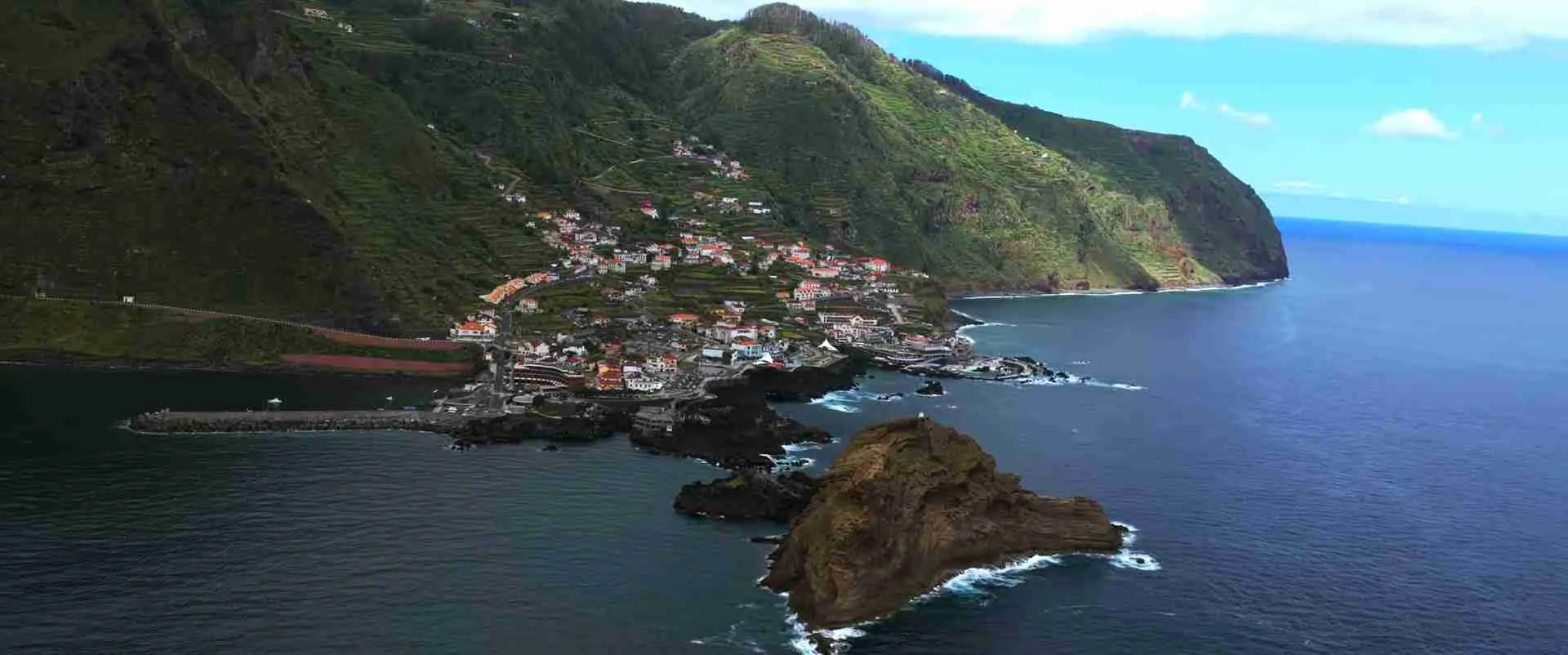
Free Things to Do in Madeira 2026: Hidden Gems, Secret Levadas, Gardens, Views & Markets
Madeira delivers extraordinary experiences without requiring extraordinary budgets, from ancient levada irrigation channels threading through laurel forests to dramatic volcanic viewpoints plunging into the Atlantic. The island’s most compelling attractions — UNESCO-protected trails, subtropical gardens overlooking Funchal Bay, centuries-old markets bursting with exotic flowers, and coastal panoramas that rival any paid experience — remain accessible to every visitor willing to explore beyond the tour bus circuit.
Key Takeaways About Free Madeira Experiences 2026
- Levada Trail Diversity 2026: While popular PR routes now require €3 reservations through the SIMplifica platform starting January 2026, dozens of equally stunning levada walks remain completely free, including Levada do Moinho, Levada Nova, and numerous coastal veredas offering waterfall crossings and Atlantic views without booking systems or fees.
- Funchal’s Free Green Spaces: Santa Catarina Park provides 36,000 square meters of subtropical gardens with Funchal Bay panoramas, exotic bird-filled lagoons, and historic chapels, while Jardim Municipal offers 24/7 access to botanical collections from Asia, Africa, and South America — both completely free with no reservation requirements.
- Mercado dos Lavradores Market Schedule 2026: Funchal’s iconic farmers market operates Monday through Thursday 7am-4pm, Friday 7am-8pm, and Saturday 7am-3pm with free entry. Friday mornings showcase farmers from remote villages in traditional dress selling flowers, tropical fruits, and fresh-caught black scabbardfish alongside artisan handicrafts.
- Viewpoint Access Without Costs: Madeira’s most dramatic overlooks — including Eira do Serrado gazing into Curral das Freiras volcanic crater, Cabo Girão’s glass skywalk above 580-meter sea cliffs, and Cristo Rei statue offering harbor panoramas — charge no admission fees and provide free parking at most locations.
- Strategic Free Experience Combination 2026: Optimal free-day itineraries pair morning levada walks when trails remain uncrowded with afternoon market visits during peak activity, followed by sunset viewpoint sessions and evening old town wandering, creating full-day experiences rivaling paid tours in quality and variety.
- Seasonal Free Activity Advantages: Winter months November through February deliver clearer mountain visibility for viewpoint photography, reduced trail congestion on popular levadas, and vibrant market produce variety, while summer provides extended Santa Catarina Park hours until 10pm and calmer ocean conditions for coastal trail exploration.
People Also Ask About Free Madeira Activities 2026
Are Madeira’s famous levada walks free in 2026?
Madeira’s levada access splits into two categories in 2026: designated PR routes requiring €3 reservations through the government SIMplifica platform, and unrestricted levadas remaining completely free. Popular trails like PR9 Levada do Caldeirão Verde, PR8 Ponta de São Lourenço, and PR11 Vereda dos Balcões now mandate advance booking with QR code verification, while equally scenic alternatives including Levada Nova, Levada do Moinho, Levada do Alecrim, and Vereda do Larano maintain free access without reservation systems. The €3 fee applies per person for reserved trails, collected on-site via smartphone payment or pre-booked online, but dozens of maintained levadas threading through laurel forests, agricultural terraces, and coastal cliffs remain open to spontaneous exploration at no cost. Many free levadas deliver comparable scenery and trail conditions to their reserved counterparts — waterfall crossings, tunnel sections, valley viewpoints, and classic Madeira levada atmosphere — making them strategic choices for budget-conscious hikers willing to venture beyond the most publicized routes.
What free activities can families enjoy in Funchal 2026?
Funchal provides extensive free family programming centered around Santa Catarina Park’s playgrounds, open lawns for ball games, duck-filled lagoons, and shaded picnic areas, combined with Jardim Municipal’s exotic plant collections accessible 24/7 for spontaneous visits. Mercado dos Lavradores market exploration engages children through vibrant flower displays, tropical fruit tasting opportunities from vendor samples, and black scabbardfish viewing in the fishing section, particularly engaging Friday mornings when farmers arrive in traditional costumes. The seaside promenade stretching from Lido Swimming Complex westward offers flat, stroller-friendly walking with ocean views, playground equipment at intervals, and beach access points at Praia Formosa. Old town Funchal presents free architectural discovery through painted door streets, historic church visits including Igreja do Socorro and Igreja de São Pedro with baroque interiors, and harbor watching where cruise ships and sailing vessels create constant maritime activity. Evening programming includes sunset viewing from various harbor overlooks, street performer observations in Praça do Município, and illuminated monument photography sessions around Sé Cathedral and São Lourenço Palace exterior spaces, creating full-day family itineraries without admission costs.
Which Madeira viewpoints are free to access in 2026?
Madeira’s premier free viewpoints span the island’s diverse landscapes, from Eira do Serrado’s volcanic crater overlook plunging into Curral das Freiras valley surrounded by jagged peaks, to Cabo Girão’s 580-meter sea cliff platform with glass floor sections and agricultural terrace views below. Pico do Arieiro’s 1,818-meter summit remains freely accessible by car for sunrise viewing above cloud layers and central massif panoramas, though the popular PR1 trail requires reservation. Cristo Rei statue above Funchal harbor provides sweeping bay perspectives encompassing the cruise terminal, marina, and amphitheater-like city backdrop against mountain ridges. Coastal viewpoints including Miradouro da Ponta do Rosto at São Lourenço peninsula, Miradouro do Guindaste offering Seixal’s black sand beaches and Bridal Veil waterfall views, and various unnumbered pull-offs along ER101 coastal road deliver dramatic Atlantic cliff photography without charges. Levada trail viewpoints add forest-framed perspectives, particularly Balcões lookout at PR11 trail end showcasing central peaks and deep valleys through laurel forest frames. Most viewpoints provide free parking except peak summer weekends when Pico do Arieiro fills early, making sunrise or late afternoon visits strategic for guaranteed access.
How can visitors maximize free experiences across Madeira 2026?
Strategic free experience maximization combines temporal planning with geographic clustering, starting levada walks at 8am before tour groups arrive and trails heat up, transitioning to coastal viewpoints during midday golden light, timing market visits for Friday morning peak activity when remote farmers sell fresh produce, and concluding days with sunset viewpoint sessions followed by illuminated old town architectural photography. Transportation optimization using Funchal’s urban bus network operated by Horários do Funchal at fixed low fares extends free activity reach beyond walking distance, while Saturday morning market visits followed by afternoon Santa Catarina Park relaxation and evening harbor promenade strolling creates full weekend days without costs. Seasonal advantages emerge November through February when clearer skies improve viewpoint photography and reduced tourist volumes open up popular free levadas, while summer’s extended park hours until 10pm enable post-dinner garden strolls with harbor light displays. Combining free levadas with viewpoint stops along the same geographic corridor — such as northern coastal Levada Nova paired with Seixal viewpoints, or eastern Vereda do Larano with São Lourenço peninsula overlooks — maximizes daily variety while minimizing driving between activities, a strategy particularly valuable for visitors without rental cars relying on strategic bus route planning.
Extended multi-day tours – 5+ days
Featured Madeira Multi-Day Tour Packages

3 days
Madeira 3-Day Discovery Tour
- ✓ Comprehensive Madeira experience
- ✓ Expert local guides included
- ✓ All accommodation included
- ✓ Transportation provided
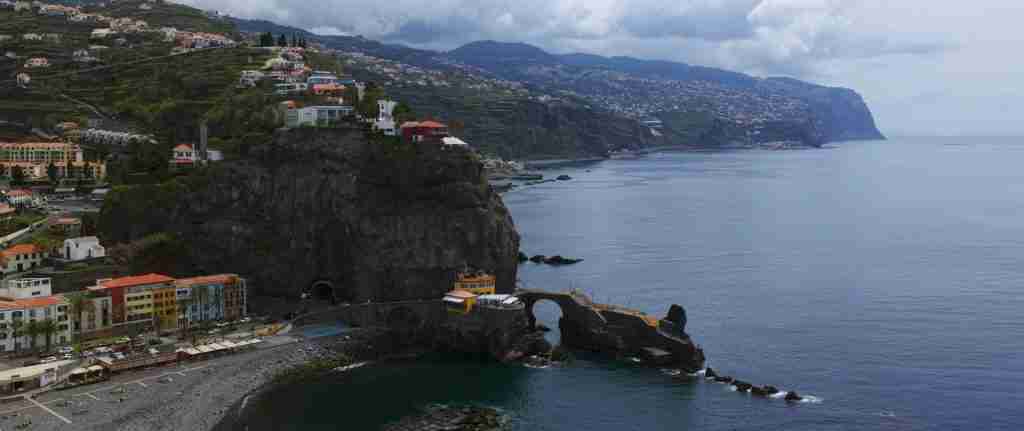
5 days
Madeira 5-Day Highlights Experience
- ✓ Comprehensive Madeira experience
- ✓ Expert local guides included
- ✓ All accommodation included
- ✓ Transportation provided
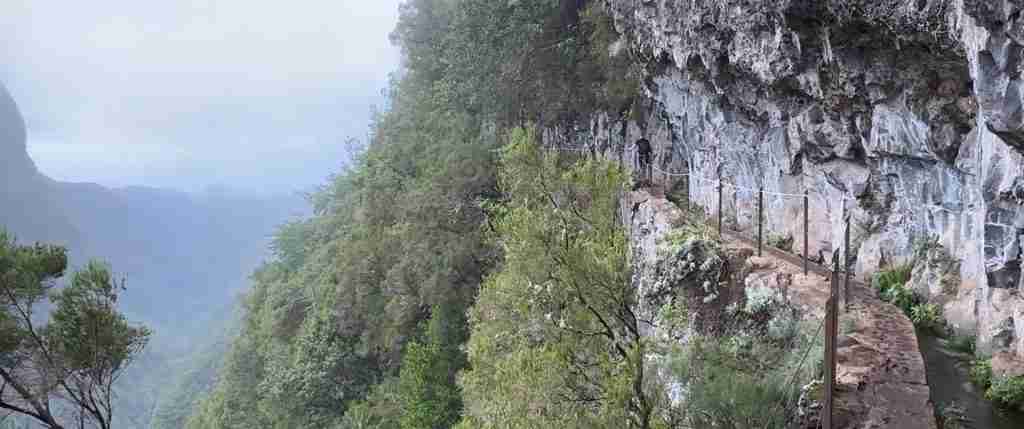
7 days
Madeira 7-Day Cultural Journey
- ✓ Comprehensive Madeira experience
- ✓ Expert local guides included
- ✓ All accommodation included
- ✓ Transportation provided
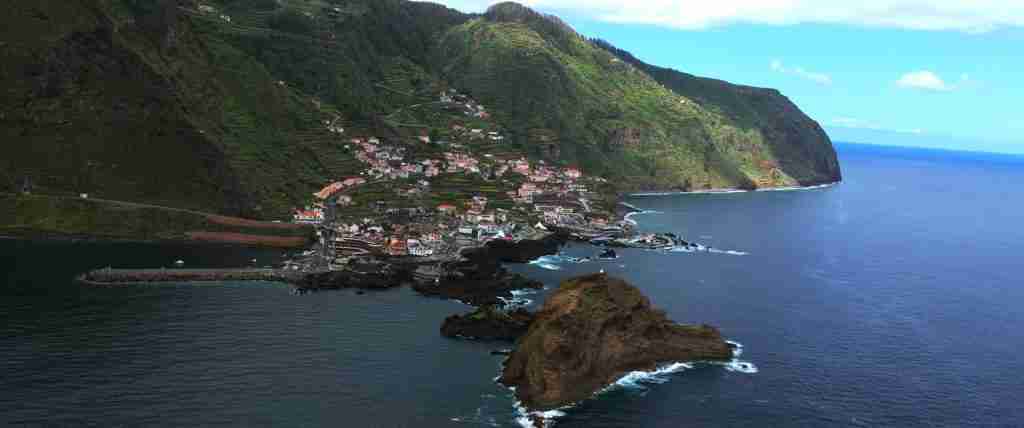
10 days
Madeira 10-Day Complete Adventure
- ✓ Comprehensive Madeira experience
- ✓ Expert local guides included
- ✓ All accommodation included
- ✓ Transportation provided
Multi-day tour packages powered by TourRadar. Prices and availability subject to change.
Introduction: Madeira’s Free Experience Landscape 2026
Madeira’s appeal transcends price points. While the island’s paid attractions command justified attention — Monte Palace Tropical Garden’s artistic installations, cable car rides ascending Funchal’s amphitheater slopes, organized levada tours with expert guides — the archipelago’s most defining characteristics emerge through experiences requiring nothing beyond curiosity and comfortable walking shoes. The same volcanic forces that sculpted dramatic sea cliffs half a millennium ago continue delivering free spectacle today. The levada network commissioned by 16th-century sugar plantation owners now serves 21st-century hikers rather than irrigation channels. Markets established to feed Funchal’s growing population maintain authentic rhythms unaffected by tourism economics.
The 2026 introduction of mandatory reservations for designated PR trails signals Madeira’s maturation as an international hiking destination, but simultaneously highlights the island’s remarkable depth of alternative experiences beyond regulated routes. For every reserved levada requiring advance planning, three unrestricted alternatives thread through equally compelling landscapes. For every paid botanical garden charging admission, public parks deliver subtropical collections without gates. For every organized tour promising secret viewpoints, coastal roads reveal unmonitored overlooks commanding identical panoramas.
This democratization of access reflects Portuguese cultural values around public space. Municipal gardens open 24/7 rather than closing at dusk. Markets welcome browsers alongside buyers. Viewpoint parking lots remain uncharged despite commanding premium real estate. The philosophy extends beyond individual sites to regional infrastructure — maintained trail systems, interpretive signage explaining laurel forest ecology, safety railings protecting cliff paths — investments benefiting all visitors regardless of spending capacity.
Budget constraints need not limit Madeira experiences. A visitor spending zero euros beyond accommodation and meals can still summit volcanic peaks above cloud layers at dawn, walk 16th-century irrigation channels through UNESCO-protected laurel forests, photograph agricultural terraces cascading toward Atlantic breakers, taste exotic fruits at Friday market stalls, swim at black sand beaches accessed by coastal trails, watch cruise ships glide into harbor from hilltop chapels, and return home with memories indistinguishable from those created through paid programming. The difference lies not in quality but in approach — self-directed rather than guided, spontaneous rather than scheduled, exploratory rather than explained.
Optimal free experience planning balances iconic destinations with hidden alternatives. Yes, visit PR11 Balcões viewpoint if willing to navigate the reservation system, but also discover Levada Nova’s waterfall crossings requiring no booking. Browse Mercado dos Lavradores on touristy Saturday mornings to witness the full market energy, but return Friday at 7am when farmers arrive with produce picked hours earlier. Photograph Cabo Girão’s glass platform alongside other visitors, but continue to unmarked coastal overlooks five kilometers west where vertical cliffs plunge into surf without crowds.
The following collection emphasizes diversity across experience types — forest immersion through levadas, urban discovery in Funchal’s free spaces, panoramic perspective from volcanic viewpoints, cultural engagement at traditional markets, coastal drama along Atlantic-facing trails. Each activity stands independently as a worthy half-day or full-day pursuit, while combinations create comprehensive free itineraries spanning multiple days. Some require moderate fitness for trail walking. Others accommodate all mobility levels through wheelchair-accessible parks and paved promenades. The unifying thread: exceptional quality delivered without admission charges, revealing Madeira’s essential character through natural beauty, cultural authenticity, and landscape drama accessible to every visitor.
Levada Walks Without Reservation Requirements 2026
Madeira’s levada system represents four centuries of hydraulic engineering, with over 2,500 kilometers of irrigation channels threading from water-rich northern mountains to drier southern agricultural zones. While 2026’s reservation system affects high-profile PR routes, the vast majority of levada network remains accessible without booking, delivering authentic walking experiences along historic waterways through varied landscapes from coastal cliffs to laurel forest depths.
Understanding the Free Levada Network
The distinction between reserved and free levadas follows trail designation rather than quality. PR-numbered routes managed by Madeira’s regional government now require advance booking during peak access periods, while unnumbered levadas maintained by local municipalities, water authorities, or simply preserved through continued use remain open to spontaneous exploration. This administrative division means travelers can walk similar terrain — flat maintenance paths alongside flowing channels, occasional tunnel sections requiring headlamps, waterfall crossings creating memorable moments — without navigating reservation systems.
Free levada selection rewards research. Lesser-known routes deliver comparable scenery to famous alternatives with significantly reduced foot traffic. Levada Nova traces southern coastal cliffs with valley viewpoints and agricultural terrace perspectives matching paid excursions. Levada do Moinho combines water mill ruins with forest atmosphere and coastal overlooks. Levada do Alecrim provides laurel forest immersion and mountain stream crossings in Rabaçal area proximity without the crowds concentrating at 25 Fontes. Each free levada attracts primarily local weekend walkers and independent travelers reading Portuguese hiking forums rather than international guidebooks, creating more intimate trail experiences.
Strategic Free Levada Selection by Region
Northern coast free levadas emphasize ocean drama and agricultural landscapes. Levada Nova between Arco de São Jorge and São Jorge village presents relatively flat walking along cliff edges with Atlantic views, traditional terraced farming still practiced on surrounding slopes, and the memorable Rocha do Navio waterfall crossing requiring careful footing but delivering classic Madeira moments. The levada continues through several small settlements where locals maintain gardens alongside the channel, offering authentic glimpses of rural island life beyond tourism infrastructure. Walking time spans 2-3 hours one-way depending on chosen starting and ending points, with several access locations allowing shorter sections suitable for families or limited-mobility walkers.
Eastern region free levadas combine coastal and forest characteristics. Vereda do Larano starting from Machico area provides ocean cliff walking with laurel forest transitions, ultimately connecting to Boca do Risco viewpoint offering expansive Atlantic panoramas without reservation requirements or fees. The trail gains popularity among locals for sunset walks when golden light illuminates cliff faces and fishing villages below, creating exceptional photography conditions unavailable during midday heat. Distance covers approximately 6 kilometers one-way, manageable as an out-and-back afternoon excursion or arranged as point-to-point with pre-coordinated pickup avoiding backtracking.
Central mountain free levadas deliver deep forest immersion. Levada dos Cedros in the Fanal area threads through ancient laurel forest with mist-shrouded trees creating atmospheric walking conditions year-round. Unlike the regulated PR trails requiring reservations, this route sees primarily Portuguese hikers and maintains a quieter, more contemplative character suited to nature photography and wildlife observation including endemic bird species. The levada eventually connects to broader trail networks, allowing extended day hikes for experienced walkers or shorter 2-hour segments for casual exploration of UNESCO-protected Laurisilva forest ecosystems.
Western region free levadas emphasize sunny microclimate advantages. Levada Nova do Moinho near Ponta do Sol combines agricultural terrace views with valley perspectives and ultimately reaches water mill ruins giving the levada its name. The route benefits from western Madeira’s drier, sunnier weather patterns making it particularly appealing during winter months when northern routes experience more cloud cover and precipitation. Flat terrain and wide paths accommodate varying fitness levels, while strategic viewpoint locations provide rest stops with panoramic rewards justifying the outbound effort.
Practical Free Levada Considerations 2026
Free levada walking requires self-sufficiency absent from guided tours or reserved routes with ranger presence. Proper footwear with grip soles proves essential given potentially muddy or wet conditions regardless of weather, as levada spray and shaded sections maintain moisture even during dry periods. Headlamps or phone flashlights enable tunnel navigation on routes featuring short dark passages, though most free levadas avoid extensive tunnel systems. Water and snacks carry particular importance on longer routes lacking commercial establishments, as remote levadas deliberately avoid tourist infrastructure maintaining trails in more natural states.
Navigation challenges differentiate free from marked PR routes. While major levadas feature occasional signage, many rely on inherent path clarity — following the water channel upstream or downstream — rather than blazes or markers. Offline mapping applications including Maps.me or Google Maps with downloaded regions prove valuable for confirming position and identifying access points, particularly on levadas with multiple entry locations allowing customized walking distances. Local hiking forums and Portuguese-language resources often provide more detailed trail descriptions than international guidebooks focusing on famous routes, rewarding research efforts with insider knowledge about current conditions, recent maintenance work, or seasonal considerations.
Timing optimization enhances free levada experiences significantly. Early morning starts before 8am virtually guarantee solitude even on more popular unrestricted routes, as most visitors prioritize reserved PR trails requiring specific time slots. Midweek walking avoids Portuguese weekend crowds when locals flock to favored levadas creating periodic congestion on otherwise quiet paths. Winter months November through March deliver clearer mountain views from levada overlooks, though northern routes experience more precipitation requiring appropriate rain gear. Summer walking demands sun protection on exposed coastal levadas and early starts before afternoon heat intensifies, particularly on south-facing routes lacking forest shade.
Hidden Gem Free Levadas Worth Discovering
Levada do Rei near São Jorge provides a lesser-known alternative to famous Caldeirão Verde, combining forest atmosphere, waterfall features, and valley views without reservation requirements. The levada threads through protected forest with endemic flora including Madeira’s distinctive tree heather and laurel species, occasional clearings revealing north coast agricultural landscapes, and a terminus at small waterfall creating picnic-worthy rest stops. Moderate length of approximately 10 kilometers return suits half-day excursions, while relatively flat gradient accommodates varied fitness levels compared to more strenuous mountain routes.
Levada do Castelejo in western Porto Moniz region offers coastal drama without crowds, tracing cliffs above volcanic swimming pools and connecting viewpoints overlooking Atlantic surf. The levada maintains excellent condition through regular local use rather than tourist traffic, with maintenance paths providing sure footing and safety railings at exposure points. Agricultural terraces alongside the channel showcase traditional Madeiran farming continuing unchanged for generations, including banana plantations and vegetable gardens supplying local markets rather than tourist restaurants. Walking time spans 1.5-2 hours one-way depending on pace and photograph stops, with several access points allowing customized distances.
Levada Fajã do Rodrigues in the Seixal area provides waterfall features and laurel forest immersion rare among coastal routes, combining oceanic perspectives with forest ecology in single excursions. The levada’s relative obscurity stems from trailhead access requiring local knowledge — unmarked parking areas and starting points identifiable primarily through Portuguese hiking resources rather than international guidebooks. This hidden status preserves trail character attracting primarily knowledgeable locals and persistent researchers willing to navigate beyond obvious options, creating remarkably peaceful walking experiences considering the levada’s exceptional scenic variety.
Funchal’s Free Public Gardens and Parks 2026
Funchal concentrates exceptional free green spaces within walking distance of city center accommodation, from formal botanical gardens showcasing global plant collections to expansive harbor-view parks combining recreation with horticultural displays. These spaces serve dual functions as urban retreats for residents and tourist attractions for visitors, maintaining high standards through municipal investment while remaining freely accessible without admission gates or time restrictions.
Santa Catarina Park: Funchal’s Premier Free Viewpoint Garden
Santa Catarina Park occupies 36,000 square meters of premium real estate overlooking Funchal harbor and bay, delivering panoramic perspectives rivaling paid cable car experiences from ground-level accessibility. The park’s 1966 creation transformed former cemetery grounds into Madeira’s most versatile public space, combining formal gardens, recreational lawns, children’s playgrounds, duck-inhabited lagoons, sculpture installations, and the historic Capela de Santa Catarina chapel dating to 1425 as Madeira’s first religious structure. Current configuration reflects decades of landscape evolution balancing formal design with casual use patterns, creating spaces equally suited to contemplative solo visits and active family outings.
Botanical diversity showcases subtropical and Mediterranean species thriving in Madeira’s climate, with labeled specimens educating visitors about global plant geography through living collections rather than theoretical descriptions. Pathways wind through distinct garden zones — dense tree canopies providing shade during summer heat, open flower beds displaying seasonal color, succulent gardens demonstrating drought adaptation strategies, palm groves creating tropical atmosphere. The central lagoon attracts swans, ducks, and occasional migratory waterfowl, with feeding areas drawing consistent bird activity though responsible visitors avoid interfering with natural behaviors through inappropriate food offerings.
Viewpoint advantages emerge throughout the park rather than concentrating at single overlook, with various elevated positions revealing different harbor perspectives — cruise ship activity at the terminal, sailing vessel movements around the marina, Funchal’s amphitheater cityscape climbing hillsides toward mountain ridges, Ponta do Garajau promontory extending eastward. Sunset viewing transforms the park during golden hour when western light illuminates the bay and cruise ships become silhouettes against colorful skies, attracting photographers and couples alongside regular joggers and dog walkers maintaining evening routines.
Practical amenities enhance extended visits. Santa Catarina Café near the main entrance serves coffee and light meals with outdoor seating commanding harbor views, while strategically placed benches throughout the park provide rest stops during walking circuits. Children’s playground equipment accommodates various age ranges from toddlers to pre-teens, with safety surfacing and shade structures reflecting modern standards. Open lawn areas permit informal ball games and picnicking when weather conditions allow, with families spreading blankets during weekend afternoons creating festive atmosphere particularly popular among local residents. The chapel opens irregularly for visits, with exterior viewing always possible given the structure’s architectural and historical significance.
Optimal visit timing balances personal preferences with usage patterns. Early morning 7am arrivals encounter joggers and fitness enthusiasts before tourist foot traffic increases, providing quiet appreciation of gardens at their freshest following overnight watering. Midday visits face more crowding but deliver full activity energy with families, tourists, and locals creating vibrant atmosphere. Late afternoon through sunset captures golden light photography conditions and cooler walking temperatures compared to midday heat. The park operates on seasonal hours — summer months March 22 through September 22 extend access until 10pm enabling post-dinner strolls, while winter September 23 through March 21 closes at 8pm still accommodating sunset viewing throughout the period.
Jardim Municipal: Downtown Funchal’s 24/7 Botanical Refuge
Jardim Municipal occupies compact but intensely planted grounds in central Funchal between Avenida Arriaga and the Teatro Municipal, offering 8,300 square meters of exotic vegetation accessible around the clock without gates or operating hours. The garden’s 1880 creation by French landscape architect Édouard François André established formal European design principles adapted to Madeira’s subtropical climate, resulting in unusual combinations of temperate and tropical species coexisting through careful microclimate management and horticultural expertise.
Plant collections emphasize geographic diversity rather than thematic groupings, with specimens sourced from Africa, Asia, and South America creating living testimony to Portuguese colonial botanical networks while showcasing species adaptable to Madeira’s conditions. Mature palms provide vertical dimension contrasting ground-level ferns and flowering shrubs, while cooling ponds and fountains create humidity zones supporting moisture-dependent species. Interpretive signage identifies specimens by scientific and common names with origin information, though coverage remains incomplete compared to paid botanical gardens leaving some remarkable trees and shrubs unlabeled mysteries for curious visitors.
Historical layers add depth beyond botanical interest. The site’s Franciscan convent origins manifest through remaining architectural fragments including preserved stone coats of arms and foundation elements integrated into current garden layout. Monument installations commemorate various figures in Portuguese and Madeiran history, with bust sculptures of colonial administrators, military leaders, and cultural figures placed along pathways creating unexpected encounters during garden strolls. These elements transform the space into outdoor museum combining natural beauty with cultural heritage, though interpretive information remains limited leaving many monuments contextually mysterious without advance research.
The garden’s central location makes it natural break point during old town exploration, with entrances connecting directly to commercial streets enabling spontaneous visits rather than requiring dedicated travel. Proximity to Blandy’s Wine Lodge, Funchal Cathedral, and Teatro Municipal clusters cultural attractions within walking circuits incorporating garden pauses as rest stops between museum visits or shopping excursions. This strategic positioning creates high usage by both tourists needing brief respites and locals utilizing the garden as shortcut between neighborhoods, generating constant foot traffic preventing the space from feeling deserted even during off-peak hours.
Photographic opportunities emphasize formal composition and botanical detail over panoramic landscapes, with fountain features providing focal points and palm canopies framing architectural backgrounds. The compact size enables thorough exploration within 30-45 minutes compared to hours required for larger parks, making the garden ideal for schedule flexibility when weather suddenly improves or planned activities conclude early. Its 24/7 accessibility proves particularly valuable for early morning hotel departures or late evening arrivals when other attractions remain closed, offering green space and walking opportunity regardless of timing constraints.
Strategic Free Garden Combinations
Combining both parks in single day trips maximizes Funchal’s free green space offerings while providing geographic diversity across harbor viewpoints and downtown botanical focus. Walking distance between gardens spans approximately 1.5 kilometers along relatively flat terrain following Avenida do Infante or alternative routes through commercial districts, allowing leisurely 20-minute transitions incorporating cafe stops or shopping detours. Optimal sequencing visits Santa Catarina Park during optimal light conditions for harbor photography — either morning when eastern illumination highlights cruise ships and city backdrop, or late afternoon for sunset viewing — then transitions to Jardim Municipal during middle hours when downtown location provides shaded walking and central positioning for continued exploration.
Alternative free green spaces supplement the major parks for comprehensive botanical variety. Jardim de São Francisco adjacent to Madeira Wine Company offers compact gardens surrounding historic wine cellars, combining horticultural displays with architectural heritage though operating hours align with museum schedules rather than 24/7 access. Various neighborhood parks throughout Funchal including small plaza gardens and roadside plantings create continuous green network linking attractions through landscaped corridors rather than requiring walks along purely urban streets, improving walking experience quality for visitors prioritizing aesthetic environments over efficient routing.
Mercado dos Lavradores: Funchal’s Living Cultural Hub 2026
Mercado dos Lavradores transcends typical market function, operating as cultural theater where Madeira’s agricultural traditions, fishing heritage, and artisan crafts converge in daily performances of commerce and community. The market’s 1940 construction created purpose-built infrastructure replacing scattered street vendors with organized sections under single architectural statement combining Art Deco styling with Portuguese colonial influences, establishing space that continues serving original purpose 86 years later while adapting to contemporary tourism pressures.
Market Geography and Section Organization
The market occupies prime downtown real estate at Rua Dr. Fernão Ornelas, with main entrance immediately identifiable through ornate tile work depicting agricultural and maritime scenes. Interior organization follows traditional hierarchy with flower vendors occupying the ground floor entrance creating sensory overload through color and fragrance before visitors proceed deeper into food sections. This deliberate sequencing places most photogenic offerings foremost, ensuring even brief visitors experience market essence through flower displays alone if time constraints prevent full exploration.
Flower section dominates visitor experience through sheer visual impact and vendor energy. Local women dressed in traditional Madeiran costume — full skirts, white blouses, embroidered vests — arrange exotic blooms including bird of paradise, protea, anthuriums, and orchids alongside more familiar roses and lilies. The costume tradition persists primarily at market entrance where tourist photography concentrates, with vendors in other sections wearing contemporary clothing reflecting practical work requirements over performative display. Fresh-cut flowers sell to both locals decorating homes and tourists purchasing small bundles as apartment accommodation embellishments, while vendors also offer bulbs and seeds for garden enthusiasts seeking Madeiran species for home cultivation.
Fish section occupies dedicated ground floor area with refrigerated display cases presenting daily catches from Madeira’s fishing fleet. The signature species draws consistent attention — black scabbardfish, known locally as espada, appears as silvery-black specimens with prominent teeth and eel-like bodies reflecting deep-ocean habitat in waters offshore. These fish form cornerstones of traditional Madeiran cuisine, prepared in various styles at island restaurants making market viewing provide context for later dining experiences. Vendors expertly clean and fillet fish on request, demonstrating knife skills passed through generations while explaining cooking recommendations for specific species.
Upper floor produce section showcases tropical and temperate agriculture thriving across Madeira’s varied microclimates, from coastal banana plantations to mountain vegetable gardens. Exotic fruits unfamiliar to mainland European or North American visitors include passion fruit, custard apples, guavas, and persimmons alongside more recognizable bananas, papayas, and mangoes. Vendors encourage tasting of sample pieces, creating low-pressure sales environment where curiosity receives friendly responses regardless of purchase intentions. Regional vegetables including sweet potatoes, yams, and various greens demonstrate agricultural diversity beyond fruit focus, while herb vendors offer fresh seasonings central to Madeiran cooking — bay leaves, thyme, oregano — sold in generous bunches at prices far below supermarket equivalents.
Friday Market Peak Experience
Friday mornings transform the market through arrival of farmers from remote inland villages bringing produce harvested within preceding 24 hours. This tradition maintains market’s founding purpose connecting rural producers directly with urban consumers, creating authenticity tourism-oriented vendors in other sections cannot replicate. Farmers occupy temporary stalls bringing whatever their land currently produces rather than maintaining consistent inventory like commercial vendors, resulting in seasonal variety reflecting Madeira’s agricultural rhythms rather than global supply chain consistency.
Timing proves critical for optimal Friday experience. Arrival between 7-8am catches the market at peak activity with farmers completing setup and early local shoppers making rounds before tourist crowds arrive mid-morning. This window provides authentic immersion watching Portuguese conversations between vendors and regular customers discussing family news alongside produce quality, creating community atmosphere absent during more touristy weekend hours. Photography benefits from morning light filtering through market skylights and fewer obstructing crowds, though considerate photographers respect vendor requests regarding photo permissions particularly for individuals in traditional dress potentially overwhelmed by constant camera attention.
Cultural etiquette balances tourist curiosity with vendor dignity. While flower vendors near entrance expect photography as part of market theatre and generally welcome cameras with smiles and poses, photographing individuals without permission or treating market purely as photo backdrop rather than functioning commerce space creates uncomfortable dynamics. Simple Portuguese phrases — “Posso tirar uma foto?” asking photo permission, “Obrigado” expressing thanks — demonstrate basic respect transforming interactions from extractive tourism to cultural exchange. Purchases, even small flower bundles or fruit samples, contribute to vendor livelihoods justifying market space occupation beyond pure browsing.
Market Practical Information 2026
Operating hours accommodate both early-morning local shopping and tourist schedule flexibility. Monday through Thursday the market opens 7am-4pm attracting primarily local customers focused on produce shopping without tourist crowds. Friday extends hours 7am-8pm reflecting higher traffic and vendor desire to maximize sales during peak activity day. Saturday closes earlier at 3pm following morning rush when many locals complete weekly shopping before weekend activities. Sunday closures reflect Portuguese retail patterns and provide vendor rest days, making Saturday the last opportunity for weekend visitors to experience the market before Monday reopening.
Free admission allows flexible visit duration from brief 20-minute flower section photography to thorough 90-minute exploration covering all floors and sections. Multiple entrances enable efficient routing particularly when combining market visits with broader old town walking tours, though main entrance provides clearest orientation for first-time visitors. Restroom facilities exist within the building though signage may prove unclear requiring vendor directions. Cash remains preferred payment method particularly for smaller purchases and farmer stalls lacking card processing equipment, while commercial vendors increasingly accept cards reflecting tourism adaptation.
Strategic combinations enhance market value as part of broader Funchal exploration. Pairing morning market visits with afternoon Santa Catarina Park relaxation creates balanced day mixing sensory intensity with peaceful green space recovery. Purchasing fruits and local bread at the market supplies picnic provisions for park visits or levada walks, reducing meal costs while introducing local flavors impossible to access through restaurant dining alone. Timing market visits before restaurant lunches provides ingredient context making menu items more meaningful — recognizing espada fish in market cases then ordering espada com banana at traditional restaurants creates connection between Madeiran food traditions and actual sourcing practices.
Free Coastal and Mountain Viewpoints 2026
Madeira’s dramatic topography positions exceptional viewpoints throughout the island, from volcanic crater overlooks to sea cliff panoramas, most remaining freely accessible without admission charges or reservation requirements. These viewpoints serve both as destinations justifying specific trips and as stop opportunities during broader coastal or mountain drives, delivering high-impact experiences requiring minimal time investment or physical exertion compared to full-day hiking commitments.
Eira do Serrado: Volcanic Crater Perspective
Eira do Serrado provides arguably Madeira’s most dramatic inland viewpoint, perching 1,094 meters above sea level with direct sightlines into Curral das Freiras valley surrounded by jagged peaks rising 700-800 meters from valley floor. The viewpoint name translates as “sawmill threshing floor,” referencing historical agricultural use of the plateau before tourism infrastructure converted the location into lookout destination. Current facilities include paved parking area, souvenir shops, simple restaurant with terrace seating, and viewing platforms with safety railings protecting cliff edges.
Geological context enhances visual drama. Curral das Freiras occupies ancient volcanic crater formed during Madeira’s creation millions of years ago, with subsequent erosion carving distinctive valley shape and peak formations surrounding the settlement. The valley’s isolation historically protected Funchal’s Santa Clara convent nuns from pirate raids during 16th century — hence “Curral das Freiras” meaning “Nuns’ Corral” — making the viewpoint witness geological and human history simultaneously. Valley bottom remains visible 700 meters below with settlement buildings appearing toy-like from above, while hiking trails connecting valley floor to viewpoint ridges demonstrate altitude gain visible as switchback patterns on steep slopes.
Optimal conditions require weather awareness given mountain elevation and exposure. Cloud formation frequently obscures valley views particularly during afternoon hours when warm air rising from coastal areas meets cooler mountain temperatures creating condensation at middle elevations. Early morning visits before 10am generally encounter clearest conditions with minimal cloud interference, while winter months provide more consistent visibility despite cooler temperatures requiring additional clothing layers. The viewpoint faces west creating favorable evening light conditions when valley remains clear, though afternoon clouds reduce reliability for sunset viewing compared to coastal locations with unobstructed ocean horizons.
Access routes present options for varied skill levels and time availability. The most direct approach follows ER107 road from Funchal reaching the viewpoint in approximately 30 minutes via steep but well-maintained pavement. Adventurous visitors can descend into Curral das Freiras valley via hiking trail or road, exploring the isolated village known for chestnut cultivation and locally-produced chestnut liqueur before ascending back to viewpoint or continuing to Funchal via alternative routes. This combination creates half-day or full-day excursions depending on valley time investment and activity choices.
Cabo Girão: Europe’s Highest Sea Cliff Platform
Cabo Girão claims distinction as Europe’s second-highest sea cliff at 580 meters, exceeded only by Norwegian formations, with viewing platform featuring glass floor sections enabling direct views to ocean surf and agricultural terraces far below. The cliff’s dramatic verticality creates visceral impact even for visitors accustomed to mountain environments, as uninterrupted drop from platform edge to breaking waves produces psychological effect absent from gradual mountain slopes. Glass floor panels test visitor comfort with heights while providing unmatched photography opportunities capturing depth impossible from solid platforms.
The terrace system below the cliff — known locally as fajãs — demonstrates Madeiran agricultural ingenuity adapting to extreme topography. Farmers access these sea-level plots via cable car infrastructure visible from the viewpoint, cultivating subtropical crops in microclimate created by cliff protection and ocean proximity. The terrace patterns create geometric agricultural art from above, with rectangular plots in various shades reflecting different crop types and growth stages. This working agricultural landscape differentiates Cabo Girão from purely natural viewpoints, illustrating human adaptation to challenging environment rather than untouched wilderness.
Infrastructure accommodations balance access with preservation. Paved parking lot handles tour bus and private vehicle traffic, though spaces fill during peak midday hours requiring patience or off-peak timing to secure spots. The platform itself restricts access to designated viewing areas rather than allowing cliff edge approach, maintaining safety through required railings while preserving visual drama. Souvenir shops and cafe facilities provide commercial amenities some visitors appreciate though purists may find intrusive, reflecting ongoing tension between tourism development and natural experience preservation throughout Madeira.
Strategic timing considerations optimize the visit. Midday sun creates harsh lighting conditions reducing photograph quality while generating maximum crowding from tour group schedules concentrating visits between 11am-3pm. Early morning arrivals before 9am encounter dramatically fewer visitors and softer light angles improving photography, while late afternoon visits after 4pm benefit from golden hour illumination and departing tour buses reducing congestion. Winter months provide clearer atmospheric conditions for distance viewing across to Funchal and eastern coastline, while summer’s extended daylight allows later visits capturing sunset conditions without darkness limiting return drives.
Cristo Rei and Harbor Viewpoints
Cristo Rei statue positioned above Funchal’s western harbor provides both religious monument and practical viewpoint combining bay panoramas with close proximity to city center accommodation. The statue’s elevated position on Garajau promontory delivers wide-angle harbor perspectives encompassing cruise terminal, marina, amphitheater city backdrop, and eastern coastline extending toward Ponta de São Lourenço. Unlike remote mountain viewpoints requiring dedicated excursions, Cristo Rei accessibility via short walk or drive from Funchal accommodates spontaneous visits and brief time windows between other activities.
The monument itself draws mixed reactions from visitors expecting Rio de Janeiro’s Christ the Redeemer scale, as Madeira’s version stands significantly smaller at 14 meters including base compared to Brazil’s 30-meter iconic statue. However, positioning advantage compensates for size limitations, with statue placement on cliff edge creating dramatic silhouettes against sky and ocean particularly effective during sunrise and sunset photography sessions. The site functions more successfully as viewpoint complemented by statue rather than destination focused on monument itself, setting appropriate expectations regarding primary attraction.
Access approaches accommodate various mobility levels and preferences. Cable car from Garajau beach provides scenic ascent combining harbor views during ride with viewpoint destination, operating for fees that exclude the location from strictly free activities though the viewpoint itself charges no admission. Walking paths from upper access roads enable free approach for visitors willing to navigate relatively steep trails, with multiple route options depending on starting location and fitness levels. Free parking exists near the statue though spaces limit capacity during peak visitation periods.
Additional harbor viewpoints scatter across Funchal’s western hillsides providing alternative perspectives without Cristo Rei’s crowds. Various roadside pull-offs along routes climbing toward Monte or continuing west toward Câmara de Lobos offer harbor views without developed infrastructure or visitor facilities, appealing to photographers seeking uncrowded foregrounds and flexible composition options compared to designated platform limitations. These informal viewpoints require attention to safe parking without obstructing traffic, as narrow mountain roads limit shoulder space and local drivers maintain higher speeds than tourists expect.
Coastal Viewpoint Networks
Northern coast ER101 road connecting Porto Moniz to Santana functions as linear viewpoint gallery with frequent pull-offs revealing Atlantic cliffs, waterfall features, and isolated beach coves. Miradouro do Véu da Noiva overlooking Bridal Veil waterfall cascading directly into ocean demonstrates dramatic coastal topography, while various unnumbered overlooks provide equally stunning perspectives without formal naming or development. This democratization of access allows visitors to discover personal favorite viewpoints through exploration rather than concentrating exclusively at publicized locations, rewarding driving curiosity with unexpected discoveries.
Eastern region viewpoints emphasize São Lourenço peninsula’s volcanic landscape contrasting with green interior mountains. Boca do Risco viewpoint at Vereda do Larano trail terminus delivers comprehensive peninsula perspectives combining rock formations with ocean context, while various coastal pull-offs along approach roads provide incremental views building anticipation for main attractions. The peninsula’s relative remoteness from Funchal reduces casual visitor pressure compared to southern viewpoints, creating opportunities for solitary viewing experiences even during high season.
Strategic viewpoint combinations create themed driving routes maximizing regional diversity within single excursions. Northern coastal circuits pair mountain valley viewpoints with ocean cliff perspectives, moving between contrasting topographies within short distances demonstrating Madeira’s compressed geography. Eastern routes combine volcanic peninsula viewing with contrasting green forest overlooks as roads transition between contrasting ecosystems. These combinations prevent viewpoint fatigue through varied subject matter while maximizing photographic diversity across single day trips.
Old Town Funchal Free Walking Discovery 2026
Funchal’s historic core concentrates centuries of architectural evolution, from 15th-century religious foundations to contemporary street art installations, all accessible through self-guided walking requiring no admission fees beyond comfortable shoes and directional awareness. The old town — particularly the Zona Velha district — represents authentic urban fabric predating tourism development, where residential functions coexist with commercial activities creating living neighborhood rather than preserved museum district.
Zona Velha: The Painted Doors District
Zona Velha’s transformation from declining fishermen’s quarter to vibrant cultural district exemplifies urban revitalization through artistic intervention. The Arte de Portas Abertas project commissioned local and international artists to transform ordinary doorways into canvases, with over 200 decorated doors creating open-air gallery through former residential streets. Each door presents unique design ranging from traditional Portuguese azulejo tile patterns to contemporary abstract compositions, political commentary, cultural references, and whimsical illustrations, requiring slow walking pace for adequate appreciation of individual artistic merit.
The neighborhood retains authentic working-class character despite artistic overlay and tourism attention. Residents continue daily routines around photographing visitors, with laundry drying from balconies, elderly locals conversing from doorways, and neighborhood children playing in narrow streets creating documentary photography opportunities beyond curated door art. This authentic layering — art superimposed on functioning community rather than replacing it — differentiates Zona Velha from sanitized tourist districts elsewhere, though raises questions about gentrification pressures as property values increase alongside artistic recognition and visitor traffic.
Strategic exploration follows organic wandering rather than prescribed routes, as door art scatters throughout the district without coherent thematic organization or wayfinding signage beyond occasional street maps showing general distribution. This randomness encourages genuine exploration discovering favorite pieces through personal encounter rather than guided interpretation, though comprehensive coverage requires several hours of methodical street-by-street walking. Photography concentrates during morning hours before harsh midday sun creates challenging shadows and bright spots, while evening golden hour delivers warm light tones enhancing color saturation of painted doors against honey-colored stone walls.
Historic Churches and Religious Architecture
Funchal’s religious buildings span five centuries of architectural evolution, from Gothic foundations to Baroque elaborations, mostly offering free interior access during appropriate hours outside active worship periods. Sé Cathedral — Funchal’s oldest surviving structure dating to early 16th century — presents relatively austere facade reflecting Manueline restraint while interior reveals ornate wooden ceiling carved from native cedars, gilded altarpiece, and azulejo tile panels depicting religious narratives. The cathedral functions as active parish church rather than museum, requiring visitors respect ongoing religious functions while appreciating architectural and artistic significance.
Igreja do Colégio adjacent to Funchal University presents more elaborate Baroque styling with facade sculptures, ornate interior gilding, and painted ceiling frescoes creating visual intensity contrasting with cathedral’s restraint. The church’s Jesuit origins reflect Counter-Reformation religious politics, with architectural grandeur serving spiritual and political purposes simultaneously. Free admission enables repeat visits appreciating different details during successive encounters — ceiling paintings rewarding neck-craning examination, side chapel altarpieces revealing intricate woodcarving, tile work demonstrating azulejo evolution across renovation periods.
Smaller neighborhood churches scattered throughout old town provide intimate architectural discoveries beyond headline attractions. Igreja de São Pedro, Igreja do Socorro, and various chapel structures maintain local worship functions while welcoming respectful visitors during open hours. These neighborhood churches often feature less tourist traffic creating opportunities for quiet contemplation and photography without crowds, while still presenting significant artistic and architectural merit through regional craftsman traditions rather than imported high-style commissions.
Waterfront Promenade and Harbor District
Funchal’s modern promenade stretches several kilometers along the harbor connecting cruise terminal, marina, and western residential districts through paved pedestrian and cycling paths. Recent development phases created contemporary public space contrasting historic old town narrow streets, with wide walkways, artistic lighting installations, public art pieces, and landscaped gardens providing accessible waterfront experience previously blocked by port industrial functions. The promenade accommodates diverse users — joggers completing fitness circuits, families with strollers enjoying easy walking, elderly residents socializing on benches, teenagers skateboarding on smooth pavement — creating democratic public space serving community functions beyond tourism.
Marina observation provides free entertainment watching sailing vessels, motor yachts, and occasional tall ships maneuvering within harbor, with crew activities and departure preparations offering maritime theatre. The promenade’s elevation above water level creates grandstand perspective for sunset viewing as sun descends toward ocean horizon, transforming harbor into liquid gold reflecting last light while silhouetting anchored vessels and mountain backdrop. This nightly performance attracts regular local audiences alongside tourists, with benches and restaurants creating tiered viewing accommodating various comfort preferences and budgets.
Art installations punctuate promenade sections with sculptures, murals, and conceptual pieces engaging with maritime themes and regional identity. Quality varies across installations from significant artistic merit to municipal decoration, though free access enables personal curation selecting favorites while ignoring less appealing pieces. Photography benefits from waterfront lighting conditions and geometric architectural backgrounds, particularly when cruise ships provide scale reference making harbor scope comprehensible compared to empty water expanses.
Free Natural Pool and Beach Experiences 2026
Madeira’s volcanic origins create dramatic coastline largely unsuitable for conventional sandy beaches, but natural lava formations generate protected pools offering swimming opportunities without admission charges at select locations. Understanding the distinction between natural formations and commercial complexes ensures appropriate expectations regarding amenities and facilities.
Porto Moniz Natural Pools: Free Viewing, Paid Swimming
Porto Moniz’s famous natural pools rank among Madeira’s most photographed locations, with black volcanic rock formations creating naturally protected swimming areas filled by tidal exchange. However, the main complex charges admission fees for swimming access, limiting strictly free experiences to external viewing from surrounding walkways and clifftops. These viewpoints provide excellent photography without water access, capturing the pools’ distinctive geometric formations, turquoise water colors contrasting black basalt, and Atlantic surf breaking over protective rocks filling pools through tidal overflow.
Free viewing positions concentrate along ER101 coastal road approaches and public walkways surrounding the pool complex. These vantage points enable comprehensive visual documentation without paying entrance fees, particularly effective during golden hour when angled sunlight illuminates pool water creating luminous turquoise tones against dark rock. Winter months deliver more dramatic surf conditions with waves crashing over pools creating spray effects absent during calm summer conditions, offering different aesthetic appeals across seasons.
Seixal Beach and Viewpoints
Seixal provides alternative free coastal experiences through black sand beach access and dramatic viewpoint perspectives encompassing volcanic coastline. The beach itself requires no admission fees, though facilities remain basic with limited changing areas and seasonal lifeguard presence affecting swimming safety assessments. The black sand — actually small volcanic pebbles rather than fine sand — demonstrates Madeira’s volcanic geology while creating striking visual contrast against white surf and green hillside backdrops.
Viewpoint access along ER101 road near Seixal reveals comprehensive coastal perspectives including the beach below, natural pool formations, and Véu da Noiva waterfall cascading directly into ocean from 600-meter cliff. These overlooks provide free photography opportunities capturing Madeira’s northern coast character through dramatic topography and weather patterns often generating partial cloud cover creating atmospheric conditions. Strategic timing pursues clearer skies during morning hours before afternoon clouds form along north-facing slopes.
Prainha and Eastern Coast Free Beaches
Prainha near Caniçal offers one of few natural sand beaches on Madeira, featuring golden sand imported for beach enhancement but maintained within natural bay formation. Free access enables swimming, sunbathing, and beach activities without commercial facility charges, though parking fees may apply during peak summer months. The beach’s eastern location provides sheltered conditions when western weather patterns generate rougher seas elsewhere, creating strategic alternatives when northern beaches face challenging surf conditions.
Surrounding coastal area combines beach access with cliff top walking paths revealing eastern peninsula volcanic formations and ocean perspectives. These free walking opportunities extend beach visits into broader coastal exploration examining geological features and endemic coastal plant adaptations to salt spray and wind exposure. Rock pool formations at beach margins provide tide pool investigation opportunities for families with children interested in marine life observation without requiring specialized equipment or guided instruction.
Free Cultural Experiences and Evening Activities 2026
Madeira’s cultural landscape extends beyond daytime sightseeing into evening performances, seasonal festivals, and spontaneous artistic expressions accessible without admission charges through strategic timing and location awareness.
Street Performance and Public Art
Funchal’s downtown pedestrian zones concentrate street performers during evening hours when restaurant traffic peaks and tourist density creates viable audience base. Musicians, living statues, caricature artists, and occasional theatrical performers occupy strategic locations around Praça do Município, along Rua Dr. Fernão Ornelas, and throughout Zona Velha restaurant districts. Quality varies significantly across performers from professional musicians supplementing incomes to amateur enthusiasts, requiring audience discernment separating skilled entertainment from pedestrian busking.
Public art installations scattered throughout Funchal create permanent outdoor gallery accessible during any hour without admission barriers. The Arte de Portas Abertas project in Zona Velha represents most concentrated example, while isolated murals and sculptures punctuate various neighborhoods rewarding exploratory walking. Contemporary installations occasionally appear temporarily around significant events or festivals, creating dynamic art scene requiring local awareness to discover emerging works before removal.
Festival and Event Free Access
Madeira’s event calendar includes numerous festivals offering free public access to portions of programming while charging admission for premium experiences. Atlantic Festival during June features nightly fireworks displays visible throughout Funchal harbor — payment buys boat viewing positions, but coastal vantage points from Santa Catarina Park, harbor promenade, or various hillside overlooks provide equally spectacular perspectives without costs. Festa da Flor (Flower Festival) in spring creates street carpets from flower petals in downtown areas freely viewable by all visitors, while parade components charge seating but permit standing observation along routes.
Understanding festival structure distinguishes between paid and free components. Many festivals feature outdoor stage performances in public squares accessible without tickets, while indoor concerts or reserved seating areas require payment. Strategic positioning near performance areas enables listening enjoyment even when visual angles face obstruction, creating partial festival experiences at zero cost. Community festivals in smaller towns outside Funchal often maintain completely free access reflecting local social functions over tourism revenue, rewarding visitors venturing beyond capital city to explore regional celebrations.
Evening Harbor and City Illumination
Funchal’s waterfront transforms after dark through architectural illumination highlighting historic buildings, cruise ships creating floating light displays, and marina vessels contributing ambient harbor glow. This nightly spectacle costs nothing beyond evening stroll time, with various waterfront vantage points revealing different illumination perspectives. Sé Cathedral facade lighting emphasizes architectural details invisible during harsh daylight, while São Lourenço Palace fortification walls gain dramatic character through uplighting creating medieval atmosphere.
Optimal viewing combines twilight transition period when remaining daylight balances artificial illumination creating brief window of optimal photography conditions. Pure darkness delivers maximum light contrast but loses contextual environmental detail, while full daylight negates illumination effects entirely. This golden hour typically occurs 30-45 minutes after sunset depending on season and weather conditions, requiring timing awareness to position at chosen viewpoint during transition period.
Strategic Free Experience Planning for Multi-Day Visits 2026
Maximizing free experiences across extended Madeira visits requires intentional planning balancing diversity across activity types, geographic regions, and timing considerations while maintaining flexibility for weather-dependent adaptations.
Sample Three-Day Free Itinerary
Day one focuses on Funchal immersion combining morning Santa Catarina Park visit during optimal light conditions for harbor photography, midday Mercado dos Lavradores market exploration when activity peaks, afternoon old town walking through Zona Velha painted doors district with church visits, and evening waterfront promenade stroll culminating in sunset viewing from harbor overlooks. This concentrated urban day establishes geographic orientation while requiring minimal transportation costs within walkable downtown core.
Day two transitions to mountain and valley experiences starting with early morning Eira do Serrado viewpoint visit before clouds form, followed by Curral das Freiras valley descent for village exploration and local chestnut products tasting at cafes, then afternoon free levada walking on Levada Nova or alternative unrestricted route providing forest atmosphere without reservation requirements. Evening return to Funchal allows dinner in budget restaurants while processing day’s mountain experiences.
Day three emphasizes coastal diversity through eastern region exploration visiting Ponta de São Lourenço viewpoints along approach roads, Prainha beach time for swimming or relaxation, and return via coastal ER101 northern route stopping at multiple viewpoints including Boca do Risco and various unnumbered overlooks. This maximizes geographic coverage across Madeira’s varied coastal landscapes while maintaining free activity focus through viewpoint emphasis and beach access rather than paid attractions.
Weather Adaptation Strategies
Weather variability necessitates flexible planning with contingency options when conditions deteriorate unexpectedly. Rainy weather favors Funchal-focused activities providing covered market exploration, church visits with interior focus, and museum options if accepting occasional paid admissions. Cloudy conditions make forest levadas more appealing than viewpoint drives given obscured mountain perspectives, while emphasizing moisture-dependent features like waterfall flows increased by precipitation. Windy days steer toward sheltered valley walks rather than exposed coastal routes where gusts create safety concerns along cliff paths.
Seasonal advantages guide activity emphasis across visit periods. Winter months November through March provide clearer mountain visibility favoring viewpoint-heavy itineraries while accepting cooler temperatures requiring additional clothing. Summer months June through August deliver extended daylight enabling longer evening activities but face increased tourist crowding requiring earlier start times for popular locations. Spring and fall shoulder seasons often provide optimal balance with moderate crowds, comfortable temperatures, and reliable weather patterns, though specific conditions vary annually requiring flexible adaptation rather than rigid seasonal assumptions.
Transportation Optimization for Free Activities
Maximizing free experiences while minimizing transportation costs creates planning tension given Madeira’s dispersed attraction geography. Rental car access enables comprehensive free activity coverage reaching remote levadas and mountain viewpoints inaccessible via public transit, but introduces daily costs partially offsetting free activity savings. Public bus networks operated by Horários do Funchal within urban zones and Rodoeste covering western regions provide budget-friendly access to select destinations, though limited schedules and route coverage restrict flexibility particularly for morning levada starts or evening viewpoint visits.
Strategic compromises balance transportation investment against activity access. Allocating one or two rental car days for comprehensive regional coverage accessing remote free levadas and coastal viewpoints, while concentrating remaining days on Funchal’s walkable free attractions and bus-accessible locations, optimizes costs against experience quality. Group travel enables car rental cost splitting significantly reducing per-person transportation expenses, while solo travelers face fuller car costs making public transit relatively more attractive despite convenience limitations.
Photography Considerations for Free Madeira Locations 2026
Madeira’s free attractions offer exceptional photography opportunities across landscape, cultural, and architectural subjects, though optimal results require understanding light conditions, timing considerations, and technical approaches specific to each location type.
Landscape Photography at Viewpoints
Mountain viewpoints favor early morning light before cloud formation obscures valley perspectives and creates flat diffuse lighting reducing visual drama. The golden hour period immediately after sunrise delivers warm tones enhancing mountain colors while providing directional light creating depth through shadow contrast, particularly effective at Eira do Serrado overlooking Curral das Freiras valley. Tripod use proves valuable for long exposure techniques capturing cloud movement or water features, though restrictions may apply at certain developed viewpoints requiring advance research regarding equipment permissions.
Coastal viewpoints present different lighting challenges and opportunities given ocean reflection and exposure to harsh midday sun without shade mitigation. Late afternoon golden hour generally provides most favorable conditions with sun angle creating texture enhancement on cliff faces and wave patterns, while avoiding the flat overhead light of midday reducing three-dimensional perception. Polarizing filters prove particularly valuable at coastal locations reducing water surface glare and enhancing sky saturation, technical investment justified by improved results across multiple photography sessions.
Market and Street Photography Ethics
Photographing Mercado dos Lavradores and old town Funchal raises ethical considerations balancing artistic goals against subject dignity and consent. Flower vendors near market entrance generally welcome photography as beneficial publicity and cultural expression, often posing cooperatively for cameras. However, deeper market sections and residential Zona Velha areas contain people conducting daily activities who may object to becoming photographic subjects without permission. Basic courtesy requesting permission through gesture or simple Portuguese phrases demonstrates respect transforming potentially exploitative photography into collaborative cultural exchange.
Technical approaches balance documentation authenticity against aesthetic considerations. Wide-angle lenses capture market environmental context showing vendor displays within architectural spaces, while telephoto compression creates intimate portraits isolating subjects against complementary backgrounds. Natural light photography preserves authentic atmosphere avoiding flash intrusion disrupting market activities, though may require higher ISO settings accepting increased grain texture as acceptable aesthetic compromise. Timing photography during less crowded periods enables unhurried composition without blocking market traffic or creating congestion around popular photogenic locations.
Architectural Detail Photography
Funchal’s historic churches and old town buildings reward detail-focused photography examining architectural ornament, tile work, and material textures invisible during cursory visits. Macro lenses or close-focusing capabilities reveal azulejo tile artistry, woodcarving intricacy, and stone weathering patterns telling historical narratives through material evidence rather than interpretive text. These detail studies complement wide establishing shots providing comprehensive documentation of architectural significance across multiple scales from urban context to material specificity.
Interior church photography faces technical and ethical constraints. Low light conditions require elevated ISO settings or tripod support enabling longer exposures without camera shake blur, though tripods may face restrictions during active worship periods. Flash photography generally prohibited in religious spaces both for preservation concerns and worship disruption, requiring reliance on available light however challenging exposure calculations become. Respecting religious function supersedes photographic ambitions, accepting limitations on shooting opportunities during services while optimizing timing during quiet periods when spaces become more photographically accessible.
Frequently Asked Questions About Free Madeira Experiences 2026
Do any of Madeira’s famous levada walks remain completely free without reservation fees in 2026?
Numerous exceptional levada walks remain completely free in 2026 despite the introduction of €3 reservation requirements for designated PR trails. Levada Nova between São Jorge and Arco de São Jorge provides coastal walking with Atlantic views and waterfall crossings without booking systems. Levada do Moinho near Ponta do Sol combines agricultural terrace perspectives with water mill ruins. Levada do Alecrim in the Rabaçal area offers laurel forest immersion and mountain streams comparable to paid routes. Levada dos Cedros near Fanal provides deep forest atmosphere in UNESCO-protected Laurisilva ecosystems. Vereda do Larano delivers coastal cliff drama connecting to Boca do Risco viewpoint. Each free levada attracts primarily local weekend walkers and independent travelers, maintaining quieter trail experiences with less crowding than famous reserved routes while offering comparable scenic variety and trail quality.
What are the best free viewpoints in Madeira for sunset photography in 2026?
Optimal sunset viewpoints depend on western exposure capturing setting sun rather than eastern mountain overlooks facing wrong direction. Cabo Girão provides unobstructed ocean horizon ideal for sunset silhouettes with agricultural terraces below, though afternoon crowding requires early positioning for prime vantage points. Various coastal pull-offs along ER101 northern road between Porto Moniz and São Vicente offer Atlantic horizon viewing without developed infrastructure or crowds, rewarding exploration discovering personal favorite locations. Ponta do Sol waterfront combines sunset viewing with village atmosphere, cafes, and beach access creating comprehensive evening experience beyond pure photography. Santa Catarina Park in Funchal delivers harbor sunset perspectives with city illumination beginning during twilight transition, combining natural sunset with urban night photography opportunities. Western region viewpoints near Ponta do Pargo lighthouse area provide remote sunset experiences with minimal tourist presence, though require longer drives from Funchal accommodations.
How can visitors access Mercado dos Lavradores during its most authentic periods without tourist crowds?
Maximum authenticity occurs Friday mornings 7-8am when remote farmers arrive with fresh produce before tourist crowds descend mid-morning. This window captures market functioning primarily for local customers with Portuguese conversations dominating vendor interactions rather than multilingual tourist transactions. Early arrival also benefits from optimal produce selection before popular items sell out, softer morning light improving photography conditions, and cooler temperatures making market exploration more comfortable compared to midday heat. Weekday visits Monday through Thursday provide authentic local shopping atmosphere with minimal tourist presence but miss Friday’s special farmer participation from remote villages. Avoiding Saturday entirely eliminates tourist peak crowds but sacrifices vibrant market energy, making early Friday arrival optimal compromise balancing authenticity with activity level. Learning basic Portuguese market phrases — “Quanto custa?” asking prices, “Posso provar?” requesting samples — enhances authentic interactions beyond purely transactional English-only exchanges.
Are Funchal’s public parks and gardens wheelchair accessible for visitors with mobility limitations?
Santa Catarina Park provides extensive wheelchair accessibility through paved pathways, gentle grades, and accessible restroom facilities near main entrance, making it Madeira’s most mobility-friendly major green space. Primary routes connecting entrance to harbor viewpoints maintain smooth surfaces and reasonable slopes, though some secondary paths venture onto steeper terrain or gravel surfaces limiting full park coverage for wheelchair users. Jardim Municipal offers more challenging accessibility given compact layout including steps connecting different elevation levels within the garden, though portions remain accessible enabling partial visits. The harbor promenade provides excellent wheelchair accessibility along majority of waterfront route with smooth pavement, minimal grade changes, and curb cuts at crossing points, creating extended flat walking enabling comprehensive harbor district exploration. Mobility-limited visitors should prioritize Santa Catarina Park and waterfront promenade as primary free accessible experiences, supplementing with market ground floor sections avoiding upper produce areas requiring stair access.
What free activities work well for families with young children visiting Madeira in 2026?
Family-friendly free activities emphasize safe environments with child engagement opportunities. Santa Catarina Park provides playgrounds, open lawns for active play, duck-inhabited lagoons attracting children’s attention, and shaded areas for rest breaks, creating comprehensive family destination manageable within toddler attention spans. Mercado dos Lavradores market visit engages children through sensory variety — colorful flower displays, exotic fruits available for tasting, fish section providing aquarium-like viewing — though crowded conditions require close supervision in tight spaces. Harbor promenade offers flat stroller-friendly walking with marina boat watching maintaining interest across various age ranges, beach access points enabling spontaneous water play when weather permits. Jardim Municipal’s compact size suits shorter attention spans compared to sprawling parks, while fountain features and bird-filled trees provide observation opportunities. Short easy levadas including PR11 Balcões accommodate family hiking introducing children to Madeira’s trail culture through achievable distances and relatively flat terrain, though reservation requirements and €3 per person fees add costs for larger families.
How do seasonal weather patterns affect the quality of free outdoor experiences in Madeira?
Seasonal patterns significantly influence activity selection and quality outcomes. Winter months November through March deliver clearer mountain views favoring viewpoint-heavy itineraries, though northern coast faces increased precipitation and cloud cover reducing coastal trail appeal. Mountain levadas see less usage during winter enabling quieter trail experiences, while cooler temperatures make midday walking more comfortable compared to summer heat. Spring months April-May present optimal flowering in parks and gardens with moderate temperatures and relatively stable weather, though occasional rainfall requires flexible planning. Summer June-August guarantees warm weather and extended daylight enabling longer activity days, but faces increased crowding requiring earlier start times for popular locations and afternoon heat limiting midday outdoor comfort. Fall September-October provides shoulder season advantages with moderate crowds, stable weather patterns, and comfortable temperatures, though specific conditions vary annually. Northern coast consistently experiences more cloud cover and precipitation year-round compared to sunnier southern zones, influencing regional activity emphasis across seasons.
What Portuguese language basics help visitors interact more authentically at Funchal’s market and in local neighborhoods?
Essential market phrases include “Quanto custa?” (How much does it cost?), “Posso provar?” (Can I try/taste?), “Obrigado” (Thank you — masculine) or “Obrigada” (Thank you — feminine), and “Posso tirar uma foto?” (May I take a photograph?). Numbers uno through dez (one through ten) enable basic price comprehension when vendors respond in Portuguese. Greeting phrases “Bom dia” (Good morning), “Boa tarde” (Good afternoon), and “Boa noite” (Good evening) demonstrate basic courtesy appreciated by vendors and residents. “Desculpe” (Excuse me) proves useful navigating crowded market spaces or requesting assistance. “Fala inglês?” (Do you speak English?) acknowledges communication limitations while respecting Portuguese as primary language. Most Funchal vendors speak functional English given tourism exposure, but demonstrating effort with Portuguese phrases creates warmer interactions and appreciation for cultural respect. Younger generations generally possess stronger English capabilities compared to elderly residents, influencing communication approaches in residential neighborhoods versus tourist-oriented commercial zones.
Are there any safety concerns visitors should consider when exploring free levada trails independently?
Independent levada walking requires self-sufficiency and appropriate preparation given trails’ remote locations and absence of ranger presence. Proper footwear with grippy soles proves essential as levada paths maintain moisture from spray and shade creating slippery conditions regardless of recent rainfall. Headlamps or reliable phone flashlights enable safe tunnel navigation on routes featuring dark passages, with backup light sources recommended given tunnel lengths occasionally exceeding 100 meters. Adequate water and emergency snacks prove crucial on longer routes lacking commercial establishments or water refill opportunities. Offline mapping applications with downloaded Madeira regions prevent navigation errors on unmarked trail junctions, while informing someone of planned route and expected return time provides safety backup if problems occur. Weather awareness becomes critical as conditions change rapidly in mountains, with rain creating dangerous flash flood potential in levada channels and clouds reducing visibility affecting navigation. Solo walking increases risks compared to group hiking, though popular levadas maintain sufficient traffic providing implicit safety backup through other trail users. Most free levadas present moderate rather than extreme hazards for prepared hikers with basic outdoor experience, but casual visitors treating trails as theme park paths face increased accident risk from underestimating environmental conditions.
How can budget travelers combine Madeira’s free activities into comprehensive daily experiences comparable to paid tours?
Strategic free activity combinations create tour-quality daily experiences through geographic clustering and timing optimization. Northern region full-day itineraries pair morning Levada Nova walking when trails remain cool and uncrowded, midday coastal viewpoint stops along ER101 capturing Atlantic cliff perspectives, late afternoon Seixal black sand beach time for swimming and relaxation, and sunset viewing from Porto Moniz area natural pool viewpoints overlooking basalt formations. Eastern routes combine sunrise or early morning Pico do Arieiro free access for above-cloud mountain views, midday Ponta de São Lourenço coastal walking and viewpoint photography, afternoon Prainha beach relaxation, and return via mountain roads stopping at Eira do Serrado valley overlook. Funchal-focused days layer morning Santa Catarina Park exploration during optimal harbor light, late morning Mercado dos Lavradores market immersion when Friday farmers arrive or general activity peaks, afternoon old town architectural discovery through Zona Velha painted doors and historic churches, and evening waterfront promenade sunset viewing followed by illuminated city photography. These self-directed combinations provide comparable landscape diversity, cultural immersion, and scenic variety to organized tours while maintaining complete schedule flexibility and zero tour costs beyond transportation and meals.
What hidden free attractions exist beyond the commonly promoted Madeira tourism highlights?
Beyond headline attractions lie numerous lesser-known free experiences rewarding exploratory effort. Levada do Castelejo in Porto Moniz region provides coastal drama without crowds comparable to famous levadas. Small village churches throughout the island maintain architectural and artistic merit without tourist traffic, including examples in Machico, Santa Cruz, and Ribeira Brava showcasing regional baroque traditions. Agricultural terraces actively farmed across the island create living cultural landscapes more authentic than preserved historical sites, particularly visible along coastal ER101 and southern mountain slopes where traditional practices continue unchanged. Neighborhood parks beyond central Funchal including small plaza gardens in Câmara de Lobos and other coastal settlements provide local community atmosphere absent from major tourist parks. Unmarked coastal viewpoints along northern ER101 and southern Via Rápida highways rival developed overlooks without infrastructure or crowds. Traditional village centers maintaining authentic Portuguese character include São Vicente, Porto da Cruz, and Ponta Delgada where daily life proceeds largely unaffected by tourism unlike transformed Funchal zones. These hidden alternatives reward visitors valuing authentic experience over convenient access, requiring research through Portuguese-language resources and willingness to explore beyond English guidebook coverage.