Free Things to Do in Geneva 2026: Budget Travel Guide
Geneva rewards budget-conscious travelers with exceptional free experiences across world-class museums, lakefront parks, historic districts, and major cultural festivals. Switzerland’s most expensive city delivers surprising value through permanent museum collections requiring no admission, panoramic lakefront promenades stretching six kilometers along Lake Geneva, and complimentary walking tours revealing centuries of diplomatic history alongside contemporary international culture.
Key Takeaways:
- Permanent museum collections at Geneva’s state-funded museums cost nothing year-round, while temporary exhibitions become free the first Sunday of every month
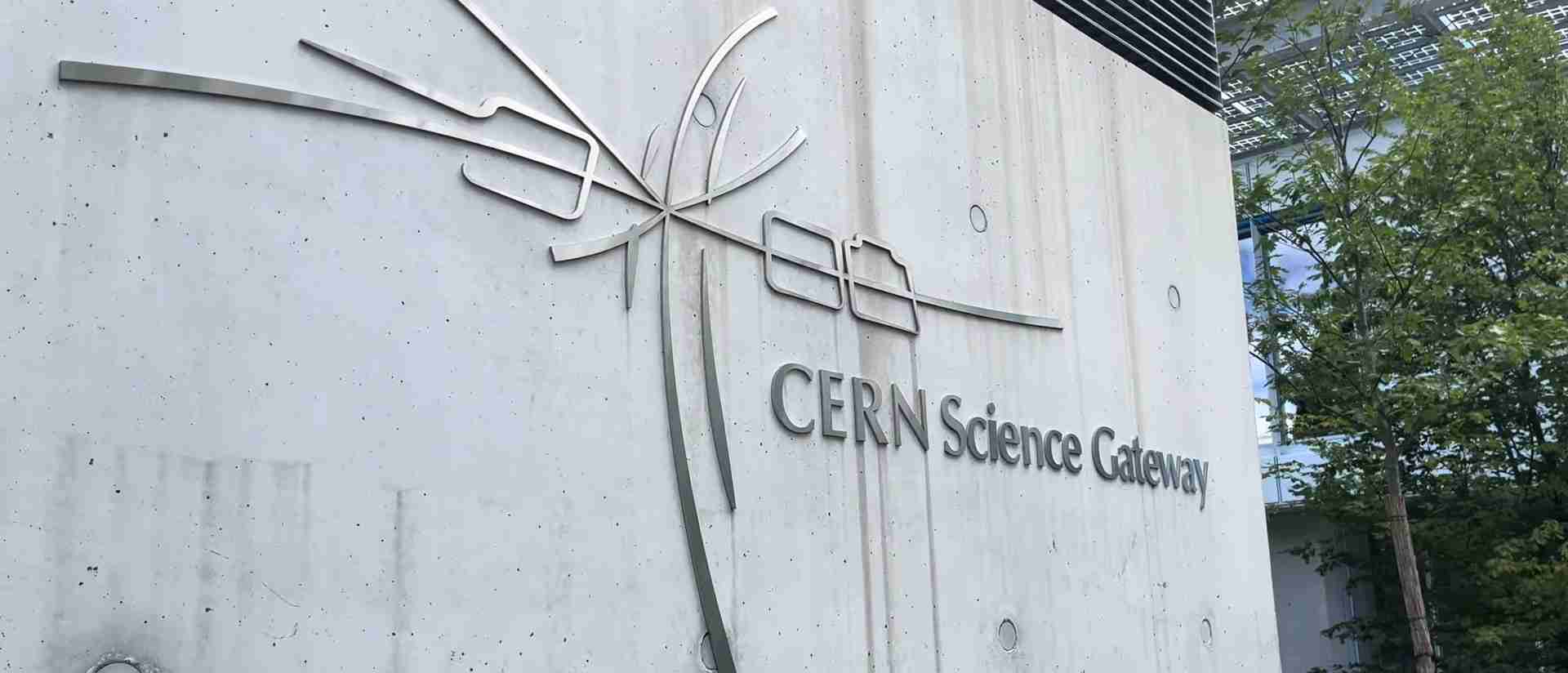
- CERN Science Gateway offers complimentary admission to three interactive exhibitions exploring particle physics, with free guided tours led by CERN scientists available daily except Mondays
- Geneva’s lakefront delivers six kilometers of car-free promenades providing Mont Blanc views, Jet d’Eau access via pedestrian pier, and free Botanical Gardens featuring 12,000 plant species
- Major annual festivals including Fête de la Musique (June) and L’Escalade (December 11-13, 2026) provide completely free admission to hundreds of musical performances, historical reenactments, and cultural celebrations
- Every hotel, hostel, and campsite guest receives a complimentary Geneva Transport Card covering unlimited tram, bus, train, and yellow boat travel throughout the canton for the duration of their stay
- Free walking tours operate daily at 11:00 AM covering Old Town, St. Peter’s Cathedral, Reformation Wall, and Jet d’Eau on a pay-what-you-wish basis
People Also Ask About Geneva Free Activities 2026
What are the best free museums in Geneva for 2026?
Geneva’s state-funded museums provide free permanent collection access year-round in 2026. Maison Tavel showcases Geneva’s urban history through the city’s oldest preserved private residence featuring medieval architecture. The Natural History Museum presents comprehensive natural science exhibits emphasizing Swiss ecological heritage across multiple floors. The Museum of the History of Science displays scientific instruments from the 17th through 19th centuries in elegant Perle du Lac Park overlooking the lake. The Conservatory and Botanical Garden, established in 1817, maintains 12,000 plant species across outdoor gardens and greenhouse conservatories at no charge. Temporary exhibitions at all city museums become free the first Sunday of each month throughout 2026.
Is CERN really free to visit in 2026?
CERN Science Gateway provides completely free admission in 2026 with mandatory advance registration through the official visit.cern website. The facility operates Tuesday through Sunday from 8:30 AM to 5:30 PM (closed Mondays). Three permanent exhibitions explore the Large Hadron Collider, quantum physics, and art inspired by particle physics research through interactive displays suitable for ages eight and above. Free guided tours lasting 90 minutes run multiple times daily, led by current or former CERN personnel volunteers, though spots become available only two hours before tour start times and fill rapidly on weekends. Lab workshops covering particle detection and robotics science cost nothing but require on-site registration one hour before sessions begin. Tram line 18 from Geneva city center reaches CERN in approximately 25 minutes using the free Geneva Transport Card provided by all accommodations.
How much does it cost to access Bains des Pâquis in 2026?
Bains des Pâquis charges CHF 2 ($2) admission for adults, CHF 1 ($1) for children aged 6-16, and provides free entry for children under six throughout 2026. This minimal fee grants full-day access to Lake Geneva swimming areas, diving boards ranging three to ten meters, children’s playground, changing facilities, and sunbathing decks surrounding the 1930s-era public baths. The on-site restaurant La Buvette des Bains serves substantial meals for CHF 11-18 ($11-18). Free sunrise concerts called Aubes Musicales occur daily throughout summer from 6:00-7:00 AM featuring classical music performances with lake views. Winter sauna and hammam access costs CHF 20 ($21) separately. Re-entry on the same day requires paying the CHF 2 entrance fee again.
Are there free guided walking tours in Geneva during 2026?
Free Walk Geneva operates complimentary walking tours daily at 11:00 AM on a pay-what-you-wish basis throughout 2026. The two-hour Heart of Geneva tour departs from Place Bel-Air covering St. Peter’s Cathedral where John Calvin preached, the 100-meter Reformation Wall honoring Protestant reformers, Geneva’s medieval Old Town featuring cobblestone lanes and patrician townhouses, Place Neuve cultural square, Parc des Bastions with giant chess boards, the Flower Clock in Jardin Anglais, and lakefront panoramas concluding at the Jet d’Eau. Online booking through freewalk.ch guarantees spots though walk-up participation remains possible subject to availability. Tours operate rain or shine with guides providing historical context connecting Geneva’s Roman origins through Reformation significance to contemporary diplomatic importance. French and Spanish language tours run on selected dates published on the website calendar.
Extended multi-day tours – 5+ days
Featured Geneva Multi-Day Tour Packages
6 days
Switzerland in a Nutshell Small Group Tour 2026
- ✓ Comprehensive Geneva tour
- ✓ Expert local guides included
- ✓ All accommodation arranged
- ✓ Transportation provided

5 days
5-Days in Genava : Scenic Switzerland Wonders of Annecy & Zermatt
- ✓ Comprehensive Geneva tour
- ✓ Expert local guides included
- ✓ All accommodation arranged
- ✓ Transportation provided
6 days
Barcelona to Zurich (11 destinations)
- ✓ Comprehensive Geneva tour
- ✓ Expert local guides included
- ✓ All accommodation arranged
- ✓ Transportation provided

6 days
Switzerland in a Nutshell Small Group Tour 2027
- ✓ Comprehensive Geneva tour
- ✓ Expert local guides included
- ✓ All accommodation arranged
- ✓ Transportation provided
Multi-day tour packages powered by TourRadar. Prices and availability subject to change.
Introduction to Budget-Friendly Geneva 2026
Geneva’s reputation as Switzerland’s most expensive city masks an extensive infrastructure of free cultural experiences deliberately designed for universal access. The city’s commitment to cultural accessibility manifests through permanently free museum collections, publicly accessible lakefront spaces stretching kilometers along pristine water, and major festivals operating without admission charges. This approach reflects Geneva’s international character as home to 38 international organizations and its historical Protestant values emphasizing education and public welfare.
Budget travelers visiting Geneva in 2026 encounter a dual reality: extraordinarily high costs for accommodation and meals contrasted against exceptional free access to world-class cultural institutions. Strategic planning around free attractions, combined with the automatic Geneva Transport Card provided by all accommodations, enables meaningful exploration of Switzerland’s diplomatic capital without depleting travel budgets. The compact city center concentrates most free attractions within easy walking distance, while the comprehensive public transport network reaches outlying destinations like CERN at no additional cost.
Geneva’s free offerings span intellectual pursuits at particle physics research facilities, aesthetic appreciation through art and natural history museums, outdoor recreation across lakefront parks and swimming areas, and cultural immersion via historical festivals preserving centuries-old traditions. The breadth of free experiences permits multi-day itineraries focusing entirely on cost-free activities without sacrificing quality or educational value. Understanding which days museums waive temporary exhibition fees, when festivals occur, and how to maximize the free transport card transforms Geneva from prohibitively expensive to surprisingly accessible.
Free Museum Access in Geneva 2026
Geneva’s museum landscape provides perpetual free access to permanent collections across all state-funded institutions throughout 2026. This municipal policy, unique among major European cities, eliminates financial barriers to cultural participation while maintaining world-class curatorial standards. The network of free museums spans disciplines from natural history and ethnography through decorative arts and local heritage, collectively offering weeks of educational content without admission charges.
The first Sunday of every month throughout 2026 expands free access to temporary exhibitions across all city museums. Special exhibitions typically requiring CHF 5-15 ($5-16) admission become accessible at no cost on these designated Sundays, creating monthly opportunities to view traveling displays, contemporary art installations, and specialized thematic presentations. This policy applies consistently year-round including summer peak season and December holiday periods, though advance online booking for popular temporary exhibitions remains advisable even when admission becomes free.
Maison Tavel: Geneva’s Oldest House
Maison Tavel at 6 Rue du Puits-Saint-Pierre anchors Geneva’s Old Town as the city’s history museum occupying the oldest preserved private residence dating to medieval foundations. The building itself constitutes a primary exhibit demonstrating Swiss civil architecture evolution across centuries. Permanent displays chronicle daily life in Geneva from the Middle Ages through the late 1800s through household artifacts, furniture, tools, and decorative objects arranged chronologically across multiple floors.
The attic houses a detailed scale model recreating pre-1850 Geneva when defensive walls still encircled the entire city. This three-dimensional representation permits visitors to comprehend the compact medieval urban layout contrasted against contemporary sprawl. The basement preserves original medieval graffiti carved into stone walls by past inhabitants, providing direct physical connection to Geneva’s earliest residents. Admission remains permanently free with typical visits requiring 45-75 minutes to examine the full collection.
Museum of Natural History
The Museum of Natural History (Muséum d’Histoire Naturelle) presents comprehensive natural science education emphasizing Swiss ecology and global biodiversity. Located at Route de Malagnou 1, the museum operates Tuesday through Sunday from 9:30 AM to 5:00 PM with Monday closures. Permanent exhibitions explore regional fauna including alpine species adaptations, mineral formations from Swiss geological contexts, and extensive taxidermy collections representing mammals, birds, and marine life from worldwide ecosystems.
Interactive displays engage children through touchable specimens, microscope stations, and multimedia presentations explaining scientific concepts accessibly. The museum’s education mission prioritizes public engagement over revenue generation, reflected in perpetual free admission policies. Special temporary exhibitions addressing current environmental topics and recent scientific discoveries become free on first Sundays. Most Geneva residents reference this institution simply as “The Museum” due to its popularity among local families seeking educational weekend activities.
Museum of the History of Science
The Museum of the History of Science occupies an elegant villa in Perle du Lac Park at Rue de Lausanne 128. Open daily from 10:00 AM to 5:00 PM except December 25 and January 1, the museum displays evolution of scientific measurement apparatus from the 17th through 19th centuries. Collections emphasize precision instruments including microscopes, telescopes, thermometers, barometers, and astronomical calculation devices manufactured by Swiss and European craftsmen during the Enlightenment.
The museum’s lakeside terrace provides complimentary views over Lake Geneva and serves as a peaceful retreat between gallery visits. Permanent collections remain free year-round while the museum occasionally hosts temporary exhibitions on specific scientific themes or notable researchers. Interactive experiments demonstrate principles of optics, mechanics, and measurement suitable for curious children and adults seeking hands-on science engagement. The combination of intellectual content, aesthetic presentation, and prime lakefront location distinguishes this institution among Geneva’s free cultural offerings.
Conservatory and Botanical Garden
The Conservatory and Botanical Garden spans extensive grounds at Chambesy featuring 12,000 plant species cultivated across outdoor gardens and greenhouse conservatories. Established in 1817, the institution maintains rich botanical heritage spanning over two centuries of horticultural collection and research. Winter hours (October through March) run 9:30 AM to 5:00 PM while summer operations (April through September) extend 8:00 AM to 7:30 PM, providing extended daylight access during peak growing seasons.
Thematic garden sections showcase Alpine flora adapted to extreme elevation conditions, medicinal plants utilized in traditional and modern pharmacy, endangered species conservation programs, and ornamental displays changing seasonally. The conservatories maintain tropical, subtropical, and desert climate zones year-round permitting cultivation of exotic species impossible in Geneva’s temperate outdoor environment. Educational signage throughout the grounds explains botanical classifications, evolutionary adaptations, and ecological relationships in multiple languages.
The garden’s location adjacent to Lake Geneva and United Nations Office grounds positions it within a larger park system accessible by waterfront promenades. Peacocks roam freely across the lawns, adding unexpected wildlife encounters to botanical exploration. Admission remains perpetually free for all visitors with the institution funded entirely through municipal budgets and research grants rather than ticket revenue.
Ariana Museum
The Ariana Museum specializes in ceramics and glass across 1,300 years of European, Middle Eastern, and Asian production. The neoclassical building adjacent to United Nations grounds houses 27,000 objects ranging from medieval pottery through contemporary studio glass. Permanent collection access costs nothing throughout 2026, while temporary exhibitions charge CHF 5 ($5) for adults and CHF 3 ($3) for reduced-rate visitors, becoming free on first Sundays.
Collections emphasize technical evolution of ceramic and glass production including majolica, faience, porcelain, and crystal manufacture from Renaissance workshops through industrial revolution factories. The museum operates Tuesday through Sunday from 10:00 AM to 6:00 PM with Monday closures. Special exhibitions rotate quarterly, often focusing on contemporary ceramic artists or historical trade routes that distributed decorative objects across continents. The opulent museum architecture itself merits attention as a purpose-built cultural facility from the late 1800s designed to display the founding collection assembled by Swiss collector Gustave Revilliod.
The Jet d’Eau and Lakefront Promenades 2026
Geneva’s most photographed landmark operates free of charge throughout 2026 with seasonal schedule variations. The Jet d’Eau shoots 500 liters of water per second at 200 kilometers per hour, creating a 140-meter vertical column visible from kilometers away. Seven tons of water remain airborne continuously during operation. The fountain functions daily from 9:00 AM until sunset during spring, summer, and autumn months (approximately March through October), with reduced winter hours from 10:00 AM to 4:00 PM. Evening illumination extends operating hours on Friday, Saturday, and Sunday evenings from May through mid-September.
A pedestrian pier extends from Quai Gustave Ador into the lake, providing wheelchair-accessible approach to the fountain base. Walking the full length positions visitors directly beneath the water jet where fine mist creates rainbow effects in sunlight and occasional drenching when wind shifts direction. The pier access remains free and open during all fountain operating hours. Annual maintenance closure occurs November 2 through December 3, 2026, during which the Jet d’Eau remains offline. Additional temporary closures happen during high winds or freezing temperatures for safety and mechanical protection.
Quai du Mont-Blanc Waterfront Promenade
Quai du Mont-Blanc extends approximately six kilometers along Lake Geneva’s northern shore as a car-free, tree-lined pedestrian promenade connecting the Jet d’Eau through the Pâquis district to outlying lakefront parks. The completely flat, paved pathway accommodates wheelchairs, strollers, bicycles, and pedestrians with ample width preventing congestion even during summer peak season. Plane trees provide shade along the entire route while benches face the water at regular intervals for rest stops.
Clear weather permits Mont Blanc visibility 50 kilometers southwest, creating dramatic Alpine backdrops behind the lake’s placid surface. The promenade passes numerous cafés offering lakeside seating though no requirement exists to patronize establishments while using the public walkway. The route connects seamlessly to additional lakefront paths extending both east and west, enabling ambitious walkers to trace 15-20 kilometers of continuous waterfront without encountering vehicle traffic. Free public restrooms appear at major parks along the route including Jardin Anglais and Bains des Pâquis.
Jardin Anglais and the Flower Clock
Jardin Anglais occupies prime lakefront real estate immediately south of Pont du Mont-Blanc bridge. The English Garden features manicured lawns, seasonal flower beds, and the famous Flower Clock (L’Horloge Fleurie) constructed entirely from living plants refreshed multiple times annually to maintain precise chronological accuracy and aesthetic appeal. The working clock face, Geneva’s most photographed garden feature since its 1955 installation, celebrates the city’s watchmaking heritage through horticultural artistry.
The park provides benches, children’s playground equipment, and unobstructed Jet d’Eau views without admission charges or operating hour restrictions. It functions as a natural gathering point for tourists photographing the fountain, locals meeting before lakefront walks, and families seeking afternoon recreation in central Geneva. The National Monument dedicated to Geneva’s integration into the Swiss Confederation stands prominently within the garden. Park access remains perpetually free as municipal property maintained through city budgets.
Old Town Geneva Free Exploration 2026
Geneva’s Old Town (Vieille Ville) constitutes Switzerland’s largest preserved historic district featuring cobblestone streets, medieval architecture, and significant Reformation sites accessible without admission fees. The compact hillside neighborhood above the modern city center maintains pedestrian-only lanes discouraging vehicle traffic while encouraging unhurried exploration. Most visitors allocate 2-4 hours for comprehensive Old Town coverage including cathedral visits, viewpoint appreciation, and café breaks.
The district’s layout follows medieval urban planning principles with narrow alleys connecting small squares originally serving as marketplaces and civic gathering points. Stone buildings dating from the 1400s-1700s line the streets, many housing contemporary boutiques, galleries, and restaurants while preserving historic facades. The absence of modern commercial signage maintains visual continuity with past centuries. Getting intentionally lost among the lanes reveals hidden courtyards, artisan workshops visible through ground-floor windows, and unexpected architectural details missed when following rigid routes.
St. Peter’s Cathedral
St. Peter’s Cathedral dominates Old Town Geneva as the central site of Protestant Reformation where John Calvin preached for 23 years. The building itself demonstrates architectural evolution spanning Romanesque foundations through Gothic nave construction to an incongruous 18th-century neoclassical facade. Cathedral entry costs nothing, permitting examination of austere Protestant interior stripped of Catholic ornamentation during Reformation iconoclasm. The archaeological site beneath the cathedral reveals 4th-century floor mosaics and tomb remains accessible through separate free admission.
Climbing the North Tower requires CHF 7 ($7) admission providing the Old Town’s only significant paid attraction. The 157-step spiral staircase ascends through bell chambers to open-air platforms delivering panoramic views over Geneva’s rooftops toward Lake Geneva, the Jura Mountains, and Mont Blanc on clear days. Tower access operates daily with tickets purchased at the base. Visitors uncertain about physical ability should note the stairway’s narrow medieval construction and lack of rest platforms until reaching the top.
Reformation Wall (Mur des Réformateurs)
The Reformation Wall stretches 100 meters through Parc des Bastions displaying monumental relief sculptures honoring Protestant Reformation leaders. Central figures include John Calvin, Guillaume Farel, Théodore de Bèze, and John Knox—the four reformers who transformed Geneva into “Protestant Rome.” Flanking statues commemorate additional Protestant personalities and scenes depicting Reformation history across Europe.
The wall’s construction in 1909 marked the 350th anniversary of Geneva’s Academy foundation and the 400th anniversary of Calvin’s birth. Nighttime illumination emphasizes sculptural details invisible during daylight. The monument occupies public park space requiring no admission with 24-hour accessibility. Park benches directly facing the wall provide contemplative seating for appreciating the artistic and historical significance. Giant chessboards scattered across Parc des Bastions offer free public use of oversized pieces for outdoor matches.
Place du Bourg-de-Four
Place du Bourg-de-Four claims distinction as Geneva’s oldest square, functioning continuously as a marketplace since the 9th century. The small plaza surrounded by historic buildings houses multiple café terraces, though no requirement exists to patronize establishments while occupying the public square. A central fountain dating from the 1700s provides the square’s focal point. The location serves as Old Town’s social center where residents meet for coffee, tourists rest between cathedral visits, and street musicians perform for voluntary contributions.
The square’s compact dimensions and enclosed feeling created by surrounding four-story buildings generate intimate atmosphere contrasting with Geneva’s spacious lakefront. It represents Geneva’s medieval urban scale before later expansions created wider boulevards and open parks. Contemporary shops occupying ground floors of historic structures sell books, clothing, chocolates, and crafts, though window shopping costs nothing. The square naturally appears on most Old Town walking routes connecting the cathedral quarter to the Promenade de la Treille.
Promenade de la Treille
The Promenade de la Treille elevated walkway follows Old Town’s southern edge providing sweeping views across the modern city toward the Salève mountain in France. The promenade’s defining feature is the world’s longest bench, stretching 126 meters along the tree-lined path constructed from a single continuous wooden plank. The bench has welcomed Geneva residents and visitors seeking panoramic rest stops since the 1700s when the promenade first opened as a public walking path.
Four ancient chestnut trees grow within the promenade, one designated as Geneva’s “official” tree marking spring’s arrival when it sprouts its first leaves—a moment announced publicly and recorded in city archives. The elevated position permits unobstructed views over Plainpalais, Carouge, and the Arve River valley. Access remains free and unrestricted with the promenade functioning as a through-route connecting Place de Neuve to the Old Town’s eastern quarters. The combination of historic significance, practical utility, and genuine local character distinguishes this space from purely tourist-oriented viewpoints.
CERN Science Gateway 2026
CERN Science Gateway opened in late 2023 as the European Organization for Nuclear Research’s public-facing education facility. The architectural landmark designed by Renzo Piano provides free admission to three permanent exhibitions, laboratory workshops, and guided tours exploring particle physics research conducted at the Large Hadron Collider. Registration through visit.cern remains mandatory even for free admission, with online booking recommended up to one month in advance to guarantee entry during preferred time slots.
The facility operates Tuesday through Sunday from 8:30 AM to 5:30 PM with Monday closures and special closures on December 24-25, 2026, and December 31, 2026 through January 1, 2027. Families and individual visitors (groups of 1-11 people) can register online or on-site subject to availability, though weekend crowds often exhaust daily capacity by mid-morning. Weekday visits, particularly Tuesday through Thursday, offer better odds of securing entry without advance reservation. The combination of free admission, interactive exhibits, and association with groundbreaking physics research creates exceptional value for intellectually curious travelers.
Three Permanent Exhibitions
The Collider exhibition explores the Large Hadron Collider’s construction, operation, and scientific discoveries including the Higgs boson detection in 2012. Massive detector components, real scientific instruments, and immersive multimedia presentations explain how physicists investigate fundamental particles composing matter and energy. Interactive displays permit hands-on exploration of concepts like particle acceleration, collision events, and data analysis methods used by thousands of researchers worldwide.
The Quantum World exhibition tackles quantum mechanics principles through experiments, demonstrations, and artistic interpretations making abstract concepts tangible. Visitors manipulate quantum phenomena including superposition, entanglement, and wave-particle duality through carefully designed interactive stations. The exhibition acknowledges quantum mechanics’ counterintuitive nature while providing accessible entry points for understanding principles governing atomic and subatomic behavior.
The Portals exhibition examines art inspired by physics research, featuring works from international artists who collaborated with CERN scientists. The collection demonstrates creative interpretations of scientific concepts, bridging disciplinary boundaries between rational inquiry and aesthetic expression. Rotating elements ensure repeat visitors encounter new pieces on subsequent visits.
Free Guided Tours
CERN staff members volunteer as tour guides leading 90-minute explorations of research facilities. Tours include visits to detector control rooms, historical equipment displays, and behind-the-scenes areas unavailable during self-guided visits. Guides explain complex physics concepts accessibly regardless of visitors’ scientific backgrounds, welcoming questions throughout tours. The opportunity to interact with actual CERN researchers distinguishes these tours from generic museum experiences.
Tour availability proves unpredictable due to volunteer scheduling and operational requirements. Tours for individual visitors and families become available two hours before start times on a first-come, first-served basis through on-site registration at the Science Gateway reception. Underground facility tours visiting actual detector caverns occur less frequently with only 24 spots per tour and high demand. Weekday visits increase odds of securing tour spots, while Sunday crowds often exhaust capacity within minutes of registration opening.
Laboratory Workshops
Free laboratory workshops last 45-90 minutes covering particle detection principles, robotics applications, coding fundamentals, and other scientific topics through hands-on experimentation. The Cloud Chamber workshop demonstrates particle detection using simple apparatus creating visible vapor trails when cosmic rays pass through. The LEGO Robotics Challenge introduces engineering principles through buildable robots programmed to complete tasks. The Slimy Detectors session uses household materials replicating scientific instrument functions.
Workshop registration opens one hour before start times (but no earlier than 8:30 AM) on a first-come basis subject to availability. Popular workshops fill rapidly, particularly during school holidays and weekends. Children ages 8-12 represent the primary target audience though family participation is encouraged. The workshops complement exhibition visits by transforming passive observation into active experimentation, reinforcing scientific concepts through practical application.
Getting to CERN
Tram line 18 from Geneva city center reaches CERN in approximately 25 minutes with the CERN stop adjacent to the Science Gateway entrance. The free Geneva Transport Card automatically provided by all hotels, hostels, and campsites covers tram fare eliminating transportation costs. Trams depart every 10-15 minutes during daytime hours Monday through Sunday. Alternative bus routes 23 and 57 also serve CERN from different city districts. Visitors arriving at Geneva Airport can take bus Y directly to CERN without transferring through the city center.
Bains des Pâquis and Public Swimming 2026
Bains des Pâquis extends as an artificial peninsula into Lake Geneva featuring public swimming areas, diving platforms, children’s playground, and waterfront restaurant. Built in the 1930s, the facility maintains distinctive period architecture while providing contemporary recreational amenities. The minimal CHF 2 ($2) adult admission charges less than typical public transport fares while delivering full-day access to premium lakefront recreation impossible to replicate through purely free alternatives.
The swimming area accommodates all ability levels with dedicated zones for non-swimmers, floating platforms for advanced swimmers, multiple diving boards ranging three to ten meters, a climbing wall rising from the water, and a zipline traversing the swimming zone. Children’s facilities include a wading pool, sandbox, and playground equipment on deck areas separate from deep water. Changing cubicles, lockers, and restroom facilities support day-long visits. The site’s urban location permits quick access from city center accommodations without requiring extensive travel time to reach suburban swimming venues.
Aubes Musicales Free Dawn Concerts
Every summer morning from June through September, Bains des Pâquis hosts free live music performances from 6:00-7:00 AM called Aubes Musicales (Musical Dawns). Classical musicians, jazz ensembles, and acoustic performers present intimate concerts as sunrise illuminates Lake Geneva and Mont Blanc. The early timing attracts both night owls concluding evening activities and early risers seeking contemplative morning experiences.
No advance booking or separate admission beyond the standard CHF 2 Bains entry fee applies to concert attendance. Performers donate their time maintaining the concerts’ free accessibility philosophy. The series demonstrates Geneva’s cultural commitment extending beyond traditional venues into public spaces serving diverse populations. The combination of live music, sunrise views, and lakeside setting creates memorable experiences impossible through conventional concert halls.
Seasonal Operations
Bains des Pâquis operates year-round with seasonal program variations. Summer season (approximately May through September) emphasizes outdoor swimming, sunbathing, and water sports with extended hours matching daylight availability. The on-site restaurant La Buvette des Bains serves breakfast, lunch, and dinner featuring substantial portions at CHF 11-18 ($11-18)—notable value by Geneva standards. The plat du jour (daily special) provides complete meals including protein, vegetables, and starch components appealing to budget-conscious visitors seeking affordable lakeside dining.
Winter transforms the facility into a wellness destination with two saunas, hammam, and Turkish bath operating when outdoor swimming becomes impractical due to cold temperatures. Winter wellness access costs CHF 20 ($21) for adults and CHF 13 ($14) on Mondays, separate from the CHF 2 swimming admission. The winter restaurant becomes famous for fondue dinners requiring advance reservations due to popularity among Geneva residents seeking authentic Swiss cuisine with lake views. Some hardy individuals continue swimming through winter, though most visitors prefer sauna warmth during cold months.
Free Walking Tours and Self-Guided Routes 2026
Free Walk Geneva operates daily guided tours at 11:00 AM throughout 2026 on a pay-what-you-wish model where participants determine gratuity amounts based on perceived value. Tours depart from Tour de l’Ile at Pont de l’Ile near Place Bel-Air regardless of weather conditions with only extreme circumstances like severe storms causing cancellations. Online booking through freewalk.ch guarantees spots though walk-up participation remains possible if capacity permits.
The two-hour Heart of Geneva tour traces the city’s evolution from Roman garrison through Protestant Reformation capital to contemporary diplomatic headquarters. Guides cover St. Peter’s Cathedral where John Calvin delivered sermons reshaping European Christianity, the Reformation Wall commemorating Geneva’s central role in Protestant history, Place Neuve’s cultural institutions including the Grand Théâtre, Parc des Bastions where Geneva University was founded in 1559, and concludes at lakefront positions viewing the Jet d’Eau. Commentary emphasizes historical narratives, architectural evolution, and cultural anecdotes rather than dry recitation of dates and facts.
International Geneva Walking Tour
An alternative free tour explores Geneva’s 20th-century transformation into the international organizations capital. This route covers the Palais des Nations housing United Nations European headquarters, the Broken Chair sculpture protesting landmines and cluster munitions, Place des Nations where peacocks roam freely across United Nations grounds, and the diplomatic quarter where 38 international organizations maintain offices. The tour explains Geneva’s unique position as home to more international organizations than any city except New York.
Both tours employ local guides passionate about Geneva’s history and culture providing insider perspectives unavailable through guidebook reading. English language tours run daily with French and Spanish options on selected dates published monthly. The pay-what-you-wish model permits genuinely free participation for budget-constrained travelers while supporting guides through voluntary gratuities. Most participants contribute CHF 10-20 ($10-21) reflecting the tours’ quality and duration, though no minimum or expected amount is stated.
Self-Guided Humanitarian Trail
The International Red Cross and Red Crescent Movement created a self-guided walking trail connecting Old Town sites to the International Red Cross Museum documenting humanitarian movement origins in Geneva. The route traces locations where founding members conceived the Red Cross in 1863, sites of early organizational meetings, and landmarks symbolizing Geneva’s humanitarian commitment. Informational plaques at each stop provide historical context permitting independent exploration without guide assistance.
Trail brochures with detailed maps are available free at the Tourist Information Centre or downloadable from the Red Cross website. The route requires approximately two hours walking at comfortable pace with opportunities to pause for photographs, café breaks, or extended reading at sites of particular interest. The trail concludes at the International Red Cross and Red Crescent Museum where admission to permanent collections is free, though temporary exhibitions may charge fees on non-first-Sunday dates.
Major Free Festivals and Events 2026
Geneva’s festival calendar delivers multiple large-scale free events throughout 2026, with Fête de la Musique and L’Escalade representing the most significant celebrations combining massive public participation with completely free admission.
Fête de la Musique (June 19-21, 2026)
Fête de la Musique transforms Geneva into an open-air music festival for three days every June. Since its 1992 inception, the festival has provided free access to hundreds of concerts across 30+ indoor and outdoor stages distributed from Rue des Rois through Place Neuve, Parc des Bastions, Old Town lanes, and Parc La Grange. Musical genres span classical orchestras, jazz ensembles, rock bands, electronic DJs, hip-hop performers, world music groups, and everything between, showcasing Geneva’s diverse musical landscape from amateur enthusiasts to professional artists.
The festival operates on radical accessibility principles with all performances free of charge and no ticketing or advance booking required for most venues. Spectators move freely between stages, sampling different musical styles and discovering new artists throughout the three-day celebration. Family-oriented programming includes rhythm workshops, instrument discovery sessions, and sound laboratories introducing children to music fundamentals. The festival’s mission prioritizes cultural access and musical practice encouragement over revenue generation, reflected in sustained municipal funding maintaining free admission policies.
Selected concerts in enclosed venues with limited capacity may require free reservations made through the festival website to manage crowd sizes and ensure fire safety compliance. These represent minority programming, with the vast majority of performances remaining completely open access. Public transportation faces severe disruption during festival weekends as pedestrianized streets block tram and bus routes—another reason the free Geneva Transport Card proves valuable for accessing less congested peripheral stages via alternative transport modes.
L’Escalade (December 11-13, 2026)
L’Escalade commemorates Geneva’s successful defense against the Duke of Savoy’s surprise attack on December 11-12, 1602, when citizens repelled troops attempting to scale city walls. The three-day historical festival recreates 17th-century Geneva through period costume parades, military reenactments, folk music performances, traditional food stalls, and family-friendly activities. Nearly all events carry no admission charges with the few paid elements (like the Course de l’Escalade running race at CHF 25-35, or $26-37) representing optional participation rather than spectator access fees.
The Grand Historical Parade Sunday evening features 800+ participants in authentic period dress alongside 60 horses following a choreographed route through Old Town. Spectators line streets hours in advance securing prime viewing positions for this climactic event. Period demonstrations throughout the weekend showcase 17th-century crafts including blacksmithing, weaponry manufacture, and textile production. Free mulled wine and hot soup appear at numerous locations paying tribute to La Mère Royaume, the legendary citizen who supposedly threw boiling soup on climbing attackers.
Breaking chocolate cauldrons (marmites) filled with marzipan vegetables constitutes the festival’s most beloved tradition, though purchasing the chocolate pots costs CHF 10-200+ ($10-210+) depending on size from chocolatiers citywide. The ritual involves the eldest and youngest family members jointly smashing the pot while reciting “Thus perish the enemies of the Republic!” The Passage de Monetier, Geneva’s narrowest private passageway normally closed to public access, opens during Escalade weekend providing rare exploration opportunities usually accompanied by free mulled wine.
Children engage through costume parades, torch-bearing processions with drums and fifes, and door-to-door visits singing Escalade songs for candy similar to Halloween traditions. Schools prepare vegetable soup served to families during neighborhood celebrations reinforcing the soup-throwing origin legend. The festival’s combination of solemn historical commemoration and exuberant celebration creates unique atmosphere bridging Geneva’s past and present identities.
Swiss National Day (August 1, 2026)
Switzerland’s national holiday on August 1 generates free public celebrations across Geneva featuring patriotic speeches, paper lantern parades, traditional music performances, and firework displays. Geneva’s main festivities occur in Parc des Bastions though surrounding communes and villages host separate observances with local fireworks and bonfires. The decentralized celebration pattern permits visitors to choose intimate neighborhood gatherings or larger central city events depending on preference.
Fireworks commence after dark (approximately 9:30-10:00 PM in early August) with prime viewing positions along lakefront promenades and elevated Old Town vantage points. The free public nature of celebrations eliminates ticketing concerns, though popular viewing areas fill early requiring advance arrival for optimal positions. Food vendors throughout celebration zones sell traditional Swiss specialties including raclette, fondue, and various sausages at premium prices, though no obligation exists to purchase refreshments while attending free public festivities.
Geneva Lake Regatta Bol d’Or (June 2026)
The Bol d’Or regatta occurs one Saturday in mid-June as Europe’s largest lake sailing competition. Up to 600 boats ranging from small dinghies to large racing yachts traverse Lake Geneva from Geneva to the far shore and return. Spectators watch departures from lakefront promenades at no charge, observing the colorful spectacle of hundreds of sails filling the water simultaneously. The free viewing experience requires no advance planning beyond checking the exact date published annually on regatta websites.
Optimal viewing positions include Quai Gustave Ador near the Jet d’Eau, Bains des Pâquis, and Parc La Grange where the full fleet passes close to shore during race start. The regatta combines serious racing among professional sailors with recreational participation from amateur enthusiasts, creating diverse boat types and skill levels visible from land. Weather dependence means cancellations or course modifications occur occasionally, though the June timing generally provides reliable sailing conditions.
Parks, Gardens, and Outdoor Spaces 2026
Geneva maintains extensive public green spaces providing free recreation, contemplation, and natural beauty throughout the urban environment. Park admission never requires payment with municipal funding ensuring universal access to outdoor amenities.
Parc des Bastions
Parc des Bastions occupies former fortification grounds behind the Old Town featuring manicured lawns, mature chestnut trees, and the monumental Reformation Wall. The park houses oversized chess sets with pieces nearly one meter tall available for free public use—a popular activity among locals and tourists testing strategy skills. Geneva University’s main buildings border the park creating an academic atmosphere reinforced by students studying on benches and lawn areas.
Children’s playground equipment occupies one park section while quieter zones appeal to readers and contemplative visitors. The park’s central location makes it a natural meeting point and rest stop between Old Town exploration and contemporary city center navigation. Seasonal events including Escalade festival activities and occasional concerts utilize the park’s open spaces for large gatherings. The combination of historical significance (original city fortifications), cultural monuments (Reformation Wall), recreational amenities (chess, playground), and convenient positioning establishes Parc des Bastions as Geneva’s most versatile public space.
Parc La Grange and Parc des Eaux-Vives
These adjacent lakefront parks extend several kilometers along Lake Geneva’s southern shore providing extensive lawns, formal rose gardens, ancient trees, and direct water access. Parc La Grange features Geneva’s official rose garden with thousands of varieties blooming June through September alongside an 18th-century mansion housing occasional art exhibitions. The parks permit picnicking, sunbathing, recreational sports, and lakeside strolling without admission charges or operating hour restrictions.
The parks include children’s playgrounds, beach volleyball courts, and shaded pathways suitable for jogging or cycling. Lake Geneva’s clear water permits swimming directly from park shorelines though no lifeguards or designated swimming zones exist requiring personal responsibility for safety. The parks’ distance from tourist-heavy city center (approximately 2-3 kilometers south) creates quieter atmosphere favored by local residents seeking recreational space without crowds. Tram lines 12 and 17 reach the parks using the free Geneva Transport Card.
Perle du Lac Park Complex
The Perle du Lac, Barton, and Mon Repos parks form a continuous lakefront complex adjacent to international organization headquarters. These elegant 19th-century landscapes feature rare tree species, immaculate lawns, lakeside paths, and aristocratic villas now housing museums and cultural institutions. The Museum of the History of Science occupies one such villa within Perle du Lac Park combining museum visits with park exploration.
The parks attract significant bird populations including swans, ducks, herons, and seasonal migrants utilizing lake ecosystem resources. Birdwatching enthusiasts frequent the parks year-round documenting species observations without requiring permits or equipment beyond binoculars. The peaceful atmosphere contrasts sharply with busier tourist areas making these parks ideal for quiet contemplation, picnic lunches, or casual exercise walks. United Nations peacocks occasionally wander into park areas from adjacent grounds providing unexpected wildlife encounters.
Additional Free Activities in Geneva 2026
Sunday Markets
Geneva hosts free-entry open-air markets Sundays and Wednesdays throughout the year. The Plainpalais flea market operates Wednesdays and Saturdays selling antiques, vintage clothing, books, and miscellaneous secondhand goods requiring no admission fee to browse stalls. The Carouge artisan market on Saturdays features local craftspeople selling handmade jewelry, ceramics, textiles, and art alongside organic produce vendors. Window shopping and atmospheric immersion cost nothing while purchases remain optional.
Window Shopping Along Rue du Rhône
Geneva’s luxury shopping district along Rue du Rhône displays high-end watches, jewelry, designer fashion, and art galleries behind elegant storefronts. The street functions as an open-air museum of luxury goods where window shopping provides aesthetic appreciation and material culture education without purchase obligations. The concentration of prestigious brands in compact space permits efficient browsing for travelers interested in Swiss watchmaking heritage and contemporary luxury markets.
Palais des Nations Grounds
The United Nations European headquarters grounds remain accessible to pedestrians free of charge though building interior tours require paid tickets and advance booking. The surrounding park contains the Broken Chair sculpture protesting anti-personnel mines, the Celestial Sphere fountain, and numerous national gift monuments donated by member states. Peacocks roam freely across the lawns becoming photogenic subjects for patient observers. The grounds provide a peaceful setting for contemplating international cooperation ideals symbolized by the institution.
Churches and Religious Sites
Beyond St. Peter’s Cathedral, Geneva contains numerous historic churches offering free entry including Russian Orthodox Church featuring distinctive onion domes and elaborate interior decoration, the Basilica of Notre-Dame providing Roman Catholic worship space with Gothic architecture, and various Protestant temples reflecting Reformed tradition austerity. These buildings provide architectural interest, religious art appreciation, and quiet contemplation spaces regardless of visitors’ personal faith backgrounds.
Money-Saving Strategies Beyond Free Activities 2026
Maximizing the Free Geneva Transport Card
Every overnight accommodation in Geneva—hotels, hostels, campsites, bed and breakfasts—automatically provides guests with a free Geneva Transport Card covering unlimited travel on trams, buses, trains within the canton, and yellow lake boats (mouettes) for the entire stay duration. The card activates upon check-in and expires at noon on checkout day. This benefit eliminates all public transport costs, potentially saving CHF 10-15 ($10-16) daily compared to purchasing individual tickets.
Strategic use of the transport card permits exploration of outlying attractions like CERN, Carouge, and suburban parks without additional expense. The yellow boat service provides scenic lake crossings between Rive Droite and Rive Gauche avoiding longer land routes while adding waterborne travel experiences. Visitors should request their Geneva Transport Card immediately upon accommodation check-in, carrying it constantly throughout the stay alongside personal identification.
Supermarket Meals and Public Fountains
Geneva’s Coop and Migros supermarket chains operate numerous locations throughout the city selling groceries, prepared foods, and meal components at prices dramatically lower than restaurant dining. A complete meal assembled from supermarket deli sections, bread, cheese, and fresh produce costs CHF 8-15 ($8-16) compared to CHF 25-40+ ($26-42+) for equivalent restaurant meals. Lakefront parks and public spaces provide pleasant picnic locations free of charge.
Geneva maintains approximately 200 public drinking fountains throughout the city providing potable water meeting Swiss quality standards. Carrying a refillable water bottle and utilizing these fountains eliminates bottled water purchases potentially saving CHF 3-5 ($3-5) daily per person. The fountains’ ubiquitous distribution ensures hydration access regardless of location within the city.
University Cafeterias
Geneva University operates student cafeterias open to the general public serving complete hot meals for CHF 11-16 ($11-17). These subsidized dining halls provide substantially larger portions and lower prices than commercial restaurants targeting the same price point. Locations include Uni Dufour in the city center and Uni Mail near Plainpalais with meal service Monday through Friday during academic terms. The cafeterias represent legitimate budget dining options not tourist traps, frequented by local students and university staff alongside visiting travelers.
When to Visit Geneva for Maximum Free Experiences 2026
First Sunday Monthly Strategy
Planning Geneva visits around first Sundays maximizes free cultural access when temporary museum exhibitions waive admission fees. A strategic first Sunday itinerary might include morning visits to 2-3 museums with special exhibitions, afternoon lakefront walking, and evening free walking tour participation. This approach permits experiencing significantly more content than available through permanent collections alone, though popularity of free Sundays creates larger crowds at major museums requiring patience with entry queues and gallery congestion.
Festival Weekend Planning
Visiting during Fête de la Musique (June 19-21, 2026) or L’Escalade (December 11-13, 2026) delivers exceptional value through concentrated free programming unavailable other times. However, festival weekends generate accommodation price increases of 30-60% alongside advance booking requirements sometimes extending 6-12 months prior. Budget travelers must balance festival cultural value against inflated accommodation costs, potentially favoring shoulder dates immediately before or after festivals to reduce lodging expenses while still sampling festival atmosphere.
Summer Season Considerations
June through September provides optimal weather for outdoor activities including lakefront swimming, park picnics, and extended walking tours. The Jet d’Eau operates longest hours with evening illumination, the Botanical Gardens display peak seasonal colors, and outdoor festivals occur most frequently. However, summer represents peak tourist season with maximum crowds at popular free attractions and highest accommodation rates. Morning visits to major sites before 10:00 AM avoid worst congestion while still capitalizing on extended summer daylight hours.
Winter Budget Advantages
November through March delivers lowest accommodation rates, often 40-50% below summer peaks, while most free attractions continue operating with reduced winter hours. The Escalade festival in December provides major cultural programming despite cold weather. Museums become more comfortable than outdoor activities during cold periods. Geneva’s covered shopping arcades, heated museums, and indoor cultural venues permit meaningful visit experiences regardless of weather conditions. The combination of lower accommodation costs and unchanged free cultural access makes winter potentially the most cost-effective Geneva visiting season despite compromised outdoor recreation opportunities.
Practical Information for Budget Travelers 2026
Tourist Information Resources
The Geneva Tourism Office (Genève Tourisme) operates information centers at Gare Cornavin (main train station) and Rue du Mont-Blanc 18 providing free maps, event calendars, museum brochures, and personalized advice from multilingual staff. The centers stock comprehensive transit maps showing tram, bus, and yellow boat routes useful for planning free transport card utilization. Information officers answer questions about current exhibitions, festival schedules, and operational hours without requiring purchases or tour bookings.
Free WiFi Availability
Geneva provides free public WiFi in major parks including Parc des Bastions, lakefront promenades, and around the Jet d’Eau through the “Geneva Free WiFi” network. Connection requires accepting terms of service but involves no registration or payment. The service permits online map consultation, attraction research, and communication without consuming mobile data. Museums and many public buildings also offer free WiFi networks, though speeds and reliability vary.
Restroom Facilities
Geneva maintains numerous free public restrooms throughout the city center, Old Town, and major parks eliminating concerns about finding facilities during extended walking tours. Locations include Jardin Anglais, Parc des Bastions, Bains des Pâquis (for paying guests), most museums, and train stations. The consistently clean facilities reflect Swiss maintenance standards and remove the anxiety common in cities where restroom access requires café purchases or paid public facilities.
Luggage Storage
Geneva Airport and Gare Cornavin train station operate paid luggage storage facilities (CHF 8-12, or $8-13 per bag daily) permitting travelers to explore the city unburdened on arrival or departure days. This service extends useful visiting time during early check-in or late checkout situations. Some museums including the Natural History Museum provide free coat and small bag check within their facilities, though large luggage generally requires paid storage solutions.
Frequently Asked Questions About Free Geneva Activities 2026
Are museums really completely free in Geneva, or are there hidden costs?
State-funded museums in Geneva provide genuinely free admission to permanent collections with no hidden costs, obligatory donations, or suggested contribution amounts throughout 2026. This includes Maison Tavel, Natural History Museum, Museum of the History of Science, Conservatory and Botanical Garden, and the Ariana Museum permanent collection. Temporary special exhibitions at these museums typically charge CHF 5-15 ($5-16) admission on regular days but become free on the first Sunday of every month. Private museums like the Patek Philippe Museum and International Red Cross Museum charge regular admission regardless of date. The free permanent collection policy represents genuine municipal commitment to cultural accessibility rather than marketing terminology obscuring actual costs.
Can I visit Geneva for a full weekend spending almost nothing beyond accommodation?
Yes, a comprehensive Geneva weekend itinerary focusing entirely on free activities delivers meaningful cultural experiences without activity costs beyond accommodation and meals. A sample budget weekend might include Saturday museum visits to 2-3 free permanent collections, afternoon lakefront walking along the six-kilometer promenade, and evening Old Town exploration. Sunday could feature the 11:00 AM free walking tour, CERN Science Gateway visit via free public transport card, and Bains des Pâquis swimming for CHF 2 ($2). Supermarket meal assembly, public fountain water refills, and strategic use of the Geneva Transport Card eliminate or minimize food and transport expenses. The biggest budget challenge becomes accommodation costs averaging CHF 120-250 ($127-265) per night, not activity expenses which can approach zero through deliberate planning.
How crowded do free attractions get during summer peak season 2026?
Free attractions experience noticeable crowding during July-August peak season, particularly on weekends and first Sundays when temporary exhibitions become free. The Jet d’Eau pedestrian pier reaches capacity midday during sunny summer weekends, creating temporary access restrictions until crowds disperse. Popular museums like the Natural History Museum see queue times of 15-30 minutes on busy days. However, Geneva’s extensive free attraction network permits crowd avoidance by visiting less popular sites when major destinations become congested. Early morning visits (before 10:00 AM) and late afternoon periods (after 4:00 PM) encounter significantly lighter crowds at most free attractions even during peak season.
Does the free Geneva Transport Card really cover everything I need for getting around?
The Geneva Transport Card provided automatically by all accommodations covers comprehensive public transport access including trams, buses, regional trains within Geneva canton, and yellow lake boats (mouettes) operating as floating bus routes. This genuinely eliminates all internal Geneva transport costs. The card does NOT cover trains outside Geneva canton (like trips to Lausanne or Montreux), cable cars and mountain railways in the Alps, or bike rental services. For accessing free attractions within Geneva proper including CERN, outlying parks, and Carouge neighborhood, the transport card provides complete coverage without requiring any supplemental tickets or payments.
What happens if it rains during my Geneva visit—are there enough free indoor options?
Geneva provides extensive free indoor cultural programming suitable for rainy weather including multiple museums with combined floor space permitting 6-8 hours of sheltered exploration, St. Peter’s Cathedral offering architectural appreciation and archaeological site access, covered shopping arcades along Rue du Rhône and Rue de la Confédération, and the CERN Science Gateway with three permanent exhibitions. University library reading rooms permit quiet shelter during heavy rain though borrowing privileges require student identification. The city’s compact dimensions mean tram connections between indoor attractions using the free transport card involve minimal outdoor exposure. A completely rainy weekend could still deliver meaningful cultural experiences through strategic museum sequencing and minimal outdoor transition time.
Is it worth visiting Geneva if I only have one day and a tight budget?
A single Geneva day permits sampling highlights through efficient routing combining free walking tour participation (11:00 AM departure, two hours duration), afternoon museum visit to one free institution matching personal interests, and lakefront exploration including Jet d’Eau pedestrian pier walk. This itinerary costs zero in activity fees when combined with the Geneva Transport Card from previous night’s accommodation or utilizing day luggage storage at the train station while maximizing cultural density per hour. However, Geneva’s strength lies in depth rather than breadth—returning visitors find new free museums, additional park systems, and varied cultural programming rewarding multiple-day exploration more than single-day surface sampling.
Are the free walking tours actually any good, or just marketing for paid tours?
Free Walk Geneva’s pay-what-you-wish tours deliver genuinely informative two-hour experiences led by knowledgeable local guides passionate about Geneva’s history and culture. The tours do not include hard-sell upsells for paid experiences or constant promotional messaging. Guides earn income entirely through voluntary gratuities reflecting tour quality, creating incentive to provide excellent experiences rather than treating free tours as paid tour advertising vehicles. Most participants voluntarily contribute CHF 10-20 ($10-21) based on the substantial value received, though the stated policy permits zero payment from financially constrained travelers. The tour quality matches or exceeds many cities’ paid group tours, making them legitimate budget travel resources rather than deceptive marketing tactics.
Can families with young children find enough free activities to keep kids entertained?
Geneva provides extensive free family programming including Natural History Museum exhibits specifically designed for children with touchable specimens and interactive displays, playground equipment throughout major parks including Parc des Bastions and Parc La Grange, Bains des Pâquis children’s swimming areas and playground for minimal CHF 2 ($2) entry, and CERN Science Gateway workshops introducing physics concepts through hands-on experimentation. The lakefront promenades accommodate strollers easily while providing ducks and swans for children to observe. Festival weekends especially Escalade (December 11-13, 2026) include dedicated children’s programming with costume parades, torch processions, and candy distribution. The combination of intellectual, physical, and creative free activities permits week-long family visits without requiring paid entertainment to maintain children’s engagement.
How do I balance free activities with Geneva’s expensive food costs?
Geneva’s free cultural programming creates ironic contrast against Switzerland’s notoriously expensive food prices averaging CHF 25-40+ ($26-42+) per restaurant meal. Strategic approaches include supermarket meal assembly reducing food costs to CHF 8-15 ($8-16) daily per person, university cafeteria lunches at CHF 11-16 ($11-17) for substantial portions, free public drinking fountains eliminating bottled water purchases, and accommodation with kitchen facilities permitting breakfast and dinner preparation. The money saved through zero-cost activities and free public transport permits reallocation toward quality meals at Bains des Pâquis’ La Buvette des Bains (CHF 11-18, or $11-18) or occasional restaurant indulgences without exceeding overall daily budgets. Some travelers alternate restaurant meals with picnic days, distributing food costs across the visit while maintaining meal variety.
What’s the single best free activity in Geneva that I absolutely shouldn’t miss?
The free walking tour departing daily at 11:00 AM from Place Bel-Air provides the single highest-value free activity combining comprehensive historical context, local guide insights, major landmark visits including St. Peter’s Cathedral and Reformation Wall, and genuine cultural immersion impossible through self-guided exploration or museum visits alone. The two-hour duration delivers efficient coverage of Geneva’s most significant sites while guides explain historical connections transforming architectural observations into meaningful cultural understanding. First-time visitors particularly benefit from the orientation and contextual framework providing foundation for subsequent independent exploration of specific topics or neighborhoods. The pay-what-you-wish model accommodates any budget while the daily schedule ensures accessibility regardless of visit timing.