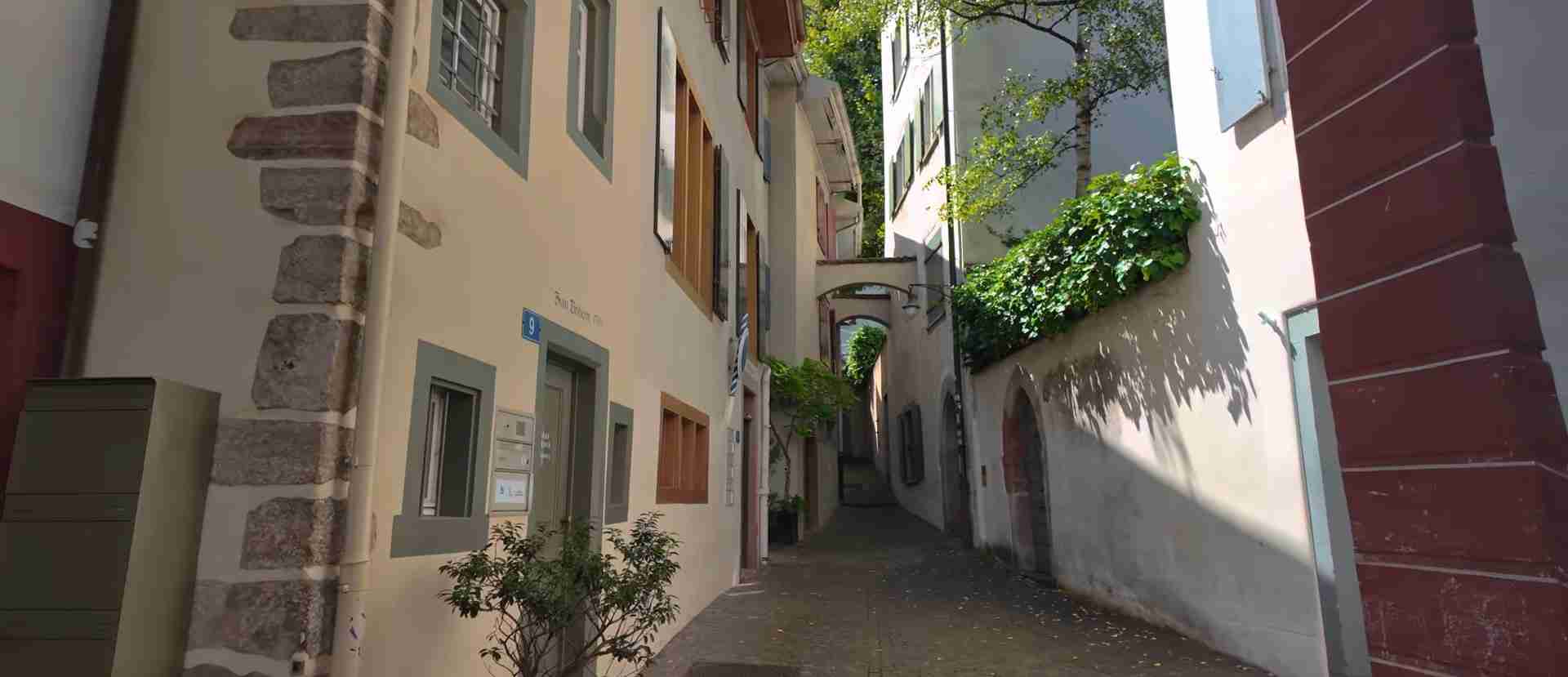
Free Things to Do in Basel 2026: Complete Budget Guide
Basel offers exceptional cultural experiences without requiring visitors to spend a single franc, from world-class museums with free admission hours to UNESCO-listed festivals and scenic Rhine River promenades. This guide reveals how to experience Switzerland’s cultural capital through its complimentary museums, historic architecture, public parks, and authentic local traditions throughout 2026.
Key Takeaways: Free Basel Experiences 2026
- Museum Access: Eight major Basel museums offer free admission during specific hours in 2026, including the Kunstmuseum Basel (Tues/Thurs/Fri 5-6pm, Wed 5-8pm, first Sunday monthly) and Historisches Museum Basel (Thurs-Sat 4-5pm, first Sunday monthly)
- Basel Fasnacht 2026: Switzerland’s largest carnival runs February 23-25, 2026, with completely free viewing of the Morgestraich lantern parade (4am Monday), afternoon Cortège processions, and evening Guggenmusik concerts throughout the UNESCO-listed three-day celebration
- Outdoor Exploration: The Old Town (Altstadt), Basel Minster exterior and cloister, Rhine River promenades, Pfalz viewing terrace, and Tinguely Fountain provide unlimited free access to Basel’s architectural and natural beauty
- Year-Round Parks: Kannenfeldpark (Basel’s largest public park), Botanical Garden of the University of Basel (Switzerland’s oldest, founded 1589), Lange Erlen Park with free animal viewing, and Merian Gärten botanical collections offer green spaces for picnics and relaxation
- Permanently Free Museums: Skulpturhalle Basel (ancient sculpture casts), Feuerwehrmuseum Basel (firefighting history from the 13th century), and Ausstellungsraum Klingental (contemporary artist-run space) maintain free admission year-round
- Self-Guided Experiences: Rhine swimming in summer, self-guided walking tours through medieval streets, Saturday morning Marktplatz market atmosphere, and sunset views from Münsterplatz require zero expenditure while delivering authentic Basel experiences
People Also Ask About Free Basel Activities 2026
How many museums in Basel offer free admission in 2026?
Eight major Basel museums provide free admission during designated hours in 2026, plus three museums maintain permanent free access. The Kunstmuseum Basel offers free collection viewing Tuesday, Thursday, and Friday 5-6pm, Wednesday 5-8pm, and every first Sunday of the month. The Historisches Museum Basel (three venues) grants free entry first Sunday monthly (except holidays) and Thursday through Saturday 4-5pm. The Naturhistorisches Museum provides free access during the last opening hour Tuesday through Saturday and hosts free “After Hours” events first Thursday evenings December through May. Museum der Kulturen offers free admission first Sunday monthly and during the final opening hour Tuesday through Saturday. Three permanently free museums include Skulpturhalle Basel, Botanical Garden of the University of Basel, and Feuerwehrmuseum Basel. The Museum Tinguely occasionally offers free curator tours and events. All free admission times apply to permanent collections; special exhibitions may require tickets.
When is Basel Fasnacht in 2026 and is it free to attend?
Basel Fasnacht runs February 23-25, 2026, from 4am Monday through 4am Thursday, with completely free viewing of all public events. The celebration begins with Morgestraich at precisely 4am on Monday, February 23, when city lights extinguish and 18,000 masked participants parade through darkness carrying illuminated hand-painted lanterns accompanied by piccolos and drums. The afternoon Cortège processions on Monday and Wednesday (1:30-6pm) feature 300+ cliques marching set routes through the city center, throwing confetti, oranges, mimosa flowers, and sweets to spectators. Tuesday afternoon showcases Children’s Fasnacht with family-friendly costumes and parades. Guggenmusik brass bands perform offbeat concerts throughout all three days in streets and squares. Sunday marches on March 1, 8, and 15, 2026, extend the carnival spirit. Spectators watch for free from any street location; the optional Blaggedde badge (available from Tourist Information mid-January) supports the carnival financially but is not required for attendance. This UNESCO Intangible Cultural Heritage event represents Switzerland’s largest Protestant carnival and Basel’s defining cultural experience.
What are the best free outdoor activities along the Rhine River in 2026?
The Rhine River offers extensive free experiences throughout 2026, beginning with the riverside promenades on both Grossbasel and Kleinbasel banks that stretch several kilometers with paved walking and cycling paths, benches, and green spaces. The Oberer Rheinweg and Unterer Rheinweg promenades provide scenic views of the cathedral, historic bridges, and river traffic without admission fees. Rhine swimming represents Basel’s signature summer activity, with designated safe entry points at St. Johanns-Rheinweg and near Wettsteinbrücke where locals float downstream with the gentle current carrying waterproof bags (Wickelfisch) containing their belongings. The Pfalz viewing terrace behind Basel Minster delivers panoramic Rhine views, sightlines to Kleinbasel, and visibility to the Black Forest and Vosges mountains on clear days. The historic Mittlere Brücke (Middle Bridge) crossing offers photographic opportunities and connects both sides of the city. Self-guided walks along the river reveal the Tinguely Museum’s riverside location, floating bar atmosphere, and observation of traditional Rhine ferries. Winter months showcase festive Christmas markets along the riverbanks. All Rhine promenade access remains free year-round, with only museum entries or organized boat tours requiring payment.
Can you visit Basel’s Old Town and Basel Minster for free in 2026?
Basel’s entire Old Town (Altstadt) provides unlimited free exploration throughout 2026, with cobblestone streets, medieval architecture, historic squares, and Renaissance buildings accessible to all pedestrians. The Marktplatz showcases the striking red sandstone Rathaus (City Hall) exterior, daily fruit and flower market stalls (Monday-Saturday mornings), and atmospheric medieval facades without requiring admission fees. Basel Minster’s exterior, Romanesque-Gothic architecture, twin towers, colorful tiled roof, and forecourt remain freely accessible. The cathedral’s nave and Romanesque cloister are generally free to explore, though specific exhibitions or tower climbs may charge fees. The Münsterplatz square surrounding the cathedral offers open access for viewing, photography, and relaxation. Behind the Minster, the Pfalz terrace provides elevated Rhine views at no cost. Walking routes through Spalenberg’s boutique-lined uphill street, Freie Strasse shopping district, and hidden alleys like Vorderer Bachofen reveal architectural details and local atmosphere. The Spalentor city gate, St. Alban-Tal canal district (often called “Little Venice”), and numerous small squares throughout the Altstadt create a self-guided walking museum of Basel’s 2,000-year history. Street performances, seasonal decorations, and public art installations enhance the experience seasonally without adding costs.
Extended multi-day tours – 5+ days
Featured Basel Multi-Day Tour Packages
7 days
France and Switzerland with enchanted Alsace
- ✓ Comprehensive Basel tour
- ✓ Expert local guides included
- ✓ All accommodation arranged
- ✓ Transportation provided
7 days
Frankfurt, Freiburg and Basel in a Week
- ✓ Comprehensive Basel tour
- ✓ Expert local guides included
- ✓ All accommodation arranged
- ✓ Transportation provided
4 days
Magical Christmas extravaganzas in Switzerland and Alsace along the Rhine (port-to-port cruise)
- ✓ Comprehensive Basel tour
- ✓ Expert local guides included
- ✓ All accommodation arranged
- ✓ Transportation provided

4 days
Magical Christmas extravaganzas in Switzerland and Alsace along the Rhine (port-to-port cruise) – GERARD SCHMITTER
- ✓ Comprehensive Basel tour
- ✓ Expert local guides included
- ✓ All accommodation arranged
- ✓ Transportation provided
Multi-day tour packages powered by TourRadar. Prices and availability subject to change.
Introduction: Experiencing Basel’s Cultural Wealth Without Spending 2026
Basel challenges the perception that Switzerland requires unlimited budgets, offering world-class cultural institutions, architectural masterpieces, and authentic local experiences entirely free of charge throughout 2026. As Switzerland’s cultural capital housing nearly 40 museums, Basel maintains a remarkable tradition of providing free admission hours across its major institutions, ensuring art, history, and science remain accessible regardless of visitors’ financial resources. The city’s commitment to cultural democracy extends beyond museums to encompass its UNESCO-listed carnival, extensive public parks, historic architecture, and Rhine River promenades.
This philosophy reflects Basel’s character as a borderland city where Swiss, German, and French influences converge, creating a multilingual cultural hub that values inclusivity alongside excellence. The Kunstmuseum Basel, one of the world’s oldest public art collections, exemplifies this approach by opening its permanent collection free of charge multiple times weekly, while the Naturhistorisches Museum hosts evening events combining art viewing with social atmosphere. Basel’s green spaces, from the historic Botanical Garden founded in 1589 to the expansive Kannenfeldpark, provide recreational havens without entrance fees.
The Basel Fasnacht carnival represents the city’s most significant free offering, transforming the entire urban center into a three-day celebration of satire, artistry, and community participation. This February 2026 event alone justifies a visit, with its 4am Morgestraich lantern parade, elaborate afternoon processions, and continuous street performances creating an immersive experience rivaling any ticketed festival globally. Between carnival season and museum hours, riverside walks and architectural exploration, budget-conscious travelers can construct rich, culturally substantial Basel itineraries spending nothing on entertainment while accessing experiences unavailable at any price in many other cities.
Understanding Basel’s free offerings requires knowledge of specific timing windows, seasonal variations, and lesser-known permanent collections. Many visitors miss free museum hours by arriving during standard daytime periods, while others overlook permanently free institutions like the Skulpturhalle Basel or Feuerwehrmuseum Basel. This guide maps all complimentary experiences available throughout 2026, from guaranteed year-round access to special events and optimal visiting strategies that maximize cultural immersion while minimizing expenditure.
Free Museum Hours and Admission Windows Basel 2026
Basel’s major museums coordinate free admission periods throughout 2026, creating weekly opportunities to access world-class collections without cost. The Kunstmuseum Basel, comprising three venues (Hauptbau, Neubau, and Gegenwart), offers the most generous free access schedule with Tuesday, Thursday, and Friday evenings 5-6pm providing complimentary entry to permanent collections at the Hauptbau and Neubau locations. Wednesday extends this window to 5-8pm, offering three hours of free viewing. Every first Sunday of each month grants full-day free access to the collection, excluding special exhibitions which maintain separate pricing.
The Kunstmuseum’s collection spans medieval and Renaissance masterpieces through classic modernism and contemporary art, with the Hauptbau housing Basel’s local art tradition and treasures from the Im Obersteg Collection on the mezzanine. The second floor presents medieval, Renaissance, and 17th-19th century works, while the third floor showcases classic modernism and European postwar art. The Neubau focuses on rotating presentations from the collection and major temporary exhibitions. The Gegenwart, located ten minutes’ walk away on St. Alban-Rheinweg, dedicates itself exclusively to contemporary art and currently operates with limited hours while undergoing renovations. Free admission applies only to the permanent collection spaces; visitors interested in special exhibitions should plan to visit during paid hours or first Sundays when some temporary shows offer reduced rates.
The Historisches Museum Basel operates three distinct venues under one admission system valid for seven days across all locations. The Barfüsserkirche, a converted Gothic church, displays Basel’s history from prehistoric times through present day. The Haus zum Kirschgarten mansion presents 18th and 19th century bourgeois domestic culture through period rooms and furnishings. The Musikmuseum on Im Lohnhof showcases historical musical instruments. Free admission to all three venues occurs every first Sunday monthly (excluding public holidays) and Thursday through Saturday 4-5pm throughout 2026. This final hour before closing allows exploration of permanent exhibitions without charge, though temporary special exhibitions in the Barfüsserkirche may require separate paid admission during these times.
The Naturhistorisches Museum Basel, with its 12 million objects spanning zoology, entomology, mineralogy, anthropology, osteology, and paleontology, offers free admission during the last hour of operation Tuesday through Saturday. Additionally, the museum hosts “After Hours – Chill at the Museum” events on the first Thursday evening of each month from December through May (confirmed dates in 2026: February 5, March 5, April 9, May 7), providing free access to temporary exhibitions with bar service and music until 11pm, creating a social museum experience combining culture and nightlife.
The Museum der Kulturen Basel, focusing on global cultural artifacts and ethnographic collections, provides free entry every first Sunday of the month and during the final opening hour Tuesday through Saturday. This last-hour policy ensures visitors can explore permanent exhibitions without cost by timing arrivals appropriately. The museum’s “Happy Hour” designation makes the free period easily identifiable for planning purposes.
All these free admission windows apply specifically to permanent collections and general exhibitions. Major temporary exhibitions, special events, and blockbuster shows typically maintain separate ticketing even during designated free hours, though reduced rates may apply on first Sundays. Visitors should check official museum websites for current exhibition details when planning free visits around specific shows. The Museums-PASS-Musées, available for CHF 153 annually and covering one adult plus up to five children under 18, provides unlimited access to over 350 museums across the Basel region, France, and Germany, representing better value for visitors planning multiple museum days or returning to Basel throughout 2026.
Permanently Free Museums and Cultural Institutions Basel 2026
Three Basel museums maintain completely free admission year-round in 2026, requiring no timing strategy or advance planning. The Skulpturhalle Basel specializes in plaster casts of ancient Greek and Roman sculptures, offering visitors the opportunity to study classical art forms without traveling to Athens, Rome, or museum storage facilities worldwide. This unique institution preserves replicas of works now scattered across global collections or lost to history, providing comparative study opportunities and detailed viewing of sculptural techniques. The collection includes full-scale casts of the Parthenon frieze, famous statues, and architectural elements, all accessible without admission fees during regular operating hours.
The Botanical Garden of the University of Basel holds the distinction of being Switzerland’s oldest botanical garden, founded in 1589 and continuously operating for over 430 years. The garden showcases diverse plant collections from around the world, organized in themed areas including medicinal plants, alpine species, tropical specimens in greenhouses, and regional Swiss flora. Pathways wind through outdoor beds and conservatory spaces, with educational signage explaining botanical relationships and historical uses. The garden serves both academic research and public education, maintaining free access as part of its university mission. Seasonal variations create different visiting experiences throughout 2026, from spring bulb displays through summer flowering and autumn foliage to winter structure gardens and heated greenhouse escapes.
The Feuerwehrmuseum Basel (Firefighting Museum) traces firefighting history from the 13th century through modern times, displaying equipment, vehicles, uniforms, and documents chronicling the evolution of fire suppression technology and organization. Some exhibits come from permanent loans by the Historisches Museum Basel, establishing connections between civic history and specialized firefighting heritage. The collection demonstrates how Basel’s approach to fire safety developed alongside urban growth, building materials, and technological advancement. Free admission applies throughout regular opening hours, making this specialized museum accessible to visitors interested in municipal history, emergency services, or technical development.
The Ausstellungsraum Klingental operates as an artist-run exhibition space managed by a collective of artists, art historians, and art mediators. This contemporary art venue showcases experimental works, emerging artists, and alternative curatorial approaches outside traditional museum frameworks. The collaborative structure and rotating membership create evolving programming that reflects current artistic discourse. As a non-commercial space dedicated to artistic experimentation and community engagement, Klingental maintains free admission to support public access to contemporary art practices. Exhibition schedules change regularly, with new installations and projects throughout 2026 requiring checking current programming for specific visit planning.
These four permanently free institutions complement Basel’s timed free admission museums, ensuring visitors can access cultural experiences regardless of day or hour constraints. They particularly benefit travelers with limited schedules, families managing multiple children, or budget-conscious visitors who cannot time arrivals around specific evening or Sunday windows. The variety spanning ancient art, botanical science, firefighting history, and contemporary practice demonstrates Basel’s commitment to democratizing knowledge across diverse subject areas.
Basel Fasnacht 2026: The UNESCO Carnival Experience
Basel Fasnacht stands as Switzerland’s largest carnival and the world’s major Protestant carnival celebration, running exactly 72 hours from 4am Monday February 23 through 4am Thursday February 26, 2026. This UNESCO Intangible Cultural Heritage event transforms the entire city center into a participatory artwork combining music, visual art, satire, and community tradition, with completely free viewing access throughout all public events. The carnival’s Protestant character distinguishes it from Catholic celebrations in Cologne, Mainz, or Nice, creating a unique atmosphere emphasizing artistic expression, political satire, and controlled participation rather than alcohol-fueled revelry.
The Morgestraich begins Fasnacht at precisely 4am Monday morning, when every light in Basel’s city center extinguishes simultaneously, plunging the urban core into complete darkness. At 4am sharp, the cry “Morgestraich! Vorwärts, Marsch!” echoes through the blackness, and 18,000 masked participants begin their parade through the streets carrying illuminated hand-painted lanterns mounted on poles or wheeled carts. The lanterns, created specifically for each year’s carnival themes (Sujets), display intricate artwork commenting on political events, social issues, and current affairs through satirical imagery and clever wordplay. Piccolo flutes and drums provide the only sound, creating an eerie, almost medieval atmosphere as the costumed cliques (organized groups) parade their artistic creations through narrow cobblestone alleys.
Spectators line the streets in darkness, watching the illuminated processions pass. The Morgestraich continues until approximately 8am, with different cliques following their chosen routes through the city. Optimal viewing locations include Marktplatz, Barfüsserplatz, and the streets around Münsterplatz, though the entire Old Town fills with participants and observers. Arriving by 3:30am secures prime viewing positions, though the atmosphere remains compelling wherever viewers stand. The experience costs nothing beyond potential pre-celebration coffee at all-night cafes, though warmth-appropriate clothing for February predawn temperatures (typically 0-5°C / 32-41°F) proves essential.
The Cortège processions on Monday and Wednesday afternoons (1:30-6pm) present Fasnacht’s most visually spectacular component, with set parade routes through the city center allowing planned viewing. Over 300 cliques march in costume matching their chosen Sujet, accompanied by elaborate lanterns now visible in daylight’s full detail. Floats pulled by tractors or hand-carts display three-dimensional artwork, political caricatures, and thematic installations. Participants throw oranges, yellow mimosa flowers, candy, and massive quantities of Räppli (Basel’s distinctive small paper confetti) into the crowds. By late afternoon, the streets lie ankle-deep in multicolored confetti, creating a surreal landscape that the sanitation department remarkably clears overnight.
Spectators can position themselves anywhere along the official parade routes (maps available on the Fasnacht Committee website and basel.com), with Barfüsserplatz, Marktplatz, Rümelinsplatz, Falknerstrasse, and Freie Strasse serving as prime viewing corridors. Families with children often prefer the Children’s Fasnacht on Tuesday afternoon, featuring kid-friendly costumes, smaller-scale lanterns, and gentler confetti throwing. The parade route system ensures participants maintain organized movement while preventing overcrowding, with cliques stopping to let others pass when routes intersect, creating courteous interaction despite the seeming chaos.
Guggenmusik brass bands perform throughout all three days, offering raucous, offbeat interpretations of popular songs and traditional carnival music. Unlike the disciplined piccolo-and-drum cliques, Gugge groups embrace deliberate musical imperfection, playing intentionally off-key arrangements with humorous effect. Scheduled Guggenkonzert events on Tuesday evenings (official programs published closer to carnival dates) concentrate multiple bands in designated squares, creating outdoor concerts lasting several hours. These performances occur throughout the city with free attendance, though popular venues fill quickly. Smaller Gugge groups also perform spontaneously in streets and squares throughout Monday and Wednesday.
Schnitzelbank performances take place in restaurants, traditional Swiss pubs, and clique cellars throughout the Altstadt, featuring performers singing satirical verses in Basel dialect while displaying illustrated boards explaining the jokes’ political or social references. These smaller-scale events require finding specific venues (the Källerabstiig app and basel.com website list clique cellar locations and opening hours), with many spaces open to public attendance though drinks purchases typically expected. The Schnitzelbank tradition represents Basel’s literary-satirical carnival aspect, complementing the visual lantern art.
The final hours of Fasnacht on Wednesday night into Thursday morning build emotional intensity as participants and observers recognize the approaching end. At 4am Thursday, precisely 72 hours after beginning, the drums fall silent simultaneously throughout the city, marking the official conclusion. Some groups continue informal gatherings, but the organized carnival events cease immediately. Three Sunday marches on March 1, 8, and 15, 2026, extend the carnival spirit beyond the core three days, featuring additional parades and music performances.
Attending Fasnacht requires no tickets, admission fees, or advance registration for street viewing. The optional Blaggedde badge, available from Tourist Information offices from mid-January 2026 onward, supports the carnival financially through purchases (proceeds subsidize cliques’ costume and lantern production costs), but spectators are not required to buy badges for viewing. Respectful etiquette includes never wearing masks or costumes as a spectator (considered rude to participating cliques), avoiding excessive intoxication (Basel’s carnival emphasizes artistic participation over drinking), and allowing cliques right-of-way when they parade through crowds. The event’s intensity means limited sleep for Old Town accommodation guests, though this immersion represents part of the authentic experience.
Fasnacht represents Basel’s soul condensed into 72 hours, offering insight into local culture, historical traditions, and contemporary social commentary unavailable through conventional tourism. The combination of artistic excellence, satirical intelligence, musical tradition, and community participation, all accessible without payment, makes Fasnacht 2026 arguably Switzerland’s most valuable free cultural offering and potentially the most significant free cultural event in Europe during February.
Rhine River Free Activities and Promenades 2026
The Rhine River bisects Basel into Grossbasel (Greater Basel) on the south/west bank and Kleinbasel (Lesser Basel) on the north/east bank, with extensive riverside promenades providing free walking, cycling, and recreational access throughout 2026. The Oberer Rheinweg runs along the Grossbasel bank from the Drei-Rosen-Brücke through the city center past the Mittlere Brücke, offering paved pathways, benches, green spaces, and unobstructed river views. The parallel Unterer Rheinweg provides a lower-level riverside path closer to the water, accessible via staircases from the upper promenade and bridges.
Walking the complete city-center Rhine promenade from the Wettsteinbrücke to the Schwarzwaldbrücke covers approximately 3 kilometers per side, manageable in 45-60 minutes at leisurely pace or extended into half-day explorations with stops for river observation, park relaxation, and architectural photography. The Kleinbasel bank offers particularly striking views toward the Basel Minster’s twin towers and the Grossbasel hillside architecture, while the Grossbasel side provides proximity to Old Town attractions and restaurant terraces. Both routes accommodate pedestrians and cyclists, with designated bike lanes separating modes where space allows.
Rhine swimming represents Basel’s most distinctive summer activity, practiced by locals throughout warm months (typically May through September) as a practical transportation method and recreational tradition. Designated entry points at St. Johanns-Rheinweg and near the Wettsteinbrücke provide safe access to the current, which flows approximately 8 kilometers per hour, carrying swimmers downstream without required effort. Participants use waterproof bags called Wickelfisch (originally designed in Basel) to protect clothing, valuables, and towels while floating. Exit points appear regularly along both banks via steps and ramps.
This activity costs nothing beyond acquiring a Wickelfisch (available at sporting goods stores or online, approximately CHF 25-40 one-time purchase), though rental options exist at riverside facilities. Safety requires understanding the current’s strength, swimming competence, and awareness of river traffic including cargo ships, passenger boats, and the traditional Fähri (Rhine ferries). The water temperature reaches 18-22°C (64-72°F) in peak summer, comfortable for sustained swimming. Basel residents treat Rhine swimming as casual routine, commuting from work locations back to home neighborhoods via the river or combining afternoon swims with social gatherings at riverside bathing platforms.
The Rheinbord swimming platforms, located along both banks, provide free access to designated swimming areas with stairs, changing facilities, and social spaces. These platforms function as summer gathering spots where locals sunbathe, swim laps in designated zones, and socialize. The Rheinbord facilities maintain free admission, generating revenue through food and beverage sales at attached cafes rather than entrance fees. Summer weekends see these areas fill with families, young professionals, and older swimmers maintaining decades-long traditions.
The Pfalz viewing terrace behind Basel Minster provides the finest elevated Rhine view in the city center, accessible via walking from Münsterplatz through the cathedral grounds to the rear terrace. This stone platform overlooks the river, Kleinbasel district, the Mittlere Brücke, and extends sightlines to the Black Forest mountains (Germany) and Vosges mountains (France) on clear days. The terrace includes benches for extended viewing and serves as a popular gathering spot for sunset observation, photographic opportunities, and romantic encounters. Access remains free year-round during all hours, with the space particularly atmospheric during the golden hour before sunset when light illuminates the river and cathedral’s red sandstone.
The Mittlere Brücke (Middle Bridge), Basel’s oldest Rhine crossing dating to 1226 in original form (current structure from 1905), offers photographic perspectives toward both riverbanks and serves as the traditional symbolic dividing line between Grossbasel and Kleinbasel. Walking across the bridge costs nothing and provides mid-river vantage points for photography, though the pedestrian lanes narrow alongside vehicular traffic. The bridge connects directly to both Old Town routes and Kleinbasel cultural venues.
Four traditional Rhine ferries (Fähri) cross between the banks at specific points using only the river current for propulsion, attached to overhead cables that angle the flat-bottomed boats against the flow, pushing them across. These historic vessels carry passengers between Grossbasel and Kleinbasel for CHF 2 per crossing (CHF 1.60 for children), included free with the BaselCard provided to hotel guests. While not entirely free, the minimal cost and unique experience make the ferries a budget-conscious transportation method and cultural activity. The four ferry lines operate year-round except during extreme high water or ice conditions: St. Alban-Fähre, Klingental-Fähre, Leu-Fähre, and Münster-Fähre.
Rhine promenade access supports various free activities including jogging (the flat, paved paths provide excellent running routes), cycling (Basel’s bike-friendly infrastructure extends along the river), picnicking (numerous benches and grass areas accommodate outdoor dining with purchased or self-prepared food), and people-watching (observing Basel residents’ river-centered lifestyle reveals local culture authentically). Seasonal variations affect the riverside atmosphere, with summer bringing swimming, sunbathing, and outdoor café culture, while winter provides crisp walks and occasional Christmas markets along the banks. Spring and autumn offer temperate walking conditions with reduced tourist crowds.
Old Town (Altstadt) Free Walking and Architecture 2026
Basel’s Old Town encompasses the medieval and Renaissance core of Grossbasel, with approximately 2 square kilometers of pedestrian-friendly streets, squares, and architecture spanning 2,000 years of continuous settlement. The entire district provides free exploration throughout 2026, with no admission fees for walking streets, viewing building exteriors, or experiencing public squares. A comprehensive walking tour covering major highlights requires 2-3 hours, though detailed architectural exploration or museum stops can extend this to full-day itineraries.
The Marktplatz (Market Square) serves as the Old Town’s commercial and civic heart, dominated by the striking red sandstone Rathaus (City Hall) with its ornate facade, painted decorations, and distinctive architecture. The building’s exterior alone warrants extended viewing, with detailed carved elements, heraldic symbols, and the tower visible from the square. Morning markets Monday through Saturday fill the square with fruit, vegetable, flower, and specialty food stalls, creating vibrant atmosphere and photographic opportunities without requiring purchases. The market operation itself represents free entertainment, observing local shopping habits and seasonal produce variations.
From Marktplatz, the Freie Strasse shopping corridor leads toward the Basel Minster, passing historic building facades, modern shops in medieval structures, and the transition from commercial to religious architecture. The Münsterplatz square surrounding the cathedral provides open space for viewing the Romanesque-Gothic structure’s exterior, including the famous red sandstone construction, twin towers, colorful geometric roof tiles, and elaborate entrance portals. The cathedral’s forecourt and surrounding square offer free access for photography, relaxation on benches, and observation of the building’s architectural details.
The Basel Minster interior nave and Romanesque cloister generally permit free entry for worship and respectful viewing, though specific exhibitions in side chapels or the tower climb (providing panoramic city views) may charge admission fees. The cloister’s peaceful arcaded walkway and small courtyard provide contemplative space free from urban noise. The cathedral’s construction spanning multiple centuries creates visible architectural evolution from Romanesque foundations through Gothic additions to Renaissance details. Hours of operation vary seasonally, with the building typically accessible during daylight hours except during services or private events.
Behind the Minster, the Pfalz terrace (detailed in Rhine River section) offers elevated viewing without requiring entry to any paid facility. The connection between Münsterplatz and the Pfalz represents one of Basel’s most photogenic short walks, with the cathedral’s mass framing views toward the river.
The Spalenberg street, climbing uphill from near Marktplatz, features boutique shops, galleries, and medieval building facades preserved in their narrow ascending alignment. Walking this street costs nothing and reveals Basel’s topographical variation (the city rises from Rhine level to higher elevations) and historic commercial architecture. The connected Heuberg and Leonhardsberg streets continue the upward progression, with each level offering different architectural periods and building scales. These vertical streets contrast with the horizontal Rhine promenades, demonstrating Basel’s three-dimensional urban structure.
The Spalentor, one of three remaining medieval city gates, stands at the western Old Town boundary, showcasing 14th-century defensive architecture with its distinctive triple-towered design. The gate exterior and surrounding fortification remnants require no admission fee for viewing and photography. The structure’s preservation amid modern urban growth illustrates Basel’s historical consciousness and architectural heritage protection.
St. Alban-Tal, known locally as “Little Venice,” follows a historic mill stream (the St. Alban-Teich canal) through a valley below the main Old Town level. This neighborhood’s quieter atmosphere, medieval waterway, half-timbered houses, and the preserved city wall sections create an authentic medieval environment free from contemporary commercial intrusion. Walking the canal path from the Rhine to the St. Alban-Tor gate and St. Alban-Kirche church requires approximately 20 minutes, with the route providing one of Basel’s most atmospheric free walking experiences. The area’s artisan workshops, small museums (some charging admission), and residential character contrast with the main Old Town’s commercial focus.
The Barfüsserplatz serves as a major tram intersection and public gathering space, anchored by the Barfüsserkirche (now housing the Historisches Museum) and surrounded by urban bustle. The square’s fountain, seating areas, and people-watching opportunities cost nothing, while the architectural variety spanning medieval church architecture to modern commercial buildings demonstrates Basel’s layered development. Street performers occasionally use this space during warmer months.
Lesser-known free architectural highlights include the Petersplatz small park with the Peterskirche (St. Peter’s Church), the Totengässlein (Alley of the Dead) connecting different elevation levels, the numerous small fountains throughout the Old Town providing drinking water and decorative elements, and the Imbergässlein and other narrow passages revealing medieval urban planning principles. These discoveries reward exploratory walking without specific route requirements, with getting lost deliberately often revealing unexpected architectural details and local atmosphere.
Self-guided walking tours following marked routes or smartphone apps provide structured exploration options, with various themed itineraries available through basel.com and independent walking tour applications. These self-guided experiences cost nothing beyond the potential smartphone data usage for map access, though downloading offline maps beforehand eliminates even this minimal expense. The basel.com official website offers printable PDF walking maps covering different thematic routes.
Seasonal decorations enhance the Old Town’s visual appeal, with Christmas markets in December (some stalls free to observe though purchases cost money), spring flower displays in window boxes and public plantings, summer outdoor café culture, and autumn foliage in small parks and tree-lined streets. These seasonal variations provide different aesthetic experiences throughout 2026 while maintaining free access to public spaces.
Parks, Gardens, and Green Spaces Basel 2026
Basel’s extensive park system provides free outdoor recreation throughout the city, with green spaces ranging from formal gardens to wild riverine landscapes. Kannenfeldpark claims the title of Basel’s largest public park, offering expansive lawns, mature tree stands, playgrounds, sports areas, and walking paths without admission fees or operating hour restrictions. The park serves local residents for daily exercise, family picnics, informal sports, and social gathering, with the scale accommodating multiple simultaneous uses without overcrowding. Seasonal variations affect the park’s character, from spring blossom displays to summer shade provision, autumn leaf color, and winter snow play areas.
The Botanical Garden of the University of Basel, founded in 1589 and continuously operating for over 430 years, maintains free admission to its outdoor beds and most greenhouse sections throughout 2026. The garden’s collections span geographic regions, plant families, and utilitarian categories including medicinal plants historically used in pharmacy (Basel’s pharmaceutical industry connections), alpine species demonstrating high-altitude adaptations, tropical specimens in heated conservatories, and regional Swiss flora. Educational signage explains botanical relationships, historical uses, and ecological functions in multiple languages.
Organized garden areas include the systematic beds grouping plants by taxonomic relationships, the geographic sections representing different world regions, the historic medicinal plant collection reflecting Basel’s pharmaceutical heritage, and contemporary conservation plantings protecting endangered species. The greenhouses maintain consistent access during cold months, providing warm, humid tropical environments as refuge from Basel’s winter climate. Peak blooming periods vary by plant type, with bulb displays in early spring, perennial flowering throughout summer, and tropical species blooming year-round in controlled greenhouse environments.
The garden operates Monday through Friday 8am-6pm and weekends 10am-6pm in summer months, with reduced winter hours, though specific greenhouse sections may close earlier. The location adjacent to university facilities on Spalengraben places the garden within easy walking distance of the Old Town and public transport connections. The garden functions as both active research facility (some areas restricted to scientific work) and public amenity, balancing academic study with community access.
Lange Erlen Park, located in Basel’s northern reaches along the Wiese River, combines riverside walking paths with Tierpark Lange Erlen, a free animal park displaying European wildlife species in semi-natural enclosures. The park covers 280 hectares, making it one of Switzerland’s largest urban green spaces, though much of this area consists of managed forest and meadows rather than developed parkland. The Tierpark section houses deer, wild boar, lynx, various bird species, and domestic farm animals in enclosures designed to approximate natural habitats while allowing visitor observation.
Walking the complete Lange Erlen territory requires several hours, with shorter loops focusing on either the Tierpark animal viewing or the river landscape. The park provides escape from urban density without leaving Basel’s municipal boundaries, with the Wiese River’s braided channels, riparian vegetation, and seasonal flooding patterns creating dynamic ecological conditions. Cyclists frequent the park’s paths, with the routes connecting to longer regional bike trail systems extending into Germany and rural Basel-Landschaft canton.
The Merian Gärten in Brüglingen, technically in the adjacent Münchenstein municipality but easily accessible from Basel via public transport, offers botanical collections, historic gardens, and contemporary landscape design across interconnected garden rooms. While some special exhibition areas or the associated villa museum charge admission, the majority of the garden grounds remain freely accessible, with themed plantings demonstrating different horticultural styles and plant combinations. The gardens’ English landscape elements, formal parterre beds, vegetable demonstration plots, and native plant areas provide educational examples and aesthetic pleasure.
Smaller neighborhood parks scattered throughout Basel’s residential districts provide localized green space access, with examples including Solitude Park on the Grossbasel hillside (offering Rhine views and quiet walking paths), the St. Alban-Anlage park strip following former fortifications, and various pocket parks integrated into urban blocks. These spaces serve daily recreation for nearby residents while remaining open to all visitors. Their smaller scale and residential surroundings offer quieter, less touristy atmospheres compared to major central parks.
The Rhine riverbank green spaces, discussed in the Rhine River section, extend the park network along the water, with grass areas, tree stands, and benches providing river-adjacent relaxation spots. These linear parks connect to the broader promenade system, creating green corridors through the urban fabric.
Park usage etiquette in Basel follows Swiss cultural norms emphasizing quiet enjoyment, environmental respect, and rule compliance. Dogs require leashes in most areas with designated off-leash zones in specific parks. Barbecuing typically requires official fire pits or portable equipment used only in permitted locations. Littering faces social disapproval and potential fines, with waste bins provided throughout parks expecting proper use. Alcohol consumption varies by park, with some allowing beer and wine while prohibiting spirits, though enforcement remains moderate compared to other Swiss regulations.
Seasonal park programming includes free outdoor concerts in some locations during summer months, outdoor cinema screenings, fitness classes, and children’s activities, though specific events require checking current schedules on basel.com and individual park websites. Winter usage decreases but continues, with sledding hills, winter walking, and year-round dog walkers maintaining park activity. Springtime brings intense flowering displays, summer provides shade and green respite from urban heat, autumn creates colorful foliage spectacles, and winter showcases stark tree architecture and occasional snow coverage.
Year-Round Free Cultural Events and Seasonal Highlights 2026
Beyond Basel Fasnacht, the city hosts various free cultural events throughout 2026, though concentrated in warmer months when outdoor programming becomes feasible. The Museum Night, held annually on the third Friday of January (January 16, 2026), offers free admission to participating museums for visitors under 26 years old, with extended hours from 6pm to 2am allowing nighttime cultural exploration. The event combines museum access with live music, special performances, film screenings, and interactive activities, creating festival atmosphere across Basel’s cultural institutions. While not entirely free for all ages (adults 26+ pay admission), the under-26 demographic receives substantial value, and the unique nighttime museum experience differentiates this event from standard daytime visits.
The ImFluss Festival presents floating concerts on the Rhine during summer months, with musical performances occurring on platforms moored in the river or on special boats. While some performances require tickets, certain concerts offer free viewing from riverbanks or public spaces, with the festival’s atmosphere and partial programming accessible without payment. The exact 2026 schedule releases closer to event dates, typically in spring, with free components advertised separately from ticketed shows. The festival generally runs during July and August, coinciding with peak summer swimming season and warm evening weather.
The Saturday morning Marktplatz market represents a weekly free cultural experience, operating year-round with farmers, florists, and specialty food vendors displaying seasonal produce, cut flowers, regional cheeses, baked goods, and artisanal products. While purchasing items costs money, observing the market’s operation, absorbing its atmosphere, seeing seasonal Swiss agricultural products, and experiencing local shopping culture requires no expenditure. The market operates roughly 6am-1pm Saturdays, with earlier hours recommended for fullest vendor selection and liveliest atmosphere.
Street festivals and neighborhood celebrations occur throughout Basel’s various districts during summer months, with some featuring free concerts, public performances, and cultural activities. The specific calendar varies annually, requiring checking basel.com’s event listings and neighborhood association announcements for 2026 programming. These local events typically emphasize community participation over tourist attraction, offering authentic glimpses of Basel’s residential culture and neighborhood identities.
The Christmas market season (late November through December) fills Barfüsserplatz and Münsterplatz with decorated stalls, though purchasing mulled wine, food, or crafts costs money. The market atmosphere, decorations, lights, and festive ambiance remain freely accessible to all visitors, with simply walking through the market and observing the seasonal transformation requiring no purchases. Some markets include free musical performances or cultural demonstrations, adding entertainment value to the decorative displays.
Public concerts in parks and squares occur sporadically during summer evenings, with some organized by city cultural programs and others by private organizations. The Stadtmusik Basel (municipal band) sometimes offers free outdoor performances, though specific 2026 dates require checking official schedules. These concerts typically last 60-90 minutes and draw local audiences who bring folding chairs or blankets for outdoor seating. The quality ranges from amateur community ensembles to professional musicians participating in community outreach programs.
The Kulturfloss floating cultural platform on the Rhine hosts performances, film screenings, and events during summer months, with some programming offered free or on donation basis. The floating venue itself creates unique atmosphere, with performances occurring literally on the river, accessible via gangways from the riverbank. The 2026 program typically releases in spring, with free events highlighted separately from ticketed performances. The venue operates roughly May through September, dependent on weather and river conditions.
Gallery openings in Basel’s contemporary art scene often welcome public attendance, with the Kunsthalle Basel and commercial galleries hosting vernissages (opening receptions) featuring free admission, sometimes complemented by refreshments and opportunities to meet artists. While galleries may charge for exhibition visits during regular hours, opening events provide free access to new shows plus social atmosphere. The gallery district around St. Alban-Vorstadt and surrounding streets concentrates multiple venues within walking distance, allowing efficient exploration of current exhibitions during opening events or galleries with continuous free admission policies.
The three Basel Fasnacht Sunday marches on March 1, 8, and 15, 2026, extend carnival spirit beyond the core February dates, featuring additional parades and musical performances without the Morgestraich’s early hours or the main carnival’s intensity. These events maintain free viewing access and allow experiencing Fasnacht elements for visitors unable to attend the February celebration.
Money-Saving Strategies for Free Basel Experiences 2026
Maximizing free experiences in Basel requires strategic timing, advance planning, and understanding complementary services that enhance free activities without adding costs. The BaselCard, provided automatically to all hotel, hostel, bed and breakfast, and apartment guests registered with participating accommodations, delivers free public transport throughout the city including trams, buses, and some regional trains. While this card’s value appears separate from free activities, the transport inclusion enables efficient movement between free museums during their designated hours, parks across different districts, and Rhine access points without paying individual tram tickets that would otherwise cost CHF 4 for single rides.
Timing museum visits requires consulting the free admission schedule and planning other activities around these windows. Visitors staying multiple days can structure itineraries placing one museum visit each evening Tuesday through Friday 5-6pm, extending to Wednesday 5-8pm for longer viewing, and reserving Sunday for all-day museum access on the first Sunday monthly. This pattern allows visiting five major museum venues across a week-long stay without admission costs. Combining museum evenings with nearby free activities creates efficient full-evening programs: Kunstmuseum visit 5-6pm followed by Old Town dinner and Rhine sunset observation, or Museum der Kulturen followed by St. Alban-Tal canal walk.
Free museum hours often attract moderate crowds, particularly Wednesday evenings and first Sundays, requiring patience during popular temporary exhibitions or special events. Arriving early within the free window (5pm rather than 5:30pm) provides maximum viewing time and avoids last-minute entry denials if lines form. Museums may restrict entry if temporary exhibitions reach capacity, even during free hours, making early arrival strategically important for popular shows.
Picnicking eliminates meal costs while utilizing free park access, with grocery stores and markets providing food at fractions of restaurant prices. The Saturday Marktplatz vendors sell fresh produce, bread, and cheese suitable for park dining, while Migros and Coop supermarkets offer extensive prepared food sections with ready-to-eat meals, sandwiches, and salads. Selecting picnic spots with amenities enhances the experience: Kannenfeldpark provides playgrounds for children and sports areas, Rhine riverbanks offer water views and swimming access, and the Botanical Garden combines dining with botanical education. Swiss supermarkets provide free drinking water refills at many locations, supplementing the public fountains throughout Basel that dispense potable water.
Walking rather than using paid transport beyond the BaselCard coverage range exercises cost discipline while revealing neighborhood character invisible from trams. The compact city center keeps most major attractions within 30-minute walking distances from each other, with the Old Town to Kannenfeldpark walk requiring approximately 20 minutes, Kunstmuseum to Rhine swimming entry points taking 10 minutes, and Marktplatz to Lange Erlen Park necessitating 40 minutes (or using BaselCard trams for this longer distance). Walking reveals architectural details, small shops, neighborhood atmospheres, and unexpected discoveries that public transport bypasses.
Free water bottle refills at fountains throughout the Old Town and public buildings eliminate beverage purchase costs, with Basel’s fountains flowing continuously with safe drinking water meeting Swiss quality standards. Carrying a reusable water bottle allows constant hydration without buying bottled water or café drinks, saving CHF 3-4 per bottle that accumulates substantially over multi-day visits. The fountains also provide cooling opportunities during summer heat, with some locals briefly immersing hands and arms for temperature relief.
Smartphone photography eliminates costs associated with professional photo services or purchasing postcards, with Basel’s architecture and Rhine settings providing compelling subjects at no cost beyond the device already owned. Instagram-worthy locations include the Pfalz terrace Rhine view, Münsterplatz with cathedral backdrop, Tinguely Fountain with water motion, Rhine ferry crossings, Marktplatz at market hours, and sunset positions along river promenades. These images create personal souvenirs and shareable content documenting the visit without purchasing physical memorabilia.
Library access at the Basel University Library and public library branches provides free internet, workspace, and climate-controlled environments, though obtaining library cards may require Swiss residence or fees for tourists. The libraries’ architecture and reading rooms sometimes warrant visits independent of book borrowing needs, particularly the University Library’s historic spaces.
Free walking tour apps and audio guides accessible via smartphone offer structured exploration without tour guide fees, with various commercial applications providing Basel content (some free, some paid) and basel.com offering official downloadable materials. These self-guided options deliver informational content while maintaining flexible pacing and routing according to individual interests and energy levels. Downloading materials via WiFi before leaving accommodations avoids mobile data charges for visitors without Swiss mobile plans.
Tourist information offices provide free city maps, event calendars, and advice without purchase requirements, with the main office on Steinenberg stocked with current materials and staffed by knowledgeable personnel. Collecting free maps, brochures for specific free activities, and seasonal event schedules enhances planning without costs. The basel.com website duplicates most printed materials digitally, allowing pre-trip research and on-site reference.
Combining free activities with strategic low-cost additions optimizes value without abandoning budget discipline. A CHF 5 coffee at a café with Rhine terrace seating provides hours of people-watching and river views, supplementing free promenade access with comfortable seating and beverage service. A CHF 2 Rhine ferry crossing delivers unique transportation experience and river perspective impossible from banks. These minimal expenditures enhance rather than replace free activities, creating more comfortable or enriched experiences within modest budgets.
Family-Friendly Free Activities Basel 2026
Basel’s free offerings accommodate families with children across age ranges, with playgrounds, animal parks, interactive fountains, and child-appropriate museums requiring no expenditure. Lange Erlen Park’s Tierpark section particularly attracts families, combining animal observation with extensive playground facilities, picnic areas, and safe walking paths. Children engage with deer, wild boar, peacocks, various bird species, and farm animals in naturalistic settings, learning about European wildlife without admission fees. The park’s scale allows energetic children to expend energy through running, exploring, and playing while parents maintain supervision across visible distances.
Rhine swimming with older children and teenagers creates memorable family experiences, with the floating downstream sensation thrilling youth while requiring adult supervision and safety awareness. Families typically enter at upstream points and exit at designated downstream locations, walking back along promenades or using trams with BaselCard coverage. Children must demonstrate swimming competence and understand river safety rules before participating, with the minimum recommended age varying by family comfort and child ability. Many Basel families introduce children to Rhine swimming gradually, beginning with shallow-water practice and adult-accompanied short floats before independent participation.
The Tinguely Fountain near Theater Basel mesmerizes children with its kinetic sculptures spraying water in unpredictable patterns, with the interactive nature encouraging close observation and play on warm days. The fountain’s playful character and constant motion maintain children’s attention while adults appreciate the artistic significance of Jean Tinguely’s work. The surrounding plaza provides seating for supervision and photography opportunities capturing children’s reactions to the water sculptures.
Old Town exploration with children benefits from gamification approaches such as architectural scavenger hunts identifying specific building details, fountain counting challenges, or narrative storytelling about medieval history while walking streets and alleys. The compact distances and pedestrian-only areas create safe environments for children to walk independently under supervision, with the varied elevation changes, narrow passages, and historic architecture stimulating curiosity and exploration. The Basel Minster’s twin towers visible throughout the Old Town serve as orientation markers helping children learn navigation skills.
Museum free hours accommodate family budgets while introducing cultural education, with the Naturhistorisches Museum particularly child-friendly through its dinosaur skeletons, mineral displays, and taxidermy collections engaging young viewers. The Museum der Kulturen’ global artifacts and ethnographic collections spark geographic and cultural curiosity, while the Kunstmuseum’s family programs during some free hours provide age-appropriate art activities complementing exhibition viewing. Families should verify specific museum policies regarding children during free hours, as some institutions may require adult:child ratios or restrict access to certain exhibition spaces with fragile objects.
Kannenfeldpark’s playgrounds include equipment for various age ranges, from toddler climbing structures to complex play systems for older children, while adults utilize benches maintaining visual contact with play areas. The park’s open lawns accommodate ball games, frisbee, running, and informal sports without specific facilities or permission requirements. Families often combine playground visits with picnics, reducing meal costs while creating extended outdoor experiences.
The Botanical Garden introduces plant science and nature education through its collections, with seasonal changes demonstrating botanical cycles and the greenhouse tropical environments providing exotic settings fascinating to children unfamiliar with such flora. Educational signage includes information appropriate for various age levels, though very young children may engage more through sensory observation than text reading. The garden’s paths accommodate strollers, making it accessible for families with infants and toddlers.
Basel Fasnacht’s Children’s Fasnacht on Tuesday afternoon specifically targets families, with child-sized costumes, kid-friendly parade elements, and reduced confetti aggression compared to adult events. This programming acknowledges families’ desire to participate in carnival traditions while providing age-appropriate intensity levels. The main Morgestraich and Cortège remain accessible to families, though the 4am start time and massive crowds challenge young children’s stamina and safety. Many Basel families with young children focus on Children’s Fasnacht and daytime parade viewing from less crowded locations, avoiding the most intense carnival moments.
Public playgrounds scattered throughout residential neighborhoods supplement major park facilities, with equipment and safety surfaces meeting Swiss standards for child protection. These neighborhood playgrounds often feature less tourist presence, allowing interaction with local Basel children and observing Swiss parenting norms and play culture. Locations include playgrounds throughout the St. Johann district, Gundeldingen neighborhood facilities, and scattered small play areas integrated into urban blocks.
Family logistics benefit from Basel’s public infrastructure including free public restrooms (in some parks and public buildings), numerous drinking fountains for water bottle refills, and the BaselCard’s free transport eliminating per-ride decisions when children tire. The city’s compact scale and excellent public services reduce stress associated with managing children in unfamiliar environments, while Swiss cultural emphasis on child-friendliness means restaurants, museums, and public spaces generally welcome families.
Accessibility and Practical Information Free Basel Activities 2026
Basel’s free attractions maintain varying accessibility standards for visitors with mobility limitations, visual impairments, or other disabilities. The Rhine promenades provide largely flat, paved surfaces suitable for wheelchair users and individuals using walking aids, with regular benches for rest stops and some sections featuring barrier-free access to river level via ramps rather than stairs. However, some historical promenade sections retain stairs as primary access routes, requiring route planning around accessible pathways. The Unterer Rheinweg lower promenade presents more accessibility challenges due to its elevation changes and stair dependencies.
Museums participating in free admission hours implement varying accessibility measures. The Kunstmuseum Basel’s Hauptbau and Neubau buildings provide elevator access to all floors, wheelchair-accessible restrooms, and barrier-free exhibition pathways, with lightweight folding chairs available on each floor for visitors requiring seated viewing. The Museum der Kulturen’s main building offers wheelchair accessibility with elevator service, though the annex housing some temporary exhibitions may present barriers. The Historisches Museum’s Barfüsserkirche location provides wheelchair access to ground-floor exhibitions, while upper levels may require stair navigation. Potential visitors with specific accessibility needs should contact museums directly before visiting to confirm current accessibility status and arrangements.
Old Town walking presents significant accessibility challenges due to cobblestone surfaces, uneven pavement, steep gradients in areas like Spalenberg, and stairs connecting different elevation levels. Wheelchair users and individuals with mobility limitations may find full Old Town exploration difficult, though main routes like Freie Strasse maintain relatively level paving. The Basel Minster’s forecourt allows wheelchair access, though interior cathedral viewing and cloister access may involve steps or thresholds. The Pfalz terrace behind the Minster requires navigating paths that may not meet full accessibility standards.
Public parks demonstrate variable accessibility. Kannenfeldpark provides paved paths suitable for wheelchairs alongside grass areas, though playground equipment generally targets ambulatory children. The Botanical Garden’s main paths accommodate wheelchair users, with some narrower routes and greenhouse sections presenting potential barriers. Lange Erlen Park’s extensive territory includes both accessible paved paths and unimproved natural surfaces, with the Tierpark animal viewing areas maintaining reasonable accessibility for major enclosures while some peripheral paths remain unpaved.
Public restroom availability throughout the Old Town and parks varies, with facilities in museums, some parks (Kannenfeldpark, Botanical Garden), major squares (Marktplatz vicinity), and train stations providing options though not ubiquitously distributed. Some public restrooms charge CHF 1-2 fees, while facilities in museums and cultural institutions generally remain free during open hours. Accessibility features including wheelchair-accessible stalls appear in newer or renovated facilities but may be absent in historic locations.
Language accessibility proves generally strong for English speakers, with most museum signage, tourist information materials, and basel.com website content available in English alongside German and French. Museum staff at major institutions typically speak English, while smaller free museums may have German-only personnel. The Basel Fasnacht carnival maintains strongly local character with much content in Basel German dialect, though the visual spectacle transcends language barriers and english-language information exists through basel.com and official carnival materials.
Weather considerations affect outdoor free activities significantly in Basel’s temperate climate. Summer months (June-August) provide optimal conditions for Rhine swimming, park picnics, and extended outdoor exploration, with temperatures typically ranging 20-28°C (68-82°F) and occasional hot days exceeding 30°C (86°F). Spring (April-May) and autumn (September-October) offer comfortable walking weather with temperatures around 15-22°C (59-72°F) and reduced tourist crowds, though rain probability increases. Winter (November-March) brings cold temperatures ranging 0-8°C (32-46°F) with occasional snow, reducing outdoor activity appeal while increasing reliance on indoor free museum hours. Basel Fasnacht in late February typically experiences cold conditions requiring warm clothing layers.
Seasonal daylight variations affect outdoor activity timing, with summer sunset around 9:15pm allowing extensive evening activities, while winter sunset by 4:45pm limits afternoon exploration and emphasizes museum free hours 4-5pm before darkness. Planning outdoor activities during maximum daylight hours optimizes experience and safety, particularly for Rhine promenades and park visits in shorter winter days.
Safety in Basel rates very high by international standards, with violent crime rare and petty theft like pickpocketing less common than in many European cities. The Rhine swimming carries inherent water safety considerations requiring swimming competence, current awareness, and recognition of river hazards including boat traffic and cold-water temperatures in spring and autumn. Basel’s emergency services number 112 provides access to police, fire, and medical assistance, with response times generally rapid and English-speaking operators available.
Combining Free Activities: Sample Itineraries Basel 2026
Strategic combination of free activities creates rich single-day or multi-day Basel itineraries without admission expenses. A comprehensive free Basel day might begin with Saturday morning Marktplatz market observation (7-9am), proceeding to Old Town walking exploration including Rathaus exterior viewing, Münsterplatz cathedral observation, and Pfalz terrace Rhine views (9am-12pm). Lunch using market-purchased cheese, bread, and fruit in Kannenfeldpark or along Rhine promenades follows (12-1pm), with afternoon Rhine swimming if weather permits or continued promenade walking toward the Museum Tinguely riverfront area (1-4pm). The day concludes with Historisches Museum visit during free admission hours Thursday through Saturday 4-5pm, followed by Old Town dinner and evening stroll (5-9pm).
A multi-day free focus itinerary across a Monday-Thursday stay captures weekday museum free hours and avoids weekend crowds. Monday allows full Old Town exploration, Botanical Garden visit, and Kannenfeldpark relaxation without time pressure. Tuesday evening visits Museum der Kulturen 4-5pm, with evening Rhine promenade walk and St. Alban-Tal canal exploration. Wednesday utilizes the extended Kunstmuseum free hours 5-8pm viewing the collection’s breadth across multiple buildings, with late dinner afterward. Thursday visits Naturhistorisches Museum free hour 4-5pm, completing four major museum visits without admission costs while experiencing diverse exhibition subjects.
A family-oriented free day emphasizes child-friendly activities: morning Lange Erlen Park and Tierpark exploration (9am-12pm) allows animal observation and playground time, followed by picnic lunch in the park. Afternoon relocates to Rhine promenades for walking, Tinguely Fountain observation, and possible swimming for older children (1-4pm). Early evening museum visit during free hours selects the Naturhistorisches Museum with its dinosaur skeletons and wildlife displays engaging younger viewers (4-5pm), concluding with pizza dinner in Kleinbasel and Rhine sunset observation from Kleinbasel bank viewing Grossbasel cathedral silhouette (6-8pm).
A winter-focused free day when outdoor activities face weather limitations concentrates on indoor museums and covered spaces: morning Old Town walking emphasizing covered passages and interior church viewing (9am-11am), Botanical Garden greenhouse tropical plant sections providing warm indoor environment (11am-1pm), lunch at covered market or bakery, Skulpturhalle Basel permanent free admission sculpture cast viewing (2-4pm), and evening Kunstmuseum collection visit during free hours (5-6pm on Tuesday, Thursday, or Friday), maximizing indoor cultural time while minimizing exposure to cold weather.
Basel Fasnacht weekend (February 23-25, 2026) allows a completely free carnival-focused visit: Saturday arrival and afternoon Old Town reconnaissance identifying parade routes and key viewing locations, evening clique cellar exploration observing pre-carnival atmosphere. Sunday rest and preparation for 4am Monday Morgestraich attendance (necessitating minimal sleep). Monday Morgestraich viewing 4-8am, recovery sleep/rest 8am-12pm, afternoon Monday Cortège parade observation with confetti immersion 1:30-6pm, evening Guggenmusik concert attendance and street celebration. Tuesday Children’s Fasnacht viewing or rest, evening Guggenkonzert concerts. Wednesday morning recovery, afternoon final Cortège parade 1:30-6pm, evening wind-down as carnival concludes at 4am Thursday. This intensive schedule costs nothing for street viewing while delivering complete Fasnacht immersion.
A photography-focused free day targets Basel’s most photogenic locations with optimal lighting: sunrise Rhine promenade east bank photography capturing cathedral silhouette (6-7am summer, 8-9am winter), morning market atmosphere documentation at Marktplatz (8-10am), midday Old Town architectural detail photography emphasizing building facades and narrow streets with vertical compositions (10am-2pm), late afternoon Pfalz terrace golden hour positioning for Rhine and cityscape views (one hour before sunset), and blue hour Tinguely Fountain photography with artificial lighting enhancing fountain sculptures against darkening sky (post-sunset 30 minutes). This itinerary produces comprehensive visual documentation without any entrance fees.
Frequently Asked Questions: Free Basel Activities 2026
Do I need to book free museum hours in advance in 2026?
No advance booking is required for free museum admission hours at Basel’s major institutions in 2026. Visitors simply arrive during designated free times and enter without reservations or pre-registration. The Kunstmuseum Basel, Historisches Museum Basel, Naturhistorisches Museum, and Museum der Kulturen all operate on direct walk-in access during free hours, with entry granted on a first-come, first-served basis until capacity limits are reached (rarely an issue except during special exhibitions or events). Some museums may implement timed entry or capacity limits if temporary exhibitions attract exceptional crowds, but standard free hours typically accommodate all visitors without queuing. Families or groups exceeding ten people visiting during free hours benefit from arriving slightly before the designated free period begins (4:50pm for 5pm free hours) to enter promptly when free admission commences. The Museum Night event in January and special free admission days may require advance registration or timed tickets, announced on individual museum websites and basel.com closer to event dates.
Can I swim in the Rhine year-round or only in summer 2026?
Rhine swimming in Basel is primarily a warm-weather activity practiced from approximately mid-May through mid-September 2026, when water temperatures reach 16-22°C (61-72°F) and air temperatures support comfortable post-swim conditions. The official swimming season begins when the city’s swimming facilities open, typically in May, and extends through September, though hardy local swimmers may enter the water earlier or later in the season. Winter Rhine swimming is not recommended for typical visitors due to water temperatures dropping to 4-8°C (39-46°F) in December through February, requiring specialized cold-water swimming experience and safety equipment. A small community of year-round Rhine swimmers maintains the practice during cold months, but this represents extreme sport activity rather than general recreation. Spring shoulder season (April-early May) and autumn shoulder season (late September-October) present variable conditions dependent on specific year weather patterns, with some warm periods allowing comfortable swimming and cold snaps making it unpleasant. Visitors planning Basel trips specifically for Rhine swimming should target June through August for most reliable conditions, while those visiting in May or September should check current water temperatures (published on basel.com and swimming facility websites) before assuming swimming feasibility.
Are there free guided walking tours of Basel in 2026?
Basel does not offer official free guided walking tours with licensed guides in the traditional “free tour/tip-based” model common in some European cities. The city’s tourism infrastructure emphasizes self-guided exploration, audio guides, and paid professional tour services rather than volunteer or tip-dependent guide programs. However, multiple alternatives provide structured walking experiences without fixed costs. The basel.com website offers downloadable self-guided walking tour maps and itineraries with descriptive text explaining major sites and suggested routes, accessible free via website or mobile app. Various smartphone applications including commercial walking tour apps provide Basel content with audio narration and mapping, though some charge download fees while others offer free versions with reduced content. The Basel tourism app includes free city guide features with maps and attraction information facilitating independent walking. Some cultural institutions and neighborhood associations occasionally organize free guided walks during special events or heritage days, announced on basel.com event calendar typically 2-4 weeks before occurrence. University student groups sometimes offer informal walking tours as language practice or community service, findable through hostel notice boards or student Facebook groups, though reliability varies. For guaranteed English-language guided walking tours, paid professional services through basel.com tourism office or private tour companies provide structured options starting around CHF 25-35 per person.
How much time should I allocate for free museum visits during designated hours?
The duration of free museum admission windows varies by institution in 2026, requiring strategic time allocation to maximize viewing opportunities. The Kunstmuseum Basel’s standard free hours last one hour (Tuesday, Thursday, Friday 5-6pm), with Wednesday extending to three hours (5-8pm), allowing either quick collection highlights viewing or focused exhibition deep-dive depending on personal pace. First Sunday monthly provides all-day access enabling comprehensive museum exploration. A focused one-hour visit allows viewing 15-25 significant artworks with moderate attention to each piece, while a complete Kunstmuseum collection survey across all three venues (Hauptbau, Neubau, Gegenwart) requires 4-6 hours impossible to complete within standard free evening windows. Visitors should prioritize specific collection areas or temporary exhibitions during limited free hours, returning for broader exploration during paid hours or Sunday free days.
The Historisches Museum Basel’s three venues (Barfüsserkirche, Haus zum Kirschgarten, Musikmuseum) collectively require 3-4 hours for comprehensive viewing, though one-hour free windows (Thursday-Saturday 4-5pm) force selective visiting. The combined admission valid seven days allows visiting one venue during free hour Thursday, another Friday, and the third Saturday, spreading the experience across multiple free windows. First Sunday monthly permits all-day access enabling complete three-venue exploration in single visit. The Museum der Kulturen and Naturhistorisches Museum each require approximately 1.5-2 hours for thorough exhibition viewing, with the one-hour free window (last hour before closing Tuesday-Saturday) providing sufficient time for focused visits prioritizing highlights or specific exhibitions rather than comprehensive exploration. Returning during paid hours or first Sundays expands viewing time for deeper engagement. These time constraints mean free museum hours work best for targeted visits focusing on specific interests rather than exhaustive collection viewing, with serious museum enthusiasts benefiting from combining free hours for introduction with paid visits for comprehensive study.
Is the Basel Fasnacht appropriate for young children in 2026?
Basel Fasnacht’s appropriateness for young children depends on specific events and family tolerance for crowds, late hours, and intense sensory experiences. The Children’s Fasnacht on Tuesday afternoon (February 24, 2026) specifically targets families with kid-friendly costumes, smaller parade elements, and reduced intensity compared to adult events, providing age-appropriate carnival participation for children as young as 4-5 years old. The Tuesday event runs during daylight hours with family-oriented atmosphere, gentler confetti throwing, and accommodations for young viewers including shorter parade duration and less crowded viewing areas. This represents the most suitable Fasnacht experience for children under 10.
The Monday and Wednesday afternoon Cortège parades (1:30-6pm) accommodate families willing to navigate large crowds, loud brass bands, and heavy confetti volleys. Children experiencing sensory sensitivities to noise, crowds, or unexpected confetti barrages may find the Cortège overwhelming, while outgoing children who enjoy festivals and parades typically thrive in the atmosphere. Parents should position viewing locations strategically, selecting less crowded side streets off main parade routes for easier crowd management and escape routes if children become overwhelmed. The oranges thrown from floats occasionally strike spectators (unintentionally), requiring watchfulness to protect young children from projectile impacts.
The Morgestraich 4am Monday start time challenges most young children’s sleep schedules and stamina, with the predawn darkness, massive crowds, and 3-4 hour duration exceeding typical child tolerance. Most Basel families with children under 12 do not attend Morgestraich, instead focusing on daytime events or allowing older children (13+) to participate in this quintessential Fasnacht experience. Teenagers and young adults frequently attend Morgestraich as significant cultural milestone and social experience. The evening Guggenmusik concerts and clique cellar events suit older teenagers but generally prove inappropriate for young children due to late hours, alcohol consumption in crowds, and adult-oriented satire. Parents should assess individual children’s temperament, stamina, crowd tolerance, and noise sensitivity when deciding Fasnacht participation, with many families finding Children’s Fasnacht sufficient carnival experience for young ages while saving full carnival immersion for teenage years. The free nature of all Fasnacht viewing means families can attempt participation and depart if children struggle, without financial loss from unused tickets.
What free activities work best in bad weather in Basel 2026?
Basel’s temperate climate brings regular rain throughout the year, requiring bad-weather activity alternatives for maintaining enjoyable free experiences. Museum free admission hours provide primary rainy-day options, with the Kunstmuseum Basel, Historisches Museum Basel, Naturhistorisches Museum, and Museum der Kulturen all offering climate-controlled indoor environments during designated free times. Strategic timing of museum visits to coincide with weather forecasts maximizes this resource, saving outdoor activities for clear days while using rainy periods for indoor cultural exploration. The Kunstmuseum’s three-hour Wednesday evening free window (5-8pm) particularly suits extended rainy evening activities, while first Sunday monthly all-day free access accommodates full-day indoor occupation during inclement weather.
The Botanical Garden’s greenhouse sections provide free tropical environment access during cold or rainy weather, maintaining warm, humid conditions year-round independent of exterior climate. While outdoor garden beds lose appeal during rain, the conservatory spaces offer pleasant refuge with lush vegetation, educational content, and comfortable ambient temperatures. The greenhouses span multiple connected spaces allowing 30-45 minutes of botanical observation while waiting for weather improvement or simply escaping outdoor conditions.
Basel Minster interior viewing, when available (varies by services and events), provides architectural shelter during rain with the cathedral’s massive stone construction maintaining dry interior conditions and the Romanesque cloister offering covered walkway protection from precipitation while maintaining outdoor atmosphere. The covered arcades and passages throughout the Old Town create partially protected walking routes allowing continued architectural exploration during light rain, though heavy downpours eventually penetrate these marginal shelters.
Covered shopping areas including Freie Strasse arcades and the Markthalle Basel (covered market) provide weather-protected browsing opportunities, though purchasing items costs money while simple browsing and observation remain free. The market hall’s architectural interest and food vendor displays offer visual engagement independent of purchases, with the historic building’s iron-and-glass construction creating atmospheric interior spaces. Railway station concourses and underground shopping areas extend this weather protection, though these spaces prioritize commercial function over cultural or entertainment value.
Libraries, particularly the University Library’s public spaces, offer free weather refuge with reading rooms, architectural interest, and climate control, though tourist use requires respecting academic environment norms including quiet behavior and non-disruptive presence. Some church interiors throughout Basel welcome visitors outside service times, providing architectural viewing, quiet reflection space, and weather shelter without admission fees, though respecting religious function remains essential.
Planning flexibility helps weather-dependent visitors, with ability to swap scheduled activities between days based on forecast changes. Saving museum free hour visits for predicted rainy periods while reserving park visits, Rhine promenades, and outdoor walking for clear weather optimizes experience regardless of actual conditions encountered. Basel’s weather variability means multi-day visits almost always encounter both rain and clear periods, allowing dynamic schedule adjustment. Accepting that some rain will occur and preparing with appropriate waterproof clothing, umbrellas, and expectations allows continued outdoor exploration during light precipitation, with many Rhine promenade and Old Town activities remaining pleasant during drizzle that would prohibit other outdoor pursuits.
Can I access free WiFi throughout Basel for using navigation apps and digital guides?
Free public WiFi coverage in Basel remains limited compared to some other European cities, requiring strategic planning for data-dependent digital guide and navigation app usage. The basel.com official tourism app offers offline map downloads allowing navigation without active data connection once maps are cached via WiFi before leaving accommodation. Google Maps and similar navigation apps similarly support offline map downloads for Basel region, enabling GPS-based position tracking and routing without cellular data consumption. Downloading these resources while connected to hotel/hostel WiFi before daily exploration prevents data charges and allows full navigation functionality throughout the city.
Some public spaces provide free WiFi including certain squares, tourist information offices, and cultural institutions, though coverage remains inconsistent and connection quality variable. The Tourist Information office on Steinenberg offers free WiFi during operating hours for visitors seeking information or requiring connectivity. Some museums provide free WiFi in public areas, useful for researching collections or coordinating plans during free admission hours. Many restaurants and cafes offer WiFi to customers with purchase of drinks or food, creating opportunities for connectivity when consuming meals or beverages.
The SBB (Swiss Federal Railways) provides free WiFi at major train stations including Basel SBB and Basel Badischer Bahnhof, allowing travelers to download maps, check information, or communicate while passing through these transportation hubs. Shopping centers and some larger commercial areas occasionally offer public WiFi, though quality and accessibility vary. University campus areas sometimes have open WiFi networks, though these may restrict access to university members or require login credentials unavailable to general tourists.
For visitors requiring consistent connectivity, Swiss mobile carriers offer tourist SIM cards and prepaid data plans at convenience stores, kiosks, and mobile shops, with prices starting around CHF 20-40 for moderate data allowances sufficient for navigation and communication during typical weekly visits. European visitors with EU mobile plans benefit from regulation requiring carriers to provide domestic data rates while roaming within Switzerland, though visitors from outside Europe may face substantial roaming charges making local SIM purchase more economical. The basel.com website and major museum websites provide comprehensive information accessible via WiFi before leaving accommodations, reducing mid-exploration data needs to basic navigation and occasional schedule verification.
Are Basel’s free museums suitable for visitors who don’t speak German?
Basel’s major museums participating in free admission programs provide substantial English-language content making them accessible to non-German speakers, though language accommodation varies by institution. The Kunstmuseum Basel maintains English signage for permanent collection artworks, temporary exhibition materials typically include English texts, and audio guides (when offered, sometimes requiring fees) provide English narration options. The visual nature of art exhibitions reduces language dependency, with artistic appreciation possible independent of text comprehension, though contextual understanding benefits from translation resources. Museum staff at information desks generally speak English, enabling visitors to request assistance or clarification when needed.
The Historisches Museum Basel’s three venues offer varying English language support, with the Barfüsserkirche’s Basel history exhibitions including some English signage though German dominates exhibition texts. The historical objects’ visual impact communicates independent of text, with architecture, artifacts, and period rooms conveying Basel’s development through material culture rather than purely textual explanation. The Haus zum Kirschgarten’s domestic interior recreations similarly function visually, though understanding historical context benefits from pre-visit research using English-language Basel history resources. The Musikmuseum’s instrument displays carry universal appeal through physical instruments themselves, with musical heritage transcending language somewhat more easily than text-heavy historical narratives.
The Naturhistorisches Museum provides substantial English labeling for major specimens and exhibitions, with natural history’s scientific terminology often cognate across languages making partial understanding possible even where translations are incomplete. Dinosaur skeletons, taxidermy displays, and mineral collections communicate visually across language barriers, particularly engaging for children independent of text comprehension. The Museum der Kulturen’ ethnographic collections include English signage for major exhibitions, with global cultural artifacts’ visual diversity creating interest beyond textual explanation.
Non-German speakers should consider supplementing museum visits with self-prepared research using English-language sources including museum websites’ English versions (kunstmuseumbasel.ch, historischesmuseumbasel.ch, nmbs.ch), basel.com’s attraction descriptions, and general art history or Basel history resources. Smartphone translation apps can photograph German text and provide rough English translations, though quality varies and this method proves cumbersome for extensive reading. The basel.com tourism website maintains comprehensive English content describing major museums, exhibitions, and collections, enabling informed planning and basic understanding even without in-museum English materials.
Overall, English-speaking visitors can meaningfully engage with Basel’s free museums despite language limitations, particularly in visually-oriented institutions like the Kunstmuseum and Naturhistorisches Museum where objects themselves communicate substantially. History-focused museums requiring more textual explanation present greater language challenges, though Basel’s commitment to international tourism means English accommodation exceeds many similarly-sized European cities. Visitors should manage expectations recognizing full comprehension requires German proficiency or advance research, while accepting that partial understanding combined with visual appreciation provides valuable free cultural experiences accessible across language barriers.
How do I find out about last-minute free events or schedule changes in Basel 2026?
Basel’s official tourism website basel.com maintains the most current event calendar for free and paid activities, updated regularly with new announcements and schedule changes. The website’s event section allows filtering by date, category, and price (including free events), providing comprehensive listings of upcoming activities. Checking this resource 3-5 days before specific visit dates reveals recently announced events, last-minute additions, and any cancellations or modifications to published schedules. The basel.com mobile app duplicates this functionality for smartphone access, sending optional push notifications about events though this feature requires configuration based on user preferences.
Individual museum websites (kunstmuseumbasel.ch, historischesmuseumbasel.ch, nmbs.ch, mkb.ch for Museum der Kulturen) post institutional news including special free events, temporary schedule changes, and exhibition-related programming. Visitors planning specific museum visits during free hours should verify current hours on official websites 1-2 days before attendance, confirming free admission times remain as scheduled and the institution has not closed for unexpected maintenance or special events. Public holidays sometimes affect museum operations with modified schedules requiring verification.
Social media channels including basel.com’s Facebook, Instagram, and Twitter accounts announce events and share last-minute information, with these platforms often receiving updates faster than website revisions. Following relevant accounts before visiting enables real-time awareness of additions or changes. Individual museums maintain social media presence similarly announcing temporary changes, special events, or free programming additions. The Basel Fasnacht Committee (fasnachts-comite.ch) publishes carnival updates via website and social media as event dates approach.
The Basel Tourist Information office on Steinenberg provides in-person assistance during operating hours (typically Monday-Friday 9am-6pm, Saturday 9am-4pm, Sunday 10am-3pm with seasonal variations), with staff informed about current events, schedule changes, and free activity opportunities. Stopping at the office upon Basel arrival or during visits allows collecting current event flyers, asking about recently announced activities, and obtaining printed materials detailing free offerings. The multilingual staff can explain options and suggest activities matching visitor interests and schedules.
Hotel concierges and hostel reception staff often maintain awareness of local events and can inform guests about free activities, though knowledge depth varies by establishment and individual staff members. Asking specifically about free events rather than general entertainment recommendations increases helpful response likelihood, with staff at smaller independent properties sometimes more knowledgeable about free local activities than large chain hotels emphasizing paid tour packages.
Local newspapers including Basler Zeitung and bz Basel (available at newsstands and some public locations) publish event listings in German, providing comprehensive coverage of Basel activities though requiring German reading proficiency. Free weekly culture magazines distributed at cafes and cultural venues sometimes announce events, particularly underground or alternative programming not appearing on official tourism channels. These resources target local residents rather than tourists, potentially revealing community events, neighborhood festivals, and grassroots activities absent from basel.com’s tourism-oriented listings.
Word-of-mouth from other travelers encountered at hostels, tourist information offices, or popular viewing locations provides informal event intelligence, with recently arrived visitors sometimes sharing discoveries or recommendations. Taking brief moments to ask fellow tourists about experiences and discoveries occasionally reveals free activities or viewing locations not appearing in official guides. This organic information exchange works particularly well during Basel Fasnacht when thousands of visitors share tips about viewing positions, schedule timing, and event experiences.
Do any free Basel museums offer English-language tours or audio guides?
Audio guide availability and language options vary across Basel’s museums offering free admission hours, with some institutions providing English audio guides (typically requiring fees even during free admission periods) while others lack structured audio tour programs. The Kunstmuseum Basel offers audio guides for select exhibitions at rental fees around CHF 5, typically including English-language options alongside German and sometimes French. These audio guides remain available during free admission hours, with the audio guide fee charged separately from exhibition admission. Not all Kunstmuseum exhibitions include audio guides, with availability depending on specific shows and permanent collection programming. Visitors should verify current audio guide availability on kunstmuseumbasel.ch before visits.
The Historisches Museum Basel’s three venues occasionally offer audio guides for temporary exhibitions, with availability and language options varying by specific shows and venues. The permanent collection displays in the Barfüsserkirche, Haus zum Kirschgarten, and Musikmuseum generally rely on text panels rather than audio narration, with no standard audio guide program for permanent exhibitions. Special temporary exhibitions may include dedicated audio tours announced on museum website and at admission desks. The Museum der Kulturen and Naturhistorisches Museum similarly lack comprehensive permanent collection audio guide programs, with audio tours appearing occasionally for major temporary exhibitions.
Free guided tours in English occur sporadically at some museums, announced on individual museum websites and basel.com event listings typically 2-4 weeks before occurring. The Kunstmuseum Basel occasionally offers free curator tours or educational programs in English, particularly for major temporary exhibitions, with these special events requiring advance registration through the museum website. These opportunities remain exceptional rather than regular programming, with German-language tours more common. The Museum Tinguely (not part of free admission schedule but relevant for context) regularly offers free tours including English-language options on scheduled dates, demonstrating that some Basel museums prioritize English-speaking visitors though this hasn’t standardized across free admission institutions.
Smartphone audio guide apps created by third-party developers sometimes include Basel museum content, with varying quality and accuracy. These apps typically charge download fees (CHF 2-8) rather than offering free content, with coverage focusing on major attractions like the Kunstmuseum permanent collection highlights. Free app options providing Basel museum audio content remain rare, with most free cultural audio apps covering city walking tours rather than museum interiors. Visitors seeking structured audio interpretation should expect either paying museum audio guide rental fees or conducting pre-visit research using museum websites’ English exhibition descriptions, then viewing exhibitions armed with background knowledge rather than simultaneous audio narration.
The lack of free English-language guided tours reflects Basel’s primary market being German-speaking Swiss, German, and French visitors, with English-speaking tourists representing significant but minority audience. Museums balance multilingual accommodation against operating cost constraints, with audio guide production and maintenance in multiple languages requiring substantial resources. The visual nature of art museums partially mitigates language barriers, while history-focused museums present greater challenges for non-German speakers seeking deep contextual understanding. Budget-conscious English-speaking visitors should anticipate either paying audio guide fees for fuller interpretation or accepting reduced textual comprehension compensated by visual engagement and pre-visit research.
What’s the best strategy for maximizing free museum visits across a long weekend in Basel?
A Thursday-Sunday long weekend provides optimal free museum access, capturing weekday free evening hours plus the first Sunday monthly comprehensive access if arrival coincides with first Sunday (check 2026 calendar before booking). The strategic schedule begins Thursday afternoon 4-5pm visiting Historisches Museum Basel (free hour, choose one of three venues), followed by dinner and evening Rhine promenade walk. Friday evening 5-6pm targets Kunstmuseum Basel Hauptbau or Neubau for free collection viewing of one venue, with post-museum Old Town stroll. Saturday focuses on outdoor free activities including Old Town exploration, Rhine riverside walking, park visits, and architecture observation, saving energy for Sunday’s all-day museum marathon.
Sunday utilizes first Sunday monthly all-day free admission across multiple museums, creating a comprehensive cultural immersion day. The schedule begins 10am at Kunstmuseum Basel Neubau (the venue not visited Friday), spending 90-120 minutes viewing temporary exhibitions and permanent collection galleries missed during Friday’s focused visit. Departure by noon allows walking to lunch (brought picnic or purchased) followed by 1pm-3pm visit to Museum der Kulturen for ethnographic collections and global cultural artifacts. Brief break with Rhine promenade walk transitions to 3:30pm-5pm Naturhistorisches Museum visit exploring natural history collections and exhibitions. The final museum stop 5:30pm-6:30pm covers Historisches Museum Basel venue not visited Thursday (choosing between Barfüsserkirche, Haus zum Kirschgarten, or Musikmuseum). This intensive schedule visits five museum venues across four major institutions without admission costs totaling CHF 70-90 if paid standard rates.
This approach requires stamina for Sunday’s museum-heavy program, with 6+ hours of exhibition viewing challenging for some visitors. Modifications might reduce Sunday to three museums (Kunstmuseum venue, Museum der Kulturen, Naturhistorisches Museum) while accepting incomplete coverage, or extend the weekend to include Monday utilizing Tuesday evening free hour at Museum der Kulturen if arriving Sunday for Monday-Wednesday stay. The key insight involves clustering Thursday-Friday evening free hours with outdoor Saturday activities and comprehensive Sunday first-Sunday access, maximizing free cultural opportunities while balancing indoor museum time against outdoor Basel exploration.
Visitors whose travel dates miss first Sunday should substitute Saturday museum visits using weekday free hours, though this reduces outdoor activity time. The schedule adapts: Thursday arrival followed by evening Historisches Museum 4-5pm, Friday outdoor Old Town and Rhine exploration, Saturday morning parks/markets followed by afternoon rest and evening Kunstmuseum 5-6pm, Sunday outdoor activities and neighborhood exploration. This pattern still captures two major museum visits free while maintaining significant outdoor cultural time, though missing the first Sunday all-day access reduces total free museum opportunity. Visitors should check the 2026 calendar when planning Basel trips, preferentially booking long weekends overlapping first Sundays (January 4, February 1, March 1, April 5, May 3, June 7, July 5, August 2, September 6, October 4, November 1, December 6 in 2026) to maximize this monthly free admission benefit.