
Formentera Travel Guide 2026: Complete Island Planning Resource
Key Takeaways
- Ferry tickets from Ibiza cost €25-30 round-trip in 2026, with frequent daily departures throughout the season
- Bike and scooter rentals range €12-25 per day, offering the best way to explore the island’s pristine beaches
- Accommodation ranges €80-150 for budget options, €150-280 for mid-range, and €300-600+ for luxury beachfront properties
- May-June and September-October provide optimal weather with fewer crowds and better value than peak summer months
- Daily costs range €85-140 per person excluding accommodation, with careful planning enabling comfortable island experiences
- Beach clubs and restaurants require advance reservations during July-August, with many accepting bookings 2-3 weeks ahead
Planning Your Formentera Adventure in 2026
Formentera stands as the Mediterranean’s best-kept secret, offering crystalline turquoise waters, pristine white sand beaches, and an atmosphere of unhurried tranquility that contrasts sharply with neighboring Ibiza’s vibrant energy. This 83-square-kilometer island paradise, accessible only by ferry, maintains its authentic character through careful development restrictions and a commitment to sustainable tourism. In 2026, Formentera continues to attract discerning travelers seeking natural beauty, exceptional cuisine, and a slower pace of life amid some of Europe’s most spectacular coastal scenery.
The island’s compact size makes comprehensive exploration entirely feasible within a single visit, whether you spend three days discovering hidden coves or dedicate a week to immersing yourself in the laid-back Mediterranean lifestyle. Formentera’s landscape transitions from the dramatic cliffs and lighthouse of La Mola in the east to the endless beaches of Migjorn in the south, with the narrow strip of Ses Illetes in the north earning consistent recognition among the world’s finest beaches. The island’s interior reveals salt flats, ancient stone walls, and whitewashed churches that provide cultural context to complement the coastal attractions.
Planning your 2026 Formentera experience requires understanding seasonal patterns, transportation logistics, and booking strategies that ensure you secure optimal accommodation and dining reservations during your preferred travel dates. This comprehensive guide provides the detailed information needed to craft your ideal island escape, from ferry schedules and bike rental options to beach club recommendations and money-saving strategies. Whether you’re planning a romantic retreat, family beach vacation, or solo adventure, Formentera offers experiences that create lasting memories of Mediterranean perfection.
People Also Ask About Formentera 2026
How much does a trip to Formentera cost in 2026?
A comfortable Formentera trip costs €85-140 per person daily excluding accommodation in 2026. Budget travelers manage €85-110 through strategic choices like bike rentals (€12-15 daily), beach picnics, and casual dining at local restaurants. Mid-range visitors spending €110-140 daily enjoy scooter mobility (€20-25), beach club lunches, and quality restaurant dinners. Accommodation adds €80-150 nightly for budget options, €150-280 for mid-range properties, or €300-600+ for luxury beachfront hotels. A week-long trip totals €1,150-1,680 per person (budget approach) or €1,820-2,560 (mid-range comfort) including accommodation, meals, transportation, and activities.
When is the best time to visit Formentera in 2026?
May-June and September-October provide optimal Formentera experiences in 2026, combining excellent weather with manageable crowds and better value. May offers warming temperatures (20-24°C), calm seas perfect for swimming, and accommodation rates 30-40% below peak summer prices. June delivers ideal beach conditions before July-August crowds arrive, with water temperatures reaching 22-24°C and most establishments fully operational. September maintains summer warmth (24-27°C) as visitor numbers decline, creating the sweet spot of perfect weather without peak season intensity. October extends the season with pleasant temperatures (20-23°C) and significant savings, though some beach clubs close after early October.
Do you need to book accommodation in advance for Formentera 2026?
Advance booking proves essential for Formentera accommodation in 2026, particularly for July-August visits and prime beachfront properties. Book 4-6 months ahead for peak summer dates to secure preferred locations and rates, as the island’s limited accommodation fills rapidly. Shoulder season visits (May-June, September-October) require 6-8 weeks advance booking for optimal selection, while last-minute availability sometimes appears for mid-week arrivals. Luxury properties and popular mid-range hotels sell out earliest, often by March-April for August stays. Budget options and apartments offer more flexibility but benefit from 2-3 month advance reservations during high season.
How do you get around Formentera in 2026?
Bike and scooter rentals provide the primary transportation on Formentera in 2026, offering freedom to explore beaches and attractions at your own pace. Bikes cost €12-15 daily for standard models or €18-22 for electric bikes, ideal for the island’s relatively flat terrain and extensive cycling paths. Scooters rent for €20-25 daily (50cc) or €30-40 for more powerful 125cc models, enabling efficient travel between distant beaches. Rental agencies cluster around ferry ports in La Savina, with advance online booking securing better rates and guaranteed availability during peak season. Taxis operate island-wide but prove expensive for regular beach hopping, while limited bus service connects major beaches and villages for €2-3 per ride.
Extended multi-day tours – 5+ days
Featured Balearic Islands Multi-Day Tour Packages
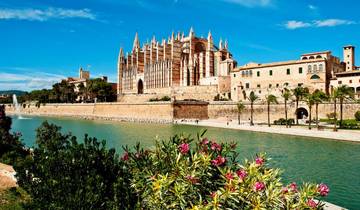
4 days
Palma de Mallorca City Break
- ✓ Comprehensive Balearic Islands tour
- ✓ Expert local guides included
- ✓ All accommodation arranged
- ✓ Transportation provided
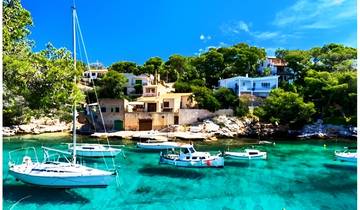
9 days
Mallorca: Cycling Paradise
- ✓ Comprehensive Balearic Islands tour
- ✓ Expert local guides included
- ✓ All accommodation arranged
- ✓ Transportation provided
6 days
Ibiza Getaway
- ✓ Booking needs min. 2 travelers

8 days
Mallorca in 8 Days: Sunsets, Serenity & Natural Wonders
- ✓ Booking needs min. 2 travelers
Multi-day tour packages powered by TourRadar. Prices and availability subject to change.
Essential Planning Information 2026
Current Costs and Pricing Overview
Formentera operates as a relatively expensive Mediterranean destination in 2026, reflecting its exclusive character and limited supply of services. Ferry tickets from Ibiza cost €25-30 round-trip for standard service, with faster express options at €40-50 offering reduced crossing times (check trasmediterranea.es and balearia.com for current official rates as pricing may vary). Bike rentals range €12-15 daily for standard models, electric bikes €18-22, and scooters €20-25 for 50cc models. Beach club sun bed rentals cost €25-40 per day depending on location and season, with premium clubs at Ses Illetes charging €35-50 during peak periods.
Dining expenses vary significantly based on venue selection and timing. Casual lunch at beach bars runs €15-22 per person for simple dishes and drinks, while beach club dining reaches €35-55 for full meals with cocktails. Restaurant dinners range €25-40 per person at local establishments or €45-75 at upscale venues featuring fresh seafood and island specialties. Grocery shopping enables significant savings, with supermarkets offering fresh produce, local bread, and supplies at standard Spanish prices.
Activities and experiences add modest costs to daily budgets. Boat excursions to Espalmador island cost €35-50 per person for half-day trips, snorkeling equipment rentals €15-20 daily, and kayak rentals €20-30 for half-day adventures. Stand-up paddleboard rentals range €15-25 per hour or €40-60 for full days. Most beaches offer free access with only parking fees (€3-6 daily) or beach club amenities requiring payment. The island’s hiking and cycling routes provide completely free exploration opportunities.
Transportation and Access
Access to Formentera requires ferry travel from Ibiza, with services operating year-round but increasing frequency during the tourist season. Standard ferries depart Ibiza port 8-12 times daily during peak summer months, reducing to 4-6 departures during winter. The crossing takes 30-40 minutes on standard ferries or 25 minutes on fast ferries, arriving at La Savina port on Formentera’s western coast. Morning departures begin 8:00-8:30 AM depending on season, with last returns typically 7:00-8:00 PM in summer or 5:00-6:00 PM in winter.
Transportation on the island centers on bike and scooter rentals, with numerous agencies offering competitive rates and various vehicle types. Booking online 1-2 weeks ahead secures lower rates and guaranteed availability, particularly important during July-August when demand peaks. Most rental periods run 24-hour cycles, though hourly and multi-day rates offer flexibility. Agencies provide free helmets, locks, and basic maps, with some offering delivery to accommodation for small additional fees.
The island’s road network connects all major beaches and villages, with well-maintained asphalt roads and dedicated cycling lanes along main routes. Distances remain manageable throughout, with the farthest points reaching only 20 kilometers from La Savina port. Traffic stays light except during peak summer weekends, when popular beaches like Ses Illetes experience congestion. Many beaches offer bike parking areas, though securing bikes with provided locks proves essential in crowded areas.
Best Time to Visit Formentera 2026
Seasonal Analysis for 2026 Planning
Spring (April-June) emerges as one of Formentera’s finest periods, combining improving weather with lower prices and peaceful beaches. April sees temperatures reaching 18-22°C with occasional cool days, though water temperature (16-18°C) feels refreshing rather than warm. May delivers ideal conditions with air temperatures 20-24°C and water warming to 19-21°C, making swimming comfortable while accommodation costs remain 30-40% below summer peaks. June transitions toward high season with temperatures 23-27°C and warm seas (22-24°C), offering summer beach experiences before July crowds arrive.
Summer (July-August) represents peak season with hot temperatures (26-30°C), warm seas (25-27°C), and maximum sunshine, but brings significant crowds and premium pricing. July sees beaches filling rapidly, particularly on weekends, with beach clubs and popular restaurants requiring advance reservations. August intensifies the busy atmosphere with the highest visitor numbers and accommodation rates reaching annual peaks. Despite crowds, summer guarantees optimal beach weather and full operation of all island establishments, making it ideal for travelers prioritizing perfect conditions over value or tranquility.
Autumn (September-October) rivals spring as Formentera’s best season, offering summer warmth with declining crowds and improving value. September maintains excellent beach weather with temperatures 24-27°C and warm seas (24-26°C), while visitor numbers drop significantly after mid-month. October extends pleasant conditions (20-23°C) with comfortable swimming temperatures (21-23°C) through mid-month, though some beach clubs close after early October. Both months deliver substantial savings on accommodation while maintaining summer’s appeal.
Winter (November-March) sees Formentera transform into a peaceful retreat for dedicated visitors, with mild temperatures (14-18°C) but limited services and cool seas (14-16°C). Many hotels, restaurants, and beach clubs close entirely, though year-round establishments serve residents and winter visitors. This period suits those seeking solitude, hiking, cycling, and authentic island life rather than beach activities. Accommodation costs drop to annual lows, sometimes 50-60% below summer rates, making winter appealing for budget-conscious travelers and digital nomads seeking extended stays.
Weather Patterns and Crowd Predictions
Formentera’s weather follows reliable Mediterranean patterns with hot, dry summers and mild, occasionally wet winters. Summer months (June-September) deliver near-guaranteed sunshine with minimal rainfall, average temperatures 24-29°C, and calm seas perfect for swimming and water sports. Spring and autumn provide comfortable temperatures with occasional rain showers, though these pass quickly and rarely disrupt beach plans significantly. Winter brings cooler conditions with higher rainfall probability, though temperatures rarely drop below 10°C even in January-February.
Crowd levels peak dramatically during July-August when Spanish and European summer holidays coincide with optimal beach weather. August weekends see the island reaching capacity, with ferry services fully booked and popular beaches crowded by midday. Late June and early September offer better crowd balance, maintaining excellent weather while avoiding peak congestion. Shoulder seasons (May, October) provide the best crowd-to-weather ratio, with comfortable conditions and sparse visitor numbers enabling peaceful beach experiences.
Wind patterns influence beach selection throughout the year, with northern beaches (Ses Illetes, Llevant) offering protection from southerly winds while southern beaches (Migjorn) shelter from northern breezes. Summer typically brings light winds that refresh without disrupting beach activities, while spring and autumn experience stronger breezes some days. Checking daily forecasts enables optimal beach selection based on current wind direction, ensuring comfortable conditions regardless of overall weather patterns.
Getting to Formentera 2026
Ferry Services and Schedules
Two major ferry companies operate Ibiza-Formentera services in 2026: Baleària and Trasmapi, both offering regular departures from Ibiza’s main port to La Savina on Formentera. Standard ferries accommodate foot passengers and vehicles, while fast ferries carry passengers only with reduced crossing times. During peak summer season (July-August), combined departures reach 10-15 daily, with services beginning 8:00 AM and continuing until 8:00 PM. Shoulder season frequencies reduce to 6-8 daily departures, while winter sees 4-6 daily crossings.
Booking ferry tickets online 1-2 weeks ahead proves advisable during peak season, particularly for morning departures and weekend travel. Walk-up ticket purchases remain possible most days but risk sold-out crossings during busy periods. Return tickets cost €25-30 for standard service, with open returns allowing flexible departure times within validity periods. Fast ferry tickets reach €40-50 but reduce crossing time to 25 minutes versus 30-40 minutes on standard vessels.
Ferry boarding requires arriving 20-30 minutes before departure for ticket validation and boarding procedures. La Savina port features efficient operations with clear signage, ticket offices, and immediate access to bike and scooter rental agencies clustered around the port area. Return ferries operate similar schedules, with last departures typically 7:00-8:00 PM during summer or 5:00-6:00 PM in winter. Missing the last ferry requires overnight stay on Formentera, making schedule awareness essential for day-trippers.
Reaching Ibiza from International Destinations
Ibiza Airport receives direct flights from major European cities throughout the summer season, with airlines including Ryanair, easyJet, Vueling, and traditional carriers operating comprehensive route networks. Summer schedules (May-October) offer the widest selection with daily connections from London, Paris, Madrid, Barcelona, and other major hubs. Winter service reduces significantly but maintains year-round connectivity through Barcelona and Madrid, enabling Formentera access during quieter months.
Flight costs vary dramatically based on booking timing and travel dates. Advance bookings 2-3 months ahead secure flights from €80-150 round-trip from major European cities during shoulder seasons, while peak summer weeks reach €200-400 or more. Weekend travel commands premium pricing, with midweek flights offering better value. Budget airlines provide the most competitive rates but charge for checked luggage, seat selection, and other services that can add €30-60 to base fares.
Airport transfers to Ibiza port take 20-30 minutes by taxi (€25-35) or bus (€3.50-4.50). Buses operate every 30-60 minutes connecting the airport to Ibiza town and port area, making budget-friendly transfers easily accessible. Taxis cluster at airport arrivals and offer direct port transfers, though advance booking eliminates wait times during busy periods. Some ferry companies offer combined flight-ferry-accommodation packages providing modest savings and simplified booking.
Where to Stay in Formentera 2026
Budget Accommodation Options
Formentera’s budget accommodation centers on simple hostels, apartment rentals, and basic hotels offering clean, functional lodging at €80-150 per night. These properties cluster primarily in Es Pujols and La Savina, providing convenient access to beaches and services while keeping costs manageable. Hostel beds in shared dormitories cost €30-45 per person during peak summer or €20-30 in shoulder seasons, offering the absolute budget option for solo travelers or groups willing to share facilities.
Private apartment rentals through platforms like Airbnb and Booking.com provide better value for couples and small groups, with studios sleeping 2-3 people available from €80-120 nightly during summer or €60-90 in shoulder seasons. These apartments typically include basic kitchens enabling grocery shopping and meal preparation, cutting dining costs significantly. Locations range from village centers offering walkable access to restaurants and bike rentals to more isolated properties requiring scooter transportation.
Budget hotels in Es Pujols and Sant Ferran offer simple rooms with private bathrooms, air conditioning, and sometimes small pools at €100-150 nightly during peak season. These properties emphasize functionality over luxury, providing clean, comfortable bases for beach-focused itineraries. Booking 3-4 months ahead secures availability at budget properties, which fill rapidly due to limited inventory. Minimum stay requirements of 3-7 nights apply at many properties during July-August, though shoulder seasons offer more flexible booking options.
Mid-Range and Luxury Options
Mid-range hotels and boutique properties deliver comfort, style, and convenient locations at €150-280 nightly, offering the sweet spot between budget constraints and luxury indulgence. These properties feature quality furnishings, attractive pools, beach proximity, and often include breakfast in rates. Es Pujols and La Savina host most mid-range options, providing walkable access to beaches, restaurants, and services while maintaining peaceful atmospheres away from Ibiza’s intensity.
Boutique hotels emphasizing design, sustainability, and personalized service cluster in quieter island areas, offering authentic Formentera experiences at €200-350 per night. These properties showcase Mediterranean architecture, locally sourced materials, organic breakfast spreads, and often feature yoga classes, spa services, or cultural programming. Many restrict guest numbers to maintain intimate atmospheres and enable attentive service, making advance booking essential.
Luxury beachfront resorts and private villas represent Formentera’s premium accommodation tier at €300-600+ nightly, delivering exceptional locations, superior amenities, and comprehensive services. These properties occupy the island’s finest beachfront real estate, offering direct access to pristine beaches, sophisticated dining, extensive spa facilities, and exclusive atmospheres. Private villas accommodate groups and families, providing full kitchens, pools, outdoor spaces, and privacy at rates that become competitive when split among multiple guests. Luxury properties book 6-12 months ahead for peak summer weeks, particularly during August when demand peaks.
Formentera Beaches Guide 2026
Ses Illetes: The Icon
Ses Illetes stands as Formentera’s most famous beach, earning international recognition for its extraordinary turquoise waters, fine white sand, and Caribbean-like beauty. This narrow peninsula extends northward, creating beaches on both eastern and western sides with subtly different characters. The western side faces Ibiza with calmer waters and spectacular sunset views, while the eastern shore looks toward the Mediterranean with slightly livelier conditions. The beach stretches approximately 450 meters with shallow, crystal-clear water extending far offshore, creating natural pools perfect for wading and swimming.
Access to Ses Illetes requires bike or scooter transportation as no bus service reaches this northern tip. Parking costs €6 daily during peak season with limited spaces filling by 10:00-11:00 AM on busy days. Several beach clubs operate along the shore, offering sun bed rentals (€35-50 daily), restaurant service, and upscale atmosphics. Tanga beach club and Beso Beach anchor the southern end, providing full dining menus and sophisticated beach experiences, while free beach areas occupy the middle and northern sections enabling budget-conscious visits.
The peninsula’s natural beauty comes with summer crowds that can detract from the peaceful atmosphere. Arriving before 9:30 AM secures parking and optimal beach positioning, while afternoons see maximum crowding. Shoulder season visits (May-June, September-October) deliver the Ses Illetes experience without overwhelming tourist numbers, maintaining the beauty while enabling easier access and more relaxed enjoyment. The shallow waters and fine sand make Ses Illetes particularly suitable for families with young children, though shade remains limited requiring umbrellas or early arrival for natural shelter.
Migjorn: The Alternative
Playa Migjorn stretches approximately 5 kilometers along Formentera’s southern coast, offering a complete contrast to Ses Illetes through its extensive length, varied character, and distributed visitor density. This long beach encompasses numerous access points, each with distinct personalities ranging from busy sections with beach clubs and restaurants to completely undeveloped stretches offering solitude and natural beauty. The sand quality matches Ses Illetes, while water color displays brilliant turquoise and azure shades that photograph spectacularly.
Beach clubs dot Migjorn’s length, with well-known names like Beso Beach Es Arenals, Aigua, and Kiosko 62 providing dining, drinks, music, and sun bed rentals. Each club maintains unique character, from Beso Beach’s sophisticated international cuisine to Kiosko 62’s bohemian atmosphere and live music. Sections between clubs offer free beach access with space to spread blankets or umbrellas, enabling cost-free beach days while maintaining proximity to services.
Reaching different Migjorn sections requires bike or scooter transportation along the main island road with various access points marked by small signs. Parking varies from designated lots (€3-6 daily) to roadside spots requiring careful attention to legal parking zones. The beach’s length means even crowded summer days provide opportunities to find less-dense areas by walking along the shore or accessing more remote sections. Migjorn faces south, providing sun exposure throughout the day and protection from northern winds that sometimes affect other beaches.
Cala Saona: The Sunset Spot
Cala Saona occupies a small bay on Formentera’s western coast, framed by low rocky cliffs and featuring distinctive reddish sand that contrasts with the island’s typical white beaches. The intimate cove measures approximately 140 meters across, creating a cozy atmosphere that fills quickly during peak season but maintains charm through its natural setting and spectacular sunset views. Waters display the characteristic Formentera turquoise but with greater depth closer to shore, making swimming immediately accessible without extensive wading.
Two beach clubs serve Cala Saona, offering sun bed rentals, dining, and prime positioning for the famous sunset views. Sunset Cala Saona Chiringuito provides the classic beach bar experience with tables in the sand, while Hotel Cala Saona’s beach club offers more upscale service. Free beach areas occupy sections at both ends of the cove, though space remains limited making early arrival advisable during busy periods. The beach’s western orientation makes afternoon visits optimal, with morning sun angles less direct and shadows from the surrounding cliffs.
Access requires bike or scooter travel from La Savina (5 kilometers) or longer distances from other island areas. Parking facilities serve the beach with standard €3-6 daily fees and limited capacity that fills by midday during summer. The small size makes Cala Saona less suitable for full-day beach sessions compared to Ses Illetes or Migjorn, but the sunset spectacle draws evening crowds who arrive specifically for the sky show and relaxed dinner atmosphere. Swimming conditions remain excellent with sandy bottom and gradual depth increase, though the beach’s exposure to western swells can create livelier water some days.
Llevant and Smaller Beaches
Platja de Llevant extends along Formentera’s northeastern coast, accessible via a protected natural area requiring bike or foot access (no vehicles allowed). This wild, undeveloped beach attracts nature lovers and nudists seeking complete escape from commercial beach culture, offering pristine sand, clear waters, and total tranquility. The protected park status ensures permanent preservation of natural conditions, making Llevant unique among Formentera’s major beaches. Access involves cycling or walking from the Ses Illetes parking area, adding 2-3 kilometers to the journey but ensuring uncrowded conditions.
Smaller beaches and coves scatter throughout the island, each offering distinct character and advantages. Cala en Baster provides a tiny, sheltered cove popular with local families, while Es Arenals combines easy access with good swimming conditions. Racó de sa Pujol creates a beautiful corner near La Savina with calm waters and convenient access for ferry arrivals seeking quick beach time. These secondary beaches prove valuable during peak season when major beaches reach capacity, and during shoulder seasons when peaceful exploration takes priority over maximum beauty.
Beach selection based on wind direction optimizes daily experiences, with northern beaches (Ses Illetes, Llevant) protected from southerly winds and southern beaches (Migjorn) sheltering from northern breezes. Summer’s generally calm conditions minimize wind considerations, but spring and autumn benefit from strategic beach selection. Local weather forecasts and bike rental agencies provide wind information enabling optimal planning, while flexibility to move between beaches during the day maximizes enjoyment regardless of conditions.
Budget Planning for 2026
Budget Traveler Approach (€85-110 Daily)
Budget-conscious travelers achieve comfortable Formentera experiences at €85-110 per person daily through strategic choices that maximize value without sacrificing essential island experiences. Bike rental (€12-15 daily) provides island mobility while keeping transportation costs minimal, with the flat terrain and short distances making cycling entirely feasible for most visitors. Accommodation in budget hotels, hostels, or shared apartments (€80-120 nightly) combined with grocery shopping for breakfast and snacks cuts costs significantly while maintaining acceptable comfort.
Beach days focus on free access areas rather than beach club sun beds, with beach towels, umbrellas, and picnic supplies replacing expensive rentals and restaurant meals. Morning grocery stops stock sandwiches, fruit, snacks, and drinks for full beach days at €10-15 per person versus €35-55 for beach club dining. One restaurant meal daily (€15-25 for lunch or dinner) provides local food experiences while keeping costs controlled, with casual beach bars and village restaurants offering better value than upscale establishments.
Activities emphasize free or low-cost options including swimming, hiking, cycling, and exploring villages and viewpoints. The La Mola lighthouse, salt flats near La Savina, and various viewpoints provide memorable experiences without admission fees. Evening entertainment centers on beach sunsets, village strolls, and occasional budget-friendly bars rather than expensive clubs or upscale restaurants. This approach enables week-long Formentera trips totaling €1,155-1,330 per person including accommodation (€560-840 for 7 nights at €80-120), ferry (€28), bike rental (€84 for 7 days), meals (€315-455), and activities.
Mid-Range Traveler Experience (€110-140 Daily)
Mid-range budgets of €110-140 daily unlock enhanced comfort, convenience, and experiences while maintaining reasonable overall costs. Scooter rental (€20-25 daily) replaces bikes, enabling efficient beach hopping and access to remote areas without cycling exertion. Accommodation upgrades to comfortable hotels or quality apartments (€150-220 nightly) provide better locations, amenities, and services that enhance daily enjoyment.
Beach experiences blend free areas with occasional beach club visits, splitting the difference between budget beach towels and daily sun bed rentals. Alternating between bringing picnic supplies and enjoying beach club lunches (€35-55 per occasion) balances costs while sampling the island’s beach club culture. Restaurant dinners at quality local establishments (€25-40 per person) replace some casual meals, enabling authentic Formentera dining experiences without luxury price points.
Activities include paid experiences like boat excursions to Espalmador (€35-50), snorkeling trips, or kayak rentals (€20-30) that add variety to beach days. Evening dining at better restaurants and occasional cocktails at sunset spots enhance the experience while staying within budget parameters. This mid-range approach costs €1,820-2,380 per person weekly including accommodation (€1,050-1,540 for 7 nights at €150-220), ferry (€28), scooter rental (€140-175 for 7 days), meals (€455-560), and activities (€140-210).
Sample Budget Breakdowns
Three-day budget beach escape costs €385-530 per person. Accommodation €240-360 (3 nights at €80-120), ferry €28, bike rental €36-45 (3 days), meals €105-175 (groceries plus one restaurant meal daily), activities minimal (free beaches and cycling). This compact trip delivers essential Formentera experiences while keeping costs minimal through short duration and budget-focused choices.
Five-day mid-range island exploration totals €930-1,220 per person. Accommodation €750-1,100 (5 nights at €150-220), ferry €28, scooter rental €100-125 (5 days), meals €260-350 (mix of picnics and restaurants), activities €70-105 (boat trip, equipment rentals, beach club day). This duration enables comprehensive beach exploration and balanced cost-benefit through strategic spending.
Week-long luxury beach retreat reaches €2,450-3,780 per person. Accommodation €2,100-3,500 (7 nights at €300-500), ferry €28, scooter rental €175-245 (7 days at premium rates), meals €665-910 (restaurant dining and beach clubs), activities €175-280 (boat excursions, spa treatments, equipment rentals). This approach maximizes Formentera’s appeal through superior locations, comprehensive dining experiences, and extensive activity participation.
Sample 2026 Itineraries
Three-Day Beach Getaway
Day 1: Arrival and Ses Illetes
Morning ferry from Ibiza departs 9:30 AM, arriving La Savina 10:00 AM. Bike rental at port (€12-15), cycling to Ses Illetes (7 kilometers, 30-40 minutes). Beach arrival by 11:00 AM secures good positioning in free areas. Lunch from brought supplies (€8-12) enjoyed on the beach. Afternoon swimming and sunbathing, exploring the peninsula’s length. Departure 5:00 PM, cycling to Es Pujols accommodation (20 minutes). Evening dinner at local restaurant (€20-28) followed by beach walk.
Day 2: Migjorn Beach Exploration
Morning grocery shopping for beach supplies (€10-15), cycling to Migjorn (30 minutes from Es Pujols). Beach arrival 10:30 AM at quieter eastern sections. Midday picnic lunch on the beach, afternoon swimming and sunbathing. Cycle to different Migjorn sections exploring various access points and beach characters. Late afternoon visit to La Mola lighthouse (15 kilometers from Migjorn, 45 minutes cycling) for sunset views from the cliffs. Return to Es Pujols (12 kilometers, 40 minutes), dinner at casual beach bar (€18-25).
Day 3: Cala Saona and Departure
Morning checkout, storage of bags at accommodation or La Savina lockers (€5). Cycling to Cala Saona (8 kilometers from Es Pujols, 35 minutes). Swimming and beach time 10:00 AM – 2:00 PM. Lunch at Cala Saona beach bar (€22-35). Return to La Savina (5 kilometers, 20 minutes), bike return, catch 4:00 PM ferry to Ibiza.
Bike rental €36-45 (3 days), meals €85-135 (groceries plus restaurants), beach parking €12-18, ferry €28. Total day costs: €53-74 per person (Day 1), €45-63 (Day 2), €49-70 (Day 3). Three-day total: €147-207 excluding accommodation.
Five-Day Comprehensive Island Tour
Day 1: Northern Beaches
Arrival via morning ferry, scooter rental at La Savina port (€22-25 daily). Exploration begins at Ses Illetes, arriving 10:30 AM for optimal positioning. Beach club lunch (€35-48), afternoon at Llevant beach via cycling path (bags secured in locker). Evening return to accommodation in Sant Ferran, dinner at village restaurant (€28-38).
Day 2: Southern Coast
Full day exploring Migjorn’s length, stopping at multiple access points and beach clubs. Morning at eastern sections, lunch at Beso Beach Es Arenals (€42-58), afternoon at western sections. Snorkeling equipment rental (€15-20) for underwater exploration. Sunset viewing from beach, evening return to Sant Ferran, casual dinner (€20-30).
Day 3: West Coast and Activities
Morning at Cala Saona, swimming and beach time until 1:00 PM. Lunch at beach club (€35-50), afternoon boat excursion to Espalmador island (€40-55 including transport). Exploration of uninhabited island’s beaches and nature. Return to Formentera by 6:00 PM, dinner at quality restaurant (€35-48).
Day 4: Villages and Culture
Morning visit to Sant Francesc Xavier, the island’s administrative center, exploring the fortified church and local shops. Coffee and pastries (€8-12), market browsing. Afternoon at Es Pujols beach (easy scooter access), lunch at casual restaurant (€22-32). Visit to La Savina salt flats during golden hour for photography. Evening dinner at harbor-side restaurant (€30-42), sunset views.
Day 5: Final Beach Day and Departure
Morning return to favorite beach from earlier days, maximizing remaining island time. Beach club farewell lunch (€38-52), afternoon swimming until 3:30 PM. Return to La Savina, scooter return, departure ferry 5:00 PM.
Scooter rental €110-125 (5 days), boat excursion €40-55, snorkel rental €15-20, meals €370-500 (mix of beach clubs and restaurants), activities €15-20, parking €24-30. Total: €574-750 per person excluding accommodation.
Week-Long Immersive Experience
Days 1-2: Beach Discovery
Systematic exploration of major beaches, spending full days at Ses Illetes and Migjorn. Beach club experiences at premium locations like Beso Beach and Tanga, balancing with free beach areas. Evening dining at quality restaurants, sampling local specialties and fresh seafood.
Days 3-4: Activities and Exploration
Boat excursions to Espalmador and surrounding waters, snorkeling and swimming in pristine locations. Kayak rental for coastal exploration, visiting small coves inaccessible by land. Evening experiences include sunset at La Mola lighthouse, dinner at upscale restaurants, cocktails at beach clubs during golden hour.
Days 5-6: Cultural and Relaxation
Village exploration including Sant Ferran’s hippie market (Wednesday and Sunday), Sant Francesc’s shops and church, La Savina’s harbor. Cycling tour of interior roads discovering stone walls, whitewashed farmhouses, and rural landscapes. Spa treatment or yoga class at boutique hotel. Evening dining experiences at varied restaurants representing different island cuisines.
Day 7: Favorite Spots Revisited
Final day spent at preferred beaches discovered during the week. Long lunch at beloved beach club, swimming in clear waters, maximizing remaining hours in paradise. Sunset viewing from Cala Saona or La Mola, farewell dinner at best restaurant discovered during the week.
Scooter rental €175-245 (7 days premium), boat excursions €75-110, equipment rentals €45-65, spa/yoga €80-120, meals €665-910 (primarily restaurants and beach clubs), parking €42-48, activities €80-120. Total: €1,162-1,618 per person excluding accommodation.
Transportation on the Island 2026
Bike Rentals and Cycling
Bicycle rental provides the most economical and environmentally friendly island transportation in 2026, with flat terrain and extensive cycling paths making bikes suitable for most visitors. Standard bikes cost €12-15 daily with electric-assist models at €18-22, both offering practical solutions for different fitness levels and heat tolerance. Rental agencies cluster around La Savina port and in major villages, with online booking 1-2 weeks ahead securing better rates and guaranteed availability during peak season.
The island’s compact size makes cycling entirely feasible, with La Savina to Ses Illetes covering 7 kilometers (30-40 minutes), La Savina to Migjorn 6-8 kilometers (25-35 minutes depending on access point), and the longest route La Savina to La Mola lighthouse reaching approximately 17 kilometers (60-75 minutes). Dedicated cycling lanes parallel main roads for safer travel, while interior routes offer peaceful alternatives through rural landscapes. Most beaches provide bike parking areas, though securing bikes with provided locks proves essential during busy periods.
Electric bikes significantly reduce cycling effort in summer heat, making longer distances and multiple daily trips more comfortable. The battery capacity handles full-day exploration without recharging, while the pedal-assist system provides help when needed while allowing traditional cycling when preferred. Electric bikes particularly benefit older travelers, those with fitness limitations, or anyone seeking to maximize beach time while minimizing cycling exertion. The additional €6-7 daily cost proves worthwhile for many visitors prioritizing comfort and efficiency.
Scooter and Motorcycle Rentals
Scooters provide faster, more efficient island transportation at €20-25 daily for 50cc models or €30-40 for 125cc motorcycles, enabling quick beach hopping and access to remote areas without cycling effort. Valid driver’s licenses sufficient for 50cc scooters in most countries, while 125cc bikes require motorcycle endorsements. Helmets included with all rentals, with agencies providing basic instructions for inexperienced riders and maps showing routes to major beaches.
The road network’s excellent condition and light traffic make scooter riding safe and pleasant, with speeds of 45 km/h on 50cc models adequate for island distances. Morning beach runs take 10-15 minutes from most accommodations to major beaches, enabling efficient schedules and multiple location visits in single days. Parking at beaches costs €3-6 daily at designated lots, with some remote beaches offering free roadside parking where permitted.
Rental agencies accept online bookings with advance payment or deposits, securing specific models and eliminating arrival uncertainty. Multi-day rentals sometimes offer modest discounts, though daily rates remain fairly consistent. Gasoline costs remain minimal due to short distances, with full tanks costing €5-8 and lasting multiple days for most users. Insurance options include basic coverage in rental rates with additional damage protection available for €5-10 daily, recommended for inexperienced riders or those seeking complete peace of mind.
Taxis and Buses
Taxis operate throughout Formentera but cost significantly more than bike or scooter rentals, making them practical for airport/ferry transfers or occasional convenience rather than primary transportation. Fares run €15-25 for most cross-island trips, with higher rates during evening hours and weekends. Taxis wait at ferry port arrivals and can be called via phone apps or hotel assistance, though advance booking ensures availability during busy periods.
Limited bus service connects La Savina port with major beaches and villages, operating primarily during summer season with reduced winter schedules. Routes serve Ses Illetes, Es Pujols, Sant Ferran, and Sant Francesc with frequencies of 30-90 minutes depending on season and route. Fares cost €2-3 per ride with no multi-day passes available, making buses economical for occasional trips but impractical as sole transportation method. Schedules posted at bus stops and available through local tourist offices, though reliability and frequency fall short of making buses primary mobility solutions for most visitors.
Dining and Nightlife 2026
Beach Clubs and Restaurants
Formentera’s beach club scene balances sophisticated international cuisine with relaxed Mediterranean atmosphere, offering premium dining experiences directly on pristine beaches. Top establishments including Beso Beach, Juan y Andrea, Tanga, and Kiosko 62 deliver exceptional food quality, creative cocktails, and ambient music that enhances beach days without overwhelming natural surroundings. Lunch reservations prove essential during July-August, with advance booking 1-2 weeks ahead securing preferred times and seating locations.
Beach club lunches cost €35-55 per person for full meals with drinks, featuring fresh seafood, creative salads, grilled meats, and Mediterranean specialties. The experience combines quality food with beachfront location, comfortable seating, and service that justifies premium pricing for travelers seeking enhanced beach days. Many clubs offer sun bed rentals (€35-50 daily) that include dining credits, making the combined package more economical than separate beach access and meals.
Local restaurants in villages provide excellent dining at more accessible price points, with establishments in Sant Ferran, Es Pujols, and Sant Francesc serving traditional Spanish cuisine, fresh fish, paella, and island specialties. Dinner costs €25-40 per person at quality local restaurants, offering authentic experiences without beach club premiums. Family-run establishments emphasize fresh, locally sourced ingredients and traditional preparations that showcase Formentera’s culinary heritage alongside Mediterranean influences.
Budget-Friendly Dining
Casual beach bars and village cafes provide satisfying meals at €15-22 per person, serving simple but tasty dishes including sandwiches, salads, pizzas, and daily specials. These establishments cluster in Es Pujols and near major beaches, offering convenient dining without significant expense. Quality varies but many deliver good value, particularly for lunch when elaborate meals feel less necessary than quick, fresh options.
Supermarkets in La Savina, Es Pujols, and Sant Francesc enable grocery shopping for breakfast, snacks, and beach picnics at standard Spanish prices. Fresh bread from local bakeries, produce markets, jamón ibérico, cheese, and simple supplies create excellent beach meals at €8-15 per person. Many accommodations include kitchens or kitchenettes making self-catering practical, with larger supermarkets offering comprehensive selections including prepared foods, local specialties, and international products.
Lunch menus (menú del día) at local restaurants sometimes offer multi-course meals for €12-18, providing excellent value for hungry diners. These set menus typically include starter, main course, dessert, and drink, delivering substantial food at fixed prices. Availability varies by restaurant and season, with more options during slower periods when restaurants court local business beyond tourist trade.
Evening Entertainment
Formentera’s nightlife remains low-key compared to Ibiza, emphasizing relaxed evenings over intense clubbing. Sunset viewing at Cala Saona or beach clubs like Beso Beach creates the quintessential Formentera evening experience, with cocktails and ambient music complementing spectacular sky shows. Beach bars in Es Pujols host occasional live music and DJ sessions, maintaining laid-back atmospheres that respect the island’s tranquil character.
Village bars in Sant Ferran and Es Pujols offer evening gathering spots serving drinks, tapas, and conversation in casual settings. Fonda Pepe in Sant Ferran holds legendary status as the island’s original hippie hangout, continuing to serve drinks and maintain bohemian atmosphere decades after its 1960s heyday. Evening strolls through villages, along beaches, and to viewpoints provide simple but satisfying alternatives to commercial entertainment.
Occasional events including the Sant Ferran hippie market (Wednesday and Sunday evenings during summer) create social atmosphere with craft stalls, street performers, and casual dining options. Special events and festivals dot the calendar during summer months, though Formentera generally maintains its peaceful character rather than promoting intensive nightlife. Travelers seeking significant evening entertainment typically make evening ferry crossings to Ibiza, returning to Formentera’s tranquility for accommodation and daytime beach experiences.
Activities and Experiences 2026
Water Sports and Marine Activities
Snorkeling reveals Formentera’s exceptional underwater world, with clear waters enabling visibility of 20-30 meters and diverse marine life including colorful fish, sea urchins, octopus, and occasional rays. Equipment rentals cost €15-20 daily at beach clubs and water sports centers, with popular snorkeling sites including the northern coast near Ses Illetes, western shores at Cala Saona, and various rocky areas along Migjorn. The shallow waters and sandy bottoms make snorkeling accessible for beginners while still offering interesting underwater landscapes.
Kayak and stand-up paddleboard rentals enable coastal exploration and exercise, with hourly rates (€15-25) or half-day periods (€40-60) available at major beaches. Paddling along the coastline reveals small coves, rocky outcrops, and perspectives impossible from land, while the calm summer seas provide ideal conditions for these activities. Guided kayak tours sometimes available, combining paddling with snorkeling stops and expert knowledge of the coastline and marine environment.
Boat excursions to Espalmador island stand as Formentera’s signature marine experience, with half-day trips (€35-50) departing from La Savina and visiting the uninhabited island’s pristine beaches and mud baths. The journey crosses the narrow strait separating the islands, with swimming and beach time on Espalmador followed by return crossings in afternoon. Private boat charters offer customized experiences for groups, exploring hidden coves, extended snorkeling opportunities, and flexible schedules at premium rates (€300-600 for small boats accommodating 4-8 people).
Land-Based Activities
Cycling tours beyond beach transportation create opportunities for comprehensive island exploration, with interior routes revealing agricultural landscapes, stone walls, whitewashed churches, and rural character. The 32-kilometer green route circumnavigates the island on dedicated paths and quiet roads, requiring 3-4 hours at relaxed pace with stops for photography and village visits. This route combines coastal views, interior farmland, and connections to all major beaches, creating a complete island overview.
Hiking opportunities include coastal paths, rural trails, and routes to viewpoints offering exceptional photography opportunities. The path to La Mola lighthouse crosses the eastern plateau with dramatic cliff views and island vistas, while the route to Es Cap de Barbaria (the southernmost point) delivers stark beauty and isolation. These walks require 1-2 hours each depending on starting points, with minimal elevation gain making them accessible for most fitness levels.
Cultural experiences center on village exploration, market visits, and interaction with local life beyond beach tourism. Sant Ferran’s hippie market operates Wednesday and Sunday evenings during summer, offering crafts, clothing, jewelry, and bohemian atmosphere that recalls the island’s countercultural history. The fortified church in Sant Francesc Xavier represents 18th-century defensive architecture, while La Savina’s salt flats create habitat for flamingos and wading birds during migration seasons. Small museums and cultural centers in villages sometimes host exhibits on island history, traditional life, and environmental conservation.
Money-Saving Strategies for 2026
Timing and Seasonal Optimization
Shoulder season travel delivers the most significant cost savings while maintaining excellent weather and experiences. May visits capture 30-40% lower accommodation rates than July-August peaks, with warm temperatures and swimming conditions developing by mid-month. September provides similar savings with summer weather extending well into the month, while October maintains pleasant conditions with 40-50% discounts on accommodation and reduced crowds enhancing beach experiences.
Midweek travel commands lower rates than weekends across accommodation, ferry services, and some activities. Arriving Monday-Thursday and departing Monday-Thursday avoids weekend premiums, potentially saving 15-25% on accommodation and ensuring better availability throughout services. Summer weekends see the island reaching maximum capacity, making midweek visits particularly appealing for those seeking value and tranquility.
Extended stays enable negotiation of better accommodation rates, with week-long or longer bookings sometimes eligible for discounts of 10-20% versus nightly rates. Some properties reduce rates after 7+ nights automatically, while others consider discount requests for extended periods, particularly during shoulder seasons when occupancy remains lower than peak summer. The savings combined with deeper island immersion make longer visits attractive for those with scheduling flexibility.
Transportation and Activity Savings
Bike rentals instead of scooters save €8-12 daily, totaling €56-84 over week-long stays. The relatively flat terrain and short distances make cycling entirely practical for most visitors, with electric bikes splitting the difference at €6-7 more than standard bikes while still undercutting scooter costs. Multi-day bike rentals sometimes qualify for modest discounts, with week-long periods occasionally available at 6-day prices.
Ferry tickets booked online ahead of arrival sometimes offer small discounts versus walk-up purchases, with return tickets providing better value than separate one-way fares. Off-peak ferry times occasionally cost less than prime morning and evening departures, though schedule convenience usually outweighs minor savings for visitors with limited time. Combination packages linking ferry, accommodation, and sometimes activities occasionally provide modest savings versus separate bookings, particularly during shoulder seasons when operators seek to fill capacity.
Free activities replace paid experiences without sacrificing enjoyment, with swimming, hiking, cycling, village exploration, sunset viewing, and beach time providing the core Formentera experience without costs. The island’s natural beauty forms its primary attraction, making expensive activities optional rather than essential. Beach picnics using grocery store supplies save €25-40 daily per person versus beach club dining, with the substantial savings enabling longer stays or upgraded accommodation.
Accommodation and Dining Strategies
Apartments with kitchens enable grocery shopping and self-catering for some meals, reducing dining costs by 40-60% when used strategically. Preparing breakfast and occasional dinners while dining out for special lunches or dinners balances costs with convenience and local food experiences. Supermarkets offer quality ingredients at reasonable prices, with fresh bread, local cheese, jamón, produce, and simple supplies creating satisfying meals.
Early booking secures optimal accommodation rates and selection, with bookings 4-6 months ahead for summer or 6-8 weeks for shoulder seasons accessing the best combination of price and options. Waiting until last minute occasionally produces deals when properties seek to fill empty rooms, but risks limited availability and higher rates during busy periods. The strategy works better during shoulder seasons or for midweek arrivals when demand stays moderate.
Strategic beach club visits balance experiences with costs, using beach clubs once or twice during longer stays while relying on free beaches and picnics for other days. This approach samples the beach club culture without the daily expense of sun bed rentals and premium dining. Visiting beach clubs during off-peak hours sometimes enables use of facilities without sun bed rental, though policies vary by establishment. Choosing lunch over dinner at beach clubs saves money while capturing the essential daytime beach atmosphere.
Booking Strategies for 2026 Season
Accommodation Booking Timeline
Luxury and boutique properties require earliest booking, with 6-12 months advance reservations recommended for July-August peak weeks. Prime beachfront hotels and popular boutique establishments sell out rapidly, often by March-April for August visits. February-March represents optimal booking timing for summer luxury stays, balancing advanced planning with flexibility to adjust dates if needed.
Mid-range hotels and apartments benefit from 3-4 month advance booking for summer or 6-8 weeks for shoulder seasons. This timing secures good selection and rates while avoiding excessive advance commitment. Booking platforms like Booking.com and Airbnb show availability and price trends, enabling informed decisions about optimal booking timing based on specific property and dates.
Budget properties offer most flexibility with acceptable results from 4-8 week advance booking even during summer, though earlier reservations provide better selection. The limited budget inventory makes some advance planning advisable, but walking availability sometimes emerges for midweek arrivals or during less busy periods. Shoulder season booking operates successfully with 3-4 week advance notice for budget options.
Ferry and Transportation Reservations
Ferry bookings become essential during peak summer weekends and holidays when services sell out, particularly for morning departures and return trips. Booking 1-2 weeks ahead ensures availability during busy periods, while shoulder season travel operates successfully with 2-3 day advance booking or even walk-up tickets most days. Online booking through company websites provides best rates and confirmed departure times, eliminating arrival uncertainty.
Bike and scooter rentals during peak summer benefit from online booking 1-2 weeks ahead, guaranteeing availability and sometimes securing modestly better rates than walk-up rentals. The numerous rental agencies clustered around La Savina port make walk-up rentals usually possible, but specific bike types (especially electric models) or scooter preferences sometimes sell out during busy periods. Shoulder season rental availability rarely poses problems, though online booking still provides price transparency and arrival convenience.
Restaurant and Beach Club Reservations
Beach club reservations prove essential for July-August lunch service at popular establishments like Beso Beach, Juan y Andrea, and Tanga. Booking 1-2 weeks ahead secures preferred times and locations, with some clubs accepting reservations up to several weeks in advance. Walk-in availability exists early mornings or later afternoons, but prime midday hours fill rapidly during peak season. Shoulder season booking requirements relax significantly, often operating successfully with 2-3 day notice or even same-day reservations.
Restaurant dinner reservations become advisable for upscale establishments and popular local restaurants during summer, particularly for weekend dining. Most restaurants accept reservations 3-7 days ahead, with longer windows for especially popular venues. Mid-week dining and shoulder season visits reduce reservation necessity, though calling ahead same-day ensures table availability and prevents disappointment at fully-booked establishments.
Planning Your 2026 Visit
Pre-Departure Preparation
Essential items for Formentera trips include high-SPF reef-safe sunscreen (sun intensity peaks during summer), wide-brimmed hats, quality sunglasses, and lightweight clothing suitable for beach and cycling activities. Beach towels, reusable water bottles, and snorkeling masks enhance experiences while reducing costs and environmental impact. Waterproof phone cases protect electronics during beach days and water activities, while portable phone chargers ensure navigation and photography capabilities throughout long beach days.
Financial preparation includes informing banks of travel dates to prevent card blocking, loading some euros for small purchases, and understanding that many beach clubs and restaurants accept cards while some casual establishments prefer cash. ATMs operate in La Savina, Es Pujols, and Sant Francesc, though carrying moderate cash reserves prevents inconvenience. Travel insurance covering medical emergencies, trip cancellation, and activity accidents provides peace of mind, particularly for longer visits or those including water sports and cycling.
Language skills benefit from basic Spanish phrases, though English operates widely in tourist areas and most establishments. Restaurant staff, rental agencies, and accommodation hosts generally speak functional English, while village shops and local restaurants sometimes require basic Spanish. Translation apps provide backup for communication challenges, while attempting Spanish phrases demonstrates respect and enhances local interactions.
Arrival Day Logistics
Morning ferry arrivals enable full first-day beach experiences, with 9:00-10:00 AM crossings allowing bike rental, accommodation check-in or bag storage, and beach arrival by 11:00 AM-12:00 PM. La Savina port facilities include rental agencies, tourist information, cafes, ATMs, and taxi stands, providing comprehensive arrival services. Bag storage operates at some rental agencies and accommodation properties accepting early arrivals, enabling beach days while rooms undergo final preparation.
First-day recommendations emphasize nearby beaches for energy conservation after travel, with Ses Illetes accessible via 7-kilometer cycle from La Savina or Migjorn beaches reachable in 6-8 kilometers. These distances prove entirely manageable for fresh arrivals, establishing positive first impressions through stunning beaches while avoiding exhaustion. Afternoon accommodation check-in provides showering and resting before evening village exploration and dinner introduces the island’s character beyond beaches.
Orientation activities include obtaining physical maps from tourist offices, familiarizing with main roads and beach access points, and understanding ferry schedules for departure planning. Evening supermarket visits stock breakfast supplies and beach picnic ingredients, setting up subsequent days for efficient beach trips. Restaurant scouting identifies appealing dinner options for upcoming evenings, while sunset viewing from accessible beaches like Es Pujols or village waterfront areas creates memorable first-day conclusions.
Departure Planning
Final day logistics coordinate accommodation checkout times (typically 10:00-11:00 AM) with ferry departure schedules and remaining beach time desires. Many visitors choose afternoon departures enabling final morning beach visits, with bag storage at accommodations or La Savina facilities supporting this approach. Late morning checkout followed by lunch and early afternoon beach time maximizes final hours before 4:00-5:00 PM ferry departures.
Bike and scooter returns usually occur at La Savina port immediately before ferry boarding, with rental agencies accepting vehicles until 15-20 minutes before departures. Refueling scooters before return prevents additional charges, with fuel stations operating near the port area. Final equipment checks ensure no personal items remain in storage compartments before vehicle return, while reviewing bike and scooter condition prevents return complications.
Souvenir shopping opportunities cluster in village centers and around La Savina port, offering local crafts, clothing, food products, and typical tourist items. Hierbas Ibicencas (local herbal liqueur), sea salt from the Formentera salt flats, and artisan jewelry represent popular takeaway items. Last-minute supermarket stops enable purchasing local food products at better value than airport shops, while coffee and pastries at port cafes provide pleasant ferry waiting experiences.
2026 Updates and Current Information
Transportation Service Changes
Ferry operators continue expanding service frequency during peak season in 2026, with combined departures reaching 15-20 daily during July-August versus 10-12 in previous years. The additional crossings reduce crowding and provide more flexible scheduling, particularly valuable for day-trippers requiring specific departure times. Standard crossing times remain 30-40 minutes on conventional ferries with 25-minute fast ferry options maintaining premium pricing.
Electric bike and scooter availability expands throughout rental fleets in 2026, reflecting growing environmental consciousness and customer preferences for effortless mobility. Electric bike rental costs stabilize at €18-22 daily across most agencies, with improved battery technology extending single-charge range beyond typical daily requirements. The proliferation of charging points around the island supports electric mobility, though rental agencies provide fully charged vehicles and handle recharging between rentals.
Accommodation Market Developments
Boutique hotel openings continue enhancing Formentera’s mid-range and upscale accommodation inventory in 2026, with several properties debuting renovations or new constructions emphasizing sustainability, local design elements, and authentic island experiences. These additions increase bed capacity modestly while maintaining the island’s exclusive character through small-scale, carefully designed properties. Pricing remains consistent with existing market levels, with new properties positioned in the €180-350 nightly range depending on location and amenities.
Apartment rental platforms expand options for budget and mid-range travelers, with property owners increasingly listing full apartments and studios through Airbnb, VRBO, and Booking.com. This expansion improves availability during peak periods while providing diverse neighborhood options beyond traditional tourist zones. Regulatory oversight ensures listed properties meet safety and quality standards, protecting travelers while maintaining neighborhood character.
Beach and Environmental Initiatives
Sustainable tourism initiatives gain momentum in 2026, with beach clubs and restaurants increasingly emphasizing local sourcing, plastic reduction, and environmental conservation. Single-use plastic straws and bags disappear from most establishments, replaced with biodegradable alternatives or elimination entirely. These changes reflect growing environmental awareness among businesses and visitors, maintaining Formentera’s pristine character for future generations.
Beach parking management systems improve through dynamic pricing and online reservation options at major beaches like Ses Illetes during peak season. These systems reduce congestion, encourage earlier arrivals or alternative transportation, and generate revenue supporting beach conservation. The changes create minor inconveniences offset by improved beach experiences and environmental benefits.
Protected area expansions and enhanced enforcement preserve natural habitats and limit development, maintaining the ecological balance supporting Formentera’s appeal. Restricted zones around Llevant beach and other sensitive areas face stronger protection, while new regulations govern boat anchoring near fragile seagrass meadows. These measures ensure long-term sustainability while requiring visitor cooperation and environmental consciousness.
Frequently Asked Questions About Formentera 2026
Is Formentera worth visiting for a day trip?
Formentera definitely justifies day trip visits from Ibiza, offering stunning beaches and turquoise waters reachable within 30-40 minutes by ferry. A well-planned day trip enables visiting 1-2 major beaches, enjoying lunch at a beach club or casual restaurant, and experiencing the island’s natural beauty before evening return to Ibiza. However, the island’s relaxed pace and comprehensive beach exploration benefit from multi-day stays that eliminate ferry schedules and enable deeper immersion in the Mediterranean lifestyle. Day trips work best during shoulder seasons when ferry schedules provide flexibility and beaches avoid extreme crowding.
Can you swim in Formentera in May?
Swimming in Formentera during May proves comfortable for most visitors, with water temperatures reaching 19-21°C by month’s end. Early May water feels refreshing at 18-19°C, requiring some acclimation but entirely swimmable for those accustomed to cooler waters. The crystal-clear water and sunny weather enhance the swimming experience, while the lack of summer crowds provides peaceful beach days. May swimming conditions improve progressively throughout the month as Mediterranean waters warm after winter cooling, making late May particularly appealing for comfortable swimming without summer’s intensity.
What is the difference between Ibiza and Formentera?
Ibiza and Formentera represent contrasting Mediterranean experiences despite their geographic proximity. Ibiza embraces intensive tourism with world-famous nightlife, busy beaches, extensive development, and year-round activity supporting a population near 150,000. Formentera maintains a tranquil, low-key character with pristine beaches, minimal development, no nightlife scene, and permanent population under 12,000. Ibiza offers comprehensive services, diverse accommodation, historical sites, and extensive dining options, while Formentera emphasizes natural beauty, beach quality, cycling, and relaxed pace. Many visitors combine both islands, using Ibiza as a base for convenient airport access and nightlife while making day trips or short stays on Formentera for beach experiences.
Do you need a car on Formentera?
Cars prove unnecessary on Formentera, with bikes and scooters providing superior mobility for the island’s compact size and excellent cycling infrastructure. The 83-square-kilometer island features manageable distances easily covered by bike (20-30 minutes to most beaches) or scooter (10-15 minutes), while cars face parking challenges and provide no significant advantages. Bikes cost €12-15 daily versus €60-100+ for car rentals including ferry transport charges, making economic sense strongly favor two-wheeled options. The cycling paths, light traffic, and flat terrain create ideal conditions for bikes, while scooters offer weather protection and reduced exertion for those preferring motorized transport.
Are beaches free in Formentera?
Formentera beaches offer free public access, though some incur costs through parking fees (€3-6 daily at organized lots) or beach club amenities. The stunning sand and crystalline waters remain completely free to enjoy with personal towels and supplies, enabling budget-friendly beach days. Beach clubs offer sun bed rentals (€35-50 daily), restaurant service, and upscale amenities for those preferring organized comfort, but free beach areas exist at all major beaches including Ses Illetes and Migjorn. Bringing umbrellas, beach chairs, and supplies creates zero-cost beach experiences, while parking represents the only unavoidable expense at most popular beaches.
What should I pack for Formentera?
Essential Formentera packing includes reef-safe high-SPF sunscreen, wide-brimmed sun hats, quality sunglasses, and lightweight breathable clothing suitable for cycling and beach activities. Beach towels, reusable water bottles, snorkel masks, and waterproof phone cases enhance daily experiences while reducing costs. Sandals or water shoes protect feet on hot sand and rocky areas, while casual evening clothing suffices for restaurant dining (the island maintains relaxed dress codes). Light jackets or sweaters prove valuable for evening cooling during shoulder seasons, while September-October visits benefit from light rain jackets for occasional showers. Cycling-friendly clothing and comfortable walking shoes support island exploration beyond beach time.
Is Formentera expensive?
Formentera operates as a moderately expensive Mediterranean destination, with costs exceeding mainland Spain but staying competitive with other premium European beach locations. Daily budgets range €85-140 per person excluding accommodation through strategic planning and cost-conscious choices, rising to €140-200+ for comfortable experiences including beach clubs and quality dining. Accommodation costs €80-150 nightly for budget options, €150-280 for mid-range properties, or €300-600+ for luxury beachfront hotels. The limited supply of services and exclusive island character maintain higher price levels than mainland alternatives, though careful planning and shoulder season visits enable comfortable experiences without excessive spending.
How long should I stay in Formentera?
Optimal Formentera visits last 3-5 days, providing sufficient time to explore major beaches, experience different island areas, and absorb the relaxed atmosphere without exhausting the relatively limited activities. Three days enables visiting Ses Illetes, Migjorn, and Cala Saona while sampling beach club dining and village exploration. Five days allows comprehensive beach coverage, activity participation, cultural experiences, and the slower pace that defines the Formentera experience. Week-long stays suit those seeking complete relaxation, repeat beach visits, and deeper immersion in island life. Day trips from Ibiza work for quick beach experiences but miss the island’s essence, which emerges through unhurried time and absence of daily ferry schedules.
When do beach clubs open in Formentera?
Beach clubs on Formentera operate primarily during the tourist season, with most opening late April or early May and closing in late October. Peak operation occurs June-September when all establishments maintain full schedules and services, typically 11:00 AM – 11:00 PM or midnight for dining and drinks. May and October see reduced hours and some clubs remaining closed, though major establishments like Beso Beach and Juan y Andrea operate extended seasons. Winter months (November-April) find most beach clubs closed entirely, with only a handful maintaining year-round service primarily for residents and off-season visitors. Checking specific club websites or calling ahead confirms operating status during shoulder season visits.
Can you take cars on the ferry to Formentera?
Ferry services accommodate vehicle transport between Ibiza and Formentera, though bringing cars proves unnecessary and expensive for most visitors. Vehicle ferry tickets cost €60-100+ round-trip depending on car size and season, adding significant expense versus €12-25 daily bike or scooter rentals available on Formentera. The small island size, excellent cycling paths, and limited parking at popular beaches make cars impractical despite their availability. Visitors bringing cars to Formentera face parking challenges, higher costs, and no meaningful mobility advantages over bikes or scooters, making vehicle transport advisable only for specific situations like family groups with small children or extensive luggage.