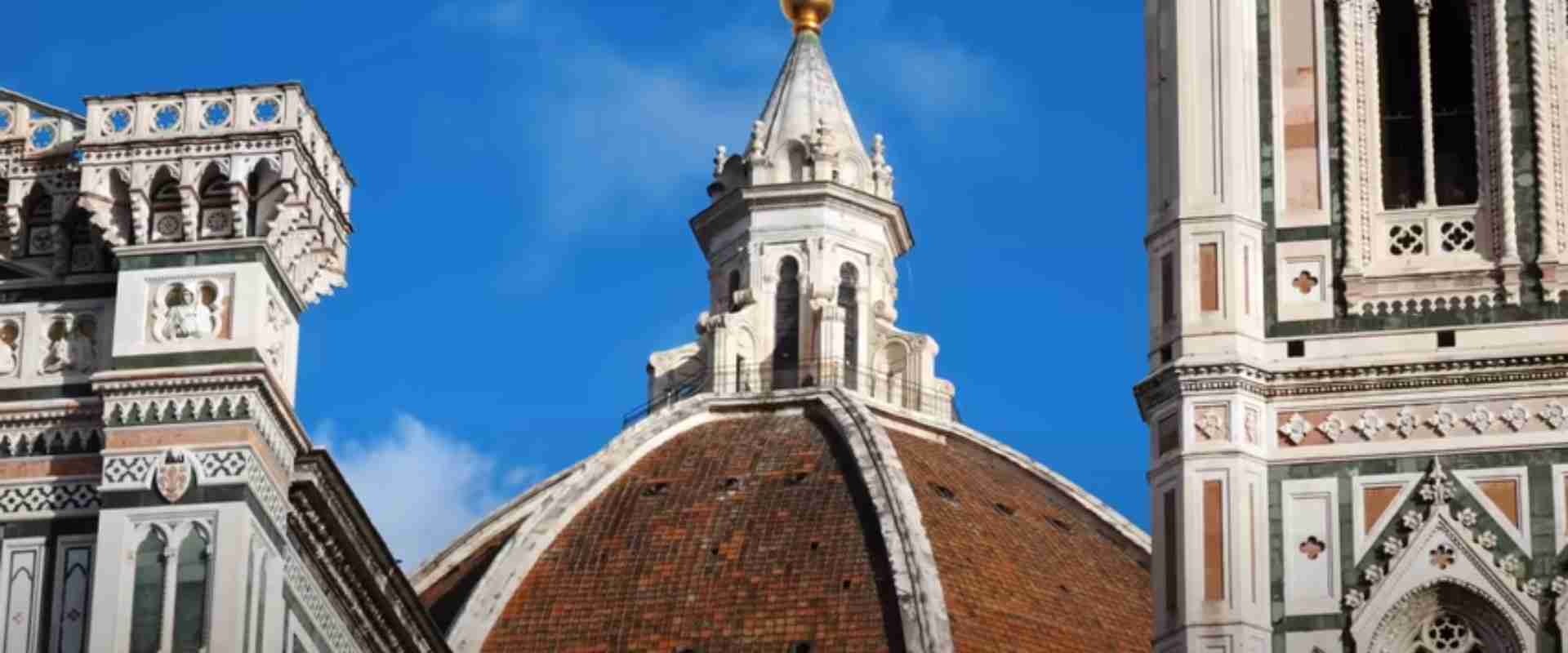
Florence Historic Centre Self-Guided Walking Tour: UNESCO Route with GPS
Florence’s UNESCO Historic Centre spans 505 hectares within medieval walls, containing the world’s highest concentration of Renaissance masterpieces. This expertly crafted self-guided walking tour connects all major UNESCO sites in a logical route that minimizes backtracking while maximizing your cultural experience. Unlike rushed group tours, you’ll have the freedom to linger at sites that captivate you most.
🎯 Key Takeaways
- Complete UNESCO Route: 3.2km walking tour covering all 25 major World Heritage sites in logical sequence
- GPS Coordinates: Precise waypoints for every UNESCO location, viewpoint, and rest stop
- Flexible Timing: 4-8 hours depending on pace, with natural break points every 45 minutes
- Crowd-Beating Strategy: Strategic routing avoids tourist bottlenecks while maximizing UNESCO experiences
- Expert Commentary: Historical context and architectural insights at each stop
- Mobile-Friendly: Downloadable route works offline with detailed maps and directions
Route Overview and Planning
Complete UNESCO Walking Route
Total Distance: 3.2 kilometers (2 miles)
Walking Time: 4-8 hours (depending on site visits)
Difficulty Level: Easy (mostly flat with some gradual hills)
Best Starting Time: 8:00 AM to avoid crowds
Route Highlights:
- 25 UNESCO World Heritage sites and monuments
- 4 major museum complexes with skip-the-line strategies
- 3 Renaissance churches with masterpiece frescoes
- 2 iconic bridges spanning the Arno River
- Historic neighborhoods with living Renaissance traditions
Tour Segments and Timing
Segment 1: Religious Heart (1.5 hours)
Duomo Complex → Baptistery → Opera Museum → Bell Tower
Focus: Brunelleschi’s architectural revolution and Gothic-Renaissance transition
Segment 2: Political Power (1.5 hours)
Piazza della Signoria → Palazzo Vecchio → Uffizi → Bargello
Focus: Medici power and civic Renaissance development
Segment 3: Commercial Heritage (1 hour)
Orsanmichele → Ponte Vecchio → Oltrarno Entry
Focus: Guild system and commercial Renaissance traditions
Segment 4: Artisan Quarter (2 hours)
Santo Spirito → Palazzo Pitti → Boboli Gardens → Bardini Gardens
Focus: Renaissance lifestyle and landscape architecture
Segment 5: Panoramic Conclusion (1 hour)
San Miniato al Monte → Piazzale Michelangelo → Santa Croce
Focus: Renaissance synthesis and artistic legacy
Essential Preparations
Advance Booking Requirements:
- Mandatory Reservations: Uffizi Gallery, Accademia Gallery, Brunelleschi Dome
- Recommended Booking: Palazzo Vecchio secret passages, Brancacci Chapel
- Skip-the-Line Options: Palazzo Pitti, Medici Chapels, Opera Museum
What to Bring:
- Comfortable walking shoes (cobblestones and stairs)
- Water bottle (public fountains available throughout route)
- Smartphone with offline maps downloaded
- Power bank for extended phone usage
- Light jacket (church dress code requirements)
- Small daypack for purchases and comfort items
Physical Considerations:
- Mostly flat terrain with some gradual hill climbs
- 463 steps for Brunelleschi Dome (optional)
- 414 steps for Giotto’s Bell Tower (optional)
- Medieval cobblestones require attention to footing
- Rest stops and cafes available every 30 minutes
Detailed Walking Route with GPS Coordinates
Segment 1: Religious Heart (Starting Point: Piazza del Duomo)
Stop 1: Cathedral of Santa Maria del Fiore
GPS: 43.7731°N, 11.2560°E
Duration: 45 minutes
Entry: Free (cathedral interior), €30 (dome climb)
What You’ll See:
Begin your UNESCO journey at Florence’s spiritual heart. The cathedral represents the triumph of Renaissance engineering over medieval limitations. Brunelleschi’s dome, completed in 1436, solved architectural challenges that had puzzled builders for decades.
Key Observations:
- Geometric marble patterns in green, pink, and white
- Gothic facade completed in 19th century
- Massive interior space designed to hold 30,000 people
- Vasari’s dome frescoes depicting the Last Judgment
Walking Instructions:
From Santa Maria Novella train station, walk southeast on Via dei Panzani, continue on Via dei Cerretani to reach Piazza del Duomo. The cathedral’s dome is visible from several blocks away, guiding your approach.
Stop 2: Baptistery of San Giovanni
GPS: 43.7735°N, 11.2553°E
Duration: 30 minutes
Entry: Included in Duomo pass
Renaissance Significance:
This octagonal building bridges Romanesque and Renaissance art. Ghiberti’s bronze doors (1403-1452) launched the Renaissance by introducing scientific perspective to sculpture.
Essential Details:
- East doors called “Gates of Paradise” by Michelangelo
- 13th-century mosaics depicting biblical scenes
- Zodiac floor patterns in marble inlay
- Tomb of Antipope John XXIII by Donatello
Walking Route: Exit cathedral, walk 50 meters west to octagonal building facing cathedral facade.
Stop 3: Opera del Duomo Museum
GPS: 43.7726°N, 11.2571°E
Duration: 45 minutes
Entry: Included in Duomo pass
Hidden Treasures:
This modern museum houses original artworks from the cathedral complex, including Ghiberti’s authentic Gates of Paradise doors and Michelangelo’s Pietà intended for his own tomb.
Must-See Artworks:
- Original Gates of Paradise panels by Ghiberti
- Michelangelo’s Pietà (1547-1553)
- Donatello’s wooden Mary Magdalene
- Original cathedral facade sculptures
- Brunelleschi’s dome construction models
Walking Route: From Baptistery, walk east on Via del Proconsolo for 100 meters to museum entrance at Piazza del Duomo 9.
Stop 4: Giotto’s Bell Tower (Optional Climb)
GPS: 43.7729°N, 11.2559°E
Duration: 45 minutes (if climbing)
Entry: Included in Duomo pass
Architectural Marvel:
Giotto designed this 84-meter tower as the cathedral’s companion, though he died before completion. The tower represents Gothic architectural perfection with Renaissance decorative elements.
Climbing Experience:
- 414 steps to top with progressively revealing views
- Multiple terraces offering different perspectives
- Close views of cathedral dome architecture
- Panoramic vistas of Historic Centre rooftops
Walking Route: The bell tower stands immediately south of the cathedral. Return to Piazza del Duomo base level after visiting.
Segment 2: Political Power (From Duomo to Civic Heart)
Stop 5: Piazza della Signoria
GPS: 43.7695°N, 11.2558°E
Duration: 30 minutes
Entry: Free (outdoor sculptures)
Renaissance Power Center:
This L-shaped piazza served as Florence’s political heart for over 700 years. The outdoor sculpture gallery demonstrates how art and power intersected during the Renaissance.
Sculptural Highlights:
- Michelangelo’s David (1504 copy, original in Accademia)
- Cellini’s Perseus with the Head of Medusa (1545-1554)
- Giambologna’s Rape of the Sabine Women (1583)
- Bandinelli’s Hercules and Cacus (1534)
Walking Route: From Duomo, walk south on Via dei Calzaiuoli for 300 meters. This pedestrian street was medieval Florence’s main commercial artery.
Stop 6: Palazzo Vecchio
GPS: 43.7693°N, 11.2560°E
Duration: 60 minutes
Entry: €12.50 (basic route), €17 (secret passages)
Fortress to Palace Evolution:
Built as medieval fortress (1298-1314), this palace evolved into Renaissance residence when Cosimo I moved the Medici court here in 1540.
Essential Rooms:
- Salone dei Cinquecento with Vasari’s battle frescoes
- Studiolo of Francesco I (Renaissance cabinet of curiosities)
- Hall of Maps showing 16th-century world geography
- Secret passages hidden within medieval walls
Walking Route: Cross Piazza della Signoria to fortress entrance. The palazzo occupies the piazza’s east side.
Stop 7: Uffizi Gallery
GPS: 43.7687°N, 11.2569°E
Duration: 2 hours minimum
Entry: €25 (advance reservation required)
World’s Greatest Renaissance Collection:
Vasari designed these administrative offices (1560-1580) for Cosimo I. The Medici transformed the spaces into galleries, creating the world’s first modern museum.
Masterpiece Route:
- Room 10-14: Botticelli’s Birth of Venus and Primavera
- Room 15: Leonardo da Vinci’s Annunciation
- Room 25: Michelangelo’s Doni Tondo
- Room 66: Raphael’s Madonna of the Goldfinch
- Room 90: Caravaggio’s Bacchus and Medusa
Walking Route: From Palazzo Vecchio, walk 100 meters southeast through Piazzale degli Uffizi. The gallery entrance faces the Arno River.
Stop 8: Bargello Museum
GPS: 43.7705°N, 11.2618°E
Duration: 60 minutes
Entry: €9 (usually available without reservation)
Renaissance Sculpture Paradise:
Housed in Florence’s oldest public building (1255), this former courthouse contains the world’s finest collection of Renaissance sculpture.
Sculptural Treasures:
- Donatello’s bronze David (first nude since antiquity)
- Ghiberti and Brunelleschi’s Baptistery competition panels
- Michelangelo’s Bacchus and Brutus
- Cellini’s bronze models and preparatory works
Walking Route: From Uffizi, walk northeast on Via dei Gondi, turn left on Via del Proconsolo. The museum entrance is at Via del Proconsolo 4.
Segment 3: Commercial Heritage (Guild Power and Trade)
Stop 9: Orsanmichele
GPS: 43.7714°N, 11.2587°E
Duration: 30 minutes
Entry: Free (church), €5 (museum)
Market to Church Transformation:
This unique building evolved from grain market to church, with each guild commissioning Renaissance masters to create patron saint statues for exterior niches.
Renaissance Innovation:
- Donatello’s St. George (revolutionary realistic sculpture)
- Ghiberti’s St. John the Baptist and St. Matthew
- Verrocchio’s Christ and St. Thomas
- Andrea Orcagna’s elaborate Gothic tabernacle inside
Walking Route: From Bargello, walk west on Via del Proconsolo, turn right on Via dei Tavolini to reach Orsanmichele at Via Arte della Lana.
Stop 10: Ponte Vecchio
GPS: 43.7679°N, 11.2530°E
Duration: 20 minutes
Entry: Free (bridge walking)
Medieval Commerce Continues:
Europe’s only inhabited medieval bridge maintains its commercial tradition with goldsmith shops continuing a 500-year tradition.
Unique Features:
- Three-story shops built directly over bridge structure
- Vasari Corridor passing overhead (currently closed)
- Central openings offering Arno River views
- Bust of Benvenuto Cellini at bridge center
Walking Route: From Orsanmichele, walk south on Via Por Santa Maria for 200 meters directly to Ponte Vecchio entrance.
Segment 4: Oltrarno Artisan Quarter (Renaissance Lifestyle)
Stop 11: Santo Spirito Church
GPS: 43.7668°N, 11.2465°E
Duration: 30 minutes
Entry: Free
Brunelleschi’s Final Masterpiece:
This Augustinian church represents the culmination of Renaissance architectural principles with perfect mathematical proportions throughout.
Architectural Perfection:
- Mathematical harmony in every measurement
- Revolutionary use of gray pietra serena stone
- Wooden crucifix possibly by Michelangelo
- Filippino Lippi’s Nerli Altarpiece
Walking Route: Cross Ponte Vecchio, continue straight on Via de’ Guicciardini, turn left on Via de’ Coverelli to reach Piazza Santo Spirito.
Stop 12: Palazzo Pitti
GPS: 43.7651°N, 11.2497°E
Duration: 90 minutes
Entry: €16 (Palatine Gallery), €10 (Boboli Gardens)
Renaissance Palace Complex:
Originally built for banker Luca Pitti (1458), this massive palace became the Medici’s main residence and showcases Renaissance princely life.
Museum Highlights:
- Palatine Gallery: Raphael and Titian masterpieces
- Royal Apartments: Medici family living spaces
- Modern Art Gallery: 19th-20th century Italian art
- Silver Museum: Medici decorative arts collection
Walking Route: From Santo Spirito, walk south on Via Sant’Agostino, turn right on Via Romana, then left to Piazza Pitti.
Stop 13: Boboli Gardens
GPS: 43.7648°N, 11.2502°E
Duration: 60 minutes
Entry: €10 (or included in Pitti Palace ticket)
Renaissance Garden Design:
Created by Niccolò Tribolo (1549), these gardens established the prototype for Italian garden design copied throughout Europe.
Garden Highlights:
- Amphitheater with Egyptian obelisk
- Grotta del Buontalenti with Mannerist decorations
- Isolotto island with Giambologna fountain
- Panoramic terraces overlooking Florence
Walking Route: Enter gardens through Palazzo Pitti courtyard. Multiple paths lead through terraced landscape.
Stop 14: Bardini Gardens
GPS: 43.7646°N, 11.2526°E
Duration: 45 minutes
Entry: €7
Hidden Garden Paradise:
These terraced gardens offer spectacular city views with fewer crowds than Boboli Gardens. The baroque staircase provides dramatic city panoramas.
Photography Opportunities:
- Panoramic terraces with unobstructed city views
- Seasonal flower displays with historic backdrop
- Baroque staircase for dramatic compositions
- Connection to Costa San Giorgio climbing path
Walking Route: From Boboli Gardens, exit through Annalena gate, walk east on Via dei Bardi to Bardini Gardens entrance at Via dei Bardi 1r.
Segment 5: Panoramic Conclusion (Renaissance Synthesis)
Stop 15: San Miniato al Monte
GPS: 43.7629°N, 11.2671°E
Duration: 45 minutes
Entry: Free
Romanesque to Renaissance Continuity:
This 11th-century Romanesque church demonstrates architectural continuity from medieval times through Renaissance, offering spectacular city views.
Architectural Features:
- Geometric marble facade patterns
- Renaissance additions to Romanesque structure
- Spectacular interior marble inlay work
- Cemetery with Renaissance sculptural monuments
Walking Route: From Bardini Gardens, climb Costa San Giorgio (steep uphill walk) for 500 meters to reach church plateau.
Stop 16: Piazzale Michelangelo
GPS: 43.7629°N, 11.2651°E
Duration: 30 minutes
Entry: Free
Ultimate UNESCO Panorama:
This 19th-century terrace provides the most famous Florence panorama, showcasing the entire UNESCO Historic Centre in one spectacular view.
Panoramic Highlights:
- Complete Historic Centre within medieval walls
- Brunelleschi’s dome dominating skyline
- Arno River curves with historic bridges
- Renaissance urban planning visible from above
Walking Route: From San Miniato, walk downhill via Viale Galileo Galilei for 400 meters to panoramic terrace.
Stop 17: Santa Croce Basilica (Final Stop)
GPS: 43.7687°N, 11.2624°E
Duration: 45 minutes
Entry: €8
Renaissance Artistic Legacy:
Known as the “Pantheon of Florence,” this Franciscan church houses tombs of Michelangelo, Galileo, and Machiavelli, representing Renaissance achievement synthesis.
Artistic Masterpieces:
- Giotto’s revolutionary frescoes in Bardi and Peruzzi chapels
- Donatello’s wooden crucifix
- Brunelleschi’s Pazzi Chapel (architectural perfection)
- Tombs of Renaissance giants
Walking Route: From Piazzale Michelangelo, descend via Poggi stairs, walk northwest through city center via Via dei Benci to reach Piazza Santa Croce.
Rest Stops and Refreshment Points
Strategic Cafe and Restaurant Breaks
Segment 1 Break: Caffè Scudieri
GPS: 43.7732°N, 11.2545°E
Location: Piazza San Giovanni 19r
Specialty: Historic cafe with Duomo views, excellent cappuccino
Segment 2 Break: Rivoire
GPS: 43.7693°N, 11.2555°E
Location: Piazza della Signoria 5r
Specialty: Luxury chocolates and coffee with piazza terrace
Segment 3 Break: All’Antico Vinaio
GPS: 43.7698°N, 11.2587°E
Location: Via dei Neri 74r
Specialty: Famous Florentine sandwiches, quick lunch option
Segment 4 Break: Osteria Santo Spirito
GPS: 43.7667°N, 11.2461°E
Location: Piazza Santo Spirito 16r
Specialty: Authentic Tuscan cuisine in neighborhood setting
Segment 5 Break: Rose Garden Cafe
GPS: 43.7634°N, 11.2642°E
Location: Viale Giuseppe Poggi
Specialty: Light refreshments with panoramic city views
Public Facilities and Services
Restroom Locations:
- Duomo Area: Via dello Studio (near Opera Museum)
- Uffizi: Museum facilities (ticket required)
- Palazzo Pitti: Museum and garden facilities
- Santa Croce: Piazza Santa Croce public facilities
Water Fountains (Nasoni):
- Piazza del Duomo (southeast corner)
- Piazza della Signoria (near Palazzo Vecchio)
- Ponte Vecchio (both ends)
- Piazza Santo Spirito (church side)
- Piazzale Michelangelo (multiple locations)
WiFi Access Points:
- Free WiFi Florence network (city-wide coverage)
- Museum WiFi (Uffizi, Palazzo Pitti, major sites)
- Cafe and restaurant WiFi (ask for password)
- Tourist information points (Via Cavour, Santa Maria Novella)
Mobile Technology and Navigation
Essential Apps for Self-Guided Tours
Offline Navigation:
- Google Maps Offline: Download Florence area before arrival
- Maps.me: Detailed offline maps with walking routes
- Citymapper: Public transportation integration
- GPS Essentials: Precise coordinate navigation
Cultural Enhancement Apps:
- Rick Steves Audio Europe: Free Florence walking tours
- SmartGuide Florence: Interactive museum guides
- Uffizi App: Official gallery companion
- Florence Travel Guide: Comprehensive city information
Photography and Documentation:
- Adobe Lightroom Mobile: Professional photo editing
- VSCO: Artistic photo filters
- Google Lens: Real-time artwork identification
- Evernote: Tour notes and photo organization
GPS Coordinate Format
Coordinate System: All coordinates provided in decimal degrees (DD) format for universal compatibility with smartphone GPS apps.
Accuracy Level: Coordinates accurate to within 3-5 meters, sufficient for precise location identification in urban environment.
Alternative Formats:
- Degrees, Minutes, Seconds (DMS): Available upon request
- UTM Coordinates: For specialized GPS devices
- What3Words: Three-word location system alternative
Offline Preparation
Download Before Departure:
- Offline maps of Florence Historic Centre
- PDF copies of this walking guide
- Audio guides for major museums
- Emergency contact information
- Italian language translation app
Battery Management:
- Bring portable power bank (10,000mAh recommended)
- Enable airplane mode with GPS only
- Reduce screen brightness to conserve power
- Close unnecessary apps running in background
Alternative Route Options
Half-Day Express Route (4 Hours)
Essential Highlights Only:
- Hour 1: Duomo Complex (exterior + Baptistery)
- Hour 2: Uffizi Gallery (pre-booked fast track)
- Hour 3: Ponte Vecchio + Santo Spirito
- Hour 4: Piazzale Michelangelo panorama
Distance: 2.1 kilometers
Difficulty: Easy with one uphill section
Best For: First-time visitors with limited time
Art Lover’s Extended Route (Full Day)
Museum-Focused Itinerary:
- Morning: Uffizi Gallery (2.5 hours)
- Midday: Accademia Gallery (1 hour)
- Afternoon: Palazzo Pitti complex (2 hours)
- Evening: Bargello Museum + Santa Croce
Advanced Bookings Required: All major museums
Total Art Viewing: 6+ hours
Best For: Serious art enthusiasts
Architecture and Engineering Route
Technical Focus:
- Brunelleschi Dome: Climb + engineering study
- Santo Spirito: Architectural perfection analysis
- Palazzo Medici: Renaissance palace prototype
- Ponte Vecchio: Medieval engineering marvel
Technical Elements:
- Construction techniques and innovations
- Mathematical proportions in architecture
- Engineering solutions to medieval problems
- Urban planning evolution
Photography-Focused Route
Golden Hour Optimization:
- Sunrise (7:00 AM): Piazzale Michelangelo
- Morning Light: Cathedral complex details
- Midday: Indoor museums (Uffizi, Bargello)
- Golden Hour: Ponte Vecchio from Ponte Santa Trinita
- Blue Hour: Illuminated monuments
Equipment Considerations:
- Tripod for morning/evening shots
- Wide-angle lens for architecture
- Telephoto for details and compression
- Neutral density filters for water effects
Frequently Asked Questions
How long does the complete UNESCO walking tour take?
The full route requires 4-8 hours depending on your pace and site visits. You can complete the walking portions in 4 hours, but adding museum visits extends the time significantly. Most visitors spread the tour across 2-3 days for optimal enjoyment.
Is the walking tour suitable for children and elderly visitors?
The route is mostly flat with some gradual hills. Children generally enjoy the outdoor sculptures and panoramic views. Elderly visitors should consider the optional climbs (dome, bell tower) carefully. Rest stops are strategically placed every 30-45 minutes.
Can I modify the route to skip certain sites?
Absolutely. The route is designed with flexible segments. You can skip museum visits, optional climbs, or entire segments based on your interests and time constraints. Each segment provides natural entry and exit points.
What happens if it rains during my walking tour?
The route includes numerous indoor alternatives. Museums, churches, and covered passages provide shelter while maintaining your UNESCO experience. Palazzo Vecchio, Uffizi, and Palazzo Pitti offer extensive indoor exploration opportunities.
Do I need to book all museum tickets in advance?
Uffizi and Accademia require advance booking year-round. Palazzo Vecchio and Palazzo Pitti benefit from advance booking during peak season (April-October). Many churches and smaller museums accept walk-in visitors.
Is the GPS information accurate enough for smartphone navigation?
Yes, all coordinates are accurate to within 3-5 meters and compatible with standard smartphone GPS apps. Download offline maps before starting your tour to ensure navigation works without internet connection.
Can I use this route for a guided group tour?
The route works excellently for small groups. Large groups may face access restrictions at some sites. Consider splitting larger groups for museum visits and reuniting at outdoor locations. Some sites limit group sizes during peak times.
Are there restrooms and water fountains along the route?
Yes, public facilities are strategically located throughout the route. Historic Florence fountains (nasoni) provide free drinking water. Museum visits include restroom access. Cafes and restaurants offer additional facilities for customers.
What should I do if I get lost during the walking tour?
Florence’s Historic Centre is compact and well-marked. The cathedral dome provides a visible landmark from most locations. Tourist information points offer assistance, and locals generally speak some English. Emergency contacts are provided with the route information.
Can I complete this tour using public transportation?
The Historic Centre is largely pedestrianized, making walking optimal. Buses C1, C2, C3 connect peripheral areas to the UNESCO zone. Most route segments are too short for effective public transport use. Walking provides the authentic Renaissance city experience.