Finland UNESCO World Heritage Sites: Complete Guide
Finland’s seven UNESCO World Heritage Sites represent a remarkable journey through Nordic cultural heritage, from Bronze Age burial grounds and medieval wooden towns to pioneering scientific achievements and dramatic natural landscapes shaped by glacial retreat. These carefully preserved treasures showcase Finland’s unique contributions to human civilization, spanning military architecture that withstood centuries of conflict, traditional craftsmanship that mastered timber construction in harsh climates, and industrial innovation that powered economic transformation across Northern Europe.
Key Takeaways
- Seven Inscribed Sites: Finland possesses seven UNESCO World Heritage Sites—six cultural properties and one natural site, inscribed between 1991 and 2006
- Diverse Heritage Representation: The sites span from Bronze Age archaeological remains through medieval wooden architecture to 19th-century industrial facilities and modern scientific landmarks
- Transnational Recognition: Two Finnish sites share UNESCO status with neighboring countries—the Struve Geodetic Arc extends across ten nations, while the High Coast/Kvarken Archipelago connects with Sweden
- Geographic Distribution: Sites concentrate in southern and western Finland, with representation across multiple regions from coastal fortifications to inland churches and northern wilderness
- Accessible Cultural Tourism: All sites welcome visitors year-round or seasonally, offering well-developed infrastructure, guided tours, and educational programs that illuminate their historical significance
- Living Heritage: Several sites function as active communities rather than frozen museums, maintaining traditional character while adapting to contemporary life and tourism demands
People Also Ask About Finland UNESCO World Heritage Sites
How Many UNESCO Sites Does Finland Have?
Finland has seven UNESCO World Heritage Sites inscribed on the official list as of 2025. Six of these sites are classified as cultural heritage, reflecting Finland’s architectural traditions, industrial development, and historical significance, while one site represents natural heritage showcasing unique geological processes. The cultural sites include the Fortress of Suomenlinna (1991), Old Rauma (1991), Petäjävesi Old Church (1994), Verla Groundwood and Board Mill (1996), Bronze Age Burial Site of Sammallahdenmäki (1999), and the Struve Geodetic Arc (2005). The sole natural site is the High Coast/Kvarken Archipelago, added in 2006 as an extension of Sweden’s High Coast which was inscribed in 2000. Two of Finland’s seven sites are transnational properties shared with other countries—the Struve Geodetic Arc extends across ten countries from Norway to Moldova, while the High Coast/Kvarken Archipelago spans the Gulf of Bothnia between Sweden and Finland. Additionally, Finland maintains a tentative list with two properties under consideration for future nomination, including the Architectural Works of Alvar Aalto submitted in 2021.
What Is Finland’s Oldest UNESCO World Heritage Site?
The Bronze Age Burial Site of Sammallahdenmäki represents Finland’s oldest UNESCO World Heritage Site in terms of the heritage itself, dating back approximately 3,000 years to the Bronze Age between 1500-500 BCE, though it was inscribed on the World Heritage List in 1999. However, the first Finnish sites to receive UNESCO designation were the Fortress of Suomenlinna and Old Rauma, both inscribed simultaneously in 1991 during the 15th Session of the World Heritage Committee in Carthage, Tunisia. Suomenlinna, constructed beginning in 1748, represents the oldest standing structures among Finland’s World Heritage Sites, with its massive sea fortress fortifications predating all other inscribed buildings by decades. Old Rauma’s oldest surviving buildings date to the 17th century, though the town itself was founded in medieval times around 1442. The archaeological significance of Sammallahdenmäki’s 36 stone burial cairns, however, extends Finnish World Heritage chronology back millennia before any constructed buildings, providing tangible connections to prehistoric societies that inhabited the region during the Nordic Bronze Age.
Can You Visit All Finland UNESCO Sites?
All seven of Finland’s UNESCO World Heritage Sites are accessible to visitors, though accessibility varies by site type, location, and season. Urban sites like Suomenlinna and Old Rauma offer year-round access with comprehensive visitor facilities including museums, guided tours, restaurants, and accommodations, making them easily reached from major cities like Helsinki and Rauma. Petäjävesi Old Church operates seasonally, typically opening to visitors during summer months (June-August) when its historical interior and beautiful lakeside setting can be fully appreciated, though the church grounds remain accessible year-round. The Verla Groundwood and Board Mill functions as a museum complex open during summer season with guided tours explaining 19th-century industrial processes and workers’ lives. Sammallahdenmäki’s Bronze Age burial site welcomes visitors year-round along marked hiking trails through the forest, with interpretation panels explaining the archaeological significance, though facilities remain minimal to preserve the site’s natural character. The Struve Geodetic Arc presents unique challenges as its six Finnish survey points are distributed across vast distances from southern Lapinjärvi to northern Enontekiö near Norway—most points consist of simple stone markers in remote locations requiring significant travel and navigation to reach. The Kvarken Archipelago’s natural beauty can be experienced through boat tours, visitor centers in Vaasa, and hiking trails, with optimal visiting during ice-free months from May through October when ferry services operate fully.
Why Does Finland Have Relatively Few UNESCO Sites?
Finland’s seven UNESCO World Heritage Sites reflect the country’s relatively short period of independence and documented history compared to many European nations with longer continuous state traditions and ancient civilizations. Finland achieved independence only in 1917 after centuries under Swedish rule (approximately 1150-1809) and Russian control (1809-1917), meaning much of what might be considered Finnish heritage actually developed within Swedish or Russian political contexts. This complex history, combined with Finland’s peripheral northern location and relatively small population, resulted in fewer monumental structures and urban centers compared to central European kingdoms. Additionally, Finland’s traditional building materials emphasized wood rather than stone—a practical adaptation to abundant forest resources and climate conditions—but wooden structures face preservation challenges that stone buildings avoid, with many historical wooden towns lost to fires that ravaged Nordic settlements regularly before modern firefighting. The harsh climate, numerous historical conflicts, and economic conditions also limited the construction of elaborate religious or royal architecture that dominates UNESCO lists in wealthier regions. Furthermore, Finland’s approach to UNESCO nomination emphasizes quality over quantity, carefully selecting sites that meet strict outstanding universal value criteria rather than nominating marginal candidates. The Finnish Heritage Agency maintains a strategic approach to World Heritage, focusing resources on protecting and presenting existing sites exceptionally well rather than pursuing maximum site numbers, a philosophy reflected in the National World Heritage Strategy emphasizing responsible stewardship and model conservation practices.
Extended multi-day tours – 5+ days
Featured Finland Multi-Day Tour Packages

3 days
Finland 3-Day Discovery Tour
- ✓ Comprehensive Finland experience
- ✓ Expert local guides included
- ✓ All accommodation included
- ✓ Transportation provided
5 days
Finland 5-Day Highlights Experience
- ✓ Comprehensive Finland experience
- ✓ Expert local guides included
- ✓ All accommodation included
- ✓ Transportation provided
7 days
Finland 7-Day Cultural Journey
- ✓ Comprehensive Finland experience
- ✓ Expert local guides included
- ✓ All accommodation included
- ✓ Transportation provided
10 days
Finland 10-Day Complete Adventure
- ✓ Comprehensive Finland experience
- ✓ Expert local guides included
- ✓ All accommodation included
- ✓ Transportation provided
Multi-day tour packages powered by TourRadar. Prices and availability subject to change.
Introduction: Finland’s UNESCO Heritage Journey
Finland’s relationship with UNESCO’s World Heritage Convention began on March 4, 1987, when the nation formally ratified the international agreement, joining a global community committed to identifying, protecting, and preserving cultural and natural heritage of outstanding universal value. This commitment reflected Finland’s recognition that certain places within its borders possessed significance extending beyond national boundaries, representing achievements and phenomena relevant to all humanity regardless of location or culture.
The Finnish approach to World Heritage has emphasized careful, strategic nomination rather than pursuing maximum site numbers. Between 1991 and 2006, Finland successfully inscribed seven properties on the World Heritage List, each selected for its exceptional demonstration of particular aspects of Nordic heritage, human achievement, or natural processes. This measured approach allowed Finnish authorities to develop robust management systems, conservation protocols, and visitor frameworks before expanding the portfolio further.
Finland’s World Heritage sites collectively illustrate the nation’s historical development from prehistoric times through industrialization. They showcase distinctive Nordic architectural traditions, particularly the masterful use of timber as primary building material in climates where wood provided both practical advantages and aesthetic possibilities. The sites demonstrate how Finnish communities adapted to challenging environmental conditions, creating solutions that balanced survival needs with cultural expression and environmental harmony.
The chronological span of Finnish World Heritage extends from the Bronze Age burial traditions visible at Sammallahdenmäki through medieval town planning at Old Rauma, military architecture at Suomenlinna, religious construction at Petäjävesi, industrial development at Verla, scientific achievement with the Struve Geodetic Arc, and natural geological processes at the Kvarken Archipelago. Together, they create a narrative of human persistence, adaptation, innovation, and relationship with nature across three millennia of northern European settlement.
Geographically, the sites distribute across Finland’s southern and western regions, with notable concentration around coastal areas and major historical population centers. This distribution reflects settlement patterns shaped by maritime trade, agricultural potential, and historical power dynamics that drew communities to accessible, resource-rich locations. The absence of sites in northernmost Lapland partially results from that region’s different historical trajectory, with indigenous Sámi culture following distinct patterns not yet represented in Finland’s World Heritage portfolio, though future nominations may address this gap.
Management of Finnish World Heritage sites involves coordination between national authorities—primarily the Finnish Heritage Agency for cultural sites and the Ministry of Environment for natural heritage—and local stakeholders including municipal governments, property owners, businesses, and resident communities. This multi-level governance structure aims to balance preservation requirements with economic viability, tourism development, and quality of life for people living within or near heritage areas. The National World Heritage Strategy “Our Common Heritage” guides this work through 2025, emphasizing responsible stewardship, sustainable tourism, educational outreach, and international cooperation.
Visitor experience at Finnish World Heritage sites varies from the highly developed tourist infrastructure at Suomenlinna and Old Rauma, where comprehensive facilities support hundreds of thousands of annual visitors, to the deliberately minimal intervention at remote sites like Sammallahdenmäki where preservation philosophy prioritizes maintaining authentic character over visitor convenience. This range reflects differing conservation philosophies appropriate to each site’s nature, with urban living heritage requiring different approaches than archaeological remains or natural landscapes.
Fortress of Suomenlinna: Military Architecture on the Baltic
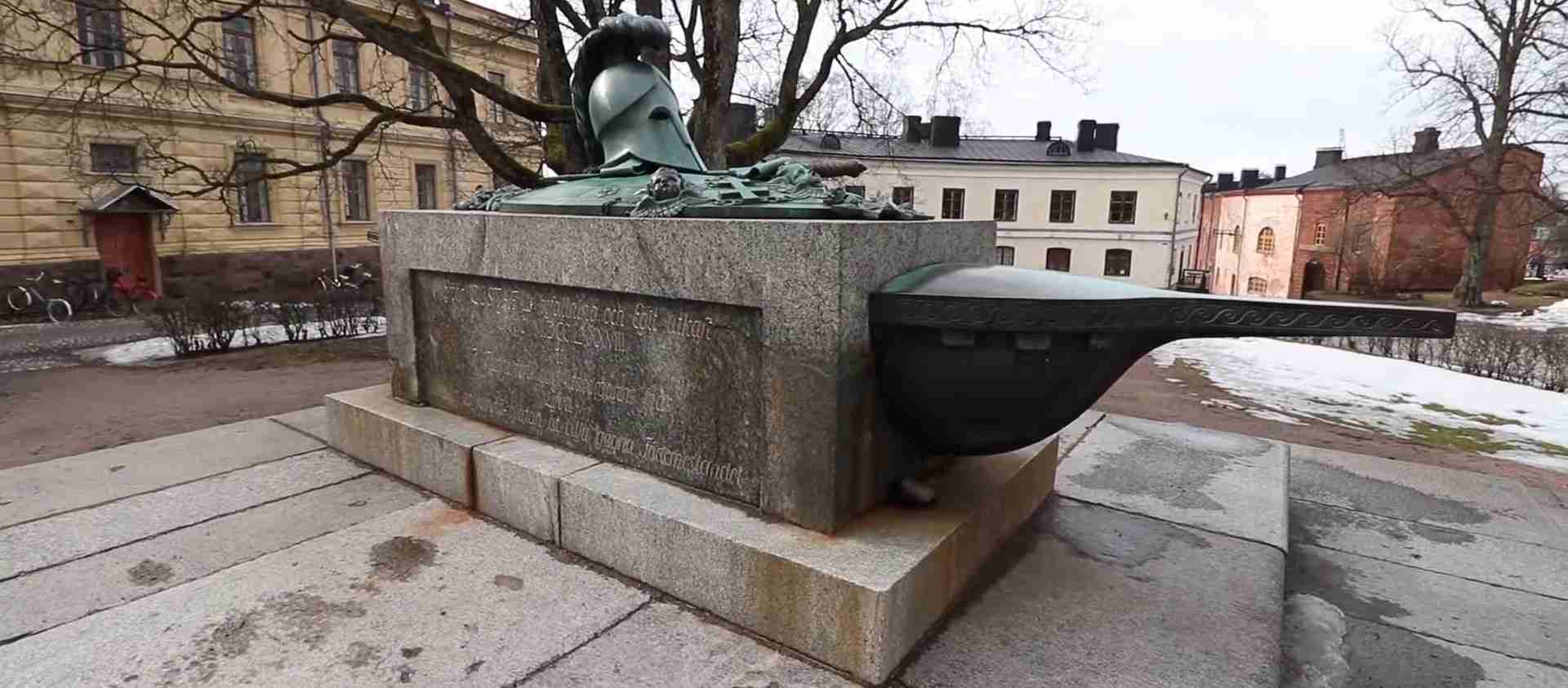
The Fortress of Suomenlinna, inscribed on the World Heritage List in 1991, occupies a cluster of six interconnected islands at the entrance to Helsinki harbor, creating one of the world’s largest sea fortresses and an outstanding example of 18th-century European military architecture. Built beginning in 1748 under Swedish rule, this massive fortification complex demonstrates the strategic importance of controlling Baltic Sea access and showcases evolution of defensive architecture across multiple political eras.
Construction of Suomenlinna began as Sweden sought to strengthen its eastern Baltic defenses against Russian expansion. Named originally “Sveaborg” (Swedish fortress), the project employed thousands of workers over nearly four decades to create an integrated defensive system utilizing natural island topography enhanced by massive bastions, curtain walls, tunnels, and cannon emplacements. The fortress represented cutting-edge military engineering of its time, incorporating principles of star fort design adapted to maritime conditions and island geography.
The fortress’s defensive capabilities were tested in 1808-1809 during the Finnish War when Russian forces besieged and ultimately captured Sveaborg, incorporating Finland into the Russian Empire. Under Russian administration, the fortress was expanded and modernized, with significant construction adding Orthodox churches, barracks, and updated defenses reflecting 19th-century military requirements. Following Finnish independence in 1917, the fortress was renamed “Suomenlinna” (Finnish fortress), symbolizing its transfer to national heritage.
Today’s Suomenlinna spans approximately 210 acres across its islands, with roughly 200 buildings connected by 6 kilometers of defensive walls still intact. The architectural ensemble includes the Great Courtyard with its imposing main gates, the King’s Gate dating to 1753-1754, the Dry Dock from the 1750s representing early industrial naval infrastructure, numerous barracks and officers’ quarters, several churches including both Lutheran and Orthodox houses of worship, and the commanding Kustaanmiekka fortress on the southern bastion.
Suomenlinna functions as a living community with approximately 800 permanent residents alongside its role as major tourist attraction welcoming over 700,000 annual visitors. This dual character creates ongoing challenges balancing preservation, residential quality of life, and tourism development. Six museums operate within the fortress grounds, explaining military history, maritime heritage, and the fortress’s evolution across Swedish, Russian, and Finnish periods. The Suomenlinna Museum provides comprehensive orientation, while specialized museums focus on military equipment, submarine warfare, toy culture, and customs history.
Access to Suomenlinna occurs via year-round ferry service from Helsinki’s Market Square, with the 15-minute crossing included in standard Helsinki public transportation tickets, making the fortress remarkably accessible for an island fortification. Visitors can explore freely along marked paths, though some military areas remain restricted. Guided tours in multiple languages illuminate the fortress’s complex history and architectural features, while audio guides enable self-paced exploration. Restaurants, cafés, and picnic areas accommodate dining needs, while several guest accommodations allow overnight stays within the fortress walls.
The UNESCO inscription recognizes Suomenlinna as an outstanding example of European military architecture, particularly valuable for demonstrating fortress adaptation across changing military technologies and political contexts. The site’s integrity remains exceptional despite its active use, with conservation efforts maintaining historical authenticity while accommodating contemporary functions. Challenges include managing tourist pressure, maintaining aging infrastructure, adapting to climate change impacts on island environment, and balancing development needs with heritage preservation.
Old Rauma: Medieval Wooden Town Heritage
Old Rauma, inscribed alongside Suomenlinna in 1991, represents Northern Europe’s best-preserved wooden town area, with approximately 600 buildings creating a contiguous historical environment dating primarily to the 18th and 19th centuries, though settlement history extends back to the town’s medieval founding around 1442. This remarkable urban ensemble demonstrates Nordic wooden building traditions, urban planning principles, and the cultural continuity of residential communities maintaining traditional character across centuries.
Rauma developed as a significant medieval trading port on Finland’s west coast, receiving town privileges in the 15th century and flourishing through maritime commerce, shipbuilding, and lace-making traditions. The Old Town area represents the historical core, built primarily of wood following devastating fires that destroyed earlier medieval structures—a common fate for Nordic wooden towns. Unlike many similar settlements that rebuilt with stone or were lost entirely to repeated fires, Old Rauma maintained and continuously developed its wooden character, creating an exceptional survival of traditional Nordic urban fabric.
The architectural character of Old Rauma reflects evolution from simple medieval house types through baroque influences to empire-style neoclassicism and Nordic romanticism. Buildings typically feature log construction techniques with exterior cladding, pitched roofs adapted to heavy snow loads, decorative window surrounds, and vibrant color schemes that developed as preservative paints became available. The town plan follows irregular medieval street patterns rather than rigid geometric layouts, creating intimate spaces and varied perspectives that enhance pedestrian experience.
Approximately 600 buildings contribute to the World Heritage site, with the oldest surviving structures dating to the mid-18th century. Notable buildings include the neo-Gothic Church of the Holy Cross completed in 1538 (rebuilt after fires), the Old Town Hall from 1776 representing public architecture, numerous merchant houses showcasing wealthy trading families’ residences, and vernacular worker housing demonstrating how different social classes lived within the same urban area. The architectural diversity within consistent wooden building traditions creates visual harmony despite individual variation.
Old Rauma functions as a living community with approximately 600 residents maintaining homes, businesses, and cultural life within the heritage area. This living heritage approach contrasts with open-air museums or preserved historical areas lacking residential vitality. Residents face unique challenges and responsibilities, balancing contemporary living needs with preservation requirements that restrict certain modifications while encouraging maintenance of traditional character through specific materials, colors, and construction techniques.
Tourism infrastructure in Old Rauma includes the Rauma Museum providing comprehensive town history, specialized museums for lace-making traditions and maritime heritage, craft shops selling famous Rauma lace and other traditional products, restaurants and cafés occupying historical buildings, and guided walking tours explaining architectural details and cultural history. Summer events including handicraft markets and historical reenactments bring additional vibrancy to the heritage environment.
Conservation challenges at Old Rauma include fire risk inherent to densely built wooden areas, requiring sophisticated fire detection and suppression systems integrated sensitively into historical fabric. Climate change impacts, particularly increased precipitation and temperature fluctuations affecting wooden structures, demand adaptive conservation approaches. Balancing resident needs for modern amenities with heritage preservation creates ongoing tensions around infrastructure upgrades, parking, and building modifications. Tourism pressure, while economically beneficial, requires management to prevent overcrowding and ensure visitor behavior respects residential character.
The UNESCO inscription recognizes Old Rauma as an outstanding example of Nordic wooden town planning and construction traditions, valuable for demonstrating sustainable urban development within vernacular building systems. The site’s exceptional integrity—both in individual buildings and overall townscape—combined with its continued function as living community rather than preserved relic, establishes its outstanding universal value within global heritage discourse.
Petäjävesi Old Church: Masterpiece of Log Construction
Petäjävesi Old Church, inscribed in 1994, stands as the finest surviving example of log church architecture from 18th-century Scandinavia, demonstrating the remarkable sophistication achieved within Nordic timber construction traditions. Built between 1763-1765 on the shores of Lake Petäjävesi in central Finland, this Lutheran church represents the pinnacle of skills passed down through generations of carpenter-builders who created monumental religious architecture using only wood, hand tools, and accumulated traditional knowledge.
The church’s construction followed patterns typical of rural Finnish building, with local congregation members contributing labor and materials under direction of master carpenter Jaakko Klemetinpoika Leppänen, whose design synthesized Gothic and Renaissance influences absorbed from stone architecture into wooden execution. The result is a cross-shaped church building whose exterior simplicity belies internal spatial complexity and structural ingenuity that allowed large open interior volumes within log construction constraints.
Architecturally, Petäjävesi Old Church features a cruciform plan with central dome and detached bell tower, all constructed entirely from pine logs using traditional notched corner joints without metal fasteners. The building technique involves horizontal log courses stacked and fitted precisely, with structural loads distributed through careful joinery that has maintained stability for over 250 years. The exterior’s natural log surfaces, weathered to silvery gray, contrast with the vibrant painted interior decorations created by subsequent generations of rural artists.
Interior features include a richly decorated coffered ceiling with paintings depicting biblical scenes and decorative motifs, a baroque pulpit and altarpiece demonstrating rural interpretations of religious art, original box pews where families maintained designated seating reflecting social hierarchies, and a choir loft housing a historic pipe organ. The color scheme combines bold blues, reds, and yellows in patterns that transform the simple log interior into spiritually uplifting space, demonstrating how rural communities created sacred environments rivaling urban stone churches through alternative means.
The church’s lakeside setting enhances its aesthetic and spiritual qualities, with the building positioned deliberately to maximize visual relationship with surrounding landscape. The site includes the church itself, the separate wooden bell tower with shingle roof, a small boat harbor once essential for congregation members arriving by water, and the surrounding church grounds with cemetery containing graves spanning several centuries of local history.
Petäjävesi Old Church served active religious functions until 1879 when a new, larger church was built to accommodate growing congregation. This early retirement from regular use paradoxically aided preservation, as the building escaped modernization pressures that destroyed or fundamentally altered many similar churches. The structure remained largely unchanged, maintaining original architectural features and decorative schemes that were lost elsewhere through renovation or neglect.
Current visitor access operates seasonally, typically from June through August when guided tours explain the church’s architectural significance, construction techniques, and cultural-historical context. The church occasionally hosts special services, concerts, and cultural events that allow experience of its remarkable acoustics and atmospheric interior lighting. Outside summer season, the church grounds remain accessible, though the building itself is closed to protect the interior from harsh winter conditions and humidity fluctuations that threaten wooden structures and painted surfaces.
Conservation challenges center on maintaining structural integrity of aging log construction while preserving original materials and decorative elements. Wood deterioration from moisture, insect damage, and natural aging requires ongoing monitoring and intervention. Climate control in the unheated building proves challenging, with seasonal temperature and humidity variations affecting both structure and painted decorations. Funding for specialized conservation work on unique features like the painted ceiling demands resources often difficult to secure for rural heritage sites.
The UNESCO inscription recognizes Petäjävesi Old Church as a masterpiece of human creative genius within Nordic wooden church architecture, valuable for exceptional execution of traditional building techniques and for demonstrating how rural communities created monumental religious architecture using locally available materials and vernacular skills. Its outstanding integrity, with minimal alterations since original construction, makes it invaluable for understanding 18th-century Scandinavian church building traditions and rural religious life.
Verla Groundwood and Board Mill: Industrial Heritage Preserved
The Verla Groundwood and Board Mill, inscribed in 1996, preserves an exceptionally complete 19th-century industrial complex demonstrating the origins of Finland’s forest industry that would become central to national economic development. Located in southeastern Finland along the Verlankoski rapids, this small-scale mill operation retains its production machinery, workers’ housing, and landscape context, creating a comprehensive portrait of industrial life during Finland’s transformation from agricultural society to industrial economy.
Verla’s industrial history began in 1872 when entrepreneur Hugo Neumann established a groundwood pulp mill utilizing the Verlankoski rapids’ waterpower to drive mechanical grinders that converted logs into pulp for papermaking. The operation expanded in 1876 with addition of board mill facilities, creating integrated production complex that processed raw timber into finished cardboard products. The mill employed relatively new industrial technologies adapted from central Europe, making it representative of technological transfer that modernized Nordic industries in the late 19th century.
The mill complex includes multiple interconnected buildings housing different production stages: the groundwood section where water-powered grinders reduced logs to pulp, the board mill where pulp was processed into cardboard sheets, drying facilities, warehouses for raw materials and finished products, and maintenance workshops. Original machinery remains in place, including the grinding equipment, board-making machines, and the waterpower transmission systems that distributed energy from the rapids throughout the complex. This machinery preservation allows understanding of industrial processes and working conditions in ways that descriptive accounts alone cannot convey.
The industrial landscape surrounding production facilities includes the modified rapids with remnants of dams and channels controlling water flow, transportation infrastructure including an old narrow-gauge railway that moved materials within the complex, and the broader forest environment that supplied raw materials. This landscape context demonstrates how industrial operations integrated with and modified natural environments, creating cultural landscapes where human activity and natural systems interacted.
Workers’ housing forms an integral component of the World Heritage site, illustrating the paternalistic industrial community model common in 19th-century European industry. The mill owner provided housing for workers and their families, creating a self-contained community centered on industrial production. The preserved residential buildings range from the manager’s residence—a substantial house reflecting social hierarchy—to modest workers’ apartments and single-family cottages, demonstrating the socioeconomic structure of industrial settlements. Community facilities included a small school, store, and recreational spaces, all organized around the mill’s operational needs.
Verla’s industrial operations ceased in 1964 following economic changes and technological developments that made small-scale mills uncompetitive against larger industrial facilities. Rather than demolishing the complex, preservation efforts transformed it into a museum that opened to the public in 1972. This transition from active industry to heritage site occurred relatively early in industrial heritage conservation movement, making Verla a pioneering example of adaptive reuse that maintained authentic industrial character rather than creating sanitized historical recreations.
Today’s visitor experience at Verla includes guided tours explaining industrial processes, social history, and technological development; exhibitions in preserved buildings showing original machinery, historical photographs, and workers’ living conditions; access to the industrial landscape including riverside paths and views of the modified rapids; and special events including craft demonstrations and historical reenactments that bring the site’s industrial heritage to life. The museum operates seasonally, typically from May through September when guided tours in multiple languages provide comprehensive interpretation.
Conservation at Verla balances preserving industrial machinery and buildings with managing a site exposed to weather and natural deterioration. Original wooden structures require ongoing maintenance, while machinery faces challenges of rust, mechanical wear, and decisions about whether to restore equipment to operational condition or preserve it as static historical artifact. The water management systems, while no longer powering industrial production, must be maintained to prevent flooding and erosion that would damage structures. Climate change impacts, particularly increased precipitation and temperature fluctuations, create new challenges for conserving both buildings and landscape features.
The UNESCO inscription recognizes Verla as an outstanding example of small-scale rural industrial complexes that characterized early industrialization in Nordic countries and as a rare survival of complete 19th-century mill operations including production facilities, machinery, workers’ housing, and landscape context. Its exceptional authenticity and integrity—with minimal alteration since industrial operations ceased—make it invaluable for understanding industrial heritage and social history of industrial communities.
Bronze Age Burial Site of Sammallahdenmäki: Prehistoric Heritage
The Bronze Age Burial Site of Sammallahdenmäki, inscribed in 1999, preserves 36 stone burial cairns dating to approximately 1500-500 BCE, representing one of Scandinavia’s most important prehistoric archaeological sites. Located in Lappi village near Rauma in southwestern Finland, these enigmatic stone monuments demonstrate Bronze Age burial practices, social organization, and spiritual beliefs, providing tangible connections to societies that inhabited the region over 3,000 years ago.
The burial cairns at Sammallahdenmäki span various architectural types representing different periods and possibly different social groups within Bronze Age communities. The structures range from small, low cairns containing single burials to massive stone mounds exceeding 15 meters in diameter and 3 meters in height. Architectural variation includes simple round cairns, cairns surrounded by stone circles, elongated rectangular cairns, and complex multi-chambered structures whose construction required substantial labor investment and sophisticated engineering knowledge.
The most remarkable structures include the “Long Ruin of Huilu,” an elongated cairn measuring approximately 24 meters long by 8 meters wide, making it one of the most imposing Bronze Age monuments in southwestern Finland. Its massive stone construction and prominent hilltop location suggest the burial of high-status individuals whose social position warranted monumental commemoration. The “Church Floor,” a quadrangular stone structure unique in Scandinavia, demonstrates architectural experimentation whose meaning and function remain subjects of archaeological debate—it may represent a burial chamber, ceremonial platform, or symbolic structure whose original purpose differed from typical graves.
The cairns’ distribution across the landscape reveals deliberate spatial organization. They cluster in groups along a granite bedrock ridge, creating a linear cemetery approximately one kilometer long that would have been highly visible from surrounding areas. This prominent positioning suggests the monuments served not only as burial places but also as territorial markers, demonstrations of community power, and links to ancestral landscapes that legitimized land ownership and resource access for living communities.
Archaeological understanding of Sammallahdenmäki developed through excavations beginning in the 19th century and continuing sporadically through the 20th century. These investigations revealed cremation burials—the typical Bronze Age practice in Scandinavia—along with grave goods including bronze artifacts, pottery fragments, and animal bones suggesting ritual feasting associated with burial ceremonies. However, many cairns were disturbed centuries ago through stone robbing and treasure hunting, limiting what can be learned from their original contents.
The landscape context enhances archaeological significance. During the Bronze Age, sea levels stood higher than today due to post-glacial isostatic rebound that has raised Finland’s land relative to the Baltic Sea. Lake Saarnijärvi, now visible to the west of the burial site, was an arm of the sea during the Bronze Age, placing Sammallahdenmäki near important coastal resources and maritime trade routes. The cairns’ creators likely lived in settlements along this ancient coastline, pursuing mixed economies combining agriculture, fishing, maritime hunting, and trade.
Visitor access to Sammallahdenmäki occurs via marked hiking trail through mixed forest that preserves much of the site’s original character. The trail connects major cairn groups, with interpretation panels explaining archaeological significance, construction techniques, and Bronze Age society. The walking experience itself becomes part of heritage appreciation, as visitors traverse the same forested ridge landscapes that Bronze Age communities inhabited, though with substantial ecological changes following 3,000 years of forest succession and climate variation.
Conservation at Sammallahdenmäki emphasizes minimal intervention, preserving the site’s natural character rather than creating heavily developed tourist infrastructure. This approach respects both archaeological integrity and the atmospheric qualities that make the site meaningful—the quiet forest setting, the weathered stones, and the sense of deep history create contemplative experiences that heavy development would undermine. However, minimal intervention creates challenges for site interpretation, accessibility for visitors with limited mobility, and protection against vandalism or accidental damage.
Ongoing conservation concerns include vegetation management—forest growth threatens stone structures through root penetration while excessive clearing would alter the site’s character; stone stability as cairns gradually collapse without intervention; visitor impact from erosion along trails and potential disturbance of archaeological features; and climate change effects including increased precipitation affecting drainage and stone weathering. Balancing preservation, accessibility, and atmospheric integrity requires careful ongoing management.
The UNESCO inscription recognizes Sammallahdenmäki as an outstanding example of Bronze Age burial traditions in Northern Europe, valuable for its variety of cairn types, exceptional state of preservation, and landscape context that illuminates prehistoric societies’ relationship with territory and environment. The site provides rare material evidence of Nordic Bronze Age culture, a period with limited architectural remains in Scandinavia compared to more monument-rich regions of Europe.
Struve Geodetic Arc: Scientific Achievement Across Borders
The Struve Geodetic Arc, inscribed in 2005, represents a unique cultural heritage category recognizing scientific and technological achievement rather than architectural or artistic creation. This chain of survey triangulation stations stretching 2,820 kilometers from Hammerfest in Norway to the Black Sea commemorates a monumental 19th-century project to measure Earth’s size and shape with unprecedented accuracy. Finland contains six of the Arc’s 34 preserved survey points, making it part of a transnational World Heritage site shared across ten countries.
The Arc is named for Friedrich Georg Wilhelm Struve, a German-born astronomer working at Dorpat Observatory (now Tartu, Estonia) who conceived and directed the surveying project between 1816 and 1855. The Arc’s fundamental purpose involved determining Earth’s dimensions and testing whether our planet is perfectly spherical or, as Newton’s physics predicted, slightly flattened at the poles. This question held both scientific interest and practical importance for accurate cartography, navigation, and understanding planetary motion.
The surveying methodology employed triangulation, a technique measuring angles between visible points to calculate distances without directly measuring every segment. By establishing a chain of precisely measured triangles along a meridian arc—a great circle passing through Earth’s poles—and determining astronomical latitude at key stations, surveyors could calculate the length of one degree of latitude at different points. Variations in this length would reveal Earth’s shape; a perfectly spherical planet would show identical degree lengths, while an oblate spheroid (flattened sphere) would show systematic variation.
The original survey network comprised 258 main triangulation points and hundreds of subsidiary stations, employing state-of-the-art astronomical and surveying instruments whose precision required elaborate field procedures and mathematical calculations. The fieldwork proceeded under challenging conditions across the Russian Empire’s vast territories, through diverse terrains, during political upheavals, and despite logistical difficulties of moving delicate instruments across undeveloped regions. The final calculations confirmed Earth’s oblate spheroid shape with unprecedented precision, validating Newtonian physics and enabling accurate global cartography.
Finland’s six preserved Struve Arc stations demonstrate the variety of marker types used across the survey network. The stations span from Pyhtää in southern Finland to Enontekiö in northern Lapland, covering approximately 800 kilometers of Finnish territory. Physical markers include purpose-built stone cairns, rock-drilled holes, inscribed crosses on bedrock, and in one case, a church tower used as a triangulation point. Several stations occupy remote wilderness locations, while others sit near settlements or transportation routes.
Visiting Finland’s Struve Arc stations presents logistical challenges due to their dispersed locations and often remote settings. The Stuorrahanoaivi station in Enontekiö ranks among the most accessible, located near hiking trails in the fell landscape of northwestern Lapland. The Aavasaksa station near Tornio occupies a hill with panoramic views, now developed as a tourist attraction. Other stations require significant effort to reach, involving forest hiking, navigation with detailed maps, and potentially difficult terrain. This accessibility variation reflects the stations’ original purpose—selected for survey visibility rather than visitor convenience.
The UNESCO inscription recognizes the Struve Geodetic Arc as an extraordinary example of scientific collaboration and technological achievement, demonstrating how 19th-century international cooperation advanced human knowledge. The project’s scale, ambition, and success in measuring our planet established foundations for modern geodesy and represented one of the first major scientific projects spanning multiple nations. The preserved survey stations, while individually modest, collectively represent this remarkable achievement and the scientific spirit of inquiry that drove it.
Conservation of Struve Arc stations involves challenges unique to heritage sites defined by scientific rather than architectural significance. Many markers lack obvious visual impact—a drilled hole in rock or a small cairn provides little to attract or educate casual visitors without substantial interpretation. The stations’ remote locations complicate monitoring and maintenance, while their distribution across ten countries requires coordinated management uncommon in World Heritage practice. Each country maintains its own stations independently while cooperating through the Struve Arc Working Group established to coordinate preservation and interpretation efforts.
High Coast/Kvarken Archipelago: Geological Heritage of Land Uplift
The High Coast/Kvarken Archipelago, inscribed as a transnational extension in 2006 (with Sweden’s High Coast originally inscribed in 2000), represents Finland’s sole natural World Heritage site, recognized for outstanding geological processes demonstrating post-glacial isostatic rebound—the ongoing rise of land previously compressed by massive ice sheets during the last Ice Age. The Finnish portion, the Kvarken Archipelago, occupies the narrowest part of the Gulf of Bothnia between Finland and Sweden, showcasing unique island landscapes created and constantly modified by land uplift occurring faster here than anywhere else on Earth.
The geological processes creating the Kvarken Archipelago began approximately 10,000-20,000 years ago as the Weichselian glaciation—the last Ice Age—concluded and massive ice sheets covering Scandinavia melted. These ice sheets, up to 3 kilometers thick, had depressed the Earth’s crust beneath their enormous weight. As the ice melted, the crust began rebounding upward, a process continuing today at remarkable rates. The Kvarken region experiences land uplift of approximately 8-9 millimeters annually, the fastest rate globally, causing dramatic landscape transformation visible within human lifetimes.
This ongoing uplift creates unique archipelagic landscapes where islands merge as rising land connects formerly separate features, shallow bays become lakes as rising thresholds cut them off from the sea, and entirely new islands emerge from what was recently open water. The process creates diverse landscape mosaics combining open water, emerging islands, coastal meadows, shallow bays, and isolated lakes, all in constant flux as uplift continues. No other location on Earth demonstrates these processes so clearly or dramatically.
The archipelago’s glacial geology remains visible across the landscape through distinctive landforms. Moraines—ridges of glacial debris deposited at ice margins—create many of the archipelago’s linear islands and underwater ridges. De Geer moraines, a specialized type formed annually at glacier margins, create distinctive parallel ridge patterns unique to this region. Eskers—sinuous ridges deposited by glacial meltwater streams—extend across islands and beneath water surfaces. Erratics—boulders transported by glacial ice from distant source areas—dot the landscape, with some achieving massive sizes transported hundreds of kilometers from their origins.
Ecological systems in the Kvarken Archipelago reflect the dynamic landscapes and ongoing geological processes. Habitats range from submerged areas with marine ecosystems through emerging coastal zones to established islands with terrestrial environments. The constant creation of new land through uplift allows observation of primary ecological succession—the colonization of barren surfaces by pioneer species gradually developing into mature ecosystems. Rare species adapted to specialized coastal and island conditions find refuges in the archipelago’s diverse habitat mosaic.
The Kvarken Archipelago supports populations of grey and ringed seals using isolated islands for breeding, numerous seabird species including breeding colonies of terns and gulls, diverse coastal vegetation communities adapted to harsh exposure and salt stress, and traditional agricultural landscapes on inhabited islands where farming and fishing communities have adapted to the unique environment. The combination of natural processes and human cultural landscapes creates heritage values spanning both natural and cultural domains.
Visitor access to the Kvarken Archipelago occurs through multiple entry points centered on the city of Vaasa. The Kvarken Archipelago Visitor Centre, located at Svedjehamn harbor, provides comprehensive interpretation of geological processes, ecological systems, and cultural history through exhibitions, films, and educational programs. Boat tours operate during ice-free months (typically May-October), allowing visitors to experience the archipelago’s landscapes directly, observe geological features, and understand the scale of land uplift processes. Marked hiking trails on accessible islands enable land-based exploration, while kayaking and sailing offer more adventurous access to remote areas.
The World Heritage designation encompasses the archipelago’s marine and terrestrial components, creating management challenges different from most cultural heritage sites. Conservation requires balancing natural processes that define the site’s outstanding value—allowing land uplift and ecological succession to continue unimpeded—with management of human activities including fishing, recreation, and traditional land uses that form part of the cultural landscape. Climate change creates additional complexity, with changing ice conditions, altered precipitation patterns, and sea level rise potentially affecting the very processes that the designation protects.
The UNESCO inscription recognizes the High Coast/Kvarken Archipelago as the outstanding global example of post-glacial isostatic rebound, valuable for demonstrating geological processes that shaped much of northern Europe and North America following the last Ice Age. The site’s ongoing, observable changes allow direct experience of geological time at human scales, transforming abstract concepts into tangible, visible processes. The combination of Swedish and Finnish components creates comprehensive representation of land uplift phenomena, with the High Coast demonstrating maximum uplift magnitude while Kvarken showcases fastest uplift rates and most dynamic landscape changes.
Visiting Finland’s UNESCO Heritage: Practical Guide
Experiencing Finland’s UNESCO World Heritage sites requires understanding their geographic distribution, seasonal accessibility, varying visitor facilities, and unique characteristics that influence planning and logistics. Strategic planning enhances appreciation while managing practical constraints of climate, distances, and site-specific conditions.
Geographic distribution concentrates sites in southern and western Finland. Suomenlinna sits immediately offshore from Helsinki, accessible via 15-minute ferry making it Finland’s most visited heritage site with over 700,000 annual visitors. Old Rauma occupies the west coast city of Rauma, approximately 240 kilometers northwest of Helsinki by road or train. Petäjävesi lies in central Finland’s lake district, roughly 280 kilometers north of Helsinki. Sammallahdenmäki is located near Rauma, conveniently combined with Old Rauma visits. Verla sits in southeastern Finland about 35 kilometers from Kouvola. The Struve Arc stations scatter across the country from south to far north. The Kvarken Archipelago centers on Vaasa on the west coast, approximately 420 kilometers north of Helsinki.
Transportation infrastructure makes most sites accessible via public transport or rental car. Helsinki provides an excellent base for visiting Suomenlinna with easy ferry connections. Train services connect Helsinki to Rauma, Tampere (for Petäjävesi), Kouvola (for Verla), and Vaasa (for Kvarken), though sites like Petäjävesi and Verla require bus connections or taxis from train stations. Rental cars offer greatest flexibility, particularly for combining multiple sites or reaching remote Struve Arc stations, though winter driving demands familiarity with snow and ice conditions.
Seasonal considerations significantly affect visits. Most sites operate year-round or have extended seasons, though some restrict access. Petäjävesi Old Church opens only during summer months (typically June-August) when guided tours operate and the unheated building can be safely visited. Verla functions as summer museum with seasonal opening from May through September. The Kvarken Archipelago’s boat tours operate during ice-free months from approximately May through October. Suomenlinna, Old Rauma, and Sammallahdenmäki remain accessible year-round, though winter visits require appropriate clothing and awareness that some facilities may close or reduce hours.
Entry fees vary by site. Suomenlinna charges no general admission—visitors pay only for ferries (standard Helsinki public transport tickets) and specific museums. Old Rauma imposes no entry fees, though museums require tickets. Petäjävesi Old Church charges modest admission during its open season. Verla mill requires museum tickets. Sammallahdenmäki remains free to access. Kvarken Archipelago boat tours charge fees, while visitor center entry is typically free. Struve Arc stations are freely accessible, though reaching remote locations may require guide services.
Guided tours enhance understanding at most sites. Suomenlinna offers regular guided tours in multiple languages explaining military history and architectural features. Old Rauma provides walking tours illuminating architectural details and cultural history. Petäjävesi’s summer tours explain construction techniques and religious art. Verla’s tours demonstrate industrial processes and social history. Kvarken boat tours include geological interpretation. Specialized tours focusing on specific themes—architecture, military history, industrial heritage—operate at several sites during peak seasons.
Visitor facilities vary from comprehensive to minimal. Suomenlinna features multiple museums, restaurants, cafés, shops, and accommodations, supporting extended visits. Old Rauma offers restaurants, cafés, shops, and hotels within the heritage area. Petäjävesi and Sammallahdenmäki maintain minimal facilities preserving site character. Verla provides visitor center, café, and gift shop. Kvarken offers visitor center, guided tours, and access to Vaasa’s full urban amenities. Planning should account for facility availability, particularly at remote sites where advance meals and supplies prove essential.
Time allocation depends on interests and depth of engagement. Suomenlinna rewards full-day visits with time for museums, guided tours, and exploration. Old Rauma suits half-day to full-day visits combining walking tours, museums, and cafés. Petäjävesi requires 1-2 hours for guided tours. Sammallahdenmäki benefits from 2-3 hours allowing reflective hiking. Verla deserves 2-3 hours for comprehensive museum visit. Kvarken boat tours typically last 2-4 hours. Struve Arc stations vary from quick roadside stops to challenging wilderness hikes requiring full days.
Frequently Asked Questions
Which Finnish UNESCO Site Should You Visit First?
The Fortress of Suomenlinna represents the optimal first Finnish UNESCO site for most visitors due to its exceptional accessibility from Helsinki, comprehensive visitor facilities, diverse attractions spanning military history and maritime heritage, and manageable time requirements allowing meaningful experiences without extensive planning. The 15-minute ferry from Helsinki’s Market Square makes access remarkably easy, while the site’s size and complexity support anything from brief 2-hour visits to full-day explorations. Multiple museums, guided tours in numerous languages, restaurants, and well-marked paths enable comfortable independent visits regardless of language abilities or prior knowledge. The living fortress atmosphere—with resident community, operating cafés, and active cultural life—creates engaging experiences beyond simple historical site visits. For visitors without Helsinki base, Old Rauma provides equally rewarding alternative as Finland’s first UNESCO site choice, offering concentrated heritage within walkable medieval town layout, excellent museums and dining, and the combination of architectural beauty with vibrant contemporary community life that demonstrates living heritage principles.
Can You Visit Multiple Finnish UNESCO Sites in One Trip?
Visiting multiple Finnish UNESCO sites within a single trip proves entirely feasible with appropriate planning, though geographic distribution and seasonal accessibility require strategic routing. The most practical multi-site itinerary begins in Helsinki with Suomenlinna, then travels west to Rauma combining Old Rauma and nearby Sammallahdenmäki in one day, continues north to Petäjävesi (summer only) in the lake district, and concludes with Verla when returning toward Helsinki. This circuit covers Finland’s four most accessible cultural sites within 5-7 days allowing proper appreciation rather than rushed visits. Adding the Kvarken Archipelago requires extending to Vaasa on the west coast, manageable as additional 2-3 days for comprehensive experience including boat tours and visitor center exploration. The Struve Geodetic Arc stations demand separate planning due to their remote locations and lack of conventional tourist infrastructure—most visitors focus on one accessible station like Aavasaksa near Tornio rather than attempting multiple points. Summer visits (June-August) provide optimal access to all sites with full facilities operating, while winter trips must account for Petäjävesi’s closure and Verla’s seasonal limitations. Rental cars offer greatest flexibility for efficient multi-site visits, though public transportation serves most locations with advance planning and schedule awareness.
Are Finland’s UNESCO Sites Suitable for Children?
Finland’s UNESCO World Heritage sites vary significantly in child-friendliness, with some offering excellent family experiences while others present challenges for young visitors. Suomenlinna excels as family destination with fortress tunnels to explore, cannons and military equipment capturing children’s imaginations, open spaces for running and playing, ferry rides adding adventure, and interactive museums designed partly for younger audiences. Old Rauma’s colorful wooden buildings, narrow medieval lanes ideal for exploration games, and lace-making demonstrations provide engaging experiences for children approximately 6-12 years old, though very young children may find extensive walking tiring. Petäjävesi Old Church interests children fascinated by history or architecture but may bore younger ones during guided tours emphasizing construction techniques and artistic details—keeping visits brief and combining with outdoor activities near the lake improves family appeal. Sammallahdenmäki’s Bronze Age burial cairns scattered through forests create adventure-like hiking experiences appealing to children who enjoy outdoor exploration, though the archaeological significance may not resonate with younger visitors lacking historical context. Verla’s industrial machinery, demonstrations of historical production processes, and the preserved workers’ village engage school-age children learning about industrial history, while the museum format suits patient families. Kvarken Archipelago boat tours delight children with boat travel, seal spotting opportunities, and dramatic island landscapes, though long tours may challenge very young children’s attention spans. Parents should select sites matching children’s interests, ages, and temperaments, plan shorter visits than adult-only itineraries would allow, and combine heritage site visits with child-friendly activities like playgrounds, beaches, or ice cream breaks that prevent heritage fatigue.
How Does Finland’s UNESCO Heritage Compare to Other Nordic Countries?
Finland’s seven UNESCO World Heritage Sites represent a modest portfolio compared to other Nordic countries—Sweden possesses 15 sites, Denmark has 10, Norway claims 8, and Iceland holds 2—though direct numerical comparisons oversimplify complex factors determining heritage recognition. Finland’s relatively late independence (1917) and its historical position within Swedish and Russian empires meant much potential Finnish heritage developed within other political contexts, sometimes recognized as Swedish or Russian heritage rather than distinctly Finnish. Additionally, Finland’s traditional emphasis on wooden construction, while creating unique architectural heritage exemplified at Old Rauma and Petäjävesi, resulted in fewer surviving medieval structures compared to neighbors who built extensively in stone. The harsh climate, numerous destructive conflicts, and economic conditions throughout Finnish history limited monumental construction that dominates UNESCO lists in wealthier regions. However, Finland’s inscribed sites demonstrate exceptional quality and unique characteristics—Petäjävesi represents the finest surviving log church architecture in Scandinavia, Verla provides the most complete 19th-century mill complex in the Nordic region, and the Kvarken Archipelago showcases geological processes at unmatched scales. Finland’s strategic approach to UNESCO nomination emphasizes selecting sites meeting the highest standards of outstanding universal value rather than pursuing maximum numbers, a philosophy reflected in the exceptional integrity and authenticity of inscribed properties. Qualitatively, Finnish heritage offers distinctive perspectives on Nordic culture, particularly regarding wooden architecture, industrial development, and natural phenomena that complement rather than duplicate neighboring countries’ heritage portfolios.
What Are Finland’s Tentative UNESCO Sites?
Finland currently maintains a tentative list with two properties under consideration for future UNESCO World Heritage nomination, reflecting ongoing efforts to expand and diversify the national heritage portfolio. The Architectural Works of Alvar Aalto, submitted to the tentative list in 2021, represents the most prominent prospective addition, proposing serial nomination of 13 buildings and sites designed by Finland’s most internationally celebrated architect between 1927 and 1970. These structures—including the Paimio Sanatorium, Villa Mairea, Helsinki University of Technology campus, and Finlandia Hall—exemplify human-centered modernist architecture that integrated functionality with natural materials, organic forms, and landscape sensitivity, profoundly influencing global architectural development. The Aalto nomination would establish Finland’s first 20th-century architecture heritage and recognize contributions to modernist movement that transformed international design. Additional tentative list properties may include cultural landscapes, industrial sites, or natural areas, though specific details remain subject to ongoing evaluation through Finland’s National World Heritage Strategy process. The tentative list serves as prerequisite for formal nomination, with properties undergoing extensive documentation, management planning, and stakeholder consultation before UNESCO submission. The nomination process typically requires 5-10 years from tentative listing to potential inscription, involving detailed dossier preparation, demonstration of outstanding universal value, establishment of comprehensive protection mechanisms, and evidence of effective management systems. Finland’s measured approach to new nominations reflects commitment to quality over quantity, ensuring proposed sites genuinely meet UNESCO criteria and that management frameworks exist to preserve their heritage values long-term.
How Are Finland’s UNESCO Sites Funded and Managed?
Management and funding of Finland’s UNESCO World Heritage sites involves complex multi-level governance combining national agencies, regional authorities, local municipalities, private organizations, and sometimes resident communities, with financial support drawn from government budgets, entrance fees, tourism revenue, EU programs, and private donations. The Finnish Heritage Agency serves as primary national authority for cultural heritage sites, providing expert guidance, coordinating conservation efforts, monitoring site conditions, and representing Finland in international UNESCO processes, though actual site management typically operates locally. The Ministry of Environment oversees natural heritage including the Kvarken Archipelago, coordinating with environmental agencies and regional authorities. Individual sites employ varying management models—Suomenlinna operates through the Governing Body of Suomenlinna, an independent agency managing the fortress under Ministry of Education and Culture oversight; Old Rauma functions as living town managed by Rauma municipality balancing heritage preservation with residents’ needs and urban development; Petäjävesi Old Church operates through local parish with heritage agency support; Verla functions as museum managed by local municipality; and Kvarken Archipelago management involves regional councils, municipalities, and environmental authorities across multiple jurisdictions. Funding sources include regular government appropriations for cultural and environmental heritage, entrance fees and museum revenues at sites with visitor charges, EU structural funds and regional development programs supporting conservation projects, tourism revenues benefiting local economies and indirectly supporting heritage through municipal budgets, and specialized grants from heritage foundations and international cooperation programs. Conservation projects requiring specialized expertise or major investments often secure dedicated funding through competitive grant processes or public-private partnerships. The National World Heritage Strategy emphasizes sustainable funding models reducing dependence on unpredictable government appropriations through diversified revenue streams, though basic conservation costs remain primarily public responsibility reflecting heritage’s significance to national identity and international commitments.
What Conservation Challenges Face Finnish UNESCO Sites?
Finnish UNESCO World Heritage sites confront conservation challenges spanning climate change impacts, tourism pressure, funding constraints, changing demographics, and balancing preservation with contemporary use, with specific challenges varying by site type and context. Climate change creates increasingly significant threats—wooden structures at Old Rauma and Petäjävesi face heightened risks from temperature fluctuations and moisture variations affecting timber integrity and painted surfaces; the Kvarken Archipelago experiences altered ice conditions, changing precipitation patterns, and sea level rise potentially affecting the geological processes fundamental to its heritage value; Sammallahdenmäki’s cairns suffer accelerated weathering from increased precipitation and freeze-thaw cycles; and Suomenlinna’s island environment becomes vulnerable to storm surges and erosion intensified by changing weather patterns. Tourism pressure, while economically beneficial, creates wear on historical structures and landscapes, crowding that diminishes visitor experience quality, parking and infrastructure demands conflicting with heritage character, and seasonal concentration overwhelming sites during brief summer peaks. Wooden heritage preservation presents ongoing technical challenges requiring specialized conservation skills increasingly rare in modern construction industries, with training and maintaining expertise in traditional techniques demanding sustained investment. Living heritage sites like Old Rauma and residential areas of Suomenlinna face tensions between preservation requirements and residents’ desires for modern amenities, building modifications, and adaptations to contemporary lifestyles, requiring negotiated compromises balancing heritage values with quality of life. Funding limitations restrict conservation capacity, forcing prioritization among competing needs, delaying essential maintenance until problems become critical and expensive, and preventing implementation of ideal conservation approaches in favor of pragmatic compromises. Demographic changes threaten some sites—rural depopulation affects areas around Petäjävesi and Sammallahdenmäki, reducing local constituencies supporting heritage and potentially diminishing community engagement essential for living heritage. Addressing these challenges requires integrated approaches combining scientific monitoring, adaptive management strategies, sustainable tourism planning, adequate financial resources, community engagement, and international cooperation sharing knowledge and best practices across heritage sites facing similar pressures.
Can You Stay Overnight at Finnish UNESCO Sites?
Overnight accommodation options exist at or immediately adjacent to several Finnish UNESCO World Heritage sites, though availability and character vary significantly among locations. Suomenlinna offers the most extensive accommodation options with the Hostel Suomenlinna operating in renovated barracks providing budget-friendly dormitory and private rooms within the fortress walls, allowing guests to experience the site’s atmosphere during quiet evening and morning hours when day visitors depart. Several vacation rentals and apartments within Suomenlinna’s residential community occasionally become available for short-term rental, providing authentic island living experiences though availability fluctuates and advance booking proves essential. Old Rauma features multiple accommodations ranging from boutique hotels occupying historical wooden buildings within the heritage area to modern hotels on the heritage zone’s periphery, bed-and-breakfast establishments in traditional houses offering intimate experiences with local hosts, and vacation apartment rentals throughout the old town allowing self-catered stays immersed in living heritage. Staying within Old Rauma enables experiencing the evening and morning atmospheres when day visitors have left and residents pursue daily routines creating authentic sense of place. Near Petäjävesi, accommodation options concentrate in nearby towns and countryside properties, with traditional Finnish summer cottages providing quintessential lake district experiences complementing church visits during summer season. The Verla area offers limited accommodation, with visitors typically staying in larger nearby towns like Kouvola, though some rural guesthouses and cottages exist within reasonable distances. Sammallahdenmäki’s remote forest location lacks immediate accommodation, with visitors staying in Rauma combining the burial site with Old Rauma visits. Kvarken Archipelago visitors access diverse accommodation in Vaasa ranging from hotels to seaside cottages, with some island properties offering unique stays within the archipelago landscape itself during summer months. Struve Arc stations’ remote locations generally preclude accommodation at the sites themselves, though wilderness camping may be permitted following Finland’s everyman’s rights principles allowing temporary camping in undeveloped areas. Overnight stays at or near UNESCO sites enhance appreciation through extended engagement, atmospheric evening and morning experiences, and reduced time pressure allowing deeper exploration, though availability constraints and advance planning requirements necessitate early booking, particularly during peak summer season.
How Does UNESCO Status Affect Local Communities?
UNESCO World Heritage designation creates complex impacts on local communities residing in or near inscribed sites, generating both opportunities and challenges that require careful management to ensure heritage conservation benefits rather than burdens local populations. Economic benefits represent the most visible positive impacts—tourism increases generate employment in hospitality, guiding, retail, and service sectors; property values often rise in heritage areas attracting buyers seeking prestige locations or investment opportunities; increased international recognition attracts businesses, cultural institutions, and investment to heritage communities; and funding for conservation and infrastructure improvements enhances local amenities beyond heritage buildings themselves. Cultural pride and community identity strengthen through UNESCO recognition validating local heritage’s global significance, creating renewed appreciation for traditional architecture and practices, inspiring youth engagement with heritage through educational programs, and fostering community cohesion around shared heritage stewardship. However, challenges accompany these benefits—tourism pressure can overwhelm small communities with visitor numbers exceeding infrastructure capacity, creating parking problems, crowding, noise, and loss of peaceful residential atmosphere; commercial gentrification may displace long-term residents as property values and rents rise beyond local affordability, transforming living communities into museum-like environments dominated by tourism businesses; preservation restrictions limit residents’ freedom to modify properties, install modern amenities, or adapt buildings to contemporary needs, creating tensions between heritage requirements and quality of life; and increased attention brings regulatory oversight that some residents experience as bureaucratic interference in private property rights. At Suomenlinna, the approximately 800 residents navigate constant tourism pressure while maintaining community life, requiring careful balance between welcoming visitors and protecting residential character. Old Rauma’s 600 residents face similar challenges preserving living town atmosphere while accommodating tourism and complying with preservation guidelines affecting their homes. Successful heritage management requires ongoing dialogue between heritage authorities and local communities, ensuring residents participate meaningfully in decision-making, receive tangible benefits from UNESCO status, and maintain agency over their living environments. When managed inclusively, UNESCO designation can strengthen communities through economic opportunity, cultural pride, and improved infrastructure, but without community support and benefit-sharing, designation risks creating resentment and undermining the social sustainability essential for living heritage preservation.
What Role Does UNESCO Status Play in Finnish National Identity?
UNESCO World Heritage designation contributes significantly to Finnish national identity formation and international cultural positioning, though perhaps less prominently than in some nations where heritage sites dominate tourism marketing and national iconography. For Finns, UNESCO recognition validates distinctive aspects of national culture that might otherwise remain overshadowed by more internationally famous heritage in neighboring countries or larger European nations. Petäjävesi Old Church and Old Rauma demonstrate that wooden architecture—sometimes dismissed as rustic or temporary compared to stone monuments—achieves artistic and technical mastery worthy of global recognition, affirming traditional Finnish building culture’s sophistication. Verla’s industrial heritage acknowledges the forest industry’s central role in Finnish economic development and national self-image as industrious, innovative people who transformed harsh natural conditions into prosperity through ingenuity and hard work. The Kvarken Archipelago provides international recognition for Finnish natural heritage and geological uniqueness, establishing that Finland possesses not only cultural achievements but also natural wonders of global significance. Suomenlinna connects contemporary Finland with its complex history under Swedish and Russian rule, demonstrating how present Finnish identity incorporates rather than rejects this multinational heritage. However, UNESCO sites occupy somewhat paradoxical positions in Finnish cultural consciousness—widely recognized and appreciated by Finns as sources of national pride, yet not dominating popular imagination in ways comparable to how UNESCO sites function in some countries as primary national symbols. This partly reflects Finnish cultural characteristics emphasizing modesty, practical accomplishment over symbolic grandeur, and nature appreciation that extends beyond designated heritage areas to encompass broader landscapes and wilderness that define Finnish environmental identity. UNESCO designation supports Finland’s international cultural diplomacy, positioning the nation as responsible heritage steward and contributor to global cultural diversity rather than merely peripheral northern European state. For Finnish cultural institutions, UNESCO status provides frameworks and resources for heritage conservation, international cooperation opportunities, and leverage for securing domestic funding and political support for preservation efforts. The sites collectively reinforce narratives central to Finnish national identity—resilience in harsh conditions, mastery of wood as material, successful industrialization, scientific achievement, and harmony between human culture and natural environment—while connecting these national stories to broader European and global heritage discourses that position Finland as active participant in international cultural community.