
Faro 3-Day Itinerary 2026: First-Time Visitor Guide
Faro offers first-time visitors an authentic Portuguese experience combining medieval architecture, pristine coastal landscapes, and Algarve’s freshest seafood, all without the crowds of more touristy beach towns. This capital of Portugal’s southern coast serves as the perfect base for exploring historic quarters, natural parks, and barrier islands within a manageable three-day window. Your itinerary balances cultural discovery with beach relaxation while maintaining realistic pacing and budget-conscious choices.
Key Takeaways for Your Faro 3-Day Trip 2026
- Budget-Conscious Travel: Complete three-day experience costs €260-360 per person assuming two sharing accommodation, covering hotels, meals, local transport, and attractions with smart choices throughout.
- Mid-Range Comfort: Travelers seeking upgraded hotels and dining flexibility spend €565-765 per person for three days, including boutique accommodation, sit-down restaurant meals, and guided tours.
- Compact Walkable Center: Old Town (Cidade Velha), marina, and central shopping district sit within 1-kilometer radius, making most Day 1 exploration completely walkable without transport costs.
- Island Access Essential: Ria Formosa barrier islands require ferry or boat access with departures from downtown dock, costing €12-35 depending on service type and island destination for Day 2 beach visits.
- Strategic Arrival Timing: Faro Airport sits just 7 kilometers from city center with €2 bus connection taking 20 minutes, making early afternoon arrival optimal for settling in before evening Old Town exploration.
- Year-Round Destination: Unlike beach-focused Algarve towns, Faro’s cultural attractions, covered markets, and historic sites function fully outside peak summer season with hotel rates dropping 40-50% November through February.
People Also Ask About Faro 3-Day Itinerary 2026
How much does a 3-day trip to Faro cost per person in 2026?
Budget travelers spend €260-360 per person for three days, mid-range visitors invest €565-765, and luxury seekers budget €1,140-1,530 per person assuming two sharing hotel accommodation. Budget tier includes hostel beds or basic guesthouses at €25-35 per person nightly, simple Portuguese restaurants at €10-15 per meal, city buses at €2 per ride, and free or low-cost attractions like wandering the Old Town walls and visiting the Chapel of Bones for €2. Mid-range tier upgrades to boutique hotels at €70-100 per person nightly, sit-down seafood restaurants at €20-30 per entrée, occasional Uber rides at €5-7, and guided boat tours at €35-50. Luxury tier provides 4-star hotels at €140-200 per person nightly, fine dining experiences at €50-80 per person, private transfers, and premium Ria Formosa sailing excursions.
Is 3 days enough time to see Faro properly in 2026?
Three days provides comprehensive coverage of Faro’s core attractions while allowing day trips to nearby highlights without feeling rushed. Day 1 explores the complete historic center including Sé Cathedral, Arco da Vila gateway, municipal museum, and Chapel of Bones, plus evening marina dining. Day 2 dedicates full attention to Ria Formosa Natural Park with ferry to barrier islands for beach time and birdwatching. Day 3 offers flexibility for either Tavira day trip by train (€3.60 each way, 1 hour), exploring Estoi’s Roman ruins and pink palace, or deeper Faro neighborhood discovery including local markets and residential quarters. This pacing avoids the common mistake of treating Faro as airport layover only, which misses the city’s authentic character entirely.
What’s the best way to get from Faro Airport to the city center in 2026?
Route 16 public bus operated by Próximo company connects airport directly to Faro bus station in city center for €2 per person, departing every 30-60 minutes from airport arrivals hall and taking approximately 20 minutes. Purchase tickets directly from driver with exact change preferred. Uber and Bolt ride-sharing services charge €7-10 for same journey but offer door-to-door convenience especially valuable with luggage or late evening arrivals. Pre-booked private transfers cost €15-25 for vehicle accommodating 2-4 passengers. Airport sits just 7 kilometers west of downtown, making taxi rides brief but potentially expensive at €15-20 if metered during peak demand periods.
Should I stay in Faro Old Town or near the marina for a 3-day visit in 2026?
Old Town (Cidade Velha) location provides maximum atmospheric immersion with medieval walls, cobblestone alleys, and immediate access to cathedral and museum attractions, though accommodation options lean toward smaller guesthouses and boutique properties rather than large hotels. Marina district offers wider hotel selection from budget to luxury, restaurants with waterfront terraces, and central position for both Old Town walking (5-minute stroll) and transport connections to beaches and day trips. First-time visitors benefit from marina-adjacent stays at properties like AP Eva Senses or Faro Boutique Hotel, balancing convenience with character. Budget travelers find better value in residential areas 10-15 minutes walking from center where local guesthouses charge €50-70 per room nightly versus €100-150 in prime locations.
Extended multi-day tours – 5+ days
Featured Algarve Multi-Day Tour Packages
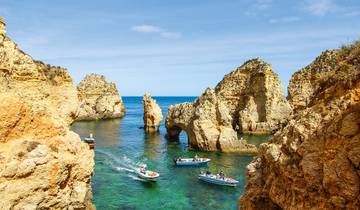
4 days
Algarve Discovery Tour
- ✓ Booking needs min. 2 travelers

8 days
Walking in Portugal – Remote Coastal Trails
- ✓ Comprehensive Algarve tour
- ✓ Expert local guides included
- ✓ All accommodation arranged
- ✓ Transportation provided
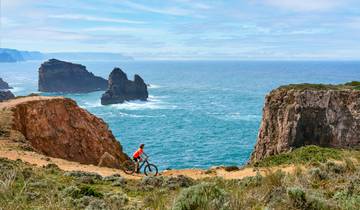
7 days
Costa Vicentina: Natural Park self-guided bike tour
- ✓ Comprehensive Algarve tour
- ✓ Expert local guides included
- ✓ All accommodation arranged
- ✓ Transportation provided
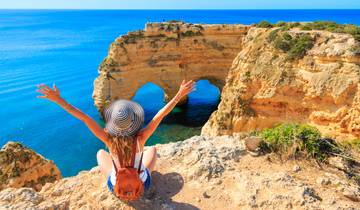
7 days
Algarve – a holiday full of wine
- ✓ Comprehensive Algarve tour
- ✓ Expert local guides included
- ✓ All accommodation arranged
- ✓ Transportation provided
Multi-day tour packages powered by TourRadar. Prices and availability subject to change.
Introduction: Why Faro Deserves Your Three Days in 2026
Faro functions as the Algarve’s understated capital, a working Portuguese city where authentic daily life continues largely unaffected by mass tourism pressures transforming nearby coastal resorts. While millions of travelers pass through Faro Airport annually en route to Albufeira or Lagos beach hotels, only a small fraction discover the city’s considerable charms: a perfectly preserved medieval quarter enclosed by Moorish walls, one of Europe’s most important coastal wetlands teeming with flamingos and seahorses, and a culinary scene showcasing Algarve seafood at prices reflecting local rather than tourist economics.
First settled by Phoenicians and later flourishing as the Roman city of Ossonoba, Faro endured Visigoth conquest in 418 AD and Moorish rule beginning in the 8th century before King Afonso III incorporated it into Portugal in 1249. The entire Old Town you’ll explore on Day 1 sits within defensive walls built during this medieval period. By the 1400s, Faro emerged as a major cultural center, printing Portugal’s first books. The devastating 1755 earthquake destroyed much of the city beyond the Old Town walls, but subsequent rebuilding created the elegant 18th-century architecture defining modern Faro’s central districts.
Your three-day itinerary recognizes Faro’s dual identity as both historic city and coastal gateway. Day 1 immerses you in centuries of Portuguese history through cathedral visits, museum exploration, and bone chapel discoveries within the Old Town’s compact footprint. Day 2 shifts focus to Ria Formosa Natural Park, a 60-kilometer system of tidal lagoons and barrier islands protecting some of the Algarve’s least crowded beaches while supporting critical wetland ecosystems. Day 3 provides flexibility for either day-tripping to whitewashed Tavira or Roman ruins at Estoi, or dedicating deeper attention to Faro’s residential neighborhoods, covered markets, and local life rhythms that define this authentic Portuguese experience.
Unlike beach-resort-focused Algarve planning, your Faro itinerary succeeds year-round. Cultural attractions, restaurants, and transport connections operate fully throughout winter months when hotel prices drop 40-50% below summer peaks. Spring (March-May) and autumn (September-October) offer ideal conditions: pleasant 18-24°C temperatures, minimal crowds at popular sites, and full ferry schedules to barrier islands without July-August sardine-tin beach conditions.
This guide provides specific restaurant recommendations, exact transport routes with current fares, realistic walking times between attractions, and cost breakdowns for every budget tier. Whether you’re stretching euros with hostel beds and picnic lunches or indulging in Michelin-guide dining and private boat tours, Faro’s three-day experience delivers authentic Portuguese culture without the artificial tourism infrastructure overwhelming other Algarve destinations.
Day 1: Exploring Faro’s Historic Old Town 2026
Morning: Arrival and Old Town Orientation
Begin your Faro experience by settling into accommodation and conducting initial neighborhood reconnaissance. If arriving by morning or early afternoon flight, deposit luggage at your hotel even if rooms aren’t ready for check-in, allowing immediate exploration without carrying bags through cobblestone streets. The compact geography of central Faro means most first-time visitors book hotels within 500 meters of either the marina or Old Town entrance, putting all Day 1 attractions within easy walking distance.
Start at Jardim Manuel Bivar, the plaza facing the marina where Avenida da República meets the harbor. This leafy square serves as Faro’s social center, ringed by outdoor café terraces perfect for orienting yourself over morning coffee (€1-2) while observing local life. The harbor view stretches across Ria Formosa wetlands toward barrier islands you’ll visit tomorrow, providing helpful geographic context for understanding Faro’s coastal position.
From the marina gardens, walk northwest along pedestrianized Rua de Santo António, Faro’s main shopping street lined with traditional tile-fronted shops, modern boutiques, and pastelarias (bakeries) selling fresh pastéis de nata (custard tarts) for €1-2 each. This commercial corridor connects modern Faro to the Old Town entrance at Arco da Vila, a neoclassical archway built in 1812 that marks the transition from 18th-century rebuilt city to medieval historic quarter.
Late Morning: Cidade Velha (Old Town) Discovery
Pass through Arco da Vila into Largo da Sé, the cobblestone plaza at the heart of Old Town. This sun-drenched square is surrounded by whitewashed buildings with terracotta roofs, orange trees providing shade, and the imposing Sé Cathedral (Cathedral of Faro) dominating the eastern side. The cathedral blends Gothic, Renaissance, and Baroque architecture reflecting its complex construction history beginning in 1251 on the site of a former mosque.
Cathedral entrance typically costs €3-5 (check official signage for current 2026 rates), providing access to ornate gilded altars, 17th-century azulejo tile work, and most importantly, the bell tower. Climb the narrow spiral staircase to the tower top for panoramic views across Old Town rooftops, the marina, Ria Formosa wetlands, and on clear days, the Atlantic barrier islands. Photography enthusiasts should time this climb for morning light illuminating the eastern harbor or late afternoon golden hour bathing western neighborhoods.
Adjacent to the cathedral, the Bishop’s Palace (Paço Episcopal) and 18th-century city hall frame Largo da Sé. While these buildings aren’t open for public touring, their facades showcase the architectural reconstruction following the 1755 earthquake. Explore the narrow alleys radiating from the plaza, discovering residential streets where laundry hangs from iron balconies and local cats nap in doorways—authentic neighborhood life continuing within the tourist zone.
Continue to Museu Municipal de Faro (Municipal Museum of Faro), housed in a 16th-century convent at Largo Dom Afonso III. The museum displays Roman artifacts excavated from ancient Ossonoba including mosaics and statuary, Moorish ceramics reflecting 8th-15th century occupation, and religious art from Faro’s churches. Admission typically costs €2-3 and requires 45-60 minutes for thorough exploration. The attached Renaissance cloister provides a peaceful courtyard retreat with orange trees and traditional Portuguese tile work adorning the walls.
Midday: Lunch in Old Town
For authentic Portuguese lunch within the Old Town walls, several restaurants offer traditional dishes at reasonable prices. Tascas (taverns) typically serve lunch menus (menu do dia) for €10-15 including soup, main course, beverage, and coffee. Grilled sardines, octopus rice (arroz de polvo), and cataplana (seafood stew cooked in copper pot) represent classic Algarve preparations worth trying. Avoid restaurants with multilingual menus and photo displays facing the main plaza—walk two blocks into residential streets for better value and quality.
Afternoon: Igreja do Carmo and Chapel of Bones
Exit the Old Town through the northern walls and walk 10 minutes northwest to Igreja do Carmo (Carmo Church), a baroque church constructed in 1719 featuring an elaborate gilded interior. The church itself merits brief inspection, but the real attraction hides in the courtyard behind: Capela dos Ossos (Chapel of Bones), Portugal’s most famous macabre monument.
Entry to the chapel costs €2 (admission applies only to the chapel, not the church itself). Inside the small rectangular space, walls and ceiling display the bones and skulls of over 1,000 monks arranged in geometric patterns. The inscription above the entrance reads “Stop here and consider your fate” in Portuguese, establishing the memento mori (reflection on mortality) purpose of this 18th-century creation. While unsettling for some visitors, the chapel represents an important example of Baroque religious art and takes just 10-15 minutes to experience thoroughly. Photography is permitted.
Late Afternoon: Modern Faro Exploration
Spend the remaining afternoon hours exploring modern Faro’s pedestrian zones, shopping streets, and residential neighborhoods north of the Old Town. Rua de Santo António features contemporary boutiques alongside traditional shops selling ceramics, cork products, and Portuguese crafts. The covered Mercado Municipal (Municipal Market) on Largo Dr. Francisco Sá Carneiro operates mornings only but offers fascinating glimpses of regional produce, fresh seafood, and local food culture when visited on subsequent mornings.
Coffee culture thrives throughout Faro—locals take multiple daily breaks for bica (espresso) at neighborhood cafés charging €1 for counter service. These establishments provide authentic people-watching opportunities and rest stops during afternoon explorations. Look for places where locals outnumber tourists, typically found on side streets rather than main plazas.
Evening: Marina Dining and Sunset
Return to the marina area as evening approaches. The waterfront promenade comes alive with locals taking evening strolls (passeo), joggers completing workout routines, and families enjoying the cooler temperatures. Restaurants line the harbor offering outdoor terrace dining with sunset views across Ria Formosa.
Seafood restaurants near the marina charge €15-30 per main course, with fresh grilled fish priced by weight and shellfish dishes like clams (amêijoas) or prawns (gambas) served as generous portions. Three-course dinners with wine typically total €40-60 for two people. The marina’s restaurant row attracts both tourists and locals, so quality remains generally reliable though not representing Faro’s absolute best dining (which requires venturing into residential neighborhoods).
After dinner, stroll through the marina gardens or walk the Old Town walls’ exterior perimeter. The city illuminates the Arco da Vila and cathedral facades after dark, creating atmospheric photo opportunities without daytime crowds. Most restaurants and cafés remain open until 11 PM-midnight, though Faro maintains a relatively quiet nightlife compared to party-focused Algarve beach towns.
Day 1 Cost Summary
Budget conscious: €25-35 accommodation per person, €25-35 meals (lunch menu €12, dinner €15-20, coffee/snacks €5), €5-10 attractions (cathedral €3-5, Chapel €2), minimal transport (walking). Total approximately €60-85 per person for Day 1.
Mid-range comfort: €70-100 accommodation per person, €55-75 meals (lunch €20, dinner €30-40, coffee/snacks €8), €10-15 attractions, €10-15 transport (Uber if needed). Total approximately €145-205 per person for Day 1.
Day 2: Ria Formosa Natural Park and Barrier Islands 2026
Morning: Understanding Ria Formosa Ecosystem
Day 2 dedicates full attention to Parque Natural da Ria Formosa, a 60-kilometer protected wetland system stretching from Ancão to Manta Rota along the Algarve coast. This coastal lagoon complex consists of salt marshes, tidal channels, mudflats, and five barrier islands (ilhas) separating the mainland from the Atlantic Ocean. The ecosystem supports over 200 bird species including flamingos, spoonbills, and rare purple herons, plus seahorses, clams, and other marine life in the shallow lagoons.
Multiple options exist for experiencing Ria Formosa from Faro. The most budget-friendly approach takes the public ferry to Ilha Deserta (Deserted Island), the southernmost barrier island accessible from Faro’s downtown dock. Alternatively, guided boat tours provide educational narration about the ecosystem’s biodiversity, traditional fishing practices, and environmental challenges. Premium options include private sailing charters, kayak rentals for self-guided exploration, or combination tours visiting multiple islands.
Mid-Morning: Ferry to Ilha Deserta
The passenger ferry to Ilha Deserta departs from the pier near the marina at Portas do Mar. Departure schedules vary seasonally—summer months (June-September) offer multiple daily sailings starting around 9 AM, while off-season schedules may reduce to 2-3 departures daily. Return ferries typically provide last sailing around 5-6 PM. Round-trip tickets cost approximately €12-15 per person and require 30-40 minutes each direction. Check the departure board at the pier or inquire at the ticket kiosk for current day schedules.
The ferry crossing provides excellent opportunities for photographing Faro’s skyline receding behind you and observing wading birds feeding in shallow lagoons. Captains often slow near flamingo flocks, and knowledgeable crew members point out notable wildlife sightings. Bring binoculars if interested in serious birdwatching, though naked-eye observations work fine for flamingos and larger species.
Late Morning to Afternoon: Ilha Deserta Beach Experience
Ilha Deserta lives up to its name—this 7-kilometer barrier island remains largely undeveloped with just one restaurant (O Estaminé) at the ferry landing and endless stretches of pristine beach extending in both directions. The island’s isolation produces some of the Algarve’s least crowded beach experiences even during August peak season, though this also means zero facilities beyond the single restaurant and its bathrooms.
Upon disembarking, you face a choice: turn right (east) for Atlantic-facing ocean beach with larger waves suitable for body surfing, or turn left (west) for lagoon-facing beaches with calmer waters and views back toward Faro. Most visitors head to the ocean side where golden sand beaches stretch for kilometers with crystalline water and minimal fellow beachgoers. The beach lacks any development—no umbrellas for rent, no beach bars, no lifeguards. Bring everything you need: towels, sunscreen, water, snacks, shade protection.
The restaurant O Estaminé serves lunch from noon-3 PM offering fresh grilled fish, seafood rice dishes, and simple salads at approximately €15-25 per main course. Dining on the wooden deck overlooking the lagoon provides a memorable midday break, though budget-conscious visitors bring picnic supplies from Faro supermarkets.
Swimming conditions remain generally safe on the ocean side with gentle slope and sandy bottom, though waves can develop during windy periods. Water temperatures range from 16-18°C in May-June to 21-23°C in August-September. No lifeguard presence means swimmers should exercise normal ocean caution. The lagoon side offers warmer, completely calm water suitable for children but muddier bottom conditions.
Alternative: Guided Ria Formosa Boat Tour
If ferry independence seems less appealing, numerous companies operate 2-4 hour guided boat tours exploring Ria Formosa from Faro. These typically cost €35-50 per person and include stops at 1-2 barrier islands, commentary about ecosystem biodiversity, and sometimes clam farming demonstrations or oyster tastings. Tours often visit Ilha da Culatra or Ilha do Farol, fishing villages on barrier islands where small populations live year-round in colorful houses clustered around lighthouses.
Premium options include sunset sailing cruises (€50-75) or private boat charters (€200-400 for groups of 4-8 people) offering flexible itineraries and higher-quality vessels. Book these at least 24-48 hours ahead through the tourism office, hotel concierge, or online platforms like GetYourGuide or Viator. Walk-up availability exists for many standard tours departing from Portas do Mar, though summer weekends may sell out.
Late Afternoon: Return and Relaxation
Catch the return ferry to Faro in late afternoon, allowing time to rinse off beach sand and salt water back at your hotel. The combination of sun exposure, swimming, and ferry rides typically creates pleasant exhaustion, making evening plans relatively low-key compared to Day 1’s walking-intensive exploration.
Evening: Casual Neighborhood Dining
After a beach-focused day, seek out casual neighborhood restaurants away from marina tourist zones. Residential areas north of the Old Town harbor family-run establishments serving traditional Portuguese comfort food at genuine local prices—grilled chicken, pork with clams, bean stews—for €8-15 per main course. These tascas rarely appear in tourist guides but deliver authentic experiences where you might be the only non-Portuguese speaker in the dining room.
Alternatively, assemble a light evening meal from a supermarket (Pingo Doce and Continente operate large stores on the city outskirts, while smaller Minipreço locations exist in central neighborhoods). Portuguese supermarkets stock excellent bread, cheeses, cured meats, olives, and wine at fraction-of-restaurant prices. Enjoy an impromptu picnic dinner at the marina gardens or your hotel balcony.
Day 2 Cost Summary
Budget conscious: €25-35 accommodation per person, €20-35 meals (picnic lunch €8, casual dinner €12-15, snacks €5), €12-15 Ilha Deserta ferry, minimal other transport. Total approximately €60-90 per person for Day 2.
Mid-range comfort: €70-100 accommodation per person, €60-80 meals (restaurant lunch on island €25, dinner €30, coffee/drinks €10), €35-50 guided boat tour, €5-10 transport. Total approximately €170-240 per person for Day 2.
Day 3: Day Trips and Flexible Exploration 2026
Option A: Tavira Day Trip by Train
Tavira, located 30 kilometers east of Faro, represents one of the Algarve’s most charming historic towns with Roman bridge, medieval castle ruins, and over 30 churches creating a skyline of bell towers and domes. The town sits along the Gilão River just inland from Tavira Island’s pristine beaches, offering a compelling combination of culture and coast.
Trains depart Faro station for Tavira every 1-2 hours throughout the day, requiring approximately 50 minutes and costing €3.60 one-way. Purchase tickets at the station counter or automated machines (credit cards accepted). The rail line runs along the coast through salt pans and wetlands, providing scenic journey views. Return trains operate until evening, allowing a full day trip with dinner back in Faro.
Upon arriving at Tavira station (located 1 kilometer from town center), walk or take a quick taxi (€5) into the historic core. Wander the riverside promenade, cross the Roman bridge, explore the ruined castle (free admission) with panoramic town views, and visit Igreja da Misericórdia, a Renaissance church with Portugal’s finest Renaissance doorway. The town center remains highly walkable with pedestrianized streets, leafy plazas, and countless café terraces.
For beach access, catch the miniature train (€2 round-trip) from central Tavira to the ferry pier, then take the 5-minute passenger ferry (€2) to Ilha de Tavira. This barrier island hosts long stretches of beach less crowded than Faro’s Praia de Faro, with several beach restaurants operating during summer season. The island requires 2-3 hours to justify the transport effort, so plan morning in town followed by afternoon beach visit.
Budget €50-70 per person for Tavira day trip including round-trip train €7, ferry to island €2, lunch €15-20, castle/church entrances free-€5, snacks/drinks €10.
Option B: Estoi Roman Ruins and Pink Palace
For less physically demanding exploration focusing on archaeology and architecture, consider Estoi, a village 10 kilometers north of Faro containing both Roman ruins and a pink Rococo palace. This half-day excursion works well for visitors with lower mobility, families with young children, or travelers seeking air-conditioned indoor attractions after two days of outdoor activities.
Reach Estoi by local bus from Faro station (€3-4, departures every 1-2 hours, 30-minute journey) or taxi (€15-20 one-way). The Roman ruins at Milreu sit 1 kilometer outside Estoi village center, reachable by 15-minute walk or brief taxi ride. These 1st-4th century ruins represent the best-preserved Roman villa site in the Algarve, featuring elaborate floor mosaics, thermal bath complex, and fish salting tanks. The site costs €2-3 admission and requires 45-60 minutes to explore thoroughly. Minimal shade exists, so visit morning or late afternoon during summer heat.
Estoi Palace (Palácio de Estoi), now converted to a luxury pousada hotel, allows non-guests to visit the gardens and exterior areas. The salmon-pink Rococo facade dates from the 18th century and gardens feature ornate azulejo tiles, marble statuary, and formal terraces. Walking the grounds takes 30-45 minutes. While the hotel’s interior remains off-limits to casual visitors, the café allows anyone to enjoy refreshments in this historic setting.
Combine the Estoi excursion with lunch at village restaurants serving regional specialties at local prices, then return to Faro for afternoon rest or final Old Town wandering you might have missed on Day 1.
Option C: Deeper Faro Neighborhood Discovery
If day-tripping holds less appeal, dedicate Day 3 to aspects of Faro requiring more time: sleeping late after two active days, extensive photography sessions in Old Town during different lighting conditions, shopping for Portuguese souvenirs and gifts, visiting the municipal market during morning operating hours, or simply relaxing at a neighborhood café observing local rhythms.
Consider these deeper-dive activities:
Mercado Municipal operates mornings Monday-Saturday (approximately 7 AM-2 PM) offering the best glimpse into regional food culture. Stalls sell fresh seafood hauled from overnight fishing boats, seasonal produce from Algarve farms, cured meats, cheeses, olives, honey, and preserved specialties. Even non-cooks enjoy wandering the aisles photographing colorful displays and observing Portuguese families shopping for daily meals. Several simple restaurants within or adjacent to the market serve incredibly cheap, authentic lunches—grilled sardines, pork dishes, vegetable soups—for €6-10 per person.
Praia de Faro (Faro Beach) on Ilha de Faro connects to the mainland via road bridge, making it accessible by local bus (€2) or taxi (€8-12) from city center in 15 minutes. This 5-kilometer beach hosts more development than Ilha Deserta including restaurants, bars, and water sport rentals, attracting local families and university students. The beach offers good swimming, wind surfing opportunities, and views of planes landing at nearby Faro Airport. Less pristine than Ilha Deserta but more amenity-rich and accessible.
Portuguese ceramics, azulejo tiles, cork products, and artisanal crafts make excellent souvenirs. Shops along Rua de Santo António and within the Old Town stock handcrafted items at various price points. Avoid obvious tourist trap stores with cheap imports; instead, seek shops displaying “Artesanato” (handcraft) signs indicating locally-made products. Cork wallets, tile coasters, ceramic serving dishes, and olive wood utensils represent authentic Portuguese crafts priced €10-50 depending on size and quality.
Evening: Final Dinner and Departure Preparation
Conclude your Faro experience with a special dinner showcasing Algarve cuisine at higher quality than previous nights’ casual meals. Several restaurants near the Old Town and marina area offer refined Portuguese cooking in sophisticated settings for €30-50 per person. Cataplana de marisco (seafood stew), arroz de lingueirão (razor clam rice), and fresh grilled fish remain signature dishes worth splurging on for final night celebrations.
If departing early Day 4 morning, confirm airport transport arrangements. The Route 16 bus operates from approximately 6 AM with service to airport, though taxi or pre-booked transfer provides more reliable early morning option (€15-20). Most hotels allow bag storage if checking out morning but flying evening, letting you maximize final hours in Faro without luggage.
Day 3 Cost Summary
Budget (staying in Faro): €25-35 accommodation per person, €25-35 meals, €5-10 local transport, €0-10 attractions. Total approximately €55-90 per person.
Budget (Tavira day trip): €25-35 accommodation per person, €30-40 meals, €10-15 transport/ferry, €5-10 attractions. Total approximately €70-100 per person.
Mid-range (day trip or special activities): €70-100 accommodation per person, €50-70 meals, €20-40 transport/activities, €10-20 extras. Total approximately €150-230 per person.
Accommodation Recommendations Faro 2026
Budget Accommodation Options in Faro
Budget travelers targeting €50-70 per room nightly (€25-35 per person for two sharing) find several viable options concentrated in residential areas 10-15 minutes walking from Old Town center. Hostels provide dormitory beds at €15-25 per person or private rooms at €40-60 total, making them economical for solo travelers or pairs willing to sacrifice hotel amenities for location and price.
Tilia Hostel, located near the train station, offers clean dormitories and private rooms in converted townhouse with shared kitchen facilities, common lounge area, and rooftop terrace. The social atmosphere attracts younger backpackers, though private rooms provide quieter alternatives. Hostellicious near the bus station provides similar setup with slightly more modern renovations and pool access during summer months. Casa d’Alagoa, a charming 18th-century building converted to hostel, delivers boutique-hostel hybrid experience with more character than standard budget accommodations.
Guesthouses (pensões and residencials) charge €50-80 per room in older buildings with basic but clean rooms, private bathrooms, and sometimes breakfast included. These family-run establishments cluster in neighborhoods north and east of the Old Town, requiring 10-20 minute walks to major attractions but providing authentic residential area immersion. Albergaria Formosa and Hospedaria Frangaria represent reliable mid-budget choices with good reviews and central locations.
Mid-Range Hotels in Faro
Mid-range accommodation at €140-200 per room nightly (€70-100 per person for two sharing) upgrades to proper hotels with reception services, breakfast buffets, air conditioning, and prime locations near marina or Old Town entrances. This price tier delivers comfortable bases for Faro exploration without luxury hotel premiums.
Hotel Faro & Beach Club occupies a renovated historic building directly facing the marina with harbor views from many rooms, rooftop pool, and on-site restaurant. The location provides maximum convenience for both Day 1 Old Town exploration and Day 2 ferry departures to islands. Rooms feature modern bathrooms, comfortable beds, and functional work spaces suitable for digital nomads or business travelers.
Made Inn Faro operates as design-focused boutique hotel in residential neighborhood five minutes from Old Town, combining contemporary styling with restored traditional architecture. Rooms remain somewhat compact but thoughtfully appointed with quality linens, rainfall showers, and minimalist aesthetic. The rooftop terrace offers sunset views across Ria Formosa toward barrier islands.
AP Eva Senses, a 4-star property at marina’s edge, provides larger rooms, fitness facilities, and business center appealing to both leisure and corporate travelers. The breakfast buffet includes substantial Portuguese and international options fueling full-day excursions. Corner rooms with dual windows maximize natural light and marina views.
Luxury Accommodation in Faro
Luxury properties charging €280-400+ per room nightly (€140-200+ per person for two sharing) remain limited in Faro compared to beach resort towns, but several upscale options deliver premium experiences combining historic architecture with contemporary amenities. This tier provides enhanced service, gourmet breakfasts, concierge assistance with tour bookings, and refined accommodations.
3HB Faro, a 5-star hotel near the Old Town, showcases modern luxury design with spacious rooms, rooftop pool and bar, spa services, and fine dining restaurant. The property attracts well-heeled travelers seeking comfort and sophistication while maintaining walkable access to cultural attractions rather than beach-resort isolation. Rooms feature premium bedding, marble bathrooms, and contemporary Portuguese design elements.
Converted historic buildings operate as boutique luxury options on smaller scale. Casa Amarela, set in restored 19th-century townhouse, provides just 25 rooms individually decorated with antique furnishings, local artwork, and carefully curated vintage pieces. The intimate sun-drenched courtyard serves breakfasts and afternoon refreshments in tranquil garden setting, creating home-away-from-home atmosphere impossible at large hotel chains.
Location Strategy for Accommodation Selection
First-time visitors benefit from accommodations within 500 meters of either marina or Arco da Vila (Old Town entrance), enabling immediate walking access to Day 1’s historic attractions and Day 2’s ferry departures without relying on taxis or buses. This central positioning costs premium €20-40 per room nightly compared to properties 1-1.5 kilometers distant in residential zones, but saves time and transport expenses while maximizing exploration hours.
Marina-adjacent locations provide widest restaurant selection for evening dining and most direct access to waterfront promenades ideal for sunset strolls. Old Town interior or immediately adjacent properties deliver maximum atmospheric immersion within medieval walls but operate in quieter zones with fewer nearby dining options outside the tourist restaurants inside the walls.
Travelers prioritizing beach access over cultural attractions might consider accommodations near Praia de Faro on Ilha de Faro connected to mainland by road bridge. This beach-focused strategy sacrifices Old Town proximity but delivers wake-up ocean views and immediate beach access. The €8-12 taxi ride to downtown Faro requires budgeting but enables different experience than city-center stays.
Transportation Guide for Faro 2026
Airport to City Center Connections
Faro Airport (Aeroporto de Faro – FAO) sits just 7 kilometers west of city center, making arrival logistics straightforward compared to airports in larger cities. Multiple transport options exist with significant price variation depending on convenience priorities and luggage situations.
Route 16 public bus operated by Próximo company provides most economical connection at €2 per person from airport to Faro bus station in city center. Buses depart from the marked stop immediately outside arrivals hall approximately every 30-60 minutes throughout the day from early morning until late evening. The journey takes 20-25 minutes depending on traffic and intermediate stops. Purchase tickets directly from driver upon boarding—credit cards accepted but exact change (coins or small bills) preferred. The bus continues beyond Faro to Praia de Faro beach for those staying on Ilha de Faro.
Uber and Bolt ride-sharing services charge €7-10 for door-to-door service from airport to central Faro hotels, offering significant time savings and convenience especially valuable with luggage or late arrivals when bus frequency decreases. Both apps function reliably in Faro with quick pickup times except during simultaneous multiple flight arrivals when demand spikes. The ride takes just 10-15 minutes via direct route without intermediate stops.
Traditional metered taxis queue outside arrivals hall charging official rates of approximately €15-20 to city center under normal traffic conditions. During peak demand periods (multiple flights arriving simultaneously, weekend evenings), some taxi drivers may refuse short Faro destinations preferring longer lucrative runs to beach resorts. This practice, though discouraged, sometimes occurs, making ride-sharing apps more reliable option.
Pre-booked private transfers cost €15-25 for sedan accommodating 2-3 passengers with luggage, escalating to €40-60 for larger vehicles fitting families or groups. Hotels can arrange these upon booking, or search online transfer companies like Welcome Pickups or Airport Taxi Faro. The main advantage lies in guaranteed pickup with driver holding name sign in arrivals hall, eliminating any confusion navigating bus stops or ride-sharing logistics after long flights.
Getting Around Faro City Center
Central Faro’s compact geography makes walking the primary transportation mode for most visitors. The Old Town, marina, shopping streets, and most recommended restaurants sit within 1-kilometer radius easily covered on foot in 15-20 minutes. Pedestrianized zones including Rua de Santo António and Old Town interior prohibit vehicles, reinforcing walking as natural exploration method.
City buses operated by Próximo serve residential neighborhoods and suburbs beyond walking range. Single tickets cost €1.35-2.85 depending on zone distance when purchased from drivers. Multi-journey cards and day passes provide better value for intensive bus users but require purchase at bus station ticket office rather than on board. Schedules run approximately every 30-60 minutes on main routes Monday-Saturday with reduced Sunday service. Most tourist attractions fall within walking distance rendering city buses unnecessary except for specific destinations like Mercado Municipal on early morning visits or Praia de Faro beach.
Uber and Bolt remain highly useful for targeted trips when convenience outweighs budget concerns: airport transfers, late evening returns after dining in residential neighborhoods, rainy day transport to avoid wet walks, or reaching Praia de Faro beach. Typical in-city rides cost €5-8 for trips spanning 3-5 kilometers. Both apps display upfront pricing before booking, eliminating fare surprises. During peak summer tourist season or weekend evenings, surge pricing may increase fares 1.5-2x normal rates though base prices remain reasonable even with multipliers.
Traditional taxis operate via street hailing, hotel calls, or designated taxi ranks at train/bus stations and major plazas. Metered fares start at €3-4 base with distance increments adding €1-2 per kilometer. Taxis prove comparable to ride-sharing in total cost but lack apps’ transparent upfront pricing and may face availability issues during peak periods. Older drivers sometimes speak limited English compared to younger Uber drivers navigating via smartphone apps.
Day Trip Transportation from Faro
Faro functions as the Algarve’s primary public transport hub with train and bus connections radiating across the region. The train station and bus terminal sit adjacent to each other just north of the city center, within 10-minute walk from marina or 5-minute taxi ride (€5-7).
Train service operates along the coast from Lagos in the west to Vila Real de Santo António at the Spanish border in the east. CP (Comboios de Portugal) runs both regional trains stopping at all stations and faster intercity services linking major towns. Eastbound trains from Faro reach Olhão (€2, 10 minutes), Tavira (€3.60, 50 minutes), and Vila Real (€6, 90 minutes). Westbound routes connect to Albufeira (€4, 45 minutes), Portimão (€7, 75 minutes), and Lagos (€8, 90 minutes). Trains depart every 1-2 hours throughout the day with reduced evening and Sunday frequencies.
Purchase train tickets at station ticket windows or automated machines accepting credit cards. Seat reservations aren’t required on regional services—board any car and choose available seats. The coastal rail line provides scenic journeys through agricultural valleys, past salt pans, and alongside beaches at various points.
Bus connections operated by multiple companies (Eva Transportes, Rede Expressos) serve destinations trains don’t reach and provide alternatives to rail routes. Tavira bus costs similar to train (€4-5) but takes slightly longer with road traffic. Buses to inland destinations like Loulé (€4, 30 minutes) or Silves (€7, 60 minutes) provide cultural alternatives to coastal beach towns. Purchase bus tickets at terminal ticket counter or sometimes directly from drivers depending on route.
Ferries to Barrier Islands
Ferry services to Ria Formosa barrier islands depart from the Portas do Mar dock area near the marina in downtown Faro. Multiple companies operate passenger ferries to different islands with varying schedules based on season, weather, and tides.
Ilha Deserta ferry operated by Lands company runs multiple daily departures June-September (typically 9:30 AM, 11:30 AM, 2:30 PM, 5 PM with variations) and reduced schedules October-May. Round-trip tickets cost €12-15 per person purchased at the dock kiosk or sometimes aboard the vessel. The crossing takes 30-40 minutes each direction. Check departure boards at the dock or inquire at the tourism office for current day schedules as these vary weekly based on tide conditions and passenger demand.
Alternative islands including Ilha da Culatra and Ilha do Farol operate separate ferry services from the same general dock area. These fishing village islands offer different experiences than uninhabited Ilha Deserta, with small communities, restaurants, and less pristine but more animated beach atmospheres. Ferry schedules and prices remain similar at €10-15 round-trip and 20-40 minute crossings.
Dining and Food Guide Faro 2026
Budget Dining Strategies in Faro
Budget-conscious travelers targeting €25-35 daily per person for all meals achieve this through strategic restaurant selection, market shopping, and smart timing of dining choices. Portuguese food culture emphasizes lunch as the main meal, creating opportunities for affordable menu do dia (daily menu) specials unavailable during dinner service.
Breakfast costs minimize through supermarket purchases: fresh bread (€1-2 per loaf), jam or butter (€2-3), yogurt (€3-4 for multi-pack), and coffee supplies for in-room preparation if accommodations include kettle. Portuguese breakfast culture centers on cafés serving pastries and coffee rather than full sit-down morning meals, making supermarket approach both economical and culturally appropriate. Budget €5-8 daily for breakfast supplies covering multiple mornings.
Lunch represents prime opportunity for quality meals at budget prices through menu do dia offerings at local tascas. These fixed-price menus typically include soup, main course (grilled fish, roasted meat, or stew), side dishes, bread, beverage (wine, beer, or soft drink), and coffee for €10-15 total. The food quality often exceeds restaurants charging €25-35 for same dishes during dinner service. Seek tascas on side streets in residential neighborhoods rather than tourist zones—authentic local establishments rarely display multilingual menus or photo boards outside.
Dinner budgets stretch through supermarket meals, simple counter-service restaurants, or budget-friendly cafés serving light evening options. Portuguese supermarkets stock excellent prepared foods, cheeses, cured meats, bread, and wine enabling quality picnic-style dinners for €8-12 per person consumed at marina parks or hotel rooms. Grilled chicken (frango assado) counter-service restaurants charge €6-10 for half-chicken with fries and salad, providing filling casual dinners without sit-down restaurant premiums.
Mid-Range Restaurant Recommendations Faro
Mid-range dining at €15-30 per main course delivers authentic Portuguese cuisine in comfortable settings without fine dining formality or prices. This tier provides greatest variety spanning traditional seafood restaurants, contemporary bistros, and international options while maintaining genuine local character.
Seafood restaurants near the marina and in Old Town surroundings showcase Algarve’s coastal bounty. Fresh grilled fish (dourada, robalo, pregado) sold by weight typically costs €20-30 per person including sides. Shellfish preparations—clams with garlic and cilantro (ameijoas à bulhão pato), prawns in garlic and olive oil (gambas al ajillo), and seafood rice (arroz de marisco)—range €18-28 per portion. Most establishments display day’s catch on ice at entrance allowing selection before ordering. Three-course dinners with wine generally total €40-60 for two people.
Traditional Portuguese cooking beyond seafood appears at tascas and family restaurants throughout residential neighborhoods. Pork with clams (porco à alentejana), octopus rice (arroz de polvo), and cataplana stews cooked in distinctive copper pots represent Algarve specialties worth trying. These dishes cost €15-22 per person and arrive as generous portions often shareable between two diners.
Vila Adentro in the Old Town offers refined Portuguese cuisine in sophisticated setting, blending traditional recipes with contemporary presentation. Main courses range €22-35 with tasting menus available €50-80 per person. Reservations strongly recommended especially for evening seatings during summer season.
Casual lunch spots like Caco serve healthy homemade Portuguese food in relaxed atmosphere, perfect for midday breaks during Old Town exploration. Expect fresh salads, daily specials, and light dishes at €12-18 per person. These represent middle ground between budget menu do dia and formal restaurant dinners.
Fine Dining and Special Occasion Restaurants
Faro’s fine dining scene remains modest compared to major cities but several restaurants deliver elevated Portuguese cuisine worthy of special occasion splurges. Budget €50-80+ per person for multi-course dinners at top establishments.
Restaurante Alameda holds Michelin Guide mention (not star) showcasing seasonal Algarve ingredients in creative preparations. The chef’s 8-course tasting menu costs €115 per person without wine pairings or €200 with matched Portuguese wines. The dining room maintains understated elegance without pretension, and service balances professionalism with warmth. Reservations essential weeks ahead for weekend evenings. The restaurant also offers à la carte dining at €50-70 per person for those preferring flexible ordering over set tasting progression.
Upscale hotel restaurants including those at 3HB Faro and AP Eva Senses provide refined dining in sophisticated settings though not specifically focused on Michelin-level ambitions. These work well for business dinners or occasions requiring reliable quality without advance booking difficulties. Expect €35-50 per main course and €80-120 per person for full meals with wine.
Portuguese Food Culture and Dining Customs
Understanding Portuguese dining rhythms and customs enhances restaurant experiences beyond simply ordering food. Lunch service runs 12:30-3 PM with 1-2 PM representing peak local dining time. Dinner begins later than many foreign visitors expect—8-9:30 PM represents normal Portuguese dinner timing, with kitchens staying open until 10-11 PM. Restaurants serving dinner at 6 PM primarily target early-bird tourists rather than local clientele.
Couvert (cover charge) items—bread, olives, butter, spreads—appear automatically at tables but aren’t complimentary. Charges range €2-5 per person depending on quality and quantity. Politely refuse these items if budgeting tightly, though most locals accept couvert as normal dining custom. The items are legitimately consumed and charged, not a tourist scam.
Tipping practices remain modest compared to North American expectations. Rounding up bills or leaving 5-10% for good service represents appropriate gratitude. Service charges aren’t automatically included in bills despite occasionally confusing line items—when in doubt, ask staff whether tip is included. Exceptional service at upscale restaurants merits 10-15% gratuity, but this isn’t obligatory.
Wine accompanies most Portuguese lunches and dinners. House wine (vinho da casa) by carafe costs €8-15 per liter and generally delivers reliable quality from Alentejo, Douro, or Algarve regional producers. Portuguese wines remain tremendously undervalued internationally, meaning even budget selections often impress. Beer drinkers should try Sagres or Super Bock, Portugal’s two dominant lagers, served ice-cold for €2-4 per 330ml bottle or €3-6 for large draft (imperial).
Money-Saving Strategies for Faro 2026
Strategic Timing for Lower Costs
Shoulder season visits (April-May and September-October) deliver 30-40% accommodation savings versus July-August peak while maintaining excellent weather conditions and full operation of attractions and restaurants. Hotel rooms costing €180-250 in August drop to €100-150 in September with identical facilities and services. Ferry schedules to islands remain frequent, and beaches deliver pleasant swimming temperatures without peak-season sardine-tin crowding.
Winter months (November-February) slash hotel prices 50-60% below summer peaks, though beach activities lose appeal as water temperatures drop to 15-17°C and occasional rainy days disrupt outdoor plans. Cultural attractions, restaurants, and Old Town exploration function perfectly year-round, making Faro viable winter city-break destination for travelers prioritizing culture over beach time. Budget travelers find exceptional value with quality hotel rooms at €50-80 total and minimal competition for restaurant tables.
Accommodation Booking Tactics
Book directly with hotels when feasible rather than through third-party booking platforms. Many Portuguese properties offer 10-15% discounts for direct bookings via their websites or email inquiries, plus increased flexibility for room requests and check-in timing. Even when direct booking matches booking platform prices, establishing relationship with hotel staff improves overall stay experience.
Consider apartment rentals for 3+ night stays enabling grocery shopping and meal preparation, slashing food costs by 50-60% versus restaurant dining. Platforms like Airbnb and Booking.com list Faro apartments with kitchens at €60-100 per night total, providing more space than equivalent-price hotel rooms plus laundry facilities valuable for extended travels.
Hostel private rooms deliver hotel-equivalent privacy at budget prices for couples or travel partners comfortable sharing. Private rooms at Faro’s quality hostels cost €40-60 nightly versus €100-150 for comparable hotel rooms, with trade-offs of shared common areas and younger backpacker atmosphere rather than hotel anonymity.
Transportation Cost Optimization
Walking eliminates transport expenses while revealing neighborhood character invisible from taxis or buses. Faro’s 1-kilometer central zone covers all major attractions comfortably on foot. Bring quality walking shoes and sunscreen, budgeting 30-40 minutes for furthest Old Town to marina walks.
When buses or rideshares become necessary, batch errands and activities geographically rather than zigzagging across the city multiple times daily. Visit Mercado Municipal, nearby restaurant lunch, and Chapel of Bones in single morning excursion rather than making three separate trips requiring multiple transport payments.
Day trip to Tavira by train costs €7 round-trip versus €60-80 for organized tour to same destination. The independence of self-guided train travel allows flexible timing and authentic experience of Portuguese regional rail service while delivering identical destinations at fraction of packaged tour costs.
Attraction and Activity Savings
Free attractions deliver substantial value in Faro: wandering Old Town walls and streets costs nothing while providing core historic experience, marina promenades and parks require zero admission, and many churches (except cathedral) allow free entry for prayer/brief visits. Budget half-day exclusively to free activities each day, concentrating paid attractions (€2-5 entries) strategically rather than accumulating multiple small admission charges.
Guided tours cost €35-75 per person for Ria Formosa boat excursions versus €12-15 for independent ferry to Ilha Deserta delivering same barrier island beach access. Tours provide wildlife narration and multi-island stops justifying premium for travelers prioritizing education and convenience, but budget travelers achieve 75% cost savings through independent ferry approach with minimal sacrifice of experience quality.
Photography, people-watching, and simple urban exploration cost nothing while consuming hours of enjoyable time. Faro’s photographic opportunities span medieval architecture, colorful azulejo tiles, fishing boats in the marina, and sunset views across Ria Formosa. These activities deliver authentic cultural engagement without admission tickets.
Food and Beverage Budget Strategies
Supermarket breakfast supplies cost €15-20 for week’s worth of bread, spreads, yogurt, and coffee versus €8-10 per person daily for café breakfasts, creating €40-50 weekly savings for couples. Many mid-range hotels include breakfast buffets in room rates, sometimes justifying slight accommodation premium through eliminated separate breakfast costs.
Menu do dia lunch specials at local tascas deliver three-course meals with wine for €10-15 versus €25-35 for equivalent evening à la carte restaurant dining. Strategic lunch-as-main-meal planning aligns with Portuguese custom while halving food expenditures. Supplement with light supermarket dinners (bread, cheese, cured meat, olives) for €8-12 per person rather than second full restaurant meal.
Wine purchased at supermarkets (€3-8 per quality bottle) enables apartment or picnic consumption at one-third restaurant wine pricing. Portuguese wine quality-to-price ratio remains among Europe’s best, making even €5 supermarket bottles genuinely enjoyable rather than desperate budget compromises.
Practical Tips for Faro First-Time Visitors 2026
Best Time to Visit Faro for Different Priorities
Beach-focused travelers should target June-September when water temperatures reach 19-23°C and barrier island ferry schedules run maximum frequency with earliest morning and latest evening departures. July-August deliver guaranteed sunshine and warmest conditions but also peak crowds and highest accommodation prices. June and September provide optimal balance of good weather, manageable crowds, and moderate pricing.
Culture-prioritizing visitors enjoy April-May and September-October when pleasant 18-24°C temperatures enable comfortable urban walking, accommodation costs drop 30-40% below summer peaks, and restaurant reservations become unnecessary at popular establishments. These shoulder months maintain full operation of attractions and transport connections while eliminating peak-season tourist congestion.
Budget travelers find exceptional value November-February when hotel rates plummet 50-60% and flight prices to Faro decrease correspondingly. While beach swimming becomes unappealing and occasional rain disrupts outdoor plans, cultural attractions operate normally and the mild winter climate (12-17°C) supports pleasant Old Town exploration. Algarve’s winter sunshine hours exceed most European destinations, making Faro viable for winter city breaks prioritizing culture over beach.
Packing Essentials Specific to Faro
Quality walking shoes prove essential given Faro’s cobblestone Old Town streets, marina promenades, and beach access paths. Comfortable closed-toe shoes with good arch support prevent foot fatigue during 5-8 kilometer daily walking typical of comprehensive exploration. Avoid new unworn shoes—break them in before traveling to prevent blisters.
Sun protection requires more attention than many visitors anticipate. Algarve sunshine intensity, especially June-September, causes sunburn within 30-45 minutes of unprotected exposure. Bring high-SPF sunscreen (SPF 30-50), hat with brim, and sunglasses. Beach days on barrier islands offer minimal shade, making sun shirt or long-sleeve rashguard valuable additions.
Beach and water essentials include towel (many budget accommodations don’t provide beach towels separate from bathroom towels), swim attire, and preferably waterproof phone case or bag for ferry trips and beach visits. Reusable water bottle reduces bottled water expenses and plastic waste—tap water in Faro meets safety standards though locals often prefer bottled for taste.
Evening attire can remain casual in Faro given the relaxed atmosphere, though one slightly dressier outfit suits upscale restaurant dinners or evening strolls through more elegant marina areas. Portugal’s generally informal dining culture accepts smart casual (collared shirt and clean trousers/nice jeans for men, equivalent for women) at all but the most exclusive establishments.
Language and Communication Considerations
English proficiency in Faro’s tourism sector (hotels, restaurants near marina and Old Town, tour operators) remains generally good, especially among younger staff members. Older Portuguese speakers and establishments in residential neighborhoods may have limited English, though patient communication and basic courtesy phrases in Portuguese smooth most interactions. Learning “por favor” (please), “obrigado/obrigada” (thank you male/female), “bom dia” (good morning), and “quanto custa?” (how much?) demonstrates respect and generates goodwill.
Restaurant menus in tourist areas typically include English translations or at minimum English section, though authentic local tascas may present Portuguese-only menus. Many dishes feature recognizable ingredients (frango=chicken, peixe=fish, batata=potato) making basic interpretation feasible. When uncertain, asking staff for recommendations (“What do you suggest?”) often produces better meals than struggling through menu translation apps.
Free Wi-Fi blankets most hotels, many restaurants and cafés, and even some public plazas in central Faro. Mobile data roaming within EU countries no longer incurs extra charges for EU residents, while international visitors can purchase Portuguese SIM cards at airport or city mobile phone shops for €15-25 including several gigabytes of data enabling maps, translation, and communication throughout trip.
Safety and Security in Faro
Faro maintains low crime rates typical of Portugal generally and the Algarve specifically. Violent crime against tourists remains extremely rare. Petty theft (pickpocketing, bag snatching) occurs occasionally in crowded areas like the marina, bus stations, and popular restaurant zones, though at lower frequencies than major European tourist cities. Standard precautions suffice: avoid displaying expensive jewelry or electronics prominently, keep wallets in front pockets or secure bag compartments, maintain awareness in crowds, and don’t leave valuables visible in parked rental cars.
Beach safety requires attention to changing water conditions and absence of lifeguards on Ria Formosa barrier islands. Ilha Deserta, the most popular island from Faro, has no lifeguard presence and limited emergency response infrastructure. Assess your swimming ability honestly, avoid going too deep if waves develop, swim with companions rather than alone, and recognize that help may be distant if difficulties arise. The ferry operators’ staff can advise on current day conditions before departure.
Healthcare infrastructure in Faro includes both public hospital (Centro Hospitalar Universitário do Algarve – Faro unit) and private clinics. EU residents with European Health Insurance Card (EHIC) access Portuguese public healthcare system at reduced or no cost for necessary medical treatment. International travelers should confirm travel insurance coverage before departure. Pharmacies (farmácias) throughout Faro’s center provide over-the-counter medications, and pharmacists offer basic health advice for minor ailments.
Cultural Etiquette and Local Customs
Portuguese people appreciate politeness and somewhat formal initial interactions before warming to friendlier casual communication. Greet shopkeepers, restaurant staff, and hotel personnel with “bom dia” (morning), “boa tarde” (afternoon), or “boa noite” (evening) upon entering establishments. This ritual acknowledgment represents basic courtesy rather than optional nicety in Portuguese culture.
Smoking remains more prevalent in Portugal than many Northern European countries or North America, though indoor smoking bans apply to enclosed restaurants and public spaces. Outdoor restaurant terraces permit smoking, meaning smoke-sensitive diners should request indoor seating or choose venues with well-separated smoking sections.
Portuguese dining pace runs slower than fast-casual American service standards. Servers don’t rush diners, considering it rude to present checks before explicitly requested. This leisurely approach enhances the experience when time allows, though travelers on tight schedules should request the bill (“a conta, por favor”) when ready to depart rather than waiting for servers to initiate.
Siesta culture influences Faro’s daily rhythms especially during summer heat. Many shops close 1-3 PM for midday breaks, reopening late afternoon and remaining open until 7-8 PM. This practice affects primarily small independent retailers rather than large supermarkets or chain stores. Plan shopping accordingly or embrace the custom by taking your own midday rest during hottest hours.
Seasonal Considerations for Faro Visits 2026
Spring Season March-May Analysis
Spring delivers excellent Faro conditions with daily temperatures climbing from 15-18°C in March to 20-24°C by May, ideal for walking-intensive cultural exploration without summer heat exhaustion. Occasional March rain decreases through April-May when Algarve enters dry season. Water temperatures remain cool at 15-18°C, discouraging extended swimming but acceptable for quick dips during warm afternoon hours.
Tourist crowds remain manageable through spring with gradual increases toward May half-term holidays. Accommodation availability stays good with advance booking unnecessary except Easter week when Portuguese families travel domestically creating temporary demand spike. Hotel rates sit 20-30% below summer peaks while maintaining full service and amenity access.
Wildflowers bloom across Ria Formosa wetlands and Algarve countryside during March-April creating exceptionally photogenic landscapes. Birdwatching peaks as migratory species pass through or establish breeding territories in the natural park. Spring represents optimal timing for nature-focused visitors prioritizing ecosystems over beach sunbathing.
Summer Season June-August Analysis
Summer guarantees sunshine with July-August averaging 30-33°C daily highs and just 1-2 rain days monthly. This reliability attracts peak tourist crowds creating accommodation scarcity, restaurant wait times, and ferry queues without advance planning. Book hotels 2-3 months ahead for July-August visits to secure preferred properties and competitive rates.
Water temperatures reach annual peaks of 21-23°C in August making extended ocean swimming genuinely pleasant rather than brisk endurance exercise. Beach conditions remain ideal with consistent sunshine, minimal wind, and calm seas typical of summer months. Barrier island ferries run maximum schedules with earliest morning and latest evening departures accommodating full beach days.
Heat becomes challenging for Old Town exploration during July-August midday hours when temperatures soar above 30°C and sun reflects intensely off whitewashed walls and stone pavement. Schedule cultural sightseeing for early morning (8-11 AM) or late afternoon/evening (5-8 PM), reserving midday hours for beach activities, indoor museum visits, or hotel rest periods with air conditioning.
Autumn Season September-November Analysis
September rivals June as optimal Faro visit timing with continued warm 24-28°C temperatures, decreased crowds as families return to school schedules, and 20-21°C water temperatures still supporting comfortable swimming. Accommodation rates drop 30-40% from August peaks while weather reliability remains high through September-early October.
October transitions toward autumn with temperatures moderating to 19-24°C and increased rainfall probability though still predominantly sunny days. Water cools to 18-19°C by month’s end making swimming less appealing for temperature-sensitive visitors. This period suits travelers seeking peaceful cultural exploration over beach-focused itineraries.
November marks low season onset with temperatures falling to 15-19°C, regular rainfall returning, and water dropping to uncomfortable 16-17°C. Beach activities lose appeal while cultural attractions, restaurants, and urban exploration continue operating normally. Hotel rates plummet 50-60% creating exceptional value for budget travelers willing to accept occasional wet days and evening chill requiring light jacket.
Winter Season December-February Analysis
Winter brings mild 12-17°C temperatures, increased rainfall averaging 8-10 days monthly, and short 9-5 PM daylight hours limiting daily activity windows. These conditions create Europe’s northern regions’ residents seeking winter sun escapes without tolerating tropical long-haul flights. Faro delivers more sunshine and warmth than UK, Netherlands, or Germany while remaining accessible via 2-3 hour flights.
Accommodation costs reach annual lows with quality hotels available €50-80 per room nightly and luxury properties discounting to mid-range equivalent prices. Restaurants operate with ample seating availability and flexible reservation policies. This value proposition attracts budget travelers, digital nomads seeking affordable extended stays, and older visitors avoiding peak-season crowds.
Beach activities become impractical with 15-16°C water temperatures and occasional cloudy windy days, though sunny winter days still support pleasant coastal walks and marina promenades with light jacket. Cultural attractions, shopping, dining, and urban exploration function identically to summer months without any seasonal closures or reduced hours affecting tourists.
Family Travel Considerations Faro 2026
Family-Friendly Accommodation Strategies
Family rooms and apartments deliver better value than booking multiple hotel rooms, typically costing €120-180 nightly for 4-person family accommodation versus €200-300 for two separate double rooms. Properties with kitchen facilities enable breakfast and snack preparation reducing daily food costs by €30-50 for families versus restaurant meals for every occasion.
Hotels with pools provide valuable amenities for children during midday heat when beach visits become less comfortable. Pool time offers cooling relief and entertainment while parents rest from morning walking intensive Old Town exploration. Properties like AP Eva Senses and Hotel Faro & Beach Club include rooftop or courtyard pools suitable for family use.
Location selection matters more for families than couples or solo travelers given slower walking pace with children and increased luggage volume from child-specific gear. Marina-adjacent properties minimize walking distances to ferry departures for island trips and restaurants for evening dining when tired children resist long walks.
Child-Appropriate Activities and Attractions
Ria Formosa ferry rides and beach days engage children naturally with boat transport novelty, vast sandy beaches for castle building and shallow water exploration, and straightforward outdoor activities requiring no forced cultural interest. Ilha Deserta’s long empty beaches provide running space and freedom impossible on crowded resort beaches or within urban Old Town constraints.
Old Town exploration appeals to children when framed as castle adventure (city walls to walk, towers to climb, hidden alleys to discover) rather than architecture lesson. The Cathedral bell tower climb delivers accomplishment feeling and reward views, while Chapel of Bones generates fascinated disgust reactions typical of children encountering macabre curiosities.
Praia de Faro (Faro Beach) on Ilha de Faro offers families more amenities than Ilha Deserta including beachfront restaurants, bathrooms, and water sport rentals suitable for older children and teenagers. The road connection eliminates ferry dependency enabling easier logistics for families with substantial beach gear and multiple trip items.
Family Dining and Food Logistics
Portuguese restaurants welcome children universally without the occasional awkwardness encountered in some European fine dining establishments. Outdoor terrace seating accommodates family energy levels better than intimate indoor spaces, and casual atmosphere at most Faro restaurants tolerates reasonable child noise without disapproving glances.
Menu options suit children’s palates with grilled chicken, french fries, plain pasta, and simple grilled fish available at virtually every establishment. Pork and beef preparations also work for unadventurous eaters avoiding seafood-heavy Portuguese cuisine. Portions run generous by American standards, making adult meals shareable between parents and younger children rather than ordering individual child plates.
Picnic supplies from supermarkets enable budget-friendly family meals plus snack reserves for cranky moments during long walking days. Portuguese bread, cheese, ham, tomatoes, and fruit create simple satisfying combinations children accept more readily than sometimes challenging traditional Portuguese preparations. This strategy proves especially valuable for families with very young children or picky eaters.
Solo Travel Experience in Faro 2026
Solo-Specific Accommodation Considerations
Hostel dormitory beds deliver maximum budget efficiency for solo travelers at €15-25 nightly though sacrificing privacy for communal sleeping arrangements. Most Faro hostels maintain good atmosphere balancing social opportunities with respect for rest needs. Private hostel rooms at €40-60 provide solo travelers hotel-equivalent privacy at half traditional hotel single-room rates which often charge same price for singles as doubles.
Budget hotels and guesthouses occasionally offer genuine single rooms (not just double rooms sold to solo travelers) at €40-60 nightly, worth seeking through direct hotel contact inquiring about single accommodations. Many properties default to showing double room prices on booking platforms but maintain cheaper single options for telephone or email bookings.
Safety and Social Dynamics for Solo Travelers
Faro presents minimal safety concerns for solo travelers of any gender. The city’s low crime rates, compact walkable geography, and friendly Portuguese culture create comfortable environment for independent exploration. Standard urban awareness suffices: avoid poorly lit areas late night, keep valuables secure, maintain awareness of surroundings, trust instincts if situations feel uncomfortable.
Solo dining in Portugal encounters none of the social awkwardness sometimes present in cultures where eating alone signals loneliness or failure. Portuguese restaurants seat solo diners normally, servers treat single guests identically to couples, and local culture includes plenty of solo café patrons reading newspapers or observing street life without stigma. Bring a book or smartphone for comfortable solo meal companionship without feeling conspicuous.
Hostel common areas and organized activities (walking tours, bar crawls, group dinners) facilitate meeting fellow travelers for solo visitors seeking social connection. Day trip opportunities like Tavira train journey naturally create shared experiences with other travelers heading similar directions, enabling organic conversation and potential companionship without forced socializing.
Solo Itinerary Flexibility Benefits
Solo travelers enjoy maximum flexibility adapting plans spontaneously based on energy, interests, and discoveries without negotiating preferences with travel companions. Sleep late after exhausting previous day without guilt, extend fascinating museum visits beyond companions’ patience limits, change dinner plans based on passing restaurant that looks appealing, or abandon original Day 3 itinerary entirely for different spontaneous adventure.
This independence especially benefits Faro’s manageable three-day window where predetermined rigid scheduling seems unnecessarily constraining. If Day 1 Old Town exploration generates desire for more historic immersion, skip Day 3 beach return entirely and explore neighboring Estoi or Tavira instead. Conversely, if beach time on Day 2 proves utterly delightful, book additional ferry to different island for Day 3 variation rather than forcing cultural activities.
Complete 3-Day Budget Breakdown Faro 2026
Budget Tier Complete Analysis
Budget travelers targeting €260-360 per person for complete three-day Faro experience including accommodation, all meals, transport, and attractions achieve this through strategic choices prioritizing value over luxury while maintaining authentic Portuguese experiences. This tier includes hostel beds or basic guesthouses at €25-35 per person nightly, Portuguese menu do dia lunches and simple dinners at €10-15 per meal, city bus and ferry transport at official fixed rates, and selective free and low-cost attractions throughout.
Accommodation: €75-105 per person (€25-35 nightly × 3 nights, two sharing room or hostel private room divided by two)
Meals: €111-135 per person (€10 breakfast supplies/café, €12 lunch menu do dia, €15 simple dinner × 3 days, plus €5-8 daily coffee/snacks)
Transport: €30-45 per person (€2 airport bus each direction €4, €2 city buses €6-10, €12 Ilha Deserta ferry, €5-10 contingency Uber/taxi, €7 Tavira day trip train if selected)
Attractions: €45-75 per person (Sé Cathedral €3-5, Chapel of Bones €2, Municipal Museum €2-3, free Old Town walking, plus €15-25 contingency for additional activities or tour upgrades)
Total 3-day budget tier: €261-360 per person. Daily average: €87-120 per person.
Mid-Range Tier Complete Analysis
Mid-range travelers seeking upgraded comfort, flexibility, and convenience while maintaining reasonable costs invest €565-765 per person for three-day complete experience. This tier delivers boutique hotel rooms with private bathrooms and breakfast included, sit-down restaurant meals with wine at lunch and dinner, occasional Uber rides supplementing walking, and guided boat tours plus all attraction admissions without cost concerns.
Accommodation: €210-300 per person (€70-100 nightly × 3 nights, two sharing mid-range hotel or boutique property)
Meals: €192-225 per person (€12 breakfast if not included, €22 sit-down lunch, €30 restaurant dinner × 3 days, plus €8-12 daily coffee/wine/treats)
Transport: €60-90 per person (€7 airport Uber each direction €14, €5-7 Uber rides within city €15-25, €35 guided Ria Formosa boat tour, €7 Tavira train or €15-20 alternative day trip transport)
Attractions: €105-150 per person (€10-15 all museum/church admissions, €35-50 guided tours, €30-50 additional activities, special experiences, premium island tours)
Total 3-day mid-range tier: €567-765 per person. Daily average: €189-255 per person.
Luxury Tier Complete Analysis
Luxury travelers prioritizing maximum comfort, premium experiences, and time efficiency invest €1,140-1,530 per person for three-day refined Faro experience. This tier includes 4-star hotels with superior locations and amenities, fine dining at Faro’s best restaurants, private transfers and tour arrangements, and premium activity selections without budget constraints limiting choices.
Accommodation: €420-600 per person (€140-200 nightly × 3 nights, two sharing luxury hotel or 5-star property)
Meals: €390-450 per person (€20 upgraded breakfast, €40 quality lunch, €70 fine dining dinner × 3 days, plus €12-18 daily premium coffee/wine experiences)
Transport: €120-180 per person (€15 private airport transfer each direction €30, €7-12 Uber rides within city €25-40, €75-100 private Ria Formosa sailing charter or premium tour, €20-30 upgraded day trip transport)
Attractions: €210-300 per person (€15-20 all admissions with priority access where available, €75-100 premium guided experiences, €80-120 additional luxury activities including possible Michelin-guide dining experiences, wine tastings, spa services)
Total 3-day luxury tier: €1,140-1,530 per person. Daily average: €380-510 per person.
Frequently Asked Questions Faro 3-Day Itinerary 2026
Can you visit Faro without a car in 2026?
Faro functions excellently as car-free destination given compact walkable city center, reliable public bus network connecting suburbs and beach, frequent ferries to barrier islands, and regional train service enabling day trips to Tavira, Olhão, and other coastal towns. The Route 16 bus links airport to city center for €2, city buses cost €1.35-2.85 per ride, trains to Tavira run €3.60 each way, and ferries to islands charge €12-15 round-trip. These public transport options combined with Uber/Bolt availability for occasional convenience cover all transportation needs without car rental expenses of €30-50 daily plus fuel and parking. Car rental becomes valuable only when planning extensive Algarve exploration visiting inland villages, remote beaches, or multiple coastal towns daily, none of which applies to focused three-day Faro itinerary.
What’s the difference between Ilha Deserta and Praia de Faro for beach visits?
Ilha Deserta (Deserted Island) requires 30-40 minute ferry from downtown Faro at €12-15 round-trip, offering completely undeveloped 7-kilometer barrier island with pristine empty beaches, zero facilities except single restaurant, and true wilderness feel. This option suits travelers seeking isolation, nature immersion, and escape from all tourism infrastructure. Praia de Faro on Ilha de Faro connects to mainland via road bridge making it accessible by bus (€2) or taxi (€8-12) in 15 minutes, featuring developed beach with restaurants, bars, bathrooms, and water sport rentals attracting Portuguese families and university students. Choose Ilha Deserta for authentic deserted island experience and superior sand quality, or Praia de Faro for convenient access and amenity availability especially with children or limited time.
Is Faro a good base for exploring the wider Algarve in 2026?
Faro serves as the Algarve’s primary public transport hub with train and bus connections radiating across the region, making it functional base for day trips though not ideal location for intensive multi-destination Algarve exploration. Trains reach Tavira (€3.60, 50 minutes), Albufeira (€4, 45 minutes), and Lagos (€8, 90 minutes) enabling day trips to these popular destinations, while buses connect to inland towns like Loulé and Silves. However, Faro’s eastern Algarve position creates long travel times to western destinations—Lagos day trip requires 3-hour round-trip train time leaving limited exploration hours. Travelers planning extensive Algarve touring benefit from central location like Albufeira or splitting accommodations between multiple towns. Faro excels for travelers prioritizing the capital city itself plus 1-2 easy day trips, not as base for comprehensive regional coverage.
How much Portuguese language do I need for Faro visit?
English proficiency in Faro’s tourism sector enables functional communication without Portuguese language skills. Hotels, restaurants near marina and Old Town, tour operators, and younger Portuguese speakers generally communicate adequately in English. However, learning basic courtesy phrases—”bom dia” (good morning), “por favor” (please), “obrigado/obrigada” (thank you), “quanto custa” (how much)—demonstrates respect and generates positive interactions beyond purely transactional tourism. Authentic neighborhood restaurants, older shopkeepers, and residential areas feature limited English, though patient communication, pointing, and translation apps bridge gaps sufficiently. Portuguese people appreciate language efforts however basic, responding with warmth to visitors attempting their language versus demanding English as entitlement.
What are the must-try foods in Faro?
Fresh grilled fish represents Algarve cuisine’s foundation—dourada (gilt-head bream), robalo (sea bass), and pregado (turbot) grilled whole and served with boiled potatoes and salad showcase simplicity highlighting quality ingredients rather than complex preparations. Cataplana, a seafood stew cooked in distinctive copper pot, combines clams, prawns, fish, and tomato-wine sauce creating signature Algarve dish worth ordering at seafood restaurants. Ameijoas à bulhão pato (clams with garlic, cilantro, white wine) appears as starter at virtually every restaurant, delivering quintessential Portuguese flavors in single dish. Grilled chicken (frango assado) from counter-service restaurants provides budget-friendly casual dining with unexpectedly good quality. Pastéis de nata (custard tarts) from any pastelaria make essential daily treats, best consumed mid-morning with coffee. Avoid tourist trap paella—this Spanish dish has no authentic place in Portuguese cuisine despite appearing on multilingual menus targeting confused visitors.
Is Faro crowded in 2026 summer season?
Faro experiences moderate summer crowds substantially less intense than beach resort towns like Albufeira or Lagos. The Old Town sees tourist foot traffic July-August requiring occasional patience at narrow alley bottlenecks and popular restaurants filling by 8 PM dinner hour, but nothing approaching overwhelming masses or aggressive street vendors ruining experience. Marina restaurants attract evening diners creating lively atmosphere without oppressive crowding. Ria Formosa ferries may queue during peak departure times (10-11 AM) on July-August weekends though multiple sailing options spread demand. The city’s working Portuguese character—government offices, business center, university town—means authentic local life continues alongside tourism rather than pure tourist-zone environment. Travelers seeking complete solitude should avoid July-August, but those accepting reasonable crowds find Faro maintains pleasant balance versus tourism-overwhelmed Algarve beach towns.
Can you swim in Ria Formosa lagoons or only the ocean beaches?
Lagoon swimming occurs on calmer inland-facing sides of barrier islands where water remains warmer than Atlantic ocean side and waves become non-existent, creating ideal conditions for young children and nervous swimmers. However, lagoon areas feature muddy soft bottom conditions versus sandy ocean beaches, and water clarity decreases compared to crystal-clear Atlantic side. Tidal mudflats in some lagoon sections make swimming impossible or unpleasant during low tide periods. Most visitors prefer ocean-side beaches on barrier islands for superior sand quality, clearer water, and better overall swimming experience despite slightly cooler temperatures and gentle wave action. Lagoon swimming works best for families with very young children prioritizing absolute calm water over pristine beach conditions.
What should I do if it rains during my Faro visit?
Rainy day alternatives in Faro include extended time at Municipal Museum of Faro exploring Roman artifacts and religious art collections in covered 16th-century convent setting, leisurely café sessions at indoor establishments with Portuguese coffee and pastries while reading or people-watching through windows, shopping along covered arcades in commercial district, visiting Igreja do Carmo church and Chapel of Bones (both indoor), or taking advantage of hotel amenities like pools, spas, or lounges. The cathedral interior merits thorough inspection occupying 45-60 minutes, while covered Mercado Municipal (if visiting morning) provides fascinating food culture immersion without weather exposure. Many restaurants operate in fully enclosed spaces making leisurely lunches viable rainy day activities. Faro’s relatively compact geography means walking between indoor destinations involves brief outdoor intervals manageable with umbrella rather than extended exposure.
How early should I book accommodation for Faro 2026?
July-August peak season requires 2-3 months advance booking to secure preferred hotels and competitive rates, especially for mid-range boutique properties and well-reviewed budget accommodations which sell out earliest. June and September shoulder season benefits from 4-6 weeks advance booking though last-minute options remain available. April-May and October typically allow 2-3 weeks advance booking or even walk-up availability at many properties. November-March low season offers abundant same-week or even same-day booking options at significantly discounted rates. Early booking locks preferred choices and sometimes early-bird discounts, while last-minute availability increases flexibility accepting whatever remains available. First-time visitors benefit from advance booking eliminating arrival-day accommodation stress, while experienced travelers comfortable with flexibility may wait for potential late deals.
What is the Wi-Fi and mobile connectivity situation in Faro?
Free Wi-Fi blankets most Faro hotels, many restaurants and cafés, and some public plazas in central areas, though connection quality varies from excellent to frustratingly slow depending on establishment and user volume. Hotels generally provide reliable room Wi-Fi suitable for video calls and streaming, while café Wi-Fi works adequately for email and web browsing but struggles with data-intensive activities. EU residents with mobile plans face no roaming charges throughout Portugal under EU regulations, enabling unlimited mobile data usage identical to home country. International visitors from outside EU should purchase Portuguese SIM cards at airport mobile phone shops or city center stores for €15-25 including several gigabytes of data enabling Google Maps navigation, translation apps, and communication throughout trip. Major Portuguese carriers MEO, NOS, and Vodafone all offer tourist-friendly prepaid plans with English-language setup assistance.