Extremadura Travel Guide 2026: Complete Region Exploration & Planning
Key Takeaways:
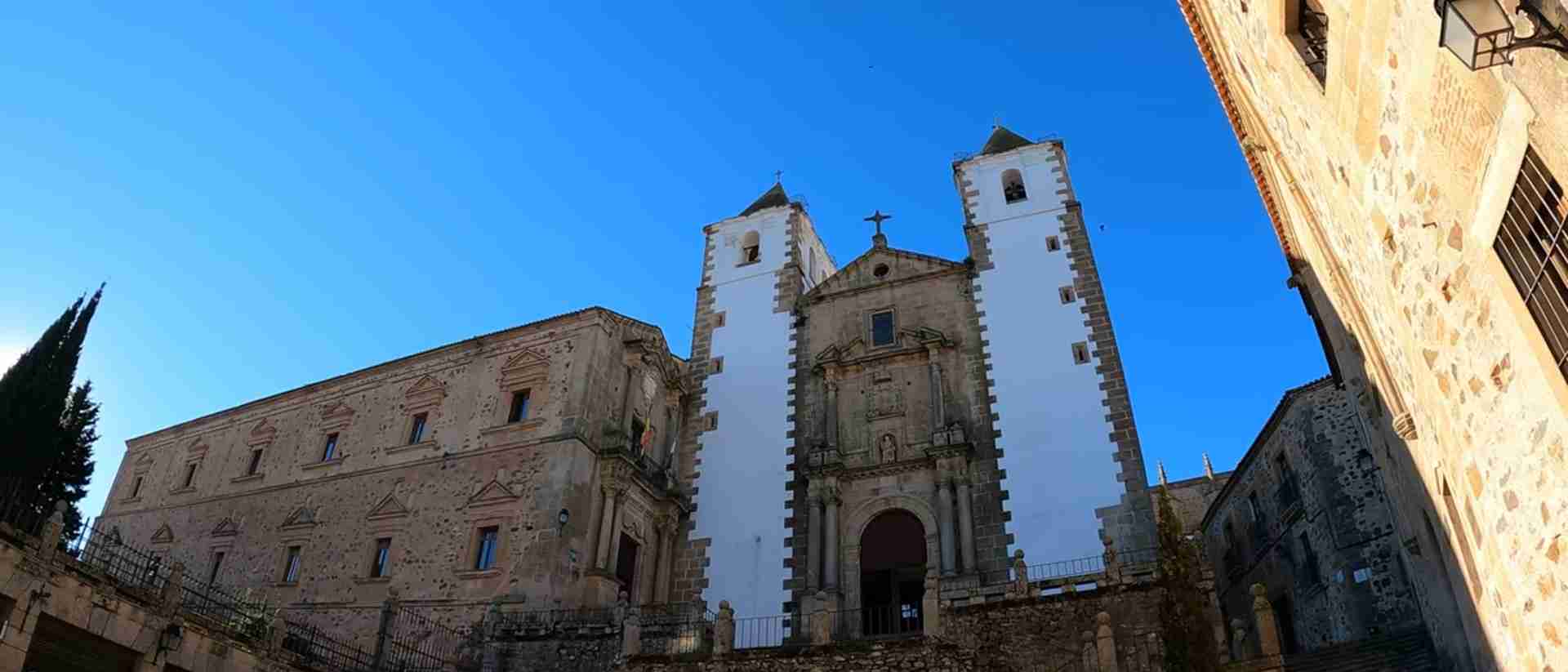
- Extremadura contains three UNESCO World Heritage Sites – Cáceres medieval city, Mérida Roman ruins, and Guadalupe monastery – creating Spain’s highest concentration of accessible heritage in one region
- Regional travel costs €80-140 per person daily in 2026 including mid-range accommodation, meals, transportation, and major site admissions across multiple destinations
- Strategic basing in Cáceres or Mérida enables day trips to 8-10 major heritage sites within 60-90 minute drives, eliminating daily hotel changes while maximizing exploration efficiency
- Regional bus network connects all major destinations for €5-15 per journey, providing budget-friendly alternative to rental cars (€35-50 daily) for travelers without vehicle access
- The “Golden Triangle” route linking Cáceres, Mérida, and Guadalupe covers 320 kilometers total, forming the essential three-day foundation for comprehensive regional exploration in 2026
- Extremaduran gastronomy – jamón ibérico, torta del Casar cheese, migas extremeñas – costs 30-40% less than equivalent quality in Madrid or Barcelona, creating exceptional culinary value for food-focused travelers
Introduction: Understanding Extremadura in 2026
Extremadura occupies Spain’s western borderlands adjoining Portugal, a region of 41,600 square kilometers containing some of Europe’s most exceptional yet undervisited heritage concentrations. The autonomous community comprises two provinces – Cáceres to the north and Badajoz to the south – holding three complete UNESCO World Heritage designations, Roman ruins rivaling those in Italy, medieval cities preserving eight centuries of architectural evolution, monasteries housing artistic masterworks, and natural landscapes ranging from Mediterranean oak forests to dramatic mountain ranges. Despite this extraordinary cultural and natural wealth, Extremadura receives fraction of the tourist attention directed toward Andalusia or Catalonia, creating remarkable opportunities for travelers in 2026 seeking authentic Spanish experiences, uncrowded heritage sites, and exceptional value.
The region’s historical significance stems from its strategic position as the frontier zone between Christian and Muslim territories during medieval centuries, launching point for conquistador expeditions to the Americas (Cortés, Pizarro, and dozens of others originated from Extremaduran towns), and religious center through powerful monasteries controlling vast territories. This complex history produced architectural layering visible throughout the region – Roman foundations supporting medieval structures, Christian churches built atop mosque sites, Renaissance palaces displaying New World wealth, and baroque additions reflecting Counter-Reformation fervor. Understanding these historical currents transforms simple monument visits into comprehension of Spanish national development spanning two millennia.
Traveling Extremadura in 2026 offers distinct advantages for various traveler types. Budget-conscious visitors find accommodation and dining costs 30-50% below major Spanish destinations while accessing world-class heritage. History enthusiasts encounter remarkably preserved Roman cities, medieval quarters, and conquistador birthplaces without the crowds overwhelming Andalusian or Castilian equivalents. Nature lovers discover dehesa oak savannah ecosystems, cork forests, and protected areas like Monfragüe National Park providing wildlife observation and outdoor activities. Food travelers experience authentic Extremaduran cuisine based on acorn-fed ibérico pigs, local cheeses, and traditional preparations largely unchanged for generations. This comprehensive guide provides complete planning information for experiencing Extremadura’s full breadth across its heritage sites, natural landscapes, and cultural traditions during your 2026 visit.
People Also Ask About Extremadura Travel 2026
Is Extremadura worth visiting in 2026?
Extremadura ranks among Spain’s most rewarding yet undervisited regions, offering exceptional value and uncrowded experiences in 2026. The region contains three UNESCO World Heritage Sites (Cáceres, Mérida, Guadalupe), Roman ruins comparable to Rome’s Forum, perfectly preserved medieval cities, and Spain’s finest jamón ibérico at source prices 40-60% below major cities. Daily costs run €80-140 per person including quality accommodation, substantial meals, and major site admissions – significantly less than equivalent experiences in Barcelona, Seville, or Madrid. The lack of mass tourism means short museum lines, available restaurant reservations, and authentic local atmosphere absent from overtouristed Spanish destinations. Travelers seeking genuine cultural immersion, historical depth, and budget efficiency find Extremadura exceptional value in 2026.
How many days do you need in Extremadura in 2026?
Five to seven days provides comprehensive Extremadura coverage hitting major UNESCO sites, secondary heritage destinations, and regional specialties. The essential three-day minimum covers the “Golden Triangle” – Cáceres (1.5 days), Mérida (1 day), and Guadalupe (0.5 days) – visiting all UNESCO heritage and major Roman ruins. Adding four more days enables Trujillo exploration, Monfragüe National Park nature experiences, Badajoz border city visits, Zafra castle town discovery, and deeper immersion in individual locations beyond surface coverage. Ten-day trips incorporate all major destinations plus specialized interests (bird watching in Monfragüe, conquistador route following, monastery artistic study) at relaxed pacing. Weekend trips (3 days) work for Cáceres-Mérida focus from Madrid base, while week-long visits deliver complete regional understanding.
What’s the best base for exploring Extremadura in 2026?
Cáceres serves as the optimal Extremadura base for 2026 travelers, offering superior accommodation options (€50-90 for mid-range hotels versus €40-70 in smaller towns), central geographic position enabling day trips to all major sites, complete services including supermarkets and pharmacies, evening entertainment and dining variety, and UNESCO heritage within the base city itself. Mérida works as alternative base with excellent Roman site concentration and slightly lower costs (€45-80 mid-range accommodation) but less convenient access to northern Cáceres province destinations. Single-base strategy from Cáceres or Mérida eliminates daily hotel changes, allows luggage security, and enables spontaneous extra nights when destinations exceed expectations. Multi-base approaches work for extended trips but add packing/unpacking time and transportation complexity.
How much does it cost to visit Extremadura in 2026?
Budget travelers spend €60-80 daily per person in Extremadura during 2026 using hostel accommodation (€15-25 for dorm beds), supermarket breakfast and lunch, one restaurant dinner (€12-18), public bus transportation (€5-15 between cities), and major site admissions (€4-12 for most monuments). Mid-range travelers allocating €100-140 daily enjoy comfortable hotels (€60-90 for double rooms, €30-45 per person), three restaurant meals featuring regional specialties (€30-50 total), rental car flexibility (€35-50 daily divided among passengers), wine tastings and specialty experiences. Luxury travelers spending €200+ daily access boutique paradores (historic hotels €120-180+ per room), fine dining showcasing Extremaduran gastronomy, private guided tours, and premium experiences. The region’s overall affordability means even luxury budgets deliver exceptional value compared to equivalent quality in major Spanish destinations.
Extended multi-day tours – 5+ days
Featured Spain Multi-Day Tour Packages

5 days
Madrid and Barcelona (4 destinations)
- ✓ Comprehensive Spain tour
- ✓ Expert local guides included
- ✓ All accommodation arranged
- ✓ Transportation provided

9 days
Spain in Style (Small Group)
- ✓ Comprehensive Spain tour
- ✓ Expert local guides included
- ✓ All accommodation arranged
- ✓ Transportation provided

8 days
Highlights of Northern Spain – 8 Days
- ✓ Comprehensive Spain tour
- ✓ Expert local guides included
- ✓ All accommodation arranged
- ✓ Transportation provided
6 days
6-Day Andalucia & Toledo from Madrid
- ✓ Comprehensive Spain tour
- ✓ Expert local guides included
- ✓ All accommodation arranged
- ✓ Transportation provided
Multi-day tour packages powered by TourRadar. Prices and availability subject to change.
Essential Planning Information for Extremadura 2026
Best Time to Visit Extremadura in 2026
Spring months (April-May) and fall period (September-October) provide optimal Extremadura visiting conditions in 2026. Spring brings comfortable temperatures of 15-25°C, wildflower blooms transforming dehesa landscapes, migratory birds filling Monfragüe National Park, and Easter celebrations creating cultural events across the region. Hotel availability remains good outside major holiday weeks, and monument crowds stay manageable even at UNESCO sites. Fall delivers similarly pleasant weather (18-26°C), autumn colors in mountain areas, grape harvest activities in La Vera wine region, and reduced tourist numbers compared to spring.
Summer visits (June-August) face intense heat reaching 38-42°C during afternoon hours, requiring early morning and evening activity scheduling with midday breaks. However, summer brings extended daylight hours (sunset 9:30 PM), swimming opportunities in natural pools and reservoirs, local festivals celebrating patron saints, and absolute minimum tourist presence creating private monument experiences. Winter months (December-February) offer mild daytime temperatures (8-15°C), occasional mountain snow providing dramatic backdrops, lowest accommodation rates, and authentic local atmosphere as cities return to residents. Museums maintain full operations year-round, making winter culturally viable despite shortened days and potential afternoon rain.
Getting to Extremadura in 2026
Madrid serves as the primary gateway for Extremadura access in 2026, located 260 kilometers east of Cáceres and 340 kilometers from Mérida. Direct buses from Madrid’s Estación Sur reach Cáceres in 3.5-4 hours (€20-28 one-way on ALSA), Mérida in 4-4.5 hours (€22-30), and Badajoz in 5 hours (€25-35). Departures run every 1-2 hours throughout the day, with advance online booking through alsa.es recommended during holiday periods though walk-up tickets typically available outside peak weeks.
Train service from Madrid to Extremadura improved with high-speed AVE connections reaching Mérida in 4 hours 20 minutes (€25-45 depending on advance purchase and class) via the Madrid-Badajoz line. Trains depart Madrid Chamartín station 4-5 times daily. Cáceres requires train changes at either Mérida or Navalmoral de la Mata, making direct buses more convenient for that destination. Train tickets book through renfe.com with advance purchase (14+ days) delivering best prices.
Rental cars provide maximum flexibility for Extremadura exploration, with major agencies (Europcar, Hertz, Enterprise) operating at Madrid airport and city locations. Rental costs run €35-50 daily for economy vehicles with unlimited mileage, though booking 4-6 weeks ahead secures lower rates of €25-35 daily during 2026. The 260-kilometer Madrid-Cáceres drive follows A-5 highway taking 2.5-3 hours, with highway tolls eliminated in this section making driving cost-effective for groups of 2-4 sharing vehicle and fuel expenses.
Internal Transportation Between Extremadura Cities 2026
Regional bus network operated by ALSA connects all major Extremadura destinations with frequent service in 2026. Cáceres-Mérida buses run 8-10 times daily taking 1 hour (€7-10 one-way), Cáceres-Trujillo buses depart 6-8 times daily requiring 45 minutes (€5-8), and Mérida-Badajoz connections operate hourly for the 1-hour journey (€6-9). Smaller destinations like Guadalupe, Zafra, and Plasencia receive 3-5 daily buses from regional hubs. Bus schedules and tickets access through alsa.es website or mobile app, with advance booking unnecessary except during Easter week and August when Spanish domestic tourism peaks.
Rental cars excel for travelers wanting flexibility to visit multiple sites daily, explore rural areas, access dehesa landscapes and natural parks, and maintain personal schedules independent of bus timetables. Parking in historic centers can be challenging, with most cities offering paid parking zones (€1-2 per hour) near old towns and free parking in modern neighborhoods requiring 10-15 minute walks to heritage areas. Highway conditions throughout Extremadura are excellent, with well-maintained roads, clear signage, and light traffic outside major city approaches.
Organized day tours from Cáceres and Mérida provide guided transportation and expert commentary for travelers preferring group experiences. Full-day tours to Guadalupe from Cáceres cost €65-85 per person including transport, guide, and monastery admission. Mérida-based Roman heritage tours covering outlying sites run €55-75 per person. These tours eliminate driving logistics and parking concerns while adding cultural context through expert guides, though they reduce flexibility and limit time at individual sites compared to independent travel.
The Golden Triangle Route 2026: Cáceres, Mérida, Guadalupe
Understanding the Essential Three-Day Framework
The “Golden Triangle” connecting Cáceres, Mérida, and Guadalupe forms Extremadura’s essential foundation, covering all three UNESCO World Heritage Sites within 320 total kilometers and three full days. This route delivers maximum heritage concentration with minimum travel time, creating the perfect introduction to regional history, architecture, and culture. The triangle can be executed in either direction, though the Cáceres-Mérida-Guadalupe-Cáceres circuit follows geographical logic and historical chronology from medieval through Roman to religious Renaissance heritage.
Day 1 focuses entirely on Cáceres, exploring the UNESCO medieval old town, fortification walls, palace exteriors, cathedral, and museums. Overnight in Cáceres establishes a base for the following day’s movement. Day 2 involves morning final Cáceres activities, midday transfer to Mérida (1 hour by bus or car), afternoon and evening Mérida Roman site exploration, and overnight in Mérida. Day 3 covers morning Mérida conclusion, day trip to Guadalupe (1 hour 20 minutes each direction), monastery visit, and return to Cáceres base for final night or departure.
This compressed three-day itinerary suits travelers with limited time, those continuing to other Spanish regions, or visitors sampling Extremadura before committing to extended exploration. The triangle can expand to 4-5 days by adding deeper single-location time, including Trujillo between Cáceres and Guadalupe, or incorporating Badajoz after Mérida. Budget travelers execute the Golden Triangle for €240-350 total per person including all accommodation, meals, transportation, and admissions. Mid-range travelers spend €350-500 for upgraded hotels, extensive dining, and enhanced experiences.
Cáceres Deep Dive: 1.5 Days
Cáceres deserves 1.5 days for comprehensive UNESCO old town exploration, museum visits, local dining experiences, and atmospheric absorption beyond rushed monument checking. Day 1 afternoon (arrival day) covers initial old town orientation through the free walking tour departing Plaza Mayor at 5 PM (budget €10-15 for optional tip), followed by evening wandering through illuminated medieval streets, dinner at traditional Extremaduran restaurant (€18-28 per person for substantial meal), and first impressions of the atmospheric heritage quarter.
Full Day 2 begins with 8:30 AM Santa María Cathedral attendance for free interior access during morning mass, exits at 9:15 AM for the complete old town walking circuit covering Plaza de San Jorge, the Jewish Quarter, palace courtyards, and fortification walls. The Cáceres Museum (€1.20 admission, free first Sundays monthly) opens at 10 AM for archaeological and fine arts collections viewing. Lunch at local spot features regional specialties (€12-18 per person). Afternoon activities include optional paid tower climbs (Bujaco Tower €2.50, Torre de las Cigüeñas €1) for elevated photography, San Francisco Javier Church free entry, and detailed architectural discovery wandering with camera. Evening hours allow sunset viewpoint visits and final old town exploration before next morning’s departure to Mérida.
Cáceres accommodation costs €50-90 for mid-range hotels near the old town, with budget hostels available at €15-25 for dorm beds or €35-50 for private rooms. Dining expenses run €30-50 daily per person for three restaurant meals, or €20-35 combining supermarket breakfast/lunch with restaurant dinner. The city’s compact scale makes all activities accessible on foot, eliminating local transportation costs.
Mérida Roman Heritage: 1 Day
Mérida concentrates Spain’s finest Roman archaeological remains within a walkable city center, requiring one full day for comprehensive site coverage in 2026. The €15 combined ticket (Conjunto Arqueológico, check consorciomerida.org for current rates) provides access to the Roman Theatre, Amphitheatre, Circus, Casa del Mitreo villa, Casa del Anfiteatro villa, Alcazaba fortress, and several additional sites – exceptional value for the breadth of monuments included.
Begin at 9:30 AM when the Roman Theatre opens, spending 60-90 minutes exploring the exceptionally preserved stage building, seating area, and small museum. The adjacent Amphitheatre connects directly, adding another 45-60 minutes of gladiatorial arena appreciation. Walk 15 minutes to Casa del Mitreo (30-40 minutes visit) to see exceptional floor mosaics and Roman domestic architecture. Lunch near the theatre area (€12-18 per person) precedes afternoon visits to the Alcazaba Moorish fortress offering river views and Roman-Islamic architectural combinations (45 minutes), the Roman bridge spanning the Guadiana River (free access, 30-minute walk across), and the National Museum of Roman Art (€3 admission, 1-1.5 hours for comprehensive collection viewing).
Evening activities include the Circus site if energy permits (included in combined ticket, 30 minutes), riverside walking along the Roman bridge for sunset photography, and dinner at traditional restaurant serving migas extremeñas and local wines (€18-28 per person). Mérida accommodation costs €45-80 for mid-range options or €15-25 for hostel beds, slightly lower than Cáceres reflecting smaller city scale and reduced tourist volume.
Guadalupe Monastery: Half-Day Visit
Real Monasterio de Santa María de Guadalupe, the third UNESCO World Heritage component, sits 130 kilometers from Cáceres requiring 1 hour 20 minutes driving through mountainous terrain or organized day tour participation (€65-85 from Cáceres including transport). The monastery itself demands 2-3 hours for guided tour (required for interior access, €6 per person, check monasteriodeguadalupe.com for schedules), church exploration, and village wandering, making it perfect half-day excursion material when combined with morning activities elsewhere or afternoon return travel.
Monastery guided tours operate in Spanish at scheduled times throughout the day (typically 10:30 AM, 12 PM, 1 PM, 4 PM, 5:30 PM), revealing the stunning mudéjar cloister, Gothic church with Zurbarán paintings, baroque camarín behind the altar, sacristy with masterworks by El Greco and Goya, and the miracle-attributed Virgin statue attracting pilgrims for 700+ years. The tour lasts 60 minutes, followed by free time in the elaborate church exploring chapels and artistic details. Photography inside is restricted but exterior cloister and church facade images allowed.
The village of Guadalupe clusters around the monastery, offering craft shops selling copperwork and ceramics, simple restaurants serving local game dishes (€15-22 per person for lunch), and scenic plaza views of the monastery’s imposing architecture. The surrounding Sierra de Villuercas mountains provide natural beauty contrasting with the built heritage focus of Cáceres and Mérida. Budget 4-5 hours total for the Guadalupe excursion including driving time, monastery tour, lunch, and village exploration before returning to Cáceres base.
Extended Extremadura Itineraries 2026
The Complete Five-Day Cultural Circuit
This itinerary expands the Golden Triangle with Trujillo and Badajoz additions, providing comprehensive provincial coverage across both Cáceres and Badajoz provinces. Day 1 follows the Cáceres program above. Day 2 morning completes Cáceres exploration, then drives 45 minutes to Trujillo for afternoon and evening (€40-65 mid-range hotel). Day 3 explores Trujillo’s Plaza Mayor, castle, churches, and palace architecture in the morning, then continues to Mérida arriving midday for afternoon Roman site immersion (€45-80 Mérida accommodation).
Day 4 finishes Mérida morning activities, drives 1 hour to Badajoz for afternoon border city exploration including the Alcazaba fortress, cathedral, and Portuguese-influenced old quarter (€45-70 Badajoz hotel). Day 5 morning visits Badajoz museum or markets, then either drives to Zafra (45 minutes) for castle visit before returning north, or makes the Guadalupe day trip from Badajoz (2-hour drive each way) before final night in Cáceres or departure.
This five-day itinerary costs €450-650 per person using mid-range accommodation (€50-80 nightly), restaurant meals (€35-55 daily), rental car (€35-50 daily, divided among passengers), fuel (€40-60 total for ~600 kilometers), and site admissions (€35-50 total). Budget execution reduces costs to €320-420 through hostel accommodation and meal economies, while enhanced experiences push totals to €700-900 with parador hotels and fine dining.
The Seven-Day Extremadura Immersion
Week-long trips enable comprehensive regional coverage including nature experiences, secondary heritage towns, and deeper time allocation to major sites. Days 1-3 follow the Trujillo-extended program above, establishing thorough coverage of Cáceres province heritage. Day 4 focuses on Monfragüe National Park from Mérida base, with morning bird watching excursions (€45-65 for guided nature tours or free self-guided hiking), afternoon wildlife observation from park viewpoints, and return to Mérida evening.
Day 5 completes Mérida Roman sites, adds the Proserpina and Cornalvo Roman reservoirs visit (free access, 30-minute drive from city), and incorporates wine tasting in Ribera del Guadiana wine region (€25-40 for winery tours). Day 6 explores Badajoz thoroughly, adding the Fine Arts Museum (€1.20) and crossing into Portugal’s Elvas (30-minute drive) for border cultural exchange before returning. Day 7 visits Zafra’s castle and plaza, explores La Serena comarca landscape, and returns north through Guadalupe for monastery visit, concluding in Cáceres.
The seven-day immersion costs €650-950 per person at mid-range standards including accommodation (€50-80 x 6 nights), all meals restaurant-based (€40-60 daily), rental car week (€180-250 total divided among group), fuel (€80-100 for ~1000 kilometers), site admissions (€50-75), and specialty experiences like wine tastings and nature tours (€70-105). This extended timeframe allows relaxed pacing, spontaneous discoveries, repeat visits to favorite locations, and genuine regional understanding beyond surface monument coverage.
Budget Planning for Extremadura 2026
Daily Cost Breakdowns by Travel Style
Budget Traveler Daily Costs (€60-80 per person):
Accommodation €15-25 per night for hostel dorm beds or €30-45 for private budget hotel room (€15-22.50 per person double occupancy). Breakfast €3-5 using supermarket provisions (yogurt, fruit, bread, coffee), lunch €5-8 assembling picnic from markets, dinner €12-18 at economical restaurants serving menú del día or local specialties. Local transportation within cities €0-3 using free walking supplemented by occasional buses. Intercity buses €5-15 depending on distance. Major site admissions €4-12 for most monuments (UNESCO sites, museums, churches).
Sample budget day in Cáceres: Hostel bed €18, supermarket breakfast €4, picnic lunch €7, restaurant dinner €15, free walking tour tip €12, Cáceres Museum €1.20, cathedral tower €4 (included in church admission). Total: €61.20 per person (excluding accommodation) + €18 accommodation = €79.20.
Mid-Range Traveler Daily Costs (€100-140 per person):
Accommodation €60-90 for comfortable hotel double room (€30-45 per person), or €80-120 for superior hotels (€40-60 per person). Breakfast €8-12 at hotel or café, lunch €12-20 at casual restaurants, dinner €18-30 at quality traditional establishments with wine. Transportation includes rental car costs €35-50 daily divided among passengers (€17.50-25 per person for two sharing), plus fuel €15-25 daily total. Site admissions €8-18 for major monuments including audio guides or enhanced tickets. Specialty experiences like wine tastings €20-35 per person.
Sample mid-range day in Mérida: Hotel room €75 (€37.50 per person), breakfast buffet €10, lunch €16, dinner with wine €26, Roman sites combined ticket €15, museum €3, rental car portion €20, fuel portion €10. Total: €100.50 per person (excluding accommodation) + €37.50 accommodation = €138 per person.
Comfort/Luxury Traveler Daily Costs (€180-280+ per person):
Accommodation €120-220 per room (€60-110 per person) at parador historic hotels or boutique properties. All restaurant meals €60-100 daily featuring regional gastronomy, wine pairings, and specialty dishes. Private guided tours €80-150 per person for full-day expert-led experiences. Premium site access €15-30 including special hours or exclusive areas. Enhanced transportation through private drivers €150-250 daily divided among group.
Sample luxury day in Guadalupe: Parador room €160 (€80 per person), breakfast included, gourmet lunch €35, fine dining dinner €50, monastery private tour €25, wine tasting €30, private driver portion €75. Total: €215 per person (excluding accommodation) + €80 accommodation = €295 per person.
Complete Trip Cost Calculations
Three-Day Golden Triangle Budget Breakdown:
Budget execution (€240-350 per person total): Accommodation 2 nights at €18 per night hostel = €36, meals €25 daily x 3 = €75, intercity transportation (Cáceres-Mérida bus €9, Guadalupe tour €70 or rental car share €35) = €44-70, site admissions (Cáceres €5, Mérida €15, Guadalupe €6) = €26, incidentals €10-15. Range total: €236-322, rounded to €240-350 with buffer.
Mid-range execution (€350-500 per person total): Accommodation 2 nights at €40 per person = €80, meals €50 daily x 3 = €150, rental car share €40 + fuel €20 = €60, site admissions €35, tours and enhanced experiences €25-50, incidentals €15-25. Range total: €365-480, accounting for €350-500 span.
Five-Day Cultural Circuit Budget Breakdown:
Budget approach (€320-480 per person): Accommodation 4 nights x €18 = €72, meals €25 x 5 = €125, rental car share (€35 daily) €70 + fuel €40 = €110, admissions €40-50, incidentals €20-30. Total: €417-437 actual, budgeting €320-480 range with variables.
Mid-range approach (€500-750 per person): Accommodation 4 nights x €40 = €160, meals €50 x 5 = €250, rental car €140 + fuel €60 = €200 divided by 2 = €100 per person, admissions and tours €60-80, wine tastings and experiences €40-60, incidentals €30-40. Total: €640-730, fitting €500-750 projected range.
Seven-Day Immersion Budget Breakdown:
Budget framework (€450-650 per person): Accommodation 6 nights x €18-22 = €108-132, meals €25-30 daily x 7 = €175-210, rental car week €180 + fuel €80 = €260 divided by 2 = €130 per person, admissions €50-65, nature tours €45, incidentals €40-50. Total: €548-632 without contingency, budgeting €450-650 with flexibility.
Mid-range framework (€650-950 per person): Accommodation 6 nights x €40-50 = €240-300, meals €50-60 daily x 7 = €350-420, rental car €200 + fuel €100 = €300 divided by 2 = €150 per person, admissions and tours €70-90, wine tastings and specialty experiences €80-120, incidentals €60-80. Total: €950-1090 upper range, €650-950 with economies.
Transportation Deep Dive 2026
Rental Car Economics and Logistics
Rental cars suit groups of 2-4 travelers for Extremadura exploration, with per-person costs becoming competitive with public transportation while adding significant flexibility. Economy vehicles rent for €35-50 daily in 2026 through major agencies, with advance booking (4-6 weeks) securing €25-35 rates. Weekly rentals (7 days) often include discounts reducing daily equivalent to €22-32. Insurance requirements add €12-18 daily for comprehensive coverage unless personal coverage transfers, bringing total daily costs to €40-65 for fully insured vehicle.
Fuel consumption for typical Extremadura driving (300-400 kilometers for three-day Golden Triangle, 600-800 kilometers for five-day circuit, 900-1100 kilometers for seven-day immersion) costs €40-60 for three days, €60-85 for five days, and €90-120 for week-long trips at 2026 fuel prices of approximately €1.45-1.55 per liter and average consumption of 6-7 liters per 100 kilometers. For two travelers sharing a car, transportation costs split to €40-62.50 per person for three days, €60-92.50 for five days, and €85-142.50 for seven days – competitive with bus tickets while providing immense scheduling freedom.
Parking strategies minimize costs throughout Extremadura in 2026. Most historic centers prohibit vehicle access, requiring parking in designated zones near old towns. Cáceres offers paid street parking at €1-2 per hour in blue zones near the old town, or free parking in modern neighborhoods 10-15 minutes walk from heritage areas. Mérida provides free parking near Roman sites and the river, with paid zones (€1.20-1.80 hourly) closer to the theatre. Guadalupe has free village parking though spaces fill during pilgrimage seasons. Hotel parking adds €8-15 daily at mid-range properties, though budget hotels and hostels often include free parking or recommend free public zones nearby.
Public Transportation Mastery
ALSA buses dominate Extremadura public transport, connecting all major destinations with modern coaches featuring air conditioning, restrooms, and WiFi on major routes. The Cáceres-Mérida route runs 8-10 times daily from 7 AM to 9 PM, taking exactly 1 hour and costing €7-10 depending on advance purchase and travel day. Cáceres-Trujillo buses (6-8 daily) require 45 minutes at €5-8. Mérida-Badajoz hourly service covers the 1-hour journey for €6-9. Less frequent destinations like Guadalupe see 3-4 daily buses from Cáceres/Trujillo taking 1.5-2 hours at €8-12.
Bus ticket booking through alsa.es website or mobile app allows advance purchase with seat selection, though this is rarely necessary outside Easter week and August. Walk-up tickets at bus stations work perfectly for most 2026 travel, with departures rarely filling except on Friday afternoons and Sunday evenings when Spanish residents travel weekends. Bus station locations in Cáceres and Mérida sit 10-15 minutes walk from old town centers, easily manageable with wheeled luggage. Trujillo’s bus stop operates from Plaza Mayor, eliminating station walks.
Train service supplements buses on specific routes, particularly Madrid-Mérida-Badajoz where AVE high-speed trains provide comfortable 4-4.5 hour journeys from the capital at €25-45 depending on advance booking and class selection. However, trains don’t connect Cáceres and Mérida directly, making buses superior for intra-regional travel. Train tickets book through renfe.com with 60-90 day advance purchase windows delivering lowest fares.
Accommodation Strategies 2026
Budget Accommodation Options
Extremadura hostels concentrate in Cáceres and Mérida, offering dorm beds for €15-25 per night and private rooms for €35-50. Cáceres hostels like Albergue Municipal and private hostels in the modern quarter provide basic but clean accommodation with shared kitchens allowing meal preparation savings, common areas for traveler interaction, and free WiFi. Mérida’s hostel scene is smaller but includes several budget properties near the Roman theatre charging similar rates.
Budget hotels and pensiones throughout the region offer private rooms with ensuite bathrooms for €35-55 double (€17.50-27.50 per person), often including simple breakfast. These family-run establishments lack luxury amenities but provide comfortable beds, hot showers, and local hospitality. Locations in modern neighborhoods rather than historic centers reduce rates further while keeping major sites within 10-15 minute walks. Booking platforms like Booking.com show real-time availability, though direct phone calls often secure identical or better rates, particularly for multi-night stays.
Mid-Range Hotel Selection
Three-star and some four-star hotels provide the sweet spot for mid-range travelers, offering comfort without luxury premiums. Cáceres properties like Hotel Extremadura or similar charge €60-90 for double rooms with modern amenities, breakfast buffets (€8-12 if not included), and central locations near the old town. Mérida equivalents run slightly less at €50-80, reflecting smaller city scale and reduced demand. These hotels feature air conditioning (essential for summer visits), private bathrooms, comfortable beds, and often small pools or terraces for afternoon relaxation.
Booking timing significantly affects mid-range rates in 2026. Reserving 4-6 weeks ahead typically secures standard rates, while last-minute bookings (72 hours before) sometimes capture cancellation sales 20-30% below normal prices, particularly midweek outside festival periods. Conversely, booking too far in advance (3+ months) often means paying non-flexible rates that prevent later optimization if better options emerge. The 4-6 week window balances availability certainty with reasonable flexibility and competitive pricing.
Parador and Boutique Luxury
Paradores de Turismo, Spain’s state-run historic hotel network, operates exceptional properties in Guadalupe (converted monastery), Trujillo (converted convent), Mérida (baroque convent), and Zafra (castle). Room rates run €120-220 depending on season and room category, with breakfast adding €16-22. These properties deliver authentic heritage accommodation experiences – sleeping in converted monk cells at Guadalupe, dining in centuries-old refectories, relaxing in Renaissance cloisters transformed to courtyard gardens. Value exceeds simple accommodation costs by providing immersive historical environments impossible to access otherwise.
Boutique hotels in Cáceres old town occupy restored palaces, offering 8-15 room properties with personalized service, design-focused interiors, and premium locations within the UNESCO zone. Rates typically reach €90-150 for doubles, positioning between standard mid-range and full paradores while delivering unique character. These properties suit travelers wanting old town immersion without parador formality or pricing, often including thoughtful touches like complimentary wine, local product breakfasts, and insider dining recommendations.
Extremaduran Gastronomy Guide 2026
Essential Regional Dishes and Costs
Extremaduran cuisine centers on acorn-fed ibérico pigs producing the world’s finest jamón, with local hams costing €18-28 per person for substantial plates at origin restaurants versus €30-50 for equivalent quality in Madrid or Barcelona. Torta del Casar, the region’s signature soft cheese, appears on every menu at €8-14 per serving with quince paste, bread, and olive oil. Migas extremeñas, the traditional shepherds’ breakfast of fried breadcrumbs with chorizo, pancetta, and peppers, costs €9-15 as lunch or dinner portion at traditional spots.
Restaurant dining costs in Extremadura significantly undercut major Spanish cities in 2026. Menú del día lunch specials at local restaurants offer three courses plus bread and wine for €10-15 per person, providing excellent value and substantial quantities. Evening à la carte dining at traditional establishments runs €18-28 per person for two courses and wine, rising to €30-45 for premium ingredients like secreto ibérico (prized pork cut) or game dishes (venison, wild boar) during hunting season. Fine dining experiences at top regional restaurants cost €50-80 per person for multi-course meals showcasing contemporary Extremaduran cuisine with wine pairings.
Markets in Cáceres (Plaza Mayor morning markets) and Mérida offer produce, cheeses, and cured meats at retail prices enabling picnic assembly for €5-8 per person including quality ingredients. Supermarkets like Mercadona or Día provide standard provisions at national Spanish rates, with breakfast items costing €3-5 per person and picnic lunches assembled for €5-8. This shopping option reduces daily meal budgets significantly while allowing sampling of regional products impossible to access in restaurant settings.
Wine and Specialty Products
Extremadura produces increasingly recognized wines in the Ribera del Guadiana DO, with local restaurants offering regional bottles at €8-18 that would cost €15-30 elsewhere. The La Vera comarca specializes in pimentón (smoked paprika), with factory visits and tastings possible near the Guadalupe area. Wine tourism in Almendralejo (south of Mérida) includes bodega visits and tastings for €15-30 per person, combining viticulture education with product sampling.
Specialty food shops in major cities sell artisanal products for travelers wanting to bring home edible souvenirs or assemble picnics featuring regional flavors. Jamón ibérico from local producers costs €30-60 per kilogram depending on quality grade (cebo, recebo, bellota categories), with shop staff explaining differences and providing vacuum-sealed packaging for travel. Torta del Casar whole cheeses cost €15-25 depending on size, while pimentón from La Vera ranges €4-8 for quality tins. These purchases represent excellent value while supporting regional producers and providing authentic food memories beyond restaurant experiences.
Natural Extremadura: Dehesas and National Parks 2026
Monfragüe National Park Experience
Monfragüe National Park, located 60 kilometers northeast of Cáceres and 90 kilometers northwest of Trujillo, preserves Mediterranean forest and dehesa ecosystems providing habitat for Spanish imperial eagles, black vultures, black storks, and extensive other wildlife. The park access is free with multiple viewpoints accessible by car or hiking trails, though guided nature tours (€45-65 per person for half-day excursions) add expert bird identification and ecosystem explanation impossible to achieve independently without ornithological knowledge.
Key viewpoints include the Salto del Gitano cliff face where vulture colonies nest, visible from the roadside mirador (parking and viewing free), and the Castillo de Monfragüe hilltop providing 360-degree perspectives across reservoir, forest, and mountain landscapes (30-minute uphill walk, free access). Spring months (March-May) deliver peak bird watching as migrants arrive and resident species nest, while fall (September-October) brings vulture congregation at favored roosting sites creating spectacular aerial displays.
Practical Monfragüe visits from Cáceres or Trujillo bases require rental cars or organized tours, as public transportation doesn’t serve the park. Budget full-day excursions including driving time, multiple viewpoint stops, hiking opportunities, and picnic lunch in nature (bring provisions from cities as no restaurants exist within park boundaries). The park visitor center near Villarreal de San Carlos provides free exhibitions explaining ecosystem features and wildlife patterns, helpful for self-guided visitors lacking expert guides.
Dehesa Landscapes and Rural Experiences
The dehesa ecosystem – open oak savannah with free-ranging ibérico pigs foraging fallen acorns – defines Extremadura’s rural character and agricultural economy. These landscapes stretch across the region, visible from highways and secondary roads, creating photographic opportunities and ecosystem understanding. Some farms offer agrotourism experiences allowing visitors to observe pig raising, learn about jamón production, and taste products at source for €30-50 per person including farm tour and lunch.
Walking or cycling through dehesa areas provides peaceful natural immersion away from heritage sites and cities. The Via de la Plata long-distance walking route crosses Extremadura north-south following ancient Roman roads through dehesa, medieval villages, and varied landscapes. Day-hike sections are possible from Cáceres, Mérida, or Zafra, with trails well-marked and downloadable GPS tracks available through wikiloc.com or similar platforms. These activities cost nothing beyond transportation to trailheads, providing budget-friendly nature experiences complementing built heritage focus.
Secondary Heritage Towns and Villages 2026
Trujillo: Conquistador Birthplace
Trujillo, hometown of Francisco Pizarro (Peru conquistador) and numerous other New World explorers, preserves an exceptional medieval-Renaissance urban core centered on one of Spain’s finest plazas. The Plaza Mayor features Pizarro’s equestrian statue, palace balconies displaying New World wealth, and atmospheric arcades housing restaurants and shops. The castle crowning the hill offers panoramic vistas (€1.50 admission) while numerous churches and palaces open for free or minimal fees (€1-2.50 range).
Trujillo suits half-day visits as Cáceres-Mérida route breaks or full-day explorations for conquistador history enthusiasts. Accommodation exists at €40-65 for mid-range hotels or €120-180 for the spectacular Parador occupying a converted convent. The town’s compact scale allows thorough exploration in 3-4 hours, with additional time enabling countryside drives to nearby castles or nature areas. Many travelers successfully visit Trujillo as a morning stop en route from Cáceres to Guadalupe or Mérida, making it an efficient addition to Golden Triangle itineraries.
Badajoz: Portuguese Border Dynamism
Badajoz, Extremadura’s largest city with 150,000 inhabitants, sits directly on the Portuguese border providing cross-cultural experiences and urban vitality absent from smaller heritage towns. The massive Alcazaba fortress, one of Iberia’s largest, dominates the old quarter with its battlements and towers offering city panoramas (€3.50 admission). The cathedral combines Gothic and baroque elements in a fortress-like exterior, while the Fine Arts Museum (€1.20) houses Spanish and Portuguese paintings.
Badajoz’s proximity to Portugal’s Elvas (30-minute drive) creates day trip opportunities sampling Portuguese cuisine, visiting the Elvas UNESCO fortifications, and experiencing border culture blending Spanish and Portuguese influences. The city’s shopping streets and contemporary cultural venues provide modern contrasts to Extremadura’s prevalent historical focus. Accommodation costs €45-70 for mid-range hotels, with abundant restaurant options serving both Spanish and Portuguese-influenced dishes at €12-25 per person for substantial meals.
Zafra: Renaissance Elegance
Zafra, known as “Little Seville” for its white-washed buildings and twin plazas, combines elegant Renaissance architecture with authentic local atmosphere. The Parador occupying the 15th-century Alcázar castle provides luxury accommodation (€120-180) in a building where Hernán Cortés received his commission to explore Mexico. Even non-guests can admire the castle’s exterior and visit the public plazas – Plaza Grande and Plaza Chica – featuring arcaded buildings and lively café terraces.
Zafra’s Tuesday livestock market continues centuries of tradition, filling streets with vendors, animals, and agricultural commerce creating authentic rural atmosphere impossible to fabricate for tourists. The town serves excellent positioning for exploring La Serena comarca, visiting Roman ruins at Medellín, or accessing the southern Extremadura countryside. Budget 4-5 hours minimum for Zafra exploration, more if combining with surrounding area activities or using the town as a overnight base for southern regional coverage.
Sample Extremadura Itineraries 2026
The Essential Three-Day Golden Triangle
Day 1 – Cáceres Introduction: Arrive Cáceres by 2 PM via Madrid bus or rental car pickup. Check into accommodation (budget hostel €18, mid-range hotel €35-45 per person). Join 5 PM free walking tour from Plaza Mayor for UNESCO old town introduction (optional tip €10-15). Evening independent wandering through illuminated streets, dinner at traditional restaurant featuring migas extremeñas and jamón ibérico (€18-28 per person). Entry €4, lunch €16, dinner €26, walking tour €12. Total day cost: €58-86 per person (excluding accommodation).
Day 2 – Cáceres Complete & Transfer to Mérida: Attend 8:30 AM Santa María Cathedral mass for free interior access. Exit 9:15 AM for complete old town circuit covering Plaza de San Jorge, Jewish Quarter, palace courtyards, fortification walls. Visit Cáceres Museum at 10 AM (€1.20, free first Sundays). Lunch at local spot (€12-18). Optional afternoon tower climbs (€3.50 total). Depart 4 PM for Mérida by bus (€9, 1 hour) or rental car (45 minutes). Check into Mérida accommodation (budget €18-25, mid-range €35-45 per person). Evening walk across Roman bridge, dinner near theatre area (€18-28). Museum €1.20, lunch €15, towers €3.50, bus €9, dinner €23. Total day cost: €51.70-83.50 per person (excluding accommodation).
Day 3 – Mérida & Guadalupe Day Trip: Purchase Roman sites combined ticket at 9:30 AM opening (€15, check official rates). Spend 9:30 AM-12:30 PM visiting Theatre, Amphitheatre, Casa del Mitreo. Lunch near sites (€12-18). Afternoon National Museum of Roman Art visit (€3, 1.5 hours). If joining Guadalupe organized day tour, depart Mérida 8 AM for full-day excursion (€65-85 including monastery admission and transport, return 7 PM). Otherwise, rental car drive to Guadalupe (1h 20min), monastery tour €6 at 4 PM departure, village dinner (€15-22), return to Cáceres evening (1h 20min). Roman ticket €15, museum €3, lunch €15, monastery €6, dinner €18. Total day cost: €57-109 per person depending on Guadalupe tour vs. independent (excluding accommodation).
Three-day totals: Daily costs €166.70-278.50 per person (excluding accommodation), plus accommodation €36-90 (2 nights budget-to-mid-range per person). Complete trip €202.70-368.50 per person all-inclusive.
The Comprehensive Seven-Day Extremadura Experience
Days 1-2: Follow Cáceres program above with extended Day 2 including more thorough museum visits, additional churches, detailed photography sessions, and relaxed pacing. Overnight both nights in Cáceres.
Day 3: Morning drive to Trujillo (45 minutes), explore Plaza Mayor and castle until early afternoon (€1.50 castle, €12-18 lunch). Continue to Guadalupe (1 hour), monastery tour €6 at 4 PM, overnight in Guadalupe village (€40-65 for mid-range inn). Castle €1.50, lunch €15, monastery €6, dinner €18. Total: €40.50-67.50 (excluding accommodation €20-32.50 per person).
Day 4: Morning Guadalupe village exploration, drive to Mérida (1h 45min) arriving midday. Afternoon Roman Theatre, Amphitheatre, and initial site exploration (€15 combined ticket). Evening riverside walk, dinner (€18-28). Overnight Mérida (€35-45 per person mid-range). Lunch €14, sites €15, dinner €23. Total: €52-80 (excluding accommodation).
Day 5: Complete Mérida Roman sites morning (Casa del Mitreo, Alcazaba, additional monuments on combined ticket). Visit National Museum of Roman Art (€3) until early afternoon. Drive to Monfragüe National Park (1h), afternoon wildlife observation at viewpoints, hiking trails (free access). Return to Mérida evening, dinner (€18-28). Overnight Mérida. Museum €3, lunch €15, dinner €23. Total: €41-69 (excluding accommodation).
Day 6: Morning drive to Badajoz (1h), explore Alcazaba fortress (€3.50), cathedral, and old quarter. Lunch (€12-18), afternoon Fine Arts Museum (€1.20) and shopping streets. Optional cross to Portugal’s Elvas (30 minutes) for border culture experience. Return to Badajoz evening, dinner (€18-28). Overnight Badajoz (€35-45 per person). Alcazaba €3.50, lunch €15, museum €1.20, dinner €23. Total: €42.70-88.70 (excluding accommodation).
Day 7: Morning Zafra drive (45 minutes), explore twin plazas and castle exterior. Lunch (€12-18), afternoon return to Cáceres (1h 30min) via scenic route through La Serena countryside. Final Cáceres evening, celebratory dinner (€25-40). Overnight Cáceres or evening departure to Madrid. Lunch €15, dinner €32.50. Total: €47.50-73.50 (excluding accommodation).
Seven-day totals: Daily costs €324.20-546.20 (excluding accommodation), plus accommodation €210-285 (6 nights mid-range per person), rental car week €130 per person (2 sharing), fuel €50 per person. Complete trip €714.20-1011.20 per person all-inclusive.
Practical Planning Tips 2026
Packing and Preparation
Summer visits (June-August) require sun protection (hat, sunscreen, sunglasses), light breathable clothing for 38-42°C afternoon heat, but also long sleeves for church visits requiring covered shoulders. Evening temperatures drop to comfortable 20-25°C making light jackets useful. Winter packing (December-February) needs layers for 8-15°C daytime temperatures and occasional rain gear, though waterproof jackets suffice without heavy winter coats except for mountain areas.
Walking shoes matter critically for Extremadura’s cobblestone streets, uneven Roman ruins, and extensive daily walking distances (typically 12,000-18,000 steps daily for active heritage exploration). Break in shoes before the trip to avoid blisters during first monument-heavy days. Comfortable daypacks hold water bottles, snacks, cameras, and layers for temperature changes between sun-exposed streets and cool church interiors.
Communication and Connectivity
English fluency in Extremadura varies significantly by age and setting, with younger tourism industry workers (hotel reception, tour guides, some restaurant staff) managing basic English communication while older generations and casual restaurants operate primarily in Spanish. Learning basic Spanish phrases (greetings, numbers, food items, directions) dramatically improves interactions and demonstrates cultural respect. Translation apps like Google Translate work offline if language packs download in advance, providing backup for complex conversations.
WiFi availability is standard at hotels, hostels, many restaurants, and cafes throughout 2026. Data connectivity through Spanish or EU mobile plans provides reliable coverage in cities and along major highways, though rural areas and natural parks may experience reduced signals. Downloading offline maps through Google Maps or similar apps before departures prevents navigation issues in areas without connectivity.
Health and Safety Considerations
Extremadura presents minimal safety concerns in 2026, with low crime rates, safe streets in all major destinations, and friendly local populations. Standard urban precautions (securing valuables, awareness of surroundings, avoiding excessive displays of wealth) suffice. The European Health Insurance Card (EHIC) provides EU citizens access to Spanish public healthcare, while travelers from other regions should verify insurance coverage includes international medical care or purchase travel insurance accordingly.
Summer heat creates the primary health consideration, with afternoon temperatures reaching 38-42°C requiring hydration strategies (carrying 1-1.5 liters water during outdoor activities), midday breaks in air-conditioned spaces, and limiting strenuous activities to morning and evening hours. Tap water is potable throughout the region, allowing free bottle refills though taste varies by municipality with some travelers preferring bottled water (€0.60-1 for 1.5 liters at supermarkets).
Frequently Asked Questions: Extremadura 2026
Can you visit Extremadura without a car?
Extremadura is accessible without rental cars using the regional ALSA bus network connecting all major destinations in 2026. Cáceres, Mérida, Trujillo, Badajoz, and Guadalupe all receive regular bus service from each other, though schedules require planning to align connections and avoid excessive waiting times between buses. The Golden Triangle route (Cáceres-Mérida-Guadalupe) works well via public transport, with organized day tours filling gaps for destinations with limited bus service. However, rental cars provide significantly more flexibility for visiting multiple sites daily, accessing natural areas like Monfragüe National Park, and exploring rural regions where buses run infrequently. Solo travelers or pairs find buses economical, while groups of 3-4 make rental cars cost-competitive when splitting expenses.
Is Extremadura safe for solo travelers?
Extremadura ranks among Spain’s safest regions for solo travelers in 2026, with very low crime rates, welcoming local populations, and infrastructure supporting independent exploration. Women traveling alone encounter minimal harassment beyond occasional friendly conversation attempts, which firm but polite deflection handles easily. Hostels in Cáceres and Mérida create opportunities for meeting fellow travelers for shared meals or activities, while the region’s laid-back atmosphere and small city scales make solo navigation comfortable. Evening safety matches daytime conditions, with well-lit historic centers, active restaurant scenes, and locals filling plazas providing security through presence. Solo travelers should take standard precautions (securing valuables, staying aware, avoiding isolated areas late night) but can explore confidently throughout the region.
What language do you need for Extremadura?
Spanish fluency dramatically enhances Extremadura experiences in 2026, though English-only travelers can navigate major destinations with patience and technology assistance. Tourist offices in Cáceres and Mérida staff speak English, major hotels manage basic English communication, and some restaurants in heritage zones have English menus or English-speaking staff. However, authentic local restaurants, markets, small shops, and bus stations operate primarily in Spanish, requiring translation apps or gesture communication for non-Spanish speakers. Learning basic phrases (greetings, numbers, food vocabulary, polite requests) demonstrates respect and unlocks friendlier local interactions. The effort invested in elementary Spanish returns substantial dividends through better service, local recommendations, and deeper cultural understanding impossible when relying entirely on English or translation technology.
Can you do a day trip to Extremadura from Madrid?
Day trips from Madrid to Extremadura are technically possible but rushed, given 3.5-4 hour one-way bus journeys to Cáceres or 4-4.5 hour trips to Mérida. These travel times leave only 5-6 hours at destination between morning arrival and evening departure, allowing surface monument coverage but preventing thorough exploration or relaxed appreciation. Travelers with extremely limited time can execute Cáceres day trips focusing on the UNESCO old town, or Mérida visits concentrating on Roman Theatre and Amphitheatre, but both destinations deserve overnight stays enabling complete site coverage without exhausting travel schedules. Two-night Extremadura trips from Madrid (arriving Day 1 afternoon, full Day 2 exploration, morning Day 3 departure) provide minimum viable time for satisfying experiences of either Cáceres or Mérida individually.
Is Extremadura food expensive?
Extremaduran dining costs 30-40% less than equivalent quality in Madrid, Barcelona, or Seville in 2026, creating exceptional gastronomic value. Menú del día lunch specials at local restaurants serve three courses plus bread and wine for €10-15 per person, while evening à la carte dining with regional specialties costs €18-28 per person for two courses and wine. Premium ingredients like jamón ibérico de bellota (acorn-fed ham) cost €18-28 per person for generous plates versus €30-50 in major cities for similar quality. Budget travelers eating one restaurant meal plus supermarket provisions for other meals spend €20-30 daily on food, while mid-range travelers enjoying three restaurant meals allocate €40-60 daily. The region’s position as jamón ibérico production center means accessing world-class products at origin prices impossible to match elsewhere.
What’s the best city to base yourself in Extremadura?
Cáceres provides the best single-base location for Extremadura exploration in 2026, offering superior accommodation variety (budget hostels through luxury boutiques), central geographic position enabling day trips to all major sites (Mérida 1 hour, Trujillo 45 minutes, Guadalupe 1h 20min, Monfragüe 1 hour), evening entertainment and dining options, and UNESCO heritage within the base city allowing productive “rest days” without traveling. Mérida serves as solid alternative for Roman archaeology enthusiasts or budget travelers (costs run 10-15% lower than Cáceres), though its smaller size means fewer accommodation choices and reduced restaurant variety. Multi-base strategies splitting time between Cáceres and Mérida work for week-long trips, while shorter visits (3-5 days) benefit from single-base simplicity eliminating daily hotel changes and associated packing/unpacking time.
Does Extremadura have good vegetarian food options?
Extremaduran cuisine centers heavily on pork products (jamón, chorizo, morcilla), making vegetarian dining somewhat challenging though manageable with advance planning in 2026. Traditional dishes adaptable for vegetarians include gazpacho (cold tomato soup), pisto extremeño (ratatouille-style vegetables), migas extremeñas made without meat additions, tortilla española (potato omelet), vegetable menestras (seasonal vegetable stews), and local cheeses. Urban restaurants in Cáceres and Mérida increasingly offer vegetarian menu sections, while explanatory Spanish phrases requesting sin carne (without meat) modifications work at traditional establishments. Supermarkets provide extensive produce, bread, cheeses, and prepared items enabling self-catered meals supplementing restaurant dining. Vegetarians should research restaurant options ahead, communicate dietary needs clearly in Spanish or through translation apps, and maintain flexibility around limited choices compared to major metropolitan areas.
Is Extremadura good for families with children?
Extremadura suits family travel excellently in 2026, combining educational heritage sites engaging for older children, safe pedestrian-friendly old towns, affordable family accommodation options, and diverse activities preventing monument fatigue. The Roman Theatre and Amphitheatre in Mérida fascinate children with gladiator stories and ancient spectacle architecture. Cáceres’ Game of Thrones filming locations engage teenagers familiar with the series. Castle climbs in Trujillo and Cáceres provide active exploration alternatives to museum visits. Monfragüe National Park offers wildlife observation and hiking suitable for nature-loving families. Accommodation costs for family rooms (€60-100 in mid-range hotels sleeping 4) deliver excellent value compared to booking multiple double rooms. Restaurant portions suit sharing or children’s portions order easily. The region’s relaxed pace and lack of tourist crowds reduce stress compared to navigating overtourism destinations with young children.
What festivals occur in Extremadura in 2026?
Extremadura hosts numerous festivals enhancing visit experiences in 2026. Cáceres’ WOMAD world music festival (typically early May) brings free daytime performances, artisan markets, and cultural events to the UNESCO old town. The Medieval Festival (Mercado de las Tres Culturas, late May/early June) recreates historical periods with reenactments and demonstrations. Semana Santa (Holy Week, March/April) fills cities with elaborate religious processions showcasing baroque religious art. Mérida’s Classical Theatre Festival (July-August) stages Greek and Roman dramas in the ancient Roman Theatre creating spectacular performances in authentic settings. Badajoz Carnival (February) ranks among Spain’s most vibrant pre-Lenten celebrations. Checking specific 2026 festival dates when planning trips allows timing visits to coincide with cultural events adding dimension to standard heritage exploration.
Can you visit Portugal from Extremadura easily?
Extremadura’s western border with Portugal creates simple cross-border excursion opportunities in 2026, particularly from Badajoz which sits directly adjacent to Portuguese territory. The drive from Badajoz to Elvas (UNESCO fortress town) takes 30 minutes, allowing half-day or full-day Portuguese cultural sampling. Other accessible Portuguese destinations include Évora (1h 15min from Badajoz, UNESCO Roman and medieval heritage), Portalegre (1h from Badajoz), and Estremoz (1h 20min). Rental cars cross borders freely within EU, though verify insurance coverage extends to Portugal before crossing. Public buses also connect Badajoz with Portuguese cities, though frequencies may limit spontaneous trips requiring schedule planning. These cross-border options add international dimensions to Extremadura trips, particularly for travelers wanting diverse Iberian experiences or Portugal exposure without separate Portuguese trip planning.