The Inca Trail to Machu Picchu is a top trekking spot in the world. It offers stunning views, rich history, and a unique cultural experience. For backpackers, the classic four-day hike is the most popular way to reach Machu Picchu. Travelers can expect to hike for about four days, covering 26 miles, and dive into Peru’s travel culture.
Our team of experts has put together this detailed guide for the Inca Trail trek. It covers planning, preparation, execution, and exploration. Whether you’re an experienced adventurer or a curious traveler, this guide will equip you with the tools and knowledge for a memorable Peru travel experience.
Key Takeaways
- The Inca Trail is a 26-mile hike that requires 4 days and 3 nights to complete.
- The trail involves hiking with a moderate level of difficulty, including a 400-meter elevation gain on the first day.
- The Inca Trail Permit, entry ticket to Machu Picchu, meals, guides, and porters are key inclusions by an Inca Trail tour operator.
- A suggested group size for Inca Trail tours is around 14 hikers for a more personalized experience.
- Decent fitness levels are required to complete the Inca Trail hike due to the high altitude and moderate difficulty.
- Contact us for a comfortable and personalized itinerary (Free Service)
The Legacy of the Inca Trail to Machu Picchu 2025
The Inca Trail is a key part of the Qhapaq Ñan, an ancient Inca road network. Today, it draws thousands of adventurers worldwide. This trail showcases the rich cultural heritage of the Incas, with its well-preserved ruins and breathtaking landscapes. It’s a vital part of Peru’s culture and a big draw for tourism.
As a top spot for Machu Picchu tourism, the Inca Trail sees many visitors each year. But, this has raised worries about its environmental impact. The Peruvian government is working hard to protect the trail and its surroundings. They aim to keep its natural beauty and cultural importance alive for the future.
Historical Significance of the Trail
The Inca Trail is an engineering marvel and a peek into the past. It reveals the daily lives and traditions of the Incas. Along the trail, ancient ruins and archaeological sites tell their own stories. Exploring it helps visitors understand the Inca Trail history and its role in Machu Picchu tourism.
Modern Tourism Impact
The rise in Machu Picchu tourism has sparked concerns about its environmental and social effects. To lessen these impacts, sustainable tourism is being promoted. By choosing responsible tourism, visitors can help protect the Inca Trail’s beauty and heritage for the future.
2025 Conservation Efforts
In 2025, the Peruvian government will step up Peru conservation efforts for the Inca Trail. They plan to reduce waste, conserve water, and encourage sustainable tourism. Together, we can keep the Inca Trail alive and vibrant for years to come.
| Year | Conservation Efforts | Impact |
|---|---|---|
| 2020 | Implementation of sustainable tourism practices | Reduction in waste and water consumption |
| 2022 | Introduction of conservation programs | Protection of local wildlife and ecosystems |
| 2025 | Expansion of conservation efforts | Preservation of the Inca Trail’s natural beauty and cultural heritage |
Best Times to Trek the Sacred Path
The Inca Trail to Machu Picchu is a favorite spot, with over a million visitors yearly. To enjoy your trip, think about the best time to visit Machu Picchu. Consider the Inca Trail weather and Peru trekking seasons. The dry season, from May to September, is the peak time. It has warm weather and little rain.
But, booking your permits early is key because of the crowds.
For a quieter experience, try April or October. These months have mild weather and fewer people. Plus, the scenery is lush and green. Remember, the Inca Trail is closed in February for repairs. And, Machu Picchu’s weather can change fast. So, pack right and stay ready.
When planning your trek, keep these tips in mind:
* Book your permits and tours early for the best spots.
* Be ready for sudden weather changes.
* Respect the environment and local people.
* Choose a licensed tour operator that follows Responsible Travel rules.
By planning well, you’ll have a great time on the Inca Trail. And, you’ll make memories that last a lifetime.


Understanding the Permit System
The Inca Trail to Machu Picchu has only 500 permits daily. About 200 are for trekkers, and the rest for guides and porters. Booking early for 2025 is key, as spots fill fast, more so from April to September.
Prices for Peru treks vary by tour operator. Knowing the costs helps in planning. The permit fee is part of the tour package, covering guide, food, and lodging. It’s wise to compare prices to get the best deal.
Machu Picchu has rules to protect it and ensure visitors enjoy their visit. No drones or big backpacks are allowed, and guides must be licensed. Following these rules helps preserve the site for everyone.
- Book early, as permits sell out quickly
- Research and compare prices among tour operators
- Understand and follow Machu Picchu regulations
Physical Preparation and Training Requirements
To start the Inca Trail, you need a good level of fitness. It’s smart to get ready with Inca Trail training and Machu Picchu physical preparation before you go. Aim to train for 2 to 4 months to get ready for the hike.
Being fit for aerobic activities is key for the 4-day, 26-mile hike. You should also do strength training like leg presses and squats. Cross-fit is great for building muscle and boosting your heart health.
Here are some tips for training:
- Begin with cardio like running or cycling to boost your aerobic fitness
- Add strength training to build muscle and boost fitness
- Use hiking poles to help with balance and reduce tiredness on uneven paths
By following these tips and allowing time for acclimatization, you’ll be ready for the Inca Trail. You’ll have a safe and enjoyable hike.
| Trek | Distance | Duration | Difficulty Level |
|---|---|---|---|
| Inca Trail | 45 kilometers | 4-5 days | Moderate |
| Lares Trek | 33-45 kilometers | 4 days | Moderate |
| Salkantay Trek | 55 kilometers | 5 days | Challenging |
Equipment and Packing Essentials
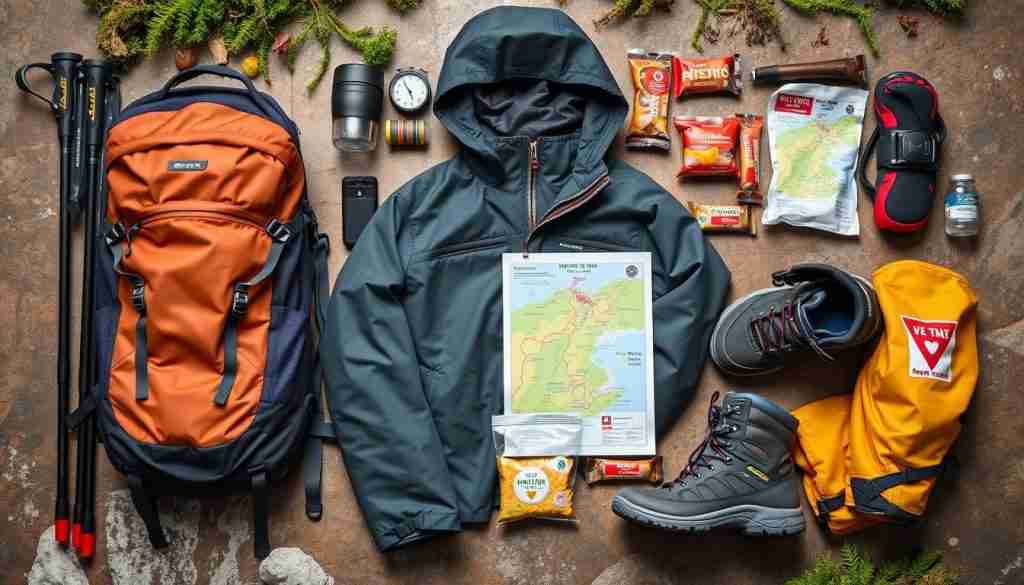
When trekking the Inca Trail, the right gear is key for a comfortable and safe trip. It’s important to pack smart to avoid a heavy backpack. Pack layers for changing weather, sturdy boots, and comfy socks.
The weather on the Inca Trail can change quickly. Bring a waterproof jacket, warm clothes, and a good sleeping bag. Also, remember insect repellent, sunscreen, and a first aid kit for safety.
- Hiking boots
- Waterproof jacket and pants
- Insulating layers (fleece, wool, or synthetic)
- Base layers (moisture-wicking tops and leggings)
- Sleeping bag rated for -10°C (14°F)
- Trekking poles
- Headlamp or flashlight
- First aid kit
- Insect repellent
- Sunscreen and lip balm with SPF
| Item | Recommended Quantity |
|---|---|
| Undergarments | 5-6 |
| Socks | 4-5 pairs |
| T-shirts | 3-4 |
With the right gear and equipment, you’re set for an amazing adventure on the Inca Trail to Machu Picchu.
Route Analysis: Day-by-Day Breakdown
The Inca Trail is a 26 km/16 mile, 4-day trek. It goes through amazing landscapes like cloud forests and ancient sites. Before reaching Machu Picchu, it offers a journey through nature and history. To get ready for your Machu Picchu trekking adventure, we’ve made a detailed itinerary. It shows the highlights, challenges, and attractions of each day.
The Inca Trail route spans four days, each with its own adventure. Starting at 2,800 meters (9,186 feet), it reaches up to 4,215 meters (13,829 feet) on the second day. The day-by-day itinerary includes:
- Day 1: Trek from Km 82 to Wayllabamba, with an altitude gain of 300 meters (984 feet)
- Day 2: Trek from Wayllabamba to Pacaymayo, with an altitude gain of 1,200 meters (3,937 feet)
- Day 3: Trek from Pacaymayo to Phuyupatamarca, with an altitude gain of 300 meters (984 feet)
- Day 4: Trek from Phuyupatamarca to Machu Picchu, with an altitude loss of 600 meters (1,969 feet)
-
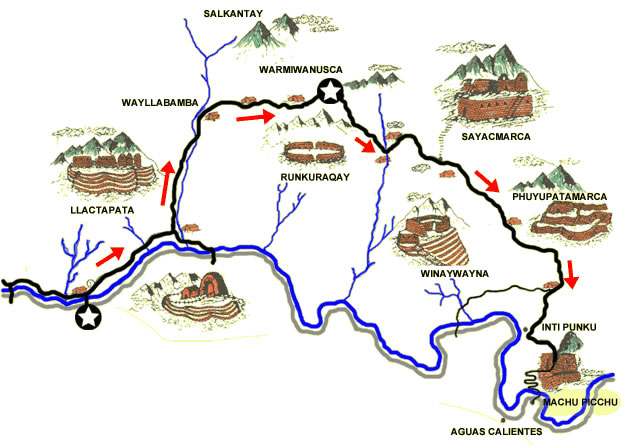
Inca Trail to Machu Picchu Map
By following this day-by-day itinerary, travelers can prepare for the Inca Trail route. They can make the most of their Machu Picchu trekking experience.
Altitude Acclimatization Strategies
Altitude sickness is a big challenge for those on the Inca Trail to Machu Picchu. Altitude acclimatization is crucial for a safe and fun trek. It’s important to plan and prepare well to avoid altitude sickness risks.
To lower the risk of altitude sickness, Machu Picchu acclimatization is key. Spend a few days in Cusco, at 3,400 meters, before the trek. This lets your body get used to the higher altitude.
Medical Recommendations
Doctors say to climb high altitudes slowly, with breaks to adapt. Stay hydrated by drinking lots of water and avoid hard work.
- Avoid alcohol and caffeine to prevent dehydration
- Eat well with fruits, veggies, and whole grains
- Rest a lot and avoid too much activity
Emergency Protocols
Have a plan ready for emergencies. Know the signs of altitude sickness like headaches, nausea, and tiredness. Be ready to act fast and well.
Environmental Impact and Responsible Tourism
Travelers on the Inca Trail must think about their environmental impact. Sustainable tourism is key to keeping the trail beautiful. We focus on Inca Trail conservation and responsible travel. We make sure our tours help the local community and are good for the planet.
Here are some ways to travel responsibly on the Inca Trail:
- Use refillable water bottles and avoid single-use plastics to reduce plastic waste.
- Respect local cultures and traditions.
- Stay on designated trails and don’t litter to minimize ecological impact.
By following these tips, travelers can help protect the Inca Trail. This way, future generations can also enjoy its beauty.
| Initiative | Impact |
|---|---|
| Reducing plastic waste | Conserves natural resources and minimizes pollution |
| Supporting local communities | Contributes to economic growth and cultural preservation |
| Promoting eco-friendly practices | Minimizes ecological footprint and preserves the natural environment |
Conclusion: Preparing for Your 2025 Inca Trail Adventure
As you get ready for your 2025 Inca Trail trip to Machu Picchu, get excited for the adventure ahead. With good Inca Trail preparation, you’re set for an unforgettable Peru adventure. You’ll learn how to deal with the changing permit rules and pack the essentials.
Every step you take in planning will bring you closer to the stunning views and deep culture of the Inca paths.
The Inca Trail is more than a hike; it’s a journey that changes you. It lets you connect with nature, people, and your own explorer spirit. Be open-minded, respect the environment, and eager to learn.
This way, you’ll make memories that will stay with you forever. And you’ll help keep this amazing place preserved for future explorers.
