Estonia UNESCO World Heritage Sites: Complete Guide
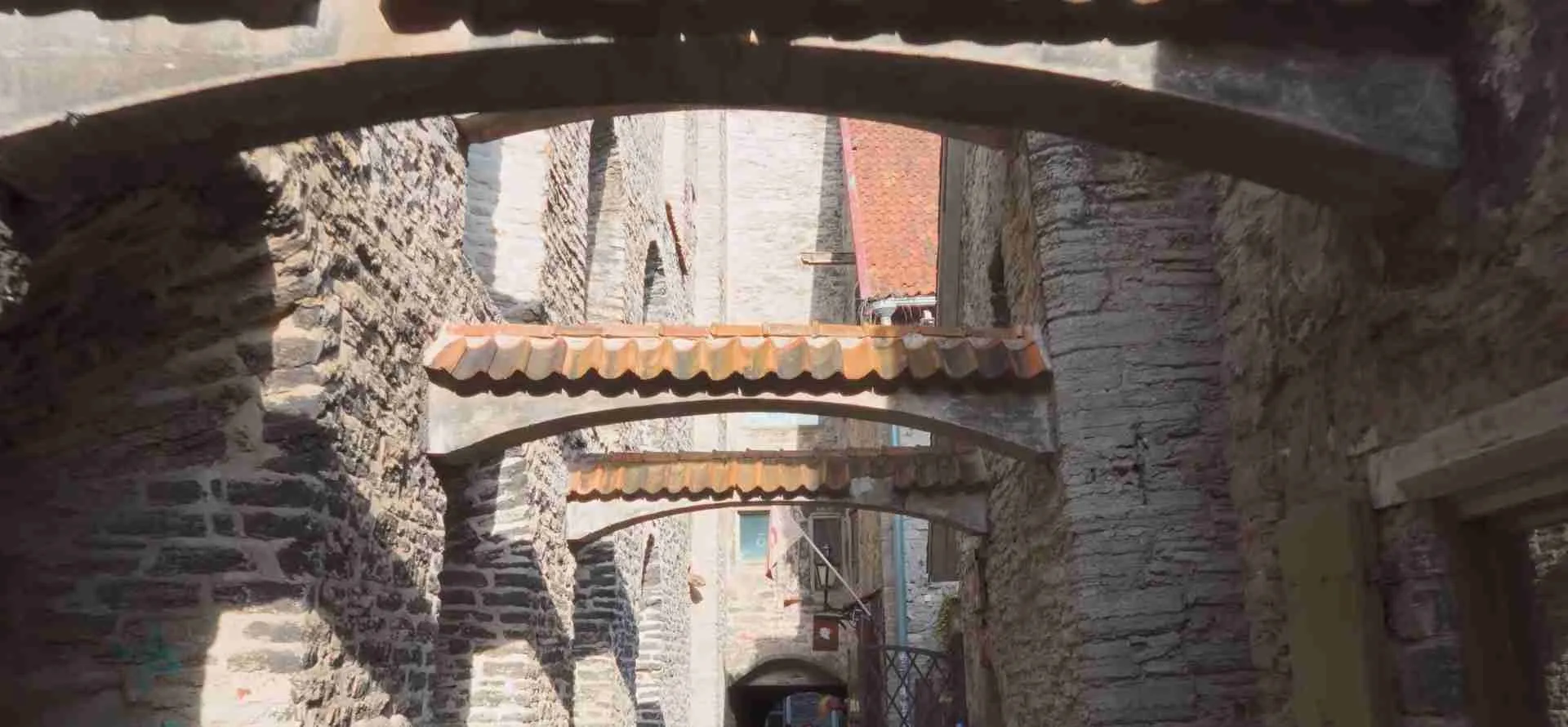
Estonia’s UNESCO World Heritage Sites tell the compelling story of a small Baltic nation whose contributions to European culture and scientific achievement far exceed its size. From the remarkably preserved medieval trading city of Tallinn to the groundbreaking geodetic survey that helped establish the Earth’s precise dimensions, these two inscribed properties showcase Estonia’s unique position at the crossroads of Northern European history, Hanseatic commerce, and scientific innovation spanning eight centuries.
Key Takeaways
- Two UNESCO Sites: Estonia hosts the Historic Centre (Old Town) of Tallinn inscribed in 1997 and forms part of the transnational Struve Geodetic Arc inscribed in 2005, both recognized as Cultural World Heritage properties
- Medieval excellence: Tallinn Old Town represents one of the best-preserved medieval cities in Northern Europe, showcasing intact Gothic, Renaissance, and Baroque architecture from the 13th to 17th centuries when the city flourished as a Hanseatic League trading hub
- Scientific achievement: Three points of the Struve Geodetic Arc in Estonia (Tartu Observatory, Võivere, Simuna) contributed to the 19th century’s most accurate meridian measurement, fundamentally advancing geodesy and our understanding of Earth’s shape
- Visitor accessibility: Both sites welcome visitors year-round, with Tallinn Old Town offering concentrated medieval exploration within a compact 1.3-square-kilometer area, while the Struve Arc points provide specialized interest for science and astronomy enthusiasts
- Additional heritage: Beyond World Heritage designation, Estonia maintains three properties on its tentative list (Wooded Meadows, Baltic Klint, historic fortifications) and contributes to broader European heritage networks including European Heritage Label sites and Council of Europe Cultural Routes
People Also Ask About Estonia UNESCO Sites
How many UNESCO World Heritage Sites does Estonia have?
Estonia has two UNESCO World Heritage Sites, both inscribed under the Cultural category. The Historic Centre (Old Town) of Tallinn was the first Estonian property inscribed in 1997, recognizing its exceptional medieval urban architecture and intact historical layers. The Struve Geodetic Arc followed in 2005 as a transnational site shared across ten countries, with Estonia hosting three of the original 34 survey station points that remain from the 19th-century geodetic survey. Additionally, Estonia maintains three properties on its tentative list awaiting potential future nomination, including traditional wooded meadow landscapes, the Baltic limestone escarpment (Baltic Klint), and historic defense fortifications.
What makes Tallinn Old Town a UNESCO World Heritage Site?
Tallinn Old Town earned UNESCO designation for its exceptional preservation of a Northern European medieval trading city that developed during the Hanseatic League era. The site represents a remarkably complete and authentic example of medieval urban planning, defensive architecture, and merchant culture from the 13th through 17th centuries. Key factors in its inscription include the intact city walls and towers forming one of Europe’s best-preserved medieval fortification systems, the harmonious architectural ensemble combining Gothic churches with Renaissance and Baroque merchant houses, and the tangible evidence of the Hanseatic trade network’s economic and cultural influence across the Baltic region. The Old Town demonstrates outstanding universal value as a testimony to this important period of European commercial and urban development.
Can you visit the Struve Geodetic Arc points in Estonia?
Yes, all three Estonian points of the Struve Geodetic Arc are accessible to visitors, though they offer vastly different experiences. The Tartu Observatory point, located in the historic Toravere Observatory complex 20 kilometers southwest of Tartu, provides the most comprehensive visitor experience with museum exhibits explaining the geodetic survey, original scientific instruments, and guided tours of the 19th-century observatory buildings. The Võivere and Simuna points are marked by commemorative plaques in rural locations, offering modest outdoor monuments rather than visitor centers. These points primarily attract specialized science history enthusiasts, professional geodesists, and completionist World Heritage travelers rather than general tourism audiences, contrasting sharply with the highly accessible Tallinn Old Town which draws millions of annual visitors.
What is Estonia’s tentative UNESCO list?
Estonia’s tentative list contains three properties under consideration for future World Heritage nomination: Traditional Wooded Meadows representing Estonia’s unique semi-natural landscapes created by centuries of specific agricultural practices combining grazing and hay-making; the Baltic Klint, a limestone escarpment extending along Estonia’s northern coast showcasing exceptional geological formations and fossil records; and historic defense fortifications including Swedish-era bastions and Russian-period structures demonstrating military architecture evolution. The tentative list serves as a preliminary step in the UNESCO nomination process, allowing Estonia to develop documentation, conduct conservation assessments, and build stakeholder support before formal applications. Properties can remain on tentative lists for years or decades before advancing to nomination or being withdrawn based on evolving heritage priorities and management capacities.
Extended multi-day tours – 5+ days
Featured Estonia Multi-Day Tour Packages
8 days
8-Day Self-Drive Tour In Estonia
- ✓ Comprehensive Estonia tour
- ✓ Expert local guides included
- ✓ All accommodation arranged
- ✓ Transportation provided

8 days
Estland-Rundreise: Verwunschene Perlen – Geführte Privatreise
- ✓ Comprehensive Estonia tour
- ✓ Expert local guides included
- ✓ All accommodation arranged
- ✓ Transportation provided
7 days
Self-guided supported bike tour in Latvia and Estonia (Riga to Tallinn)
- ✓ Comprehensive Estonia tour
- ✓ Expert local guides included
- ✓ All accommodation arranged
- ✓ Transportation provided
4 days
Christmas Markets in Tallinn – 4 days
- ✓ Comprehensive Estonia tour
- ✓ Expert local guides included
- ✓ All accommodation arranged
- ✓ Transportation provided
Multi-day tour packages powered by TourRadar. Prices and availability subject to change.
Introduction: Estonia’s Cultural Heritage on the World Stage
Estonia’s recognition through UNESCO World Heritage designation reflects a nation that has carefully preserved its cultural and scientific legacy despite centuries of foreign rule, occupation, and dramatic political transformation. The country accepted the UNESCO World Heritage Convention on October 27, 1995—just four years after regaining independence from the Soviet Union—demonstrating immediate commitment to international heritage cooperation and the protection of sites with outstanding universal value.
The two inscribed Estonian properties represent fundamentally different aspects of heritage significance. Tallinn Old Town embodies the tangible urban heritage of medieval commerce, defensive architecture, and cultural exchange that shaped Northern European civilization from the 13th century onward. The Struve Geodetic Arc commemorates the intangible heritage of scientific inquiry, international cooperation, and technological achievement that transcended political boundaries during the 19th century’s great age of empirical discovery.
Together, these sites position Estonia within broader narratives of European development while showcasing the specific Estonian character—the preservation instinct that maintained Tallinn’s medieval core through Soviet occupation, and the scientific tradition embodied by Tartu Observatory that made Estonia a center of astronomical and geodetic research. Understanding these UNESCO sites provides essential context for comprehending Estonia’s cultural identity, its relationship with broader European heritage, and its ongoing role as guardian of properties whose significance extends far beyond national borders.
Historic Centre (Old Town) of Tallinn
UNESCO Inscription and Outstanding Universal Value
The Historic Centre (Old Town) of Tallinn received UNESCO World Heritage designation on December 4, 1997, during the 21st session of the World Heritage Committee in Naples, Italy. The inscription recognized the property under criteria (ii) and (iv) of the World Heritage Convention. Criterion (ii) acknowledges Tallinn Old Town as an exceptional testimony to cultural interchange in Northern Europe during the period of Hanseatic domination, demonstrating the transmission of architectural knowledge and urban planning principles throughout the Baltic region. Criterion (iv) recognizes the ensemble as an outstanding example of a Northern European medieval trading town that has preserved its authentic urban fabric, defensive systems, and architectural heritage to an exceptional degree.
The inscribed property covers approximately 1.3 square kilometers encompassing the medieval walled city divided into two distinct quarters: the Upper Town (Toompea) historically occupied by nobility, clergy, and administrative functions, and the Lower Town dominated by merchant guilds, artisan communities, and commercial activities. The buffer zone extends beyond the historic walls to protect sight lines and the urban context that frames the medieval core.
Historical Development and Hanseatic Significance
Tallinn’s origins trace to a Danish fortification established in 1219, though archaeological evidence suggests settlement dating to the 11th century. The site’s strategic position on the Gulf of Finland trade routes attracted Crusading orders, Scandinavian powers, and German merchant communities. By 1285, Tallinn (then known as Reval) had joined the Hanseatic League, the powerful confederation of trading cities that dominated Baltic and North Sea commerce from the 13th through 17th centuries.
The Hanseatic period brought extraordinary prosperity, funding the construction of monumental churches, guild halls, merchant residences, and defensive fortifications that define Tallinn’s character today. The city served as a crucial link in the trade network connecting Western European markets with Novgorod and the Russian interior, handling timber, furs, wax, grain, and herring that flowed through its warehouses and merchant counting houses.
Swedish rule (1561-1710) added Renaissance and early Baroque architectural layers, followed by Russian imperial administration (1710-1918) that contributed neoclassical public buildings while remarkably preserving the medieval core. The 20th century’s turbulent history—independence (1918-1940), Soviet occupation (1940-1991), and renewed independence—challenged preservation efforts, yet Tallinn emerged from the Soviet period with its medieval fabric largely intact, avoiding the destructive modernization that compromised many European historic cities.
Architectural Highlights and Urban Structure
Tallinn Old Town’s architectural ensemble represents eight centuries of continuous development, creating exceptional layers of Gothic, Renaissance, Baroque, and Neoclassical elements within the medieval urban framework. The defensive walls, towers, and gates form one of Northern Europe’s most complete medieval fortification systems. Of the original system’s approximately 2 kilometers of walls and 46 towers, 1.9 kilometers of walls and 26 towers survive, including iconic structures like Fat Margaret Tower (1518-1529) guarding the sea gate and Kiek in de Kök tower (1475) providing artillery defense.
St. Olaf’s Church, originally constructed in the 13th century and rebuilt following fires in 1219-meter spire allegedly made it the world’s tallest building in the 16th century, serving as a crucial navigation landmark for ships approaching Tallinn’s harbor. The Alexander Nevsky Cathedral (1894-1900), though architecturally Russian Orthodox rather than medieval, contributes to the Old Town’s diverse heritage reflecting Estonia’s complex political history.
The Town Hall Square (Raekoja plats) represents the commercial heart of medieval Tallinn, surrounded by colorful merchant houses with distinctive gabled roofs and the Gothic Town Hall (1402-1404) crowned by the weathervane “Old Thomas” (Vana Toomas), a symbol of the city since 1530. The guild halls—Great Guild Hall (1410) and Brotherhood of the Blackheads House (15th century)—demonstrate the organizational structures that regulated medieval commercial and social life.
Merchant residences showcase the wealth generated through Hanseatic trade. Three Sisters Houses and Three Brothers Houses display the characteristic tall, narrow buildings with stepped gables that maximized limited medieval plot frontages while providing multi-story storage for valuable trade goods. These structures preserve medieval room layouts, ceiling decorations, and in some cases, original lime-wash finishes that have survived six centuries.
Conservation Challenges and Modern Management
Tallinn Old Town faces the complex challenge of functioning simultaneously as a living urban quarter, major tourist destination attracting over 2 million annual visitors, and protected World Heritage site requiring careful conservation. The Tallinn Heritage Board oversees preservation through strict regulations governing renovation, new construction, and commercial activities within the protected zone.
Gentrification pressures and tourism development create ongoing tensions. The conversion of historic merchant houses into hotels, restaurants, and souvenir shops provides economic vitality but risks transforming the Old Town into a museum-like environment losing authentic residential character. Balancing tourist accommodation needs with preservation of historical building fabric requires constant negotiation between property owners, conservation authorities, and heritage advocates.
Climate change presents emerging conservation concerns. Increased precipitation and temperature fluctuations affect medieval buildings constructed with traditional lime mortar and local limestone. The Heritage Board implements specialized conservation programs using traditional materials and techniques, training craftspeople in medieval building methods to ensure authentic repairs that respect original construction systems.
Visitor Experience and Cultural Programming
Tallinn Old Town offers exceptionally accessible World Heritage experiences within a compact, entirely pedestrianized zone. Visitors can traverse the entire medieval city in 30-45 minutes of casual walking, though proper exploration requires 1-2 days to appreciate architectural details, museum collections, and the atmospheric narrow streets that retain medieval character.
Major museums within the Old Town include the Estonian History Museum in the Great Guild Hall, presenting national history through archaeological finds and historical artifacts; the Tallinn City Museum documenting urban development from founding through modern times; and the Museum of Estonian Architecture exploring the country’s building traditions. Church interiors offer additional cultural programming, with St. Nicholas’ Church housing the Niguliste Museum’s collection of medieval ecclesiastical art including the famous “Danse Macabre” fragment by Bernt Notke (1463-1509).
The Old Town hosts numerous cultural events connecting contemporary Estonian culture with historical setting. The Tallinn Old Town Days festival each June celebrates medieval heritage through historical reenactments, traditional crafts demonstrations, and period music performances. Christmas markets transform Town Hall Square into a winter celebration drawing half a million visitors during December, though conservation authorities carefully regulate commercial activities to prevent permanent alterations to historic spaces.
Struve Geodetic Arc
Scientific Context and International Significance
The Struve Geodetic Arc represents one of the most ambitious scientific projects of the 19th century—the first accurate measurement of a long meridian arc enabling precise calculation of the Earth’s size and shape. Led by German-Russian astronomer Friedrich Georg Wilhelm von Struve (1793-1864), the survey stretched 2,820 kilometers from Hammerfest in Northern Norway to the Black Sea near Izmail (then in Bessarabia, now Ukraine), crossing the territories of modern Norway, Sweden, Finland, Russia, Estonia, Latvia, Lithuania, Belarus, Moldova, and Ukraine.
Conducted between 1816 and 1855, the survey established 258 main triangulation points and 60 additional points creating a precise geodetic chain. The measurements contributed fundamentally to understanding Earth as an oblate spheroid (flattened at the poles), determining the precise degree of flattening, and establishing accurate reference systems for mapmaking. The project demonstrated unprecedented international scientific cooperation across political boundaries, with Russian Empire support enabling work spanning territories under different sovereignties and involving geodesists from multiple nations.
UNESCO inscribed the Struve Geodetic Arc as a transnational World Heritage site in 2005, recognizing 34 of the original survey points that survive with sufficient authenticity and integrity across the ten countries. The inscription under criteria (ii), (iv), and (vi) acknowledges the property’s testimony to international scientific collaboration, its representation of a crucial technological achievement, and its direct association with ideas of exceptional universal significance in the development of earth sciences.
Estonian Points: Tartu Observatory, Võivere, and Simuna
Estonia hosts three of the 34 listed Struve Arc points, each offering different aspects of the geodetic survey’s legacy. The Tartu Observatory point holds primary significance both scientifically and as a visitor destination. The observatory, founded in 1802 on Toome Hill in Tartu before relocating to Toravere in 1964, served as Struve’s base of operations and the intellectual center of the entire geodetic project. The original 19th-century observatory complex preserves the meridian room where Struve conducted precise astronomical observations essential for the survey, along with historical scientific instruments and archival materials documenting the measurement campaign.
The Toravere Observatory complex functions today as a working scientific institution while maintaining museum spaces accessible to visitors. The historical instruments collection includes transit telescopes, astronomical clocks, and measuring devices contemporary with Struve’s work, providing tangible connections to 19th-century observational astronomy. The museum interprets not only the geodetic arc but also Estonia’s broader contributions to astronomy, mathematics, and earth sciences during the Russian Imperial period when Tartu University ranked among Europe’s leading scientific institutions.
The Võivere point, located in Lääne-Viru County approximately 120 kilometers east of Tallinn, marks a triangulation station used in the survey’s Estonian section. The site features a commemorative monument installed in 1997 (restored in 2005 following UNESCO inscription) identifying the precise survey location. The rural agricultural landscape surrounding Võivere has changed substantially since the 1820s when Struve’s team conducted measurements, though the essential topographic features—the modest elevation providing sight lines to adjacent survey points—remain recognizable.
The Simuna point, situated in eastern Estonia’s Lääne-Viru County, similarly consists of a marked triangulation station with interpretive signage explaining the Struve Arc’s significance and Estonia’s participation in the multinational survey. Both Võivere and Simuna serve primarily as pilgrimage destinations for science history enthusiasts and dedicated World Heritage travelers seeking to visit all segments of the transnational property rather than typical tourist attractions with developed infrastructure.
Scientific Legacy and Continuing Relevance
The Struve Geodetic Arc’s measurements directly enabled advances in cartography, navigation, and earth sciences that underpinned 19th and early 20th-century technological development. The accurate determination of Earth’s shape supported improved maritime navigation, military mapping, and the development of geodetic reference systems still foundational to modern GPS technology. Struve’s work demonstrated that large-scale international scientific projects could succeed through cooperation across political boundaries, establishing methodological precedents for subsequent multinational research initiatives.
Modern satellite-based geodesy has replaced terrestrial triangulation surveys, yet the Struve Arc retains significance as a historical benchmark. Contemporary geodesists occasionally remeasure the original survey points using GPS technology, comparing results with Struve’s 19th-century findings to demonstrate the remarkable accuracy achieved through laborious ground-based observations. These comparisons highlight both the precision of Struve’s methodology and the exponential improvement in measurement capability provided by space-based systems.
Tartu Observatory continues as an active research institution specializing in astrophysics, space technology, and atmospheric physics, maintaining Estonia’s astronomical tradition initiated during Struve’s directorship. The observatory participates in international research collaborations, operates remote sensing satellites, and contributes to European Space Agency projects, demonstrating the enduring legacy of scientific excellence that made Estonia’s participation in the Struve Arc possible nearly two centuries ago.
Visitor Access and Interpretation
Visiting the Estonian points of the Struve Geodetic Arc requires different approaches depending on interests and accessibility priorities. Tartu Observatory at Toravere offers the most developed visitor experience with guided tours available by advance arrangement, museum exhibits interpreting the geodetic survey and broader astronomical history, and the opportunity to visit a working scientific observatory. The facility is located 20 kilometers southwest of Tartu, accessible by car or taxi (no regular public transport), with tours typically conducted in Estonian, English, or Russian.
The Võivere and Simuna points provide outdoor experiences requiring navigation to rural locations using private transportation. These sites lack visitor centers, interpretation beyond commemorative plaques, or services typical of developed tourist attractions. They appeal primarily to specialized heritage travelers who value the opportunity to stand at the precise locations where 19th-century surveyors conducted observations contributing to fundamental scientific knowledge, understanding that the experience centers on intellectual appreciation rather than spectacular visual impact.
The Estonian Heritage Board and Tartu Observatory collaborate on digital interpretation resources including online exhibitions, virtual tours, and educational materials explaining the Struve Arc’s significance. These resources enable remote engagement for those unable to visit physical sites while providing essential context for understanding why seemingly modest rural monuments warrant World Heritage designation.
Estonia’s Tentative List and Future Heritage Prospects
Traditional Wooded Meadows
Estonia’s nomination of traditional wooded meadows (puisniit in Estonian) to the tentative list recognizes a distinctive semi-natural landscape created by centuries of specific land management practices. These meadows combine scattered trees (typically oak, ash, lime, or birch) with grassland maintained through annual hay harvesting and periodic livestock grazing, creating exceptional biodiversity supporting species adapted to the intermediate conditions between forest and open meadow.
The wooded meadow tradition developed during the medieval and early modern periods when Estonian farmers integrated hay production, livestock husbandry, and forestry within single landscape units. The practice maintained nutrient-poor soils unsuitable for intensive agriculture while producing fodder for winter livestock feeding. The scattered trees provided fruits, nuts, building materials, and firewood while the grassland supported rare plant species including numerous orchids, traditional grasses, and herbs now endangered elsewhere in Europe due to agricultural intensification.
By the late 20th century, wooded meadows had declined drastically from an estimated 65,000 hectares historically to fewer than 1,000 hectares, threatened by agricultural abandonment following Soviet collectivization’s collapse and lack of economic incentives for labor-intensive traditional management. Conservation programs supported by the Estonian Environmental Board and EU agri-environment schemes now protect remaining wooded meadows through subsidies compensating landowners for continuing traditional practices, though significant challenges remain in maintaining sufficient skilled practitioners knowledgeable in historic management techniques.
Baltic Klint
The Baltic Klint (Balti Klint in Estonian) forms a limestone escarpment extending approximately 1,200 kilometers along the southern coast of the Gulf of Finland and the Baltic Sea, passing through northern Estonia, northwestern Russia, and Sweden’s Öland and Gotland islands. The Estonian section spans roughly 300 kilometers from the Pakri peninsula west of Tallinn to the Russian border, with the escarpment reaching maximum heights of 56 meters at Ontika on the Lahemaa coast.
The geological formation dates to approximately 500-400 million years ago during the Ordovician and Silurian periods, when Estonia was covered by warm, shallow seas. The escarpment exposes spectacular sequences of sedimentary rock layers containing exceptionally rich fossil records including trilobites, brachiopods, corals, and early fish species. The Klint’s continuous exposure provides scientists with a stratigraphic reference for understanding Paleozoic marine ecosystems and has contributed significantly to geological knowledge since the 18th century.
Beyond geological significance, the Klint features prominently in Estonian cultural landscapes, mythology, and national identity. Numerous waterfalls cascade over the escarpment including Valaste (Estonia’s highest at 30 meters), creating dramatic coastal scenery and sites of cultural importance in Estonian folklore. The tentative list nomination proposes recognition for both natural values (geological formations, fossil records) and cultural significance (landscape importance, scientific research history), potentially qualifying under both natural and cultural criteria.
Historic Defense Fortifications
Estonia’s tentative list includes proposals for historic fortifications representing multiple periods of military architecture from medieval castles through 20th-century defense installations. The most significant fortification complex is the Narva Bastions system, constructed by Swedish engineers in the 17th century and expanded during Russian Imperial rule, creating one of Northern Europe’s most sophisticated examples of Baroque military architecture adapted to artillery warfare.
Other nominated fortifications include Kuressaare Castle on Saaremaa Island, Estonia’s best-preserved medieval castle dating to the 14th century; the Peter the Great’s Naval Fortress in Tallinn, a massive early 20th-century coastal defense complex; and various Swedish-era bastions integrated into Tallinn’s defensive system. These properties collectively document the evolution of military technology and defensive strategy across six centuries, reflecting Estonia’s geopolitical position as a contested borderland between Germanic, Scandinavian, and Russian spheres of influence.
The tentative list status allows Estonian heritage authorities to develop comprehensive documentation, implement conservation measures, and build stakeholder support for eventual World Heritage nomination. However, the competitive nature of UNESCO inscription—with limited new sites inscribed annually—means tentative list properties may wait years or decades before advancing to nomination, and many never reach inscription despite significant heritage value.
Broader Heritage Context and International Cooperation
European Heritage Networks
Beyond World Heritage designation, Estonia participates in complementary European heritage recognition systems. The European Heritage Label has designated two Estonian sites: the Great Guild in Tallinn, recognizing its role in Hanseatic trade and Baltic cultural exchange, and the Tartu University Main Building, acknowledging the university’s contributions to European intellectual life and scientific development. These designations emphasize sites’ contributions to European integration and shared values rather than outstanding universal value criteria used for World Heritage.
Estonia belongs to the Council of Europe’s European Cultural Routes program, with the Via Hanseatica route connecting Hanseatic cities from Tallinn through the Baltic region to Northern Germany and the Netherlands. This thematic network interprets shared Hanseatic heritage while promoting sustainable cultural tourism and contemporary cooperation among historically connected cities. The route positions Tallinn within broader narratives of medieval European trade, demonstrating how individual World Heritage sites connect to transnational historical networks.
UNESCO Memory of the World and Intangible Heritage
Estonia contributes to the UNESCO Memory of the World register through participation in the joint nomination “Archives of Hanseatic cities,” submitted collaboratively with Germany, Belgium, Denmark, Poland, and Latvia. This documentary heritage collection preserves records of the Hanseatic League from the 13th through 17th centuries, providing crucial evidence of the trade network’s organization, legal systems, and cultural influence throughout Northern Europe. The archives complement Tallinn’s World Heritage inscription by documenting the historical processes that created the physical urban fabric.
The UNESCO Intangible Cultural Heritage Lists include Estonia’s most recent addition: Mulgi puder, a traditional potato-barley mash from southern Estonia’s Mulgimaa region. Inscribed in late 2024, this dish demonstrates Estonian culinary heritage and agricultural traditions connecting food culture with landscape management and community identity. Additional Estonian intangible heritage under consideration includes traditional singing practices, seasonal festivals, and craft techniques representing living cultural traditions distinct from the tangible heritage recognized through World Heritage Sites.
Biosphere Reserves and Natural Heritage
The West Estonian Archipelago Biosphere Reserve, recognized under UNESCO’s Man and the Biosphere (MAB) program, complements Estonia’s World Heritage properties by protecting exceptional natural and cultural landscapes across the western islands. The reserve encompasses diverse ecosystems including coastal meadows, juniper forests, and marine areas while supporting traditional agricultural practices and sustainable community livelihoods. Though not a World Heritage Site, the biosphere reserve demonstrates UNESCO’s broader heritage protection framework extending beyond the flagship World Heritage designation.
Creative Cities and Cultural Recognition
Tartu’s designation as a UNESCO City of Literature in 2015 recognizes Estonia’s literary heritage and the city’s continuing role in publishing, education, and cultural production. The Creative Cities Network designation acknowledges cities demonstrating commitment to cultural creativity as a driver of sustainable development, with Tartu leveraging its university tradition, publishing industry, and vibrant contemporary cultural scene. The designation complements the Struve Geodetic Arc’s recognition of Tartu’s scientific heritage, presenting the city as a multifaceted cultural center combining historical scientific achievement with contemporary creative excellence.
Tartu implements various Creative City initiatives including bus poetry projects bringing contemporary Estonian verse to public transportation, translation cooperation programs introducing neighboring countries’ literature to Estonian readers, and literary tourism routes connecting sites associated with important Estonian writers. These programs demonstrate how UNESCO cultural designations can catalyze contemporary creativity while honoring historical legacies, creating living cultural ecosystems rather than static heritage preservation.
Conservation Philosophy and National Heritage Strategy
Legal Framework and Protection Systems
Estonia’s heritage protection operates through the Heritage Conservation Act, establishing comprehensive frameworks for identifying, protecting, and managing cultural monuments and heritage protection areas. The National Heritage Board (Muinsuskaitseamet) implements heritage legislation, maintains the Register of Cultural Monuments documenting over 25,000 protected properties, and coordinates with local governments and property owners to balance preservation requirements with contemporary development needs.
World Heritage Sites receive the highest protection level under Estonian law, with the Heritage Conservation Act specifically addressing UNESCO properties’ management through enhanced regulatory oversight, mandatory heritage impact assessments for any proposed changes within protected zones or buffer areas, and coordination with UNESCO World Heritage Centre to ensure compliance with international standards. Tallinn’s Heritage Department operates as a specialized unit within the National Heritage Board, dedicated exclusively to Old Town conservation and management.
International Conventions and Commitments
Estonia’s heritage protection framework integrates multiple international conventions ratified since regaining independence. The Hague Convention for the Protection of Cultural Property in Armed Conflict (ratified 1995) commits Estonia to safeguarding heritage during military conflicts. The UNESCO Convention on Illicit Import, Export, and Transfer of Cultural Property (ratified 1995) protects against cultural property trafficking. The Valletta Convention on Archaeological Heritage (ratified 1996) establishes standards for archaeological site protection and investigation.
These international commitments reflect Estonia’s post-independence strategy of integrating into European and global heritage protection networks, positioning the country as a responsible heritage steward despite relatively recent independence. The rapid adoption of international heritage standards demonstrated Estonia’s commitment to European values and contributed to successful EU accession in 2004.
Public Engagement and Heritage Education
Estonian heritage authorities prioritize public engagement and education as essential components of effective conservation. School curricula include mandatory heritage education modules introducing students to UNESCO principles, local cultural monuments, and the connections between historical heritage and contemporary identity. The National Heritage Board organizes annual Heritage Culture Days each May, opening normally restricted historic sites to public visits, offering specialized tours, and staging cultural programs highlighting heritage significance.
Digital initiatives expand heritage access beyond physical site visits. The National Heritage Board maintains comprehensive online databases of cultural monuments with photographs, historical documentation, and conservation status information. Virtual tours of Tallinn Old Town and digital exhibitions interpreting the Struve Geodetic Arc enable remote heritage engagement for international audiences, school groups, and mobility-restricted individuals unable to visit sites in person.
Tourism Development and Economic Impact
Visitor Statistics and Economic Contribution
Tallinn Old Town ranks among Estonia’s top tourist destinations, attracting approximately 2.3 million visitors annually and generating substantial economic impact through accommodation, dining, retail, and cultural services. UNESCO World Heritage designation contributes significantly to Tallinn’s international tourism appeal, with heritage status featuring prominently in destination marketing and recognized globally as an indicator of exceptional cultural value.
Tourism provides vital economic support for Old Town conservation, generating tax revenues funding restoration projects while creating employment for craftspeople specializing in traditional building techniques, conservation architects, and heritage interpretation professionals. Hotels, restaurants, and shops operating in restored medieval buildings contribute rent revenues enabling property owners to maintain expensive historic structures that might otherwise deteriorate without income-generating uses.
However, tourism growth presents ongoing challenges. Over-tourism during peak summer months (June-August) and cruise ship arrivals creates crowding that diminishes visitor experience and places stress on historic streets and buildings. The Tallinn City Government implements sustainable tourism strategies including visitor dispersal programs encouraging exploration of areas beyond the main Town Hall Square concentration, off-season promotional campaigns, and cruise ship arrival management coordinating schedules to prevent excessive daily visitor peaks.
Struve Arc Tourism Potential
The Struve Geodetic Arc represents a fundamentally different tourism proposition than Tallinn Old Town. The transnational property attracts relatively few visitors—perhaps 5,000-10,000 annually to Estonia’s three points—comprising primarily specialized science history enthusiasts, dedicated World Heritage travelers seeking to visit all segments of the 34-point property, and school groups studying geodesy or astronomy. The sites lack visual spectacle or developed tourist infrastructure, with heritage value residing in intellectual appreciation of scientific achievement rather than architectural grandeur or landscape beauty.
Recent initiatives attempt to enhance Struve Arc tourism appeal through improved interpretation, digital resources, and integration into broader educational tourism programs. Tartu Observatory developed enhanced exhibits explaining the geodetic survey’s methodology and significance, while regional tourism authorities promote the arc points as components of “science heritage routes” combining observatory visits with Tartu University historical sites and science museums. These efforts recognize that Struve Arc tourism will never achieve mass-market appeal but can contribute to niche educational tourism and scientific heritage appreciation.
Future Challenges and Opportunities
Climate Change Adaptation
Climate change presents significant long-term challenges for Estonia’s UNESCO sites, particularly Tallinn Old Town’s medieval buildings constructed with traditional materials vulnerable to changing precipitation patterns, temperature fluctuations, and extreme weather events. Increased winter rainfall saturates historic limestone and brick walls, while freeze-thaw cycles damage traditional lime mortar. Summer heat waves stress historic wooden roof structures and create thermal expansion issues in masonry.
The National Heritage Board implements climate adaptation strategies including specialized monitoring of weather impacts on historic buildings, research into traditional building materials’ climate resilience, and development of conservation treatments compatible with historic fabric while enhancing weather resistance. These efforts require balancing preservation authenticity with practical climate adaptation—a challenge facing heritage sites globally as environmental conditions diverge increasingly from those existing when historic structures were constructed.
Digital Heritage and Virtual Access
Digital technology offers opportunities for expanded heritage engagement, documentation, and conservation. High-resolution 3D scanning of Tallinn Old Town creates detailed digital records supporting restoration planning, damage assessment following incidents, and virtual tourism experiences. Digital archives of the Struve Geodetic Arc’s historical documents enable researchers worldwide to access primary sources without risking damage to fragile 19th-century materials.
Virtual and augmented reality applications under development at Tallinn Old Town allow visitors to experience historical reconstructions overlaying contemporary streetscapes, visualizing medieval commerce, defensive sieges, and architectural evolution through immersive digital experiences. These technologies particularly benefit educational programs, enabling students to engage with heritage through interactive media complementing traditional site visits.
Balancing Conservation and Development
Estonia’s heritage sites exist within dynamic contemporary contexts requiring continuous negotiation between preservation priorities and modern functional needs. Tallinn Old Town must accommodate 21st-century urban services—telecommunications infrastructure, accessibility for disabled visitors, fire safety systems, modern building codes for hotels and restaurants—within medieval buildings never designed for such requirements. Implementing these necessities while respecting heritage authenticity demands creative technical solutions and sometimes uncomfortable compromises.
The ongoing challenge involves maintaining Old Town as a living, functional urban quarter rather than an open-air museum. This requires supporting residential communities, enabling sustainable commercial activities, and providing contemporary services while preventing inappropriate development that would compromise heritage values. Success demands ongoing collaboration among heritage authorities, property owners, businesses, residents, and tourism stakeholders—a complex management task that will continue challenging Tallinn’s heritage custodians for decades to come.
Frequently Asked Questions
What is the best time to visit Tallinn Old Town?
Tallinn Old Town welcomes visitors year-round, with each season offering distinct experiences. Summer (June-August) provides the warmest weather, longest daylight hours, and most vibrant atmosphere with outdoor cafés and street performers, though this peak season also brings maximum crowds and highest accommodation prices. Spring (April-May) and early autumn (September-October) offer pleasant weather with fewer tourists, making them ideal for photography and leisurely exploration of narrow streets and hidden courtyards. Winter (December-February) transforms the Old Town into a magical setting with Christmas markets, snow-covered medieval roofs, and atmospheric foggy evenings, though cold temperatures (-5°C to 0°C) require warm clothing and some attractions reduce hours or close seasonally.
How long should I spend visiting Tallinn Old Town?
A basic walking tour covering major landmarks takes 2-3 hours, allowing time to photograph the Town Hall, walk along sections of the medieval walls, and visit one or two churches. A more thorough exploration including museum visits, time to appreciate architectural details, and meals at traditional restaurants requires 1-2 full days. Serious heritage enthusiasts interested in understanding the site’s layers of historical development might allocate 3 days combining major attractions with specialized museums, attending cultural events, and exploring lesser-known corners of the medieval city. The compact size of the Old Town (entirely walkable in 30-45 minutes from end to end) concentrates significant heritage within a small area, allowing efficient use of limited time while offering depth for extended visits.
Is Tallinn Old Town accessible for visitors with mobility limitations?
Tallinn Old Town presents significant accessibility challenges due to its medieval origin. Cobblestone streets create uneven surfaces difficult for wheelchairs and challenging for visitors with walking difficulties. Many historic buildings lack elevators, with steep staircases accessing upper floors and tower viewpoints. The topography between Upper Town (Toompea) and Lower Town involves substantial elevation changes typically navigated via steep streets or stairs, though Patkuli and Kohtuotsa viewing platforms offer accessible Upper Town views via alternative routes.
Despite these inherent limitations, Estonian authorities have implemented accessibility improvements including designated accessible routes through the Old Town using streets with the smoothest cobblestones, wheelchair-accessible entrances to major attractions like the Town Hall and several museums, and tactile paving and audible signals at key intersections. The Tallinn Tourism Office provides detailed accessibility information and can arrange specialized tours accommodating specific mobility needs. Visitors should recognize that experiencing Tallinn Old Town with mobility limitations requires careful planning and acceptance that some areas and attractions will remain inaccessible despite best efforts at accommodation.
Are there entrance fees to visit Tallinn Old Town?
No entrance fee applies to Tallinn Old Town itself—the streets, squares, and exterior views of buildings are freely accessible to all visitors. Individual attractions within the Old Town charge separate admission fees: churches typically cost €3-5 for adults, museums range €5-12 depending on the institution, and climbing towers like St. Olaf’s Church or Town Hall tower costs €3-5. Many churches offer free entry outside service times for quiet contemplation, though donations are appreciated. Some attractions provide combined tickets offering slight discounts for visiting multiple sites. The Tallinn Card tourist pass (available for 24, 48, or 72 hours) includes free admission to most museums and public transport, potentially offering savings for visitors planning extensive museum visits during short stays.
Can I visit the Struve Geodetic Arc points on my own or do I need a tour?
The Estonian points of the Struve Geodetic Arc can be visited independently without organized tours, though arrangements differ by location. Tartu Observatory at Toravere welcomes individual visitors but requires advance booking for guided tours (typically conducted in Estonian, English, or Russian depending on availability). Contact the observatory directly or through Tartu tourism information to arrange visits. The Võivere and Simuna points are outdoor monuments accessible without appointment—simply locate them using GPS coordinates and visit during daylight hours. These rural points lack facilities, interpretation beyond commemorative plaques, or staff presence, making them straightforward but unremarkable visits appealing primarily to heritage completists. Self-drive remains the practical approach as no public transport serves Võivere or Simuna directly, though combination taxi/tour arrangements can be organized through Tartu-based tour operators for visitors without cars.
What languages are spoken in Estonia’s UNESCO sites?
Estonian is the official language, though English is widely spoken in tourist areas including Tallinn Old Town where virtually all tourism-related businesses (hotels, restaurants, museums, shops) employ English-speaking staff. Major museums provide exhibits and interpretive materials in Estonian, English, and often Russian. Audio guides at churches and museums typically offer Estonian, English, Russian, German, and Finnish options. Outside heavily touristed areas—particularly at the Struve Arc points in rural locations—English proficiency decreases substantially, making some familiarity with Estonian or Russian helpful though not essential. Tallinn Tourism Information Centers employ multilingual staff assisting in numerous European languages, and translation apps prove useful for reading restaurant menus or signage in less tourist-oriented establishments.
How does Estonia protect its UNESCO World Heritage Sites?
Estonia protects its UNESCO sites through comprehensive legal frameworks established in the Heritage Conservation Act and implemented by the National Heritage Board. Tallinn Old Town benefits from the highest protection level under Estonian law, with the Tallinn Heritage Department enforcing strict regulations on renovations, new construction, and commercial activities within the protected zone. Any changes to building exteriors, even minor alterations like window replacements or paint colors, require Heritage Department approval ensuring compatibility with historical character. Buffer zones surrounding the Old Town protect sight lines and urban context from inappropriate modern development that might compromise the setting.
The Struve Geodetic Arc points receive protection through heritage monument designation, with the specific triangulation station locations protected from development or disturbance. Tartu Observatory operates under dual protection as both a working scientific institution and protected historical complex, with conservation requirements integrated into facility management. Regular monitoring by the National Heritage Board ensures compliance with UNESCO standards, and any threats to the sites’ outstanding universal value must be reported to the UNESCO World Heritage Committee. Financial support for conservation comes from state budgets, EU structural funds, and in Tallinn’s case, tourism-generated revenues that create economic incentives for maintaining the Old Town’s exceptional heritage values.
What makes the Struve Geodetic Arc important enough for UNESCO recognition?
The Struve Geodetic Arc merits UNESCO recognition for several interconnected reasons. It represents the first accurate measurement of a long meridian segment, fundamentally advancing understanding of Earth’s size and shape—a crucial scientific achievement supporting navigation, cartography, and theoretical geodesy. The project demonstrated unprecedented international scientific cooperation across political boundaries, with Russian Imperial support enabling work spanning territories under different sovereignties and involving geodesists from multiple nations during an era when such collaboration was exceptional. Technologically, the survey showcased the highest achievements of pre-electronic precision measurement, using carefully crafted instruments and rigorous observational protocols to achieve accuracy remarkable even by modern standards.
The transnational inscription—covering 34 points across ten countries—reflects the property’s inherently international character, demonstrating how scientific achievement transcends national heritage narratives to represent shared human accomplishment. The arc tangibly embodies the Enlightenment and 19th-century positivist values emphasizing empirical observation, mathematical precision, and accumulation of objective knowledge about the natural world. This combination of scientific significance, technological achievement, international cooperation, and association with fundamental ideas about humanity’s relationship with Earth justifies UNESCO recognition despite the modest physical remains at many survey points.
Are photography and filming allowed at Estonia’s UNESCO sites?
General photography for personal use is allowed freely throughout Tallinn Old Town’s public spaces, with no permits or fees required for casual tourist photography. Some churches request modest donations for photography permissions, and a few museums prohibit flash photography to protect light-sensitive artifacts. Commercial photography, professional filming with tripods and lighting equipment, or drone operations require permits from the Tallinn Heritage Department and potentially additional permissions from property owners. The narrow medieval streets and photogenic architecture make Tallinn extremely popular with photographers, who should remain mindful of other visitors when setting up equipment in crowded areas.
At Struve Geodetic Arc points, photography is unrestricted as the monuments are outdoor installations in public or semi-public locations. Tartu Observatory allows photography in museum spaces and exterior areas, with some restrictions in active research areas for security and privacy reasons. Wedding photography and fashion shoots using Old Town or heritage sites as backdrops require commercial filming permits even if the final use is personal, as the professional production process impacts public space use and site management.
Can I stay overnight in Tallinn Old Town?
Yes, Tallinn Old Town offers numerous accommodation options ranging from budget hostels to luxury boutique hotels housed in restored medieval merchant houses. Staying within the Old Town provides unmatched atmospheric evening and early morning experiences when day-trippers have departed, allowing peaceful appreciation of the medieval setting without crowds. Many hotels occupy historic buildings providing unique heritage lodging experiences, though these properties sometimes compromise modern amenities (elevator access, large bathrooms, soundproofing) due to historic building constraints.
Accommodation prices within the Old Town typically exceed options in nearby neighborhoods, reflecting both the premium location and the costs of maintaining historic properties to conservation standards. Summer peak season (June-August) and major events (Christmas markets, medieval festivals) require advance booking as the limited number of Old Town rooms fills quickly. Off-season (November-March excluding holidays) offers excellent value with substantially reduced rates while maintaining the atmospheric experience that makes Old Town lodging appealing. Visitors should consider whether premium costs justify location convenience versus staying in modern hotels just outside the Old Town walls at lower rates with short walks to medieval attractions.