
England’s UNESCO Lake District: The Ultimate 2026 Guide to Visiting from Manchester
Manchester travelers are perfectly positioned to explore England’s largest UNESCO World Heritage Site, with direct trains reaching the Lake District in just over an hour. This dramatic cultural landscape of mountain peaks, glacial valleys, and 16 major lakes inspired Wordsworth, Potter, and the conservation movement itself when it received UNESCO inscription in 2017. The journey from Manchester offers access to spectacular hiking trails, literary heritage sites, traditional agro-pastoral farming landscapes, and Victorian lake steamers across scenery that shaped Romantic poetry and continues to draw millions of visitors annually.
Key Takeaways for Manchester Visitors 2026
- Direct Rail Access: TransPennine Express and Northern services connect Manchester Piccadilly to Oxenholme Lake District in 1 hour 3 minutes to 1 hour 21 minutes, with advance tickets from £5 ($6) and 61 daily departures providing exceptional access to England’s premier UNESCO natural landscape.
- UNESCO Cultural Landscape Status: The English Lake District received UNESCO World Heritage inscription on July 9, 2017, recognized as a cultural landscape shaped by 1,000 years of agro-pastoral farming traditions, joining only 31 UK sites including Stonehenge and Hadrian’s Wall with this international designation.
- Free Park Access with Paid Attractions: The Lake District National Park charges no entrance fee, allowing unlimited exploration of mountains, lakes, and valleys, while individual attractions including Hill Top (Beatrix Potter’s house at £17 per adult), National Trust properties, and lake cruises require separate admission.
- Transportation Hub Strategy: Base operations from Windermere or Keswick for optimal public transport connections via the extensive seasonal bus network serving all major valleys, lakes, and villages throughout the 2,362-square-kilometer World Heritage Site during April through October 2026.
- Weather Preparation Essential: The Lake District receives among England’s highest rainfall totals with rapidly changing mountain weather requiring waterproof clothing, layered gear, and flexible planning even during summer months when conditions can shift from sunshine to rain within hours.
- Advance Booking Critical: Popular attractions including Hill Top farmhouse, lake cruises, and guided tours reach capacity during peak season requiring online reservation days or weeks ahead, particularly for weekend visits during school holidays throughout 2026.
People Also Ask About Lake District from Manchester 2026
How long does it take to get from Manchester to the Lake District in 2026?
Direct trains from Manchester Piccadilly to Oxenholme Lake District take 1 hour 3 minutes on the fastest services and 1 hour 21 minutes on average, with approximately 61 trains running daily. The journey covers 61 miles through Lancashire countryside with no changes required. National Express coaches from Manchester to Windermere take 2 hours 55 minutes on the fastest service, offering a budget alternative with two daily departures. Driving from Manchester to Windermere covers 82 miles in approximately 1 hour 28 minutes via the M6 motorway to Junction 36, though parking capacity at popular Lake District destinations remains limited during peak periods.
Is the Lake District suitable for a day trip from Manchester in 2026?
The Lake District works exceptionally well for Manchester day trips given the rapid rail access and compact geography around central areas. A typical day trip itinerary allows 6 to 8 hours in the Lake District after accounting for transport time, sufficient for exploring Windermere town, taking a lake cruise, visiting one major attraction such as Hill Top or Wray Castle, and walking a moderate trail. The earliest trains from Manchester depart around 4:54 AM with last returns around 20:25, providing 14-hour windows for extended exploration. Multi-day visits allow deeper access to remote valleys including Wasdale, Buttermere, and Eskdale that require longer journeys from transport hubs.
What are the must-see UNESCO heritage sites in the Lake District in 2026?
The entire Lake District National Park boundary constitutes the UNESCO World Heritage property, meaning the designation applies to the integrated cultural landscape rather than individual monuments. Essential heritage experiences include the traditional stone-walled agro-pastoral farming system visible throughout fell valleys, historic fell farms maintaining Herdwick sheep flocks for over 1,000 years, designed Picturesque landscapes including Wray Castle grounds and Brantwood estate, and conservation landmarks including National Trust properties purchased by Beatrix Potter to protect the landscape. The 5,000-year-old Castlerigg Stone Circle near Keswick predates the UNESCO period but demonstrates the area’s enduring human significance against mountain backdrops.
How much does a Lake District day trip from Manchester cost in 2026?
Manchester day-trippers visiting the Lake District need £45-75 ($55-95) per person for a moderate experience combining transport, attractions, and meals. Advance train tickets from Manchester Piccadilly to Oxenholme Lake District start from £5 ($6) one-way with return fares from £10-25 ($13-32), while coach tickets range from £13 ($16) one-way. Hill Top entrance costs £17 ($21) for adults, lake cruises cost £12-20 ($15-25) depending on route, and pub meals run £12-18 ($15-22) for lunch. Budget travelers using advance rail tickets, packed lunches, and free hiking trails can complete the day trip for £30-45 ($37-55) per person, while those adding guided tours or multiple paid attractions invest £80-120 ($100-150) daily.
Extended multi-day tours – 5+ days
Featured Manchester Multi-Day Tour Packages
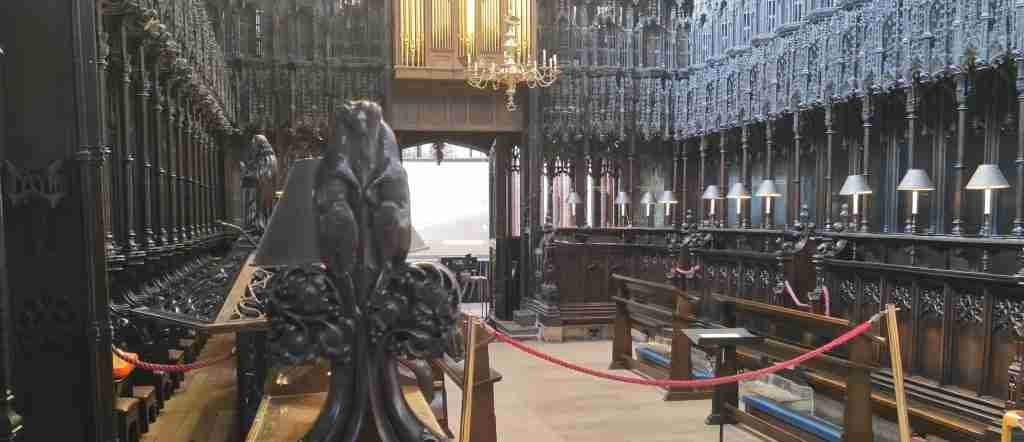
3 days
Manchester 3-Day Discovery Tour
- ✓ Comprehensive Manchester experience
- ✓ Expert local guides included
- ✓ All accommodation included
- ✓ Transportation provided
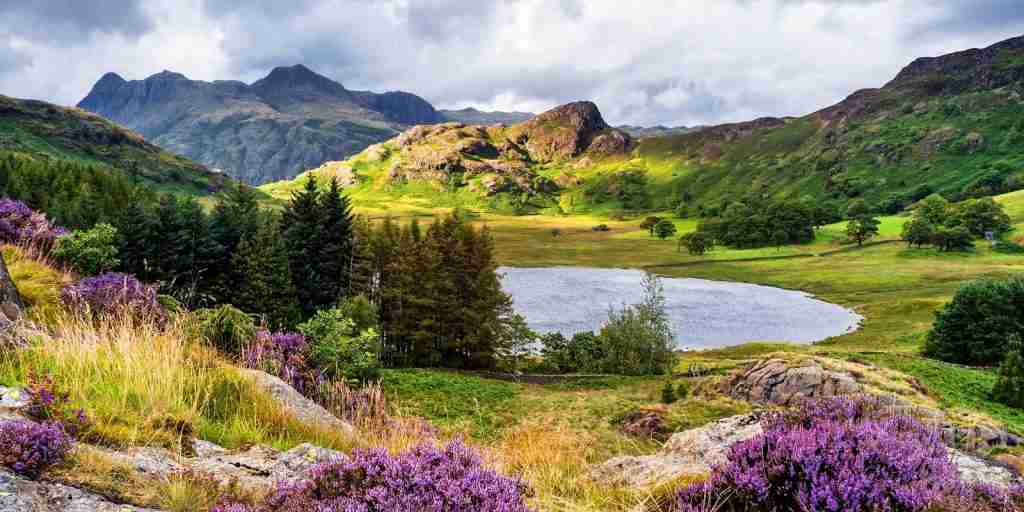
5 days
Manchester 5-Day Highlights Experience
- ✓ Comprehensive Manchester experience
- ✓ Expert local guides included
- ✓ All accommodation included
- ✓ Transportation provided
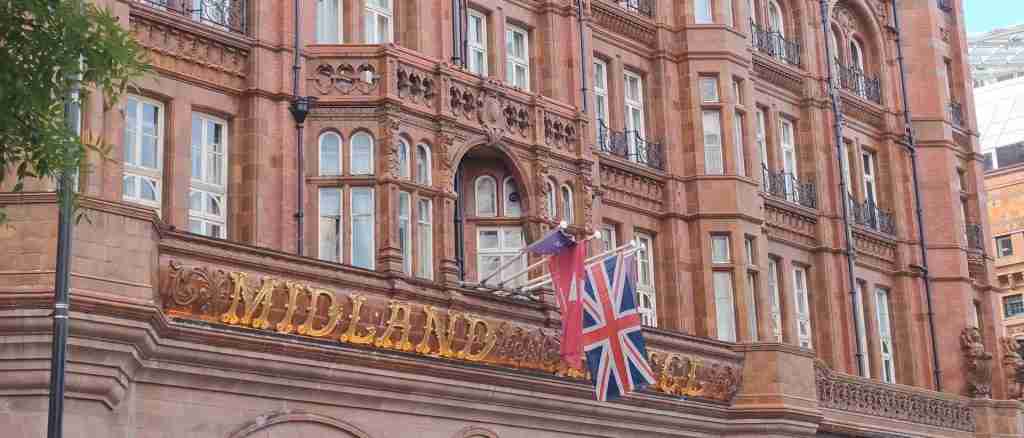
7 days
Manchester 7-Day Cultural Journey
- ✓ Comprehensive Manchester experience
- ✓ Expert local guides included
- ✓ All accommodation included
- ✓ Transportation provided
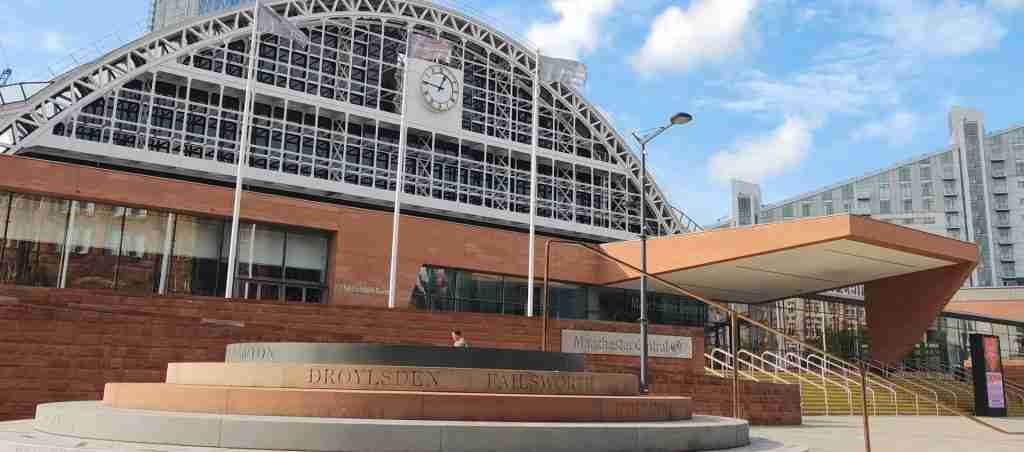
10 days
Manchester 10-Day Complete Adventure
- ✓ Comprehensive Manchester experience
- ✓ Expert local guides included
- ✓ All accommodation included
- ✓ Transportation provided
Multi-day tour packages powered by TourRadar. Prices and availability subject to change.
Introduction: Discovering England’s Largest World Heritage Site from Manchester
Manchester’s position just 60 miles southeast of the Lake District creates one of England’s most rewarding urban-to-wilderness connections, with hourly trains delivering city dwellers into UNESCO-protected mountain and lake scenery within 70 minutes. The English Lake District became England’s 31st UNESCO World Heritage Site in 2017, and is the only UK National Park that is entirely designated as a World Heritage Site, recognizing a cultural landscape shaped by continuous human interaction with dramatic geology over millennia. The 2,362-square-kilometer property encompasses all 13 major valleys radiating from central mountain massifs, 16 significant lakes including England’s largest (Windermere) and deepest (Wastwater), and 214 peaks rising above 600 meters including Scafell Pike at 978 meters, England’s highest summit.
The UNESCO inscription recognizes the Lake District under Criterion V as an outstanding example of northern European upland agro-pastoral systems based on rearing cattle and native Herdwick sheep, adapted over 1,000 years to the spectacular mountain environment. The traditional landscape of stone-walled fields, whitewashed farmhouses, and fell grazing continues today despite economic pressures, maintained by farming families whose operations preserve the harmonious beauty that inspired 18th and 19th-century conservation movements. From the late 18th century, designed landscapes including grand houses, gardens, and parks were purposely created to enhance the landscape’s beauty, while the region’s celebration through Picturesque and Romantic art movements created early awareness of landscape preservation importance that influenced global conservation philosophy.
Manchester serves as the ideal gateway for exploring this World Heritage landscape throughout 2026, with excellent rail infrastructure, organized day tour options, and proximity allowing everything from focused single-day excursions to extended multi-day explorations. The journey itself provides dramatic scenery transitions from urban Manchester through Lancashire farmland to the distinctive Lake District fells, with the West Coast Main Line offering glimpses of Morecambe Bay before reaching the southern Lake District gateways at Oxenholme and Windermere. Direct connections from Manchester Airport also serve international travelers seeking Lake District access without London transfers.
The 2026 visiting season presents optimal conditions for Manchester travelers planning Lake District excursions, with comprehensive seasonal bus networks operating April through October, enhanced lake steamer schedules during summer months, and improved trail infrastructure following National Park Authority investments. The 2026 season features revised bus routes including enhanced services around Ullswater’s northern end via holiday parks and attractions such as Lowther Castle and Aira Force, expanding public transport reach into previously vehicle-dependent areas. Weather patterns favor May through September for reliable conditions, though the Lake District’s reputation for rain requires preparation during any season.
Understanding the UNESCO designation enriches Lake District visits beyond scenic appreciation, revealing how traditional farming, literary inspiration, and conservation ethics interweave across the cultural landscape. Manchester day-trippers can meaningfully engage with World Heritage themes through visiting working fell farms demonstrating agro-pastoral traditions, exploring designed landscapes at properties including Wray Castle and Brantwood that augmented natural beauty, and walking valleys where Wordsworth, Coleridge, and Ruskin developed Romantic philosophy that shaped modern environmentalism. The landscape’s Outstanding Universal Value derives not from pristine wilderness but from the harmonious interaction between human activity and natural environment sustained across generations.
Understanding Lake District UNESCO World Heritage Status
The Lake District received UNESCO World Heritage Site status on July 9, 2017, joining locations including the Taj Mahal, Machu Picchu, and the Grand Canyon as internationally recognized sites of Outstanding Universal Value. The inscription followed a comprehensive bid process led by 25 organizations comprising the Lake District National Park Partnership, including the National Park Authority, National Trust, United Utilities, Forestry Commission, and local councils working collaboratively to demonstrate the landscape’s global cultural significance. The UNESCO World Heritage Convention defines Outstanding Universal Value as cultural or natural significance so exceptional that it transcends national boundaries and holds common importance for present and future generations of all humanity.
The Lake District inscription differs fundamentally from many UNESCO sites by recognizing a living, working cultural landscape rather than preserved monuments or archaeological remains. The submission fell under the cultural landscape category defined as areas illustrative of human society evolution over time under physical constraints and opportunities presented by natural environment and successive social, economic, and cultural forces. This category acknowledges landscapes where human activity over centuries has created distinctive character through land use patterns, settlement forms, and designed interventions that work harmoniously with underlying topography and ecology.
Three interconnected themes underpin the Lake District’s World Heritage recognition, each demonstrable across the 2,362-square-kilometer property. The Identity theme encompasses the distinctive agro-pastoral farming system based on Herdwick sheep breeding that created the landscape’s characteristic pattern of stone-walled intake fields on valley floors, open fell grazing on mountainsides, and scattered farmsteads connected by ancient packhorse routes. This farming system persists today with approximately 300 active farms maintaining traditional practices, though facing economic pressures from reduced agricultural subsidies and competition from imported meat. The visual harmony between farm buildings constructed from local slate and granite, field boundaries following natural contours, and woodland patches preserved for shelter demonstrates landscape identity shaped by practical land management adapted to mountainous terrain over 1,000 years.
The Inspiration theme recognizes the Lake District’s profound influence on artistic and literary movements beginning in the 18th century, when Picturesque aesthetics elevated natural landscapes to subjects worthy of artistic celebration. William Wordsworth’s poetry including “I Wandered Lonely as a Cloud” and his 1810 “Guide to the Lakes” established the region as Britain’s premier Romantic destination, attracting visitors seeking sublime mountain experiences and emotional connection with wild nature. Beatrix Potter’s children’s books illustrated with Lake District settings brought global recognition to specific locations including Hill Top farmhouse, Derwentwater, and Hawkshead, while John Ruskin’s residence at Brantwood on Coniston Water established the critic as champion of nature preservation and traditional craftsmanship. These literary and artistic associations created emotional attachment to Lake District landscapes that motivated early conservation efforts predating modern environmental movements.
The Conservation theme acknowledges the Lake District as birthplace of organized landscape protection movements that influenced global conservation philosophy. Canon Hardwicke Rawnsley’s efforts to prevent destructive development in the 1890s led directly to founding the National Trust in 1895, establishing an organizational model now operating in over 70 countries worldwide. Beatrix Potter’s land purchases using book royalties to protect farms and landscapes from development demonstrated individual conservation action, with her eventual bequest of 4,000 acres to the National Trust preserving key valley landscapes in perpetuity. The 1951 designation of the Lake District as England’s largest National Park institutionalized protection through planning controls, though balancing conservation with agricultural viability, tourism pressure, and local community needs remains ongoing.
The World Heritage property boundary follows the 1951 National Park designation established on topographic features and local government boundaries, encompassing all radiating valleys, major lakes, and central mountain core in a single discrete area. Over 20% of the site is owned and managed by the National Trust, with the National Park Authority owning around 4% and Partnership members including Forestry Commission and United Utilities owning additional 16%. The Lake District National Park Partnership coordinates World Heritage management through a dedicated Forum and five-year Management Plans, with the National Park Authority employing a World Heritage Coordinator overseeing implementation. The 2026-2031 Management Plan currently under development addresses UNESCO World Heritage Committee concerns raised in 2024 regarding development proposals and landscape character protection.
Visitors engaging with UNESCO World Heritage themes during 2026 should understand that World Heritage status provides international recognition but no additional legal protection beyond existing National Park planning controls. The designation’s value lies in elevating global awareness of the Lake District’s cultural significance, encouraging sustainable tourism that respects working landscapes, and maintaining international standards for conservation management. Travelers from Manchester contribute positively to World Heritage sustainability by using public transport to reduce traffic congestion, supporting local farms through purchasing regional products, respecting field boundaries and livestock when walking, and patronizing businesses committed to landscape stewardship.
Transportation from Manchester to Lake District 2026
Train Services: Direct Rail Access
Trains from Manchester to the Lake District depart from Manchester Piccadilly station with direct services to Oxenholme Lake District station operated by TransPennine Express and Northern Rail, covering 61 miles in 1 hour 3 minutes to 1 hour 21 minutes depending on service. The route follows the West Coast Main Line northward through Preston and Lancaster before diverging east at Oxenholme, the primary Lake District rail gateway serving Kendal and connections to Windermere. Approximately 61 trains operate daily on this route, providing exceptional frequency for day trips, weekend getaways, and multi-day visits throughout 2026.
Advance purchase tickets from Manchester Piccadilly to Oxenholme Lake District start from £5 ($6) when booked weeks ahead, with typical advance fares ranging £10-15 ($13-19) and standard off-peak returns costing £16-25 ($20-32). Peak-time tickets purchased on travel day reach £35-50 ($43-62) return, making advance booking essential for budget-conscious travelers. The pricing structure rewards early planning, with TransPennine Express releasing tickets up to 24 weeks before travel dates. Railcard holders including 16-25, Senior, Two Together, and Family & Friends cards save one-third on most fares excluding some peak restrictions, reducing Manchester-Oxenholme returns to £11-17 ($14-21) range for eligible travelers.
The Manchester-Oxenholme service operates from approximately 4:54 AM through 21:25 on weekdays, with first trains at 4:54 AM and last departures at 21:26 on weekends. Early morning departures allow Manchester travelers to arrive in the Lake District by 6:00-7:00 AM, maximizing daylight hours for hiking or sightseeing before crowds build. Evening returns departing Oxenholme around 19:00-20:00 enable full-day Lake District experiences with Manchester arrival by 21:00-22:00, suitable for work-night restrictions. The journey passes through Lancashire countryside with distant Pennine views before entering Cumbria, though most scenery highlights occur on connecting routes within the Lake District itself.
Onboard facilities on TransPennine Express services include free WiFi, power sockets at most seats, bicycle spaces requiring reservation, and trolley refreshments on longer-distance trains. Northern Rail services operating some Manchester-Oxenholme journeys provide more basic accommodation with standard seating and limited facilities, though journey times remain comparable. Accessibility features including wheelchair spaces, accessible toilets, and audio announcements operate on all services, with advance assistance bookable through train operators for passengers requiring mobility support, though Oxenholme station has limited platform access requiring ramps in some cases.
From Oxenholme Lake District station, onward connections serve various Lake District destinations throughout 2026. The Windermere branch line operates approximately 10 trains daily between Oxenholme and Windermere, adding 20 minutes and £4-6 ($5-8) to total journey time. This scenic single-track line built in 1847 climbs through pastoral landscapes to Kendal before descending into the Windermere valley, with final approaches offering lake glimpses. Alternative connections from Oxenholme include local bus services to Kendal (5 minutes, £2-3), Keswick via the 555 bus route (90 minutes, £8-12), and Ambleside via connecting services through Windermere. Many visitors traveling directly from Manchester to Windermere purchase through-tickets combining both train legs, though checking if separate Oxenholme-Windermere tickets offer better value worthwhile for budget optimization.
Manchester Airport also provides Lake District rail access for international travelers or those combining visits with airport connections. Direct TransPennine Express services from Manchester Airport to Windermere operate during peak season, requiring approximately 2 hours 15 minutes via Manchester Piccadilly with one change. Off-peak travelers may require connections at Manchester Piccadilly or Oxenholme, adding 30-45 minutes to total journey time. Advance tickets from Manchester Airport to Windermere cost £15-30 ($19-37) when booked early, competitive with taxi costs for solo travelers and significantly cheaper for groups using family or group railcards.
Coach Services: Budget Alternative
National Express operates coach services from Manchester to Windermere with two daily departures, completing the journey in 2 hours 55 minutes to 3 hours 22 minutes depending on routing and stops. Coach services depart from Manchester Central Coach Station (Chorlton Street) near Manchester Piccadilly station, providing convenient city-center pickup accessible via Metrolink tram and local buses. National Express tickets start from £13 ($16) one-way when booked in advance, undercutting train fares by 30-50% though requiring longer journey times and reduced departure frequency.
The Manchester-Windermere coach route travels via Preston and Lancaster before entering the Lake District through Kendal, with possible intermediate stops at Carnforth and other small towns depending on service. Modern National Express coaches feature reclining seats with good legroom, free WiFi, power sockets, air conditioning, and onboard toilets, making the extended journey time more comfortable than budget rail options. Luggage capacity exceeds train limitations, with dedicated hold space accepting large backpacks, camping equipment, and multiple bags per passenger without supplementary charges, beneficial for extended Lake District stays or hiking trips requiring substantial gear.
Coach departure times from Manchester typically include mid-afternoon and early evening services, limiting day-trip viability compared to hourly train options. The return journey from Windermere to Manchester operates morning and afternoon departures, with schedules favoring weekend getaways or multi-day visits rather than same-day excursions. Booking 2-4 weeks ahead secures lowest fares, while purchasing within days of travel raises prices to £20-35 ($25-43) one-way, approaching budget train ticket costs without journey time advantages.
Manchester travelers considering coaches over trains should weigh several factors for 2026 trip planning. Coaches work excellently for budget-focused travelers accepting longer journey times, particularly midweek when coach advance fares substantially undercut rail prices. Groups of 3-4 travelers often find collective train tickets with group railcards cheaper than coaches despite higher individual train prices, while solo travelers prioritizing cost savings benefit most from coach options. Weekend and school holiday periods see coach prices rise while advance train tickets remain stable, shifting value calculus toward rail during high-demand periods. Schedule flexibility matters significantly, as missing a coach departure means waiting hours for next service whereas trains depart hourly providing backup options.
Driving: Private Vehicle Access
Driving from Manchester to Windermere covers 82 miles taking approximately 1 hour 28 minutes via the M6 motorway to Junction 36, then A590 and A591 through Kendal. The route follows M56 west from Manchester to join M6 north at Warrington, continuing through Lancashire to Cumbria with Lake District fells visible from approximately Carnforth onward. Junction 36 serves Kendal and southern Lake District destinations including Windermere, Ambleside, and Coniston, while Junction 40 near Penrith accesses northern areas including Keswick, Ullswater, and Borrowdale, requiring approximately 2 hours from Manchester.
Fuel costs from Manchester to Windermere total approximately £8-15 ($10-19) each way depending on vehicle efficiency, with petrol vehicles averaging £12 ($15) for the 164-mile return journey at 2026 fuel prices around 145p per liter. Diesel vehicles reduce costs by 15-20% given superior fuel economy, while electric vehicles incur charging costs around £6-10 ($8-13) round trip using public rapid chargers, though charging availability within the Lake District remains limited compared to urban areas. Motorway tolls do not affect this route, as the M6 Toll road serves Birmingham bypass rather than northwestern sections.
Parking represents the most significant challenge for Manchester drivers visiting the Lake District in 2026, with limited capacity at popular destinations creating frustration during peak periods. Windermere, Ambleside, and Keswick town center car parks charge £8-12 ($10-15) for all-day parking, typically filling by 10:00 AM on summer weekends and bank holidays. National Trust and National Park car parks serving trailheads and beauty spots charge £3-8 ($4-10) daily, accepting payment via apps or cash machines with many sites cash-free during 2026. Popular locations including Castlerigg Stone Circle, Tarn Hows, and Aira Force waterfall experience severe parking congestion with vehicles queuing on narrow access roads during busy periods, prompting many residents to advocate arrival before 9:00 AM or after 4:00 PM for guaranteed spaces.
Lake District driving conditions differ substantially from Manchester urban or motorway environments, requiring adjusted expectations and preparation. Single-track roads with passing places serve many valleys, demanding courteous driving including reversing to passing places when meeting oncoming traffic. Steep gradients including Hardknott Pass (1-in-3 gradient sections), Honister Pass, and Kirkstone Pass challenge vehicles and drivers, particularly when towing caravans or in poor weather. Stone walls line roads centimeters from traffic lanes, with sheep wandering freely requiring constant vigilance and reduced speeds. Sat-nav systems frequently direct drivers along inappropriately narrow roads, making map consultation and common sense essential despite GPS suggestions.
Manchester travelers considering driving to the Lake District in 2026 should evaluate practical factors beyond pure journey time. Families or groups of 4+ travelers find driving cost-competitive with collective train tickets while providing flexibility for multiple destination stops throughout the day. Solo travelers and couples usually find trains cheaper when factoring fuel, parking, and wear costs against advance rail tickets. Environmental impact favors trains substantially, with per-passenger carbon emissions from rail at one-quarter of driving levels, relevant for sustainability-conscious travelers. Parking stress and navigation challenges in the Lake District mean many Manchester drivers now prefer parking at Windermere or Keswick then using extensive seasonal bus networks for intra-valley travel, combining private vehicle convenience with public transport sustainability once arriving in the region.
Organized Day Tours: All-Inclusive Options
Multiple tour operators including Mountain Goat and English Lakes Tours offer organized Lake District day trips from Manchester including coach transportation, guided commentary, lake cruises, and attraction admissions. These all-inclusive tours depart Manchester city center typically around 8:30-9:00 AM with Lake District arrival by 11:00 AM, allowing 6-7 hours exploring before returning to Manchester by 18:00-19:00. Typical itineraries combine scenic coach routing through multiple valleys, guided stops at viewpoints including Tarn Hows or Honister Pass, Windermere or Ullswater lake cruises, visits to villages including Hawkshead or Grasmere, and optional time at attractions such as Hill Top or World of Beatrix Potter.
Tour prices for Manchester day trips to the Lake District range £45-75 ($55-95) per adult for basic packages including transportation and cruise only, rising to £75-120 ($95-150) for premium tours incorporating attraction admissions, cream teas, or specialist guide expertise. Tours receiving high visitor ratings include Mountain Goat’s Lake District from Manchester Including Lake Cruise & Train, praised for knowledgeable guides providing extensive Lake District and Beatrix Potter context while managing group logistics efficiently. Small-group tours limited to 16-20 passengers typically cost 20-30% more than larger coaches but provide more personalized experience and flexibility for photo stops along scenic routes.
Organized tours work exceptionally well for first-time Lake District visitors from Manchester lacking familiarity with the region’s geography, transportation options, or must-see highlights. The guided structure removes planning burden, with experienced operators creating efficient itineraries covering multiple valleys and attractions impossible to achieve using public transport in single days. Tour commentary provides historical and cultural context enriching landscape appreciation beyond solo exploration, particularly regarding literary associations, farming traditions, and geological formation. Social aspects appeal to solo travelers seeking company rather than navigating alone, with tour groups fostering conversation and shared experience among participants.
However, Manchester travelers prioritizing independence, extended time at single locations, or budget minimization may prefer self-guided options. Tours operate fixed schedules with limited flexibility, spending 60-90 minutes per stop location insufficient for serious hiking or deep exploration. Groups include varying fitness levels and interests, with itineraries designed for average visitor capabilities rather than specialized pursuits. Independent travelers using advance train tickets and free hiking often complete Lake District days for £25-40 ($32-50) versus £75+ ($95+) tour costs, though requiring more planning effort and sacrificing guided interpretation benefits.
Seasonal Timing: When to Visit Lake District from Manchester 2026
Spring Season: March through May 2026
Spring represents transitional conditions in the Lake District with dramatic month-to-month weather variation and gradually improving reliability as the season advances. March experiences winter-like conditions on higher fells with snow patches persisting above 700 meters into mid-month, while valley-level temperatures reach 8-12°C (46-54°F) during afternoons with overnight frosts common through early April. Rainfall averages 120-150mm monthly across the region, delivered through frequent showers rather than sustained downpours, creating rapidly changing conditions with sun breaking through heavy clouds within minutes. Manchester travelers visiting during March should prepare for cold, wet weather while recognizing tourist-free landscapes and exceptional value accommodation rates as primary benefits.
April delivers noticeable improvement with valley daffodils blooming throughout Lake District villages and lakeshores, echoing Wordsworth’s famous poem that immortalized the region’s spring floral displays. Temperatures rise to 10-14°C (50-57°F) with occasional warm spells reaching 16-18°C (61-64°F) on sunny days, though hypothermia risk remains real for hikers caught in wind and rain at elevation. Easter holidays bring the first significant tourist influx of the season, with popular locations including Windermere lakefront, Keswick market, and Aira Force waterfall experiencing Saturday-Sunday crowding while midweek visits remain relatively quiet. Seasonal bus services begin operating from Easter weekend, substantially improving public transport access to remote valleys and trailheads for Manchester travelers relying on connections.
May emerges as one of the year’s finest Lake District months for Manchester visits, combining improving weather reliability with late spring greenery, lambing season across fell farms, and uncrowded conditions before school holidays. Average temperatures reach 12-16°C (54-61°F) with increasingly frequent sunny intervals, though rain remains possible on 50% of days with monthly totals 100-130mm. The landscape reaches peak freshness with new leaf growth on lakeside oaks and birches, flowering hawthorn hedgerows, and vibrant green grass covering fell pastures after winter dormancy. Walking conditions improve substantially as trails dry from winter saturation, though boggy sections persist in poorly-drained areas requiring waterproof footwear. May bank holidays attract weekend crowds to popular honey-pot sites, while Tuesday-Thursday midweek visits combine excellent weather with minimal tourist pressure.
Summer Season: June through August 2026
Summer represents peak Lake District season with maximum daylight hours, warmest temperatures, and highest visitor numbers creating both optimal conditions and significant congestion challenges. June delivers the year’s longest days with sunrise before 5:00 AM and sunset after 10:00 PM, allowing extended hiking from Manchester day trips with 15+ hours of available daylight. Average temperatures reach 14-18°C (57-64°F) with warm spells pushing into low 20s°C (70s°F), though fell summits remain 5-8°C cooler than valleys requiring layered clothing for elevation gain. The Lake District’s infamous rain persists through summer with June receiving 100-120mm monthly, delivered through afternoon thunderstorms interrupting morning sunshine rather than all-day downpours. Manchester travelers should pack waterproofs regardless of forecast optimism.
July and August represent absolute peak season with school holidays filling accommodation, car parks, and popular trails to capacity. Towns including Windermere, Bowness, Ambleside, and Keswick experience traffic congestion matching Manchester suburban levels during weekend afternoons, with vehicle queues extending several miles on popular approach roads. Parking at major attractions becomes near-impossible after 9:30 AM, with National Trust sites including Tarn Hows and Aira Force posting “car park full” signs by 10:00 AM most summer days. Lake cruises, attraction tickets, and restaurant tables require advance booking during July-August weekends, particularly during school holidays when families dominate visitor demographics.
Temperature averages peak at 15-19°C (59-66°F) in July with warmest conditions typically occurring late July through mid-August, creating pleasant hiking weather when sun breaks through clouds. The fells take on golden-brown tones as summer grasses mature, contrasting with continued green valley fields where hay meadows await July cutting. Wild swimming in lakes reaches optimal temperature though remaining cold at 14-17°C (57-63°F), refreshing rather than warm, requiring gradual acclimatization and swim safety awareness. Manchester visitors seeking relative solitude during summer should target weekday visits, early morning starts before 8:00 AM arrivals, or less-promoted valleys including Eskdale, Wasdale, and Langdale’s upper reaches where dramatic scenery attracts fewer casual tourists.
August often delivers summer’s most reliable weather with increased high-pressure system frequency, though afternoon thunderstorms developing over fells remain common. The month’s end sees children returning to school, creating immediate tourism reduction from early September onward while weather reliability persists through mid-month. Lake District events throughout summer 2026 include agricultural shows demonstrating traditional farming with Herdwick sheep competitions, fell races testing extreme mountain running capabilities, and sailing regattas on major lakes, providing cultural engagement beyond landscape appreciation for Manchester visitors interested in regional traditions.
Autumn Season: September through November 2026
Autumn offers Manchester travelers the Lake District’s most underrated season, combining reliable September weather, spectacular October foliage, and minimal crowds as schools return and tourism drops precipitously from summer peaks. September maintains summer-like conditions with average temperatures 13-17°C (55-63°F), extended daylight from 6:30 AM to 7:30 PM mid-month, and increased weather stability as Atlantic storm tracks shift southward. The landscape transitions from summer green to early autumn tones with bracken covering fellsides turning bronze and gold, creating photogenic contrasts against lake reflections during calm morning conditions. Midweek visits during September experience near-empty trails at popular locations including Catbells, Helvellyn, and Scafell Pike, allowing peaceful enjoyment of landscapes overrun by hundreds daily during July-August.
October delivers peak autumn color as lakeside broadleaf woodlands display gold, orange, and red foliage, with optimal viewing typically mid-to-late month. Classic autumn color locations include Borrowdale woodlands, Ullswater eastern shore from Pooley Bridge to Glenridding, and Grizedale Forest where mixed hardwoods create vibrant displays. Temperatures cool to 10-14°C (50-57°F) with increasing rainfall as autumn Atlantic storms intensify, though clear autumn days between weather systems provide exceptional visibility for photography and distant views across valleys. Shorter daylight with sunrise around 7:00 AM and sunset by 6:00 PM by late October requires adjusted timing for Manchester day trips, with arrival by 9:00 AM and departure by 5:00 PM maximizing available hours.
Accommodation rates drop 30-40% from summer peaks during October with midweek stays particularly affordable, while weekend rates remain elevated through half-term school holidays mid-month. Seasonal bus services reduce frequency from September with some routes terminating completely by early October, requiring careful schedule checking for Manchester travelers relying on public transport. Popular attractions including Hill Top reduce opening hours or close entirely during autumn, with many National Trust properties moving to weekend-only operations by November.
November represents the Lake District’s quietest month with tourism approaching annual minimum as winter weather establishes. Rain and wind intensify with monthly precipitation reaching 150-200mm, while temperatures decline to 6-10°C (43-50°F) in valleys with snow appearing on higher fells above 800 meters. The landscape takes on muted tones with fell grasses turning brown and deciduous trees bare, though dramatic storm clouds, snow-capped peaks, and moody atmospheric conditions create powerful photographic opportunities. Manchester travelers visiting during November should expect challenging weather with full waterproof clothing and flexible itineraries accepting that some planned hikes may prove impossible in severe conditions. The season rewards hardy visitors with absolute solitude on trails, rock-bottom accommodation rates, and authentic experience of the Lake District’s wild character without summer’s softening sunshine and crowds.
Winter Season: December through February 2026
Winter transforms the Lake District into challenging mountain terrain with serious weather, limited services, and conditions demanding experience and preparation, yet offering unique rewards for properly equipped Manchester visitors. December through February average 4-8°C (39-46°F) in valleys with temperatures at summit elevations frequently below freezing, while rainfall totaling 150-200mm monthly falls partly as snow above 600 meters with heavy falls creating impassable conditions on mountain passes. Daylight shrinks to 8 hours mid-winter with sunrise after 8:00 AM and sunset before 4:00 PM, limiting Manchester day-trip viability as train arrival at 10:00 AM provides only 5-6 hours before return departures.
Snow conditions vary dramatically by elevation and exposure, with valleys typically experiencing 5-15 snow days annually while higher fells remain snow-covered for extended periods January-March. Scafell Pike, Helvellyn, and other 900+ meter peaks require full winter mountaineering equipment including ice axes and crampons during prolonged cold spells, transforming summer walking routes into serious alpine undertakings. Popular winter hill walks including Catbells, Haystacks, and Loughrigg Fell remain accessible to experienced walkers during settled periods, though hypothermia and slips on frozen ground present constant dangers requiring vigilance and appropriate gear.
Storm systems track through the Lake District frequently during winter with wind gusts reaching 60-80mph at exposed locations, creating dangerous conditions for fell walking. The National Park Authority and Mountain Rescue teams issue safety warnings during severe weather, with experienced mountaineers sometimes choosing to abandon summit attempts when conditions exceed safe thresholds. Manchester day-trippers planning winter Lake District visits should maintain flexible itineraries with backup low-level walks or indoor attractions ready when weather prevents mountain access.
Winter tourism focuses on valley-level activities, Christmas events, and cozy pub culture rather than challenging fell walks. Keswick, Grasmere, and Ambleside maintain festive atmosphere through December with Christmas markets, seasonal decorations, and traditional events attracting visitors seeking holiday atmosphere amid mountain scenery. The World of Beatrix Potter attraction, Windermere lake cruises on reduced winter schedules, and indoor museums provide weather-independent options when rain and wind make outdoor activities miserable. Accommodation rates reach annual minimums during January-February with midweek stays at quality hotels dropping 50-60% below summer rates, making winter luxury breaks affordable for budget-conscious Manchester travelers willing to accept weather limitations.
Manchester to Lake District Day Trip Planning 2026
Half-Day Excursion: Windermere and Bowness
Manchester travelers with limited time can complete meaningful Lake District experiences using focused half-day itineraries concentrating on Windermere-Bowness area’s accessible attractions within 5-6 hour windows. The optimal approach departs Manchester Piccadilly on the 7:30-8:00 AM train reaching Windermere by 9:30-10:00 AM, allowing 4 hours Lake District time before 2:00-3:00 PM return trains arriving Manchester by 4:00-5:00 PM. This compact schedule works excellently for Manchester commuters with afternoon commitments or weekend visitors combining Lake District morning excursions with Manchester evening plans.
From Windermere station, walk 10 minutes downhill to Bowness lakefront where Windermere Lake Cruises operates hourly services to Ambleside (northern lake end) and Lakeside (southern terminus). The 30-minute Bowness-Ambleside cruise costs £12 ($15) single or £18 ($22) return, providing lake perspectives impossible from shore with commentary explaining surrounding peaks, historic estates, and wildlife. Ambleside’s compact town center allows 60-90 minutes exploring independent shops, Bridge House (tiny historic building spanning Stock Ghyll), and lakefront paths before return cruising to Bowness. Alternative southern route to Lakeside passes lake’s broadest section with views toward Langdale Pikes, connecting with heritage Lakeside & Haverthwaite Railway for steam train enthusiasts willing to extend schedules.
Bowness town offers concentrated Lake District atmosphere within pedestrian-friendly village center including gift shops selling local slate products, outdoor gear retailers stocking Rab and Berghaus technical clothing, cafes serving traditional afternoon tea, and The World of Beatrix Potter attraction recreating scenes from beloved children’s books. Lunch options include traditional pubs serving Cumberland sausage and Kendal mint cake, contemporary restaurants offering locally-sourced lamb and fish, or takeaway sandwiches consumed lakeside watching swans and boats. Budget £12-18 ($15-22) for pub lunches, £20-30 ($25-37) for restaurant dining, or £6-10 ($8-13) for cafe sandwiches and coffee.
This half-day itinerary costs approximately £35-50 ($43-62) per person combining advance train tickets £10-15 ($13-19), lake cruise £12-18 ($15-22), and lunch £10-15 ($13-19), delivering authentic Lake District experience despite abbreviated schedule. The approach works particularly well during winter months when short daylight limits full-day effectiveness, or for travelers uncertain about Lake District appeal before committing to extended visits. Families with young children appreciate Windermere-Bowness’s flat terrain, compact walking distances, and activity variety maintaining interest without exhausting stamina.
Full-Day Classic: Windermere, Ambleside, and Grasmere Circuit
The classic Manchester day trip to the Lake District combines Windermere lakefront, Ambleside mountain town, and Grasmere literary village using efficient bus connections creating circuit itineraries. Depart Manchester on 6:00-7:00 AM trains reaching Windermere by 8:00-9:00 AM, allowing 8-9 hours Lake District exploration before 5:00-6:00 PM return trains. This extended schedule accommodates moderate hiking, multiple village stops, and unhurried attraction visits while maintaining comfortable Manchester arrival by 7:00-8:00 PM suitable for weekday travel.
Begin with Windermere-Ambleside cruise departing Bowness at 9:30-10:00 AM, enjoying 45 minutes aboard Victorian-style lake steamer while mountain scenery unfolds. Ambleside’s position beneath Fairfield Horseshoe provides stunning backdrop for exploring narrow streets filled with outdoor shops, traditional pubs, and Roman fort remains near St. Anne’s Church. The moderate 3-mile round-trip walk to Stockghyll Force waterfall climbs through woodland to 70-foot cascade, requiring 90 minutes with photo stops, or substitute with level lakefront path to Waterhead offering easier terrain and lake access for paddling.
The 555 bus connecting Ambleside to Grasmere operates half-hourly during summer taking 15 minutes through dramatic landscapes with roadside Rydal Water views. Grasmere village centers on Wordsworth associations with Dove Cottage (poet’s 1799-1808 residence, £12 admission) and St. Oswald’s Church containing Wordsworth family graves in peaceful churchyard. The village’s Grasmere Gingerbread shop sells unique traditional gingerbread recipe since 1854, creating queues during summer weekends as visitors purchase distinctive spiced treats unavailable elsewhere. Allow 2-3 hours Grasmere time for cottage touring, churchyard wandering, and village cafe lunch before return buses to Windermere via Ambleside.
This full-day classic itinerary costs £40-60 ($50-75) per person including train tickets £10-15 ($13-19), Windermere cruise £12 ($15), bus fares £8-12 ($10-15), potential attraction admission £12 ($15), and meals £15-20 ($19-25). The approach provides balanced Lake District exposure combining water, mountain, and literary themes without excessive walking, suitable for general fitness levels and multi-generational groups. Manchester travelers seeking more challenging hiking can substitute Loughrigg Fell summit walk from Ambleside (2-3 hours moderate ascent) or Helm Crag from Grasmere (2 hours steep climb) for cruise or village time, transforming the day into mountain-focused expedition while maintaining village refreshment and transport convenience.
Hiking-Focused Day: Catbells Ridge Walk
Manchester hikers seeking serious fell walking within day-trip schedules should target Keswick-based itineraries focusing on classic ridge routes including Catbells, Causey Pike, or Haystacks. The 5:00-6:00 AM Manchester Piccadilly departures reaching Penrith by 6:30-7:00 AM connect with 555 bus to Keswick (40 minutes, £7-10), positioning hikers at popular trailheads by 8:30-9:00 AM for 6-7 hour mountain days before evening trains home. This aggressive schedule requires commitment and fitness but delivers authentic Lake District fell experiences impossible through shorter schedules.
Catbells represents the Lake District’s most popular moderate ridge walk, combining Derwentwater lake views with manageable 1,480-foot ascent over 3.5 miles from Hawse End to summit and back. The narrow ridgeline provides spectacular 360-degree views encompassing Derwentwater, Bassenthwaite Lake, Newlands Valley, and distant peaks including Skiddaw, Helvellyn, and Scafell range. The route’s popularity means dozens of walkers share the trail on summer weekends, though weekday visits or early starts provide relative solitude. Physical requirements include moderate fitness, comfort with steep sections including brief hands-on-rock scrambling, and balance on narrow ridge sections, though no technical climbing skills necessary.
Access Catbells from Keswick via Derwentwater lake launch operating March-November with boats departing hourly to Hawse End landing stage (£8-12 return depending on route). The approach boat journey provides relaxing warm-up while admiring Catbells’ distinctive profile rising directly from Derwentwater’s western shore. Alternative approach walks from Keswick via Portinscale and Skelgill add 2 miles but eliminate boat schedules and costs. Summit time requirements vary by fitness and conditions from 90 minutes power hiking to 3+ hours relaxed pace including photo stops, with additional 60-90 minutes descent.
Catbells walking equipment requirements include waterproof jacket and trousers (essential regardless of forecast), boots or trail shoes with ankle support and aggressive tread, packed lunch and 2 liters water per person, first aid kit, and mobile phone with offline maps as backup to signage. Weather can change rapidly with summit conditions dramatically worse than valley forecasts, making preparation critical. The Mountain Weather Information Service provides specialized Lake District forecasts including summit wind speeds and visibility, essential checking before committing to fell walks from Manchester.
Return logistics from Keswick allow 4:00-5:00 PM bus departures to Penrith connecting with 6:00-7:00 PM trains arriving Manchester by 8:00-9:00 PM. Post-hike Keswick time permits pub meal recovery, gear shopping at outdoor retailers, or Castlerigg Stone Circle sunset visit if daylight permits. This hiking-focused day costs £45-65 ($55-80) per person including trains £15-25 ($19-32), Keswick buses £14-20 ($18-25), Derwentwater launch £8-12 ($10-15), and food £10-15 ($13-19). The investment delivers genuine Lake District mountain experience with physical challenge, dramatic scenery, and achievement sense impossible through valley touring alone.
Major Lake District Attractions Accessible from Manchester 2026
Hill Top: Beatrix Potter’s Farmhouse Retreat
Hill Top served as Beatrix Potter’s beloved farmhouse retreat purchased in 1905 with royalties from her first books, filled with her favorite possessions and preserved exactly as she intended for visitor enjoyment. The 17th-century farmhouse near Sawrey village on Windermere’s western shore inspired illustrations for multiple “little books” including The Tale of Tom Kitten, The Tale of Samuel Whiskers, and The Tale of Jemima Puddle-Duck, with visitors recognizing specific rooms, furniture, and garden features depicted in beloved children’s stories. National Trust management maintains the property’s intimate atmosphere, limiting visitor numbers through timed entry slots and preserving the sense that Potter has just stepped out for a walk.
Admission to Hill Top costs £17 ($21) for adults and £8 ($10) for children, with National Trust members entering free though pre-booking remains required for all visitors to guarantee access. The property operates February through October on varied schedules with reduced winter hours, and advance online booking typically releases tickets two weeks ahead each Thursday, selling out rapidly for summer weekends and school holidays. Visit duration averages 60-90 minutes including house tour, garden exploration, and shop browsing, with volunteer guides stationed throughout providing Potter biography details and story references enhancing appreciation.
The farmhouse interior displays Potter’s personal belongings including oak furniture, china collections, and paintings that she knew and loved, arranged as they were during her residence. The famous staircase where Samuel Whiskers rolled Tom Kitten, the parlor featuring Tom Kitten’s illustrations, and the treasure trove cupboard all appear much as Potter depicted them in her watercolor artwork. The cottage garden combines vegetables, herbs, and flowers in the English cottage style Potter maintained, with visitors searching for the rhubarb patch where Jemima Puddle-Duck laid her egg, though avoiding walking on planted areas to preserve the garden’s delicate ecology.
Manchester travelers reaching Hill Top face modest transportation challenges given the property’s village location lacking direct train service. The most scenic approach combines Windermere train arrival, ferry crossing from Bowness to Ferry House (£8 per vehicle, 5-minute crossing, every 20 minutes), and 2-mile walk or seasonal bus connection to Near Sawrey. Alternative routes from Windermere use the 505 bus service to Hawkshead connecting with shorter walks to Hill Top, though service frequency drops outside peak season. The property’s small car park capacity means pre-booked parking fills rapidly, with overflow parking in Hawkshead village requiring 20-minute walks along country lanes.
Hill Top works excellently as centerpiece for Beatrix Potter-themed Lake District days combining Hawkshead village exploration (Potter’s gallery formerly located here before permanent closure), lake ferry experience providing Potter’s own commute route, and surrounding Esthwaite Water landscapes appearing in multiple books. Manchester day-trippers should allocate 4-5 hours minimum for Hill Top visits including transportation from Windermere station, leaving limited time for additional major attractions, while multi-day visitors can explore Potter sites leisurely alongside broader Lake District experiences.
Windermere Lake Cruises: England’s Largest Natural Lake
Windermere extends 10.5 miles as England’s longest lake, offering multiple cruise options from brief 45-minute circuits to full-length 3-hour explorations aboard historic vessels operating since Victorian tourism era. The 2026 cruise season features the Green Route around the northern lake visiting Waterhead (Ambleside), Wray Castle, and Brockhole visitor center, plus Bowness-to-Ash Landing cruises accessing the western shore’s peaceful areas. The popular Islands Cruise circles Windermere’s several small islands while guide commentary explains geology, history, and folklore including Belle Isle’s round house and private estates dotting shorelines.
Cruise pricing varies by route length and season, with basic 45-minute circuits costing £12-15 ($15-19) for adults and £7-10 ($9-13) for children, while longer 2-3 hour explorations including lunch or afternoon tea range £30-45 ($37-55). Freedom of the Lake tickets providing unlimited day cruises with hop-on/hop-off access cost £25-32 ($31-40) for adults, offering excellent value for travelers combining multiple lake destinations. Family tickets covering two adults and three children reduce per-person costs by 25-30% compared with individual tickets. Online booking 2-3 days ahead guarantees preferred departure times and eliminates waterfront queuing, particularly important during July-August peak season when popular morning and afternoon cruises fill.
The lake cruise fleet includes modern vessels with heated saloons, outdoor viewing decks, onboard toilets, and refreshment bars serving hot drinks, snacks, and light meals, plus historic steamers including MV Tern maintaining Victorian elegance with polished woodwork and brass fittings. All vessels provide accessibility features including wheelchair access, though advance notification assists crew in preparing ramps and designated spaces. Weather protection matters even in summer, as Windermere’s open water generates wind and occasional rain showers making indoor seating areas valuable despite sunny departure forecasts.
Manchester day-trippers integrate lake cruises effectively into broader itineraries by using boats as scenic transportation rather than pure sightseeing excursions. The Bowness-Ambleside route provides relaxing travel between two major tourist centers while avoiding bus crowding and road traffic, taking 45 minutes versus 25 minutes by road but delivering incomparably better views. Similarly, the southern Bowness-Lakeside route connects with the heritage Lakeside & Haverthwaite steam railway creating combined boat-train experiences appealing to families and transport enthusiasts. Timing cruises mid-morning or mid-afternoon avoids peak congestion while providing optimal light angles for photography.
Castlerigg Stone Circle: Ancient Heritage
Castlerigg Stone Circle represents one of Britain’s most impressive Neolithic monuments, dating approximately 5,000 years and predating Stonehenge, with 38 standing stones arranged in 30-meter diameter circle against majestic Skiddaw and Blencathra mountain backdrop. The site’s remarkable setting on exposed plateau east of Keswick provides 360-degree mountain panoramas including Helvellyn range, Thirlmere valley, and northern Lake District peaks, making Castlerigg perhaps Britain’s most photogenic prehistoric monument. The stones vary from shoulder-height to over 2 meters tall, composed of local volcanic rock arranged with astronomical alignments suggesting ceremonial or calendrical functions, though exact purposes remain archaeological speculation.
Castlerigg Stone Circle charges no admission, operates as open-access site managed by English Heritage with 24-hour availability throughout year. The exposed hilltop location means visiting in all weather conditions possible, though sunset timing creates particularly dramatic photography opportunities as low-angle light illuminates stones against darkening mountains. Winter and spring visits may encounter snow-covered stones with fewer visitors, while summer sees dozens of tourists throughout daylight hours. The small parking area accommodates 15-20 vehicles with overflow requiring roadside parking along narrow access lanes, making early morning or evening visits advisable during busy periods.
The monument’s significance within UNESCO World Heritage context lies in demonstrating the Lake District’s continuous human occupation and spiritual significance extending 5,000 years before current agro-pastoral landscape developed. Early peoples selected this dramatic location for major ceremonial site despite lacking agricultural advantages, suggesting landscape’s aesthetic and possibly astronomical importance predated more recent Romantic appreciation by millennia. Manchester visitors interested in prehistoric archaeology can combine Castlerigg with other Cumbrian ancient sites including Long Meg and Her Daughters stone circle near Penrith, and numerous cairns and settlement remains visible on fell summits.
Access from Manchester bases combines Keswick town visits with 2-mile walks along designated footpath from town center, or brief drives along A591 toward Windermere with signposted turning to site car park. The level access path from parking to stones allows wheelchair and mobility-limited visitor access, rare among Lake District attractions, with only short grass sections between parking and monument boundary. Visit duration typically requires 20-40 minutes for walking circuit around stones, reading information boards, and photography, or extend to 2+ hours for those appreciating quiet meditation in dramatic landscape setting.
Wray Castle: Gothic Revival Architecture and Grounds
Wray Castle presents imposing Gothic Revival architecture overlooking Windermere’s western shore, built 1840-1847 by retired surgeon James Dawson using Liverpool cotton fortune to create romantic baronial residence. The castle’s crenellated towers, turrets, and ecclesiastical windows epitomize Victorian architectural fantasy despite no medieval origins, with National Trust acquisition in 1929 preserving the property for public enjoyment. The estate holds particular significance in Beatrix Potter biography, as her family rented the property for summer holidays in 1882 when teenage Beatrix experienced the Lake District landscape that later inspired her book illustrations and conservation work.
Wray Castle admission is included with National Trust membership or costs £11 ($14) for adults and £6 ($7) for children as day tickets during main season. The property operates daily March through October with reduced winter access, featuring self-guided tours through multiple ground-floor rooms interpreted with period furniture, family activity trails encouraging children to explore, and special exhibitions relating to castle history and Potter connections. The extensive grounds provide free access year-round regardless of admission status, with lakefront paths, woodland walks, formal gardens, and Victorian boathouse creating diverse exploration opportunities beyond the castle interior.
The castle grounds include adventure play areas appealing to young families, level lakefront paths suitable for pushchairs and wheelchairs, and varied woodland trails climbing hillside for elevated Windermere views. The property’s position on Windermere’s less-developed western shore provides relatively uncrowded Lake District experience compared with Bowness/Ambleside chaos during peak season. Visitors can combine Wray Castle with ferry crossings from Bowness and Hill Top visits creating western shore circuit impossible by road without extensive driving around lake’s northern end.
Manchester travelers access Wray Castle via ferry from Bowness-on-Windermere to Ferry House followed by 2-mile walk through Claife woodland, or seasonal bus services connecting major western shore destinations. The National Trust operates small car park though capacity limitations mean summer weekends require early arrival or alternative transportation. Visit duration ranges from 90 minutes for focused castle tours to half-day explorations incorporating grounds walks, play areas, and lakefront relaxation.
Understanding Lake District Day-Trip Costs from Manchester 2026
Transportation Cost Analysis
Transportation represents the largest controllable expense for Manchester Lake District day trips, with advance planning reducing costs by 60-70% compared to last-minute bookings. Train fares from Manchester Piccadilly to Windermere range from £10-15 ($13-19) return when booked 3-4 weeks ahead using advance purchase tickets, to £45-65 ($55-80) for same-day off-peak returns, and £70-90 ($87-112) for peak-time returns purchased on travel day. The dramatic price variation rewards early commitment to specific departure times, though advance tickets lack flexibility for changed plans or missed trains.
Railcard holders reduce train costs by one-third on most journeys, making 16-25, Senior, Two Together, or Family & Friends railcards worthwhile investments for frequent travelers. A Two Together railcard costs £30 annually and saves £8-15 on typical Manchester-Windermere returns, breaking even after 2-3 journeys for couples traveling together. Similarly, Family & Friends railcards provide 60% child discounts alongside adult one-third reductions, transforming family of four transport costs from £100+ to £55-70 ($68-87) through single £30 railcard purchase.
Coach fares undercut train costs by 30-50% when comparing equivalent booking timeframes, with National Express advance tickets from £13 ($16) one-way beating budget train prices. However, limited coach frequency restricts flexibility with only two daily departures versus hourly trains, and extended 3-hour journey times add one hour each way compared to fastest trains. Manchester travelers prioritizing absolute minimum cost over speed and convenience find coaches optimal, particularly midweek when advance fares remain lowest.
Driving costs require comprehensive calculation beyond simple fuel expenses, including £8-15 ($10-19) petrol round-trip, £8-12 ($10-15) all-day parking at popular Lake District destinations, and vehicle wear contributing approximately £0.15 per mile or £12-15 ($15-19) for typical 82-mile Manchester-Windermere round trip. Total driving costs reach £30-45 ($37-55) per trip, competitive with 2-3 passengers sharing costs but expensive for solo travelers compared with advance train tickets. Groups of 4+ passengers find driving most economical despite per-vehicle costs, as collective train tickets exceed driving even with premium fuel prices.
Attraction and Activity Costs
Lake District attractions charge admission ranging from free National Park access to £15-20 ($19-25) for major heritage properties, with activity costs including guided tours, lake cruises, and adventure sports adding £12-50 ($15-62) per person per experience. National Trust properties including Hill Top (£17), Wray Castle (£11), and Allan Bank (£8) represent primary paid attractions for Manchester day-trippers, with membership costing £84 annually and covering 2 adults plus children, worthwhile for 4+ National Trust visits within 12 months.
Lake cruise pricing varies by route with basic 45-minute circuits £12-15 ($15-19), extended 2-hour explorations £18-25 ($22-31), and full-day Freedom of the Lake tickets £25-32 ($31-40) providing unlimited boarding. Combined cruise-and-train tickets linking Windermere cruises with heritage Lakeside & Haverthwaite Railway cost £28-35 ($35-43) for adults, offering modest savings versus separate purchases and creating integrated travel experiences. Manchester travelers completing single cruise use pay individual tickets, while those visiting Lake District frequently or planning multiple boats throughout single days benefit from unlimited tickets.
Guided walks and specialized tours add enrichment through expert interpretation but substantially increase costs. The National Park Authority operates free guided walks during summer with volunteer leaders explaining geology, flora, and wildlife throughout various difficulty levels from valley strolls to challenging fell hikes. Commercial operators including Mountain Goat and English Lakes Tours charge £45-75 ($55-95) for half-day guided experiences including transportation from Windermere or Keswick, rising to £75-120 ($95-150) for full-day specialist tours focusing on Beatrix Potter, literary heritage, or photography. These guided experiences work excellently for first-time visitors seeking Lake District introduction and cultural context without independent research.
Adventure activities including ghyll scrambling, rock climbing instruction, kayaking, and via ferrata routes provide adrenaline alternatives to traditional Lake District tourism. Half-day intro experiences cost £45-65 ($55-80) per person with all equipment provided, while full-day adventures reach £75-95 ($95-120) including qualified guides, safety gear, and often transport from central points. Manchester teenagers and young adults particularly appreciate these active options transforming Lake District days from scenic touring into physical challenges, though requiring advance booking and specific fitness levels depending on activity choice.
Food and Refreshment Budgets
Lake District food costs align with general UK tourist destination pricing, with traditional pub meals £12-18 ($15-22), cafe lunches £8-14 ($10-17), and restaurant dining £18-30 ($22-37) per person before drinks. Manchester day-trippers typically require one substantial meal plus snacks, coffee, and potential evening meal if extending visits, totaling £15-25 ($19-31) for moderate dining choices. Budget-conscious travelers packing sandwiches from Manchester before departure reduce Lake District food costs to £5-10 ($6-13) for drinks and supplementary snacks only.
Pub food quality varies substantially across Lake District establishments, with some serving excellent locally-sourced dishes including Cumberland sausage, Herdwick lamb, and Morecambe Bay shrimp, while others offer standard chain-pub menus indistinguishable from Manchester suburban pubs. Researching specific pub reputations via TripAdvisor or local guides worthwhile for Manchester travelers seeking authentic Cumbrian cuisine rather than generic tourist fare. Expect £3.50-5 ($4-6) for draft pints, £2.50-4 ($3-5) for soft drinks, and £3-5 ($4-6) for coffee throughout Lake District cafes and pubs.
Popular tourist locations including Bowness, Ambleside, and Keswick support numerous cafes offering varied price points from budget chain coffee shops to artisanal bakeries and premium tea rooms. Traditional afternoon tea experiences featuring finger sandwiches, scones with jam and cream, and delicate pastries cost £18-28 ($22-35) per person at quality establishments, suitable for special occasions or weather-refuge luxury. These tea services often require 2-3 hour leisurely consumption conflicting with action-packed day-trip schedules, better suited to relaxed multi-day visits or specific afternoon tea-focused excursions.
Convenience stores in major Lake District towns stock typical sandwich, snack, and drink selections at prices 10-20% above Manchester supermarket rates but competitive with city-center convenience shops. Manchester travelers arriving early can purchase picnic supplies from Windermere or Keswick stores before heading into countryside, balancing cost savings from packed lunches against variety limitations and morning shopping time.
Total Day Trip Cost Scenarios
Budget-conscious Manchester travelers complete Lake District day trips for £30-45 ($37-55) per person through aggressive cost control including advance train tickets £10-15 ($13-19), packed lunches eliminating meal costs, and free activities including hiking, swimming, and village exploration avoiding paid attractions. This minimal-spend approach requires advance planning, flexible dates for optimal train pricing, and comfort with simple refreshments versus restaurant dining. Budget travelers accepting these compromises achieve authentic Lake District mountain and lake experiences while minimizing financial barriers.
Mid-range Manchester day-trippers invest £45-75 ($55-95) per person for comfortable experiences combining advance train tickets £10-15 ($13-19), one paid attraction or lake cruise £12-20 ($15-25), pub lunch £12-18 ($15-22), and coffee/snacks £5-10 ($6-13). This moderate budget provides flexibility for opportunistic decisions including spontaneous museum visits or additional cruise rides while avoiding excessive financial stress. Most Manchester visitors target this price range balancing experience quality with reasonable expenditure.
Premium Lake District day trips from Manchester reaching £80-120 ($100-150) per person incorporate organized tours £45-75 ($55-95), multiple paid attractions, restaurant dining, or adventure activity bookings providing maximum convenience and enrichment. These higher-budget trips suit travelers prioritizing hassle-free experiences, specialized interpretation, or unique activities including guided heritage tours or adventure sports impossible to arrange independently. First-time Lake District visitors often benefit from premium organized tours establishing orientation and knowledge before independent exploration on subsequent visits.
Weather Considerations and Preparation for Manchester Visitors 2026
Lake District Climate Realities
The Lake District experiences among England’s highest annual rainfall totals, averaging 1,300-2,500mm (51-98 inches) annually depending on location, with western valley heads including Seathwaite and Borrowdale receiving over 3,000mm while eastern areas near Penrith remain comparatively dry around 900mm. This extreme precipitation variation results from prevailing westerly Atlantic weather systems depositing moisture as they rise over central mountain core, creating orographic enhancement that concentrates rain on western slopes while eastern areas sit in relative rain shadow. Manchester visitors often underestimate Lake District rain intensity and frequency, arriving unprepared for weather substantially wetter than home forecasts suggest.
Temperature ranges remain moderate throughout the year influenced by maritime climate, with valley floors experiencing 4-8°C (39-46°F) winter averages and 14-18°C (57-64°F) summer norms, though fell summits register 5-10°C cooler than valleys at all seasons. The practical implication means comfortable 15°C valley conditions produce exposed 5-10°C summit temperatures with wind chill reducing perceived temperature further, creating hypothermia risk for inadequately clothed hikers. Manchester travelers should plan layered clothing systems allowing adjustment for elevation gain, with base layers, insulating mid-layers, and waterproof shells essential even during summer months.
Wind represents often-overlooked hazard in Lake District conditions, with exposed ridges and summits experiencing sustained 30-40mph winds and gusts to 60mph during typical Atlantic storm systems. These wind speeds create dangerous walking conditions on narrow ridge paths, blow hikers off balance on steep terrain, and drive rain horizontally making waterproof protection ineffective without proper hoods and sealed cuffs. The Mountain Weather Information Service provides specialized forecasts including summit wind speeds for major Lake District peaks, offering crucial planning information beyond general weather apps showing only valley conditions.
Weather variability within single days exceeds most Manchester visitors’ experience, with morning sunshine transforming to afternoon downpours within hours, or valley sunshine coexisting with summit cloud and rain simultaneously. The Lake District’s compact geography means weather systems move rapidly across the region, with conditions changing every 2-4 hours as fronts pass. Manchester travelers should prepare flexible itineraries accepting that planned fell walks may become dangerous or miserable in deteriorating weather, with backup valley-level activities or indoor attractions ready when conditions exceed comfortable thresholds.
Essential Weather Gear for Day Trips
Waterproof jacket and trousers represent non-negotiable equipment for Lake District visits during any season, with quality breathable fabrics including Gore-Tex or equivalent technologies substantially improving comfort versus cheap coated nylon that traps condensation. Manchester outdoor retailers including Go Outdoors, Cotswolds, and Ellis Brigham stock appropriate gear, with sale prices typically offering better value than tourist shops in Lake District villages charging premium prices. Budget-conscious travelers find adequate waterproofs from supermarket outdoors ranges at £20-40 ($25-50) for jacket-and-trousers sets, though lacking durability for frequent use.
Footwear choice matters significantly for Lake District terrain, with paths ranging from smooth valley routes to rough fell trails with rocks, bogs, and stream crossings. Walking boots providing ankle support and aggressive tread patterns work best for serious fell walks, while trail running shoes suit experienced walkers on familiar routes preferring lightweight flexibility over support. Wellies prove inadequate for anything beyond lakefront strolls, lacking support and traction for uphill walking. Manchester visitors planning extended Lake District exploration should invest in quality boots at £70-150 ($87-185), while casual day-trippers manage with sturdy trainers on valley paths and easy summits.
Layering systems allow temperature regulation as exertion levels and weather change throughout days, with base layers wicking sweat, insulating mid-layers trapping warmth, and waterproof shells blocking wind and rain. Manchester summer temperatures may feel adequate in t-shirts, but Lake District summit conditions require additional layers even in July. Typical layering for moderate fell walks includes synthetic or merino base layer, fleece or softshell mid-layer, and waterproof jacket, with all layers packed in rucksack for valley starts and donned as elevation increases or weather deteriorates.
Additional weather-protection items for Manchester day-trippers include warm hat covering ears (essential even in summer for summit winds), gloves providing warmth and blister prevention when scrambling, buff or neck gaiter protecting against driving rain, and sun protection including hat, sunglasses, and high-factor sunscreen during rare sunny conditions. The combination seems excessive to inexperienced visitors but proves essential during typical Lake District weather variability.
Safety Protocols and Emergency Preparedness
Mobile phone reception varies dramatically across the Lake District, with valleys generally maintaining signal while fell tops experience dead zones requiring alternative navigation and emergency planning. Manchester visitors should download offline maps via apps including OS Maps, ViewRanger, or Outdoor Active before departure, ensuring navigation continues without signal. Physical map and compass skills remain valuable backup though less critical than previous decades, with many walkers relying exclusively on GPS devices or phones with downloaded mapping.
Emergency supplies for Lake District hiking include substantial food beyond planned lunch providing energy reserves if weather slows progress, 2+ liters water per person (Lake District streams unsuitable for drinking without purification), basic first-aid kit addressing blisters, cuts, and pain management, whistle for attracting attention in emergencies, torch or headlamp allowing safe descent if darkness catches unprepared walkers, and lightweight survival bag providing emergency shelter. These items total 1-2kg pack weight representing worthwhile insurance against conditions turning serious.
The Lake District Mountain Rescue teams operate volunteer-based emergency response throughout the region, rescuing dozens of injured or lost walkers annually including many experiencing hypothermia or exhaustion in deteriorating weather. Calling 999 and requesting Mountain Rescue initiates professional response, though preventing emergencies through proper preparation, realistic ability assessment, and turning back when conditions exceed comfort zones proves superior to rescue reliance. Manchester day-trippers sometimes push beyond sensible limits given investment in train tickets and limited Lake District time, but risking injury or distress invalidates any sunk-cost justification.
Weather-related decision making requires honest assessment as conditions develop, recognizing when planned routes exceed safe parameters. Cloud on summits reduces visibility to 50 meters or less making navigation extremely difficult, while heavy rain saturates clothing leading to rapid heat loss, and strong winds create balance challenges on exposed ridges. Manchester visitors should establish clear “turn-back triggers” before departure including maximum acceptable wind speed, minimum acceptable visibility, or onset of hypothermia symptoms including uncontrolled shivering, confusion, or coordination loss. Pride must never override safety, as the Lake District’s mountains remain available for future visits under better conditions.
Lake District Accommodation Options for Extended Manchester Visits 2026
Budget Accommodation: Hostels and Camping
The Lake District supports extensive budget accommodation network through YHA (Youth Hostel Association) hostels occupying historic buildings and purpose-built facilities throughout major valleys. YHA Ambleside, Grasmere, Keswick, Patterdale, and Hawkshead provide dormitory accommodation from £25-35 ($31-43) per person per night including breakfast, with private rooms costing £60-90 ($75-112) nightly for couples. These modern hostels feature self-catering kitchens reducing meal costs, social communal spaces encouraging guest interaction, and strategic locations near popular hiking areas. YHA membership costs £15 annually providing modest room-rate discounts and access to UK-wide hostel network.
Independent hostels including Helvellyn YHA, Skiddaw House, and Wasdale Head Inn bunkhouse offer similar accommodation at £20-30 ($25-37) per person without YHA membership requirements, though facilities range from basic mountain bothies to comfortable modern buildings. Manchester travelers planning multiple Lake District visits should investigate various hostel locations and styles, as atmosphere varies substantially from party-focused Ambleside to quiet mountain shelters serving serious walkers exclusively.
Camping represents absolute budget option with Lake District campsites charging £10-25 ($13-31) per pitch per night depending on facilities and season. Large commercial campsites near Windermere and Keswick provide shower blocks, electrical hookups, and shop facilities, while small farm campsites offer basic field access with limited amenities at reduced rates. Wild camping traditions exist throughout Lake District fells with unenclosed land above intake walls generally permitting discreet overnight camping following Leave No Trace principles, though land-ownership complexities and increased popularity create concerns among farmers and National Park managers about access sustainability.
Mid-Range Hotels and B&Bs
Traditional bed-and-breakfast accommodation forms the Lake District tourism backbone, with hundreds of small family-run establishments providing rooms at £70-120 ($87-150) per night including substantial cooked breakfasts. These B&Bs range from Victorian townhouses in Keswick and Windermere to converted farmhouses in rural valleys, with quality varying from basic bedrooms with shared facilities to luxurious ensuite rooms with mountain views. Manchester visitors booking mid-range B&Bs should investigate recent reviews via TripAdvisor or Booking.com, as standards fluctuate significantly across similar price points.
Small hotels and inns occupy prominent positions throughout major Lake District towns, offering 10-30 room properties with more hotel-style facilities than B&Bs including evening meals, licensed bars, and reception desk operations. Nightly rates span £90-180 ($112-225) for double rooms depending on season and hotel category, with substantial discounts for midweek stays outside school holidays. These properties work well for Manchester visitors seeking reliable accommodation without extensive research, as established hotels maintain consistent standards versus variable B&B experiences.
Self-catering cottages and apartments provide excellent value for Manchester groups or families staying multiple nights, with weekly rental rates £500-1,200 ($625-1,500) depending on property size, location, and season. Cottages accommodate 4-8 people allowing per-person costs reaching £18-40 ($22-50) nightly when occupancy maximized, substantially cheaper than hotels for groups. The self-catering format reduces meal costs through home cooking while providing flexibility for early departures on hiking days or late returns after evening activities. Manchester travelers planning week-long Lake District stays should investigate cottage options via Lake District Estates, Lakelovers, or Sykes Cottages representing extensive property portfolios across all valleys and price ranges.
Luxury Options: Country House Hotels
The Lake District supports numerous luxury country house hotels occupying Victorian estates and converted mansions throughout most scenic valleys. Properties including Gilpin Hotel & Lake House, Linthwaite House, and Holbeck Ghyll provide 5-star accommodation from £250-500 ($312-625) per room per night, featuring fine dining restaurants, spa facilities, extensive grounds, and impeccable service standards. These hotels attract Manchester anniversary celebrations, special occasion getaways, and luxury travelers seeking pampered Lake District experiences with afternoon tea, gourmet dining, and turndown service supplementing outdoor activities.
Boutique hotels and design-focused properties provide contemporary luxury alternatives to traditional country houses, with establishments including Another Place hotel in Ullswater combining modern Scandinavian design with lakefront positioning. Nightly rates reach £200-400 ($250-500) for design hotels, appealing to Manchester professionals and couples seeking stylish aesthetics alongside Lake District scenery. These properties emphasize architecture, interior design, and lifestyle branding as much as traditional hospitality, creating Instagram-worthy experiences for younger luxury travelers less interested in Victorian heritage atmospheres.
Luxury camping or “glamping” offers outdoor experience without traditional camping discomfort, with safari tents, geodesic domes, and shepherd’s huts providing beds, heating, and often ensuites while maintaining nature immersion. Glamping sites near Windermere, Ullswater, and Borrowdale charge £120-250 ($150-312) per night for couples, with facilities ranging from basic furnished tents to luxurious pods with hot tubs. Manchester visitors seeking romantic Lake District getaways appreciate glamping’s combination of outdoor atmosphere and comfort, particularly during shoulder seasons when weather makes traditional camping unappealing.
Public Transport Within Lake District 2026
Seasonal Bus Network
The 2026 Lake District seasonal bus network features enhanced services including revised UB1/UB2 routes with additional branches around Pooley Bridge and northern Ullswater via holiday parks and attractions such as Lowther Castle and Aira Force. The comprehensive network operates April through October with dramatically reduced frequencies November through March, connecting all major valleys, lakes, and tourist destinations via approximately 15 major routes. Key services for Manchester visitors include the 555 Lancaster-Kendal-Windermere-Ambleside-Grasmere-Keswick corridor operating hourly year-round, the 599 Windermere-Bowness-Ambleside-Grasmere circular route every 20 minutes during summer, and specialized services including Honister Rambler and Langdale Rambler reaching remote hiking areas.
Bus fares within the Lake District use pay-as-you-board systems with drivers selling tickets, accepting contactless payment cards alongside cash. Single journey costs range £2-8 ($3-10) depending on distance, while day tickets at £8-12 ($10-15) provide unlimited travel on specific operators. The Central Lakes Day Rider ticket at £12 ($15) covers Stagecoach services throughout Windermere-Keswick corridor, offering excellent value for Manchester day-trippers visiting multiple locations. Multi-day Explorer tickets at £30-40 ($37-50) cover 3-4 consecutive days on all participating operators, worthwhile for extended visits involving frequent bus use.
Bus frequency varies dramatically by route and season, with core services including 555 and 599 operating 15-60 minute intervals during summer versus 2-3 hourly winter frequencies. Remote valley services including Borrowdale, Langdale, and Wasdale run limited schedules even in summer with possible gaps of several hours between departures, requiring careful timing for hikers planning return journeys. Manchester travelers should download current timetables via Stagecoach and other operators before visits, as published schedules change frequently and relying on outdated information risks missing connections or waiting hours at isolated stops.
Lake Ferries and Heritage Railways
Windermere Lake Cruises operates multiple routes during 2026 including the Green cruise around the northern lake visiting Waterhead (Ambleside), Wray Castle, and Brockhole visitor center, plus Bowness-Ash Landing cruises accessing peaceful western shore areas. These lake ferries function as practical transportation in addition to tourist attractions, with regular schedules allowing single or return journeys between lakefront destinations. The Windermere vehicle ferry between Bowness and Ferry House operates year-round every 20 minutes carrying cars, motorcycles, and foot passengers across lake’s narrowest point, creating shortcuts between eastern and western shores for Manchester visitors exploring multiple areas daily.
Ullswater Steamers provide similar services on England’s second-largest lake, with vessels connecting Glenridding, Howtown, and Pooley Bridge through scenic valley surrounded by dramatic fells. The steamers operate March through October with sailings every 60-90 minutes, creating opportunities for one-way hiking between piers including the popular Howtown-to-Glenridding lakeside walk descending from Martindale’s remote valleys. Manchester visitors can integrate Ullswater steamers into circular routes combining cruising one direction with walking return routes, experiencing lake perspectives from both water and shoreline.
Heritage railways including Lakeside & Haverthwaite Railway and Ravenglass & Eskdale Railway provide tourist-oriented steam train experiences through attractive Lake District scenery. These lines operate primarily as attractions rather than practical transportation, with fares £8-15 ($10-19) return and limited frequencies, though connecting with other services creates combined boat-and-train options appealing to families and transport enthusiasts. The miniature Ravenglass & Eskdale Railway reaches remote Eskdale valley from coastal Ravenglass, historically serving quarries but now purely tourist operation through stunning western Lake District landscapes.
Family-Friendly Lake District Experiences from Manchester 2026
Child-Appropriate Outdoor Activities
The Lake District offers extensive family hiking opportunities through low-level valley walks suitable for young children alongside more challenging routes for teenagers and fit families. Tarn Hows near Hawkshead provides 1-mile level circuit around scenic tarn with no challenging gradients, taking 30-60 minutes at child pace with frequent stops for stone throwing and wildlife spotting. Grizedale Forest trails feature waymarked family routes with play sculptures, bike trails, and Go Ape treetop adventure course providing variety beyond walking. Castlerigg Stone Circle combines history education with short level access, while Aira Force waterfall trail follows gradual stone path through woodland to 70-foot cascade, manageable for most ages with supervision near water.
Lake swimming provides memorable family experiences during warm summer days, with designated swimming areas at Windermere lakefront, Ullswater bays, and Coniston Water offering gradual depth increases suitable for paddling and swimming. Water temperatures remain cold at 14-17°C (57-63°F) even in August, requiring gradual acclimatization and realistic time limits preventing hypothermia in younger swimmers. Manchester families should bring warm clothing for after-swim warming, as lakeside temperatures drop quickly once wet children exit water.
Boat trips appeal universally to children, with lake cruises on Windermere, Ullswater, and Coniston combining gentle motion, changing scenery, and enclosed cabin access if weather deteriorates. Under-5s typically travel free with paying adults, while child tickets at half adult prices apply to age 15, making family boat trips affordable entertainment. The Windermere ferry between Bowness and Ferry House particularly fascinates young children with brief 5-minute crossing, vehicle loading procedures, and lake perspectives impossible from shore.
Indoor Attractions for Weather Days
The World of Beatrix Potter attraction in Bowness provides fully-indoor experience recreating scenes from beloved children’s books through 3D displays, with Mr. McGregor’s Garden, Jemima Puddle-Duck’s nesting place, and Peter Rabbit’s adventures brought to life. Admission costs £8-10 ($10-13) for adults and £4-6 ($5-8) for children, with visits requiring 60-90 minutes including gift shop browsing. The attraction works excellently as rainy-day backup for Manchester families planning outdoor activities disrupted by weather, providing warm shelter and child entertainment while conditions improve.
Keswick Museum & Art Gallery presents local history, geology, and Victorian collections in traditional museum setting, with free admission encouraging brief visits between outdoor activities. The museum includes musical stones creating unusual xylophone when struck, Robert Southey literary exhibits, and local mineral collections explaining Lake District geology. Children appreciate hands-on elements and unusual artifacts, though museum atmosphere suits older children more than energetic toddlers requiring active engagement.
South Lakes Safari Zoo near Ulverston provides all-weather family destination featuring over 100 species including big cats, primates, and exotic birds across 51-acre site. Admission costs £20-25 ($25-31) for adults and £15-18 ($19-22) for children, with daily keeper talks and feeding demonstrations entertaining throughout 4-5 hour visits. The zoo’s position outside Lake District National Park proper makes it peripheral for Manchester day-trippers focused on mountain landscapes, though worthwhile option for multi-day family visits seeking variety or weather insurance.
Family Accommodation and Dining
Family-specific accommodation in the Lake District includes dedicated family rooms at hotels and B&Bs, self-catering cottages providing space and flexibility, and specialized family-friendly hotels with interconnecting rooms, play areas, and children’s menus. YHA family rooms offer budget option at £60-90 ($75-112) nightly sleeping 4-5 people, while mid-range hotels provide family accommodation at £120-180 ($150-225). Manchester families visiting during school holidays should book 2-3 months ahead as family accommodation capacity limitations create availability challenges during peak periods.
Dining with children throughout Lake District towns proves straightforward, with most pubs offering children’s menus at £5-8 ($6-10) including smaller portions of fish and chips, burgers, or pasta. Family-friendly pubs provide high chairs, coloring materials, and outdoor beer gardens where children can play while parents relax post-hike. Chain restaurants including Pizza Express and Zizzi operate in Windermere and Keswick providing reliable child-friendly options, while traditional cafes serve toasted sandwiches, jacket potatoes, and other simple foods appealing to fussy eaters.
Picnic culture dominates Lake District family outings, with most parents packing substantial lunches before outdoor activities eliminating restaurant costs and timing constraints. Supermarkets in Windermere, Keswick, and Ambleside stock picnic supplies at reasonable prices, while village bakeries provide fresh sandwiches, pork pies, and cake slices supporting local businesses. Manchester families can pack cooler bags from home supplemented by local purchases, balancing cost control with supporting Lake District economy.
Multi-Day Itinerary Suggestions from Manchester 2026
Two-Day Weekend Escape
Manchester weekend escapers maximize Lake District exposure through focused two-day itineraries concentrating on single valley bases and strategic activity sequencing. Depart Manchester Friday evening via 6:00-7:00 PM trains reaching Windermere by 8:30-9:00 PM for accommodation check-in and restaurant dinner before Saturday’s full day. Saturday morning begins with early Windermere-Ambleside cruise at 9:00-9:30 AM, followed by moderate fell walk including Loughrigg Fell (3 hours), lunch in Ambleside village, afternoon Grasmere visit incorporating Dove Cottage and churchyard, and return to Windermere via bus by 6:00-7:00 PM. Saturday evening allows relaxed pub dinner and village exploration before Sunday activities.
Sunday morning focuses on different valley or activity type for variety, with options including Hawkshead-Hill Top circuit visiting Beatrix Potter’s farmhouse and medieval village, Keswick-Castlerigg-Derwentwater lake circuit combining ancient monument with lake cruising, or Coniston village exploration with Ruskin Museum and potential steam yacht cruise on Coniston Water. Departure timing aims for 3:00-4:00 PM trains allowing Manchester arrival by 5:30-6:30 PM, manageable for Sunday evening routines.
This two-day weekend structure costs approximately £180-280 ($225-350) per person including return trains £20-35 ($25-43), two nights B&B accommodation £140-220 ($175-275) per couple, meals £30-45 ($37-55), and activities £10-20 ($13-25). Weekend rates apply throughout with Friday-Saturday nights charging premium pricing versus midweek discounts, though advance booking 4-6 weeks ahead secures better rates. Manchester couples seeking romantic getaways appreciate this format’s balance between Lake District immersion and practical weekend constraints.
Three-Day Extended Break
Three-day Lake District breaks from Manchester allow deeper exploration across multiple valleys while maintaining reasonable travel efficiency. Depart Manchester Thursday evening or Friday morning establishing accommodation base by afternoon, providing 2.5 full days Lake District time before Sunday evening returns. The extended schedule permits ambitious hiking including Helvellyn via Striding Edge (England’s most famous scrambling route), relaxed multi-stop valley touring without rushing, or focused activity around single base including Keswick or Ambleside with daily radius exploration.
Day 1 establishes orientation through moderate activity including valley walking, village exploration, and lake cruise familiarizing visitors with Lake District geography and character. Day 2 incorporates primary objective whether challenging fell walk, Beatrix Potter heritage circuit, or combined boat-and-bus valley touring creating signature experience. Day 3 adapts to weather and energy levels, with contingency planning allowing indoor attractions if rain persists or additional hiking if conditions remain excellent and fitness permits.
Accommodation strategy for three-day breaks either commits to single base simplifying logistics, or incorporates planned base moves experiencing different Lake District atmospheres including busier Windermere-Bowness versus quieter Grasmere or Ullswater locations. Single-base approaches reduce repacking and checkout stress, while multi-base itineraries provide geographical variety and prevent boredom from repeated village exposure. Manchester travelers should consider personal preferences regarding stability versus variety when structuring three-day trips.
Total costs for three-day Lake District breaks reach £350-550 ($437-687) per person including trains £20-35 ($25-43), three nights accommodation £180-280 ($225-350) sharing doubles, meals £80-120 ($100-150), and activities £30-60 ($37-75). Midweek timing Wednesday-Friday reduces accommodation costs by 25-35% versus Friday-Sunday weekends, while shoulder season visits during May or September provide better weather-to-price ratios than peak July-August periods.
Week-Long Complete Exploration
Week-long Lake District stays from Manchester enable comprehensive exploration including remote valleys, challenging mountain routes, literary pilgrimage completion, and relaxed pacing impossible during compressed weekend visits. The seven-day format supports ambitious hikers attempting classic routes including Scafell Pike, Helvellyn range traverse, Fairfield Horseshoe, and multiple ridge walks within single trip, while general tourists appreciate leisurely valley touring, attraction visits, and spontaneous exploration responding to weather and interest.
Recommended structure divides the week into themed segments including Windermere-Ambleside-Grasmere base (3 days) covering central lakes and literary heritage, Keswick base (2-3 days) accessing northern fells and Derwentwater, and optional western valleys day trip or Ullswater excursion (1-2 days) experiencing less-visited areas. This progression builds from busy tourist centers to progressively quieter landscapes, while geographical movement prevents repetitive village exposure over extended stays.
Self-catering cottage rental proves most economical for week-long stays, with £700-1,400 ($875-1,750) weekly rates for 4-6 person properties providing £25-60 ($31-75) per-person nightly costs when occupancy maximized. Home cooking reduces meal expenses to £15-25 ($19-31) per person daily versus £40-60 ($50-75) for restaurant dining throughout, generating substantial savings over week-long periods. Manchester groups and families particularly benefit from cottage formats providing communal living spaces, multiple bedrooms, and flexibility for different daily schedules.
Week-long Lake District trips from Manchester total £600-1,200 ($750-1,500) per person depending on accommodation choice and activity preferences, with budget travelers using hostels and self-catering managing £600-800 ($750-1,000) while luxury hotel stays reach £1,500+ ($1,875+). The week format justifies rental cars becoming cost-effective versus public transport when valley-hopping frequently, though environmental considerations and parking challenges mean many still prefer train-plus-bus combinations despite extended stay duration.
Frequently Asked Questions: Lake District from Manchester 2026
Can I visit the Lake District from Manchester in winter?
Winter Lake District visits from Manchester remain feasible but require adjusted expectations regarding weather, daylight, and activity options compared to summer visits. Trains and buses operate year-round though seasonal routes terminate October-March, limiting valley access without personal vehicles. Winter days provide only 7-8 hours of daylight mid-December through mid-January with sunrise after 8:00 AM and sunset before 4:00 PM, constraining Manchester day-trip viability as train arrival around 10:00 AM leaves merely 5-6 hours before return departures. Temperature averages of 4-8°C (39-46°F) in valleys with frequent below-freezing conditions on higher fells create hypothermia risks for inadequately prepared walkers.
Snow conditions transform the Lake District into serious mountain terrain requiring winter mountaineering equipment including ice axes, crampons, and avalanche awareness for summit attempts above 700 meters. Popular summer walks including Helvellyn, Scafell Pike, and Skiddaw become technical winter mountaineering routes beyond casual walkers’ capabilities during snow cover. However, lower-level walks including Castlerigg Stone Circle, Tarn Hows circuit, and lakefront paths remain accessible during settled winter periods, while villages, museums, and indoor attractions provide weather-independent options.
Winter accommodation rates drop 40-60% below summer peaks with midweek luxury hotels available at £100-150 ($125-185) nightly, making off-season breaks affordable for budget-conscious Manchester travelers. Christmas markets in Keswick and Windermere, cozy pub culture with log fires and real ale, and atmospheric moody landscapes under snow-capped peaks appeal to visitors seeking traditional winter charm rather than hiking challenges. Manchester travelers should accept that winter Lake District visits emphasize atmosphere, relaxation, and limited low-level walking rather than ambitious fell-walking possible during longer summer days.
Which Lake District town makes the best base for Manchester day trips?
Windermere serves as optimal Lake District base for Manchester day-trippers given direct train connections eliminating bus transfers, central position accessing multiple valleys via seasonal bus network, and comprehensive tourist infrastructure including accommodation, restaurants, and activity operators. The town’s main railway station receives hourly TransPennine Express and Northern services from Manchester taking 1 hour 20 minutes average, positioning visitors immediately within Lake District proper without additional connections. Windermere’s proximity to major attractions including Hill Top (8 miles), Ambleside (4 miles), and Grasmere (10 miles) creates efficient day-trip logistics.
Keswick provides alternative base particularly for northern Lakes access and serious fell walkers targeting Skiddaw, Blencathra, and Borrowdale ranges. However, reaching Keswick from Manchester requires either driving 100 miles (2 hours) or train-plus-bus combinations adding 90+ minutes versus direct Windermere trains. Keswick works excellently for multi-day visits when base changes prove practical, but Windermere’s direct rail access makes it superior for single-day excursions prioritizing maximum Lake District time over transit hours.
Ambleside and Bowness offer ultra-central locations for major attractions though lacking direct train service, requiring bus connections from Windermere station adding 10-20 minutes. These villages provide concentrated tourist amenities with accommodation, dining, and activity options within compact walkable areas, though Manchester day-trippers gain little advantage over Windermere base given minimal distance separation. Multi-day visitors might prefer Ambleside’s mountain-town atmosphere or Bowness’s lakefront positioning over Windermere’s railway-junction character, though all three function as essentially single connected urban area along Windermere’s eastern shore.
Is it worth buying National Trust membership for Lake District visits?
National Trust membership costs £84 annually for individuals or £168 for joint memberships covering two named adults plus accompanying children, providing free admission to over 500 properties nationwide including major Lake District sites. Lake District National Trust properties charging admission include Hill Top (£17), Wray Castle (£11), Allan Bank (£8), Tarn Hows (free property but paid parking), and Fell Foot Park (free site with paid parking), alongside numerous Lake District properties charging paid entry. Manchester visitors completing 4-5 National Trust property visits within 12 months reach membership break-even versus individual admission costs.
Beyond admission savings, National Trust membership provides free parking at property car parks across the Lake District including popular hiking trailhead locations, potentially saving £5-8 ($6-10) per visit during multiple-day trips when parking fees accumulate. Members also support conservation work throughout the Lake District UNESCO World Heritage Site, as the National Trust manages 20% of the property area including key landscapes and historic buildings preserving the cultural landscape that earned World Heritage designation.
Manchester travelers making single Lake District trips annually probably don’t justify membership costs through admissions alone, better purchasing individual tickets for visited properties. However, frequent Lake District visitors including those completing quarterly weekend breaks, plus travelers exploring National Trust properties elsewhere in UK including Lancashire, Cheshire, and Peak District sites near Manchester, should investigate membership given collective value across multiple visits and locations. The membership also allows spontaneous property visits without advance ticket purchasing or per-visit admission budgeting, encouraging exploring minor properties that individual ticket prices might discourage.
Can I use Trainline or other booking sites for Manchester-Lake District trains?
Third-party ticket retailers including Trainline, RailEasy, and TheTrainLine offer Manchester-Lake District tickets identical to those sold directly by train operators, though sometimes charging £1.50-2 ($2-3) booking fees versus commission-free direct purchases. These platforms aggregate all available fares and routes across multiple operators, potentially surfacing cheaper options or alternative journey combinations that single-operator websites obscure. However, Manchester-Windermere route simplicity with single direct service means aggregator advantages prove minimal versus booking directly through TransPennine Express or Northern Rail avoiding unnecessary fees.
Advance purchase tickets show identical pricing across all retailers given fixed fare structures controlled by train operators, while off-peak and anytime tickets maintain standard national pricing regardless of purchase channel. The practical differences involve booking fees, customer service access, and digital ticket management. Direct operator bookings eliminate fees, provide dedicated customer service through operating companies, and integrate with operator apps for ticket management, while third-party sites offer convenient single platforms for users comparing multiple UK routes or managing various journeys collectively.
Manchester travelers booking regularly should establish direct operator accounts avoiding repeated booking fees across multiple trips, with saved payment details and passenger information accelerating future bookings. However, occasional visitors unfamiliar with UK rail complexity might prefer third-party platforms presenting unified interfaces versus navigating multiple operator websites understanding which companies serve which routes. The £1.50 booking fee represents negligible cost for convenience when making infrequent bookings, though eliminating fees across ten annual Manchester-Lake District trips saves £15-20 ($19-25) justifying direct booking effort for frequent travelers.
What mobile apps are essential for Lake District visits?
The OS Maps app provides Ordnance Survey topographic mapping coverage across entire Lake District with offline map download allowing navigation without mobile signal, essential for fell walking given patchy reception on higher ground. The free version permits limited offline map downloads, while annual subscription at £25-30 ($31-37) enables unlimited downloads and route planning features. The app’s 1:25,000 scale maps show field boundaries, footpaths, and terrain contours essential for serious navigation, substantially more detailed than Google Maps or Apple Maps providing road-focused mapping inadequate for mountain walking.
Weather apps including Mountain Weather Information Service (MWIS), Met Office, and Mountain Forecast provide Lake District-specific conditions including crucial summit-level forecasts often dramatically different from valley predictions. MWIS offers specialized Lake District region forecasts updated twice daily throughout year, with summit wind speeds, visibility estimates, and weather progression details essential for planning fell walks safely. These specialized forecasts substantially exceed general weather apps presenting averaged regional conditions without elevation-specific detail.
Stagecoach Bus app shows real-time bus locations and timetables across primary Lake District routes, eliminating uncertainty about approaching buses and service delays. The app accepts contactless ticket purchases avoiding cash requirements, though some travelers experience technical difficulties with mobile ticket displays requiring backup payment methods. Windermere Lake Cruises operates dedicated app showing ferry schedules, ticket purchasing, and service updates for lake transportation planning.
Photography apps including PhotoPills assist with sunrise/sunset timing and golden hour calculation for landscape photographers maximizing optimal light conditions during Manchester day trips. The app’s augmented reality features show sun and moon positions overlaid on actual landscapes through phone camera, enabling precise planning for dramatic lakeside or summit photography during specific lighting conditions. Manchester visitors serious about landscape photography find PhotoPills essential trip planning tool alongside traditional mapping and weather resources.
How do I handle waste and recycling in the Lake District?
The Lake District National Park Authority operates “Leave No Trace” principles encouraging visitors to carry all waste out from countryside, as litter bins exist only in villages and popular car parks with remote areas lacking disposal facilities. Manchester day-trippers should pack reusable bags for collecting lunch waste, snack wrappers, and bottles throughout hiking, then disposing properly at accommodation or village bins. The cultural expectation throughout outdoor communities emphasizes personal responsibility for waste management rather than expecting infrastructure provision across wilderness landscapes.
Dog waste presents particular concern given thousands of daily visitors walking pets throughout Lake District trails and valleys. Owners must bag dog waste and carry to disposal bins, with leaving bagged waste beside trails worse than leaving unbagged waste that eventually decomposes naturally. Manchester dog owners visiting Lake District should pack dedicated waste bag carriers attaching to rucksacks or dog leads, plus multiple bags accounting for multiple dog stops throughout full-day excursions. The National Park Authority conducts education campaigns emphasizing dog waste’s environmental impact on water quality and livestock health.
Recycling facilities exist in major Lake District towns including Windermere, Keswick, and Ambleside with public recycling points accepting bottles, cans, and packaging. However, countryside locations and small villages often lack separated recycling, requiring visitors to carry recyclables back to main towns or accommodation for proper disposal. The Lake District National Park faces ongoing waste management challenges given 19+ million annual visitors generating substantial waste volumes across remote areas with limited collection infrastructure.
Can I swim in Lake District lakes safely?
Wild swimming in Lake District lakes attracts increasing participation with Windermere, Ullswater, Coniston, Derwentwater, and Bassenthwaite providing accessible entry points for experienced open-water swimmers. However, water temperatures remain cold year-round peaking at 14-17°C (57-63°F) during August, cold enough to cause cold water shock leading to involuntary gasping and hyperventilation when entering suddenly. Manchester swimmers should enter gradually, avoid alcohol before swimming, never swim alone, and recognize hypothermia symptoms including uncontrolled shivering and confusion developing after extended immersion.
The Lake District National Park Authority neither encourages nor officially sanctions wild swimming given inherent risks, though acknowledging traditional swimming access continuing for generations. Designated beaches with gradual depth increases including Fell Foot Park on Windermere and Glenridding on Ullswater provide safest entry points, while rocky shorelines create difficult access and sudden depth increases endangering inexperienced swimmers. Manchester visitors should research specific locations, check weather forecasts avoiding swimming during storms or high winds, and inform others of swimming plans allowing rescue coordination if problems develop.
Wetsuits dramatically extend comfortable swimming duration by maintaining body heat, with 3-5mm thickness appropriate for summer Lake District swimming. Manchester swimmers lacking wetsuits should limit immersion to brief 5-15 minute swims, exiting immediately if experiencing shivering or numbness. Post-swim warming through dry clothes, warm drinks, and physical activity prevents dangerous body temperature drops that can develop after exiting water when exposed to wind and evaporation.
What’s the best time of day to visit popular Lake District attractions?
Early morning arrival before 9:00 AM delivers optimal conditions at popular Lake District destinations, avoiding peak crowding while experiencing calm conditions with mirror-like lake reflections and atmospheric mist effects impossible during midday crowds. Hill Top operates timed entry slots beginning at 10:00 AM, making first-slot booking essential for Manchester visitors minimizing waiting and maximizing post-visit flexibility. Castlrigg Stone Circle, Tarn Hows, and Aira Force waterfall experience negligible crowds pre-9:00 AM versus overrun conditions from 10:30 AM through 3:00 PM during summer weekends.
Sunset timing offers alternative to early starts, particularly for landscape photographers and romantic viewpoints. Lake Windermere sunset viewing from Brant Fell or Orrest Head combines golden-hour light with fewer visitors than midday peaks, while Derwentwater’s Friars Crag provides classic Keswick sunset perspectives with Cat Bells silhouette. Summer sunset occurs 9:00-10:00 PM creating extended golden hour from 7:30-9:30 PM, fitting Manchester return train schedules requiring 6:00-7:00 PM departures but allowing late afternoon-evening visits on extended days.
Midweek visits provide dramatically quieter conditions than weekends across all Lake District attractions regardless of time-of-day, with Tuesday-Thursday experiencing 50-70% lower visitor numbers than Saturday-Sunday at popular honey-pot sites. Manchester flexible workers or retirees should target midweek day trips achieving solitary trail experiences and uncrowded village exploration impossible during weekend peaks. School holiday periods eliminate midweek advantages as families flood the region throughout entire weeks, though early morning and late evening timing still reduces crowding versus 10:00 AM-4:00 PM peak hours.
Do I need hiking experience to enjoy the Lake District from Manchester?
The Lake District accommodates all fitness and experience levels from complete hiking novices to expert mountaineers, with route choices determining required capabilities. Valley-level paths including Windermere lakefront, Grasmere village walks, and Tarn Hows circuit provide flat or gentle gradients on well-maintained surfaces, suitable for complete beginners, families with young children, and mobility-limited visitors without requiring any prior walking experience. These accessible routes deliver authentic Lake District scenery and atmosphere without physical challenges or navigation complexity.
Moderate fell walks including Catbells, Loughrigg Fell, and Helm Crag introduce mountain terrain with 1,000-1,500 feet elevation gain over 2-4 miles, requiring moderate fitness levels achievable by regular Manchester urban walkers but challenging for sedentary visitors. These popular routes feature clear paths, manageable gradients with occasional steep sections, and brief hands-on-rock scrambling not technically demanding but requiring comfort with exposure and balance. Manchester first-time fell walkers should attempt these moderate routes during settled weather, assessing personal comfort with terrain before committing to more challenging objectives.
Challenging routes including Helvellyn via Striding Edge, Scafell Pike summit, and extended ridge traverses demand significant fitness, navigation skills, scrambling comfort, and proper equipment. These serious mountain objectives suit experienced hill walkers, with Striding Edge’s exposed scrambling requiring head-for-heights and three-point contact technique. Manchester hikers lacking mountain experience should build capabilities progressively through easier fells before attempting challenging routes, ideally joining guided walks with qualified leaders providing safety backup and skill instruction. The Lake District’s mountain terrain demands respect, with unprepared walkers comprising majority of Mountain Rescue callouts.
What should I pack for a Lake District day trip from Manchester?
Essential Lake District day-trip packing list includes waterproof jacket and trousers regardless of forecast (weather changes rapidly), sturdy footwear with tread and ankle support for hiking, daypack accommodating layers and supplies, 2+ liters water per person, packed lunch and energy snacks, basic first-aid kit addressing blisters and minor injuries, mobile phone with offline maps downloaded, and cash for rural businesses lacking card payment facilities. This core equipment weighs 3-5kg carried comfortably in 20-30 liter daypacks, providing safety essentials without excessive weight.
Layered clothing system beats single thick jacket, allowing temperature regulation as exertion and weather vary. Recommended layers include synthetic or merino base layer wicking sweat from skin, fleece or softshell mid-layer providing insulation, and waterproof shell blocking wind and rain. Manchester summer temperatures feel adequate in city but Lake District summit conditions require additional layers, even July requiring warm hat and gloves for 900+ meter peaks. Pack all layers in rucksack at valley starts, adding progressively as elevation increases or weather deteriorates.
Photography equipment for Manchester visitors documenting Lake District experiences should emphasize compact mirrorless cameras or quality smartphones over heavy DSLRs creating pack weight issues during extended hikes. Lightweight tripods enable long-exposure waterfall and lake-reflection shots, though adding 1-2kg weight suitable only when photography represents primary rather than incidental objective. Manchester drone operators should verify National Trust property restrictions and Civil Aviation Authority rules before flying, as many locations prohibit drones protecting wildlife and privacy.
Winter additions to standard packing list include insulated jacket or gilet, warm hat covering ears, gloves providing warmth and grip protection, neck gaiter blocking wind and driving rain, head torch allowing safe descent if darkness catches unprepared walkers, and lightweight emergency shelter providing wind protection if conditions deteriorate unexpectedly. Winter mountain conditions transform Lake District into serious terrain requiring equipment approaching technical mountaineering standards when attempting higher summits during snow cover.