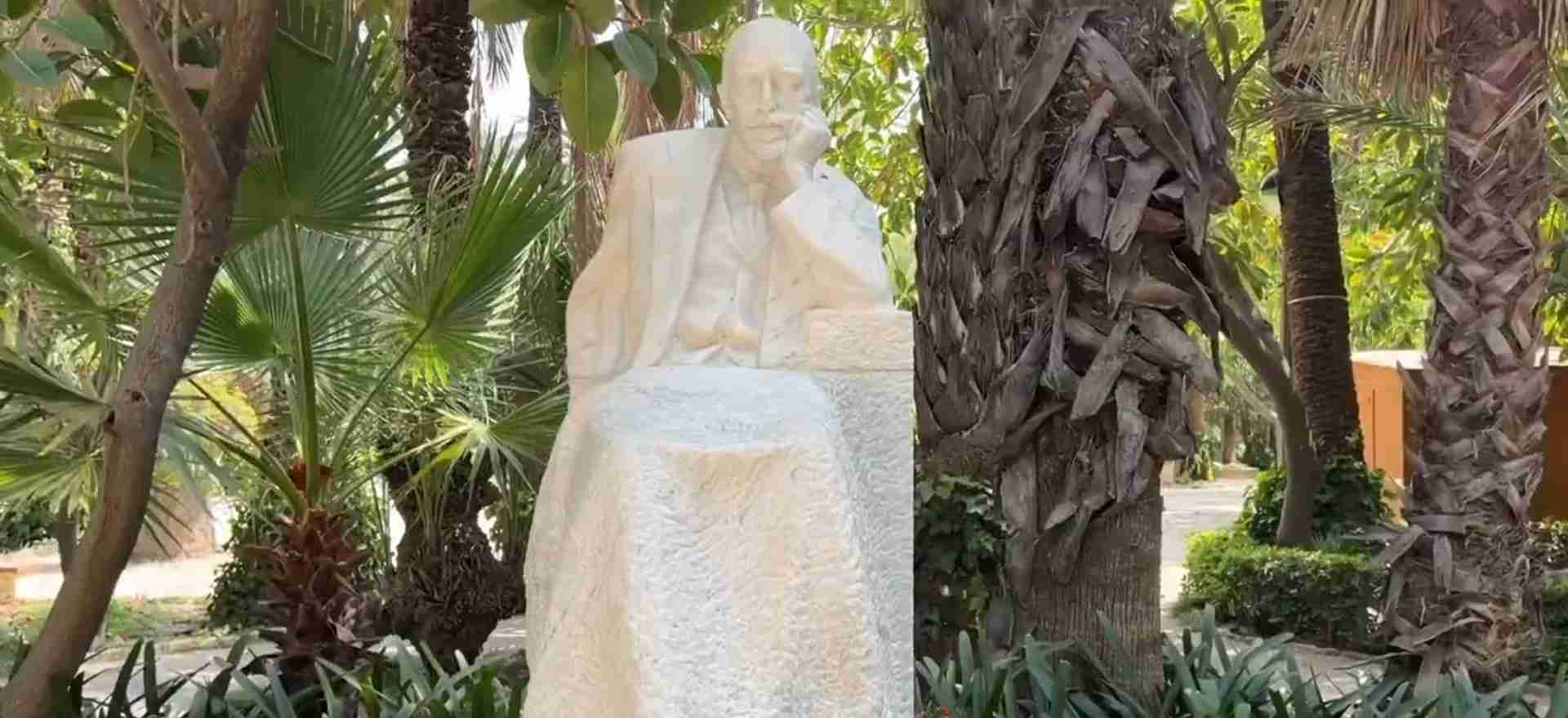
Elche Palmeral: UNESCO Palm Grove Heritage Guide
Key Takeaways
- The Palmeral of Elche represents Europe’s largest palm grove and the only UNESCO-protected example of Arab agricultural heritage in the Western Mediterranean
- Over 200,000 date palms distributed across 500 hectares demonstrate 1,000 years of continuous Moorish irrigation engineering and cultivation techniques
- The complex water management system channels the Vinalopó River through medieval canals creating microclimates that sustain palm cultivation in Spain’s arid southeast
- UNESCO designation recognizes the Palmeral as outstanding testimony to Arab-Islamic cultural transfer from North Africa to Europe preserving agricultural knowledge across centuries
- The unique palm grove ecosystem supports specialized biodiversity while providing urban green infrastructure with temperatures 8-10°C cooler than surrounding city areas
- Historical agricultural practices including pollination techniques and date harvesting methods continue in active cultivation maintaining living cultural heritage
Introduction: Understanding Elche’s Palm Grove Heritage
The Palmeral of Elche stands as an extraordinary testament to Arab agricultural engineering and cultural adaptation in medieval Iberia, creating a landscape phenomenon unmatched anywhere in Europe. Located in southeastern Spain’s arid Alicante province, this vast palm grove transforms desert terrain into a verdant oasis through sophisticated water management inherited from Moorish settlers who arrived in the 8th century. The approximately 200,000 date palms distributed across 500 hectares create a complex agricultural-urban ecosystem where ancient cultivation techniques persist alongside contemporary city life, forming a living bridge between medieval Islamic horticulture and modern Spanish culture. The UNESCO World Heritage designation received in 2000 recognizes not merely aesthetic beauty or botanical curiosity, but rather the Palmeral’s exceptional value as tangible evidence of cultural exchange and agricultural innovation that fundamentally shaped Mediterranean civilization.
The significance of Elche’s palm grove extends beyond its impressive scale to encompass the ingenious water distribution system that enables its existence. The elaborate network of channels, reservoirs, and irrigation conduits captures water from the Vinalopó River and distributes it through precisely engineered gradients requiring minimal intervention once established. This hydraulic infrastructure represents sophisticated understanding of hydrology and agricultural engineering developed across centuries in North Africa and Mesopotamia, then transferred to Iberia where it thrived despite dramatically different environmental conditions. The irrigation system creates microclimates within individual palm groves, moderating temperatures, increasing humidity, and enabling cultivation of vegetables, citrus, and pomegranates beneath the palm canopy. This multilayered agricultural approach maximizes productive use of limited water resources while generating sustainable yields that supported Elche’s economy for over a millennium.
Understanding the Palmeral requires recognizing its dual character as both working agricultural landscape and cultural heritage site. Unlike preserved historical monuments separated from contemporary life, Elche’s palm groves remain economically active, with palm frond harvesting for Palm Sunday religious ceremonies representing significant commercial activity. Approximately 20,000 palms undergo the elaborate “white palm” bleaching process annually, requiring specialized knowledge passed through generations of palm growers. This continuity of traditional practice maintains cultural traditions while adapting to modern market demands, creating dynamic heritage that evolves rather than fossilizes. The integration of historical agricultural methods with contemporary urban development presents complex management challenges but ensures the Palmeral remains a living cultural landscape rather than a museum curiosity, preserving not just physical structures but the accumulated agricultural wisdom they represent.
People Also Ask About Elche Palmeral
Why Did Elche Palmeral Receive UNESCO Recognition?
UNESCO designated the Palmeral of Elche as a World Heritage site in 2000 under criteria (ii) and (v), recognizing its outstanding universal value as testimony to cultural interchange and exceptional example of traditional land use. The criteria (ii) designation acknowledges how the palm grove demonstrates the transfer of Arab-Islamic agricultural knowledge and irrigation techniques from North Africa to Europe, creating a unique cultural landscape that influenced Iberian agricultural development. The palm cultivation methods, water management systems, and agricultural organization established by Moorish settlers between the 8th and 13th centuries fundamentally transformed southeastern Spain’s agricultural potential, introducing sophisticated horticultural practices that European civilizations subsequently adopted and adapted. This cultural exchange represents a crucial chapter in Mediterranean agricultural history, demonstrating how Islamic scientific knowledge enriched European civilization during the medieval period.
The criteria (v) designation recognizes the Palmeral as an outstanding example of traditional land use representing interaction between humans and the environment, particularly vulnerable under irreversible change impact. The palm grove exemplifies sustainable agricultural practices developed over centuries to address specific environmental challenges—aridity, water scarcity, high temperatures—through ingenious technical solutions that remain relevant to contemporary agricultural sustainability discussions. The Palmeral demonstrates how pre-industrial societies created productive landscapes in marginal environments without depleting natural resources, offering lessons for modern sustainable agriculture. The vulnerability criterion acknowledges threats from urban expansion, water resource competition, and abandonment of traditional agricultural practices, emphasizing the need for protective measures ensuring the Palmeral’s survival as a living cultural landscape rather than allowing its transformation into purely ornamental urban green space.
How Many Palms Exist in Elche’s Palmeral?
The Palmeral of Elche contains approximately 200,000 date palms (Phoenix dactylifera) distributed across 500 hectares, making it Europe’s largest palm grove concentration and the only significant date palm cultivation in continental Europe. The municipal territory includes roughly 1,000 separate palm groves called “huertos,” each representing individual agricultural plots with distinct irrigation rights and management traditions. The urban core contains approximately 70,000 palms integrated within the city fabric, creating a unique urban forest structure where historic palm groves persist as public parks and private gardens. The largest concentration exists in the Huerto del Cura botanical garden, which preserves approximately 1,000 palms in an intensively maintained setting showcasing the Palmeral’s botanical diversity and agricultural heritage. The Municipal Park contains several thousand palms in a semi-natural arrangement illustrating traditional grove organization and irrigation techniques.
The palm population dynamics reflect complex interactions between natural regeneration, deliberate cultivation, and urban development pressures. New palms emerge through both planned cultivation by traditional palm growers and spontaneous germination from seeds dispersed by birds, though urban development increasingly restricts available planting areas. The palm population ages demonstrate the grove’s historical depth, with some specimens potentially exceeding 200 years old, though precise dating remains difficult due to palms’ lack of growth rings and limited historical documentation. The overall population has declined from historical peaks estimated at 300,000-400,000 palms during periods of maximum agricultural expansion, with losses attributed to urban development, water resource constraints, and economic changes reducing date cultivation profitability. Conservation efforts focus on maintaining current palm numbers while improving grove health through appropriate water provision, pest management, and preservation of traditional cultivation knowledge.
What Makes Elche’s Palm Cultivation Unique?
Elche’s palm cultivation distinguishes itself through specialized techniques developed for producing “white palm” fronds used in Palm Sunday religious ceremonies throughout Spain and beyond. This unique agricultural practice involves bundling a palm’s crown with rope or wire approximately eight to ten months before harvest, excluding sunlight and forcing new fronds to grow in pale cream color rather than natural green. The process requires expert judgment determining optimal bundling timing and technique to produce high-quality white fronds without damaging the palm’s health or reducing future productivity. Elche palm growers have perfected this technique over centuries, creating a specialized agricultural product with limited competition and significant cultural value. The white palm industry represents the Palmeral’s most economically significant contemporary activity, with approximately 20,000 palms undergoing bleaching treatment annually and frond production generating substantial income during pre-Easter periods.
The cultivation methods employed in Elche palm groves reflect agricultural knowledge accumulated across centuries of continuous practice. Traditional irrigation techniques follow precise schedules adapted to seasonal palm water requirements, with winter irrigation reduced to minimum levels and summer watering increased to maintain palm health during extreme heat periods. Fertilization employs organic materials including composted palm leaves and animal manure, maintaining soil fertility without synthetic chemical inputs that could disrupt traditional agricultural balance. Palm reproduction follows both natural seed germination and deliberate cultivation of offshoots separated from mature palms, allowing propagation of desirable varieties while maintaining genetic diversity. Pest management increasingly challenges traditional practices as climate change and globalization introduce new palm pathogens, requiring integration of modern biological controls with historical cultivation wisdom to protect the grove’s health while preserving traditional agricultural character.
How Does the Irrigation System Work?
The Palmeral’s irrigation infrastructure represents one of southern Europe’s most sophisticated examples of medieval hydraulic engineering, channeling water from the Vinalopó River through an elaborate network of canals, reservoirs, and distribution channels. The system originates at the Pantano de Elche reservoir approximately 10 kilometers upstream from the city, where water capture occurs at controlled levels ensuring adequate flow for irrigation needs. The main distribution canal called the “Acequia Mayor” carries water toward the urban area, where it branches into numerous secondary channels called “azarbes” that deliver water to individual palm groves. The network operates largely through gravity flow, with carefully calculated gradients eliminating pumping requirements and minimizing maintenance needs. This engineering achievement demonstrates remarkable mathematical and surveying capabilities, as the medieval designers correctly calculated elevation changes and channel dimensions to maintain adequate flow across extensive distances and multiple branch points.
Water distribution within individual palm groves follows traditional flooding patterns where water flows through precisely leveled agricultural plots in controlled sequences. Each huerto possesses water rights specifying allocated volumes and irrigation schedule timing, with complex legal frameworks governing water sharing among grove owners. The irrigation process begins by filling elevated channels, then releasing water to flow across prepared soil surfaces, ensuring even moisture distribution throughout the plot. Palm roots receive adequate hydration while excess water drains into lower channels for use in downstream groves, maximizing water efficiency through sequential reuse. The system creates humid microclimates beneath palm canopies, enabling cultivation of secondary crops including vegetables, citrus, and ornamental plants that contribute to grove productivity. Modern water resource pressures strain traditional irrigation patterns as urban development and agricultural competition increase demand on limited Vinalopó River flows, requiring ongoing adaptation of historical practices to contemporary water availability constraints.
Extended multi-day tours – 5+ days
Featured Valencia Multi-Day Tour Packages

3 days
Valencia 3-Day Discovery Tour
- ✓ Comprehensive Valencia experience
- ✓ Expert local guides included
- ✓ All accommodation included
- ✓ Transportation provided

5 days
Valencia 5-Day Highlights Experience
- ✓ Comprehensive Valencia experience
- ✓ Expert local guides included
- ✓ All accommodation included
- ✓ Transportation provided

7 days
Valencia 7-Day Cultural Journey
- ✓ Comprehensive Valencia experience
- ✓ Expert local guides included
- ✓ All accommodation included
- ✓ Transportation provided
10 days
Valencia 10-Day Complete Adventure
- ✓ Comprehensive Valencia experience
- ✓ Expert local guides included
- ✓ All accommodation included
- ✓ Transportation provided
Multi-day tour packages powered by TourRadar. Prices and availability subject to change.
Historical Origins and Moorish Legacy
The Palmeral of Elche traces its origins to Arab-Berber settlement during the 8th century, when Muslim forces expanding across North Africa conquered much of the Iberian Peninsula. The settlers brought sophisticated agricultural knowledge developed across centuries in arid Middle Eastern and North African environments, recognizing Elche’s potential despite its challenging climate and limited water resources. Date palm cultivation represented familiar agricultural practice from their homeland regions, with palms providing multiple economic benefits beyond fruit production—fronds for construction materials, trunk wood for building, fiber for rope making, and shade for underlying crops. The establishment of palm groves around Elche transformed the settlement into a productive agricultural center supporting substantial population despite environmental constraints that limited development of surrounding regions. The agricultural success attracted further settlement and economic growth, establishing Elche as an important regional center within Al-Andalus, the Islamic civilization that dominated southern Iberia for seven centuries.
The irrigation infrastructure created by Moorish engineers represented a revolutionary transformation of Elche’s landscape and agricultural potential. Prior to Islamic settlement, the area supported limited agriculture dependent on unreliable rainfall in one of Spain’s driest regions. The construction of extensive canal networks and water storage systems enabled year-round cultivation and dramatically increased productive capacity. The engineering projects required substantial labor investment and sophisticated organizational capacity, indicating well-developed administrative structures and collective commitment to long-term agricultural development. The water management systems incorporated knowledge accumulated across Islamic civilization from Mesopotamian origins through North African adaptations, creating a synthesis of centuries of hydraulic engineering advancement applied to specific Iberian conditions. This knowledge transfer represents one of the medieval period’s most significant technological exchanges, fundamentally enhancing European agricultural capabilities through introduction of irrigation techniques that European civilizations subsequently developed and expanded.
The Christian reconquest of Elche in 1265 marked a crucial transition point in the Palmeral’s history, yet remarkably, the agricultural systems established by Moorish settlers continued largely unchanged. The conquering forces recognized the palm groves’ economic value and the irrigation infrastructure’s sophisticated engineering, preserving both rather than dismantling them. The Muslim population initially remained under Christian rule, maintaining traditional agricultural practices and ensuring knowledge continuity. Gradually, Christian settlers learned cultivation techniques from the Muslim population, ensuring preservation of agricultural wisdom even as political and religious control changed hands. This cultural continuity across political transformation demonstrates the Palmeral’s fundamental value transcending religious and ethnic boundaries, with practical agricultural success trumping ideological considerations. The preservation of Moorish agricultural heritage under Christian rule represents an important historical example of cultural exchange and practical knowledge transfer overcoming political conflict.
UNESCO World Heritage Designation Process
The path toward UNESCO World Heritage designation for Elche’s Palmeral began during the 1990s as Spanish heritage authorities and local advocates recognized the palm grove’s unique cultural and historical significance. The nomination process required demonstrating outstanding universal value according to UNESCO’s rigorous criteria, necessitating comprehensive documentation of the Palmeral’s historical development, cultural importance, and contemporary threats. The Spanish government, Valencian regional authorities, and Elche municipal administration collaborated to compile extensive evidence supporting the nomination, including historical research documenting Moorish origins and agricultural development, botanical surveys cataloging palm diversity and ecosystem characteristics, and analysis of traditional irrigation systems and cultivation practices. The nomination materials emphasized the Palmeral’s role in cultural exchange between Islamic and Christian civilizations, its representation of sustainable agricultural adaptation to challenging environments, and its vulnerability to urban development pressures threatening the grove’s integrity and survival.
UNESCO’s World Heritage Committee evaluated the nomination during its 2000 session held in Cairns, Australia, carefully considering whether the Palmeral met the stringent standards for World Heritage inscription. The committee’s deliberations examined the submitted evidence, assessed the site’s authenticity and integrity, and evaluated proposed management and protection measures. The successful designation under criteria (ii) and (v) reflected committee recognition that the Palmeral represents an outstanding and irreplaceable example of cultural landscape worthy of international protection. The designation acknowledged that while date palms grow in various global locations, Elche’s palm grove uniquely combines historical continuity, cultural significance, and demonstration of agricultural knowledge transfer at a scale and integrity unmatched elsewhere. The UNESCO recognition elevated international awareness of the Palmeral’s importance while imposing obligations on Spanish authorities to implement effective protection measures preventing deterioration of the site’s outstanding universal value.
The inscription process established specific boundaries defining the protected World Heritage area and buffer zones providing additional protection. The designated core zone encompasses approximately 500 hectares including the densest palm concentrations and most significant historical groves. Buffer zones extend beyond core boundaries to protect viewsheds and prevent incompatible development that could damage the Palmeral’s visual integrity or disrupt irrigation infrastructure. The designation required development of a comprehensive management plan addressing conservation priorities, urban planning coordination, water resource management, and sustainable tourism development. Spanish authorities committed to regular reporting on the site’s conservation status, monitoring threats to outstanding universal value, and implementing corrective measures when necessary. The UNESCO designation transformed the Palmeral from a locally significant agricultural landscape into an internationally recognized heritage site requiring protective measures balancing preservation imperatives with continued urban development and agricultural activity in one of Spain’s fastest-growing regions.
Ecological Significance and Biodiversity
The Palmeral of Elche creates a unique ecosystem within Spain’s arid southeastern region, supporting specialized biodiversity adapted to the distinctive environmental conditions generated by dense palm cultivation. The palm canopy creates shaded microhabitats with reduced temperatures and increased humidity compared to surrounding open landscapes, enabling plant species requiring more moderate conditions to survive in an otherwise inhospitable environment. The irrigation infrastructure provides reliable water availability supporting aquatic and semi-aquatic species uncommon in the arid region. The dense vegetation structure offers nesting sites and food resources for bird populations including specialized species dependent on palm habitats. The combination of water availability, temperature moderation, and structural complexity creates ecological diversity exceeding surrounding agricultural and natural landscapes, demonstrating how traditional agricultural systems can generate significant conservation value when practiced sustainably over extended periods.
Bird populations within the Palmeral include both resident species and migratory visitors utilizing the grove as stopover habitat during seasonal movements between Europe and Africa. Palm-dependent species include the palm crow (Corvus palmarum), which nests in palm crowns and feeds on dates and insects found among fronds. The Spanish sparrow (Passer hispaniolensis) utilizes palm groves extensively for nesting and foraging, with dense colonies establishing in large palm crowns providing secure nesting locations. Migratory species including various warbler species, flycatchers, and thrushes use the Palmeral as temporary refuge during spring and autumn migration periods, taking advantage of abundant insect populations and water availability. Raptors including kestrels and owls hunt small mammals and birds within the grove, benefiting from the prey concentration attracted by agricultural habitat. The diversity of avian life reflects the Palmeral’s ecological importance extending beyond agricultural production to encompass significant conservation value.
The palm grove ecosystem supports plant communities adapted to shaded, irrigated conditions distinct from surrounding natural vegetation. The understory includes cultivated crops traditionally grown beneath palm canopy—pomegranates, citrus, vegetables—alongside naturalized species colonizing less intensively managed areas. The water channels and reservoir margins support riparian vegetation including reeds, rushes, and moisture-loving herbs creating wetland habitats rare in the arid region. The palm trunks themselves host epiphytic ferns and mosses in humid locations where water availability and shade permit establishment. Soil organisms including beneficial bacteria, fungi, and invertebrates thrive under sustained irrigation and organic matter addition from fallen palm leaves, creating active soil food webs supporting agricultural productivity. This biological complexity demonstrates how traditional agricultural landscapes can provide substantial ecological services including microclimate regulation, carbon sequestration, and biodiversity conservation while maintaining economic productivity.
Traditional Agricultural Practices and Knowledge
The cultivation of date palms in Elche requires specialized knowledge accumulated across generations of palm growers, creating a rich body of agricultural wisdom transmitted orally and through practical apprenticeship. Palm reproduction employs both seed propagation and vegetative reproduction through offshoots called “hijuelos” that develop at palm bases. Skilled growers identify optimal offshoots for separation based on size, vigor, and position, carefully removing them with sufficient root mass to ensure successful establishment. The transplanting process follows precise protocols regarding timing, soil preparation, and watering schedules to maximize survival rates. Traditional propagation methods enable preservation of desired palm characteristics through clonal reproduction, ensuring continuity of palms demonstrating superior growth, frond quality, or fruit production. The knowledge required for successful palm propagation includes understanding seasonal timing, root system development, and post-transplant care—expertise developed through years of direct experience and observation.
Date pollination represents another crucial agricultural skill requiring precise timing and technique. Date palms exhibit separate male and female plants, with natural pollination occurring through wind distribution of male pollen to female flowers. Traditional cultivators enhance pollination success through manual intervention, collecting male flower clusters and physically introducing pollen to female flowers during optimal receptivity periods. This practice increases fruit set and ensures adequate pollination in groves where male palm numbers may be insufficient for reliable natural pollination. The timing of artificial pollination requires judgment based on flower development stage, weather conditions, and historical experience with specific palm varieties. The pollination knowledge represents crucial agricultural expertise essential for maintaining date production, though in contemporary Elche this practice decreases as date harvesting declines relative to white palm frond production.
The specialized technique of producing white palm fronds represents the Palmeral’s most distinctive agricultural practice, requiring expert knowledge and careful execution. The process begins eight to ten months before Palm Sunday, when experienced palm growers identify suitable palms and assess their readiness for bleaching treatment. The crown bundling involves gathering the palm’s central fronds tightly together and securing them with rope or wire, excluding sunlight while permitting continued growth. The bundling technique requires careful execution—too loose and light penetration prevents adequate bleaching, too tight and palm health suffers through excessive constriction. Throughout the bleaching period, growers monitor palm condition, adjusting bindings if necessary and ensuring adequate irrigation to maintain palm vigor. The harvest occurs in the weeks preceding Easter, with skilled workers climbing palms to cut the white fronds while avoiding damage to remaining growth. The quality of white palms depends critically on cultivation expertise, with superior fronds commanding premium prices in competitive markets. This specialized knowledge represents living cultural heritage unique to Elche, transmitted through apprenticeship systems connecting elder master palm growers with younger practitioners learning traditional techniques.
Water Management and Irrigation Heritage
The Palmeral’s irrigation system represents a masterpiece of medieval hydraulic engineering that continues functioning after more than 1,000 years of continuous operation. The infrastructure design reflects sophisticated understanding of hydrology, topography, and water distribution principles, creating a gravity-fed network requiring minimal mechanical intervention. The system captures water from the Vinalopó River at the Pantano reservoir, directing flow through the primary Acequia Mayor canal running toward Elche. The canal follows carefully surveyed routes maintaining consistent gradients that ensure adequate flow velocity without causing erosion. At strategic points, the main channel branches into secondary canals called azarbes, each serving clusters of palm groves while maintaining proportional water distribution among users. The branching points incorporate adjustable gates controlling flow rates, enabling flexible water allocation responding to varying seasonal needs and water availability. This hierarchical distribution system demonstrates remarkable engineering sophistication, efficiently managing limited water resources across extensive agricultural landscapes.
Individual palm groves receive water through tertiary channels connecting to the azarbe network, with traditional water rights specifying allocated quantities and irrigation timing. The water rights system evolved over centuries to balance competing demands among grove owners, establishing legally binding frameworks governing water distribution. Each huerto receives designated irrigation periods during which water flows into the grove’s distribution channels, with duration calculated to provide adequate moisture for palm and understory crop needs. The irrigation scheduling follows complex rotations ensuring all groves receive regular water supply while preventing individual users from monopolizing limited resources. The legal frameworks governing water rights incorporate Islamic legal traditions regarding shared resource management, later adapted under Christian rule while maintaining core principles of proportional allocation and collective management. These traditional water governance systems demonstrate sophisticated institutional arrangements enabling sustainable management of scarce resources through cooperative frameworks rather than competitive exploitation.
The contemporary challenges facing the irrigation system reflect broader water resource pressures throughout southeastern Spain. Urban development and agricultural expansion beyond the Palmeral increase demand on the Vinalopó River, reducing flows available for traditional palm grove irrigation. Climate change impacts generate more variable rainfall patterns and increased evaporation rates, further constraining water availability. The traditional irrigation infrastructure requires ongoing maintenance to preserve functionality, with canal cleaning, gate repair, and erosion control demanding regular investment. Modern water management introduces technologies including drip irrigation and moisture sensors that improve water use efficiency but potentially disrupt traditional distribution patterns and water rights frameworks. Balancing preservation of historical irrigation heritage with adaptation to contemporary water scarcity represents a crucial challenge for Palmeral conservation, requiring creative solutions that honor traditional practices while acknowledging changed environmental and resource conditions. The ongoing functionality of 1,000-year-old hydraulic infrastructure demonstrates the remarkable sustainability of traditional agricultural engineering, offering valuable lessons for contemporary water management in arid regions.
Urban Integration and Landscape Character
The Palmeral of Elche presents a remarkable example of agricultural landscape integration within urban fabric, creating a distinctive city character where palm groves penetrate deeply into developed areas. Unlike typical agricultural zones surrounding urban cores, Elche’s palms grow throughout the city center, in public parks, along streets, and within private properties, generating unique visual character and urban atmosphere. The integration results from historical development patterns where the city expanded around existing palm groves rather than replacing them entirely, preserving agricultural areas as urban green spaces and cultural heritage sites. The resulting landscape creates unexpected juxtapositions—dense palm groves adjacent to contemporary apartment buildings, irrigation channels flowing through urban neighborhoods, working agricultural plots surrounded by commercial development. This intimate mixing of agricultural heritage with modern urban life distinguishes Elche from conventional Spanish cities, creating visual identity and cultural character rooted in the persistent presence of historical palm cultivation.
The urban palm groves provide significant environmental services enhancing city livability and resilience. The dense vegetation creates microclimates with temperatures substantially lower than surrounding built-up areas, with measurements indicating temperature reductions of 8-10°C within palm groves compared to adjacent streets during summer heat periods. This cooling effect extends beyond grove boundaries, moderating temperatures in surrounding neighborhoods and reducing urban heat island intensity. The palms generate substantial biomass through continuous leaf production, contributing to carbon sequestration and air quality improvement. The irrigation infrastructure creates humidity in an otherwise dry climate, enhancing human comfort and supporting urban vegetation beyond the palm groves themselves. The ecological services provided by the integrated palm landscape demonstrate how preservation of agricultural heritage can deliver contemporary environmental benefits, supporting arguments for maintaining traditional landscapes against development pressures that would maximize short-term economic returns at the expense of long-term urban sustainability and livability.
The challenge of preserving palm groves within actively developing urban areas generates complex planning and management dilemmas. Development pressures create incentives for converting agricultural land to residential or commercial use, with individual palm groves potentially worth more as development sites than agricultural operations. The UNESCO World Heritage designation provides legal protection for core areas, but buffer zones and peripheral groves remain vulnerable to incremental encroachment. Urban planning processes must balance legitimate development needs with heritage preservation imperatives, requiring sophisticated approaches that accommodate growth while protecting essential Palmeral character. Infrastructure development—roads, utilities, services—requires careful routing to avoid disrupting irrigation networks and fragmenting grove continuity. The integration challenges extend beyond physical protection to encompass water resource allocation, with urban demands competing with agricultural irrigation needs. Successfully managing the Palmeral as living urban heritage requires coordinated governance across multiple jurisdictions and sectors, ensuring that preservation commitments translate into effective protection measures preventing gradual attrition of the palm landscape through accumulated small compromises.
Cultural Heritage and Contemporary Significance
The Palmeral of Elche represents cultural heritage extending beyond physical palm trees and irrigation infrastructure to encompass intangible dimensions including traditional knowledge, cultural practices, and collective identity. The agricultural techniques practiced in palm groves embody accumulated wisdom regarding sustainable cultivation in challenging environments, offering practical knowledge relevant to contemporary agricultural sustainability discussions. The white palm production maintains cultural continuity with religious traditions dating back centuries, connecting contemporary Elche to historical practices and beliefs. The palm landscape shapes local identity and sense of place, distinguishing Elche from other Spanish cities and creating pride in unique heritage. These intangible heritage dimensions prove equally important as physical preservation, requiring transmission of knowledge and practices to succeeding generations ensuring continuity of living cultural traditions rather than merely preserving landscape museum pieces.
The economic significance of the Palmeral has evolved substantially from its historical role as primary agricultural base supporting local population. Contemporary date production represents minor economic activity compared to historical importance, with imported dates from more suitable climates meeting market demand more efficiently than Elche cultivation. The white palm frond production maintains greater economic importance, generating significant income during pre-Easter periods and employing specialized labor in cultivation and harvest operations. Tourism increasingly provides economic benefits as heritage visitors explore the palm landscape, visit botanical gardens, and experience the unique urban environment. The UNESCO designation enhances tourism appeal, attracting international visitors specifically interested in World Heritage sites. Local businesses benefit from tourism spending, while the distinctive palm landscape supports Elche’s marketing as a heritage destination. The challenge involves balancing tourism development with heritage preservation, ensuring visitor access doesn’t damage the groves or disrupt agricultural operations while capturing economic benefits that justify continued grove maintenance and protection.
Educational initiatives utilize the Palmeral as living laboratory for teaching agricultural history, sustainable cultivation, ecological principles, and cultural heritage management. Local schools incorporate palm grove visits into curriculum, enabling students to experience traditional agricultural landscapes and understand historical land use practices. University programs in agriculture, ecology, and heritage conservation conduct research within the Palmeral, generating knowledge supporting improved management while training future professionals. International educational tourism brings students and scholars studying agricultural heritage, Islamic civilization, and sustainable development, creating networks of expertise and advocacy supporting preservation efforts. The educational value extends beyond formal programs to encompass public engagement with heritage, fostering appreciation for traditional landscapes and building constituencies supporting protection. The Palmeral serves as teaching resource demonstrating how historical agricultural practices created sustainable productive landscapes, offering lessons for contemporary society facing challenges of food security, water scarcity, and climate adaptation in increasingly uncertain environmental conditions.
Conservation Challenges and Management Strategies
The preservation of Elche’s Palmeral faces multiple interconnected challenges requiring comprehensive management approaches balancing diverse imperatives. Urban development pressure represents the most immediate threat, with economic incentives favoring conversion of agricultural land to more intensive uses. The buffer zone areas surrounding the core World Heritage site remain particularly vulnerable, as these peripheral groves receive less stringent protection while facing strongest development pressures. The gradual attrition of buffer zone palms diminishes the overall landscape integrity, creating isolated grove fragments rather than continuous palm landscape. Effective protection requires extending robust preservation measures beyond core areas, recognizing that the Palmeral’s character depends on sufficient palm density across extensive areas rather than a few intensively protected showpiece groves. The management challenge involves creating legal and economic frameworks that incentivize palm grove preservation while providing owners with viable alternatives to development conversion.
Water resource constraints present growing challenges as climate change and competing demands reduce availability of irrigation water. The traditional irrigation system depends on adequate Vinalopó River flows, but upstream agricultural and urban withdrawals increasingly limit water reaching the Palmeral. Drought periods intensify competition for scarce resources, requiring prioritization decisions between agricultural, urban, and environmental water needs. The palm groves require substantial water inputs to maintain health, particularly during summer heat periods when stress intensifies. Insufficient irrigation leads to palm decline, reduced white frond quality, and increased vulnerability to pests and diseases. Addressing water challenges requires integrated river basin management considering needs across all users, investment in water use efficiency improvements, and potentially development of alternative water sources including treated wastewater or desalinated supplies. The water management challenge extends beyond technical solutions to encompass governance reforms ensuring traditional agricultural water rights receive appropriate consideration alongside competing demands.
Palm health management confronts emerging biological threats including the red palm weevil (Rhynchophorus ferrugineus), an invasive pest that has devastated date palm populations across the Mediterranean region. The weevil larvae bore into palm trunks, creating extensive internal damage that often proves fatal. Early detection and intervention provide the best management approach, requiring regular monitoring of palm health indicators and rapid response when infestations appear. Biological control methods including parasitic nematodes and fungal pathogens show promise for sustainable weevil management without excessive pesticide use that could disrupt broader ecosystem health. The pest management challenge requires coordinating efforts across the entire palm population, as individual grove treatment proves ineffective when surrounding areas harbor weevil populations ready to reinfest treated palms. The red palm weevil represents a test of management capacity and coordination, requiring sustained investment and cooperation among government agencies, private grove owners, and scientific researchers to develop effective response strategies protecting the Palmeral’s health while minimizing environmental impacts from intensive chemical treatments.
Visitor Experience and Interpretation
Experiencing the Palmeral of Elche requires strategic planning to appreciate the landscape’s scale, understand its historical significance, and access key interpretive resources. The Municipal Park (Parque Municipal) provides the most accessible introduction to the palm landscape, featuring extensive groves in semi-natural arrangement with interpretive signage explaining agricultural history, traditional irrigation systems, and ecological characteristics. Paved pathways enable comfortable walking through the palm groves while irrigation channels demonstrate the water distribution systems. The park setting allows visitors to experience the microclimate effects of dense palm canopy, with noticeably cooler temperatures and increased humidity compared to surrounding urban areas. The Municipal Park serves as effective starting point for Palmeral exploration, providing context for understanding the broader landscape visible throughout Elche.
The Huerto del Cura botanical garden delivers intensively curated palm grove experience showcasing botanical diversity and horticultural excellence. The garden preserves approximately 1,000 palms in meticulously maintained setting emphasizing aesthetic appeal and specimen quality. Notable features include the Imperial Palm, an exceptional specimen with seven trunks emerging from single base, named for Empress Elizabeth of Austria who visited in 1894. The garden demonstrates traditional multi-story agricultural organization, with citrus, pomegranates, and ornamental plants cultivated beneath palm canopy. The careful maintenance and botanical labeling enable visitors to appreciate palm diversity and cultivation techniques in accessible concentrated format. The admission fee supports grove maintenance and provides interpretive resources including guided tours explaining traditional agricultural practices and the garden’s historical development. The Huerto del Cura represents premium Palmeral experience offering comfort and comprehensive interpretation suitable for visitors with limited time or mobility.
Understanding the working agricultural dimension of the Palmeral requires venturing beyond the showpiece parks to explore the privately-owned groves scattered throughout Elche’s urban area. While many private huertos restrict public access, street views from surrounding areas reveal traditional grove structures, irrigation infrastructure, and agricultural activity. The most productive learning approach involves timing visits during harvest periods when palm workers cut white fronds and transport them for sale, providing opportunities to observe traditional techniques and possibly engage in conversation with practitioners. Local tour operators offer specialized Palmeral excursions providing access to working groves and facilitating interaction with palm growers willing to explain cultivation practices. These working landscape experiences reveal the Palmeral’s living heritage character, demonstrating how agricultural traditions persist alongside urban development rather than existing as preserved museum exhibits. The combination of managed parks providing interpretive infrastructure and working groves demonstrating authentic agricultural activity offers comprehensive understanding of the Palmeral’s complexity as cultural landscape integrating heritage, agriculture, ecology, and contemporary urban life.
Frequently Asked Questions
When was Elche Palmeral established?
The Palmeral of Elche originated during the 8th century following Arab-Berber conquest of southeastern Iberia. Moorish settlers brought date palm cultivation knowledge from North Africa and established the initial palm groves and irrigation infrastructure between 700-900 CE. The agricultural systems expanded and refined over subsequent centuries under Islamic rule, reaching maximum extent during the 10th-12th centuries. The Christian conquest in 1265 preserved the agricultural systems, with palm cultivation continuing under new political control. The current landscape represents over 1,200 years of continuous palm cultivation and agricultural evolution.
Can you walk freely through all palm groves?
Public access to Elche’s palm groves varies by ownership and management. The Municipal Park provides unrestricted free access to extensive palm groves with maintained pathways suitable for comfortable walking. The Huerto del Cura charges admission but offers superior interpretive resources and botanical display quality. Many palm groves remain under private ownership with restricted public access, though street views from public rights-of-way allow observation of grove structures and agricultural activity. Respecting private property boundaries while exploring public access areas enables comprehensive Palmeral appreciation without trespassing concerns.
Does Elche produce dates for commercial sale?
Elche’s date production remains minimal compared to historical levels, with limited commercial harvesting due to economic factors. The climate proves marginally suitable for date ripening, with fruit quality inferior to dates from optimal growing regions in North Africa and Middle East. Import competition makes local date production economically unviable at commercial scale. Some palm growers harvest dates for local consumption and specialty markets, but the white palm frond production represents far more significant agricultural income. The palm groves’ economic value derives primarily from white palm sales, tourism, and ecosystem services rather than date harvesting.
How does the white palm tradition work?
White palm production involves bundling palm crowns eight to ten months before Palm Sunday, excluding sunlight and forcing new fronds to grow in pale cream color. Specialized palm growers select suitable palms, secure the central fronds tightly with rope or wire, and monitor palm health throughout the bleaching period. The harvest occurs during the weeks preceding Easter when workers climb palms and cut the white fronds. The fronds sell for religious ceremonies throughout Spain, with superior quality examples commanding premium prices. Approximately 20,000 palms undergo this treatment annually, representing the Palmeral’s most distinctive agricultural practice and significant contemporary economic activity.
What threatens the Palmeral’s survival?
The Palmeral faces multiple threats including urban development pressure on agricultural land, water resource constraints limiting irrigation capacity, and biological threats particularly the red palm weevil pest. Economic incentives favor converting palm groves to higher-value urban uses, while climate change and competing demands reduce water availability for traditional irrigation. The invasive weevil causes severe palm damage requiring coordinated pest management efforts. Additional challenges include aging palm population requiring replacement, loss of traditional cultivation knowledge as practitioners retire, and management coordination difficulties across multiple jurisdictions and private owners.
How long do date palms live?
Date palms can live 100-200+ years under favorable conditions, with some Elche specimens potentially exceeding two centuries based on historical records and growth characteristics. The lack of growth rings in palm trunks prevents precise aging methods available for trees, making exact age determination difficult. Palm longevity depends on cultivation care, water availability, environmental conditions, and pest/disease absence. The Palmeral contains palms across age ranges from recently planted specimens to elderly palms predating UNESCO designation. The long lifespan enables cultural continuity across generations while creating management challenges regarding replacement planning for aging specimens.
What other crops grow beneath the palms?
Traditional palm grove agriculture employs multi-story cultivation with shade-tolerant crops grown beneath palm canopy. Pomegranates represent historically significant secondary crop well-adapted to filtered light and moderate humidity. Citrus cultivation including oranges and lemons provides additional agricultural income. Vegetable production historically supplied local food needs with crops including lettuce, chard, and aromatic herbs. Some groves include ornamental plants and flowering species enhancing aesthetic appeal. The multi-story approach maximizes productive use of limited water resources while creating diverse agricultural output from single irrigated plot.
Can you climb the palms?
Palm climbing requires specialized skills and equipment traditionally practiced by professional palm workers. The technique involves using foot spikes or climbing harnesses to ascend smooth trunks for maintenance, harvesting, and white palm bundling operations. Visitors should not attempt climbing without training and safety equipment, as falls from height create serious injury risk. Professional demonstrations sometimes occur during cultural festivals or organized tours, allowing observation of traditional techniques. Photography of palm workers during harvest periods provides safe way to appreciate climbing skills without personal participation risk.
Does the irrigation system still function?
The medieval irrigation infrastructure continues operating after more than 1,000 years of service, demonstrating remarkable engineering durability. The gravity-fed canal system requires ongoing maintenance including channel cleaning, gate repair, and erosion control, but the fundamental hydraulic design remains functional. Modern pressures including reduced water availability and changing land use patterns stress the system, requiring adaptive management. Some areas receive supplemental irrigation using modern technologies including drip systems, though traditional flooding irrigation persists in many groves. The functional continuity of historical infrastructure represents extraordinary testament to sophisticated medieval engineering and sustainable design principles.
What is the best season to visit?
Spring months from March through May offer optimal visiting conditions with moderate temperatures, blooming vegetation, and active agricultural operations. The period immediately preceding Palm Sunday shows intensive white palm harvesting activity providing opportunities to observe traditional practices. Autumn months from September through November deliver pleasant weather with reduced tourist crowds compared to spring. Summer months experience intense heat making extended outdoor exploration uncomfortable, though early morning and evening visits remain feasible. Winter provides mild temperatures and empty tourist sites but reduced agricultural activity. Spring visits combine comfortable weather, cultural activity, and vibrant palm grove vegetation for comprehensive Palmeral experience.