
Eiffel Tower Photography Guide 2026: Pro Tips & Best Locations
Photographing the Eiffel Tower successfully requires understanding optimal locations, lighting conditions, and technical settings that capture this UNESCO World Heritage landmark’s architectural grandeur and romantic atmosphere. The iron lattice structure presents unique photographic challenges and opportunities through varying light, weather, and seasonal conditions.
Key Takeaways
- Golden hour timing provides optimal lighting – 1 hour before sunset and 30 minutes after for dramatic colors
- Trocadéro Gardens offer classic frontal views with architectural framing and manicured foregrounds
- Pont de Bir-Hakeim delivers unique underneath perspectives with Seine River reflections and bridge architecture
- Blue hour captures magical illuminated tower 20-40 minutes after sunset with balanced sky and artificial lighting
- Tripods prohibited inside tower but allowed in surrounding public areas for night photography
- Hourly sparkle displays last exactly 5 minutes starting every hour after sunset until tower closing
Introduction
Professional photographers and enthusiasts recognize that timing, positioning, and technical preparation determine the difference between snapshot tourism photos and compelling artistic images worthy of professional portfolios. The tower’s iconic status demands creative approaches that transcend typical tourist photography.
This comprehensive photography guide provides detailed technical advice, location recommendations, and creative techniques for capturing spectacular Eiffel Tower images in 2026, covering everything from camera settings and equipment to composition strategies and post-processing tips.
People Also Ask About Eiffel Tower Photography 2026
What is the best time for Eiffel Tower photography?
Golden hour provides optimal lighting 1 hour before sunset with warm, directional light. Blue hour occurs 20-40 minutes after sunset offering balanced sky and illumination lighting. Early morning golden hour provides eastern lighting with fewer crowds.
Where are the best locations to photograph Eiffel Tower?
Trocadéro Gardens provide classic frontal views with architectural framing. Pont de Bir-Hakeim offers unique underneath perspectives. Champ de Mars enables ground-level approaches. Seine riverbanks deliver water reflections and varied angles throughout different positions.
Are tripods allowed for Eiffel Tower photography?
Tripods are prohibited inside tower areas but allowed in surrounding public spaces including parks, bridges, and riverbanks. Professional photographers can request special authorization for commercial shoots. Monopods and stabilizers provide alternatives for tower interior photography.
What camera settings work best for Eiffel Tower photos?
Daylight: ISO 100-400, f/8-f/11, shutter 1/125-1/500. Golden hour: ISO 200-800, f/5.6-f/8, varied shutters. Night illumination: ISO 800-3200, f/2.8-f/5.6, tripod required for long exposures capturing sparkle displays.
Extended multi-day tours – 5+ days
Featured Paris Multi-Day Tour Packages
3 days
Paris 3-Day Discovery Tour
- ✓ Comprehensive Paris experience
- ✓ Expert local guides included
- ✓ All accommodation included
- ✓ Transportation provided
5 days
Paris 5-Day Highlights Experience
- ✓ Comprehensive Paris experience
- ✓ Expert local guides included
- ✓ All accommodation included
- ✓ Transportation provided
7 days
Paris 7-Day Cultural Journey
- ✓ Comprehensive Paris experience
- ✓ Expert local guides included
- ✓ All accommodation included
- ✓ Transportation provided
10 days
Paris 10-Day Complete Adventure
- ✓ Comprehensive Paris experience
- ✓ Expert local guides included
- ✓ All accommodation included
- ✓ Transportation provided
Multi-day tour packages powered by TourRadar. Prices and availability subject to change.
Prime Photography Locations
Trocadéro Gardens – Classic Frontal Views
Trocadéro Gardens provide the most famous Eiffel Tower photography location with elevated perspective across Seine River offering unobstructed frontal views. The terraced gardens create multiple elevation options for varied compositions while Palais de Chaillot architecture provides dramatic framing elements.
Morning photography benefits from eastern backlighting creating silhouette opportunities and dramatic contrast. Midday conditions offer even illumination for architectural detail photography while afternoon western light enhances metal structure textures and creates compelling shadows.
Evening golden hour transforms tower into warm, glowing centerpiece with surrounding architecture bathed in complementary lighting. The elevated gardens position provides optimal sunset photography with city skyline backgrounds and dramatic cloud formations when weather cooperates.
Night photography captures illuminated tower with city lights creating bokeh backgrounds and sparkling water reflections in fountain foregrounds. The 5-minute hourly sparkle displays create spectacular long-exposure opportunities with star-burst effects and dynamic light trails.
Composition strategies include using garden pathways as leading lines, incorporating fountain elements for foreground interest, and utilizing architectural columns for framing. Different garden levels provide varied perspectives accommodating wide-angle landscape and telephoto portrait orientations.
Pont de Bir-Hakeim – Unique Underneath Perspectives
Pont de Bir-Hakeim offers distinctive underneath tower perspectives unavailable from other locations, with bridge architecture creating natural framing elements and Seine River reflections adding dynamic compositional elements. The bridge’s Art Nouveau ironwork complements tower’s architectural style.
Upper bridge walkways provide elevated views looking down at tower base while lower Seine-level positions offer dramatic upward angles emphasizing tower’s impressive height and engineering structure. Multiple bridge levels accommodate different focal lengths and creative compositions.
Sunrise photography from eastern bridge approaches creates spectacular backlighting with tower silhouetted against colorful sky. River mist occasionally enhances atmospheric conditions creating moody, romantic images with soft-focus backgrounds and dreamy quality.
Bridge architecture photography combines tower views with detailed ironwork, stone masonry, and Art Nouveau decorative elements creating layered compositions with multiple points of interest. Telephoto lenses isolate architectural details while wide-angle captures complete bridge-tower relationships.
Night photography utilizes bridge lighting, street lamps, and tower illumination creating complex lighting scenarios with warm artificial light contrasting cool evening sky. Long exposures capture light trails from passing boats and vehicles adding motion elements to static architectural compositions.
Champ de Mars Park – Ground Level Approaches
Champ de Mars provides extensive ground-level photography opportunities with manicured lawns creating clean foregrounds and tree-lined pathways offering natural leading lines toward tower base. The park’s geometric layout complements tower’s structured appearance.
Seasonal photography varies dramatically with spring flowers, summer green lawns, autumn foliage, and winter snow creating different mood and color palettes. Cherry blossoms in April provide spectacular pink foregrounds while autumn trees offer golden and red color complements.
Family and portrait photography benefits from park’s open spaces allowing creative positioning with tower backgrounds. Professional portrait sessions utilize natural lighting and varied backgrounds from intimate garden settings to dramatic tower approaches.
Wide-angle photography captures tower within environmental context showing relationship between monument and surrounding urban landscape. Ultra-wide lenses create dramatic perspective distortion emphasizing tower’s impressive scale and architectural prominence.
Morning jogging and daily life photography adds human elements and authentic Parisian atmosphere to architectural images. Street photography opportunities include tourists, locals, vendors, and cultural activities throughout park areas.
Seine River Perspectives
Seine riverbank positions provide water reflection opportunities with tower images doubled through mirror effects during calm water conditions. River level photography offers unique low-angle perspectives emphasizing tower’s height and grandeur.
Boat photography from river cruises delivers constantly changing perspectives impossible from fixed land positions. Different cruise routes provide varied angles, distances, and compositional opportunities throughout one-hour journey segments.
Bridge photography from riverbank positions incorporates multiple architectural elements including Pont Alexandre III’s ornate decorations, Pont des Invalides’ classical design, and modern Pont de l’Alma creating layered urban landscapes.
Sunset photography from western riverbank positions captures tower silhouetted against colorful sky with water reflections doubling the dramatic impact. River cruise timing coordinates with golden hour for optimal lighting throughout water-level perspectives.
Long-exposure river photography creates smooth water surfaces reflecting tower illumination while boat lights create streaking trails adding dynamic motion elements to otherwise static architectural compositions.
Optimal Lighting and Timing
Golden Hour Photography
Golden hour begins approximately 1 hour before sunset, providing warm, directional lighting that transforms tower’s iron structure into glowing architectural sculpture. The low-angle sun creates dramatic shadows and highlights emphasizing structural details and three-dimensional form.
Morning golden hour occurs 1 hour after sunrise offering eastern lighting with fewer crowds and cooler temperatures ideal for extended photography sessions. Morning light provides different color temperature and atmospheric conditions compared to evening sessions.
Seasonal golden hour timing varies significantly with summer sessions occurring 8-9 PM and winter sessions beginning around 4-5 PM requiring advance planning and seasonal schedule adjustments for optimal lighting coordination.
Weather conditions dramatically impact golden hour quality with clear skies providing clean, directional lighting while partly cloudy conditions create dynamic, ever-changing lighting scenarios with dramatic cloud formations and filtered sunlight effects.
Tower illumination begins precisely at sunset creating transition periods where golden hour natural lighting blends with artificial illumination providing unique mixed-lighting photography opportunities unavailable during other times.
Blue Hour Magic
Blue hour occurs 20-40 minutes after sunset when sky maintains deep blue coloration while artificial lighting becomes prominent creating perfect balance between ambient and artificial illumination for dramatic tower photography.
Camera settings during blue hour require careful exposure balancing to maintain sky detail while properly exposing illuminated tower structure. Bracketed exposures enable HDR processing for optimal tonal range capture.
Tripod usage becomes essential during blue hour due to longer exposure requirements for proper exposure balance. Sturdy tripods prevent camera shake while enabling precise composition adjustment throughout changing lighting conditions.
Blue hour duration varies seasonally and with weather conditions typically lasting 20-30 minutes providing limited time window requiring advance preparation and rapid shooting techniques for multiple composition capture.
City lights begin appearing during blue hour creating bokeh backgrounds and urban atmosphere while maintaining sufficient sky detail for environmental context and compositional balance.
Night Illumination Photography
Tower illumination creates spectacular night photography opportunities with warm artificial lighting contrasting cool evening sky. Professional lighting design emphasizes architectural details while creating romantic, magical atmosphere.
Hourly sparkle displays occur every hour on the hour after sunset lasting exactly 5 minutes providing predictable timing for sparkle photography preparation and positioning. Sparkle timing enables precise camera setup and composition planning.
Long-exposure techniques capture sparkle displays as star-burst effects and light trails while short exposures freeze individual sparkle elements creating different artistic interpretations of illumination displays.
Night photography requires advanced camera settings including high ISO capabilities, wide apertures, and image stabilization for handheld shooting or sturdy tripods for long-exposure techniques.
Surrounding city illumination provides contextual lighting with street lamps, building lights, and vehicle traffic creating complex urban lighting scenarios requiring careful exposure and white balance management.
Camera Settings and Technical Tips
Daylight Photography Settings
Bright daylight conditions require low ISO settings (100-400) maintaining maximum image quality and minimal noise. Aperture settings of f/8-f/11 provide optimal sharpness across entire frame while ensuring adequate depth of field for architectural photography.
Shutter speeds range from 1/125-1/500 second depending on focal length and image stabilization capabilities. Faster shutter speeds prevent camera shake while slower speeds may require tripod support for optimal sharpness.
White balance settings should match lighting conditions with daylight (5500K) for clear conditions, cloudy (6000K) for overcast skies, and shade (7000K) for shadowed areas. Custom white balance provides most accurate color reproduction.
Exposure metering benefits from spot or center-weighted patterns avoiding large sky areas that may cause underexposure of tower structure. Exposure compensation may be necessary for optimal tonal balance.
Focus settings utilize single-point autofocus for precision with infinity focus appropriate for distant tower photography. Manual focus provides ultimate control for specific compositional requirements and low-light conditions.
Golden Hour Technical Approach
Golden hour photography requires ISO settings of 200-800 depending on available light levels and desired image quality. Higher ISO may be necessary as light diminishes throughout golden hour progression.
Aperture selection balances depth of field requirements with available light typically ranging f/4-f/8 for optimal sharpness while maintaining reasonable shutter speeds for handheld photography.
Exposure bracketing captures multiple exposures ensuring optimal tonal range throughout rapidly changing lighting conditions. Bracketed sequences enable HDR processing for maximum dynamic range.
Color temperature adjustment compensates for warm golden hour lighting with manual white balance settings around 3200-4000K preventing excessive orange color casts while maintaining natural warmth.
Graduated neutral density filters balance exposure between bright sky and darker foreground elements preventing blown highlights while maintaining shadow detail in tower structure.
Night Photography Techniques
Night photography demands high ISO capabilities (800-3200) balanced against acceptable noise levels for intended output size and quality requirements. Modern cameras provide excellent high-ISO performance enabling handheld night photography.
Wide apertures (f/2.8-f/4) maximize light gathering while maintaining adequate depth of field for architectural subjects. Prime lenses often provide wider maximum apertures compared to zoom lenses for low-light advantages.
Long exposure techniques require sturdy tripods and remote shutter release preventing camera shake during multi-second exposures for sparkle capture and light trail effects. Mirror lock-up reduces vibration in DSLR cameras.
Manual focus becomes essential in low-light conditions where autofocus systems struggle. Live view magnification assists precise focus on tower structure details and architectural elements.
Noise reduction software helps manage high-ISO noise while preserving image detail and sharpness. In-camera noise reduction may smooth excessive detail requiring post-processing balance decisions.
Composition and Creative Techniques
Rule of Thirds and Leading Lines
Rule of thirds positioning places tower structure along vertical third lines creating dynamic compositions more engaging than centered positioning. Horizontal thirds accommodate tower height while maintaining sky and foreground balance.
Leading lines guide viewer attention toward tower using pathways, bridge structures, river edges, and architectural elements creating visual flow and compositional strength. Diagonal lines create dynamic energy and movement.
Foreground elements add depth and interest including flowers, people, architectural details, or water features creating layered compositions with multiple focal points and visual complexity.
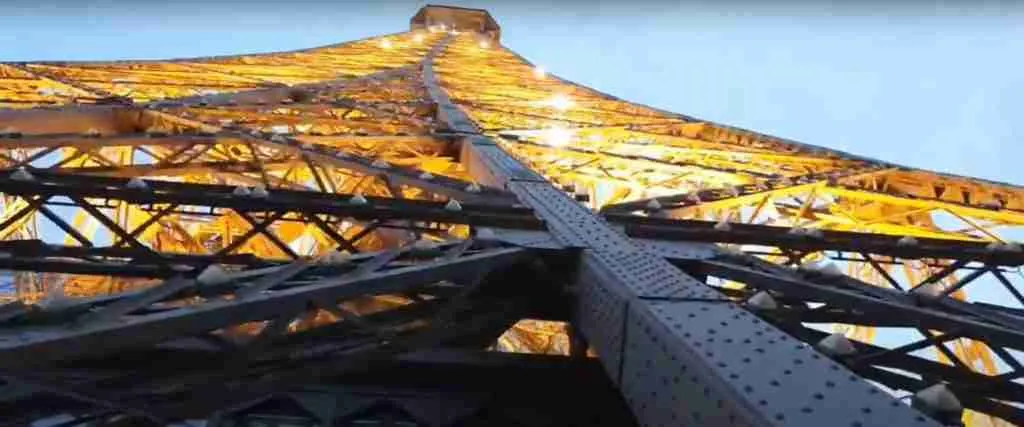
Symmetry and patterns in tower structure provide opportunities for abstract compositions focusing on architectural details rather than complete tower views creating artistic interpretations of engineering elements.
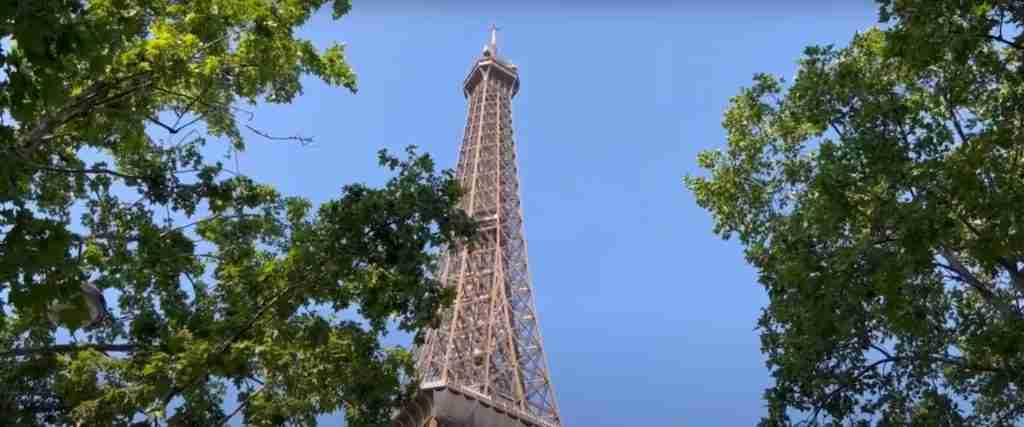
Framing techniques utilize natural and architectural elements including tree branches, bridge arches, building openings, and decorative structures creating windows that highlight tower as primary subject.
Perspective and Scale
Human scale elements including people, vehicles, and familiar objects provide size reference emphasizing tower’s impressive dimensions and architectural magnitude. Scale comparison creates dramatic impact and viewer connection.
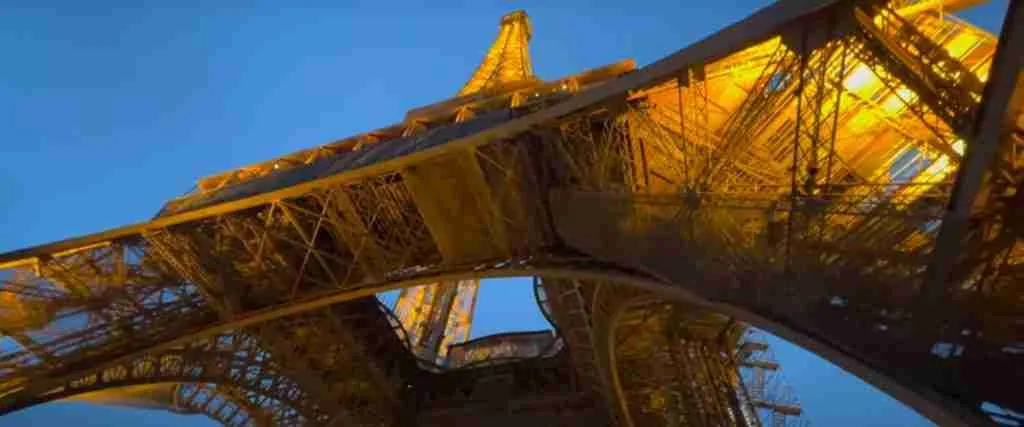
Perspective distortion using wide-angle lenses creates dramatic effects emphasizing tower height and architectural presence. Extreme wide-angle requires careful positioning preventing excessive distortion while maintaining natural appearance.
Telephoto compression flattens perspective creating intimate views of architectural details while isolating tower from distracting background elements. Telephoto lenses enable creative isolation and detail emphasis.
Aerial perspective using elevated positions throughout Paris provides contextual views showing tower’s relationship to surrounding urban landscape and Seine River geography. Elevated perspectives require research and access planning.
Multiple exposure techniques combine different perspectives and focal lengths creating composite images showing tower’s relationship to various architectural and urban elements throughout single artistic composition.
Weather and Atmospheric Effects
Fog and mist create atmospheric mystery and romantic mood while obscuring tower details requiring careful exposure and focus techniques. Atmospheric conditions provide unique opportunities unavailable during clear weather.
Rain photography creates reflection opportunities in wet pavement and puddles while dramatic storm clouds provide compelling backgrounds. Weather protection for equipment becomes essential during precipitation photography.
Snow photography transforms tower and surrounding landscape creating winter wonderland effects with clean white foregrounds and seasonal atmosphere. Winter conditions require cold weather equipment preparation and battery management.
Dramatic cloud formations provide dynamic backgrounds with storm clouds, sunset colors, and atmospheric effects enhancing tower photography beyond clear blue sky conditions. Weather timing requires patience and flexibility.
Seasonal changes create different moods and color palettes with spring flowers, summer green landscapes, autumn foliage, and winter starkness providing varied creative opportunities throughout annual cycles.
Equipment Recommendations
Camera Bodies and Lenses
Full-frame cameras provide superior low-light performance and dynamic range essential for night photography and challenging lighting conditions. High-ISO capabilities enable handheld photography during evening hours.
Wide-angle lenses (14-24mm) capture complete tower within environmental context while ultra-wide options create dramatic perspective effects. Quality wide-angle lenses minimize distortion while maintaining sharp corner performance.
Standard zoom lenses (24-70mm) offer versatility for varied compositions without frequent lens changes. Professional f/2.8 zooms provide low-light capabilities and consistent aperture throughout focal range.
Telephoto lenses (70-200mm and longer) isolate architectural details and compress perspective creating intimate tower views. Image stabilization becomes crucial for handheld telephoto photography preventing camera shake.
Prime lenses offer superior optical quality and wider maximum apertures compared to zoom alternatives. Fast primes (f/1.4-f/2.8) excel in low-light conditions while providing exceptional sharpness and bokeh quality.
Essential Accessories
Sturdy tripods enable long-exposure photography and precise composition during night shooting. Carbon fiber tripods provide lightweight portability while maintaining stability for professional results.
Neutral density filters balance exposure between bright sky and darker foreground elements. Graduated ND filters provide smooth transition while solid ND filters enable long-exposure effects during daylight hours.
Polarizing filters reduce reflections in water and glass while enhancing sky contrast and color saturation. Circular polarizers maintain autofocus compatibility while providing maximum reflection control.
Remote shutter releases prevent camera shake during long exposures and enable precise timing for sparkle display capture. Wireless releases provide flexibility while intervalometers enable time-lapse sequences.
Extra batteries and memory cards ensure continued shooting throughout extended photography sessions. Cold weather dramatically reduces battery life requiring additional power management and backup preparation.
Smartphone Photography Enhancement
Smartphone camera apps provide manual controls including ISO, aperture, shutter speed, and focus adjustment enabling professional-level control over exposure and creative effects.
Smartphone tripod adapters enable stable positioning for night photography and long-exposure effects. Compact tripods designed for mobile devices provide portability without sacrificing stability.
External lenses including wide-angle, telephoto, and macro attachments expand smartphone creative capabilities. Quality third-party lenses provide optical enhancement beyond digital zoom limitations.
Editing applications enable post-processing adjustment including exposure correction, color enhancement, and creative effects. Professional mobile editing apps rival desktop software capabilities for comprehensive image processing.
Power banks maintain device charge throughout extended photography sessions. Smartphone photography demands significant battery usage requiring backup power for continued shooting availability.
Seasonal Photography Opportunities
Spring Photography (March-May)
Cherry blossoms in April create spectacular pink foregrounds complementing tower’s iron structure. Trocadéro and Champ de Mars gardens bloom throughout spring providing colorful natural framing elements and seasonal atmosphere.
Spring weather provides comfortable photography conditions with moderate temperatures enabling extended outdoor sessions. Variable weather creates diverse lighting opportunities with dramatic clouds and clear skies alternating throughout days.
Garden photography combines tower views with blooming flowers, fresh green foliage, and manicured landscapes. Macro photography of spring flowers with tower backgrounds creates layered compositions with multiple focal points.
Easter and spring holiday celebrations add cultural elements and human activity providing street photography opportunities within tower area. Seasonal events create authentic French cultural documentation opportunities.
Longer daylight hours extend photography time while golden hour timing becomes more convenient for dinner and evening activity coordination. Spring light quality offers clean, bright illumination ideal for architectural photography.
Summer Photography (June-August)
Extended daylight hours enable late evening photography with golden hour occurring 8-9 PM providing comfortable timing coordination. Long summer days offer maximum flexibility for multiple shooting sessions and varied lighting conditions.
Warm weather enables comfortable night photography sessions without cold weather equipment concerns. Summer evening temperatures remain pleasant for extended outdoor photography throughout sparkle display timing.
Tourist activity peaks during summer providing abundant street photography opportunities but requiring crowd management techniques for clean architectural compositions. Early morning shooting avoids peak tourist congestion.
Summer festivals and events throughout Paris create cultural photography opportunities while potential tower area celebrations provide unique documentation possibilities requiring event research and planning.
Heat shimmer effects during extreme temperatures may impact telephoto photography quality requiring morning or evening shooting for optimal atmospheric conditions and image sharpness.
Autumn Photography (September-November)
Autumn foliage provides spectacular color palettes with golden, orange, and red leaves complementing tower’s warm illumination. Tree-lined areas throughout Champ de Mars and surrounding neighborhoods offer seasonal color opportunities.
Clear autumn air provides exceptional visibility and sharp atmospheric conditions ideal for distant tower photography. Crisp fall weather creates optimal conditions for extended outdoor photography sessions.
Shorter days concentrate optimal lighting periods requiring efficient shooting strategies. Earlier sunsets enable convenient evening photography timing while maintaining comfortable outdoor conditions.
Autumn storms create dramatic cloud formations and atmospheric effects providing compelling backgrounds for tower photography. Weather variability requires flexible planning and rapid shooting capabilities.
Seasonal celebrations including harvest festivals and cultural events add documentary opportunities while autumn fashion and lifestyle provide street photography subjects within tower area.
Winter Photography (December-February)
Snow photography transforms tower and surrounding landscape creating winter wonderland effects with clean white foregrounds and seasonal atmosphere. Rare Paris snowfall provides unique documentation opportunities.
Winter air clarity offers maximum visibility with distances extending up to 70 kilometers on clear days. Cold weather provides exceptional atmospheric conditions for sharp, detailed distant photography.
Holiday decorations throughout December create festive photography opportunities with Christmas markets, seasonal lighting, and cultural celebrations adding documentary elements to architectural photography.
Shorter daylight hours require efficient shooting strategies while earlier sunset timing enables convenient blue hour and night photography coordination. Winter lighting provides dramatic low-angle illumination throughout shorter days.
Cold weather equipment challenges include battery management, condensation prevention, and weather protection for cameras and photographers. Proper preparation enables successful winter photography despite challenging conditions.
Post-Processing and Editing
RAW Processing Fundamentals
RAW file capture provides maximum editing flexibility enabling exposure adjustment, highlight recovery, and shadow lifting impossible with JPEG files. Professional tower photography demands RAW capture for optimal post-processing control.
White balance correction compensates for mixed lighting conditions including golden hour warmth, artificial illumination color temperature, and atmospheric color casts requiring precise color temperature and tint adjustments.
Exposure optimization utilizes highlight and shadow recovery tools maintaining detail throughout tonal range. Tower photography often involves high dynamic range requiring careful exposure balancing between bright sky and architectural details.
Lens corrections including distortion removal, vignette correction, and chromatic aberration reduction improve image quality particularly important for wide-angle architectural photography where geometric accuracy matters.
Noise reduction balances high-ISO noise management with detail preservation maintaining image sharpness while reducing unwanted grain particularly crucial for night photography and challenging lighting conditions.
Creative Enhancement Techniques
HDR processing combines multiple exposures capturing full tonal range from shadow detail through highlight information. Tower photography benefits from HDR techniques during high-contrast lighting conditions.
Color grading creates mood and atmosphere through selective color adjustment, split-toning techniques, and creative color relationships. Artistic color treatment enhances tower photography beyond documentary representation.
Selective adjustment tools enable targeted enhancement of tower structure while maintaining natural sky and foreground appearance. Masking techniques provide precise control over specific image areas and elements.
Sharpening techniques optimize image detail and clarity while avoiding over-processing artifacts. Architectural photography requires careful sharpening maintaining natural appearance while enhancing structural details.
Creative effects including orton effect, color pop techniques, and artistic filters provide stylistic enhancement while maintaining photographic integrity. Subtle creative processing enhances without overwhelming architectural subject matter.
Output and Sharing Optimization
Print preparation requires color space management, sharpening optimization, and size-specific processing ensuring optimal quality for physical output. Large architectural prints demand highest quality processing and preparation.
Web optimization balances file size with image quality for social media sharing and online portfolio presentation. Different platform requirements necessitate multiple output versions and specifications.
Portfolio curation selects strongest images representing varied perspectives, lighting conditions, and creative approaches. Professional portfolios demonstrate technical competence and artistic vision through thoughtful image selection.
Copyright protection includes metadata management, watermarking strategies, and usage tracking protecting intellectual property while enabling appropriate sharing and promotional activities.
Backup and archiving systems ensure long-term image security and accessibility. Professional photographers maintain multiple backup systems protecting valuable tower photography investments and artistic achievements.
Photography Ethics and Legal Considerations
Copyright and Usage Rights
Eiffel Tower daytime photography faces no copyright restrictions allowing commercial and personal use without licensing requirements. Historical architectural photography enjoys broad usage rights for most applications and commercial purposes.
Night illumination photography involves copyright considerations as lighting design receives artistic protection. Commercial usage of illuminated tower images may require licensing while personal use typically faces no restrictions.
Street photography including people requires consideration of privacy rights and model releases for commercial usage. Documentary photography of tower area activities generally faces fewer restrictions than commercial portrait applications.
Social media sharing typically falls under personal use exemptions allowing broad sharing and posting of tower photography across personal accounts and platforms without licensing concerns.
Professional photography services including wedding, portrait, and commercial shoots may require permits and insurance depending on equipment scale, group size, and intended usage of resulting images.
Respectful Photography Practices
Crowd courtesy involves sharing optimal photography locations without monopolizing prime spots for extended periods. Cooperative behavior ensures all visitors access spectacular photography opportunities throughout tower area.
Equipment management prevents obstruction of walkways and viewing areas while maintaining camera security in crowded tourist environments. Compact equipment reduces impact on other visitors while maintaining professional capabilities.
Cultural sensitivity includes respectful photography of local residents, cultural activities, and religious or cultural celebrations occurring within tower area throughout various seasonal and cultural calendar events.
Environmental responsibility includes leaving no trace photography practices, respecting planted areas and garden spaces, and supporting sustainable tourism through responsible behavior and cultural awareness.
Professional conduct maintains positive photographer reputation while preserving access to prime photography locations for future visitors and professional photographers working within tower area.
Frequently Asked Questions
What camera equipment do I need for great Eiffel Tower photos?
Essential equipment includes camera with manual controls, wide-angle lens for complete tower views, telephoto for details, sturdy tripod for night photography, and extra batteries. Smartphone cameras work well with tripod adapters and manual camera apps.
When do the Eiffel Tower sparkle displays occur?
Sparkle displays occur every hour on the hour after sunset lasting exactly 5 minutes. Timing varies seasonally with displays beginning around 8 PM summer and 6 PM winter. Final sparkle coincides with tower closing time.
Are there photography restrictions at Eiffel Tower?
Tripods are prohibited inside tower but allowed in surrounding public areas. Professional photography may require permits for large equipment or commercial shoots. Personal photography faces minimal restrictions with standard security considerations.
What are the best weather conditions for Eiffel Tower photography?
Clear skies provide clean lighting and maximum visibility. Partly cloudy conditions create dramatic lighting and interesting backgrounds. Light fog adds atmospheric mystery while rain creates reflection opportunities. Each weather type offers unique creative possibilities.
How do I photograph the tower sparkle displays effectively?
Use tripod for stability, manual camera settings with ISO 800-1600, aperture f/4-f/8, and shutter speed 2-4 seconds. Position camera before sparkles begin, use remote release to prevent shake, and experiment with different exposure times for varied effects.
What editing software works best for Eiffel Tower photos?
Adobe Lightroom provides excellent RAW processing and batch editing capabilities. Photoshop offers advanced creative editing and compositing tools. Mobile apps like VSCO, Snapseed, and Lightroom Mobile enable professional editing on smartphones and tablets.
Can I sell my Eiffel Tower photographs?
Daytime tower photography can be sold commercially without restrictions. Night illumination photos may require licensing for commercial use due to lighting design copyright. Personal use and social media sharing face minimal restrictions.
What focal lengths work best for different tower photography styles?
Wide-angle (14-35mm) captures complete tower in environment. Standard (35-85mm) provides natural perspective and versatile framing. Telephoto (85-200mm+) isolates details and creates intimate compositions. Each focal length offers distinct creative possibilities.
How do I avoid crowds in my Eiffel Tower photographs?
Visit during early morning hours (8-10 AM) or late evening for fewer crowds. Use telephoto lenses to isolate tower from busy foregrounds. Long exposures create motion blur removing people from static compositions. Patient timing captures moments between crowd movements.
What backup plans should I have for bad weather photography?
Indoor photography alternatives include tower interior shots, nearby museums, covered walkways, and architectural details. Weather protection for equipment enables shooting in light rain. Dramatic weather often creates compelling atmospheric conditions worth documenting.