Edinburgh Travel Tips 2026: Essential Planning & Practical Advice
Edinburgh rewards well-prepared visitors with seamless experiences navigating Scotland’s historic capital, from understanding the city’s famously changeable weather patterns to mastering the efficient public transport network and avoiding common tourist pitfalls. This comprehensive guide equips you with insider knowledge covering money-saving strategies, seasonal planning, local customs, booking tactics, safety considerations, and practical logistics that transform first-time visits into confident explorations of this UNESCO World Heritage city.
Key Takeaways About Visiting Edinburgh in 2026
- Book Accommodation Early for August 2026: Edinburgh Festival Fringe (throughout August) drives hotel prices up 100% and sells out properties months in advance, requiring six-month advance booking for reasonable rates during this peak cultural period.
- Master the Public Transport System: Adult bus and tram fares cost £2.40 per single journey in 2026, but using contactless payment with the TapTapCap system automatically caps daily spending at £6 for unlimited city zone travel, eliminating the need for paper tickets.
- Prepare for Changeable Weather Year-Round: Edinburgh’s temperate maritime climate delivers “four seasons in one day” conditions throughout the year, making waterproof layers and adaptable clothing essential regardless of your visit month, with July and August averaging only 19°C (66°F) highs.
- Pre-Book Major Attractions Online: Edinburgh Castle tickets cost £19.50 ($24) online versus £20.50 ($25) at the gate and frequently sell out during peak season (June through August), making advance booking essential for guaranteed entry at the lower price.
- Navigate the New Edinburgh Visitor Levy: Starting July 24, 2026, Edinburgh imposes a 5% surcharge on all paid overnight accommodation, adding approximately £7-15 ($9-19) per night to mid-range hotel costs that should be factored into accommodation budgets.
- Understand UK Entry Requirements for 2026: Most international visitors to the UK now require the Electronic Travel Authorisation (ETA) costing £10 ($13), which must be obtained online before travel and remains valid for multiple entries over two years.
People Also Ask About Edinburgh Travel in 2026
What is the Best Time to Visit Edinburgh in 2026?
The optimal time to visit Edinburgh balances weather, crowds, and costs across May, June, or September 2026. May offers the driest weather of the year with average highs of 15°C (59°F), long daylight hours extending to 17 hours daily, and hotel rates 30-40% below August peaks. June brings warmer temperatures averaging 17°C (63°F) and 18 hours of daylight while avoiding the August festival crowds that pack the city. September provides pleasant 16°C (61°F) temperatures, fewer tourists, and hotel availability with rates 25-35% below summer peaks while delivering stunning autumn colors in the city’s parks and gardens.
How Much Money Should I Budget Per Day in Edinburgh 2026?
Daily costs in Edinburgh range from £50-85 ($60-105) for budget travelers to £125-185 ($150-225) for mid-range comfort, depending on accommodation choices and dining preferences. Budget travelers staying in hostels at £25-40 ($30-48) per night and eating takeaway meals for £10-15 ($13-19) daily require approximately £50-85 ($60-105) total per day. Mid-range travelers paying £90-130 ($110-157) per person nightly in hotels (two sharing a double room) and dining at sit-down restaurants for £35-55 ($43-67) daily need £125-185 ($150-225) per person daily. These figures include accommodation, meals, local transport, and standard attraction admissions but exclude major purchases or evening entertainment.
Is Edinburgh Expensive Compared to Other UK Cities in 2026?
Edinburgh ranks as the most expensive major city break destination in Western Europe according to 2026 travel cost analysis, with accommodation prices exceeding London averages during August festival season and year-round dining costs matching or surpassing other major UK cities. Mid-range hotel rooms average £130-220 ($157-265) per night outside festival season compared to £90-150 ($109-181) in Manchester or Birmingham, while August festival weeks see rates spike to £275-425 ($330-515) nightly. Restaurant meals cost £15-25 ($19-31) per person for casual dining compared to £12-20 ($15-24) in Glasgow or Leeds, though many major museums and galleries remain free admission, partially offsetting higher accommodation and dining expenses.
Do I Need to Tip in Edinburgh Restaurants and Taxis?
Edinburgh restaurants typically add a 12.5% discretionary service charge to bills automatically, which appears as a separate line item you can request to remove if service was poor, eliminating the need for additional tipping in most sit-down establishments. When no service charge appears on the bill, leaving 10-12% is customary for good table service, though never required or expected at casual cafes, takeaway counters, or pubs where you order at the bar. Taxi drivers appreciate rounding up to the nearest pound or adding 10% for longer journeys or excellent service, such as £8 fare rounded to £9 or £24 fare to £26, but tipping remains optional rather than obligatory in Scottish taxi culture.
Extended multi-day tours – 5+ days
Featured Edinburgh Multi-Day Tour Packages
2 days
2-day Outlander Tour (Small Group)
- ✓ Comprehensive Edinburgh tour
- ✓ Expert local guides included
- ✓ All accommodation arranged
- ✓ Transportation provided

3 days
Edinburgh Discovery Tour
- ✓ Comprehensive Edinburgh tour
- ✓ Expert local guides included
- ✓ All accommodation arranged
- ✓ Transportation provided
4 days
4 Day Islay Whisky Tour
- ✓ Comprehensive Edinburgh tour
- ✓ Expert local guides included
- ✓ All accommodation arranged
- ✓ Transportation provided
6 days
Best of Scottish Lochs, the Highlands, Edinburgh and Glasgow in 6Days (Partially-guided, Independent)
- ✓ Comprehensive Edinburgh tour
- ✓ Expert local guides included
- ✓ All accommodation arranged
- ✓ Transportation provided
Multi-day tour packages powered by TourRadar. Prices and availability subject to change.
Introduction to Edinburgh Travel Planning 2026
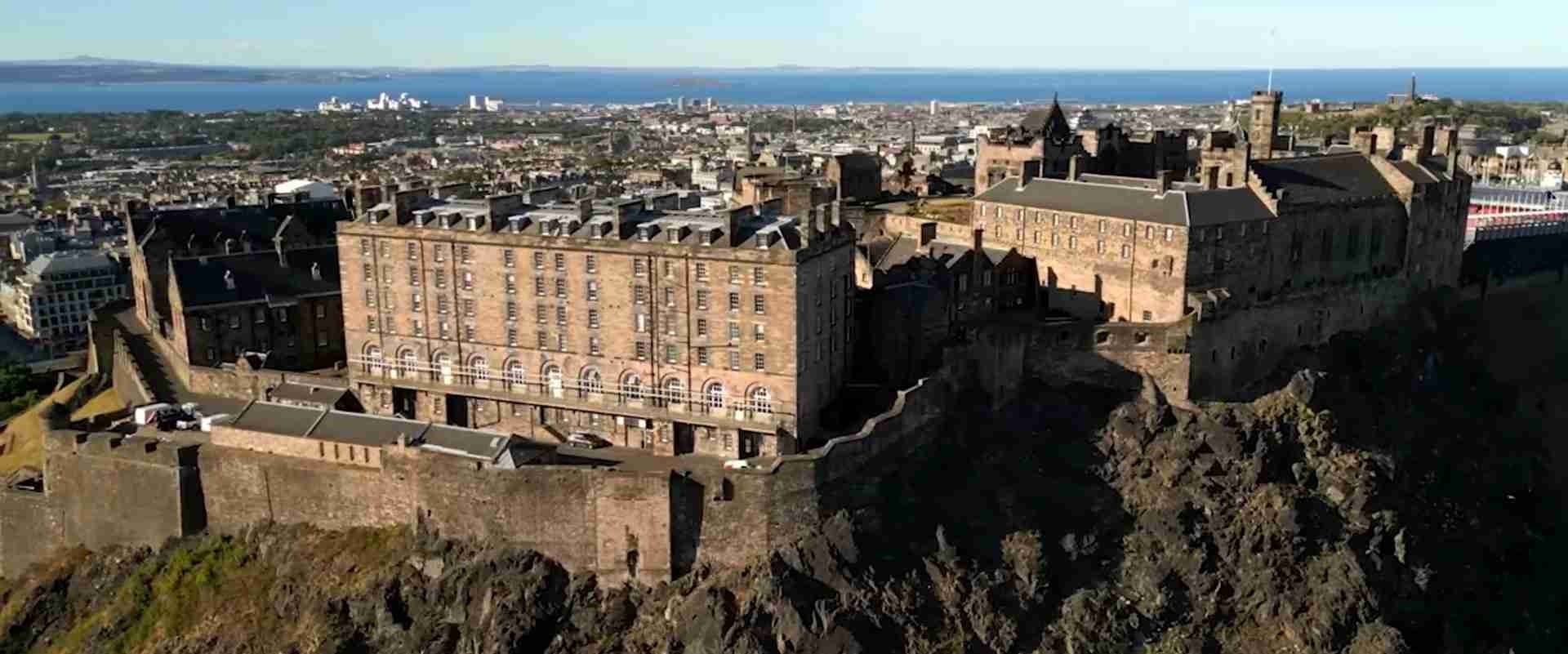
Edinburgh combines a UNESCO World Heritage medieval Old Town with elegant Georgian New Town architecture, creating a compact capital city where walking between historic attractions, world-class museums, and vibrant neighborhoods forms the primary sightseeing method. The city’s manageable 1.4 square kilometer historic center concentrates major landmarks within 20-minute walks, from Edinburgh Castle crowning the volcanic Castle Rock to the Palace of Holyroodhouse anchoring the Royal Mile’s opposite end. Yet beneath this accessible geography lies a complex tapestry of practical considerations: weather patterns that shift from sunshine to rain within hours, transport systems requiring contactless payment understanding, accommodation costs that quintuple during August’s festival season, and cultural customs around tipping and queuing that differ from other European capitals.
Edinburgh’s status as Scotland’s capital and second-largest UK city outside London brings sophistication in dining, shopping, and cultural offerings while maintaining distinct Scottish character in language nuances, traditional pub culture, and preserved historical authenticity. The city welcomes approximately 4.5 million overnight visitors annually, creating infrastructure well-equipped for tourism but also driving prices higher than comparable UK cities outside London, particularly during the summer festival season spanning July through August when the Edinburgh International Festival and Edinburgh Festival Fringe transform the city into the world’s largest arts celebration.
Understanding Edinburgh’s seasonal rhythms, booking strategies, weather preparation requirements, and local customs determines whether your visit feels seamless or frustrating. The difference between paying £130 versus £425 nightly for equivalent hotel rooms hinges on timing and advance planning. Knowing that Edinburgh Castle tickets sell out weeks ahead during summer versus walk-up availability in February shapes attraction scheduling. Recognizing that the city’s latitude at 55°57’N delivers 18-hour summer days but only 7-hour winter daylight affects itinerary pacing and photography planning.
This comprehensive guide addresses the practical questions that impact daily Edinburgh experiences: How do you navigate the bus system when drivers don’t give change? Which neighborhoods offer authentic dining at half the Old Town prices? When should you book accommodation to secure reasonable rates during festival season? What clothing layers work for the “four seasons in one day” weather? How do you avoid tourist traps while still seeing major landmarks efficiently? The following sections provide specific, actionable answers based on 2026 pricing and operational realities rather than generic travel platitudes.
Understanding Edinburgh Costs and Currency in 2026
The United Kingdom uses the British Pound Sterling (GBP or £), with Scotland issuing its own Scottish pound notes that hold equal legal tender status with Bank of England notes throughout the UK, though Scottish notes occasionally face acceptance challenges when used in England and should be exchanged at banks before departing Scotland. Edinburgh currency exchange rates in early 2026 hover around £1 = $1.21 USD, €1.15 EUR, making costs appear somewhat lower for American visitors than European travelers when mentally converting prices.
Edinburgh ranks among Europe’s most expensive cities for accommodation and dining, with price levels exceeding most UK cities outside London while delivering higher costs than comparable European capitals like Amsterdam or Copenhagen. A mid-range hotel room in Edinburgh city center costs £130-220 ($157-265) per night outside festival season compared to £90-150 ($109-181) in Manchester or £100-175 ($121-212) in Dublin, while restaurant main courses run £15-28 ($18-34) versus £12-22 ($15-27) in Glasgow just 50 miles west.
Currency Exchange and Banking 2026
ATMs located throughout Edinburgh city center provide the most favorable exchange rates for foreign currency withdrawal, charging your home bank’s conversion rate plus potential withdrawal fees averaging £2-3 ($2.50-3.60) per transaction from non-UK banks. Major banks along Princes Street including Barclays, Royal Bank of Scotland, and Lloyds TSB offer ATMs inside branches with extended hours and typically better security than street-located machines, though all major UK ATMs maintain equivalent exchange rate standards.
Currency exchange bureaus cluster around Waverley Station and the Royal Mile but consistently deliver rates 5-8% worse than bank ATMs plus service fees of £3-6 per transaction, making them useful only for emergency small amounts rather than primary currency conversion. The best exchange strategy involves withdrawing £200-300 ($240-365) per ATM visit to minimize per-transaction fees rather than multiple small withdrawals, then using contactless payment cards for most purchases to avoid carrying excessive cash.
Credit and debit cards with contactless payment capability work at virtually all Edinburgh retailers, restaurants, and attractions in 2026, with contactless limits raised to £100 per transaction for most vendors and PIN verification required only above this threshold. Visa and Mastercard enjoy near-universal acceptance while American Express faces acceptance at roughly 60-70% of establishments, particularly smaller independent shops and restaurants that avoid its higher merchant fees.
Typical Edinburgh Costs by Category 2026
Accommodation forms the largest daily expense in Edinburgh, with hostel dormitory beds starting at £25-40 ($30-48) per night in shared rooms sleeping 6-8 people, budget hotels and guesthouses running £70-115 ($85-139) for basic private doubles, mid-range hotels commanding £130-220 ($157-265) for comfortable city center locations, and luxury properties charging £275-490+ ($330-590+) nightly for five-star service and historic character. These rates apply to standard season periods from September through June, with August festival season doubling or tripling these figures to £180-425 ($217-515) for mid-range properties.
Dining costs in Edinburgh span extreme ranges from £3 ($4) supermarket meal deals combining sandwich, crisps, and drink to £70+ ($85+) per person for fine dining tasting menus at Michelin-starred establishments. Budget-conscious travelers eating fish and chips or Indian takeaway for £10-15 ($13-19) per meal, grabbing coffee and pastries for £5-8 ($6-10) breakfast, and purchasing supermarket snacks spend approximately £25-40 ($30-48) daily on food. Mid-range dining with café breakfasts at £8-12 ($10-15), casual restaurant lunches at £15-22 ($18-27), and sit-down pub dinners at £20-32 ($24-39) plus beverages totals £55-85 ($67-103) daily per person.
Public transportation within Edinburgh city center costs £2.40 ($3) per single bus or tram journey as of February 2026, with day passes at £6 ($7) covering unlimited city zone travel and weekly Ridacard passes costing £24.50 ($30) for unlimited access including airport connections. Walking forms the primary transportation method for most visitors exploring the compact Old Town and New Town, with buses and trams serving journeys to outlying attractions like the Royal Yacht Britannia in Leith or the Royal Botanic Garden in Stockbridge.
Major attraction admissions range from free at National Museum of Scotland, Scottish National Gallery, and numerous other cultural institutions to £19.50 ($24) for Edinburgh Castle, £16.50 ($20) for Palace of Holyroodhouse, £14 ($17) for Royal Yacht Britannia, and £12-18 ($15-22) for various smaller museums and historic sites. A comprehensive sightseeing itinerary visiting paid attractions daily adds approximately £20-40 ($24-48) to daily budgets depending on specific sites chosen.
Money-Saving Strategies for Edinburgh 2026
Edinburgh’s high costs yield to strategic planning that exploits free museums, set lunch menus, advance booking discounts, and shoulder season timing. National museums including the National Museum of Scotland, Scottish National Gallery, Scottish National Portrait Gallery, and Scottish National Gallery of Modern Art offer world-class collections with permanent exhibition admission free, requiring budget allocation only for special temporary exhibitions when present.
Dining costs drop 30-50% by seeking restaurants offering set lunch menus between 12:00-14:30, typically providing two or three courses for £12-18 ($15-22) compared to evening à la carte pricing of £25-40 ($30-48) for equivalent food quality at the same establishments. Neighborhoods away from the Royal Mile tourist corridor, particularly Stockbridge, Bruntsfield, and Leith, deliver 20-30% lower restaurant pricing for equivalent meal quality compared to Old Town and New Town locations where tourist density drives inflated rates.
Supermarket meal deals at Tesco, Sainsbury’s, Marks & Spencer, and Co-op cost £3-4.50 ($4-5.50) for freshly-made sandwiches, crisps, and drinks, providing quick lunch solutions at one-quarter the cost of sit-down café meals. Purchasing breakfast supplies like cereal, milk, fruit, and pastries from supermarkets rather than hotel breakfasts or cafés saves £8-12 ($10-15) daily per person for travelers in accommodation with self-catering facilities.
The Edinburgh Explorer Pass grants admission to Edinburgh Castle, Palace of Holyroodhouse, and several other Historic Scotland properties for £42 ($51) for a three-day pass, saving approximately £15-22 ($18-27) compared to individual admission purchases when visiting three or more included attractions. Pre-booking major attraction tickets online saves £1-2.50 ($1.20-3) per ticket compared to walk-up gate prices while guaranteeing entry during peak periods when on-the-day tickets sell out.
Edinburgh Weather and What to Pack 2026
Edinburgh’s temperate maritime climate delivers mild temperatures year-round but creates famously changeable conditions that shift from sunshine to rain to wind within a single afternoon, requiring layered clothing and waterproof outerwear regardless of season. The city sits at 55°57’N latitude, equivalent to Moscow or southern Alaska, but the Gulf Stream moderates temperatures to prevent extreme cold in winter while limiting summer heat to brief periods rarely exceeding 25°C (77°F).
Annual average temperature in Edinburgh registers 9°C (48°F), with January and February lows around 1°C (34°F) and July and August highs reaching 19°C (66°F), creating a narrow thermal range that never feels intensely hot or bitterly cold but often feels cooler than thermometer readings suggest due to persistent wind and humidity. Precipitation totals 730mm annually, less than Rome, New York, or neighboring Glasgow, but falls across approximately 170 days yearly as frequent light drizzle rather than heavy downpours, making waterproof layers more essential than umbrellas.
Seasonal Weather Patterns and Best Visit Times
Spring spans March through May with temperatures gradually rising from 5°C (41°F) in early March to 15°C (59°F) by late May, delivering increasingly longer days that extend from 11 hours of daylight in March to 17 hours by May. May stands as Edinburgh’s driest month with minimal precipitation and comfortable temperatures ideal for walking tours and outdoor exploration, though spring weather remains unpredictable with cold snaps possible through mid-April requiring warm layers despite calendar dates suggesting milder conditions.
Summer brings peak temperatures but rarely what visitors from warmer climates consider hot weather, with June through August averaging 11-19°C (52-66°F) with occasional warm spells pushing to 25°C (77°F) for a few days annually. July and August deliver the longest daylight hours with twilight extending until nearly 22:00 and sunrise before 05:00, creating 18 hours of usable daylight for sightseeing but also attracting maximum tourist crowds and highest accommodation prices. Summer weather includes frequent light rain showers alternating with sunny periods, making waterproof jackets and layers essential despite summer season designation.
Autumn transitions from September through November with temperatures cooling from 16°C (61°F) in early September to 9°C (48°F) by late November, while daylight decreases dramatically from 14 hours in early September to just 8 hours by late November. October ranks as Edinburgh’s wettest month with frequent rainfall and occasional gales, though September often extends summer conditions with pleasant temperatures and lighter crowds ideal for visiting major attractions without queuing. Autumn colors transform Edinburgh’s parks and gardens between late September and mid-October, providing stunning photography opportunities particularly in the Royal Botanic Garden and along the Water of Leith walkway.
Winter lasts December through February with short days offering only 7-8 hours of daylight, sunrise after 08:30 and sunset before 16:00 in late December. Temperatures hover between 1-7°C (34-45°F), rarely dropping below freezing for extended periods but feeling colder than readings suggest due to persistent wind and dampness. Snow occurs approximately 3-5 days annually in the city center, creating picturesque scenes atop Edinburgh Castle but quickly melting on streets and pavements. Winter darkness and atmospheric fog create moody conditions ideal for ghost tours and cozy pub culture, while minimal tourist crowds and lowest accommodation prices benefit budget-conscious travelers.
Essential Packing Guide for Edinburgh Year-Round
Waterproof layers form the most critical clothing category for Edinburgh visits regardless of season, with a quality rain jacket featuring sealed seams and hood protection essential every month of the year due to frequent drizzle and sudden showers. Umbrella utility remains limited in Edinburgh’s often-windy conditions that render them useless during gusts, making hooded waterproof jackets far more practical for staying dry while walking between attractions.
Layering clothing provides flexibility for Edinburgh’s changeable conditions that might start at 8°C (46°F) morning chill, warm to 18°C (64°F) by midday, then cool to 12°C (54°F) by evening with intermittent rain showers throughout. A typical summer layering system includes short-sleeve shirt or blouse as base layer, light sweater or fleece as mid-layer, and waterproof jacket as outer shell, allowing removal or addition of layers as temperatures fluctuate through the day. Winter requires thermal base layer, insulating mid-layer fleece or sweater, and warm coat plus scarf and gloves for outdoor comfort during short daylight hours.
Comfortable waterproof walking shoes or boots prove essential for Edinburgh’s extensive cobblestone streets, steep hills, and multi-hour walking tours that form the primary sightseeing method in the compact historic center. High heels or dress shoes create safety hazards on wet cobblestones and cause foot pain during 8-12 kilometer daily walking distances typical of comprehensive city exploration. Breaking in new shoes before Edinburgh arrival prevents blisters during long walking days.
Additional recommended packing items for Edinburgh include small daypack or crossbody bag for carrying waterproof jacket when not wearing it, reusable water bottle for filling at free public fountains throughout the city, power adapter for UK three-pin plugs (Type G), and portable phone charger for heavy navigation and photography use during long summer daylight hours.
Edinburgh Public Transportation Guide 2026
Edinburgh’s compact historic center makes walking the primary transportation method for most sightseeing, with the Royal Mile’s 1.8-kilometer length from Edinburgh Castle to Palace of Holyroodhouse requiring only 25 minutes on foot, while bus and tram systems serve journeys to outlying attractions, airport connections, and residential neighborhoods beyond the Old Town and New Town core.
Lothian Buses operates the city’s extensive public bus network covering all Edinburgh neighborhoods with frequent service on major routes every 10-15 minutes during daytime hours and reduced frequencies during evenings and Sundays. Edinburgh Trams runs a single line from Newhaven through city center via Princes Street to Edinburgh Airport, providing the fastest and most reliable airport connection plus convenient access to Murrayfield Stadium and western suburbs.
Bus and Tram Fares and Payment Systems 2026
Adult single fares on buses and trams increased to £2.40 in February 2026, with child fares (ages 5-15) at £1.20 and children under 5 traveling free. Bus drivers accept exact change only with no change given, creating the frustrating situation where £5 note payment for £2.40 fare means losing £2.60 with no refund, making alternative payment methods strongly preferable to cash.
Contactless payment using bank cards or mobile wallets (Apple Pay, Google Pay) provides the most convenient fare payment method in 2026, with passengers tapping contactless cards or phones on platform validators (trams) or onboard readers (buses) for automatic fare calculation. The TapTapCap system automatically caps daily spending at £6 for unlimited city zone travel when using the same contactless card or device throughout the day, making multiple journeys more economical than single tickets without requiring advance purchase of day passes.
Day tickets costing £6 ($7) for city zone unlimited travel can be purchased via the Lothian Buses mobile app or at ticket machines on tram platforms but require activation before boarding. Network Day tickets at £12.50 ($15) extend coverage to airport trams and suburban routes, providing value for visitors making airport transfers plus multiple city center journeys in a single day.
Weekly Ridacard passes costing £24.50 ($30) for adults and £12.25 ($15) for children aged 5-15 grant unlimited travel on all Lothian Buses and Edinburgh Trams services including airport connections, delivering value for visitors staying 4+ days who plan regular public transport use for accessing outlying attractions or daily commutes from suburban accommodation to city center sightseeing.
Key Bus and Tram Routes for Visitors
Airlink 100 express bus provides direct connection between Edinburgh Airport and Waverley Bridge in city center with 30-minute journey time and service every 10 minutes during daytime hours. Adult fares cost £5 single or £8.50 return, making the return ticket economical for airport transfers compared to taxi fares of £20-25 each direction. The Edinburgh Tram offers equivalent airport service with £6.50 ($8) adult single fare from airport to city center, taking 35 minutes to Princes Street including 13 intermediate stops.
Bus routes 1, 10, 11, 15, 16, 22, 25, and 34 connect major tourist areas including Princes Street, Royal Mile, Edinburgh Castle, National Museum of Scotland, Royal Botanic Garden, and Leith waterfront, departing every 10-15 minutes throughout the day. Route maps display at all bus stops with timetables showing next arrival times, while the Lothian Buses mobile app provides real-time bus tracking for accurate arrival predictions.
Night buses identified by “N” prefix operate on selected routes after midnight when daytime services end, charging higher fares of £3.50 ($4) per journey without daily cap eligibility, providing transport from late-night entertainment districts back to accommodation areas for visitors attending evening performances or pub sessions.
Taxi and Rideshare Services Edinburgh 2026
Black hackney cabs dominate Edinburgh’s licensed taxi market, operating from designated taxi ranks at Waverley Station, Princes Street, and major hotels with metered fares starting at £3.70 flag drop plus £1.75 per mile within city center. Typical city center journeys cost £8-15 ($10-18) with Royal Mile to Leith waterfront running approximately £12 ($15) and airport to city center charging £20-25 ($24-30) including luggage fees.
Uber operates in Edinburgh with standard car service pricing typically 10-20% below black cab rates during non-surge periods, though surge pricing during peak hours (Friday and Saturday evenings, major events) can push rates above taxi equivalents. The City Cabs Edinburgh app provides alternative booking for traditional black cabs with fixed-price airport transfers sometimes undercutting Uber rates.
Tipping taxi drivers remains optional in Edinburgh with most passengers rounding up to nearest pound or adding £1-2 for good service, such as £12 fare rounded to £13 or £24 fare to £25-26, though no obligation exists and drivers expect tips only for exceptional service or assistance with heavy luggage.
Accommodation Strategies for Edinburgh 2026
Edinburgh hotel prices fluctuate dramatically based on season, day of week, and advance booking timing, with August festival weeks commanding rates triple those of January low season and weekend rates averaging 15-25% above weekday pricing year-round. Understanding these patterns enables significant savings through strategic timing and early booking while accepting that Edinburgh will never qualify as a budget accommodation destination compared to other UK cities.
August presents the most challenging and expensive accommodation scenario, with Edinburgh Festival Fringe transforming the city into the world’s largest arts festival throughout the month and driving hotel availability to near-zero unless booked 6-8 months ahead. Mid-range hotel rooms costing £150-200 ($180-240) nightly in June or September surge to £350-450 ($425-545) during August festival weeks, while budget options become scarce entirely with hostel beds reaching £60-80 ($72-97) compared to £25-35 ($30-42) in shoulder months.
Neighborhood Selection for Accommodation
Old Town accommodation places visitors within walking distance of Edinburgh Castle, Royal Mile, and major historic attractions but delivers the highest prices and noisiest nighttime conditions due to concentrated bars, restaurants, and late-night revelry. Old Town hotels command premium £180-280 ($217-338) nightly rates during standard season for mid-range properties, offset by elimination of public transport costs and maximum time efficiency for sightseeing-focused itineraries.
New Town provides quieter, more elegant residential character with Georgian architecture and upscale shopping along George Street and Princes Street, positioning guests 10-15 minute walks from major Old Town attractions while avoiding nighttime noise. New Town hotel rates run £140-240 ($169-290) nightly for mid-range properties, offering approximately 15-20% savings below equivalent Old Town locations plus easier parking access for rental car users.
Stockbridge, Bruntsfield, and Morningside residential neighborhoods located 15-25 minutes bus ride from city center deliver Edinburgh’s best accommodation value with guesthouses and small hotels charging £80-130 ($97-157) nightly for rooms equivalent to £160-220 ($193-266) Old Town properties. These neighborhoods offer authentic local character with independent cafés, pubs, and shops frequented by residents rather than tourists, though requiring daily bus journeys adds £5-6 ($6-7) public transport costs offsetting some accommodation savings.
Leith waterfront combines maritime character with emerging restaurant scene along The Shore, positioning guests 3 kilometers north of city center with frequent bus connections taking 15-20 minutes. Leith hotels charge £100-160 ($121-193) nightly for mid-range properties, approximately 30% below Old Town equivalents, while offering waterfront dining and access to Royal Yacht Britannia attraction adjacent to accommodation.
Booking Timeline and Strategies
Booking 12-16 weeks before arrival typically delivers optimal balance between inventory availability and competitive pricing for April through October visits, with rates generally 20-30% below last-minute booking prices while maintaining reasonable selection of properties and room types. Earlier booking 20-24 weeks ahead sometimes reveals early-bird promotional rates at chain hotels though sacrifices flexibility for itinerary changes, while booking within 4-6 weeks of arrival encounters reduced availability and inflated rates 40-60% above advance prices.
Sunday through Thursday nights deliver substantially better rates than Friday and Saturday stays year-round, with weekend supplements adding £25-50 ($30-60) per night across most property categories. Travelers with flexible schedules extending Edinburgh visits to include weekday nights achieve better overall value than pure weekend-only trips, particularly when Saturday night rates peak 30-40% above Sunday through Thursday pricing.
The Edinburgh Visitor Levy implementation starting July 24, 2026 adds 5% surcharge to all paid overnight accommodation, calculated on the base room rate before taxes and typically adding £7-15 ($9-19) per night to mid-range hotel costs. This levy appears as separate line item on final bills rather than being incorporated into advertised rates, requiring travelers to factor an additional 5% beyond quoted prices when budgeting accommodation expenses.
Dining and Food Culture in Edinburgh 2026
Edinburgh’s dining scene spans extreme spectrum from £3 ($4) supermarket sandwiches to £70+ ($85+) Michelin-starred tasting menus, with the city earning seven one-Michelin-star restaurants in recent years while maintaining robust traditional pub culture serving hearty Scottish fare at moderate prices. Understanding where locals eat, when early-bird specials operate, and which neighborhoods deliver value helps navigate Edinburgh’s expensive reputation while still experiencing quality Scottish cuisine.
Traditional Scottish dishes worth trying include haggis served with “neeps and tatties” (turnips and potatoes), Cullen skink (smoked haddock soup), Scottish salmon prepared various ways, venison from Highland estates, and Scotch pies containing minced meat in flaky pastry. Many visitors approach haggis with trepidation due to its sheep organ meat composition but find the actual taste pleasantly savory and peppery when prepared well, particularly in upscale restaurant preparations rather than basic pub versions.
Restaurant Costs and Value Dining Strategies
Budget dining options providing filling meals for £10-15 ($13-19) include fish and chips shops like The City Restaurant charging £10-12 ($13-15) for cod with chips, Indian takeaway restaurants offering curry rice plates for £8-13 ($10-16), and bakeries selling savory pies, pastries, and sandwiches for £4-8 ($5-10). The Piemaker on South Bridge provides authentic Scottish savory pies for £4-5 ($5-6) making quick, inexpensive lunches, while Mosque Kitchen near Nicolson Square serves generous curry portions for £6-8 ($7-10) widely regarded as Edinburgh’s best value meal.
Mid-range restaurant dining at cafés and pubs costs £15-28 ($18-34) for main courses, with set lunch menus between 12:00-14:30 offering two or three courses for £12-18 ($15-22) representing significant savings compared to evening à la carte pricing at the same establishments. Many quality restaurants including The Café Royal, Makars Mash Bar, and Teuchters Landing offer lunch specials providing identical kitchen quality to dinner service at 40-50% lower prices plus faster table turnover eliminating dinner reservation requirements.
Upscale dining at Edinburgh’s restaurant scene includes several Michelin-starred establishments and numerous chef-driven restaurants charging £35-70+ ($42-85+) per person for multi-course tasting menus or à la carte mains ranging £28-45 ($34-54). Notable options include The Witchery (romantic Gothic setting serving Scottish ingredients), Restaurant Martin Wishart (French-influenced Michelin star in Leith), and Timberyard (modern Scottish cuisine using foraged and local ingredients), all requiring advance reservations for weekend dining.
Pub Culture and Drinking Costs
Edinburgh pubs serve dual purpose as dining venues and social gathering spaces, with most pubs offering substantial food menus alongside beer, whisky, and other drinks throughout afternoon and evening hours. Traditional pub meals including fish and chips, steak pie, burgers, and macaroni cheese cost £12-18 ($15-22), served in relaxed atmosphere without formal table service typical of restaurants.
Drink prices at Edinburgh pubs range from £4-6 ($5-8) for pint of local beer or lager, £8-14 ($10-18) for cocktails or glasses of wine, and £4-7 ($5-9) for single measures of standard whisky with premium single malts commanding £6-12 ($7-15) depending on age and rarity. Royal Mile and Grassmarket pubs charge approximately 15-20% premium over prices in residential neighborhoods due to tourist location, making Stockbridge, Bruntsfield, and Leith pubs better value for serious drinking sessions.
Most pubs add 12.5% discretionary service charge to food bills when ordering at tables with waiter service, appearing as separate line item you can request removal of if service quality was poor. No service charge applies to drinks ordered directly at the bar, and no additional tipping is expected beyond the included service charge when present on the bill.
Coffee Culture and Breakfast Options
Edinburgh supports thriving independent coffee culture with numerous specialty roasters and cafés serving quality espresso drinks for £2.50-4 ($3-5), comparable to London prices but approximately £1-1.50 ($1.20-1.80) above typical UK provincial cities. Chain coffee shops including Costa, Starbucks, and Caffè Nero cluster throughout city center offering familiar options at £3-4.50 ($4-5.50) for lattes and cappuccinos.
Traditional Scottish breakfast featuring eggs, bacon, sausage, black pudding, mushrooms, tomatoes, and toast costs £8-13 ($10-16) at cafés and hotels, providing substantial fuel for long walking days exploring the city. Lighter continental breakfasts with pastries, fruit, and coffee run £6-9 ($7-11) while most hostels include basic self-service breakfast (cereal, toast, tea/coffee) in overnight rates.
Edinburgh Attraction Booking and Timing 2026
Edinburgh’s major paid attractions require advance online booking during peak season (June through August) to guarantee entry and secure discounted rates compared to walk-up gate prices, with some venues selling out days or weeks ahead during popular summer months. Off-season visits (November through March) generally permit spontaneous same-day visits to most attractions without advance booking, though online tickets still deliver £1-2.50 ($1.20-3) per person savings justifying 10 minutes of pre-planning.
Edinburgh Castle stands as Scotland’s most-visited paid attraction with over 2 million annual visitors, selling advance-purchase tickets for £19.50 ($24) for adults aged 16-59, £15.60 ($19) for seniors aged 60+, and £11.70 ($14) for children aged 5-15 compared to walk-up gate prices £1 higher per ticket. Castle tickets frequently sell out during July and August particularly for morning time slots, making 2-4 week advance booking essential for summer visits while winter months rarely encounter capacity limits.
Free Museums and Attractions Worth Visiting
National museums operated by National Museums Scotland offer free admission to permanent collections while sometimes charging for special temporary exhibitions, with National Museum of Scotland on Chambers Street ranking among UK’s finest museums covering Scottish history, world cultures, natural sciences, and decorative arts across 16 galleries. The museum dedicates entire floors to Scottish archaeology including Pictish stones and Viking artifacts, stuffed exotic animals including a suspended whale skeleton, and interactive science exhibits appealing to families with children.
Scottish National Gallery on The Mound displays outstanding European painting collection including works by Raphael, Titian, Vermeer, Velázquez, and Monet plus comprehensive Scottish art holdings featuring Ramsay, Raeburn, and the Scottish Colourists. Entry remains free for the permanent collection with typical visit duration 1.5-2 hours for comprehensive viewing, located in imposing neoclassical building immediately adjacent to Princes Street Gardens.
Scottish National Portrait Gallery on Queen Street presents three floors of portraits depicting famous Scots across history from Mary Queen of Scots to Sean Connery, housed in magnificent Gothic Revival building with elaborate interior decoration worth admiring independent of the portrait collection itself. The gallery includes photography exhibitions and modern portraiture alongside historical paintings and sculptures.
Other notable free attractions include Scottish National Gallery of Modern Art (Two locations: Modern One and Modern Two separated by sculpture park), Writers’ Museum celebrating Burns, Scott, and Stevenson, Museum of Edinburgh covering city history, and People’s Story museum depicting working-class Edinburgh life through centuries.
Paid Attractions and Pass Options
Palace of Holyroodhouse, the official Scottish residence of the British Royal Family, charges £16.50 ($20) for adult admission including State Apartments, Mary Queen of Scots chambers, and extensive palace gardens. The palace offers free upgrade to annual pass upon first visit, providing unlimited return access for 12 months useful for visitors making repeat Edinburgh trips or locals seeking multiple seasonal garden visits.
Royal Yacht Britannia moored at Leith waterfront costs £14 ($17) for adult admission with self-guided audio tour exploring the royal family’s former floating residence used for state visits and holidays from 1953-1997. The yacht visit requires 1.5-2 hours for comprehensive tour including royal apartments, crew quarters, and engine room, located 3 kilometers from city center requiring 15-minute bus journey on routes 11, 22, 34, or 35.
The Edinburgh Dungeon entertainment attraction combining actors, special effects, and rides depicting Edinburgh’s dark history charges £24-27 ($29-33) depending on booking timing, with advance online tickets delivering lower rates than same-day purchases. Camera Obscura and World of Illusions at Royal Mile summit provides five floors of optical illusions, interactive exhibits, and rooftop views for £18.50 ($23) adult admission, appealing particularly to families with children.
Edinburgh Safety and Scams to Avoid 2026
Edinburgh ranks as one of the UK’s safest major cities with violent crime rates significantly below London, Manchester, or Birmingham averages and petty theft concentrated in predictable tourist hotspots rather than random throughout the city. Sensible precautions including securing valuables, avoiding isolated areas late at night, and maintaining awareness in crowded spaces provide adequate protection for the vast majority of visitors who experience trouble-free Edinburgh visits.
Pickpocketing occurs primarily on crowded Royal Mile during busy summer months and at Waverley Station where distracted travelers managing luggage create opportunities for thieves. Keeping wallets in front pockets rather than back pockets, securing phones in zipped inner jacket pockets rather than visible outer pockets, and maintaining awareness in dense crowds reduces theft risk substantially. Backpacks worn on backs in crowded areas become targets for discreet zipper opening, making front-wearing or crossbody bags safer alternatives when navigating busy tourist areas.
Common Tourist Scams and How to Avoid Them
Street performers and costumed characters along the Royal Mile, particularly near Edinburgh Castle entrance and St Giles’ Cathedral, pose for photos then aggressively demand payment £5-10 ($6-12) per photo despite not mentioning fees beforehand. Avoid this scam by taking photos of performers from a distance without interacting, or confirming any payment expectations before posing for pictures with costumed characters. Legitimate street performers accept voluntary donations in hats or cases rather than confronting tourists for specific amounts.
Unlicensed private hire vehicles wait around Grassmarket and Cowgate late-night entertainment districts offering rides to intoxicated tourists at inflated fixed prices of £20-30 ($24-36) for journeys worth £8-12 ($10-15) in legitimate taxis. These unmarked cars lack insurance coverage for passengers and sometimes employ unsafe drivers. Use only official black hackney cabs from designated taxi ranks or pre-booked Uber/City Cabs rides ordered through apps with transparent upfront pricing.
Restaurant bills in tourist-heavy New Town and Old Town areas sometimes include 12.5% service charge plus separate gratuity line on credit card slips, creating double-tipping scenario where unaware visitors add 10-15% gratuity on top of already-included service charge. Always check itemized bills for service charge lines before calculating tips, and request removal of automatic service charge if service quality was genuinely poor rather than paying for substandard experiences.
Fake “Scottish heritage” souvenir shops along Royal Mile sell mass-produced tartan items, “clan” merchandise, and whisky at inflated tourist prices with false claims about authenticity and origin. Legitimate Scottish-made products carry descriptive labels about manufacture location, while authentic clan tartans require family connection rather than being arbitrarily assigned to tourists. Purchase quality Scottish goods from reputable retailers like Jenners department store or specialist shops away from Royal Mile tourist corridor.
Late-Night Safety and Alcohol Culture
Edinburgh nightlife concentrates in Grassmarket, Cowgate, and Rose Street areas with pubs and clubs operating until 01:00-03:00 Thursday through Saturday, creating lively atmosphere that occasionally includes rowdy behavior from intoxicated patrons but rarely escalates to serious violence against random passersby. Solo female travelers report generally safe experiences walking through entertainment districts late at night, though groups provide added comfort and security compared to walking alone after midnight.
Scottish drinking culture embraces heavy alcohol consumption with rounds-buying customs and late-night pub sessions, creating environments where tourists unused to British alcohol tolerance levels can become dangerously intoxicated quickly. Pace drinking sessions, eat substantial food before and during alcohol consumption, alternate alcoholic drinks with water or soft drinks, and recognize personal limits to avoid vulnerability to crime or health issues from overindulgence.
Licensed taxis from official ranks provide safe late-night transport from entertainment districts to accommodation, with taxi ranks at Grassmarket, Lothian Road, and Waverley Station operating throughout night hours. Pre-booking Uber or City Cabs via apps ensures legitimate drivers and transparent pricing while avoiding potentially unsafe unlicensed vehicles.
Edinburgh Mobile Connectivity and WiFi 2026
UK mobile networks including EE, Vodafone, O2, and Three provide comprehensive 4G and 5G coverage throughout Edinburgh city center and most residential areas, with only isolated dead spots in thick-walled historic buildings or deep basement locations experiencing signal difficulties. International visitors with roaming-enabled plans from EU countries enjoy free roaming under retained post-Brexit rules, while visitors from USA, Canada, Australia, and other non-EU countries face roaming charges unless purchasing UK SIM cards or eSIM data plans.
Purchasing UK SIM cards costs £10-15 ($13-19) for prepaid packages providing 5-15GB data plus UK calling and texting, available at newsagents, supermarkets, and mobile network stores throughout the city. EE and Vodafone deliver best coverage in Edinburgh while Three and O2 offer comparable service at slightly lower prices, with all networks providing adequate data speeds for navigation, web browsing, and social media use throughout tourist areas.
Free WiFi Availability and Digital Resources
Free WiFi networks operate at virtually all Edinburgh hotels, hostels, cafés, and restaurants, requiring simple registration or password request from staff for access. Major public spaces including Waverley Station, National Museum of Scotland, and public libraries offer free WiFi though connection quality varies with user density and network capacity during busy periods.
The Lothian Buses mobile app provides free real-time bus tracking, route planning, and mobile ticket purchasing accepting credit card payments, eliminating need for exact change when boarding buses and enabling advance ticket purchase before arriving at stops. The app works with offline cached data for route information though ticket purchase requires internet connectivity for payment processing.
Download offline Google Maps for Edinburgh before arrival to enable GPS navigation without data connectivity, useful for emergency route-finding if data runs out or WiFi proves unavailable when needed. The Edinburgh tourist board’s official app provides attraction information, walking tours, and event listings with some content available offline after initial download on WiFi.
Edinburgh Cultural Customs and Etiquette 2026
Scottish cultural norms share substantial overlap with broader British etiquette but include distinct characteristics around language, humor, and social interactions that distinguish Edinburgh from English cities. Understanding basic customs around queuing, politeness, and conversation topics helps visitors navigate social situations appropriately while avoiding inadvertent offense.
Queuing culture in Scotland demands strict adherence to first-come-first-served order with queue-jumping considered serious social transgression met with verbal confrontation or at minimum disapproving glares. Form orderly lines when waiting for buses, attraction entry, restaurant seating, or any service provision, joining the back of existing queues rather than attempting to push forward or claim confusion about queue locations as newcomers.
Language and Communication Nuances
Edinburgh speaks English as primary language though Scottish accents vary from mild and easily understood by international visitors to thick working-class accents requiring concentration to comprehend. Some Scots dialect words pepper everyday conversation including “wee” (small), “aye” (yes), “ken” (know), and “bonnie” (pretty/beautiful), though most Edinburgh residents modulate speech when addressing obvious tourists to enhance comprehension.
Referring to Scotland as part of England represents major faux pas guaranteed to annoy locals who maintain fierce pride in Scottish national identity distinct from English culture despite being part of United Kingdom. Scotland functions as separate country within UK with devolved government, distinct legal system, separate education structure, and unique cultural identity that Scots vigorously defend. Similarly, assuming all UK regions share identical customs or incorrectly attributing English traditions to Scotland reveals ignorance that undermines rapport with local residents.
Scots appreciate self-deprecating humor and witty banter but react poorly to tourist condescension or patronizing comments about Scottish culture, accents, or traditions. Approaching cultural differences with genuine curiosity and respect rather than mockery or superiority creates positive interactions, while offensive stereotypes about Scottish drinking, violence, or poverty poison potential friendships.
Social Customs and Pub Behavior
Pub rounds culture expects members of drinking groups to take turns buying complete rounds for all participants rather than individuals purchasing only their own drinks, creating obligation to reciprocate when joining established groups. Refusing to buy your round while accepting drinks others purchased marks you as cheap and socially unaware, though politely declining to participate in rounds culture from the outset avoids creating expectations.
Table service at pubs requires ordering food at tables where staff take orders and deliver meals, while drinks orders happen at the bar with customers approaching bartenders directly rather than waiting for server attention at seated tables. Attempting to order drinks from table without bar service confuses interactions and delays service, while proper protocol involves approaching bar, making eye contact with bartender, and placing drink orders directly for immediate preparation.
Smoking bans prohibit tobacco use inside all pubs, restaurants, and public buildings throughout Scotland, with designated outdoor smoking areas provided at most venues. Vaping regulations permit electronic cigarette use in some venues at proprietor discretion but increasingly face similar restrictions to traditional smoking, requiring vapers to join smokers in outdoor areas at many establishments.
Edinburgh Entry Requirements and Visas 2026
International visitors to the UK including Scotland must obtain proper entry authorization before travel, with requirements varying significantly based on nationality and creating potential complications for unprepared travelers who discover entry denials at airports due to missing documentation.
The UK Electronic Travel Authorisation (ETA) became mandatory in 2024 for most nationalities previously traveling visa-free to Britain, costing £10 ($13) per person and remaining valid for two years or until passport expiration, whichever occurs first. The ETA applies to visitors from USA, Canada, Australia, New Zealand, Japan, and numerous other countries traditionally enjoying visa-free UK access, now requiring online application submission and approval before departure.
ETA Application Process and Requirements
ETA applications process entirely online through UK government website with decisions typically arriving within 72 hours though official guidance recommends applying at least one week before departure to accommodate potential delays. The application requires valid passport, recent digital photograph, UK contact address (hotel address suffices), and credit/debit card payment for £10 fee.
Approved ETAs grant multiple entries to UK for tourism or business purposes up to six months per visit during the two-year validity period, functionally identical to previous visa-free entry arrangements but requiring advance application and payment instead of automatic airport admission. ETAs do not apply to Irish citizens or British nationals who maintain separate entry rights, while EU nationals currently enjoy visa-free travel requiring only valid passports though this arrangement faces potential future changes.
ETA denials occur rarely for legitimate tourists without criminal records or immigration violations but create serious travel disruptions when they happen, preventing boarding of flights to UK airports and requiring formal visa applications through British embassies or consulates. Common denial triggers include previous immigration violations, criminal convictions, providing false information on applications, or being flagged in immigration databases for overstaying previous visits.
Customs Regulations and Duty-Free Allowances
UK customs regulations permit incoming travelers to bring 200 cigarettes or 100 cigarillos or 50 cigars or 250g tobacco, 4 liters of non-sparkling wine or 16 liters of beer, 1 liter of spirits over 22% alcohol or 2 liters of fortified wine/sparkling wine, and other goods worth up to £390 ($472) without paying import duties. Exceeding these limits requires declaring items at red customs channel upon arrival and paying applicable duties and VAT on excess amounts.
Prohibited imports include illegal drugs, offensive weapons, endangered animal species, indecent or obscene materials, meat and dairy products from most non-EU countries, and plants or plant products without proper phytosanitary certificates. Food import rules particularly restrict bringing meat, cheese, and other animal products into UK from countries outside Europe, with violations potentially resulting in fines, confiscation, and prosecution for serious cases.
Edinburgh Day Trip Destinations for 2026
Edinburgh’s central location in southern Scotland positions the city within 1-2 hours of numerous worthwhile day trip destinations accessible via train, bus, or rental car, offering opportunities to experience Scottish Highlands scenery, historic castles, and coastal villages beyond the capital’s urban environment.
Stirling Castle stands as Scotland’s most impressive fortress outside Edinburgh Castle, perched atop volcanic rock overlooking the historic battlefields of Bannockburn and Stirling Bridge where Scottish independence was forged. The 50-minute train journey from Edinburgh Waverley to Stirling costs £8-15 ($10-18) return depending on booking timing, with hourly departures throughout the day. Stirling Castle admission costs £16 ($19) for adults with comprehensive audio guide included, requiring 2-3 hours for complete exploration of royal palace, great hall, and battlements.
St Andrews and Fife Coast
St Andrews combines medieval university town charm with championship golf courses and dramatic coastal scenery 90 minutes by train or bus from Edinburgh. The historic town features Scotland’s oldest university founded 1413, atmospheric stone ruins of St Andrews Cathedral and Castle, West Sands beach stretching 3 kilometers for walking, and the famous Old Course golf links where British Open championships rotate regularly.
Train service from Edinburgh to Leuchars station followed by connecting bus to St Andrews costs £15-25 ($18-30) return and takes 100 minutes total travel time, while direct buses from Edinburgh bus station run £10-18 ($13-22) return taking 2 hours. St Andrews Castle and Cathedral entrance costs £9.50 ($12) combined ticket, while walking the Old Course remains free though playing requires substantial fees and advance booking through lottery system for non-members.
The Highlands and Loch Lomond
Organized day tours to Scottish Highlands depart Edinburgh daily visiting combinations of Loch Lomond, Glencoe, Fort William, and Loch Ness, providing taste of dramatic Highland scenery and history within long 11-14 hour tour days. Popular operators including Rabbies and Timberbush charge £45-65 ($55-79) per person for comprehensive Highland tours departing 07:00-08:00 and returning 19:00-21:00, including coach transport and driver-guide commentary but not meals or attraction admissions.
Independent travelers renting cars access Highlands flexibility more economically for groups of 3-4 people splitting costs, with scenic 90-minute drives to Loch Lomond or 2.5-hour journeys to Glencoe providing spectacular mountain and loch scenery. Car rental costs £40-70 ($48-85) per day for economy manual transmission vehicles, making sense for groups but rarely economical for solo travelers compared to organized tour pricing.
Frequently Asked Questions About Edinburgh Travel 2026
Do I Need a Car to Visit Edinburgh?
Cars prove unnecessary and often counterproductive for Edinburgh city center exploration, where compact historic areas favor walking while limited parking, expensive parking fees of £2-4 ($2.50-5) per hour, and resident permit zones create frustrations for drivers. Edinburgh’s efficient public bus and tram network serves outlying attractions for £2.40 ($3) per journey, making car rental worth considering only for visitors planning extensive day trips to Scottish Highlands, Borders region, or multiple destinations beyond practical public transport reach. Most Edinburgh-based visitors arrive via train or plane, explore the city entirely on foot and public transport, then potentially rent cars mid-trip specifically for Highland excursions before returning vehicles upon resuming city sightseeing.
How Many Days Should I Spend in Edinburgh?
Three full days allows comprehensive coverage of Edinburgh’s major attractions including Edinburgh Castle, Royal Mile walking tour, National Museum of Scotland, Palace of Holyroodhouse, Calton Hill viewpoint, and one neighborhood exploration like Stockbridge or Leith without feeling rushed. Four to five days accommodates more thorough museum visits, additional neighborhoods, leisurely café culture immersion, day trip to Stirling or St Andrews, and schedule flexibility for weather-dependent activities like Arthur’s Seat hiking. First-time visitors allocating only one or two days must prioritize ruthlessly between Edinburgh Castle, Royal Mile, National Museum, and a single complementary attraction, missing much of what makes Edinburgh special beyond headline tourist sites.
Is Edinburgh Good for Solo Travelers in 2026?
Edinburgh ranks among Europe’s safest and most solo-friendly destinations with excellent hostel infrastructure fostering social connections, compact walkable geography eliminating isolated neighborhood concerns, and numerous free attractions permitting flexible independent scheduling without group coordination. Hostel dormitories cost £25-40 ($30-48) per night providing budget accommodation plus common areas where solo travelers naturally meet others exploring the city, while organized walking tours and pub crawls offer structured social activities for those seeking companionship. Female solo travelers report feeling safe walking throughout city center and tourist areas during evening hours, though standard urban precautions about staying aware in crowds and avoiding isolated areas late at night remain sensible regardless of Edinburgh’s low crime reputation.
What Should I Know About Edinburgh in August 2026?
August transforms Edinburgh into the world’s largest arts festival hosting Edinburgh International Festival and Edinburgh Festival Fringe simultaneously throughout the month, bringing 4000+ performances daily across 300+ venues ranging from comedy to theater to music to circus. The festival atmosphere creates electric energy with street performers everywhere, extended opening hours at attractions, and packed pubs and restaurants, but also drives accommodation costs to £300-500+ ($365-605+) per night for mid-range hotels and creates crowds making basic navigation exhausting. Visitors specifically seeking festival experiences should book accommodation 6-8 months ahead and purchase show tickets 2-3 months before arrival for popular performances, while visitors preferring quieter Edinburgh sightseeing should avoid August entirely in favor of May, June, or September when weather remains pleasant without festival chaos.
Can I Drink Edinburgh Tap Water?
Edinburgh tap water maintains excellent drinking quality meeting all UK safety standards with no health risks from direct consumption, making bottled water purchases unnecessary and environmentally wasteful. The city’s water supply originates from protected Highland reservoirs delivering naturally soft, well-treated water with pleasant neutral taste lacking the chlorine or mineral flavors characterizing some UK cities. Restaurants provide tap water free upon request, reducing beverage costs substantially compared to ordering bottled water, soft drinks, or alcohol with meals, though some establishments attempt to discourage tap water requests by not volunteering its availability unless specifically asked.
How Do I Get from Edinburgh Airport to City Center?
The Airlink 100 express bus provides fastest, most economical public transport from Edinburgh Airport to Waverley Bridge city center with 30-minute journey time, departures every 10 minutes during daytime hours, and £5 ($6) single or £8.50 ($10) return fares significantly cheaper than taxi alternatives. The Edinburgh Tram offers comparable service departing every 8-10 minutes taking 35 minutes to Princes Street with £6.50 ($8) single fare, providing comfortable modern carriages but slightly longer journey time and higher cost versus Airlink bus. Taxis cost £20-25 ($24-30) for 25-minute journeys to city center, making economic sense only for groups of 3-4 passengers splitting costs or travelers with heavy luggage making public transport impractical, while Uber pricing runs similar £18-28 ($22-34) except during surge periods when rates increase substantially.
What Are Edinburgh’s Sunlight Hours Throughout the Year?
Edinburgh’s northern latitude at 55°57’N creates dramatic daylight variation between seasons, with midsummer offering 18 hours between sunrise and sunset including extended twilight never achieving complete darkness, while midwinter provides only 7 hours of daylight with sunrise after 08:30 and sunset before 16:00. June 21 summer solstice brings sunrise around 04:30 and sunset near 22:00 with astronomical twilight extending past midnight, enabling sightseeing activities from early morning through late evening, while December 21 winter solstice produces sunrise after 08:30 and sunset before 15:45 requiring concentration of outdoor activities into compressed afternoon hours. These extreme variations affect photography planning, activity scheduling, and psychological energy levels for visitors unaccustomed to either endless summer days or dark winter afternoons.
Should I Buy Travel Insurance for Edinburgh?
Comprehensive travel insurance covering trip cancellation, medical emergencies, and baggage loss provides valuable protection for Edinburgh visits despite Scotland’s generally safe environment and high-quality healthcare system. Medical coverage proves particularly important for non-UK visitors who face charges for NHS treatment unlike UK residents receiving free care, with emergency room visits costing £100-300+ ($120-365+) and hospital admissions reaching thousands of pounds for serious conditions or accidents. Trip cancellation coverage protects pre-paid accommodation deposits and non-refundable attraction tickets if illness, flight cancellations, or emergencies prevent travel, especially valuable given Edinburgh’s expensive August festival season hotels charging full rates despite last-minute cancellations. Policies costing £40-80 ($48-97) for week-long trips typically prove worthwhile compared to potential costs of uncovered medical treatment or forfeited accommodation payments.
Are Credit Cards Widely Accepted in Edinburgh?
Credit and debit cards with contactless payment capability work at approximately 95% of Edinburgh retailers, restaurants, attractions, and services, with only occasional small independent shops, market stalls, or tiny cafés remaining cash-only operations. Visa and Mastercard enjoy near-universal acceptance while American Express faces rejection at roughly 30-40% of establishments, particularly smaller businesses avoiding its higher merchant processing fees. Contactless payment limits increased to £100 per transaction in 2021 covering most typical purchases without PIN entry, though carrying £50-100 ($60-120) cash remains sensible for occasional cash-only venues, tipping, and emergency backup when card readers malfunction or internet connectivity issues prevent electronic payments.
What Happens If It Rains During My Edinburgh Visit?
Edinburgh’s frequent drizzle and occasional downpours affect outdoor activities but leave substantial indoor alternatives including world-class museums, historic building interiors, covered shopping areas, traditional pubs, and underground experiences maintaining visit quality regardless of weather. National Museum of Scotland alone accommodates 3-4 hours of comprehensive exploration across 16 galleries, while Scottish National Gallery, Portrait Gallery, and Gallery of Modern Art collectively provide another full day of indoor cultural immersion all with free admission. Rainy weather enhances certain experiences including atmospheric ghost tours through Old Town closes, The Real Mary King’s Close underground street experience, and cozy pub sessions enjoying Scottish ales while watching rain through windows, making weather adaptability rather than perfect sunshine the key to successful Edinburgh visits.