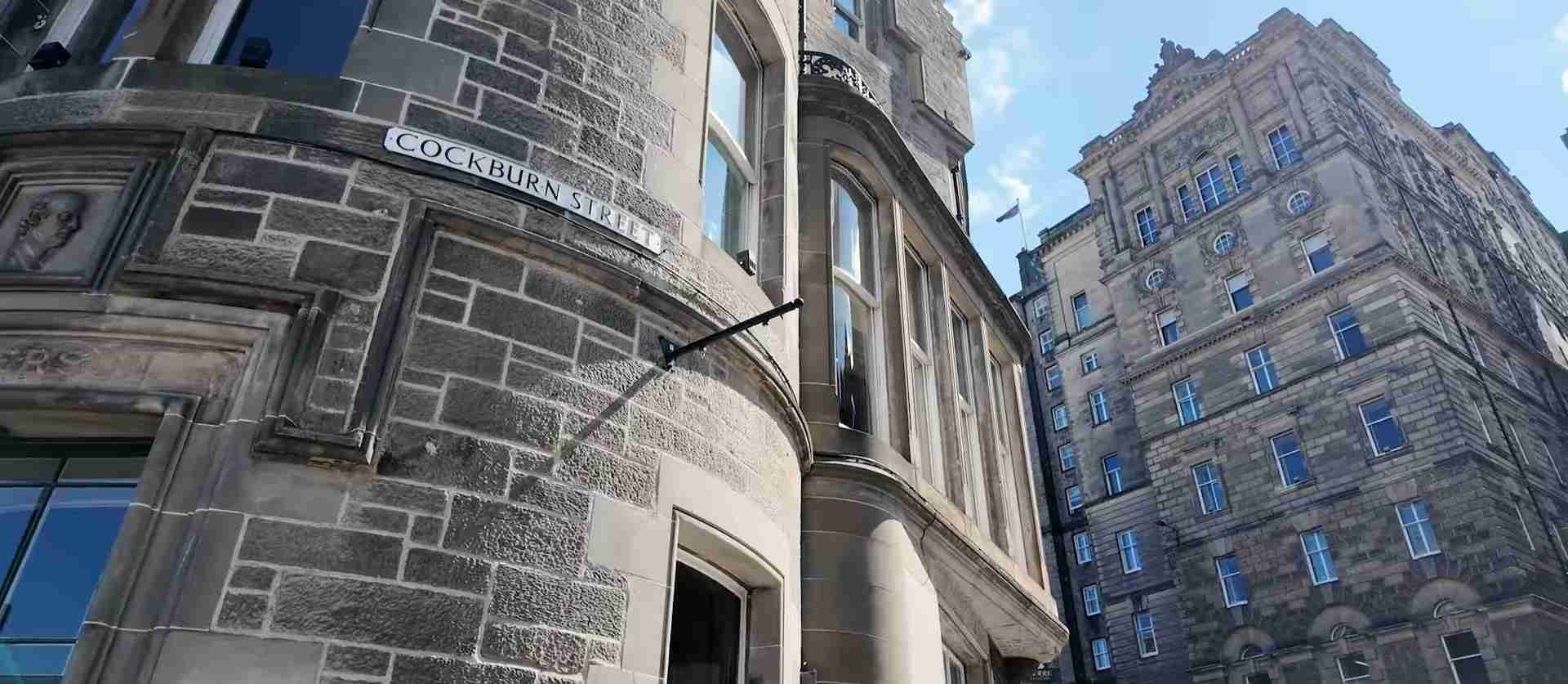
Edinburgh Photography Guide: Best Spots for Stunning Shots
Edinburgh presents photographers with an extraordinary combination of medieval and Georgian architecture, dramatic volcanic landscapes, and atmospheric street scenes that shift dramatically with Scotland’s ever-changing light. From the commanding presence of Edinburgh Castle perched on volcanic rock to the hidden cobblestone lanes of Dean Village, the Scottish capital offers photographic opportunities that reward both careful planning and spontaneous exploration across every season and lighting condition.
Key Takeaways: Edinburgh Photography Essentials
- Edinburgh Castle dominates photography compositions from countless angles throughout the city, with the most dramatic perspectives found from Princes Street Gardens, Grassmarket, and Johnston Terrace, where the volcanic rock foundation creates powerful vertical elements in architectural shots
- Old Town’s medieval architecture provides dense, layered compositions along narrow closes and wynds, with Victoria Street’s curved colorful facades and the atmospheric Royal Mile offering rich street photography opportunities in morning and evening light
- Arthur’s Seat delivers 360-degree panoramic photography from 251 meters elevation, capturing the entire city, Firth of Forth, and surrounding countryside, with sunrise and sunset creating dramatic backlighting conditions against Edinburgh’s skyline
- Calton Hill combines classical monuments with city views in compact compositions, offering golden hour photography potential with the National Monument, Nelson Monument, and City Observatory silhouetted against western light
- Dean Village represents Edinburgh’s hidden photography gem, featuring preserved 19th-century milling architecture along the Water of Leith, creating intimate riverside compositions away from tourist crowds with consistent photographic appeal across all seasons
- Royal Mile street photography captures Edinburgh’s cultural energy during festivals and daily life, with close-packed architecture creating natural framing, street performers adding human interest, and historic closes providing atmospheric backdrop opportunities
People Also Ask About Edinburgh Photography
What are the best times to photograph Edinburgh?
Golden hour produces Edinburgh’s most dramatic photography during summer months from 5:00-6:30 AM and 8:30-10:00 PM, when low-angle sunlight illuminates sandstone buildings in warm tones and creates long shadows that emphasize architectural details. Winter offers compressed golden hour periods from 8:00-9:00 AM and 3:30-4:30 PM, with additional benefits of fewer tourists, atmospheric mist, and potential snow coverage that transforms familiar locations. Blue hour extends these opportunities 30-45 minutes before sunrise and after sunset, when artificial street lighting creates warm accents against cool twilight skies, particularly effective for Edinburgh Castle illuminations and cityscape compositions. Overcast conditions work exceptionally well for Edinburgh photography despite their reputation, providing soft even light that eliminates harsh shadows in narrow closes and enhances the subtle color variations in weathered sandstone, while dramatic storm light creates powerful atmospheric conditions with dark clouds backlit by breaks in weather systems.
Where can I capture Edinburgh Castle from unique angles?
Edinburgh Castle photography extends far beyond the standard Princes Street perspective through strategic positioning across the city’s varied topography. Grassmarket provides low-angle views emphasizing the castle’s dramatic elevation atop volcanic rock, with morning light illuminating the north face and creating strong contrast between architecture and cliff face. Johnston Terrace offers mid-elevation perspectives that compress the castle against Old Town buildings, creating layered compositions that show Edinburgh’s vertical density. Vennel Steps present one of Edinburgh’s most photographed compositions, framing the castle through narrow stone walls with foreground steps leading the eye upward, most effective during blue hour when street lamps add warm accents. Calton Hill reverses the typical perspective, positioning the castle as one element within broader cityscape panoramas that include Arthur’s Seat, the Firth of Forth, and New Town’s Georgian terraces. Radical Road path along Salisbury Crags provides side-angle elevations that reveal the castle’s relationship to the Old Town ridge while incorporating foreground rock formations and wildflowers during spring and summer months.
What photography equipment works best for Edinburgh’s weather?
Edinburgh’s unpredictable weather demands weather-sealed camera bodies and lenses that withstand frequent light rain, mist, and wind conditions encountered during outdoor photography sessions. Wide-angle lenses between 16-35mm capture Edinburgh’s dramatic architecture and compressed medieval streets, proving essential for interior close photography where space limitations prevent backing up for composition. Standard zoom lenses covering 24-70mm provide versatile focal lengths for street photography, architectural details, and environmental portraits along the Royal Mile and in public spaces. Telephoto capabilities between 70-200mm compress distant architectural elements like Arthur’s Seat against cityscape foregrounds and isolate details on Edinburgh Castle’s battlements from safe vantage points. Sturdy tripods withstand wind conditions on exposed locations like Calton Hill and Arthur’s Seat while enabling long exposures during blue hour and night photography, though weight considerations matter for hiking to elevated viewpoints. Polarizing filters reduce reflections on wet cobblestones after rain and enhance color saturation in sandstone buildings under overcast skies, while neutral density filters enable long exposures that smooth crowds on the Royal Mile and create ethereal water effects in Princes Street Gardens fountains during daytime hours.
Are there hidden photography spots tourists miss in Edinburgh?
Dean Village sits remarkably close to the city center yet remains largely undiscovered by tourist crowds, offering preserved 19th-century milling architecture along the Water of Leith with stone bridges, overhanging buildings, and riverside walking paths that provide intimate photography compositions. Circus Lane in Stockbridge features cobblestone mews with colorful doors, overhanging trees, and curved perspectives that create charming residential photography without the crowds found on Victoria Street. Water of Leith Walkway extends twelve kilometers from Balerno to Leith, passing through varied environments including wooded gorges, modern sculptures, and industrial heritage sites that offer diverse photography subjects away from tourist circuits. Dunbar’s Close Garden on the Royal Mile hides behind an unassuming entrance, revealing a 17th-century formal garden with manicured hedges, seasonal flowers, and stone architecture that creates peaceful photography compositions in the heart of Old Town. Cramond village on Edinburgh’s northwestern edge provides coastal photography opportunities with the Forth estuary, causeway to Cramond Island, Roman fort remains, and traditional fishing village architecture creating seaside compositions distinct from Edinburgh’s typical urban imagery.
Extended multi-day tours – 5+ days
Featured Edinburgh Multi-Day Tour Packages
2 days
2-day Outlander Tour (Small Group)
- ✓ Comprehensive Edinburgh tour
- ✓ Expert local guides included
- ✓ All accommodation arranged
- ✓ Transportation provided

3 days
Edinburgh Discovery Tour
- ✓ Comprehensive Edinburgh tour
- ✓ Expert local guides included
- ✓ All accommodation arranged
- ✓ Transportation provided
4 days
4 Day Islay Whisky Tour
- ✓ Comprehensive Edinburgh tour
- ✓ Expert local guides included
- ✓ All accommodation arranged
- ✓ Transportation provided
6 days
Best of Scottish Lochs, the Highlands, Edinburgh and Glasgow in 6Days (Partially-guided, Independent)
- ✓ Comprehensive Edinburgh tour
- ✓ Expert local guides included
- ✓ All accommodation arranged
- ✓ Transportation provided
Multi-day tour packages powered by TourRadar. Prices and availability subject to change.
Introduction to Edinburgh Photography
Edinburgh’s architectural and topographical drama creates a photographer’s paradise where medieval and Georgian heritage intersects with volcanic landscapes, atmospheric weather systems, and vibrant cultural energy. The city’s unique geography—built across seven hills with a volcanic plug crowned by Edinburgh Castle at its center—provides natural elevation changes that enable photographers to capture layered compositions showing the relationship between historic districts, modern developments, and surrounding countryside within single frames. This three-dimensional urban landscape rewards exploration across multiple viewpoints, revealing how Edinburgh’s architecture adapts to challenging terrain through dramatic vertical construction, unexpected hidden closes, and buildings that cling to hillsides.
The Scottish capital’s sandstone architecture responds magnificently to the region’s changeable light conditions, with honey-colored stone that glows warmly during golden hour, takes on subtle purple and gray tones under overcast skies, and creates powerful contrast when wet from Edinburgh’s frequent rain. This same architecture that inspired poets and writers throughout centuries now offers photographers endless opportunities to capture the interplay between built environment and natural lighting conditions, with each season bringing distinctive color palettes and atmospheric effects. Summer’s extended daylight hours and festival energy contrast sharply with winter’s low-angle light and potential snow coverage, while spring and autumn provide balanced conditions with fewer crowds and dramatic weather transitions.
Edinburgh’s photography potential extends across multiple scales, from grand panoramic compositions capturing the entire city from Arthur’s Seat to intimate details found in carved stonework, weathered doors, and atmospheric close entrances throughout Old Town. The city rewards both careful planning—rising early for golden hour light on specific architectural subjects—and spontaneous exploration, where wandering down unfamiliar wynds reveals unexpected compositions. Street photography flourishes during August’s festival season when the Royal Mile transforms into a continuous performance space, while quieter months offer opportunities to photograph Edinburgh’s architecture and landscapes without crowds competing for foreground space.
This comprehensive photography guide explores Edinburgh’s most rewarding locations for capturing stunning images, organized by distinct photographic subjects and techniques rather than simple geographic divisions. Each section addresses specific lighting conditions, compositional approaches, equipment considerations, and timing recommendations that maximize success in Edinburgh’s challenging but rewarding photography environment. Whether capturing iconic postcard views of Edinburgh Castle or seeking hidden perspectives known primarily to local photographers, understanding how Edinburgh’s unique characteristics interact with fundamental photography principles transforms visits into productive creative sessions that yield portfolio-worthy images.
Edinburgh Castle Photography: Angles and Perspectives
Edinburgh Castle photography begins with understanding the fortress’s commanding position atop Castle Rock, a 130-meter volcanic plug that creates dramatic vertical elevation changes photographers can exploit for varied perspectives across the city. The castle’s north-facing main facade receives optimal lighting during late afternoon and evening hours when the sun swings around to illuminate the sandstone walls, while morning light creates strong side-lighting that emphasizes the building’s three-dimensional form against darker backgrounds. Photographers capturing the castle must consider foreground elements that provide scale and context, compositional framing that manages the building’s complex shape, and viewpoint elevation that determines whether the castle appears dominant or integrated within broader cityscape compositions.
Princes Street Gardens provides the most accessible Edinburgh Castle photography location, with manicured lawns creating clean foreground space and the Ross Fountain offering a classical architectural element for compositional balance. Early morning photography from the gardens captures the castle illuminated by eastern light while the gardens themselves remain in shade, creating dramatic contrast between bright castle walls and darker foreground vegetation. The gardens’ elevation below street level emphasizes the castle’s height and the dramatic cliff face supporting the fortifications, with telephoto lenses compressing these vertical elements for powerful architectural compositions. Spring photography in the gardens benefits from flowering cherry trees and daffodils that add seasonal color to foreground areas, while autumn offers warm foliage tones that complement the sandstone architecture.
Grassmarket delivers low-angle Edinburgh Castle perspectives that emphasize the volcanic rock foundation and the fortress’s defensive positioning, with historic tenement buildings providing scale reference and framing elements. Morning light illuminates the castle’s north face while leaving Grassmarket in shade, creating strong tonal separation between subject and foreground context. The square’s cobblestone surface and colorful building facades add character to foreground areas without competing for attention with the castle looming above. Wide-angle lenses between 16-24mm include both Grassmarket’s street-level activity and the castle’s elevated position within single compositions, showing the dramatic topographical relationships that define Edinburgh’s urban form.
Johnston Terrace provides mid-elevation viewpoints that compress the castle against Old Town’s dense medieval architecture, creating layered compositions showing Edinburgh’s vertical character. This vantage point works particularly well during blue hour when the castle’s illuminations activate against twilight skies while street-level lighting creates warm accents in building windows and along cobblestone streets. The elevated position minimizes foreground tourist activity while maintaining enough contextual architecture to ground the castle within Edinburgh’s broader urban fabric. Standard zoom lenses between 24-70mm offer versatility for both wider establishing shots incorporating multiple architectural layers and tighter compositions focusing on the castle’s architectural details.
Vennel Steps creates one of Edinburgh’s most photographed compositions by framing the castle through narrow stone walls with foreground steps leading the eye upward toward the fortress. This location requires careful timing to avoid crowds, with early morning and late evening offering the most solitude for unobstructed photography. The composition works best with wide-angle lenses between 16-20mm that exaggerate the steps’ perspective lines while maintaining the castle’s prominence in the upper frame area. Blue hour provides optimal lighting conditions when artificial illumination on both the castle and street lamps create warm accents against cool twilight skies, though overcast daytime conditions produce atmospheric results emphasizing Edinburgh’s weathered stone textures.
Calton Hill reverses typical Edinburgh Castle photography by positioning the fortress as one element within broader cityscape panoramas that include Arthur’s Seat, Old Town’s medieval ridge, New Town’s Georgian terraces, and the Firth of Forth. Sunrise photography from Calton Hill captures the castle silhouetted against eastern light with the city spread below, creating dramatic backlit compositions that emphasize Edinburgh’s topographical drama. The hill’s classical monuments—National Monument, Nelson Monument, City Observatory—provide foreground interest and compositional framing that contextualizes the castle within Edinburgh’s broader architectural heritage. Wide-angle lenses between 16-24mm capture these layered compositions showing the relationship between multiple architectural periods and natural landforms.
Radical Road along Salisbury Crags offers elevated side-angle perspectives that reveal Edinburgh Castle’s relationship to the Old Town ridge while incorporating dramatic foreground rock formations. Spring and summer photography benefits from wildflowers, gorse blooms, and varied vegetation that adds color and texture to foreground areas. The pathway’s elevation creates opportunities for photography that shows the castle at eye level rather than requiring the upward-looking perspectives common from street-level positions, producing more balanced architectural compositions. Morning light works particularly well from this eastern-facing location, illuminating both the castle and the crag faces while creating long shadows that emphasize the volcanic landscape’s dramatic geology.
Old Town Medieval Architecture Photography
Old Town’s medieval architecture creates Edinburgh’s most photographically dense district, where centuries of vertical construction, narrow closes, and atmospheric lighting conditions combine to produce compelling compositions within concentrated geographic space. The district’s sandstone buildings respond magnificently to Edinburgh’s variable weather, with wet cobblestones reflecting ambient light, mist creating atmospheric depth in narrow lanes, and dramatic cloud breaks illuminating specific architectural elements while surrounding areas remain in shade. Photographers working in Old Town must embrace close-quarter compositions where wide-angle lenses capture compressed architectural spaces and vertical perspectives show buildings towering above narrow thoroughfares.
Royal Mile photography extends across Edinburgh’s primary medieval street, where historic architecture, street performers, and festival activity create dynamic urban photography opportunities. The mile-long street’s orientation captures morning light from its eastern Parliament end and evening light from its western castle terminus, providing photographers with optimal lighting conditions at both ends throughout the day. Close entrances punctuate the street at regular intervals, offering atmospheric passageways where stone archways frame distant views and dim lighting creates dramatic tonal ranges. Street photography along the Royal Mile captures Edinburgh’s cultural energy, particularly during August’s festival season when performers, tourists, and temporary installations transform the street into a continuous spectacle.
Victoria Street’s curved cobblestone thoroughfare and colorful building facades create one of Edinburgh’s most photographed compositions, with the street’s gentle curve leading the eye through layered architectural perspectives. Morning light illuminates the street’s western-facing buildings, creating optimal conditions for photography that emphasizes the facades’ varied colors—reds, yellows, greens, and blues that contrast sharply with Edinburgh’s typical sandstone palette. Wide-angle lenses between 16-24mm capture the street’s full curve while exaggerating the perspective lines created by cobblestones and building facades. The street works equally well during quiet morning hours when empty cobblestones and shuttered shops create clean compositions, and during busy daytime when pedestrians and shop activity add urban energy to street scenes.
Close photography throughout Old Town requires photographers to seek out the narrow passageways connecting Royal Mile to lower streets, where stone archways, worn steps, and atmospheric lighting create intimate architectural compositions. Advocates Close, Dunbar’s Close, and Mary King’s Close each offer distinct character, with varied stonework, architectural details, and lighting conditions that reward exploration beyond Edinburgh’s main tourist routes. These spaces work particularly well during overcast conditions when soft even light eliminates harsh shadows in narrow confines, revealing subtle color variations in weathered stone and architectural details that bright sun would wash out. Morning photography captures closes before tourist crowds fill these narrow spaces, allowing unobstructed architectural documentation.
Canongate district photography combines medieval architecture with baroque churches, historic taverns, and the modern Scottish Parliament building, creating compositional opportunities that show Edinburgh’s architectural evolution across centuries. The Canongate Tolbooth’s distinctive turret provides a recognizable architectural landmark, while Canongate Kirk’s classical facade offers geometric balance within medieval urban fabric. Photography in this section of the Royal Mile benefits from slightly wider streets that enable photographers to back up for compositional space while maintaining the district’s historic character. Afternoon light works particularly well in Canongate, illuminating north-facing building facades and creating warm tones in sandstone architecture.
Cowgate photography requires photographers to descend below Royal Mile street level into Edinburgh’s atmospheric lower streets, where vaulted archways, bridge underpasses, and historic buildings create dramatically different lighting conditions and compositional opportunities. The street’s position beneath multiple bridges creates natural framing elements, with architecture visible through stone arches that add depth and context to compositions. Blue hour photography in Cowgate captures artificial lighting from bars and restaurants creating warm accents against cool twilight skies, while the elevated bridges above create dramatic silhouettes. The area’s historic association with Edinburgh’s working-class history adds narrative depth to documentary photography projects exploring the city’s social geography.
Greyfriars Kirkyard photography combines historic cemetery headstones, weathered stone monuments, and atmospheric lighting conditions that create evocative compositions throughout seasons. The kirkyard’s elevated position provides views across Old Town architecture, while individual grave monuments offer detailed subjects for close-up photography emphasizing Edinburgh’s weathered stone textures. Spring photography benefits from blooming daffodils that soften the cemetery’s somber character, while winter snow coverage creates dramatic contrast between white ground cover and dark stone monuments. Overcast conditions work particularly well in Greyfriars, creating even lighting that reveals subtle tonal variations in weathered sandstone and granite without harsh shadows.
Arthur’s Seat and Holyrood Park Panoramic Photography
Arthur’s Seat provides Edinburgh’s premier panoramic photography location, offering 360-degree views from 251 meters elevation that capture the entire city, Firth of Forth, surrounding countryside, and distant mountains within sweeping compositions. The ancient volcano’s distinctive profile creates dramatic foreground elements for sunrise and sunset photography, with rocky outcrops, cliff faces, and hiking paths adding geological interest to landscape compositions. Photographers ascending Arthur’s Seat must plan for forty-five to sixty-minute hiking time from Holyrood Park entrances, with pre-dawn starts essential for capturing optimal sunrise conditions and managing crowds that arrive later in the day.
Sunrise photography from Arthur’s Seat summit delivers Edinburgh’s most dramatic lighting conditions, with eastern light illuminating the city’s sandstone architecture while western areas remain in shade, creating powerful contrast across the urban landscape. Summer sunrise around 4:30 AM requires early starts but rewards photographers with extended golden hour conditions and minimal tourist presence. The summit’s rocky terrain provides varied foreground options, from smooth stone platforms that minimize foreground distraction to dramatic rock formations that add geological interest. Wide-angle lenses between 16-24mm capture the full panoramic sweep of Edinburgh spread below, while telephoto lenses between 70-200mm compress distant architectural elements like Edinburgh Castle against cityscape foregrounds.
Sunset photography from Arthur’s Seat positions Edinburgh Castle and Old Town silhouetted against western light, creating backlit compositions that emphasize the city’s dramatic topography. Summer sunset around 10:00 PM attracts more photographers and tourists, requiring earlier arrival to secure optimal positions along the summit’s western edge. The setting sun’s low angle creates long shadows across Edinburgh’s streets and buildings, adding dimension and texture to urban landscape photography. Graduated neutral density filters help balance bright sky exposure with darker foreground city areas, maintaining detail across the composition’s full tonal range.
Salisbury Crags photography provides dramatic cliff-face compositions with Edinburgh cityscape backgrounds, creating layered perspectives that show the relationship between volcanic geology and urban development. The crag’s vertical rock faces catch late afternoon and evening light, glowing warm against darker backgrounds when photographed from Radical Road pathway. Rock climbers often appear on the cliff faces during good weather, adding human scale reference and activity to geological compositions. Telephoto lenses between 100-200mm compress the cliff faces against distant city elements, creating powerful juxtapositions between natural landforms and built architecture.
Dunsapie Loch photography offers reflective water compositions with Arthur’s Seat rising behind, creating dramatic mirrored images during calm conditions. Early morning photography captures the best chance for still water before wind disturbs reflective surfaces, with sunrise light creating warm tones in the hillside vegetation reflected in the loch’s dark water. The loch’s position on Arthur’s Seat’s eastern flank places it away from main tourist routes, providing quieter photography conditions than the summit while still offering dramatic landscape compositions. Wide-angle lenses between 16-24mm capture both foreground water reflections and background hillside within single compositions, while polarizing filters reduce surface glare and enhance color saturation.
St. Margaret’s Loch photography provides alternative water-based compositions featuring the Gothic St. Anthony’s Chapel ruins on a hillside above the loch. The chapel’s weathered stone walls create romantic ruined architecture compositions that work particularly well during dramatic weather conditions when storm clouds gather behind the structure. Waterfowl activity on the loch adds wildlife interest to landscape compositions, particularly during spring and summer when ducks, swans, and geese nest around the water’s edges. The loch’s position below Arthur’s Seat creates sheltered conditions where calm water reflections appear more reliably than on exposed summit areas.
Holyrood Park seasonal photography showcases Edinburgh’s volcanic landscape across varied conditions, with summer’s purple heather blooms creating color-saturated foregrounds, autumn’s golden grasses adding warm tones, and winter’s potential snow coverage transforming the familiar landscape into dramatic white compositions. Spring photography captures fresh green vegetation emerging across the hillsides, with lambs grazing on the slopes adding pastoral elements to urban landscape compositions. Each season requires different compositional approaches, from summer’s emphasis on color saturation to winter’s focus on form and contrast, but all benefit from Holyrood Park’s dramatic topography and panoramic views.
Calton Hill Viewpoints and Golden Hour Shots
Calton Hill concentrates Edinburgh’s most photogenic viewpoints within a compact elevated space, combining classical monuments, city panoramas, and golden hour potential that makes this location particularly valuable during optimal lighting conditions. The hill’s eastern position relative to Edinburgh’s city center creates ideal conditions for sunset photography, with western-facing views capturing Edinburgh Castle, Old Town, and New Town architecture bathed in warm evening light. The site’s collection of monuments—National Monument, Nelson Monument, City Observatory, Dugald Stewart Monument—provide foreground architectural interest that elevates compositions beyond simple cityscape panoramas.
National Monument photography captures Edinburgh’s “Athens of the North” neoclassical heritage through the incomplete Parthenon replica that dominates Calton Hill’s summit. The monument’s Doric columns create powerful geometric framing elements for city views beyond, with gaps between columns providing natural compositional windows toward Edinburgh Castle and Old Town. Sunset photography positions the monument’s columns silhouetted against western light, creating dramatic backlit compositions where the architectural elements appear as dark graphic shapes against luminous skies. Wide-angle lenses between 16-24mm capture the full colonnade while including city views beyond, though careful positioning prevents distortion from making the columns appear to lean outward.
Nelson Monument photography emphasizes the tower’s distinctive cylindrical form rising above Calton Hill’s other structures, creating vertical accent elements within horizontal cityscape compositions. The monument works particularly well as a mid-ground element that bridges between foreground rocks or vegetation and background city views, adding architectural interest without dominating compositions. Afternoon and evening light illuminates the tower’s western face, creating warm tones in the sandstone that contrast with cooler shadowed areas. The monument’s time ball mechanism, which drops at 1:00 PM daily, provides potential action photography opportunities for visitors interested in Edinburgh’s maritime heritage.
City Observatory photography combines the building’s neoclassical architecture with sweeping city views from its elevated position, creating compositions that juxtapose scientific heritage with urban landscape. The observatory’s columned portico provides framing elements similar to the National Monument but on a smaller, more intimate scale that works well for tighter compositions. Photography from positions adjacent to the observatory incorporates the building’s distinctive dome within city panoramas, adding architectural interest to foreground areas. The building’s position on Calton Hill’s western edge provides unobstructed views toward Edinburgh Castle and the Old Town ridge, making this location particularly valuable during golden hour when western light illuminates the city’s sandstone architecture.
Dugald Stewart Monument photography captures the circular classical temple dedicated to the Scottish philosopher, creating elegant architectural subjects that work both as standalone monument photography and as foreground elements for broader city views. The monument’s elevated position on a rocky outcrop provides dramatic positioning against sky backgrounds, with the structure’s columns and dome creating recognizable silhouettes during blue hour photography. Sunrise photography captures the monument from the east with the city spread beyond, while sunset positions the structure against western light with Edinburgh Castle visible in the distance. The monument’s compact size enables photographers to include the full structure within compositions while maintaining substantial city views.
Golden hour photography from Calton Hill reaches peak effectiveness during summer months when the sun sets northwest behind Edinburgh Castle, creating optimal lighting angles that illuminate both the castle and Old Town’s medieval architecture in warm tones. Photographers arriving 45-60 minutes before sunset secure optimal positions along the hill’s western edge, though the site’s compact size means multiple photographers can work simultaneously without crowding. The extended twilight period after sunset provides 30-40 minutes of blue hour photography when the city’s artificial lighting creates warm accents against cool twilight skies. Graduated neutral density filters help balance bright western skies with darker eastern city areas, maintaining detail across compositions that include both dramatic skies and illuminated architecture.
Panoramic photography from Calton Hill captures 270-degree views spanning from Arthur’s Seat in the southeast, across the Firth of Forth to the north, and extending to Edinburgh Castle and the Pentland Hills in the southwest. Wide-angle lenses between 16-24mm capture substantial portions of this view within single frames, though panoramic stitching techniques enable photographers to create ultra-wide compositions that maintain detail across the full sweep. The hill’s elevation provides clear sight lines over intervening buildings, creating layer-cake compositions that show Edinburgh’s distinct architectural periods—medieval Old Town, Georgian New Town, Victorian expansions, and modern developments—within single frames that document the city’s architectural evolution.
Dean Village Hidden Photography Gem
Dean Village photography reveals Edinburgh’s best-preserved 19th-century milling community, where restored buildings cluster along the Water of Leith in a picturesque gorge remarkably close to the city center yet atmospherically removed from tourist circuits. The village’s collection of historic architecture, stone bridges, riverside walks, and dramatic elevation changes creates intimate photography compositions that emphasize Edinburgh’s hidden heritage sites. Photographers discover Dean Village offers year-round appeal, with each season bringing distinct character to the location through changing vegetation, varied light conditions, and the river’s seasonal water levels.
Well Court photography captures Dean Village’s most distinctive architectural feature, where Thomas Mackenzie’s Victorian philanthropic housing development creates picturesque compositions with its turreted buildings, carved inscriptions, and medieval revival details. The building complex’s honey-colored sandstone glows warmly during golden hour, with afternoon light illuminating western facades and creating rich textures in the carved stone details. The courtyard’s enclosed character creates intimate compositions focusing on architectural details and the relationship between buildings and small garden spaces. Spring photography benefits from flowering plants in the courtyard gardens, adding seasonal color that complements the warm sandstone tones.
Water of Leith photography in Dean Village emphasizes the river’s role creating the gorge that defines the village’s character, with stone embankments, historic bridges, and overhanging buildings creating layered compositions along the water’s course. The river’s relatively shallow depth enables long-exposure photography that creates silky water effects using neutral density filters during daytime, while the surrounding stone and vegetation provide compositional context. Autumn photography captures golden and red foliage reflected in the water, creating rich color palettes that contrast with gray stone architecture. Overcast conditions work particularly well for river photography, providing even lighting that reveals subtle color variations without harsh reflections.
Dean Bridge photography captures Thomas Telford’s dramatic four-arch masonry bridge spanning the gorge 106 feet above the Water of Leith, creating powerful engineering compositions that show the bridge’s relationship to the village below. Photography from the Water of Leith walkway positions the bridge as a dramatic overhead element with Dean Village buildings visible beneath the arches, creating strong vertical compositions emphasizing the gorge’s depth. The bridge’s western orientation receives optimal lighting during afternoon and evening hours when the sun illuminates the sandstone arches and creates warm tones in the masonry. Wide-angle lenses between 16-24mm capture the bridge’s full span and dramatic height, while telephoto lenses compress the architectural elements within tighter compositions focusing on individual arches and structural details.
Historic mill building photography documents Dean Village’s industrial heritage through preserved grain mill structures, external grain hoists, and architectural details that reveal the village’s economic history. These buildings’ distinctive features—loading doors, hoisting mechanisms, weathered stonework—provide character-rich subjects for architectural detail photography. Morning light works well for eastern-facing mill buildings along the river, creating side-lighting that emphasizes three-dimensional architectural details and weathered stone textures. The buildings’ varied states of preservation, from fully restored residential conversions to buildings retaining industrial character, offer photographers opportunities to document architectural conservation and adaptive reuse.
Footbridge photography captures the intimate pedestrian bridges crossing the Water of Leith at multiple points through Dean Village, creating charming compositions with stone and iron bridges framing views of buildings and river. These smaller bridges provide foreground interest for compositions looking through bridge arches toward village buildings beyond, creating natural framing elements that add depth to architectural photography. Blue hour photography captures bridge ironwork and surrounding buildings illuminated by warm artificial light against cool twilight skies, creating atmospheric evening compositions. The bridges’ positions along the Water of Leith walkway provide varied perspectives on the village, with each bridge offering distinct views and compositional opportunities.
Seasonal photography in Dean Village showcases how the location’s character transforms across the year while maintaining photographic appeal. Spring brings flowering cherry trees along the riverbank, creating soft pink accents against stone architecture. Summer’s full foliage creates lush green compositions with vegetation framing architectural elements. Autumn delivers spectacular color as trees along the gorge transform into gold, orange, and red displays that reflect in the river. Winter photography captures Dean Village under snow coverage when possible, creating dramatic contrast between white ground cover and dark stone buildings, while frost conditions produce delicate textures on vegetation and architectural surfaces. Each season requires different compositional approaches but all benefit from Dean Village’s preserved architectural character and intimate scale.
Royal Mile Street Photography Opportunities
Royal Mile street photography captures Edinburgh’s cultural energy along the city’s primary medieval thoroughfare, where historic architecture, street performers, festival activity, and daily urban life create dynamic compositions combining architectural heritage with contemporary street scenes. The mile-long street’s dense vertical architecture creates natural framing elements, while varied lighting conditions—from bright open spaces near the castle to shadowed closes and wynds—provide opportunities for dramatic tonal contrasts within short walking distances. Street photographers working the Royal Mile must balance architectural documentation with capturing human activity that brings the historic street alive.
Street performer photography flourishes during August’s festival season when musicians, actors, acrobats, and artists transform the Royal Mile into continuous performance space. Photographers capturing performers should respect personal space while seeking angles that include both performer and audience reactions, creating dynamic compositions showing the interaction between artists and spectators. Morning hours before 11:00 AM offer quieter conditions for architectural photography without performers, while afternoon and evening bring peak activity suitable for energetic street photography. Wide-angle lenses between 24-35mm capture performers within their architectural context, while telephoto lenses between 70-200mm enable photographers to isolate individual performers or capture candid audience reactions without intrusive proximity.
Close entrance photography documents the atmospheric passageways connecting Royal Mile to lower parallel streets, where stone archways, worn steps, and dim lighting create dramatic tonal contrasts within compressed architectural spaces. Advocates Close, Bakehouse Close, and Warriston’s Close each offer distinct character worth exploring for architectural detail photography. These spaces work particularly well during midday when bright light outside creates strong contrast with dark passages inside, emphasizing the mysterious character of Edinburgh’s hidden lanes. Flash photography can reveal architectural details in the darkest sections while maintaining ambient light from entrance areas, creating dramatic compositions balancing natural and artificial illumination.
Window and doorway photography along the Royal Mile captures architectural details that reveal Edinburgh’s building heritage through varied door colors, traditional fanlights, weathered stonework, and historic shop fronts. These detail-focused compositions work well during overcast conditions when soft even light reveals subtle color variations and textures without harsh shadows. Macro lenses between 90-105mm enable photographers to isolate individual architectural elements—door knockers, carved stone details, weathered paint—creating abstract compositions emphasizing texture and color. The collection of detail photographs taken along the full Royal Mile length documents Edinburgh’s architectural variety within a cohesive body of work.
Bagpiper photography captures one of Edinburgh’s most recognizable cultural elements, with musicians in traditional Highland dress performing along the Royal Mile throughout the day. Photographers should seek permission before close-up portraiture, though environmental portraits capturing musicians within architectural context require less intrusive approaches. Morning and evening light creates more dramatic conditions than harsh midday sun, with side-lighting emphasizing the musicians’ costumes and the instruments’ details. Including architectural elements like Edinburgh Castle or historic closes in backgrounds connects the cultural performance with Edinburgh’s heritage setting.
Festival photography during August transforms Royal Mile street photography into event documentation, with temporary stages, street theater, promotional activity, and dense crowds creating chaotic but photogenic conditions. Photographers working during festival season should arrive early morning for architectural photography before crowds fill the street, then embrace the festival energy during afternoon and evening hours. Wide-angle lenses between 16-24mm capture the festival’s scale and density, while telephoto lenses compress crowd scenes and isolate individual moments within the chaos. The festival creates opportunities for photography showing Edinburgh’s contemporary cultural role rather than just its historic architecture.
Blue hour photography along the Royal Mile captures the street’s architectural lighting creating warm accents against cool twilight skies, with shops, restaurants, and street lighting illuminating the historic facades. This timing reduces crowds compared to daytime but maintains enough ambient light for handheld photography at reasonable ISO settings. The street’s orientation creates opportunities for photography looking both uphill toward the castle and downhill toward Holyrood Palace, with each direction offering distinct lighting characteristics. Tripod photography enables longer exposures that smooth pedestrian movement into ghostly traces while maintaining sharp architectural details.
New Town Georgian Architecture Photography
New Town photography captures Edinburgh’s 18th-century planned expansion, where symmetrical Georgian terraces, formal gardens, and classical proportions create ordered architectural compositions contrasting sharply with Old Town’s medieval irregularity. The district’s wide streets and generous proportions enable photographers to capture full building facades with minimal distortion, while the area’s elevated position provides views across the Firth of Forth creating opportunities for architecture-and-landscape compositions. New Town’s preservation as a UNESCO World Heritage Site maintains the district’s architectural integrity, providing photographers with pristine examples of Georgian urban planning and neoclassical architecture.
Princes Street Gardens photography combines formal Victorian park design with views toward Edinburgh Castle and Old Town’s medieval skyline, creating layered compositions that show the contrast between New Town’s ordered Georgian architecture and Old Town’s dramatic topographical setting. The Ross Fountain provides a baroque architectural accent within the gardens’ Victorian landscape design, creating ornate foreground subjects for compositions including Edinburgh Castle in background areas. Spring photography benefits from flowering daffodils, tulips, and cherry blossoms that add seasonal color, while autumn foliage creates warm tones complementing the sandstone architecture surrounding the gardens.
Charlotte Square photography captures Edinburgh’s finest complete Georgian square, where Robert Adam’s symmetrical facades create formal architectural compositions with central garden space providing foreground perspective. The square’s western aspect receives optimal lighting during afternoon and evening hours when sun illuminates the ashlar stonework and creates warm tones in the building facades. The Georgian House museum’s preserved period facade offers detailed architectural photography focusing on doorways, windows, ironwork, and stonework that exemplify neoclassical design principles. Wide-angle lenses between 16-24mm capture the square’s formal proportions and architectural symmetry, while telephoto lenses isolate individual buildings and architectural details.
Moray Place photography documents Edinburgh’s largest Georgian circus, where curved terraces create sweeping architectural perspectives around central garden space. The circus’s circular form creates opportunities for photography that emphasizes curved building facades and repeating architectural elements extending around the perimeter. Spring photography captures flowering trees in the central garden adding seasonal interest, while the building facades’ honey-colored sandstone maintains photographic appeal across all seasons. The location’s residential character creates quieter photography conditions than more touristy New Town areas, enabling unobstructed architectural documentation.
Heriot Row photography captures one of New Town’s most prestigious streets, where continuous terraces create long perspectives emphasizing the district’s planned uniformity and architectural consistency. The street’s eastern orientation creates optimal lighting during morning hours when the sun illuminates building facades and creates long shadows emphasizing architectural details. Robert Louis Stevenson’s childhood home at number 17 provides literary heritage interest for photography connecting Edinburgh’s architecture with its cultural history. The street’s generous width enables photography from multiple angles without severe perspective distortion, creating clean architectural documentation.
Queen Street Gardens photography offers private garden access creating exclusive photography opportunities showing New Town’s residential garden spaces typically hidden from public view. The gardens’ mature trees, formal pathways, and seasonal plantings create pastoral compositions contrasting with the surrounding urban architecture. Photography from within the gardens looks outward toward Georgian terraces framed by vegetation, creating layered compositions balancing architecture and landscape elements. Access restrictions mean photographers need resident permission or special arrangements, making these perspectives particularly valuable for comprehensive New Town documentation.
Stockbridge photography captures New Town’s bohemian northern extension, where Georgian architecture combines with village-scale streets, independent shops, and the Water of Leith creating intimate urban compositions. Circus Lane’s cobblestone mews with colorful doors and overhanging trees creates one of Edinburgh’s most charming residential photography locations, particularly during spring when flowering plants add seasonal color. The area’s Sunday farmer’s market provides street photography opportunities combining Georgian architecture with contemporary urban activity. St. Bernard’s Well, a classical temple structure beside the Water of Leith, creates architectural accent opportunities within landscape-focused photography along the riverside walkway.
Leith and Waterfront Modern Photography
Leith photography captures Edinburgh’s historic port district, where maritime heritage architecture combines with contemporary waterfront development, creating opportunities for photography that documents urban regeneration and industrial history. The area’s working port character, Victorian warehouses, modern apartments, and nautical elements provide subjects distinct from Edinburgh’s city center heritage sites. Photographers exploring Leith discover industrial textures, maritime details, and contemporary architecture that broaden Edinburgh photography portfolios beyond typical tourist imagery.
Royal Yacht Britannia photography captures the decommissioned royal vessel creating distinctive maritime compositions with the ship’s elegant lines, royal insignia, and nautical details. The yacht’s berth at Ocean Terminal provides multiple angles for exterior photography, with morning light illuminating the ship’s port side and afternoon light favoring starboard perspectives. Interior photography opportunities document the ship’s preserved 1950s interiors, though available light can be limited requiring higher ISO settings or careful flash photography. The yacht’s positioning against modern waterfront development creates compositional opportunities contrasting historic maritime heritage with contemporary architecture.
Shore area photography documents Leith’s historic waterfront, where restored warehouses, traditional pubs, and the Water of Leith’s tidal basin create maritime character compositions. The area’s varied architecture spans from 17th-century merchant buildings to Victorian warehouses and contemporary restaurants, providing photographers with chronological architectural documentation opportunities. Blue hour photography captures waterfront buildings reflected in the basin’s calm water, creating mirror images that work particularly well during high tide when water levels are optimal. The area’s collection of independent restaurants and bars creates vibrant evening street photography opportunities with artificial lighting creating warm accents.
Custom House photography captures the neoclassical customs building’s formal architecture providing a monumental accent along Leith’s waterfront. The building’s columned facade and central dome create classical architectural subjects, while its positioning overlooking the Water of Leith provides compositional opportunities including both architecture and water elements. Afternoon light illuminates the building’s eastern facade, creating optimal conditions for photography emphasizing architectural details and proportions. The building’s relationship to surrounding warehouse architecture shows Leith’s commercial maritime history through varied building types serving different port functions.
Victoria Swing Bridge photography documents the working bridge’s industrial engineering and mechanical details, creating opportunities for architectural and detail photography emphasizing maritime infrastructure. The bridge’s ironwork, counterweight system, and mechanical components provide technical subjects for photographers interested in industrial heritage and functional design. When the bridge opens for vessel passage, photographers can capture the mechanical operation and the relationship between maritime traffic and the surrounding architecture. Wide-angle lenses capture the bridge’s full mechanism and architectural context, while telephoto lenses isolate mechanical details and weathered industrial textures.
Newhaven Harbour photography provides traditional fishing village character within Edinburgh’s boundaries, where preserved historic buildings, active fishing boats, and harbor infrastructure create nautical compositions. The lighthouse at the harbor entrance provides a distinctive architectural landmark, while fishing boats moored in the harbor add working maritime character absent from Edinburgh’s more tourist-focused areas. Morning photography captures fishing activity when boats return with catches, providing authentic maritime life documentation. The harbor’s scale creates intimate compositions focused on individual boats, fishing gear details, and weathered maritime architecture.
Ocean Terminal photography documents contemporary waterfront development, where modern retail architecture, the Royal Yacht Britannia, and harbor views create opportunities for urban development and architectural photography. The terminal’s elevated viewing platforms provide perspectives across Leith docks and the Firth of Forth, creating maritime landscape compositions. The building’s glass and steel architecture contrasts sharply with Leith’s historic warehouse buildings, providing photographers with opportunities to document architectural contrast and urban regeneration within single compositions showing both heritage preservation and contemporary development.
Edinburgh’s Gardens and Green Spaces Photography
Edinburgh’s gardens and green spaces provide diverse photography opportunities beyond the city’s architectural heritage, where designed landscapes, seasonal plantings, and natural areas create varied compositional possibilities across the year. These spaces offer photography combining formal garden design, botanical subjects, landscape perspectives, and the relationship between green spaces and surrounding architecture. Photographers exploring Edinburgh’s gardens discover that each space maintains distinct character through design philosophy, horticultural collections, and topographical setting.
Royal Botanic Garden photography captures Edinburgh’s premier horticultural collection across seventy acres of designed landscapes and glasshouse collections. The garden’s mature trees create cathedral-like perspectives with overhead canopy filtering light onto woodland floor vegetation, producing soft atmospheric conditions ideal for botanical photography. The Rock Garden provides alpine plant photography opportunities with carefully arranged stone and plant compositions creating miniature landscape scenes. Spring photography in the garden reaches peak interest during rhododendron season when massive specimens bloom in vivid colors, creating spectacular floral displays. The Victorian Palm House provides tropical environment photography year-round, with architectural ironwork framing exotic vegetation in atmospheric humidity-softened compositions.
Inverleith Park photography within the Botanic Garden grounds provides panoramic city views from elevated lawn areas, creating opportunities for landscape photography incorporating Edinburgh’s skyline into garden compositions. The park’s open character and mature tree specimens create opportunities for photography emphasizing the relationship between designed landscape and urban context. Summer photography benefits from mown grass patterns creating geometric ground textures, while autumn leaf coverage adds seasonal color. The park’s elevation provides clear sight lines toward Arthur’s Seat, Edinburgh Castle, and Old Town, enabling photographers to include these landmarks within garden-based compositions.
Dunbar’s Close Garden photography reveals a hidden 17th-century formal garden tucked behind the Royal Mile, where geometric planting beds, clipped hedges, and stone architecture create intimate historical garden compositions. The garden’s enclosed character provides sanctuary from Royal Mile crowds while maintaining architectural context through surrounding historic buildings. Spring bulb displays and summer perennial plantings add seasonal color within the formal geometric framework. The garden’s small scale creates challenges for photography requiring wide-angle lenses to capture full garden layouts, though this compact space rewards detail-focused photography emphasizing individual plant specimens and architectural features.
Princes Street Gardens East photography combines Victorian park design with dramatic topographical setting beneath Edinburgh Castle and Old Town’s cliff face, creating layered compositions showing the relationship between landscape design and geology. The gardens’ position in the drained Nor Loch basin creates a natural amphitheater effect with surrounding architecture rising steeply on multiple sides. Seasonal bedding displays provide formal horticultural interest, particularly during summer when municipal plantings create colorful patterns. The gardens’ network of pathways creates compositional leading lines drawing viewers through the space toward architectural features including the Scott Monument.
Scott Monument photography captures Edinburgh’s Gothic revival monument to Sir Walter Scott rising 200 feet above Princes Street Gardens, creating vertical accent elements within horizontal garden compositions. The monument’s elaborate Gothic details provide subjects for architectural detail photography, while the structure’s distinctive silhouette works effectively when photographed against sky backgrounds. Climbing the monument’s internal staircase provides elevated photography perspectives across Princes Street Gardens and Old Town, though the narrow spiral stairs and small viewing platforms create challenging photography conditions. Blue hour photography captures the monument illuminated against twilight skies, creating dramatic nighttime compositions.
Meadows photography documents Edinburgh’s large public park providing recreational green space south of Old Town, where tree-lined paths, open meadows, and neighborhood character create different photography opportunities than formal garden spaces. The park’s collection of mature trees provides subjects for photography emphasizing botanical specimens and seasonal foliage changes. Cherry blossom photography in spring creates spectacular displays when the park’s collection of ornamental cherry trees blooms in pink and white flowers creating overhead canopies. The park’s scale enables wide-angle landscape photography showing the relationship between green space and surrounding Victorian architecture.
Blackford Hill photography combines elevated viewpoints similar to Arthur’s Seat with easier access and less dramatic topography, creating alternative panoramic photography locations. The Royal Observatory’s hilltop position provides both architectural interest and clear sight lines across Edinburgh toward the Pentland Hills. The hill’s grassland character and scattered trees create foreground interest for panoramic compositions, particularly during golden hour when low-angle light creates long shadows emphasizing the landscape’s gentle contours. The location’s position south of the city center provides different perspectives on Edinburgh’s skyline than northern viewpoints like Calton Hill.
Seasonal Photography Considerations
Edinburgh’s seasonal photography variations create dramatically different visual character across the year, with each season bringing distinct lighting conditions, color palettes, tourist density levels, and weather patterns that affect photography approaches and opportunities. Understanding these seasonal patterns enables photographers to plan visits during periods matching their creative goals, whether seeking vibrant spring colors, extended summer daylight, dramatic autumn foliage, or atmospheric winter conditions. The seasonal cycle also affects practical photography considerations including crowd management, weather protection needs, and daylight availability.
Spring photography in Edinburgh spans March through May, bringing emerging vegetation, flowering trees and bulbs, and increasingly favorable weather conditions after winter’s harshest period. Cherry blossom photography reaches peak interest during late April and early May when ornamental cherry trees throughout the city bloom in spectacular pink and white displays, particularly concentrated in the Meadows and along streets throughout New Town. Daffodil displays in Princes Street Gardens create vibrant yellow foregrounds for Edinburgh Castle photography during April, while tulip displays extend colorful floral interest through May. Spring lighting conditions provide increasing daylight hours as the season progresses, with sunrise advancing from 7:00 AM in early March to 5:30 AM by late May, creating more accessible golden hour photography timing.
Summer photography from June through August offers Edinburgh’s longest daylight hours and most favorable weather conditions, though these benefits coincide with peak tourist seasons and festival crowds that complicate photography requiring clean architectural compositions. Summer sunrise around 4:30 AM and sunset around 10:00 PM create extended golden hour periods and brief blue hours, with twilight extending until nearly midnight in late June. August’s festival season transforms Edinburgh into a continuous cultural event with street performers, temporary installations, and dense crowds creating dynamic street photography opportunities along the Royal Mile while simultaneously making architectural photography challenging during daytime hours. Early morning photography before 8:00 AM provides the most effective strategy for clean architectural shots during summer months.
Autumn photography from September through November delivers Edinburgh’s most dramatic color transformations as deciduous trees throughout the city transition from green to gold, orange, and red foliage. The Royal Botanic Garden, Princes Street Gardens, Holyrood Park, and Dean Village provide particularly spectacular autumn color displays. September offers the most favorable weather with lower tourist crowds after festival season ends, creating ideal conditions balancing good weather with manageable visitor numbers. October brings peak foliage color though weather becomes increasingly unpredictable with more frequent rain and strong winds. November photography works with bare trees and fallen leaves creating different compositional opportunities emphasizing Edinburgh’s architecture without summer vegetation obscuring building facades.
Winter photography from December through February presents Edinburgh’s most challenging but potentially rewarding conditions, with short daylight hours, harsh weather, and potential snow coverage creating atmospheric photography opportunities. Winter sunrise around 8:30 AM and sunset around 3:45 PM compress photography hours but create extended golden hour periods with low-angle sunlight producing dramatic shadows and warm tones in sandstone architecture. Snow coverage transforms Edinburgh’s familiar landscapes into dramatic white compositions emphasizing architectural forms through high-contrast monochromatic palettes, though reliable snow requires cold weather convergence that occurs irregularly. Christmas markets and Hogmanay celebrations create festive photography opportunities with decorative lighting and cultural events, while generally lower tourist numbers outside these peak periods enable cleaner architectural photography.
Festival season photography during August creates unique opportunities documenting Edinburgh’s cultural character during the world’s largest arts festival, with the Edinburgh Festival Fringe, International Festival, Military Tattoo, and Book Festival creating concentrated cultural activity. Street photography along the Royal Mile captures performers, audiences, and the festival’s chaotic energy, requiring photographers to embrace crowds rather than avoid them. Festival installations and temporary stages create photography subjects that disappear after August, documenting Edinburgh’s annual transformation. The festival period requires advanced accommodation booking and tolerance for crowds but provides street photography opportunities unavailable during other months.
Weather transition photography captures Edinburgh during dramatic weather changes when storm systems move across the city creating rapidly changing light conditions, dramatic cloud formations, and atmospheric effects. These transition periods often produce the most dramatic landscape and cityscape photography as sunlight breaks through storm clouds illuminating specific architectural elements while surrounding areas remain dark. Photographers monitoring weather forecasts for unstable conditions position themselves at key viewpoints like Arthur’s Seat or Calton Hill before weather systems arrive, capturing the dramatic lighting effects as conditions change. Post-rain periods create particularly favorable conditions when wet cobblestones and building facades reflect ambient light while clouds break up creating dramatic skies.
Weather and Lighting Strategies
Edinburgh’s weather and lighting conditions demand adaptive photography strategies that respond to the Scottish capital’s maritime climate, characterized by changeable conditions, frequent cloud cover, Atlantic weather systems, and dramatic light variations within single days. Photographers working in Edinburgh cannot rely on consistent weather patterns but must instead develop approaches that turn Scotland’s challenging conditions into atmospheric photographic assets. Understanding how different weather conditions affect Edinburgh’s architecture and landscapes enables photographers to recognize and capitalize on optimal moments when dramatic lighting emerges from unpredictable weather patterns.
Overcast photography in Edinburgh works exceptionally well despite many photographers’ preference for bright sun, with Scotland’s frequent cloud cover creating soft even light that reveals subtle color variations in sandstone architecture without harsh shadows. Overcast conditions prove particularly valuable for close photography in Old Town’s narrow wynds where bright sun would create extreme contrast between sunlit and shadowed areas that exceed camera dynamic range. The diffused light reveals weathered stone textures, moss growth on damp surfaces, and subtle architectural details that bright sun would wash out. Color saturation in Edinburgh’s sandstone actually appears richer under overcast conditions when the stone’s natural honey tones emerge without sun bleaching them toward white in highlights.
Golden hour photography requires careful timing calculation based on Edinburgh’s latitude of 55.9 degrees north, which creates dramatically different golden hour duration across seasons. Summer golden hour extends 60-90 minutes with the sun’s shallow angle producing extended periods of warm directional light, while winter golden hour compresses to 30-45 minutes with the sun barely rising above southern horizons. Online golden hour calculators specific to Edinburgh’s coordinates provide precise timing for optimal lighting conditions. The Scottish capital’s topography creates additional complexity as hills and buildings block low-angle sunlight in some locations while other viewpoints maintain clear sight lines to horizons, requiring location-specific timing research.
Blue hour photography in Edinburgh creates opportunities for capturing the city’s artificial lighting against twilight skies, with the period between sunset and full darkness providing balanced exposures showing both illuminated architecture and sky detail. Edinburgh Castle’s dramatic floodlighting activates approximately thirty minutes before sunset, creating early opportunities for twilight photography before full darkness. Princes Street’s commercial lighting, Royal Mile’s street lamps, and illuminated monuments create warm accent lighting throughout the city center. Blue hour duration varies seasonally from extended periods during summer to brief windows during winter, requiring photographers to work efficiently during limited optimal conditions.
Storm light photography captures Edinburgh during dramatic weather conditions when dark clouds provide contrasting backgrounds for sunlit architectural elements, creating powerful atmospheric compositions impossible during settled weather. Storm conditions often produce dramatic directional lighting as breaks in cloud cover allow sunlight to illuminate specific buildings or landscape elements while surrounding areas remain dark under storm clouds. Photographers monitoring approaching weather systems position themselves at elevated viewpoints like Arthur’s Seat or Calton Hill before storms arrive, then capture the dramatic lighting effects as weather systems pass. Safety considerations require avoiding exposed hilltops during lightning conditions while maintaining accessibility to viewpoints for post-storm photography.
Mist and fog photography creates atmospheric conditions that simplify compositions by obscuring distant elements and creating graduated tonal transitions from foreground to background. Edinburgh’s position between the Firth of Forth and surrounding hills creates favorable conditions for mist formation, particularly during autumn and winter mornings when temperature inversions trap moisture close to ground level. Arthur’s Seat photography during misty conditions captures the volcanic hill emerging from fog banks that obscure the city below, creating dramatic isolation effects. Dean Village benefits from mist settling in the gorge while surrounding areas remain clear, creating atmospheric river scenes with diffused lighting softening the architecture.
Rain photography in Edinburgh requires weather-sealed equipment and protective strategies but creates opportunities for unique imagery showing the city’s wet-weather character that visitors frequently experience. Wet cobblestones reflect ambient light and architectural elements, effectively doubling the visual interest in street-level photography. Rain on building facades darkens the sandstone while creating glossy surfaces that catch light, producing richer tones than dry conditions. Post-rain periods provide optimal conditions when pavements remain wet for reflective effects while precipitation has stopped, allowing extended exposure times without rain blur. Umbrella photography adds human interest to street scenes while providing scale reference and color accents through varied umbrella colors.
Sunrise and sunset photography in Edinburgh requires understanding the sun’s seasonal path variations affecting optimal photography locations. Summer sunrise in the northeast and sunset in the northwest create different lighting angles than winter’s more southerly sun path, affecting which building facades receive optimal lighting. Calton Hill works particularly well for sunset photography year-round with westward views toward Edinburgh Castle, while Arthur’s Seat provides optimal sunrise conditions with eastward views across the city. Winter’s lower sun angle creates longer shadows and more dramatic side-lighting on building facades, while summer’s high sun angle produces shorter shadows but extended golden hour periods.
Essential Photography Equipment for Edinburgh
Edinburgh photography equipment selection must balance comprehensive creative capability with practical portability considerations, particularly for photographers planning to hike to elevated viewpoints like Arthur’s Seat or work throughout the city during extended walking tours. The Scottish capital’s unpredictable weather, varied architecture, dramatic landscapes, and lighting challenges require versatile equipment that handles diverse subjects while maintaining reliability under challenging conditions. Equipment decisions should prioritize weather sealing, focal length versatility, and accessories that enable photographers to adapt to Edinburgh’s rapid weather changes and varied photography situations.
Camera body selection for Edinburgh photography should prioritize weather sealing that protects equipment from Scotland’s frequent rain, mist, and humidity while providing sufficient resolution for detailed architectural photography and dynamic range for challenging lighting conditions. Full-frame sensors provide advantages for low-light photography during blue hour sessions and interior close photography, though modern APS-C sensors deliver excellent results for most Edinburgh photography applications. Dual card slots provide backup protection for important photography sessions, while robust battery life becomes critical during extended winter days when cold conditions drain battery capacity. Mirrorless systems offer weight advantages important for hiking to Arthur’s Seat, while DSLR systems provide optical viewfinders some photographers prefer for architectural composition.
Wide-angle lens selection between 16-35mm proves essential for Edinburgh photography, capturing the city’s dramatic architecture in compressed spaces where backing up for composition proves impossible. Close photography in Old Town’s narrow wynds requires ultra-wide capabilities around 16-20mm to include full architectural perspectives within single frames. Edinburgh Castle photography from Grassmarket and similar low-angle viewpoints benefits from 16-24mm focal lengths that include both the dramatic cliff face and architectural elements above. Architectural interiors in museums and historic buildings require wide-angle capabilities for room documentation without severe distortion, making 24mm a practical compromise between coverage and perspective control.
Standard zoom lens coverage between 24-70mm provides versatile focal lengths for street photography, architectural details, and general purpose photography throughout Edinburgh’s varied locations. This focal length range handles Royal Mile street photography, New Town architectural documentation, and environmental portraits without requiring lens changes in dusty or wet conditions. The 50mm range within this zoom provides natural perspective for street photography and documentary work, while the 70mm end enables photographers to compress architectural elements and isolate specific building details. Fast maximum apertures around f/2.8 enable handheld photography during blue hour and overcast conditions without excessively high ISO settings.
Telephoto lens capability between 70-200mm enables photographers to compress distant architectural elements, isolate details on Edinburgh Castle and other structures from safe vantage points, and create layered cityscape compositions from elevated viewpoints. Arthur’s Seat panoramic photography benefits from telephoto compression that stacks architectural elements against each other, creating dense urban compositions showing Edinburgh’s vertical character. Detail photography focusing on castle battlements, monument sculptures, and architectural ornamentation requires telephoto reach for frame-filling compositions. Wildlife photography opportunities in Holyrood Park capture birds and occasional deer, requiring telephoto focal lengths for natural-looking images without disturbing subjects.
Tripod selection for Edinburgh photography must balance stability against portability, particularly for photographers planning to hike to elevated viewpoints carrying equipment substantial distances. Carbon fiber tripods provide strength with minimal weight, though aluminum alternatives offer excellent stability at lower cost with modest weight penalties. Tripod height should enable comfortable viewing through viewfinders without excessive bending, while compact folded dimensions facilitate transportation through airport security and city streets. Ball heads provide quick adjustment for rapidly changing compositions, while geared heads offer precise control for architectural photography requiring careful alignment. Edinburgh’s frequent wind conditions on exposed locations like Calton Hill and Arthur’s Seat require substantial tripods that resist vibration, potentially necessitating hanging camera bags from the center column for additional stability.
Filter selection for Edinburgh photography should include circular polarizing filters that reduce reflections on wet surfaces after rain, enhance color saturation in sandstone architecture, and manage sky tones in landscape photography. Graduated neutral density filters help balance bright skies against darker foreground city areas during sunrise, sunset, and blue hour photography, maintaining detail across compositions including both dramatic skies and illuminated architecture. Neutral density filters enable long exposures during daylight hours, smoothing water in the Water of Leith and fountains while creating ethereal effects as crowds move through busy locations like the Royal Mile. Variable neutral density filters provide adjustment flexibility though fixed-strength filters typically deliver superior optical quality.
Weather protection equipment proves essential for Edinburgh photography given Scotland’s frequent rain, with rain covers protecting cameras and lenses during wet conditions while enabling continued photography. Waterproof camera bags with sealed construction protect equipment during transportation between locations in rain. Microfiber cloths remove water droplets from lens fronts between shots, while lens hoods shield glass elements from rain falling at angles. Hand warmers during winter photography prevent batteries from draining in cold conditions, with spare batteries kept in warm interior pockets maintaining capacity. Weatherproof footwear with good grip proves essential for photography on wet cobblestones and hiking to elevated viewpoints along potentially muddy paths.
Lesser-Known Photography Viewpoints
Edinburgh’s lesser-known photography viewpoints reveal perspectives missed by typical tourist circuits, offering photographers opportunities to create distinctive imagery beyond the iconic shots captured from heavily-trafficked locations. These hidden viewpoints reward photographers willing to explore beyond mapped tourist routes, climb additional stairs, or visit neighborhoods away from the city center. Discovering these locations creates photographic portfolios showing Edinburgh’s complexity and variety rather than just its most famous landmarks photographed from standard angles.
Castle Terrace provides elevated perspectives on Edinburgh Castle from the western approach, creating mid-level views that show the fortress integrated within surrounding urban fabric rather than isolated on its volcanic plug. The location’s position along the castle’s main approach road creates opportunities for photography incorporating the access route leading toward the castle entrance, showing how visitors experience the structure during approach. Late afternoon and evening light illuminates the castle’s western face, creating warm tones in the sandstone architecture. The viewpoint’s proximity to multiple bus routes and parking areas makes it particularly accessible for photographers carrying substantial equipment.
Salisbury Crags east-facing paths provide alternative elevated viewpoints to the more popular Arthur’s Seat summit, offering panoramic city views with less tourist traffic and easier accessibility for photographers unable or unwilling to complete the full summit hike. These paths provide dramatic foreground rock formations that add geological interest to cityscape compositions, while the lower elevation creates different perspective relationships between viewer and city compared to Arthur’s Seat summit photography. Morning light illuminates Edinburgh from these eastern-facing positions, creating optimal conditions for sunrise photography without the summit’s crowds.
Bruntsfield Links provides open park space with clear sight lines toward Arthur’s Seat and Edinburgh’s southern suburbs, creating opportunities for photography emphasizing the relationship between urban green spaces and dramatic landscape features. The links’ golf course character creates manicured foreground areas contrasting with Arthur’s Seat’s rugged volcanic profile, enabling photographers to create compositions showing the range of Edinburgh’s character from formal urban parks to wild volcanic landscapes within single frames. The location’s position south of the main tourist areas creates quieter photography conditions while maintaining accessibility via public transportation.
Portobello Beach photography captures Edinburgh’s seaside character along the Firth of Forth’s southern shore, providing coastal compositions distinct from the city’s typical architectural and landscape imagery. The beach’s three-kilometer length creates expansive foreground space for photography incorporating sky, water, and distant shorelines into coastal landscape compositions. Victorian pier remnants create geometric elements and leading lines drawing viewers into compositions, while beach architecture including art deco pool building provides period architectural interest. Sunset photography looks northwest across the Firth of Forth toward Fife, creating opportunities for dramatic sky reflections in wet sand and water.
Corstorphine Hill photography provides western viewpoints across Edinburgh toward Arthur’s Seat and the Pentland Hills, creating reverse perspectives compared to more typical eastern viewpoints looking west toward Edinburgh Castle. The hill’s wooded character creates different foreground options than Arthur’s Seat’s rocky landscapes, with trees framing city views and providing seasonal variation through foliage changes. The location’s position west of the city center creates optimal conditions for sunrise photography, though sunset positions the sun behind the photographer rather than illuminating the city. The hill’s relative obscurity means significantly fewer photographers compete for viewpoint space compared to Arthur’s Seat or Calton Hill.
Warriston Cemetery photography provides atmospheric historic cemetery compositions combining Victorian Gothic monuments, mature trees, and dramatic topography sloping down toward the Water of Leith. The cemetery’s overgrown character creates romantic ruined landscape aesthetics, with ivy-covered monuments and weathered stone creating textural interest. Spring bluebells carpet woodland areas within the cemetery, creating seasonal displays contrasting with the somber Victorian architecture. The location’s position along the Water of Leith walkway connects it with broader riverside photography explorations while providing distinct cemetery photography opportunities showcasing Edinburgh’s Victorian memorial heritage.
Cammo Estate photography reveals preserved 18th-century estate landscapes on Edinburgh’s western edge, where ruined mansion house, formal gardens, parkland, and woodland create varied photography subjects within a single location. The ruined Cammo House provides romantic architectural decay compositions, while the estate’s mature trees and landscaped grounds create parkland photography opportunities. The location’s distance from central Edinburgh creates quiet photography conditions away from tourist activity, while the estate’s paths and varied environments support extended photography sessions exploring multiple subjects within the grounds.
Frequently Asked Questions About Edinburgh Photography
Do I need permission to photograph Edinburgh Castle from public spaces?
Photographers can photograph Edinburgh Castle freely from any public viewpoint including streets, parks, and publicly accessible hills without requiring special permission from Historic Environment Scotland or castle authorities. Public photography for personal use, portfolio development, or non-commercial publication operates under standard UK photography rights allowing photography of any subject visible from public space. Commercial photography intended for advertising campaigns, stock photography sales, or promotional materials technically requires property releases from Historic Environment Scotland, though enforcement focuses primarily on commercial photography occurring within castle grounds rather than external views captured from public locations. Professional photographers working on commercial assignments should contact Historic Environment Scotland’s press office for specific guidance on image usage rights, while amateur photographers freely capture the castle from any public vantage point without restriction. Interior photography within the castle requires paid admission and follows standard museum photography policies prohibiting flash photography in sensitive areas while generally allowing personal photography without special permission.
What camera settings work best for Edinburgh’s Old Town close photography?
Old Town close photography requires camera settings that handle extreme contrast between bright entrance areas and dark interior passages, with exposure strategies depending on whether photographers prioritize maintaining detail in highlights or shadows. Evaluative metering often overexposes to compensate for dark close interiors, so spot metering on mid-tone areas or manual exposure control produces more reliable results. Photographers should expose for the brightest areas within the composition, allowing darker close interiors to fall into shadow that adds dramatic contrast rather than attempting to maintain detail across the full tonal range that exceeds most camera sensors’ capabilities. ISO settings between 800-3200 enable handheld photography in dim close lighting, though photographers willing to work with tripods can use base ISO settings around 100-200 for maximum image quality with longer exposure times. Bracketing exposures creates options for HDR processing that compresses the extreme contrast range, though this approach requires careful processing to avoid unrealistic results. Wide apertures around f/2.8-f/4 provide sufficient light gathering while maintaining adequate depth of field for architectural compositions, as the compressed spatial depth in narrow closes rarely requires the extensive depth of field needed in more expansive spaces.
How do I photograph Edinburgh without crowds during peak tourist season?
Edinburgh crowd management for photography requires strategic timing, location selection, and compositional approaches that minimize or embrace visitor presence depending on creative goals. Early morning photography before 8:00 AM provides the most effective strategy for capturing popular locations like the Royal Mile, Edinburgh Castle viewpoints, and Princes Street Gardens without crowds, with summer sunrise around 4:30 AM creating opportunities for photographers willing to rise early. Winter months from November through March see substantially reduced tourist numbers compared to summer peak season and August festivals, though weather conditions become more challenging and daylight hours compress significantly. Weekday photography typically encounters fewer crowds than weekends, particularly in locations popular with domestic tourists who concentrate visits during Saturday and Sunday. Dean Village, Water of Leith walkway, Corstorphine Hill, and other locations away from primary tourist circuits offer quieter photography conditions throughout the day while still providing compelling Edinburgh subjects. Long exposure photography using neutral density filters during daytime smooths moving crowds into ghostly transparent traces or removes them entirely from compositions, creating clean architectural shots despite tourist presence. Compositional strategies that embrace crowds as elements showing Edinburgh’s vitality rather than obstacles to avoid transform crowd management from problem to creative opportunity, particularly during festivals when visitor presence forms part of the city’s character. Photographers specifically seeking crowd-free conditions should avoid August entirely when festival activity creates peak tourist density throughout the city center.
What focal length lens provides the most versatility for Edinburgh photography?
A standard zoom lens covering 24-70mm provides the most versatile focal length range for general Edinburgh photography, handling street photography along the Royal Mile, architectural documentation in both Old Town and New Town, environmental portraits, and general purpose photography situations without requiring frequent lens changes in dusty or wet conditions. The 24mm wide-angle end captures Edinburgh’s compressed architecture in narrow spaces while avoiding the extreme distortion of ultra-wide lenses, making it practical for close photography and tight urban spaces. The 50mm mid-range provides natural perspective matching human vision for street photography and documentary work showing Edinburgh’s daily life and cultural activity. The 70mm telephoto end enables photographers to compress architectural elements, isolate building details, and create tighter compositions without severely cropped images requiring excessive resolution. Photographers planning comprehensive Edinburgh coverage should supplement the 24-70mm range with an ultra-wide lens between 16-24mm for dramatic architectural perspectives and close interiors, plus a telephoto zoom between 70-200mm for panoramic compression from Arthur’s Seat and detail photography of Edinburgh Castle and monuments. However, photographers carrying minimal equipment or seeking one-lens simplicity find the 24-70mm range handles the majority of Edinburgh photography situations competently, producing professional results across varied subjects while minimizing the weight and complexity of multi-lens systems. Prime lens alternatives like a 35mm f/1.4 or 50mm f/1.8 provide superior low-light performance and image quality but sacrifice zoom versatility, requiring photographers to “zoom with their feet” by moving closer or farther from subjects.
Is tripod use restricted in Edinburgh’s public spaces?
Edinburgh’s public spaces generally permit tripod photography without special permission for personal use, educational projects, or non-commercial photography, though specific locations maintain restrictions requiring awareness before setup. Princes Street Gardens, Holyrood Park including Arthur’s Seat, Calton Hill, and other public parks allow tripod photography during normal opening hours without requiring permits from Edinburgh City Council. The Royal Mile and other public streets permit tripod use provided photographers avoid obstructing pedestrian traffic, emergency access routes, or creating hazards for passersby, with police or council officials occasionally requesting photographers relocate when setup creates crowd management issues during busy periods. Commercial photography using tripods for advertising campaigns, fashion shoots, or commercial media production requires filming permits from Edinburgh City Council’s film office, distinguishing professional commercial work from amateur and personal photography operating under general public access rights. Interior tripod photography in museums including the National Museum of Scotland, Scottish National Gallery, and historic buildings often faces restrictions protecting floors from tripod feet damage and managing visitor flow, requiring photographers to check specific venue policies before setup. Private property including shopping centers, railway stations, and commercial spaces maintains individual photography policies ranging from complete prohibition to permission granted through management contact, requiring photographers to respect private property rights despite apparent public access. Professional photographers should contact relevant authorities when planning tripod-based commercial projects, while amateur photographers generally work freely in public spaces provided they avoid obstructing traffic or creating safety hazards.
What time of year offers the best Edinburgh photography weather?
September and early October provide Edinburgh’s most favorable photography weather, combining relatively stable atmospheric conditions, reduced tourist crowds following August festival season, spectacular autumn foliage color, and reasonable daylight hours without summer’s extreme seasonal light variations or winter’s compressed photography windows. September weather typically delivers pleasant temperatures between 12-17°C with lower rainfall probability than summer months, creating comfortable outdoor photography conditions for extended sessions hiking to viewpoints or exploring the city on foot. Autumn foliage reaches peak color during late September through mid-October when Edinburgh’s trees transition from green to gold, orange, and red displays, adding dramatic seasonal character to photography in the Royal Botanic Garden, Princes Street Gardens, Holyrood Park, and Dean Village. Daylight hours in September span approximately 6:30 AM to 7:30 PM, providing accessible golden hour timing without summer’s extreme early sunrise around 4:30 AM, while still maintaining sufficient evening light for blue hour photography after dinner. Tourist crowds decline substantially after Edinburgh’s festival season ends in late August, creating opportunities to photograph popular locations without the dense visitor presence characterizing summer months, while September’s generally favorable weather attracts fewer tourists than high summer. However, photographers should recognize that no season guarantees perfect weather in Scotland’s maritime climate, with Edinburgh’s weather remaining unpredictable across all months requiring adaptive strategies and willingness to embrace varied conditions as creative opportunities rather than obstacles. Late spring from mid-May through June offers alternative favorable conditions with emerging vegetation, flowering displays, and increasing daylight hours, though less dramatic than autumn’s color transformations.
How can I capture Edinburgh’s atmosphere in black and white photography?
Edinburgh black and white photography emphasizes the city’s dramatic architecture, weathered stone textures, atmospheric lighting conditions, and strong geometric compositions that work powerfully without color’s potential distraction. Shooting in RAW format while using your camera’s black and white preview mode enables you to visualize monochrome compositions during capture while retaining full color information for flexible post-processing conversion with complete control over tonal relationships. Edinburgh’s sandstone architecture creates subtle tonal variations within narrow value ranges that benefit from careful black and white conversion emphasizing texture through strategic contrast adjustments rather than aggressive processing that crushes shadows and blocks highlights. Overcast weather conditions that some photographers avoid for color work prove ideal for black and white Edinburgh photography, with soft even light revealing architectural details and stone textures without harsh shadows, creating atmospheric compositions emphasizing form and tone. Side lighting during golden hour creates dramatic shadows that add depth and three-dimensionality to architectural subjects, with low-angle sun raking across building facades revealing every texture detail in weathered sandstone. Close photography in Old Town’s narrow wynds creates naturally high-contrast scenes with dark passages and bright entrance areas, producing dramatic black and white compositions emphasizing light and shadow relationships. Include weather elements like mist, rain, and dramatic clouds that add atmospheric character particularly effective in monochrome photography emphasizing Edinburgh’s moody character. Post-processing black and white conversions should emphasize texture in Edinburgh’s stone architecture through local contrast adjustments, preserve detail in both shadow and highlight areas avoiding pure black or white except for deliberate effect, and carefully manage sky tones avoiding unnaturally dark skies that appear processed rather than photographically captured.
Where can I photograph Edinburgh’s street performers without disturbing their work?
Royal Mile street performer photography requires respectful approaches balancing photographers’ creative goals with performers’ professional needs for audience engagement and income generation through tips. Stand to the side of performance circles rather than between performer and audience, shooting from angles that include both performer and audience reactions creating environmental portraits showing the complete street performance context. Use telephoto lenses between 70-200mm that enable frame-filling performer portraits from respectful distances outside the performance circle, avoiding intrusive proximity that disrupts the performer’s relationship with their paying audience. Wait for natural breaks between performance segments to move into closer positions for varied angles, then retreat before the next segment begins rather than remaining in prominent positions throughout complete performances. Drop money in performers’ collection cases before or after photography sessions, recognizing that street performers work professionally and photographers documenting their work should contribute to their income particularly when capturing images with potential publication or portfolio value. Avoid using flash photography during performances as the sudden bright light disturbs performers’ concentration and disrupts audience immersion in the performance, instead working with available light at higher ISO settings or faster lens apertures. Festival season in August brings exceptional street performer photography opportunities with hundreds of artists throughout the city, though the density of both performers and photographers requires additional courtesy and awareness avoiding positioning that blocks other photographers’ sight lines or performers’ audience development. Some performers welcome photography and even pose for shots after performances when approached respectfully, while others prefer not to be photographed, so reading performers’ body language and respecting any indicated preferences maintains positive relationships between Edinburgh’s photography and performance communities.
What photography apps or tools help plan Edinburgh shots?
Photography planning apps that calculate sun position, golden hour timing, weather conditions, and location scouting significantly improve Edinburgh photography success rates by enabling informed decisions about when and where to photograph for optimal conditions. PhotoPills and The Photographer’s Ephemeris provide detailed sun and moon position calculations specific to Edinburgh’s latitude, showing exactly where the sun will rise and set relative to specific landmarks, when golden hour and blue hour occur, and how light angles change across seasons, enabling photographers to plan optimal timing for specific compositions. Weather apps including Windy, YR.no, and MetOffice provide detailed forecasts for Edinburgh including cloud cover predictions, precipitation probability, and wind conditions affecting outdoor photography planning, with hourly breakdowns enabling photographers to identify favorable windows within variable weather days. Google Maps satellite view and Street View enable virtual location scouting identifying potential viewpoints, composition opportunities, and accessibility before visiting locations, saving time during actual photography sessions by pre-identifying promising positions. Ordnance Survey maps show Edinburgh’s topography including elevation contours helpful for identifying elevated viewpoints and understanding sight lines between viewer positions and subject locations. Magic Hour app calculates optimal photography timing for Edinburgh’s specific coordinates, providing alerts when approaching golden hour periods during location shooting. Camera settings reference apps including Photography Exposure Calculator help determine appropriate settings for challenging lighting conditions encountered in Edinburgh’s architecture and landscapes. Tide tables prove useful for photographers working along the Firth of Forth or at Portobello Beach where tidal variations affect composition possibilities and water levels. Cloud forecast apps predict cloud coverage helpful for planning photography requiring clear skies or dramatic cloud formations, recognizing that Edinburgh’s weather often defies prediction requiring flexible approaches.
Can I use drone photography in Edinburgh?
Drone photography in Edinburgh operates under strict Civil Aviation Authority regulations and local restrictions that significantly limit where operators can legally fly, requiring thorough research and compliance before any aerial photography attempts. Edinburgh Airport’s controlled airspace extends over much of the city including Edinburgh Castle, Old Town, New Town, and other central areas, creating a complete prohibition on recreational drone flights without specific air traffic control permission rarely granted for private photography. Holyrood Park including Arthur’s Seat prohibits all drone flights under Historic Environment Scotland regulations protecting the landscape and wildlife from disturbance, closing one of Edinburgh’s most dramatic potential aerial photography locations. The UK’s standard drone regulations require operators maintain visual line of sight with aircraft, fly no higher than 120 meters above ground level, maintain 50-meter horizontal distance from uninvolved people, and avoid flying over crowds or built-up areas, creating complex compliance challenges in Edinburgh’s dense urban environment. Drone operators must register with the Civil Aviation Authority and pass online competency tests before legal operation, with registration numbers displayed on aircraft and operators carrying proof of registration during flights. Professional commercial drone photography requires CAA-approved commercial operator certification involving substantially more complex training, insurance, and safety protocols beyond recreational requirements. Private property owners maintain rights to prohibit drone photography over their property even when flights occur within otherwise legal airspace, creating potential privacy and trespassing concerns. Photographers interested in Edinburgh aerial perspectives should consider alternatives including helicopter photography tours operating with proper commercial aviation permits, elevated viewpoint photography from legal positions like Arthur’s Seat and Calton Hill, or accessing existing aerial imagery through licensed stock photography sources rather than attempting drone photography with its substantial regulatory complexity and practical limitations within Edinburgh’s controlled airspace.