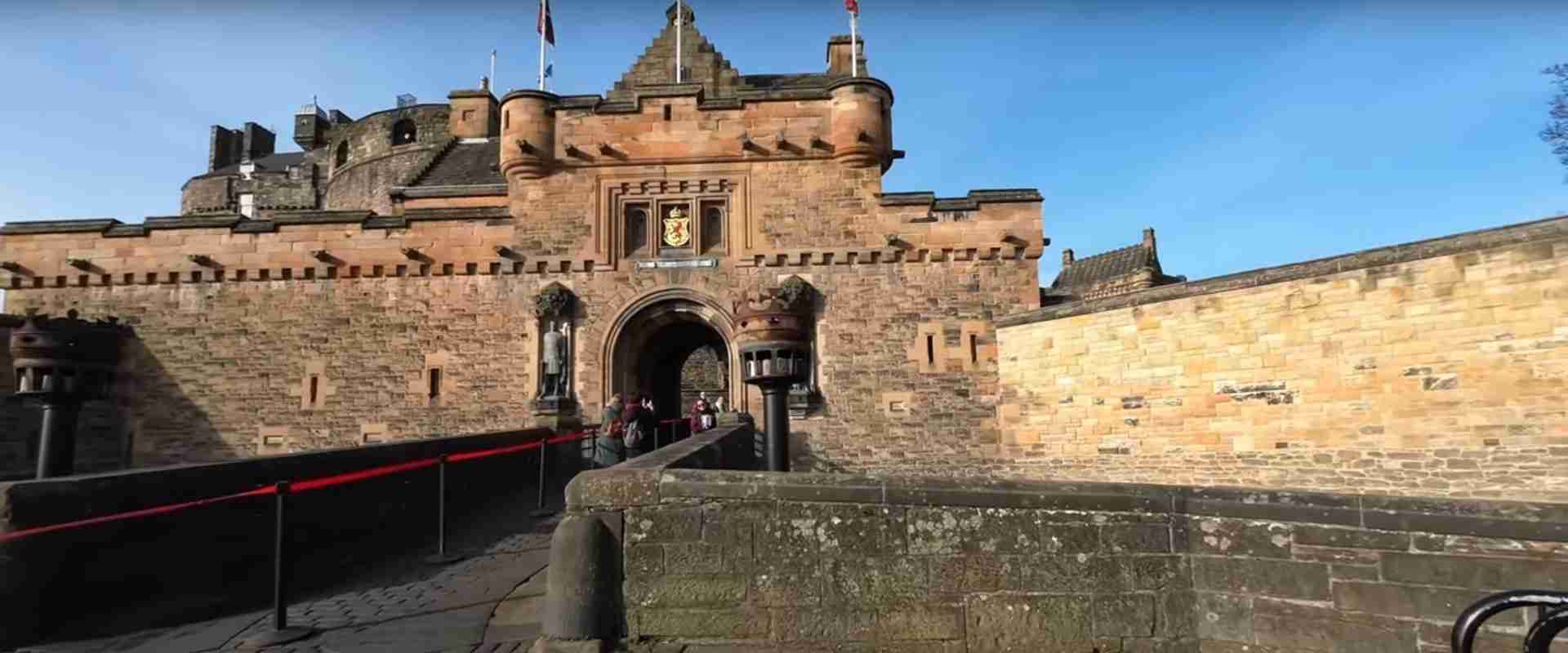
Edinburgh Castle vs Stirling Castle: Which Scottish Castle Should You Visit?
Scotland boasts over 1,500 castles, but two fortresses stand above all others in historical significance, architectural grandeur, and visitor appeal: Edinburgh Castle and Stirling Castle. Both perched dramatically on volcanic rock formations, these medieval strongholds have witnessed a millennium of Scottish history, royal intrigue, and military conflict.
Key Takeaways
- Edinburgh Castle: UNESCO World Heritage Site, Scotland’s crown jewels, urban setting, 2M+ annual visitors
- Stirling Castle: Renaissance palace restoration, William Wallace connections, fewer crowds, better value tickets
- Historical Significance: Edinburgh = royal residence & military fortress; Stirling = strategic stronghold & childhood home of Mary Queen of Scots
- Visitor Experience: Edinburgh offers comprehensive Scottish heritage; Stirling provides intimate royal palace atmosphere
- Practical Considerations: Edinburgh requires advance booking; Stirling allows spontaneous visits with ample availability
- Best Choice: First-time visitors choose Edinburgh; castle enthusiasts and repeat visitors prefer Stirling’s authentic experience
The Great Scottish Castle Dilemma
For travelers with limited time in Scotland, choosing between these two magnificent castles presents a genuine dilemma. Edinburgh Castle commands global recognition as part of a UNESCO World Heritage Site and houses Scotland’s crown jewels, while Stirling Castle offers what many consider the finest example of Renaissance architecture in Scotland and a more intimate royal palace experience.
This comprehensive comparison examines every aspect of both castles—from historical significance and architectural treasures to practical considerations like crowds, costs, and accessibility—helping you make an informed decision that aligns with your interests, schedule, and travel priorities.
Historical Significance: Royal Power Centers
Edinburgh Castle: Symbol of Scottish Nationhood
Edinburgh Castle represents Scotland’s political and cultural heart, serving as the nation’s primary royal residence for over 600 years. The fortress has hosted coronations of Scottish monarchs, witnessed the birth of future kings and queens, and safeguarded the symbols of Scottish sovereignty through centuries of conflict.
Key historical moments at Edinburgh Castle:
- 1124-1153: King David I establishes Edinburgh as royal burgh, building St Margaret’s Chapel
- 1296-1357: Castle changes hands multiple times during Wars of Scottish Independence
- 1566: Mary Queen of Scots gives birth to future James VI/I in the Royal Palace
- 1571-1573: Last great siege during Mary Queen of Scots’ civil war
- 1707: Act of Union negotiations conducted within castle walls
- 1818: Sir Walter Scott discovers forgotten Scottish Crown Jewels
The castle’s role extends beyond royal residence to military headquarters, prison, and symbol of Scottish resistance. Its position overlooking Edinburgh’s Old Town reinforces its status as the nation’s spiritual capital.
Stirling Castle: Guardian of Scotland
Stirling Castle earned its nickname as the “Key to Scotland” through its strategic position controlling the route between the Scottish Highlands and Lowlands. This fortress witnessed many of Scotland’s most pivotal battles and served as the preferred residence for Stuart monarchs during Scotland’s Renaissance period.
Key historical moments at Stirling Castle:
- 1297: William Wallace’s victory at Stirling Bridge within sight of castle walls
- 1306: Robert the Bruce’s coronation connected to castle’s political significance
- 1543-1548: Mary Queen of Scots’ childhood residence and coronation site
- 1566-1567: James VI’s baptism in elaborate Renaissance ceremony
- 1594: James VI’s wedding celebrations to Anne of Denmark
- 1746: Last siege during Jacobite Rising
Stirling’s military importance cannot be overstated—whoever controlled Stirling Castle controlled Scotland’s central communications and held the key to Highland access.
Architectural Comparison: Medieval vs Renaissance
Edinburgh Castle: Architectural Evolution
Edinburgh Castle showcases nearly a thousand years of architectural development, from Norman stonework to Victorian military installations. This architectural palimpsest tells Scotland’s story through building styles spanning multiple centuries.
Architectural highlights at Edinburgh Castle:
- St Margaret’s Chapel (c.1130): Scotland’s finest Norman chapel architecture
- David’s Tower (14th century): Ruined royal residence showing medieval royal living
- Great Hall (1511): Late Gothic hammerbeam roof construction
- Royal Palace (16th century): Renaissance royal apartments
- Scottish National War Memorial (1927): Arts and Crafts tribute to Scottish military sacrifice
The castle’s architectural diversity reflects its continuous occupation and adaptation to changing military needs, royal requirements, and architectural fashions over nearly a millennium.
Stirling Castle: Renaissance Perfection
Stirling Castle represents the pinnacle of Scottish Renaissance architecture, largely built during the 15th and 16th centuries when Scotland enjoyed relative peace and prosperity. The castle’s coherent architectural vision creates a more unified aesthetic experience.
Architectural masterpieces at Stirling Castle:
- Great Hall (1503): Largest medieval hall in Scotland with restored hammerbeam roof
- Royal Palace (1540s): Finest Renaissance facade in Scotland with elaborate carved decorations
- Chapel Royal (1594): Purpose-built for royal christenings and ceremonies
- King’s Old Building: Medieval royal apartments with Renaissance modifications
- Stirling Heads Gallery: Unique collection of 16th-century carved oak medallions
Recent restoration work has returned Stirling Castle to its Renaissance glory, using historical research and archaeological evidence to recreate the castle’s 16th-century appearance with remarkable accuracy.
Visitor Experience: Crown Jewels vs Royal Splendor
Edinburgh Castle: Scotland’s National Treasure House
Edinburgh Castle functions as Scotland’s premier cultural attraction, housing the nation’s most precious artifacts and offering a comprehensive introduction to Scottish history. The visitor experience emphasizes Scotland’s royal heritage and national identity.
Must-see attractions at Edinburgh Castle:
- Honours of Scotland (Crown Jewels): Britain’s oldest surviving crown jewels including the Crown of Scotland, Sceptre, and Sword of State
- Stone of Destiny: Ancient coronation stone returned from Westminster Abbey
- One O’Clock Gun: Daily firing tradition dating to 1861
- Mons Meg: Massive 15th-century siege cannon
- Scottish National War Museum: 400 years of Scottish military history
- Regimental Museums: Royal Scots and Royal Scots Dragoon Guards heritage
The castle’s multiple museums, exhibitions, and interactive displays provide educational depth that appeals to visitors seeking comprehensive Scottish cultural immersion.
Stirling Castle: Intimate Royal Palace
Stirling Castle offers a more focused experience centered on royal court life during Scotland’s Renaissance period. The extensive restoration work creates an immersive time-travel experience to the 16th century.
Unique experiences at Stirling Castle:
- Royal Palace Restoration: Meticulously recreated 16th-century royal apartments with period furnishings
- Stirling Heads: Renaissance carved oak portraits of royalty, nobles, and classical figures
- Great Kitchens: Working medieval kitchen demonstrations
- Tapestry Project: Hand-woven recreation of medieval Hunt of the Unicorn tapestries
- Chapel Royal: Intimate royal worship space with period decoration
- Regimental Museum of the Argyll and Sutherland Highlanders: Scotland’s military heritage from Highland perspective
Stirling’s strength lies in its ability to transport visitors to a specific historical period, providing deep insight into royal court life during Scotland’s cultural golden age.
Crowd Comparison: Urban Icon vs Hidden Gem
Edinburgh Castle: Managing Mass Tourism
Annual visitors: Over 2 million (Scotland’s most visited paid attraction)
Edinburgh Castle’s global fame and UNESCO World Heritage status attract massive crowds, particularly during summer months and Edinburgh Festival season. The castle’s urban location within Scotland’s capital means constant visitor flow throughout the year.
Peak crowd challenges:
- Summer months: Up to 15,000 daily visitors during July-August peak
- Cruise ship impact: Large tour groups arriving simultaneously from Leith port
- Festival season: Edinburgh Festival brings international crowds in August
- Weekend congestion: Scottish domestic tourism peaks on weekends
- Crown Jewels bottleneck: 20-30 minute queues during busy periods
Crowd management strategies required:
- Advance ticket booking essential (sells out regularly)
- Early morning arrival (9:30am) crucial for manageable experience
- Strategic route planning to avoid bottlenecks
- Extended visit time (3-4 hours) during busy periods
Stirling Castle: Peaceful Exploration
Annual visitors: Approximately 400,000 (80% fewer than Edinburgh)
Stirling Castle provides a more relaxed visitor experience with manageable crowds even during peak season. The castle’s location 30 miles from Edinburgh means most visitors are intentional rather than casual tourists.
Crowd advantages:
- Spontaneous visits possible: Tickets rarely sell out, even during summer
- Peaceful exploration: Room to appreciate architectural details without crowding
- Interactive engagement: Staff availability for questions and discussions
- Photography opportunities: Easier to capture unobstructed shots
- Flexible timing: Any time of day offers good experience
Seasonal variation:
- Summer peak: Busy but still manageable compared to Edinburgh
- Shoulder seasons: Excellent visitor experience with minimal crowds
- Winter months: Almost private castle experience
Cost Analysis: Value for Money
Edinburgh Castle: Premium Pricing
2025 Ticket Prices:
- Adults (16-64): £19.50 – £21.50
- Seniors (60+): £15.60 – £17.20
- Children (5-15): £11.40 – £12.90
- Children under 5: Free
- Audio guide: £3.50 additional
Additional costs:
- Parking: £10+ at nearby Castle Terrace car park
- Dining: £8-15 for meals at castle restaurants
- Guided tours: £34 for enhanced guided experience
- Photography: Free for personal use
Value assessment: High entry cost justified by comprehensive attractions, multiple museums, and unique artifacts like Crown Jewels. Premium pricing reflects global destination status.
Stirling Castle: Better Value Proposition
2025 Ticket Prices:
- Adults (16-64): £16.50 – £18.00
- Seniors (60+): £13.20 – £14.40
- Children (5-15): £9.90 – £10.80
- Children under 5: Free
- Audio guide: £3.50 additional
Additional savings:
- Free parking available on-site
- Less expensive dining in nearby Stirling town
- Explorer Pass better value when visiting multiple Historic Scotland sites
- Family tickets offer significant savings
Value assessment: Lower entry cost with excellent quality experience. Recent restoration work provides exceptional value. Less commercial atmosphere enhances authenticity.
Accessibility and Location
Edinburgh Castle: Urban Accessibility
Transportation advantages:
- Edinburgh city center location
- Multiple public transport options (bus, tram, train)
- Walking distance from major hotels
- Edinburgh Airport connections via tram/bus
- International accessibility via Edinburgh Airport
Accessibility features:
- Wheelchair loans available
- Alternative routes avoiding steepest stairs
- Audio guides with hearing loops
- Accessible restrooms throughout complex
- Service animals welcome
Physical challenges:
- Built on steep volcanic rock with significant elevation changes
- Many stairs and uneven surfaces throughout
- Some areas inaccessible to mobility aids
- Extensive walking required between attractions
Stirling Castle: Highland Gateway Location
Transportation considerations:
- 30-minute drive from Edinburgh
- Regular train service to Stirling station (10-minute walk)
- Free on-site parking available
- Tour bus accessibility from Edinburgh and Glasgow
- Central Scotland location ideal for Highland tours
Accessibility advantages:
- More compact site requiring less walking
- Better accessibility provisions in restored areas
- Lift access to Great Hall
- Clearer mobility routes marked
- Less crowded spaces easier for wheelchair navigation
Rural location benefits:
- Stunning Highland views from castle ramparts
- Peaceful atmosphere away from city noise
- Easy parking and arrival experience
- Perfect stopping point for Scottish Highland tours
Photography and Instagram Appeal
Edinburgh Castle: Iconic Scottish Imagery
Edinburgh Castle offers some of Scotland’s most recognizable and photographed views, making it ideal for social media and travel photography.
Best photography opportunities:
- Princes Street Gardens view: Classic postcard shot of castle against sky
- Royal Mile approach: Castle dominating Edinburgh’s historic heart
- One O’Clock Gun firing: Action shots of daily ceremony
- Castle ramparts panorama: 360-degree views over Edinburgh and beyond
- Great Hall interior: Medieval architecture with hammer-beam roof
- Crown Jewels: Scotland’s royal treasures (limited photography allowed)
Instagram advantages:
- Instantly recognizable Scottish landmark
- Multiple shooting angles and perspectives
- Urban and historic elements combined
- Seasonal variety with different lighting conditions
- High social media engagement potential
Stirling Castle: Authentic Medieval Atmosphere
Stirling Castle provides more intimate and authentic photography opportunities with better access and fewer crowd challenges.
Unique photography subjects:
- Renaissance facades: Elaborate carved stonework and architectural details
- Great Hall restoration: Magnificent medieval hall with period features
- Highland views: Panoramic vistas toward Trossachs and Highlands
- Stirling Heads: Unique Renaissance carved portrait gallery
- Castle gardens: Peaceful formal gardens with castle backdrop
- Working kitchen: Medieval culinary demonstrations
Photography advantages:
- Less crowded spaces allow more artistic composition
- Better access to architectural details
- Staff photography assistance available
- Dramatic Highland landscape context
- More authentic medieval atmosphere for period photography
Family Considerations
Edinburgh Castle: Child-Friendly Attractions
Edinburgh Castle offers numerous attractions specifically designed to engage children and families.
Kid-friendly highlights:
- Crown Jewels treasure hunt: Finding Scotland’s royal treasures
- One O’Clock Gun spectacle: Exciting daily cannon firing
- Mons Meg cannon: Massive medieval weapon with legendary stories
- Castle dungeons: Dark history fascinating to older children
- Interactive war museums: Hands-on military history exhibits
- Audio guides: Child-friendly commentary available
Family challenges:
- Extensive walking on steep, uneven surfaces
- Stroller limitations due to stairs and narrow passages
- Potential for overwhelm due to size and crowds
- Higher costs for family groups
Stirling Castle: Interactive Learning Experience
Stirling Castle’s focused approach and interactive elements often provide better family experiences than Edinburgh’s overwhelming scope.
Educational opportunities:
- Medieval kitchen demonstrations: Hands-on historical learning
- Renaissance court life: Period costume and role-play opportunities
- Tapestry workshop: Traditional craft demonstrations
- Castle archaeology: Recent discoveries and excavation stories
- Highland warrior stories: William Wallace and Robert the Bruce connections
Family advantages:
- More manageable size for young children
- Less crowded spaces allow family interaction
- Staff availability for questions and engagement
- Lower overall costs for family visits
- Free parking reduces logistical stress
Seasonal Considerations
Summer Season (June-August)
Edinburgh Castle summer experience:
- Peak crowds requiring advance planning
- Edinburgh Festival adds cultural richness but massive crowds
- Military Tattoo performances on castle esplanade
- Longest daylight hours for extended visits
- Highest prices and accommodation pressure
Stirling Castle summer advantages:
- Manageable crowds even during peak season
- Beautiful Highland scenery at its best
- Extended opening hours for leisurely exploration
- Garden areas at their most attractive
- Ideal weather for outdoor photography
Winter Season (November-March)
Edinburgh Castle winter appeal:
- Dramatic Gothic atmosphere with mist and storms
- Significantly reduced crowds (70% fewer visitors)
- Christmas decorations and holiday atmosphere
- Earlier sunset provides atmospheric lighting
- Lower accommodation costs in Edinburgh
Stirling Castle winter experience:
- Almost private castle experience
- Dramatic Highland weather enhances castle atmosphere
- Cozy indoor spaces with period heating demonstrations
- Snow-capped Highland views from ramparts
- Excellent value with lowest ticket prices
Making Your Decision: Which Castle to Choose
Choose Edinburgh Castle If:
- First-time Scotland visitor: Comprehensive introduction to Scottish heritage
- Royal history enthusiast: Crown Jewels and royal apartments essential
- Limited time in Scotland: One castle visit should be the most significant
- UNESCO World Heritage priorities: World Heritage Site designation important
- Urban convenience preferred: City center location suits itinerary
- Iconic photography essential: Instantly recognizable Scottish imagery
- Comprehensive museum experience desired: Multiple specialized museums
Choose Stirling Castle If:
- Castle architecture enthusiast: Renaissance restoration is exceptional
- Peaceful exploration preferred: Crowds detract from historical experience
- Value-conscious traveler: Better ticket value and free parking
- Repeat Scotland visitor: Seeking deeper, less touristy experience
- Highland tour inclusion: Perfect stopping point for Highland exploration
- Family with children: More manageable size and interactive elements
- Mary Queen of Scots interest: Her childhood home and coronation site
Visit Both Castles If:
- Extended Scotland itinerary: Week or longer allows both experiences
- Serious castle enthusiast: Architectural and historical completeness
- Historic Scotland Explorer Pass: Multi-site pass makes both economical
- Photography project: Comprehensive Scottish castle documentation
- Educational group: Compare different approaches to heritage presentation
Practical Visiting Combinations
Edinburgh Castle + Stirling Castle Day Trip
Feasible itinerary for castle enthusiasts:
- 9:00am: Early breakfast in Edinburgh
- 9:30am-12:30pm: Edinburgh Castle (3 hours, highlights focus)
- 1:00pm-2:00pm: Drive to Stirling (includes lunch break)
- 2:30pm-5:30pm: Stirling Castle (3 hours comprehensive visit)
- 6:00pm: Return to Edinburgh
Success factors:
- Advance booking for both castles essential
- Car rental necessary for timing efficiency
- Focus on main attractions at Edinburgh due to time constraints
- Consider Historic Scotland Explorer Pass for value
Multi-Day Castle Experience
Day 1: Edinburgh Castle comprehensive visit (4-5 hours) + Edinburgh city exploration
Day 2: Stirling Castle detailed visit + Stirling town + nearby Wallace Monument
Day 3: Additional Scottish castles (Linlithgow Palace, Blackness Castle)
Final Recommendations
For most travelers, Edinburgh Castle represents the essential Scottish castle experience. Its UNESCO World Heritage status, Crown Jewels, and comprehensive historical narrative provide unmatched insight into Scottish heritage. The castle’s urban location makes it accessible for visitors with limited time, while its global recognition ensures a experience that meets expectations.
However, Stirling Castle offers a superior experience for visitors seeking authentic medieval atmosphere, architectural beauty, and peaceful exploration. The castle’s exceptional restoration, manageable crowds, and better value proposition make it ideal for travelers who appreciate quality over quantity and prefer intimate historical experiences to mass tourism.
The perfect solution: visit both if time permits. Edinburgh Castle provides the broad introduction to Scottish royal heritage, while Stirling Castle offers depth and authenticity. Together, they represent Scotland’s castle heritage at its finest, combining royal power, architectural achievement, and historical significance that spans nearly a millennium of Scottish history.
Frequently Asked Questions
Which castle is better for first-time visitors to Scotland?
Edinburgh Castle is better for first-time visitors due to its comprehensive introduction to Scottish history, UNESCO World Heritage status, Crown Jewels, and iconic setting. It provides the complete Scottish castle experience in one location.
Can I visit both Edinburgh and Stirling Castles in one day?
Yes, but it requires careful planning. Allow 3 hours for Edinburgh Castle (highlights only), 1 hour driving time, and 3 hours for Stirling Castle. Start early (9:30am) and book advance tickets for both sites.
Which castle offers better value for money?
Stirling Castle offers better value with lower ticket prices (£16.50-18 vs £19.50-21.50), free parking, fewer crowds, and exceptional restoration quality. Edinburgh justifies higher prices with Crown Jewels and multiple museums.
Which castle is better for families with children?
Stirling Castle typically works better for families due to its more manageable size, interactive demonstrations, fewer crowds, and lower costs. Edinburgh offers more child-specific attractions but can be overwhelming.
What are the crowd differences between the two castles?
Edinburgh Castle receives over 2 million annual visitors with significant crowds during peak season requiring advance booking. Stirling Castle receives 400,000 visitors annually, offering peaceful exploration even during summer.
Which castle has better historical significance?
Both are historically significant. Edinburgh Castle represents Scottish royal power and houses the Crown Jewels, while Stirling Castle was the strategic “Key to Scotland” and childhood home of Mary Queen of Scots. Different but equally important.
Can I buy tickets at the door for both castles?
Stirling Castle usually has tickets available at the door, even during summer. Edinburgh Castle frequently sells out, especially during peak season and festivals, making advance booking essential.
Which castle is more accessible for visitors with mobility issues?
Stirling Castle offers better accessibility with more compact layout, lift access to Great Hall, and clearer mobility routes. Both castles provide wheelchair loans and accessible facilities, but Edinburgh involves more walking and stairs.
What’s the best way to get to each castle?
Edinburgh Castle: Walk from city center, take tram to Princes Street, or use multiple bus routes. Stirling Castle: 30-minute drive from Edinburgh, train to Stirling station (10-minute walk), or organized tours.
Which castle offers better photography opportunities?
Edinburgh Castle provides more iconic and recognizable shots with dramatic city views, while Stirling Castle offers better access for architectural detail photography and fewer crowd challenges for composition.