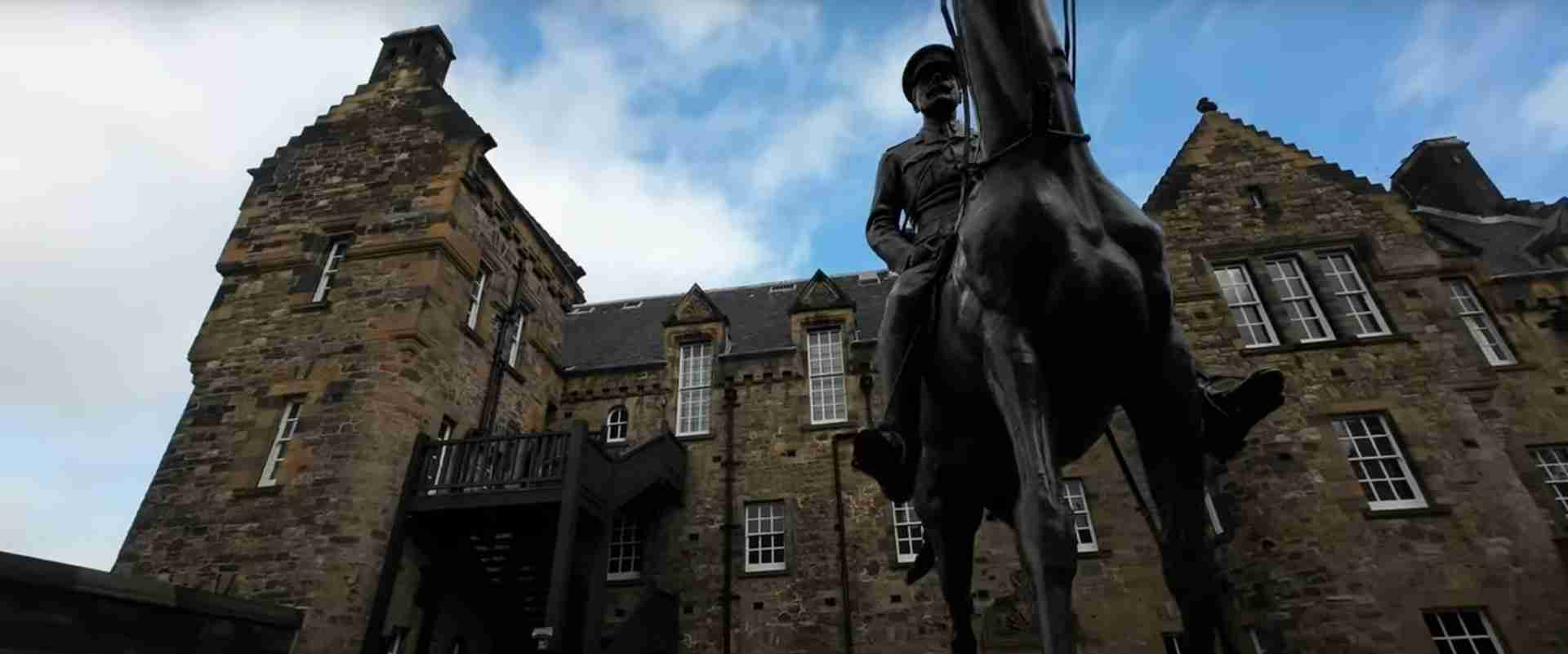
Edinburgh Castle Photography Guide: Best Spots for Iconic Shots
Edinburgh Castle ranks among the world’s most photogenic fortresses, offering photographers an extraordinary combination of medieval architecture, dramatic natural setting, and urban context that creates endless creative possibilities. Perched majestically on Castle Rock’s volcanic heights, this UNESCO World Heritage landmark provides both intimate architectural details and sweeping panoramic vistas that capture the essence of Scotland’s capital.
Key Takeaways
- Golden Hour Magic: Best exterior shots 1 hour after sunrise or before sunset; blue hour captures illuminated castle at dusk
- Classic Viewpoints: Princes Street Gardens, Camera Obscura rooftop, Grassmarket, and Arthur’s Seat offer iconic perspectives
- Interior Photography: No flash allowed; focus on architectural details in Great Hall, St Margaret’s Chapel, and rampart views
- Seasonal Considerations: Winter provides dramatic skies; spring offers clear air; autumn delivers rich colors
- Equipment Essentials: Wide-angle lens for exteriors, telephoto for details, tripod for low light (where permitted)
- Photography Rules: Personal use only, no tripods inside, limited Crown Jewels photography, respect crowd flow
Why Edinburgh Castle is a Photographer’s Paradise
The castle’s thousand-year history has created a rich visual tapestry spanning Norman stonework to Victorian military installations, while its position overlooking Edinburgh’s Old and New Towns provides unique perspectives on one of Europe’s most beautiful cities. From the iconic postcard shots taken from Princes Street Gardens to the intimate interior photography opportunities within ancient stone chambers, Edinburgh Castle rewards photographers of all skill levels with memorable images.
However, capturing Edinburgh Castle’s full photographic potential requires understanding the interplay of light, weather, crowds, and castle regulations. This comprehensive guide reveals the secret viewpoints, optimal timing strategies, and technical approaches that transform casual snapshots into portfolio-worthy images that showcase Scotland’s crown jewel in all its magnificent glory.
Classic Exterior Viewpoints and Perspectives
Princes Street Gardens: The Iconic Postcard Shot
Location: South side of Princes Street, accessible via multiple entrances along Edinburgh’s main shopping street
Best shooting positions:
- Lower gardens level: Classic upward angle showcasing castle’s dramatic height advantage
- Middle terrace: Balanced composition including gardens, castle, and city elements
- Ross Fountain area: Ornate Victorian fountain provides foreground interest
- Scott Monument base: Gothic Revival architecture frames castle in background
Technical considerations:
- Recommended focal length: 24-70mm for variety of compositions
- Optimal aperture: f/8-f/11 for sharp focus throughout frame
- Best timing: Golden hour (1 hour after sunrise/before sunset) for warm light on castle stones
- Seasonal advantages: Spring offers cherry blossoms; autumn provides colorful foliage
Composition tips:
- Use garden elements (trees, flowers, pathways) to lead eye toward castle
- Include people for scale reference showing castle’s impressive size
- Experiment with vertical compositions emphasizing castle’s height
- Wait for interesting cloud formations to enhance sky drama
Camera Obscura Rooftop: Elevated Urban Context
Location: Top of Camera Obscura and World of Illusions building, Castlehill (5-minute walk from castle)
Access: Requires admission to Camera Obscura attraction (£16-18 adults)
Photographic advantages:
- Elevated perspective: Shows castle’s relationship to Edinburgh’s urban fabric
- Multiple angles: 360-degree rooftop terrace offers various compositions
- Royal Mile context: Captures castle as terminus of historic street
- Less crowded: Fewer photographers than public viewpoints
Best shooting opportunities:
- Wide establishing shots: Castle dominating Edinburgh skyline
- Telephoto detail work: Architectural features with compressed perspective
- Sunset silhouettes: Castle outline against dramatic evening skies
- Night photography: Illuminated castle with city lights below
Grassmarket: Street-Level Medieval Context
Location: Historic marketplace beneath castle’s southern ramparts
Unique photographic perspective:
- Authentic medieval setting: Cobblestone streets and historic buildings
- Dramatic upward angle: Castle looming overhead creates powerful compositions
- Cultural context: Traditional pubs and shops show living history
- Multiple seasons: Christmas markets, festivals, and daily life provide variety
Technical approach:
- Wide-angle lenses essential: 14-24mm to capture full castle height
- Perspective correction: Minimize keystoning when shooting upward
- Street photography elements: Include local life and cultural activities
- HDR opportunities: High contrast between shadowed streets and bright castle
Arthur’s Seat: Epic Landscape Context
Location: Edinburgh’s highest peak (251m), 15-minute walk from castle
Hiking requirement: 45-90 minute ascent depending on route and fitness level
Photographic rewards:
- Panoramic city views: Castle within complete Edinburgh landscape
- Geological context: Shows castle’s volcanic rock formation
- Seasonal variety: Different lighting and weather create unique moods
- Sunrise/sunset opportunities: Elevated position perfect for golden hour
Equipment considerations:
- Telephoto lens essential: 70-200mm minimum for detailed castle shots
- Sturdy tripod recommended: For sharp images in changing conditions
- Weather protection: Exposed summit subject to rapid weather changes
- Extra batteries: Cold conditions drain power quickly
Interior Photography Opportunities
Great Hall: Medieval Architecture Masterpiece
Photography permissions: Personal photography allowed (no flash, no tripods)
Key photographic subjects:
- Hammerbeam roof: Magnificent 16th-century timber construction
- Stone corbels: Carved details supporting massive wooden beams
- Weapon displays: Historic arms and armor mounted on walls
- Stained glass windows: Colorful light patterns on ancient stones
- Architectural scale: Include people to show hall’s impressive size
Technical challenges and solutions:
- Low light conditions: Use high ISO (1600-3200) with noise reduction
- Mixed lighting: Balance tungsten interior lights with natural window light
- No tripod policy: Stabilize against walls or use image stabilization
- Crowd management: Wait for clear shots between visitor groups
St Margaret’s Chapel: Intimate Spiritual Space
Historical significance: Edinburgh’s oldest building (c.1130), Scotland’s finest Norman chapel
Photographic approach:
- Architectural details: Romanesque arches and stone carving
- Stained glass artistry: 1920s windows creating colorful interior lighting
- Spiritual atmosphere: Candlelight and intimate scale
- Historical context: Ancient stones worn by centuries of pilgrims
Respectful photography practices:
- Maintain reverent atmosphere—this remains consecrated space
- Avoid disrupting visitors in contemplation or prayer
- Use silent camera modes to minimize distraction
- Focus on architectural and artistic elements rather than people
Castle Ramparts and Viewpoints
Photography opportunities:
- Edinburgh panoramas: 360-degree views from various battery positions
- Old Town details: Royal Mile, St Giles Cathedral, and medieval streetscape
- New Town geometry: Georgian urban planning and neoclassical architecture
- Distant landscapes: Firth of Forth, Pentland Hills, and Highland peaks
- Weather drama: Storm clouds, rainbows, and atmospheric effects
Optimal shooting positions:
- Half Moon Battery: Eastern views toward Arthur’s Seat and Holyrood
- Mills Mount Battery: Northern panoramas over New Town to Firth of Forth
- Argyle Battery: Western vistas toward Grassmarket and beyond
- Crown Square ramparts: Multiple angles and varied compositions
Lighting Strategies Throughout the Day
Golden Hour Magic (Sunrise and Sunset)
Morning golden hour advantages:
- Eastern exposure: Warm light illuminates castle’s main facade
- Minimal crowds: Peaceful photography conditions
- Clear atmosphere: Less pollution and haze than evening
- Dewy conditions: Enhanced colors and atmospheric effects
Evening golden hour benefits:
- Western light: Dramatic side-lighting emphasizes castle’s texture
- Warm color temperature: Enhanced sandstone tones
- Storm light possibilities: Dramatic weather often develops late day
- Silhouette opportunities: Castle outline against colorful skies
Seasonal golden hour timing:
- Summer solstice: Sunrise 4:30am, sunset 10:00pm
- Winter solstice: Sunrise 8:30am, sunset 3:45pm
- Equinoxes: Sunrise 7:00am, sunset 7:00pm
- Best compromise: April-May and September-October for manageable timing
Blue Hour and Night Photography
Blue hour timing: 30 minutes after sunset when sky retains color but castle illumination is visible
Night photography opportunities:
- Castle floodlighting: Dramatic uplighting emphasizes architectural features
- City lights context: Edinburgh’s illuminated streetscape provides foreground interest
- Star trails: Long exposures capture celestial movement above castle
- Light painting: Creative illumination of foreground elements
Technical requirements:
- Sturdy tripod essential: Sharp images require camera stability
- Remote shutter release: Minimize camera shake during long exposures
- High ISO capability: Modern cameras excel at ISO 1600-6400
- Fast lenses preferred: f/1.4-f/2.8 maximize light gathering
Overcast and Storm Conditions
Dramatic weather advantages:
- Gothic atmosphere: Moody skies enhance castle’s medieval character
- Even lighting: Overcast conditions eliminate harsh shadows
- Color saturation: Wet conditions intensify stone colors
- Fewer crowds: Bad weather discourages casual tourists
Storm photography safety:
- Monitor weather forecasts and castle closure notifications
- Protect equipment from rain with weather sealing or covers
- Be cautious of slippery surfaces and high winds
- Have backup indoor shooting plans ready
Seasonal Photography Considerations
Spring Photography (March-May)
Photographic advantages:
- Clear air: Spring cleaning rains provide excellent atmospheric clarity
- Cherry blossoms: Princes Street Gardens offer beautiful foreground elements
- Dramatic skies: Changing weather patterns create interesting cloud formations
- Moderate crowds: Good access to popular viewpoints
- Longer days: Extended golden hour opportunities
Special spring opportunities:
- Easter celebrations and seasonal decorations
- Fresh green foliage contrasting with castle’s grey stones
- Occasional snow dusting creating winter-spring contrast
- Rainbow opportunities following spring showers
Summer Photography (June-August)
Challenges and solutions:
- Extreme crowds: Arrive very early or very late for clear shots
- Harsh midday light: Focus on interior photography during peak sun
- Tourist saturation: Use telephoto lenses to isolate castle from crowds
- Long daylight: Golden hour occurs late (after 9pm in July)
Summer photography opportunities:
- Edinburgh Festival: Cultural events and street performers
- Military Tattoo: Spectacular performances on castle esplanade
- Perfect weather: Reliable conditions for planned photography sessions
- Extended opening hours: More time for comprehensive coverage
Autumn Photography (September-November)
Optimal photography season:
- Rich colors: Autumn foliage provides warm tones complementing castle stones
- Comfortable temperatures: Pleasant conditions for extended outdoor photography
- Dramatic weather: Atlantic storms create spectacular skies
- Reduced crowds: Better access to premium shooting locations
- Perfect light timing: Golden hour occurs at convenient times
Autumn-specific opportunities:
- Misty morning conditions creating atmospheric effects
- Early frost highlighting architectural details
- Shorter days concentrating photographic opportunities
- Halloween atmosphere enhancing castle’s gothic qualities
Winter Photography (December-February)
Winter photography rewards:
- Minimal crowds: Private shooting experiences at popular viewpoints
- Dramatic atmosphere: Storm systems create powerful compositions
- Snow opportunities: White precipitation enhances architectural details
- Christmas decorations: Seasonal elements add cultural context
- Early sunset: Blue hour occurs at convenient times
Winter challenges:
- Short daylight hours: Limited golden hour opportunities
- Harsh weather: Equipment protection essential
- Cold conditions: Battery life reduced, manual dexterity challenged
- Reduced access: Some viewpoints may be closed for safety
Equipment Recommendations by Photography Style
Landscape and Exterior Photography
Essential lens selection:
- Wide-angle (14-35mm): Dramatic perspectives from close viewpoints
- Standard (35-85mm): Natural perspective matching human vision
- Telephoto (85-200mm): Distant viewpoints and architectural details
- Super-telephoto (200mm+): Arthur’s Seat and other distant perspectives
Critical accessories:
- Sturdy tripod: Carbon fiber for weight savings during hiking
- Polarizing filters: Reduce reflections, enhance sky contrast
- Neutral density filters: Control exposure in bright conditions
- Weather protection: Rain covers for equipment and personal protection
Interior and Architectural Photography
Low-light considerations:
- Fast lenses preferred: f/1.4-f/2.8 maximum aperture
- High ISO performance: Full-frame sensors excel in castle interiors
- Image stabilization: Essential for handheld shooting (no tripods allowed)
- Perspective correction: Tilt-shift lenses or post-processing capabilities
Interior photography accessories:
- Small LED panels: Fill lighting for detail work (where permitted)
- Reflectors: Bounce natural window light onto subjects
- Right-angle finder: Compose low-angle shots more easily
- Silent shooting modes: Respect other visitors and sacred spaces
Street and Documentary Photography
Recommended approach:
- Fast, discreet cameras: Mirrorless systems excel for street work
- Versatile zoom lenses: 24-105mm covers most documentary situations
- High ISO capability: Capture authentic lighting conditions
- Quick autofocus: Don’t miss decisive moments
Photography Etiquette and Regulations
Castle Photography Rules
Permitted activities:
- Personal photography: Non-commercial use allowed throughout most areas
- Social media sharing: Encouraged for promoting Scottish heritage
- Family and travel documentation: No restrictions on personal memories
- Educational use: School projects and academic research permitted
Photography restrictions:
- No flash photography: Protects artifacts and respects other visitors
- No tripods inside buildings: Safety and crowd flow considerations
- Limited Crown Jewels photography: Security and preservation requirements
- No commercial photography: Professional shoots require special permits
Crowd-Conscious Photography
Respectful practices:
- Don’t block pathways: Allow other visitors to pass freely
- Limit time at popular spots: Share prime viewpoints with others
- Respect personal space: Avoid photographing people without permission
- Follow staff directions: Castle guides prioritize safety and visitor experience
Crowd management strategies:
- Wait patiently for clear shots rather than pushing through crowds
- Use longer focal lengths to isolate subjects from busy backgrounds
- Embrace crowds as part of castle’s living history when appropriate
- Focus on details during peak crowd times, return for wide shots later
Post-Processing Tips for Castle Photography
Enhancing Castle Architecture
Stone texture enhancement:
- Clarity and texture sliders: Emphasize ancient stonework details
- Local contrast adjustments: Bring out architectural features
- Shadow/highlight recovery: Reveal details in high-contrast conditions
- Color grading: Enhance warm sandstone tones
Perspective corrections:
- Keystoning correction: Straighten vertical lines in upward-angled shots
- Lens distortion correction: Remove wide-angle lens barrel distortion
- Chromatic aberration removal: Eliminate color fringing on high-contrast edges
Landscape and Sky Enhancement
Sky replacement techniques:
- Replace bland skies with dramatic clouds from other sessions
- Maintain realistic lighting consistency between castle and sky
- Use luminosity masking for natural-looking blends
- Preserve original sky when weather already provides drama
HDR processing for high contrast scenes:
- Combine multiple exposures for balanced castle and sky detail
- Avoid over-processed HDR look that appears artificial
- Use exposure blending for natural-looking results
- Maintain authentic Scottish atmospheric qualities
Building a Portfolio: Different Approaches
Documentary Style: Castle as Living History
Documentary approach elements:
- Visitor interactions: People experiencing history firsthand
- Staff portraits: Castle guides and workers (with permission)
- Maintenance activities: Ongoing preservation efforts
- Seasonal changes: Castle throughout different times of year
- Cultural events: Ceremonies, festivals, and celebrations
Fine Art Approach: Castle as Artistic Subject
Artistic interpretation techniques:
- Abstract architectural details: Focus on patterns, textures, and geometries
- Minimalist compositions: Simplified castle elements against dramatic skies
- Long exposure studies: Cloud movement and light trails
- Black and white conversions: Emphasize form and contrast
- Creative perspectives: Unusual angles and experimental techniques
Travel Photography: Castle as Destination
Travel portfolio essentials:
- Establishing shots: Castle in Edinburgh context
- Detail photography: Unique architectural elements
- Human scale references: Showing castle’s impressive size
- Cultural context: Castle’s role in modern Scottish life
- Technical variety: Different lenses, lighting, and compositions
Advanced Photography Projects
Time-Lapse Photography
Time-lapse opportunities:
- Cloud movement: Dramatic Scottish weather patterns over castle
- Sunrise/sunset sequences: Golden hour light progression
- Crowd flow patterns: Visitor movement throughout the day
- Seasonal progression: Same viewpoint across multiple months
Technical requirements:
- Intervalometer for consistent timing
- Multiple batteries for extended shooting
- Weather protection for long exposures
- Stable tripod position for consistent framing
Panoramic Photography
Panoramic opportunities:
- 360-degree views: Complete castle and Edinburgh context
- Ultra-wide landscapes: Castle within broader Scottish geography
- Vertical panoramas: Emphasizing castle’s height and drama
- Interior panoramas: Great Hall and other large spaces
Stitching considerations:
- Overlap images by 30-50% for reliable blending
- Use manual exposure to maintain consistent lighting
- Focus on infinity for sharp results throughout frame
- Consider nodal point rotation for precise parallax control
Photography Workshops and Learning Opportunities
Joining Photography Groups
Edinburgh photography communities:
- Edinburgh Photography Society: Regular castle photography meetups
- Meetup.com groups: Casual photography walks and workshops
- Social media groups: Facebook and Instagram communities sharing tips
- University clubs: Edinburgh art schools often welcome visitors
Professional Workshop Opportunities
Specialized photography education:
- Architectural photography workshops: Focus on castle’s building techniques
- Landscape photography courses: Emphasizing Scottish highland contexts
- Historical photography tours: Combining education with image creation
- Night photography workshops: Mastering castle illumination
Sharing and Showcasing Your Castle Photography
Social Media Strategy
Platform-specific approaches:
- Instagram: Square crops emphasizing castle details and drama
- Facebook: Behind-the-scenes stories and technical explanations
- Twitter: Real-time shooting conditions and location tips
- Flickr: High-resolution images with detailed technical data
Hashtag strategies:
- #EdinburghCastle #ScotlandPhotography #UNESCOWorldHeritage
- #VisitScotland #EdinburghPhotography #MedievalArchitecture
- #CastlePhotography #ScottishHeritage #TravelPhotography
- #ArchitecturalPhotography #HistoricScotland #CastleRock
Portfolio Development and Exhibition
Building a cohesive castle photography portfolio:
- Thematic consistency: Develop a recognizable style and approach
- Technical excellence: Maintain high standards across all images
- Narrative flow: Tell the complete Edinburgh Castle story
- Print considerations: Images that work well in physical display
- Digital optimization: Versions optimized for web and social media
Exhibition opportunities:
- Edinburgh cafés and galleries: Local venues supporting regional artists
- Tourism offices: Edinburgh tourism board showcases visitor photography
- Photography competitions: Historic Scotland and travel photography contests
- Online galleries: Professional portfolio websites and photography communities
Weather-Specific Photography Strategies
Maximizing Scotland’s Changeable Weather
Rain photography opportunities:
- Reflections: Wet cobblestones create mirror effects with castle reflections
- Atmospheric mood: Mist and rain enhance castle’s medieval atmosphere
- Color saturation: Wet conditions intensify stone colors and architectural details
- Dramatic skies: Storm systems provide powerful compositional elements
- Fewer crowds: Rain creates opportunities for unobstructed photography
Wind photography techniques:
- Flag movement: Scottish flags create dynamic elements in compositions
- Cloud dynamics: Fast-moving clouds provide time-lapse opportunities
- Safety considerations: High winds on exposed ramparts require extra caution
- Equipment stability: Weighted tripods essential for sharp images
Fog and Mist Photography
Atmospheric conditions advantages:
- Mystery and mood: Fog creates ethereal, romantic castle imagery
- Layered compositions: Mist separates castle from background elements
- Minimalist opportunities: Fog simplifies compositions to essential elements
- Unique perspectives: Partial visibility creates artistic interpretations
Technical considerations for fog photography:
- Exposure compensation: Fog can fool camera meters, causing underexposure
- Focus challenges: Reduced contrast makes autofocus difficult
- Lens condensation: Temperature changes cause fogging on lens elements
- Safety awareness: Reduced visibility requires extra caution on ramparts
Specialized Photography Techniques
Architectural Detail Photography
Macro and close-up opportunities:
- Stone carving details: Medieval mason marks and decorative elements
- Weathering patterns: Centuries of Scottish weather on ancient stones
- Iron work: Historical metal fixtures, hinges, and decorative elements
- Lichen and moss growth: Natural processes on historic surfaces
- Texture studies: Abstract patterns in castle stonework
Technical approach for detail work:
- Macro lenses: 90mm-180mm focal lengths ideal for detail work
- Focus stacking: Multiple images combined for maximum depth of field
- Polarizing filters: Reduce surface reflections on wet stones
- Diffused lighting: Overcast conditions or reflectors for even illumination
Creative Interpretation Techniques
Alternative processing approaches:
- High-key interpretations: Bright, ethereal castle imagery
- Low-key drama: Dark, moody interpretations emphasizing shadows
- Infrared photography: Surreal landscapes with white foliage
- Multiple exposure techniques: Layered images creating artistic interpretations
- Intentional camera movement: Abstract representations of castle energy
Photography Safety and Ethics
Castle-Specific Safety Considerations
Physical hazards awareness:
- High ramparts: Castle walls have significant drop-offs requiring caution
- Uneven surfaces: Medieval cobblestones and worn stone steps
- Weather exposure: Castle’s elevated position subject to sudden changes
- Crowd navigation: Dense visitor traffic during peak periods
- Equipment security: Protect valuable gear in crowded conditions
Emergency preparedness:
- Know locations of first aid stations and emergency exits
- Carry emergency contact information and medical details
- Inform others of photography plans, especially for solo shoots
- Monitor weather forecasts and castle closure notifications
- Maintain charged mobile phone for emergency communication
Ethical Photography Practices
Cultural sensitivity:
- Respectful documentation: Honor castle’s historical significance
- Educational value: Contribute positively to heritage understanding
- Authentic representation: Avoid misleading digital manipulations
- Local community respect: Consider impact on Edinburgh residents
Visitor consideration:
- Don’t obstruct other visitors’ enjoyment of the castle
- Respect people’s privacy and ask permission for portraits
- Follow all castle rules and staff directions
- Share photography knowledge with interested visitors
Cost-Effective Photography Planning
Budget-Conscious Strategies
Equipment rental options:
- Local camera shops: Edinburgh has several professional equipment rental services
- Online rental: Specialized telephoto lenses for Arthur’s Seat photography
- University resources: Art schools sometimes loan equipment to visitors
- Photography group sharing: Connect with local photographers for equipment sharing
Free photography resources:
- Public viewpoints: Many excellent castle views accessible without cost
- Walking tours: Free Edinburgh tours include castle photography stops
- Online tutorials: YouTube and photography websites offer technique training
- Photography apps: Sun tracking and weather apps aid planning
Multi-Day Photography Planning
Extended stay advantages:
- Weather flexibility: Multiple days allow waiting for optimal conditions
- Lighting variety: Experience castle in different seasonal lighting
- Crowd timing: Learn optimal timing through observation
- Technical experimentation: Time to try different approaches and techniques
- Local knowledge: Build relationships with staff and regular visitors
Technology and Edinburgh Castle Photography
Smartphone Photography Excellence
Modern smartphone capabilities:
- Computational photography: Night mode and HDR create impressive castle images
- Portrait modes: Artificial background blur isolates architectural details
- Wide-angle lenses: Built-in ultra-wide lenses capture castle’s full scope
- Video capabilities: 4K video documentation of castle visits
Smartphone accessories:
- Tripod adapters: Enable stable shots and time-lapse photography
- External lenses: Fisheye and macro attachments expand creative options
- Battery packs: Extended shooting power for full-day castle photography
- Weather protection: Waterproof cases for Scottish weather conditions
Digital Workflow Optimization
Field organization strategies:
- GPS tagging: Automatic location data aids later organization
- Voice memos: Record technical notes and composition ideas
- Cloud backup: Automatic image backup protects against equipment loss
- Metadata management: Consistent keywording aids portfolio development
Year-Round Photography Calendar
Monthly Photography Opportunities
January-February: Winter storm photography, minimal crowds, dramatic skies
March-April: Spring awakening, clear air, moderate weather
May-June: Perfect conditions, long days, blooming gardens
July-August: Peak crowds, festival atmosphere, extended golden hours
September-October: Autumn colors, comfortable weather, dramatic lighting
November-December: Gothic atmosphere, Christmas decorations, stormy conditions
Special Event Photography
Annual photography opportunities:
- Hogmanay (New Year’s): Fireworks and celebrations with castle backdrop
- Edinburgh Festival (August): Cultural events and increased city energy
- Military Tattoo: Spectacular performances on castle esplanade
- St. Andrew’s Day: Scottish cultural celebrations and traditional dress
- Battle of Stirling Bridge anniversary: Historical reenactments and ceremonies
Advanced Planning Resources
Photography Planning Apps and Tools
Essential photography apps:
- PhotoPills: Sun/moon tracking, hyperfocal distance calculations
- Sun Surveyor: Augmented reality sun position visualization
- Weather apps: Detailed forecasts for photography planning
- Tide apps: Edinburgh coastal photography timing
- Light Pollution maps: Find dark sky locations for night photography
Research and Reconnaissance
Pre-visit preparation:
- Google Earth: Scout viewpoints and access routes
- Street View: Virtually visit shooting locations
- Photography forums: Learn from other photographers’ experiences
- Historic photographs: Study how castle has been photographed historically
- Weather patterns: Understand Edinburgh’s seasonal photography conditions
Conclusion: Mastering Edinburgh Castle Photography
Edinburgh Castle presents photographers with one of the world’s most rewarding and challenging subjects—a medieval fortress that combines architectural grandeur, dramatic natural setting, and cultural significance in ways that create endless creative possibilities. From the iconic views captured from Princes Street Gardens to the intimate architectural details within ancient stone walls, the castle rewards photographers who approach it with preparation, patience, and respect for both its heritage and its visitors.
Success in Edinburgh Castle photography comes from understanding the interplay of light, weather, crowds, and cultural significance that makes each visit unique. The castle’s position atop an extinct volcano provides dramatic perspectives, but also presents challenges of changing weather, steep terrain, and tourist management that require strategic planning and flexible execution.
Whether you’re capturing your first smartphone snapshots from the Grassmarket or developing a comprehensive portfolio spanning multiple seasons and techniques, Edinburgh Castle offers photographic opportunities that grow with your skills and deepen with your understanding of Scottish history and culture. The fortress that has guarded Edinburgh for a millennium continues to inspire new generations of photographers who find in its ancient stones and dramatic setting a subject worthy of lifelong artistic exploration.
Remember that great Edinburgh Castle photography is not just about technical excellence or dramatic compositions—it’s about capturing the spirit of Scotland’s heritage and sharing that inspiration with others who may be moved to visit and experience this remarkable UNESCO World Heritage treasure for themselves. In documenting Edinburgh Castle, photographers become storytellers and cultural ambassadors, helping preserve and share Scotland’s most precious architectural jewel with the world.
Frequently Asked Questions
What is the best time of day to photograph Edinburgh Castle?
Golden hour (1 hour after sunrise or before sunset) provides the most dramatic lighting. For exterior shots, morning golden hour illuminates the castle’s eastern facade, while evening light emphasizes texture and creates silhouette opportunities.
Can I use a tripod inside Edinburgh Castle?
Tripods are not permitted inside castle buildings due to safety and crowd flow concerns. However, you can use tripods on external ramparts and viewpoints. Image stabilization and higher ISO settings help compensate for handheld interior photography.
What are the best viewpoints for photographing Edinburgh Castle from outside?
Princes Street Gardens offers the classic postcard view, Camera Obscura rooftop provides elevated urban context, Grassmarket shows medieval street-level perspective, and Arthur’s Seat delivers epic landscape context requiring a 45-90 minute hike.
Are there photography restrictions inside Edinburgh Castle?
Personal photography is allowed throughout most areas, but flash photography is prohibited to protect artifacts and respect visitors. The Crown Jewels area has limited photography restrictions, and no commercial photography is permitted without special permits.
What camera equipment is recommended for Edinburgh Castle photography?
A versatile zoom lens (24-105mm) covers most situations. Wide-angle lenses (14-35mm) capture dramatic perspectives, while telephoto lenses (70-200mm+) are essential for distant viewpoints like Arthur’s Seat. Weather protection is crucial for Scottish conditions.
How do weather conditions affect Edinburgh Castle photography?
Overcast skies provide even lighting and dramatic atmosphere. Light rain reduces crowds and intensifies stone colors. Winter storms create gothic moods, while spring offers clear air and moderate conditions. Each season provides unique opportunities.
When is the best season for Edinburgh Castle photography?
Autumn (September-October) offers optimal balance of dramatic weather, comfortable temperatures, rich colors, and manageable crowds. Spring provides clear air and blooming gardens, while winter offers minimal crowds and atmospheric conditions.
Can I photograph the One O’Clock Gun ceremony?
Yes, the daily 1pm gun firing is a popular photography subject. Arrive by 12:45pm for good positioning. The ceremony creates crowds but provides exciting action photography opportunities and cultural documentation.
Are there photography workshops available at Edinburgh Castle?
While the castle doesn’t offer official photography workshops, Edinburgh photography groups regularly organize meetups and educational sessions. Local photography societies welcome visitors and provide insider knowledge about optimal shooting locations.
What post-processing techniques work best for castle photography?
Enhance stone textures with clarity adjustments, correct perspective distortion from wide-angle shots, and use HDR techniques for high-contrast scenes. Maintain authentic Scottish atmospheric qualities while emphasizing architectural details and dramatic skies.