Edinburgh Castle Crown Jewels: The Honours of Scotland Complete Guide
Deep within the Royal Palace of Edinburgh Castle, behind thick stone walls and modern security systems, lie Scotland’s most precious treasures: the Honours of Scotland, the oldest surviving crown jewels in the British Isles. These magnificent regalia pieces—the Crown of Scotland, the Sceptre, and the Sword of State—represent more than mere royal ornaments; they embody the very soul of Scottish nationhood and the continuity of over a millennium of Scottish monarchy.
Key Takeaways
- Britain’s Oldest Crown Jewels: The Honours of Scotland predate England’s Crown Jewels, with pieces dating to the late 15th and early 16th centuries
- Three Sacred Items: Crown of Scotland, Sceptre, and Sword of State form the complete regalia of Scottish monarchy
- Historical Drama: Hidden for 111 years, rediscovered by Sir Walter Scott in 1818, and used in Elizabeth II’s 1953 coronation
- Viewing Experience: Located in Crown Room, Royal Palace – arrive early to avoid 20-30 minute queues during busy periods
- Stone of Destiny: Ancient coronation stone displayed alongside jewels, returned from Westminster Abbey in 1996
- Cultural Significance: Represent 1,000+ years of Scottish sovereignty and national identity
The Honours of Scotland: Britain’s Most Ancient Crown Jewels
Unlike the Crown Jewels of England, which were largely destroyed during the English Civil War and recreated for Charles II’s restoration, the Honours of Scotland survived centuries of political upheaval, foreign occupation, and deliberate concealment. Their survival story reads like an adventure novel, involving dramatic escapes, secret hiding places, and a famous literary detective who became their unlikely savior.
Today, visitors from around the world queue patiently in Edinburgh Castle’s Crown Room to witness these irreplaceable artifacts that have crowned Scottish monarchs from James V to Elizabeth II. Each piece tells a story of Scottish independence, royal power, and national pride that continues to resonate in modern Scotland’s political and cultural landscape.
The Crown of Scotland: Symbol of Royal Authority
Historical Origins and Creation
The Crown of Scotland, known in Gaelic as “An Crùn,” represents the culmination of medieval Scottish goldsmithing and represents one of Europe’s finest surviving Renaissance crowns. The current crown was largely created for James V of Scotland around 1540, incorporating elements from earlier Scottish crowns including gold from the original crown of Robert the Bruce.
Physical specifications:
- Weight: 1.6 kilograms (3.5 pounds) of pure Scottish gold
- Circumference: Adjustable band fitting heads from 21-23 inches
- Height: 16.5 centimeters (6.5 inches) from base to cross
- Precious stones: 94 pearls, 10 diamonds, and 33 semi-precious stones
- Design elements: Four golden arches supporting a monde (orb) topped by a cross
Unique design features:
- Scottish thistle motifs: National flower incorporated throughout design
- Fleur-de-lis elements: Reflecting Scotland’s historic alliance with France
- Adjustable interior: Velvet and silk lining allows fitting different head sizes
- Removable arches: Originally designed for travel and ceremonial flexibility
- Pearl borders: Scottish freshwater pearls from River Tay mussels
Royal Coronations and Ceremonies
Notable coronation moments:
- 1543: Mary Queen of Scots (age 9 months) – youngest monarch ever crowned with the Honours
- 1567: James VI (age 13 months) – later James I of England, uniting the crowns
- 1633: Charles I – last coronation in Scotland for 300+ years
- 1953: Presented to Elizabeth II at Westminster Abbey during her coronation
- 1999: Scottish Parliament reconvening ceremony after 292-year absence
The crown’s most famous modern appearance occurred during Elizabeth II’s 1953 coronation at Westminster Abbey, where it was carried in procession and presented to the newly crowned queen as a symbol of her sovereignty over Scotland. This ceremony marked the first time the Honours had left Scotland since 1707.
The Sceptre: Staff of Royal Authority
Papal Gift and Political Symbol
The Sceptre of Scotland carries unique significance as both royal regalia and diplomatic artifact. Originally gifted to James IV by Pope Alexander VI in 1494, the sceptre represents papal recognition of Scottish royal authority while simultaneously embodying Scotland’s complex relationship with both Rome and Protestant reformation.
Physical characteristics:
- Length: 91.4 centimeters (36 inches) of silver-gilt construction
- Weight: 1.23 kilograms (2.7 pounds)
- Top finial: Carved rock crystal globe containing preserved figures
- Decorative elements: Intricate Gothic Revival metalwork
- Base inscription: Latin text declaring papal blessing
Symbolic elements:
- Rock crystal sphere: Contains carved figures of Virgin Mary, Christ Child, and St. James
- Papal blessing inscription: Latin text acknowledging divine authority
- Scottish heraldic symbols: Thistles, lions, and royal arms throughout
- Dolphins and religious figures: Intricate metalwork showing Renaissance artistry
Political and Religious Significance
The sceptre’s survival through the Scottish Reformation represents remarkable historical continuity. Despite John Knox’s Protestant revolution and widespread destruction of Catholic artifacts, the sceptre maintained its royal significance while its religious symbolism evolved to accommodate Scotland’s changing religious landscape.
Ceremonial uses throughout history:
- Royal investitures: Symbol of monarch’s temporal authority
- State openings: Scottish Parliament ceremonial appearances
- Religious services: Blessing ceremonies and national prayers
- Diplomatic events: International recognition of Scottish sovereignty
The Sword of State: Blade of Justice
Italian Craftsmanship and Royal Commission
The Sword of State represents the military might and judicial authority of Scottish monarchy through one of Renaissance Europe’s finest ceremonial weapons. Created in 1507 by Italian goldsmith Domenico da Sutri, the sword was commissioned by Pope Julius II as a gift to James IV, recognizing Scotland’s role in European politics and warfare.
Technical specifications:
- Overall length: 137 centimeters (54 inches) including scabbard
- Blade length: 104 centimeters (41 inches) of Spanish steel
- Weight: 2.3 kilograms (5.1 pounds) including scabbard
- Handle material: Silver-gilt with intricate engraving
- Scabbard decoration: Gold and silver with religious imagery
Artistic and symbolic features:
- Blade inscription: Latin text invoking papal blessing and divine protection
- Handle engravings: Portraits of Saints Peter and Paul
- Scabbard imagery: Religious scenes including oak leaves and acorns
- Pommel design: Carved heads representing Julius II and James IV
- Guard decoration: Dolphins and foliate patterns in Renaissance style
Military and Judicial Symbolism
Beyond its role as ceremonial regalia, the Sword of State embodies the monarch’s authority to wage war and dispense justice. The weapon’s presentation to James IV occurred during a period of intense European warfare, when Scotland’s military alliances could determine the balance of continental power.
Historical military context:
- 1513 Flodden Field: James IV died carrying similar royal weapons
- Anglo-Scottish conflicts: Symbol of Scottish military independence
- Jacobite Rising: Represented legitimate Scottish royal authority
- Modern ceremonies: Military parades and veteran commemorations
The Stone of Destiny: Ancient Coronation Throne
Prehistoric Origins and Scottish Tradition
The Stone of Destiny, also known as the Stone of Scone or “Lia Fáil,” predates the medieval Honours by centuries and possibly millennia. This rectangular block of red sandstone served as the coronation seat for Scottish monarchs from Kenneth MacAlpin in 843 CE until its seizure by Edward I of England in 1296.
Physical characteristics:
- Dimensions: 66cm × 41cm × 27cm (26″ × 16″ × 11″)
- Weight: Approximately 152 kilograms (335 pounds)
- Material: Old Red Sandstone, possibly from Scone Palace quarries
- Age estimates: Geological analysis suggests 400+ million years old
- Surface features: Iron rings and carved Latin cross
Legendary origins and folklore:
- Biblical connection: Legend claims stone served as Jacob’s pillow
- Irish heritage: Possibly brought from Ireland by Scottish settlers
- Druidic traditions: May have served pre-Christian ceremonial purposes
- Prophetic legend: “Where’er this stone is found, the Scots shall reign”
Political Symbol and National Identity
The Stone of Destiny’s journey from Scotland to Westminster Abbey and back again mirrors the complex political relationship between Scotland and England across seven centuries. Its return to Scotland in 1996 marked a significant gesture toward Scottish devolution and cultural recognition.
Historical journey:
- 1296: Edward I “Longshanks” removes stone to Westminster Abbey
- 1328: Treaty of Edinburgh-Northampton promises return (unfulfilled)
- 1950: Scottish students steal stone in Christmas Day raid
- 1951: Stone recovered and returned to Westminster
- 1996: Official return to Scotland by John Major’s government
- Present: Displayed with Honours, returns to London for UK coronations
The Great Hiding: 111 Years of Concealment
Union of Parliaments and Strategic Concealment
The most dramatic chapter in the Honours’ survival story began in 1707 with the Act of Union joining Scottish and English parliaments. Fearing the regalia would be destroyed or removed to England, Scottish nobles arranged their secret concealment within Edinburgh Castle, beginning 111 years of hidden existence that nearly led to their permanent loss.
Concealment timeline:
- 1707: Honours secretly sealed in oak chest within Crown Room
- 1818: Sir Walter Scott receives royal permission to search
- February 4, 1818: Chest opened revealing perfectly preserved regalia
- 1819: First public display in over a century
- 1822: Featured in George IV’s Edinburgh visit
Concealment challenges:
- Official secrecy: Even castle governors unaware of location
- Changing personnel: Knowledge died with original conspirators
- Political pressure: Periodic attempts to locate and confiscate
- Physical deterioration: Fears that dampness might damage artifacts
Sir Walter Scott: Literary Detective
The Honours’ rediscovery owes as much to literary fame as royal authority. Sir Walter Scott, already celebrated as the author of “Waverley” and “Rob Roy,” convinced Prince Regent (future George IV) to authorize an official search of Edinburgh Castle’s sealed chambers.
Scott’s search expedition:
- Royal Commission: Official authority granted February 1818
- Search team: Scott, castle governor, government commissioners
- Discovery moment: Chest opened with crowbars after forcing ancient locks
- Public revelation: Scott’s dramatic announcement to Scottish press
- Cultural impact: Discovery sparked Scottish cultural renaissance
Scott’s detailed account of the discovery became legendary: “The relics were found in perfect preservation. The gold and silver were entirely untarnished; the jewels, particularly a large ruby in the crown, glowed with all their ancient lustre.”
Visiting the Crown Room: Practical Guide
Location and Access
Crown Room location:
- Building: Royal Palace, Edinburgh Castle’s highest point
- Access route: Through palace courtyard and up stone staircase
- Security screening: Additional checks before entering Crown Room
- Disabled access: Lift available to palace level
Crowd management and timing:
- Peak times: 10:30am-1:00pm experience longest queues
- Optimal timing: 9:30am opening or after 2:00pm for shorter waits
- Queue duration: 5-30 minutes depending on season and time
- Viewing time: Approximately 10-15 minutes in Crown Room
Enhanced Viewing Experience
Display presentation:
- Climate-controlled cases: Precise temperature and humidity control
- Professional lighting: Optimized illumination revealing every detail
- Security glass: Crystal-clear viewing without reflections
- Information panels: Detailed explanations in multiple languages
- Audio commentary: Available through castle audio guides
Photography guidelines:
- Limited photography permitted: Personal use only, no flash
- Smartphone photos encouraged: Share Scottish heritage on social media
- Professional restrictions: Commercial photography requires special permits
- Respectful behavior: Maintain quiet atmosphere for other visitors
Symbolism and Scottish Identity
Constitutional Significance
The Honours of Scotland represent far more than museum artifacts; they embody Scotland’s constitutional independence and continuing sovereignty within the United Kingdom. Their presence in Edinburgh rather than London reinforces Scotland’s distinct national identity and governmental autonomy.
Modern constitutional role:
- Scottish Parliament opening: Honours present at ceremonial sessions
- Royal visits: Presented during monarch’s official Scottish visits
- State ceremonies: Symbol of Scotland’s equal partnership in Union
- International recognition: Diplomatic acknowledgment of Scottish heritage
Cultural nationalism:
- Independence movement: Symbolic focus for Scottish sovereignty arguments
- Tourism importance: Major factor in Scottish heritage tourism
- Educational value: Teaching tools for Scottish history
- Artistic inspiration: Influence on Scottish art, literature, and music
Religious and Spiritual Dimensions
Despite Scotland’s Protestant reformation, the Honours retain deep spiritual significance that transcends denominational boundaries. Their papal origins, Christian symbolism, and ceremonial blessing roles connect modern Scotland to its medieval Christian heritage.
Interfaith significance:
- Christian heritage: Symbols meaningful to all Christian denominations
- Secular respect: Non-religious Scots recognize cultural importance
- Universal values: Justice, authority, and community representation
- Ceremonial blessing: Spiritual dimension to state occasions
Conservation and Preservation
Scientific Conservation Techniques
Preserving 500-year-old artifacts requires cutting-edge conservation science combined with traditional craftsmanship. The Honours undergo continuous monitoring and periodic conservation work to ensure their survival for future generations.
Environmental controls:
- Temperature stability: Maintained at 18-20°C year-round
- Humidity control: 45-55% relative humidity prevents metal corrosion
- Light limitation: UV-filtered illumination prevents textile damage
- Air filtration: Removes pollutants and dust particles
- Vibration isolation: Display cases mounted on shock-absorbing systems
Preventive conservation measures:
- Regular inspection: Monthly visual assessments by conservators
- Photographic documentation: High-resolution images track any changes
- Chemical analysis: Periodic testing of metal composition and stability
- Structural monitoring: Assessment of stress points and support systems
Restoration History
Major conservation projects:
- 1953 pre-coronation work: Cleaning and structural assessment
- 1970s comprehensive restoration: Scientific analysis and stabilization
- 1990s preparation for display: New mounting systems and cases
- 2010s digital documentation: 3D scanning and virtual reality creation
Educational Programs and Outreach
School Visits and Educational Resources
The Honours of Scotland serve as powerful educational tools connecting Scottish schoolchildren to their heritage while inspiring international students to explore European medieval history.
Educational programs available:
- School group tours: Guided visits with age-appropriate commentary
- Teachers’ resources: Lesson plans and activity sheets
- Online materials: Virtual tours and interactive websites
- Outreach presentations: Castle staff visit schools throughout Scotland
Learning objectives:
- Scottish history: Medieval monarchy and political development
- Craftsmanship appreciation: Renaissance goldsmithing and artistry
- Symbol recognition: Understanding heraldic and religious imagery
- Conservation awareness: Importance of heritage preservation
University Research and Academic Study
The Honours continue to generate new scholarly research through advanced analytical techniques, historical investigation, and interdisciplinary study approaches.
Recent research developments:
- Metallurgical analysis: Source identification of gold and silver
- Gemological study: Origin and history of precious stones
- Historical documentation: New archival discoveries about creation and use
- Comparative studies: Relationship to other European crown jewels
International Context and Comparison
European Crown Jewels Comparison
The Honours of Scotland hold unique status among European crown jewels through their antiquity, survival story, and continued constitutional role within a modern democracy.
Age comparison with other crown jewels:
- Scotland (1494-1540): Oldest complete set in British Isles
- England (1661): Largely recreated after Civil War destruction
- France: Revolutionary period destroyed most medieval regalia
- Austria: Habsburg regalia dates to 11th century but different context
- Poland: Medieval crowns lost during partitions
Unique characteristics:
- Continuous custody: Never left Scotland except for specific ceremonies
- Original materials: Minimal restoration maintains authentic components
- Active use: Still employed in constitutional ceremonies
- Public access: Permanently displayed for visitor viewing
Digital Heritage and Virtual Access
Technology Enhancement
Modern digital technology allows global audiences to explore the Honours of Scotland through virtual reality, high-resolution photography, and interactive online experiences that supplement physical visits.
Digital initiatives:
- Virtual reality tours: 360-degree Crown Room exploration
- High-resolution imagery: Microscopic detail viewing online
- Interactive timelines: Historical context and story development
- Educational apps: Mobile learning experiences for visitors
- Social media engagement: Behind-the-scenes content and expert insights
Future Preservation Technology
Emerging conservation techniques:
- 3D printing: Creating exact replicas for research and education
- Advanced imaging: X-ray and spectroscopic analysis
- Environmental monitoring: IoT sensors providing real-time data
- Predictive modeling: AI-driven conservation planning
Planning Your Crown Jewels Visit
Ticket Strategy and Timing
Optimal visit planning:
- Advance booking essential: Castle tickets frequently sell out
- Early arrival recommended: 9:30am opening provides shortest Crown Room queues
- Alternative timing: After 2:00pm often experiences reduced crowding
- Seasonal considerations: Winter visits offer most peaceful viewing
- Audio guide value: Enhanced commentary worth the additional cost
Pre-visit preparation:
- Historical reading: Basic Scottish history knowledge enriches experience
- Online resources: Virtual tour preview available on castle website
- Photography planning: Understand limitations and permitted areas
- Physical preparation: Crown Room requires climbing stairs
Combining with Other Attractions
Edinburgh Castle comprehensive visit:
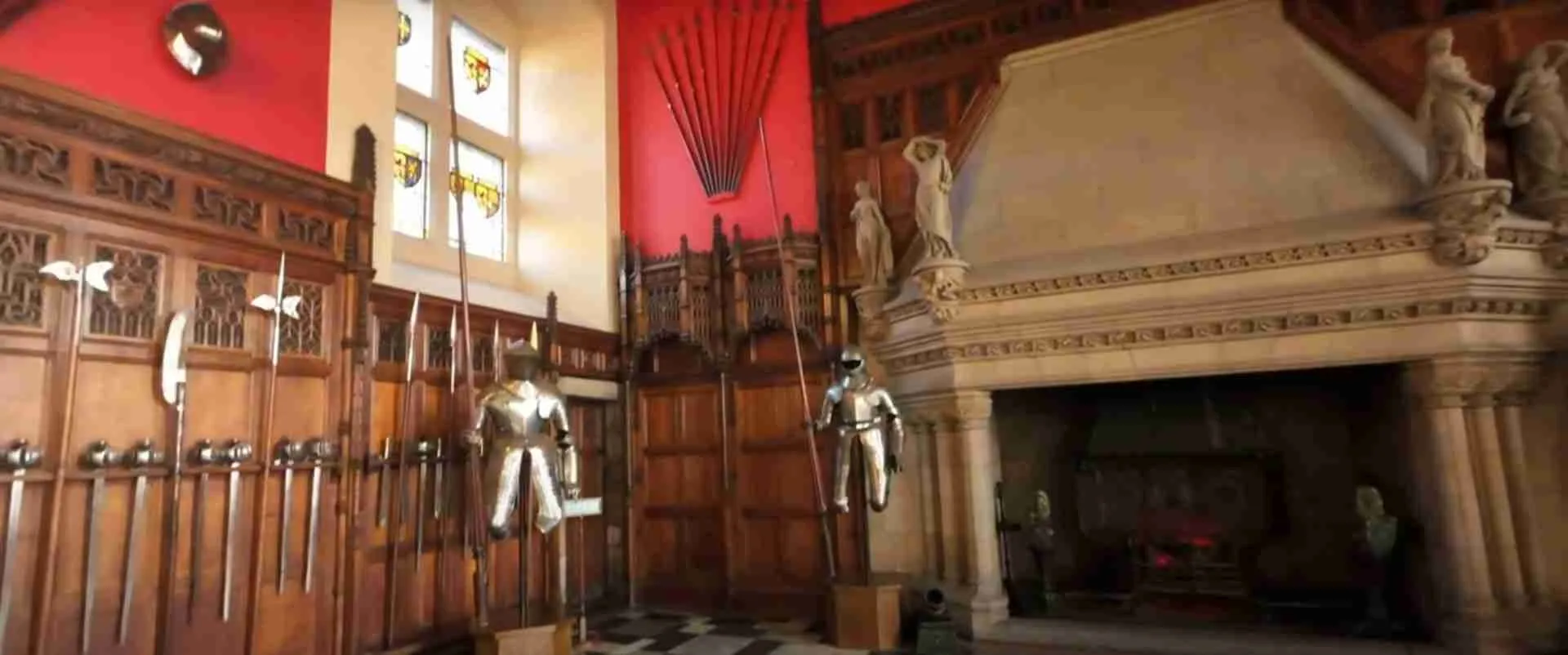
- Great Hall: Medieval banqueting and weaponry displays
- St Margaret’s Chapel: Edinburgh’s oldest building
- One O’Clock Gun: Daily ceremony and historical tradition
- Scottish National War Museum: Military heritage context
- Castle ramparts: Panoramic Edinburgh views
Extended Edinburgh heritage tour:
- Holyrood Palace: Current royal residence with throne room
- Royal Mile: Historic street connecting castle to palace
- St Giles’ Cathedral: Scotland’s High Kirk and religious center
- Scottish Parliament: Modern democracy in historical context
Conclusion: Treasures of Scottish Heritage
The Honours of Scotland represent far more than mere royal artifacts; they embody the resilience, pride, and continuity of Scottish national identity across centuries of political change, foreign occupation, and cultural transformation. From their creation during Scotland’s Renaissance flowering through their dramatic concealment and rediscovery, these treasures have witnessed and survived the full sweep of Scottish history.
Standing before the Crown Room’s display cases, visitors encounter tangible connections to Mary Queen of Scots, John Knox, Sir Walter Scott, and countless other figures who shaped Scotland’s destiny. The crown that rested on infant heads in Stirling Castle, the sceptre blessed by Renaissance popes, and the sword that symbolized royal justice continue to speak across centuries to modern audiences hungry for authentic historical experience.
In an age of digital reproduction and virtual reality, the Honours of Scotland provide something irreplaceable: the authentic presence of objects that participated in history rather than merely representing it. Their survival against overwhelming odds reminds us that heritage preservation requires both vigilant protection and courageous action, whether by 18th-century conspirators hiding royal regalia or 21st-century conservators ensuring their survival for future generations.
For visitors to Edinburgh Castle, the Crown Room offers a climactic encounter with Scottish heritage that transforms understanding of Scotland’s place in European history and its continuing role in modern Britain. These ancient symbols of Scottish sovereignty, displayed in their fortress stronghold above Edinburgh, continue to inspire, educate, and unite Scots while welcoming the world to share in Scotland’s remarkable cultural legacy.
Frequently Asked Questions
What makes the Honours of Scotland special compared to other crown jewels?
The Honours of Scotland are the oldest surviving crown jewels in the British Isles, predating England’s Crown Jewels by over a century. They survived the English Civil War period when most royal regalia were destroyed, and their dramatic hiding and rediscovery story adds unique historical intrigue.
How long do I need to see the Crown Jewels at Edinburgh Castle?
Allow 10-15 minutes in the Crown Room itself, plus potential queue time of 5-30 minutes depending on season. The entire Royal Palace complex requires 45-60 minutes for comprehensive exploration including the Honours.
Can I take photos of the Honours of Scotland?
Yes, personal photography is permitted in the Crown Room for non-commercial use, but no flash photography is allowed. The display cases are designed to minimize reflections for better photos.
When is the best time to visit to avoid crowds at the Crown Jewels?
Visit at 9:30am castle opening or after 2:00pm for shortest queues. Avoid 10:30am-1:00pm when tour groups create peak crowding. Winter months offer the most peaceful viewing experience.
Are the Honours of Scotland still used in ceremonies today?
Yes, the Honours play an active role in Scottish state ceremonies. They appeared at Elizabeth II’s 1953 coronation, are present at Scottish Parliament openings, and participate in royal visits to Scotland.
What is the Stone of Destiny and why is it displayed with the Crown Jewels?
The Stone of Destiny is the ancient coronation throne of Scottish kings, dating back over 1,000 years. It was taken to Westminster Abbey in 1296 but returned to Scotland in 1996. It’s displayed with the Honours as part of Scotland’s complete royal regalia.
Who discovered the hidden Crown Jewels and how were they found?
Sir Walter Scott, the famous novelist, convinced the Prince Regent to authorize a search in 1818. The Honours were found perfectly preserved in an oak chest that had been sealed in Edinburgh Castle’s Crown Room since 1707.
How old are the individual pieces of the Honours of Scotland?
The Sceptre dates to 1494, the Sword of State to 1507, and the Crown to around 1540. The Stone of Destiny is much older, possibly dating back 1,000+ years with geological age of 400+ million years.
Do I need a separate ticket to see the Crown Jewels?
No, the Honours of Scotland are included with general Edinburgh Castle admission. However, advance booking is essential as the castle frequently sells out, especially during peak season.
What security measures protect the Honours of Scotland?
The Honours are protected by state-of-the-art security including climate-controlled display cases, 24/7 monitoring, and Edinburgh Castle’s fortress setting. Specific security details are not disclosed for obvious reasons.