Edinburgh Budget Guide 2026: Complete Travel Cost Breakdown
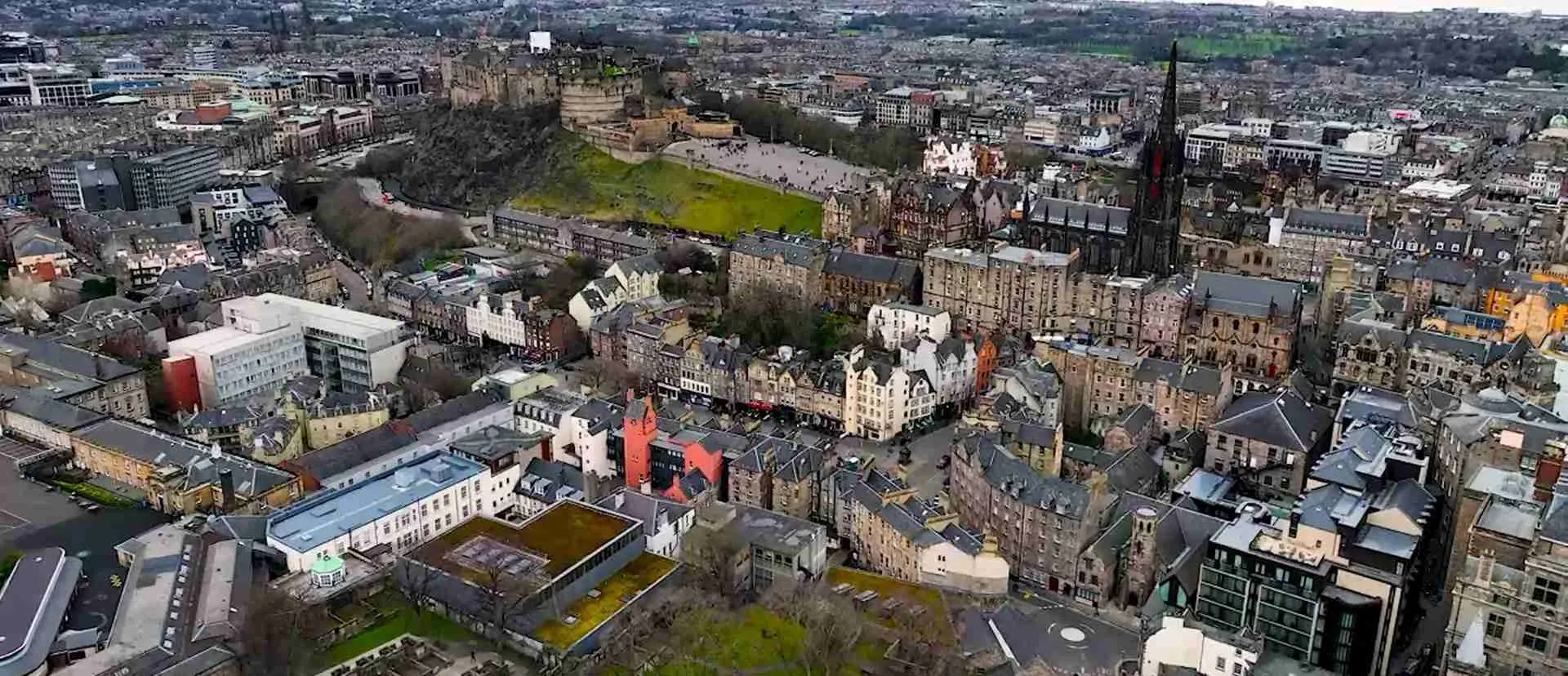
Scotland’s capital presents exceptional value for travelers willing to navigate seasonal pricing fluctuations and embrace the city’s wealth of free attractions. Edinburgh combines UNESCO World Heritage architecture, world-class museums without admission fees, and accommodation options spanning hostels to five-star luxury, making thoughtful budget planning essential for maximizing both experience and value across dramatically different spending tiers.
Key Takeaways: Edinburgh Travel Costs 2026
- Budget travelers spend £65-90 per person daily (two sharing hostel dormitory or budget guesthouse), with weekly costs reaching £455-630 for backpackers prioritizing free museums and self-catering meals
- Mid-range visitors invest £150-240 per person daily (two sharing mid-range hotel), totaling £1,050-1,680 weekly for comfortable hotel stays, restaurant dining, and comprehensive attraction access
- Luxury travelers spend £330-530+ per person daily (two sharing luxury hotel), with premium accommodations at historic properties, fine dining, and private experiences driving weekly costs to £2,310-3,710
- August Festival pricing doubles accommodation rates, transforming £160 mid-range hotels into £320+ properties while maintaining unchanged attraction and restaurant prices throughout the Fringe
- Free major museums save £20-40 daily as the National Museum of Scotland, Scottish National Gallery, Museum of Edinburgh, and National War Museum charge no admission versus paid castle and palace entries
- Pre-booking Edinburgh Castle tickets online saves £4.50 per person through £19.50 advance rates versus £24 on-site purchases, with similar savings applying to Holyrood Palace bookings
People Also Ask About Edinburgh Budget 2026
How much does Edinburgh cost per day in 2026?
Edinburgh daily costs range £65-90 per person for budget travelers, £150-240 for mid-range comfort, and £330-530+ for luxury experiences, with accommodation consuming the largest expense share across all tiers. Budget travelers sharing hostel dormitories spend £25-35 on lodging, £19-30 on meals from supermarkets and takeaways, £6 on transport day tickets, and £15-20 on attractions mixing free museums with discounted castle entry. Mid-range travelers sharing hotel rooms allocate £80-125 per person for accommodation, £45-75 for restaurant dining, £6-12 for transport, and £20-30 for paid attractions. Luxury visitors in upscale hotels spend £175-275 per person on accommodation, £95-155 on fine dining, £20-40 on taxis, and £40-60 on premium tours. These figures assume two people sharing hotel accommodation, with solo travelers facing full room rates pushing daily costs substantially higher.
Is Edinburgh expensive compared to other UK cities in 2026?
Edinburgh costs approximately £65-530 daily depending on travel style, positioning 15-20% below London pricing for accommodation and dining while exceeding Glasgow rates by roughly 25% outside Festival periods. Mid-range Edinburgh hotels average £160-250 nightly versus £200-350 in London and £120-180 in Glasgow, with restaurant meal prices following similar patterns. Edinburgh’s exceptional concentration of free national museums distinguishes it economically from comparable UK destinations, as visitors access world-class collections at the National Museum of Scotland, Scottish National Gallery, and Portrait Gallery without admission fees totaling £20-40 daily elsewhere. August Festival pricing eliminates this advantage temporarily, with accommodation rates doubling to London levels while maintaining dining and attraction costs unchanged. Transport costs remain uniform across Scottish cities through fixed bus and tram fares, though Edinburgh’s compact Old Town and New Town allow extensive walking that reduces reliance on paid transport compared to sprawling London or Manchester.
When is the cheapest time to visit Edinburgh in 2026?
January through March and November offer the lowest Edinburgh accommodation rates at £110-160 nightly for mid-range hotels, representing 40-50% savings versus peak August pricing of £280-425 when the Edinburgh Festival Fringe drives unprecedented demand. Winter shoulder months provide budget-focused travelers optimal value with hotel costs £65-90 per person daily when sharing rooms, mild but unpredictable Scottish weather averaging 5-8°C, and shorter daylight hours from 8:45am to 4:30pm sunset limiting sightseeing time. May and September balance moderate pricing with favorable weather conditions, offering 15-20°C temperatures, extended daylight through 9pm, and accommodation rates £130-200 nightly positioned between winter lows and summer peaks. June-July presents summer weather without Festival premiums, though hotels gradually increase rates approaching August. The Festival period from late July through August delivers peak cultural programming but multiplies accommodation costs while maintaining unchanged restaurant and attraction pricing, making advance booking essential six-plus months ahead for reasonable rates.
What hidden costs should I budget for in Edinburgh 2026?
Edinburgh visitors encounter three primary hidden costs beyond standard accommodation and dining expenses: the forthcoming 5% Visitor Levy on accommodation adding £8-25 nightly to hotel bills depending on room rates, the 12.5% discretionary restaurant service charge automatically added to most dining bills creating £3-8 supplements per meal, and the UK Electronic Travel Authorization (ETA) requiring £10 from most international visitors for entry clearance. The Visitor Levy applies per room per night starting implementation in 2026, calculated as 5% of total accommodation cost before taxes, meaning a £200 hotel room incurs £10 levy separate from the room rate. Restaurant service charges appear as line items on bills with discretionary removal theoretically permitted but socially awkward, effectively functioning as mandatory additions totaling £15-35 daily for three restaurant meals. The ETA represents a one-time digital authorization fee required from visitors from most countries including EU nations, Australia, Canada, and others, paid online before travel and valid for multiple UK entries. Additional minor costs include luggage storage at £5-10 daily near Waverley Station, public toilet fees at £0.30-0.50 where charged, and Castle Rock photography permit fees waived for casual snapshots but required for professional equipment. Budget planning should incorporate 15% buffer above calculated daily costs to accommodate these supplementary expenses without disrupting spending plans.
Extended multi-day tours – 5+ days
Featured Edinburgh Multi-Day Tour Packages
3 days
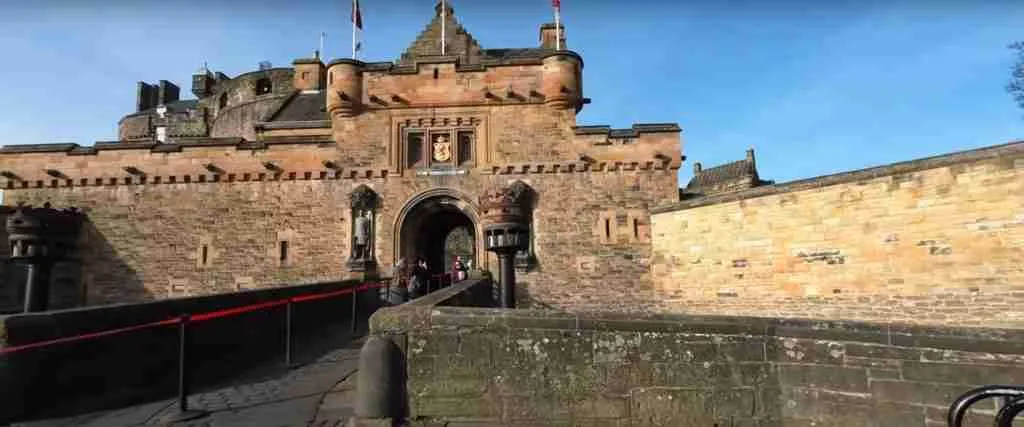
Edinburgh 3-Day Discovery Tour
- ✓ Comprehensive Edinburgh experience
- ✓ Expert local guides included
- ✓ All accommodation included
- ✓ Transportation provided
5 days
Edinburgh 5-Day Highlights Experience
- ✓ Comprehensive Edinburgh experience
- ✓ Expert local guides included
- ✓ All accommodation included
- ✓ Transportation provided

7 days
Edinburgh 7-Day Cultural Journey
- ✓ Comprehensive Edinburgh experience
- ✓ Expert local guides included
- ✓ All accommodation included
- ✓ Transportation provided
10 days
Edinburgh 10-Day Complete Adventure
- ✓ Comprehensive Edinburgh experience
- ✓ Expert local guides included
- ✓ All accommodation included
- ✓ Transportation provided
Multi-day tour packages powered by TourRadar. Prices and availability subject to change.
Introduction: Understanding Edinburgh’s Cost Structure in 2026
Edinburgh’s travel costs divide sharply between accessible budget options and premium luxury experiences, with seasonal pricing fluctuations creating dramatic rate variations that dwarf differences between comparable European capitals. The city’s economic positioning reflects its dual identity as functioning Scottish capital and global tourism destination, where year-round government and financial activity maintains consistent restaurant and service pricing while accommodation rates swing wildly with Festival season demand. This cost structure rewards informed planning as budget-conscious travelers access exceptional value through strategic timing and free museum prioritization, while luxury visitors encounter premium pricing justified by UNESCO heritage settings and world-class cultural programming.
The foundation of Edinburgh budget planning rests on accommodation tier selection, as lodging consumes 35-45% of total daily costs across all spending levels while remaining the most seasonally volatile expense category. Budget travelers sharing £60-100 hostel dormitories or basic guesthouses achieve £25-50 per person nightly costs that remain relatively stable year-round, absorbing modest £5-10 increases during peak demand. Mid-range hotel guests occupying £160-250 rooms split between two people face dramatic seasonal swings, with August Festival rates doubling winter pricing and creating £80-125 per person accommodation costs that fluctuate by £40-60 depending on travel dates. Luxury travelers in £350-550+ properties weather similar percentage increases but absorb larger absolute cost changes, as £175-275 per person summer rates reflect both room quality and heritage property premiums that compound during high-demand periods.
Food and beverage costs demonstrate remarkable stability across seasons and neighborhoods, providing predictable planning anchors as restaurant prices maintain consistency whether visiting in January’s quiet or August’s Festival frenzy. Budget travelers assembling supermarket meals and occasional takeaway purchases spend £19-30 daily on breakfast pastries, sandwich lunches, and fish-and-chips dinners that cost identically in winter and summer. Mid-range restaurant diners investing £45-75 daily encounter uniform pricing whether eating near touristy Royal Mile establishments or residential Stockbridge bistros, though early-bird menus and pre-theater deals in New Town offer 20-30% savings on identical meals served during peak hours. Luxury fine dining operates independently of tourist seasonality as Michelin-starred restaurants and upscale establishments maintain £50-80 per person dinner pricing year-round, targeting business diners and affluent locals alongside visitors. This dining stability contrasts sharply with accommodation volatility, enabling travelers to shift budget allocations between lodging and meals based on seasonal pricing conditions.
Attraction costs follow tiered patterns where major paid sites charge identical admission year-round while free national museums eliminate entire expense categories for visitors prioritizing cultural experiences. Edinburgh Castle’s £19.50 online advance tickets remain constant from January through December, as do Holyrood Palace’s £22 admissions and Royal Yacht Britannia’s pricing, creating predictable daily attraction budgets of £20-40 for visitors touring multiple paid sites. Budget-focused travelers substituting free museums spend nothing accessing the National Museum of Scotland’s comprehensive collections, Scottish National Gallery’s old masters, National Portrait Gallery’s historical figures, and Museum of Edinburgh’s local heritage displays, redirecting £20-40 daily toward enhanced accommodation or dining quality. Mid-range visitors combining free museums with paid castle and palace entries allocate £20-30 daily to attractions, while luxury travelers investing in premium guided experiences and specialized tours spend £40-60 on exclusive access and expert interpretation. Transport costs remain minimal across tiers as £2.40 bus singles and £6 day tickets serve budget and mid-range travelers equally, while luxury visitors’ taxi preference adds £20-40 daily compared to public transit alternatives.
The Edinburgh Festival Fringe fundamentally transforms the city’s economic landscape during August, creating parallel pricing universes where accommodation costs double while restaurant, attraction, and transport expenses remain unchanged. This seasonal phenomenon concentrates extreme demand into three-week windows when global theater professionals and cultural tourists converge alongside summer vacationers, driving occupancy rates above 95% and eliminating normal pricing competition among hotels. Budget travelers confronting doubled hostel rates from £30 to £60 per person nightly discover their £65-90 daily budgets stretched to £95-120 as accommodation costs surge while other categories hold steady. Mid-range visitors facing £320-500 hotel rooms split between two people see daily costs climb from £150-240 to £230-340 purely through lodging premiums, without corresponding increases in dining or sightseeing expenses. Luxury travelers weather similar percentage increases but absorb larger absolute impacts as £500-750 August hotel rates push daily costs from £330-530 to £420-650 per person. The Festival’s value proposition depends entirely on cultural priorities, as visitors attending world-class performances unavailable elsewhere justify premium costs while sightseeing-focused travelers benefit from avoiding August entirely.
Hidden costs and service charges add 12-18% to calculated daily budgets through combinations of accommodation levies, restaurant gratuities, and authorization fees that appear as supplementary line items rather than base pricing. The forthcoming 5% Visitor Levy applies to all commercial accommodation from hostels through luxury hotels, adding £3-25 nightly depending on room rates and representing the first such tax in Scotland despite common usage across European destinations. Restaurant service charges automatically appended to bills at 12.5% rates function as de facto mandatory gratuities, adding £5-10 to mid-range lunches and £10-15 to upscale dinners beyond menu prices, though technically removable upon request in practice rarely challenged. International visitors from most countries pay £10 UK Electronic Travel Authorization fees as one-time digital clearances valid for two years and multiple entries, effectively negligible for longer trips but meaningful for brief weekend visits. Budget planning incorporating 15% cushions above calculated daily costs accommodates these additions without budget overruns, as £75 estimated daily costs expand to £86 actual spending once levies and charges apply.
Edinburgh’s cost structure ultimately rewards flexibility and informed decision-making, as visitors adjusting travel dates, accommodation standards, and free-attraction prioritization dramatically alter total trip expenses without compromising experience quality. Budget travelers visiting in March rather than August slash accommodation costs by 50% while accessing identical museums and monuments, redirecting savings toward enhanced dining or extended stays. Mid-range visitors allocating fixed £1,400 total budgets choose between comfortable seven-day March trips or condensed four-day August Festival visits, with experience quality determined by cultural priorities rather than absolute spending. Luxury travelers escape binary tradeoffs through higher spending capacity but still benefit from strategic timing, as £3,000 weekly budgets deliver superior accommodation quality in shoulder seasons compared to peak-period compromises. The city’s exceptional free museum concentration, compact walkable core, and efficient public transport system enable cost control regardless of tier selection, while seasonal pricing volatility creates planning complexity rewarded through advance booking and date flexibility.
Edinburgh Accommodation Costs 2026: Hotels, Hostels, and Seasonal Pricing
Accommodation represents Edinburgh’s most volatile expense category, with nightly rates swinging from £66 winter budget hotel minimums to £550+ August luxury property peaks as seasonal demand and Festival programming create parallel pricing universes within the same properties. The city’s lodging landscape spans quality tiers from £25-35 hostel dormitory beds through £175-275 luxury heritage hotel rooms shared between two people, with mid-range offerings clustered in £80-125 per person price bands during normal periods. Strategic neighborhood selection, advance booking lead times, and Festival-period avoidance constitute primary cost-control levers as identical room quality commands dramatically different pricing depending on location proximity to Royal Mile attractions and arrival date relationship to peak demand windows.
Budget Accommodation Options (£25-50 Per Person Nightly)
Budget travelers sharing dormitory beds or basic double rooms access Edinburgh accommodation for £25-50 per person nightly, with hostel networks concentrated in Old Town neighborhoods providing walking-distance access to major attractions while maintaining year-round rate stability. Hostel dormitories in 4-8 bed configurations cost £25-35 per person during standard periods, rising modestly to £35-45 during August Festival weeks compared to hotel rate doublings, with facilities including shared bathrooms, communal kitchens enabling meal self-catering, and social common areas fostering traveler interaction. Budget hotel private doubles in £60-100 total ranges split between two occupants achieve £30-50 per person costs, offering en-suite bathrooms and basic breakfast inclusions but typically locating farther from central attractions in neighborhoods like Leith or Dalry requiring 15-25 minute bus connections to Old Town sites.
Edinburgh’s hostel infrastructure concentrates along Royal Mile and adjacent Cowgate and Grassmarket areas, placing dormitory guests within 5-10 minute walks of Edinburgh Castle, Holyrood Palace, and connecting bus and tram stops serving broader city access. High Street Hostel and Castle Rock Hostel occupy prime Old Town positions with £28-38 dormitory rates during standard seasons, while slightly peripheral options like Smart City Hostel Edinburgh in New Town and CODE Pod Hostel near Haymarket Station offer £25-32 rates with excellent transport connections compensating for 10-15 minute walks to central sights. Summer period hostel rates climb to £35-45 per bed as demand peaks, though availability persists unlike sold-out mid-range hotels, with advance booking 8-12 weeks securing preferred bed types and avoiding last-minute premiums. Budget hotel alternatives including Travelodge Edinburgh Central and Ibis Edinburgh Centre locations maintain £60-80 double room rates except during Festival weeks, positioning farther from attractions but providing private facilities and typically including continental breakfasts reducing daily food costs by £6-10 per person.
Guesthouse and bed-and-breakfast properties clustered in residential Bruntsfield, Marchmont, and Stockbridge neighborhoods offer middle-ground budget accommodation, combining private room privacy with £35-50 per person rates when sharing doubles and including full Scottish breakfasts replacing £10-15 café morning meals. These family-run establishments typically occupy Victorian terraced houses 15-25 minute walks or 10 minute bus rides from central attractions, with owners providing local dining recommendations and attraction insights enhancing value beyond basic lodging provision. August Festival availability vanishes 4-6 months ahead as regular guests secure annual reservations, with remaining inventory commanding £60-80 per person premiums compared to winter £35-45 rates, making advance planning essential for budget travelers unwilling to accept peripheral hostel locations or shared dormitory formats during peak periods.
Location-based budget accommodation tradeoffs balance transportation costs against room rate savings, as Leith waterfront hostels and hotels charging £5-10 less nightly than Old Town equivalents require £2.40 bus fares and 20 minute travel times reaching Edinburgh Castle and Royal Mile attractions. Budget-conscious travelers maximizing sightseeing hours prioritize central accommodation despite modest premiums, while those comfortable with public transport navigation and morning routine time allocations achieve savings through peripheral location selection. Winter and shoulder season travelers benefit from minimal rate variations across neighborhoods as low demand reduces location-based pricing power, while summer and Festival visitors confront £15-25 per person nightly premiums for walkable Old Town access versus transport-dependent alternatives.
Mid-Range Hotels and Serviced Apartments (£80-125 Per Person Nightly)
Mid-range accommodation in Edinburgh delivers modern comforts, central locations, and included amenities through £160-250 nightly hotel rooms split between two people, with rate positioning reflecting seasonal demand fluctuations from £110-160 winter lows to £280-425 August Festival peaks for comparable properties. This tier encompasses 3-4 star chain hotels including Apex, Radisson, and Holiday Inn brands alongside independent boutique properties, offering en-suite bathrooms with upgraded fixtures, daily housekeeping, on-site restaurants or nearby dining clusters, and reception services providing local activity booking and transport coordination. Strategic booking windows 6-12 weeks ahead of arrival secure preferred inventory before peak-period sellouts while avoiding excessive advance-purchase premiums charged for Festival and summer high season.
Old Town and New Town neighborhoods host the densest mid-range hotel concentrations, positioning guests within 5-15 minute walks of Edinburgh Castle, Princes Street shopping, and National Museum of Scotland while commanding £15-35 per person nightly premiums over peripheral locations. Apex Grassmarket Hotel and Apex Waterloo Place Hotel occupy prime Old Town positions with £180-240 standard season doubles rising to £320-400 during August, featuring modern rooms, included fitness facilities, and ground-floor restaurants eliminating dinner transit needs. New Town alternatives including Motel One Edinburgh-Princes Street and Radisson Blu Edinburgh maintain similar £160-220 baseline pricing with £280-350 Festival rates, offering tram stop proximity, Princes Street shopping access, and slightly larger room configurations compared to compact Old Town heritage building constraints.
Serviced apartment alternatives provide mid-range comfort with added functionality for longer stays, combining private kitchens enabling meal self-catering with separate living areas and typically weekly cleaning schedules reducing daily costs while maintaining comfort standards. Aparthotel Adagio Edinburgh Royal Mile and Native Edinburgh apartments charge £140-200 nightly for one-bedroom units accommodating two people, translating to £70-100 per person costs below traditional hotel equivalents when kitchen usage reduces restaurant meal frequency by 30-50%. These properties particularly benefit families and extended-stay visitors as £980-1,400 weekly rates include laundry facilities, full kitchens avoiding £15-25 daily lunch expenses, and living space separating sleeping and working areas during longer occupancies.
Neighborhood pricing variations within mid-range tiers reflect proximity gradients from Royal Mile epicenter, with Stockbridge and Leith properties charging £20-40 less nightly than Old Town equivalents while requiring 15-20 minute tram or bus connections to central attractions. Travelers prioritizing walkability and spontaneous sightseeing justify Old Town premiums through eliminated transport costs and time savings, while those comfortable with scheduled public transit usage achieve meaningful savings through Leith waterfront hotels like Malmaison Edinburgh or Fingal Hotel offering £130-180 rates versus £180-240 Old Town comparisons. Winter and early spring shoulder periods compress neighborhood pricing differentials to £10-20 as demand softens across locations, while summer and Festival windows expand gaps to £30-50 as central inventory sells out first and peripheral properties maintain moderate availability.
Luxury and Heritage Hotels (£175-275+ Per Person Nightly)
Edinburgh luxury accommodation combines UNESCO World Heritage settings, historic property character, and premium amenities through £350-550+ nightly rates split between two people, with flagship properties including The Balmoral, Waldorf Astoria Edinburgh – The Caledonian, and Prestonfield House delivering five-star standards in architecturally significant buildings. These establishments offer spacious rooms with period architectural details, luxury bedding and bathroom fixtures, on-site spas and fitness facilities, concierge services arranging exclusive experiences, and Michelin-quality dining eliminating need for external restaurant research. Peak season and Festival pricing pushes luxury rates to £500-750 nightly as premium positioning insulates these properties from mid-market rate doubling patterns, with high-net-worth guests less price-sensitive to seasonal fluctuations than budget and mid-range travelers.
The Balmoral occupies Edinburgh’s most prestigious address at Princes Street’s east end, charging £420-580 for doubles during standard seasons and £650-850 during August Festival weeks, with rooms overlooking Edinburgh Castle or Calton Hill, afternoon tea service in Palm Court, and Number One restaurant holding Michelin recognition. Waldorf Astoria Edinburgh – The Caledonian anchors Princes Street’s opposite end with similar £400-550 baseline pricing rising to £600-800 Festival rates, featuring spa facilities with thermal suite, luxury bedding, and railway heritage design elements reflecting the property’s Victorian station hotel origins. Prestonfield House offers alternative luxury through 17th-century manor house exclusivity in parkland settings 2 miles south of Old Town, charging £350-480 for opulent rooms with period furnishings and achieving moderate £450-600 Festival premiums below central property rate increases.
Boutique luxury alternatives including The Witchery by the Castle and Tigerlily Edinburgh deliver intimate character through smaller room counts and distinctive design aesthetics, typically charging £280-420 for doubles with £400-550 Festival rates below flagship luxury but above mid-range positioning. The Witchery’s nine suites occupy Royal Mile Gothic revival buildings with theatrical period interiors and ground-floor Michelin-quality dining, while Tigerlily’s 33 rooms feature contemporary design in New Town Georgian architecture with included nightclub access and central Princes Street location. These properties suit travelers prioritizing unique character over standardized luxury service protocols, with limited room inventory requiring 3-6 month advance booking for preferred dates and commanding modest premiums justified through exclusive atmospheres unavailable at chain luxury alternatives.
Luxury accommodation value propositions extend beyond room quality to included amenities reducing supplementary spending, as spa facilities, fitness centers, concierge expertise, and on-site dining eliminate £30-60 daily costs incurred by mid-range guests purchasing equivalent services separately. Premium breakfast buffets worth £20-30 per person replace basic continental offerings, while concierge restaurant reservations at sought-after establishments and exclusive tour bookings access experiences unavailable through independent planning. Travelers calculating total daily costs including accommodation, meals, and activities discover luxury hotel packages sometimes approaching mid-range alternatives when accounting for included services and prime locations eliminating transport expenses, though absolute room rates remain £150-300 higher nightly before considering these offsets.
Seasonal Rate Variations and Booking Strategies
Edinburgh accommodation pricing follows pronounced seasonal patterns where August Festival weeks command double standard rates, Christmas and Hogmanay create secondary peaks at 40-60% premiums, and January through March winter lows offer optimal value at 30-45% below summer baseline pricing. These fluctuations affect all accommodation tiers proportionally, with budget hostels experiencing £8-12 per person increases during peaks while luxury hotels absorb £150-250 nightly premiums, making seasonal selection the single most impactful budget control lever available to flexible travelers. Understanding demand drivers and booking timelines enables strategic rate optimization through advance purchase for peak periods and last-minute booking for shoulder seasons when inventory excess pushes rates downward.
The Edinburgh Festival Fringe operates late July through August, creating three-week windows when accommodation demand overwhelms supply and eliminates normal competitive pricing as near-total occupancy removes incentives for rate reductions. Mid-range hotels charging £160-250 during May-July standard seasons increase to £280-425 for identical rooms during Festival weeks, with advance booking 6-9 months ahead essential for securing any inventory as properties sell out completely by March-April for August arrivals. Budget hostels demonstrate relative pricing stability with £28-38 standard dormitory rates rising to £40-52 during Festival rather than doubling, though shared accommodation formats may prove less appealing during peak crowding when corridor noise and bathroom queuing intensify. Luxury properties maintain relatively modest £100-200 nightly increases as clientele price sensitivity remains low, though advance booking still advisable as limited high-end inventory disappears early to regulars securing preferred suites.
Winter months from January through March deliver Edinburgh’s most favorable accommodation economics, with mid-range hotels dropping to £110-160 nightly from £160-250 summer rates as reduced leisure tourism and shortened daylight hours suppress demand despite stable business travel. These periods suit budget-maximizing travelers willing to accept 5-8°C temperatures, occasional rain or snow, and 8:45am-4:30pm daylight windows limiting sightseeing hours but offering 40% accommodation savings redirectable toward enhanced dining or extended trip durations. Shoulder months of April-May and September-October balance moderate weather with reasonable pricing, charging £130-200 for mid-range properties versus summer £180-250 peaks while providing 15-20°C temperatures and daylight extending through 8-9pm for comfortable evening strolling and outdoor dining.
Christmas and Hogmanay create secondary demand peaks from December 20 through January 2, with Edinburgh’s renowned New Year celebrations driving 50-80% rate premiums above standard winter pricing as visitors book multi-night stays spanning the holiday. Mid-range accommodation climbs from £120-160 winter rates to £180-250 Hogmanay levels, while luxury properties charge £450-650 for December 30-31 nights commanding £350-480 during regular winter periods. These holiday surcharges apply selectively to calendar dates surrounding December 25 and December 31-January 1, with rates normalizing by January 3-5 as festivities conclude and winter low-season pricing resumes. Budget-conscious travelers visiting during early-to-mid December or mid-January avoid these premiums while accessing winter rate advantages, though missing distinctive Hogmanay street parties and First Footing traditions unique to Scottish New Year celebrations.
Booking window strategies vary by season, with Festival and summer peak periods requiring 6-12 month advance purchases securing preferred properties before sellouts while shoulder and winter seasons benefit from 2-4 week booking windows capturing last-minute inventory excess and rate reductions. Edinburgh Festival Fringe accommodation sells out progressively from January through March for August arrivals, with mid-range availability vanishing by April-May and budget options persisting slightly longer before final inventory clears. Standard summer months of June-July demonstrate moderate booking urgency at 8-12 week windows, while winter and shoulder periods allow flexible booking as close as 2-3 weeks ahead without significant rate penalties or inventory constraints. Dynamic pricing algorithms increasingly adjust rates daily based on occupancy levels, occasionally rewarding very late booking for unfilled inventory though creating risk of complete sellouts during unexpected demand surges, making advance purchase still advisable for inflexible travel dates even during typically soft periods.
Edinburgh Food and Dining Costs 2026: Restaurants, Cafés, and Self-Catering
Edinburgh dining costs remain remarkably stable across seasons despite dramatic accommodation rate fluctuations, with budget travelers spending £19-30 daily through supermarket meal assembly and occasional takeaway purchases while mid-range restaurant diners allocate £45-75 for sit-down breakfast, lunch, and dinner experiences. The city’s culinary landscape spans £3 supermarket meal deals through £50+ per person fine dining tasting menus, with Old Town and New Town neighborhoods hosting the densest restaurant concentrations while residential areas like Leith, Stockbridge, and Bruntsfield offer superior value-to-quality ratios at identical price points. Strategic meal timing leveraging early-bird menus and lunch specials, supermarket prepared food substitution for select meals, and neighborhood selection beyond tourist corridors enable significant cost control without compromising Edinburgh’s exceptional dining scene spanning traditional Scottish fare through international cuisines.
Budget Dining Strategies (£19-30 Daily Per Person)
Budget-conscious travelers assembling meals from supermarkets, bakeries, and street-food vendors spend £19-30 daily per person across breakfast, lunch, and dinner while maintaining nutritional quality and occasionally sampling Edinburgh’s distinctive culinary traditions. Supermarket chains including Tesco Metro, Sainsbury’s Local, and Marks & Spencer Food occupy central Old Town and New Town locations, offering £3-5 meal deals combining pre-made sandwiches, drinks, and crisps alongside fresh fruit, yogurt, and bakery sections enabling breakfast and lunch assembly at fraction of café prices. Traditional bakeries sell Scotch pies, sausage rolls, and bridies for £2-4 each, providing authentic local food experiences without sit-down restaurant expenses, while fish-and-chips shops deliver Edinburgh’s signature takeaway at £10-15 for substantial cod portions with chips suitable as filling dinners.
Breakfast costs compress to £3-6 daily through supermarket purchases of pastries, fruit, yogurt, and coffee versus £10-15 café alternatives, with many hostels and budget hotels including basic continental offerings eliminating morning meal expenses entirely. Travelers requiring hot breakfasts access greasy spoon cafés in residential neighborhoods charging £6-9 for full Scottish fry-ups featuring eggs, bacon, sausage, black pudding, beans, and toast, delivering substantial portions sustaining energy through midday sightseeing. Budget hotel breakfast inclusions typically feature cereals, breads, preserves, coffee, and juice with occasional hot options, worth £8-12 when costed separately though varying significantly in quality between properties requiring on-site assessment during first morning before committing to continued usage versus external alternatives.
Lunch represents prime cost-control opportunity as £6-10 supermarket sandwiches, salads, and meal deals deliver equivalent nutrition to £15-25 café and pub meals while enabling outdoor consumption in parks and attractions during favorable weather. The Meadows parkland and Princes Street Gardens provide popular picnic settings, while Edinburgh Castle esplanade benches offer dramatic fortress views accompanying economical lunches. Takeaway shops along South Bridge and Nicolson Street near University of Edinburgh concentrations serve student populations through £5-8 curry boxes, pizza slices, and kebabs, with generous portions often shareable between two people further reducing per-person costs. Budget travelers supplementing supermarket lunches with occasional £8-12 pub meals access traditional Scottish dishes including haggis neeps and tatties, Cullen skink fish soup, and stovies, sampling local cuisine without full restaurant pricing commitments.
Dinner costs range £10-15 for budget travelers prioritizing fish and chips, takeaway Indian or Chinese meals, and pub grub over sit-down restaurant experiences, with The Tailend Fish Restaurant and The Chippy Leith serving renowned fish suppers for £11-14 as both eat-in and takeaway. Indian restaurants along Nicholson Street and Lothian Road offer £10-13 curry-rice-naan lunch sets through early evening, while Chinese takeaways provide £8-12 combination meals feeding one person substantially. Budget-tier pub dining accesses traditional fare at £10-15 per main course, with establishments like The Black Rose and The Standing Order serving Scottish classics in atmospheric settings where food costs compete with takeaway alternatives while adding social dining contexts. Strategic early-bird menu exploitation captures 20-30% discounts on identical dishes, with restaurants including Hanam’s and David Bann offering £12-15 two-course pre-theater menus normally costing £18-24 when ordered during peak 7-9pm windows.
Ethnic dining provides exceptional budget value as Edinburgh’s substantial South Asian, East Asian, and Eastern European populations support authentic restaurants targeting community rather than tourist clientele. Mosque Kitchen on Nicholson Street serves generous curries and rice for £6-8, while Ting Thai Caravan in Teviot Place delivers Bangkok street food at £8-12 per dish substantially undercutting New Town Thai restaurants charging £15-20 for comparable preparations. Polish delicatessens in Leith and Gorgie neighborhoods offer prepared pierogi and kielbasa meals for £7-10, while Chinese supermarkets along Leith Walk stock takeaway dumplings and noodles at £5-8 per portion. These establishments concentrate in residential areas requiring 15-25 minute bus or tram rides from central accommodations, though exceptional value-quality ratios justify transport time for budget-focused travelers willing to navigate beyond Old Town tourist corridors.
Mid-Range Restaurant Dining (£45-75 Daily Per Person)
Mid-range travelers dining at sit-down restaurants for most meals allocate £45-75 daily per person across breakfast cafés, lunch bistros, and dinner establishments, accessing Edinburgh’s diverse culinary scene through neighborhood trattorias, gastropubs, contemporary Scottish restaurants, and international kitchens while maintaining comfortable spending levels. This tier encompasses most Edinburgh dining outside luxury fine-dining venues, with breakfast costing £10-15 at cafés serving full Scottish fry-ups or continental options, lunch running £15-25 for two-course bistro meals or pub dining, and dinner reaching £20-35 per person for main courses with drinks at modern Scottish and international restaurants. Strategic early-bird menu exploitation, lunch versus dinner pricing awareness, and neighborhood selection enable cost optimization within mid-range spending while sampling Edinburgh’s exceptional restaurant diversity.
Breakfast options span hotel dining rooms through independent cafés, with included hotel offerings saving £10-15 daily when quality meets expectations but often disappointing through limited selections or poor preparation quality. Urban Angel on Hanover Street and Bon Appetit on Dundas Street serve comprehensive breakfast menus at £10-15 per person including fresh pastries, granola, full Scottish fry-ups, and specialty coffee, delivering superior quality to average hotel continental spreads while adding neighborhood character absent from chain hotel dining rooms. Brunch culture emerges strongly on weekends as establishments including The Pantry and Snax Café offer £12-18 substantial plates blending breakfast and lunch elements, suitable as combined first-and-second meals for late-rising travelers reducing total daily meal count from three to two and corresponding budgets from £50-65 to £35-50.
Lunch pricing delivers optimal mid-range value as numerous restaurants offer £12-18 two-course set menus during 12-3pm windows, with identical dishes costing £20-30 à la carte during evening service. The Kitchin’s sister establishments include The Scran & Scallie gastropub in Stockbridge charging £15-20 lunch mains versus £22-28 dinner equivalents, while Italian restaurants along George Street offer £14-18 lunch pasta and risotto specials rising to £20-26 evenings. Traditional pub lunches at establishments including The Bon Vivant and The Cumberland Bar run £13-18 for substantial plates including fish and chips, steak pies, and Scottish beef burgers, often accompanied by £4-6 craft beer pints completing £18-24 total lunch costs. These lunch values suit budget-conscious travelers willing to make midday dining their primary meal, shifting to lighter £8-12 evening takeaway or supermarket dinners and redistributing mid-range budgets from traditional breakfast-lunch-dinner patterns into hearty lunches supporting full-day sightseeing.
Dinner represents mid-range travelers’ primary splurge opportunity, with £20-35 per person main courses at contemporary Scottish restaurants, neighborhood bistros, and ethnic establishments delivering memorable culinary experiences showcasing local ingredients and international techniques. The Gardener’s Cottage in London Road charges £28-35 for seasonal tasting menus highlighting Scottish produce, while Dishoom Edinburgh serves Indian comfort food at £18-25 per main course with atmospheric Bombay café ambiance. Italian trattorias including La Favorita and Pizzeria 1926 offer £15-22 pasta and pizza mains with £5-8 appetizers and £18-28 wine bottles completing £30-45 per person dinners, while traditional Scottish restaurants including The Albanach charge £24-32 for haggis, venison, and salmon preparations paired with £4-6 Scottish craft beers or £6-9 Scotch drams.
Neighborhood dining patterns reveal significant value variations, with tourist-heavy Royal Mile and Grassmarket establishments charging 15-25% premiums over residential Stockbridge, Bruntsfield, and Leith locations for equivalent quality cuisine. A £24 pasta main on High Street costs £18-20 at Stockbridge Italian restaurants, while £28 fish dishes near Edinburgh Castle drop to £22-24 at Leith waterfront establishments, with superior harbor views often accompanying the savings. Mid-range travelers maximizing dining budgets prioritize residential neighborhood exploration, discovering exceptional local establishments while reducing meal costs by £8-15 daily compared to Old Town tourist corridor dining. The 15-25 minute tram or bus connections to these neighborhoods prove worthwhile for quality-conscious diners, though Old Town convenience appeals to travelers prioritizing time efficiency over marginal cost savings.
Beverage costs add £8-18 daily to dining budgets depending on alcohol consumption patterns, with coffee and soft drinks running £3-5 per serving while beer pints cost £4-6 and glasses of wine range £6-9 at mid-range establishments. Travelers limiting alcohol to dinner drinks spend £8-12 daily on beverages, while those including lunchtime pints and multiple evening glasses reach £15-20 supplementary costs. Edinburgh’s exceptional craft beer scene warrants budget allocation as local breweries including Stewart Brewing and Pilot Beer produce distinctive ales unavailable outside Scotland, with gastropubs offering tasting flights at £10-14 enabling sampling without committing to full-pint purchases. The city’s whisky heritage justifies occasional £6-12 single-malt drams despite premiums over beer pricing, as distillery tastings cost £20-40 for multiple pours making individual bar purchases comparatively economical for selective sampling.
Luxury Fine Dining and Premium Experiences (£95-155 Daily Per Person)
Luxury travelers prioritizing Edinburgh’s Michelin-starred restaurants and premium dining experiences allocate £95-155 daily per person across upscale breakfast venues, refined lunch destinations, and evening fine-dining establishments, accessing Scotland’s top culinary talent through tasting menus, rare ingredients, and exceptional wine pairings. This tier encompasses Michelin-recognized kitchens including Restaurant Martin Wishart, The Kitchin, and Number One at The Balmoral, alongside high-end hotel dining rooms and exclusive private dining experiences, with breakfast costing £15-25 at luxury hotel restaurants or specialty cafés, lunch running £30-50 for refined bistro meals, and dinner reaching £50-80+ per person before wine pairings adding £30-60 to total bills.
Breakfast at luxury hotels including The Balmoral and Waldorf Astoria delivers £20-30 per person buffets featuring smoked salmon, artisanal pastries, fresh fruit displays, and cooked-to-order hot dishes, providing superior quality to standard hotel continental offerings while eliminating external venue research and travel time. Alternative luxury breakfast venues including The Dome on George Street offer £18-25 à la carte options in spectacular Victorian architecture, while Café Royal Circle Bar serves traditional Scottish breakfasts at £15-22 in opulent 19th-century interiors. These standalone breakfast experiences suit travelers prioritizing architectural character over hotel convenience, though transportation time and £3-5 coffee supplements increase total morning costs by £5-8 compared to included hotel alternatives.
Lunch at premium establishments provides relative value as £30-50 two-course menus access Michelin-quality cooking at fractions of evening tasting menu costs, with The Kitchin offering £35-45 lunch menus versus £95+ dinner options while maintaining signature Scottish ingredient focus and waterfront harbor views. 21212 on Royal Terrace serves £38-48 lunch menus in elegant Georgian townhouse settings, while Timberyard in Lady Lawson Street presents £32-42 seasonal small plates highlighting Scottish produce with industrial-chic warehouse ambiance. These lunch opportunities enable luxury travelers sampling multiple high-end establishments during extended stays without exhausting dining budgets on consecutive £100+ dinner experiences, though require midday schedule flexibility as service typically operates 12-2:30pm only.
Dinner at Michelin-starred and high-end establishments represents pinnacle Edinburgh dining, with tasting menus ranging £65-120 per person before wine pairings adding £40-80 to final bills and service charges increasing totals by additional 12.5%. Restaurant Martin Wishart commands £95-125 for seasonal tasting menus showcasing French technique applied to Scottish ingredients, while The Kitchin charges £85-105 for from-nature-to-plate philosophy highlighting sustainable sourcing and waterfront Leith location. Number One at The Balmoral offers £80-100 tasting menus in opulent hotel dining room settings with views of Edinburgh Castle, while The Witchery by the Castle provides £65-85 options in Gothic theatrical interiors steps from Royal Mile attractions. Wine pairings selected by sommeliers enhance these experiences through £45-65 matched selections, though substantially increase total costs to £125-185 per person including service for comprehensive fine-dining evenings.
Premium casual alternatives including Ox and Finch and Aizle offer refined dining without formal tasting menu structures, charging £18-32 per small plate with four-five plates recommended per person totaling £75-125 before drinks and service. These establishments suit luxury travelers seeking exceptional quality without multi-hour tasting menu commitments, providing flexibility to adjust portion sizes and spending based on appetite while sampling creative preparations unavailable at mid-range price points. Scottish seafood specialists including Ondine Restaurant and The Fishmarket charge £28-45 per main course for pristine oysters, lobster, and day-boat fish, positioning between mid-range and fine-dining tiers while delivering ingredient quality justifying premium pricing through daily market sourcing and expert preparation.
Private dining experiences and exclusive tastings add supplementary luxury dining options beyond restaurant visits, with whisky distillery tours offering £75-150 per person premium experiences including rare cask tastings and private cellar access at establishments including The Scotch Whisky Experience. Haggis-making classes and Scottish cooking workshops run £80-120 per person including ingredient costs and completed dish consumption, providing interactive culinary experiences complementing restaurant dining. These specialized activities suit luxury travelers seeking deeper engagement with Scottish food culture beyond passive restaurant consumption, though require advance booking and dedicated 3-4 hour time blocks reducing daily sightseeing availability.
Self-Catering and Apartment Dining Economics
Travelers occupying serviced apartments or vacation rentals with full kitchen facilities reduce food costs 30-50% below all-restaurant dining through strategic self-catering mixing home-cooked meals with selective restaurant experiences, typically spending £30-50 daily per person versus £45-75 mid-range restaurant budgets while maintaining equivalent quality standards. Edinburgh’s central supermarkets including Sainsbury’s Local on South St Andrew Street and Tesco Metro on Shandwick Place stock comprehensive ingredients enabling breakfast and dinner preparation, while specialty food halls like Valvona & Crolla offer premium Italian imports and Mellis Cheese Shop provides artisanal Scottish cheeses at prices below restaurant markups. Self-catering particularly benefits families with children requiring familiar foods and flexible meal timing, extended-stay visitors tiring of constant restaurant dining, and dietary-restricted travelers needing ingredient control unavailable through standard restaurant menus.
Supermarket shopping costs run £8-15 daily per person for three home-cooked meals, with breakfast ingredients including eggs, bread, coffee, fruit, and yogurt costing £2-4 per serving when purchased in multi-day quantities rather than single-meal café purchases at £10-15. Lunch assembly through sandwich ingredients, salads, and prepared foods reaches £4-6 per person versus £15-25 restaurant equivalents, while dinner ingredient purchases for pasta dishes, roasted vegetables, and simple proteins cost £6-9 per person compared to £20-35 restaurant mains. These calculations assume two-person minimum occupancy enabling ingredient sharing and multi-meal batch cooking, with solo travelers achieving smaller but still significant 20-30% savings through reduced portion sizes and single-serving product selection.
Mixed self-catering and restaurant dining optimizes both cost control and Edinburgh culinary experience sampling, as travelers preparing breakfast and lunch at apartments while dining out for dinner spend £35-55 daily versus £45-75 all-restaurant patterns while accessing signature restaurants without breakfast and lunch budgets constraining evening splurges. This hybrid approach enables £25-35 dinner main courses at quality establishments while eliminating £10-15 breakfast and £15-25 lunch restaurant costs through apartment meal preparation, effectively redirecting £25-40 daily savings toward enhanced dinner quality or extended trip duration. Families particularly benefit as apartment breakfasts accommodate children’s preferences while evening restaurant dinners provide adult culinary experiences, with total four-person family costs dropping from £180-300 all-restaurant daily to £120-200 through strategic self-catering integration.
Farmers markets and specialty food shops enhance self-catering quality beyond standard supermarket offerings, with Edinburgh Farmers’ Market operating Saturdays at Castle Terrace selling local vegetables, artisan breads, farmhouse cheeses, and grass-fed meats at prices competitive with supermarket equivalents but delivering superior freshness and flavor. Stockbridge Market on Sundays offers similar local produce alongside prepared foods and baked goods, creating opportunities for self-catering travelers to source premium ingredients while engaging with Edinburgh’s food community. These market experiences add cultural dimensions beyond pure cost savings, though require Saturday or Sunday timing and morning shopping sessions potentially conflicting with attraction visit schedules.
Edinburgh Transportation Costs 2026: Public Transit, Taxis, and Walking Strategies
Edinburgh transportation costs remain minimal across all budget tiers as the compact city center enables extensive walking while comprehensive bus and tram networks serve outlying neighborhoods through £2.40 single fares and £6 day tickets substantially undercutting taxi alternatives. Budget and mid-range travelers spending £6-12 daily on public transport access all major attractions, hotels, and restaurant districts efficiently, while luxury visitors preferring taxi convenience allocate £20-40 daily for door-to-door service eliminating connection planning and walking between stops. The city’s UNESCO World Heritage Old Town and New Town neighborhoods cluster major sights within 1-2 mile radius, with Royal Mile connecting Edinburgh Castle and Holyrood Palace as pedestrian-friendly corridor requiring no transport expense while Princes Street Gardens bisects zones and provides pleasant walking connections between attractions.
Public Transport System and Fare Structure
Lothian Buses and Edinburgh Trams operate integrated fare structures under unified ownership, offering seamless connections across city center, airport, and outlying neighborhoods through single tickets costing £2.40, day passes at £6, and weekly Ridacards for £24.50 enabling unlimited travel. The combined network serves all major tourist destinations efficiently, with buses running 6am-midnight daily frequencies plus night service on main corridors, while trams operate Newhaven-Airport route through city center with 7-minute daytime headways. Contactless payment through TapTapCap system automatically calculates daily and weekly fare caps matching day ticket and Ridacard prices, eliminating advance ticket purchase requirements while ensuring travelers never pay more than day or week maximum rates regardless of journey quantity.
Single journey tickets cost £2.40 for adults and £1.20 for children ages 5-15 when paid via contactless card, exact-change cash to driver, or pre-purchased mobile app tickets, with validity limited to one bus or tram boarding without transfers. The non-transferable nature means passengers changing buses pay £2.40 per boarding, making day tickets economical after three journeys as £6 unlimited access breaks even versus £7.20 three-single cost. Day tickets purchased through mobile app or ticket machines provide unlimited bus and tram travel within city zones from activation through 4am following day, excluding airport tram journeys and night bus services requiring supplementary £3.50 fares. Network day tickets costing £12.50 add airport tram access and night bus coverage, benefiting travelers requiring terminal connections or late-night transport after pub and restaurant closings beyond midnight standard service termination.
Weekly Ridacards deliver optimal value for visitors staying five-plus days, costing £24.50 for unlimited city zone travel including night buses but excluding airport tram segments, effectively providing day ticket equivalent £4.90 daily rate after five days versus £6 single-day purchase. These cards require physical purchase at travel shops or automated machines as mobile app versions prove unavailable, with process requiring 5-10 minutes at Edinburgh Waverley Station or Princes Street locations. The break-even calculation favors Ridacard purchase for six-night stays spending £36 on six daily tickets versus £24.50 weekly card, though benefits increase substantially for longer visits as seven-day stays save £17.50 and two-week trips save £59.50 compared to daily ticket purchases. Solo travelers and couples equally benefit from weekly cards as pricing applies per person rather than per group, unlike some European city transport systems offering family or group discounts absent from Edinburgh’s structure.
TapTapCap contactless payment represents the simplest transport option as travelers simply tap bank cards or mobile payment devices on bus validators and tram platform readers, with system automatically tracking journeys and charging lowest applicable fares through end-of-day or end-of-week calculations. Daily caps match £6 day ticket pricing after three £2.40 journeys, while weekly caps replicate £24.50 Ridacard rates after accumulating journeys across seven-day rolling windows. The system requires consistent card or device usage throughout billing period as switching between payment methods prevents cap recognition and charges full per-journey fares, making designation of single card for all travel essential. International credit cards function identically to UK-issued cards, with charges appearing in local currency on statements at prevailing exchange rates plus potential foreign transaction fees depending on card issuer terms.
Budget Transport Strategies (£6-12 Daily)
Budget travelers minimize transport expenses through strategic walking maximizing Old Town and New Town pedestrian accessibility, supplemented by selective bus and tram usage for outlying neighborhoods and weather-dependent comfort, typically spending £6 daily on day tickets or zero on completely pedestrian-focused itineraries. Edinburgh Castle, Royal Mile, Holyrood Palace, National Museum of Scotland, Scottish National Gallery, Princes Street Gardens, Calton Hill, and Royal Botanic Garden all sit within 2-mile Old Town and New Town radius covering 1.5-2 hours walking time end-to-end, with intermediate attractions reducing actual walking distances to 10-20 minute segments between stops. Budget-conscious visitors prioritizing free sightseeing and willing to accommodate Scottish weather through appropriate outerwear achieve zero transport costs over multiple-day visits, reserving £6 day tickets for rain days or physical fatigue requiring bus refuge from continuous walking.
Strategic neighborhood accommodation selection amplifies walking-based transport savings, as hostels and budget hotels in Old Town locations place travelers within 5-15 minute walks of Edinburgh Castle, Royal Mile attractions, and Princes Street shopping while peripheral Leith or Haymarket lodging requires £2.40-4.80 daily bus fares offsetting lower room rates. The cumulative effect over week-long stays reaches £17-34 in additional transport costs for peripheral accommodation that may charge only £10-15 less nightly than central alternatives, effectively neutralizing location-based savings while adding 30-40 minutes daily travel time. Budget travelers calculating total trip economics including accommodation and transport costs often discover central hostel premiums prove economical versus peripheral bargains once time value and cumulative bus fares factor into holistic cost comparisons.
Airport transfers represent mandatory transport expense for all travelers, with budget-conscious visitors selecting Lothian Airlink 100 bus service costing £5 single or £8.50 return versus £20-30 taxi fares for identical 25-35 minute journey times from Edinburgh Airport to Waverley Bridge. The express bus operates 24/7 with 10-minute daytime and 30-minute nighttime frequencies, offering luggage storage, USB charging, and free wifi while serving city center stops convenient for most accommodation locations. Tram alternatives cost identical £8 airport-zone single fares with similar journey times and frequencies, though Airlink buses provide more direct city center penetration while trams require connections from York Place or St Andrew Square termini for travelers staying beyond immediate tram corridor. Network day tickets costing £12.50 include airport transfers plus unlimited city transport, benefiting arrival-day travelers planning multiple journeys though proving excessive for departure days when single airport trip represents sole transport need.
Night transport options expand late-evening flexibility for budget travelers attending concerts, theater, or pub sessions beyond 11pm-midnight standard service terminations, with night buses charging £3.50 fares operating hourly from city center through 4am on main corridors. These services enable budget accommodation in peripheral neighborhoods without evening activity participation constraints, as Leith-bound night buses operate from Princes Street while Haymarket and airport directions receive similar coverage. Budget travelers attending late performances or Hogmanay celebrations particularly benefit from night bus availability eliminating £15-25 taxi costs while Ridacards and Network day tickets include night service in unlimited travel allowances. Solo female travelers should assess night bus safety and consider occasional late-night taxi usage for door-to-door security despite £15-25 premiums, as public transport savings prove false economy if personal security compromises outweigh £10-20 fare differences.
Mid-Range and Luxury Transport Preferences
Mid-range travelers balance walking, public transport, and occasional taxis based on weather conditions and daily schedules, typically spending £6-12 on unlimited day tickets while reserving taxi usage for luggage transfers, late nights, and rain days adding £8-20 supplementary costs. This flexibility-based approach prioritizes time efficiency and comfort over absolute cost minimization, as £2.40 bus fares eliminate 15-25 minute walks during poor weather while taxi rides replace 30-40 minute bus journeys for time-sensitive restaurant reservations or theater curtain times. Mid-range visitors allocate transport budgets situationally rather than categorically excluding options, using economic public transport as default while upgrading to taxis when convenience or schedule pressures justify £10-15 premiums over bus alternatives.
Taxi costs in Edinburgh follow metered rates starting £3 base fare plus £1.50-2 per kilometer depending on time and day, with typical city center journeys running £8-15 and airport transfers reaching £20-30 for single passengers before group splitting reduces per-person costs. Black cabs hailed on streets or collected at taxi ranks charge identical metered rates to app-based Uber and Bolt alternatives, with choice determined by availability and wait times rather than price differentials. Mid-range travelers sharing taxis between two people achieve £4-8 per person costs competitive with bus fares when factoring convenience and time savings, particularly for cross-town journeys requiring multiple bus connections or 30-minute routing versus 10-minute direct taxi routes. Four-person groups or families discover taxi costs often matching or undercutting bus fares on per-person basis as £12-18 shared taxi rides divide into £3-4.50 per person versus £2.40-4.80 bus tickets offering minimal savings while requiring connection navigation and potentially doubling journey times.
Luxury travelers prioritizing door-to-door convenience and time efficiency allocate £20-40 daily for taxi usage, typically booking app-based cars for morning activity starts, afternoon hotel returns, dinner restaurant transfers, and evening accommodation arrivals without public transport planning or street-hailing uncertainties. This comprehensive taxi reliance eliminates walking except for pleasure strolls and tourist area exploration, as transportation becomes invisible infrastructure rather than active planning consideration. The economic impact remains modest in context of £330-530 daily luxury budgets as £30 taxi costs represent 6-9% of total spending, while time savings and convenience benefits outweigh marginal expense increases for travelers valuing seamless logistics over budget optimization. Luxury hotel concierge services arrange preferred car companies and drivers, though standard metered taxi rates prevent price discrimination as regulated fares apply regardless of booking method or passenger wealth signaling.
Private driver services and luxury car transfers serve niche premium segments, with full-day driver hire costing £200-350 for executive vehicles chauffeuring travelers between attractions, shopping districts, and dining destinations without standard taxi meter constraints. These services suit high-net-worth visitors prioritizing schedule flexibility and prestigious vehicle presentation over taxi functionality, though represent excessive luxury for standard Edinburgh city center sightseeing given compact geography and efficient public transport. Airport premium transfers through Mercedes S-Class or similar vehicles charge £60-90 versus £20-30 standard taxis, delivering incremental comfort and service quality improvements that may justify premiums for luxury travelers beginning or concluding trips with enhanced experiences. The practical transportation differences remain minimal as journey times, routing, and basic comfort levels prove nearly identical between standard and premium options, making luxury transfers primarily psychological indulgences rather than functional necessities.
Edinburgh Attraction and Activity Costs 2026: Paid Sites, Free Museums, and Tour Options
Edinburgh attraction costs divide between major paid heritage sites commanding £19.50-26 per person admission and exceptional free national museums offering world-class collections without charge, creating dramatically different daily budgets depending on paid-versus-free attraction prioritization. Budget travelers emphasizing free museums spend £0-20 daily on attractions while accessing the National Museum of Scotland, Scottish National Gallery, National Portrait Gallery, and Museum of Edinburgh alongside free historic sites including Scottish Parliament, Greyfriars Kirkyard, and Calton Hill. Mid-range visitors combining free museums with paid Edinburgh Castle, Holyrood Palace, and Royal Yacht Britannia entries allocate £20-30 daily for comprehensive attraction access, while luxury travelers investing in premium guided experiences and specialized tours spend £40-60 on exclusive access and expert interpretation enhancing standard admission-only visits.
Major Paid Attractions and Advance Booking Savings
Edinburgh Castle represents Scotland’s most-visited paid attraction, charging £19.50 for adult advance online tickets rising to £24 for on-site purchases, with admission including access to Crown Jewels, Stone of Destiny, Royal Palace, Great Hall, St Margaret’s Chapel, National War Museum, and spectacular city views from Castle Rock ramparts. Advance online booking through official edinburghcastle.scot saves £4.50 per person compared to on-site ticket office queues, with timed entry slots available April-October peak season managing crowd flow and ensuring entry during sold-out periods. Audio guides cost additional £3.50 as physical device rentals or downloadable smartphone versions, providing multilingual commentary worth investment for history-focused visitors seeking detailed context beyond basic signage though skippable for travelers prioritizing architectural appreciation over historical deep-dives. Family tickets covering two adults and three children ages 5-15 cost £52 online, delivering £35 savings versus individual ticket totals and making castle visits economically viable for budget-conscious families typically deterred by premium single-adult pricing.
Palace of Holyroodhouse charges £22 advance online tickets versus £26 on-site purchases for adult admission including State Apartments, Mary Queen of Scots chambers, and Holyrood Abbey ruins, with free multimedia guides in eleven languages enhancing self-guided tours through royal residence used by King Charles III during Scottish visits. The palace operates limited hours with Tuesday-Wednesday weekly closures except May 21-September 7 summer season when seven-day access applies, requiring advance schedule consultation preventing wasted journeys during closure periods. Annual pass conversions allow single-admission tickets transformed into year-long unlimited entry for £2 processing fees, benefiting Edinburgh residents and extended-stay visitors making multiple palace visits though proving unnecessary for standard 3-7 day tourist trips. Combined Royal Edinburgh Ticket packages bundling palace, castle, and Royal Yacht Britannia with 48-hour hop-on-hop-off bus access cost £70-85 depending on retailer, delivering modest £10-15 savings versus separate purchases while adding transport convenience for visitors prioritizing major royal attractions above free museum alternatives.
Royal Yacht Britannia docks in Leith waterfront 2 miles north of city center, charging £19.50 adult admission for self-guided audio tours through royal floating palace including State Apartments, crew quarters, engine room, and royal deck. The attraction operates 9:30am-4:30pm daily with last entry 90 minutes before closing, requiring 90-120 minutes visit duration for comprehensive self-guided touring plus 40 minutes round-trip transport from city center via Lothian bus routes or Edinburgh Trams. Advance online booking proves advisable during peak summer months when afternoon entry slots sell out, though winter shoulder periods maintain walk-up availability with 5-10 minute purchase waits. The yacht’s peripheral location relative to Old Town attractions makes standalone visits challenging to incorporate into compact single-day Edinburgh itineraries, with most travelers dedicating half-days combining yacht touring with Leith waterfront dining and walking rather than attempting rushed morning or afternoon insertions between central sightseeing.
Camera Obscura and World of Illusions occupies five floors near Edinburgh Castle, charging £19 adult admission for interactive optical illusions, mirror mazes, and rooftop panoramic viewing platform providing alternative castle perspectives. This attraction suits families with children and rainy-day contingencies more than serious cultural tourists, with entertainment value varying significantly based on visitor age and illusion-exhibit interest levels. The facility operates extended hours matching tourist demand, though represents optional rather than essential Edinburgh inclusion competing against free museums and historic sites for limited visitor time allocations. Budget travelers typically skip Camera Obscura as non-essential diversion, while families traveling with children ages 6-14 discover £50-70 three-person admission costs worthwhile for 90-minute interactive entertainment on weather-disrupted days when outdoor sightseeing proves uncomfortable.
Free Museums and Cultural Attractions
The National Museum of Scotland eliminates £15-20 daily attraction costs while delivering world-class natural history, Scottish history, science, technology, and world cultures collections across Grand Gallery Victorian architecture and modern extension spaces. The museum operates 10am-5pm daily with free admission to permanent collections, covering topics from dinosaur skeletons and ancient Egypt through Scottish independence and modern technology via comprehensive galleries requiring 2-3 hours minimum exploration for surface coverage or full-day immersion for deep engagement. Dolly the Sheep taxidermy specimen, Lewis Chessmen medieval artifacts, and Scottish history galleries documenting clans, battles, and cultural evolution provide distinctive content unavailable at comparable international institutions, while natural world displays and science exhibits mirror collections found globally but presented through Scottish perspectives and supplemented by temporary exhibitions occasionally charging £8-12 separate admission for special programming.
Scottish National Gallery occupies neoclassical William Playfair building on The Mound, presenting old masters collections including Raphael, Titian, Velázquez, and Scottish painters through free admission 10am-5pm daily. The compact gallery requires 60-90 minutes thorough viewing, positioning perfectly as morning or afternoon insertion between other attractions with Princes Street Gardens adjacency providing pleasant approach walks. Budget travelers prioritizing art appreciation access world-quality paintings rivaling London National Gallery holdings in more intimate settings enabling closer viewing and reduced crowd competition, while casual sightseers incorporate brief gallery visits as rain refuges or pre-lunch diversions without admission cost barriers preventing spontaneous entries. The gallery occasionally hosts blockbuster temporary exhibitions charging £12-18 admission, though permanent collection access remains free regardless of special programming operation.
Scottish National Portrait Gallery documents Scottish historical figures from medieval period through contemporary times via painted, photographed, and sculpted likenesses occupying Gothic Revival architecture on Queen Street. The gallery operates 10am-5pm daily with free admission, requiring 60-90 minutes comprehensive viewing though casual visitors complete highlights tours in 30-45 minutes. Mary Queen of Scots portraits, Robert Burns images, and contemporary Scottish cultural figures provide accessible entry points for visitors unfamiliar with Scottish history, while the building’s ornate processional hall and decorative friezes justify visits purely for architectural appreciation independent of portrait collection interests. Budget travelers maximizing free museum exposure incorporate portrait gallery visits into New Town exploration days, positioning between morning Royal Botanic Garden walks and afternoon Princes Street shopping or evening restaurant dining.
Museum of Edinburgh occupies Canongate Tolbooth on Royal Mile, presenting city history through artifacts, documents, and interpretive displays covering Edinburgh’s development from medieval settlement through modern capital. The museum operates Monday-Saturday 10am-5pm with Sunday 12-5pm hours, offering free admission to compact galleries requiring 45-60 minutes exploration. Greyfriars Bobby collar, National Covenant document, and Edinburgh Festival history exhibits provide localized content complementing National Museum of Scotland’s broader Scottish focus, while Royal Mile location enables convenient insertion into Old Town walking routes without dedicated travel time allocations. Budget travelers seeking comprehensive Edinburgh understanding prioritize Museum of Edinburgh visits supplementing castle and palace paid attractions with local historical context, while rushed itineraries skip this specialist museum favoring more spectacular paid sites and national museums.
Additional free cultural sites including Scottish Parliament building tours, Greyfriars Kirkyard historic cemetery wandering, and Calton Hill monument viewing expand zero-cost attraction options beyond museum confines. Scottish Parliament offers free guided tours weekdays when parliament not sitting, providing architectural appreciation and governance education through 90-minute structured programs requiring advance online booking though subject to cancellation during active legislative sessions. Greyfriars Kirkyard adjacent to National Museum combines historic gravestone viewing with Greyfriars Bobby story backdrop, operating daylight hours year-round without admission fees and requiring 30-45 minutes respectful wandering appreciating 17th-century monuments. Calton Hill monuments including National Monument partial Parthenon replica and Nelson Monument column offer panoramic Edinburgh views through free hilltop access, with sunset timing particularly popular for photographers and romantic visitors willing to climb 143 Nelson Monument stairs for elevated perspectives worth optional £6 admission charges.
Guided Tours and Premium Experiences
Walking tours operate across pricing spectrum from free tip-based options through £15-25 standard commercial tours to £45-80 premium small-group experiences, with quality and value varying significantly based on guide expertise, group sizing, and route specialization. Sandemans New Europe and Free Tours by Foot offer tip-based models where tourists pay discretionary amounts typically £10-15 per person after 2-3 hour Old Town or New Town walking explorations, delivering acceptable orientation value for budget travelers though suffering from large 30-50 person groups reducing individual attention and forcing reliance on radio headsets for guide audibility. Standard commercial tours including Mercat Tours and City of Edinburgh Tours charge £15-25 for themed walks covering underground vaults, ghost stories, literary landmarks, or historic Royal Mile, operating 2-hour formats with 15-25 person groups providing better guide interaction while maintaining economical pricing suitable for mid-range budgets.
Premium small-group tours limit participants to 6-16 people while charging £45-80 per person for specialist guides, exclusive access, or extended duration programming delivering enhanced value through personalized attention and expert interpretation. Edinburgh Literary Pub Tour combines Scottish literary history with traditional pub visits through £18-22 tickets representing mid-tier positioning, while Rabbie’s small-group Highland day trips operate £55-75 full-day excursions from Edinburgh visiting Loch Lomond, Stirling Castle, or Highlands landscapes. Luxury travelers seeking deeper engagement invest in private guided tours costing £200-400 for dedicated professional historians leading customized half-day or full-day explorations tailored to specific interests ranging from architectural history through clan genealogy or whisky culture deep-dives.
Food tours and culinary experiences represent premium attraction alternatives, with Eating Europe Edinburgh Food Tours charging £90-110 per person for 3.5-hour guided sampling experiences visiting local food producers, restaurants, and markets while discussing Scottish culinary traditions and contemporary gastronomy scene. These tours particularly suit food-focused travelers willing to allocate attraction budgets toward culinary education and tasting experiences replacing standard lunch costs through substantial sampling quantities. Whisky tasting experiences at The Scotch Whisky Experience range £20-65 depending on program comprehensiveness, with basic tours including four whisky samples while premium experiences provide rare cask access and private tasting room sessions. Budget travelers substitute free distillery visitor center explorations for paid comprehensive tours, though miss expert guidance and premium product sampling justifying modest £20-40 entry investments for whisky enthusiasts seeking educational context beyond simple tasting.
Edinburgh Festival Fringe performances during August create supplementary attraction costs as theater, comedy, music, and cultural programming flood city venues with £8-35 ticket prices depending on production prominence and venue capacity. Budget travelers access exceptional value through £5-10 preview shows during Festival’s first week when productions test material before reviews publish, while mid-range visitors allocate £15-25 nightly for established performers and recommended productions. Luxury visitors purchasing £30-45 premium tickets access top comedians, celebrated theater productions, and sold-out performances requiring advance booking 2-3 months ahead of Festival start dates. The cumulative effect over week-long August visits adds £35-70 to budget tier costs, £105-175 to mid-range spending, and £210-315 to luxury allocations, representing significant supplementary expenses beyond standard accommodation, dining, and sightseeing budgets though delivering unique cultural programming unavailable outside Festival windows.
Sample Edinburgh Budgets 2026: Daily Cost Breakdowns by Travel Style
These detailed daily budgets demonstrate realistic Edinburgh spending across budget, mid-range, and luxury tiers, incorporating accommodation, meals, transport, and attractions while accounting for seasonal pricing variations and strategic cost-optimization opportunities. All calculations assume two people sharing hotel accommodation with per-person costs stated, following standard budget planning methodology enabling direct comparison across spending levels.
Budget Traveler Daily Costs
Budget travelers spend £65-90 per person daily through strategic hostel dormitory accommodation, supermarket meal assembly, public transport day tickets, and free museum prioritization, with costs varying based on dining choices and paid attraction selections.
Budget Daily Breakdown:
Accommodation costs £25-35 per person in hostel dormitories or basic guesthouse shared rooms, with Castle Rock Hostel charging £28-32 for Old Town 6-bed dorm access or Safestay Edinburgh charging £25-30 for peripheral locations requiring brief bus connections. Breakfast costs £3-5 through supermarket purchases of pastries, fruit, yogurt, and coffee versus £6-9 café alternatives, with hostel common room facilities enabling meal preparation and consumption before daily sightseeing starts. Lunch runs £6-10 via takeaway sandwiches, supermarket meal deals, or ethnic restaurant budget options including Mosque Kitchen’s £6-8 curries, substantially undercutting £15-25 sit-down restaurant pricing. Dinner costs £10-15 through fish-and-chips takeaways at £11-14, pub meals at £10-15, or Chinese and Indian takeaways at £8-12 providing substantial portions suitable as final daily meals.
Transport costs £6 daily through unlimited bus and tram day tickets enabling multiple journeys across city, or £0 on completely pedestrian-focused days maximizing Old Town and New Town walking accessibility within 2-mile radius covering major attractions. Attraction costs range £15-20 on days combining free museums with discounted paid sites, or £0 on complete free-attraction days visiting National Museum of Scotland, Scottish National Gallery, Portrait Gallery, and Calton Hill. The daily total reaches £65-90 per person depending on dining choices, attraction selections, and transport usage patterns, with weeklong stays costing £455-630 per person enabling comprehensive Edinburgh exploration without financial stress.
Mid-Range Traveler Daily Costs
Mid-range travelers spend £150-240 per person daily through comfortable hotel accommodation, restaurant dining for most meals, public transport supplemented by occasional taxis, and balanced mix of free museums and paid attractions, with seasonal variations affecting primarily accommodation costs.
Mid-Range Daily Breakdown:
Accommodation costs £80-125 per person when sharing mid-range hotel rooms, with Apex Grassmarket Hotel or Radisson Blu charging £160-250 nightly split between two occupants during standard seasons, providing central Old Town locations, en-suite bathrooms, and typically included continental breakfasts worth £10-15 when costed separately. Breakfast costs £10-15 when dining at independent cafés if hotel offerings prove inadequate, or £0 when satisfactory hotel continental spreads eliminate external meal requirements. Lunch runs £15-25 at sit-down bistros, cafés, or gastropubs serving two-course meals or substantial mains with drinks, with early-bird menus at £12-18 offering value opportunities. Dinner costs £20-35 per person for main courses at contemporary Scottish restaurants, neighborhood bistros, or upscale ethnic establishments, with £5-8 appetizers, £4-6 drinks, and 12.5% service charges increasing total bills to £30-50 per person including all components.
Transport costs £6-12 daily through unlimited day tickets or Network day passes including airport access, supplemented by occasional £8-15 taxi rides replacing lengthy bus journeys during poor weather or time-sensitive restaurant reservations. Attraction costs reach £20-30 on days visiting paid sites including Edinburgh Castle at £19.50, Holyrood Palace at £22, or Royal Yacht Britannia at £19.50, while free museum days reduce costs to £0-5 for optional audio guides or donations. The daily total spans £150-240 per person depending on meal restaurant selections, taxi usage frequency, and attraction mix, with weeklong stays costing £1,050-1,680 per person delivering comfortable Edinburgh experiences without luxury-tier expense levels.
Luxury Traveler Daily Costs
Luxury travelers spend £330-530+ per person daily through premium hotel accommodation, fine dining experiences, comprehensive taxi usage, and exclusive guided tours, with spending driven by accommodation quality and dining venue selections rather than attraction costs showing modest variation across tiers.
Luxury Daily Breakdown:
Accommodation costs £175-275 per person when sharing luxury hotel rooms, with The Balmoral or Waldorf Astoria charging £350-550 nightly split between two occupants during standard seasons, delivering five-star service, heritage architecture, spa facilities, and prime Princes Street locations. Breakfast costs £15-25 at hotel dining rooms serving comprehensive buffets or à la carte options, or £18-25 at specialty cafés including The Dome when seeking architectural character beyond hotel convenience. Lunch runs £30-50 at premium establishments offering refined bistro meals or Michelin-quality preparations at fraction of evening tasting menu costs, with wine supplements and service charges increasing total bills to £40-65 per person. Dinner costs £50-80+ per person for tasting menus at Michelin-starred restaurants including The Kitchin, Restaurant Martin Wishart, or Number One, with £40-80 wine pairings and 12.5% service additions pushing comprehensive fine-dining experiences to £100-180 per person.
Transport costs £20-40 daily through comprehensive taxi usage providing door-to-door convenience between accommodations, attractions, and restaurants, eliminating public transport planning and walking except for pleasure strolls. Attraction costs reach £40-60 on days incorporating premium guided tours, private experiences, or specialized tastings beyond standard admission fees, while free museum days reduce costs to £0-10 for donations. The daily total spans £330-530+ per person depending on dining venue selections and tour participation, with weeklong stays costing £2,310-3,710+ per person delivering premier Edinburgh experiences through luxury accommodations, exceptional dining, and exclusive access.
Edinburgh Multi-Day Sample Itineraries with Cost Breakdowns 2026
These detailed itineraries demonstrate realistic Edinburgh experiences across budget, mid-range, and luxury tiers, showing how daily costs accumulate over extended stays while incorporating seasonal variations and strategic spending decisions. Each itinerary assumes two travelers sharing accommodation as standard practice.
Budget Weekend (3 Days / 2 Nights): £195-270 Per Person
Day 1 – Old Town Exploration: Castle Rock Hostel dormitory £28, breakfast supermarket pastries £4, Edinburgh Castle £19.50 (online advance), packed lunch from Tesco £7, fish and chips dinner £12, bus day ticket £6. Daily total: £76.50
Day 2 – Free Museums and New Town: Hostel £28, breakfast £4, National Museum of Scotland and Scottish National Gallery (free), pub lunch £11, Indian takeaway dinner £10, walking only £0. Daily total: £53
Day 3 – Royal Mile and Departure: Hostel £28, breakfast £4, Holyrood Palace £22 (online advance), supermarket sandwich lunch £6, early dinner fish and chips £12, airport bus £5. Daily total: £77
Three-day total per person: approximately £195-270 including accommodation, all meals, transport, and major attractions, with variations based on dining choices and optional paid museums.
Mid-Range Week (7 Days / 6 Nights): £1,050-1,680 Per Person
Day 1: Apex Grassmarket Hotel £90 per person (£180 room shared), included breakfast, Royal Mile walking tour £18, lunch bistro £20, dinner at The Scran & Scallie £32, bus day ticket £6. Daily total: £166
Day 2: Hotel £90, breakfast, Edinburgh Castle £19.50, packed lunch £8, dinner Dishoom £28, bus £6. Daily total: £151.50
Day 3: Hotel £90, breakfast, Holyrood Palace £22, National Museum (free), lunch pub £18, dinner Italian trattoria £30, bus £6. Daily total: £166
Day 4: Hotel £90, breakfast, Royal Yacht Britannia £19.50, Leith waterfront lunch £22, Calton Hill (free), dinner gastropub £28, bus £6. Daily total: £165.50
Day 5: Hotel £90, breakfast, Scottish National Gallery (free), Princes Street shopping, lunch café £16, dinner contemporary Scottish £35, bus £6. Daily total: £147
Day 6: Hotel £90, breakfast, day trip to Stirling on Rabbie’s tour £65, tour includes lunch, dinner takeaway £12, bus £6. Daily total: £173
Day 7: Hotel £90, breakfast, Museum of Edinburgh (free), farewell lunch £24, airport transfer £8.50. Daily total: £122.50
Seven-day total per person: approximately £1,050-1,680 depending on restaurant selections and optional tours, delivering comprehensive Edinburgh experience with comfortable mid-range standards.
Luxury Long Weekend (4 Days / 3 Nights): £1,320-2,120 Per Person
Day 1: The Balmoral £210 per person (£420 room shared), hotel breakfast £22, private Old Town walking tour £120, lunch at Ondine £48, dinner tasting menu at The Kitchin £145 (including wine pairing), taxis £32. Daily total: £577
Day 2: Hotel £210, breakfast £22, Edinburgh Castle £19.50, Holyrood Palace £22, lunch at 21212 £42, whisky tasting experience £55, dinner at Restaurant Martin Wishart £155 (including pairing), taxis £28. Daily total: £553.50
Day 3: Hotel £210, breakfast £22, Royal Yacht Britannia £19.50, Leith waterfront exploration, lunch at The Kitchin £48, Scottish National Gallery (free), dinner at The Witchery £128 (including wine), taxis £35. Daily total: £462.50
Day 4: Hotel £210, breakfast £22, National Museum (free), luxury shopping Princes Street, farewell lunch Timberyard £45, private airport transfer £60. Daily total: £337
Four-day total per person: approximately £1,320-2,120 incorporating luxury accommodation, Michelin dining, private experiences, and comprehensive taxi usage throughout Edinburgh exploration.
Seasonal Cost Variations 2026: Festival Premium Versus Off-Peak Savings
Edinburgh’s seasonal pricing patterns create parallel cost universes where August Festival accommodation doubles while restaurant and attraction expenses remain constant, fundamentally altering budget calculations and value propositions depending on travel timing flexibility. Understanding these variations enables strategic planning maximizing experience quality within fixed budgets, as shoulder season visits deliver superior accommodation standards at peak season mid-tier costs while budget travelers stretch tight spending limits through winter travel avoiding summer premiums. The cumulative effect over week-long stays reaches £350-700 per person cost differentials between cheapest January-March windows and peak August Festival periods, with identical sightseeing, dining, and transport expenses absorbed across all seasons while accommodation alone drives massive total cost swings.
Winter Shoulder Season (January-March) Cost Advantages
January through March delivers Edinburgh’s lowest accommodation rates at £110-160 mid-range hotel costs representing 30-40% reductions versus £160-250 summer baseline pricing, with budget hostel dormitories maintaining relative stability at £25-35 versus £30-40 summer rates showing modest £5 increases rather than percentage-based premiums. Mid-range travelers benefit disproportionately as £110-160 winter hotel rates split between two people achieve £55-80 per person nightly costs, reducing daily budgets from £150-240 summer levels to £125-195 winter equivalents while maintaining identical restaurant dining, attraction access, and transport usage. These savings enable week-long trips at £875-1,365 total costs versus £1,050-1,680 summer expenses, effectively adding 1.5-2 extra nights accommodation within identical overall budgets or redirecting £175-315 savings toward enhanced dining or supplementary tours.
Winter weather conditions trade cost advantages against practical limitations, with 5-8°C average temperatures requiring warm layering, frequent rain demanding waterproof outerwear, and 8:45am-4:30pm daylight windows compressing sightseeing schedules versus summer 4:30am-10pm extended daylight. Budget travelers tolerating Scottish winter weather achieve exceptional value as free indoor museums including National Museum of Scotland and art galleries eliminate weather exposure while providing comprehensive cultural experiences, though outdoor activities including Calton Hill sunset viewing and Princes Street Gardens strolling prove less appealing during cold rain than summer sunshine. Mid-range and luxury travelers weather-insensitive through taxi usage and covered activity planning benefit fully from winter savings without corresponding experience quality reductions, making January-March optimal timing for cost-conscious comfortable travelers unbothered by shorter days and occasional precipitation.
Christmas and Hogmanay periods from December 20 through January 2 interrupt winter low-season patterns with 50-80% rate premiums above standard winter pricing as Edinburgh’s renowned New Year celebrations drive exceptional demand. Mid-range hotels charging £110-140 during early December and early January periods jump to £180-250 for December 30-31 nights specifically, with three-night minimum stays often required spanning December 29-January 1 and creating £540-750 total accommodation costs for couples versus £330-420 during equivalent non-holiday winter weekends. Budget travelers avoiding these specific dates while visiting during mid-December or mid-January capture winter advantages without holiday surcharges, though missing distinctive Hogmanay street parties and First Footing traditions constituting legitimate cultural draws justifying selective premium tolerance for visitors prioritizing Scottish New Year experiences.
Spring and Autumn Shoulder Seasons (April-May, September-October)
April-May and September-October shoulder months balance favorable weather conditions with moderate pricing, charging £130-200 mid-range hotel rates positioning 15-25% below peak July-August pricing while delivering superior weather reliability compared to winter unpredictability. These periods suit travelers prioritizing comfortable temperatures around 15-20°C, extended daylight through 8-9pm enabling evening strolling and outdoor dining, and seasonal transitions including spring blooms at Royal Botanic Garden or autumn foliage in Holyrood Park while accepting modest premiums above winter minimums. Mid-range daily costs reach £140-220 per person versus £150-240 summer peaks and £125-195 winter lows, creating middle-ground positioning enabling comfortable experiences without peak-season crowding or winter weather compromises.
Spring timing particularly favors budget travelers as April-May combines improving weather conditions with pre-summer accommodation rates, while September-October delivers optimal conditions as warm summer temperatures persist into early autumn before October cooling begins. The Royal Botanic Garden reaches peak spring flowering during April-May, while Edinburgh Festival Theatre and Playhouse maintain year-round programming providing cultural options absent during winter months when some performances reduce frequency. Budget daily costs of £70-95 during shoulder seasons split differences between £65-90 winter minimums and £75-100 summer peaks, creating modest incremental expenses justified through enhanced weather reliability and extended useful daylight hours enabling fuller daily sightseeing schedules.
Booking strategies for shoulder seasons favor 6-8 week advance windows rather than winter’s 2-3 week last-minute opportunities or summer’s 12-16 week early-bird requirements, as moderate demand creates neither urgent scarcity pressure nor excess inventory enabling deep discounts. Mid-range travelers booking during shoulder periods avoid binary choices between expensive last-minute availability and heavily restricted advance-purchase conditions, accessing reasonable rates through moderate planning horizons without sacrificing date flexibility. The cumulative effect over week-long stays positions shoulder season trips at £980-1,540 per person mid-range costs, undercutting £1,050-1,680 summer expenses by £70-140 while maintaining comparable weather and daylight conditions enabling equivalent sightseeing schedules and outdoor activity participation.
Summer Peak Season (June-July) Pricing
June-July summer months establish baseline peak pricing at £160-250 mid-range hotel rates before August Festival premiums begin, with pleasant 18-22°C temperatures, extended 4:30am-10pm daylight enabling comprehensive daily sightseeing, and peak tourism crowding at major attractions creating queuing delays absent during shoulder periods. These months suit travelers prioritizing optimal weather conditions and maximum daylight hours while accepting 15-25% premiums above shoulder season rates, with mid-range daily costs reaching £150-240 per person matching or slightly exceeding shoulder pricing but delivering superior weather reliability justifying modest incremental expenses. Budget travelers confront £30-40 hostel dormitory rates versus £25-35 winter costs, adding £5-10 daily or £35-70 weekly to baseline spending while luxury visitors absorb similar percentage increases across £350-480 hotel rates rising from £300-420 shoulder periods.
Advance booking becomes increasingly important during summer months as popular mid-range properties sell out 8-12 weeks ahead of arrival for preferred central locations, with remaining inventory commanding premiums above early-booking rates or forcing acceptance of peripheral locations requiring additional transport costs and time allocations. Budget hostels maintain better availability through higher bed counts, though prime Old Town locations fill 6-8 weeks ahead while peripheral alternatives persist closer to travel dates. Strategic booking 10-14 weeks ahead of June-July arrivals secures preferred inventory at reasonable rates while avoiding excessive advance-purchase windows requiring committed planning 4-6 months ahead despite uncertain summer weather patterns potentially disrupting outdoor activity schedules.
Summer season justifies premium pricing through optimal sightseeing conditions as extended daylight enables 7am-9pm outdoor activity windows, warm temperatures encourage Princes Street Gardens picnicking and Calton Hill sunset viewing, and comprehensive attraction operating hours accommodate flexible scheduling without winter’s compressed availability. Budget travelers maximizing free outdoor activities including Arthur’s Seat hiking, Water of Leith Walkway strolling, and Royal Botanic Garden exploring benefit particularly from summer conditions as these zero-cost experiences prove most enjoyable during warm dry weather, effectively offsetting £35-70 weekly accommodation premiums through enhanced outdoor activity participation replacing paid museum alternatives equally accessible during winter periods.
Edinburgh Festival Fringe (Late July-August) Premium Pricing
The Edinburgh Festival Fringe operates late July through August, creating three-week windows when accommodation rates double standard pricing while restaurant, attraction, and transport costs remain unchanged, fundamentally altering value propositions and requiring advance booking 6-9 months securing any central inventory. Mid-range hotels charging £160-250 during June-July increase to £280-425 for identical rooms during Festival weeks, with advance purchase essential by March-April as properties sell out completely leaving only peripheral locations or premium inventory at excessive rates for travelers delaying booking. Budget hostels demonstrate relative pricing stability with £30-38 standard dormitory rates rising to £40-52 during Festival rather than doubling, though shared accommodation formats prove less appealing during peak crowding when corridor noise and bathroom queuing intensify beyond typical levels.
Festival value equations depend entirely on cultural priorities, as visitors attending world-class theater, comedy, and cultural performances unavailable elsewhere justify accommodation premiums through unique programming access while sightseeing-focused travelers benefit dramatically from avoiding August entirely. The Fringe produces 3,000+ shows daily across 300+ venues, offering £8-35 ticket pricing depending on production prominence and creating supplementary entertainment costs of £35-70 budget tier, £105-175 mid-range, and £210-315 luxury adding to accommodation, dining, and standard attraction expenses. Total Festival week costs reach £700-820 for budget travelers versus £455-630 non-Festival equivalents, £1,610-2,380 mid-range versus £1,050-1,680 standard weeks, and £3,240-4,525 luxury versus £2,310-3,710 regular periods, representing 35-55% cost increases concentrated entirely in accommodation and performance tickets while other categories hold steady.
Alternative timing strategies avoid Festival premiums while capturing shoulder-month weather benefits, as early July or early September visits deliver 17-20°C temperatures and extended daylight matching Festival periods without accommodation rate doublings or performance crowding. Budget travelers particularly benefit from Festival avoidance as £280-425 Festival hotel rates split between two people reach £140-213 per person nightly costs exceeding entire £65-90 daily budgets including all meals, transport, and attractions during non-Festival periods, making timing flexibility worth substantial £700-1,400 weekly savings enabling extended trips or enhanced dining quality. Mid-range travelers face similar calculations as Festival accommodation alone consumes 50-60% of total daily budgets versus 35-45% during standard periods, forcing dining and activity reductions to maintain fixed overall spending limits or accepting 40-50% budget increases accommodating Festival premium.
Money-Saving Strategies for Edinburgh 2026: Maximizing Value Across Budget Tiers
Strategic planning and informed decision-making enable significant Edinburgh cost reductions without compromising experience quality, as travelers leveraging advance booking discounts, free museum prioritization, neighborhood dining selection, and seasonal timing flexibility achieve 25-40% savings versus uninformed baseline spending. These optimization strategies prove most impactful for budget and mid-range travelers operating within constrained spending limits, though luxury visitors equally benefit from cost-awareness redirecting savings toward enhanced experiences rather than accepting premium pricing through passive acceptance of published rates. The cumulative effect across accommodation, dining, transport, and attraction categories creates £175-350 weekly savings per person enabling extended stays, upgraded accommodation quality, or supplementary tours within identical overall budgets.
Accommodation Optimization Strategies
Advance online booking saves £4.50-12 per person nightly across all accommodation tiers through early-purchase discounts and optimal inventory access, with budget hostels offering £3-5 savings versus on-site rates, mid-range hotels providing £8-15 reductions through OTA promotional rates, and luxury properties delivering £15-30 benefits via direct booking incentives or package deals. The percentage savings remain relatively consistent at 8-12% across tiers, though absolute amounts scale with base pricing creating more meaningful luxury-tier impacts. Booking windows of 6-12 weeks for standard seasons and 4-6 months for Festival periods optimize rate-quality tradeoffs, as excessive advance purchase commits travelers to restrictive cancellation policies while last-minute availability faces premium pricing or complete sellouts.
Neighborhood location selection balances walkability convenience against nightly rate premiums, with peripheral Leith and Haymarket accommodations charging £15-35 less than Old Town equivalents while requiring £2.40-4.80 daily bus fares and 15-25 minute connections offsetting savings over multi-day stays. The break-even calculation favors central accommodation for stays under five nights as cumulative transport costs and time losses exceed modest rate premiums, while week-plus visits benefit from peripheral savings as £105-245 weekly location premiums dwarf £17-34 transport cost differentials. Budget travelers prioritizing walking access and spontaneous sightseeing justify Old Town hostel premiums, while comfortable mid-range visitors tolerating scheduled public transit usage achieve meaningful savings through residential neighborhood hotel selection.
Seasonal timing represents the single most impactful accommodation cost lever, with January-March winter visits delivering 30-40% savings versus summer baseline pricing and 50-60% reductions compared to August Festival rates creating £245-490 weekly differentials for mid-range couples. These dramatic swings dwarf all other optimization efforts, making date flexibility the priority consideration for cost-conscious travelers unbothered by winter weather tradeoffs. Budget travelers visiting during March rather than August slash weekly accommodation costs from £280-364 to £175-245, redirecting £105-119 savings toward enhanced dining quality, supplementary tours, or extended trip duration transforming three-night Festival weekends into five-night shoulder-season explorations within identical overall budgets.
Dining Cost Control Without Quality Sacrifice
Early-bird and lunch menu exploitation captures 20-30% savings on identical dishes served during peak dinner hours, with restaurants including The Kitchin and 21212 offering £35-45 lunch tasting menus versus £85-105 evening equivalents while maintaining ingredient quality and preparation standards. Mid-range diners strategically shifting primary meal timing to midday service access premium restaurant experiences at accessible price points, reducing daily dining costs from £45-75 all-restaurant patterns to £35-60 through lunch splurges and lighter £8-15 evening takeaway or supermarket dinners. The cumulative weekly savings reach £70-105 per person enabling experimentation with additional restaurants or supplementary attraction spending within fixed budgets.
Residential neighborhood dining delivers 15-25% cost reductions versus tourist-corridor equivalents for comparable quality cuisine, as Stockbridge, Bruntsfield, and Leith establishments target local clientele rather than captive tourist populations willing to accept Royal Mile premium pricing. A £24 Royal Mile pasta dish costs £18-20 at Stockbridge Italian restaurants, while £28 fish mains near Edinburgh Castle drop to £22-24 at Leith waterfront locations often with superior harbor views accompanying savings. Mid-range travelers allocating 15-25 minutes transport time reaching residential dining districts achieve £8-15 nightly savings compounding to £56-105 weekly differentials, though convenience-focused visitors prioritizing Old Town walkability judge time and transport costs worth marginal price premiums avoiding scheduling complexity.
Supermarket self-catering integration reduces food costs 30-50% below all-restaurant dining while maintaining nutritional quality and enabling occasional restaurant splurges, with travelers preparing apartment breakfasts and lunches while dining out for dinners spending £30-50 daily versus £45-75 all-restaurant patterns. This hybrid approach suits serviced apartment occupants with kitchen facilities, enabling £25-40 weekly savings redirectable toward enhanced dinner restaurant quality or supplementary tours. Budget travelers maximizing self-catering prepare all meals except occasional £10-15 pub lunches sampling Scottish cuisine, achieving £19-30 daily food costs versus £30-45 patterns mixing takeaway and restaurant meals.
Attraction and Activity Optimization
Free museum prioritization eliminates £20-40 daily attraction costs while accessing world-class collections, as the National Museum of Scotland, Scottish National Gallery, National Portrait Gallery, and Museum of Edinburgh deliver comprehensive cultural experiences rivaling paid attractions in scope and quality. Budget travelers emphasizing free museums redirect £140-280 weekly savings from attraction budgets toward enhanced accommodation quality or extended trip durations, effectively upgrading from hostel dormitories to private guesthouse rooms or adding 2-3 extra nights within identical overall spending limits. Mid-range visitors balancing free museums with selective paid site attendance at Edinburgh Castle and Holyrood Palace achieve £10-20 daily savings versus comprehensive paid attraction touring, compounding to £70-140 weekly differentials enabling supplementary tours or dining upgrades.
Online advance booking saves £4.50 per person at Edinburgh Castle and Holyrood Palace through £19.50-22 web rates versus £24-26 on-site purchases, creating modest but worthwhile savings for multi-attraction itineraries visiting both sites. The cumulative effect reaches £9-18 for couples touring major paid attractions, sufficient for one additional pub meal or museum audio guide purchase enhancing overall experience value. Combined Royal Edinburgh Ticket packages bundling castle, palace, and Royal Yacht Britannia with 48-hour bus access cost £70-85, delivering £10-15 savings versus separate purchases while adding transport convenience for visitors prioritizing major royal attractions, though prove poor value for travelers emphasizing free museums and walking-based exploration over paid site concentration.
Walking tour selection across free tip-based options through premium small-group experiences creates £30-70 per person cost differentials for equivalent 2-3 hour guided exploration, with budget travelers accessing acceptable orientation through Sandemans New Europe tip-based walks typically costing £10-15 discretionary payments versus £45-80 premium specialist tours. The quality differential reflects group sizing and guide expertise rather than routing or duration, making budget options suitable for general orientation while premium experiences justify costs through deeper historical engagement and personalized attention. Mid-range travelers splitting differences through £15-25 commercial tours from Mercat or City of Edinburgh Tours achieve balanced value-quality positioning, while luxury visitors investing in £200-400 private tours gain customized content addressing specific interests unavailable through standardized group programming.
Transport and Logistics Efficiency
Contactless TapTapCap payment eliminates advance ticket purchase requirements while automatically calculating daily and weekly fare caps, ensuring travelers never pay more than £6 daily or £24.50 weekly regardless of journey quantity without requiring Ridacard physical card purchases or mobile app downloads. This system particularly benefits flexible itineraries with variable daily transport usage, as heavy sightseeing days triggering caps provide unlimited additional journeys while light walking days charge only actual £2.40 rides without unused day ticket waste. The automated optimization removes decision-making burden while guaranteeing optimal pricing, making contactless the default payment method for all visitors carrying compatible cards or mobile payment devices.
Weekly Ridacard purchases prove economical for stays exceeding five nights, costing £24.50 for unlimited city transport versus £36 for six separate daily tickets, creating £11.50 savings increasing to £17.50 for week-long visits. The cards require physical purchase at stations or ticket machines though pay back investment after five days, making procurement worthwhile despite minor inconvenience for extended stays. Budget and mid-range travelers planning comprehensive public transport usage maximize value through Ridacard purchases, while luxury visitors prioritizing taxi convenience skip cards entirely as £24.50 weekly public transport costs prove negligible compared to £140-280 cumulative taxi expenses.
Airport transfer optimization favors £5 Airlink bus singles or £8.50 returns over £20-30 taxi fares for budget and mid-range travelers willing to accept 25-35 minute journey times identical to taxi durations during non-peak traffic periods. The £15-25 per person savings prove meaningful for budget tiers representing 20-35% of daily spending, while luxury travelers judge £20-30 taxi premiums worthwhile for door-to-door convenience eliminating luggage handling on buses and station platform navigation. Solo travelers and couples both benefit equally from bus economics as pricing applies per person rather than per group, unlike taxis where multiple passengers share flat £20-30 fares creating £10-15 per person costs approaching bus alternatives.
Hidden Costs and Budget Planning Buffers 2026
Edinburgh visitors encounter supplementary expenses beyond standard accommodation, dining, transport, and attraction categories, requiring 12-18% budget cushions above calculated daily costs accommodating visitor levies, service charges, authorization fees, and miscellaneous purchases. These hidden costs appear as line items on bills rather than base pricing, creating planning complexity as travelers mistakenly calculate budgets excluding mandatory additions and discover actual spending exceeding estimates by £10-25 daily. Comprehensive budget planning incorporating realistic expense buffers prevents mid-trip spending reductions or premature activity curtailment, enabling full Edinburgh exploration without financial stress regardless of unexpected supplementary costs.
Mandatory Taxes and Levies
The forthcoming 5% Visitor Levy on accommodation adds £5.50-27.50 nightly to hotel bills depending on room rates, applying to all commercial lodging from budget hostels through luxury properties as Scotland’s first tourist tax despite common European usage. Mid-range £180 hotel rooms incur £9 nightly levies totaling £54-63 over week-long stays, representing 3-4% of total trip budgets though appearing as supplementary line items rather than advertised base rates. Budget travelers in £60 hostel dormitories pay £3 levies per night or £18-21 weekly, while luxury visitors in £450 rooms absorb £22.50 nightly charges reaching £135-158 over extended stays. These levies prove non-negotiable and universally applied, requiring incorporation into accommodation budgets rather than treating as discretionary expenses absorbable through contingency funds.
Restaurant service charges automatically added to bills at 12.5% standard rates function as de facto mandatory gratuities, adding £2-6 to budget meals, £6-12 to mid-range dining, and £12-23 to luxury restaurant experiences beyond menu pricing though technically removable upon request in practice rarely challenged. The cumulative effect over three daily meals reaches £10-15 budget tier, £18-30 mid-range, and £36-69 luxury, representing 15-20% additions to base food costs and requiring explicit budget incorporation avoiding mid-trip spending surprises. Travelers accustomed to optional tipping cultures discover Edinburgh service charges transform discretionary practices into obligatory expenses, with social pressure and server expectation making removal awkward despite legal permissibility creating effective mandatory status regardless of service quality received.
The UK Electronic Travel Authorization (ETA) requires £10 one-time payments from most international visitors including EU citizens, Australians, Canadians, and others for digital entry clearances valid two years and multiple UK entries. The fee proves negligible for extended trips or frequent UK travel but meaningful for brief Edinburgh weekend visits as £10 per person adds 1.5-3% to total £300-650 short-trip budgets. Families of four pay £40 total ETA fees representing meaningful supplementary costs atop visa-free travel historically enjoyed by affected nationalities, though two-year validity amortizes expense across multiple UK trips for regular visitors. Budget planning should incorporate ETA costs during initial trip calculations rather than discovering authorization requirements weeks before departure and scrambling to accommodate unexpected £10-40 family expenses.
Discretionary Supplementary Expenses
Luggage storage costs £5-10 daily at facilities near Waverley Station and major hotels, enabling full-day final sightseeing before evening flights or early arrival tourism before hotel check-in times. Budget travelers on tight schedules benefit from storage avoiding wasted afternoon hours waiting for 3pm hotel access, though £5-10 fees represent 6-15% of daily budgets making careful timing coordination preferable to routine storage purchases. Mid-range and luxury visitors judge storage fees negligible compared to taxi costs and activity expenses, readily paying £10 for convenience eliminating luggage encumbrance during shopping or restaurant visits preceding departures.
Coffee and snack purchases between meals add £5-12 daily to food budgets depending on consumption patterns, with afternoon coffee stops costing £3-5 per serving and bakery snacks running £2-4 each creating supplementary expenses beyond calculated breakfast-lunch-dinner allocations. Budget travelers limiting coffee to morning supermarket purchases and avoiding mid-afternoon snacking minimize these costs to £0-3 daily, while mid-range visitors embracing café culture and spontaneous bakery purchases reach £8-15 supplementary spending. These discretionary expenses prove highly variable based on individual preferences and habits, making personal historical pattern analysis more accurate than generalized estimates for realistic budget planning.
Souvenir and shopping expenditures range from zero for minimalist travelers through £50-200 for selective purchasers to £500+ for comprehensive shoppers, falling outside standard budget frameworks as entirely personal preference-driven rather than trip-enabling necessities. Cashmere scarves costing £40-80, whisky bottles at £30-60, and tartan textiles ranging £25-100 represent typical Edinburgh souvenir purchases, with Princes Street and Royal Mile shops targeting tourist spending through Scottish-themed merchandise. Budget planning should allocate realistic souvenir budgets based on personal shopping tendencies rather than ignoring category entirely and discovering unplanned £100-300 expenditures diminishing funds available for accommodation and dining priorities.
Contingency Fund Recommendations
Budget travelers should maintain 15-20% contingency funds above calculated daily costs, adding £10-18 daily or £70-126 weekly buffers accommodating visitor levies, service charges, unexpected transport costs, and discretionary purchases without forcing mid-trip spending reductions. This cushion transforms £65-90 base daily budgets into £75-108 realistic planning figures, preventing underfunding surprises while providing flexibility for spontaneous opportunities including last-minute tour bookings or upgraded restaurant selections. The psychological benefit of adequate buffers eliminates constant spending anxiety, enabling full Edinburgh enjoyment without perpetual calculator reference and spending second-guessing undermining travel experiences.
Mid-range travelers benefit from 12-15% contingency allocations adding £18-36 daily or £126-252 weekly to base budgets, covering mandatory levies and charges while enabling occasional splurges or activity additions without budget-breaking consequences. This approach transforms £150-240 calculated costs into £168-276 realistic planning figures, accommodating unexpected taxi usage during poor weather, premium tour upgrades, or enhanced dining selections maintaining spending control while preventing excessive rigidity constraining spontaneous opportunities. The moderate buffer size balances preparedness against over-planning, avoiding both underfunding risks and excessive unspent contingencies suggesting initial budget overestimation.
Luxury travelers require minimal percentage buffers given high absolute spending levels, with 10% contingencies adding £33-53 daily or £231-371 weekly proving sufficient for all supplementary expenses and discretionary purchases given £330-530 base budgets already incorporating premium positioning and comprehensive spending capacity. These visitors rarely encounter budget constraints limiting activity participation or requiring spending trade-offs, making contingency funds psychological rather than practical necessities ensuring coverage of all conceivable expenses without mid-trip adjustments. The absolute buffer amounts exceed many budget travelers’ total daily budgets, highlighting dramatic spending scale differences across tiers despite similar percentage allocation methodologies applying universally to accommodation, dining, transport, and attraction planning.
Edinburgh Budget Planning for Different Traveler Types 2026
Different traveler demographics face distinct budget considerations beyond basic spending tier selection, as families with children, solo travelers, senior visitors, and student groups encounter category-specific cost patterns requiring specialized planning approaches. Understanding these demographic factors enables more accurate budget projections and strategic optimization tailored to group composition rather than applying generic frameworks assuming coupled adult travelers sharing accommodations and costs.
Family Travel Budgets with Children
Families traveling with children multiply accommodation costs while adding supplementary category expenses, as four-person families require two hotel rooms or family suites commanding premiums above standard doubles while children’s attraction tickets, meals, and transport add 50-100% to couple baselines. Mid-range family daily costs reach £240-380 total (£60-95 per person) including accommodation, meals, transport, and attractions, with budget families achieving £140-220 totals (£35-55 per person) through hostels, self-catering, and free museum emphasis while luxury families invest £520-840 (£130-210 per person) in family suites, child-friendly dining, and premium experiences.
Accommodation represents families’ primary cost challenge as standard doubles accommodate maximum two adults, forcing purchase of second rooms, family room upgrades, or apartment rentals with multiple bedrooms. Mid-range family rooms or suites cost £200-320 nightly versus £160-250 standard doubles, adding £40-70 premiums while enabling single-room convenience and eliminating hallway navigation between separate accommodations. Serviced apartments prove economically optimal for families as £180-280 one-bedroom units cost similar to hotel rooms while two-bedroom apartments at £240-380 accommodate four people with full kitchens enabling meal preparation reducing dining costs 30-50% below all-restaurant patterns. The kitchen access proves particularly valuable for families with young children requiring familiar foods, flexible meal timing, and portion control unavailable through restaurant dining.
Children’s attraction tickets at Edinburgh Castle cost £11.50 versus £19.50 adults with family tickets at £52 covering two adults plus three children ages 5-15, delivering savings versus individual purchases while under-5s enter free at most attractions. Holyrood Palace charges £11 children versus £22 adults with similar family package pricing, while many free museums including National Museum of Scotland eliminate age-based cost differentials entirely. Families visiting major paid attractions allocate £30-50 daily total attraction costs versus £20-30 for couples, though free museum emphasis reduces categories to £0-15 matching couple patterns. Transport costs remain minimal as children ages 5-15 pay £1.20 bus fares versus £2.40 adults with under-5s riding free, creating negligible family transport premiums when using public transit though taxi costs scale linearly with passenger count making four-person rides cost double couple equivalents.
Solo Traveler Budget Considerations
Solo travelers face accommodation single supplements eliminating cost-sharing benefits, paying full room rates or single-room premiums while absorbing identical per-person meal, transport, and attraction expenses as coupled visitors. Budget solo travelers in £30-50 private hostel rooms or guesthouse singles spend £55-80 daily total versus couples at £65-90 per person achieving modest savings through reduced meal portions and selective attraction visiting, while mid-range solo visitors paying £130-200 full hotel rates reach £180-260 daily totals exceeding coupled £150-240 per-person spending by 20-30% purely through accommodation single occupancy.
Hostel dormitory accommodation enables solo budget travelers matching couple per-person costs at £25-35 nightly through shared sleeping arrangements, though privacy preferences and social comfort levels vary significantly affecting willingness to accept communal formats. Private hostel rooms commanding £40-60 versus £25-35 dormitory beds add £15-25 nightly or £105-175 weekly premiums purchasing privacy, while budget hotel singles at £55-85 versus couple-shared £60-100 rooms split between two maintain similar absolute costs but double per-person rates. Solo travelers prioritizing privacy over cost minimization accept these premiums as necessary expenses, while budget-focused visitors embracing dormitory formats achieve couple-equivalent economics through shared accommodation tolerance.
Dining costs prove relatively neutral for solo travelers as restaurant main courses charge per person regardless of group size, though sharing appetizers and avoiding wine bottle purchases create modest couple advantages. Solo diners ordering £20-30 mains plus £5-8 drinks reach £25-38 restaurant costs identical to half of £50-76 couple totals, though couples splitting £6-12 appetizers and £18-28 wine bottles achieve £3-7 per-person savings unavailable to singles. The cumulative effect over three daily meals adds £9-21 to solo dining costs, though selective menu choices and wine-by-glass purchases minimize differentials. Budget solo travelers eating takeaway and supermarket meals face no cost penalties versus couples as individual portion pricing applies universally.
Senior and Accessibility-Focused Budgets
Senior travelers ages 65+ access concessionary admission rates at Edinburgh Castle and other paid attractions, reducing adult £19.50 tickets to £15.50-16 concession rates saving £3-4 per person daily when visiting multiple sites. These modest savings compound over week-long stays reaching £21-28 total reductions, though Scotland eliminates age-based transport discounts unlike England’s concessionary bus passes making Edinburgh public transit costs identical across ages. Senior couples achieve £147-237 daily mid-range costs versus £150-240 standard through attraction concessions, while budget seniors spending £62-87 daily versus £65-90 baselines capture similar percentage savings across lower absolute amounts.
Accessibility requirements add supplementary costs for travelers requiring adapted accommodation, specialized transport, or mobility assistance, with accessible hotel rooms commanding identical rates to standard equivalents while wheelchair-accessible taxis charge premium £25-35 versus £20-30 standard fares for comparable journeys. Edinburgh’s hilly Old Town geography challenges mobility-limited visitors as steep Castle Rock approaches and uneven Royal Mile cobblestones prove difficult for wheelchair users and walking-impaired travelers, necessitating increased taxi usage adding £15-30 daily versus public-transit budgets. The National Museum of Scotland, Scottish National Gallery, and modern hotels provide comprehensive accessibility while historic properties including Edinburgh Castle and Holyrood Palace offer limited access to certain areas due to architectural constraints, requiring advance research ensuring chosen attractions accommodate specific mobility needs without wasted admission purchases.
Medical and prescription medication costs prove highly variable depending on insurance coverage and existing conditions, with travelers requiring ongoing prescriptions filling UK supplies at pharmacy retail prices potentially reaching £20-60 depending on medication types and quantities. Comprehensive travel insurance including medical coverage typically costs £40-80 per person for week-long trips, representing 6-12% of budget-tier total costs but providing essential protection against unexpected medical expenses potentially reaching thousands without coverage. Senior travelers should prioritize insurance purchases given elevated medical risk profiles, while younger healthy visitors assess personal risk tolerance and coverage necessity based on existing health insurance portability and financial capacity to absorb potential expenses.
Frequently Asked Questions About Edinburgh Travel Costs 2026
What is a realistic daily budget for Edinburgh in 2026?
Realistic Edinburgh daily budgets range £65-90 per person for budget travelers sharing hostel dormitories and emphasizing free museums, £150-240 for mid-range visitors in comfortable hotels dining at restaurants, and £330-530+ for luxury travelers in premium properties with fine dining and exclusive experiences. These figures assume two people sharing accommodation with per-person costs stated, following standard budget methodology enabling direct comparison across spending levels. Budget travelers achieve lower ranges through supermarket meal assembly, comprehensive walking, and free museum prioritization, while higher ranges incorporate paid attractions and occasional restaurant meals. Mid-range spans reflect accommodation quality choices and dining venue selections, with lower ranges representing budget-conscious mid-tier positioning and higher ranges approaching premium comfort. Luxury ranges vary based on fine dining frequency and tour participation, with comprehensive Michelin dining and private experiences driving costs toward upper limits.
Is Edinburgh more expensive than London in 2026?
Edinburgh costs approximately 15-20% less than London for accommodation and dining during standard seasons, though August Festival pricing eliminates this advantage temporarily as Edinburgh hotel rates double matching or exceeding London levels. Mid-range Edinburgh hotels averaging £160-250 nightly cost £30-80 less than London £200-350 equivalents, while restaurant mains at £20-35 undercut London £25-45 pricing by similar margins. Edinburgh’s exceptional free museum concentration provides additional cost advantages as the National Museum of Scotland, Scottish National Gallery, and Portrait Gallery charge no admission versus London’s £15-25 major museum fees at some institutions. Transport costs remain comparable as Edinburgh’s £2.40 bus singles and £6 day tickets roughly match London £2.80 Underground singles and £8.50 caps adjusted for network scale differences. The August Festival period reverses normal patterns as Edinburgh accommodation rates surge to £280-425 mid-range levels exceeding typical London pricing while maintaining unchanged dining and attraction costs, creating temporary windows when Edinburgh proves more expensive than its southern counterpart.
Can I visit Edinburgh on a tight budget of £50 per person daily?
Visiting Edinburgh on £50 daily per person proves challenging but achievable through strict hostel dormitory accommodation at £22-28, comprehensive supermarket meal assembly spending £15-22, complete walking avoiding transport costs, and exclusive free museum visitation eliminating attraction expenses. This extreme budget requires dormitory tolerance, self-catering discipline, weather-appropriate clothing enabling all-weather walking, and willingness to forego paid attractions including Edinburgh Castle and Holyrood Palace. Budget distribution allocates £22-28 accommodation, £15-22 food, £0-5 transport on poor-weather days, and £0-5 for rare paid attraction visits or occasional café stops, leaving minimal contingency for unexpected expenses or supplementary purchases. Travelers finding £50 daily constraints excessive should target £65-90 ranges providing accommodation flexibility, occasional restaurant meals, day ticket transport access, and selective paid attraction visiting enabling comprehensive Edinburgh experiences without constant spending anxiety undermining trip enjoyment.
How much does a week in Edinburgh cost in 2026?
A week in Edinburgh costs approximately £455-630 per person for budget travelers sharing hostel accommodation and emphasizing free attractions, £1,050-1,680 for mid-range visitors in comfortable hotels with restaurant dining, and £2,310-3,710+ for luxury travelers in premium properties with fine dining experiences. These totals assume seven days and six nights following standard week-length trip structures, with costs scaling proportionally for shorter or longer durations. Budget weekly totals enable comprehensive Edinburgh exploration through strategic free museum visitation, self-catered meals, public transport usage, and selective paid attraction access including Edinburgh Castle and Holyrood Palace. Mid-range weekly budgets deliver comfortable experiences with hotel accommodation, regular restaurant dining, comprehensive paid attraction touring, and occasional supplementary activities including walking tours or day trips. Luxury weekly spending provides five-star hotel stays, Michelin dining, private guided experiences, and comprehensive taxi usage eliminating public transport planning and walking except for pleasure strolling. August Festival visits add £350-700 per person weekly purely through accommodation rate doublings before considering supplementary performance ticket costs.
Are credit cards widely accepted in Edinburgh?
Credit cards achieve near-universal acceptance across Edinburgh hotels, restaurants, shops, and attractions, with contactless payment particularly prevalent for transport, café purchases, and casual dining eliminating cash handling entirely for many visitors. Major Visa and Mastercard networks function identically to UK domestic cards, though American Express acceptance proves less consistent particularly at smaller independent establishments and budget venues. Contactless TapTapCap transport payment requires compatible cards or mobile devices, working seamlessly with most international credit and debit cards though travelers should verify contactless functionality before relying exclusively on this payment method. Cash remains useful for street food vendors, small independent shops, farmers markets, and occasional establishments rejecting cards below £5-10 minimum purchases, though £50-100 cash reserves prove sufficient for week-long visits supplementing primary card usage. Foreign transaction fees vary by card issuer, typically adding 1-3% to all purchases charged in pounds sterling, making fee-free travel card procurement worthwhile for substantial spending trips though marginal for brief weekends generating £200-400 total charges and £2-12 fees.
Should I buy the Royal Edinburgh Ticket or visit attractions separately?
The Royal Edinburgh Ticket bundling Edinburgh Castle, Holyrood Palace, Royal Yacht Britannia, and 48-hour hop-on-hop-off bus access costs £70-85 depending on retailer, delivering £10-15 savings versus separate £19.50 castle, £22 palace, £19.50 yacht, and £20-25 bus purchases totaling £81.50-86. The ticket proves worthwhile for visitors prioritizing all three royal attractions and planning concentrated sightseeing using bus tours, though represents poor value for travelers emphasizing free museums, comfortable walking, or selective paid site visiting. Budget travelers prioritizing free National Museum of Scotland and art galleries while visiting only Edinburgh Castle skip the ticket entirely, saving £50-65 by purchasing sole castle admission and using public transport at £6 daily versus £70-85 package costs. Mid-range visitors touring castle and palace but skipping peripheral yacht location achieve better value through separate £41.50 combined purchases versus £70-85 tickets including unused yacht access. The ticket particularly benefits first-time visitors uncertain of interests, as comprehensive royal site access plus transport flexibility enables spontaneous routing adjustments impossible with advance separate purchases requiring commitment to specific attraction sequences.
What are the best months to visit Edinburgh on a budget?
January through March deliver Edinburgh’s optimal budget conditions with accommodation rates 30-40% below summer pricing at £110-160 mid-range hotels versus £160-250 summer equivalents, enabling comfortable experiences at budget-tier absolute costs through shoulder-season timing acceptance of 5-8°C temperatures and 8:45am-4:30pm daylight windows. Budget travelers visiting March achieve £125-195 daily costs versus £150-240 summer spending through accommodation savings alone while restaurant, attraction, and transport expenses remain constant across seasons, effectively adding 1.5-2 extra trip nights within identical overall budgets or redirecting £175-315 weekly savings toward enhanced dining and supplementary tours. April-May and September-October shoulder periods balance moderate pricing with favorable weather, charging £130-200 mid-range accommodation versus £160-250 summer peaks while delivering 15-20°C temperatures and extended 8-9pm daylight enabling comprehensive daily sightseeing schedules. These shoulder months suit budget-conscious travelers unwilling to accept winter weather compromises, achieving £140-220 daily costs splitting differences between £125-195 winter and £150-240 summer patterns while maintaining comfortable conditions and avoiding August Festival rate doublings.
Do I need travel insurance for Edinburgh?
Travel insurance provides essential protection against medical emergencies, trip cancellations, and lost possessions, costing £40-80 per person for week-long Edinburgh trips representing 6-12% of budget-tier costs but potentially saving thousands in unexpected medical expenses given UK healthcare charging international visitors for services. Comprehensive policies cover emergency medical treatment, hospital stays, prescription medications, trip cancellation reimbursement, lost luggage replacement, and travel delay compensation, with medical coverage particularly important as UK National Health Service provides free emergency care but charges international visitors for non-emergency treatments potentially reaching £500-2,000 for routine procedures. Senior travelers and those with pre-existing conditions should prioritize insurance purchases given elevated medical risk profiles, while younger healthy visitors assess personal risk tolerance and existing health insurance portability determining coverage necessity. Budget travelers operating on tight spending limits face difficult tradeoffs between £40-80 insurance costs and activity budget reductions, though catastrophic medical expenses or trip cancellations justify premium investments providing financial protection and peace of mind enabling full trip enjoyment without health emergency anxiety.
How much cash should I carry in Edinburgh?
Carrying £50-100 cash proves sufficient for Edinburgh week-long visits given widespread credit card acceptance, with reserves covering street food purchases, farmers market vendors, small independent shops, public toilet fees, and emergency taxi payments if card systems fail. Most travelers find £10-20 daily cash usage adequate as restaurants, hotels, attractions, and transport accept cards universally, though occasional cash-only situations arise at traditional pubs, market stalls, and budget eateries requiring physical currency. ATM withdrawals at banks and major retail locations provide fee-free access using most international cards, though standalone ATMs in tourist areas sometimes charge £2-3 access fees making bank branch withdrawals preferable. Budget travelers paying bus fares in cash require exact change as drivers provide no change for overpayment, making £2.40 and £1.20 combinations essential for transport usage though contactless card payment eliminates this requirement entirely. Travelers preferring cash budgeting withdraw weekly spending allocations upon arrival, though widespread card acceptance and contactless convenience make predominantly electronic payment optimal for expense tracking and foreign transaction fee minimization on fee-free travel cards.
Are Edinburgh restaurants more expensive than other UK cities?
Edinburgh restaurant prices position approximately 15-20% above UK average excluding London but below London rates by similar margins, with mid-range dinner mains costing £20-35 versus £15-25 Manchester or Birmingham and £25-45 London equivalents reflecting capital city status and tourist destination premiums. Budget dining through fish and chips, pub meals, and ethnic restaurants costs £10-15 matching UK-wide patterns as these categories maintain consistent pricing regardless of location, while fine dining tasting menus at £65-120 slightly undercut London £80-150 equivalents though exceeding regional city £50-90 rates. The city’s concentration of high-quality Scottish ingredient restaurants focusing on local seafood, game, and produce commands modest premiums justified through exceptional ingredient quality and sustainable sourcing unavailable at mass-market establishments, though comparable prepared-dish pricing to other premium UK dining destinations. Early-bird menus and lunch specials reduce costs 20-30% below peak dinner pricing, with £12-18 lunch sets at restaurants charging £20-30 identical evening dishes providing value opportunities matching provincial UK pricing despite Edinburgh’s tourist-destination positioning.