
Dubrovnik Hidden Gems: Off the Beaten Path Guide
Beyond the polished marble of Stradun and the crowded ramparts of the City Walls lies another Dubrovnik, one where locals swim at dawn in secluded coves, where Renaissance gardens cascade toward the Adriatic through centuries-old aqueducts, and where cliffside bars accessed through literal holes in ancient fortifications serve sunset drinks on bare rock platforms suspended above crystalline waters. These hidden gems demand curiosity over convenience, rewarding travelers willing to descend 200 weathered steps to isolated beaches or explore residential neighborhoods where Croatian families maintain traditions unchanged by tourism’s transformative pressures.
Key Takeaways
- Buža Bar and Mala Buža operate as Dubrovnik’s iconic cliffside drinking spots accessed through narrow openings in the southern city walls, offering dramatic Adriatic views from rock platforms where swimmers dive directly into the sea, though their once-secret status has evolved into popular attractions marked on tourist maps
- Pasjača Beach represents one of Croatia’s most dramatically positioned coastal gems, requiring navigation of steep 200-step descent through Konavle cliffs south of Dubrovnik, rewarding effort with turquoise waters, complete seclusion from cruise ship crowds, and towering limestone walls creating natural amphitheater around pebbly shoreline
- Trsteno Arboretum preserves Europe’s oldest continuously maintained botanical garden since 1492, where Dubrovnik Republic nobles cultivated exotic specimens brought by merchant captains across five centuries, creating shaded Mediterranean paradise 20 kilometers northwest featuring Renaissance summer villa, baroque Neptune fountain, and 500-year-old plane trees reaching 60 meters height
- Dance Beach (Plaza Dance) serves as primary local swimming spot where Dubrovnik families congregate away from Old Town tourist beaches, located in next cove beyond Lovrijenac Fortress with calm waters, neighborhood atmosphere, and access from residential streets rather than waterfront promenades
- Konavle region villages southeast of Dubrovnik maintain traditional Dalmatian agricultural life with stone houses, family wineries, olive groves, and the Ljuta river valley where local konobas serve homemade prosciutto and cheese produced in surrounding countryside, accessible within 30-minute drive from city center
- Park Orsula provides spectacular panoramic viewpoint overlooking Lokrum Island and Old Town from forested hillside below Mount Srđ, offering identical vistas to the cable car summit without entrance fees or crowds while occupying former concert venue site reached through mild hiking trail from eastern neighborhoods
People Also Ask About Dubrovnik Hidden Gems
What are the best secret beaches near Dubrovnik?
Pasjača Beach stands as Dubrovnik’s most spectacular hidden beach, carved into Konavle cliffs 30 kilometers south with access requiring steep 200-step stone staircase descent through dramatic limestone formations, rewarding adventurous visitors with turquoise waters, complete isolation, and towering geological walls creating natural amphitheater around pebbly shoreline. Sveti Jakov Beach offers more accessible alternative just outside Old Town’s eastern walls, providing stunning distant views of medieval fortifications across azure waters while maintaining local atmosphere and moderate crowds compared to tourist-saturated Banje Beach. Dance Beach (Plaza Dance) serves Dubrovnik residents as primary neighborhood swimming spot in the cove adjacent to Lovrijenac Fortress, featuring calm waters sheltered by geography, pebble shoreline, and access from residential streets climbing toward university campus rather than waterfront tourist routes. Šulić Beach nestles against the far western walls providing swimmers with unique perspective of King’s Landing fortifications from the water while locals float inflatable tubes in calm inlet protected from open Adriatic swells.
Where do locals go in Dubrovnik to avoid tourists?
Lapad neighborhood attracts Dubrovnik families for daily life activities including shopping at Konzum supermarkets, dining at family-run konobas along residential streets, and swimming at neighborhood beaches along the peninsula’s western shore where locals outnumber visitors throughout the year. Gruž harbor area beyond the ferry terminal hosts authentic Croatian life with the morning farmers market where produce vendors sell directly from Konavle countryside farms, bakeries serving fresh burek to neighborhood residents, and cafés filling with locals drinking morning coffee rather than tourists consulting guidebooks. Buzz Bar in Old Town survives as one of the last affordable coffee spots frequented by residents, tucked one street above Stradun on steep staircases where cappuccinos cost half the waterfront café prices while maintaining neighborhood atmosphere and free wifi attracting locals. B49 restaurant near Dubrovnik Beer Company serves Croatian families enormous pizzas and traditional dishes at prices reflecting local purchasing power rather than tourist budgets, evidenced by dining room filled with residents rather than guidebook-carrying visitors. Cave Bar More operates within boutique hotel in Lapad as trendy local evening spot where young Dubrovnik residents gather for crafted cocktails in natural cave setting unknown to most Old Town visitors focused on historic center nightlife.
Is Trsteno Arboretum worth visiting from Dubrovnik?
Trsteno Arboretum represents one of Croatia’s most significant cultural and natural heritage sites, combining Renaissance garden design with five centuries of botanical collection creating shaded Mediterranean paradise completely distinct from Dubrovnik’s stone architecture and coastal setting. The 15th-century gardens showcase exotic specimens brought by merchant ship captains serving Dubrovnik Republic nobility, including 500-year-old plane trees standing 60 meters tall among Europe’s largest, alongside baroque Neptune fountain, Renaissance summer villa, cliff-edge pavilion overlooking the Adriatic, and 465 cultivated plant species ranging from Mediterranean natives to Asian and American imports arranged in geometric patterns. The arboretum provides essential respite from Old Town crowds and summer heat through shaded paths beneath ancient trees, opportunities for coastal swimming at the village harbor below gardens, and Game of Thrones filming location recognition as the Red Keep palace gardens. Located just 20 kilometers northwest along the coastal road with direct bus connections from Gruž station, Trsteno offers half-day escape combining botanical education, architectural heritage, scenic beauty, and peaceful atmosphere impossible within tourism-saturated Dubrovnik center.
What quirky local traditions exist in Dubrovnik?
The Dubrovnik Maskeron along Old Town stone walls challenges visitors to balance on the protruding carved stone face while making a wish, creating local legend around the quirky sculpture that residents claim grants love and fortune to those successfully completing the balancing act without falling. The morning ritual of bijela kava (white coffee, essentially a latte) at sidewalk cafés embodies the Croatian concept of fjaka—a peaceful state of contentment achieved through purposeful idleness where locals sit for hours making no plans while watching neighborhood life unfold. Locals maintain swimming traditions at specific neighborhood beaches and coves where families return generation after generation, creating informal territorial understanding where certain rock platforms or pebble patches become associated with particular extended families who gather there throughout summer months. Traditional afternoon promenades along coastal walkways and residential streets reflect Dubrovnik social patterns where residents dress well for evening strolls designed more for community visibility and conversation than exercise or destination, particularly along Lapad’s waterfront promenade and streets surrounding the Old Town walls where locals circulate after work hours.
Extended multi-day tours – 5+ days
Featured Dubrovnik Multi-Day Tour Packages

3 days
Dubrovnik 3-Day Discovery Tour
- ✓ Comprehensive Dubrovnik experience
- ✓ Expert local guides included
- ✓ All accommodation included
- ✓ Transportation provided
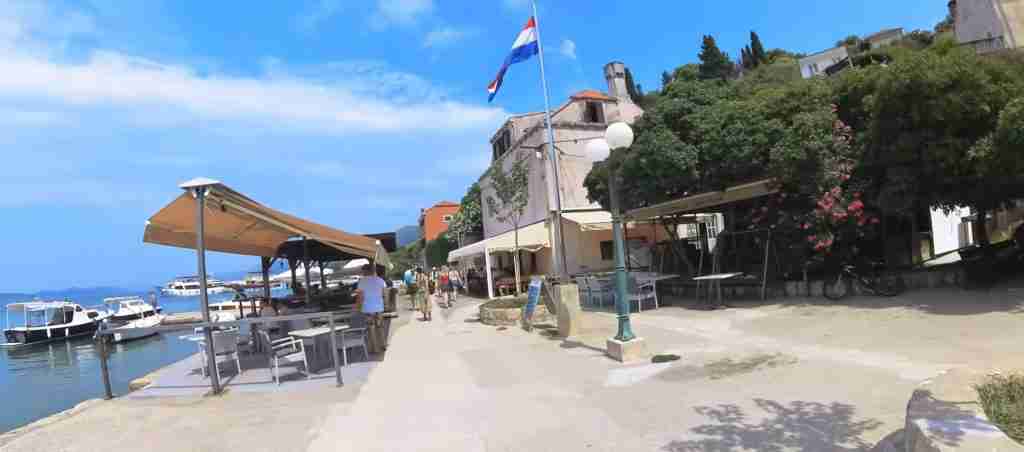
5 days
Dubrovnik 5-Day Highlights Experience
- ✓ Comprehensive Dubrovnik experience
- ✓ Expert local guides included
- ✓ All accommodation included
- ✓ Transportation provided
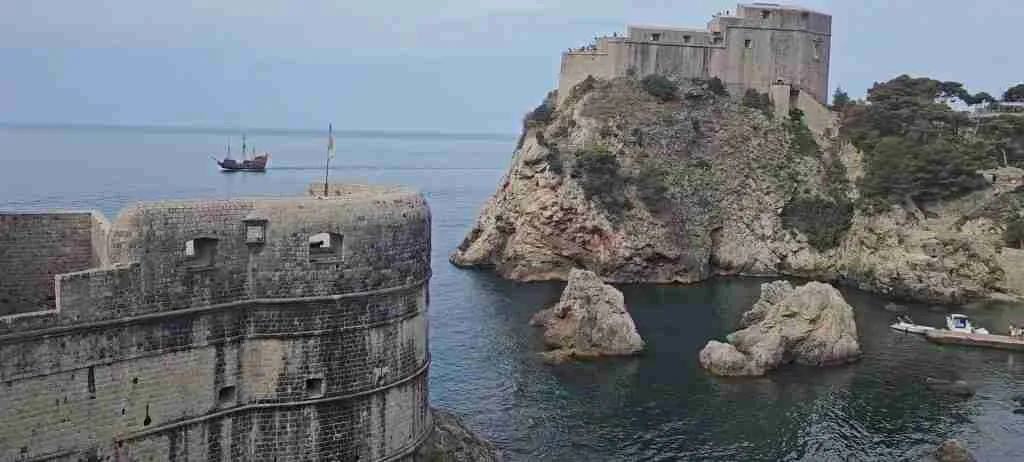
7 days
Dubrovnik 7-Day Cultural Journey
- ✓ Comprehensive Dubrovnik experience
- ✓ Expert local guides included
- ✓ All accommodation included
- ✓ Transportation provided

10 days
Dubrovnik 10-Day Complete Adventure
- ✓ Comprehensive Dubrovnik experience
- ✓ Expert local guides included
- ✓ All accommodation included
- ✓ Transportation provided
Multi-day tour packages powered by TourRadar. Prices and availability subject to change.
Introduction
Dubrovnik’s UNESCO World Heritage designation and Game of Thrones fame concentrate millions of annual visitors into the 2-square-kilometer Old Town, creating density that obscures the city’s quieter dimensions existing beyond Pile Gate’s tourist flows and Stradun’s polished limestone. The hidden gems scattered across neighborhoods, coastline, and surrounding countryside reveal authentic Dubrovnik life continuing parallel to tourism’s economic dominance, where families swim at the same coves their grandparents frequented decades earlier, where Renaissance gardens cultivated since 1492 offer botanical education alongside architectural heritage, and where local traditions persist in cafés, konobas, and residential streets unknown to visitors focused exclusively on medieval fortifications.
These off-the-beaten-path discoveries divide into distinct categories spanning natural beauty, cultural heritage, local neighborhoods, and quirky traditions. Secluded beaches ranging from dramatic cliff-accessed Pasjača to neighborhood favorite Dance Beach provide swimming experiences divorced from Banje Beach’s waterfront restaurants and sunbed rentals. Historic sites including Trsteno Arboretum, War Photo Limited museum, and abandoned Kupari hotels offer perspectives on Dubrovnik’s past extending beyond tourist-oriented castle tours and wall walks. Residential neighborhoods like Lapad, Gruž, and Konavle villages maintain Croatian daily life with supermarkets, bakeries, family restaurants, and community beaches where locals vastly outnumber visitors.
The challenge in discovering Dubrovnik’s hidden gems lies not in geographic distance but in psychological willingness to abandon the security of tourist infrastructure. Most secret spots sit within 30 minutes of Old Town by public bus, private vehicle, or walking, yet remain effectively invisible to visitors unwilling to deviate from established routes between accommodation, City Walls, cable car, and waterfront restaurants. Accessing these places requires accepting directions in Croatian, navigating residential streets without English signage, descending steep stairs to beaches lacking facilities, and trusting that rewards justify temporary discomfort or uncertainty.
Croatian hospitality culture creates welcoming atmosphere even at local-frequented establishments where English proficiency varies and menus assume knowledge of traditional dishes. Residents appreciate visitors making effort to explore beyond tourist zones, often providing unsolicited recommendations about swimming spots, hiking trails, or neighborhood restaurants worth discovering. This openness reflects pride in Dubrovnik’s authentic character beyond the historic center performing for cruise ship crowds, coupled with recognition that tourism’s economic benefits must balance against preserving genuine community life and natural beauty.
Hidden gems discovery rewards curiosity about how local life functions parallel to tourism, attention to residents’ patterns and preferences, and willingness to invest time exploring residential neighborhoods and countryside beyond immediate Old Town vicinity. The best discoveries often emerge from following where locals go for daily activities—which beaches they swim at dawn before work, which bakeries they queue at for fresh burek, which trails they hike on Sunday mornings, which konobas they gather at for family celebrations. These patterns reveal Dubrovnik’s layered identity as both UNESCO World Heritage showpiece and functioning Croatian city where 42,000 residents navigate lives intertwined with but distinct from tourism’s seasonal rhythms.
Buža Bars and Cliffside Drinking Spots
Buža Bar operates as Dubrovnik’s most famous “secret” drinking spot despite Google Maps listings and guidebook mentions, accessed through a narrow opening (“buža” meaning “hole”) in the southern city walls leading to rock platforms suspended directly above the Adriatic where drinkers perch at improvised tables while swimmers dive from cliffs into crystalline waters below. The original Buža (marked by “Cold Drinks With The Most Beautiful View” sign) features basic bar counter dispensing beers, wines, and cocktails at slightly elevated prices justified by spectacular setting, with staff wearing logo t-shirts and thatch roofing providing minimal shade over the serving area. The location transforms sunset viewing into communal experience as dozens of visitors gather on tiered rock levels, some drinking, others swimming, all sharing the dramatic perspective of infinite Adriatic horizon punctuated by Lokrum Island silhouette.
Mala Buža exists as the second, lesser-known cliff bar located further east along the walls near BARD coffee shop, discovered through another hole-in-wall entrance descending steps to similar rock platforms offering swimming and drinking opportunities. This spot operates seasonally during summer months when warm weather sustains outdoor cliff-perched bar service, transforming into simple sunbathing and swimming location during cooler seasons when formal bar service ceases but access remains possible for those seeking dramatic coastal views away from Old Town density. The setting provides identical Adriatic panoramas and cliff-diving opportunities while attracting smaller crowds than the original Buža, particularly during weekday afternoons when most tourists concentrate on City Walls walks and cable car ascents.
Both bars operate cash-only with limited beverage selection focusing on beers, house wines, and standard cocktails rather than craft drinks or extensive wine lists. Prices run 20-30% above Old Town restaurant averages, reflecting unique setting and access exclusivity despite increasing visitor awareness diminishing the “secret” designation. The platforms lack formal seating beyond scattered tables and chairs positioned across uneven rock surfaces, requiring visitors to claim spots on bare limestone or bring cushions for extended afternoon sessions. Swimming directly from the cliffs attracts adventurous visitors willing to navigate rocky entry and exit points without ladders or platforms, with water depth adequate for diving from various heights up to approximately 10 meters at the highest jumping points.
Accessing the bars requires walking the city walls or navigating Old Town streets to find the unmarked wall openings, as neither location maintains street addresses or prominent exterior signage. The original Buža entrance appears along the southern wall walk between Pile Gate and the eastern fortifications, while Mala Buža sits near Ploče Gate and St. John’s Fortress. Visitors uncertain about precise locations benefit from asking locals or following crowds during peak afternoon hours when steady streams of swimmers and drinkers create obvious traffic patterns toward the wall openings. The bars open year-round though winter service proves sporadic depending on weather conditions and visitor demand, with summer months (May through September) guaranteeing consistent operation and full amenities.
The experience combines raw natural beauty with social atmosphere as visitors from diverse backgrounds gather on shared rock platforms, united by appreciation for dramatic setting despite varying ages, nationalities, and travel styles. Afternoon hours bring younger crowds focused on swimming and diving, while sunset attracts photographers and romantic couples seeking iconic Adriatic views framed by ancient walls and endless seascape. Late afternoon timing (4-7 PM) provides optimal balance between available space on rock platforms, comfortable swimming temperatures, and approaching golden hour light transforming the limestone walls and turquoise waters into photographers’ paradise worth the elevated beverage prices and rustic facilities.
Hidden Beaches and Secret Swimming Spots
Pasjača Beach represents Dubrovnik’s most dramatic hidden swimming destination, carved into limestone cliffs 30 kilometers south in the Konavle region village of Popovići, accessible only via steep descent on weathered stone stairs numbering approximately 200 steps through narrow passage between towering geological formations. The beach rewards determined visitors with turquoise waters sheltered by cliff walls creating natural amphitheater, complete isolation from cruise ship crowds concentrating at Dubrovnik city beaches, and stunning photographic opportunities where vertical limestone meets horizontal Adriatic in compositions impossible at developed shorelines. The challenging access keeps visitor numbers manageable even during peak summer months, as many tourists opt for convenient city beaches rather than investing effort navigating the precipitous approach requiring moderate fitness and comfortable footwear.
The beach itself features pebbles rather than sand, with limited space for sunbathing creating cozy rather than spacious atmosphere when multiple groups occupy the cove simultaneously. Zero facilities exist including bathrooms, showers, changing rooms, or food vendors, requiring visitors to bring all necessary supplies including water, snacks, sun protection, and any desired beach equipment. Swimming conditions vary with Adriatic weather patterns, with calm days offering crystalline visibility and gentle waters perfect for extended swimming sessions while wind or storm conditions create dangerous currents and large swells making the beach unsuitable for water activities. The drive from Dubrovnik follows the coastal road south toward Cavtat and Montenegro border, with parking available in small lot at the trailhead where stairs begin their descent to shoreline.
Dance Beach (Plaza Dance) serves as primary local swimming spot where Dubrovnik families gather away from tourist-saturated Banje Beach, located in the cove adjacent to Lovrijenac Fortress accessible via residential streets climbing from Old Town toward university campus buildings. The beach attracts neighborhood residents throughout the day, particularly morning hours when locals swim before work and late afternoon when families arrive after school hours, creating authentic Croatian beach atmosphere absent from waterfront locations catering to visitors. Calm waters sheltered by cove geography provide ideal swimming conditions for children and elderly residents, while pebble shoreline offers adequate space for towels and beach mats without the crowding characterizing more accessible beaches during cruise ship days.
Access from Old Town requires walking up Ulica don Franca Bulića past university buildings to parking area reserved for residents, then following path right to descend toward beach. Visitors arriving without personal vehicles use public buses or walk approximately 20 minutes from Pile Gate, accepting the modest effort as worthwhile for escaping tourist density and experiencing where locals actually spend summer days. The beach lacks commercial facilities including sunbed rentals, beach bars, or restaurants, though nearby residential streets host small shops and cafés serving neighborhood populations rather than tourist markets. The setting provides views toward Lapad Peninsula across the water rather than Old Town walls, creating different coastal perspective emphasizing natural beauty over architectural heritage.
Sveti Jakov Beach sits below the coastal road southeast of Old Town, offering stunning distant views of medieval fortifications rising above the sea while maintaining quieter atmosphere than Banje Beach despite relatively easy accessibility. The small pebble beach attracts mix of locals and informed tourists seeking swimming opportunities away from central waterfront without requiring the dramatic effort demanded by Pasjača or remote coves accessible only by boat. Beach facilities include small bar serving drinks and snacks during summer season, while the setting provides both swimming access and photographic opportunities framing Old Town walls across water from unique eastern perspective. Access involves descending stairs from the main road, with parking available in limited roadside spaces or arrival via walking from Old Town through approximately 25-minute coastal path offering scenic views throughout the journey.
Šulić Beach nestles against the western city walls between Lovrijenac Fortress and Pile Bay, providing unique swimming experience directly adjacent to medieval fortifications where the distinctive perspective includes swimming parallel to King’s Landing filming locations while tourists walk ramparts overhead. The small cove attracts locals and visitors seeking dramatic architectural backdrop for swimming sessions, with calm waters sheltered by cove configuration and pebble beach offering space for small groups rather than large crowds. The location connects to Dodo Bar, a local favorite spot featuring casual beach atmosphere and simple refreshments, though this establishment operates cash-only requiring advance planning for purchases. Swimming here provides intimate coastal experience framed by massive stone fortifications rising vertically from shoreline, creating photographic compositions impossible to capture from standard beach perspectives or wall-top viewpoints.
Trsteno Arboretum
Trsteno Arboretum preserves one of Europe’s oldest continuously maintained botanical gardens, established in late 15th century when Dubrovnik Republic noble family Gučetić-Gozze created Renaissance park surrounding their coastal summer residence 20 kilometers northwest of the city. The family requested merchant ship captains trading across Mediterranean and beyond to bring seeds and plant specimens from distant ports, accumulating collection of exotic species that evolved over five centuries into the 465 cultivated taxa representing 111 plant families currently thriving across the 25-hectare protected landscape. The Croatian Academy of Sciences and Arts has managed the property since 1948, maintaining both historical garden layouts and ongoing botanical research while welcoming visitors seeking respite from Dubrovnik’s summer heat and tourist density.
The arboretum features Renaissance garden design with geometric patterns formed by lavender, rosemary, fuchsia, and bougainvillea plantings, centered around the 16th-century stone villa with cliff-edge pavilion offering Adriatic views and chapel dedicated to St. Jerome. The baroque Neptune fountain stands as the garden’s most photographed feature, depicting the Roman sea god surrounded by nymphs with water flowing into lily-covered pool inhabited by bullfrogs and goldfish. Two ancient oriental plane trees mark the entrance to Trsteno village, each exceeding 500 years old with heights reaching 60 meters and trunk diameters measuring 5 meters, representing among the largest specimens of their species in Europe and serving as the arboretum’s enduring symbols through multiple centuries of political changes and natural disasters.
The plant collection combines Mediterranean and European species (31% of total) with significant Asian representation (22%) and American specimens (17%), creating botanical diversity impossible in typical regional parks limited to native flora. Palm varieties including Chinese windmill palms grow alongside eucalyptus, laurel, camphor, ancient cypress, ginkgo, and numerous exotic trees and shrubs cultivated across generations. The partially wild character distinguishes Trsteno from meticulously manicured gardens, as portions maintain natural forest and maquis vegetation providing habitat for native birds whose songs fill the canopy while visitors stroll shaded paths connecting different garden sections. The site extends from upper terraces overlooking sea and islands down through olive groves to the village harbor where small wooden boats rock in gentle Adriatic swells.
The arboretum suffered extensive damage during Croatian Homeland War when Yugoslav military launched gunboat and air attacks on October 2-3, 1991, setting fires that destroyed large sections and damaged the summer residence and oldest garden portions. Further devastation occurred in 2000 when forest fire during drought consumed approximately 120,000 square meters of vegetation. Restoration efforts have returned the gardens to public access with most historic features reconstructed or preserved, though war scars remain visible in damaged structures and replacement plantings among the ancient survivors. These events add historical depth to botanical visit, connecting the Renaissance origins with modern Croatian history and ongoing preservation challenges facing cultural heritage sites.
Operating hours vary by season with extended summer access (May through October 7 AM to 7 PM) and reduced winter hours (November through April 8 AM to 4 PM). Admission costs approximately €10 for adults with reduced rates for children and students, payable in cash only at the entrance requiring advance planning for visitors relying on credit cards. The village location along the coastal road between Orašac and Slano enables access via local buses (routes 12, 15, 21, 22, or 35) departing from Gruž bus station, with approximately 30-minute journey time from Dubrovnik center. Drivers find limited parking in narrow driveway near the entrance, sometimes requiring patience waiting for spaces to open during peak visiting hours.
Visiting strategy involves allocating 90 minutes to 2 hours for leisurely exploration of the garden paths, Neptune fountain, summer villa grounds, and coastal viewpoints, with additional time for swimming at the village harbor accessible via steps descending from the lower gardens. The shaded paths provide comfortable walking even during summer heat, making Trsteno excellent alternative to beach activities during midday hours when direct sun exposure becomes uncomfortable. Photography enthusiasts find endless compositions combining botanical specimens, Renaissance architecture, baroque fountain details, and seascape vistas framed by ancient trees. Game of Thrones fans recognize the gardens as Red Keep palace grounds featured in the series, adding contemporary pop culture dimension to five centuries of aristocratic garden history.
Konavle Region Villages and Countryside
Konavle region extends southeast from Dubrovnik toward Montenegro border, encompassing traditional Dalmatian agricultural villages where stone houses cluster around Orthodox and Catholic churches, family vineyards produce local wine varietals, olive groves yield oil pressed in centuries-old mills, and residents maintain customs predating modern tourism’s economic transformation. The countryside presents dramatic contrast to coastal urbanization, with limestone hills covered in Mediterranean scrub descending to fertile valleys where the Ljuta river flows through settlements preserving architectural heritage and agricultural traditions increasingly rare along developed Adriatic coastline. Visiting Konavle reveals Croatian rural life continuing parallel to tourism economy, where elderly residents still tend family plots, harvest traditional crops, and gather at village squares maintaining social patterns resistant to rapid modernization.
The region’s traditional economy centered on silk production, wine cultivation, and agricultural output supplying Dubrovnik Republic markets, with noble families establishing summer estates and peasant communities working surrounding fields under feudal arrangements persisting until 19th-century reforms. This history manifests in village architecture combining simple stone farmhouses with more elaborate estate buildings, in terraced vineyards climbing hillsides using techniques perfected across generations, and in family surnames connecting contemporary residents to lineages documented in medieval Dubrovnik archives. The landscape bears marks of both prosperity and hardship, with well-maintained properties alongside abandoned structures reflecting modern population movements toward coastal employment and emigration depleting rural communities.
Konavle villages including Čilipi, Gruda, Cavtat, and Molunat offer distinct experiences ranging from active community life to quiet agricultural settlements. Čilipi hosts Sunday morning folklore performances during summer months where local cultural society performs traditional dances and music in authentic costumes, creating accessible introduction to regional heritage though the staged presentation serves tourist audiences rather than spontaneous community celebration. Gruda maintains working agricultural character with family farms producing wine, olive oil, prosciutto, and cheese sold directly from properties or through small shops, enabling visitors to purchase authentic local products while supporting rural economies. Cavtat functions as resort town with developed tourism infrastructure including hotels, restaurants, and waterfront promenades, representing more accessible Konavle entry point for visitors seeking coastal setting with easier logistics than interior villages.
Family-run konobas scattered across Konavle countryside serve traditional Dalmatian cuisine emphasizing locally produced ingredients including prosciutto cured using ancestral methods, cheeses from neighborhood flocks, vegetables from family gardens, and house wines from surrounding vineyards. These establishments operate in converted farmhouses or purpose-built structures maintaining rustic character, with outdoor terraces offering views across valleys toward sea. Meals reflect seasonal availability and family recipes passed through generations, with hosts often explaining dish origins and ingredient sourcing creating personal connection between visitors and regional culinary traditions. Prices remain significantly below Dubrovnik restaurant levels as konobas serve local populations rather than tourist markets, making Konavle dining both culturally authentic and economically advantageous.
The Ljuta river valley provides scenic hiking and walking routes through lush riverside vegetation contrasting with surrounding limestone karst landscapes. Traditional water mills dot the riverbanks, some restored as heritage sites while others decay into romantic ruins photographed by visitors exploring quieter paths away from main village centers. Swimming holes form where river widens creating natural pools, though current and depth vary seasonally requiring caution and local knowledge about safe access points. The valley demonstrates how water availability shapes settlement patterns and agricultural prosperity in Mediterranean climate, with riverside villages thriving while hilltop communities struggle with limited water resources despite similar proximity to Dubrovnik markets.
Accessing Konavle requires personal vehicle or organized tour, as public bus service to interior villages remains limited and schedules suit local residents commuting to Dubrovnik rather than tourist exploration patterns. The 30-kilometer drive from Dubrovnik center reaches main villages within 30-45 minutes depending on traffic and specific destination, with rental cars enabling flexible exploration of multiple settlements and countryside stops impossible via scheduled transportation. Organized tours combine Konavle villages with other regional attractions including Cavtat waterfront, viewpoint stops, and konoba lunches, providing convenient if less independent experience. Day trip timing allows morning departure from Dubrovnik, midday konoba lunch featuring local specialties, afternoon village exploration or Ljuta river walking, and return before evening while maintaining full day for other activities or beach time.
Local Neighborhoods and Residential Areas
Lapad Peninsula stretches west from Pile Gate creating residential neighborhood where Dubrovnik families live in apartment buildings and villas surrounding the central Lapad Bay with its pebble beach, seaside promenade, and collection of hotels, restaurants, and shops serving year-round community rather than seasonal tourists. The neighborhood maintains authentic Croatian character despite tourism presence, with supermarkets like Konzum serving daily shopping needs, bakeries producing fresh burek and bread for breakfast crowds, and cafés filling with locals drinking morning coffee and reading newspapers rather than guidebooks. Walking Lapad streets reveals residential rhythms including children heading to school, elderly residents tending small gardens, and neighbors conversing on building stoops creating social fabric absent from Old Town’s transient visitor populations.
The Lapad beach and promenade attract families throughout the day, with morning swimmers completing laps parallel to shore before work, afternoon mothers supervising children in shallow water, and evening promenaders strolling the waterfront dressed well for community visibility. The beach infrastructure includes changing facilities, showers, and seasonal sunbed rentals, though many locals bring own mats and umbrellas claiming favorite spots on pebble shoreline or grassy areas behind the beach. Restaurants lining the promenade serve Croatian and international cuisine at prices below Old Town levels, with outdoor terraces offering sea views and casual atmosphere appealing to both residents and visitors staying in neighborhood accommodations.
Gruž harbor area extends around the ferry terminal and cruise ship docks, functioning as Dubrovnik’s primary port district where working maritime activities coexist with tourism infrastructure. The morning farmers market operates adjacent to the port building, with vendors selling produce, cheese, prosciutto, olive oil, honey, and other regional products directly from Konavle countryside farms and family producers. The market attracts local shoppers seeking quality ingredients at fair prices while providing visitors authentic glimpse into Croatian food culture and agricultural traditions. Surrounding streets host neighborhood bakeries, butcher shops, fish markets, and hardware stores serving residential needs rather than tourist shopping patterns, creating streetscapes absent from souvenir-dominated Old Town lanes.
The Gruž waterfront beyond the ferry terminal features casual restaurants and cafés frequented by port workers, ferry passengers, and neighborhood residents rather than cruise ship tourists who typically board buses directly to Old Town without exploring surrounding district. These establishments serve Croatian staples including grilled fish, black risotto, and peka at prices reflecting local purchasing power, with portions sized for working appetites and service prioritizing efficiency over tourist hospitality theatrics. The area demonstrates how Dubrovnik functions as working port city beneath tourism’s surface presentation, with maritime commerce, fishing industry, and regional transport connections maintaining economic activities predating and coexisting with visitor economy.
Residential neighborhoods climbing hillsides above Old Town and spreading along coastal areas east and west reveal architecture spanning centuries from medieval stone houses to Habsburg-era villas to modern apartment blocks, creating built landscape documenting Dubrovnik’s evolution beyond frozen-in-amber Old Town preservation. Walking these streets provides exercise opportunities with constant elevation changes, architectural variety ranging from simple traditional forms to ornate 19th-century detailing, and occasional dramatic viewpoints where hillside positions frame Old Town and Adriatic panoramas rivaling cable car perspectives. Gardens overflow residential properties with Mediterranean plantings including bougainvillea, oleander, rosemary, and citrus trees, creating fragrant streetscapes particularly pleasant during spring and early summer blooming periods.
Bus connections link residential neighborhoods with Old Town every 10-20 minutes during daytime hours, enabling visitors staying in Lapad, Gruž, or Babin Kuk to access historic center while experiencing authentic neighborhood life during morning walks to bus stops and evening returns through residential streets. The €1.73 bus fare (when pre-purchased from kiosks) creates minimal expense for accessing these areas, while the 10-15 minute journey times make exploration practical even for visitors with limited vacation schedules prioritizing Old Town attractions but curious about local living patterns and community spaces beyond tourist zones.
Panoramic Viewpoints and Hidden Trails
Park Orsula occupies forested hillside below Mount Srđ’s summit, offering spectacular panoramic views over Lokrum Island and Old Town from elevated position accessible via mild hiking trail rather than paid cable car or strenuous mountain ascent. The former concert venue site maintains terraced areas and amphitheater remnants surrounded by pine and cypress trees providing shade and scenic walking paths, though regular musical performances have ceased leaving the park as pure viewpoint and recreation area. The location attracts local hikers, photographers seeking dramatic compositions without cable car ticket costs, and visitors discovering alternative summit access requiring moderate effort but delivering identical visual rewards alongside peaceful natural setting absent from developed cable car station.
The view encompasses complete Old Town layout with red-tiled roofs contained within medieval walls, Lokrum Island floating in foreground waters, Adriatic extending toward horizon, and coastline curving in both directions framing the historic center in geographic context impossible to comprehend from ground-level perspectives. Photography enthusiasts favor morning and late afternoon light when angled sun illuminates architectural details and creates dimensional shadows across roofscape, while sunset attracts romantic couples and contemplative visitors watching day’s end from hillside rather than crowded cable car platform. The park’s free access and minimal visitor density create meditative atmosphere rewarding those willing to invest hiking effort for viewpoint rewards without commercial development’s intrusive presence.
Accessing Park Orsula requires walking from eastern Old Town neighborhoods through residential streets transitioning to hillside paths, with the approach demanding moderate fitness for elevation gain but remaining accessible to most visitors with comfortable shoes and reasonable physical condition. The trail lacks formal marking in some sections, benefiting from advance route research using mapping applications or asking locals for directions toward “Park Orsula” which neighborhood residents recognize as community recreation area. Total hiking time from Old Town ranges 30-45 minutes depending on pace and starting point, with return descent requiring similar duration though gravitational assistance eases physical demands compared to ascent.
Setnica Walking Trail winds through Mediterranean vegetation above Old Town providing hiking opportunity with elevated city views, native plant identification possibilities including wildflowers and aromatic herbs, and quiet contemplative atmosphere contrasting with tourist-packed city walls below. The trail extends along the hillside with moderate difficulty level accessible to regular hikers though requiring proper footwear for uneven terrain and water supplies for summer heat exposure during unsheltered sections. Panoramic viewpoints appear at intervals where vegetation clears allowing photographic compositions and rest stops, while shaded portions under pine canopy offer respite from direct sun during midday hours making the trail viable even during warmer months with proper preparation.
The trail attracts local hikers maintaining regular exercise routines, providing opportunities to observe Croatian outdoor recreation culture and potentially receive unsolicited route recommendations or warnings about trail conditions from friendly residents. Morning departures capitalize on cooler temperatures and morning light enhancing photographic possibilities, while avoiding afternoon heat that makes exposed hillside hiking uncomfortable or potentially dangerous for unprepared visitors. The experience combines physical activity, natural beauty appreciation, and unique city perspectives unavailable from standard tourist viewpoints, rewarding those allocating time for outdoor exploration beyond beach lounging or architectural touring.
Additional viewpoint opportunities exist along coastal roads where scenic pullouts frame Old Town from various angles and distances, with locations northeast toward Cavtat and northwest toward Trsteno offering particularly photogenic compositions. These spots require personal vehicle access but deliver instant gratification for photographers seeking diverse perspectives without hiking investment, making them suitable for visitors with limited time or mobility constraints preventing trail exploration. The changing perspectives around Dubrovnik’s coastline demonstrate how geography shapes the city’s visual impact, with each angle revealing different relationships between medieval architecture, defensive fortifications, natural harbor, and Adriatic setting creating the iconic landscape UNESCO recognized for outstanding universal value.
Budget Dining and Local Favorite Restaurants
Buzz Bar operates as one of Dubrovnik Old Town’s last genuinely affordable coffee spots, tucked one street above Stradun on Prijeko street where steep stairs discourage casual tourist exploration while local residents climb regularly for cappuccinos costing approximately €3.40 compared to €5-7 at waterfront cafés. The interior features air conditioning providing essential relief during summer heat, outdoor seating under umbrellas offers fresh air with partial shade, and free wifi attracts both residents working remotely and budget travelers seeking connectivity. The establishment serves craft beers from Croatian breweries including San Servolo from Istria, Zmajska from Zagreb, and Vunetovo from Hvar alongside cocktails and standard beverages, creating relaxed evening atmosphere with occasional live music performances attracting local music scene participants rather than tourist entertainment seekers.
B49 restaurant near Dubrovnik Beer Company serves enormous portions of pizza, burgers, traditional Croatian dishes, and international cuisine at prices shocking to visitors accustomed to Old Town rates, with complete meals including appetizers, main courses, sides, and beverages totaling €30-40 for two people compared to €70-100 for equivalent dining in tourist-focused establishments. The dining room fills with local families and young residents rather than guidebook-carrying tourists, evidenced by Croatian language dominating conversations and staff interactions assuming customer familiarity with menu items and ordering conventions. The food quality matches mid-range restaurant standards while pricing reflects neighborhood positioning serving residential populations rather than captive tourist market, creating outstanding value for budget-conscious travelers willing to walk 15-20 minutes from Old Town to Lapad neighborhood location.
Mlinar bakery operates multiple locations throughout Dubrovnik including Lapad and near the main bus station, serving fresh pastries for €2-3, substantial sandwiches €3-5, pizza slices €4-6, and coffee €1.50-2 in chain format familiar across Croatia. The Croatian company maintains quality standards competitive with independent bakeries while offering convenient locations, extended hours, and menu consistency appealing to visitors seeking reliable budget meals without research investment. Vegan options appear among pastry selections responding to contemporary dietary preferences, making Mlinar accessible to plant-based eaters struggling to find affordable options among traditional Croatian meat-and-fish-focused restaurants. Morning bakery visits reveal locals queuing for fresh bread and breakfast pastries before work, creating authentic glimpse into daily routines and food culture alongside convenient economic meal sourcing.
Traditional konobas in residential neighborhoods beyond Old Town walls serve Croatian specialties including grilled fish, black risotto, peka, and grilled meats at €15-30 per person for complete meals with house wine, representing 30-50% savings compared to equivalent quality dining within tourist zones. These family-run establishments occupy stone buildings with rustic interior décor, outdoor terraces shaded by vines or umbrellas, and service patterns assuming customer familiarity with Croatian dining customs including extended meal durations and multiple course progressions. Menu offerings emphasize seasonal ingredients and family recipes rather than international tourist preferences, requiring adventurous eaters willing to try traditional preparations and sometimes unfamiliar proteins or preparations common in Dalmatian cuisine but exotic to visitors from different food cultures.
Farmers market at Gruž harbor operates morning hours selling fresh produce, cheese, prosciutto, olive oil, honey, and regional specialties directly from Konavle countryside producers at prices reflecting agricultural economics rather than tourist markups. Visitors staying in apartments with kitchen facilities source quality ingredients for self-prepared meals creating both economic savings and authentic culinary experiences unavailable in restaurants, with opportunities to interact with vendors explaining product origins and traditional production methods. The market atmosphere combines commercial transactions with social interactions as regular customers greet familiar vendors, neighbors exchange news, and community bonds manifest through food commerce connecting urban Dubrovnik with surrounding agricultural countryside maintaining traditional production despite modern pressures.
Cultural Gems and Quirky Attractions
War Photo Limited museum occupies two floors totaling 350 square meters inside Old Town, displaying photojournalism documenting conflicts worldwide with particular focus on Croatian Homeland War and Yugoslav dissolution violence that devastated the region during the 1990s. The exhibition center provides profound counterpoint to Dubrovnik’s tourist presentation as pristine medieval jewel, forcing confrontation with recent history when Yugoslav military shelled the city causing extensive destruction to UNESCO World Heritage architecture and civilian populations. The photographs capture both combat horrors and human resilience, with accompanying text explaining conflict contexts and photographer perspectives creating educational experience far removed from typical tourist attractions. The museum operates May through October, closing during winter months when visitor numbers drop substantially.
The Homeland War Museum occupies Fort Imperial atop Mount Srđ, accessible via cable car or hiking trail, documenting Dubrovnik’s defense during 1991-1995 Croatian independence conflict through artifacts, photographs, and multimedia presentations. The fortress itself sustained heavy shelling during the siege, with battle damage preserved alongside restored sections demonstrating both conflict intensity and subsequent reconstruction efforts. The exhibition contextualizes local experiences within broader Yugoslav dissolution violence while honoring defenders who protected the city against vastly superior military forces. Visiting the museum adds historical depth to cable car summit trips, transforming simple viewpoint excursion into educational experience connecting contemporary peace with recent traumatic past.
Dubrovnik Maskeron sculpture protrudes from Old Town stone walls creating local legend about love and fortune granted to those successfully balancing on the carved face while making wishes. The quirky tradition attracts both residents and visitors attempting the balancing act, with varying degrees of success depending on physical coordination and perhaps cosmic favor. The maskeron’s exact location along side streets near St. Blaise church requires local inquiry or persistent searching, as the sculpture lacks prominent marking or tourist signage. The playful superstition reflects Dubrovnik’s layered cultural identity combining medieval Catholic heritage with folk traditions and contemporary tourist engagement, creating living tradition rather than preserved museum artifact.
The Jesuit Staircase descends dramatically from Church of St. Ignatius toward Gundulićeva Poljana square, inspired by Rome’s Spanish Steps and featuring baroque architectural grandeur that Game of Thrones production utilized for Cersei’s walk of shame scenes. The monumental stairs create impressive photographic compositions whether viewed ascending toward the church’s elaborate facade or descending toward the market square, with surrounding buildings framing the scene in classic European urban design. Evening illumination transforms the staircase into romantic backdrop attracting dinner crowds to surrounding terraces where candlelit tables overlook the architectural drama. The church interior welcomes free visits revealing baroque decoration and trompe-l’oeil ceiling paintings worth examining beyond mere exterior appreciation.
Abandoned hotel complex at Kupari beach 15 minutes southeast of Dubrovnik represents haunting reminder of Croatian Homeland War’s destruction, with several large concrete structures severely damaged during 1990s conflict remaining in ruined state decades later. The military tourist resort served Yugoslav army officers and families before the war, with beach-front properties offering resort amenities that shelling and combat reduced to dangerous skeletal remains. The site attracts urban exploration enthusiasts, photographers documenting decay and architectural abandonment, and visitors curious about war’s physical legacy persisting alongside reconstruction elsewhere. The beach itself remains accessible and swimmable despite surrounding ruins creating surreal juxtaposition between natural beauty and human destruction, though caution proves essential around unstable structures.
Lokrum Island Hidden Corners
Lokrum Island floats 600 meters offshore from Old Town Dubrovnik, accessible via 10-minute ferry departing the harbor every 30 minutes during summer season with reduced frequency during shoulder months and closure November through March. The island combines natural beauty including dense forest of holm oak, black ash, pine, and olive trees, with historical heritage featuring ruined Benedictine monastery from 11th century, botanical gardens, and multiple swimming opportunities around the rocky coastline. The car-free environment creates peaceful refuge from Old Town density, with walking trails connecting different island features and peacocks wandering freely adding exotic atmosphere to Mediterranean landscape. The €27 round-trip ferry cost includes island access for full-day exploration limited only by energy and curiosity.
The Dead Sea swimming lake occupies former quarry near island center, filled with seawater creating higher salinity than surrounding Adriatic and unique swimming experience in sheltered inland setting rather than open coastal waters. The lake maintains relatively constant calm conditions regardless of external weather patterns affecting exposed beaches, making it reliable swimming option when wind creates rough conditions elsewhere. Rocky shores around the lake provide sunbathing platforms and jumping points for adventurous swimmers, while the enclosed setting creates intimate atmosphere contrasting with expansive ocean horizons visible from island’s outer edges. The lake attracts families with young children appreciating predictable shallow areas alongside adventurous swimmers diving from rocky formations into deeper sections.
Betina Cave (Betina špilja) opens along Lokrum’s northeastern shore accessible only by small boat from Old Town harbor, creating exclusive swimming destination known primarily to local residents rather than day-tripping tourists exploring island’s marked trails. The large cave entrance frames turquoise Adriatic waters lapping against fine white pebble beach sheltered within the geological formation, providing natural shade and protection from wind while maintaining open access to sea swimming. The location lacks any facilities or development, existing purely as natural coastal feature where those arriving by boat arrange pick-up times with water taxi operators or risk extended waits should return transport fail to materialize. The cave demonstrates Lokrum’s hidden dimensions beyond the main ferry landing areas where most visitors concentrate their limited island exploration time.
Fort Royal ruins occupy Lokrum’s highest point providing panoramic views encompassing Old Town, the Elaphiti Islands, and Adriatic seascape from elevated fortress position constructed during Napoleon’s brief occupation. The walking trail ascending to the fort winds through dense forest with occasional clearings revealing coastal vistas, requiring moderate fitness for elevation gain but remaining accessible to most visitors with proper footwear. The ruined fortifications create atmospheric historical site where imagination reconstructs military operations and daily garrison life from fragmentary stone walls and strategic positioning overlooking critical shipping lanes. The summit rewards climbing effort with 360-degree perspectives impossible from sea-level beaches or monastery gardens, transforming simple island day trip into comprehensive exploration combining natural beauty, historical architecture, and strategic geography.
Hidden beaches scatter around Lokrum’s coastline accessible via trails departing from the main monastery complex and gardens, with rocky coves providing swimming opportunities away from the main beach area near ferry landing where day-trippers concentrate. These secluded spots attract naturists during warmer months, with FKK (nudist) beach designations at several locations around the island catering to visitors preferring clothing-optional swimming in Mediterranean setting. The rocky shore configurations create natural pools where calmer water collects between exposed formations, appealing to swimmers seeking gentler conditions than open Adriatic swells or preferring stone platform sunbathing over pebble beach towel arrangements. Exploring the island’s complete coastal circuit requires several hours and willingness to navigate uneven terrain, rewarding dedicated explorers with comprehensive appreciation for Lokrum’s natural diversity beyond the manicured botanical garden displays near the former monastery.
Frequently Asked Questions
How do I find Buža Bar in Dubrovnik?
Buža Bar sits along the southern city walls accessible through an unmarked narrow opening (“buža” meaning hole in local dialect) approximately midway between Pile Gate and the eastern fortifications, with the entrance appearing along the wall-top walk or from side streets below where small signs reading “Cold Drinks” direct visitors toward the opening. Walking the city walls provides the most reliable approach as the hole becomes obvious when passing along the southern ramparts, though visitors can also ask locals for directions to “Buža” which most residents recognize and can point toward even without precise street addresses. Mala Buža (the smaller second location) appears further east near BARD coffee shop with similar hole-in-wall access requiring persistence to discover but offering comparable cliffside drinking and swimming experiences with typically smaller crowds than the original location.
Can you swim at Pasjača Beach year-round?
Pasjača Beach remains physically accessible throughout the year via the 200-step stone staircase, though swimming conditions vary dramatically by season with summer months (June through September) offering warmest water temperatures (22-26°C) and calmest conditions while winter brings cooler water (12-15°C), potential storm swells creating dangerous currents, and rainfall making the descent stairs slippery and treacherous. Spring and autumn shoulder seasons provide compromise between warm swimming water and reduced crowd levels, with May, June, September, and October typically maintaining comfortable temperatures (18-24°C) and manageable conditions for strong swimmers accustomed to cooler water. The beach’s complete lack of facilities including emergency services means swimmers assume full responsibility for safety assessment, requiring honest evaluation of personal abilities, current weather patterns, and sea conditions before attempting the challenging access and swimming in potentially hazardous open-water environment.
Is Trsteno Arboretum accessible by public transportation?
Trsteno Arboretum connects to Dubrovnik via regular bus service on routes 12, 15, 21, 22, and 35 departing from Gruž bus station approximately every hour throughout the day, with the 30-minute journey following the scenic coastal road northwest toward the village where the arboretum entrance sits short walk uphill from the main road bus stop. The bus represents most economical access option compared to private vehicle rental or taxi service, though schedule limitations mean visitors must plan around departure times rather than exploring with complete flexibility available to drivers. Return buses follow similar hourly patterns, requiring advance schedule consultation to avoid extended waits at the village stop, particularly during off-season months when service frequency decreases and final daily departures occur earlier than summer schedules. The arboretum’s manageable size means 90-minute to 2-hour visits prove sufficient for most visitors, making bus transport practical for half-day excursions without requiring full-day commitment or accommodation in Trsteno village.
Where do Dubrovnik locals shop for groceries?
Dubrovnik residents shop primarily at Konzum and Plodine supermarket chains located throughout Lapad, Gruž, and other residential neighborhoods, supplementing weekly shopping with morning visits to Gruž farmers market for fresh produce, cheese, prosciutto, and regional specialties directly from Konavle countryside producers. The supermarkets offer comprehensive selections at Croatian pricing levels substantially below convenience stores operating within Old Town where limited competition and captive tourist market support inflated costs. Local shopping patterns emphasize frequent small purchases maintaining fresh ingredients rather than weekly bulk shopping, with neighborhood bakeries providing daily bread, butcher shops offering fresh meat selections, and small specialty stores contributing specific products unavailable at general supermarkets. The Gruž market operates primarily morning hours (approximately 7 AM to 1 PM) with best selection appearing early when vendors arrive with overnight harvests and fresh productions, creating social atmosphere where regular customers maintain relationships with favorite producers across seasons and years.
What is the best hidden beach for families with children?
Dance Beach (Plaza Dance) serves families best among Dubrovnik’s hidden beaches, offering calm waters sheltered by cove configuration, pebble shoreline with adequate space for family groups, local atmosphere where children interact with Croatian kids rather than exclusively tourist populations, and residential neighborhood access avoiding tourist-zone pricing and crowds. The beach lacks commercial facilities including sunbed rentals or beach bars, requiring families to bring own equipment and supplies, though nearby residential streets provide small shops for emergency provisions and the neighborhood setting ensures safety through community visibility and proximity to residential buildings. Sveti Jakov Beach presents more accessible alternative than remote options like Pasjača while maintaining quieter atmosphere than central Banje Beach, with small bar serving refreshments during summer season and stunning Old Town views providing photographic backdrop for family memories while children swim in clear Adriatic waters.
Are hidden gems in Dubrovnik safe to visit alone?
Dubrovnik’s hidden gems prove generally safe for solo exploration given Croatia’s low crime rates and welcoming culture toward independent travelers, though standard precautions apply including avoiding isolated areas after dark, informing accommodation hosts about hiking or beach plans, carrying charged mobile phones with emergency numbers programmed, and maintaining awareness of personal belongings particularly at beaches and viewpoints. Remote beaches like Pasjača require solo travelers to honestly assess swimming abilities and sea conditions before attempting water activities without companions who could assist during emergencies, as the isolation preventing crowds also means delayed rescue responses should accidents occur. Solo women travelers report comfortable experiences throughout Croatia including Dubrovnik’s neighborhoods and hidden attractions, though social norms favor modest dress when walking through residential areas and churches to avoid unwanted attention or disrespecting local customs. The primary risks involve physical injuries from hiking trails, steep beach access stairs, or cliff diving rather than crime or harassment, making proper footwear, realistic fitness assessment, and conservative risk evaluation more important than security concerns affecting some international destinations.
Can I visit Konavle villages without speaking Croatian?
Konavle villages welcome international visitors without Croatian language skills, though English proficiency varies widely with younger residents and those employed in tourism-adjacent businesses communicating effectively while elderly villagers may speak only Croatian requiring patient communication through gestures, translation applications, or asking for assistance from bilingual neighbors. Family-run konobas typically have at least one staff member with functional English enabling menu explanations and order processing, though written menus may appear exclusively in Croatian requiring advance research or willingness to point at dishes other diners consume that appear appealing. The villages maintain authentic character precisely because they haven’t adapted completely to international tourism, meaning visitors must accept occasional communication challenges as part of experiencing genuine Croatian rural life rather than sanitized tourist productions. Learning basic Croatian phrases including greetings, thank you, and food vocabulary demonstrates respect and often elicits warmer reception and occasional assistance from residents appreciating foreigners’ cultural engagement beyond purely transactional tourist interactions.
What is the Dubrovnik Maskeron tradition?
The Dubrovnik Maskeron tradition involves visitors balancing on a protruding carved stone face embedded in Old Town walls while making wishes, with local legend claiming successful balancing grants love and fortune to those completing the feat without falling. The maskeron’s exact location along side streets near St. Blaise church requires local inquiry as the sculpture lacks prominent tourist signage, though residents familiar with the tradition readily provide directions to curious visitors. The balancing act challenges coordination and nerve as the carved face protrudes just enough to stand on while the surrounding wall offers limited handholds, creating physical test alongside superstitious ritual. The tradition combines medieval architectural details, folk superstitions, and contemporary tourist engagement creating living cultural practice rather than preserved historical artifact, with both Croatian youth and international visitors attempting the balance while friends photograph the efforts regardless of success or comedic failure.
How crowded are Dubrovnik’s hidden beaches during cruise ship days?
Hidden beaches maintain dramatically lower visitor density than central Banje Beach during cruise ship days because most day-trippers remain concentrated within Old Town walls and immediate vicinity, lacking time, transportation, or information to explore remote coves and neighborhood swimming spots requiring modest effort beyond main tourist infrastructure. Pasjača Beach in particular remains nearly immune to cruise ship impact given the 30-kilometer distance from port, challenging stair descent, and complete absence from typical shore excursion itineraries focusing on accessible attractions maximizing limited docking hours. Dance Beach and Sveti Jakov experience minimal increase during ship days as cruise passengers rarely venture into residential neighborhoods or beyond walking distance from Pile Gate, preferring convenient waterfront locations over local swimming spots requiring navigation through unfamiliar streets. The hidden gem designation derives partly from this immunity to mass tourism flows, rewarding visitors willing to invest effort exploring beyond standard guidebook recommendations with authentic experiences and manageable crowds even during peak summer weeks when Old Town becomes suffocatingly dense.
What are the opening hours for War Photo Limited museum?
War Photo Limited operates May through October during tourist season, closing November through March when Dubrovnik visitor numbers drop substantially and many cultural attractions reduce operations or shut completely until spring reopening. Summer hours typically run daily from 10 AM to 10 PM providing extended access accommodating varied tourist schedules, though exact timing may vary and visitors should verify current hours before planning visits as seasonal adjustments occur periodically. The museum location in Old Town enables easy incorporation into walking tours of the historic center, though the serious subject matter contrasts sharply with typical tourist attractions focusing on medieval architecture and coastal beauty rather than recent conflict trauma. Admission fees support ongoing exhibition programming and photojournalism documentation efforts, with the modest costs representing excellent value for the profound educational experience and historical context unavailable through standard tourist site visits focusing on pre-20th-century heritage.