
Dublin Travel Guide 2026: Ultimate Visitor’s Guide to Ireland’s Capital
Ireland’s vibrant capital blends medieval history with contemporary culture, offering Georgian architecture, legendary pubs, world-class museums, and coastal beauty accessible within walking distance. This comprehensive guide provides everything needed to plan an exceptional Dublin experience in 2026, from budget strategies to neighborhood insights, ensuring travelers maximize their visit to this UNESCO City of Literature.
Key Takeaways About Dublin Travel in 2026
- Budget Planning 2026: Daily costs range €65-130 for budget travelers using hostels and pub meals, €155-290 for mid-range comfort in hotels with restaurant dining, and €390-590 for luxury experiences. Accommodation represents the largest expense category, with central Dublin hotels commanding premium rates.
- Transport Efficiency: The Leap Card 90-minute fare costs just €2 for unlimited transfers between buses, trams, and trains within Zone 1, with daily caps at €5.60 and weekly caps at €28 making extended stays highly economical. Walking covers most central attractions within 3 kilometers.
- Seasonal Strategy 2026: Visit May or September for optimal value, when mid-range hotels drop 25-40% below peak summer rates while temperatures remain comfortable at 12-16°C. January and February offer deepest discounts but shorter daylight hours.
- Attraction Booking: Reserve Guinness Storehouse, Book of Kells, and Kilmainham Gaol tickets online minimum two weeks advance during summer months, as these venues sell out daily. Many national museums offer free admission, significantly reducing sightseeing costs.
- Neighborhood Selection 2026: Stay in Smithfield or Stoneybatter for authentic local atmosphere with 30% lower pub prices than Temple Bar, or choose Georgian Quarter near Merrion Square for elegant surroundings and easy access to major museums and Trinity College.
- Hidden Costs: Budget an additional 15% for service charges automatically added to group restaurant bills, taxi booking fees averaging €3 per reservation, and the €5 refundable Leap Card deposit. Temple Bar pubs charge €10+ per pint versus €6.50-7.50 elsewhere.
People Also Ask About Dublin Travel in 2026
How Much Does Dublin Cost Per Day in 2026?
Dublin costs €65-130 per person daily for budget travel using hostel dorms and casual dining, €155-290 daily for mid-range comfort with hotel accommodation and restaurant meals, and €390-590 daily for luxury experiences. Budget travelers stay in hostels like Generator Dublin or Abbey Court at €30-50 nightly for dorm beds, eat pub lunches and casual dinners totaling €34-55 daily, use the Leap Card 90-minute fare at €2 per journey, and prioritize free museums. Mid-range visitors book 3-star hotels at €120-250 per room (€60-125 per person when sharing), dine at sit-down restaurants spending €65-101 daily on meals, mix public transport with occasional taxis, and purchase attraction passes. Luxury travelers occupy 4-5 star properties like The Merrion or Marker Hotel at €350-500 per room (€175-250 per person sharing), enjoy upscale dining at venues like Chapter One spending €135-200 daily, use taxis and private transfers, and book premium guided experiences.
What’s the Best Time to Visit Dublin in 2026?
May and September represent optimal months for visiting Dublin in 2026, offering mild temperatures of 12-16°C, lower hotel rates 25-40% below peak summer prices, and manageable crowds at major attractions. Summer months June through August deliver warmest weather at 15-20°C and longest daylight extending past 22:00, but hotel rates peak and advance booking becomes essential for accommodation and popular tours. January and February provide deepest discounts on accommodation with rates dropping 35-45% below summer peaks, though shorter days limit sightseeing hours and rainfall probability increases. March attracts massive crowds for St. Patrick’s Festival when hotel rates surge 100% above typical prices and central accommodation sells out months in advance. October offers autumn colors in Phoenix Park and competitive pricing, while November and December combine festive Christmas markets with moderate hotel availability, though temperatures drop to 5-10°C requiring warm layers.
Is Dublin Expensive Compared to Other European Cities in 2026?
Dublin ranks among the more expensive European capitals in 2026, with daily costs comparable to London and significantly higher than Prague, Lisbon, or Barcelona. A mid-range hotel room in central Dublin averages €120-250 nightly compared to €80-150 in Prague or €100-180 in Barcelona. Restaurant dining costs €20-30 for casual meals versus €12-18 in Southern European cities, while a pint of Guinness at €6.50-7.50 substantially exceeds beer prices in Czech Republic or Portugal where comparable drinks cost €2-4. Transportation represents a relative value with the €2 Leap Card 90-minute fare competitive against London’s higher zone-based pricing, and many national museums offer free admission whereas Continental equivalents charge €10-15 entry. Budget travelers manage Dublin affordably by utilizing hostel accommodation, cooking occasional meals, and prioritizing free attractions, while luxury visitors find costs roughly parallel to other Western European capitals. The quality of Irish farm-to-table ingredients and craft beverage culture justifies premium pricing for food-focused travelers.
Do I Need to Book Dublin Attractions in Advance for 2026?
Advance booking proves essential for Dublin’s most popular attractions in 2026, with Guinness Storehouse, Book of Kells Experience, and Kilmainham Gaol selling out daily during peak season March through October. The Guinness Storehouse requires online reservation minimum one week ahead in summer, two days in shoulder season, with tickets costing €26-30 including a complimentary pint in the Gravity Bar. Trinity College’s Book of Kells exhibition accepts walk-ups but pre-booked timed entries at €17-19 eliminate queues that otherwise reach 45 minutes, and the Long Room library visit requires approximately 90 minutes total. Kilmainham Gaol offers guided tours only, booking exactly 28 days in advance online at €8 per person, representing Dublin’s best value historical experience with emotionally powerful narratives about the 1916 Rising executions. EPIC Irish Emigration Museum, Dublin Castle State Apartments, and Jameson Distillery Bow Street similarly benefit from advance purchase to guarantee preferred time slots. Free attractions including National Museum branches, National Gallery, and Chester Beatty Library accept walk-in visitors without reservation, though arriving at opening times avoids afternoon crowds. Day trips to Cliffs of Moher, Newgrange, or Giant’s Causeway require booking tour operators 1-2 weeks minimum during summer months.
Extended multi-day tours – 5+ days
Featured Dublin Multi-Day Tour Packages
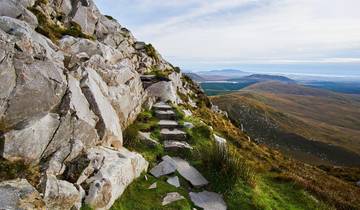
7 days
7 Day Dublin And Galway By Train
- ✓ Comprehensive Dublin tour
- ✓ Expert local guides included
- ✓ All accommodation arranged
- ✓ Transportation provided
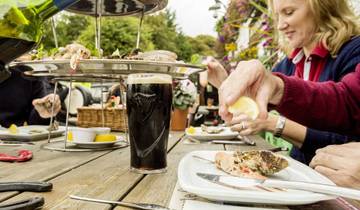
1 days
Private Day Tour of Wicklow and Glendalough.
- ✓ Comprehensive Dublin tour
- ✓ Expert local guides included
- ✓ All accommodation arranged
- ✓ Transportation provided
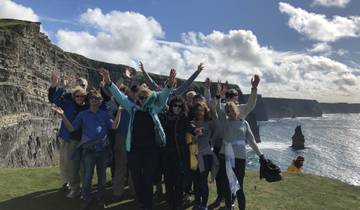
6 days
6-Day Magical Southern Explorer Small Group Tour
- ✓ Comprehensive Dublin tour
- ✓ Expert local guides included
- ✓ All accommodation arranged
- ✓ Transportation provided
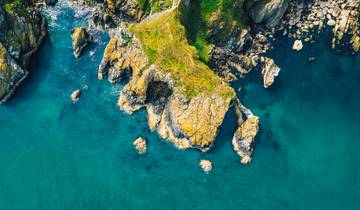
5 days
Ireland's Ultimate Whiskey & Beer Journey
- ✓ Booking needs min. 2 travelers
Multi-day tour packages powered by TourRadar. Prices and availability subject to change.
Introduction: Discovering Dublin in 2026
Dublin stands as Ireland’s cultural, economic, and historical heart, where Viking foundations meet Georgian elegance, literary giants inspire contemporary creativity, and traditional pubs thrive alongside innovative restaurants. The compact city center spans just 3 kilometers from Trinity College to Kilmainham Gaol, making exploration manageable on foot while efficient public transport extends reach to coastal villages, mountain trails, and UNESCO heritage sites within day-trip range. Over 1.4 million residents populate the metropolitan area, with the historic core retaining intimate neighborhood character despite international capital status.
The city’s UNESCO City of Literature designation honors an extraordinary legacy that produced James Joyce, W.B. Yeats, George Bernard Shaw, Samuel Beckett, and Oscar Wilde, all Nobel laureates whose presence permeates contemporary Dublin through museums, walking tours, and annual Bloomsday celebrations each June 16. This literary heritage extends beyond historical recognition into living culture, with independent bookshops, poetry readings, and theatrical productions maintaining creative traditions alongside modern tech industry growth that transformed formerly industrial Docklands into Europe’s Silicon Valley.
Dublin’s architectural tapestry reflects centuries of development, from medieval Dublin Castle and Christ Church Cathedral dating to Norman conquest, through Georgian squares and townhouses built during 18th century prosperity, to contemporary glass towers rising along the Liffey waterfront. The River Liffey divides north and south sides, each with distinct character: the southside claims Trinity College, Temple Bar, and Georgian elegance, while northside O’Connell Street anchors a grittier, more working-class atmosphere experiencing rapid gentrification particularly in Smithfield and Stoneybatter neighborhoods.
Natural beauty complements urban attractions, with Phoenix Park’s 700 hectares providing Europe’s largest walled city park containing wild deer herds, presidential residence, and Dublin Zoo. Coastal accessibility via DART rail delivers cliff walks in Howth, Victorian harbor charm in Dun Laoghaire, and mountain hiking in the Wicklow foothills, all within 45 minutes of city center. This combination of compact walkability, rich cultural programming, accessible nature, and warm Irish hospitality creates a destination balancing major capital amenities with human-scale intimacy.
Planning Dublin travel for 2026 requires understanding seasonal pricing dynamics, advance booking requirements for top attractions, and neighborhood selection strategies that significantly impact daily budgets. The following comprehensive guide addresses accommodation across all price tiers, detailed cost breakdowns for meals and transportation, neighborhood-specific recommendations, day trip logistics, and insider strategies for experiencing Dublin’s authentic character beyond tourist concentrations.
Understanding Dublin Costs and Budgeting for 2026
Dublin’s reputation as an expensive European capital contains truth but rewards strategic planning, with daily costs varying dramatically based on accommodation choices, dining preferences, and attraction selection. Lodging dominates expenses, representing 50-60% of total daily budgets, while food, transport, and entertainment divide remaining allocation. The city operates on euros, with contactless payment universally accepted from street vendors to taxis, though carrying small cash amounts proves useful for markets and occasional traditional establishments.
Budget consciousness begins with understanding pricing tiers and identifying value opportunities. National museums offer world-class collections with free admission, immediately reducing sightseeing expenses by €50-70 compared to cities charging entry for comparable institutions. The Leap Card transport system provides exceptional value through 90-minute unlimited transfers and automatic daily capping, eliminating complex ticket calculations. Early Bird restaurant menus between 17:00-19:00 deliver three-course meals at €25-30 versus €45-65 regular pricing, effectively halving dining costs for flexible schedules.
Seasonal price fluctuations exceed 40% between peak summer and winter low season, with accommodation bearing the most dramatic swings. A mid-range hotel charging €250 nightly in July drops to €150 in February, while attractions and restaurants maintain relatively stable year-round pricing. Understanding these patterns enables significant savings through shoulder season travel in May, September, or October when weather remains pleasant and crowds diminish. St. Patrick’s Festival in mid-March creates the year’s most expensive week, with hotel rates doubling and minimum stays imposed across the city.
Hidden costs require budget padding of approximately 15% above baseline calculations. Restaurants automatically add 12.5% service charges to groups of six or more, taxi booking fees average €3 per reservation, and Temple Bar establishments command premium pricing with €10-12 pints versus €6.50-7.50 in surrounding neighborhoods. The refundable €5 Leap Card deposit represents a minor one-time expense, while attraction booking fees add €1-2 per ticket. Currency exchange at Dublin Airport delivers poor rates with spreads reaching 8-10%, making ATM withdrawals at bank-affiliated machines the preferred option, avoiding predatory Euronet kiosks charging €4-6 per transaction.
Weekly budget planning differs from daily calculations due to transport capping benefits and attraction pass economics. The Leap Card weekly cap of €28 provides unlimited Zone 1 travel Monday through Sunday, meaning four days of public transport usage justifies purchasing versus individual fares. Multi-attraction passes like Dublin Pass offer value when visiting three or more paid sites daily, though free museum access often delivers superior economics for museum-focused itineraries. Grocery shopping at Tesco or Lidl reduces meal costs by 60-70% versus restaurant dining, with prepared sandwiches at €4-6 and microwaveable meals at €3-5 providing budget relief during extended stays.
Accommodation Options and Costs in Dublin 2026
Dublin accommodation spans hostels, budget hotels, mid-range properties, boutique guesthouses, and luxury establishments, with location, amenities, and seasonal timing dramatically affecting nightly rates. Central neighborhoods within walking distance of Trinity College and Temple Bar command premiums of 30-50% over peripheral locations served by reliable public transport, while weekend rates exceed weekday pricing by 20-40% particularly in summer months. Booking lead times of 4-8 weeks secure best availability and rates, though last-minute deals occasionally surface on booking platforms during low-demand periods.
Budget Accommodation in Dublin (€30-120 Per Night)
Hostel dormitories provide Dublin’s most economical accommodation at €30-50 nightly for 4-8 bed rooms, with private hostel rooms reaching €80-120. Generator Dublin in Smithfield occupies a converted whiskey warehouse offering industrial-chic design, female-only dorms, 24-hour reception, and guest kitchen, positioned two minutes from Luas Red Line enabling easy city center access. Abbey Court Hostel on Bachelor’s Walk overlooks the Liffey in absolute city center, providing compact but clean dorms, continental breakfast, and immediate proximity to O’Connell Street shopping and Temple Bar nightlife. Jacobs Inn near Christ Church Cathedral delivers capsule-style pod beds with privacy curtains, lockers, and social common areas, attracting backpackers seeking community atmosphere.
Budget hotels and guesthouses occupy the €70-120 nightly range, offering private rooms with ensuite bathrooms but limited amenities. Drury Court Hotel on Fade Street sits steps from Grafton Street shopping, providing simple modern rooms, friendly service, and exceptional location value during midweek periods when rates drop to €80-90. Arlington Hotel on Bachelors Walk combines affordable pricing with traditional Irish character, featuring nightly live music in the ground-floor pub, basic but adequate rooms, and €16 nearby parking that substantially undercuts typical Dublin garage fees. These budget properties sacrifice luxuries like room service, fitness centers, and lavish breakfasts but deliver clean, safe accommodation in convenient locations.
Apartment rentals through platforms provide budget-stretching value for groups or families, with two-bedroom flats in neighborhoods like Rathmines or Ranelagh available at €100-160 nightly, effectively halving per-person costs while adding kitchen facilities enabling grocery shopping economics. Staycity Aparthotels on Mark Street offers studio and one-bedroom units with kitchenettes, washing machines, and weekly housekeeping at €120-180, blending hotel convenience with apartment value. Airbnb options in residential areas deliver authentic neighborhood experiences and significant savings, though confirming reliable public transport connections prevents transportation cost increases negating accommodation savings.
Mid-Range Accommodation in Dublin (€120-280 Per Night)
Mid-range hotels provide comfortable three and four-star properties with ensuite bathrooms, room service, restaurants, and professional amenities, occupying the €120-280 nightly spectrum depending on location and season. The Mespil Hotel along Grand Canal offers modern rooms with city or canal views, fitness center, Irish breakfast, and riverside walking paths, positioned 15 minutes walk from St. Stephen’s Green at competitive rates of €140-200 outside peak season. Clayton Hotel Burlington Road delivers contemporary business hotel efficiency near Ballsbridge, featuring conference facilities, on-site dining, and convenient access to Aviva Stadium and RDS events, with weekend leisure rates dropping to €130-180.
Boutique properties add character and personalized service within mid-range budgets. Number 31 in Georgian Quarter occupies two adjoining townhouses offering 21 individually designed rooms, complimentary cheese and wine evenings, sunken lounge with mosaic fireplace, and organic breakfasts, creating intimate luxury at €180-250 nightly. Brooks Hotel on Drury Street combines boutique elegance with family ownership, providing contemporary rooms, Francesca’s restaurant, and prime Creative Quarter location steps from restaurants, boutiques, and Grafton Street, with rates fluctuating €150-240 based on demand.
Established hotel brands deliver consistent quality with loyalty program benefits. Hilton Dublin overlooks Grand Canal in Portobello, offering spacious rooms with water views, canal-side terrace, and neighborhood atmosphere away from tourist concentrations at €160-220 nightly. Camden Court Hotel on Camden Street provides reliable accommodation in vibrant nightlife district, with well-appointed modern rooms, full Irish breakfast, and immediate access to traditional pubs and live music venues at €140-190. These mid-range options balance comfort, location, and amenities without luxury hotel premium pricing, ideal for visitors prioritizing experiences over accommodation opulence.
Luxury Accommodation in Dublin (€280-600+ Per Night)
Luxury hotels deliver five-star service, exceptional dining, spa facilities, and prime locations at €280-600+ nightly, with suites and peak season dates exceeding €800. The Merrion Hotel occupies four Georgian townhouses in the heart of the city’s most elegant quarter, featuring 142 rooms and suites with period furnishings, two-Michelin-star Restaurant Patrick Guilbaud, Tethra Spa, and Ireland’s finest hotel art collection including works by Jack Yeats and Louis le Brocquy, commanding €380-550 for superior rooms. The Shelbourne Hotel on St. Stephen’s Green represents Dublin’s most storied address since 1824, where the Irish Constitution was drafted, offering Lord Mayor’s Lounge for afternoon tea, Saddle Room restaurant, and palatial rooms overlooking the park at €420-600.
The Marker Hotel in Docklands delivers contemporary luxury with dramatic rooftop bar, infinity pool, award-winning spa, and floor-to-ceiling windows framing Grand Canal Dock, attracting design-conscious travelers at €350-500 nightly. Anantara The Marker Dublin showcases leading hotel design with 187 rooms featuring Dublin-inspired decor, bespoke cocktail program, and Bia restaurant emphasizing Irish ingredients, positioned in the financial district at €380-550. These modern luxury properties contrast Georgian elegance of heritage hotels, appealing to visitors preferring cutting-edge amenities over historical atmosphere.
Boutique luxury properties offer intimate experiences at comparable pricing. The Westbury Hotel just off Grafton Street combines central shopping district location with glamorous art deco Sidecar bar, Wilde restaurant, and afternoon tea institution in The Gallery, charging €340-480 for sophisticated rooms with marble bathrooms and Irish linens. Dylan Hotel in residential Ballsbridge provides Victorian mansion atmosphere with contemporary design, Michelin-recommended restaurant, and quieter neighborhood setting at €300-420, appealing to visitors seeking luxury outside frenetic city center. Luxury accommodation guests enjoy turndown service, concierge assistance with restaurant reservations and tour bookings, in-room dining, and elevated breakfast experiences, with the premium pricing buying convenience, comfort, and memorable stays beyond simple lodging function.
Food and Dining Costs in Dublin 2026
Dublin’s culinary landscape evolved dramatically over recent decades, transforming from meat-and-potatoes stereotypes into a sophisticated dining destination celebrating local ingredients, international cuisines, and craft beverages. Farm-to-table emphasis showcases Irish beef, lamb, seafood, and dairy products, while immigrant communities contribute authentic Indian, Chinese, Italian, Middle Eastern, and Brazilian flavors. Dining costs span from €4 takeaway sandwiches to €150+ tasting menus, with strategic meal planning significantly impacting daily budgets.
Budget Dining in Dublin (€10-25 Per Meal)
Budget meals emphasize pub lunches, ethnic takeaways, and casual cafes, delivering satisfying food at €10-25 per person. Fish and chips from traditional chippers like Leo Burdock’s or Beshoff Bros costs €12-17 for generous portions of battered cod or haddock with chunky chips, representing Dublin’s quintessential budget meal consumed on benches overlooking the Liffey. Pub lunch specials throughout the city offer €12-18 daily deals including classics like Irish stew, shepherd’s pie, fish cakes, or burgers with chips, available at establishments like The Brazen Head, O’Neill’s, or The Stag’s Head.
International takeaways provide excellent value and variety. Zaytoon on Parliament Street serves massive falafel or chicken shawarma wraps at €9-11, fueling late-night revelers and budget-conscious travelers alike. Boojum Mexican chain offers burrito bowls and tacos at €8-12, with generous portions rivaling meals costing double elsewhere. Indian restaurants around South William Street feature early bird specials from 17:00-19:00 delivering three courses at €15-20, with Pickle and Hailan offering particularly strong value. Asian grocers and prepared food counters in areas like Parnell Street provide authentic Chinese, Vietnamese, and Korean meals at €8-15.
Breakfast options range from €7 coffee and pastry combinations at cafes like Queen of Tarts or Brother Hubbard, to €15 full Irish breakfast featuring bacon, sausages, eggs, black and white pudding, mushrooms, tomatoes, and toast at traditional cafes and hotel restaurants. Supermarket meal deals at Tesco, Dunnes, or Centra deliver sandwiches, crisps, and drinks for €4-6, while prepared salads and hot food counters provide €5-9 lunch options. Self-catering using supermarket ingredients reduces meal costs to €3-5 per person, with bread at €1.50, cheese €3-5, deli meats €3-6, and fresh produce competitively priced.
Mid-Range Dining in Dublin (€20-45 Per Person)
Mid-range dining encompasses casual restaurants, gastropubs, and neighborhood bistros charging €20-45 per person for full meals without alcohol. Gastropubs like The Winding Stair overlooking the Ha’penny Bridge combine literary atmosphere with Irish ingredients, serving mains like lamb shoulder, fish pie, or beef and Guinness stew at €22-32, plus starters at €8-14 and desserts at €7-10. Bunsen delivers Dublin’s finest burgers using Irish beef at €12-15 including fries, with simple menu focusing on quality execution rather than elaborate toppings.
Neighborhood restaurants provide authentic atmosphere away from tourist pricing. Assassination Custard in Ranelagh offers eclectic small plates blending Irish and global flavors at €12-18 per dish, with three plates satisfying most appetites. Hang Dai on Camden Street serves modern Asian fusion sharing plates at €14-22, with vibrant atmosphere and creative cocktails. Grano on Stoneybatter emphasizes simple Italian preparations using Irish ingredients, with pasta at €16-24 and mains at €24-32, representing exceptional quality-to-price ratios. These neighborhood venues deliver superior value compared to Temple Bar establishments charging 30-50% premiums for equivalent food quality.
Brunch culture thrives across Dublin, with weekend brunches at €15-28 per person featuring creative combinations beyond traditional breakfast items. The Fumbally Cafe in the Liberties serves vegetarian-forward brunch plates using organic ingredients at €12-18, while Network in Rathmines offers Middle Eastern-influenced dishes at €14-22. Afternoon tea at venues like Bewley’s Grafton Street provides €25-35 experiences including sandwiches, scones, and cakes, offering value when replacing both lunch and afternoon snack. Coffee culture supports exceptional cafes charging €3.50-4.50 for expertly prepared lattes and cappuccinos, with 3fe, Two Boys Brew, and Cloud Picker leading specialty roasting and preparation.
Fine Dining and Luxury Dining in Dublin (€50-150+ Per Person)
Fine dining experiences deliver Michelin-starred cuisine, innovative tasting menus, and exceptional wine pairings at €50-150+ per person. Chapter One beneath Dublin Writers Museum holds one Michelin star, offering four-course menus at €95 and seven-course tasting menus at €130, celebrating Irish ingredients through French technique and contemporary presentation. Restaurant Patrick Guilbaud at The Merrion Hotel maintains two Michelin stars, Ireland’s only restaurant achieving this distinction, with lunch menus from €55 and dinner tasting menus reaching €185 before wine, representing the pinnacle of Irish fine dining.
Modern Irish restaurants emphasize seasonal ingredients and creative preparations at slightly more accessible pricing. The Greenhouse on Dawson Street holds one Michelin star, serving lunch menus at €50 and evening tasting menus at €110, with optional wine pairings adding €75-95. Liath in Blackrock gained Michelin recognition for inventive tasting menus at €90, though its suburban location requires short DART journey from city center. These establishments require advance reservations of 2-4 weeks, with weekend dinner slots booking earliest.
Upscale casual dining occupies the €35-65 per person range without formal tasting menu structure. Bastible in Portobello serves contemporary Irish sharing plates at €15-28 per dish, with three dishes satisfying most diners. 777 on George’s Street offers upscale Mexican small plates at €12-22, with Taco Tuesday specials delivering €8-10 tacos. Forest Avenue in Donnybrook provides neighborhood fine dining with three-course early dinner menus at €50 and full tasting menus at €85, demonstrating that exceptional cuisine exists beyond city center at competitive pricing. Wine lists at fine dining establishments feature €45-150 bottles, with markup structures making expensive bottles relatively better value than entry-level selections.
Transportation in Dublin 2026: Getting Around Efficiently
Dublin’s compact center rewards walking for attractions within the 3-kilometer Trinity-to-Kilmainham corridor, while integrated public transport extends reach to suburbs, coastal towns, and mountains. The Leap Card system unifies payment across buses, trams, and trains through contactless technology, delivering significant savings versus cash fares and enabling seamless transfers. Understanding zone structures, fare capping, and service patterns maximizes transport efficiency while minimizing costs.
Public Transport: Buses, Luas Trams, and DART Trains
The Leap Card represents Dublin transport’s essential tool, costing €5 refundable deposit and loading with credit at convenience stores, Luas stations, or online. The TFI 90-minute fare charges €2 for adults allowing unlimited transfers between Dublin Bus, Go-Ahead Ireland buses, Luas trams, and DART/Commuter Rail within Zone 1 during 90-minute windows from first tap, effectively providing €2 travel from any Zone 1 origin to any Zone 1 destination with multiple stops. Cash bus fares cost €2.65 with exact change required and no transfers permitted, immediately demonstrating Leap Card value. Daily caps at €5.60 and weekly caps at €28 mean four or more Zone 1 journeys daily or four days weekly of regular use trigger automatic savings without purchasing separate passes.
Dublin Bus operates 100+ routes covering city and suburbs, with frequent daytime service every 10-30 minutes on core routes and reduced evening service. Route numbers beginning with single digits serve city center radially, while 30s, 40s, and higher numbers connect suburbs. Nitelink buses depart Westmoreland Street and D’Olier Street after midnight Friday and Saturday, providing late-night access at €6.50-7.50 cash or Leap Card credit. Real-time arrival information displays at most stops and through Dublin Bus mobile app enable efficient journey planning, with journey times averaging 15-25 minutes for cross-city trips during daytime, extending to 35-50 minutes during peak hour congestion.
Luas tram system operates two lines: Green Line from Brides Glen through St. Stephen’s Green to Broombridge, and Red Line from Tallaght/Saggart through Smithfield to Connolly Station and The Point. Both lines intersect at Abbey Street enabling transfers, with frequencies of 4-6 minutes during peak hours and 8-12 minutes off-peak. Trams accommodate wheelchairs, bicycles, and luggage, running from 05:30 to 00:30 weekdays with slightly reduced weekend schedules. Validators at platform entry require both tap-on before boarding and tap-off after exiting to calculate correct fares, with €100 fines for ticketless travel during random inspections.
DART coastal railway runs from Malahide and Howth north to Greystones south, serving Connolly, Tara Street, and Pearse stations in city center. The scenic route hugs Dublin Bay coastline, delivering beach access, cliff walks, and coastal village charm within 20-40 minute journeys from center. Commuter Rail extends DART network inland to Maynooth, Sallins, Balbriggan, and Wicklow, operating on similar frequency patterns. Both services accept Leap Card within Zone 1 at €2 per 90-minute fare window, with trips extending into Zones 2-4 charged at higher rates based on distance. Sunday service operates at reduced frequency requiring consultation of timetables rather than assuming regular departures.
Taxis, Rideshare, and Alternative Transport
Taxis operate metered fares starting at €4.40, charging €2 per kilometer with 40% surcharges from 20:00-08:00 and on Sundays. Booking fees through apps like FREEOW add €3 per reservation, while hailing street taxis avoids this charge though availability varies outside central locations. Airport to city center journeys cost €25-35 depending on traffic and destination, with flat-rate airport buses at €8-10 providing economical alternatives for solo travelers. Taxi ranks exist at major attractions, hotels, and transport hubs, with phone bookings recommended during rain or peak evening hours when street availability diminishes.
Uber operates limited service in Dublin with higher pricing than traditional taxis due to regulatory restrictions, making metered cabs generally superior value. Bolt and FREEOW apps provide competing rideshare options with similar pricing to regulated taxis. Shared rides rarely materialize except during major events, making per-trip costs directly comparable to taxis. Credit cards and contactless payment function in all modern taxis, though carrying €20-30 cash provides backup for occasional older vehicles accepting cash only.
Dublin Bikes scheme provides 100+ docking stations with 1,500 bicycles available via €15 3-day pass or €35 annual subscription, with first 30 minutes free per journey and subsequent time charged incrementally. The flat city center combined with expanding cycle lanes makes biking efficient for visitors comfortable navigating traffic, though left-hand driving requires American visitors’ particular attention. Bike rentals from shops like Cycleways charge €15-25 daily for hybrid or road bikes, enabling longer journeys along canals, coastal paths, or into Wicklow Mountains.
Walking remains Dublin’s most rewarding transport mode, with Trinity College to Guinness Storehouse requiring just 35 minutes on foot through varied neighborhoods. The River Liffey provides constant orientation reference, with numerous pedestrian bridges enabling easy north-south crossings. Google Maps provides accurate walking times and public transport directions, while printed maps from tourist offices help visitors preferring paper navigation. Comfortable waterproof walking shoes prove essential given frequent drizzle, with layers accommodating temperature fluctuations throughout typical days.
Must-See Attractions and Activities in Dublin 2026
Dublin’s attractions span 1,200 years from Viking settlement through Georgian architecture to contemporary culture, with world-class museums, historic buildings, and cultural experiences concentrated in walkable core. Strategic planning maximizes limited time while managing costs, as free museums offset paid attractions and advance booking prevents sold-out disappointments. The following attractions represent Dublin’s essential sights, organized by type rather than arbitrary rankings.
Historic Sites and Landmarks in Dublin
Trinity College Dublin, Ireland’s oldest university founded 1592, occupies 47 acres in city center with cobblestone squares, Georgian buildings, and scholarly atmosphere. The campus itself welcomes free public access for walking grounds and admiring architecture, while the Book of Kells Experience requires paid admission at €17-19 including access to the Old Library’s spectacular Long Room, a barrel-vaulted hall lined with 200,000 books and marble busts creating Harry Potter-esque atmosphere. The 9th century illuminated manuscript represents Ireland’s greatest cultural treasure, displaying intricate Celtic knotwork and medieval artistry across four gospels. Student-led Trinity Trails campus tours at €17 provide 45-minute guided explorations of the university’s history, famous alumni, and architectural highlights, complementing the Book of Kells visit. Allow 90-120 minutes total for unhurried experience including queues, with morning arrivals before 10:00 avoiding afternoon tour group congestion.
Dublin Castle served as seat of British rule for 700 years until Irish independence in 1922, now hosting state functions and presidential inaugurations. Guided tours at €10 explore State Apartments featuring elaborate Throne Room, St. Patrick’s Hall with ceiling frescoes depicting Ireland’s history, and Apollo Room with original Georgian furnishings. The Medieval Undercroft reveals portions of original Viking fortifications and Norman tower foundations, while the Chapel Royal showcases Gothic Revival architecture with exceptional plasterwork and carved oak galleries. The castle gardens and grounds admit free entry, providing peaceful courtyards for breaks during city exploration. Tours operate hourly but sometimes close for state events, making advance confirmation advisable.
Kilmainham Gaol Museum preserves 200 years of Irish revolutionary history in the former prison where leaders of the 1916 Easter Rising faced execution. The mandatory guided tour lasting 70 minutes navigates Victorian-era cellblocks, the haunting Stonebreaker’s Yard execution site, and East Wing with its cathedral-like atmosphere of tiered cells. Guides deliver emotionally powerful narratives about political prisoners from 1798 Rebellion through Civil War, making this Dublin’s most moving historical experience despite dark subject matter. Tickets cost €8 with booking exactly 28 days advance required during summer, as daily capacity sells out immediately upon release. The experience suits ages 12+ given intense historical content, with 2-hour total allocation including queuing and exhibition exploration recommended.
St. Patrick’s Cathedral, Ireland’s largest church built 1191, combines medieval architecture with literary connections, serving as Dean Jonathan Swift’s final resting place and inspiration for Gulliver’s Travels. Self-guided visits at €9 explore the Gothic nave, elaborate tile work, medieval choir stalls, and regimental memorials spanning centuries of Irish history. Evensong services at 17:30 Sundays offer free attendance, experiencing the cathedral’s acoustics during Anglican choral traditions. The adjacent St. Patrick’s Park provides pleasant gardens for lunch breaks or rest, with the cathedral positioned in the Liberties neighborhood offering authentic pub atmosphere at The Brazen Head and Teeling Distillery nearby. Christ Church Cathedral, Dublin’s other medieval church dating to 1030, charges €10 admission and features Viking crypt, medieval tile floors, and leaning walls creating unique architectural character.
Museums and Cultural Institutions
The National Museum of Ireland operates four Dublin branches with completely free admission, representing exceptional value for culture-focused travelers. The Archaeology branch on Kildare Street displays prehistoric gold hoards, Viking Dublin artifacts, medieval treasures including the Ardagh Chalice and Tara Brooch, and bog body mummies preserved for millennia in Irish peatlands. Allocate 90-120 minutes for comprehensive exploration of Ireland’s ancient past through Bronze Age, Celtic, Viking, and medieval periods. The Natural History branch nearby showcases Victorian-era taxidermy in original wooden cases, earning the nickname “Dead Zoo,” with three floors of global wildlife specimens in atmospheric setting unchanged since 1850s opening. The Decorative Arts & History branch at Collins Barracks exhibits Irish silver, furniture, folk life collections, and military history in converted 18th century barracks complex, while Country Life branch in rural Mayo falls outside Dublin visitor itineraries.
The National Gallery of Ireland on Merrion Square houses 15,000 artworks spanning European masters to Irish art movements, offering free admission to permanent collections with temporary exhibitions occasionally charging €5-15. Highlights include Caravaggio’s “The Taking of Christ,” Jack Yeats’ Irish landscapes, and comprehensive Irish portraiture revealing the nation’s history through faces of leaders, writers, and revolutionaries. The gallery restaurant Café Topolis provides excellent-value lunch at €12-18 with views across Merrion Square’s Georgian facades. Across the square, the National Library hosts free exhibitions exploring Irish literature, history, and genealogy, with reading rooms enabling ancestor research for visitors with Irish heritage.
EPIC The Irish Emigration Museum in Docklands tells the story of 10 million Irish emigrants through interactive exhibits exploring reasons for departure, journey experiences, and global impact in new homelands. Tickets at €24 include audio guide, with fully digital displays using touchscreens, projection mapping, and multimedia presentations creating modern museum experience suited to all ages. Allocate 90 minutes for thorough exploration of 20 themed galleries, with particularly moving sections on Famine emigration and contemporary immigrant experiences. The museum shop sells quality Irish craft items and books, while adjacent CHQ Building houses restaurants and bars for post-visit refreshment.
The Chester Beatty Library within Dublin Castle grounds displays one of world’s finest collections of Islamic, East Asian, and religious manuscripts, offering free admission to treasures including 3,000-year-old Egyptian papyri, illuminated Qurans, Japanese woodblock prints, and rare European medieval books. The rooftop garden café provides peaceful retreat with views across city rooftops, serving light lunches at €8-14. The smaller Little Museum of Dublin on St. Stephen’s Green charges €10 for entertaining one-hour guided tours revealing Dublin’s 20th century history through donated objects, with particular emphasis on U2 memorabilia and 1916 Rising artifacts in charming Georgian townhouse setting.
The Guinness Experience and Irish Whiskey Heritage
Guinness Storehouse at St. James’s Gate Brewery ranks as Ireland’s most visited tourist attraction, welcoming 1.7 million annual visitors to seven floors exploring Ireland’s famous stout. Self-guided tours at €26-30 begin at the building’s base shaped like a giant pint glass, progressing through ingredients, brewing process, advertising history, and cooperage traditions, culminating in the Gravity Bar’s 360-degree Dublin panorama with complimentary pint included in admission. Book minimum one week ahead during summer to secure preferred time slots, as daily capacity sells out regularly. The experience requires 2.5-3 hours for unhurried exploration including tasting time, with mornings before 11:00 offering quieter conditions than afternoon tour bus arrivals. The Connoisseur Experience at €75 provides premium tasting sessions with expert sommeliers exploring flavor profiles, while standard admission delivers complete experience for most visitors.
Teeling Distillery in the Liberties revived Dublin’s whiskey distilling tradition in 2015 after 125-year absence, offering guided tours at €25 including tastings of award-winning single malt, blended, and pot still whiskeys. The interactive experience demonstrates grain-to-bottle production in working distillery, with copper pot stills visible throughout 75-minute tours limited to 18 participants for intimate atmosphere. The on-site bar serves whiskey cocktails and flights enabling deeper exploration of catalog, while the Liberties location provides authentic neighborhood context away from tourist concentrations. Tours book 1-2 weeks advance during peak season, with early afternoon slots avoiding morning tour bus crowds.
Jameson Distillery Bow Street in Smithfield occupies the original Jameson production site, now converted to visitor experience focusing on brand history and whiskey education. Tours at €28-31 include comparative tastings contrasting Irish whiskey with Scotch and American bourbon, demonstrating triple distillation differences. The Whiskey Makers tasting experience at €75 explores aged reserves with brand ambassador guidance, while the Cocktail Making session at €70 teaches classic Irish whiskey drinks. The location near Luas Red Line facilitates easy access, with Smithfield Square’s boutique shops and craft beer bars providing afternoon entertainment after tours.
Day Trips from Dublin 2026: Exploring Beyond the City
Dublin’s central location enables diverse day trips to coastal villages, prehistoric monuments, dramatic cliffs, and neighboring cities, all accessible within 60-150 minute journeys. Public transport serves nearby destinations economically, while organized tours provide convenient access to more distant or complex logistics sites. The following day trip options balance travel time, costs, and unique experiences unavailable in Dublin proper.
Howth: Coastal Village and Cliff Walks
Howth village occupies a peninsula 30 minutes north via DART train at €2 Leap Card fare, offering Victorian harbor charm, cliff-top walking trails, seafood restaurants, and complete escape from city atmosphere despite proximity. The Howth Cliff Walk loops 6 kilometers around the peninsula’s eastern headland, delivering dramatic coastal views across Dublin Bay to Wicklow Mountains with sections passing lighthouse, martello tower, and rocky sea cliffs dropping 50 meters to churning waters below. The trail suits moderate fitness levels with some steep sections and exposed areas requiring care during windy conditions, allowing 2-3 hours for complete loop including photo stops and wildlife watching for seals and seabirds.
The harbor-side village features seafood restaurants including Octopussy’s, King Sitric, and Aqua serving fresh catches at €18-35 for mains, with fish and chips from Beshoff Bros at €15 providing budget alternative. Weekend market on harbor pier sells artisan foods, crafts, and fresh catches, while traditional pubs like The Abbey Tavern offer live traditional music Friday and Saturday evenings. The village compact scale enables 4-5 hour day trip combining cliff walk with harbor lunch and village exploration, returning to Dublin by mid-afternoon or remaining for sunset views across the bay. DART trains run every 15-20 minutes from city center with final return services after 23:00 accommodating dinner visits.
Newgrange and Brú na Bóinne UNESCO World Heritage Site
Brú na Bóinne’s Neolithic passage tombs predate Egyptian pyramids by 500 years, representing Ireland’s most significant prehistoric monuments in the Boyne Valley 50 kilometers north of Dublin. Newgrange stands as the complex’s crown jewel, a massive circular mound containing a 19-meter passage aligned to winter solstice sunrise, when dawn light illuminates the inner chamber for 17 minutes in astronomical achievement built 3,200 BC. Visitor access operates exclusively through Brú na Bóinne Visitor Centre with mandatory guided tours, requiring advance booking weeks to months ahead during summer for limited daily capacity. Tours at €18 include bus transport to monument, guided interior access, and interpretive center exhibitions, with tour duration of 90 minutes plus visitor center time totaling 3 hours minimum.
Public transport connections require bus from Dublin to Drogheda then taxi to visitor center, making organized tours at €45-60 including transport, guide, and admission the practical choice for most visitors without rental cars. Tours typically combine Newgrange with neighboring Knowth passage tomb, the Hill of Tara ancient royal site, and Battle of Boyne battlefield, creating full-day 9-10 hour excursions departing Dublin 09:00 and returning 18:00-19:00. Alternative half-day tours focusing solely on Brú na Bóinne operate at €35-45 with 5-6 hour durations, though travel time represents significant portion regardless of tour length given distance from Dublin.
Cliffs of Moher: Ireland’s Iconic Western Cliffs
The Cliffs of Moher rise 214 meters from Atlantic waters along 14 kilometers of County Clare coastline, ranking among Ireland’s most photographed natural wonders despite 280-kilometer distance from Dublin requiring full day commitment. Organized coach tours at €65-85 per person provide practical access, typically departing Dublin 06:30-07:00 and returning 19:30-20:30, with 13-14 hour total duration including 2.5-3 hours at the cliffs, brief stops in Galway City, and scenic Burren limestone landscape viewing. The visitor center charges €10 admission with cliff-edge walking paths, interpretive exhibitions, and gift shop, while unofficial access points allow free viewing though missing interpretive context and facilities.
Tour logistics involve 3.5 hours each direction of motorcoach travel, with comfort stops, Galway lunch break, and Burren photo opportunities breaking monotony. The significant time investment rewards with unforgettable coastal drama, though visitors with limited Dublin time might prioritize closer destinations. Weather significantly impacts experience, with wind, rain, and fog common even summer months, making waterproof jackets and sturdy shoes essential regardless of forecast. Tours operate year-round but face occasional cancellations during extreme weather, particularly November-February when Atlantic storms generate impressive but dangerous wave conditions.
Glendalough and Wicklow Mountains National Park
Glendalough’s early Christian monastery ruins nestle in glacial valley 60 kilometers south of Dublin, combining 6th century round tower, stone churches, and lakeside walking trails in Wicklow Mountains. The monastic site founded by St. Kevin in 545 AD preserves remarkable medieval architecture including 30-meter round tower, cathedral ruins, and Celtic crosses in atmospheric setting surrounded by forested mountains and twin lakes. Free site access allows self-guided exploration, with visitor center at €5 providing historical context and exhibitions about monastic Ireland. The valley’s walking trails range from easy 30-minute lakeside paths to challenging 4-hour mountain ridge hikes, with the popular Spink route climbing to viewpoint overlooking upper lake requiring moderate fitness and 2-3 hours.
St. Kevin’s Bus operates twice-daily service from Dublin to Glendalough at €20 return, departing Dublin 11:30 and 18:00 with returns at 16:15 and 09:40 following morning, enabling either 4.5-hour day visit or overnight stays in nearby villages. The limited schedule restricts flexibility compared to organized tours at €35-45 including transport, guided monastery tour, and occasional stops at Powerscourt Gardens or Sally Gap scenic drive. Private visits via rental car provide maximum flexibility for combining Glendalough with Wicklow Gap scenic drive, Powerscourt Waterfall, and mountain villages, though require comfort with narrow mountain roads and left-hand driving. Budget 6-8 hours for comprehensive Glendalough visit combining monastery exploration with hiking, or 4-5 hours for site-focused visit without extensive walking trails.
Seasonal Considerations and Best Time to Visit Dublin 2026
Dublin’s maritime climate delivers mild temperatures, frequent drizzle, and rapidly changing conditions throughout the year, with visitor experience varying dramatically by season beyond simple weather patterns. Accommodation pricing fluctuates 40-50% between peak and low periods, crowd levels impact attraction wait times, and cultural programming concentrates in specific months. Understanding these patterns enables strategic planning balancing costs, weather, events, and personal preferences.
Spring in Dublin (March-May 2026)
Spring transitions from chilly March to pleasant May, with temperatures rising from 8-12°C to 12-16°C and daylight extending from 12 to 16 hours enabling longer sightseeing days. St. Patrick’s Festival dominates mid-March with five-day celebration including parade, street performances, and cultural events, attracting massive crowds and doubling hotel rates to €300-500+ for basic rooms with minimum 3-night stays commonly imposed. The festival atmosphere creates electric energy but challenges budget travelers, making early March or late March timing preferable for visitors seeking quieter experiences at normal pricing. April delivers mild weather with spring blossoms in Phoenix Park and St. Stephen’s Green, while tourist crowds remain manageable compared to summer months. May represents optimal spring timing with 15-18°C temperatures, longer daylight, and hotel rates 20-30% below June-August peaks, though occasional rain showers require waterproof layers.
Easter weekend brings British and European visitors creating mini-peak season with slight accommodation rate increases, while May bank holidays similarly generate demand spikes particularly in coastal areas popular with domestic tourists. Museum programming intensifies during spring with special exhibitions opening, while outdoor festivals begin including Mayfair street festival and early food markets. Spring suits visitors prioritizing cultural attractions over outdoor activities, as weather reliability remains inconsistent despite warming trend. The dramatic spring light particularly appeals to photographers, with long golden hours at dawn and dusk illuminating Georgian architecture and coastal scenes.
Summer in Dublin (June-August 2026)
Summer delivers warmest temperatures at 15-20°C with occasional heat waves reaching 25°C, longest daylight extending past 22:00 enabling full-day explorations, and peak tourism season bringing maximum crowds and highest prices. Hotel rates reach annual peaks at €200-400+ for mid-range properties with advance booking essential 6-8 weeks ahead, while attractions require timed entry reservations for Guinness Storehouse, Book of Kells, and Kilmainham Gaol or face multi-hour wait times. The season concentration creates vibrant street atmosphere with outdoor dining, festival programming, and extended opening hours at attractions and restaurants, though Temple Bar and Grafton Street areas become overwhelmingly crowded particularly weekends.
Bloomsday on June 16 celebrates James Joyce’s Ulysses with costumed participants, literary readings, and pub crawls following Leopold Bloom’s Dublin wanderings, creating unique literary pilgrimage opportunity for Joyce enthusiasts. July and August feature numerous free outdoor events including Music in the Park concerts, open-air cinema in Meeting House Square, and neighborhood festivals throughout suburbs. Beach weather makes Howth, Dun Laoghaire, and Sandycove day trips particularly appealing, with sea temperatures reaching 14-16°C for brave swimmers. The trade-off between optimal weather and maximum crowds suits visitors prioritizing outdoor activities and accepting premium pricing, while culture-focused travelers preferring quieter museum experiences benefit from shoulder seasons.
Irish summer rainfall averages 60-70mm monthly compared to 45-50mm in spring, though showers typically arrive as brief intermissions rather than all-day downpours. The unpredictable nature means planning indoor backup options even during summer, with layered clothing enabling temperature adjustments as sunshine and clouds alternate throughout typical days. Student presence diminishes during university summer break, creating slightly calmer atmosphere around Trinity College and university districts, while working residents escaping to European beach holidays somewhat offset increased tourist numbers in daily city rhythms.
Autumn in Dublin (September-November 2026)
Autumn offers exceptional value and pleasant conditions, particularly September when temperatures remain mild at 14-18°C, crowds diminish by 40-50%, and hotel rates drop to €140-220 for mid-range properties with easier availability. The month combines summer’s extended daylight with autumn’s golden foliage in Phoenix Park, creating arguably Dublin’s optimal visiting window for travelers prioritizing value without sacrificing weather quality. Cultural programming accelerates after summer lull, with theatre seasons opening, literary festivals resuming, and gallery exhibitions launching autumn schedules. The Dublin Theatre Festival in late September/early October presents cutting-edge international productions across city venues, while Culture Night in September offers free admission to normally closed venues, late hours at museums, and special performances citywide.
October maintains comfortable 10-14°C temperatures with increasing rainfall and shortening daylight to 10-11 hours, but continued reasonable weather makes it viable alternative to pricier summer months. Halloween originated in Ireland as ancient Celtic festival Samhain, with contemporary Dublin celebrating through theatrical parades, haunted walking tours, and family-friendly events in late October. November transitions to winter conditions with 8-12°C temperatures, 9-hour daylight, and increased rainfall, though accommodation reaching annual low pricing at 30-40% below summer peaks attracts extreme budget travelers accepting weather compromises. The quieter atmosphere enables intimate museum experiences without crowds, while traditional pubs showcase authentic local culture undiluted by tourist masses.
Autumn appeals to cultural travelers, literature enthusiasts, and budget-conscious visitors willing to pack rain gear in exchange for significant savings. Photography benefits from autumn light and fewer tourists blocking architectural shots, while restaurant reservation difficulty decreases substantially compared to summer booking wars. Weekend city breaks remain popular among European visitors taking advantage of budget airline routes, so midweek arrivals secure best accommodation availability and rates even during autumn shoulder season.
Winter in Dublin (December-February 2026)
Winter brings cold temperatures of 5-10°C, shortest daylight at 7-8 hours, and frequent rainfall, testing visitor tolerance for atmospheric conditions in exchange for absolute lowest pricing and minimal crowds. December combines festive Christmas markets, Grafton Street decorations, and seasonal programming with accommodation rates at €110-180 for mid-range hotels, though Christmas week itself increases to €200-250 as Irish diaspora return home. The period December 20-January 5 creates mini-peak season with many restaurants closed December 24-26 and limited public transport on Christmas Day, making this specific fortnight less suitable for visiting despite festive atmosphere preceding it. New Year’s Eve features countdown celebrations at Trinity College and Temple Bar with special pub entertainment, though bitterly cold outdoor conditions discourage outdoor revelry compared to summer festivals.
January and February deliver absolute cheapest accommodation at €90-150 for mid-range properties with maximum negotiating power for extended stays, though short 7-8 hour daylight limits sightseeing hours and frequent rain requires indoor contingency planning. The season suits museum-focused travelers given free admission to major collections, warm cozy pub experiences replacing outdoor terraces, and authentic local atmosphere devoid of tourist concentrations. Restaurants offer exceptional value during quiet periods with early bird specials widely available and reservations unnecessary even at popular venues. Theatre programming runs full schedule with easier ticket availability for major productions, while traditional music sessions in pubs showcase authentic culture without performance aspects sometimes creeping into tourist-season entertainment.
Weather variability means occasional bright crisp days between rain systems, with proper waterproof jackets, layered clothing, and waterproof walking shoes enabling comfortable exploration regardless of conditions. Indoor attractions including museums, distilleries, cathedrals, and shopping centers fill days when rain proves persistent, while cozy coffee shops and pubs provide warm retreats between sights. Winter suits budget travelers, culture enthusiasts, and visitors specifically seeking authentic Irish pub culture without tourist filter, accepting weather compromises in exchange for significant financial savings and uncrowded experiences.
Dublin Neighborhoods: Where to Stay and Explore in 2026
Dublin’s compact core divides into distinct neighborhoods, each offering unique atmosphere, accommodation pricing, dining options, and proximity to attractions. Understanding neighborhood character enables strategic hotel selection balancing budget, preferences, and logistical convenience, while exploration beyond tourist concentrations reveals authentic Dublin culture.
City Centre South: Trinity College, Grafton Street, and Temple Bar
The southside city center encompasses Dublin’s most concentrated tourist zone, with Trinity College anchoring the eastern end, Grafton Street pedestrian shopping corridor running south to St. Stephen’s Green, and Temple Bar’s cobblestone entertainment district filling the blocks between Dame Street and the Liffey. This compact area contains Book of Kells, Dublin Castle, numerous museums, premier shopping, and densest restaurant concentration, enabling visitors to walk between major attractions within 10-15 minutes. Accommodation ranges from budget hostels at €35-60 for dorms to luxury hotels at €300-500+, with mid-range properties scarce due to real estate values. The constant activity creates vibrant atmosphere but minimal local character, as residential population declined in favor of commercial development.
Temple Bar specifically divides opinion, with narrow lanes, street performers, and historic pubs creating undeniable character but tourist pricing reaching €10-12 pints and €25-40 meals representing 40-60% premiums over equivalent quality elsewhere. The area genuinely delivers lively atmosphere with live music spilling from pub doorways, though authenticity debates persist given overwhelming tourist majority particularly summer evenings. Staying directly in Temple Bar maximizes nightlife proximity but subjects visitors to late-night noise, street activity, and premium accommodation rates, while neighboring streets one block removed preserve proximity without intensity. The neighborhood suits first-time visitors prioritizing maximum attraction access and nightlife energy, while repeat visitors often prefer quieter alternatives maintaining reasonable distance to city center via 15-20 minute walks or short Luas journeys.
St. Stephen’s Green and surrounding Georgian streets provide elegant accommodation alternatives with hotels like The Shelbourne and boutique properties occupying restored townhouses, delivering central location with refined atmosphere. Grafton Street shopping includes Brown Thomas department store, international chains, and traditional department stores, while parallel South William Street and Drury Street contain independent boutiques, vintage shops, and superior dining value. Budget travelers staying in hostels access all attractions easily while escaping nightly to quieter sleeping accommodations, enabling Temple Bar visits without residence there.
Georgian Quarter: Merrion Square and Ballsbridge
The Georgian Quarter encompasses elegant squares and residential streets southeast of Trinity College, where 18th century townhouses retain period facades, colorful doorways, and architectural grandeur. Merrion Square contains National Gallery, Natural History Museum, and government buildings amid manicured gardens, with surrounding streets providing refined hotels and guesthouses at premium pricing reflecting prestigious address. The neighborhood delivers upscale residential atmosphere with easy 10-15 minute walks to city center attractions, while maintaining quieter evening ambiance than commercial central areas. Accommodation options emphasize boutique properties and luxury hotels in converted Georgian mansions, with mid-range options limited due to character property restrictions.
Ballsbridge extends south into embassy district and affluent residential zone, offering larger hotel properties like Clayton Burlington Road at competitive rates due to position 2.5 kilometers from city center. The neighborhood connects efficiently via numerous bus routes and 25-minute walks to Grafton Street, with RDS exhibition center and Aviva Stadium hosting major events. Restaurant scene caters to wealthy residential population with neighborhood bistros, gastropubs, and ethnic restaurants delivering quality at moderate pricing compared to Temple Bar tourist rates. The area suits business travelers, rugby fans during international matches, and visitors preferring residential neighborhood atmosphere with reliable public transport to city center over absolute central location.
Smithfield and Stoneybatter: Emerging Neighborhoods North of River
Smithfield transformed from working-class whiskey distilling district into gentrifying neighborhood combining cobblestone squares, converted warehouses, and creative enterprises. The Jameson Distillery visitor experience anchors tourist appeal, while Luas Red Line connection delivers 8-minute tram service to city center. Accommodation options emphasize budget hostels like Generator Dublin and mid-range hotels, with significantly lower rates than southside equivalents — mid-range hotels at €100-160 versus €160-240 for comparable central properties. The neighborhood’s authentic local pubs like L. Mulligan Grocer and Frank Ryan’s charge €6.50-7 pints versus €10+ in Temple Bar, immediately demonstrating value for visitors spending evenings in local atmosphere.
Stoneybatter adjacent to Smithfield maintains traditional working-class character increasingly popular with young professionals, artists, and students. The neighborhood’s Manor Street and Stoneybatter Road contain excellent-value restaurants including Grano Italian, Bread 41 bakery, and Oxmantown gastropub, while traditional pubs preserve authentic Dublin character without tourist performance aspect. Accommodation remains limited but growing, with guesthouses and small hotels emerging to serve visitors discovering the area. The location 2 kilometers northwest of Trinity College enables 25-30 minute walks or 15-minute bus journeys to city center, with the trade-off rewarding in authentic neighborhood immersion and 30-40% cost savings on accommodation and dining.
Rathmines, Ranelagh, and Southern Suburbs
Rathmines and Ranelagh occupy residential zones 3-4 kilometers south of city center, offering village-like atmosphere with main street commercial strips, residential side streets, and strong local community character. Both neighborhoods attract students, young professionals, and families creating vibrant restaurant scenes catering to local taste rather than tourist expectations, with dining costs 20-30% below city center. Rathmines contains Swan Shopping Centre, numerous ethnic restaurants particularly Chinese and Indian options, and traditional pubs with live music, while Ranelagh’s main street features wine bars, gastropubs, and upscale casual restaurants. Accommodation options emphasize guesthouses, small hotels, and Airbnb rentals at €80-150 nightly for doubles, representing excellent value for travelers comfortable with 30-40 minute bus journeys or 45-minute walks to city center.
The neighborhoods connect via frequent bus routes 11, 14, 15 operating every 10-15 minutes to city center, while Luas Green Line serves nearby areas enabling efficient public transport access. The residential setting provides authentic glimpse of contemporary Dublin life, with morning coffee culture, weekend markets, and neighborhood social dynamics offering contrast to tourist-district commercialism. Visitors prioritizing budget efficiency, authentic culture, and quiet sleeping accommodation while maintaining reasonable city center access via public transport find these suburbs ideal, particularly for stays exceeding 3-4 days when neighborhood familiarization justifies slight location inconvenience.
Money-Saving Strategies for Dublin 2026
Dublin’s expensive reputation requires strategic approach to budget management, with specific tactics delivering significant savings without sacrificing essential experiences. The following methods proven by budget travelers and locals provide practical cost reduction across accommodation, dining, transportation, and attractions.
Accommodation Savings Tactics
Book accommodation 4-8 weeks advance using comparison sites including Booking.com, Hotels.com, and Hostelworld, enabling price monitoring across platforms. Midweek stays Tuesday-Thursday deliver 20-30% lower rates than Friday-Sunday even during summer, with flexibility to shift arrival dates by 1-2 days potentially saving €40-80 on multi-night stays. Consider properties in Smithfield, Stoneybatter, Rathmines, or Phibsborough neighborhoods offering 30-40% cost reductions compared to city center equivalents, with reliable public transport maintaining accessibility. Hostel private rooms at €80-120 provide budget hotel quality at half the price, with ensuite bathrooms and daily housekeeping comparable to economy hotels minus reception desk formality.
Extended stays negotiate weekly rates 10-20% below nightly prices, with aparthotels like Staycity offering kitchen facilities enabling grocery shopping economics. Booking directly with hotels rather than third-party sites sometimes unlocks unpublished rates or room upgrades, particularly last-minute bookings during low-occupancy periods. Loyalty programs at chains including Hilton, Marriott, and Accor provide points toward free nights, with credit card partnerships accelerating accumulation. Avoiding peak periods including St. Patrick’s Festival week, Easter weekend, rugby international matches, and major concerts delivers 40-60% savings for visitors with flexible travel dates.
Dining and Food Cost Reduction
Prioritize early bird restaurant menus between 17:00-19:00 offering three-course meals at €25-30 versus €45-65 regular pricing, effectively halving dinner costs with timing flexibility. Lunch represents better value than dinner at sit-down restaurants, with €15-22 lunch specials matching evening main courses. Supermarket meal deals at Tesco, Centra, and Dunnes combine sandwich, crisps, and drink for €4-6, while hot food counters provide prepared meals at €5-9. Preparing occasional meals using apartment kitchens or hostel facilities reduces costs to €3-5 per person, with bread €1.50, cheese €3-5, deli meats €3-6, and pasta €1-2 enabling multiple budget meals from single supermarket visit.
Avoid Temple Bar restaurants and pubs charging 40-60% premiums over equivalent establishments two blocks away in surrounding neighborhoods. Ethnic restaurants particularly Indian, Chinese, and Middle Eastern options provide exceptional value with generous portions at €12-18 for main dishes versus €22-32 at Irish restaurants. Street food markets including weekly farmers markets at Temple Bar and Dun Laoghaire offer prepared foods, baked goods, and specialty items at 20-30% below restaurant pricing. Tap water provides perfectly safe and free hydration, saving €3-4 per bottled water versus purchased drinks, with restaurants obligated to provide upon request.
Transportation Economies
Purchase Leap Card immediately upon arrival, accessing €2 ninety-minute fares versus €2.65 cash bus fares, with automatic daily capping at €5.60 meaning five journeys daily triggers maximum savings. Walk whenever practical, as central Dublin attractions concentrate within 3-kilometer radius enabling foot exploration that simultaneously provides architectural appreciation and street life observation impossible from vehicles. The weekly Leap Card cap at €28 benefits visitors making four or more days of multiple daily journeys, with the system calculating savings automatically without purchasing separate passes. Airport buses at €8-10 substantially undercut €25-35 taxi fares for solo travelers arriving at Dublin Airport, with journey time differential of just 15-20 minutes.
Avoid taxis except late night when public transport ceases or when traveling groups of 3-4 split fares making per-person costs competitive with multiple Leap Card journeys. Dublin Bikes scheme at €15 for 3-day pass provides unlimited 30-minute journeys enabling efficient point-to-point travel faster than buses for visitors comfortable cycling. Day trips via public transport cost €15-25 return to Howth, Dun Laoghaire, or Malahide versus €45-75 for organized tours, though requiring independent planning and schedule adherence versus guided convenience.
Attraction and Entertainment Savings
Prioritize free attractions including National Museum branches, National Gallery, Chester Beatty Library, and Phoenix Park, easily filling 2-3 days of quality cultural experiences without admission charges. Purchase attraction tickets online in advance securing 10-15% discounts versus gate prices at Guinness Storehouse, EPIC Museum, and other major sites, with timed entries eliminating queue time representing additional value. Dublin Pass provides value when visiting three or more paid attractions daily, though calculate specific itinerary economics versus individual tickets rather than assuming automatic savings. Free walking tours operate tip-based compensation, delivering quality historical context for €10-15 voluntary gratuity versus €25-35 paid tour fees.
Trinity College campus admits free entry for architectural appreciation and grounds exploration, with Book of Kells as sole paid component, meaning casual campus visits cost nothing. Church services at St. Patrick’s and Christ Church Cathedrals enable free admission during worship times, experiencing architectural grandeur and choral music without entry fees charged during tourist hours. Cultural programming including outdoor concerts in summer, gallery openings, and literary events often operate free admission, with Tourism Ireland and local sources listing current free events. Traditional music sessions in pubs charge no cover with voluntary musician support through drink purchases, delivering authentic entertainment at pub pricing rather than ticketed venue costs.
Sample Dublin Itineraries 2026: Budget, Mid-Range, and Luxury
The following sample three-day itineraries demonstrate realistic daily costs, efficient routing, and experience quality across different budget tiers, with specific pricing and timing enabling trip planning at various comfort levels.
Budget 3-Day Dublin Itinerary (€65-130 Per Person Daily)
Day 1 – City Center Exploration: Breakfast coffee and pastry at Queen of Tarts €8. Walk Trinity College campus and grounds free. Visit National Gallery free, allocating 90 minutes. Lunch meal deal from Centra €5. Afternoon Book of Kells €17 pre-booked. Walk to St. Stephen’s Green free. Dinner pub meal at The Stag’s Head €18. Traditional music session at pub no cover. Transport €2 Leap Card return to hostel. Accommodation hostel dorm €45. Daily total approximately €95 per person.
Day 2 – Museums and Neighborhood Discovery: Full Irish breakfast at hostel included or budget cafe €15. National Museum Archaeology free, allocating 2 hours. Walk to EPIC Irish Emigration Museum €24. Lunch fish and chips from Beshoff’s €15. Afternoon Kilmainham Gaol €8 pre-booked. Evening Smithfield neighborhood exploration with dinner at Oxmantown €20. Pint at L. Mulligan Groger €7. Transport €2 Leap Card. Accommodation hostel dorm €45. Daily total approximately €136 per person, rounded to €135.
Day 3 – Howth Day Trip: Breakfast coffee and pastry from cafe €8. DART to Howth €2 Leap Card. Howth Cliff Walk free 3-hour loop. Lunch fish and chips at harbor €15. Afternoon village exploration and market browsing free. Return DART €2 included in daily cap. Dinner Indian early bird special South William Street €18. Transport daily cap €5.60, rounded to €6. Accommodation hostel dorm €45. Daily total approximately €94 per person, rounded to €95.
Three-Day Budget Total: Accommodation €135 (3 nights hostel dorms), meals €144, transport €10, attractions €49. Total approximately €338 per person for three days, averaging €113 per person daily.
Mid-Range 3-Day Dublin Itinerary (€155-290 Per Person Daily)
Day 1 – Historic Dublin: Hotel Irish breakfast included in room rate. Trinity College and Book of Kells €17. Walk to Dublin Castle €10. Lunch at The Winding Stair €28. Afternoon Guinness Storehouse €28 pre-booked. Dinner at Grano €32. Taxi to hotel €12. Accommodation mid-range hotel €125 per person sharing double room. Daily total approximately €252 per person.
Day 2 – Cultural Immersion: Hotel breakfast included. Morning National Gallery free with coffee at Cafe Topolis €5. Walk to EPIC Museum €24. Lunch at Assassination Custard €25. Afternoon whiskey tour at Teeling Distillery €25. Dinner at Bastible €42. Evening cocktail at Vintage Cocktail Club €14. Transport Leap Card €6 daily cap. Accommodation mid-range hotel €125 per person. Daily total approximately €266 per person.
Day 3 – Coastal Day Trip: Hotel breakfast included. Organized Glendalough tour €45 including transport and guide. Tour provides 4.5 hours at site with walking and monastery exploration. Packed lunch from hotel or tour stop €15. Return to Dublin late afternoon. Dinner at Hang Dai €35. Evening pub session with pints €14. Transport included in tour. Accommodation mid-range hotel €125 per person. Daily total approximately €234 per person.
Three-Day Mid-Range Total: Accommodation €375 (3 nights mid-range hotel for two sharing), meals €241, transport €51, attractions €149. Total approximately €816 per person for three days, averaging €272 per person daily.
Luxury 3-Day Dublin Itinerary (€390-590 Per Person Daily)
Day 1 – Premium Dublin Experience: Luxury hotel breakfast €35. Private Book of Kells early access tour €60. Morning coffee at Merrion Hotel €8. Lunch at Chapter One €75 including wine. Afternoon Guinness Connoisseur Experience €75. Spa treatment at hotel €120. Dinner at Restaurant Patrick Guilbaud €150 including wine. Taxi €20. Accommodation luxury hotel €225 per person sharing suite. Daily total approximately €768 per person.
Day 2 – Exclusive Experiences: Hotel breakfast €35. Private literary walking tour €100. Lunch at The Greenhouse €85 including wine. Afternoon private whiskey tasting at Jameson €75. Evening cocktails at Marker Hotel rooftop €35. Dinner at Forest Avenue €110 including wine. Taxi €25. Accommodation luxury hotel €225 per person. Daily total approximately €690 per person.
Day 3 – Customized Touring: Hotel breakfast €35. Private driver day tour to Newgrange and Boyne Valley €180 per person. Tour includes guide, luxury vehicle, and admissions. Gourmet lunch during tour €45. Return to Dublin for afternoon tea at Shelbourne Hotel €45. Farewell dinner at intimate venue €120 including wine. Taxi €20. Accommodation luxury hotel €225 per person. Daily total approximately €670 per person.
Three-Day Luxury Total: Accommodation €675 (3 nights luxury hotel for two sharing), meals €813, transport €245, attractions and experiences €405. Total approximately €2,138 per person for three days, averaging €713 per person daily.
Practical Travel Information for Dublin 2026
Successful Dublin visits require understanding practical logistics beyond major attractions, including currency, communication, tipping customs, safety considerations, and operational details that smooth daily experiences.
Currency, ATMs, and Payment Methods
Ireland uses the euro with coins in 1, 2, 5, 10, 20, and 50 cent denominations plus €1 and €2, and notes in €5, €10, €20, €50, €100, €200, and €500 values, though €200 and €500 notes rarely circulate in normal commerce. Contactless payment functions universally across Dublin from museums to street vendors, with credit and debit cards accepted everywhere except occasional traditional establishments preferring cash. The tap payment limit reached €50 in 2024, enabling most transactions without PIN entry. Mobile payment via Apple Pay, Google Pay, and Samsung Pay operates seamlessly, with many visitors never requiring physical cash during entire stays.
ATM withdrawals provide best currency exchange rates when using bank-affiliated machines from AIB, Bank of Ireland, or Ulster Bank, avoiding predatory Euronet kiosks charging €4-6 per withdrawal through poor exchange rates and additional fees. Inform banks of Irish travel to prevent fraud blocks on cards, noting Ireland’s +353 country code for international calls if verification required. Credit cards carrying foreign transaction fees of 2-3% make dedicated travel cards like Revolut, Wise, or Charles Schwab economical alternatives offering real exchange rates without markup. Carry €50-100 cash for markets, occasional traditional pubs, and backup, though digital payment handles 95% of typical tourist transactions.
Tipping practices in Ireland follow modest European norms rather than American expectations. Restaurants automatically add 12.5% service charges to group bookings of 6+ people, making additional tipping unnecessary when this appears on bills. Individual diners round bills upward by €2-5 or leave 10% for exceptional service, with no obligation for ordinary meals. Bartenders receive no tips for pouring pints, though cocktail bar service merits €1-2 per round. Taxi drivers appreciate rounding fares to next euro or adding €1-2 particularly for helpful service or luggage assistance. Hotel porters receive €1-2 per bag, housekeeping €2-3 per night for extended stays, with general guideline being modest appreciation for exceptional service rather than automatic percentages.
Internet, Mobile Networks, and Communication
Free WiFi operates widely across Dublin in hotels, hostels, cafes, restaurants, and many public spaces, with varying speed and reliability. Hotel WiFi typically delivers adequate speeds for browsing, social media, and email, though some budget properties throttle bandwidth or charge premium rates for faster connections. Coffee shops including 3fe, Two Boys Brew, and chains like Insomnia provide free WiFi encouraging laptop users, while public libraries offer unlimited free internet access on public computers or via WiFi networks.
Mobile data through travel eSIM services provides reliable connectivity for €8-30 covering 3-20GB depending on provider and duration, activating instantly through phone settings without physical SIM purchase. Providers including Airalo, Holafly, and local carrier Three offer competitive data-only plans suitable for navigation, messaging apps, and social media during 3-14 day visits. Visitors with unlocked phones and extended stays consider local SIM cards from Three, Vodafone, or Eir at €15-20 for unlimited data monthly plans, requiring passport for purchase at carrier shops on Grafton Street or Henry Street. EU visitors utilizing roaming regulations access Irish networks at domestic rates without additional charges, though Brexit excluded UK visitors from this provision.
WhatsApp, Signal, and messaging apps provide free communication over WiFi or data, eliminating international calling charges for staying in contact with home. Facebook Messenger video calls and FaceTime enable visual contact with family during travels. VoIP services including Skype offer economical international calling when required, though data-based messaging handles most communication needs. Tourist information offices, hotels, and attraction visitor centers provide assistance if urgent traditional phone calls become necessary.
Safety, Health, and Emergency Services
Dublin ranks as safe European capital with low violent crime but moderate property crime particularly pickpocketing in tourist areas, crowded public transport, and busy streets. Standard precautions including securing bags, avoiding phone display in crowded areas, and maintaining awareness prevent most incidents. Temple Bar late nights attract rowdy drinking culture occasionally resulting in altercations, though violence rarely targets tourists. Women traveling solo report generally positive experiences with normal urban awareness, avoiding isolated areas after dark and using licensed taxis rather than walking alone through unlit sections.
Emergency services respond to 112 or 999 calls connecting police, ambulance, and fire services. Hospital emergency departments at St. James’s Hospital, Mater Misericordiae, and Beaumont Hospital provide care, though queues average 4-8 hours for non-urgent cases. EU citizens present European Health Insurance Cards receiving treatment at local resident costs, while non-EU visitors face full charges making travel insurance essential. Pharmacies throughout city center dispense over-counter medications for common ailments, with Boots and McCabe’s Pharmacy chains operating extended hours. Irish pharmacists provide limited prescription authority for minor conditions, potentially avoiding expensive GP consultations for simple issues like urinary infections or skin conditions.
Tap water meets strict EU standards and tastes excellent, eliminating bottled water necessity except personal preference. Summer temperatures rarely require special heat precautions, though winter rain necessitates waterproof outerwear preventing discomfort during outdoor exploration. Air quality remains excellent with rare pollution concerns, while pollen counts affect hay fever sufferers during May-July grass pollen season. COVID-19 protocols evolved to endemic phase by 2026, with mask requirements and capacity restrictions removed though individual businesses maintain discretionary policies.
Language, Culture, and Local Customs
English functions as primary language though Irish (Gaeilge) appears on street signs, government buildings, and cultural institutions, with dual-language signage common throughout city. Most Irish people speak English as first language, with Irish studied in schools but limited daily use outside Gaeltacht regions. Visitors encounter no language barriers in tourist contexts, though occasional Irish phrases in traditional pubs or cultural events add atmospheric flavor without impeding communication. The distinctive Dublin accent features rapid speech patterns, unique slang, and colorful expressions that sometimes challenge visitors initially, though speakers readily clarify when asked.
Irish people generally demonstrate warm hospitality, humor, and conversational culture valuing chat and personal interaction. Pub culture extends beyond alcohol consumption into social institution status, with traditional music sessions, conversation, and community gathering occurring in venues from working-class locals to tourist-popular establishments. Punctuality follows relaxed interpretation compared to German or Swiss standards, with “Irish time” acknowledging frequent 10-15 minute delays as socially acceptable though professional contexts maintain stricter schedules. Queue culture resembles British norms with orderly lines respected at bus stops, ticket offices, and attractions, though pub bar service follows less formal protocols with bartender recognition of arrival order.
Religious influence declined substantially in contemporary Ireland following scandals and social change, though Catholic churches and cathedrals represent major architectural and historical sites. Sunday mass attendance dropped to minority levels particularly among younger generations, with LGBTQ+ rights, marriage equality, and progressive social policies reflecting modern secular society contrasting with traditional stereotypes. Political discussions remain sensitive given Northern Ireland history and Brexit complications, with visitors wisely avoiding strong opinions on topics they may not fully understand despite friendly conversational culture.
Frequently Asked Questions About Dublin Travel 2026
How Many Days Should I Spend in Dublin?
Three to five days provides optimal Dublin experience covering major attractions, day trips, and neighborhood exploration without rushed itinerary or excessive idle time. Two days enables highlights-only visit including Trinity College, Guinness Storehouse, Kilmainham Gaol, and Temple Bar evening, though omitting museums, neighborhoods, and any day trips. Three days adds National Museum, EPIC, and one coastal or countryside excursion like Howth or Glendalough. Four days incorporates additional museums, leisurely neighborhood walks, and two day trips or deeper cultural programming. Five to seven days suits visitors with specific interests in literature, whiskey, or Irish history, enabling multiple day trips, extended museum time, and thorough neighborhood exploration. First-time visitors typically allocate 3-4 days balancing major sights with relaxed pace, while repeat visitors focus on deeper neighborhood immersion and specialized interests.
Is Dublin Suitable for Families with Children?
Dublin welcomes families with children through museums, parks, coastal activities, and family-friendly attractions, though the city’s pub culture and urban character suit older children better than toddlers. Dublin Zoo in Phoenix Park ranks as top family attraction with 70 acres containing African plains, Asian forests, and family farm sections, operating daily at €23 adults and €16 children ages 3-15. EPIC Irish Emigration Museum engages children ages 8+ through interactive digital exhibits, while National Museum branches provide free educational experiences spanning dinosaurs at Natural History to ancient gold hoards at Archaeology branch. The Little Museum of Dublin offers family tours adapting content to children’s ages, while Imaginosity in suburban Dundrum provides dedicated children’s museum with hands-on exhibits for ages 1-9.
Phoenix Park enables free outdoor time with playgrounds, deer watching, and open spaces for running, while coastal day trips to Howth, Dun Laoghaire, or Malahide provide beach activities, harbor walks, and fish and chips appealing to children. Family rooms at hotels and serviced apartments with kitchen facilities prove more economical and comfortable than multiple hotel rooms, while many restaurants provide children’s menus at €8-12. Dublin Bus, Luas, and DART welcome families with child fares at reduced rates, though navigating stairs and crowds with strollers requires patience. The compact walkable city center works well for mobile children but challenges families with infants requiring frequent stops. Summer months provide warmest weather and longest daylight for outdoor activities, while winter’s shorter days and frequent rain complicate family touring logistics.
What Should I Pack for Dublin in 2026?
Pack waterproof rain jacket as single most essential Dublin item, with quality breathable shell preventing discomfort during frequent drizzle that arrives regardless of season or forecast. Layered clothing enables temperature adaptation as weather fluctuates throughout days, with base layers, mid-weight fleece or sweater, and waterproof outer shell covering most conditions. Comfortable waterproof walking shoes or boots prevent wet feet during pavement exploration, with Dublin’s cobblestone streets and extended walking making proper footwear essential. Lightweight packable umbrella supplements rain jacket during heavier downpours, though many locals forgo umbrellas accepting light rain as constant companion.
Seasonal variations require specific adjustments: summer visitors pack light sweaters for evening cooling, shorts for occasional warm days, and sunglasses for bright spells, while winter demands warm layers, gloves, scarf, and possibly thermal underwear for extended outdoor time. Spring and autumn shoulder seasons benefit from versatile mid-weight clothing in layers, with fleece, light jacket, and rain protection covering temperature ranges. Casual dress code operates universally except fine dining restaurants suggesting smart-casual attire, with jeans, comfortable shoes, and layers serving daily exploration. Electrical adapters for Irish/UK three-pin outlets enable device charging, while international power compatibility prevents voltage issues. Medication supplies, prescription copies, and basic first aid items prove useful, though pharmacies stock international brands for most common needs.
Can I Use My Credit Card Everywhere in Dublin?
Contactless credit and debit cards function universally across Dublin in 2026, with chip-and-PIN technology backing contactless for transactions exceeding €50 limit. Visa, Mastercard, and American Express acceptance reaches near-total coverage at hotels, restaurants, attractions, shops, and even street markets, with occasional small traditional establishments accepting cash only. The tap payment prevalence means many visitors complete entire trips without cash beyond small amounts for tips or markets. Mobile payment via Apple Pay, Google Pay, and Samsung Pay operates equivalently to physical cards, stored in phone wallets for convenient contactless transactions.
Notify card-issuing banks of Irish travel preventing fraud blocks triggered by foreign transactions, particularly important for first charges upon arrival. Cards charging foreign transaction fees of 2-3% make dedicated travel cards offering real exchange rates without markup economical alternatives, with Revolut, Wise, and certain bank products eliminating percentage charges. Some credit cards provide valuable travel benefits including trip insurance, rental car coverage, and points earning, making understanding specific card terms beneficial. Public transport Leap Card requires initial €5 deposit loaded at machines, vending locations, or shops, though most machines accept credit cards for loading credit. Overall, credit cards plus small cash backup handles all Dublin financial needs without currency exchange complications or excessive cash carrying.
What Free Things Can I Do in Dublin?
National Museum of Ireland’s four Dublin branches provide world-class collections with completely free admission, easily filling 6-8 hours across Archaeology, Natural History, and Decorative Arts locations. The National Gallery offers free access to permanent collections spanning European masters to Irish art movements, with only occasional temporary exhibitions charging €5-15. Chester Beatty Library displays priceless manuscripts, illuminated Qurans, and Asian art in Dublin Castle grounds with free entry. Phoenix Park’s 700 hectares enable free walking, deer watching, and green space enjoyment including visits to Victorian People’s Garden and Magazine Fort, representing Europe’s largest enclosed city park.
Trinity College campus admits free walking access to courtyards, squares, and grounds, providing architectural appreciation without Book of Kells paid admission. St. Stephen’s Green and Merrion Square offer Georgian square gardens with walking paths, sculptures, and sunny grass areas for picnics during fine weather. Grafton Street and Henry Street pedestrian zones provide free street performer entertainment, buskers, and people-watching. Coastal walks in Howth, Dun Laoghaire, and Sandycove require only €2-4 DART fares, delivering cliff-top trails, harbor promenades, and beach access. Temple Bar walking exploration including cultural quarter streets, boutiques, and architectural details costs nothing beyond shoe leather and time. Free walking tours operate tip-based compensation, providing quality historical and cultural context for voluntary €10-15 gratuities versus €25-35 paid alternatives. Sunday markets at Temple Bar, Dun Laoghaire, and neighborhood venues enable browsing local crafts, foods, and atmosphere without purchase obligations.
Is Dublin Expensive for Americans in 2026?
Dublin costs significantly more than most American cities for comparable experiences, with daily expenses of €65-130 budget, €155-290 mid-range, and €390-590 luxury exceeding typical domestic US travel budgets. Mid-range hotel rooms at €120-250 nightly compare to $140-280 in dollars, roughly equivalent to major US cities like Boston or Seattle but substantially above secondary markets. Restaurant dining at €20-30 for casual meals and €35-55 for nicer establishments parallels or exceeds US metropolitan restaurant pricing. Alcohol costs particularly shock American visitors, with €6.50-7.50 pints ($7-8) substantially above typical American craft beer pricing of $5-7, though quality Irish stout somewhat offsets sticker shock.
Favorable aspects include free museum admission to National Museum and National Gallery where American equivalents charge $15-25, plus €2 public transport ninety-minute fares with daily capping cheaper than most American transit systems. Budget travelers find Dublin’s hostel scene well-developed with quality accommodations at €30-50, while American budget lodging often means sketchy motels. The overall expense level requires Americans budgeting 30-50% more than domestic trips, though comparable to other Western European capitals. Strategic planning through shoulder season travel, accommodation in outlying neighborhoods, and maximizing free attractions enables cost management, while luxury travelers find Dublin on par with London, Paris, or major American cities. Americans with strong dollar exchange rates versus euro gain purchasing power advantage offsetting some cost differentials, though the underlying high Irish pricing remains reality regardless of exchange fluctuations.
What’s the Weather Really Like in Dublin Year-Round?
Dublin’s maritime climate delivers mild temperatures, frequent precipitation, and rapidly changing conditions requiring layered clothing and rain preparedness year-round. Summer highs reach just 15-20°C (59-68°F) with occasional warm spells to 25°C (77°F), while winter lows drop to 5-10°C (41-50°F) rarely experiencing frost or snow. The Gulf Stream moderates temperature extremes, making Dublin warmer than comparable latitudes but denying hot summer weather or severe winter cold. Rain falls approximately 150-180 days annually averaging 750mm total, arriving as light drizzle or brief showers rather than all-day downpours, though exceptions occur particularly October-January.
May and September offer optimal weather balancing mild 12-16°C (54-61°F) temperatures, moderate rainfall, and increasing/still-reasonable daylight hours. June through August deliver warmest conditions and longest days extending past 22:00, though “warm” means 15-20°C requiring light sweaters for evening, not Mediterranean beach weather. Wind frequently accompanies rain particularly in coastal areas, making waterproof breathable jackets superior to basic rain shells. Weather changes rapidly with sunshine, clouds, drizzle, and brightness cycling throughout single days, leading to “four seasons in one day” local expression. Temperature consistency means spring and autumn avoid temperature swings, maintaining 10-16°C ranges with rain probability similar to summer months.
Winter December-February combines short 7-8 hour daylight with frequent rain, cold winds, and gray skies testing visitor tolerance for atmospheric conditions. The season occasionally delivers bright crisp days between weather systems, with proper gear enabling comfortable exploration regardless of conditions. Overall, expecting rain regardless of month prevents disappointment, while any sunshine creates bonus rather than entitlement. The climate suits visitors prioritizing culture, pubs, and indoor attractions over beach days or outdoor adventure, with proper preparation enabling enjoyment despite meteorological uncertainty.
How Do I Get from Dublin Airport to City Center?
Dublin Airport sits 10 kilometers north of city center with multiple transport options balancing cost, convenience, and luggage accommodation. Airlink Express buses 757 and 747 operate direct service to city center via O’Connell Street, continuing to Ballsbridge and Leopardstown, running every 10-15 minutes from 05:45 to 00:30 at €8 adult single or €14 return, accepting contactless payment or Leap Card credit. Journey time averages 35-45 minutes depending on traffic and final destination, with luggage storage beneath buses. Dublin Bus routes 16 and 41 provide cheaper €2.65 cash or €2 Leap Card service operating similar routes with more stops extending journey to 50-70 minutes, suitable for budget travelers with time flexibility and lighter luggage.
Taxis charge metered fares of €25-35 to city center depending on traffic and specific destination, with journey time of 25-35 minutes outside peak hours extending to 45-60 minutes during rush periods. Official taxi ranks outside arrivals terminals prevent unlicensed operators, with credit card payment functioning in all modern vehicles. Rideshare services including FREEOW operate at similar pricing to taxis with €3 booking fee, occasionally offering slight savings during low-demand periods. Private transfers pre-booked through hotels or specialist companies charge €40-60 for sedan service, providing convenience for families or luxury travelers though representing minimal value over taxis for solo travelers or couples.
Rental cars available at airport suit visitors planning countryside touring beyond Dublin, though city exploration doesn’t benefit from vehicle given excellent public transport, parking scarcity, and congestion challenges. International visitors unfamiliar with left-hand driving should carefully consider skill comfort before airport departure driving. Many hotels offer shuttle services particularly business properties near airport, with confirmation during booking preventing surprise charges or unavailability. Overall, Airlink Express provides optimal balance of cost, speed, and convenience for most travelers, while taxis suit late arrivals, heavy luggage, or small groups splitting fares.
Can I Do Day Trips from Dublin Without Renting a Car?
Organized coach tours provide convenient day trip access to Cliffs of Moher, Newgrange, Giant’s Causeway, and Kilkenny without driving requirements, operating at €45-85 per person including transport, guide, and admission fees. Tours depart centrally located pickup points, provide commentary during travel, and handle logistics including timed entry reservations at popular sites. The trade-off involves fixed schedules, group pace, and limited flexibility, though many visitors prefer this structured approach over independent navigation. Major operators including Wild Rover Tours, Paddywagon, and Day Tours Ireland operate professional services with punctual departures and reliable quality.
Public transport enables independent access to coastal destinations with DART trains serving Howth, Dun Laoghaire, Malahide, and Bray at €2 Leap Card fares, operating every 15-20 minutes providing exploration flexibility. Bus Éireann coaches connect Dublin to Kilkenny, Galway, Cork, and regional destinations at €15-30 return, though frequency limitations and schedule coordination require planning. St. Kevin’s Bus operates twice-daily service to Glendalough at €20 return, enabling Wicklow Mountains access though limited departure times restrict itinerary flexibility. Irish Rail trains serve Belfast, Cork, Galway, and other cities, with day return fares of €25-50 depending on distance, suitable for urban destinations rather than natural sites.
Combined approaches maximize value and flexibility, with public transport to nearby coastal villages and organized tours for distant or complex logistics destinations like Cliffs of Moher requiring 6-hour roundtrip drive. Howth, Dun Laoghaire, and Malahide suit independent day trips via DART, while Newgrange’s limited access and timed entry justify organized tour convenience. Rental cars provide maximum flexibility for countryside exploration, though require left-hand driving confidence, parking planning, and insurance costs potentially exceeding organized tour economics for solo travelers. Overall, Dublin’s day trip accessibility without cars remains excellent through tour operator options and selective public transport destinations, enabling countryside and coastal variety without driving stress.
What Makes Dublin a UNESCO City of Literature?
Dublin earned UNESCO City of Literature designation in 2010, honoring extraordinary literary legacy producing four Nobel Prize laureates in literature: W.B. Yeats (1923), George Bernard Shaw (1925), Samuel Beckett (1969), and Seamus Heaney (1995), plus internationally acclaimed writers including James Joyce, Oscar Wilde, Jonathan Swift, Bram Stoker, and numerous contemporary authors. The designation recognizes not only historical contributions but ongoing literary culture through independent bookshops, literary festivals, writing programs, and institutional support for emerging writers. Trinity College’s Long Room library and manuscripts collection preserve literary heritage, while museums including Dublin Writers Museum, Museum of Literature Ireland, and James Joyce Centre celebrate individual authors and movements.
Contemporary literary culture thrives through International Literature Festival Dublin each May, Dublin Book Festival in November, and year-round readings, launches, and author events at bookshops including Hodges Figgis, Chapters, and Gutter Bookshop. Literary walking tours follow Joyce’s Ulysses routes, explore Georgian literary Dublin, and visit author birthplaces and inspirations, with Bloomsday on June 16 celebrating Joyce through costumed participants retracing Leopold Bloom’s fictional June 16, 1904 journey. Poetry Ireland, Irish Writers Centre, and numerous literary organizations maintain active programming accessible to visitors and residents alike.
The city’s compact scale means literary sites concentrate in walkable areas, with Joyce birthplace museum, Shaw birthplace, Marsh’s Library, and Chester Beatty manuscripts within city center. Pub culture intertwines with literary heritage, as establishments like The Palace Bar, McDaid’s, and Davy Byrne’s served as gathering places for literary figures, maintaining atmosphere where conversations about books, poetry, and writing flourish naturally. This living literary culture extending beyond museum exhibits into daily life distinguishes Dublin’s UNESCO designation, demonstrating literature’s continued centrality to identity rather than mere historical footnote. Visitors immerse themselves through bookshop browsing, attending readings, joining literary walking tours, and experiencing pubs where writers historically gathered and contemporary authors still frequent.