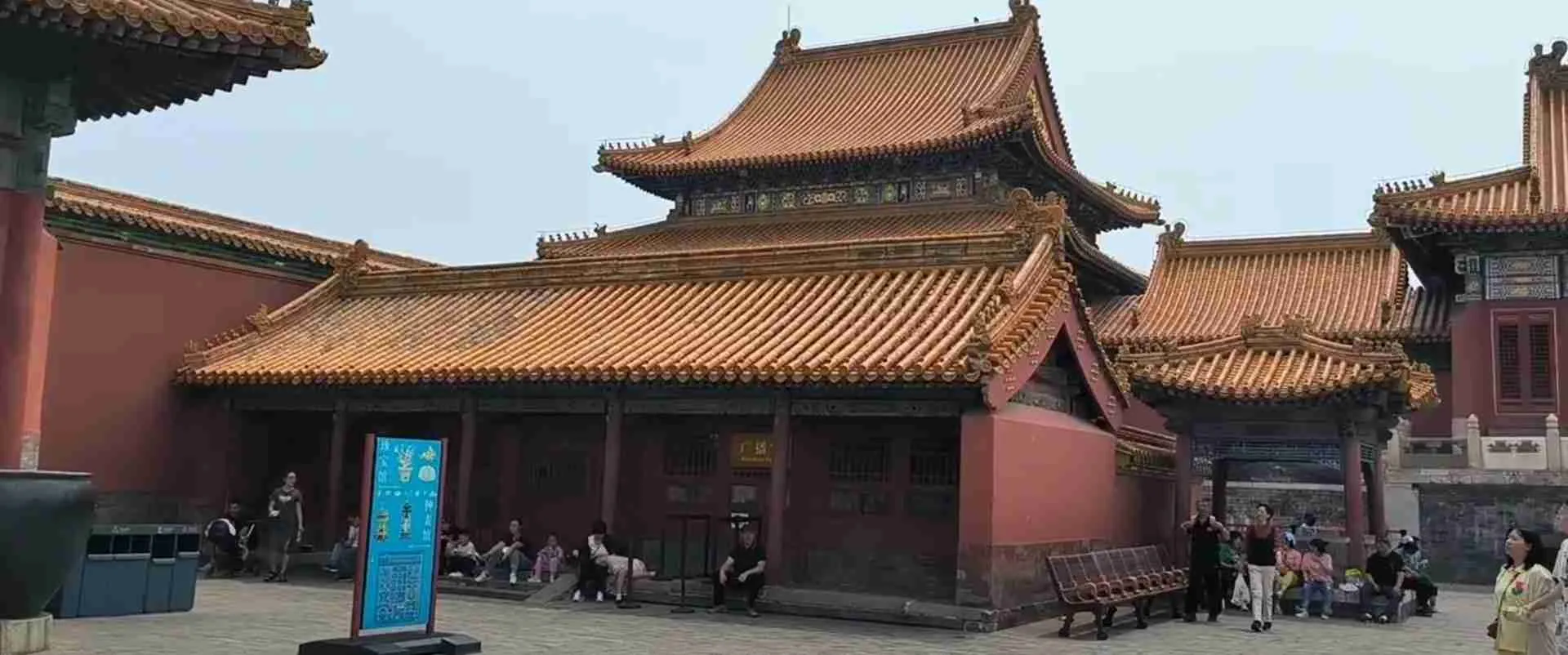
Forbidden City Cultural Immersion: Dress Like an Emperor Experience Guide
Imagine walking through the Dragon Throne’s shadow draped in silk imperial robes, your hair adorned with golden phoenix ornaments, feeling the weight of centuries as you inhabit the same spaces where 24 emperors once ruled China. The Forbidden City’s cultural immersion experiences offer more than costume play—they provide authentic connections to Chinese imperial culture that transform sightseeing into time travel.
👑 Key Takeaways
- Imperial Fashion: Authentic Hanfu and Qing dynasty costumes available for rental inside and around the Forbidden City for the ultimate royal experience
- Photography Magic: Traditional dress transforms ordinary tourist photos into stunning imperial portraits worthy of social media fame
- Cultural Connection: Wearing historical costumes deepens understanding of Chinese imperial culture and palace life protocols
- Seasonal Styling: Different seasons offer unique costume opportunities, from winter imperial robes to spring celebration attire
- Professional Services: Full-service costume experiences include makeup, hairstyling, and professional photography sessions
- Cultural Activities: Beyond costumes, experience calligraphy, tea ceremonies, and traditional arts that emperors once enjoyed
From elaborate Qing dynasty court dress to elegant Ming Hanfu robes, dressing like Chinese royalty has become one of Beijing’s most popular cultural activities. These experiences combine historical education with unforgettable photography opportunities, allowing visitors to literally step into Chinese history while gaining deeper appreciation for the artistry, symbolism, and cultural significance of imperial fashion and palace life.
The Art of Imperial Dress: Understanding Chinese Royal Fashion
Chinese imperial clothing represented far more than mere fashion—each garment communicated political authority, cultural identity, and spiritual beliefs through intricate symbolism, precious materials, and elaborate construction techniques that required master craftsmen.
Dragon Robes: The Ultimate Symbol of Imperial Power
The emperor’s dragon robe (longpao) served as the most recognizable symbol of Chinese imperial authority, featuring elaborate five-clawed dragons that no other person could legally wear. These magnificent garments incorporated profound symbolism: golden dragons represented the emperor’s divine mandate, while the twelve imperial symbols (sun, moon, stars, mountains, dragons, pheasant, bronze vessels, waterweed, flames, rice, hatchet, and fu symbol) demonstrated cosmic authority.
Modern Forbidden City costume experiences offer carefully crafted replicas that capture the visual impact of these legendary robes while respecting cultural sensitivity around sacred imperial symbols. Visitors can experience the psychological transformation that comes from wearing clothing designed to project absolute authority and divine connection.
The construction details of dragon robes reveal incredible artistry: silk threads couched with gold, hand-embroidered cloud patterns, and precisely positioned dragons that created visual narratives about imperial power and cosmic harmony. Understanding these details enhances appreciation for the garments’ cultural significance beyond their obvious beauty.
Empress and Concubine Attire: Feminine Imperial Power
Imperial women’s clothing expressed power through different symbolic languages, emphasizing fertility, wisdom, and cultural refinement rather than military authority. Phoenix motifs dominated empress clothing, while elaborate hairstyles and jewelry communicated rank within the complex palace hierarchy.
The famous phoenix crown (fengguan) represented the empress’s status as the feminine counterpart to the emperor’s dragon symbolism. These incredible headdresses featured hundreds of precious stones, gold ornaments, and dangling pearls that created musical sounds as the wearer moved, adding auditory elements to visual splendor.
Costume experiences for women often include traditional makeup application and hairstyling that complete the imperial transformation. Learning to move gracefully in these elaborate garments provides insight into palace etiquette and the physical challenges of maintaining imperial dignity while wearing incredibly heavy and restrictive clothing.
Court Official and Noble Dress: Hierarchical Fashion
The Forbidden City’s complex social hierarchy found expression through detailed dress codes that instantly communicated each person’s rank, department, and level of access to imperial presence. Different colored robes, varying numbers of dragons or other decorative elements, and specific accessories marked each person’s position in palace society.
Modern costume experiences often include court official attire that allows visitors to understand how clothing functioned as a communication system within palace walls. These garments demonstrate the sophistication of Chinese textile arts while illustrating the social complexities of imperial administration.
Understanding court dress codes enhances appreciation for the Forbidden City’s architectural hierarchy, as different areas required specific dress standards that reinforced spatial meanings and access privileges throughout the palace complex.
Extended multi-day tours – 5+ days
Featured China Multi-Day Tour Packages
6 days
6-Day China Tour from Beijing to Xi’an Highlights Private Guide
- ✓ Comprehensive China tour
- ✓ Expert local guides included
- ✓ All accommodation arranged
- ✓ Transportation provided

8 days
8-Day Best China Tour: Luxury Small Group, No Shopping & All Inclusive
- ✓ Comprehensive China tour
- ✓ Expert local guides included
- ✓ All accommodation arranged
- ✓ Transportation provided

11 days
A Journey China With Yangtze River Cruise in 11 days- Private Tour
- ✓ Comprehensive China tour
- ✓ Expert local guides included
- ✓ All accommodation arranged
- ✓ Transportation provided
14 days
14 Days China Private Tour: Beijing-Xi'an-Guilin-Zhangjiajie-Shanghai
- ✓ Comprehensive China tour
- ✓ Expert local guides included
- ✓ All accommodation arranged
- ✓ Transportation provided
Multi-day tour packages powered by TourRadar. Prices and availability subject to change.
Where to Experience Imperial Fashion: Top Costume Locations
Beijing offers numerous opportunities to experience Chinese imperial dress, from budget-friendly rental shops to luxury full-service cultural experiences that include professional photography and historical education.
Inside the Forbidden City: Official Cultural Programs
The Palace Museum now offers limited official costume experiences during special cultural events and festivals, providing the ultimate authenticity of wearing imperial dress within the actual palace walls where these garments once conveyed real political power.
These exclusive programs typically require advance booking and command premium prices, but offer unparalleled historical immersion. Participants receive historical orientation about their costumes’ significance while experiencing the psychological impact of wearing imperial symbols in their original setting.
Official programs maintain strict cultural sensitivity standards, ensuring that costume experiences enhance rather than trivialize understanding of Chinese imperial culture and its contemporary significance.
Wangfujing and Donghuamen Area: Convenient Palace Proximity
Numerous costume rental shops operate within walking distance of the Forbidden City, offering convenient access to imperial dress experiences without requiring advance reservations. These establishments range from basic rental services to comprehensive cultural experiences.
High-quality shops provide historically accurate reproductions, professional fitting services, and basic photography assistance. Many also offer educational materials about costume significance and proper wearing techniques that enhance cultural understanding.
Location advantages include immediate access to the Forbidden City for photography sessions, proximity to professional makeup and hairstyling services, and competitive pricing due to concentrated competition among providers.
Houhai and Hutong Districts: Traditional Atmosphere
Beijing’s traditional hutong neighborhoods offer costume experiences in historically appropriate settings, where traditional architecture and cultural atmosphere enhance the imperial dress experience beyond mere photography opportunities.
These locations often combine costume rental with cultural activities like traditional tea ceremonies, calligraphy lessons, or traditional music performances that provide broader understanding of Chinese imperial culture and palace life.
The authentic urban landscape of hutong districts creates natural backdrops for imperial costume photography while offering glimpses into traditional Beijing life that contextualizes imperial culture within broader Chinese civilization.
The Complete Imperial Experience: Services and Packages
Modern imperial costume experiences range from simple rental services to comprehensive cultural immersion packages that include historical education, professional services, and authentic cultural activities.
Basic Costume Rental: DIY Imperial Style
Entry-level costume rental services provide authentic-looking imperial garments with basic fitting assistance, allowing budget-conscious visitors to experience imperial dress without extensive additional services.
Basic packages typically include costume selection, fitting assistance, and simple accessories, with rental periods ranging from one hour to full day experiences. These services work well for visitors primarily interested in photography opportunities rather than comprehensive cultural education.
Pricing generally ranges from $20-50 for basic packages, making imperial fashion accessible to most visitors while providing meaningful cultural experiences and memorable photography opportunities.
Premium Cultural Packages: Full Imperial Transformation
Comprehensive imperial experiences include professional makeup application, traditional hairstyling, costume fitting, historical orientation, and professional photography sessions that create museum-quality portrait sessions.
These premium services often include cultural activities like traditional music performances, tea ceremonies, or calligraphy lessons that provide broader context for understanding imperial culture beyond clothing and appearance.
Professional photographers specializing in historical portraiture use traditional lighting techniques and architectural backdrops to create images that capture the dignity and beauty of Chinese imperial culture while producing exceptional personal mementos.
Specialized Cultural Workshops: Educational Immersion
Advanced cultural programs combine costume experiences with educational workshops about imperial history, traditional arts, palace etiquette, and Chinese philosophical concepts that informed imperial culture.
These programs often feature cultural experts who provide historical context, explain symbolic meanings, and demonstrate traditional practices like imperial dining etiquette, ceremonial movements, and traditional arts that emperors and courtiers practiced.
Educational components transform costume experiences from entertainment into genuine cultural learning that enhances understanding of Chinese civilization and its contemporary relevance.
Photography Like Royalty: Capturing Imperial Elegance
Imperial costume photography requires understanding both technical and cultural elements to create images that honor Chinese imperial traditions while producing stunning personal portraits.
Traditional Poses and Imperial Dignity
Authentic imperial portraiture followed specific conventions about posture, hand positions, facial expressions, and symbolic gestures that conveyed authority, wisdom, and spiritual cultivation. Learning these traditional poses enhances photography while demonstrating respect for imperial cultural traditions.
Professional photographers specializing in imperial portraits teach clients about traditional positioning, the symbolic meaning of different poses, and how to move gracefully in elaborate costumes that require careful handling and positioning.
Understanding traditional portraiture conventions helps visitors appreciate the artistic sophistication of Chinese court painting while creating personal photographs that capture the dignity and elegance of imperial culture.
Architectural Backdrops: Palace and Garden Settings
The Forbidden City’s magnificent architecture provides unparalleled backdrops for imperial costume photography, but successful sessions require understanding optimal locations, lighting conditions, and cultural sensitivity about sacred spaces.
Professional photographers know which architectural elements create the most dramatic backdrops, optimal timing for natural lighting, and crowd management strategies that ensure peaceful photography sessions even during busy periods.
Alternative locations like traditional gardens, hutong courtyards, and replica palace settings offer additional photography opportunities while reducing crowding and providing more flexible scheduling options.
Seasonal Photography Opportunities
Different seasons offer unique advantages for imperial costume photography, from winter snow that enhances the drama of dark imperial robes to spring blossoms that complement the delicate colors of court dress.
Autumn provides particularly favorable conditions, with comfortable temperatures for wearing heavy costumes, golden light that enhances silk fabrics, and moderate crowd levels that allow more peaceful photography sessions.
Seasonal festivals and cultural events often provide additional photography opportunities, as traditional celebrations create festive atmospheres that complement imperial costume experiences while providing cultural context.
Cultural Activities: Beyond the Costume
Complete imperial cultural immersion extends beyond clothing to include traditional arts, crafts, and practices that emperors and courtiers enjoyed as part of daily palace life.
Calligraphy: The Art of Imperial Brush Writing
Chinese calligraphy held supreme importance in imperial culture, as emperors were expected to demonstrate literary cultivation through beautiful handwriting. Many costume experiences include calligraphy workshops where visitors learn to write their names in Chinese characters using traditional brushes and ink.
Learning basic calligraphy techniques provides understanding of the patience, skill, and cultural refinement that imperial education required. The meditative aspects of brush writing also offer insights into Chinese philosophical traditions that influenced imperial culture.
Calligraphy workshops often include creating personalized scrolls or poems that provide lasting mementos of cultural experiences while demonstrating traditional Chinese arts that remain vital parts of contemporary culture.
Traditional Tea Culture: Imperial Refreshment Rituals
Tea ceremonies in imperial China involved elaborate protocols that demonstrated cultural sophistication and provided opportunities for political and social interaction. Modern tea culture experiences teach traditional preparation methods, appreciation techniques, and social etiquette.
Learning imperial tea customs enhances understanding of palace social life while providing peaceful interludes during costume experiences. Traditional tea appreciation involves understanding different tea varieties, brewing techniques, and the cultural significance of shared tea drinking.
High-quality cultural programs often include tea ceremonies using precious tea varieties and traditional implements that approximate the luxury and refinement of imperial palace refreshments.
Traditional Music and Dance: Palace Entertainment
Imperial courts maintained elaborate musical and dance traditions that provided entertainment while demonstrating cultural achievement. Some costume experiences include traditional music performances or basic dance instruction that illustrates palace cultural life.
Learning traditional musical instruments like the guqin or understanding classical Chinese dance forms provides insights into the artistic sophistication that imperial patronage fostered throughout Chinese history.
Cultural programs featuring traditional performances create atmospheric experiences that transport participants into imperial palace life while showcasing living traditions that connect past and present Chinese culture.
Etiquette and Cultural Sensitivity: Respectful Participation
Participating in imperial costume experiences requires understanding cultural sensitivity, appropriate behavior, and respectful engagement with Chinese cultural traditions.
Understanding Cultural Significance
Imperial symbols and clothing carry profound cultural and spiritual significance for Chinese people, requiring respectful treatment and understanding of their historical and contemporary importance. Costume experiences should enhance rather than trivialize appreciation for Chinese imperial culture.
Learning about the historical context, symbolic meanings, and cultural importance of imperial dress demonstrates respect for Chinese civilization while enhancing personal understanding and appreciation.
Cultural sensitivity includes understanding that imperial costumes represent sacred aspects of Chinese identity and heritage that deserve respectful treatment and genuine appreciation rather than mere entertainment value.
Appropriate Behavior and Photography Ethics
Wearing imperial costumes creates responsibilities for appropriate behavior that honors the dignity and cultural significance of Chinese imperial traditions. This includes maintaining respectful demeanor, understanding appropriate photography guidelines, and avoiding behavior that trivializes cultural significance.
Photography ethics include respecting other visitors’ experiences, understanding restrictions in sacred spaces, and creating images that honor rather than exploit Chinese cultural traditions.
Professional service providers typically include cultural orientation that helps international visitors understand appropriate behavior and cultural sensitivity requirements for meaningful participation in imperial costume experiences.
Practical Planning: Making Your Imperial Dreams Reality
Successfully planning imperial costume experiences requires understanding logistics, booking procedures, seasonal considerations, and practical requirements for memorable cultural immersion.
Booking and Scheduling Strategies
Popular costume services often require advance booking, especially during peak tourism seasons and cultural festivals. Planning ahead ensures availability and allows coordination with Forbidden City visit schedules for optimal photography opportunities.
Flexible scheduling helps accommodate weather conditions, crowd levels, and personal energy levels, as imperial costume experiences can be physically demanding and require sustained attention for several hours.
Group bookings often provide cost advantages and enhanced experiences, as sharing cultural activities with friends or family members creates additional enjoyment and memorable shared experiences.
Physical Preparation and Comfort Considerations
Imperial costumes can be heavy, restrictive, and challenging to wear for extended periods. Physical preparation includes comfortable undergarments, appropriate footwear, and understanding the physical demands of wearing elaborate historical clothing.
Weather considerations affect comfort and photography quality, with mild temperatures and low humidity providing optimal conditions for wearing heavy silk garments and maintaining elaborate hairstyles.
Preparation also includes understanding that authentic imperial costume experiences require patience, as proper fitting, makeup application, and photography sessions take considerable time to achieve quality results.
Budget Planning and Value Maximization
Imperial costume experiences range from budget-friendly basic rentals to luxury comprehensive cultural packages. Understanding available options helps visitors choose experiences that match their interests, budgets, and cultural learning goals.
Value maximization strategies include combining costume rental with professional photography, cultural activities, and educational components that provide comprehensive understanding of Chinese imperial culture.
Group packages, off-season pricing, and package deals often provide cost advantages while enhancing experiences through shared cultural activities and professional services that create lasting memories and cultural understanding.
Creating Lasting Memories: Beyond the Photo Session
Imperial costume experiences create opportunities for profound cultural connection and personal transformation that extend far beyond photography and entertainment value.
Personal Transformation and Cultural Understanding
Wearing imperial costumes often produces unexpected psychological effects, as participants report feeling more connected to Chinese culture, more aware of historical continuity, and more appreciative of traditional craftsmanship and cultural achievement.
These experiences can inspire deeper interest in Chinese history, language, and culture, creating lasting educational impacts that enhance understanding of global cultural diversity and human achievement.
Many visitors report that costume experiences fundamentally change their perception of Chinese culture, moving beyond stereotypes to appreciate the sophistication, beauty, and profound wisdom embedded in imperial traditions.
Sharing Cultural Appreciation
Social media sharing of imperial costume experiences can promote cross-cultural understanding and appreciation when done respectfully and with proper cultural context. Quality images with educational captions help others appreciate Chinese cultural achievements.
Sharing experiences with friends and family back home extends cultural impact by inspiring others to learn about Chinese civilization and consider their own cultural immersion travels.
Thoughtful sharing includes providing historical context, expressing genuine appreciation for Chinese culture, and encouraging others to approach cultural experiences with respect and open-minded curiosity.
Stepping into imperial robes within the Forbidden City’s sacred walls creates profound connections across centuries, cultures, and civilizations. These experiences transform visitors from tourists into temporary participants in China’s magnificent imperial heritage, creating memories and understanding that last far beyond the photography session.
Whether choosing simple costume rental for memorable photos or comprehensive cultural immersion with educational components, dressing like Chinese emperors and empresses provides unparalleled opportunities to understand Chinese civilization from the inside out. The combination of visual beauty, cultural education, and personal transformation makes imperial costume experiences among Beijing’s most meaningful cultural activities.
As you walk through the same halls where real emperors once ruled, wearing recreations of their magnificent garments, you participate in living history that connects past and present, East and West, tradition and innovation. These moments of cultural immersion create bridges of understanding that help preserve and celebrate the extraordinary achievements of Chinese imperial civilization for future generations to discover and appreciate.
🔍 Frequently Asked Questions
Can I wear imperial costumes inside the actual Forbidden City? Yes, visitors can wear rented imperial costumes inside the Forbidden City for photography. However, official Palace Museum costume programs are limited and require advance booking. Most visitors rent costumes from nearby shops and bring them into the palace.
How much does it cost to rent imperial costumes in Beijing? Basic costume rental ranges from $20-50 for simple packages, while comprehensive experiences with makeup, hairstyling, and professional photography cost $100-300. Premium cultural immersion packages can reach $500+ but include extensive educational components and luxury services.
What’s included in a full imperial costume experience? Complete packages typically include costume selection and fitting, traditional makeup application, historical hairstyling, accessories, basic photography instruction, and sometimes cultural activities like calligraphy or tea ceremonies. Professional photography sessions are often available as add-ons.
Are there cultural sensitivity guidelines I should follow? Yes, treat imperial symbols with respect, maintain dignified behavior while in costume, avoid trivializing poses or actions, and understand the cultural significance of what you’re wearing. Professional services typically include cultural orientation to ensure appropriate participation.
Can children participate in imperial costume experiences? Most services offer children’s imperial costumes and welcome family participation. Child-sized emperor, princess, and court official costumes are available, making it a wonderful family cultural activity. However, young children may find elaborate costumes heavy or uncomfortable.
What’s the best season for imperial costume photography? Autumn (September-November) offers ideal conditions with comfortable temperatures for heavy costumes, beautiful lighting, and moderate crowds. Spring is also good but can be crowded. Winter provides dramatic contrast but requires warm undergarments. Summer can be uncomfortably hot in heavy silk garments.
Do I need to book costume experiences in advance? Advance booking is recommended, especially for premium services, weekend visits, or during Chinese holidays and peak tourism seasons. Basic rental shops often accommodate walk-ins, but popular services and professional photography sessions typically require reservations.
Can I keep any part of the costume as a souvenir? Rental costumes must be returned, but many services sell simplified versions or accessories as souvenirs. Some shops offer custom costume creation services for visitors wanting to take home authentic-style imperial garments, though these require advance ordering and higher costs.
Are there restrictions on photography while wearing costumes? Standard Forbidden City photography rules apply regardless of costume. Some interior halls prohibit photography, and flash photography is generally not allowed. Professional photographers familiar with palace rules can help navigate restrictions while maximizing photo opportunities.
What should I wear underneath imperial costumes? Wear comfortable, breathable undergarments in neutral colors that won’t show through costume fabrics. Avoid bulky clothing, and consider seamless undergarments for smooth costume lines. Comfortable flat shoes are essential, as traditional footwear can be challenging for extended wear.