
Dolomites UNESCO World Heritage Guide: Designation Criteria & Global Significance
The Dolomites achieved UNESCO World Heritage status on June 26, 2009, joining an elite group of landscapes recognized for outstanding universal value to humanity. This designation acknowledges the mountain range’s exceptional geological significance and extraordinary natural beauty, qualities that make the Dolomites irreplaceable for both scientific understanding and human experience. The UNESCO recognition extends beyond simple conservation—it represents global acknowledgment that these mountains contain geological evidence crucial for understanding Earth’s history and processes that shaped our planet over hundreds of millions of years.
Key Takeaways
- UNESCO designated the Dolomites in 2009 under geological criteria: The mountain range represents exceptional examples of carbonate platforms, documenting 250 million years of Earth’s geological history through visible rock formations.
- Nine separate mountain systems form the World Heritage site: Spanning 141,903 hectares across 5 Italian provinces, the designation protects diverse geological phenomena rather than continuous territory, creating a serial property unique among mountain World Heritage sites.
- Criterion VII and VIII drove the designation: The Dolomites meet UNESCO’s standards for superlative natural phenomena (exceptional mountain beauty) and Earth’s history documentation (outstanding geological significance for understanding Alpine formation).
- Conservation faces modern challenges: Climate change accelerates rock weathering, tourism creates pressure on fragile ecosystems, and development threatens buffer zones despite UNESCO protection status.
- The designation balances preservation with human activity: Over 600,000 people live within or near the World Heritage boundaries, requiring innovative approaches to conserve geological heritage while maintaining mountain communities and sustainable tourism.
- Global geological significance extends beyond beauty: The Dolomites’ rock formations provide crucial evidence for understanding carbonate platform evolution, mass extinction events, and climate change impacts across geological timescales, making them scientifically invaluable beyond their aesthetic appeal.
Introduction: World Heritage Mountain Landscape
The designation process required seven years of preparation involving scientific research, governmental coordination across five Italian provinces (Bolzano, Belluno, Pordenone, Trento, and Udine), and demonstration that the Dolomites possess qualities found nowhere else on Earth. UNESCO evaluated the nomination against stringent criteria requiring proof of outstanding universal value, adequate protection measures, and management plans ensuring long-term conservation. The successful designation validated decades of scientific research demonstrating the Dolomites’ geological importance while creating international framework for protecting these mountains from threats including climate change, tourism pressure, and development encroachment.
Understanding the UNESCO designation reveals why the Dolomites matter beyond their obvious visual appeal. The World Heritage status connects local mountain landscapes to global heritage, transforming them from regional attractions into resources belonging to all humanity. This connection creates both opportunities and responsibilities—opportunities to share the Dolomites’ beauty and scientific value globally, and responsibilities to protect these mountains for future generations regardless of short-term economic pressures or convenience. The designation story illuminates how international cooperation can protect natural wonders while respecting the communities who have lived among these mountains for millennia.
People Also Ask About Dolomites UNESCO Heritage
Why Did the Dolomites Receive UNESCO World Heritage Status?
UNESCO designated the Dolomites based on exceptional geological significance and outstanding natural beauty, specifically meeting Criterion VII (superlative natural phenomena and areas of exceptional natural beauty) and Criterion VIII (outstanding examples representing major stages of Earth’s history and ongoing geological processes). The mountains document 250 million years of geological history through visible rock layers, contain exceptional examples of carbonate platform evolution, and display extraordinary landforms created through erosion of the distinctive dolomite rock.
The geological importance centers on the mountains’ role as natural laboratory for understanding carbonate sedimentation in tropical seas, mountain-building processes during Alpine orogeny, and erosion patterns creating unique vertical landscapes. Scientists study the Dolomites to understand similar formations worldwide—the clearly visible rock layers and accessible formations make these mountains ideal for research impossible elsewhere. The designation recognized that losing the Dolomites would deprive humanity of irreplaceable geological evidence and scientific research opportunities.
What Makes the Dolomites Geologically Unique?
The distinctive dolomite rock composition—magnesium-rich limestone named after French geologist Déodat de Dolomieu who first identified it in these mountains in 1789—creates the characteristic pale color and vertical formations impossible in standard limestone. The rock formed from coral reefs and sediments in tropical Tethys Ocean 250 million years ago, then underwent chemical transformation converting calcite to dolomite through processes still debated among geologists. This transformation created rock with unique properties including greater resistance to erosion than limestone and distinctive weathering patterns producing the dramatic vertical faces.
The mountains’ structure displays carbonate platform evolution with exceptional clarity—scientists observe the progression from shallow tropical reef environments through deepwater deposits to emerged land, all preserved in vertical rock sequences visible from valley floors. The platforms’ margins show where ancient reefs met deep ocean basins, creating formations that reveal how carbonate platforms develop and respond to sea level changes. This geological record appears more completely and accessibly in the Dolomites than anywhere else on Earth, making them crucial reference site for understanding carbonate geology globally.
How Large Is the Dolomites World Heritage Site?
The World Heritage property covers 141,903 hectares (350,618 acres) divided into nine separate mountain systems rather than forming continuous protected area. This “serial property” approach protects the most geologically significant areas while excluding developed valleys and towns. The nine systems include Pelmo and Croda da Lago, Marmolada, Pale di San Martino, Dolomiti Bellunesi, Dolomiti Friulane e d’Oltre Piave, Dolomiti Settentrionali, Puez-Odle, Sciliar-Catinaccio-Latemar, and Dolomiti di Brenta. Buffer zones add 89,266 hectares protecting the immediate surroundings from incompatible development.
The fragmented nature reflects the Dolomites’ geological reality—significant formations cluster in specific mountain groups separated by valleys containing human settlements. This approach enabled UNESCO protection while acknowledging that over 600,000 people live within the broader Dolomites region. The designation protects geological phenomena rather than continuous wilderness, creating management challenges requiring coordination across multiple provinces and municipalities but enabling realistic conservation within densely populated mountain environment.
What Conservation Requirements Come with UNESCO Status?
UNESCO World Heritage designation requires implementing management plans that protect outstanding universal value while enabling appropriate human use. The Dolomites management framework involves coordination among five Italian provinces, numerous municipalities, and various national and regional protected areas including several nature parks. The management plan addresses threats including tourism pressure, climate change impacts, development proposals, and infrastructure expansion, requiring all activities within World Heritage boundaries to demonstrate compatibility with conservation objectives.
The designation doesn’t prohibit human activity but requires that development and use remain subordinate to conservation goals. Traditional activities including agriculture, forestry, and mountain tourism continue within World Heritage boundaries provided they don’t damage geological features or landscape integrity. New development faces strict scrutiny—proposals must demonstrate necessity, lack of alternatives, and minimal impact on World Heritage values. This framework creates ongoing tension between conservation requirements and economic development pressures, resolved through case-by-case evaluation balancing competing interests while prioritizing long-term heritage protection.
Extended multi-day tours – 5+ days
Featured The Dolomites Multi-Day Tour Packages

8 days
Hiking in the Dolomites
- ✓ Comprehensive The Dolomites tour
- ✓ Expert local guides included
- ✓ All accommodation arranged
- ✓ Transportation provided
4 days
4 Days Dolomites Tour – from Milan
- ✓ Comprehensive The Dolomites tour
- ✓ Expert local guides included
- ✓ All accommodation arranged
- ✓ Transportation provided

8 days
Walking in the Dolomites – Campitello
- ✓ Comprehensive The Dolomites tour
- ✓ Expert local guides included
- ✓ All accommodation arranged
- ✓ Transportation provided

10 days
Dolomites Alta Via 1 – Guided Trek (Most Inclusive, AV1)
- ✓ Comprehensive The Dolomites tour
- ✓ Expert local guides included
- ✓ All accommodation arranged
- ✓ Transportation provided
Multi-day tour packages powered by TourRadar. Prices and availability subject to change.
The Road to World Heritage: Designation Process
Scientific Foundation: Building the Case
The Dolomites’ UNESCO nomination built upon two centuries of geological research beginning with Déodat de Dolomieu’s 1789 identification of the distinctive rock type. The 19th century brought systematic geological mapping as Alpine geology emerged as scientific discipline—researchers including Leopold von Buch, Alexander von Humboldt, and Ferdinand von Richthofen studied the Dolomites, developing theories about mountain formation that revolutionized geological understanding. Their work established the Dolomites as crucial reference site for understanding carbonate geology and mountain-building processes.
20th century research added depth to this foundation. Scientists unraveled the mountains’ formation sequence, identified the Triassic reef origins, and explained the chemical processes converting limestone to dolomite. Fossil discoveries revealed tropical marine environments preserved in rock now sitting at 3000 meters elevation, demonstrating the dramatic geological transformations that created the modern landscape. Plate tectonic theory provided framework for understanding how African plate collision with European plate lifted ancient seabeds to mountain heights, while erosion studies explained how weathering created the distinctive vertical landforms.
The UNESCO nomination compiled this research into comprehensive documentation demonstrating the Dolomites’ outstanding universal value. The dossier included detailed geological maps, scientific papers, photographic documentation, and comparative analysis showing why the Dolomites possess geological significance found nowhere else on Earth. This evidence persuaded UNESCO’s International Union for Conservation of Nature (IUCN) evaluators that the mountains merited World Heritage protection based on their irreplaceable contributions to understanding Earth’s history and ongoing geological processes.
Political Coordination: Multi-Provincial Cooperation
Achieving UNESCO designation required unprecedented cooperation among five Italian provinces with different languages, political structures, and economic priorities. The Dolomites span autonomous provinces (Bolzano/South Tyrol and Trento) with special status within Italy, plus portions of Veneto and Friuli-Venezia Giulia regions under standard Italian administration. Each province operates distinct protected area systems, tourism promotion strategies, and development planning processes, creating coordination challenges for the unified management approach UNESCO requires.
The nomination process began in 2002 with initial discussions about World Heritage potential. Seven years of negotiation followed, developing agreements on boundary delineation, management responsibilities, and conservation commitments. The participating provinces established the Dolomites UNESCO Foundation in 2010 to coordinate management across jurisdictional boundaries—this organization brings together representatives from all provinces, relevant municipalities, and various protected area authorities to implement the unified management plan UNESCO requires.
The political achievement matched the scientific accomplishment—demonstrating that different governmental entities could cooperate on long-term conservation despite varying priorities and limited financial resources. This cooperation model provides template for other cross-jurisdictional conservation initiatives, showing how international recognition can motivate local authorities to transcend bureaucratic boundaries for shared conservation goals. The ongoing management continues testing this cooperation as new challenges emerge requiring coordinated responses.
IUCN Evaluation: Meeting UNESCO Standards
The International Union for Conservation of Nature conducted rigorous evaluation of the Dolomites nomination, sending experts to assess whether the mountains truly possessed outstanding universal value warranting World Heritage status. IUCN evaluators examined geological significance, landscape beauty, management adequacy, and threat assessment, producing detailed reports UNESCO’s World Heritage Committee used when making the final designation decision. The evaluation process included site visits, scientific consultation, management plan review, and comparative analysis with other mountain World Heritage sites.
The IUCN report praised the Dolomites’ geological significance and landscape beauty while identifying management challenges requiring attention. The evaluators noted the serial property approach created complexity but effectively protected the most significant areas while acknowledging human settlement reality. Recommendations included strengthening coordination among provinces, enhancing climate change monitoring, managing tourism impacts more effectively, and improving scientific research support. These recommendations became requirements—the designation came with conditions demanding implementation of specific measures addressing identified weaknesses.
The June 26, 2009 designation decision in Seville, Spain represented culmination of decades of scientific research and seven years of intensive preparation. The World Heritage Committee voted unanimously to inscribe the Dolomites, recognizing that these mountains possess qualities justifying their protection as heritage belonging to all humanity. The designation brought international recognition, tourism benefits, and conservation framework, while creating ongoing obligations to maintain the values that earned World Heritage status.
UNESCO Criteria: Why the Dolomites Qualify
Criterion VII: Superlative Natural Phenomena
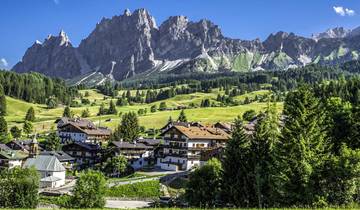
Criterion VII requires sites to “contain superlative natural phenomena or areas of exceptional natural beauty and aesthetic importance.” The Dolomites meet this standard through their extraordinary mountain landscapes featuring vertical pale towers rising dramatically above darker surroundings. The distinctive dolomite rock creates unique color effects—the pale gray and cream tones intensify during sunrise and sunset to glowing orange and pink, creating the “enrosadira” (Ladin term meaning “becoming rose-colored”) phenomenon that has inspired artists and writers for centuries.
The mountains’ morphology differs fundamentally from other Alpine ranges—where typical Alps display rounded peaks and gradual slopes, the Dolomites feature vertical walls, sharp pinnacles, and dramatic cliff faces dropping hundreds of meters. This vertical architecture creates extraordinary three-dimensional landscapes where human observers experience overwhelming scale and dramatic contrasts between accessible valleys and impossible-looking walls. The landscape’s aesthetic power derives not merely from beauty but from geological uniqueness producing forms found nowhere else on Earth.
The criterion assessment recognized that the Dolomites inspire profound emotional responses through their landscape power. Writers including Gilbert and Churchill, artists such as Edward Compton and Luigi Bonazza, and mountaineers like Reinhold Messner have articulated the mountains’ impact on human consciousness. The vertical landscapes create feelings of awe, wonder, and humility before natural forces—responses that transcend culture and persist across generations. This capacity to inspire represents significant value meriting protection for all humanity.
Criterion VIII: Outstanding Geological Significance
Criterion VIII requires sites to “be outstanding examples representing major stages of Earth’s history, including the record of life, significant ongoing geological processes in the development of landforms, or significant geomorphic or physiographic features.” The Dolomites excel across multiple aspects of this criterion. They document carbonate platform evolution in tropical seas during the Middle and Late Triassic (250-200 million years ago), preserve evidence of multiple mass extinction events including the Permian-Triassic extinction, and display exceptional examples of ongoing erosion processes creating distinctive landforms.
The mountains’ rock layers contain readable geological history spanning 250 million years. Scientists observe the progression from shallow marine environments through deeper waters to emerged land, all preserved in vertical sequences accessible from valley trails. The fossil record includes coral reefs, marine reptiles, shellfish assemblages, and numerous other organisms, providing evidence for understanding Triassic marine ecosystems. The Triassic-Jurassic boundary appears in several locations, offering crucial evidence about mass extinction events and subsequent ecosystem recovery.
The dolomitization process itself represents outstanding geological interest—the chemical transformation converting original limestone to dolomite remains incompletely understood despite extensive research. The Dolomites provide natural laboratory for studying this process, potentially leading to better understanding of dolomite formation globally. The rock’s unusual properties including hardness, weathering resistance, and distinctive fracture patterns created the conditions enabling development of the vertical landscapes that define the range’s appearance and UNESCO significance.
Comparative Analysis: Global Context
UNESCO designation requires demonstrating that proposed sites possess outstanding universal value superior to comparable locations worldwide. The Dolomites nomination included extensive comparative analysis examining other carbonate mountains, tropical reef platforms, and vertical landscape formations globally. The analysis concluded that while other locations display individual features present in the Dolomites, no other site combines comparable geological significance with equivalent landscape beauty and scientific accessibility.
The Dolomites surpass other carbonate ranges including the Taurus Mountains (Turkey), Dinaric Alps (Balkans), and Karakoram Range (Central Asia) for scientific value due to exceptional preservation, accessibility, and research history. The distinctive dolomite rock composition creates forms impossible in standard limestone, while the vertical exposures enable observing geological sequences that remain hidden or inaccessible in other ranges. The two-century research tradition established the Dolomites as global reference site—scientific papers describing carbonate geology worldwide routinely reference Dolomites formations as comparative standards.
Other World Heritage mountain sites including Swiss Alps Jungfrau-Aletsch and Yellowstone receive designation for different values. The Swiss Alps emphasize Alpine formation and glaciation rather than carbonate geology, while Yellowstone focuses on volcanic and geothermal phenomena. The Dolomites’ unique combination of carbonate platform documentation, exceptional vertical landscapes, and scientific importance creates World Heritage value distinct from other mountain World Heritage sites, justifying their separate recognition despite existing mountain-focused designations elsewhere.
The Nine Mountain Systems: Components of World Heritage
System 1: Pelmo and Croda da Lago
These mountains in the Ampezzo Dolomites exemplify isolated carbonate platforms rising from deep-water deposits. Monte Pelmo (3168m) dominates the landscape with its distinctive shape—local folklore calls it “God’s Throne” due to its imposing presence and symmetrical form. The mountain preserves extraordinarily complete sequences showing platform evolution from initial reef growth through platform development to final emergence. The rock layers tilt steeply, creating dramatic striping visible from kilometers away and enabling detailed study of platform architecture.
Croda da Lago continues the platform theme with additional complexity including slope deposits and platform margin features. The area contains numerous fossil localities yielding marine reptiles, shellfish, and other organisms documenting Middle Triassic ecosystems. The Croda da Lago cirque includes one of the Dolomites’ most beautiful alpine lakes, where turquoise water reflects vertical walls dropping directly to the lake shore. This combination of geological significance and landscape beauty exemplifies the values justifying UNESCO designation.
System 2: Marmolada
The Dolomites’ highest peak (3343m) represents platform-to-basin transition exceptionally well. The mountain’s south face displays the classic platform structure with massive dolomite creating vertical walls, while the north face preserves the Marmolada glacier—the range’s largest remaining ice body, though dramatically shrinking due to climate change. The geological contact between massive platform dolomite and stratified basin deposits appears clearly, enabling scientists to study exactly how platforms ended and deep basins began.
The Marmolada area includes significant Ladinian-Carnian boundary exposures (Middle to Late Triassic transition), important for understanding global climate and sea level changes during this period. The mountain’s accessibility via cable car enables non-technical visitors to reach high elevations where geological features appear clearly, making Marmolada crucial for education and public engagement with geological heritage. The glacier’s retreat provides sobering evidence of climate change impacts, adding contemporary relevance to the area’s geological significance.
System 3: Pale di San Martino
This expansive plateau represents the largest continuous area of Triassic carbonate platforms in the Dolomites. The Pale di San Martino displays typical platform internal structure including massive reef cores, bedded platform interior deposits, and platform margin features. The plateau’s flatness results from horizontal Triassic bedding—the current surface approximates the original Triassic platform top, creating unusual high-altitude plain surrounded by vertical escarpments dropping 500-1000 meters to surrounding valleys.
The system includes the Cimon della Pala (3184m), showcasing spectacular vertical architecture in pale dolomite. The area contains excellent fossil localities, and the plateau’s southern edge displays particularly clear platform margin features where reefs faced deep basins. The extensive plateau enables extended hiking across high-altitude terrain featuring unusual flat expanses in otherwise vertical mountain landscape, providing access to geological features requiring technical climbing elsewhere.
Systems 4-9: Northern and Western Groups
The remaining systems (Dolomiti Bellunesi, Dolomiti Friulane e d’Oltre Piave, Dolomiti Settentrionali, Puez-Odle, Sciliar-Catinaccio-Latemar, and Dolomiti di Brenta) collectively represent diverse geological phenomena including volcanic influences, platform diversity, and erosional features. The Brenta group stands geographically separate from other systems, demonstrating that Dolomites-type formations extend beyond the main massif. Each system contributes specific geological values to the overall World Heritage property, with combined significance exceeding any single system alone.
The northern systems (Puez-Odle, Sciliar-Catinaccio-Latemar, Dolomiti Settentrionali) display exceptional landscape beauty and geological diversity. These mountains include volcanic rocks alongside dolomite, showing how different rock types interact to create landscape complexity. The Latemar massif contains particularly well-preserved platform internal structures, while the Catinaccio (Rosengarten) group exemplifies the enrosadira phenomenon with evening alpenglow displays of unusual intensity. The eastern systems (Dolomiti Bellunesi, Dolomiti Friulane e d’Oltre Piave) preserve unique combinations of geological features and support exceptional biodiversity due to varied microclimates and habitats.
Scientific Value: Global Geological Importance
Understanding Carbonate Platforms
Carbonate platforms represent crucial geological phenomena—these submarine structures built by reef organisms accumulate enormous volumes of biological limestone, creating formations influencing ocean circulation, climate patterns, and evolutionary processes. Modern carbonate platforms including the Bahamas Banks and Great Barrier Reef provide current examples, but understanding their geological history requires studying ancient platforms preserved in mountain ranges. The Dolomites provide exceptional access to platform internal structures, margins, and evolution over millions of years.
Scientists study the Dolomites to understand carbonate platform development worldwide. Questions about platform growth rates, response to sea level changes, and extinction event survival find answers in Dolomites rock sequences. The clear stratification enables correlating platform development with global events including climate changes, extinction events, and tectonic movements. This understanding proves crucial for interpreting carbonate sequences in petroleum exploration, predicting platform behavior under climate change, and understanding how reef ecosystems respond to environmental stresses.
Mass Extinction Evidence
The Dolomites preserve critical evidence about mass extinction events that shaped life’s evolution on Earth. The Permian-Triassic boundary (252 million years ago)—Earth’s largest mass extinction, eliminating over 90% of marine species—appears in several Dolomites locations with exceptional preservation. Scientists study these boundary sections to understand extinction causes, timing, and subsequent ecosystem recovery. The evidence suggests complex causes including volcanic activity, ocean acidification, and rapid climate change—scenarios with disturbing parallels to current environmental changes.
The Triassic-Jurassic boundary (201 million years ago) appears clearly in several Dolomites sections, providing evidence about another major extinction event. These boundaries help scientists understand how ecosystems collapse and rebuild, relevant for predicting consequences of current biodiversity crises. The Dolomites’ fossil record documents which organisms survived extinctions, how long recovery required, and what factors enabled certain species to persist while others disappeared. This knowledge informs conservation biology and provides context for understanding current extinction rates.
Climate Change Research
The Dolomites’ geological record documents dramatic climate changes across 250 million years, providing crucial context for understanding current climate change. The Triassic period included both greenhouse conditions with tropical reefs at high latitudes and episodes of rapid cooling and sea level change. Scientists study how ancient ecosystems responded to these changes, identifying factors that enabled survival versus those that led to extinction. The research suggests that rate of change matters more than absolute change—slow gradual shifts allow adaptation while rapid changes cause ecosystem collapse.
Contemporary climate research focuses on how warming temperatures affect the Dolomites themselves. Glaciers retreat dramatically, permafrost thaws at high elevations, rockfall increases as ice binding rocks together melts, and vegetation zones shift upward. Long-term monitoring programs track these changes, providing crucial data about mountain ecosystem responses to warming. The Dolomites serve as sentinel environment—changes here indicate broader Alpine trends, helping predict impacts elsewhere. This combination of geological climate evidence and contemporary monitoring makes the Dolomites invaluable for understanding climate change across timescales from millions of years to current decades.
Conservation Challenges: Protecting World Heritage
Climate Change Impacts
Climate warming creates the most significant long-term threat to Dolomites World Heritage values. Rising temperatures accelerate rock weathering as freeze-thaw cycles intensify, increase rockfall frequency as permafrost thaws, eliminate glaciers removing landscape features present since the last Ice Age, and shift vegetation zones upward, potentially homogenizing currently diverse ecosystems. The Marmolada glacier lost over 80% of its volume since 1900, with acceleration during recent decades—at current rates, the glacier will disappear within decades, eliminating a landscape component that has defined the area for millennia.
Rockfall increases pose risks to both people and infrastructure. Major rockfall events including the 2007 Thurwieser collapse (millions of cubic meters) demonstrate the scale of potential impacts. Warming temperatures destabilize rock previously held together by ice, creating conditions for catastrophic failures. These events threaten mountain huts, cable car installations, and hiking trails, requiring expensive monitoring and protection measures. The increased instability also affects via ferrata routes and climbing areas, potentially closing historically important mountaineering objectives.
Tourism Pressure
The Dolomites receive millions of visitors annually, creating both economic benefits and conservation challenges. Concentrated tourist traffic damages fragile alpine ecosystems—trampling vegetation, disturbing wildlife, generating waste, and creating erosion. Popular locations including Tre Cime di Lavaredo and Seceda experience traffic jams, parking overflow, and trail degradation from overuse. The UNESCO designation initially increased tourism as travelers sought World Heritage experiences, though provinces implemented management measures attempting to control impacts.
The challenge involves maintaining sustainable tourism that benefits local economies without destroying the values attracting visitors. Management approaches include limiting parking access, implementing shuttle systems, requiring advance reservations for popular locations, charging access fees funding conservation, and promoting alternative destinations to distribute visitor pressure. These measures create tension with tourism industry interests and visitor expectations of unrestricted access. Effective management requires balancing conservation requirements against economic needs and recreational demands—a challenge UNESCO designation intensifies by attracting additional visitors while imposing stricter protection requirements.
Development Pressures
The Dolomites exist within densely populated mountain environment where over 600,000 people live in valleys surrounding World Heritage areas. Population needs including housing, transportation, utilities, and economic development create ongoing pressure for infrastructure expansion potentially conflicting with conservation goals. Proposals for new ski areas, expanded road networks, tourism facilities, and residential development require careful evaluation to prevent damaging World Heritage values while enabling appropriate community development.
The buffer zones surrounding World Heritage boundaries receive particular scrutiny—development here can impact viewsheds, fragment wildlife habitat, and create visual intrusion despite occurring outside protected areas. Management plans require evaluating all development proposals for World Heritage impacts, creating complex approval processes balancing multiple interests. The designation empowers conservation advocates while frustrating development proponents, generating ongoing debates about appropriate development within World Heritage landscapes. Finding solutions satisfying conservation requirements while enabling viable mountain communities represents central challenge for long-term heritage protection.
Management Framework: Coordinated Conservation
Dolomites UNESCO Foundation
The Foundation coordinates World Heritage management across five provinces, establishing unified policies while respecting provincial autonomy. The organization includes representatives from provincial governments, municipalities, nature parks, and various stakeholder groups, creating collaborative framework for addressing shared challenges. The Foundation develops management plans, coordinates monitoring programs, promotes research, manages communication about World Heritage values, and represents the Dolomites in international UNESCO network activities.
Key activities include coordinating visitor management strategies, establishing monitoring protocols tracking conservation status, promoting scientific research advancing understanding of World Heritage values, engaging local communities in conservation efforts, and reporting to UNESCO on management effectiveness. The Foundation operates with limited financial resources, depending on provincial contributions and external funding for specific projects. Despite resource constraints, the organization successfully maintains coordination among diverse entities that previously operated independently, demonstrating that international designation can motivate effective cooperation.
Protected Area Network
Multiple protected areas encompassing portions of World Heritage territory provide existing conservation framework predating UNESCO designation. National Parks including Dolomiti Bellunesi and Paneveggio-Pale di San Martino, regional nature parks including Puez-Odle and Sciliar-Catinaccio, and nature reserves protect significant portions of the nine systems. These areas implement their own management plans coordinated through the Foundation to ensure alignment with World Heritage objectives.
The protected area network creates complex but effective conservation system. Each area operates under specific regulations governing activities, development, and use, collectively providing comprehensive protection while allowing traditional activities compatible with conservation. The network approach enables tailored management matching specific area needs while maintaining overall coherence across World Heritage property. Gaps exist where important geological areas lack protected status, creating ongoing challenges for comprehensive heritage conservation.
Monitoring and Research
Systematic monitoring tracks conservation status and identifies emerging threats requiring management response. Programs monitor glacier extent and volume, rockfall frequency and location, vegetation community changes, wildlife population trends, visitor numbers and impacts, and development pressures. The data enables evaluating whether management approaches effectively protect World Heritage values and identifying necessary adjustments. UNESCO requires periodic reporting on conservation status, using monitoring data to assess management effectiveness and compliance with designation commitments.
Research programs advance understanding of Dolomites’ geological, ecological, and cultural values while addressing specific management questions. Studies examine climate change impacts, tourism carrying capacity, ecosystem responses to environmental changes, and effectiveness of conservation measures. The Foundation coordinates research priorities and funding, ensuring investigations address practical management needs rather than purely academic interests. International collaboration brings expertise from global institutions while sharing Dolomites research with scientists worldwide, fulfilling the designation’s implicit commitment to advancing global understanding of geological heritage.
Living Landscape: Heritage and Human Community
Cultural Heritage Integration
While the UNESCO designation focuses on geological and natural values, the Dolomites contain significant cultural heritage reflecting centuries of human adaptation to mountain environments. The Ladin people, an ethnic minority inhabiting several Dolomites valleys, maintain distinctive language and cultural traditions. Traditional architecture employing local materials and climate-appropriate construction techniques demonstrates sustainable building approaches developed through generations of mountain living. Agricultural practices including high-altitude pasturing, hay farming on steep slopes, and seasonal migration between valley and mountain pastures persist in many areas.
Integrating cultural heritage with natural conservation creates opportunities for holistic management recognizing connections between geological features and human cultures. Traditional knowledge about weather patterns, safe routes, seasonal rhythms, and sustainable resource use represents valuable heritage complementing geological significance. However, integration creates tensions when traditional practices conflict with conservation objectives—debates about grazing impacts on alpine meadows, trail maintenance approaches, and rifugio expansion demonstrate ongoing challenges reconciling different heritage values.
Economic Sustainability
Sustainable economic development represents crucial challenge for maintaining viable mountain communities within World Heritage landscapes. Tourism provides primary income for many Dolomites communities, creating dependency on maintaining landscape beauty and recreational opportunities that attract visitors. The designation helps marketing efforts while imposing requirements potentially limiting tourism development. Agriculture continues in many valleys, though economic viability challenges cause ongoing land abandonment as younger generations seek urban opportunities.
The conservation framework seeks enabling economic activities compatible with World Heritage values while preventing those that damage geological features or landscape integrity. This approach permits traditional agriculture, sustainable forestry, nature-based tourism, and cultural activities while restricting incompatible development. Success requires demonstrating that conservation creates economic opportunity through enhanced tourism, international recognition, and sustainable resource use rather than simply limiting development options. The designation’s long-term viability depends on local communities benefiting from conservation rather than bearing only its costs.
Community Engagement
Effective World Heritage management requires engaging local communities as conservation partners rather than treating them as threats to heritage values. The designation affects peoples’ daily lives through regulations governing development, land use, and economic activities. Without community support, conservation efforts face resistance potentially undermining protection effectiveness. Successful engagement involves listening to community concerns, incorporating local knowledge into management plans, sharing economic benefits from tourism, and demonstrating respect for traditional practices compatible with conservation.
Education programs help communities understand World Heritage significance and conservation requirements. Schools integrate geological heritage into curricula, teaching children about their mountains’ global importance. Public events celebrate designation anniversaries, promoting pride in World Heritage status. Community participation in monitoring programs, conservation projects, and tourism management creates ownership of protection efforts. These engagement activities transform the designation from external imposition to shared achievement, building social capital supporting long-term conservation.
Global Context: World Heritage Network
Mountain World Heritage Sites
The Dolomites join a select group of mountain World Heritage sites including Mount Kilimanjaro (Tanzania), Swiss Alps Jungfrau-Aletsch (Switzerland), Mount Huang (China), Canadian Rocky Mountain Parks (Canada), and others recognized for outstanding universal value. Each site receives designation for specific values—geological significance, biodiversity, cultural landscapes, or combinations thereof. Comparing sites reveals diversity of reasons justifying World Heritage protection while highlighting common challenges including climate change impacts, tourism management, and balancing conservation with community needs.
The World Heritage Convention creates global community of protected places, facilitating knowledge exchange and collaborative problem-solving. Dolomites managers learn from other mountain sites’ experiences addressing similar challenges, adapting successful approaches to local conditions. The network enables mobilizing international expertise when specific problems arise, accessing funding opportunities reserved for World Heritage properties, and participating in global discussions about conservation priorities and approaches. This international dimension distinguishes World Heritage designation from purely national protection, embedding local conservation within global framework.
Geological Heritage Recognition
Geological World Heritage sites receive recognition for exceptional scientific value, outstanding landforms, or documenting Earth’s history. The Dolomites exemplify geological designation based on scientific importance and landscape beauty, demonstrating that aesthetic appeal and scientific significance can coexist. Other geological sites including Grand Canyon (USA), Dorset and East Devon Coast (UK), and Giant’s Causeway (Northern Ireland) received designation for comparable reasons, collectively representing humanity’s commitment to protecting geological heritage alongside cultural and biological diversity.
The Global Geoparks Network, related UNESCO program recognizing geological heritage, includes several areas near the Dolomites. These geoparks emphasize geological education, sustainable development, and geotourism—approaches complementing World Heritage conservation. The relationship between World Heritage designation and geopark recognition demonstrates UNESCO’s multilayered approach to protecting and promoting geological heritage at different scales and with varying objectives. The Dolomites’ World Heritage status positions them as premier example of geological conservation, influencing how geological heritage receives recognition and protection globally.
Frequently Asked Questions
Does UNESCO Designation Restrict Access to the Dolomites?
The designation doesn’t prohibit public access but requires managing visitation to prevent damage to World Heritage values. Existing trails, rifugios, ski areas, and other infrastructure continue operating, though new developments face stricter scrutiny regarding World Heritage impacts. Some specific measures including parking limitations and reservation systems at popular locations aim to control crowding and reduce environmental impacts. The goal involves sustainable tourism where visitors enjoy the mountains while conservation ensures future generations have similar opportunities. Access restrictions target preventing overuse that would damage the very qualities attracting visitors.
How Does Climate Change Threaten UNESCO Heritage Values?
Climate warming directly threatens several World Heritage values. Glacier retreat eliminates landscape features present for millennia and documented in historical art and photography. Increased rockfall from permafrost thawing endangers both people and infrastructure while potentially destroying geological features. Shifting vegetation zones alter landscape character and affect biodiversity. Accelerated weathering potentially damages rock formations displaying crucial geological evidence. The comprehensive threat requires adaptation strategies including enhanced monitoring, public safety measures, revised tourism management, and international cooperation addressing root causes. The designation raises visibility of climate impacts while providing framework for coordinated responses.
Can World Heritage Status Be Revoked?
UNESCO maintains List of World Heritage in Danger for properties facing threats to their outstanding universal value. Continued deterioration despite warnings can lead to delisting—removing World Heritage status for failure to maintain protected values. However, delisting occurs rarely, typically only after extended unsuccessful efforts to address threats. The Dolomites currently face no delisting risk, though climate change creates long-term challenges requiring sustained attention. The designation creates international accountability—UNESCO monitors conservation status and can pressure governments to improve protection when problems arise. This oversight helps maintain conservation commitment across political changes and economic pressures.
What Role Do Local Communities Play in Management?
Local communities represent essential management partners—over 600,000 people live within or near World Heritage boundaries, making their cooperation crucial for effective conservation. Communities participate through representation on management bodies, consultation on policy decisions, involvement in monitoring programs, and benefiting from sustainable tourism. Traditional knowledge about mountain environments contributes to management approaches, while community support for conservation enables effective implementation. The Foundation emphasizes participatory approaches recognizing that successful heritage protection requires community engagement rather than top-down regulation. Building local pride in World Heritage status creates social capital supporting long-term conservation.
How Does the Designation Benefit Scientific Research?
World Heritage status enhances research opportunities through increased visibility, improved funding access, and international collaboration. Scientists worldwide recognize the Dolomites as premier geological laboratory, attracting research projects advancing understanding beyond purely local interest. The designation facilitates obtaining research permits, accessing funding sources restricted to World Heritage sites, and publishing findings in high-impact journals. The management framework coordinates research priorities ensuring investigations address both scientific questions and practical management needs. Enhanced monitoring generates data valuable for research while serving conservation objectives. The international dimension connects Dolomites research to global networks, increasing its impact and relevance.
What Makes the Dolomites Different from Other Alpine Ranges?
The distinctive dolomite rock composition creates unique landscape characteristics impossible in standard limestone Alpine ranges. The vertical architecture, pale coloration, and dramatic weathering patterns distinguish the Dolomites from other Alps. Geologically, the exceptional preservation of Triassic carbonate platforms with clear stratigraphic sequences provides scientific value exceeding other ranges. The combination of geological significance, landscape beauty, research accessibility, and public engagement opportunities creates World Heritage value unique among mountain ranges. While other Alps offer spectacular scenery, the Dolomites’ specific geological characteristics and scientific importance justified separate UNESCO recognition.
How Is World Heritage Status Communicated to Visitors?
The Foundation coordinates communication programs explaining World Heritage significance through visitor centers, interpretive signage, guided programs, publications, and digital media. Each of the nine systems includes information points detailing geological values and conservation needs. Signage along popular trails explains specific features visible from that location, connecting visible rocks to broader geological history. Guided programs led by trained geologists and naturalists provide in-depth understanding for interested visitors. The Foundation website offers extensive resources in multiple languages, while social media channels share ongoing conservation stories and research findings. Education programs target schools, creating awareness among young people who represent future conservation constituencies.
Does the Designation Affect Private Property Rights?
World Heritage boundaries include significant private land where property rights continue, though activities affecting World Heritage values face regulation. Private landowners can continue traditional uses including agriculture and forestry provided these practices don’t damage geological features or landscape integrity. New development requires permits considering World Heritage impacts, potentially restricting or conditioning approval. Compensation programs may exist for restrictions preventing otherwise lawful activities, though specifics vary by province. The designation creates public interest in private property but doesn’t constitute expropriation. Property owners generally receive support for maintaining traditional practices contributing to landscape character while being discouraged from changes degrading World Heritage values.
How Does the Dolomites Designation Influence Other Conservation Efforts?
The successful designation demonstrated effective multi-provincial cooperation, providing model for other cross-jurisdictional conservation initiatives. The management framework’s emphasis on coordination, stakeholder engagement, and balancing conservation with community needs informs other protected area management approaches. The designation raised international awareness of geological heritage importance, influencing global conservation priorities to include geological diversity alongside biodiversity. Research methodologies developed for monitoring Dolomites’ conservation status inform approaches elsewhere. The World Heritage status elevates the Dolomites as conservation exemplar, creating responsibility to demonstrate effective heritage protection that other sites can emulate.
What Happens If Threats to World Heritage Values Intensify?
If threats exceed management capacity, UNESCO can place properties on the List of World Heritage in Danger, mobilizing international attention and potentially additional resources for addressing problems. This designation signals serious concern while providing time for corrective action before considering more severe measures. The Danger List placement doesn’t remove World Heritage status but publicly acknowledges failure to adequately protect outstanding universal value. For the Dolomites, climate change represents most serious long-term threat potentially justifying Danger List consideration if impacts accelerate beyond adaptation capacity. However, current management demonstrates commitment to addressing challenges, reducing risk of such designation while maintaining vigilance about emerging threats.
Conclusion: Global Heritage, Local Responsibility
The Dolomites UNESCO World Heritage designation represents international recognition that these mountains contain values belonging to all humanity. The geological evidence preserved in 250 million years of rock layers, the extraordinary landscapes resulting from distinctive dolomite weathering, and the scientific importance for understanding Earth’s history create outstanding universal value justifying protection as global heritage. This recognition brings prestige, enhanced tourism, and international support while imposing conservation responsibilities and requiring sustained management commitment.
The designation’s success depends on continued cooperation among provincial governments, local communities, conservation organizations, and tourism industry. The challenges facing World Heritage values—climate change, tourism pressure, development demands—require innovative solutions balancing competing interests while prioritizing long-term conservation. The management framework established through UNESCO designation provides structure for addressing these challenges, though implementation requires ongoing commitment from all stakeholders. The alternative—allowing short-term pressures to degrade World Heritage values—would represent failure not just locally but globally, losing irreplaceable geological heritage and landscapes.
Understanding the UNESCO designation transforms how visitors experience the Dolomites. These mountains represent more than spectacular scenery or recreational playground—they contain evidence of Earth’s history visible nowhere else, landscapes of global significance, and communities adapting to mountain environments for millennia. Visitors bear responsibility to minimize their impacts, respect conservation efforts, and appreciate the privilege of experiencing landscapes recognized as humanity’s shared heritage. The designation creates framework for this responsible tourism, ensuring the Dolomites remain accessible while protected for future generations who deserve encountering these mountains in similarly pristine condition.
The Dolomites’ World Heritage status ultimately serves as reminder of interconnection—between geological past and human present, between global recognition and local conservation, between current enjoyment and future preservation. These mountains teach humility before natural forces that created them and responsibility toward heritage entrusted to current generations. The designation provides tools, framework, and motivation for meeting this responsibility, but success requires sustained commitment from everyone who values these extraordinary mountains. The World Heritage recognition represents not an endpoint but ongoing commitment to protecting geological treasures and mountain landscapes as heritage for all humanity, present and future.