Perched high above Cusco at 3,701 meters, this ancient complex offers breathtaking views of Peru’s Sacred Valley. Built in the 15th century under Emperor Pachacutec, the stone walls tell stories of Inca military strategy and spiritual ceremonies. Its precise coordinates (13°30′28″S 71°58′56″W) mark one of South America’s most remarkable archaeological sites.
Recognized by UNESCO for its cultural significance, the fortress showcases revolutionary engineering techniques that have withstood earthquakes and centuries of weathering. Massive limestone blocks fit together without mortar, creating zigzagging walls that mirror sacred Andean patterns. Visitors often marvel at how these structures blend seamlessly with the mountainous landscape.
Modern travelers who visit Sacsaywaman discover more than just ruins. The site serves as a living connection to Peru’s past, hosting annual Inti Raymi celebrations that revive Inca traditions. Its elevation provides crisp mountain air and panoramic vistas, making it ideal for photography enthusiasts and history buffs alike.
Key Takeaways
- Historic Inca fortress located just north of Cusco at 12,142 feet elevation
- UNESCO World Heritage Site showcasing 15th-century engineering marvels
- Built under Emperor Pachacutec using precision-cut limestone megaliths
- Offers stunning valley views and insights into military/religious practices
- Hosts vibrant cultural festivals like the June solstice celebration
- Combines archaeological significance with accessible day-trip logistics
- Contact us for a comfortable and personalized itinerary (Free Service)
Historical Background of the Fortress
Long before becoming an iconic Inca landmark, this elevated plateau near Cusco hosted earlier civilizations. Archaeologists discovered pottery fragments dating to 900 CE, evidence of the Killke culture’s presence. These pre-Inca people established the site’s first ceremonial platforms, laying groundwork for later expansions.
Pre-Inca and Inca Foundations
The Inca transformed the location into a military and spiritual complex during the 15th century. Emperor Pachacutec mobilized thousands of workers to shape colossal limestone blocks. Without iron tools or mortar, builders perfected interlocking joints that defied earthquakes.
Spanish chronicler Pedro Cieza de León later marveled at the achievement:
“It seems impossible that human strength could transport stones so enormous.”
The fortress became a testament to Inca engineering and organizational prowess.
Chronicles from the Spanish Conquest
Conquistadors documented fierce battles during their 1536 siege of the site. Soldiers described zigzagging walls creating deadly choke points for attackers. After victory, the Spanish systematically dismantled sections to build colonial Cusco, repurposing sacred stones for churches.
This layered history reveals how successive cultures shaped – and contested – the location. From Killke foundations to Inca innovations and Spanish alterations, the fortress embodies centuries of human ambition etched into stone.
Architectural Marvels and Stone Construction
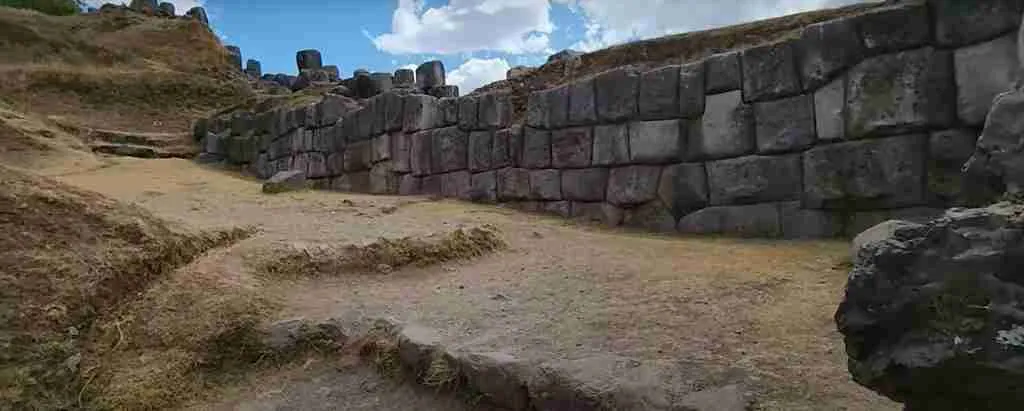
The stone walls surrounding this Inca fortress represent one of humanity’s greatest architectural achievements. Engineers shaped limestone blocks weighing up to 125 tons into interlocking puzzles that defy modern logic. Their precision work created foundations that remain intact after six centuries of earthquakes.
Megalithic Walls and Polished Stones
Three-tiered zigzag walls rise 18 meters at their highest point, their polished surfaces gleaming in the Andean sun. Builders transported stones from quarries 3 kilometers away using rope systems and inclined planes. The largest block measures 8.5 meters tall – equivalent to a two-story building.
Spanish chronicler Pedro Sancho de la Hoz noted:
“The stones fit so perfectly that not even a knife blade could slip between them.”
This dry construction method allowed walls to shift during tremors without collapsing.
Unique Fitting Techniques and Inca Ingenuity
Workers used bronze tools to carve concave indentations that locked with neighboring stones’ convex edges. Architects angled walls inward at 5-8 degrees for seismic stability. The technique required:
- Precise mathematical calculations
- Custom shaping of each irregular block
- Test-fitting stones multiple times
This blend of artistic vision and technical mastery created structures that outlasted empires. The walls’ serpentine patterns mirror sacred mountain ranges while serving as formidable defensive barriers – a dual purpose showcasing Inca innovation.
Cultural Significance and Rituals
Beyond its military might, this Inca complex thrived as a spiritual epicenter where celestial forces met earthly power. The zigzagging walls framed sacred spaces where priests conducted rituals honoring Inti, the sun god. Ceremonial buildings surrounding the main plaza hosted offerings to mountain deities and star observations critical to agricultural cycles.
Religious and Ceremonial Uses
At the heart of the complex stood a temple sun, its alignment capturing solstice rays through precisely positioned windows. Spanish chronicler Cristóbal de Molina documented:
“Priests lit sacred fires here, their smoke carrying prayers to the heavens.”
Adjacent structures stored ritual objects and provided spaces for initiation rites. The site’s elevation made it a strategic place for communicating with ancestral spirits through coca leaf readings and llama sacrifices.
Inti Raymi and Other Festivals
Each June, thousands gather at Sacsaywaman Cusco for the revived Inti Raymi festival. Dancers in traditional tunics recreate ceremonies thanking the sun for sustaining life. Modern celebrations blend Inca traditions with Catholic influences, reflecting the city’s layered history.
This sacred place continues marking the passage of time through seasonal events. Smaller monthly rituals still occur today, connecting local communities to their ancestral roots. The stones seem to whisper stories of devotion that outlasted empires.
The Evolution Through Colonial and Republican Eras
The Spanish conquest marked a dramatic shift for this iconic fortress, transforming its purpose and physical structure. Over two centuries, colonial authorities systematically dismantled sections of the complex, repurposing its limestone blocks for churches and mansions. Chronicler Pedro Cieza de León observed:
“They tore down walls that had stood for generations, carrying stones like ants moving grains of sand.”
Dismantling and Repurposing of Stones
Spanish engineers prioritized speed over preservation during their 16th-century building spree. Workers used iron tools to:
- Dislodge perfectly fitted stones from zigzagging walls
- Transport materials via ramps and oxen teams
- Reshape blocks for construction projects in Cusco
The Cathedral of Santo Domingo became the most famous recipient, incorporating original foundations into its structure. This systematic dismantling continued through the Republican era, with private homes using remnants of the ruins.
Despite these changes, the Inca Empire’s engineering legacy endured. Modern studies reveal that:
- 60% of original walls remain intact after 500 years
- Stones weighing over 50 tons proved too massive to move
- Surviving sections still align with solstice events
This layered history mirrors broader regional shifts – from Inca Pachacutec’s visionary leadership to colonial resource extraction. The site’s resilience across centuries offers tangible proof of ancient innovation meeting modern preservation challenges.
Modern-Day Saqsaywaman: Visitor Insights
This UNESCO-protected site continues to awe travelers while serving as a living cultural hub. Conservation teams today use 3D scanning and controlled vegetation growth to protect ancient stonework. Local people maintain ancestral traditions through seasonal ceremonies, blending past and present.
Preservation and UNESCO Recognition
Since 1983, the fortress has benefited from World Heritage status. Archaeologists limit daily visitors to 3,000 people to prevent erosion. Restoration projects focus on:
- Stabilizing original limestone foundations
- Removing invasive plant species
- Training local guides in conservation practices
| Tourist Ticket Type | Price (USD) | Inclusions | Validity |
|---|---|---|---|
| General | $45 | 16 sites including Sacsaywaman | 10 days |
| Partial | $27 | 4 key ruins near City Cusco | 2 days |
| Student | $23 | Same as General (ID required) | 10 days |
Current Activities and Community Use
Guided tour groups explore the site mornings and afternoons, avoiding midday crowds. Local artisans demonstrate traditional weaving techniques near the main plaza every Thursday. For the best experience:
- Arrive before 10 AM for clearer skies
- Combine with nearby Q’enqo ruins
- Hire certified bilingual guides
Evening sound-and-light shows transform the stones into storytelling canvases. This blend of education and entertainment makes Sacsaywaman essential for travelers seeking authentic Andean culture today.
Exploring the Complex Areas of the Site
Navigating Saqsaywaman’s sprawling grounds reveals a masterclass in Inca urban planning. The complex blends defensive practicality with sacred geometry, creating spaces that served both warriors and priests. Visitors today can trace ancient footsteps through zigzagging battlements and ceremonial plazas.
The Cyclopean Ramparts and Entrances
Three colossal gateways control access to the inner sanctum. T’iu Punku (Sand Gate) welcomed ceremonial processions, while Ahawanapunku (Guardian Gate) served military needs. The grandest entrance, Wiraqocha Punku (Divine Gate), features 8-meter walls angled to deter invaders.
The structure’s most striking feature remains its Cyclopean ramparts. These serpent-like walls use interlocking stones to create 22 angular projections. Archaeologists note the design:
- Deflected enemy charges through strategic angles
- Provided elevated platforms for archers
- Aligned with solstice sunrises for rituals
Landmarks such as the Inca Throne and Ramparts
At the complex’s heart lies the Inca Throne – a carved stone seat used by rulers during ceremonies. Flanking this landmark stand the remains of three towers that once dominated the skyline:
| Tower Name | Height | Function |
|---|---|---|
| Muyuc Marca | 15m | Water reservoir & ceremonies |
| Sallaq Marca | 12m | Military observation |
| Paunka Marca | 10m | Grain storage |
Beneath these structures, a network of tunnels connects ceremonial chambers with outer defenses. Guides often share stories of hidden passages rumored to reach Cusco’s cathedral – though most remain sealed for preservation.
Saqsaywaman: A Symbol of Inca Ingenuity
The very name Saqsaywaman sparks curiosity, rooted in Quechua words that echo through Andean valleys. Scholars debate its true meaning, with interpretations ranging from “satisfied falcon” to “fortified head.” This linguistic puzzle reflects the site’s dual role as both spiritual guardian and strategic stronghold.
Mythical Interpretations of the Name
Quechua language experts propose three primary translations that reveal layered symbolism:
| Quechua Phrase | Literal Translation | Symbolic Meaning |
|---|---|---|
| Saqsawaman | Speckled head | Connection to sacred puma mythology |
| Saqsaywaman | Satisfied falcon | Divine protection from celestial realms |
| Saqsahuaman | Fortified head | Military strength and urban planning |
The “head” symbolism proves most enduring. Cusco’s urban layout forms a puma shape, with the fortress representing its watchful cranium. This design showcases Inca ingenuity in blending practical defense with cosmic imagery.
Legends and Local Narratives
Oral traditions describe how mythical beings helped construct the stone walls. One legend claims the god Viracocha melted rocks with sunlight to create seamless joints. Another tells of giants placing boulders with supernatural strength.
Modern guides often highlight the zigzagging walls’ symbolic shape, comparing them to lightning bolts – sacred symbols of Andean deities. These narratives transform the ruins into a living part of Peru’s cultural identity, where every weathered block whispers ancestral wisdom.
As the sun sets over Sacsaywaman Cusco, shadows accentuate the stonework’s precision. This revered place continues inspiring awe, bridging Inca history with contemporary wonder through its enduring legends and architectural mastery.


Transportation, Ticketing, and Guided Tours
Accessing this iconic Inca site from Cusco’s historic center combines convenience with cultural immersion. Located just 1.5 kilometers (1,500 meters) from Plaza de Armas, the way to the ruins offers multiple options suited to different travel styles. Understanding ticket systems and transportation choices ensures a seamless city tour experience.
How to Reach the Site from Cusco
Adventurous travelers enjoy the 30-minute uphill walk along Huayllarcocha Street – a route passing colonial architecture and local markets. Taxis provide a faster way, with 10-minute rides costing 15-20 soles ($4-5 USD). Most guided tours include round-trip transport from city hotels, often combining visits with nearby Q’enqo and Tambomachay.
Details on the Cusco Tourist Ticket
The Cusco tourist ticket (boleto turístico) grants access to 16 archaeological sites. Visitors choose between:
| Ticket Type | Price | Validity |
|---|---|---|
| General | $45 | 10 days |
| Partial | $27 | 2 days |
| Student | $23 | 10 days |
Purchase tickets at authorized offices near Plaza Regocijo or through certified tour operators. Guides decode hidden symbols in the 800-meter-long walls, transforming stone formations into historical narratives. This Cusco tourist ticket system simplifies exploration while supporting site preservation efforts.
Cultural Events and Festivals at the Site
When the June solstice sun kisses the Andean highlands, Saqsaywaman transforms into a living theater of ancestral traditions. This sacred space becomes the heartbeat of Peru’s cultural identity, where ancient rituals merge with modern celebrations. Visitors witness history reborn through vibrant performances that honor both celestial cycles and earthly connections.
Celebrating Inti Raymi
Each June 24, thousands gather for the annual Inti Raymi celebrations, a dazzling reenactment of Inca sun worship. Dancers in feathered headdresses parade past megalithic walls while priests chant in Quechua. The day peaks as a golden disc replica is “captured” using ancient astronomical alignments, symbolizing the sun’s promised return.
Other Traditional Ceremonies
Water rituals during the rainy season reveal another layer of spiritual heritage. Communities carry decorated jugs from sacred springs, reenacting apu (mountain spirit) offerings documented in 16th-century chronicles. These ceremonies often coincide with equinoxes, days when light and darkness balance across the stone terraces.
Local families play vital roles in festivals, weaving intricate costumes and preparing ceremonial foods. Children learn traditional songs passed through generations, ensuring Inca legacies thrive. As drums echo off ancient stones, visitors feel time collapse – connecting past glory with present-day pride.
Essential Visitor Information and Practical Tips
Preparing for a visit to this iconic Inca site requires both practical planning and cultural awareness. The high-altitude location and historical significance demand thoughtful preparation to ensure safety while respecting preservation efforts.
What to Bring for a Comfortable Visit
Smart packing makes exploring these ancient ruins more enjoyable. Essential items include:
- Sturdy hiking shoes for uneven stone pathways
- UV-protection hat and reef-safe sunscreen
- Reusable water bottle (1L minimum)
- Printed tourist ticket or digital QR code
Mornings (7-9 AM) offer cooler temperatures and fewer crowds – the ideal time for photography. Afternoon visitors should prepare for sudden weather changes common in the Andean highlands.
Safety and Preservation Guidelines
Protecting this UNESCO place ensures future generations can visit Sacsaywaman. Follow these rules:
- Stay on marked trails – climbing walls accelerates erosion
- Avoid restricted areas like original tunnels
- Use designated entrance points to prevent overcrowding
Guides recommend keeping 6 feet from stone structures to preserve ancient mortar-free joints. The city of Cusco enforces strict penalties for damaging cultural heritage sites.
Travelers should purchase combo tickets covering multiple city attractions. Allow 2-3 hours to fully experience the place, including lesser-known areas beyond the main tunnels. With proper preparation, visitors gain deeper connections to Inca history while supporting ongoing conservation work.
Conclusion
Standing as a testament to Inca brilliance, this ancient fortress embodies humanity’s capacity to harmonize stone with spirit. Its zigzagging walls – built from stones weighing up to 125 tons – showcase engineering mastery that defies modern logic. For six centuries, the complex has evolved from military stronghold to cultural touchstone, its weathered structure whispering tales of empires and endurance.
Visitors today walk among architectural marvels measured in meters, where precisely fitted limestone blocks form earthquake-resistant foundations. The city of Cusco protects this legacy through conservation efforts and immersive tour programs. A Cusco tourist ticket unlocks access to these wonders, bridging past and present through guided explorations.
To visit Sacsaywaman is to witness living history. Feel the weight of centuries in polished stone corridors, then gaze across valleys once guarded by Inca sentries. This fortress remains more than ruins – it’s a classroom of ancient innovation waiting to inspire.
Let these walls spark your curiosity. From the complex’s strategic heights to Cusco’s cobblestone streets below, Peru’s architectural treasures await discovery. Pack your sense of wonder – history’s greatest builders left lessons in every stone.
