While the iconic ruins of this ancient site draw millions, its true magic lies in the lesser-known cultural treasures surrounding it. This guide uncovers immersive journeys where history whispers through mist-covered peaks and vibrant traditions thrive in nearby villages. Travelers ’ll find more than stone structures—they’ll step into living stories shaped by Inca ingenuity and modern Andean life.
From panoramic vistas at the Sun Gate to artisan workshops in the Sacred Valley, every experience blends discovery with authenticity. The region’s beauty extends beyond postcard views, inviting visitors to learn traditional weaving techniques or savor quinoa-based dishes with local families. These adventures reveal how ancient engineering marvels, like the strategic Inca Bridge, coexist with thriving cultural practices.
What makes these tours unforgettable? They balance adventure with insight. Imagine soaking in thermal baths after exploring terraced ruins or decoding celestial alignments at Moray’s circular terraces. Later sections detail how to plan trips that honor both the land’s heritage and contemporary communities—ensuring every traveler leaves enriched by Peru’s enduring wonders.
Key Takeaways
- Explore hidden cultural gems surrounding the famous archaeological site
- Engage with living traditions through artisan workshops and local cuisine
- Discover engineering marvels like the Inca Bridge and Moray’s terraces
- Combine adventure with relaxation in thermal springs and scenic hikes
- Gain practical tips for respectful, immersive travel experiences
- Contact us by filling out the trip planner form, our expert travel advisors will work closely with you to create your tailor-made itinerary (Free Service)
Overview of Machu Picchu Beyond the Citadel
Nestled high in the Andes, this ancient city reveals layers of history beyond its stone walls. Once a royal retreat for Inca rulers, its sophisticated design harmonizes with mountain landscapes. Visitors ’ll find stories etched into terraced fields and celestial observatories that predate modern engineering.
Historical Background
Constructed in the mid-15th century, the site served as a strategic hub before being abandoned during Spanish colonization. American explorer Hiram Bingham brought global attention to its ruins in 1911, though local farmers had preserved its legacy for generations. UNESCO’s 1983 designation solidified its status as a protected heritage site, safeguarding artifacts like the Intihuatana sundial.
| Year | Event | Impact |
|---|---|---|
| 1450 | Construction begins | Peak of Inca engineering |
| 1911 | Modern rediscovery | Archaeological studies launch |
| 1983 | UNESCO recognition | Global preservation efforts |
Cultural Significance
The location’s dry-stone walls and ceremonial spaces reflect Inca civilization values—precision, spirituality, and harmony with nature. Today, guided tours decode how these innovations shaped Andean life. As one researcher noted:
“Every aligned stone whispers ancestral knowledge to those who listen.”
This living archaeological site bridges past and present. Travelers engage with weaving techniques unchanged for centuries and taste recipes using native crops. Such immersive experiences honor the location’s enduring legacy while supporting local communities.
Unveiling the Mystique of Machu Picchu
Shrouded in mist and mystery, this archaeological wonder sparks curiosity through stories passed down generations. Visitors often sense an otherworldly energy here—a blend of ancient spirituality and untold secrets etched into stone.
Legends and Myths
Local guides share tales of the Intihuatana Stone, believed to harness solar energy during solstices. “It’s a bridge between earth and sky,” explains a Quechua elder, describing rituals where priests “tethered” the sun to prevent winter’s darkness. Nearby, Huayna Picchu’s silhouette resembles a watchful face—a natural formation some say guards hidden treasures.
Enigmatic Incan Heritage
The site’s design reveals celestial mastery. Builders aligned structures with constellations and solstice sunrises, using techniques so precise that modern engineers marvel at their accuracy. Sacred stones like the Intihuatana served dual purposes:
- Marking agricultural cycles through shadow patterns
- Anchoring spiritual ceremonies to cosmic events
“Every rock here holds two stories—one of mortar, another of meaning.”
Secret tunnels called chincanas deepen the intrigue. While their original use remains debated, these passages remind us how much lies undiscovered. Exploring Machu Picchu becomes a journey through time, where myth and history intertwine beneath Andean skies.
Architectural Marvels and Incan Engineering
The precision of Incan stonework stands as a testament to their unmatched engineering prowess. Built to withstand centuries, these structures blend technical mastery with artistic vision. Visitors marvel at walls where stone blocks fit seamlessly—no mortar needed—a signature of their dry-construction techniques.
Ashlar Masonry Techniques
Incan builders shaped stone with bronze tools and sand abrasion, achieving joints so tight they resisted earthquakes. The trapezoidal doorways and interlocking angles distributed weight evenly. This method, seen in temples and terraces, explains why the ruins remain intact despite frequent seismic activity.
Iconic Structures and Stone Construction
The Temple of the Sun showcases their celestial alignment skills. Its curved wall captures solstice sunbeams through precisely angled windows. Nearby, agricultural terraces demonstrate how Incas harmonized construction with mountain slopes. These feats rival Egypt’s pyramids in durability and precision.
| Technique | Purpose | Modern Impact |
|---|---|---|
| Ashlar Masonry | Earthquake resistance | Inspires sustainable architecture |
| Dry-Stone Construction | Water drainage | Preserves historical integrity |
| Seismic Design | Structural stability | Studied by engineers today |
Over time, these innovations have deepened our appreciation for Incan problem-solving. The site’s blend of artistry and utility continues to shape views on ancient engineering. As one architect remarked:
“They turned geology into geometry, crafting eternity from bedrock.”
Panoramic Vistas: Sun Gate and Huayna Picchu
Elevation meets exhilaration along these iconic trails. Two paths promise unmatched perspectives of Peru’s crown jewel—one tracing ancient footsteps to a sunrise spectacle, another ascending knife-edge ridges above swirling clouds.
Hiking to the Sun Gate
The 1.5-hour climb to Inti Punku (9,005 ft) rewards travelers with panoramic views of terraced slopes and the Urubamba River snaking through valleys. Morning hikers often witness the site emerging from mist like a stone mirage. “It’s not just a viewpoint—it’s where the mountains introduce themselves,” shares a local guide.
Essential tips for this moderate trek:
- Secure Machu Picchu + Inti Punku tickets 3 months ahead (June-October only)
- Pack layers—temps swing from 36°F at dawn to 77°F by noon
- Wear trail shoes with solid grip for uneven stone steps
Exploring Huayna Picchu and the Temple of the Moon
The 2-hour ascent up Huayna Picchu’s steep trails reveals hidden shrines and views of Machu Picchu few ever witness. At the summit, the Temple of the Moon nestles in a limestone cave—a spiritual counterpoint to the mountain’s raw beauty.
Adventure-seekers should note:
- Only 400 daily permits (book with specialized tours)
- Start before 10 AM to avoid afternoon cloud cover
- Combine with the Sun Gate hike for full-day exploration
These routes prove that Machu Picchu’s true scale reveals itself only to those willing to climb. Every switchback whispers ancient secrets, every overlook reshapes perceptions of Incan ambition.


Cultural Workshops and Artisan Experiences
Travelers seeking authentic connections find profound meaning in Peru’s living classrooms. Interactive workshops near iconic landmarks bridge ancient wisdom with modern creativity, offering more than souvenirs—they create lasting memories.
Hands-on Andean Traditions
In Chinchero village, master weavers demonstrate how alpaca wool transforms into vibrant textiles using 500-year-old techniques. Visitors at Museo Sulca Textiles learn to spin yarn with drop spindles and decode symbolic patterns. As one artisan explains: “Every color tells a story—gold for the sun, green for sacred valleys.”
The Sacred Valley’s Yucay Museo de Cultura Viva invites guests to shape ceremonial pottery or interpret coca leaves with Quechua elders. Cooking classes reveal secrets of Peruvian classics like lomo saltado, blending Incan ingredients with Spanish influences.
These experiences preserve heritage while empowering communities. Workshops often conclude with shared meals, where stories flow as freely as chicha morada drinks. Travelers leave not just with handmade crafts, but with deeper respect for Andean resilience.
For those exploring Machu Picchu, adding a half-day workshop enriches the journey. It transforms visits from observational to participatory—a chance to touch history rather than just photograph it.
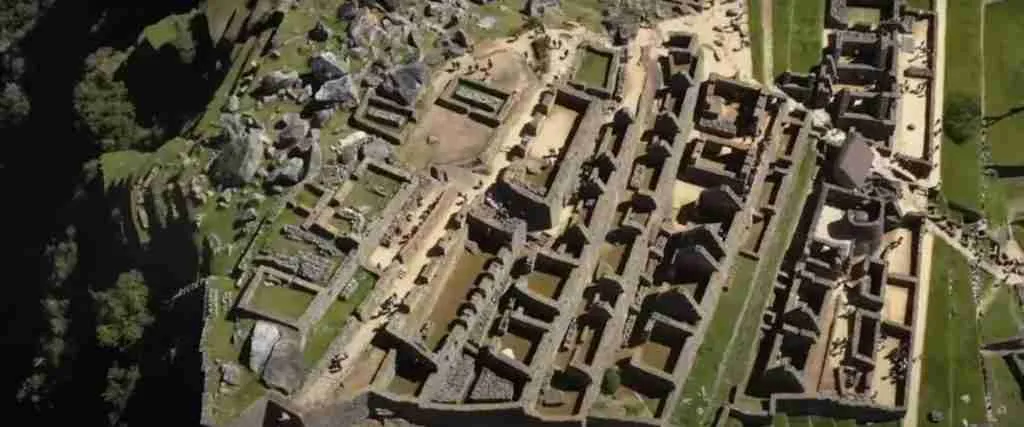
Machu Picchu Citadel as a UNESCO World Heritage Site
Earning UNESCO recognition requires meeting strict criteria, and this Andean marvel exceeds them all. Its 1983 designation honors both human ingenuity and natural grandeur—where precision-cut stonework meets cloud forest ecosystems. This status safeguards cultural traditions while ensuring future generations can witness its wonders.
Preservation and Visitor Regulations
Daily visitor numbers are capped at 5600 people in the high season and 4500 in the low season to protect fragile structures. Advance tickets with timed entry slots prevent overcrowding—critical for maintaining trails and ceremonial spaces. As archaeologist Johan Reinhard advises:
“Visiting during shoulder seasons reduces congestion while offering clearer views of architectural details.”
Key preservation strategies include:
- Mandatory licensed guides for deeper historical context
- Restricted access to sensitive areas like the Temple of the Sun
- Strict no-touch policies for ancient walls and artifacts
| Preservation Technique | Purpose | Visitor Impact |
|---|---|---|
| Daily visitor caps | Prevent erosion | More intimate exploration |
| Timed entry slots | Manage foot traffic | Structured photo opportunities |
| Guided tour requirements | Reduce accidental damage | Enhanced educational value |
These measures allow travelers to experience the heritage site authentically without compromising its integrity. Passport checks at multiple points ensure ticket validity, while designated walking paths protect original Inca drainage systems still functioning after six centuries.
Sustainable tourism practices here set global benchmarks. By respecting no-drone zones and staying on marked trails, visitors become partners in preservation. As one ranger notes: “Every careful step helps write the next chapter of this living history.”
Would you like to book a custom Package Tour to Machu Picchu? Please fill-out our below trip planner and we will respond promptly with our best offer!
Best Time to Visit: Seasonal Insights
Timing transforms every journey to Peru’s iconic destination. Seasonal shifts shape trail conditions, crowd levels, and photographic opportunities across this UNESCO World Heritage Site. Smart travelers balance weather patterns with personal priorities to craft unforgettable cultural adventures.
Dry Season Advantages
April through October brings sun-drenched days with average highs of 68°F. Clear skies reveal panoramic views of terraced slopes and distant peaks. This best time for photography attracts crowds, so book tickets 3-4 months early. Sturdy hiking shoes prove essential for exploring dry trails to hidden shrines.
Rainy Season Considerations
November to March showers the region with afternoon rains, cooling temperatures to 64°F. While trails turn muddy, fewer visitors mean quieter moments at the site. Travelers should pack quick-dry layers and waterproof boots. Guides recommend early starts to avoid storms—mornings often stay dry for exploring.
| Season | Weather | Crowds | Tips |
|---|---|---|---|
| Dry (Apr-Oct) | Sunny, low rain | High | Pre-book tickets |
| Rainy (Nov-Mar) | Afternoon showers | Low | Waterproof gear |
Shoulder months like April and November blend mild weather with manageable crowds. As travel expert Johan Reinhard notes:
“The right time to visit depends on whether you prioritize blue skies or serene moments.”
Cultural tours adapt year-round—dry months suit intensive hiking, while rainyseasonreveals vibrant green landscapes.
Navigating the Inca Trail and Alternative Treks
The Andes unveil their grandeur through winding paths that challenge and inspire. While the Classic Inca Trail remains iconic, alternative routes offer fresh perspectives for modern explorers. Licensed guides transform these journeys into living classrooms, blending safety with cultural storytelling.
Essential Guide Partnerships
Peruvian law mandates licensed guides for the Classic Inca Trail. These experts handle permits, share ancestral knowledge, and monitor altitude adjustments. Agencies like Valencia Travel pair travelers with certified professionals trained in first aid and Quechua traditions.
Booking steps include:
- Selecting government-approved operators
- Securing permits 6+ months ahead for peak seasons
- Reviewing guide certifications
Trail Diversity for All Explorers
Beyond the 26-mile Classic route, adventurers discover:
| Trek | Duration | Highlights |
|---|---|---|
| Salkantay | 5 days | Glacial lakes, cloud forests |
| Lares | 4 days | Weaving villages, hot springs |
| Vilcabamba | 7 days | Remote ruins, wildlife spotting |
Acclimatize in Cusco for 48 hours before trekking. Pack layers for temperature swings—mornings at 15,000 feet often dip below freezing. Guides recommend breaking in hiking boots and testing gear on local trails first.
“A great guide doesn’t just lead the way—they decode landscapes,” notes Maria Quispe, a veteran trek coordinator. These experts reveal hidden petroglyphs and explain how ancient engineers shaped stone staircases into mountainsides.
Whether choosing the Classic route’s sun gates or the Salkantay’s alpine passes, every path rewards travelers with unmatched Andean views. Pair physical preparation with cultural curiosity to craft your perfect adventure.
Discovering Aguas Calientes: Hot Springs and Local Cuisine
Nestled at the base of misty peaks, this vibrant town offers more than just access to ancient wonders. Known locally as Machu Picchu Pueblo, Aguas Calientes blends relaxation with cultural discovery. Visitors unwind in geothermal pools by day and savor bold Peruvian flavors by night—a perfect balance after exploring nearby trails.

Rejuvenating Thermal Baths
The town’s natural hot springs provide mineral-rich waters heated by volcanic activity. Multiple pools range from 98°F to 104°F, surrounded by tropical foliage. Locals recommend early morning visits for serene moments before crowds arrive.
Essential tips:
- Bring a towel and sandals—rentals cost extra
- Lockers available for valuables
- Combine with a café snack for full relaxation
Exploring Peruvian Culinary Delights
Aguas Calientes’ dining scene mirrors Peru’s gastronomic fame. From street-side anticuchos (grilled skewers) to upscale quinoa risottos, flavors span centuries of tradition. “Our recipes carry the soul of the Andes,” shares a chef at Mapacho Craft Beer & Peruvian Cuisine.
| Dining Category | Spotlight Venue | Must-Try Dish |
|---|---|---|
| Budget-Friendly | Gringo Bill’s Boutique Hotel | Lomo Saltado |
| Mid-Range | Incontri del Pueblo Viejo | Andean-Italian Fusion Pasta |
| Gourmet | Sumaq Machu Picchu Hotel | Amazonian Fish Ceviche |
The city’s proximity to Cusco (62 miles) ensures fresh ingredients daily. Evening strolls reveal stone sculptures and artisan markets near the Urubamba River. Extended stays here let travelers recharge while staying minutes from iconic ruins.
Accommodations and Travel Tips in the Cusco Region
Choosing where to stay in Peru’s highlands shapes both comfort and cultural immersion. The Cusco region offers diverse lodging options, from eco-friendly retreats to colonial-era mansions. Strategic planning ensures travelers balance convenience with authentic experiences tied to local history.
Staying in Aguas Calientes
This gateway town provides quick access to the heritage site. Budget travelers favor guesthouses like Hostal Machupicchu Inn, while luxury seekers opt for the Sanctuary Lodge—the only hotel adjacent to the archaeological park. Early risers gain quieter moments at sunrise before day-trippers arrive.
Cultural and Historic Stays in Cusco
In Cusco’s historic center, converted monasteries and 16th-century estates blend significance with modern amenities. Palacio del Inka, a 500-year-old mansion, displays original Inca stonework alongside Spanish colonial art. Many hotels offer Quechua language workshops or guided walks to nearby ruins.
| Lodging Type | Location | Cultural Perks |
|---|---|---|
| Boutique Hotel | Aguas Calientes | Guided textile markets tours |
| Eco-Lodge | Sacred Valley | Organic farm-to-table meals |
| Historic Hacienda | Cusco City | Inca trail history lectures |
Travelers should note:
- Book 6+ months ahead for peak time visit (June-August)
- Acclimatize 48 hours in Cusco before high-altitude hikes
- Verify insurance covers mountain rescues
The best time for availability? April-May offers mild weather with fewer crowds. As local guide Rosa Quispe advises: “Your hotel isn’t just a bed—it’s your first chapter in Andean history.”
Diverse Cultural Tours: Immersive Andean Journeys
Authentic connections with Peru’s living heritage unfold through hands-on encounters far from crowded landmarks. Cultural tours here transform travelers into active participants, weaving ancient wisdom into modern journeys through tactile learning and shared stories.
Local Traditions and Cultural Narratives
In the Sacred Valley, visitors knead dough alongside bakers using quinoa flour unchanged since Inca times. At Pisac’s market, artisans decode textile patterns that map familial histories. “Every stitch carries memories of our ancestors,” explains weaver Marisol Quispe during a natural dye workshop.
Adventures blend exploration with education:
- Harvest potatoes with Quechua farmers using pre-Columbian tools
- Play ceremonial panpipes under starlit skies at Sembrando Cielos Observatory
- Join a pachamanca feast—meals cooked in earth ovens with volcanic stones
These experiences reveal hidden narratives. Cooking classes with chef Seledonia Mesa begin at San Pedro Market, where travelers handle purple corn and ají peppers. Later, they craft lomo saltado while learning how Spanish and Andean flavors merged over centuries.
Guided hikes along lesser-known Inca Trail segments deepen cultural context. Walkers encounter chicherías (corn beer stalls) and hear oral histories from descendants of trail runners. As one guide notes: “Our paths connect stones to souls—past and present.”
By prioritizing interaction over observation, these journeys create lasting bonds. Travelers don’t just visit—they experience how traditions shape daily life in Andean villages. Each shared meal or woven pattern becomes a chapter in their personal exploration of Peru’s living heritage.
Conclusion
Every step in this region uncovers layers of culture, craftsmanship, and natural beauty waiting to be discovered. Travelers witness engineering marvels like celestial-aligned temples alongside thriving weaving cooperatives, where ancient techniques shape modern livelihoods. These journeys reveal how living traditions coexist with archaeological wonders, creating a tapestry of past and present.
Planning a transformative journey requires attention to seasonal rhythms and local expertise. Dry months (May-September) offer clear views of terraced slopes, while green-season visits reward with lush landscapes and quieter trails. Partnering with certified guides ensures respectful engagement with Quechua communities and protected sites.
As a UNESCO World Heritage Site, this destination thrives through mindful exploration. Visitors contribute to preservation by choosing eco-conscious tours and honoring sacred spaces. From sunrise hikes to hands-on pottery workshops, each experience deepens appreciation for Andean resilience.
Let curiosity guide your next adventure. Whether marveling at star-lit ruins or sharing meals with local families, the region’s timeless allure awaits—a testament to humanity’s enduring connection with history and earth.
