The ancient Inca citadel of Machu Picchu is a marvel in the Andes Mountains of Peru. It showcases the Inca civilization’s engineering skills. The Stairs of Death, or Huayna Picchu Stairs, are a standout feature. These steps, carved into the mountainside, are both daring and awe-inspiring.
Visitors and scholars are fascinated by these stairs. They wonder about their purpose and the challenges of climbing them. This article will explore the Stairs of Death’s height, construction, and importance in the Inca empire.
We will also look at how tourism affects this site today. And we’ll discuss efforts to protect its heritage for future generations.
Key Takeaways
- Machu Picchu’s Stairs of Death are an engineering marvel of the Inca civilization
- The stairs are known for their extreme height and steep incline, posing a significant challenge for visitors
- The stairs were strategically placed within the Inca citadel, serving both practical and symbolic purposes
- Ongoing preservation efforts aim to balance the needs of modern tourism with the protection of this ancient archaeological treasure
- Climbing the Stairs of Death requires a certain level of physical fitness and caution, making it a unique and thrilling experience for adventurous travelers
- Contact us for a comfortable and personalized itinerary (Free Service)
Understanding the Architectural Marvel of Machu Picchu’s Stairs
The Inca civilization’s engineering skills are clear in Machu Picchu’s staircases. These steep, detailed structures were not just useful. They also showed the Inca’s skill in working with the Andes mountains’ tough terrain.
Ancient Inca Engineering Techniques
Inca architects used advanced methods to build these staircases. They cut and fitted huge granite blocks together. This made a strong base that could handle the steep terrain.
Their skill in Inca stonework allowed them to make these stairs with great precision. This ensured a smooth and beautiful finish.
Materials Used in Stair Construction
The main materials for Machu Picchu’s stairs were granite blocks and local stone. Inca stonemasons carefully chose and shaped these stones. Their work showed their great skill and attention to detail.
Using these strong materials helped the stairs last a long time. They could stand up to the elements and time.
Purpose of Steep Staircases
The steep terrain adaptation of Machu Picchu’s stairs had several uses. They helped people move around the citadel, linking different parts. They also made visitors feel the challenge and beauty of Inca architecture.
| Inca Engineering Techniques | Materials Used | Purpose of Steep Staircases |
|---|---|---|
| Precise cutting and fitting of granite blocks | Granite, local stone | Facilitate movement and access within the citadel |
| Mastery of Inca stonework | Durable, weatherproof materials | Showcase the Inca’s architectural prowess and physical challenges |
“The Inca’s engineering prowess is truly remarkable, as evidenced by the construction of Machu Picchu’s iconic staircases. These structures not only served practical purposes but also showcased the Inca’s exceptional ability to adapt to the demanding terrain of the Andes.”


How Tall Are the Stairs of Death in Machu Picchu?
Going up the Stairs of Death in Machu Picchu is tough, even for seasoned hikers. This ancient Inca staircase shows the Inca’s amazing engineering skills. It’s a big challenge that draws many adventurers.
The Stairs of Death, also known as the Inca Stairs, are 150 feet (45 meters) tall. They have 114 steps, each 16 inches (40 cm) high and 10 inches (25 cm) deep. Their steepness and size have made them scary.
| Staircase | Total Height | Number of Steps | Step Height | Step Depth |
|---|---|---|---|---|
| Stairs of Death, Machu Picchu | 150 feet (45 meters) | 114 | 16 inches (40 cm) | 10 inches (25 cm) |
| Eiffel Tower Stairs, Paris | 328 feet (100 meters) | 674 | 7 inches (18 cm) | 12 inches (30 cm) |
| Skywalk, Grand Canyon | 70 feet (21 meters) | 46 | 18 inches (46 cm) | 12 inches (30 cm) |
The Stairs of Death are almost twice as tall as the Eiffel Tower stairs in Paris. The Eiffel Tower stairs are 328 feet tall with 674 steps. But the Stairs of Death are much steeper, making them harder to climb.
“The sheer scale and steepness of the Stairs of Death in Machu Picchu are truly awe-inspiring. It’s a testament to the Inca’s engineering prowess and a humbling experience for any visitor who dares to take on the climb.”
The Stairs of Death are known for their tough climb and unique design. They are a must-see for many travelers. They offer a glimpse into the Inca’s amazing engineering skills.
Location and Significance of the Death Stairs
The Stairs of Death, or Huayna Picchu, are in Machu Picchu’s grand Inca citadel. They are a key part of the ancient site’s design. These stairs show the Inca’s amazing engineering and their spiritual connection.
Strategic Placement Within the Citadel
The Stairs of Death sit in a key spot. They offer a stunning view of the Andes mountains and the Urubamba River. This spot was important for the Inca’s rituals, letting them connect with their gods.
Historical Importance for Inca Society
To the Inca, the Stairs of Death were more than steps. They were a spiritual path to Huayna Picchu mountain and their sacred sites. These stairs were used for important rituals, showing their deep meaning in Inca society.
Modern Tourist Accessibility
Now, the Stairs of Death attract tourists worldwide. They want to climb the steep, narrow steps. But, protecting this Inca treasure is crucial. Rules and safety measures keep it safe for future generations.
Safety Measures and Current Preservation Efforts
Machu Picchu’s Stairs of Death are a key part of Peru’s UNESCO World Heritage Sites. They need a strong visitor management system to keep them safe and preserved. Climbing these stairs is a challenge that requires careful steps and preparation from those who dare to try.
The Peruvian government and UNESCO have set up safety rules. Visitors must get permits and follow strict schedules to control the number of people. Trail guides teach the right way to climb and share safety tips. Handrails help hikers along the stairs.
Preserving the Stairs of Death is also important. Teams of conservationists check the stairs often. They fix any damage from weather or too many visitors. Visitor management limits how many people can visit each day to protect the site.
“The preservation of Machu Picchu’s Stairs of Death is a top priority, as this UNESCO World Heritage Site is a testament to the engineering prowess of the Inca civilization,” stated a spokesperson from Peru’s Ministry of Culture.
Thanks to safety and preservation work, the Stairs of Death will keep attracting visitors. They will continue to amaze people for years, all while keeping this cultural gem safe.
Climbing Experience and Physical Demands
Exploring the iconic Machu Picchu and its Stairs of Death needs physical readiness. Visitors must think about altitude sickness, hiking preparation, and the Andean climate.
Recommended Fitness Level
Reaching the Stairs of Death is challenging. It’s best to be in good shape, with a strong heart. People with health issues or mobility problems should talk to their doctors first.
Best Time for Climbing
The best time to climb is from May to September. The weather is dry and mild, making it safer and easier.
Essential Safety Tips
- Get used to the high altitude by staying a few days in Cusco or other Andean areas before hiking.
- Bring important items like water, snacks, clothes, and hiking gear.
- Know the trail and watch out for dangers or steep parts.
- Walk at your own pace and rest often, drinking water, on the way up.
- Listen to any warnings or advice from local guides or park officials.
By following these tips and getting ready physically, you can have a safe and fulfilling climb up the Stairs of Death at Machu Picchu.
| Fitness Level | Recommended for Stairs of Death |
|---|---|
| Low | Not Recommended |
| Moderate | Suitable with Proper Preparation |
| High | Recommended |
Archaeological Discoveries Around the Death Stairs
The Stairs of Death in Machu Picchu have long fascinated historians and archaeologists. Recent digs have found many Inca artifacts and clues about rituals once held there. These discoveries help us understand the Inca culture and their use of these steep stairs.
Researchers found many Inca artifacts like ceremonial knives, textiles, and tools for religious ceremonies. These items show us the ancient rituals that took place on the Stairs of Death. They give us a peek into the spiritual life of the Inca people.
- Ceremonial knives, believed to have been used in rituals
- Finely woven textiles, indicative of the Inca’s advanced weaving techniques
- Carved stone fragments, possibly representing religious symbols or deities
- Remains of burnt offerings, suggesting the stairs were a site of sacred ceremonies
The archaeological excavations also showed the Inca’s skill in engineering and construction. The stone masonry and the stairs’ placement in Machu Picchu highlight their architectural prowess.

“The Stairs of Death are not just a remarkable architectural feat, but a window into the rich cultural and spiritual traditions of the Inca people. Each artifact and discovery helps us piece together the intricate tapestry of their society.”
As researchers keep exploring the Stairs of Death, they promise to uncover more about the Inca’s legacy. The ongoing archaeological excavations will likely reveal more about these incredible structures and their importance in Inca civilization.
Comparing the Death Stairs to Other Inca Structures
The Stairs of Death at Machu Picchu are truly awe-inspiring. But they’re not the only amazing staircase built by the Inca. Across Peru, you can see the Inca’s architectural genius in many ancient structures.
Similar Architectural Features in Peru
The Ollantaytambo ruins near Cusco are a great example. This former Inca fortress has steep, intimidating staircases. They’re as impressive as the Stairs of Death. The Pisac ruins also have an intricate network of staircases that climb the mountainside.
Unique Design Elements
- The Stairs of Death are known for their extreme steepness and height. But other Inca staircases have unique features too.
- The Inca Trail to Machu Picchu has staircases made with perfectly fitted stones. This creates a harmony between the architecture and nature.
- At Sacsayhuaman citadel, some stairways have zig-zag patterns and decorative stonework. This shows the Inca’s skill in engineering and design.
While the Stairs of Death are famous, the Inca’s staircase design and construction are seen all over Peru. Each site has its own unique character and history.
“The Inca were true masters of stonework, constructing intricate and durable structures that have withstood the test of time.”
Modern Tourism Impact on the Death Stairs
The rise in Machu Picchu visitors has raised concerns about the Stairs of Death. More people wanting to see this wonder means we must balance access and protection. It’s vital to keep this site safe for the future.
To lessen the harm, authorities have taken steps. Daily visitor limits have been set to control the number of people. Also, guided tour requirements ensure visitors stay on the right path. This helps protect the site’s ecosystem.
| Measure | Impact |
|---|---|
| Daily Visitor Limits | Reduces overcrowding and wear-and-tear on the stairs |
| Guided Tour Requirements | Promotes responsible tourism and protects the surrounding environment |
These efforts are important for keeping the Stairs of Death in good shape. By focusing on sustainable tourism, we aim to keep this place amazing for future visitors. It’s all about preserving the site and the experience for everyone.
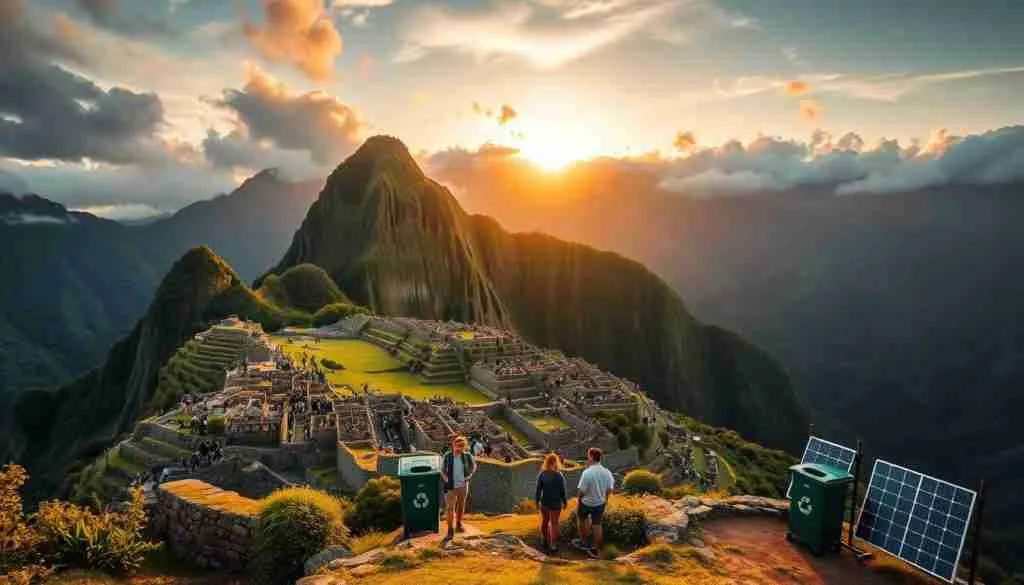
“The Stairs of Death are a testament to the ingenuity and resilience of the Inca people, and it is our responsibility to protect and preserve this extraordinary piece of history.”
As more people discover Machu Picchu, finding the right balance between tourism and conservation is key. With careful planning and a focus on sustainable tourism, we can make sure the Stairs of Death continue to amaze and inspire.
Conclusion
The Stairs of Death in Machu Picchu show the amazing skills of the Inca people. This incredible structure, with its steep steps, gives us a peek into Peru’s culture. It’s a must-see for anyone wanting a real Machu Picchu experience.
Looking back at the Inca Empire, we see the importance of saving the Death Stairs. Efforts to keep it safe and open to visitors are ongoing. This way, we can all help protect this cultural heritage site for future travelers.
The Stairs of Death remind us of the Inca’s cleverness and strength. By learning about and honoring this site, we celebrate Peru’s culture. We also inspire others to explore and love the Andes’ wonders.
