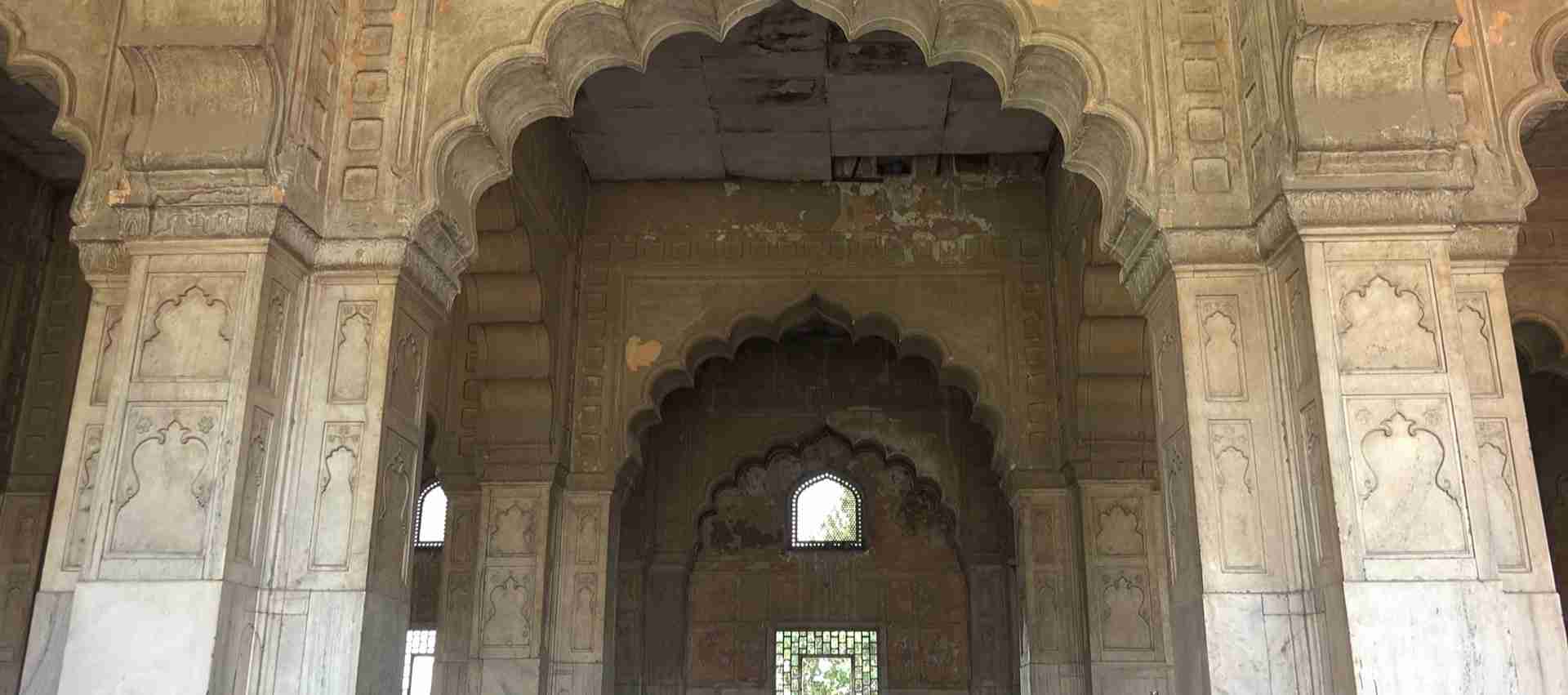
Delhi Travel Guide 2026: Best Things to Do & See
Delhi combines 3,000 years of continuous history with the vibrant energy of India’s modern capital, offering travelers an extraordinary journey through Mughal palaces, UNESCO World Heritage monuments, bustling bazaars, and contemporary cultural experiences. This comprehensive guide helps you navigate Delhi’s essential attractions, plan your visit strategically, and experience the city’s rich heritage and dynamic present in 2026.
Key Takeaways
- Three UNESCO Sites: Delhi protects three World Heritage monuments – Qutub Minar (73-meter victory tower), Humayun’s Tomb (architectural precursor to Taj Mahal), and Red Fort (Mughal imperial fortress)
- Optimal Visit Duration: Allocate 3-4 days minimum to experience major monuments, markets, and neighborhoods without rushing; 5-7 days enables deeper exploration including day trips
- Budget Planning 2026: Mid-range travelers budget ₹3,000-5,000 daily (excluding accommodation); monument entry ₹550 per site for foreigners, local meals ₹200-500, metro ₹20-60 per ride
- Best Months: October through March offers pleasant weather (15-25°C); avoid April-June extreme heat (40°C+) and July-September monsoon season
- Transportation Strategy: Delhi Metro provides efficient, affordable connections to major attractions; combine with app-based taxis for convenience, auto-rickshaws for short distances
- Cultural Preparation: Dress modestly for religious sites, remove shoes before entering temples/mosques, negotiate prices in markets, stay hydrated in heat, respect local customs
People Also Ask About Delhi Travel 2026
How many days do you need to see Delhi properly in 2026?
Three to four days provides adequate time to experience Delhi’s essential attractions without feeling rushed. This duration allows you to visit the three UNESCO World Heritage sites (Qutub Minar, Humayun’s Tomb, Red Fort), explore Old Delhi’s Chandni Chowk bazaar, see India Gate and government buildings, visit Akshardham Temple, and experience local markets. If you want deeper cultural immersion, including cooking classes, heritage walks, or day trips to Agra (Taj Mahal), allocate 5-7 days. First-time visitors typically spend 4 days in Delhi before continuing to other Golden Triangle destinations.
What is the best time to visit Delhi in 2026?
October through March represents Delhi’s optimal visiting period, with comfortable temperatures (15-25°C/59-77°F) and minimal rainfall. November and February offer particularly pleasant conditions for sightseeing. Avoid April through June when temperatures soar above 40°C (104°F), making outdoor exploration exhausting. The monsoon season (July-September) brings heavy rainfall and humidity. Winter mornings (December-January) can be foggy, occasionally causing flight delays. Book accommodations 2-3 months ahead for peak season (October-March) to secure better rates and availability.
How much money should I budget for Delhi in 2026?
Mid-range travelers budget ₹3,000-5,000 (approximately $36-60 USD) daily excluding accommodation. This covers monument entries (₹550 per major site for foreigners), meals (₹200-500 for restaurant dining, ₹100-200 for street food), local transportation (₹200-400 for metro and occasional taxis), and incidentals. Budget travelers manage on ₹1,500-2,500 daily using public transport exclusively, eating primarily street food, and visiting free attractions. Luxury travelers allocating ₹10,000+ daily enjoy premium restaurants, private drivers, and upscale experiences. Accommodation adds ₹2,000-8,000 nightly depending on comfort level.
Is Delhi safe for tourists in 2026?
Delhi remains generally safe for tourists practicing standard precautions. Stay in established tourist areas (Connaught Place, Paharganj, Karol Bagh), use reputable transportation (Delhi Metro, app-based taxis like Uber/Ola), avoid isolated areas after dark, and keep valuables secured. Women travelers should dress conservatively, avoid traveling alone late evening, and use women-only metro compartments during peak hours. Scams targeting tourists include overcharging rickshaws, fake tour guides, and gem shop schemes – verify credentials and negotiate prices upfront. Delhi’s tourist police provide assistance at major monuments and markets.
Extended multi-day tours – 5+ days
Featured Delhi Multi-Day Tour Packages

3 days
Delhi 3-Day Discovery Tour
- ✓ Comprehensive Delhi experience
- ✓ Expert local guides included
- ✓ All accommodation included
- ✓ Transportation provided

5 days
Delhi 5-Day Highlights Experience
- ✓ Comprehensive Delhi experience
- ✓ Expert local guides included
- ✓ All accommodation included
- ✓ Transportation provided

7 days
Delhi 7-Day Cultural Journey
- ✓ Comprehensive Delhi experience
- ✓ Expert local guides included
- ✓ All accommodation included
- ✓ Transportation provided

10 days
Delhi 10-Day Complete Adventure
- ✓ Comprehensive Delhi experience
- ✓ Expert local guides included
- ✓ All accommodation included
- ✓ Transportation provided
Multi-day tour packages powered by TourRadar. Prices and availability subject to change.
Introduction: Experiencing Delhi in 2026
Delhi stands as India’s capital and the country’s second-largest metropolis, home to over 20 million residents across the National Capital Territory. The city’s strategic location in northern India made it the seat of power for numerous empires throughout history, from the Delhi Sultanate and Mughal dynasty to the British Raj and modern Indian Republic. This layered history manifests physically through the city’s architecture, with medieval fortresses, Mughal gardens, colonial buildings, and contemporary structures coexisting across the urban landscape.
The city divides conceptually into Old Delhi (the historic walled city established by Mughal emperor Shah Jahan in the 17th century) and New Delhi (the planned imperial capital designed by British architects Edwin Lutyens and Herbert Baker in the early 20th century). This duality creates distinct experiences – Old Delhi’s narrow lanes, centuries-old markets, and historic monuments contrast sharply with New Delhi’s wide boulevards, government buildings, and planned neighborhoods.
Delhi’s three UNESCO World Heritage sites anchor any visit: Qutub Minar towers 73 meters as the world’s tallest brick minaret, Humayun’s Tomb pioneered the Mughal garden-tomb tradition that influenced the Taj Mahal, and Red Fort served as the Mughal imperial residence for 200 years. Beyond these monuments, travelers discover Jama Masjid (India’s largest mosque), Akshardham Temple (modern Hindu architectural marvel), Lotus Temple (Baháʼí House of Worship), India Gate (war memorial), and Rashtrapati Bhavan (Presidential Palace).
The city’s culinary landscape ranges from street food in Chandni Chowk’s Paranthe Wali Gali to upscale restaurants in Connaught Place. Markets span traditional bazaars selling textiles and jewelry to contemporary malls offering international brands. Cultural experiences include heritage walks through historic neighborhoods, cooking classes teaching regional cuisines, and evening sound-and-light shows at monuments.
Delhi also serves as the gateway to India’s Golden Triangle tourist circuit, combining easily with visits to Agra (200 kilometers south, home to the Taj Mahal) and Jaipur (280 kilometers southwest, Rajasthan’s pink city). The city’s Indira Gandhi International Airport connects to destinations worldwide, while extensive rail networks link Delhi to every major Indian city.
Delhi’s Three UNESCO World Heritage Sites 2026
Qutub Minar and its Monuments
Qutub Minar rises 73 meters (240 feet) as the tallest brick minaret in the world and Delhi’s oldest surviving monument. Construction began in 1192 under Qutub-ud-din Aibak, founder of the Delhi Sultanate, to commemorate his victory over the last Hindu kingdom of Delhi. His successor Iltutmish completed the tower in 1220, adding three additional stories to Aibak’s initial level. The minaret tapers from a 14.32-meter diameter base to 2.75 meters at the summit, its five distinct stories separated by projecting balconies.
Red sandstone and marble compose the alternating stories, carved with intricate Arabic calligraphy from the Quran and geometric patterns characteristic of early Indo-Islamic architecture. The inscriptions document the tower’s construction history and subsequent repairs by rulers including Firoz Shah Tughlaq (who rebuilt the top two stories after earthquake damage) and Sikandar Lodi. The architectural style blends Islamic design principles with indigenous Indian decorative traditions, creating a unique synthesis that influenced subsequent monuments.
The surrounding Qutub Complex contains several historically significant structures. Quwwat-ul-Islam Mosque, built immediately after the conquest using materials from 27 demolished Hindu and Jain temples, represents India’s earliest surviving mosque. The famous Iron Pillar, dating to the 4th century Gupta period, stands rust-free after 1,600 years due to its unique metallurgical composition. Alai Darwaza gateway (1311) showcases refined Indo-Islamic architecture with red sandstone construction, marble decorations, and sophisticated geometric patterns. The incomplete Alai Minar demonstrates Sultan Alauddin Khilji’s failed attempt to construct a tower twice Qutub Minar’s height.
Visiting in 2026: The site opens daily 7:00 AM to 5:00 PM. Entry costs ₹550 for foreign nationals, ₹35 for Indian citizens (check Archaeological Survey of India website for current rates). Arrive at opening time to avoid crowds and photograph the tower in morning light. The site prohibits climbing the minaret (closed since 1981 for safety). Allocate 2-3 hours to explore the entire complex. The nearest Delhi Metro station is Qutub Minar on the Yellow Line, 10 minutes away by auto-rickshaw. Security screening requires 10-15 minutes during peak hours.
Humayun’s Tomb
Humayun’s Tomb represents the first garden-tomb on the Indian subcontinent and established architectural traditions that culminated in the Taj Mahal. Commissioned in 1562 by Empress Bega Begum (Humayun’s widow) and designed by Persian architect Mirak Mirza Ghiyas, the mausoleum honors the second Mughal Emperor who ruled twice during the mid-16th century after being temporarily deposed. Construction completed in 1572, nine years after the emperor’s death.
The tomb’s architecture demonstrates sophisticated Persian influences adapted to Indian conditions. The structure rises on a massive platform 7 meters high, with the octagonal funerary chamber crowned by a 42.5-meter double dome – an engineering innovation using an inner dome for proper interior proportions and an outer dome for external grandeur. Red sandstone provides the primary building material, accented with white and black marble. Intricate jali (lattice) screens filter sunlight into the interior chambers, creating atmospheric lighting effects. The tomb houses not only Humayun but also numerous other Mughal family members, earning it the designation “Dormitory of the Mughals.”
The surrounding Char Bagh (four-garden) layout divides the 30-acre complex into four quadrants separated by water channels and walkways, embodying the Persian vision of paradise gardens. Symmetry governs every aspect – pathways, fountains, and subsidiary tombs create perfect geometric harmony. The complex includes several smaller monuments: Isa Khan’s tomb (an elegant octagonal structure predating Humayun’s tomb), Bu Halima’s gateway, and the Arab Sarai (caravanserai for craftsmen). The Nizamuddin Basti neighborhood adjacent to the tomb offers heritage walks through living Sufi traditions.
Visiting in 2026: Opening hours run 6:00 AM to 6:00 PM daily. Foreign visitor entry costs ₹600, Indian nationals pay ₹40 (verify current rates on official ASI website). Early morning visits (6:00-8:00 AM) provide optimal photography light and fewer crowds. The gardens offer peaceful walking even during peak visitor hours. The tomb requires 2-3 hours for thorough exploration including subsidiary monuments. Delhi Metro’s Violet Line serves nearby Jangpura station, 15-20 minutes away by auto-rickshaw. Combined tickets sometimes available for multiple ASI monuments – inquire at ticket counter.
Red Fort Complex
Red Fort (Lal Qila) served as the primary Mughal imperial residence from 1648 until the British takeover in 1857. Emperor Shah Jahan commissioned the fortress in 1639 when relocating the capital from Agra to Delhi (then called Shahjahanabad). The octagonal fort takes its name from the massive red sandstone walls extending 2.5 kilometers in circumference, rising up to 33 meters on the river side. The fort exemplifies peak Mughal architecture, blending Persian palace traditions with indigenous Indian elements.
Within the fortified walls, several exquisite marble palaces and pavilions demonstrate imperial splendor. Diwan-i-Am (Hall of Public Audience) hosted the emperor’s daily sessions hearing petitions from subjects, its white marble throne alcove still visible. Diwan-i-Khas (Hall of Private Audience) contained the famous Peacock Throne (looted by Nadir Shah in 1739), with its marble chambers carved with the Persian couplet “If there is paradise on earth, it is this, it is this, it is this.” Rang Mahal (Palace of Colors) housed the emperor’s wives and mistresses, its central marble pool once filled with rose-scented water. Mumtaz Mahal now functions as an archaeological museum displaying Mughal artifacts.
The fort played crucial roles in Indian history beyond Mughal times. The British used it as a military garrison after 1857, significantly altering the original layout and destroying many structures. India’s independence celebrations on August 15, 1947, began here when Prime Minister Jawaharlal Nehru raised the national flag. Every August 15 since, India’s Prime Minister addresses the nation from Red Fort’s ramparts on Independence Day, continuing this symbolic tradition.
Visiting in 2026: The fort opens Tuesday through Sunday 9:30 AM to 4:30 PM, closed Mondays. Entry costs ₹950 for foreign nationals, ₹50 for Indian citizens (confirm current rates before visiting). A sound-and-light show recreates Mughal history during evening performances (check schedule and book separately). Security screening requires 15-20 minutes, prohibited items include large bags and tripods. Allow 2-3 hours to explore the palaces, museums, and ramparts thoroughly. Chandni Chowk Metro Station (Yellow and Violet Lines) provides the nearest access, 10-minute walk or short rickshaw ride to Lahore Gate entrance.
Essential Delhi Attractions for 2026
Jama Masjid
Jama Masjid stands as India’s largest mosque, capable of accommodating 25,000 worshippers in its massive courtyard. Emperor Shah Jahan commissioned the mosque in 1650, completing construction in 1656 with labor from 5,000 workers. The mosque’s name derives from the Jumma (Friday) congregational prayers held here weekly. Three monumental gateways provide access, with the eastern gate reserved historically for the emperor’s entrance from Red Fort.
The mosque’s architecture demonstrates mature Mughal style using red sandstone and white marble. Three bulbous domes crown the prayer hall, flanked by two 40-meter minarets striped in red sandstone and white marble. The expansive courtyard paved in red sandstone creates a sense of openness contrasting with the covered prayer hall’s intimacy. Intricate marble inlay work, calligraphy panels, and geometric patterns decorate the interior. A small museum houses relics including Muhammad’s hair, his sandals, and an ancient Quran handwritten on deerskin.
Visiting in 2026: The mosque welcomes visitors daily except during prayer times (roughly 12:30-2:00 PM Fridays, 20 minutes during other daily prayers). Entry is free, but donations appreciated. Modest dress required – women must cover heads, shoulders, and legs (loan scarves available). Remove shoes before entering (paid shoe storage available). Climbing the southern minaret costs ₹100, offering panoramic Old Delhi views. Arrive early morning or late afternoon for the best light. The mosque anchors Old Delhi heritage walks exploring surrounding Chandni Chowk bazaar.
Akshardham Temple
Swaminarayan Akshardham represents modern Hindu temple architecture at its most ambitious, completed in 2005 after five years of construction. The complex honors Bhagwan Swaminarayan and showcases 10,000 years of Indian culture through architecture, exhibitions, and performances. Over 8,000 artisans carved 20,000 stone pieces to create the intricately detailed structure, constructed without steel using traditional techniques.
The main monument rises 43 meters high, featuring 234 ornately carved pillars, nine domes, and 20,000 sculptured figures depicting deities, dancers, musicians, and flora. Pink sandstone and white marble compose the structure, with every surface displaying intricate carving. The Yagnapurush Kund – the world’s largest step well – hosts a spectacular musical fountain show each evening. Cultural exhibitions include Sanskruti Vihar (boat ride through Indian history), Neelkanth Darshan (large-format film), and the Hall of Values (robotic shows).
Visiting in 2026: Open Tuesday through Sunday 9:30 AM to 6:30 PM, closed Mondays. Entry is free, but separate tickets required for exhibitions (₹170 adults, ₹125 children for combo pass). Strict security prohibits cameras, phones, electronic devices, bags, and food – free deposit facility provided. Dress modestly covering shoulders and legs. Allocate 3-4 hours to experience main temple, exhibitions, and evening fountain show. Nearest metro is Akshardham on Blue Line. The complex gets extremely crowded on weekends and holidays – visit weekday mornings for a better experience.
Lotus Temple
The Lotus Temple (Bahá’í House of Worship) stands as an architectural landmark designed by Iranian architect Fariborz Sahba and completed in 1986. The structure’s distinctive lotus flower form uses 27 free-standing marble petals arranged in clusters to create the flower shape. The Bahá’í faith’s principle of unity finds expression in the temple’s inclusive design – people of all religions, nationalities, and backgrounds can pray or meditate silently.
The temple’s engineering demonstrates remarkable innovation. The marble-clad structure sits in nine pools representing the lotus floating on water. The interior can accommodate 2,500 people in the central hall, naturally lit through translucent marble panels creating ethereal atmosphere. The acoustics enable whispers to carry across the hall without amplification. Surrounding gardens covering 26 acres feature native and exotic plants arranged in geometric patterns.
Visiting in 2026: Open Tuesday through Sunday 9:00 AM to 5:30 PM (until 7:00 PM April-September), closed Mondays. Entry is free. Maintain silence inside the prayer hall – no photography permitted indoors. Remove shoes before entering (free shoe storage provided). Brief devotional programs occur hourly. The peaceful gardens offer meditation spots and photography opportunities. Allocate 60-90 minutes for the visit. Nehru Place Metro Station (Violet Line) is nearest, 10-minute auto ride away. The temple sees heavy crowds on weekends – weekday mornings offer calmer visits.
India Gate and Rajpath
India Gate stands as Delhi’s most recognizable monument, designed by Sir Edwin Lutyens and completed in 1931. The 42-meter-high triumphal arch commemorates 90,000 Indian soldiers who died serving the British Indian Army during World War I and the Third Anglo-Afghan War. The names of 13,300 servicemen appear inscribed on the monument’s walls. After independence, the Amar Jawan Jyoti (eternal flame) was added beneath the arch to honor soldiers killed in the 1971 Indo-Pakistan War.
The monument anchors Rajpath (formerly Kingsway), the ceremonial boulevard connecting India Gate to Rashtrapati Bhavan (Presidential Palace). This 2-kilometer stretch showcases British imperial urban planning, with wide lawns, tree-lined avenues, and symmetrical layout. The Republic Day parade on January 26 showcases India’s military might and cultural diversity along this route, attracting hundreds of thousands of spectators.
Visiting in 2026: India Gate remains open 24 hours with free access. Evening visits (5:00-9:00 PM) offer the best experience when the monument is illuminated and locals gather in surrounding lawns. Street food vendors sell ice cream, corn, and snacks in the area. The lawns become extremely crowded on weekends and holidays. Arrive early morning (6:00-8:00 AM) for peaceful photography. Central Secretariat Metro Station (Yellow and Violet Lines) provides closest access, 15-minute walk to India Gate.
Old Delhi Exploration 2026
Chandni Chowk Bazaar
Chandni Chowk represents Old Delhi’s commercial heart, a 17th-century market street running from Red Fort to Fatehpuri Mosque. The market’s name translates to “Moonlight Square,” referring to the pool that once reflected moonlight in the square. Today, narrow lanes branch off from the main thoroughfare, each specializing in specific goods: Dariba Kalan (jewelry), Kinari Bazaar (wedding supplies), Nai Sarak (books), Bhagirath Palace (electrical goods), and Khari Baoli (Asia’s largest spice market).
The bazaar offers sensory overload – vibrant textiles hanging from shops, vendors calling customers, rickshaws navigating packed lanes, aromatic spices perfuming the air, and constant human traffic. The architectural heritage includes centuries-old havelis (mansions), Jain temples with intricate carvings, and colonial-era facades. Small workshops demonstrate traditional crafts: gold smithing, jewelry making, textile printing, and food preparation using methods unchanged for generations.
Culinary exploration defines many visitors’ Chandni Chowk experience. Paranthe Wali Gali (Bread of Paranthas Lane) has served stuffed flatbreads since 1872, with multiple generations of the same families operating small shops. Gali Kebab serves legendary mutton and chicken kebabs. Ghantewala (established 1790) specialized in traditional sweets until recent closure, but numerous other sweet shops continue the tradition. Old Famous Jalebi Wala produces crispy-sweet jalebis daily. Karim’s near Jama Masjid serves Mughlai cuisine in a restaurant founded in 1913.
Exploring in 2026: Visit early morning (7:00-9:00 AM) to see the market awakening before crowds arrive, or late afternoon (4:00-6:00 PM) when businesses are active but heat reduces. Wear comfortable walking shoes for navigating uneven cobblestones and crowded lanes. Chandni Chowk Metro Station (Yellow Line) provides direct access. Organized heritage walks (₹800-1,500 per person) offer guided exploration with cultural context and food tastings, highly recommended for first-time visitors. Individual exploration works well for experienced travelers comfortable navigating crowded markets. Expect 2-4 hours for thorough bazaar exploration including food stops.
Rickshaw Rides Through Old Delhi
Cycle rickshaws provide authentic transportation through Old Delhi’s narrow lanes where motorized vehicles cannot navigate. Rickshaw rides offer intimate street-level perspectives on daily life – families preparing meals in open courtyards, shopkeepers arranging goods, children playing in alleys, and artisans crafting traditional goods. The slow pace allows observation and photography impossible from cars or on foot.
Popular rickshaw routes connect Jama Masjid, Chandni Chowk bazaar, Khari Baoli spice market, and surrounding neighborhoods. Skilled rickshaw pullers navigate seemingly impossible spaces, demonstrating deep knowledge of backstreet shortcuts. The experience provides cultural immersion while supporting local livelihoods – rickshaw pullers typically earn modest incomes and appreciate fair payment for their skilled work.
Arranging in 2026: Negotiate rickshaw rates before starting (₹300-500 for 1-2 hour rides for groups of 2, higher for longer tours). Many heritage walking tours include rickshaw segments as part of comprehensive Old Delhi exploration. Organized tours ensure fair pricing and skilled guides. Independent hiring requires firm negotiation and clear communication about route and duration. Respect rickshaw pullers by offering water on hot days and paying agreed rates promptly. Timing rides for cooler hours (early morning or late afternoon) benefits both passengers and pullers.
New Delhi’s Colonial Architecture 2026
Rashtrapati Bhavan and Government Buildings
Rashtrapati Bhavan (Presidential Palace) stands as the official residence of India’s President and one of the world’s largest residential buildings with 340 rooms covering 200,000 square feet. British architects Sir Edwin Lutyens and Herbert Baker designed the structure, completed in 1929, blending European classicism with Indian architectural elements including chhatris (domed pavilions), jaalis (lattice screens), and wide eaves.
The building sits atop Raisina Hill, dominating the surrounding landscape. The 4.5-acre Mughal Gardens (now Amrit Udyan) open to public viewing during spring (February-March), showcasing rose gardens, bonsai collections, and formal landscaping combining Mughal and British garden traditions. The Rashtrapati Bhavan Museum Complex opened in 2016, displaying presidential gifts, historical artifacts, and explaining the building’s architecture and India’s democratic journey.
Flanking government buildings demonstrate similar architectural grandeur. North and South Blocks house key ministries, connected by Rajpath’s ceremonial boulevard. The circular Parliament House (Sansad Bhavan) features 144 columns supporting a massive dome. These structures collectively represent British imperial planning’s culmination before independence transformed their purpose to serving democratic India.
Visiting in 2026: Rashtrapati Bhavan tours require advance online booking (at least 7 days) through the official website (presidentofindia.nic.in). Tours operate Friday through Sunday excluding national holidays, with specific time slots. Indian nationals pay ₹50, foreign visitors ₹200. Strict security requires government-issued photo ID. Prohibited items include bags, cameras, phones, food – lockers provided. The Mughal Gardens open February-March only (check exact dates annually). Allocate 2-3 hours for the complete tour. Nearest metro is Central Secretariat (Yellow and Violet Lines). Photography restrictions apply throughout – verify current policies before visiting.
Connaught Place
Connaught Place ranks among Asia’s largest commercial centers, designed by Robert Tor Russell and completed in 1933. The concentric circular layout features Georgian-style colonnaded buildings arranged in blocks labeled A through N, creating a distinctive urban space. The central park (previously named after King George V, now Rajiv Chowk) provides green space amidst the commercial activity.
The area functions as Delhi’s commercial and cultural hub. International brands occupy ground-floor shops while upper levels house offices, restaurants, and cafes. The Oxford Bookstore, established 1920, offers extensive English-language selection. Janpath and Palika Bazaar nearby provide shopping for handicrafts, textiles, and jewelry. Connaught Place’s restaurants range from historic establishments like United Coffee House (1942) and Wenger’s Deli (1926) to contemporary international cuisines.
Exploring in 2026: Visit early morning (before 10:00 AM) for uncrowded walking and photography, or evening (after 6:00 PM) when shops, restaurants, and cafes create vibrant atmosphere. Rajiv Chowk Metro Station (Yellow and Blue Lines) provides direct underground access to the area’s center. The circular layout can disorient first-time visitors – use the block lettering system for navigation. Beware touts offering fake tour guide services – decline politely and use official information centers. Allocate 2-3 hours for shopping and dining. Street food stalls around the periphery offer local snacks, though hygiene standards vary. Air-conditioned malls like DLF Place nearby provide modern shopping alternatives.
Delhi Museums and Cultural Institutions 2026
National Museum
National Museum houses one of India’s finest archaeological and art collections, spanning 5,000 years from the Indus Valley Civilization to contemporary art. The museum opened in 1949 in Rashtrapati Bhavan before moving to its current purpose-built structure in 1960. Over 200,000 artifacts fill the galleries, though only a fraction displays at any time due to space limitations.
Highlights include the Harappan Collection (Indus Valley artifacts from 2500 BCE), Central Asian Antiquities (silk route materials), Buddhist Art Gallery (Gandhara sculptures), Miniature Painting Gallery (Mughal and Rajput schools), and the Jewellery Gallery (royal ornaments and crowns). The Manuscript Gallery preserves ancient texts including illuminated Quran pages and Buddhist palm-leaf manuscripts. A dedicated gallery showcases tribal art and anthropology from India’s indigenous communities.
Visiting in 2026: Open Tuesday through Sunday 10:00 AM to 6:00 PM, closed Mondays. Foreign visitor entry costs ₹650, Indian nationals pay ₹20 (verify current rates). Audio guides available in multiple languages (additional fee). Photography permitted in most galleries without flash (separate camera fee may apply). The museum shop sells quality reproductions and books on Indian art history. Allocate minimum 2-3 hours, though dedicated art enthusiasts could easily spend an entire day. Nearest metro is Udyog Bhavan (Yellow Line), 10-minute walk. The museum café serves refreshments. Guided tours in English available at scheduled times (check current schedule).
National Gallery of Modern Art
National Gallery of Modern Art (NGMA) showcases Indian art from the mid-19th century to contemporary works. Established in 1954 in the former residence of Jaipur Maharaja, the collection exceeds 17,000 works including paintings, sculptures, graphics, and photographs by prominent Indian artists including Raja Ravi Varma, Rabindranath Tagore, Amrita Sher-Gil, and contemporary masters.
The galleries chronologically organize the collection, demonstrating Indian art’s evolution through colonial period academic painting, independence-era nationalism, modernist movements, and contemporary experimentation. Temporary exhibitions feature specific artists, movements, or themes. The museum’s architecture combines the historic Jaipur House building with modern expansion wings, creating interesting spatial contrasts.
Visiting in 2026: Open Tuesday through Sunday 10:00 AM to 5:00 PM, closed Mondays. Entry costs ₹500 for foreign nationals, ₹20 for Indian citizens. Photography permitted without flash. The museum library houses extensive art historical resources (requires prior permission for access). A small café operates in the gardens. Allocate 2-3 hours for thorough exploration. Nearest metro is Khan Market (Violet Line), 15-minute walk through pleasant neighborhoods. The surrounding area includes diplomatic enclaves and upscale shopping. Temporary exhibitions often feature cutting-edge contemporary work – check current exhibitions before visiting.
Delhi Markets and Shopping 2026
Dilli Haat
Dilli Haat functions as an open-air craft bazaar showcasing regional handicrafts, handlooms, and cuisines from across India. Established in 1994, the market provides permanent space for rural artisans to sell directly to consumers, eliminating middlemen and ensuring fair prices. The stalls rotate every 15 days, continuously presenting different artisans and their regional specialties.
The market’s layout creates village atmosphere with thatched pavilions housing craft stalls and regional food courts. Visitors discover Kashmiri papier-mâché boxes, Rajasthani block-printed textiles, Bengali terracotta pottery, South Indian bronze sculptures, and countless other traditional crafts. The food stalls serve authentic regional cuisines – Kerala fish curry, Punjabi tandoori preparations, Bengali sweets, Northeastern rice dishes – providing culinary journey across India’s diverse food traditions.
Shopping in 2026: Open daily 10:30 AM to 10:00 PM. Entry costs ₹100 for adults, ₹50 for children (rates subject to change). Fixed-price stalls mean minimal bargaining, though modest negotiation sometimes possible. Quality remains generally high since government screening ensures authentic craftsmanship. Allocate 2-3 hours for browsing crafts and sampling foods. Multiple locations exist: INA (oldest, near INA Metro Station on Yellow Line), Pitampura (North Delhi), and Janakpuri (West Delhi). The INA location attracts most tourists due to central position. Cultural performances occasionally occur on the central stage – check current schedules. Credit cards accepted at many stalls.
Sarojini Nagar Market
Sarojini Nagar ranks among Delhi’s most popular budget shopping destinations, known for export surplus garments, accessories, and household items at rock-bottom prices. The market fills narrow lanes with hundreds of small shops and street stalls, creating chaotic but exciting shopping environment. Most merchandise represents factory overruns, rejected export goods, or sample pieces from garment manufacturers supplying international brands.
The shopping requires patience and bargaining skills. Quality varies dramatically – thorough inspection necessary before purchase. Clothing ranges from contemporary fashion to traditional Indian wear. Accessories include bags, shoes, jewelry, and cosmetics. Some stalls carry home décor items, kitchenware, and electronics of varying authenticity. Peak hours see overwhelming crowds making navigation challenging but energizing the atmosphere.
Shopping in 2026: Market operates Monday through Saturday approximately 10:00 AM to 9:00 PM, though individual shop hours vary. Closed Sundays. No entry fee. Aggressive bargaining expected – start at 50% of quoted price and negotiate. Count change carefully and inspect purchases thoroughly. Carry small denomination notes (₹10, ₹20, ₹50) for easier transactions. Visit weekday mornings (10:00 AM-12:00 PM) for calmer crowds. Nearest metro is South Extension (Pink Line) or INA (Yellow Line), both short auto-rickshaw ride away. Pickpocketing occurs in crowds – secure valuables. Food stalls nearby serve street food and refreshments. Allocate 2-3 hours minimum for productive shopping.
Delhi Food Experiences 2026
Street Food Destinations
Delhi’s street food scene represents centuries of culinary evolution, blending Mughal traditions, Punjabi influences, and contemporary innovations. Major street food areas each offer distinct specialties and atmospheres, attracting locals and tourists equally for affordable, flavorful meals served from carts, small shops, and temporary stalls.
Chandni Chowk’s Paranthe Wali Gali serves dozens of varieties of stuffed parathas (flatbreads) – potato, cauliflower, radish, paneer, even unusual fillings like rabri (sweetened condensed milk). The small shops have operated for generations, maintaining family recipes and techniques. Gali Kebab nearby produces succulent seekh kebabs, shami kebabs, and other meat preparations using coal-fired clay ovens.
Bengali Market’s Nathu’s Sweets offers legendary fruit cream – fresh fruit chunks in sweetened condensed milk topped with ice cream. Evergreen Sweet House serves Delhi’s best gulab jamun (fried milk dumplings in sugar syrup). The market’s chaat stalls prepare papdi chaat, aloo tikki, and gol gappas (crispy shells filled with spiced water) according to precise recipes perfected over decades.
Khan Market’s outlets provide upscale street food in cleaner settings. Triveni Terrace Café combines food with art gallery viewing. The market’s numerous bakeries, cafés, and restaurants serve both traditional and contemporary cuisines in comfortable settings appealing to those wanting street food flavors without street conditions.
Experiencing in 2026: Street food poses minimal health risk when choosing busy stalls with high turnover ensuring fresh preparation. Avoid stalls with food sitting uncovered or visible hygiene issues. Bottled water safer than street stall drinks. Vegetarian options abundant and generally safer for sensitive stomachs. Organized food tours (₹1,500-3,000 per person) provide curated tastings with cultural context and hygiene-conscious selections, recommended for first-time visitors. Allocate ₹200-500 per person for extensive street food sampling. Peak meal times (1:00-3:00 PM, 8:00-10:00 PM) create crowds but ensure freshest preparation. Vegetarian and vegan options readily available – communicate preferences clearly.
Fine Dining and Contemporary Cuisine
Delhi’s upscale restaurant scene rivals any global city, offering innovative Indian regional cuisines, pan-Asian fusion, European fine dining, and experimental gastronomy. Restaurants range from those in luxury hotels to standalone establishments, each bringing distinctive approaches to food presentation, ingredient sourcing, and dining ambiance.
Indian Accent pioneered contemporary Indian cuisine in Delhi, earning international acclaim for innovative dishes reinterpreting traditional flavors through modern techniques. The restaurant sources seasonal ingredients and presents them in multi-course tasting menus. Bukhara in ITC Maurya hotel serves robust Northwest Frontier cuisine in rustic setting, maintaining unwavering quality for decades. Dum Pukht at ITC Maurya specializes in Awadhi cuisine, slow-cooking aromatic dishes in sealed clay pots using traditional dum methods.
International cuisines flourish across Delhi. Megu at The Leela Palace brings Japanese fine dining including sushi, sashimi, and teppanyaki. Yum Yum Cha serves contemporary Asian fusion focusing on Chinese and Southeast Asian flavors. Ristorante Ottimo provides Italian cuisine in multiple Delhi locations. These represent small sampling of hundreds of quality international restaurants.
Dining in 2026: Reservations essential for popular restaurants, especially weekends – book 7-14 days ahead for sought-after establishments. Dinner costs range ₹2,000-8,000 per person at upscale restaurants including drinks. Lunch menus often offer better value (₹800-1,500). Service charge (10%) and taxes (additional 18% GST) added to bills. Dress codes apply at luxury hotel restaurants – smart casual minimum. Major credit cards accepted universally at upscale establishments. Restaurant weeks and food festivals (check dates) offer tasting opportunities at promotional prices. Allocate 2-3 hours for fine dining experiences. Review sites like Zomato and TripAdvisor provide current reviews and booking options.
Day Trips from Delhi 2026
Agra and Taj Mahal
Agra lies 230 kilometers south of Delhi, home to the Taj Mahal (one of the world’s most iconic monuments) and two other UNESCO World Heritage sites: Agra Fort and Fatehpur Sikri. Most visitors prioritize the Taj Mahal, built 1632-1653 by Mughal emperor Shah Jahan as a mausoleum for his beloved wife Mumtaz Mahal. The white marble structure demonstrates architectural perfection through perfect symmetry, intricate inlay work using semi-precious stones, and ethereal beauty changing with light throughout the day.
Agra Fort, a massive red sandstone fortress built by Akbar and enhanced by Jahangir and Shah Jahan, served as the Mughal capital before Delhi. The fort contains numerous palaces, mosques, and audience halls demonstrating evolution of Mughal architecture from Akbar’s military fortification to Shah Jahan’s refined marble structures. Shah Jahan spent his final years imprisoned here by his son Aurangzeb, gazing at the Taj Mahal visible across the Yamuna River.
Fatehpur Sikri, 40 kilometers from Agra, represents Akbar’s short-lived capital built 1571 and abandoned 1585. The perfectly preserved ghost city demonstrates Akbar’s religious tolerance through architecture blending Hindu, Islamic, and Christian elements. The Buland Darwaza (Victory Gate) towers 54 meters as one of the world’s highest gateways.
Organizing in 2026: Organized day tours from Delhi cost ₹3,000-8,000 per person including transportation, guide, and meals (monument entry tickets separate). Taj Mahal entry ₹1,100 for foreigners (₹50 premium for main mausoleum access). Tours typically depart Delhi 6:00-7:00 AM, return 7:00-9:00 PM. Express trains (Gatimaan Express, Shatabdi Express) reduce travel time to 90-110 minutes each way, enabling comfortable day trips. Private car hire with driver costs ₹4,000-6,000 for same-day return. The Taj Mahal closes Fridays. Sunrise visits (gates open 6:00 AM) provide optimal photography light before crowds arrive. Allocate full day (12-14 hours including travel) for comprehensive Agra exploration including Taj Mahal, Agra Fort, and optionally Fatehpur Sikri.
Jaipur – The Pink City
Jaipur, Rajasthan’s capital 280 kilometers southwest of Delhi, anchors the Golden Triangle tourist circuit with Delhi and Agra. Founded in 1727 by Maharaja Sawai Jai Singh II, the planned city showcases distinctive pink-painted buildings creating uniform aesthetic (pink representing hospitality in Rajputana culture). UNESCO designated the walled city World Heritage status in 2019.
Amber Fort, 11 kilometers outside Jaipur, demonstrates Rajput military architecture combined with refined palace design. The fort-palace complex rises on a hilltop accessible by elephant rides or jeeps. The Sheesh Mahal (Mirror Palace) features thousands of tiny mirrors creating spectacular light effects. City Palace in Jaipur’s center houses the royal family while opening sections to public viewing. The complex blends Rajput and Mughal architecture with museums displaying royal artifacts, textiles, and weapons.
Hawa Mahal (Palace of Winds), Jaipur’s most photographed landmark, features 953 small windows allowing royal women to observe street life while maintaining purdah. Jantar Mantar, an 18th-century astronomical observatory built by Jai Singh II, contains the world’s largest stone sundial (UNESCO World Heritage site). The bazaars sell traditional Rajasthani textiles, jewelry, gemstones, and handicrafts.
Organizing in 2026: Day tours from Delhi cost ₹4,000-10,000 per person depending on group size and inclusions. Private car hire ranges ₹6,000-10,000. Express trains (like Shatabdi Express) complete the journey in 4-5 hours, making day trips feasible though rushed. Two-day trips provide comfortable exploration time. Monument entry costs typically ₹200-500 per site for foreigners. Combined tickets sometimes available. Tours typically depart Delhi 6:00 AM, return 9:00-10:00 PM. Allocate full day minimum (14-16 hours including travel). Two-day stays enable relaxed exploration including folk performances, shopping time, and multiple monuments. Jaipur requires similar planning to major cities – book accommodations ahead, use reputable transportation, and negotiate prices clearly.
Practical Planning for Delhi 2026
Best Time to Visit
October through March represents Delhi’s optimal visiting window, with comfortable daytime temperatures (15-25°C/59-77°F) and minimal rainfall creating ideal sightseeing conditions. November through February offers coolest weather, pleasant for walking tours and outdoor monument exploration. October and March experience slightly warmer temperatures but remain comfortable. Winter mornings (December-January) bring fog occasionally causing flight delays – verify departure schedules.
April through June constitutes Delhi’s summer season with extreme heat (often exceeding 40°C/104°F). Outdoor activities become exhausting during peak heat hours (11:00 AM-4:00 PM). Visit early morning or late afternoon if traveling during summer. Air-conditioned transportation and accommodations essential. Monument crowds reduce during extreme heat, creating silver lining for heat-tolerant travelers.
July through September brings monsoon rains. While temperatures moderate (30-35°C), high humidity makes conditions uncomfortable. Heavy afternoon rains disrupt outdoor plans. Indoor attractions (museums, temples, shopping malls) work better during monsoon. Hotel rates drop significantly, and monuments see fewer crowds – budget travelers comfortable with rain might find value.
Booking Timeline 2026: Reserve accommodations 2-3 months ahead for peak season (October-March), especially during holidays (Diwali in October/November, Christmas/New Year). Book tours and special experiences 2-4 weeks ahead. Monument tickets can be purchased online or on-site – online booking reduces queue time during peak hours. Major festivals (Republic Day January 26, Independence Day August 15) see heavy crowds requiring advance planning.
Transportation in Delhi
Delhi Metro provides clean, efficient, affordable transportation connecting major monuments, markets, and neighborhoods. The system operates 6:00 AM to 11:00 PM with trains every 2-5 minutes during peak hours. Standard fares range ₹20-60 per journey (higher for Delhi Airport Express). Purchase tokens for individual journeys or Smart Cards for multiple trips (₹150 minimum, ₹50 refundable deposit). Metro maps available at stations and online – download Delhi Metro app for journey planning and real-time updates.
App-based taxi services (Uber, Ola) offer convenient door-to-door transportation. Fares calculate automatically via GPS, eliminating haggling. Account for surge pricing during peak hours and festivals. Book via smartphone apps – payment via app (credit card, digital wallets) or cash. Auto-rickshaws provide economical short-distance transport. Negotiate fares before starting (meter rates often ignored by drivers). Typical rates ₹30-100 for short trips within neighborhoods, higher for longer distances.
Pre-paid taxi/auto services operate from railway stations and airport. Fixed rates based on destination zones eliminate overcharging risk. Collect receipt showing destination and plate number before boarding. Private car hire with driver costs ₹2,000-4,000 for full-day local sightseeing (8-10 hours). Negotiate rates clearly including fuel, parking, and tolls. Reputable companies provide newer vehicles and English-speaking drivers familiar with tourist attractions.
Transportation Budget 2026: Metro journeys average ₹40-80 daily for moderate sightseeing. App-based taxis cost ₹150-400 per ride within city depending on distance and traffic. Auto-rickshaws ₹50-150 for short hops. Private car hire ₹2,500-4,000 daily. Walking works well within specific neighborhoods (Connaught Place, Old Delhi markets, diplomatic enclave) but impractical for monument-hopping requiring 10+ kilometer distances.
Accommodation Options
Delhi offers accommodation across all budget ranges and preferences. Luxury hotels in central locations (Connaught Place, diplomatic enclave, Chanakyapuri) provide international-standard facilities, fine dining, spas, and concierge services. Properties like The Imperial, Taj Palace, ITC Maurya, and Leela Palace charge ₹15,000-40,000 nightly but offer refined experiences for those prioritizing comfort and service.
Mid-range hotels in Karol Bagh, Paharganj, and Connaught Place periphery offer comfortable rooms with modern amenities at ₹3,000-8,000 nightly. International chains (Ibis, Holiday Inn Express, Lemon Tree) provide reliable standards. Boutique hotels add character through heritage buildings, unique décor, or themed design while maintaining comfort.
Budget accommodations concentrate in Paharganj (near New Delhi Railway Station) and select areas of Karol Bagh. Guesthouses and budget hotels charge ₹800-2,500 nightly for basic rooms, often including breakfast. Hostels offer dormitory beds ₹300-600 with opportunities meeting fellow travelers. Quality varies significantly – read recent reviews before booking budget properties.
Booking Strategy 2026: Reserve 2-3 months ahead for peak season (October-March). Last-minute bookings possible during summer and monsoon with potential discounts. Compare rates across booking platforms (Booking.com, MakeMyTrip, Goibibo) and hotel direct websites – sometimes direct booking offers better rates or free breakfast. Consider location carefully – proximity to metro stations reduces transportation time and costs. Properties near major monuments charge premiums but save commuting. South Delhi and Gurgaon locations work better for business travelers than tourists.
Health and Safety
Delhi poses typical large-city health and safety considerations. Drink bottled water exclusively – avoid tap water even for brushing teeth (use bottled water or provided boiled water). Restaurants in tourist areas generally maintain adequate hygiene standards. Street food carries higher risk – choose busy stalls with visible fresh cooking and high turnover. Vegetarian options safer than meat/seafood for sensitive stomachs.
Air pollution peaks November through January when crop burning in surrounding states combines with local emissions and weather patterns. Consider N95 masks during high pollution days (check Air Quality Index via apps). Allergies and respiratory sensitivities may worsen. Indoor attractions and air-conditioned spaces provide relief.
Traffic safety requires constant vigilance. Pedestrian crossings often ignored by vehicles – cross carefully using locals’ lead. Footpaths frequently blocked by vendors and parked vehicles forcing pedestrians into traffic. Metro and app-based taxis provide safest transportation options. Wear seatbelts in cars. Avoid traveling in overloaded auto-rickshaws.
Tourist scams include overcharging rickshaws/taxis (use app-based services), fake tour guides at monuments (verify credentials or use official guides), gem shop schemes (commission-based tours), and street children asking for milk/medicine instead of money (street gangs often exploit children). Politely decline unsolicited services and purchase through legitimate channels.
Safety Recommendations 2026: Register with your embassy upon arrival for longer stays. Keep photocopies of passport and visa separately from originals. Use hotel safe for valuables. Avoid isolated areas after dark. Women should dress conservatively (covering shoulders, avoiding short skirts), use women-only metro compartments, and avoid traveling alone late evening. Tourist police provide assistance at major monuments and markets – verify their identification before sharing information. Emergency numbers: Police 100, Ambulance 102, Tourist Police 1800-111-363 (toll-free).
Sample Delhi Itineraries 2026
Three-Day First-Time Visitor Itinerary
Day 1 – Mughal Heritage: Start early at Humayun’s Tomb (6:00-8:00 AM for best light and minimal crowds). Explore the tomb and surrounding gardens thoroughly (2 hours). Transfer to Nizamuddin Dargah nearby, experiencing Sufi shrine atmosphere and qawwali music if visiting Thursday evenings. Lunch at Khan Market (upscale cafés and restaurants). Afternoon visit to India Gate and Rajpath for photos and walking (allocate 90 minutes). Evening at Dilli Haat INA for craft shopping and regional food sampling (2-3 hours). Return accommodation for rest.
Daily Cost Estimate Day 1: Humayun’s Tomb ₹600, auto-rickshaw ₹100, lunch ₹400-800, India Gate free, auto-rickshaw ₹150, Dilli Haat entry ₹100, dinner/shopping ₹600-1,000. Total ₹1,950-2,650 per person (excluding accommodation ₹2,000-5,000).
Day 2 – Old Delhi Exploration: Begin at Red Fort opening time (9:30 AM). Explore fort complex including museums and ramparts (2-3 hours). Exit via Lahore Gate to Chandni Chowk. Navigate bazaar lanes, visiting Paranthe Wali Gali for lunch (traditional stuffed parathas). Post-lunch visit Jama Masjid (remove shoes, dress modestly). Consider climbing minaret for Old Delhi views (₹100). Afternoon cycle-rickshaw ride through backstreets including Khari Baoli spice market. Late afternoon visit Qutub Minar (allocate 2 hours for thorough exploration). Evening return to hotel.
Daily Cost Estimate Day 2: Red Fort ₹950, Chandni Chowk lunch ₹200-400, Jama Masjid free, minaret climb ₹100, rickshaw tour ₹400-600, metro/auto to Qutub Minar ₹200, Qutub Minar ₹550. Total ₹2,400-3,000 per person (excluding accommodation).
Day 3 – Museums and Contemporary Delhi: Morning at National Museum (opens 10:00 AM, spend 2-3 hours). Lunch in Connaught Place area (multiple restaurant options ₹400-1,000). Afternoon visit Akshardham Temple (allocate 3-4 hours including exhibitions and fountain show). Evening shopping in Khan Market or Sarojini Nagar (depending on budget preference). Optional: Replace Akshardham with Lotus Temple and National Gallery of Modern Art for alternative cultural experiences.
Daily Cost Estimate Day 3: National Museum ₹650, metro ₹80, lunch ₹400-1,000, Akshardham exhibitions ₹170, metro ₹80, evening snacks/shopping ₹500-1,500. Total ₹1,880-3,480 per person (excluding accommodation).
Five-Day Comprehensive Itinerary
Extend the three-day itinerary with additional experiences:
Day 4 – Day Trip to Agra: Depart Delhi early morning (6:00-7:00 AM) via express train or organized tour. Visit Taj Mahal at opening time, Agra Fort mid-morning, and optionally Fatehpur Sikri afternoon. Return Delhi evening (7:00-9:00 PM). This constitutes a full, intensive day requiring advance booking for train tickets or tour reservations.
Daily Cost Estimate Day 4: Round-trip train ₹1,500-3,000, Taj Mahal entry ₹1,150, Agra Fort ₹650, lunch ₹400-800, local transport Agra ₹400-800, guide optional ₹500-1,000. Total ₹4,600-7,900 per person (excluding Delhi accommodation).
Day 5 – Heritage Walks and Experiences: Morning heritage walking tour of Old Delhi or Mehrauli Archaeological Park (organized tours ₹1,500-2,500 include guide and tastings). Afternoon cooking class or craft workshop (₹2,000-4,000 for hands-on experiences). Evening sound-and-light show at Red Fort or cultural performance. This day focuses on experiential learning rather than monument visiting.
Daily Cost Estimate Day 5: Heritage walk ₹1,500-2,500, lunch ₹400-800, cooking class ₹2,000-4,000, metro ₹100, evening show ₹500-800, dinner ₹600-1,200. Total ₹5,100-9,400 per person (excluding accommodation).
Cultural Etiquette and Practical Tips 2026
Dress Code and Modesty
Dress conservatively respecting Indian cultural norms, particularly when visiting religious sites. Women should cover shoulders and avoid short skirts/shorts – long pants, ankle-length skirts, or traditional Indian salwar kameez suits work well. Scarves useful for covering heads at religious sites (required at Sikh gurudwaras, Muslim mosques, respectful at Hindu temples). Men should avoid sleeveless shirts at religious sites and wear long pants rather than shorts.
Climate considerations: Light cotton clothing works best October-March. Summer requires breathable fabrics tolerating 40°C+ heat. Monsoon demands quick-drying materials. Layers necessary for air-conditioned spaces (hotels, restaurants, museums) versus outdoor heat. Comfortable walking shoes essential – Delhi requires extensive walking even with transportation. Remove shoes before entering temples, mosques, gurudwaras, and many homes.
Photography Guidelines
Photography generally permitted at monuments and outdoor spaces. Some restrictions apply: Red Fort prohibits photography of certain military structures. Akshardham Temple bans all cameras, phones, and electronic devices (free deposit facility provided). Museums typically allow photography without flash (separate camera fee may apply). Religious sites vary – ask permission before photographing inside temples, mosques, or gurudwaras. Never photograph worshippers without consent. Security-sensitive areas (government buildings, airports, metro stations) restrict photography.
Respect people’s privacy – ask permission before close-up portraits, particularly women. Commercial photography and professional equipment may require permits at monuments (verify requirements with Archaeological Survey of India). Drone photography requires specific permits from aviation authorities. Share photos responsibly on social media respecting privacy and cultural sensitivity.
Bargaining and Shopping
Bargaining expected at markets (Chandni Chowk, Sarojini Nagar, Lajpat Nagar) but not at established shops, malls, or government emporia. Start negotiating at 50-60% of quoted price, settle around 70-80% for fair deal. Good-natured haggling acceptable – aggressive rudeness counterproductive. Fixed-price shops (Fabindia, Khadi Gramodyog) eliminate bargaining but charge premium for guaranteed quality.
Verify quality carefully before purchasing – check stitching on clothing, test electronic items, examine jewelry clasps. Counterfeit goods common in markets – authentic brand items unlikely at bargain prices. Government emporia (Central Cottage Industries Emporium, state emporia at Baba Kharak Singh Marg) sell authentic handicrafts at fixed prices with quality guarantees, useful for determining fair market prices before market shopping.
Request receipts for significant purchases enabling customs clearance when exiting India. Export restrictions apply to antiques over 100 years old. Gem and jewelry scams specifically target tourists – purchase only from reputable jewelers with proper certification, not from street touts offering “factory tours” or “special exhibitions.”
Tipping and Service Charges
Restaurants often add 10% service charge to bills (check carefully). Additional tipping optional but appreciated for exceptional service (5-10% of bill). Cafés and quick service establishments typically don’t expect tips though rounding up the bill welcomed. Upscale restaurants in luxury hotels where no service charge appears merit 10-15% tips.
Auto-rickshaw and taxi drivers don’t expect tips beyond rounding up fare to nearest convenient amount (₹55 becomes ₹60). Private drivers for full-day hire appreciate ₹100-200 tip for good service. Hotel porters merit ₹20-50 per bag. Hotel housekeeping ₹50-100 daily depending on hotel category. Tour guides appreciate 10-15% of tour cost for excellent service.
Frequently Asked Questions
Do I need a visa to visit Delhi?
Most nationalities require visas for India. Many countries qualify for e-Visa (applied online before travel), simplifying the process significantly. E-Tourist Visas allow 30-90 day stays with double or multiple entries. Apply at least 4 days before travel (recommendation: 2-4 weeks for processing flexibility). Check the Indian government’s official e-Visa website (indianvisaonline.gov.in) for current requirements, eligible nationalities, and fees. Some nationalities still require traditional visa applications through Indian embassies or consulates.
Is Delhi Metro safe for solo travelers?
Delhi Metro ranks among the safest public transportation systems globally. Stations maintain good security with baggage screening and guards. Trains run frequently with CCTV surveillance. Women-only compartments (available during peak hours, marked with pink signage) provide additional comfort for female travelers. The system operates efficiently 6:00 AM-11:00 PM. Pickpocketing occasionally occurs in crowded trains – maintain awareness of belongings. Overall, the metro represents the safest, most reliable transportation option for independent exploration.
What vaccinations do I need for Delhi?
Consult travel health professionals 6-8 weeks before departure for personalized advice. Generally recommended: Hepatitis A, Typhoid, Tetanus-Diphtheria, Measles-Mumps-Rubella (MMR). Hepatitis B recommended for longer stays or those expecting medical treatment. Japanese Encephalitis only for extensive rural travel. Rabies for adventure travelers or extended rural stays. Yellow fever vaccination required only if arriving from yellow fever endemic countries. Malaria prophylaxis generally not needed for urban Delhi but consider for rural excursions. Carry copies of vaccination records.
Can I drink tap water in Delhi?
Never drink tap water in Delhi. Purchase bottled water from reputable sellers (verify seal intact before opening). Hotels provide complimentary bottled water or have water purification systems – confirm before drinking. Use bottled water for brushing teeth. Ice in tourist restaurants generally safe (made from purified water) but avoid in street stalls. Cooked beverages (tea, coffee) pose minimal risk due to boiling. Many international hotel chains provide in-room water purifiers.
What should I do if I get sick in Delhi?
Delhi offers excellent medical facilities including international-standard hospitals. Major hospitals include Apollo Hospital, Max Healthcare, Fortis, and AIIMS (government hospital). Travel insurance strongly recommended – verify coverage includes emergency medical evacuation. Pharmacies widely available for over-the-counter medications (bring prescriptions for controlled substances). Common traveler ailments include digestive issues (carry ORS packets for rehydration, anti-diarrheal medication) and respiratory irritation from pollution. Consult hotel reception for doctor recommendations or proceed directly to hospital emergency departments for serious issues.
How much cash should I carry in Delhi?
Major establishments accept credit cards (Visa, Mastercard widely accepted; American Express, Discover less common). Carry cash for street food, markets, auto-rickshaws, and small shops. ATMs abundant in tourist areas and neighborhoods – withdraw from machines inside banks or hotels for security. Daily cash needs typically ₹2,000-5,000 depending on activities (monument entries, meals, shopping, transportation). Higher denominations (₹500, ₹2,000) sometimes refused by small vendors – maintain supply of ₹10, ₹20, ₹50, ₹100 notes. Inform your bank about India travel to prevent card blocks due to foreign transactions.
Are there areas I should avoid in Delhi?
Delhi’s tourist areas remain generally safe. Exercise standard urban precautions: avoid isolated areas after dark, stay in established neighborhoods, use reputable transportation. Specific areas requiring extra caution include deserted alleys in Old Delhi after shops close (evening), isolated parks, and slum areas. Women should avoid traveling alone in auto-rickshaws late evening, use app-based taxis instead. Tourist police provide assistance at major monuments and markets. Trust instincts – leave situations causing discomfort.
What’s the best way to get from airport to the city?
Delhi Metro’s Airport Express Line connects Terminal 3 to New Delhi Railway Station in approximately 20 minutes (₹60). Operates 5:00 AM-11:00 PM. Pre-paid taxi counters at arrivals offer fixed-rate taxis (₹700-1,200 depending on destination zone). App-based services (Uber, Ola) available outside terminals – typically ₹500-900 to central Delhi. Private car transfers arranged through hotels cost more but provide convenience. Metro remains fastest during daytime traffic; taxis preferable for early morning/late evening arrivals or with heavy luggage.
Can I visit Delhi during Diwali?
Diwali (Festival of Lights, October-November depending on lunar calendar) offers spectacular cultural experience with illuminated buildings, fireworks displays, and festive atmosphere. Considerations: Hotels and flights book months ahead at premium rates. Markets crowded with festival shoppers. Air quality deteriorates significantly due to firework smoke combined with seasonal pollution. Many businesses close for 2-3 days around Diwali day itself. Visiting slightly before or after the main celebration day provides festive atmosphere with fewer disruptions. Book well ahead if visiting during Diwali period.
What’s the situation with air pollution in Delhi?
Delhi experiences significant air pollution, particularly November through January when crop burning, vehicle emissions, and weather patterns combine. Air Quality Index frequently reaches “hazardous” levels during peak pollution season. Sensitive individuals should consider visiting during better air quality months (March-September, though summer heat presents different challenges). N95 masks provide protection during high pollution days. Indoor attractions, air-conditioned spaces, and shorter outdoor exposure help minimize impact. Check current AQI before travel (apps like AirVisual provide real-time data). Consider shorter Delhi stays during worst pollution season, prioritizing Agra, Jaipur, or other destinations during peak pollution period.