
Delhi to Agra Day Trip 2026: Taj Mahal from Delhi Guide
A day trip from Delhi to Agra remains one of India’s most rewarding travel experiences, taking you from the capital to the Taj Mahal in just 90 minutes by train. With three UNESCO World Heritage sites accessible in a single day—the Taj Mahal, Agra Fort, and Fatehpur Sikri—this journey combines convenient logistics with extraordinary Mughal architecture, making it essential for travelers with limited time in India.
Key Takeaways for 2026
- Gatimaan Express (fastest train) departs Delhi 8:10 AM, reaches Agra 9:50 AM, returns 5:50 PM—ideal for same-day Taj visit
- Total day trip costs for foreign tourists: ₹4,545-5,370 per person including train, monuments, meals, and transportation (check official sources for current rates)
- Book train tickets 30-60 days in advance during peak season (October-March) as Gatimaan Express sells out quickly
- Taj Mahal ticket costs ₹1,300 for foreigners with full access to main mausoleum, plus ₹500 ADA toll covering all Agra monuments
- Taj Mahal remains closed on Fridays (saving ₹500 ADA toll fee), making Friday ideal for Agra Fort and alternative sites
- Carry passport for monument entry, keep ₹2,000-3,000 cash as cards not accepted everywhere in Agra
People Also Ask About Delhi to Agra Day Trip 2026
How much does a Delhi to Agra day trip cost in 2026?
Foreign tourists should budget ₹4,545-5,370 per person for a complete Delhi to Agra day trip. This breaks down as: Gatimaan Express train ₹1,695 round-trip (Executive Class), Taj Mahal entry ₹1,300 (₹1,100 base + ₹200 mausoleum), Agra Fort ₹650, ADA toll ₹500 (one-time fee covering all monuments), local transportation ₹500-800, meals ₹700-1,200, and guide services ₹500-800 if hired. Budget travelers using Chair Class train tickets (₹860 round-trip) and skipping guides can reduce costs to ₹3,710-4,235. Indian citizens pay significantly less with train fares ₹605-960 and monument entries totaling ₹300. Fridays eliminate the ₹500 ADA toll though the Taj Mahal remains closed that day.
What’s the best train from Delhi to Agra in 2026?
The Gatimaan Express (Train 12050) offers the best balance of speed, comfort, and timing for day trips. Departing Delhi Hazrat Nizamuddin at 8:10 AM and reaching Agra Cantt at 9:50 AM (1 hour 40 minutes), it provides early arrival maximizing Taj Mahal visiting time. The return departure at 5:50 PM allows full-day sightseeing while reaching Delhi by 7:30 PM. Executive Class tickets cost ₹1,695 including meal service, while Chair Class costs ₹860. The train runs six days weekly (all except Friday), features WiFi, charging points, and onboard attendants. Alternative options include the Bhopal Shatabdi (2 hours, departs 6:00 AM) and Vande Bharat Express (1 hour 36 minutes, departs 2:40 PM), though the Vande Bharat’s afternoon departure makes day trips less practical.
Can you visit both Taj Mahal and Agra Fort in one day from Delhi?
Absolutely. Using the Gatimaan Express creates a comfortable itinerary visiting both major sites with time for lunch and shopping. The optimal schedule: depart Delhi 8:10 AM, reach Agra 9:50 AM, visit Taj Mahal 10:30 AM-12:30 PM (2 hours), lunch 12:30-1:30 PM, visit Agra Fort 1:30-3:30 PM (2 hours), Mehtab Bagh or shopping 3:30-5:00 PM, depart Agra 5:50 PM. This provides 7-8 hours in Agra with ample time at each monument without rushing. More ambitious travelers can add Itmad-ud-Daulah (Baby Taj) by visiting it before lunch or skipping extended shopping time. Fatehpur Sikri, located 40 km west of Agra, requires either very early start or overnight stay to include comfortably.
Is it better to hire a guide or go independently in 2026?
Hiring Archaeological Survey of India-certified guides significantly enhances the experience, particularly for first-time visitors. Professional guides cost ₹500-800 for 3-4 hours and provide historical context, architectural explanations, and photography assistance that transform monument visits from mere sightseeing to educational experiences. They navigate crowds efficiently, know optimal photography times and angles, and explain symbolism that’s invisible to untrained eyes. However, independent travel works well with thorough pre-trip research, audio guides (₹150-200 rental), and information plaques at monuments. Independent travelers save ₹1,000-1,600 per couple and can explore at their own pace. The decision depends on your interest level in history/architecture versus budget constraints. Consider hiring guides only at the Taj Mahal if cost is a concern, as it offers the most complex symbolism and history.
Extended multi-day tours – 5+ days
Featured Delhi Multi-Day Tour Packages

2 days
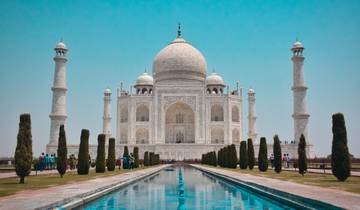
Taj Mahal Overnight Tour From New Delhi By Car
- ✓ Comprehensive Delhi tour
- ✓ Expert local guides included
- ✓ All accommodation arranged
- ✓ Transportation provided
1 days
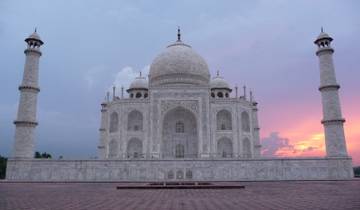
Private Taj Mahal at Sunrise and Agra Day Tour From Delhi
- ✓ Comprehensive Delhi tour
- ✓ Expert local guides included
- ✓ All accommodation arranged
- ✓ Transportation provided
1 days
From Delhi: Taj Mahal & Agra Tour with 5-Star Marriott Lunch
- ✓ Comprehensive Delhi tour
- ✓ Expert local guides included
- ✓ All accommodation arranged
- ✓ Transportation provided

1 days
From Delhi : Private Day Trip to Haridwar and Rishikesh
- ✓ Comprehensive Delhi tour
- ✓ Expert local guides included
- ✓ All accommodation arranged
- ✓ Transportation provided
Multi-day tour packages powered by TourRadar. Prices and availability subject to change.
Introduction: Planning Your 2026 Delhi to Agra Day Trip
The 200-kilometer journey from Delhi to Agra has transformed dramatically since the Mughals first established Agra as their capital in the 16th century. What once required days of travel by elephant or horse carriage now takes less than two hours by express train, making same-day visits to the Taj Mahal not just possible but remarkably comfortable. Modern infrastructure—the Yamuna Expressway for cars, multiple daily express trains, and improved monument facilities—has made this one of India’s most accessible heritage experiences.
A successful 2026 day trip requires understanding both logistics and realistic expectations. You’ll wake before dawn, board a train by 8:00 AM, spend 7-8 intense hours exploring monuments in Agra’s heat, and return to Delhi by evening. This compressed schedule works because Agra’s major sites cluster within a compact area, express trains eliminate road traffic stress, and early arrival beats both heat and crowds at the Taj Mahal. However, the schedule demands physical stamina, tolerance for crowds, and acceptance that you’ll experience Agra’s highlights rather than exploring its depths.
The 2026 season brings both opportunities and challenges. Peak season (October-March) offers ideal weather with temperatures between 15-25°C, clear skies for photography, and lush gardens at their best. However, these same months bring maximum crowds—the Taj Mahal sees 50,000+ daily visitors on peak weekends, and trains sell out weeks in advance. Booking 30-60 days ahead becomes essential rather than optional. Summer visits (April-June) feature brutal heat exceeding 40°C but dramatically fewer tourists and last-minute train availability. The tradeoff between comfortable weather and manageable crowds defines your planning strategy.
This guide provides complete 2026 planning information based on current schedules, prices, and operational details. We’ll cover train options with exact departure times and fares, monument entry procedures with current ticket costs, realistic itineraries tested by thousands of travelers, budget breakdowns accounting for all expenses, and practical tips addressing common challenges from crowd management to food safety. The goal: transforming your day trip from potentially stressful logistics puzzle into smooth, memorable experience of India’s most iconic monument.
Understanding Agra and 2026 Visit Planning
Why Agra Matters
Agra served as the Mughal Empire’s capital from 1526-1648, and that century of imperial patronage left extraordinary architectural legacy. Three UNESCO World Heritage sites—Taj Mahal, Agra Fort, and Fatehpur Sikri—concentrate within 40 kilometers, representing the pinnacle of Mughal architecture. The Taj Mahal alone attracts 7-8 million annual visitors, making it India’s most visited monument and one of the world’s most photographed buildings.
Beyond the major UNESCO sites, Agra contains dozens of significant monuments: Itmad-ud-Daulah (Baby Taj) pioneered the marble inlay work perfected at the Taj Mahal, Mehtab Bagh gardens offer sunset Taj views across the Yamuna River, Akbar’s Tomb at Sikandra demonstrates architectural evolution, and numerous smaller tombs and mosques showcase Mughal architectural variety. The city’s compact size allows visiting multiple sites in one day, unlike sprawling cities like Delhi where commuting consumes hours.
The 2026 visiting experience balances preservation with tourism infrastructure. Recent improvements include better monument facilities (clean restrooms, drinking water, improved pathways), enhanced security screening for safety, restored gardens approaching original Mughal designs, and expanded visitor information services. However, challenges persist: pollution affecting marble monuments, overcrowding during peak seasons, aggressive vendors outside monuments, and uneven tourism service quality. Understanding both the improvements and ongoing challenges helps set realistic expectations.
When to Visit Agra in 2026
Peak season (October-March) offers optimal weather conditions with pleasant temperatures 15-25°C, minimal rain, clear skies ideal for photography, and gardens in full bloom. However, these same months bring maximum crowds—weekends see 50,000+ visitors at the Taj, hotel prices double, and trains sell out weeks ahead. Within peak season, November and February represent sweet spots with comfortable weather but slightly fewer tourists than December-January holiday period.
Summer season (April-June) features extreme heat exceeding 40°C daily, making outdoor monument visits challenging particularly midday. However, summer brings dramatic crowd reductions—weekday visits can feel almost private, trains have last-minute availability, and hotel prices drop 30-50%. Morning visits (sunrise to 10 AM) remain comfortable even in May-June, making early day trips viable for heat-tolerant travelers willing to sacrifice afternoon sightseeing for cooler temperatures.
Monsoon season (July-September) brings humidity, frequent afternoon thunderstorms, and overcast skies complicating photography. Gardens look lush and green, temperatures moderate to 30-35°C, and tourist numbers remain low. The main challenge involves unpredictable rain disrupting outdoor plans—carry umbrella and be flexible with timing. Monsoon visits work best for photographers seeking dramatic cloudy skies and travelers who enjoy rain-washed monument views.
Day-of-week timing matters significantly. Fridays see reduced crowds as the Taj Mahal closes for prayers (only monument closed; Agra Fort and others remain open), making Friday ideal for visiting Agra Fort, Fatehpur Sikri, and Itmad-ud-Daulah without Taj crowds. Fridays also waive the ₹500 ADA toll, saving money. Weekends (Saturday-Sunday) bring maximum domestic tourist crowds and should be avoided if possible. Tuesday-Thursday represent optimal days combining monument access with manageable crowd levels.
Transportation Options for 2026
Gatimaan Express: The Optimal Choice
The Gatimaan Express (Train 12050/12049) represents the best option for Delhi-Agra day trips, combining speed, comfort, and schedule optimization. This semi-high-speed train covers 188 kilometers in 1 hour 40 minutes, achieving maximum speeds of 160 km/h on certain sections, making it India’s fastest train service until the Vande Bharat Express launched.
Departure schedule for 2026: Train 12050 departs Delhi Hazrat Nizamuddin at 8:10 AM daily except Friday, arriving Agra Cantt at 9:50 AM. Return train 12049 departs Agra Cantt at 5:50 PM, arriving Delhi Hazrat Nizamuddin at 7:30 PM. This timing provides nearly 8 hours in Agra (10:00 AM to 5:30 PM accounting for station transfer), optimal for visiting Taj Mahal and Agra Fort with lunch break.
Ticket prices for 2026: Executive Class costs ₹1,695 per person one-way (₹3,390 round-trip), while Chair Class costs ₹860 one-way (₹1,720 round-trip). Prices include meal service—continental breakfast on morning journey, dinner on return journey—with choices of vegetarian and non-vegetarian options. Children 5-12 years pay half-fare, under 5 years travel free without seat reservation.
Executive Class features: Spacious 2+2 seating with generous legroom, personal entertainment screens (though content is limited), charging points at every seat, WiFi connectivity (intermittent), air conditioning, onboard attendants, and complimentary newspapers. The seats recline partially and include tray tables. Executive Class cars typically carry 50-60 passengers, creating relatively peaceful environment.
Chair Class features: Standard 3+2 seating similar to economy air travel, air conditioning, charging points (shared), meal service identical to Executive Class, and onboard attendants. Chair Class cars carry 75-80 passengers and feel more crowded but remain comfortable for the short journey. The ₹835 savings per person (₹1,670 round-trip per couple) makes Chair Class attractive for budget-conscious travelers.
Booking strategy: Purchase tickets 30-60 days in advance during peak season (October-March) as Executive Class sells out quickly. Book through official IRCTC website or authorized agents to avoid price markups. Confirm train operates on your intended date—the train doesn’t run Fridays and occasionally suspends service for maintenance. Consider booking backup date tickets if traveling during high-demand periods like December-January. Tickets become non-refundable 48 hours before departure, so book only after confirming travel plans.
Bhopal Shatabdi Express Alternative
The Bhopal Shatabdi (Train 12002) offers another excellent option with earlier departure compensating for slightly longer journey time. Departing New Delhi station at 6:00 AM and arriving Agra Cantt at 7:50 AM (1 hour 50 minutes), it provides even earlier Taj access, ideal for sunrise photography and beating crowds.
Fares for 2026: Executive Class ₹960 one-way, Chair Class ₹605 one-way, both including meal service. The lower fares compared to Gatimaan Express (₹735 savings round-trip per person in Executive) make the Shatabdi financially attractive. However, the return schedule proves less convenient—the return Shatabdi departs Agra late afternoon, requiring either cutting Agra visit short or booking different return train.
The Shatabdi appeals to photographers seeking sunrise Taj views (gates open 6:00 AM, this train arrives 7:50 AM, allowing 8:15-8:30 AM Taj entry for early light) or travelers willing to wake early for extra Agra time. The 6:00 AM departure from New Delhi means leaving your hotel by 5:15 AM, challenging for those not naturally early risers. However, the uncrowded morning train and peaceful early Taj visit reward the sacrifice.
Vande Bharat Express
The Vande Bharat Express (Train 20172) represents India’s newest high-speed service, covering Delhi to Agra in just 1 hour 36 minutes. However, the afternoon departure time (2:40 PM from Hazrat Nizamuddin, arriving Agra 4:16 PM) makes same-day trips impractical as you reach Agra late afternoon with minimal sightseeing time before sunset.
The Vande Bharat works better for overnight Agra visits or return-only journeys (depart Agra early morning, reach Delhi mid-morning). Fares run ₹655 Chair Class, ₹1,255 Executive Class one-way. The train features modern amenities including reclining seats, bio-toilets, LED lighting, and smooth ride quality, representing India’s railway modernization. But for day trips, the schedule simply doesn’t align with tourist needs.
Private Car/Taxi Service
Private car hire provides flexibility in schedule and routing but faces challenges. The Yamuna Expressway enables 3-4 hour drives depending on traffic, with road conditions generally good. Round-trip car hire with driver costs ₹3,500-5,500 for sedan, ₹5,500-7,500 for SUV including driver charges, tolls (approximately ₹575 round-trip), and fuel.
Advantages include: departure flexibility (leave Delhi any time), ability to add Fatehpur Sikri easily, direct transport between monuments without auto-rickshaw negotiations, air-conditioned comfort, and luggage storage. Disadvantages include: road traffic unpredictability (accidents or checkpoints can add 1-2 hours), driver fatigue risks on same-day round-trips, parking hassles at monuments, and higher total cost for solo travelers or couples (cars economical for groups of 4).
Recommended approach: Book through reputable agencies (hotel concierge, established tour operators) rather than random taxi stands. Confirm all-inclusive pricing (tolls, parking, driver meals included), verify driver speaks functional English if you don’t speak Hindi, request air-conditioned vehicle, and establish clear monument itinerary before departing. The car option makes sense primarily for groups of 3-4 people where per-person costs approach train fares while gaining flexibility, or travelers wanting Fatehpur Sikri included.
Tour Packages
Packaged tours ranging ₹3,500-8,000 per person include train tickets, monument entries, guide services, and often meals. Budget packages use Chair Class trains and basic guides, while premium packages offer Executive Class, expert guides, luxury hotel lunches, and additional monument visits. All-inclusive tours eliminate logistics stress but reduce flexibility and often feel rushed.
Tour advantages: Complete coordination handled by operator, knowledgeable guides provide context, group discounts on monuments, restaurant selection vetted for food safety, and guaranteed train tickets even during high-demand periods. Disadvantages: Fixed schedules limit flexibility, group pace might not match your preferences, free time for shopping/photography gets compressed, and quality varies dramatically by operator.
If booking tours, choose established operators with verifiable reviews, confirm exact inclusions/exclusions in writing, verify guide language capabilities, check maximum group size (small groups 6-10 people work better than large 20+ person groups), and understand cancellation policies. Direct booking through reputable companies beats aggregator sites where operator quality is uncertain. Read recent TripAdvisor or Google reviews focusing on specific criticisms (unreliable timing, pushy shopping stops) rather than just star ratings.
Taj Mahal Entry Guide 2026
Ticket Prices and Components
Foreign tourists pay ₹1,100 base entry fee for Taj Mahal access. This ticket allows entry to the monument complex, gardens, and outer structures but not the main mausoleum chamber. An additional ₹200 ticket is required to enter the main mausoleum (the white marble structure containing Shah Jahan and Mumtaz Mahal’s tombs), bringing total monument-specific cost to ₹1,300.
The Agra Development Authority charges ₹500 “Pathkar” toll tax for foreign tourists visiting any Agra monument. This one-time fee covers all Agra monuments the same day—pay it once at the Taj Mahal, and your receipt grants toll-free entry to Agra Fort, Fatehpur Sikri, Itmad-ud-Daulah, and Mehtab Bagh the same day. The toll waives completely on Fridays when the Taj Mahal is closed, creating ₹500 savings if visiting only Agra Fort and other sites.
Total Taj Mahal cost for foreign tourists: ₹1,300 (monument entry + mausoleum) + ₹500 (ADA toll) = ₹1,800 for first monument of the day. Subsequent monuments charge only their base entry fees with the toll receipt. Indian citizens pay ₹50 base entry plus ₹200 mausoleum access. Children under 15 years enter free regardless of nationality. Online booking through ASI’s official portal (asi.payumoney.com or asiagracircle.in) offers ₹50 discount on foreign tickets.
Entry Gates and Access
The Taj Mahal has three gates, but only two allow entry. The Western Gate (near Saheli Burj) and Eastern Gate provide ticketing and security screening. The Southern Gate serves as exit-only. Most visitors use the Western Gate as it’s closer to Agra Cantt railway station (approximately 6 kilometers). The Eastern Gate sees lighter crowds but requires longer travel from the station.
Security screening operates similar to airports: bags pass through X-ray machines, visitors walk through metal detectors, and prohibited items are confiscated. Prohibited items include: tripods, large bags/backpacks (small day bags allowed), food items (water bottles in sealed plastic allowed), tobacco products, alcohol, weapons, and drones. The screening process takes 5-20 minutes depending on crowd levels. Arrive early during peak season to avoid long security lines.
From the gate to the Taj Mahal monument requires walking through extensive gardens—approximately 300 meters. Electric carts assist elderly or mobility-impaired visitors at no additional charge. The walk on paved pathways takes 5-10 minutes at normal pace, gradually revealing the Taj as you approach. This processional approach creates dramatic first impression as the monument grows larger with each step.
Photography Rules and Guidelines
Photography is permitted throughout the Taj Mahal complex for personal use without additional fees. Professional photography requiring tripods, reflectors, artificial lighting, or commercial purposes needs special permission and additional fees from the Archaeological Survey of India—apply weeks in advance through official channels.
Inside the main mausoleum chamber, photography is strictly prohibited. Security guards enforce this rule consistently, and attempting photos inside results in deletion and potential ejection from the monument. The restriction protects both the delicate marble surfaces (flash photography accelerates deterioration) and maintains appropriate reverence for the tomb. The exterior, gardens, reflecting pools, and surrounding structures allow unlimited photography.
Best photography times: Sunrise (6:00-7:30 AM) provides soft golden light with fewer crowds and still water in reflecting pools. Mid-morning (8:00-10:00 AM) offers excellent light angles with good illumination on the main facade. Avoid midday (11:00 AM-3:00 PM) when harsh overhead light creates unflattering shadows and marble reflects excessive glare. Late afternoon (4:00-6:00 PM) provides warm light but crowds peak during this time. Full moon nights (five nights monthly) offer special night viewing requiring advance booking.
Inside the Main Mausoleum
Entry to the main mausoleum requires the additional ₹200 ticket purchased with the base entry or at a separate counter inside the complex. Remove shoes before entering (free shoe covers provided, or leave shoes at designated racks). Queues for mausoleum entry can extend 30-60 minutes during peak hours (9:00 AM-12:00 PM), so plan accordingly or visit during early morning or late afternoon.
The octagonal chamber contains ornate cenotaphs of Shah Jahan and Mumtaz Mahal decorated with intricate pietra dura inlay work using semi-precious stones—lapis lazuli, jasper, carnelian, and jade create floral patterns. The actual graves lie in an identical chamber directly below, following Islamic practice. Soft natural light filters through marble lattice screens creating ethereal atmosphere.
The chamber acoustics produce remarkable echoes—any sound reverberates throughout the space. Guides often demonstrate this by singing or clapping, creating beautiful acoustic effects. However, maintain quiet and respectful behavior as this remains a tomb. Don’t touch the marble surfaces as skin oils accelerate deterioration. The visit inside typically lasts 10-15 minutes as the chamber, while beautiful, is relatively small and allows limited viewing due to crowds and barriers protecting the cenotaphs.
Garden and Peripheral Structures
The charbagh (four-part garden) surrounding the Taj Mahal deserves exploration beyond the famous central water channel view. Four quadrants divided by water channels and pathways contain precisely maintained lawns, flowerbeds, and trees following the original Mughal design. Walking the peripheral pathways reveals different monument perspectives and significantly fewer crowds than the central axis.
The mosque on the western side (left when facing the Taj) remains active for prayers and visitors should dress modestly if entering. The matching guest house on the eastern side mirrors the mosque’s architecture creating the Taj’s famous symmetry. Both structures feature red sandstone construction contrasting with the Taj’s white marble.
The platform edges offer views of the Yamuna River (though the river has diminished significantly from pollution and water diversion, often appearing as muddy trickle). The original Mughal design envisioned the Taj as paradise garden with the river representing one of four sacred rivers. Environmental degradation has compromised this vision, but conservation efforts attempt restoration.
Agra Fort Planning 2026
Entry and Costs
Agra Fort entry costs ₹650 for foreign tourists. Since the ₹500 ADA toll was already paid at the Taj Mahal, no additional toll applies—show your toll receipt at the ticket counter. The fort ticket includes access to all public areas within the complex including palaces, mosques, and courtyards. Indian citizens pay ₹50, children under 15 enter free.
The fort opens daily 6:00 AM to 6:00 PM including Fridays when the Taj Mahal closes. This makes Agra Fort an excellent alternative on Fridays. Optimal visit timing: early morning (6:00-9:00 AM) for cooler temperatures and softer light, or late afternoon (3:00-5:30 PM) for golden hour photography and views toward the Taj Mahal in beautiful light.
Entry occurs through the Amar Singh Gate on the south side, the only gate open to tourists. The approach involves climbing a significant ramp designed to slow invaders historically. The climb takes 5-10 minutes at comfortable pace, with the massive red sandstone walls towering overhead creating impressive fortress atmosphere.
Key Structures to See
The Agra Fort complex spans 94 acres containing dozens of structures built over multiple generations. A complete visit requires 2-3 hours. Priority structures for day-trippers include:
Diwan-i-Am (Hall of Public Audience): This open pillared hall where the emperor heard public petitions features elegant arches and elevated throne platform. The hall demonstrates Mughal administrative architecture, combining imposing scale with refined decoration. The red sandstone construction with white marble inlay creates the characteristic Mughal aesthetic.
Diwan-i-Khas (Hall of Private Audience): This more intimate chamber served for private meetings with nobility and foreign dignitaries. The structure features exquisite marble work and once housed the famous Peacock Throne (now lost). The chamber’s proportions and decoration exemplify Mughal architectural refinement.
Musamman Burj (Jasmine Tower): This octagonal tower allegedly served as Shah Jahan’s prison where his son Aurangzeb confined him after seizing power. From this tower, Shah Jahan could see the Taj Mahal where his beloved wife Mumtaz lay buried. The poignant story—the Taj’s builder imprisoned within sight of his creation—adds emotional depth to architectural appreciation. The tower features stunning marble lattice work and offers excellent views toward the Taj.
Sheesh Mahal (Palace of Mirrors): This small chamber’s walls and ceiling feature intricate mirror work creating dazzling effects when light reflects through the space. The mirrors were originally set in elaborate patterns, though many have been lost over centuries. When guides light matches or phone flashlights, the remaining mirrors create magical starfield effect.
Khas Mahal (Private Palace): This white marble palace served as the emperor’s private quarters, featuring beautiful proportions and river views. The central pavilion flanked by smaller rooms demonstrates the Mughal preference for symmetry and geometric harmony. The palace interiors once featured elaborate painting and gilding, traces of which remain visible.
Navigation and Time Management
The fort’s labyrinthine layout can confuse first-time visitors. Upon entering through Amar Singh Gate, follow the main pathway leading to Jahangiri Mahal, then proceed counterclockwise through the complex visiting each major structure. Clear signage in English helps navigation, and information plaques at each structure provide historical context.
Allocate time as follows: entrance and initial fortifications 20 minutes, Jahangiri Mahal 20 minutes, Diwan-i-Am 15 minutes, Diwan-i-Khas 15 minutes, Musamman Burj 20 minutes, Khas Mahal and surrounding structures 20 minutes, Moti Masjid (Pearl Mosque) 10 minutes, return to exit 10 minutes. This totals approximately 2 hours for the major highlights. Adding photography time, rest breaks, or guide explanations extends visits to 2.5-3 hours.
Hiring guides costs ₹400-600 for 1.5-2 hour tours and significantly enhances understanding. The fort’s complex history spanning multiple emperors and architectural periods becomes clearer with expert explanation. Archaeological Survey of India-certified guides wear official badges and provide knowledgeable commentary. Audio guides available at the entrance cost ₹150 and offer self-paced learning.
Sample Itineraries for 2026
Standard Day Trip Itinerary
5:30 AM – Wake up, quick breakfast at hotel
6:30 AM – Depart hotel for Hazrat Nizamuddin railway station
7:30 AM – Arrive station, locate platform, board Gatimaan Express
8:10 AM – Train departs Delhi
9:50 AM – Arrive Agra Cantt station
10:15 AM – Reach Taj Mahal Western Gate (via pre-arranged auto-rickshaw or taxi, ₹150-200)
10:30 AM-12:30 PM – Taj Mahal visit (2 hours): Security 15 minutes, gardens and approach 20 minutes, photograph central plaza and reflections 30 minutes, main mausoleum entry and interior 45 minutes, peripheral gardens exploration 30 minutes
12:45 PM-1:45 PM – Lunch at restaurant near Taj (Saniya Palace, Bon Barbecue, or similar, ₹500-800 per person)
2:00 PM-4:00 PM – Agra Fort visit (2 hours): Entry and fortifications 20 minutes, Jahangiri Mahal 20 minutes, Diwan-i-Am 15 minutes, Diwan-i-Khas 15 minutes, Musamman Burj 20 minutes, Khas Mahal 20 minutes, Moti Masjid 10 minutes
4:15 PM-5:15 PM – Optional: Mehtab Bagh for sunset Taj views OR shopping at Sadar Bazaar
5:30 PM – Depart for Agra Cantt station
5:50 PM – Board return Gatimaan Express
7:30 PM – Arrive Delhi Hazrat Nizamuddin
8:00 PM – Reach hotel
This standard itinerary provides comfortable pacing with adequate time at both major monuments, proper meal break, and optional late afternoon activity. Total time in Agra: 7 hours 15 minutes. The schedule builds in buffer time for unexpected delays without feeling rushed.
Photography-Focused Itinerary
4:30 AM – Wake up, quick breakfast
5:15 AM – Depart hotel for New Delhi railway station
5:45 AM – Board Bhopal Shatabdi
6:00 AM – Train departs Delhi
7:50 AM – Arrive Agra Cantt
8:15 AM – Reach Taj Mahal Western Gate
8:30 AM-11:30 AM – Taj Mahal sunrise photography session (3 hours): Early morning light 8:30-9:30 AM, central plaza reflections 9:30-10:00 AM, detail shots of inlay work and calligraphy 10:00-10:30 AM, alternative angles from gardens 10:30-11:00 AM, mausoleum interior visit 11:00-11:30 AM
11:45 AM-12:30 PM – Breakfast at Taj terrace restaurant overlooking monument
12:45 PM-2:45 PM – Agra Fort photography (2 hours): Architecture details, textural shots of red sandstone, views toward Taj from Musamman Burj
3:00 PM-4:30 PM – Mehtab Bagh sunset photography: Arrive early to claim good position, photograph Taj across river in afternoon light through golden hour
5:00 PM – Light dinner at nearby restaurant
6:30 PM – Depart Agra (alternate train or private car pre-arranged)
9:00 PM – Arrive Delhi
This itinerary prioritizes optimal photography light at the Taj (early morning) and Mehtab Bagh (golden hour/sunset). The early Shatabdi departure enables sunrise photography, and the extended Agra time allows patient photography without rushing. The return timing is flexible—book appropriate return train or arrange private car.
Budget-Conscious Itinerary
6:30 AM – Depart hotel for Hazrat Nizamuddin
8:10 AM – Board Gatimaan Express Chair Class (₹860 vs ₹1,695 Executive)
9:50 AM – Arrive Agra Cantt
10:00 AM – Walk to Taj Mahal (2.5 km, 30 minutes) saving ₹150-200 auto fare, or share auto with other travelers
10:30 AM-12:00 PM – Taj Mahal visit (skip optional guide, use audio guide for ₹150 or pre-downloaded information)
12:15 PM-12:45 PM – Street food lunch (paranthe, chaat, ₹150-200) near Taj
1:00 PM-2:30 PM – Agra Fort (self-guided with audio guide)
2:45 PM-4:00 PM – Walk along Yamuna River viewing Taj from different angles (free)
4:00 PM-5:00 PM – Sadar Bazaar shopping and snacks
5:30 PM – Walk to station or share auto (₹50 per person shared)
5:50 PM – Board return Gatimaan Chair Class
7:30 PM – Arrive Delhi
Budget savings: Chair Class train saves ₹1,670 round-trip, skipping guides saves ₹1,000, street food vs restaurant saves ₹500-700, walking instead of auto-rickshaws saves ₹400. Total savings: ₹3,570-3,770 per person with only minor comfort reductions.
Comprehensive Three-Monument Itinerary
5:00 AM – Depart hotel via pre-booked private car (₹4,000-5,000 for full day)
8:30 AM – Arrive Taj Mahal (3.5 hour drive)
8:45 AM-11:00 AM – Taj Mahal visit
11:15 AM-1:00 PM – Agra Fort visit
1:15 PM-2:00 PM – Lunch at hotel restaurant
2:30 PM – Depart for Fatehpur Sikri (40 km west, 1 hour drive)
3:30 PM-5:30 PM – Fatehpur Sikri visit (complete ghost city tour)
6:00 PM – Depart for Delhi
9:30 PM-10:00 PM – Arrive Delhi (depending on traffic)
This ambitious itinerary requires private car for timing flexibility and Fatehpur Sikri access. The long day (17-18 hours) proves exhausting but maximizes monument visits. Fatehpur Sikri, Akbar’s magnificent but short-lived capital, features stunning red sandstone palaces, courtyards, and the massive Buland Darwaza gateway. The site requires 2 hours minimum for meaningful visit. This option works best for travelers with limited India time wanting comprehensive Agra coverage in one day.
Practical Information for 2026
Money and Payments
Carry ₹2,000-3,000 cash as cards are not accepted everywhere in Agra. Monument entry tickets accept both cash and cards at official counters, but many restaurants, shops, and transportation operators prefer cash. Auto-rickshaw drivers typically don’t accept cards, and street food vendors exclusively use cash. ATMs are available near major monuments and at the railway station, though foreign card compatibility varies.
Denominations matter: carry mix of ₹100, ₹200, and ₹500 notes as small vendors and auto drivers often claim inability to change ₹2,000 notes. The ₹500 note works best for auto-rickshaw fares and meal payments. Keep ₹100 notes for tipping guides (₹100-200 customary) and security guards assisting with bags or photography.
Credit cards work at upscale restaurants, hotel dining rooms, and large handicraft emporiums. However, card processing can be slow and unreliable. Budget extra time if paying by card, and always carry cash backup. UPI digital payment systems (PhonePe, Paytm, Google Pay) have gained adoption among younger vendors and modern establishments but remain uncommon among auto drivers and street vendors.
Food and Water Safety
Stick to bottled water exclusively—purchase sealed bottles at railway station or monuments, refusing bottles with broken seals. Dehydration occurs quickly in Agra’s dry climate, particularly during summer. Plan to drink 2-3 liters of water throughout the day, more in hot weather. Restaurants near monuments often overcharge for bottled water (₹40-60 vs ₹20 standard price), so buy water at station before departing.
Restaurant selection requires caution as food safety standards vary dramatically. Safe choices include hotel restaurants (Taj View, Crystal Sarovar Premiere), established tourist-focused restaurants (Saniya Palace, Bon Barbecue, Pinch of Spice), and chain restaurants (Domino’s Pizza near Taj East Gate offers familiar food though uninspiring for India visit). Avoid street food unless your stomach has acclimated to Indian bacteria from extended travel. The parantha galis (lanes) near Taj serve delicious but risky street food for those willing to gamble.
Meal timing strategy: eat substantial breakfast at Delhi hotel (included with most accommodations), light lunch in Agra at 12:30-1:30 PM between monuments, and dinner after returning to Delhi. The Gatimaan Express includes meal service but quality is mediocre—consider it backup rather than main meal. Carrying energy bars or packaged snacks provides safe backup food if restaurant options disappoint or time pressure limits meal breaks.
What to Bring
Passport: Absolutely essential. Foreign tourists must show passport for monument entry ticket purchase and security verification. Photocopy doesn’t suffice—bring original passport. Keep it secure in money belt or hotel safe when not actively using it. Some travelers photograph passport pages as backup, though originals remain required.
Sun protection: Bring sunscreen SPF 50+, wide-brimmed hat, sunglasses, and light long-sleeve shirt for sun protection. Agra’s intense sun, particularly March-October, causes severe sunburn in 30-60 minutes on unprotected skin. Reapply sunscreen every 2 hours and after sweating. Hats should have chin strap to prevent loss in wind on fort ramparts.
Comfortable shoes: Essential for walking on uneven pathways, climbing fort stairs, and spending 6-8 hours on your feet. Closed-toe walking shoes with good arch support work best. Avoid new shoes (blisters) or sandals (inadequate support, exposes feet to heat from stone pathways). Socks help if shoes must be removed at mosque entries.
Day bag: Small backpack or shoulder bag for water bottles, sunscreen, camera, medications, and purchased items. Bags must be small enough to pass through monument security screening—oversized backpacks are prohibited. Avoid expensive designer bags that attract thieves in crowded areas.
Camera equipment: Bring main camera with versatile zoom lens (24-70mm or 24-105mm covers most situations), spare batteries (extended photography drains batteries quickly), memory cards with ample capacity, and lens cloth for removing dust. Tripods prohibited inside Taj Mahal main chamber but allowed in gardens. Consider bringing polarizing filter to enhance sky and reduce marble glare.
Medications: Pack personal prescription medications plus basics: anti-diarrheal medication (Imodium), antacids (for rich food), pain relievers (headaches from heat/dehydration), and hand sanitizer. Indian pharmacies sell most medications without prescription if needed, but having backup proves valuable.
Dress Code and Cultural Sensitivity
No strict dress code exists at the Taj Mahal or Agra Fort, but modest clothing is recommended for respect and comfort. Shoulders and knees should be covered, particularly women. Loose, light-colored cotton clothing works best in hot weather—avoids both unwanted attention and heat absorption. Avoid tight, revealing, or transparent clothing that may attract harassment.
Women should bring lightweight scarf or shawl, useful for covering shoulders at monuments, blocking sun, and creating head covering if entering active mosques. The scarf also provides modesty buffer on crowded trains and public spaces. Men should wear collared shirts rather than tank tops, and long pants rather than shorts, for respectful appearance.
Footwear removal is required at some sites including active mosques and certain palace interiors. Socks or disposable shoe covers (provided free at Taj mausoleum) help avoid walking barefoot on hot stone. Plan footwear accordingly—slip-on shoes prove more convenient than lace-up boots for repeated removal.
Physical contact between men and women should be minimal in public. Holding hands is acceptable, extensive hugging or kissing is not. Same-sex friends commonly walk arm-in-arm or hold hands (sign of friendship in Indian culture), but this shouldn’t be interpreted romantically. Women traveling with male companions may encounter questions about relationship (family, husband, boyfriend) from curious locals—polite responses satisfy without extensive explanation.
Safety Considerations
Agra is generally safe for tourists during daylight hours, particularly in monument areas with heavy security presence. However, normal urban caution applies: guard bags against pickpockets in crowded areas, avoid displaying expensive jewelry or electronics unnecessarily, be wary of overly helpful strangers (often commission-seeking touts), and use only official pre-paid taxis or reputable ride-sharing apps.
Common scams include: fake guides claiming official status (verify badge), gem store scams promising export assistance for profit sharing (always scam), pressure to visit specific shops where guides earn commission (politely decline), inflated auto-rickshaw fares (agree on price before starting journey), and beggars working crowded areas (give to charity rather than directly). Firm, polite refusal works better than angry confrontation.
Women travelers face additional challenges including verbal harassment, inappropriate staring, and occasional groping in crowds. Traveling in pairs or groups provides safety, ignoring rather than engaging with harassers works best, and seeking help from nearby families or security guards is appropriate if harassment escalates. Conservative dress reduces but doesn’t eliminate unwanted attention. Solo women should avoid isolated areas and arrange transportation directly to/from monuments rather than walking unfamiliar streets.
Health risks include heat exhaustion (prevent with adequate hydration), food-borne illness (careful restaurant selection), and pollution-related respiratory irritation (particularly November-February when air quality worsens). Monitor how you feel throughout the day—dizziness, nausea, or excessive fatigue signals need for rest, water, and shade. Don’t push through heat exhaustion to see one more monument.
Budget Breakdown 2026
Complete Day Trip Costs (Foreign Tourists)
Transportation: Gatimaan Express round-trip Executive Class ₹3,390, Chair Class ₹1,720, or private car ₹3,500-5,000 for group of 4 (₹875-1,250 per person).
Monument entries: Taj Mahal ₹1,300 + ADA toll ₹500 = ₹1,800, Agra Fort ₹650 (toll already paid), optional Itmad-ud-Daulah ₹310 (includes toll), optional Mehtab Bagh ₹300 (includes toll). Total monuments ₹2,450-3,060 depending on sites visited.
Local transportation: Auto-rickshaws between monuments ₹400-600 total (Taj to Fort ₹150-200, Fort to Mehtab Bagh ₹150-200, various to station ₹100-200), or private taxi for day ₹1,200-1,500.
Meals: Breakfast in Delhi hotel (usually included), lunch in Agra ₹500-800, snacks/water ₹200-300. Total food ₹700-1,100.
Optional services: ASI-certified guide ₹500-800, audio guide ₹150-200, photography assistant/porter ₹200-300. Total optional ₹850-1,300.
Shopping/miscellaneous: ₹500-2,000 depending on purchases.
Total budget per person: Minimum ₹5,370-6,270 (Chair Class train, no guide, minimal extras), comfortable ₹7,200-8,500 (Executive Class train, guide, good meals), premium ₹9,000-12,000 (private car for group, expert guide, luxury meals, extensive shopping).
Complete Day Trip Costs (Indian Citizens)
Transportation: Identical train fares as foreign tourists (₹1,720-3,390).
Monument entries: Taj Mahal ₹250 (₹50 base + ₹200 mausoleum), Agra Fort ₹50, optional Itmad-ud-Daulah ₹30, optional Mehtab Bagh ₹25. Total monuments ₹250-355.
Local transportation: ₹400-600 auto-rickshaws or ₹1,200-1,500 private taxi (same as foreign tourists).
Meals: ₹500-800 total (Indian restaurants offer local food at lower prices than tourist-focused establishments).
Optional services: Guide ₹500-800, audio guide ₹150. Total optional ₹650-950.
Total budget per person: Minimum ₹3,020-3,625 (Chair Class, no guide), comfortable ₹4,770-5,840 (Executive Class, guide), premium ₹6,500-9,000 (private car, expert guide, luxury meals).
Cost Savings Strategies
Use Chair Class instead of Executive Class on trains: Saves ₹1,670 per person round-trip with minimal comfort reduction for the short journey. The meal service is identical, only seat spacing differs.
Skip hired guides at one or both monuments: Saves ₹1,000-1,600 per couple. Use audio guides (₹150-200 each) or thorough pre-trip research as substitute. Information plaques at monuments provide basic historical context.
Street food instead of restaurants: Saves ₹500-700 per person but increases food safety risk. Better compromise: eat at mid-range restaurants (₹300-500 per person) rather than premium hotel restaurants (₹800-1,200).
Walk between nearby monuments instead of auto-rickshaws: Taj Mahal to Agra Fort is 2.5 km—walkable in 30-35 minutes if temperature allows. Saves ₹150-200 per trip. However, walking in 40°C heat proves unpleasant and risks heat exhaustion.
Share auto-rickshaws with other travelers: Most autos accommodate 3-4 people comfortably. Split fares with fellow tourists heading same direction, reducing per-person cost by 50-75%. Ask at monument exits if others need transportation to common destinations.
Book trains 30-60 days in advance: Secures lower tatkal fares and avoids last-minute price increases. Early booking also ensures seat availability during peak season when trains sell out.
Visit on Friday: The Taj Mahal closes but Agra Fort and other monuments remain open, and the ₹500 ADA toll is waived saving this amount. Focus on Agra Fort, Itmad-ud-Daulah, Fatehpur Sikri, and Sikandra for compelling Friday itinerary.
Booking and Reservations 2026
Train Ticket Booking Process
Book train tickets through IRCTC website (official Indian Railways booking platform), requiring account creation with email, phone number, and password. Foreign travelers may need Indian phone number for OTP verification—consider purchasing local SIM card or using international forwarding service. The booking window opens 120 days in advance for most trains, with tickets selling fastest during peak season (October-March).
Booking timeline: 60 days ahead provides optimal balance—far enough to secure tickets but close enough to firm plans. Last-minute bookings (within 2 weeks) face availability issues and tatkal pricing premiums. During December-January peak season, book full 60-90 days ahead to guarantee preferred class and dates.
Payment accepts Indian debit/credit cards, international credit cards (Visa, Mastercard, occasionally issues with American Express), and UPI for domestic accounts. Card payment sometimes fails with international cards—if problems occur, try different card or booking through aggregator sites (Cleartrip, MakeMyTrip) that have better international payment processing though charge small service fees.
Ticket confirmation arrives via email as PDF attachment. Print paper copies or save to phone for train boarding—showing email on phone suffices but paper backup prevents phone battery issues. The ticket includes PNR (Passenger Name Record) number essential for checking train running status and platform assignments. Also bring government-issued photo ID matching the name on reservation (passport for foreign tourists).
Taj Mahal Ticket Booking
Advance online booking through ASI official portal (asi.payumoney.com or asiagracircle.in) offers ₹50 discount on foreign tickets but system proves temperamental. Benefits include skipping ticket counter lines (proceed directly to security) and guaranteed entry during peak periods when daily visitor limits sometimes apply. Drawbacks: website frequently crashes, payment processing fails unpredictably, and e-tickets sometimes aren’t recognized by gate staff requiring backup counter purchase.
Recommended approach: attempt online booking 3-5 days before visit, but don’t rely on it exclusively. If online booking succeeds, print confirmation or save to phone. If it fails or you prefer simplicity, buy tickets at monument gates—counters open one hour before sunrise and rarely sell out except extreme peak periods (December 25-January 5, major Indian holidays). The ₹50 online discount barely compensates for website frustration.
No advance booking exists for Agra Fort or other monuments—tickets purchased only on-site at ticket counters. This rarely creates problems as these monuments don’t have same crushing demand as Taj Mahal.
Guide Booking
Archaeological Survey of India-certified guides can be hired directly at monument gates, charging government-regulated rates (₹500-800 for 2-3 hours). Benefits of on-site hiring include flexibility (hire only if feeling need for guidance), ability to assess guide’s language skills and knowledge level before committing, and avoiding advance coordination. Drawbacks: best guides may already be engaged during peak hours, and language abilities vary among available guides.
Pre-booking guides through reputable agencies guarantees quality, ensures English fluency (or other requested languages), and allows specifying interests (architecture, photography, history). Premium guide services charge ₹1,200-2,000 but deliver superior expertise and personalized attention. Contact hotel concierge, established tour operators (Taj Tour Guide Company, Agra Tour Guide Service), or verified platforms (ToursByLocals, Viator) for pre-bookings. Request guide credentials, read recent reviews, and confirm exact services included before paying.
Frequently Asked Questions About Delhi to Agra Day Trips 2026
Is one day enough to see Agra from Delhi?
One day provides sufficient time to see the Taj Mahal and Agra Fort thoroughly—the two essential monuments representing Agra’s UNESCO heritage. The Gatimaan Express schedule allows nearly 8 hours in Agra (10:00 AM to 5:30 PM), enough for 2 hours at the Taj, lunch break, 2 hours at Agra Fort, and optional Mehtab Bagh visit or shopping. However, you’ll miss Fatehpur Sikri (requires separate excursion), Itmad-ud-Daulah, Sikandra, and exploring Agra’s markets and neighborhoods. One day captures Agra’s highlights efficiently but doesn’t provide comprehensive coverage. Travelers with more time should consider overnight stays enabling relaxed pace, sunset Taj views from Mehtab Bagh, and inclusion of peripheral monuments.
What should I not miss in Agra?
The Taj Mahal is non-negotiable—it alone justifies the journey. Visit early (arriving 8:30-9:00 AM) for best light and fewer crowds. Spend minimum 90 minutes, ideally 2 hours, to truly appreciate the gardens, main mausoleum, and peripheral structures. Agra Fort ranks second priority—this massive red sandstone fortress where Shah Jahan was imprisoned provides historical context for the Taj and features stunning architecture. Mehtab Bagh (garden across the Yamuna River from Taj) offers beautiful sunset views with the monument reflecting golden light. If time permits, Itmad-ud-Daulah (Baby Taj) rewards visitors with exquisite marble inlay work in less crowded setting. Skip extended shopping time at tourist-trap emporiums—quality marble and textile handicrafts can be purchased in Delhi with better selection and prices.
Can I visit Fatehpur Sikri on a day trip from Delhi?
Including Fatehpur Sikri in a Delhi-Agra day trip is possible but extremely ambitious and requires private car transport. Fatehpur Sikri sits 40 kilometers west of Agra (1 hour drive), meaning the itinerary becomes: depart Delhi 5:00 AM by car, reach Taj Mahal 8:30 AM, visit Taj 9:00-11:00 AM, drive to Fatehpur Sikri arriving 12:15 PM, visit Fatehpur 12:30-2:30 PM, drive back to Agra Fort arriving 3:30 PM, visit Fort 3:45-5:15 PM, depart Agra 6:00 PM, arrive Delhi 9:30-10:00 PM. This grueling 17-hour day involves 8-9 hours in vehicles, proving exhausting. Better options: overnight in Agra visiting Fatehpur Sikri on day two, or accept that one-day trips must skip Fatehpur Sikri prioritizing Taj Mahal and Agra Fort. Don’t sacrifice quality time at the Taj by rushing to include too many sites.
What’s the best way to get around Agra?
Pre-arranged private car with driver (₹1,200-1,500 for full day) provides optimal convenience, eliminating negotiations with auto-rickshaw drivers and providing air-conditioned comfort between monuments. However, auto-rickshaws work fine for budget-conscious travelers willing to negotiate fares—agree on price before departing, expect ₹150-200 between major monuments, and firmly refuse detours to handicraft shops where drivers earn commission. Walking between some monuments is feasible: Taj Mahal to Agra Fort is 2.5 km, doable in 30 minutes if weather cooperates. Ride-sharing apps (Uber, Ola) operate in Agra but availability near monuments can be unreliable. Avoid cycle rickshaws for monument-to-monument travel as the distances and heat make them impractical despite romantic appeal.
Should I tip guides and service providers?
Tipping is customary and appreciated. ASI-certified guides expect ₹100-200 tip beyond their regular fee if you’re satisfied with services—more for exceptional guides who provide outstanding experiences. Auto-rickshaw drivers don’t expect tips if you’ve negotiated and paid agreed fare, though rounding up ₹20-30 is kind gesture. Restaurant servers expect 10% of bill at mid-range establishments (tip already included at upscale hotel restaurants—check bill). Security guards who assist with bag storage or photography suggestions appreciate ₹20-50. Avoid tipping beggars as it encourages persistent begging—if inclined to help, donate to registered charities instead. Carry ₹100 and ₹50 notes specifically for tipping rather than expecting change from ₹500 notes.
What are Agra’s biggest tourist traps to avoid?
Marble emporiums claiming “government-approved” status pressure visitors into overpriced purchases with false promises of export assistance or investment value—politely decline repeated invitations from guides or auto drivers to visit such shops. Fake guides wearing homemade badges claiming ASI certification charge for inferior services—verify official badges and check guide ID cards. Auto-rickshaw drivers quoting “tourist prices” 300-400% above fair rates—agree on specific fare in rupees before starting journey, not “standard rate.” Restaurants immediately adjacent to monuments charging 200-300% premiums—walk 2-3 blocks away for reasonable prices. Photography assistants offering to take your photo then demanding ₹200-500 payment—decline their services or agree on price (₹50-100 maximum) before they shoot. Shoe storage hustlers at Taj claiming mandatory paid storage—free official shoe covers are provided at mausoleum entrance.
Is it safe to travel Delhi to Agra alone as a woman?
Solo female travel is feasible with appropriate precautions. The Gatimaan Express offers safe, comfortable transport with onboard security. Monument areas have heavy security presence creating safe environment during daylight hours. However, women should dress modestly (covered shoulders and knees), avoid isolated areas when few other tourists are present, ignore rather than engaging with verbal harassment, and use official pre-paid taxis or reputable ride-sharing apps rather than negotiating with random auto drivers. Consider hiring female guide if available (some agencies offer this option), stick to well-touristed monument areas rather than exploring back streets, and return to Delhi before dark. The monuments themselves are very safe with families and international tourists creating secure atmosphere. The main challenges involve transportation and street harassment, both manageable with planning and firm boundaries.
Can I see the Taj Mahal at sunrise?
Yes, though it requires staying overnight in Agra as no trains from Delhi arrive before sunrise. The monument opens 30 minutes before sunrise year-round (approximately 5:30-6:00 AM depending on season). Sunrise visits offer phenomenal advantages: soft golden light perfect for photography, dramatic color changes as sun rises over the monument, mirror-still water in reflecting pools, minimal crowds (you might have iconic views nearly to yourself), and comfortable temperatures even during summer. Pre-book accommodations near the Taj (Taj View Hotel, Hotel Taj Resorts) allowing quick morning access. The experience of seeing the Taj emerge from dawn mist justifies the overnight expense for serious photographers and romantic travelers. Day-trippers using morning trains miss this magical time but still get excellent morning light from 9:00-11:00 AM when most visitors arrive.
What happens if my train is delayed or cancelled?
Train delays are uncommon on premium services like Gatimaan Express and Shatabdi but do occur due to track maintenance, accidents on the line, or weather conditions. Check train running status using IRCTC app or SMS service (send PNR number to 139) starting 3-4 hours before departure. If departure delays exceed 30 minutes, consider alternative trains if available or postponing visit. The Gatimaan Express typically maintains excellent punctuality (on-time performance above 85%) given its premium status. For the return journey, arrive at Agra Cantt station 30 minutes before scheduled departure to verify platform and check for any delays. If return train is significantly delayed or cancelled, options include: booking tickets on alternative trains, hiring private car for return journey (₹3,500-4,500), or extending Agra stay overnight. Purchase travel insurance covering transportation disruptions for peace of mind during peak season.
Should I book a tour package or plan independently for 2026?
Independent planning offers flexibility, cost savings, and personalized pacing but requires research and logistical coordination. Packaged tours eliminate planning stress, guarantee expert guides, and handle all reservations but reduce flexibility and often include unwanted shopping stops. The decision depends on your travel style and experience level. First-time India visitors uncertain about navigating Indian railways and auto-rickshaw negotiations might prefer packaged tours providing structure and support. Experienced travelers comfortable with research and basic Hindi phrases benefit from independent planning’s flexibility and 30-40% cost savings. A middle ground: book train tickets and hotel independently but hire private guide for monument visits, combining flexibility with expert interpretation. Read this guide thoroughly, research accommodation and restaurants in advance, and independent travel becomes very manageable even for India newcomers.